Gentle Readers All: Please see below to enter into the Giveaway for a copy of Susannah Fullerton’s Celebrating Pride and Prejudice.
**********************
Today I welcome Susannah Fullerton, president of JASA,author of numerous articles on Jane Austen, a leader of literary tours , and author of Jane Austen and Crime (2006), A Dance with Jane Austen (2012), and most recently the author of Celebrating Pride and Prejudice: 200 Years of Jane Austen’s Masterpiece [Happily Ever After in the UK].
Susannah shares with us a few thoughts on the her new work and the joys of discovering and re-discovering Austen’s most popular novel – and out just in time as we all celebrate the 200th bicentenary of Pride and Prejudice this year, all beginning on January 28th. I highly recommend this book, a must-have for your Austen Library, a perfect companion to the novel, and a lovely work in its own right.
And now Susannah:
______________________
I was about 11 years old when my mother first read me Pride and Prejudice. We were away on a family holiday in Christchurch, New Zealand, and the only thing I remember of the visit there was lying at the end of a double bed while my Mum read aloud. It was not all joy – I did get very frustrated when she stopped to laugh. I was too young to appreciate the irony of the novel and just wanted to know what would happen to Elizabeth and Darcy. Now of course I know exactly why my mother laughed. In spite of my mother’s ‘interruptions’, I loved the story, and soon went back to read it by myself.
Mr Darcy, by Robert Ball. Pride and Prejudice (Doubleday 1945)
[image from Austenprose.com]
So for just over 40 years Pride and Prejudice has been a vital part of my life. That first reading has been followed by countless others. Sometimes I have just picked up the book and it has fallen open in just the right place (any place is the right place) and I’ve read of the Meryton Ball, or one of Darcy’s proposals, or a scene with Mr Collins making a fool of himself. Even a ‘one page reading’ has always left me feeling better. Again and again I have picked it up and started with that brilliant opening sentence (to which I devote a whole chapter in my book!) and gone through to the end, knowing exactly what would happen but loving it more every single time.
And I have read ‘P & P’ in other ways – I adore unabridged audio versions, I’ve read it as a comic book, I’ve read it on my Kindle, and of course I’ve seen film versions and loved them too. Elizabeth and Darcy are my dear friends and while I would not want to actually meet Mr Collins, I always delight in his company within the pages of Jane Austen’s great novel.
It has been said that you never read the same book twice! Every re-reading is a different experience – you know what is going to happen within the plot and so you look out for other things. And with ‘P & P’ there are always other things – some slight nuance you missed last time you read it, a different inflection by an audio book reader can make you react to a sentence you know well in a different way, and you pick up on the tiny details of setting or character that you failed to notice last time. And the other thing that means you are not reading exactly the same novel, is that you yourself have changed. You have grown older and wiser, experienced things in your own life that have slightly altered you from the person you were on the first reading. I groaned over Mrs Bennet when I first met her – she was so vulgar and embarrassing and I pitied Elizabeth for having to put up with her. But now I’m a mother myself, with children who are forming romantic partnerships, and I have so much more sympathy for Mrs Bennet. And as a wife, I can understand her frustration when Mr Bennet goes off to the library and shuts the door, leaving the worries of 5 unmarried daughters totally up to her. Reading Pride and Prejudice changes your life, but your life also changes each re-reading of Pride and Prejudice.
With such a deep love of this novel, you can imagine what a joy it was for me to sit down and write a book about its incredible 200 years. I could not think of a nicer way to celebrate this important literary anniversary. For months I was immersed in its pages, learning even more about the book and its characters as I worked on my own book. I was so fascinated by the translations of it – how very quickly it was translated into another language and what a mess was made of that first translation, and what huge challenges it gives a translator (do you think Mr and Mrs Bennet should say ‘vous’ or ‘tu’ to each other in a French translation – I’d love to hear your opinion?). I especially loved writing my chapter on Elizabeth, trying to analyse what it is that makes her so charming and lovable, while not making her a ‘goody-goody’ in whom we can’t believe. I had lots of fun with my chapter on all the merchandise inspired by this novel – don’t you just love the idea of a BBQ apron that announces ‘Let’s BBQ Wickham!’ And I was fascinated by the responses to ‘P & P’ over 200 years from famous people. A.A. Milne quite rightly judged people by their reactions to this book, while Robert Louis Stevenson wanted to go down on his knees and worship Elizabeth Bennet whenever she opened her mouth.
My book is very gorgeously illustrated and has pictures that may be unfamiliar to many. It is available in two editions – the American edition is Celebrating Pride and Prejudice: 200 Years of Jane Austen’s Masterpiece and the UK edition is Happily Ever After: Celebrating Jane Austen’s Pride and Prejudice. I do hope my book gives pleasure to those of you who read it, and also teaches you new things about this much-loved novel.
HAPPY PRIDE AND PREJUDICE ANNIVERSARY YEAR!
********************
About the Author:
Susannah Fullerton is President of JASA, and author of Jane Austen – Antipodean Views, Jane Austen and Crime, A Dance with Jane Austen, and her latest Celebrating Pride and Prejudice: 200 Years of Jane Austen’s Masterpiece – note that the UK title of this work is Happily Ever After: Celebrating Jane Austen’s Pride and Prejudice (Frances Lincoln, 2012).
Celebrating Pride and Prejudice
Voyageur Press, January 1, 2013
ISBN-10: 0760344361; ISBN-13: 978-0760344361
$25.99
Contents: (I have abbreviated the title to P&P)
‘My Own Darling Child’- The Writing of P&P
‘A Very Superior Work’ – Reactions to P&P
‘A Truth Universally Acknowledged’ – The Famous First Sentence
‘Bright and Sparkling’ – The Style of P&P
‘As Charming a Creature’ – The Heroine, Elizabeth Bennet
‘Mr Darcy … is the Man!’ – The Hero, Fitzwilliam Darcy
‘The Female Line’ – Her Relations
‘The Same Noble Line’ – His Relations
‘Delighting in the Ridiculous’ – Other Characters
P&P Goes Overseas – The Translations
‘Pictures of Perfection’ – Illustrating and Covering P&P
Did They Live Happily Ever After? – Sequels and Adaptations
Bonnets and Bosoms – Film and Theatrical Versions
Mugs and Skateboards – Selling P&P
‘Behold Me Immortal’ – P&P Now and in the Future
Bibliography and Index
_____________________________________
Please enter into the drawing for a copy of Celebrating Pride and Prejudice by commenting below: either by asking Susannah a question or telling us of your first experience in reading Pride and Prejudice [or like Susannah, perhaps being read to?]. Deadline is Tuesday January 29, 2013 11:59 pm; winner will be announced on Wednesday January 30th. Worldwide eligibility. Good luck all, and thank you to the publisher for donating the book for the giveaway [please note that I happily purchased my own copy].
Syrie James has been touring the blog world since the launch of her latest book The Missing Manuscript of Jane Austen on December 31, 2012 – she started at Austenprose and has hit most of the Austen-related blogs out there (see below), each with a different guest post about her writing, research, travels, and love of Jane Austen. So I am thrilled to welcome Syrie here today to Jane Austen in Vermont, where she gives us a little history of her association with JASNA. [See below for giveaway instructions!]
I first met Syrie at the AGM in Fort Worth [along with her very own Mr. Darcy!], an honor for me as I had dearly loved The Memoirs of Jane Austen– I thought she captured very well the life and voice of Austen and her time. In The Missing Manuscript of Jane Austen, she takes us again into this Austen world, offering up the most intriguing tale and what we all wish for: a missing manuscript, missing letters, missing anything from our favorite illusive author. And in Missing Manuscript, we have two books for the price of one – a delightful tale within a tale that gives us a lost Austen novel titled The Stanhopes, based in part on Austen’s own “Plan of a Novel” *, and the contemporary tale of the young woman who discovers the letter that leads her to the manuscript.
I loved this book! – Syrie has given us a story that would make Jane Austen proud and a fine taste of what such a real find might offer us (with of course the caveat that no one is really like Jane Austen…) [An Interesting Aside: I have been reading Trollope’s Barchester Towers, wherein we have a story of a vicar who is suffering from the loss of his parish, as well as a family named the Stanhopes! I asked Syrie if she had any of this in her mind when she was writing – she said she has never read any Trollope and had no idea! Another example of the “collective unconscious” at work in mysterious ways! – and I struggling to keep my Stanhopes straight!] So I highly recommend this book – a perfect winter read to curl up with – you will find endearing characters, sly allusions to Austen’s life and works that make this a bit of a treasure hunt, two love stories (who can resist!), and storytelling at its best.
______________________
Syrie, I have been badgering you and Diana (Birchall) to come to visit us in person in Vermont, to perform any and all of your now famous plays – “The Austen Assizes” in Brooklyn was a great romp filled with Austen’s baddies, and by all accounts your performance of Diana’s play You are Passionate, Jane was a rousing hit [links to a few bits of both on youtube are below]. We look forward to another such performance in Montreal for the Mansfield Park AGM 2014, where you will finally be close enough to Vermont for me to entice you to stop in! – In the meantime, this blog visit shall have to do…
So please welcome Syrie as shediscusses how important the Jane Austen Society of North America [JASNA: www.jasna.org] is to her and how it has helped her writing career.
______________
JASNA has become such an important part of my life. Interestingly, I hadn’t even heard of the organization until The Lost Memoirs of Jane Austen came out. Following a suggestion from my readers, I checked it out and discovered that a spring meeting of JASNA-SW (my local Southwest chapter) was being held at the UCLA faculty club, which isn’t far from where I live. I signed up to go, having no idea what to expect. I arrived at the luncheon not knowing a soul—and to my surprise and delight found I was surrounded by remarkable, like-minded people from all different professions, all bound together by their love of literature in general and Jane Austen’s works in particular. Many of them had already read my novel. Talk about finding “my people”! The agenda was packed with interesting speakers and included an activity that to me was to die for: an excursion to the UCLA research library where we were allowed to view a first edition of Pride and Prejudice. I was hooked for life.
I attended my first JASNA AGM (Annual General Meeting) that fall in Chicago. An AGM is truly Jane Austen Heaven, with an emporium selling Austen-related goodies, and four days of sessions, speakers, special interest activities, dance lessons, and entertainment all related in some way to the Regency era or Austen’s books, culminating with a Regency Ball where everyone dresses in period attire. Since then, my husband and I have attended nearly every AGM (we plan our vacation schedules around wherever the next conference happens to be). Some attendees dress in period attire, and since I like to sew and love costumes, it’s a treat to have an excuse to don a Regency gown and bonnet!
Syrie and Bill James in full regalia
2011 Fort Worth AGM cLaurel Ann Nattress
The organization has been a tremendous help to my writing. I learn so much at the breakout sessions, both at the AGMs and local chapter meetings. Just as one example, at the AGM in Fort Worth in 2011, there was a session on transportation in the Regency era. I learned about the types of carriages used, how the system of changing horses worked throughout England, and how long such trips might take—all of which enhanced my own research and was valuable when I wrote the traveling scenes in The Missing Manuscript of Jane Austen.
JASNA has also been a wonderful boon to my career. My local chapter is very supportive of my work, inviting me to do readings from my books (attendance at the meetings ranges from 65-160 people) and arranging for me to sign books at their booth at the annual L.A. Times Festival of Books. I’ve made so many friends through JASNA—many of whom live in far flung states and in England, Canada, and Australia—who I look forward to seeing once a year at the AGM.
I was the keynote speaker for a JASNA Boise Idaho’s Jane Austen tea, which made for a delightful wintry trip and forged lifelong friendships. The book launch and signing for Jane Austen Made Me Do It, an anthology edited by Laurel Ann Nattress to which I contributed an Austen-themed short story, was held at the 2011 AGM (and was great fun). At the meeting in Brooklyn last October, fellow author Diana Birchall and I co-wrote and presented a comedic play “The Austen Assizes” which was voted the #1 breakout session of the entire conference. (Highlights reel here). The committee hosting the Montreal AGM in 2014 recently commissioned us to write an original play for the plenary audience, and we couldn’t be more delighted. Diana and I have performed her comedic two-woman play “You Are Passionate, Jane” (where Jane Austen and Charlotte Brontë meet in heaven) for two JASNA chapters (highlights video here)—fulfilling my dream to play Jane Austen on stage!
As you can see, I can’t stop talking (or writing) about JASNA! For anyone who enjoys Austen’s works, I highly recommend that you join!
********************
Syrie James is the bestselling author of eight critically acclaimed novels, including The Missing Manuscript of Jane Austen, The Lost Memoirs of Jane Austen, The Secret Diaries of Charlotte Brontë, Dracula My Love, Nocturne, Forbidden, and The Harrison Duet: Songbird and Propositions. Her books have been translated into eighteen foreign languages. In addition to her work as a novelist, she is a screenwriter, a member of the Writers Guild of America, and a life member of the Jane Austen Society of North America. She lives with her family in Los Angeles, California. Connect with her on her website, Facebook, and Twitter.
Information on joining JASNA is at their website: http://jasna.org/membership/index.html – like Syrie, you may discover there is a regional group close to you – there are over 70 regions in the US and Canada – the lists for each are here:
Giveaway of The Missing Manuscript of Jane Austen!please either ask Syrie a question or comment on your favorite Syrie James book (and why) to be entered into the random drawing for a copy of The Missing Manuscript – worldwide eligibility. Deadline: Monday January 21, 2013 11:59 pm – winner will be announced on Tuesday January 22nd.
Thank you all, and Thank You Syrie for posting here today!
I had the pleasure to converse a bit with author Maggie Lane at the Brooklyn AGM last month – she signed a copy for me of her new book co-authored with Hazel Jones Celebrating Pride and Prejudice (Bath: Lansdown Media, 2012]
But Ms. Lane has been very busy! – I also purchased her just published Understanding Austen: Key Concepts in the Six Novels (London: Robert Hale, 2012) and in February 2013, her invaluable Jane Austen’s World: The Life and Times of England’s Most Popular Novelist(Carlton, 2013) will be published in a new revised edition with a new cover.
Those of us who subscribe to the Jane Austen’s Regency World magazine [and who does not! – if you have perchance let this fall through the cracks, it is a perfect holiday gift to request for yourself and / or give to your Austen friends: http://janeaustenmagazine.co.uk/subscribe/
… but those who do already subscribe will know that Maggie is the consultant editor, and author in each issue of the always interesting take on Austen “minutiae”, wherein she will take what the average reader will often gloss over and suggest the significance of the most obscure terms, themes or ideas, thereby making a reading all the more interesting and compelling. Indeed in the latest Nov – Dec 2012 issue in her essay on “Shoelaces and Shawls”, Maggie addresses the clothing accessories in Emma’s Highbury, offering a discussion of shawls and shoes, and tippets and umbrellas, and the “elegance” of Mrs. Elton’s garish purple and gold; and she too makes reference to the importance of the already-famous Mr. Knightley’s gaiters…
But today I want to share with you some of Maggie Lane’s own words on her book Understanding Austen. She has most graciously written us a lovely essay on how the book came into being. If you have any questions for Maggie or would like more information on the book, please comment below – she will be happy to answer you.
For some years now I have enjoyed being Consultant Editor of, and writer for, the Jane Austen and her Regency World magazine. While other contributors explore the visual, social or political aspects of the world that Jane Austen inhabited, or discuss prominent personalities of the period, when writing my own articles I see my brief as keeping close to the novels themselves. In each issue, I attempt to illuminate some theme or idea that plays a subtle yet vital part in Austen texts. Thus it was that I hit on the idea of investigating some of the abstract nouns – elegance, openness and reserve, to take three examples – that feature so often in the six novels.
I soon realised that there was far more to say about these concepts than could be encompassed in the word-length of an article. The idea for a new book was born! The subject seems to me replete with interest. There is the linguistic interest of how the meanings of certain words have shifted in the two centuries between Jane Austen’s time and our own. Candour is a good example of that. It now means frankness amounting sometimes even to rudeness, yet in Austen’s time it still carried the sense of generosity of spirit, of giving other people the benefit of the doubt, which Elizabeth Bennet so admires in her sister Jane. And then there is the moral weight which Austen attaches to certain words. Composure is almost always a quality to be recommended and tried for. It preserves the individual from unpleasant notice and calms the nerves. Yet when Willoughby displays composure in his London encounter with the deeply distressed Marianne, he is behaving as a heartless cad. Anne Elliot’s “elegance of mind” is of a wholly different calibre from “the sameness and the elegance” of her eldest sister’s way of life.
The nuances which Jane Austen accords to all her favourite abstract terms make them an endlessly fascinating study. By focussing on her vocabulary, noticing which words keep company with others, juxtaposing and comparing familiar sentences from across the novels, I gained new insights and new understanding which I hope my readers will share.
*******************
Thank you Maggie!
I append here the Table of Contents to the work – an abundance of terms under discussion!
Genius, Wit and Taste
Elegance
Openness and Reserve
Exertion and Composure
Liberality and Candour
Gentility
Delicacy
Reason and Feeling
Person and Countenance
Air and Address
Mind
Temper
Spirit
Sensibility, Sense and Sentiment
Firmness, Fortitude and Forbearance
Propriety and Decorum
A Nice Distinction
By way of example, let’s look at the Heroes of the novels and how they fare comparatively in the chapter on “Person and Countenance”:
Henry Tilneyhad a pleasing countenance, a very intelligent and lively eye, and if not quite handsome, was very near it; Bingley was good looking and gentlemanlike; he had a pleasant countenance and easy, unaffected manners; but alas! his friend Mr. Darcy is soon discovered to be proud, to be above his company and above being pleased; and not all his large estate in Derbyshire could then save him from having a most forbidding, disagreeable countenance.
Wickhamhad all the best part of beauty, a fine countenance, a good figure, and a very pleasing address.
Edward Ferrars does not at first appeal: at first sight, his address is certainly not striking, and his person can hardly be called handsome; Brandon: though his face was not handsome, his countenance was sensible, and his address was particularly gentlemanlike. And Willoughby? His person and air were equal to what her [Marianne] fancy had ever drawn for the hero of a favourite story.– which should send up red flags to the reader immediately!
Frank Churchill – his countenance had a great deal of the spirit and liveliness of his father’s – he looked quick and sensible.
And this description of Henry Crawford has always given me a chuckle: he was plain to be sure, but then he had so much countenance, and his teeth were so good. !
And Elizabeth Elliot is quick to observe [in the chapter on “Air and Address” which links quite nicely with “Person and Countenance”] this about Captain Wentworth: [she] had been long enough in Bath to understand the importance of a man of such an air and appearance as his…Captain Wentworth would move about well in her drawing room. Indeed!
And so it goes – are you not intrigued to find how Mr. Knightley is so described? I highly recommend this book – you will find you shall choose to re-read all the novels all over again, all the more appreciating the language and narrative meaning through Maggie’s insightful view – it is perhaps another holiday gift to add to your own ‘want-list’?
Do you have a favorite term or description in Austen that you would like to share? or a question about a term that might be confusing to you? – please comment below, along with any questions for Maggie.
About the author:
Maggie Lane is the author of numerous (and invaluable!) works on Jane Austen [see list below]–
She has also published articles in the Jane Austen Society Annual Reports,
the JASNA journal Persuasions, and has lectured on Austen
in the UK, the US, Canada, and Australia.
Having served for many years on the committee of the Jane Austen Society UK,
she is now Chair of its South West branch; she lives in Exeter.
Maggie Lane. Understanding Austen: Key Concepts in the Six Novels.
London: Robert Hale, 2012.
ISBN: 978-0-7090-9078-6
£16.99 ($24.95)
Her works:
Jane Austen’s England (1986)
Jane Austen’s World (1996, 2005, new edition out in Feb 2013]
Jane Austen’s Family Through Five Generations (1984, 1992)
Literary Daughters (1989)
Jane Austen and Names (2002)
A Charming Place: Bath in the Life and Novels of Jane Austen (1988)
Jane Austen and Food (1995)
The Jane Austen Quiz and Puzzle Book (1982) [and various other quiz books on Dickens, Hardy, Bronte, Shakespeare, and more!]
Jane Austen in Lyme (2003)
Celebrating Pride and Prejudice: 200 Years of Jane Austen’s Darling Child
The AGM in Brooklyn brought many pleasures, and one of the most pleasurable was meeting and talking with Susannah Fullerton. I have long been an admirer – she is the President of the Jane Austen Society of Australia and a quick perusal of their website shows the extent of what she and her organization do, from annual meetings to conferences and the JASA publications Sensibilities and The JASA Chronicle. Susannah also leads a number of literary tours for ASA Cultural Tours [Australians Studying Abroad], and lectures on Austen around the world. And I must add that she was perfectly cast as the close-to-hysterical Marianne in the “Austen Assizes” script by Diana Birchall and Syrie James staged in Brooklyn!
Susannah has written many articles and a few books, one on which remains an all-time favorite, Jane Austen and Crime (Jones Books, 2004), wherein Ms. Fullerton gives us the real world that Jane Austen alludes to in all her works, the realities of such pieces in the narrative as Willoughby as serial seducer, Lydia’s “elopement,” and even the gypsies in Emma. In her newest work, A Dance with Jane Austen: How a Novelist and her Characters went to the Ball(London: Frances Lincoln, 2012), Fullerton offers up the same detailed analysis of what Austen so off-handedly tells us, most of which we don’t quite “get” as 21st-century readers – the dressing for the dance, getting to the Ball, the various types of balls, proper etiquette, the music, the conversation, the Men! – all of it to enhance our understanding of Austen’s time and therefore her stories…
I have asked Susannah to join us today to tell us a little about her book, and her publisher has generously offered a copy for a giveaway – please see the information below on entering to win!
*************************
SF: Some years ago I was having dinner with Joan Strasbaugh of Jones Books, the publishing firm which had brought out the American edition of my book Jane Austen and Crime, when Joan suggested that a book that really needed to be written was a book about Jane Austen and Dance. I was taken aback for a moment! Surely, with dances playing such a vital role in Jane Austen’s fiction, that subject had already been covered. But when I stopped to think, I realised it had not. Many Austen scholars have written about her dance scenes as part of other works, but there was no one book devoted entirely to that subject, a book that explored the social etiquette of the ballroom, the vital role dance played in courtship, the suppers served and the music played. Would I be interested, Joan asked, because if so, she could recommend the project to Frances Lincoln UK Ltd. And so I started writing.
image: Republic of Pemberley
What I wanted to do, I decided, was to follow Jane Austen’s characters to a ball. Had I been Jane or Elizabeth Bennet, what would the whole process of going to a dance have involved? How did a heroine get to a ball in the first place if her family had no carriage (the case for Emma Watson), how did she dress for the occasion, what rules governed her behaviour while there, and what differences did she find between assembly balls and private balls? When she stood up with a young man, what were the possibilities for flirtation and courtship, and how does Jane Austen show this happening with Elizabeth and Darcy, Jane and Bingley, Emma and Mr Knightley, Catherine and Henry, Marianne and Willoughby, when they are dancing with each other? Poor Fanny Price suffers the day after the Mansfield ball when she has no suitable confidante with whom to talk it all over, but for luckier young ladies often the ‘post-ball discussion’ was almost as much fun as the event itself.
Jane Austen loved to put on her satin slippers and go off to dance. In my book I wanted to provide information about the balls she attended, from the Basingstoke assemblies of her youth when she danced happily with neighbours and family friends, to the later balls where she chaperoned nieces and preferred to sit by the fire with a glass of wine rather than dance. She too enjoyed courtship in a ballroom when she danced with Tom Lefroy; she too knew the excitement of being asked by the right man, and the challenges of avoiding the wrong one.
As I wrote my book I discovered patterns in Jane Austen’s use of dances in her fiction. Several of the novels have one informal dance and one more formal one, and she uses each to progress her themes, characterisation and relationships. In some novels what happens is romantic, as is the case when Darcy and Elizabeth are partners and you can almost see the sparks between them, but in Mansfield Park everyone always seems to be dancing with the wrong person and balls in that novel illustrate selfishness, not romance. Jane Austen makes a great deal happen at a ball!
image: Brock illus Mansfield Park, Mollands
A Dance with Jane Austen is beautifully illustrated with contemporary pictures or illustrations from the novels. I include a brief chapter about dances in the film versions, but decided not to make this extensive because so often film-makers get it wrong and put in a dance, such as Mr Beveridge’s Maggot, which Jane Austen would not have danced. However, there are some lovely pictures from some of the movies that I chose to include.
For the past 17 years I have served as President of the Jane Austen Society of Australia. In that time I have lectured extensively about Jane Austen and her works, and have seen the joy that her books give to readers around the world. I hope that my book will increase the enjoyment of those readers by taking them into the ballrooms to discover that there is “nothing like dancing after all.”
***************
JAIV: One question I would ask Susannah is ‘What is your favorite dance scene in a Jane Austen novel and why?’
SF: My favorite dance scene is the Crown Inn ball in Emma. This is the evening when Emma first starts to view Mr. Knightley as an attractive male, rather than as an old friend and family connection. She watches his “erect” figure move about the room, sees him rescue Harriet Smith from the embarrassment of being rejected as a dance partner, prods him into asking her to dance with him, and can hardly take her eyes off him all night! Jane Austen achieves so much in all her dance scenes – she gives a sense of a full community of living people, progresses courtships, reveals character and shows faults and foibles – but this scene is particularly rich. The moment when Emma reminds Mr. Knightley that they are “not really so much brother and sister as to make (dancing together) at all improper” and he replies “Brother and sister! No, indeed!” is one of the most erotic moments in all of Jane Austen’s fiction. It thrills me every time!
image: theloiterer.org
Oh I agree – I love this scene! Thank you so much Susannah for sharing your love of Jane Austen and dance with us!
**************************
Gentle Readers! please ask any question you might have for Susannah Fullerton or post a comment here and you will be entered into the random drawing for a copy of A Dance with Jane Austen. Please do so by 11:59 pm, Sunday November 4th, 2012. Winner will be announced on Monday Nov. 5th – Worldwide eligibility!
Susannah Fullerton is President of JASA, and author of Jane Austen – Antipodean Views, Jane Austen and Crime and the forthcoming Celebrating Pride and Prejudice: 200 Years of Jane Austen’s Masterpiece (due out Jan. 2013) – note that the UK title of this work is Happily Ever After: Celebrating Jane Austen’s Pride and Prejudice.
A Dance with Jane Austen Frances Lincoln, October 2012
ISBN-13: 978-0711232457
Upcoming book: (Feb. 2013)
US edition title and coverUK edition title and cover
Gentle Readers: I welcome today, Janine Barchas, associate professor of English at the University of Texas, Austin, where she teaches, perfectly situated you might say, Austen in Austin. She has published a number of scholarly articles on Jane Austen and the just released Matters of Fact in Jane Austen: History, Location and Celebrity (Johns Hopkins UP, 2012). She has graciously offered to share a bit of one of the tales expounded on in her book, the Wentworth family of Yorkshire. I think you will want to know more about her very interesting findings – I highly recommend the book! – and see below for a contest offering from the publisher that starts this coming Friday October 26 [see the blog here: http://jhupressblog.com/ ] – and please comment or ask Janine a question!
***********************
A Janecation in Yorkshire? Jane Austen’s Real Wentworths
I was not tracing Austen’s physical steps, but following some of her leading names—particularly Wentworth, Woodhouse, Fitzwilliam, Darcy, Watson, and Vernon. When Austen selected these surnames for her fictional protagonists, they hung on the real-world family trees of these two neighboring Yorkshire estates. Not unlike the Kennedy family in our own era, the Wentworth clan consisted of high-profile politicians and celebrities—with newspapers assiduously tracking all sightings and London shops selling reproductions of family portraits as cheap paper pinups. Jane Austen, too, seems to have been keenly aware of Wentworth celebrity.
Wentworth Woodhouse
Even a short summary of the history of Wentworth Woodhouse can make an Austen fan sit up with the surprise of recognition. After Robert Wentworth married a rich heiress named Emma Wodehouse, their Yorkshire family so prospered that in 1611 its senior line achieved a baronetcy, just as the owner’s sister married the heir of the wealthy D’Arcy family. The eldest son of that same first baronet was the hapless Thomas Wentworth, first Earl of Strafford and martyr to the royalist cause. With the Restoration, the estate was returned to Strafford’s eldest son, William Wentworth. But when William died without issue in 1695, it transferred to the children of his sister, Anne Wentworth, wife to the head of the Watson family. When in 1751, Charles Watson, heir to these princely estates, succeeded his father as the second Marquess of Rockingham, he became one of the wealthiest peers in England. Charles Watson Wentworth, having added his mother’s maiden name to his own, was twice elected Prime Minister of England. But he died unexpectedly and childless in 1782, just after his second election at age 52. Thus, when Austen was a mere girl, the combined fortunes of the Woodhouses, Wentworths, and Watsons transferred to their next of kin, the Fitzwilliams.
Wentworth CastleWentworth Castle, 1829
By then, a family feud between Wentworth cousins (Tory and Whig) had resulted in Wentworth Castle. Even the name of the rival estate deliberately taunted the mere “House” six miles away. Major renovations to Wentworth Castle were duly answered with elaborate improvements to nearby Wentworth Woodhouse, shaping English garden design through one family’s political rivalry. The competitive landscaping at these neighboring estates, the bulk of which took place between 1710 and 1790, was a prolonged endeavor that occurred on a grand scale and in the national spotlight. It was in 1791, when Austen was in her teens, that the Wentworth Castle estate and titles were inherited by an obscure gentleman from Dorset named (I’m not making this up!) Frederick Wentworth, making him the third and last Earl of Strafford. When Austen reached her late 20s, Wentworth Castle became the property of young Frederick Vernon after another heated Wentworth-family dispute. The historical circumstances surrounding this contested transfer of Wentworth wealth resemble those in Lady Susan, which features at least two characters named Frederic Vernon as well as a dispute over a family castle.
William Wentworth – 2nd Earl of Strafford
[Image from wikipedia]
After years of wily namedropping, and perhaps because her contemporary readers would have instantly connected the hero of Persuasion with this glamorous Wentworth family, Austen disclaims in her final novel. She has the sycophantic Sir Walter Elliot sneeringly dismiss any link between Capt. Frederick Wentworth, the story’s self-made naval officer, and the highborn Wentworths from Yorkshire, who held titles such as the Earl of Strafford: “Mr. Wentworth was nobody, I remember, quite unconnected; nothing to do with the Strafford family.” By placing the requisite disclaimer in the mouth of Sir Walter, Austen keeps her own tongue firmly in her cheek. Sir Walter is notoriously unreliable—a narcissistic fop who lacks judgment. Despite, or perhaps because of, Sir Walter’s dismissal, the name of Frederick Wentworth so flagrantly invites contemporary associations that the upending of those expectations (a landless sailor named after one of England’s most famous landowning families?) becomes part of the story’s piquancy and contemporary appeal.
Anne Wentworth, Countess of Strafford – by Joshua Reynolds c1745
[Image from wikipedia]
Today, both properties are being renovated and have opened their gardens to visitors. Privately owned Wentworth Woodhouse has plans for a spa and hotel by 2015, while the Wentworth Castle Trust (the house is a teacher training college) has already restored the castle folly for which the property is known. In both cases, the grounds and vistas are as stunning as eighteenth-century and regency guidebooks record. While enjoying the picturesque herds of deer that, according to the locals, have roamed there since 1066, I could not help smiling at how the popularity of Austen’s fictional characters—especially Fitzwilliam Darcy and Frederick Wentworth—have succeeded in eclipsing their historical namesakes, casting a Janeite shadow over the once-glittering owners of these estates.
If you’re an Austen enthusiast who has already been to Bath, Lyme Regis, and Chawton, then consider a visit to Wentworth Woodhouse and Wentworth Castle. Meanwhile, I hope that my book takes you partway there.
Johns Hopkins UP is about to run a small contest that would give away copies of my book to the first few who answer correctly a historical question with an Austen twist. Look for the question on the JHU Press Blog, starting on 26 October.
****************
About the author:Janine Barchas is the author of Graphic Design, Print Culture, and the Eighteenth-Century Novel (Cambridge UP, 2003), the editor of The Annotations in Lady Bradshaigh’s Copy of Clarissa (English Literary Studies, U of Victoria, 1998), and numerous scholarly works on Austen (search her name on the Jasna.org website here). Her research interests include eighteenth-century literature and culture, the British novel, book history, textual studies, Jane Austen, and early fiction by women. At the JASNA 2012 AGM, she spoke on “Austen Between the Covers: A Brief History of Book Cover Art”, and will be one of the plenary speakers at the JASNA 2013 AGM in Minneapolis, the AGM celebrating 200 years of Pride and Prejudice.
And note that The Country House Revealed is a six part BBC series first aired on BBC Two in May 2011 in which British architectural historian Dan Cruickshank visits six houses never before open to public view, and examines the lives of the families who lived there. Wentworth Woodhouse s featured in Episode 4.
All photographs by Janine Barchas.
Please leave any comments or questions for Janine below – and don’t forget to check out the JHU Press blog on October 26, and see if you can answer the Jane Austen question!
Gentle and Fun-Minded Readers: today I welcome Vanessa Paugh, creator of Pride and Prejudice RPG*, a mind-challenging Jane Austen-related game for your iphone. I have downloaded it, but alas! have not had the time to really become “accomplished” [one must practice as Elizabeth so wisely reprimands herself and Mr. Darcy] – but I invite you to read what Vanessa has to say about why she created this game – you can find it at the iTunes store for 99c – try it out and let me know how you fare! – and Thank You Vanessa for sharing your game with us today!
[*for the uninitiated: RPG = role-playing game]
*****************************
Pride and Prejudice RPGis a musical, fashion role playing game based on the first part of Jane Austen’s novel. The player becomes Elizabeth Bennett and strives to complete the accomplishments that will lead her to Mr. Darcy. There are four sections in the game: Pianoforte, Hertfordshire, Shoppe and Closet.
In the Pianoforte section, the player earns musical note points by practicing classical songs.
The player uses the notes in the Hertfordshire section to complete accomplishments such as “suffer Mother’s nerves” and “ascertain a blue coat” and to earn fortune points.
The Shoppe section allows the player to buy parts with her fortune that can be used to make gowns in…
…the Closet section. The more gowns the player makes, the more accomplishments she can do and finishing all the accomplishments wins the game.
With Pride and Prejudice RPG, the player can enjoy literature, fashion and music, and painlessly improve her math skills at the same time.
Pianoforte section
The primary reason that I created Pride and Prejudice RPG was to ultimately increase the numbers of women in Science Technology Engineering and Math (STEM). As Ghandi said, “be the change you want to see.” Studies have shown that many gamers become interested in STEM from curiosity about the inner workings of the games they play. Subsequently, they want to make games themselves and eventually choose programming or other STEM fields as careers. In addition, when many women see how technology can solve problems which interest them, they realize that STEM fields don’t have inherent gender association.
Currently, many concerned woman are debating the best methods to increase the numbers of women in STEM. Some say that gender neutral toys, clothes, media and attitudes are the only way to go. Others are trying the girly geek route with perfume chemistry sets, pink Legos, computer engineer Barbie and glamourous magazine style math books. The problem comes when these groups forget the goal and end up fighting each other. STEM fields don’t have to be limited by gender and cultural gender norms don’t have to limit careers in STEM fields. According to Kim Tolley’s research, in the 1830’s, Americans debated whether women could study classics, because many “experts” thought they should continue to study science. In 2005, Americans debated whether woman could study science because some “experts” thought they should continue to study classics. It’s time to take the gender limitations out of academics, period. I hope Pride and Prejudice RPG is one step in that direction. It includes literature, musical math, historical fashion and creative experimentation. These are the four main subjects that we require all students to learn: Language Arts, Mathematics, History and Science. When roadblocks are removed and encouragement is not withheld, woman can learn all of them.
Although I had played many computer games, I never considered becoming a game designer until I heard about Brenda Laurel and Purple Moon’s “Rocket’s New School.” Janet H. Murray’s “Hamlet on the Holodeck” inspired me to read all of Austen’s work and start turning “Pride and Prejudice” into a game. I was enlightened by Sherri Graner Ray’s “Gender Inclusive Gaming” and investigated redesigning traditional violent gameplay into other game playing mechanisms. Talking with Julienne Gehrer, the developer of thePride and Prejudice board game, inspired me to focus on selecting the genre of the game first. Emma Campbell Webster’s “Lost in Austen” confirmed my research that a role-playing game would be the most appropriate genre. I was also inspired by the mommy iPhone game company Appsnminded and intrigued by some iPhone task based RPGs, which led me to discover the right game mechanisms to trade narrative accomplishments for violent acts. A post on Balancing Jane’s blog gave me the idea to combine music and math. And after reading Peggy Orenstein’s “Cinderella Ate My Daughter” and debating on Reel Girl’s blog, I refined Pride and Prejudice RPG’s presentation, so that it was more about accomplishment and less reflective of cultural gender biases.
Hertfordshire section
I started designing my Pride and Prejudice game in 2004 with girls in mind, continuing in the footsteps of the girl games movement from ten years before. However, at the Women’s Game Conference in 2004, I heard a woman ask when games that reflected her fantasies would be addressed by the game industry. A man on the panel dismissed her question, so I started focusing on software for women. My research predicted that Jane Austen readers who hadn’t played games might try my game if the text was fairly literal. It also indicated that gamers who hadn’t read Austen might read her work as a result of playing a literal Pride and Prejudice game. Realizing that there had been a lot of debate among women over video game violence, I excluded weapons, stereotypes, and moving targets from my game. I also left out timed challenges, timed energy replacement, and long written passages from Pride and Prejudice RPG to make it more fun for novice gamers.
Shoppe section
Closet section
The current version of Pride and Prejudice RPG covers the first part of Jane Austen’s novel up to the end of the Meryton Assembly. In future updates, I want to add accomplishments for Elizabeth’s adventures in Kent and Derbyshire, and important events such as refusing Mr. Collins and Mr. Darcy. I also plan to include more challenging songs, and of course, Elizabeth will need more shoes, gowns and bonnets. If women who play my game and love it let me know, I will be very glad to hear from them. However, I really challenge anyone who wishes Pride and Prejudice RPG were different to seriously consider making her own game. There are only three other electronic Jane games out there so far: Matches and Matrimony, Rogues and Romance, and Hidden Anthologies. There are millions of Jane Austen fans and thousands of openings in STEM fields waiting.
About the Author:
Dr. Vanessa Paugh is a college professor and indie game developer in Dallas, Texas.
She holds a Bachelor’s in Electrical Engineering,
an MFA in Arts and Technology and a Ph.D in Aesthetic Studies.
Images and text courtesy of Vanessa Paugh, with thanks!
Hello all! Today I have invited Vera Nazarian, now a Vermonter!, and author of a series of supernatural novels that expand upon Jane Austen, to write a little something about her latest book Pride and Platypus: Mr. Darcy’s Dreadful Secret – whatever would Jane think you might ask? – well for the next two days you can download Vera’s latest book onto your kindle for free [details below] – so give her a try, the least one Vermonter can do for another! I look forward to having Vera speak to us at one of our future gatherings, so stay tuned!
*********************
Greetings, Gentle Vermont Janeites!
I am thrilled to be here, and to be able to say that I am now a proud Vermont resident. I would like to introduce myself as the Harridan—ahem—the author and illustrator of the Supernatural Jane Austen Series of books, which are witty and hilarious (and slightly insane) fantasy parodies of our beloved Austen classics.
The books in the series so far are Mansfield Park and Mummies, Northanger Abbey and Angels and Dragons, and, my most recent release this June—the third book, Pride and Platypus: Mr. Darcy’s Dreadful Secret.
I look forward to getting to know you better and sharing all kinds of things (such as the true nature of the Brighton Duck—you do know about this infernal and mystical duck, right? No? Aha! Stay tuned!). But today I will be brief and just let you know that if you’ve never had a chance to read any of my books yet, and have no idea who I am, well, this is your lucky day. . . .
Because you can try one of my books for free!
Yes, absolutely free on Amazon Kindle all this weekend, and until midnight on August 12th, is none other than Pride and Platypus: Mr. Darcy’s Dreadful Secret!
And even if you do not own a Kindle, you can easily grab a free Kindle Reader App for your PC, Mac, smartphone, or other online device here, and then read the novel on pretty much anything short of an Etch-a-sketch!
Enjoy the free book with all my compliments! And be sure you are sufficiently equipped (and properly attired) to survive the effects of unbridled laughter!
When the moon is full over Regency England, all the gentlemen are subject to its curse.
Mr. Darcy, however, harbors a Dreadful Secret…
Shape-shifting demons mingle with Australian wildlife, polite society, and high satire, in this elegant, hilarious, witty, insane, and unexpectedly romantic supernatural parody of Jane Austen’s classic novel.
The powerful, mysterious, handsome, and odious Mr. Darcy announces that Miss Elizabeth Bennet is not good enough to tempt him. The young lady determines to find out his one secret weakness—all the while surviving unwanted proposals, Regency balls, foolish sisters, seductive wolves, matchmaking mothers, malodorous skunks, general lunacy, and the demonic onslaught of the entire wild animal kingdom!
What awaits her is something unexpected. And only moon, matrimony, and true love can overcome pride and prejudice!
Gentle Reader—this Delightful Illustrated Edition includes Scholarly Footnotes and Appendices.
***************************
And now, here is a bit more word-of-mouth about the novel, including “authentic testimony” from the splendid mouth of Mr. Darcy himself:
REGENCY ERA PRAISE FOR…
Pride and Platypus: Mr. Darcy’s Dreadful Secret
“A sufficiently pleasing literary trifle. Only, might one be kind enough to explain why a certain gentleman constantly finds himself in wet shirtsleeves for no apparent reason?” —A Gentleman of Impeccable Attire
“I require an introduction to this Mr. Darcy, in all haste. Does the gentleman possess a male unattached sibling? Preferably, with a proper beastly Affliction, in place of what the gentleman himself suffers?” —A Lady of Elegance
“An outrage indeed! My own person and relations, to be thus referenced in this vile compendium of vulgarity! Why, this is not to be borne! Also, I recommend emu oil for polishing wooden surfaces.” —A Certain Lady of Rosings
“I would have it known that, in my present condition, I am not altogether concerned with pollution.” —A Shade of Pemberley
“There is entirely no excuse for the unseemly public behavior of some people’s gauche relations. I have returned this distasteful tome to the Lending Library, and shall henceforth endeavour to forget all of which I have inadvertently read in one sitting.” —A Gentleman of Distinction
“I have been placed in numerous sequels, adored and worshiped by millions, scrutinized, analyzed, satirized, undressed, dressed again and soaked in various water reservoirs, and parodied in every manner possible, but never quite so audaciously as in this tome!” —Mr. Fitzwilliam Darcy
“The gentleman with the satirical eye is being entirely too modest. Furthermore, for inexplicable reasons, he has also been seen in more wet shirtsleeves than all the Royal Navy on the high seas and the House of Lords after a London downpour, and I am yet to understand the mystery behind it.” —Miss Elizabeth Bennet
“QUACK!” —The Brighton Duck
***********************
Pride and Platypus: Mr. Darcy’s Dreadful Secret by Jane Austen and Vera Nazarian
Trade Paperback (First Edition): Curiosities (an imprint of Norilana Books) June 15, 2012
Retail Price: $16.95 USD – £12.50 GBP
ISBN-13: 978-1-60762-078-5 ISBN-10: 1-60762-078-2
500 pages
*************************
About the Authors:
Jane Austen is an author of classic immortal prose.
Vera Nazarian is a shameless Harridan who has taken it upon herself
to mangle Jane Austen’s classic immortal prose.
Ron Dunning has asked me to update this blog post to reflect changes to the RootsWeb WorldConnect family trees, which were retired on 15 April 2023. Ancestry.com, which owns the RootsWeb site, has promised to migrate the WorldConnect genealogical collection to a new free-access site later in the year. Ron asks that you be cognizant that none of his own research is available at present, though his website janeaustensfamily.co.uk, and its component, Akin to Jane, has not been affected. The hope is that once the migration of the genealogical collection is complete, all will fall back into place – including many additions and corrections which had not been available on the old WorldConnect site. Please email Ron if you have questions.
*****************
Some of you may be familiar already with the Ancestry.com Jane Austen Family Tree created by Ronald Dunning. It is quite the amazing compilation of ancestors and descendants of “Dear Aunt Jane” – a resource for Austen fans and scholars alike the world over.
So we are happy to announce that Mr. Dunning has continued with his Austen genealogical work and his new and improved website is to be “unveiled” at the Jane Austen Society meeting tomorrow (21 July 2012) at the Chawton House Library [an article about the history of the website will appear in the next JAS Report] – details of the meeting are here: http://www.janeaustensoci.freeuk.com/pages/AGM_details.htm.
The link to the new website is here: http://www.janeaustensfamily.co.uk/ where you will find new content, the complete transcribed text of the manuscript of Akin to Jane, and links to the original RootsWeb site noted above [see below for information on how best to access the data.]
Ron has been very kind to answer a few of my questions about how and why he took on this monumental research project, so hope you enjoy learning more about it – then you must take some time to search the database – it is great fun to poke around in when you might have an extra minute or two on any given day – you might even find that somewhere deep in the listings some of your very own relatives share a connection to Jane!
********************************
A hearty welcome to you Ron – with thanks for sharing with us the history of your website!
JAIV: What prompted you to get involved with this Austen family research project to begin with?
RD: I grew up in Toronto, a city, and a wonderful city it is, whose civilised history only goes back for two centuries. All of my grandparents were English, but the thought of having interesting ancestors would have seemed too ridiculous to entertain. My paternal grandmother was the sort who wrote regularly to every English member of her and my grandfather’s families, and was always nattering about their current situations. In 1972, aged 25, I left Toronto to find work as a classical musician, and the idea of going to England, where there would be a ready-made family, was deeply appealing. Just before my departure, my grandmother told me that we had some sort of connection with the Austens, though she didn’t know what.
We must have been almost the only branch of descendants who’d lost sight of it! I was pleased to be able to tell her, before she died, that Frank Austen [Jane’s brother] was her great-great-grandfather. It was difficult to get much further back than that in the 1970s, so I gave up the search to get on with work, and to raise my own brace of descendants. In 1998 my wife bought a computer for our kids and, Luddite that I am, I grumbled and scowled in the background – till I thought that I might just see what it’s like.
I was soon drawn back to family history. The kids were old enough that they preferred neglect to parental attention, though we did meet occasionally to fight over whose turn it was to use the computer. At the time I thought that it would stand to reason that the Austen genealogy had been exhausted, so for the next five years I worked through the seven non-Austen great-grandparents’ lines, and just copied the charts in the backs of Jane Austen biographies.
When that was thoroughly exhausted I was addicted, and needed a fix! Simultaneously it became evident that the authors of the biographies had all copied the family charts from one another, and there was a lot further to go. In particular they mainly recorded the male lines, dishonouring the women. I’ve found that not just Cassandra Leigh but George Austen too had eminent ancestors, which means that their records go back, potentially, to the beginning of recorded history.
Now I have a lifetime’s supply of fixes, and in retirement, a full time job. Do not call it a hobby. And don’t say that I’m obsessed. Oh well, all right, perhaps I am. This study means a lot more to me than just a growing collection of names – it makes me feel organically connected, not just to the Austen family (and I don’t feel at all proprietorial about Jane) but to the whole of English history.
JAIV: Tell us something about Joan Corder and her manuscript, Akin to Jane – how and when and where did you first come upon it – what a find! – and why did she not publish her research?
RD: Joan Corder was born and lived through her life in the English county of Suffolk. She served as a young woman, during World War 2, in intelligence as a plotter, then moved back home to look after her widowed mother. She didn’t marry. Over the course of her life she became a distinguished herald and genealogist; Akin to Jane was her first big project.
It was to her enduring disappointment that she couldn’t interest a publisher – so only two copies of the manuscript were made. One was presented to the Jane Austen Society and can be seen at the Jane Austen’s House Museum at Chawton, where it has been, presumably, consulted by most if not all of Jane Austen’s later biographers.
With use, the manuscript has become increasingly fragile; people still visit the Museum to inspect it. My Austen cousin Patrick Stokes scanned the work to help preserve it for posterity, and it’s his scans that are displayed on the website. The museum curator is pleased that she can now refer interested parties to the web, and retire the original.
[Ron says on the website: “I would like to acknowledge and thank my Austen cousin, Patrick Stokes, who first brought the manuscript of Akin to Jane to my attention, and gave me a copy.”]
Joan Corder
JAIV: What, of all the discoveries in your research, surprised you the most?
RD: So many discoveries! They constantly amaze, but no longer surprise. I’ve been making a list, and intend to write articles about them. Here is a sample and though many of them seem improbable, they are all true.
Direct Ancestors
1. William IX, Duke of Aquitaine. William was a leader of the 1101 Crusade. He is best known today as the earliest troubadour – a vernacular lyric poet in the Occitan language – whose work has survived. Grandfather of Eleanor of Aquitaine, and Jane Austen’s 19th-great-grandfather. 2. Owain Glyndwr, Prince of Wales. Shakespeare’s Owen Glendower. Jane’s 13th-great-grandfather.
Owain Glyndwr – the BBC
3. John King, Bishop of London, from 1611 (the year of the King James Bible) to 1621. John King ordained John Donne. Jane’s 4th-great-grandfather.
John King, Bishop of London (1611-1621)
4. Faith Coghill, the wife of Sir Christopher Wren. The 1st cousin once removed of George Austen.
5. Lizzie Throckmorton, the wife of Sir Walter Raleigh. A distant cousin of Cassandra Leigh.
6. Katherine Leigh, the wife of Robert Catesby, the Gunpowder plotter, another distant cousin.
7. Both of Jane’s parents were descended from royalty. Cassandra was descended from John of Gaunt, the son of Edward III, so every previous English king, back to William the Conqueror, and some beyond, was her ancestor. For George we have to go back two generations further, to Edward I.
8. Some Scottish royalty – the real-life Duncan I of Scotland who was either murdered by his cousin, the real-life Macbeth, or killed in battle against him. Macbeth, as we know, succeeded him as King. Duncan was Jane’s 21st-great-grandfather.
9. By the way, we all know from Jane’s juvenilia that she “preferred” Mary Queen of Scots to Queen Elizabeth. Well – not only was she related to both, but in Jane Austen’s Sailor Brothers she is quoted favourably comparing her brother Frank with Queen Elizabeth.
Cassandra Austen’s Mary Queen of Scots – The History of England
JAIV: This is all wonderful!But I must ask, any real gossip – things hidden for generations?
RD: Ooh – I’d be banished from the family if I revealed any of those!
JAIV:Oh, but the story of Elizabeth and Herbert is quite an interesting one! All hidden from the family and worthy of a Victorian novel! – or at least akin to the writers of Victorian novels, as the lives of Charles Dickens and Wilkie Collins can attest! [see below for the link!]
JAIV: Where do you go from here?
RD: I began the web project thinking that I would be producing a revision of Akin to Jane , but it eventually became obvious that the plan was unworkable. I want the reader to be drawn to my research, and not to think that Joan Corder’s work was the end of it. She managed to record a little over 300 of George and Cassandra Austen’s descendants, and gave ancestors no attention. My genealogical database contains more than 1200 descendants – that is, another 900 – and another ten thousand people, who include ancestors, collateral families, and families of social connections. The address of that, by the way, is http://wc.rootsweb.ancestry.com/~janeausten.
There is a link beneath each individual in Akin to Jane to that database, but in the long run I plan to organise things better. I’ll spend next winter learning the html to create a proper design (you won’t know it, but the current one is improper), and intend to do wondrous things with a sidebar. That will take care of technicalities. I have only just begun thinking beyond the current content, and have decided that I will add more original family history source material. I believe that one can jinx plans by talking about them too soon, so I’ll do that when I know that the material can be used.
JAIV: Is there a book in the works?
RD: I’m sorry. No book. Articles, yes. Though I’ve really enjoyed building the Jane Austen’s Family website, it has absorbed an immense amount of time – time taken away from research, my first love.
Thank you Ron for joining us here today! [well, really you are at the JAS meeting at the Chawton House Library, and I am here in Vermont, but we can pretend, can’t we?] – it has been delightful getting to know you via emails! and I very much appreciate you sharing all this with us. What a gift of research you have given the Jane Austen world…
Now Dear Readers, it is time for you to journey through these ancestry files, both those of Joan Corder’s Akin to Jane manuscript, now transcribed for all to see on the website, as well as the expanded genealogical research at the Ancestry.com site that Ron has lovingly put together over these past how many years?! Ron makes it clear that this is still a work in progress [isn’t everything?] and he will continue to make changes to the set-up and continuously add content. But it is best to just dive in and see all that is there – [as an aside, so please forgive the intrusion, I must say that I put in several of my family names (both my parents were born in England, so I knew there was a chance of some connection somewhere), and find that the mother of Sir Christopher Wren has my maiden name, and his wife, mentioned above [Faith Coghill] was a direct cousin to George Austen! – now I have some serious sleuthing to do to find the exact connection – but I have been quite annoying to friends and family these past few days since my discovery – and not sure in any given minute whether to sit down and write a Novel, or get out my drafting table and design a Cathedral – this genealogy stuff can be quite daunting!]
So back to the matter at hand – let’s head into the Austen genealogy: to begin, go first to the main page: where you will see these links:
1. Akin to Jane – Joan Corder’s original and transcribed manuscript – click on this and you will find these links:
Akin to Jane title page
Jane Austen’s Family– Index of Names, and Lists: Corder’s notes on the Austen family, indexed by Austen family members, all surnames of the extended family – you will find links to:
1. Jane’s family and their descendants: George and Cassandra Austen; James Austen; George Austen; Edward Austen, later Knight; Henry Thomas Austen; Cassandra Elizabeth Austen; Francis William Austen; Jane Austen; and Charles John Austen
2. Index of people by surname: Austen Family; Austen-Leigh; Bradford, Hill and Hubback; Knatchbull; Knight; Lefroy and Purvis; and Rice
Highlights page – oh! much here and much more to be added:
“There is good reason for the general reader to delve into this manuscript. One of Joan Corder’s informants, Miss Marcia Rice, who was 84 in 1954 when the work was written, was the granddaughter of Edward Knight’s daughter Elizabeth, and her husband Edward Royd Rice. Miss Rice wrote extensive memoirs of her family, which Joan Corder copied. Her recollections of her distant childhood were refracted through the most rosy of tinted spectacles; few could read those for her grandmother without needing the discreet use of a tissue. Here is a direct link to Elizabeth.
Please don’t stop with Elizabeth – Miss Rice didn’t. She left a wonderful record immortalising her entire Rice family, from aunts who could be quirky or intellectual, to uncles who could be courageous or reckless. For many of them there are links in the text to portraits. Be sure not to neglect reading Miss Rice’s personal memories, on page 115; and those following, on her great-aunt Marianne Knight.” –
Heraldry – Eleven Coats of Arms: these are worthy of a website all their own!
Austen Coat-of-Arms
Joan Corder – author of Akin to Jane: information on the author of the original family tree.
Author’s and Editor’s Notes: notes from both Corder and Dunning with explanations on how to use the Akin to Jane database and links to Dunning’s Roots Web database.
Contact Me – Ronald Dunning: he would love to hear from you!
3. Articles – there are three articles now, more to be added:
“An Unconventional Love Match”
“The Last Welsh Prince of Wales – Jane Austen’s Welsh Ancestry”
“Latitude and Longitude”
Be sure to read all the extra links – these often explain the contents and how the database works; and do not miss all the illustrations that appear throughout the website:
Now the fun part: you really do need to explore – but I shall give you this start – the wonderful story noted on the “Highlights Page” above of Elizabeth Austen [later Knight], daughter of Jane Austen’s brother Edward, from her grand-daughter Marcia Alice Rice, as written for Joan Corder in 1953:
Image of Elizabeth Austen-Knight Rice and her husband Edward Royd Rice
and then this quite romantic tale that I mentioned above of another Elizabeth and her husband Herbert: Herbert was the last child of Fanny Catherine Austen Knight Knatchbull (Jane Austen’s favorite niece – quite the mouthful! – and later on they added Hugessen to the name!) – here we have a tale of a secret marriage, he and his wife Elizabeth living under an assumed name, Herbert never telling his mother, never telling his colleagues in Parliament, having many children – all right out of a Victorian novel! : you can find it here on the ancestry.com website:
So just dig around – click on any link of interest – there are treasures to be discovered lurking behind those links! – whatever would Jane Austen make of all this do you think? – would she be absolutely appalled to discover she was related to Queen Elizabeth?? I now wonder after all if even I am related to Queen Elizabeth … and maybe you are too!
If you have any questions for Ron, please leave a comment here – he is happy to respond to any queries or suggestions…
Congratulations! to Danielle, who has won the random drawing for The Perfect Visit by Stuart Bennett. The interview with Mr. Bennett can be found at these two posts: Part I, and Part II.
Danielle, please email me the address you would like me to send the book to, and I will get it off to you right away …
Thank you all for your comments! – I do hope that you will all buy a copy of the book, either in the paperback edition or as an ebook on your kindle – I promise you an enjoyable read!
Today I again welcome Stuart Bennett, for Part II of our interview where we discuss his new book The Perfect Visit, a time-travel tale, a romance, and a pure escape into the Regency world of Jane Austen and the Elizabethan world of William Shakespeare! [Please go to this link for Part I of the interview.]
You can enter the book giveaway by commenting on either postbefore 11:59 pm 15 April 2012. Winner will be announced on Monday April 16, 2012. [worldwide eligibility]
Talking about the Feminist Question: [because I always have to ask…]
JAIV: Vanessa is in all ways a 21st century woman, yet when she finds herself stranded in the early 19th century England she is “visiting” she must, I assume, “just fit in” – she even goes to the lengths of wanting marriage for protection alone – she cannot earn a living as she would have done here in the present – she is trapped and at times just so incredibly sad. You do have her debating women’s rights and voting and the realities for women publishing, and she does stand up for herself innumerable times – and you did create Meg, a lovely character, true to her time and herself – but I am perhaps taking Vanessa and her story too much to heart here? – she feels very real to me [and I thought only Jane Austen’s characters are really real!] – and I felt that if I were there, I would be pushing Wollstonecraft’s Vindication on every passer-by, screaming for equality, hanging out with the bluestockings! – yet you have her taking such a back seat in these socio-political conversations of the day. I just see that as a difficult issue for you as a writer – making her a very modern woman living in an earlier time and not scaring all the people around her! Did you feel this in creating her? – needing to make her an almost “invisible” being, with your own time travel rules at play to not change things, to lay-low so to speak, to not bring too much attention to oneself? … And did you find her enforced silence painful as well? Or is this more my response as a female reader moved by her inability to speak out – more so than even for you who created her? [you might just answer ‘yes’ or ‘no’ and head on to the next question!]
[Image: wikipedia]
SB: It is tempting just to say “yes” and move along. But a question that shows such close and sympathetic reading deserves better than that. Vanessa is young at the beginning of The Perfect Visit. Resourceful and tough as she is, she still has to deal with the triple-whammy of being trapped in another time, imprisoned, and ill. Without Meg (and other interventions which I hope readers will discover for themselves) Vanessa would surely have died.
And so she does her best to lie low, to get by, to fit in. And at times it all makes her feel like she is about to explode. This is the Vanessa who came alive for me, and as a writer it brings me joy to know that she came alive for you too. Thank you!
Talking about Books:
JAIV: All references to book titles, authors, prices, etc. are you say valid – in your words, you may have “tinkered a little with history, but I have done my best not to tinker with bibliography.” [p.341] – and this book abounds in Bibliography! I love to come away from such a story with pages of things, people and places, and books to research! – And I thank you for your “Historical postscript – the truth in Jane Austen’s life and her fiction, and the amalgamations of real people to create your heroine and hero and all the various booksellers… [though I did miss the Godwin reference I am ashamed to say! – so clear after reading your postscript…]
So I would ask, can your story be enjoyed by the non-Austen aficionado? The non-bookseller? The person little acquainted with Shakespeare bibliography? – What can you tell us about your basic plot without all these fabulous extras that give the book such depth and meaning…?
SB: I suspect most authors, like me, have readers they can count on for honest opinions. Several of my readers, warned that the typescript was on its way, voiced advance worries about the time-travel, others about the bibliographical elements. Virtually all reported that neither got in the way of what I wanted above all to be a romance: a romance for those who wish we could meet the authors we love, and for those who love (or wish they could love) someone as bookish as they are. The rest of the novel could perhaps be seen as illustrating the old adage “be careful what you wish for. . . .”
JAIV: The value of Jane Austen’s books today either seems outrageous [to those who know that she received so little for her labors] or a fair accounting of what the market will bear… what are your thoughts on this, as a bookseller and an author?
SB: First, I don’t think Jane Austen fared too badly in the context of the commercial publishing world of her day. It may have helped (here comes the gender discrimination again) that she had her father and brothers on her side in dealing with publishers, and she certainly had the last laugh when in 1816 (through her brother Henry) she bought back the manuscript and copyright of what became Northanger Abbey, for the same ten pounds a neglectful publisher had paid for it in 1803. The net proceeds to JA’s heirs from the first edition of Northanger Abbey and Persuasion amounted to a hefty £453.14.11 – somewhere (by my rough reckoning) on the order of £35,000 in today’s money.
Second, I suppose if JA’s first editions are selling at today’s hefty prices (a nice Sense and Sensibility or Pride and Prejudice, the two most difficult first editions, might well appear on the market for the same £35,000 I just mentioned) then those prices must surely be judged a fair accounting.
But I’m not sure those prices are sustainable. When I was selling J.A. first editions in the early 1980s, auction prices were normally in the mid-hundreds of pounds, and my copies – almost never more than £1,000 – flew off the shelf. When the modern movies came along prices went up, and up, and up – and now many high-end antiquarian booksellers have copies of the first editions that have lingered for years.
JAIV: You have published the book Trade Bookbinding in the British Isles (2004), which surely comes into this story with the variety of publishers and booksellers and Vanessa’s publication of children’s books. What were the realities of publishing in the Regency period? And how different from today? …
Indeed, you created your own press [the aptly named Longbourn Press!] to publish your book, as well as offer it as a kindle ebook. Did you try to publish with a traditional publisher? And how is this form of publishing any different from what was available to Jane Austen as a first time novel-writer [sell her copyright outright or pay for printing and marketing costs herself, etc.]?
SB: I’ve given a couple of clues about Regency publishing in my previous answer. “How different from today?” Well, today’s publishing, with Kindle etc., seems to me to be reverting more to the Regency model than otherwise, with those able to pay for self-publication able to get their books printed and distributed more easily than in the last half-century or so.
Regency publishers were, of course, always on the lookout for potential blockbusters, especially if they could buy the copyrights outright (often for small sums, like the ten pounds originally paid for Northanger Abbey – then titled Susan). Many women writers, often publishing anonymously, produced novels and other works, especially children’s books, at their leisure; others were desperate for money and sold manuscripts and copyrights for whatever they could get. Those (men and women) able to pay the cost of their own publications could negotiate commissions with commercial publishers. John Murray took only ten percent of the net proceeds of Jane Austen’s later novels, a deal which if available to J.K. Rowling might have made her a whole, whole lot richer than the Queen of England.
The Perfect Visit had wonderful literary agents in London and New York who offered the manuscript to commercial publishers in the even-darker-than-usual publishing days of early 2009. There were no takers; one London publisher described it as a nice “potential mid-list” novel, but not the blockbuster they were looking for. But some wayward typescripts kept bringing notes and e-mails, and when a couple of enthusiastic ones came from perfect strangers as far away asAustralia, I decided to consider the Amazon route. Another bonus, as a much-published friend observed: printing the book meant I had to stop revising.
JAIV: Well, I for one am certainly glad you listened to those perfect strangers! And yes, it is interesting to read about Austen’s publication history – very ironic that the only work for which she sold the copyright outright was Pride and Prejudice, always her most popular and enduring work.
One question I have about the story: what might the ethical issues be about this bringing of old manuscripts and books into the present to sell? even if the resulting profit is for a good cause?
SB: I think any reader’s guess is as good as mine. Would it be unfair to the original author? If so, how? Certainly if I could go back to Jane Austen’s time (not to mention Shakespeare’s) and buy new copies of her first editions to bring back to sell in 2012, I could also undercut the prices of my high-end bookselling colleagues. Does caveat emptor apply in such circumstances?
But of course the paramount ethical issue involves time-travel itself. Surely time-traveller appearances would change the past, à la Ray Bradbury’s “Sound of Thunder,” and so skew subsequent history. People who should have been born might not be, and vice versa.
Someone once wrote an apocalyptic story where only the very rich could afford to travel back in time to escape the end of the world. Against those kinds of fantasy possibilities, surely sneaking a few otherwise-vanished books and manuscripts out of their own times seems comparatively harmless. Or not?
JAIV: Yes, it is an interesting question – one way to look at it is to believe you might be preserving a work that would have been destroyed in a fire or such, and otherwise lost to posterity…. [and I do have to remember, this is a fiction, after all!]
Here is a very specific question about a book you mention: You place your heroine in a library reading The Invisible Gentleman– I had to research this one I confess – written in 1833 by J. Dalton, author of Chartley the Fatalist, and The Robber, all published by Edward Bull of Holles St, London… you call it “a heavy-handed historical romance set in the twelfth century” [p. 312]… no wonder Vanessa tossed it aside! – So I ask, why this book for that scene?? –
SB: Because Vanessa wished she were invisible – and because I found it on an 1833 list of novels “just published” and couldn’t resist.
JAIV: Oh good! glad I don’t have to add this to my TBR pile!
Can you share anything about your writing process? – When, Where, and How [and maybe even Why?] – any advice for budding writers?
SB: I don’t think this is any kind of advice for budding writers, but here’s the truth behind my Perfect Visit process. I’d written a couple of non-fiction books, lots of magazine articles on rare books and auctions, and during the 1980s attempted and abandoned a couple of novels. I knew a little bit about sitting down and writing, and even writing with deadlines. This helps.
But the inspiration for The Perfect Visit and its (unpublished) sequels came as a surprise. I have George R.R. Martin to thank – and if your readers aren’t sure who he is, the ubiquitous advertisements for the television version of his Game of Thrones gives the clue.
[SPOILER ALERT re: Game of Thrones] At the beginning of 2006 I started reading Martin’s “Fire and Ice” series (Game of Thrones is Book One). Initially I was hooked, but I started having doubts somewhere in Book Two. By the middle of Book Three (I’ve repressed the books’ individual names) I felt like I was being had, that the author had realized he was onto a cash cow and decided to turn what might have been a trilogy into a five-parter (is there a name for that?)
And Martin also killed off the one character I felt close to, whose name happened to be Ned. Sometime towards the end of January 2006 – I remember the moment – I flung Martin’s Book Three across the room, stood up, and said “I’m going to write a book I’d want to read.” The result was The Perfect Visit, central male character by name of Ned Marston.
I should add, in case I appear delusional, that I am in no doubt Mr. Martin’s formula has a much broader appeal than mine.
Are there any nuggets of gold here for budding writers? I don’t know. All I can say is that once I started, my characters took over large parts of my life. They woke me up in the middle of the night with their dialogues; I started walking to work with bits of paper in my pockets so I could write down what they were doing and more of what they had to say. And I would scribble, or clatter away on the computer most mornings, until I thought I’d done them some kind of justice. Then I’d work at my business until the characters interrupted all over again. The original typescript of The Perfect Visit went on, and on. . . .
JAIV: I love this story of your inspiration! [I have always thought a really good blog post would be to question people about the one book they most remember throwing across the room!] I have not read the “Fire and Ice” books but do admit to being quite absorbed with the Game of Thrones on HBO, and like you, stunned at the outcome of Book I – indeed the only character I liked as well [being Sean Bean helps too!]
You mention above other books revolving around The Perfect Visit. Can you tell us more about these? A sequel to this tale, or another time-travel book to another time? And if so where would you next most like to go?
SB: Oh yes, there are a couple of sequels, one close to finished, and a kind of “part-prequel” set in 1823 in which Vanessa discovers the “truth” behind a lost episode in Jane Austen’s life. There’s even, for better or worse, a half-written (maybe “half-baked” would be a better term) prequel about Ned Marston’s adventures in classical Greece.
JAIV: Can’t wait!
And finally, in your answer to my question on London – because it was so convoluted and actually contained four questions, so no guilt please for missing it! – I asked what is your favorite London haunt, other than perhaps the British Library?
SB: I confess I love the London Library more than the British. It’s climbing around in the stacks that does it, and all the books you find that way that you’d otherwise never known existed.
London Library - Geograph.uk
London Library label – wikipedia
But you asked my favorite London haunt, and I have to confess a hopelessly bourgeois affection for the Wolseley restaurant on Piccadilly. I take myself there for breakfast whenever I can, all alone, reveling in perfectly-cooked bacon and eggs, and the best pastries in the universe. People-watching there brings me as close as I can get to the way I think Vanessa must have felt at Molland’s Tea-Rooms in Bath.
The Wolseley, London
JAIV: You make me want to go back to 1833! Just for a cup of tea!
Thank you Stuart for answering all my questions – you have been a gentleman and a scholar and I appreciate it!
Readers, please ask any question you might have for Stuart or leave a comment on either this post or the Part I post, and you will be entered into the random drawing for a copy of The Perfect Visit. Please do so by 11:59 pm, April 15, 2012. The winner will be announced on Monday April 16, 2012 – all are welcome to particpate, i.e. worldwide eligibility.
*******************
Stuart Bennett was an auctioneer at Christie’s inLondon before starting his own rare book business. He is the author of the Christie’s Collectors Guide How to Buy Photographs (1987), Trade Binding in the British Isles (2004) which the London Times Literary Supplement called “a bold and welcome step forward” in the history of bookbinding, and many publications on early photography, auctions and auctioneers, and rare books. He currently lives and works near Boston, Massachusetts.
The Perfect Visit, by Stuart Bennett
Longbourn Press, 2011
ISBN: 9780615542706
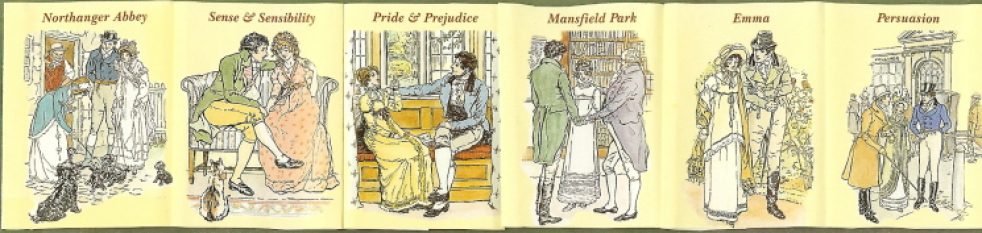

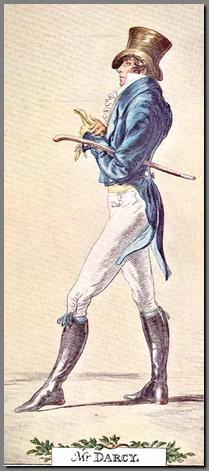


 Susannah Fullerton is President of JASA, and author of Jane Austen – Antipodean Views, Jane Austen and Crime, A Dance with Jane Austen, and her latest Celebrating Pride and Prejudice: 200 Years of Jane Austen’s Masterpiece – note that the UK title of this work is Happily Ever After: Celebrating Jane Austen’s Pride and Prejudice (Frances Lincoln, 2012).





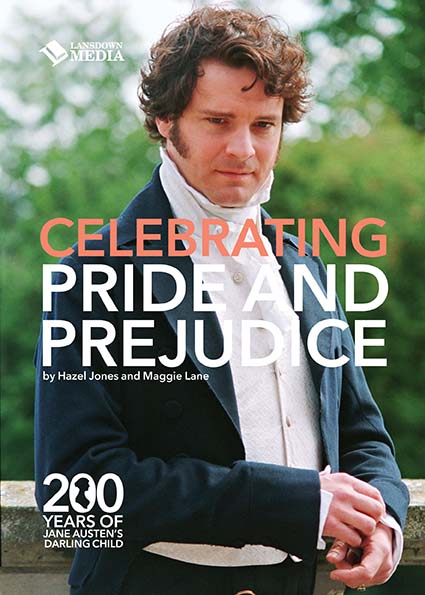
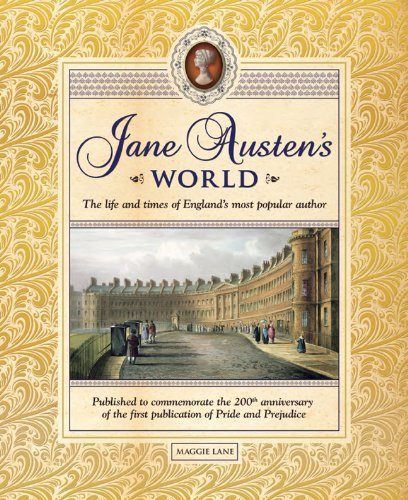


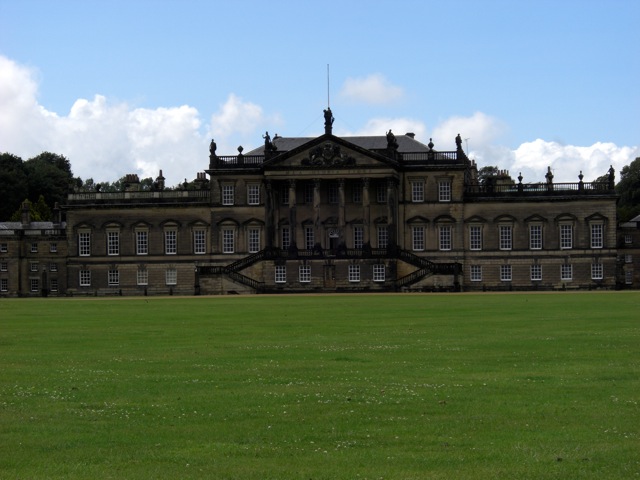

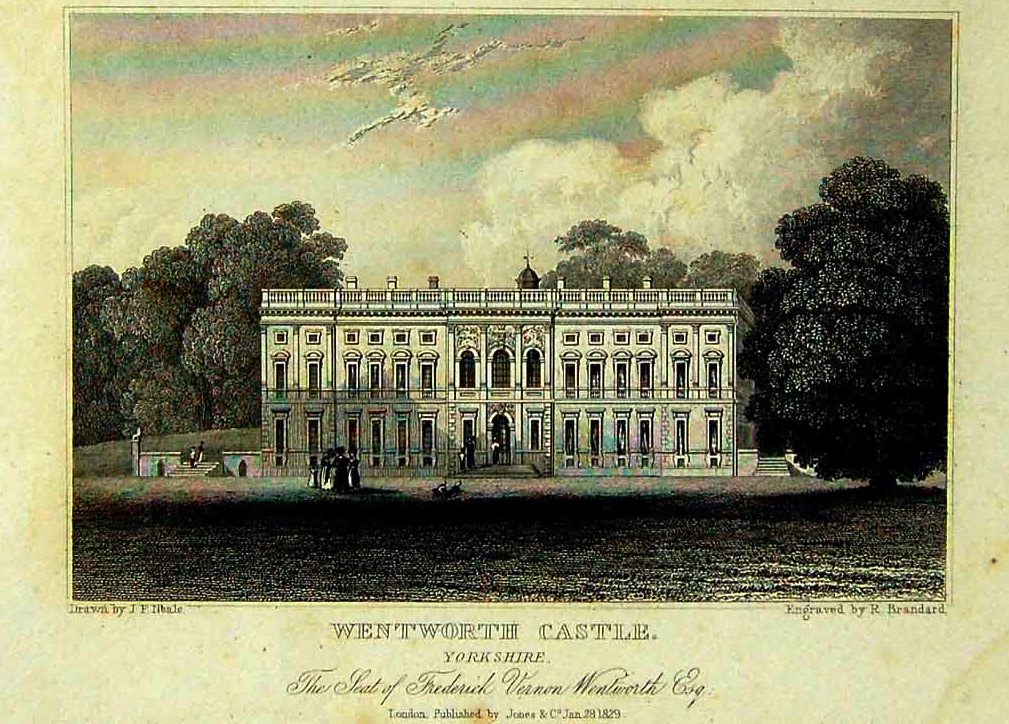
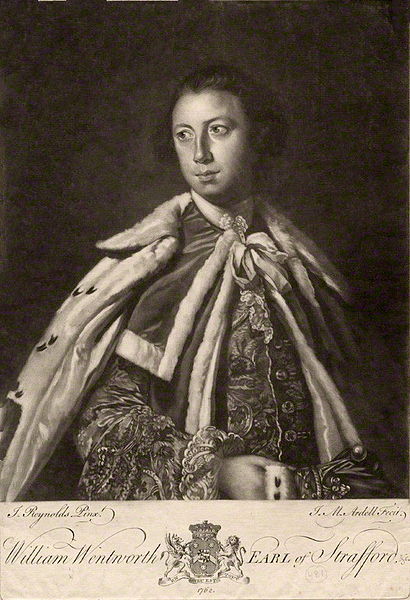





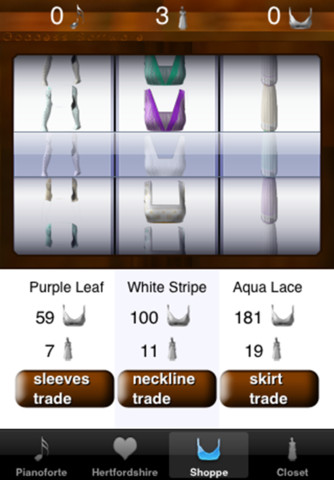


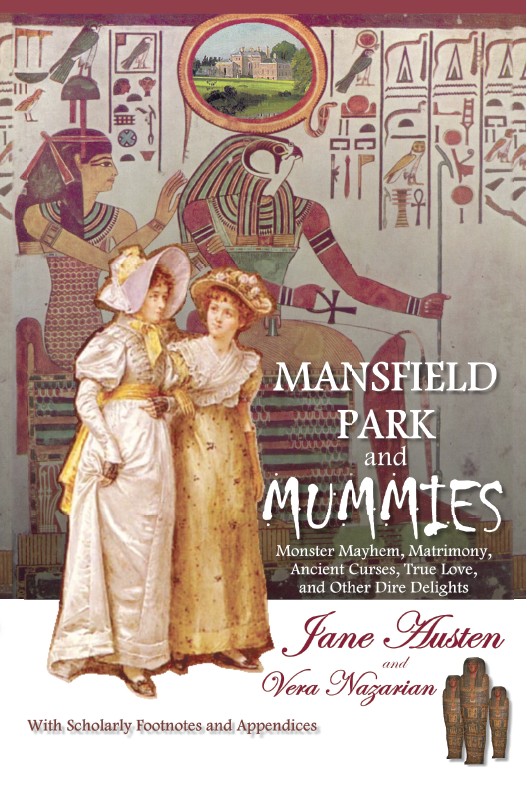


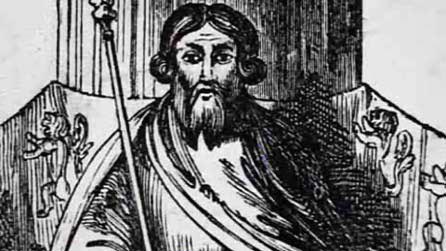


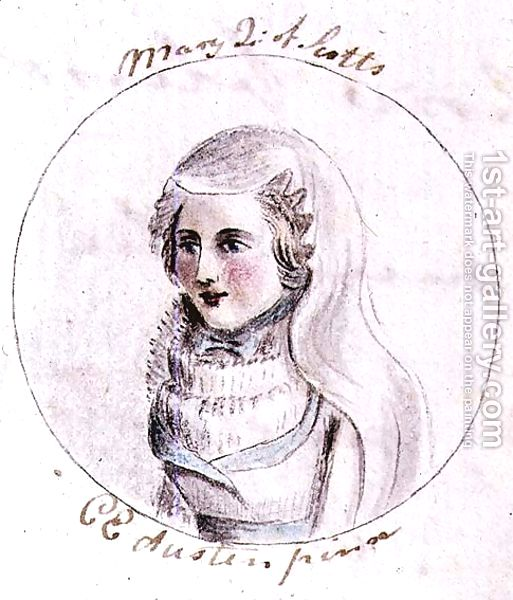
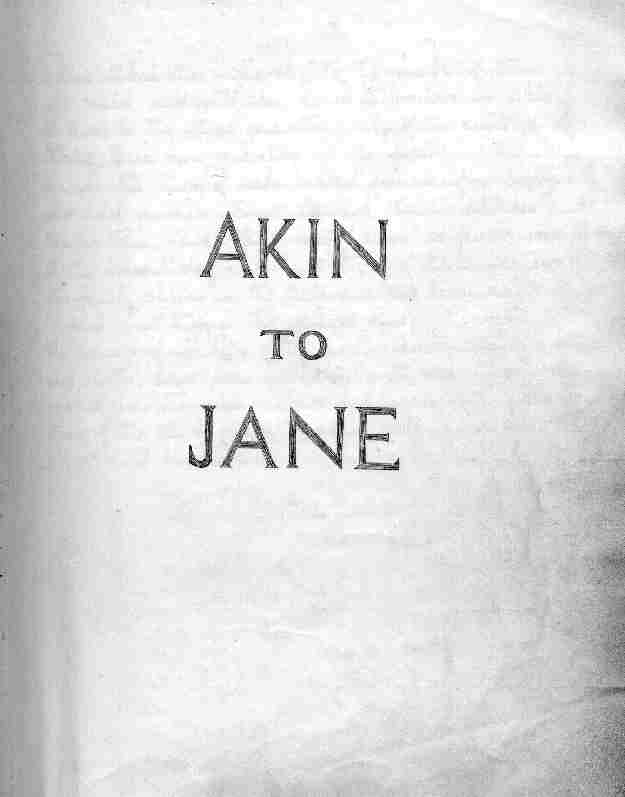


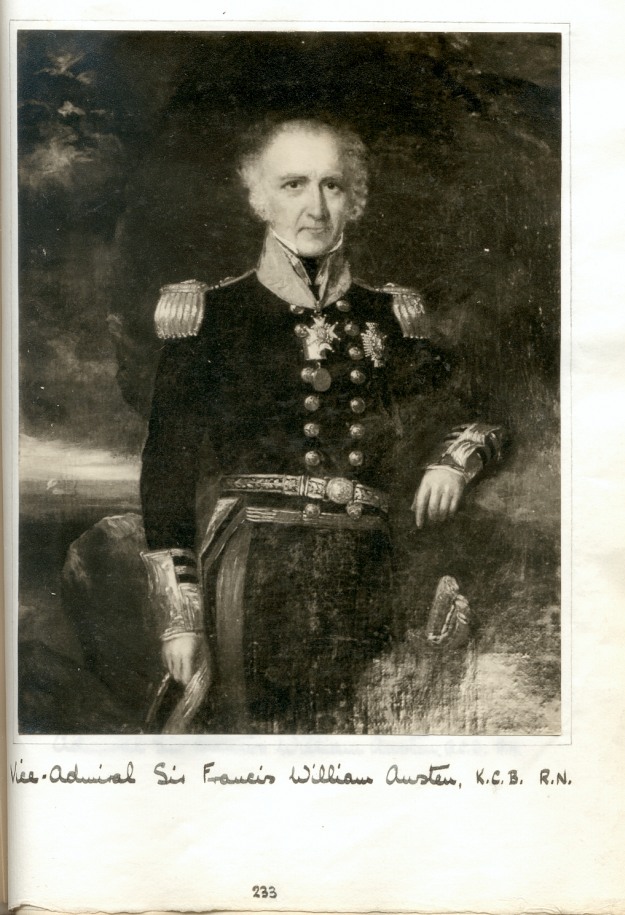
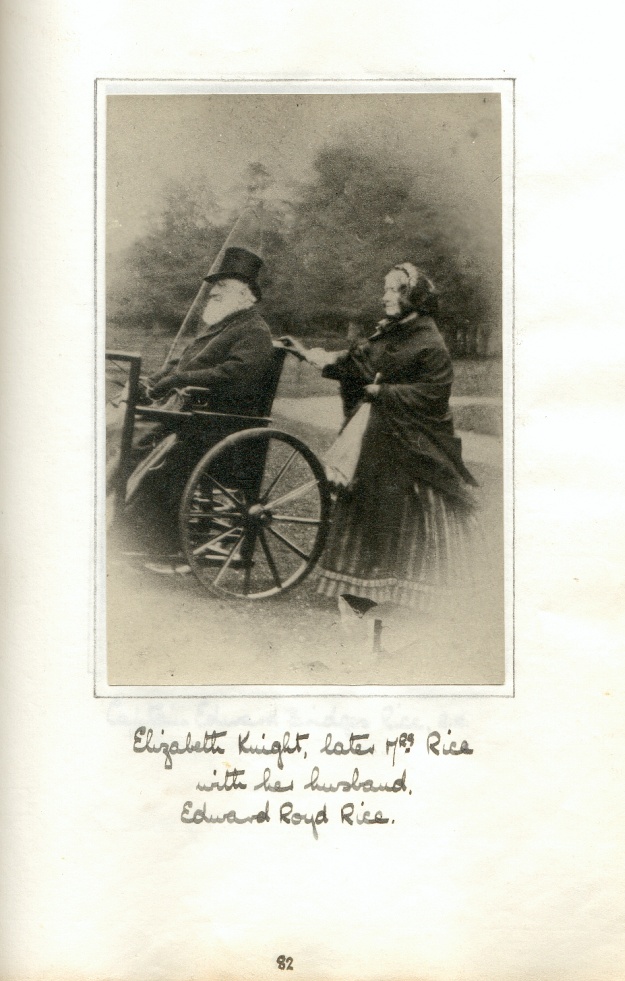
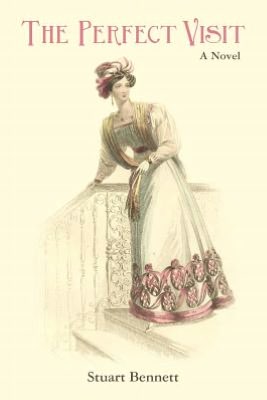

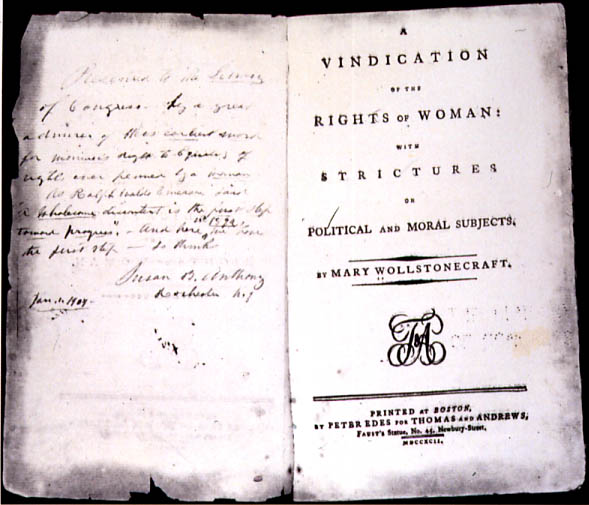
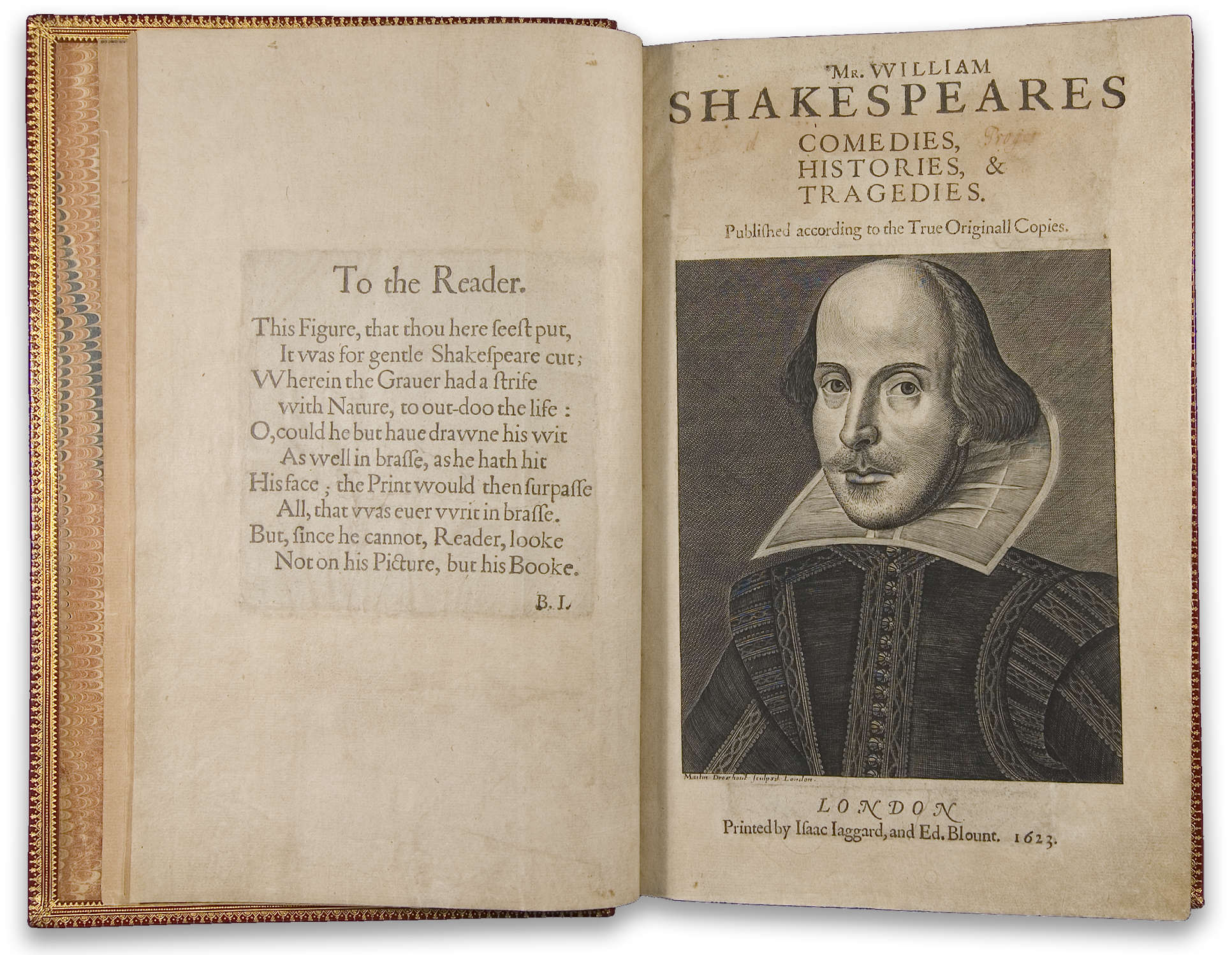
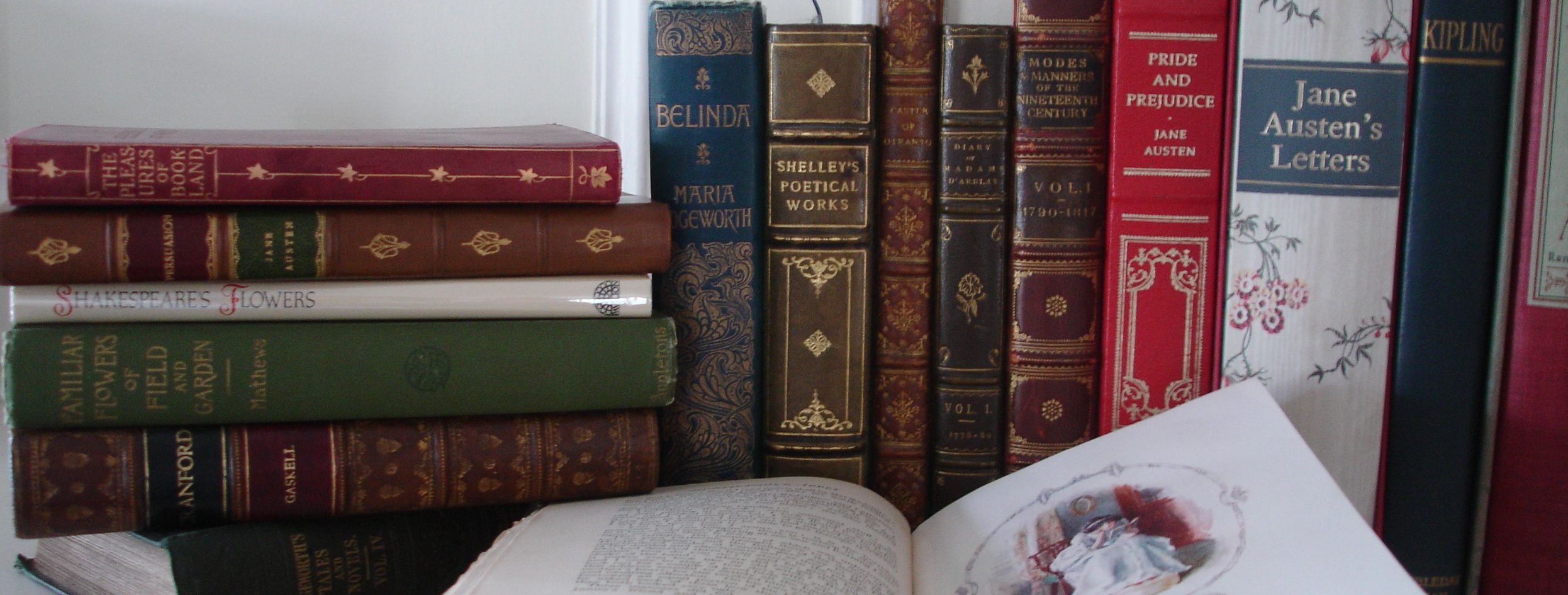
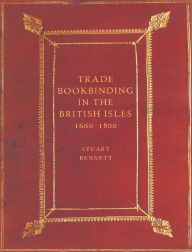




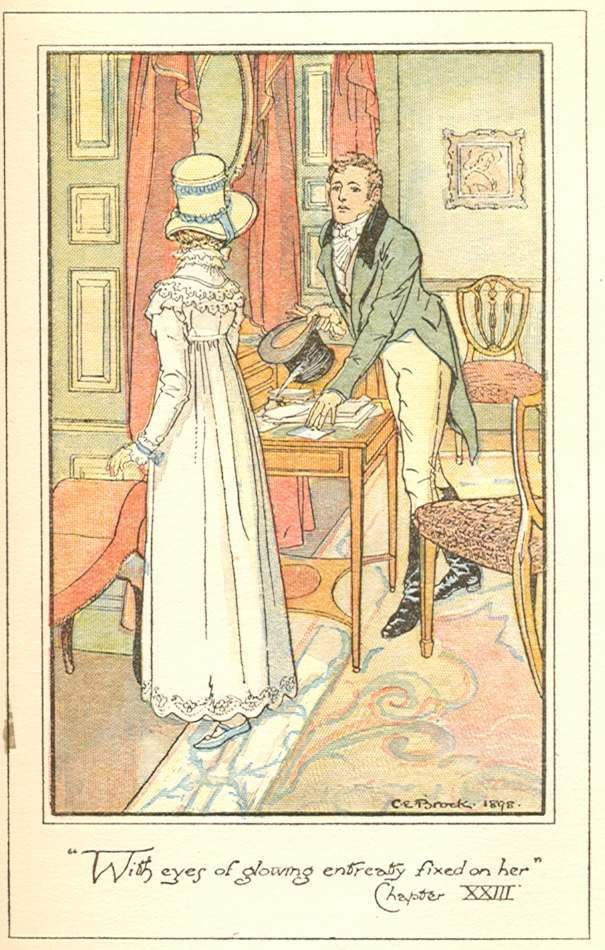
 Jane Austen in Vermont