Austen Literary History & Criticism · Author Interviews · Books · Collecting Jane Austen · Georgian England · Georgian Period · Great Britain - History · Jane Austen · Literature · Regency England · Social Life & Customs

Interview with David Shapard, Author of the Jane Austen Annotated Editions!

Gentle Readers: David Shapard, author of five annotated editions of Jane Austen’s novels – all but Mansfield Park, which is due out next year – will be joining the JASNA Vermont Region next week at the Burlington Book Festival. He will be speaking on “The World of Jane Austen and her Novels,” offering us a peek into the society of early 19th-century England that dominates her novels, with a focus on the position and customs of the controlling landed elite, and the role of women in this society.  I welcome David today for a Q&A about his love of Jane Austen and his excellent annotated editions. If you have any questions for him, please do comment at the end of this post – but better yet, if you are in the area next weekend, please join us at his talk – Saturday September 20, 2014, 1:30-2:45 at the Fletcher Free Library, 235 College St, Burlington VT. [for more info: September 2014 flyer]

 ********* 

So welcome David – thank you for being so gracious in answering all my questions! 

annot-S&SJAIV: To start off, why do you think Jane Austen still speaks to us 200 years after she first published her Sense and Sensibility in 1811? 

DS: I think Jane Austen interests us partly because she is so good, i.e. quality will out. I believe she is the best novelist in the English language, and that gives her a bedrock appeal, one she has had for a very long time (even if she has not always been the object of as much enthusiasm as today). With her you have well-constructed plots, brilliantly delineated characters, interesting and profound themes, and superb language – meaning excellence in all the major elements of a novel. One symptom of this is the variety of reasons people have for appreciating Austen: people, in giving their reasons, have cited, among other things, her comedy, her poignant romances, her keen insight into human psychology, her careful depiction of society, and her moral messages. With so many strong elements, she can appeal to an array of tastes and interests. Another reason is that, even though her novels are set firmly within her own time, she was looking at many matters that transcend that time. Her focus is on basic matters that people always have to deal with, whom to marry, how to relate to other people, how to judge right and wrong, how to cope with the difficulties of life. Her characters personality traits, feelings, relationships, and moral dilemmas are all ones that are still frequently found today, so the insights and lessons presented in her novels can still ring true today.

JAIV: Whatever got you so interested in Jane Austen to first take on annotating Pride and Prejudice (in 2004)? 

DS: I had long loved Jane Austen, for many of the reasons described in my previous answer. But there were several precipitating factors that spurred me to attempt an annotated version of her novel. In the six months or so preceding the decision I had begun to read and sometimes participate in an online forum devoted to Jane Austen, The Republic of Pemberley. This, in addition to being very enjoyable, helped me appreciate how much interest and discussion even very specific points in Austen could generate. That eventually gave me the idea of doing a running commentary on her novels, in which various passages would be examined and elucidated. One feature of Austen is that she is a very subtle author, who makes many of her points quietly and unobtrusively; she also is one who is especially good in the details. For this reason the standard format for analysis of a novel, an article or book examining it as a whole, and looking at the overall theme, would inevitably miss much of what makes her so worth reading. But these elements could be brought out through a more minute analysis of the entire novel. At that time this idea was simply one for the indefinite future. But soon after events occurred that convinced me that I was unlikely to procure a annot-P&Ppermanent, full-time position teaching at a college or university, the profession I had been pursuing for a number of years. I decided to turn to writing, which I had long seen as my principal alternative. I had a longstanding idea for a book, but work on it soon persuaded me that it was the great idea I had earlier thought. While casting around for other ideas I suddenly thought again of my Austen project. I had seen annotated versions of other classic works, and liked them. I also knew there was a large market for anything related to Austen. So I decided to try this, and I quickly realized that I had made an excellent choice.

JAIV: We think so too! ~ Which novel is your favorite? And why? And did your favorite change after your in-depth readings and the historical research?  

DS: Mansfield Park is my favorite overall. I like what I consider its density, the many story lines and the many different complex subjects it explores. At the same time, while the plot is very eventful, it does not rely at all on improbable coincidences, as others of Austen do to some degree. Finally, it has four different characters – Fanny, Edmund, Mary, and Henry – whose inner life is shown, who change over the course of the novel, and who experience serious inner conflicts. In other Austen novels there are only one or two characters about whom that could be said. This has not really changed because of my doing the annotated books. The main change that brought about was simply to increase my appreciation for each one; this was especially true for the four I consider her strongest, Pride and Prejudice, Persuasion, Emma, and Mansfield Park (I am only part way through doing the last).

JAIV: Why the long gap before the next annotated edition came out, Persuasion in 2010? And when does Mansfield Park come out? 

DS: I had first done Pride and Prejudice because I knew it was by far the most popular. I held off doing others until I knew how well it did, and it took a number of years before it succeeded. I wasn’t able to sell it initially, then I self-published it, then somebody at Random House noticed it and approached me about signing with them. After that came out, and did well, my editor there approached me again about doing the other Austen novels. Mansfield Park will come out next year, probably late in the year. The gap between it and the previous one, Northanger Abbey, is the result of my having devoted much of the last year to working on a special enhanced version of Pride and Prejudice that is designed for an iPad. It comes out in a few weeks, and I am very excited about it, but it has significantly delayed Mansfield Park.

annot-EmmaJAIV: Does Jane Austen get anything wrong? 

DS: She got very little wrong. All I have noticed is a mistake on a date of a letter in Pride and Prejudice, and two specific events, one in Emma and one in Sense and Sensibility, that are probably wrong, based on what I have read about the history of the time. There are also at least a couple places where a quotation from a poem or other writing is off. But that is really a remarkable record, especially when you consider that she didn’t have a large library to consult for quotations or other references.  

JAIV: What do you think of the films? – do you have a favorite? Any that you find completely appalling? 

DS: I like the films overall. They are no substitute for reading the novels, since much of what is in there cannot be shown on film. But the films can do things the novels cannot, such as show houses and carriages and costumes, as well as specific places. That is something I have also done in my books, and the visual adaptations go even further in that direction. It is also nice to see the characters brought to life by real people, even though I inevitably judge them according to how well they correspond to the characters in the novel and often find them wanting, at least in certain respects. In terms of favorites, I would probably say the Sense and Sensibility written by Emma Thompson. I also like the Persuasion with Amanda Root and the Pride and Prejudice miniseries with Jennifer Ehle and Colin Firth. I did not like overall the series of TV adaptations that appeared a few years ago, and I thought the Mansfield Park of that series was the worst of any adaptation I have seen.

JAIV: Oh! I agree with you there, though the Persuasion with Anne running around the street in a panic while reading the annot-P&PCaptain’s letter is embarrassing to watch as well!  ~ Tell us something about your writing process: when and how? 

DS: I usually start by reading through the novel several times, and as carefully as possible; while doing so I note any possible point I might wish to make or passage I wish to explore further or think about. I also listen to audio versions with the same purpose in mind, for I find that in hearing it I sometimes notice things I don’t notice when simply reading it. Then for the historical references, which is what requires the most effort, I organized all the points or topics I want to look at by subject matter, and start reading, or rereading, various books related to those topics. I also, at some point, read through commentaries on the novel to see what additional insights they offer, re-examine Austen’s letters and other biographical material to see what’s relevant there, and look at the words I might need to define; I use here a pre-existing list of words with different meanings in Austen’s time, supplemented for what I may have noticed in addition through my reading. As I do all these things I often go ahead and write the annotations appropriate to what I’ve just found. When all that is done I begin to go through the book chapter by chapter and insert whatever points have not been made. After that it’s just a series of reading over again and making corrections, by myself and by my editor, until the text is finally settled, and also adding other material like illustrations and maps.  

JAIV: How do you think your annotated editions compare to the Harvard University annotated series that began in 2010 with P&P [their Mansfield Park is due out in the Fall of 2015, edited by Deidre Lynch] 

DS: I am not that familiar with these other annotated versions. I know they are in hardcover and are significantly larger (and therefore also more expensive); they also have some color pictures. In terms of the content, my sense is that they have fewer annotations. In the case of the one that I have read, the Pride and Prejudice, it does have fewer annotations overall. Some of its annotations, especially definitions of words, are similar to mine. The principal difference is that it focuses less on historical background – there are definitely fewer annotations there – and more on literary interpretations. It has a number of annotations that explore debates between different literary scholars regarding points in the novel, something mine does not do.  

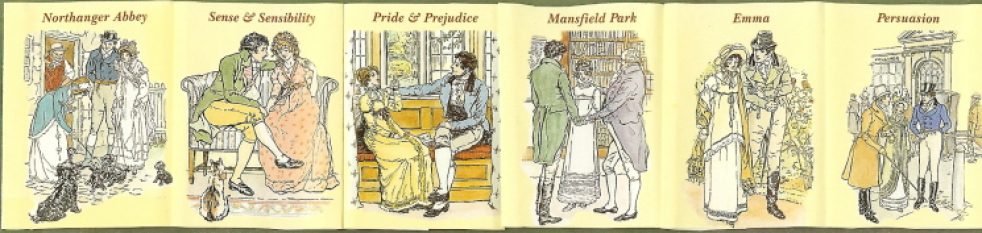
JAIV: The covers for each work: did you choose them yourself? – and the idea of annotating them is a very good one – gets the reader right intoannot-NA ‘reading the annotations’ mode! 
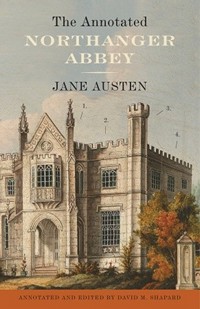
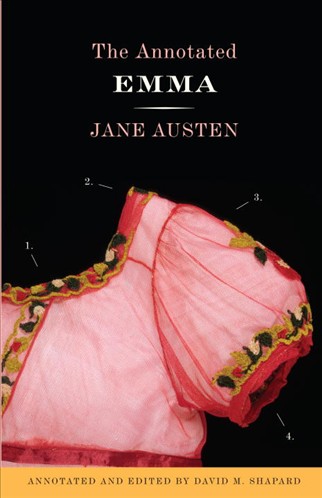
DS: The publisher comes up with the cover, along with the overall design, though they always show it to me for my approval. They had the idea of doing annotations for the cover, but I am the one who comes up with the annotations themselves. That is also part of the process of agreeing on a cover picture: it has to be one that I think will be suitable for annotating.

JAIV: I know you mention “plot disclosures” at the beginning of the book to alert readers that some of your notes might contain “spoiler alerts” – did you get complaints about that when the first edition of your P&P first came out?

DS:  Yes, I did get some complaints about my first edition of Pride and Prejudice. I had envisioned the book being used by many people as a reference, one they would turn to whenever they were curious about a specific point; thus I didn’t worry so much about plot spoilers. But it seems that most people have simply read it through, as with most books, and that many are reading the novel for the first time. As a consequence, I have tried harder in later editions to avoid giving anything significant away. That has constrained me in some respects, because important points about a passage often relate to something that happens later, but I think it’s worth it to avoid spoiling the surprise for the reader. The one important exception here was in Emma: it centers around several mysteries, especially one big one, and I felt that a valuable feature of an annotated edition would lie in showing how all sorts of apparently minor and innocuous actions take on a completely different significance in light of what we find out in the end. So in the case of the annotations for those passages, I put “CAUTION: PLOT SPOILER” at the start to warn off any first-time readers who wished to preserve the surprise.

JAIV: Are you a book collector? And Jane Austen in particular? – if so, what is your favorite edition of any of her works, and why? 

DS: I like to buy books and I have a large library, but I am not a collector in the sense of seeking out rare or special editions. The editions of Jane Austen I have used are those that are most scholarly and authoritative: these are an Oxford edition that first came out in the 1920’s, and the even more exhaustive Cambridge editions (with many notes of their own) that have come out within the last decade. Oxford-Chapmanset-covers-dcb JAIV: You are nearly done with annotating the six novels – what’s up next? Will you annotate the minor works or any of the Juvenilia?

DS: I am close to being done with annotating the novels. It is possible the publisher will also want to do enhanced editions of other Austen novels; I’m sure that will be determined by how well the Pride and Prejudice about to appear does. I have thought about annotating other Austen works, but I am not sure if there is sufficient demand for that. I also have a few ideas for novels of my own, some related to Jane Austen. But right now I am keeping my options open and waiting to see what develops out of my existing books.

Brochure

Huntington Library Regency Exhibit

JAIV: Why do you think the modern reader should have a better understanding of the society of the Regency Period? and can the reader still enjoy Jane Austen without having to read annotated versions?

DS: I think that understanding the Regency period helps greatly in understanding Jane Austen. Of course, millions of people have enjoyed and appreciated Jane Austen over the years without having any particular knowledge of her period, beyond what they could pick up from the novels themselves. I know I was in that situation when I first read her. So such knowledge is in no way a precondition. But I think that if one understands the historical background, all sorts of important events in the novels become much clearer and more comprehensible, and all sorts of particular details, ones the reader probably passed over without much thought, become significant. The story then springs to life in a variety of new ways.

*************

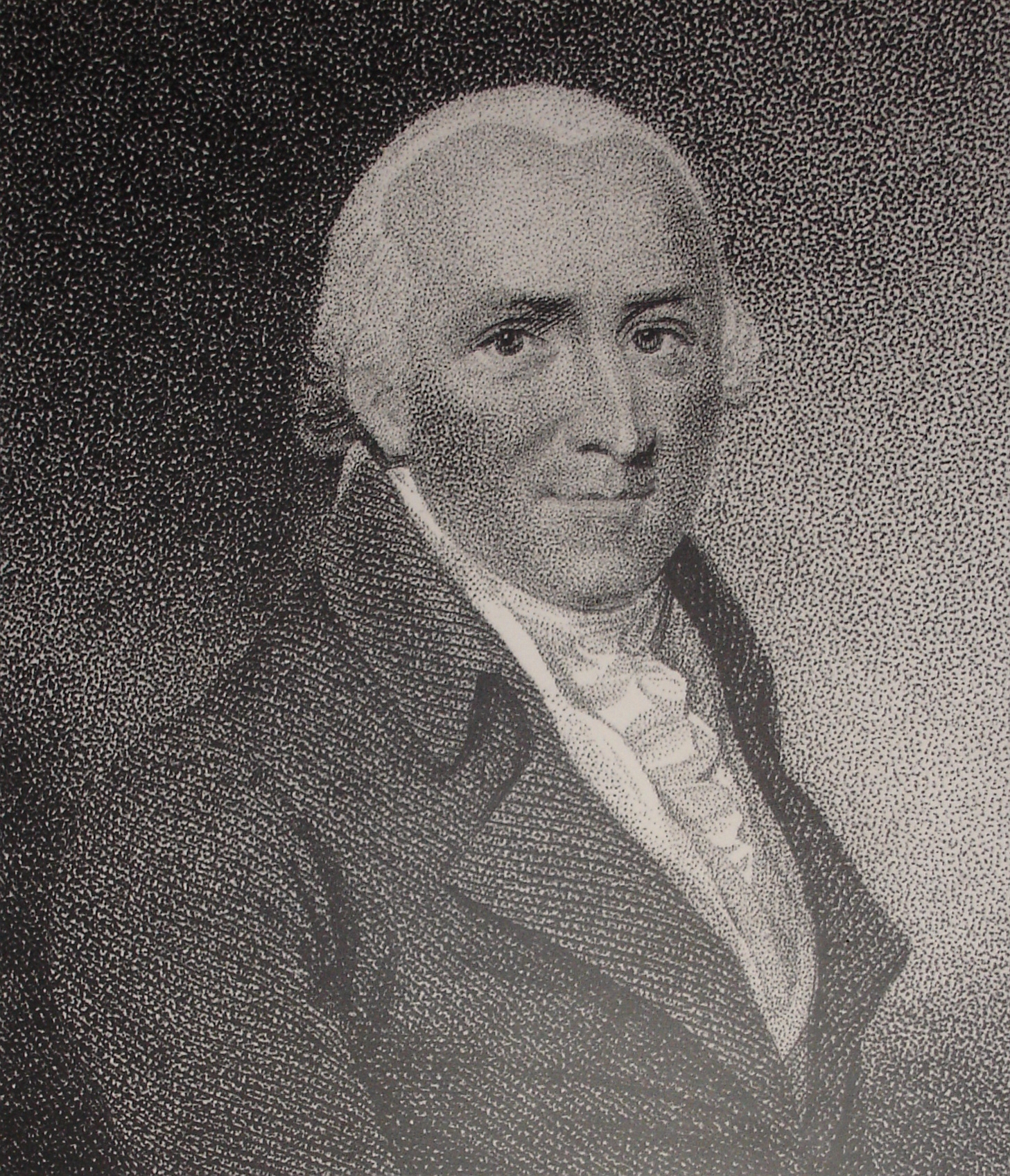
David M. Shapard (c) Michael Lionstar

Thank you David again for joining us here at Jane Austen in Vermont! We look forward to welcoming you to the real Vermont next weekend, where there will be an opportunity at the Book Festival to purchase all your Jane Austen annotated editions and have you personally sign them! I will also add here that David will be the leader on a tour next spring to Jane Austen’s England. The trip will be through Edventures, a tour group that offers educational trips to many parts of the world – or as they say, “Edventures – Adventure Travel That Educates.” You can read more about it here: http://goedventures.com/ – and click here for the flier with details: Huber-Jane Austen 2015 Itinerary April 21 Any questions for David? – please comment below! Further reading:

c2014 Jane Austen in Vermont
Austen Literary History & Criticism · Fashion & Costume · Georgian Period · Great Britain - History · Jane Austen · Jane Austen Popular Culture · Regency England · Social Life & Customs

Immersed in Sense and Sensibility! ~ the Jane Austen Summer Program at UNC-Chapel Hill ~ Guest Post by Margaret Harrington

Dear Gentle Readers: Today I welcome Margaret Harrington, a member of JASNA and happily for us, the Vermont Region. Margaret recently returned from her immersion in Sense and Sensibility at the Jane Austen Summer Program at UNC Chapel Hill, June 12-15, 2014. She shares with us her thoughts with pictures – looks to have been a delightful adventure!

**************

The Jane Austen Summer Program at UNC ~
Sense & Sensibility Revisited”

by Margaret Harrington, JASNA Vermont member

 one

Jane Austen’s juvenilia play “Jack and Alice” given a lively performance

[Note: JASP has graciously made this production available online – you can view it here:
http://janeaustensummer.org/2014/06/30/2015-jasp-video-of-theatricals-jack-and-alice/ ]

**********

I experienced blissful immersion in Jane Austen’s novel Sense and Sensibility during this four day conference at the University of North Carolina, Chapel Hill. From the gracious reception at the UNC Friday Center throughout the days and evenings of serious enjoyment, I conclude that this was a wonderful personal adventure. There were lectures, teas, regency dancing, a play, movies, intense conversations about Jane Austen, and some thunder storms. The conference offered study of the book itself, provided insight into the culture in which it was written, and even gave a pleasant glimpse of one or two aspects of contemporary culture in the American south.

two
A warm welcome from Emma, Emily and Rachel at the UNC Friday Center

 three

‘Elevenses’ of clotted cream and scones dished up by Gisele Rankin of JASNA North Carolina

four

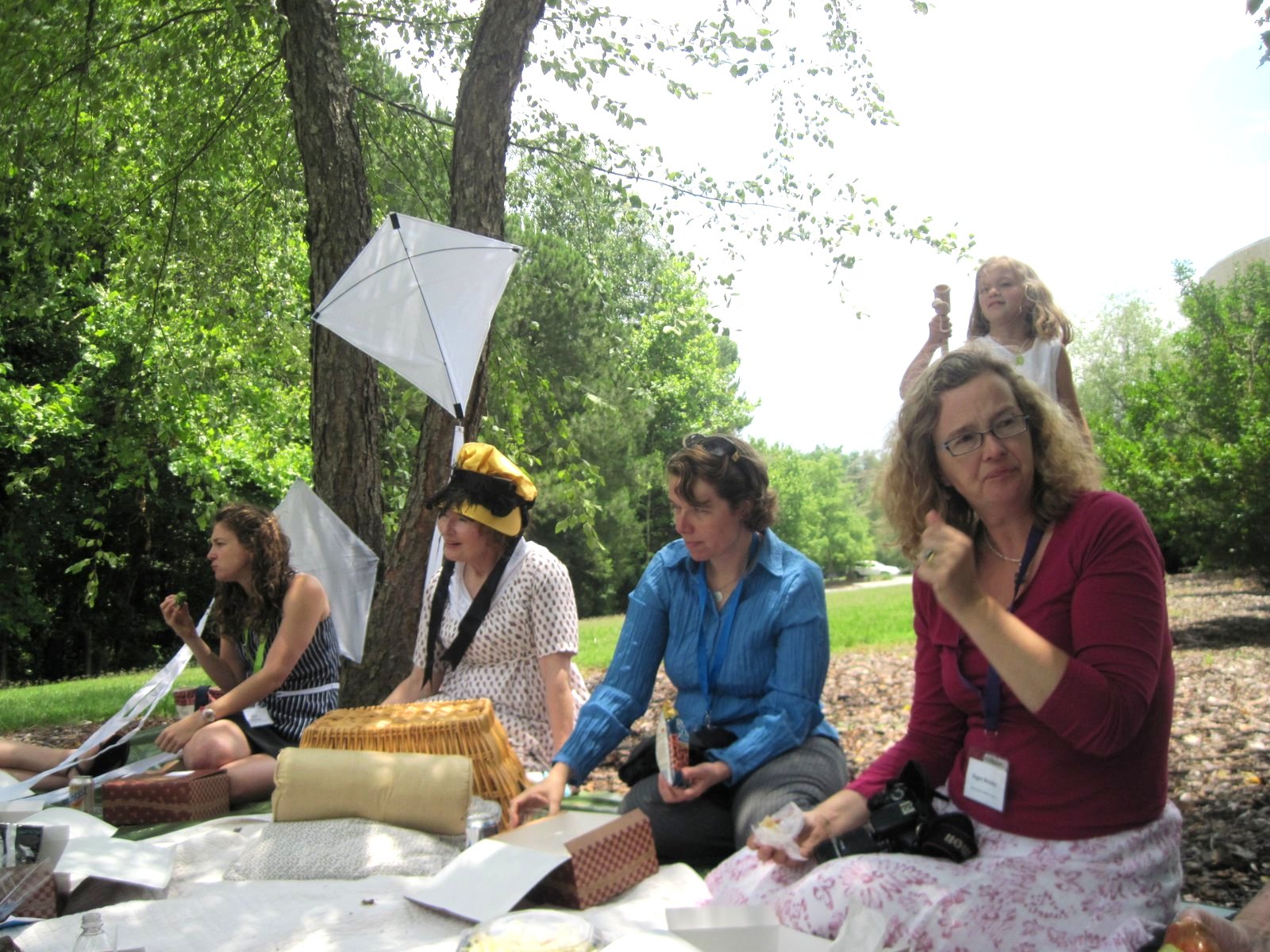
 Lunch on the lawn with kite flying and shuttlecock

five

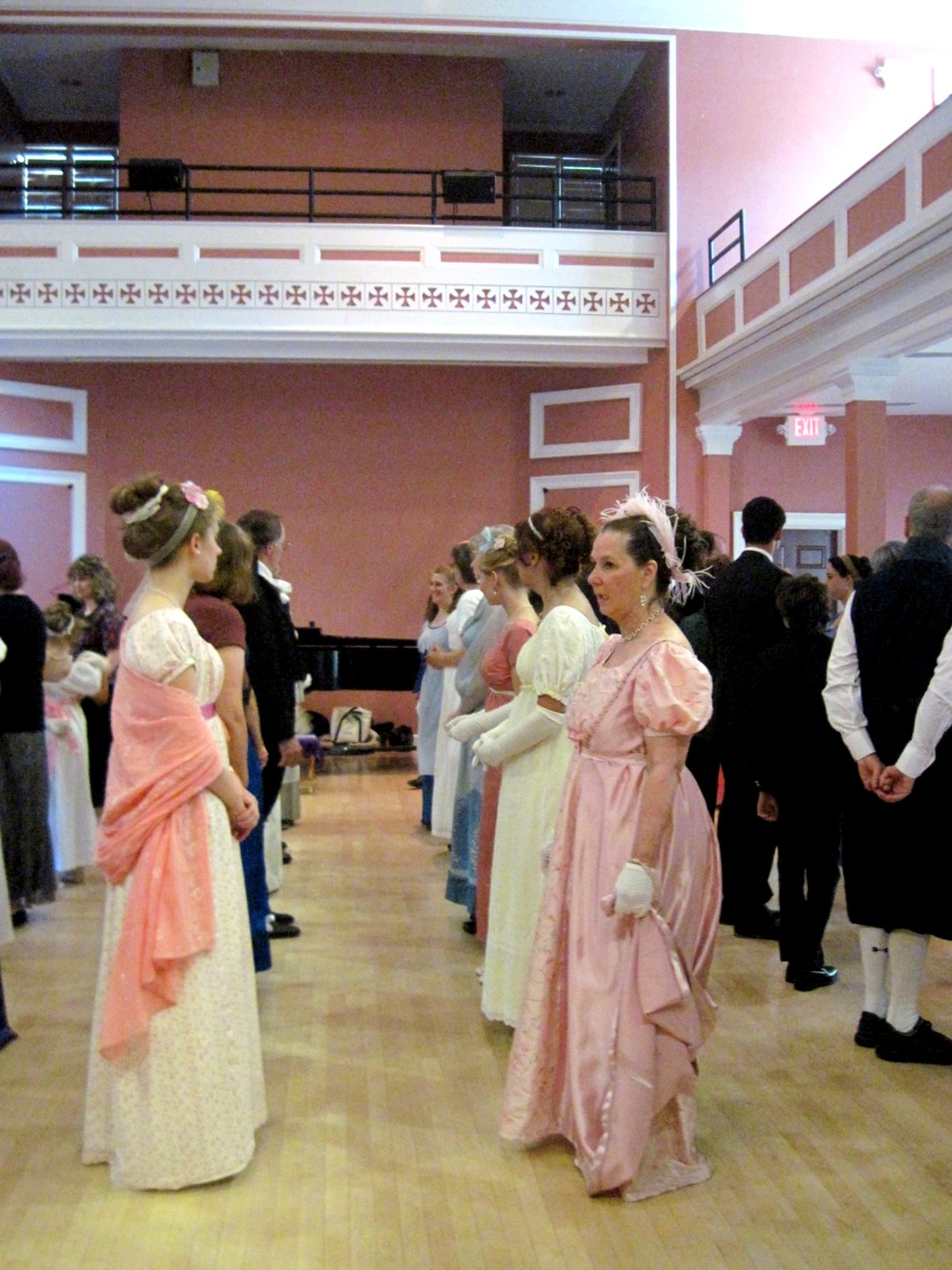
The ‘Sense and Sensibility’ Ball at Gerrard Hall, UNC

six

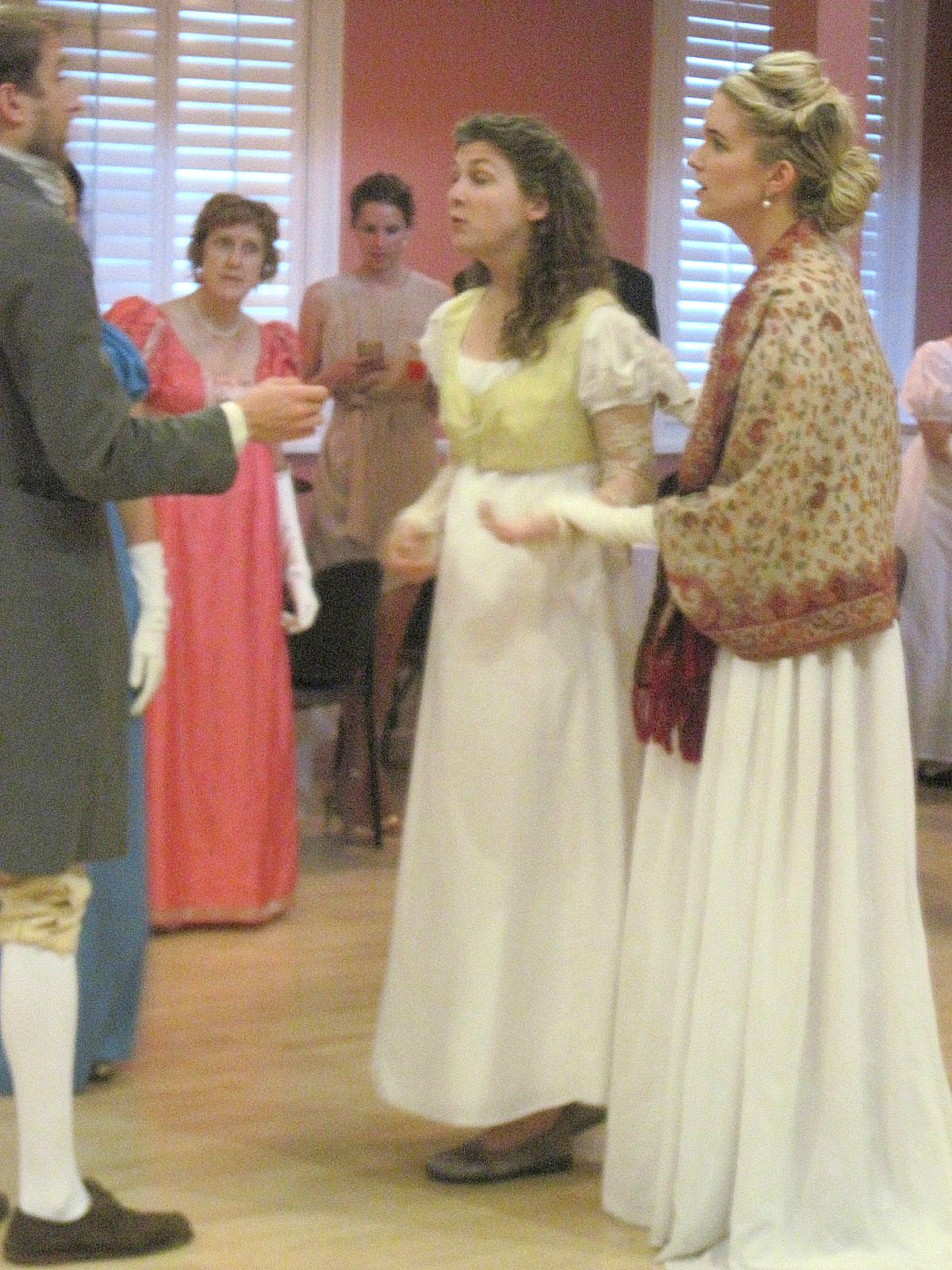
 Drama at the Sense and Sensibility Ball

************

seven

Dr. James Thompson of UNC-Chapel Hill co-hosted the event and set the tone for the conference as both formally educational and informally warm and welcoming.


eight
Inger Brodey

The initial lecture by his co-host Dr. Inger Brodey, also of UNC-Chapel Hill, entitled “Making Sense of Sensibility” placed us in the Regency world of the philosophers and other writers who influenced Jane Austen’s concepts. I gleaned from this opening lecture that to interpret the novel as a dichotomy between sense and sensibility or as a tension between the two mind sets of Marianne and Elinor is to limit perception.  Professor Brodey opened up a whole world of ideas which were accessible to Austen and evidenced in her writing and showed me that Sense and Sensibility has a richness of texture I had not been aware of prior to the lecture.

In fact the days were planned to deepen understanding of the novel with 15 minute context corners on the subjects of Law and Inheritance, Childhood and Education, Medicine and Illness, and the Clergy and the Church. These were followed with 45 minute Context Response sessions during which we, the participants, exchanged ideas. Then of course there were ‘Elevenses’ with scones and clotted cream. There were boxed lunches on the lawn with kites, battledore and shuttlecock as period entertainment. There were dance workshops to prepare us for the Regency ball. There was an amusing and informative lecture by Colgate University Professor Deborah Knuth Klenck on: “Jane Austen’s School of Rhetoric: Style, Substance and ‘Delicacy of Mind.’”


nine
Jade Bettin, UNC-Chapel Hill, demonstrates (on a willing participant) the way to corset up properly during her lecture “‘But he talked of flannel waistcoats’: How Clothing Makes the Men and Women of S&S.”


ten

 Ruth Verbunt of the North Carolina Regency Assembly after her insightful talk “Mourning in the Time of Jane Austen”

[see also their facebook page: https://www.facebook.com/regencyassembly.ofnorthcarolina ]

***************

Dr. Robert Clark, University of East Anglia, Norwich, England, author of The Literary Encyclopedia, was an amazing speaker in the two lectures he gave to expand and deepen our understanding of Sense and Sensibility. In the first he concentrated on the economic facts that drove Jane Austen’s world, such as The Inclosure Act of 1773, which diminished the number of people who could own land to under 500 in all of England, entitling an oligarchical society to the prestige and privileges Austen’s characters scramble so hard to hold onto in her novels. In his second lecture entitled “The White Glare of Bath,” Professor Clark made Jane Austen’s playground of intrigue, balls, and shopping come alive up from the ground in the white stones and mortar and rubble that savvy developers offered to the rich for their recreational homes. In his remarkable lecture I could see Jane Austen moving about Bath, shopping and promenading, visiting, plotting her novels.

eleven

 Dr. Robert Clark relaxes a moment after his talk on Bath

***********

All in all my experience was totally wonderful and I’d recommend it to Janeites everywhere. Next year’s conference is entitled “Emma at 200.”

Imagine that!

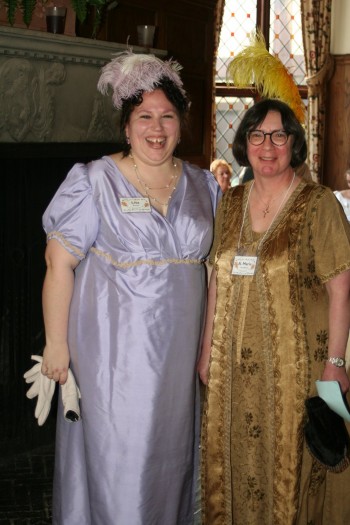
I leave you with a picture of Janeite Maureen O’Connor who attended the conference from far away Brooklyn and dressed authentically for every occasion:

Maureen O'Connor
Maureen O’Connor

Text and images by Margaret Harrington, with thanks!

I suggest we all mark our calendars now for next June 18-21, 2015! info is here: http://janeaustensummer.org/

 c2014, Jane Austen in Vermont
Austen Literary History & Criticism · Book reviews · Georgian England · Georgian Period · Great Britain - History · Jane Austen · Jane Austen Circle · Movies · Social Life & Customs

Belle: The Slave Daughter and the Lord Chief Justice, by Paula Byrne – A Review

Laurel Ann’s review of the book “Belle” by Paula Byrne – I highly recommend it…

Laurel Ann Nattress's avatarAustenprose

Belle by Paula Byrne 2014 x 200From the desk of Laurel Ann Nattress: 
Commissioned by the producers of the new movie Belle, acclaimed biographer Paula Byrne aims to reveal the true story behind the main characters in the movie: Dido Elizabeth Belle, the illegitimate daughter of a captain in the Royal Navy and an African slave, and her great-uncle, William Murray, 1st Earl of Mansfield (1705-93) and Lord Chief Justice of the King’s Bench. Belle: The Slave Daughter and the Lord Chief Justice is both a companion volume to the popular movie and a time capsule into the turbulent abolition movement in the late eighteenth-century England.

Inspired by the 1779 portrait of Dido and her cousin Lady Elizabeth Murray, screenwriter Misan Sagay has written a compelling story based on facts she first learned of while visiting the 2007, Slavery and Justice Exhibition. Dido and Elizabeth were Lord Mansfield’s wards and raised together at…

View original post 1,048 more words

Fashion & Costume · Georgian England · Georgian Period · Great Britain - History · Jane Austen · Jane Austen Circle · JASNA-Vermont events · Regency England

Jane Austen in Vermont ~ The Royal Navy and the Prince Regent visit Burlington

Lisa & Marie
Lisa & Marie

With hearty thanks to Lisa Brown for sharing her love of the Royal Navy with us Vermont Janeites, and to Marie Sprayberry for telling us of her shared-with-Jane rabid dislike of the Prince Regent and why, and displaying examples from her Georgian era royal collectibles – a most delightful day, despite the intense heat of Burlington’s heat wave and the Fletcher Free Library’s air conditioning on the fritz… [I have now successfully subjected our members and guests to one freezing December Tea where the computerized heating system refused to cooperate and we listened most intently to the two speakers, quietly shivering in our winter coats; and now the reverse of overheating the same members and guests with no air and loud fans in the skylight heated Pickering Room – as one guest bravely noted – “it was all a cost-free day in a sauna” ] – I find I have some control over these meetings, but alas! minus zero control over the weather and heating / cooling system snafus – I do apologize and thank you for your tolerance and good grace as an audience…

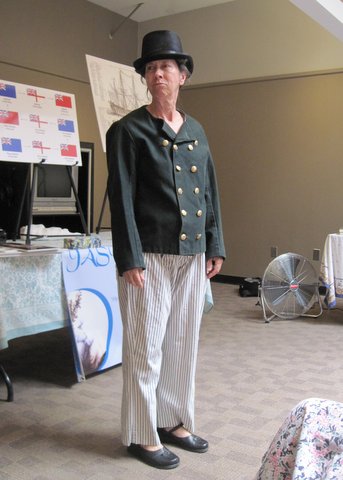
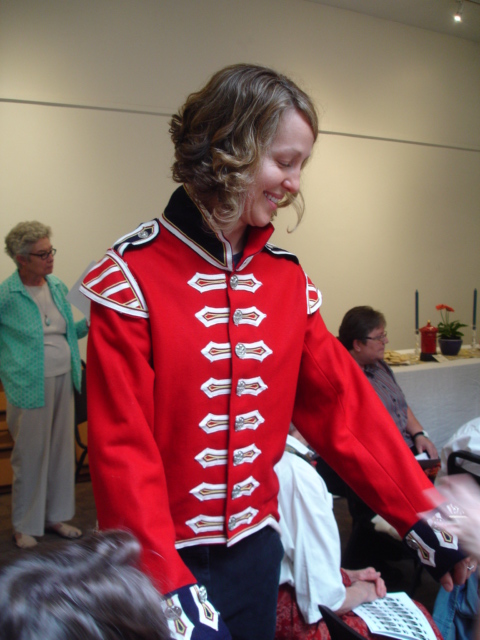
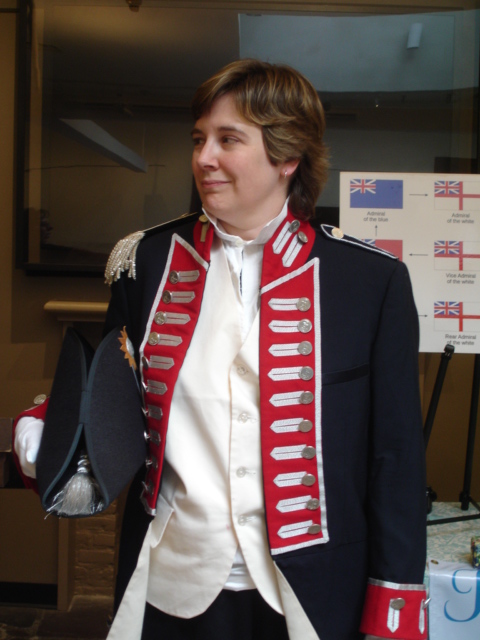
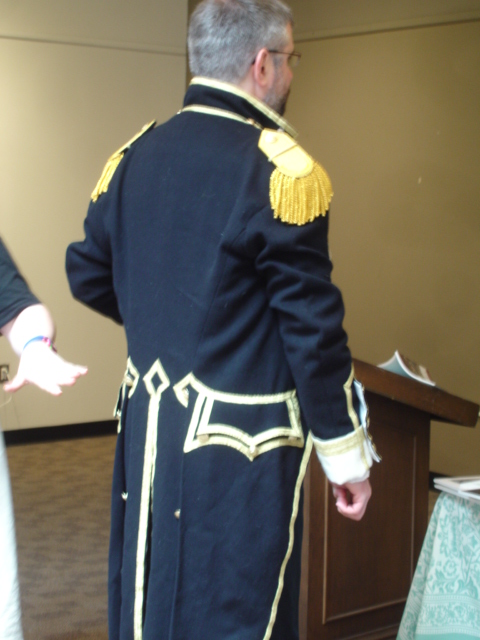
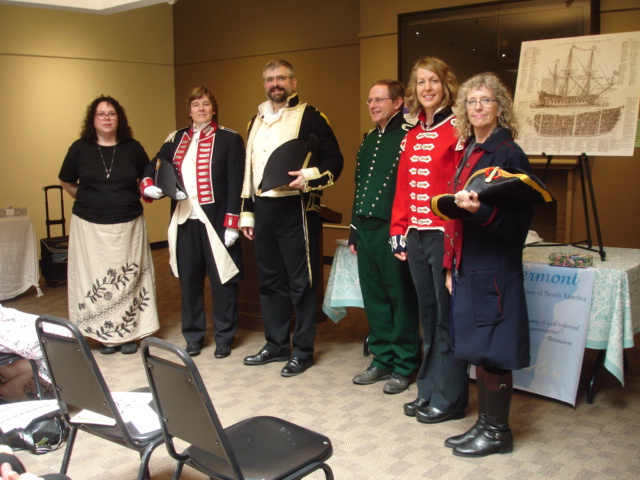
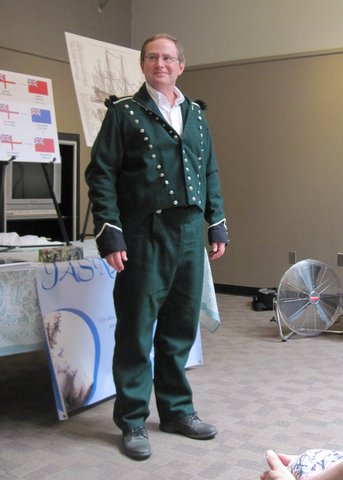
That said, extra kudos go to the models who courageously wore their wool-clad Royal Navy uniforms with elegance and style, as they paraded for us samples from Lisa’s wonderful collection.  Here are a few pictures with descriptions of each, with thanks to our fearless models for being such good sports:

able seaman-MH

 Marilyn as appropriately clad “able seaman”
[photo: c2014 M. Harrington]

IMG_3639

Jim in the green Sharpe’s uniform of the “95th Rifles”
[see: http://www.95thrifles.com/history-95th-p1.html ]
[photo: c2014 M. Harrington]

Jess-red

Jess and her redcoat from the Royal Welch Fusiliers

 Carol-USNavy

Carole in the blue and red uniform as a “US” Navy Lieutenant during the Revolutionary War

 Jay-rearIMG_3647

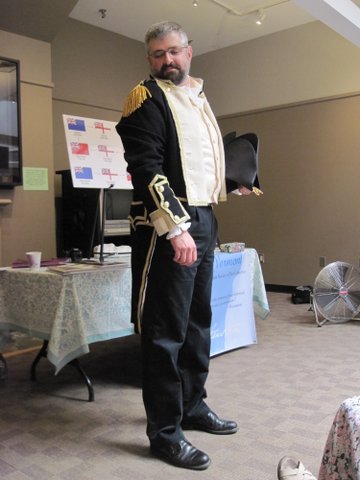
 Jay [a.k.a. Captain Wentworth] in an 1812 Royal Navy Captain’s uniform, deservedly admiring his epaulette
[see: http://collections.rmg.co.uk/collections/objects/71310.html ]
[top photo c2014 M. Harrington]

****

DSC00051

And a group shot of us all with Lisa (minus the able seaman, who had left to swab the deck), and with yours truly in the quickly donned uniform of a French Navy Lieutenant.

 *************************

Marie’s talk on the Prince Regent was cut short near the end by the heat and near fainting attendees, which was too bad as we were all quite taken with her chat on the dastardly Prince and his wicked ways – you can read the rest of her talk here in Persuasions-OnLine 33.1 (2012):

“Sex, Power, and Other People’s Money: The Prince Regent and His Impact on Jane Austen’s Life and Work” http://www.jasna.org/persuasions/on-line/vol33no1/sprayberry.html

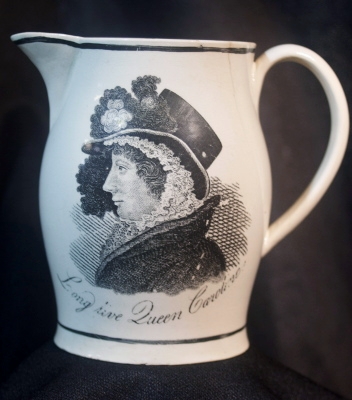
sprayberry-fig-6a-caro-jug

 “Long Live Queen Caroline!” ceramic jug (1820)
[from the collection of A. Marie Sprayberry and Edward R. Voytovich;
photo by E. Voytovich] [see the POL article for more images of Marie’s collection]

****************

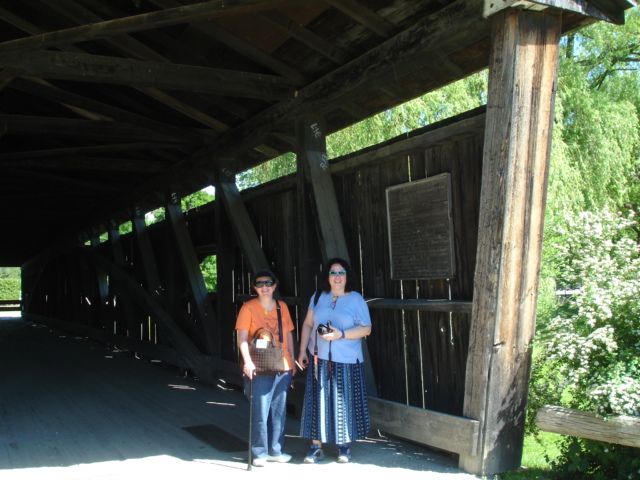
All in all a great day, with a great audience, and a fun weekend with Marie and Lisa, here cavorting about at the incomparable Shelburne Museum… Marie (left) and Lisa (right) on a Vermont covered bridge:

DSC00030

DSC00016

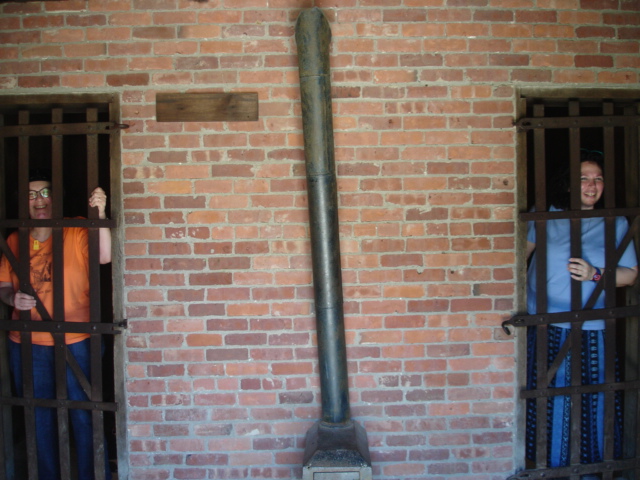
 Gaoled JASNA Regional Coordinators Marie and Lisa (hoping to be released in time for the Montreal AGM]

[All images c2014 by Deb Barnum, unless otherwise noted; and with special thanks to Margaret Harrington!]

  c2014 Jane Austen in Vermont
Georgian Period · Great Britain - History · Jane Austen · JASNA-Vermont events · Regency England

You are Cordially Invited … the JASNA Vermont Region: All About Jane Austen and the Royal Navy, and the Dastardly Deeds of the Prince Regent!

austen silhouette

Our Next Meeting!

June 8, 2014

You are Cordially Invited to JASNA-Vermont’s June Meeting 

A Peek into Jane Austen’s Regency World 

Lisa Brown

“‘Of Rears and Vices I Saw Enough’~
The Royal Navy in Mansfield Park and Persuasion

and A. Marie Sprayberry

“Sex, Power, and Other People’s Money ~
The Prince Regent and His Impact on Jane Austen’s Life and Work” 

Sunday, 8 June 2014, 1:00 – 3:30 p.m.

Fletcher Free Library, Fletcher Room
235 College St, Burlington VT

********

Lisa & Marie
Lisa & Marie

Lisa Brown will present an enlightening talk on how the Royal Navy figures in Mansfield Park and Persuasion. We will learn about the uniforms, the ships, the rating system, prize money, and more; as well as discover how very knowledgeable Jane Austen was about the Royal Navy because of her brothers’ involvement. Various uniforms will be on display – but, alas! without a Captain Wentworth in sight!

A. Marie Sprayberry investigates why Jane Austen wrote of the Princess of Wales in 1813: “Poor Woman, I shall support her as long as I can, because she is a Woman, & because I hate her Husband.” The Prince Regent brazenly personified the three themes of sex, money, and power – as long as the money was someone else’s! But did Jane Austen have particular reasons for disdaining him? And how might her views of the Prince have influenced her work? Photos of contemporary royal commemorative china and medals will illustrate the talk, all from Marie’s collection.

*Lisa and Marie are co-regional coordinators of the Syracuse Region; Lisa also co-chairs the Rochester Region, is an ECD teacher, owns a Regency era costume business, and has given various talks on the Royal Navy and Regency fashion; she works as a proof reader. Marie has spoken to JASNA on the Prince Regent and will be speaking at the Montreal AGM on “Fanny Price as Fordyce’s Ideal Woman?” She works from her Syracuse home for a NYC-based publisher.

Free & open to the public ~ Light refreshments served 

You can see the event flyer here: June 2014 flyer

Hope you can join us!

c2014, Jane Austen in Vermont
Austen Literary History & Criticism · Collecting Jane Austen · Georgian England · Georgian Period · Great Britain - History · Jane Austen · Jane Austen Circle · Jane Austen Popular Culture · Regency England · Social Life & Customs

Hot off the Presses! ~ Jane Austen’s Regency World Magazine No. 69

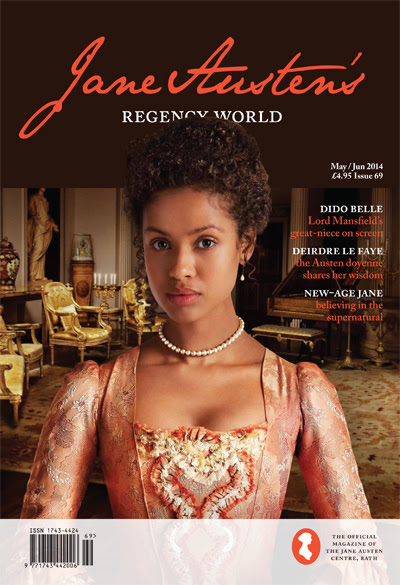
JARW69-cover
The May/June 2014 issue (No. 69) of Jane Austen’s Regency World magazine is published and is being mailed to subscribers this week.

In it you can read about:

•An exclusive interview with Deirdre Le Faye, doyenne of the Austen world, about her career as a Janeite and her new book

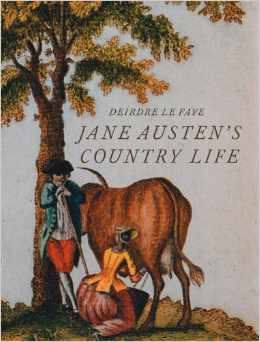
cover-lefaye

[Note: Le Faye’s new book, Jane Austen’s Country Life: Uncovering the Rural Backdrop to her Life, Her Letters and Her Novels, is due out June 1, 2014 from Frances Lincoln]

Belle, the new film about Lord Mansfield’s great-niece, is out soon

[Note: the film is released May 1, 2014; cover image is of Belle, played by Gugu Mbatha-Raw; for more information and the trailer see http://www.foxsearchlight.com/Belle/ ]

•Could an eminent harpist have discovered Jane ‘s piano tuning key?

Godmersham 1779 - wikipedia
Godmersham 1779 – wikipedia

•Glorious Godmersham: a visit to the home of Edward Austen Knight

•Adlestrop, the village that influenced both Jane and a poet

•How Georgian England was fascinated by spiritualism and the supernatural

*Plus News, Letters, Book Reviews and information from Jane Austen Societies in the US, UK and Australia

*************

To subscribe [and you should!] click here – and make sure that you are among the first to read all the news from Jane Austen’s Regency World.

 c2014, Jane Austen in Vermont
Austen Literary History & Criticism · Decorative Arts · Georgian England · Georgian Period · Great Britain - History · Jane Austen · Jane Austen Circle · Regency England · Social Life & Customs

A Visit to the Sotherton Estate in Jane Austen’s Mansfield Park ~ Guest Post by Tony Grant

Dear Gentle Readers: Continuing in my efforts to celebrate all things Mansfield Park through 2014, I welcome today Tony Grant, of London Calling fame, who writes on the visit to Sotherton, that all-important metaphor-filled dramatic scene in the novel where character is revealed, plot points are suggested, sides are taken, and where Fanny, in her usual state of aloneness, observes it all – Tony’s emphasis is on the concept of “improving” the estate.

**************

A Visit to Sotherton Court

harlestone-jasaHarlestone House, Northamptonshire, which has some of the elements of Sotherton. From Jane Austen Town and Country Style by Susan Watkins (Thames & Hudson, 1990) [from JASA website]

~

Eighteenth-century gardens were not merely intended to be pretty places for listening to birdsong and observing plants and trees. Of course you could do that if you wanted to but they were much more than that. The new landscaped gardens of the 18th century “improved” nature, reflected European landscape art of the time and were spiritual and emotional places. Jane Austen, by introducing the idea that her characters in Mansfield Park should visit Sotherton and provide suggestions for the “improvement” of the landscape, was creating a situation where individuals would be able to express their “taste,” and so reveal their inner characters. This scene in Mansfield Park is full of metaphors, which indeed an 18th century landscaped garden itself would embody. At Sotherton there is the ancient Tudor mansion, dark and sombre from the past; the ancient oak avenue, about which Fanny feels so concerned, and the wilderness.

Tom Bertram, who Miss Crawford found entertaining company, decides to take off for the races at B…… Nobody expects him to return for weeks so Maria Crawford prepares herself for a less lively time at the dining table at Mansfield Park. However, no sooner had Tom Bertram left the scene but Mr Rushworth, Maria Bertram’s betrothed, appears, just returned from his own travels to visit his friend, Smith, who has had his property Compton improved by an “improver.” Mr Rushworth’s head is full of thoughts for now improving his own estate at Sotherton. This was no light matter in the 18th century. The process involved the revealing of a person’s “taste.” The concept of acquiring taste in the 18th century was a serious matter. Young men from wealthy and aristocratic families travelled Europe on what was termed the Grand Tour to finish their education and to acquire “taste” by visiting the art galleries of Europe and visiting the houses and homes of the European aristocracy to observe all the new concepts in architecture and landscape design. The wealthy employed architects and landscape gardeners to turn their estates into examples of “taste” for them.

In the mid-18th century the social commentator George Coleman decried the great fashion of his time:

“Taste is at present the darling idol of the polite world…The fine ladies and gentlemen dress with Taste; the architects, whether Gothic or Chinese, build with Taste; the painters paint with Taste; critics read with Taste; and in short, fiddlers, players, singers, dancers, and mechanics themselves, are all the sons and daughters of Taste. Yet in this amazing super-abundancy of Taste, few can say what it really is, or what the word itself signifies.”

In Mansfield Park, it seems everybody is asked their opinion. Mr Rushworth is the only one who apparently doesn’t have a clue.

“I must try to do something with it,” said Mr Rushworth, “but I do not know what. I hope I shall have some good friend to help me.”

This is a terrible admission in the 18th – early 19th century from one who is the owner of an estate, who is wealthy, and who has apparently had all the advantages.

Miss Bertram answers him with restrained disdain,

“Your best friend upon such an occasion, said Miss Bertram, calmly, “would be Mr Repton, I imagine.”

Mrs Norris provides her view,

“Such a place as Sotherton Court deserves every thing that taste and money can do….planting and improving.”

Lady Bertram puts her view, “…..a very pretty shrubbery.”

And even, shy, mouse-like Fanny Price confidently disagrees with Mr Rushworth when he suggests that an ancient oak avenue should be cut down…

“Cut down an avenue! What a pity. Does not it make you think of Cowper? ‘Ye fallen avenues once more I mourn your fate unmerited.’”

All that poor Mr Rushworth can say meekly is, “I think I shall have Repton.”

It seems as though Mr Rushworth cannot win and the whole discussion shows him to have inferior or no taste at all. A terrible handicap.

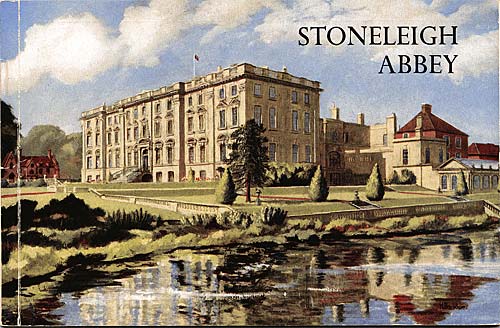
Stoneleigh Abbey
Stoneleigh Abbey

Stoneleigh Abbey, perhaps a source for Sotherton Court, especially the Chapel scene – image from a guide book to Stoneleigh Abbey in Henley, Staffordshire, printed by Wood, Mitchell and Co Ltd. ( Windows on Warwickshire website)

When everybody is at Sotherton the unsuitableness of the house and its estate is apparent:

Henry Crawford was looking grave and shaking his head at the windows. Every room on the west front looked across a lawn to the beginning of the avenue immediately beyond tall iron palisades and gates.”

There is a lengthy discussion about how they are to tour the estate. Carriages are suggested and who is going to go with whom and which horses should be used is detailed, and Mrs Norris fusses at her fussiest best:

“Mrs Norris was beginning to arrange by what junction of carriages and horses most could be done, when the young people, meeting with an outward door, temptingly open on a flight of steps which led immediately to turf and shrubs and all the sweets of pleasure grounds, as by one impulse, one wish for air and liberty, all walked out.”

And they all emerged into the wilderness. It is strange, but from this point onwards all thought of “improvements” seems to dissipate. Well, apart from one lame joke:

“Mr Crawford was the first to move forward (Where did they think they were? An alien planet?) to examine the capabilities of that end of the house.”

This is so corny. Jane must have had a chuckle to herself over that pun.

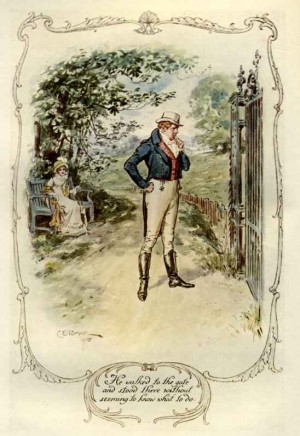
Mr Rushworth at the gate - CE Brock (Mollands)
Mr Rushworth at the gate – CE Brock (Mollands)

For most of the time in the wilderness Fanny is abandoned. She interacts, first with Edmund and Maria Crawford, when they are “clumped” together like a copse of trees; but Edmund and Miss Crawford wander off leaving her alone. Mr Crawford, Miss Bertram and Mr Rushworth then meet her, but Mr Rushworth returns to the house to get the key to let them out of the locked gate that leads from wilderness to the park beyond. Mr Crawford and Miss Bertram, impatient, wander off too and find their own way into the park and aim for a grassy knoll where they can get a better overview of the “situation.” Fanny sits worrying about everybody. There seems to be a loss of etiquette and social standards. There is a sense of the loosening of society’s usual rules. The very name “wilderness” suggests biblical references and a wild place of danger. There are unlocked doors, locked gates, iron fences, hidden barriers in the form of a ha-ha, and an open world beyond the park – a myriad of things that can be seen as psychological and social barriers as well as physical barriers.

“In the late 18th century the term ‘wilderness garden’ meant something different from what we might think of it these days in the modern world of horticulture. Inspired by the Grand Tour and the new literary form of nature poetry by Romantic poets such as Wordsworth and Coleridge, these fashionable wilderness gardens satisfied the demand for the world beyond the gate. They were tamed, but not entirely.They were a place where well-heeled ladies and gentlemen could experience a frisson from a brush with nature without ever having to stray too far from the relative safety of the English countryside. And they were a direct contrast to the formality of gardens nearer the great house where everything was managed and controlled.” [“Witley Court’s Wilderness” at English Heritage.org]

********** 

There is a wonderful example of a “wilderness” in the grounds of Hampton Court. It is not a very large area, perhaps no larger than a cricket field, and from it you can see the Lion Gate, the palace through the trees and doorways through the surrounding brick wall into the more formal gardens. It is an area comprising a web of pathways dissecting a meadow which in the spring is carpeted with bluebells and daffodils. These untamed lawns are set beneath a woodland of apparently randomly growing trees. The area is shaded and has a feel of freedom, an untamed essence.

Hampton Court (Wikipedia)


The guide book to Hampton Court says,

“The term ‘wilderness’ refers to a place to wander, rather than an uncultivated area of garden. William III would have walked through the wilderness at Hampton Court Palace with his devoted wife Mary II. It would have comprised 18ft high hornbeam hedges, with interstices planted with elm. The Wilderness was the English version of a French ‘bosquet’. The high hedges, secluded benches and winding paths made it a place where members of the Royal Court could go for privacy and where gentlemen in particular could entertain ladies in private.” 

Mr Rushworth seems to be “rushing,” to get his estate “improved,” an eagerness reflected in his wishing to marry Maria Bertram. His mother appears just as eager for him in all these aspects too. Jane Austen has chosen her character’s name carefully to fit his character. The quickest way he can think of doing it is by hiring Humphrey Repton to do all the work. This suggests that he will not and perhaps cannot contribute to the process. He wants a garden “off the peg” so to speak. Is this also a metaphor for the state of his relationship with Maria Bertram? Is she too an “off the peg” marriage? Is she too just for show? So Repton was to design his garden and Mr Crawford was to provide the requirements his future wife might want, or am I being too cruel?   If this is the case he will feel no emotional attachment to his prospective wife and nor feel ownership of his garden. He wants others to be impressed by what he has, that is all. He can throw money at these projects but no ideas.

Edmund on the other hand suggests,

“…but had I a place to new fashion, I should not put myself into the hands of an improver. I would rather have an inferior degree of beauty, of my own choice, and acquired progressively. I would rather abide by my own blunders than by his.” 

A much more independent view – Edmund would rather satisfy himself than others and not worry about their opinions. We can think of his future relationship with Fanny Price in these terms too.

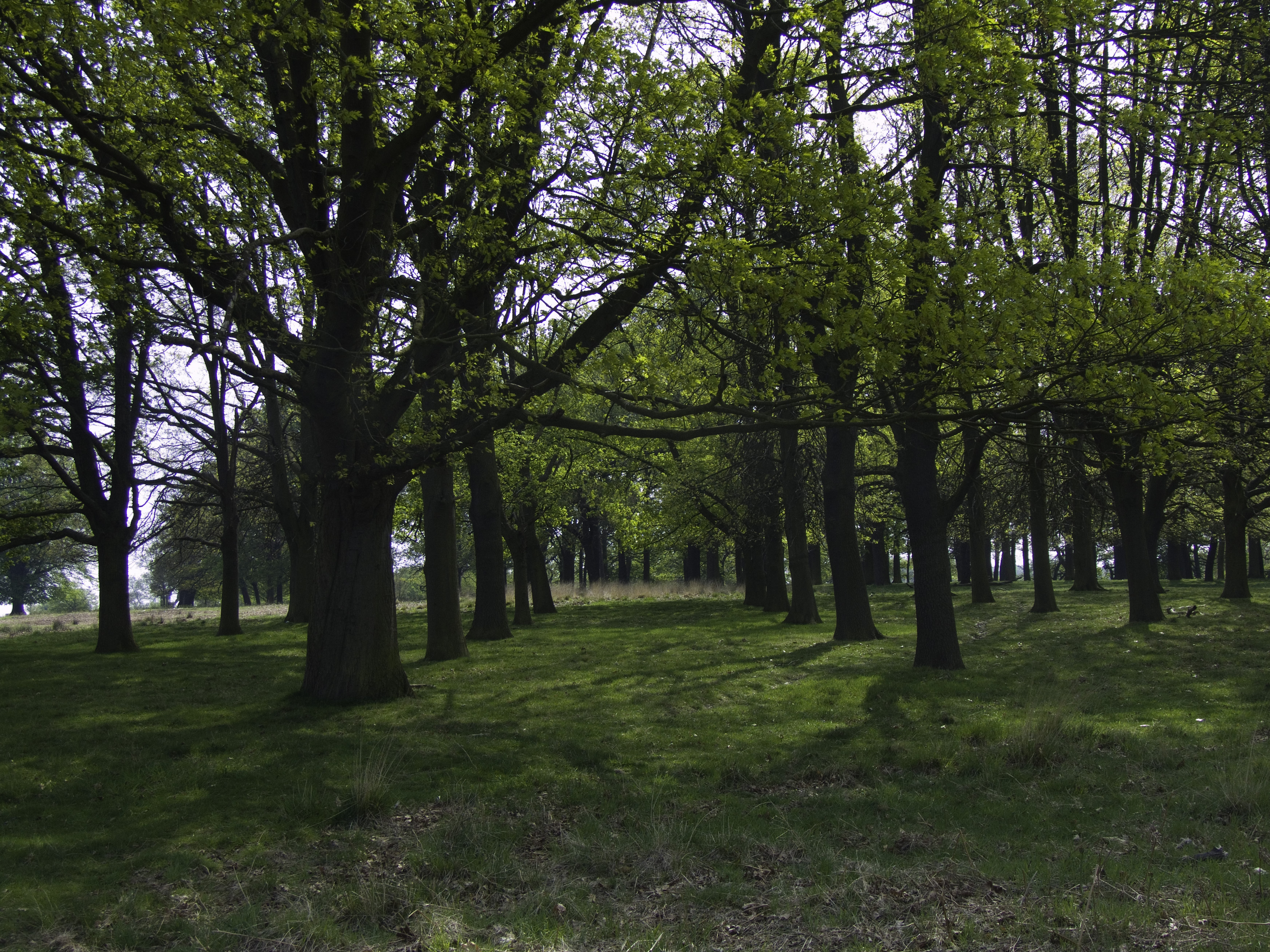
Avenue of oak trees, cTony Grant

Fanny Price, shocked at the thought of the avenue of oaks being cut down, makes a powerful request to see them, which is a surprising demand from her. We are not used to her making demands. Perhaps this visit to Sotherton marks the rise of Fanny Price and is a pointer to the future. Oak trees are ancient trees and avenues are straight and regimented. To walk down a long avenue of trees, especially in the Spring and Summer when the foliage is at its height, provides an experience of shade and light, the rustling of leaves and the sound of birdsong but you are lead into the distance along a straight path. They are a combination of natural beauty and grace but they also provide an undeviating path. Perhaps a metaphor for Fanny Price herself, unwavering in her innocence, honesty and intelligence grounded in a strong moral foundation but also a breath of natural air. It would be a shame to cut down an avenue of oaks. They take hundreds of years to grow. They span many generations. They are an historical record and link together generations. Fanny’s sense of their worth is in contrast to Mary Crawford, whose following statement is true on one level but does not take into account that the best of the past should not only be kept but built upon:

“Every generation has its improvements.”

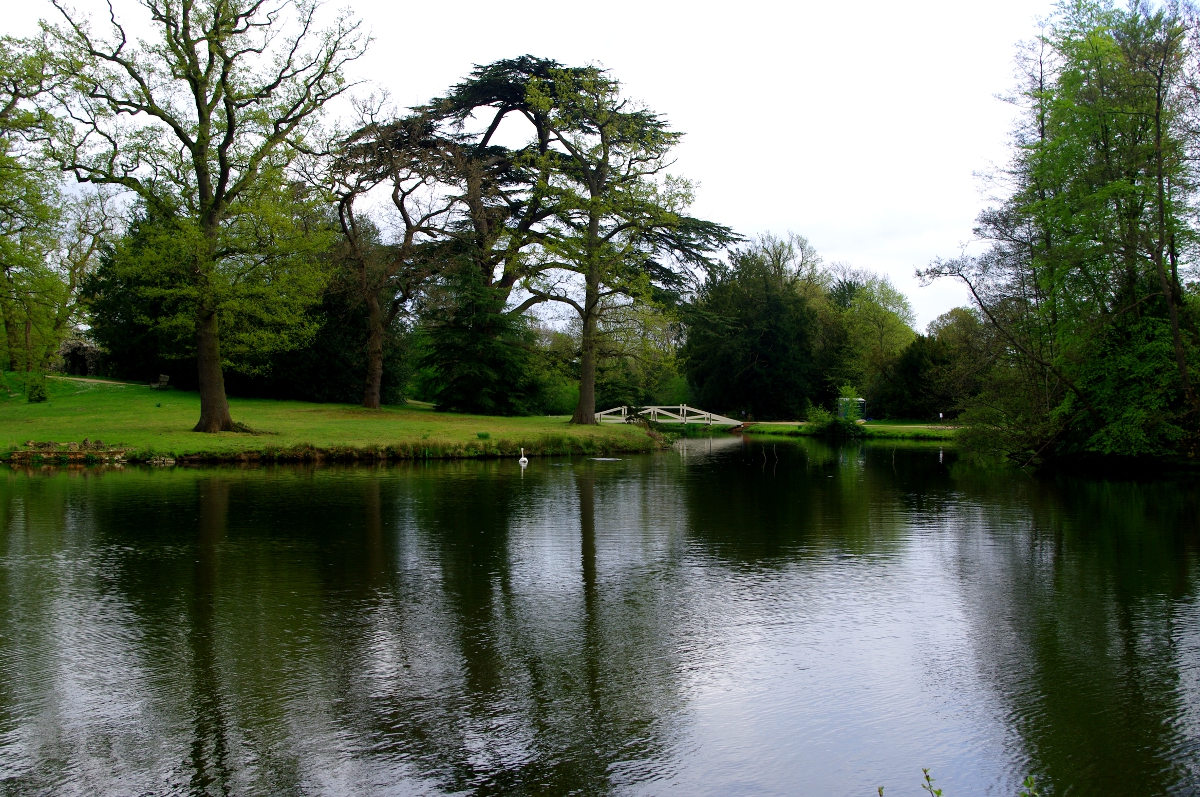
Part of the lake at Painshill Park, cTony Grant

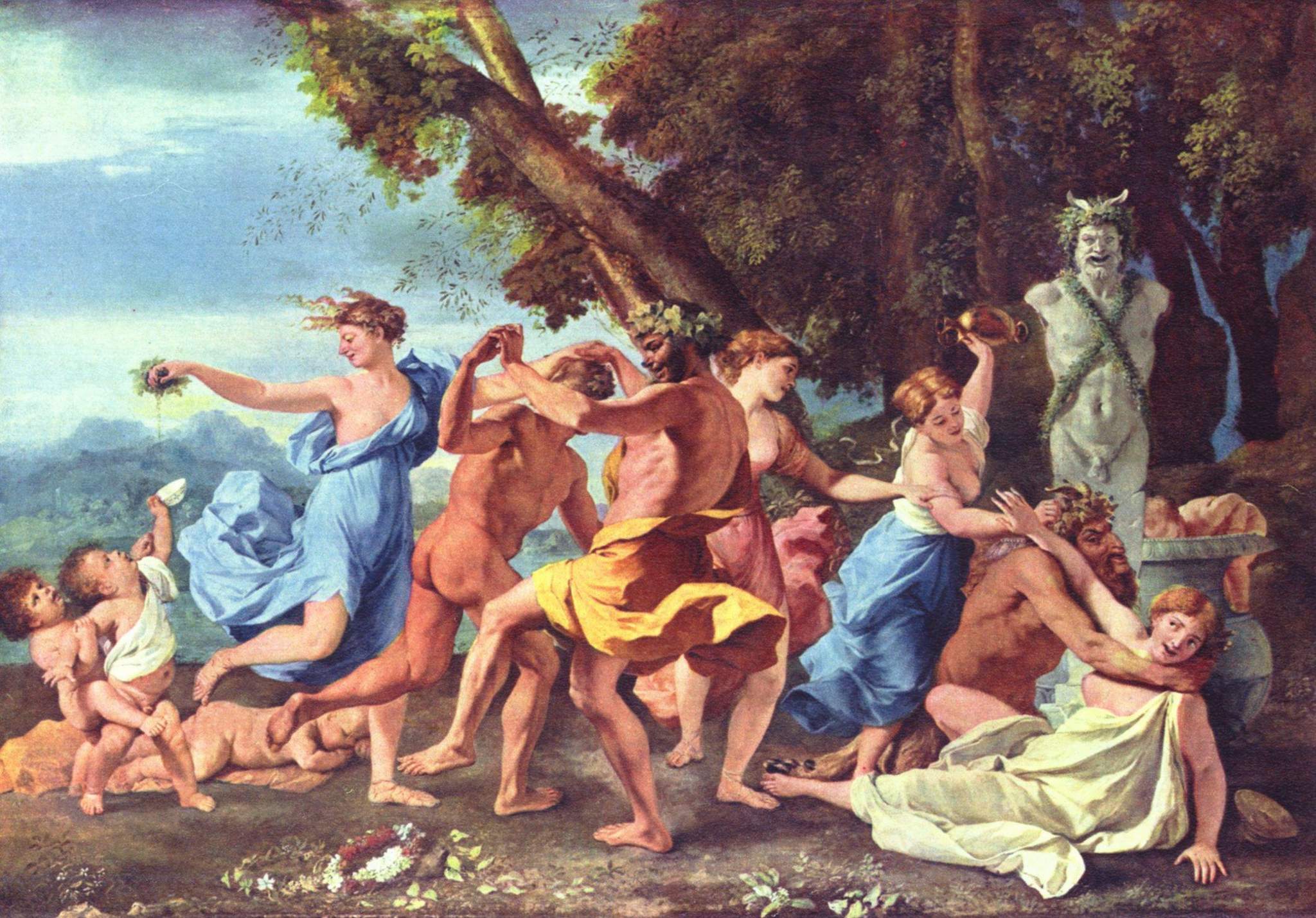
The estates of the aristocracy and the wealthy in the 18th century were places designed to provide emotional experiences. The Honourable Charles Hamilton, the 9th son of the Earl of Aberavon was born in 1704. Being the 9th son he could not hope to inherit his father’s estates but through the provision of a good education, an intelligent mind, the completion of two Grand Tours, energetic ambitions and the acquisition of some well-paid government posts, he bought land at Painshill near Cobham in Surrey. His life’s work began creating a park inspired by the European artists, Nicolas Poussin, Claude Lorrain and Salvator Rosa. He succeeded magnificently and his park at Painshill has been, in recent years, renovated and is open to the public today. He created a landscape of far vistas, an undulating landscape, a strategically positioned serpentine lake, bridges, mounds, trees and woods. He created different areas that contrived different moods formed by ruined abbeys, tall turrets, Turkish tents, Gothic temples and crystal lined grottos. From the influence of Pousin’s paintings we might conjecture about the sort of parties he held inside the crystalline grottos.

[Images: Wikipedia]

West Wycombe Park, developed by Sir Francis Dashwood 2nd baronet between1740 and 1800, leaves us in no doubt about its purpose and uses. He famously began the Hell Fire Club in the caves of West Wyckham. He too had his temples and Palladian and Neoclassical follies based on the Italian Villas he had encountered on his Grand Tour. He spent limitless amounts of money on his park and employed three architects and two landscape gardeners. He actually employed Humphrey Repton at one stage. His park included temples to Apollo, Diana and Venus. The activities that went on in these places have been recorded and were debauched to say the least.

Humphry Repton (Wikipedia)

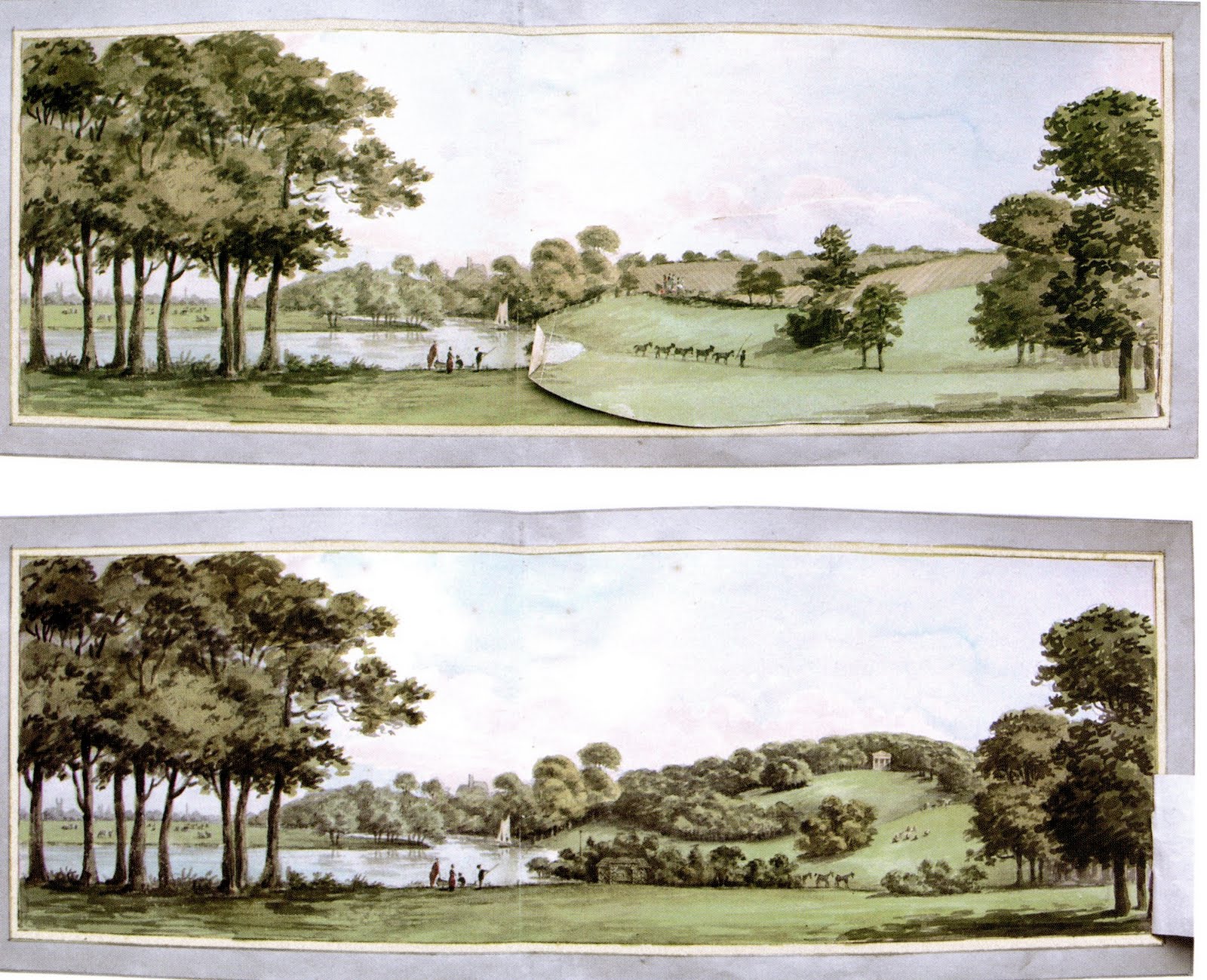
Who was Humphry Repton the gentleman who Mr Rushworth was intent on employing to “improve” the park at Sotherton? He was a gardening author and landscape designer. He began his career as a landscape gardener late in life at the age of 36 in 1788. He followed in the footsteps of Capability Brown who had died in 1783. Hence the pun that Jane makes in chapter 9,

“Mr Crawford was the first to move forward, to examine the capabilities of that end of the house.”

His basic theory, which he repeated on many estates, was to create a terrace near the house, and produce a serpentine park between clumps of woodland and lakes creating different views. He was accused of “advising the same thing at different places.” However, most of his work was done during the time of the Napoleonic Wars when money was not so readily at hand for the great landowners. In contrast to Capability Brown, whose landscape gardening was more creative. Repton’s designs were not as ambitious. Browns approach, continued by Repton, was to offer a variety of services. He could provide a survey and a plan for the property owner to develop themselves, or he could provide the planning service and a foreman to oversee the work, or he could oversee the work himself. He built on this process by also writing and producing what were called “The Red Books.” These were bound volumes with recommendations and included, what perhaps was most useful for the client to envisage what his estate might look like, before and after sketches. Repton was a contemporary of Jane Austen and the current popular landscape designer of the time she was writing Mansfield Park. In her choice of referring to Repton, she was right up with the latest fashions and “taste.”

Repton's Before and After sketches (Wikipedia)
Repton’s Before and After sketches (Wikipedia)


Capability Brown (Wikipedia)

Returning to Capability Brown, what is interesting is that towards the end of his career he was employed at Hampton Court as the King’s gardener. He lived in a house in the palace grounds called Wilderness House which is still there today, right next to, the Wilderness.

*************

And finally, as we join the Sotherton Party heading home, we discover what we really knew all along, that Mrs Norris partakes of the selfish practice of “spunging”-

“What else have you been spunging?” said Maria, half–pleased that Sotherton should be so complimented.

“Spunging, my dear! It is nothing but four of those beautiful pheasants’ eggs, which Mrs. Whitaker would quite force upon me: she would not take a denial.”

I was so delighted to hear her described that way returning after their day at Sotherton by one of the Miss Bertram’s. It might appear as spoken in a fit of pique but oh how true it is. Austen provides one or two other jokes during the visit to Sotherton, but it is this one that satisfies me the most; it describes Mrs Norris exactly.

Nicolas Poussin – Bacchanal before a herm (1632-33) – National Gallery London (Wikipedia)
 c2014, Jane Austen in Vermont; text by Tony Grant, images as noted.
Austen Literary History & Criticism · Collecting Jane Austen · Georgian Period · Great Britain - History · Jane Austen · Jane Austen Circle · Jane Austen Popular Culture · Regency England

Hot off the Presses!! ~ Jane Austen’s Regency World Magazine, No. 68

JARW68-cover

New issue of Jane Austen’s Regency World!

The March/April 2014 issue [No. 68] of Jane Austen’s Regency World magazine is now published and will be mailed to subscribers this week.  In it you can read about:

  • William Beckford, the remarkable author and architect who led a somewhat sordid life
  • Joanna Trollope on her rewriting of Sense & Sensibility for HarperCollins’s Austen Project
  • Mary Russell Mitford, the writer who sought to emulate Jane Austen
  • How Jane Austen supported her fellow writers by subscribing to their books
  • The story of Julie Klassen, marketing assistant turned best-selling Regency romance novelist

 ***********

Plus: News, Letters, Book Reviews and information from Jane Austen Societies in the US and the UK.

And: Test your knowledge with our exclusive Jane Austen quiz, and read about the shocking behaviour of our latest Regency Rogue

You should subscribe! Make sure that you are among the first to read all the news from Jane Austen’s Regency Worldhttp://janeaustenmagazine.co.uk/subscribe/

[Images and text from JARW Magazine, with thanks]

c2014 Jane Austen in Vermont
Austen Literary History & Criticism · Books · Collecting Jane Austen · Decorative Arts · Fashion & Costume · Georgian England · Georgian Period · Jane Austen · Regency England · Social Life & Customs

Your Jane Austen Library: Jane Austen and the Arts: Elegance, Propriety, and Harmony

Another book to be added to your wish list, due out early December!

ja-and-arts

Jane Austen and the Arts: Elegance, Propriety, and Harmony
Edited by Natasha Duquette and Elisabeth Lenckos.
Lehigh U P / Rowman & Littlefield, 2013

What makes this book so special to JASNA-Vermont is that one of the chapters is by our founding member Kelly McDonald! – see chapter 2 in the table of contents below, and her blog post on it here. Congratulations Kelly!

**************

About the book, from the Rowman & Littlefield website:

Contributions by Jessica Brown; Diane N. Capitani; Christine Colón; Alice Davenport; Deborah Kennedy; Kathryn L. Libin; Kelly McDonald; Belisa Monteiro; Jeffrey Nigro; J. Russell Perkin; Erin J. Smith; Vivasvan Soni; Melora G. Vandersluis and Frederick A. Duquette.

The essays collected in Jane Austen and the Arts; Elegance, Propriety, and Harmony examine Austen’s understanding of the arts, her aesthetic philosophy, and her role as artist. Together, they explore Austen’s connections with Edmund Burke, Adam Smith, Johann Wolfgang von Goethe, Madame de Staël, Joanna Baillie, Jean Jacques Rousseau, Mary Anne Schimmelpenninck, and other writers engaged in debates on the sensuous experience and the intellectual judgment of art. Our contributors look at Austen’s engagement with diverse art forms, painting, ballet, drama, poetry, and music, investigating our topic within historically grounded and theoretically nuanced essays. They represent Austen as a writer-thinker reflecting on the nature and practice of artistic creation and considering the social, moral, psychological, and theological functions of art in her fiction. We suggest that Austen knew, modified, and transformed the dominant aesthetic discourses of her era, at times ironically, to her own artistic ends. As a result, a new, and compelling image of Austen emerges, a “portrait of a lady artist” confidently promoting her own distinctly post-enlightenment aesthetic system.

***************

Table of Contents:

Preface: Jane Austen’s Critique of Aesthetic Judgment by Vivasvan Soni
Introduction by Natasha Duquette and Elisabeth Lenckos

I.  The Fine Arts in Austen’s World: Music, Dance, and Portraiture

Ch 1. “Daily Practice, Musical Accomplishment, and the Example of Jane Austen”  – Kathryn Libin
Ch 2.”A ‘Reputation for Accomplishment’: Marianne Dashwood and Emma Woodhouse as Artistic Performers” –  Kelly McDonald
Ch 3. “Miss Bingley’s Walk: The Aesthetics of Movement in Pride and Prejudice” – Erin Smith
Ch 4. “The Sister Artist: Cassandra Austen’s Portraits of Jane Austen in Art-Historical Context” – Jeffrey Nigro

II. Austen and Romanticism: Female Genius, Gothicism, and Sublimity

Ch 5 – “Portrait of a Lady (Artist): Jane Austen’s Anne Elliot, Madame de Staël’s Corrine, and the Woman of Genius Novel” – Elisabeth Lenckos
Ch 6 – “Jane Austen’s Comic Heroines and the Controversial Pleasures of Wit” – Belisa Monteiro
Ch 7 – “An Adaptable Aesthetic: Eighteenth-Century Landscapes, Ann Radcliffe, and Jane Austen” – Alice Davenport
Ch 8. “Exploring the Transformative Power of Literature: Joanna Baillie, Jane Austen and the Aesthetics of Moral Reform” – Christine Colón
Ch 9. “Jane Austen’s Influence on Stephenie Meyer” – Deborah Kennedy

III. Austen in Political, Social, and Theological Context

Ch 10. “Aesthetics, Politics, and the Interpretation of Mansfield Park” – Russell Perkin
Ch 11. “Reflections on Mirrors: Austen, Rousseau, and Socio-Politics” – Melora Vandersluis
Ch 12. “‘So much novelty and beauty!’: Spacious Reception through an Aesthetic of Restraint in Persuasion” – Jessica Brown
Ch 13. “Augustinian Aesthetics in Jane Austen’s World: God as Artist” – Diane Capitani
Ch 14. “‘Delicacy of Taste’ Redeemed: The Aesthetic Judgments of Austen’s Clergymen Heroes” – Fred and Natasha Duquette

*************

Due out in December, you can pre-order the book here – the ebook will be available this month for a penny less!

978-1-61146-137-4 • Hardback -December 2013 • $80.00 • (£49.95)
978-1-61146-138-1 • eBook – November 2013 • $79.99 • (£49.95)

You can also pre-order it here for a little less at Amazon.

[Text and image from the Rowman website]

C2013 Jane Austen in Vermont
Fashion & Costume · Georgian England · Georgian Period · Great Britain - History · Jane Austen · London · Museum Exhibitions · Regency England · Social Life & Customs

Museum Musings: The British Library ~ “Georgians Revealed”

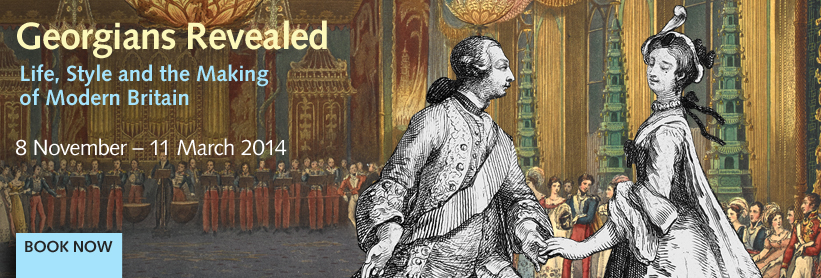
Opening today! ~ “Georgians Revealed: Life, Style and the Making of Modern Britain” – 8 November – 11 March 2014 at the British Library

tomjerrycoffeeshop-orig

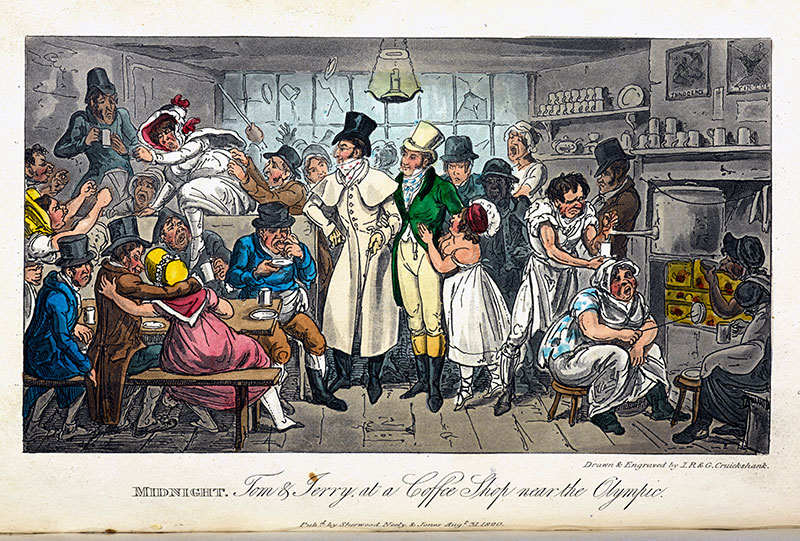
I.R. and G. Cruikshank. ‘Tom & Jerry at a Coffee Shop near the Olympic’ – Pierce Egan, Life in London (London, 1823).

 Tasteful and polite, or riotous and pleasure-obsessed? Discover the Georgians as they really were, through the objects that tell the stories of their lives.

From beautifully furnished homes to raucous gambling dens, Georgians Revealed explores the revolution in everyday life that took place between 1714 and 1830. Cities and towns were transformed. Taking tea, reading magazines, gardening and shopping for leisure were commonplace, and conspicuous consumption became the pastime of the emerging middle classes.

Popular culture as we know it began, and with it the unstoppable rise of fashion and celebrity. Art galleries, museums and charities were founded. In this time of incredible innovation, ideas were endlessly debated in the new coffee houses and spread via the information highway that was mass print.

Drawing on the British Library’s uniquely rich and rare collections of illustrated books, newspapers, maps and advertisements, as well as loaned artworks and artifacts, “Georgians Revealed” brings to life the trials and triumphs of the ordinary people who transformed Britain forever.

Georgiansrevealed banner

See this link for a short video on the exhibition by curator Moira Goff.

And check out the online shop where all manner of Georgian -related treasures are for sale, as well as a catalogue of the exhibition, another must-have for your Jane Austen collection!

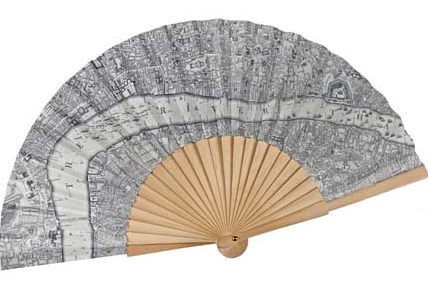
Georgians-map_fan3

Rocque map of London fan, £8
A beautiful wooden fan, featuring a historic map created by John Rocque.
The fan has been created exclusively for the British Library. Wood/ canvas.

[Images and text from the British Library website]

c2013 Jane Austen in Vermont