The AGM in Brooklyn brought many pleasures, and one of the most pleasurable was meeting and talking with Susannah Fullerton. I have long been an admirer – she is the President of the Jane Austen Society of Australia and a quick perusal of their website shows the extent of what she and her organization do, from annual meetings to conferences and the JASA publications Sensibilities and The JASA Chronicle. Susannah also leads a number of literary tours for ASA Cultural Tours [Australians Studying Abroad], and lectures on Austen around the world. And I must add that she was perfectly cast as the close-to-hysterical Marianne in the “Austen Assizes” script by Diana Birchall and Syrie James staged in Brooklyn!
Susannah has written many articles and a few books, one on which remains an all-time favorite, Jane Austen and Crime (Jones Books, 2004), wherein Ms. Fullerton gives us the real world that Jane Austen alludes to in all her works, the realities of such pieces in the narrative as Willoughby as serial seducer, Lydia’s “elopement,” and even the gypsies in Emma. In her newest work, A Dance with Jane Austen: How a Novelist and her Characters went to the Ball(London: Frances Lincoln, 2012), Fullerton offers up the same detailed analysis of what Austen so off-handedly tells us, most of which we don’t quite “get” as 21st-century readers – the dressing for the dance, getting to the Ball, the various types of balls, proper etiquette, the music, the conversation, the Men! – all of it to enhance our understanding of Austen’s time and therefore her stories…
I have asked Susannah to join us today to tell us a little about her book, and her publisher has generously offered a copy for a giveaway – please see the information below on entering to win!
*************************
SF: Some years ago I was having dinner with Joan Strasbaugh of Jones Books, the publishing firm which had brought out the American edition of my book Jane Austen and Crime, when Joan suggested that a book that really needed to be written was a book about Jane Austen and Dance. I was taken aback for a moment! Surely, with dances playing such a vital role in Jane Austen’s fiction, that subject had already been covered. But when I stopped to think, I realised it had not. Many Austen scholars have written about her dance scenes as part of other works, but there was no one book devoted entirely to that subject, a book that explored the social etiquette of the ballroom, the vital role dance played in courtship, the suppers served and the music played. Would I be interested, Joan asked, because if so, she could recommend the project to Frances Lincoln UK Ltd. And so I started writing.
image: Republic of Pemberley
What I wanted to do, I decided, was to follow Jane Austen’s characters to a ball. Had I been Jane or Elizabeth Bennet, what would the whole process of going to a dance have involved? How did a heroine get to a ball in the first place if her family had no carriage (the case for Emma Watson), how did she dress for the occasion, what rules governed her behaviour while there, and what differences did she find between assembly balls and private balls? When she stood up with a young man, what were the possibilities for flirtation and courtship, and how does Jane Austen show this happening with Elizabeth and Darcy, Jane and Bingley, Emma and Mr Knightley, Catherine and Henry, Marianne and Willoughby, when they are dancing with each other? Poor Fanny Price suffers the day after the Mansfield ball when she has no suitable confidante with whom to talk it all over, but for luckier young ladies often the ‘post-ball discussion’ was almost as much fun as the event itself.
Jane Austen loved to put on her satin slippers and go off to dance. In my book I wanted to provide information about the balls she attended, from the Basingstoke assemblies of her youth when she danced happily with neighbours and family friends, to the later balls where she chaperoned nieces and preferred to sit by the fire with a glass of wine rather than dance. She too enjoyed courtship in a ballroom when she danced with Tom Lefroy; she too knew the excitement of being asked by the right man, and the challenges of avoiding the wrong one.
As I wrote my book I discovered patterns in Jane Austen’s use of dances in her fiction. Several of the novels have one informal dance and one more formal one, and she uses each to progress her themes, characterisation and relationships. In some novels what happens is romantic, as is the case when Darcy and Elizabeth are partners and you can almost see the sparks between them, but in Mansfield Park everyone always seems to be dancing with the wrong person and balls in that novel illustrate selfishness, not romance. Jane Austen makes a great deal happen at a ball!
image: Brock illus Mansfield Park, Mollands
A Dance with Jane Austen is beautifully illustrated with contemporary pictures or illustrations from the novels. I include a brief chapter about dances in the film versions, but decided not to make this extensive because so often film-makers get it wrong and put in a dance, such as Mr Beveridge’s Maggot, which Jane Austen would not have danced. However, there are some lovely pictures from some of the movies that I chose to include.
For the past 17 years I have served as President of the Jane Austen Society of Australia. In that time I have lectured extensively about Jane Austen and her works, and have seen the joy that her books give to readers around the world. I hope that my book will increase the enjoyment of those readers by taking them into the ballrooms to discover that there is “nothing like dancing after all.”
***************
JAIV: One question I would ask Susannah is ‘What is your favorite dance scene in a Jane Austen novel and why?’
SF: My favorite dance scene is the Crown Inn ball in Emma. This is the evening when Emma first starts to view Mr. Knightley as an attractive male, rather than as an old friend and family connection. She watches his “erect” figure move about the room, sees him rescue Harriet Smith from the embarrassment of being rejected as a dance partner, prods him into asking her to dance with him, and can hardly take her eyes off him all night! Jane Austen achieves so much in all her dance scenes – she gives a sense of a full community of living people, progresses courtships, reveals character and shows faults and foibles – but this scene is particularly rich. The moment when Emma reminds Mr. Knightley that they are “not really so much brother and sister as to make (dancing together) at all improper” and he replies “Brother and sister! No, indeed!” is one of the most erotic moments in all of Jane Austen’s fiction. It thrills me every time!
image: theloiterer.org
Oh I agree – I love this scene! Thank you so much Susannah for sharing your love of Jane Austen and dance with us!
**************************
Gentle Readers! please ask any question you might have for Susannah Fullerton or post a comment here and you will be entered into the random drawing for a copy of A Dance with Jane Austen. Please do so by 11:59 pm, Sunday November 4th, 2012. Winner will be announced on Monday Nov. 5th – Worldwide eligibility!
Susannah Fullerton is President of JASA, and author of Jane Austen – Antipodean Views, Jane Austen and Crime and the forthcoming Celebrating Pride and Prejudice: 200 Years of Jane Austen’s Masterpiece (due out Jan. 2013) – note that the UK title of this work is Happily Ever After: Celebrating Jane Austen’s Pride and Prejudice.
A Dance with Jane Austen Frances Lincoln, October 2012
ISBN-13: 978-0711232457
Upcoming book: (Feb. 2013)
US edition title and coverUK edition title and cover
Gentle Readers: I welcome today, Janine Barchas, associate professor of English at the University of Texas, Austin, where she teaches, perfectly situated you might say, Austen in Austin. She has published a number of scholarly articles on Jane Austen and the just released Matters of Fact in Jane Austen: History, Location and Celebrity (Johns Hopkins UP, 2012). She has graciously offered to share a bit of one of the tales expounded on in her book, the Wentworth family of Yorkshire. I think you will want to know more about her very interesting findings – I highly recommend the book! – and see below for a contest offering from the publisher that starts this coming Friday October 26 [see the blog here: http://jhupressblog.com/ ] – and please comment or ask Janine a question!
***********************
A Janecation in Yorkshire? Jane Austen’s Real Wentworths
I was not tracing Austen’s physical steps, but following some of her leading names—particularly Wentworth, Woodhouse, Fitzwilliam, Darcy, Watson, and Vernon. When Austen selected these surnames for her fictional protagonists, they hung on the real-world family trees of these two neighboring Yorkshire estates. Not unlike the Kennedy family in our own era, the Wentworth clan consisted of high-profile politicians and celebrities—with newspapers assiduously tracking all sightings and London shops selling reproductions of family portraits as cheap paper pinups. Jane Austen, too, seems to have been keenly aware of Wentworth celebrity.
Wentworth Woodhouse
Even a short summary of the history of Wentworth Woodhouse can make an Austen fan sit up with the surprise of recognition. After Robert Wentworth married a rich heiress named Emma Wodehouse, their Yorkshire family so prospered that in 1611 its senior line achieved a baronetcy, just as the owner’s sister married the heir of the wealthy D’Arcy family. The eldest son of that same first baronet was the hapless Thomas Wentworth, first Earl of Strafford and martyr to the royalist cause. With the Restoration, the estate was returned to Strafford’s eldest son, William Wentworth. But when William died without issue in 1695, it transferred to the children of his sister, Anne Wentworth, wife to the head of the Watson family. When in 1751, Charles Watson, heir to these princely estates, succeeded his father as the second Marquess of Rockingham, he became one of the wealthiest peers in England. Charles Watson Wentworth, having added his mother’s maiden name to his own, was twice elected Prime Minister of England. But he died unexpectedly and childless in 1782, just after his second election at age 52. Thus, when Austen was a mere girl, the combined fortunes of the Woodhouses, Wentworths, and Watsons transferred to their next of kin, the Fitzwilliams.
Wentworth CastleWentworth Castle, 1829
By then, a family feud between Wentworth cousins (Tory and Whig) had resulted in Wentworth Castle. Even the name of the rival estate deliberately taunted the mere “House” six miles away. Major renovations to Wentworth Castle were duly answered with elaborate improvements to nearby Wentworth Woodhouse, shaping English garden design through one family’s political rivalry. The competitive landscaping at these neighboring estates, the bulk of which took place between 1710 and 1790, was a prolonged endeavor that occurred on a grand scale and in the national spotlight. It was in 1791, when Austen was in her teens, that the Wentworth Castle estate and titles were inherited by an obscure gentleman from Dorset named (I’m not making this up!) Frederick Wentworth, making him the third and last Earl of Strafford. When Austen reached her late 20s, Wentworth Castle became the property of young Frederick Vernon after another heated Wentworth-family dispute. The historical circumstances surrounding this contested transfer of Wentworth wealth resemble those in Lady Susan, which features at least two characters named Frederic Vernon as well as a dispute over a family castle.
William Wentworth – 2nd Earl of Strafford
[Image from wikipedia]
After years of wily namedropping, and perhaps because her contemporary readers would have instantly connected the hero of Persuasion with this glamorous Wentworth family, Austen disclaims in her final novel. She has the sycophantic Sir Walter Elliot sneeringly dismiss any link between Capt. Frederick Wentworth, the story’s self-made naval officer, and the highborn Wentworths from Yorkshire, who held titles such as the Earl of Strafford: “Mr. Wentworth was nobody, I remember, quite unconnected; nothing to do with the Strafford family.” By placing the requisite disclaimer in the mouth of Sir Walter, Austen keeps her own tongue firmly in her cheek. Sir Walter is notoriously unreliable—a narcissistic fop who lacks judgment. Despite, or perhaps because of, Sir Walter’s dismissal, the name of Frederick Wentworth so flagrantly invites contemporary associations that the upending of those expectations (a landless sailor named after one of England’s most famous landowning families?) becomes part of the story’s piquancy and contemporary appeal.
Anne Wentworth, Countess of Strafford – by Joshua Reynolds c1745
[Image from wikipedia]
Today, both properties are being renovated and have opened their gardens to visitors. Privately owned Wentworth Woodhouse has plans for a spa and hotel by 2015, while the Wentworth Castle Trust (the house is a teacher training college) has already restored the castle folly for which the property is known. In both cases, the grounds and vistas are as stunning as eighteenth-century and regency guidebooks record. While enjoying the picturesque herds of deer that, according to the locals, have roamed there since 1066, I could not help smiling at how the popularity of Austen’s fictional characters—especially Fitzwilliam Darcy and Frederick Wentworth—have succeeded in eclipsing their historical namesakes, casting a Janeite shadow over the once-glittering owners of these estates.
If you’re an Austen enthusiast who has already been to Bath, Lyme Regis, and Chawton, then consider a visit to Wentworth Woodhouse and Wentworth Castle. Meanwhile, I hope that my book takes you partway there.
Johns Hopkins UP is about to run a small contest that would give away copies of my book to the first few who answer correctly a historical question with an Austen twist. Look for the question on the JHU Press Blog, starting on 26 October.
****************
About the author:Janine Barchas is the author of Graphic Design, Print Culture, and the Eighteenth-Century Novel (Cambridge UP, 2003), the editor of The Annotations in Lady Bradshaigh’s Copy of Clarissa (English Literary Studies, U of Victoria, 1998), and numerous scholarly works on Austen (search her name on the Jasna.org website here). Her research interests include eighteenth-century literature and culture, the British novel, book history, textual studies, Jane Austen, and early fiction by women. At the JASNA 2012 AGM, she spoke on “Austen Between the Covers: A Brief History of Book Cover Art”, and will be one of the plenary speakers at the JASNA 2013 AGM in Minneapolis, the AGM celebrating 200 years of Pride and Prejudice.
And note that The Country House Revealed is a six part BBC series first aired on BBC Two in May 2011 in which British architectural historian Dan Cruickshank visits six houses never before open to public view, and examines the lives of the families who lived there. Wentworth Woodhouse s featured in Episode 4.
All photographs by Janine Barchas.
Please leave any comments or questions for Janine below – and don’t forget to check out the JHU Press blog on October 26, and see if you can answer the Jane Austen question!
Mansfield Park on tour: a new stage adaptation tours the UK – we speak to the director Colin Blumenau
Prime Minister killed: marking the bicentenary of the assassination of Spencer Perceval
Enigma of the Orient: the remarkable tale of Marian Hastings, wife of the British ruler of India
Brooklyn preview what’s coming up at the JASNA AGM in New York
Festival experience: regular visitors to the Bath Jane Austen Festival describe their time in the city
Plus … all the latest news from the world of Jane Austen, your letters, round-ups from the Jane Austen Society of the UK and the Jane Austen Society of North America, book reviews and quiz.
Hello Dear Readers: a guest post today from Melody, a young woman on her first adventure at the Jane Austen Festival in Louisville, Kentucky last weekend – she has shared her thoughts and several pictures of the her time there, so enjoy – and perhaps plan to go next year – she highly recommends it!
****************************************
The Louisville, Kentucky fifth annual Jane Austen Festival was held at Locust Grove. I wasn’t aware of the history behind this historical house. The home belonged to Maj. William and Lucy Clark Croghan. When George Rogers Clark was injured, Lucy invited her brother to stay at Locust Grove. So who is George? He was the older brother of William Clark, (who was part of the Lewis and Clark expedition), he founded Louisville, and quite a few other notable things important to the nation.
This is the North facing side of Locust Grove. It has a nice size porch. The south side, which I would think
visitors would enter wasn’t as grand imo.
One of the notable items in the house that stands out is the fact the descendants painted over a regency era portrait. Apparently they felt the red dress was gaudy and a black dress was painted on. This was found out in the restoration and they put back to the original regal red regency dress.
The portrait that was painted over
Another fascinating fact was the entertaining parlor was on the second floor, where today, upstairs is reserved for family and entertaining is done on the main floor or possibly even the basement for those who have one.
The entertaining parlor on the second floor
Now for the Jane Austenites that want to hear about the festival. There were a great many visitors dressed in period reproductions that were all amazing! There was even a Regency style fashion show. The clothes were delicious and went in order according to the years they were popular. The speaker gave information on the clothes and where to find the patterns. Who knew men carried fans? The women carried cute reticules, wore pretty hats or had dainty parasols, and of course wore gloves, either long or short. The men were dashing in their finery as well.
This lovely lady is a member of JASNA
with loads of information.
She was also in the fashion show.
Tailored/fitted clothing for a man
(something that was mentioned during the fashion show was women
didn’t seem to be as concerned with gaping or perfect fits as we are today)
A man’s banyan
I loved the detail in this purple dress. (same lady as above]
Now don’t think for a moment that this is an event purely for women. NO! There was a Gentleman’s duel. I do not know what caused the men to find it necessary to shoot at each other, but the first man to fire was the man to die. It was over within a minute. The gentleman remaining had been injured in the shoulder and was quite irked with the doctor for spending so much time with the dead man saying, “stop spending so much time with the dead man and tend to my wound!” (the duel the next day lasted longer than a minute).
Gentleman’s duel
There was also a bare knuckle boxing match that women obviously would not have attended. Or at least not women of any gentility. The ring leader gave the history of the gambling of the sport and the numerous exchange of money as the odds would change throughout. When he removed a pad of paper from his pants he wrote names and odds of the betting men. The winner of the boxing match had won a substantial amount of money.
There were fencing lessons and a demonstration on riding side saddle. It was very important what horse a gentleman rode. It reminded me of the status of the type of car one drives. There were special pay classes for how to paint a fan, and two discussions. On Saturday evening there was a ball, but since my companion is just 9 we forego that event.
Side saddle demonstration
If you made reservations ahead of time there was afternoon tea. I recommend the lavender cake for dessert. It was deliciously moist and not overly powerful in taste.
Dr. Cheryl Kinney discussed Jane Austen’s illness and Jane’s opinion of illness and her characters’ woes. Who knew that green dresses were toxic?! It wasn’t just the clothing, but wall paper and paint as well. Green was very fashionable at that time too. Dr. Kinney asked how many people were wearing green at the event; there were quite a few! (of course they didn’t need to worry about the copper arsenic).
The final event on Sunday was “Dressing Mr. Darcy.” However, it was in reverse and he ended in a state that could make a grown woman blush. There was quite a bit of fanning happening in the audience.
Dressing Mr. Darcy
Finally, what made the event so special were the people. Everyone was so nice and the vendors were helpful. One young lady took the time to show my son a Spanish pistol’s workings with the full knowledge we were not going to buy. She even showed him how to salute with a rifle British style and American style.
One of the vendors made marbled papers that were amazing. After each one people would ooh and ahh. Of course everyone is unique. I was able to speak to the vendor on the last day and he showed me an antique book someone had given him with the marbling technique on the outside, inside, and on the edges of the pages. But the coloring was more indicative to the Victorian era, (darker, not as pretty as the Regency era).
The children gathered together and had their own fun in the meadow playing sword fights and just plain running around. I asked my son what his favorite parts were and after thinking about it he replied, “playing with the kids and the vendors.” I was surprised. What kid enjoys shopping?
If you ever get the chance to attend a Jane Austen festival, I highly recommend it.
***********************************
About the Author ~ Melody writes:
Jane Austen came into my life, because I love history; the manners, fashion, and lifestyle. I also happen to be a book enthusiast and I like that Jane Austen tells things to the reader that makes the reader think. You must read between the lines, she doesn’t just come out and molly coddle the reader. Truth be told, I’d never been to a Jane Austen festival. I didn’t even know they took place. My son and I decided to give it a go, only because they offered so many fun “guy” events. I would not have gone otherwise. We are both happy for the adventure. We may make a tradition of it. Perhaps in period reproductions next time.
*****************************
Thank you Melody for sharing with us your observations of the Festival – maybe I will see you there next year myself!
Further Reading: from the Locust Grove website
You can see a performance of the bare-knuckled boxing here.
Ron Dunning has asked me to update this blog post to reflect changes to the RootsWeb WorldConnect family trees, which were retired on 15 April 2023. Ancestry.com, which owns the RootsWeb site, has promised to migrate the WorldConnect genealogical collection to a new free-access site later in the year. Ron asks that you be cognizant that none of his own research is available at present, though his website janeaustensfamily.co.uk, and its component, Akin to Jane, has not been affected. The hope is that once the migration of the genealogical collection is complete, all will fall back into place – including many additions and corrections which had not been available on the old WorldConnect site. Please email Ron if you have questions.
*****************
Some of you may be familiar already with the Ancestry.com Jane Austen Family Tree created by Ronald Dunning. It is quite the amazing compilation of ancestors and descendants of “Dear Aunt Jane” – a resource for Austen fans and scholars alike the world over.
So we are happy to announce that Mr. Dunning has continued with his Austen genealogical work and his new and improved website is to be “unveiled” at the Jane Austen Society meeting tomorrow (21 July 2012) at the Chawton House Library [an article about the history of the website will appear in the next JAS Report] – details of the meeting are here: http://www.janeaustensoci.freeuk.com/pages/AGM_details.htm.
The link to the new website is here: http://www.janeaustensfamily.co.uk/ where you will find new content, the complete transcribed text of the manuscript of Akin to Jane, and links to the original RootsWeb site noted above [see below for information on how best to access the data.]
Ron has been very kind to answer a few of my questions about how and why he took on this monumental research project, so hope you enjoy learning more about it – then you must take some time to search the database – it is great fun to poke around in when you might have an extra minute or two on any given day – you might even find that somewhere deep in the listings some of your very own relatives share a connection to Jane!
********************************
A hearty welcome to you Ron – with thanks for sharing with us the history of your website!
JAIV: What prompted you to get involved with this Austen family research project to begin with?
RD: I grew up in Toronto, a city, and a wonderful city it is, whose civilised history only goes back for two centuries. All of my grandparents were English, but the thought of having interesting ancestors would have seemed too ridiculous to entertain. My paternal grandmother was the sort who wrote regularly to every English member of her and my grandfather’s families, and was always nattering about their current situations. In 1972, aged 25, I left Toronto to find work as a classical musician, and the idea of going to England, where there would be a ready-made family, was deeply appealing. Just before my departure, my grandmother told me that we had some sort of connection with the Austens, though she didn’t know what.
We must have been almost the only branch of descendants who’d lost sight of it! I was pleased to be able to tell her, before she died, that Frank Austen [Jane’s brother] was her great-great-grandfather. It was difficult to get much further back than that in the 1970s, so I gave up the search to get on with work, and to raise my own brace of descendants. In 1998 my wife bought a computer for our kids and, Luddite that I am, I grumbled and scowled in the background – till I thought that I might just see what it’s like.
I was soon drawn back to family history. The kids were old enough that they preferred neglect to parental attention, though we did meet occasionally to fight over whose turn it was to use the computer. At the time I thought that it would stand to reason that the Austen genealogy had been exhausted, so for the next five years I worked through the seven non-Austen great-grandparents’ lines, and just copied the charts in the backs of Jane Austen biographies.
When that was thoroughly exhausted I was addicted, and needed a fix! Simultaneously it became evident that the authors of the biographies had all copied the family charts from one another, and there was a lot further to go. In particular they mainly recorded the male lines, dishonouring the women. I’ve found that not just Cassandra Leigh but George Austen too had eminent ancestors, which means that their records go back, potentially, to the beginning of recorded history.
Now I have a lifetime’s supply of fixes, and in retirement, a full time job. Do not call it a hobby. And don’t say that I’m obsessed. Oh well, all right, perhaps I am. This study means a lot more to me than just a growing collection of names – it makes me feel organically connected, not just to the Austen family (and I don’t feel at all proprietorial about Jane) but to the whole of English history.
JAIV: Tell us something about Joan Corder and her manuscript, Akin to Jane – how and when and where did you first come upon it – what a find! – and why did she not publish her research?
RD: Joan Corder was born and lived through her life in the English county of Suffolk. She served as a young woman, during World War 2, in intelligence as a plotter, then moved back home to look after her widowed mother. She didn’t marry. Over the course of her life she became a distinguished herald and genealogist; Akin to Jane was her first big project.
It was to her enduring disappointment that she couldn’t interest a publisher – so only two copies of the manuscript were made. One was presented to the Jane Austen Society and can be seen at the Jane Austen’s House Museum at Chawton, where it has been, presumably, consulted by most if not all of Jane Austen’s later biographers.
With use, the manuscript has become increasingly fragile; people still visit the Museum to inspect it. My Austen cousin Patrick Stokes scanned the work to help preserve it for posterity, and it’s his scans that are displayed on the website. The museum curator is pleased that she can now refer interested parties to the web, and retire the original.
[Ron says on the website: “I would like to acknowledge and thank my Austen cousin, Patrick Stokes, who first brought the manuscript of Akin to Jane to my attention, and gave me a copy.”]
Joan Corder
JAIV: What, of all the discoveries in your research, surprised you the most?
RD: So many discoveries! They constantly amaze, but no longer surprise. I’ve been making a list, and intend to write articles about them. Here is a sample and though many of them seem improbable, they are all true.
Direct Ancestors
1. William IX, Duke of Aquitaine. William was a leader of the 1101 Crusade. He is best known today as the earliest troubadour – a vernacular lyric poet in the Occitan language – whose work has survived. Grandfather of Eleanor of Aquitaine, and Jane Austen’s 19th-great-grandfather. 2. Owain Glyndwr, Prince of Wales. Shakespeare’s Owen Glendower. Jane’s 13th-great-grandfather.
Owain Glyndwr – the BBC
3. John King, Bishop of London, from 1611 (the year of the King James Bible) to 1621. John King ordained John Donne. Jane’s 4th-great-grandfather.
John King, Bishop of London (1611-1621)
4. Faith Coghill, the wife of Sir Christopher Wren. The 1st cousin once removed of George Austen.
5. Lizzie Throckmorton, the wife of Sir Walter Raleigh. A distant cousin of Cassandra Leigh.
6. Katherine Leigh, the wife of Robert Catesby, the Gunpowder plotter, another distant cousin.
7. Both of Jane’s parents were descended from royalty. Cassandra was descended from John of Gaunt, the son of Edward III, so every previous English king, back to William the Conqueror, and some beyond, was her ancestor. For George we have to go back two generations further, to Edward I.
8. Some Scottish royalty – the real-life Duncan I of Scotland who was either murdered by his cousin, the real-life Macbeth, or killed in battle against him. Macbeth, as we know, succeeded him as King. Duncan was Jane’s 21st-great-grandfather.
9. By the way, we all know from Jane’s juvenilia that she “preferred” Mary Queen of Scots to Queen Elizabeth. Well – not only was she related to both, but in Jane Austen’s Sailor Brothers she is quoted favourably comparing her brother Frank with Queen Elizabeth.
Cassandra Austen’s Mary Queen of Scots – The History of England
JAIV: This is all wonderful!But I must ask, any real gossip – things hidden for generations?
RD: Ooh – I’d be banished from the family if I revealed any of those!
JAIV:Oh, but the story of Elizabeth and Herbert is quite an interesting one! All hidden from the family and worthy of a Victorian novel! – or at least akin to the writers of Victorian novels, as the lives of Charles Dickens and Wilkie Collins can attest! [see below for the link!]
JAIV: Where do you go from here?
RD: I began the web project thinking that I would be producing a revision of Akin to Jane , but it eventually became obvious that the plan was unworkable. I want the reader to be drawn to my research, and not to think that Joan Corder’s work was the end of it. She managed to record a little over 300 of George and Cassandra Austen’s descendants, and gave ancestors no attention. My genealogical database contains more than 1200 descendants – that is, another 900 – and another ten thousand people, who include ancestors, collateral families, and families of social connections. The address of that, by the way, is http://wc.rootsweb.ancestry.com/~janeausten.
There is a link beneath each individual in Akin to Jane to that database, but in the long run I plan to organise things better. I’ll spend next winter learning the html to create a proper design (you won’t know it, but the current one is improper), and intend to do wondrous things with a sidebar. That will take care of technicalities. I have only just begun thinking beyond the current content, and have decided that I will add more original family history source material. I believe that one can jinx plans by talking about them too soon, so I’ll do that when I know that the material can be used.
JAIV: Is there a book in the works?
RD: I’m sorry. No book. Articles, yes. Though I’ve really enjoyed building the Jane Austen’s Family website, it has absorbed an immense amount of time – time taken away from research, my first love.
Thank you Ron for joining us here today! [well, really you are at the JAS meeting at the Chawton House Library, and I am here in Vermont, but we can pretend, can’t we?] – it has been delightful getting to know you via emails! and I very much appreciate you sharing all this with us. What a gift of research you have given the Jane Austen world…
Now Dear Readers, it is time for you to journey through these ancestry files, both those of Joan Corder’s Akin to Jane manuscript, now transcribed for all to see on the website, as well as the expanded genealogical research at the Ancestry.com site that Ron has lovingly put together over these past how many years?! Ron makes it clear that this is still a work in progress [isn’t everything?] and he will continue to make changes to the set-up and continuously add content. But it is best to just dive in and see all that is there – [as an aside, so please forgive the intrusion, I must say that I put in several of my family names (both my parents were born in England, so I knew there was a chance of some connection somewhere), and find that the mother of Sir Christopher Wren has my maiden name, and his wife, mentioned above [Faith Coghill] was a direct cousin to George Austen! – now I have some serious sleuthing to do to find the exact connection – but I have been quite annoying to friends and family these past few days since my discovery – and not sure in any given minute whether to sit down and write a Novel, or get out my drafting table and design a Cathedral – this genealogy stuff can be quite daunting!]
So back to the matter at hand – let’s head into the Austen genealogy: to begin, go first to the main page: where you will see these links:
1. Akin to Jane – Joan Corder’s original and transcribed manuscript – click on this and you will find these links:
Akin to Jane title page
Jane Austen’s Family– Index of Names, and Lists: Corder’s notes on the Austen family, indexed by Austen family members, all surnames of the extended family – you will find links to:
1. Jane’s family and their descendants: George and Cassandra Austen; James Austen; George Austen; Edward Austen, later Knight; Henry Thomas Austen; Cassandra Elizabeth Austen; Francis William Austen; Jane Austen; and Charles John Austen
2. Index of people by surname: Austen Family; Austen-Leigh; Bradford, Hill and Hubback; Knatchbull; Knight; Lefroy and Purvis; and Rice
Highlights page – oh! much here and much more to be added:
“There is good reason for the general reader to delve into this manuscript. One of Joan Corder’s informants, Miss Marcia Rice, who was 84 in 1954 when the work was written, was the granddaughter of Edward Knight’s daughter Elizabeth, and her husband Edward Royd Rice. Miss Rice wrote extensive memoirs of her family, which Joan Corder copied. Her recollections of her distant childhood were refracted through the most rosy of tinted spectacles; few could read those for her grandmother without needing the discreet use of a tissue. Here is a direct link to Elizabeth.
Please don’t stop with Elizabeth – Miss Rice didn’t. She left a wonderful record immortalising her entire Rice family, from aunts who could be quirky or intellectual, to uncles who could be courageous or reckless. For many of them there are links in the text to portraits. Be sure not to neglect reading Miss Rice’s personal memories, on page 115; and those following, on her great-aunt Marianne Knight.” –
Heraldry – Eleven Coats of Arms: these are worthy of a website all their own!
Austen Coat-of-Arms
Joan Corder – author of Akin to Jane: information on the author of the original family tree.
Author’s and Editor’s Notes: notes from both Corder and Dunning with explanations on how to use the Akin to Jane database and links to Dunning’s Roots Web database.
Contact Me – Ronald Dunning: he would love to hear from you!
3. Articles – there are three articles now, more to be added:
“An Unconventional Love Match”
“The Last Welsh Prince of Wales – Jane Austen’s Welsh Ancestry”
“Latitude and Longitude”
Be sure to read all the extra links – these often explain the contents and how the database works; and do not miss all the illustrations that appear throughout the website:
Now the fun part: you really do need to explore – but I shall give you this start – the wonderful story noted on the “Highlights Page” above of Elizabeth Austen [later Knight], daughter of Jane Austen’s brother Edward, from her grand-daughter Marcia Alice Rice, as written for Joan Corder in 1953:
Image of Elizabeth Austen-Knight Rice and her husband Edward Royd Rice
and then this quite romantic tale that I mentioned above of another Elizabeth and her husband Herbert: Herbert was the last child of Fanny Catherine Austen Knight Knatchbull (Jane Austen’s favorite niece – quite the mouthful! – and later on they added Hugessen to the name!) – here we have a tale of a secret marriage, he and his wife Elizabeth living under an assumed name, Herbert never telling his mother, never telling his colleagues in Parliament, having many children – all right out of a Victorian novel! : you can find it here on the ancestry.com website:
So just dig around – click on any link of interest – there are treasures to be discovered lurking behind those links! – whatever would Jane Austen make of all this do you think? – would she be absolutely appalled to discover she was related to Queen Elizabeth?? I now wonder after all if even I am related to Queen Elizabeth … and maybe you are too!
If you have any questions for Ron, please leave a comment here – he is happy to respond to any queries or suggestions…
Well, another year and yet again I am not attending The Annual Jane Austen Festival in Louisville, Kentucky that begins tomorrow; so I thought I would share the schedule so you all can be as depressed as I over what we shall be missing… you can watch this video to get into the spirit of things:
The 5th ANNUAL JANE AUSTEN FESTIVAL
JULY 21 & 22, 2012-10 a.m. – 4:30 p.m. each day
Historic Locust Grove-561 Blankenbaker Lane, Louisville, KY 40207
Sponsored by: Jane Austen Society of North America, Greater Louisville
Locust Grove, a circa 1790 Georgian home and farm is just
six miles from downtown Louisville, KY.
Each day of the festival you can:
Enjoy a Four-Course Afternoon Tea (several sittings each day),
Shop in the Regency Emporium inside and in the Shoppes of Meryton outside
(fabric, patterns, bonnets, pre-made dresses, chemisettes, men’s waistcoats, trousers &
tail coats, tea sets, tea, jewelry, antiquarian books, shawls, silhouette cuttings,
miniatures painted & lots more!)
See a Regency Style Show,
Watch a bobbin lace making demonstration inside the historic home and
See Regency fashions on mannequins in each room of the second floor of the house.
The last tea of the day on Sunday is reserved as a special Children’s Tea with a menu to appeal to children.
Perks include goodies such as a cup and saucer to take home.
Outside, under the tent hear interesting talks such as
* A Dangerous Indulgence:
Jane Austen’s Illness and Her Doctors – this reviews possible causes of Jane Austen’s death,
her letters, the doctors that cared for her, and how updates in genetic mapping may
help us determine what caused her death. Also
*Austen-itis: Sickness and Health in the Novels of Jane Austen –
reviews characters in the novels that suffer from illness (real and imagined).
*A one-woman theatrical performance about Fanny Kemble called, Shame the Devil : An Audience with Fanny Kemble will be performed under the Big Top Tent. Fanny Kemble was a member of the famous English Kemble-Siddons acting dynasty
who married an American and moved to the American South.
She became active in the early anti-slavery movement.
*New this year, will be the Earl of Sandwich Tea Shop located near the Shoppes of
Meryton and the Big Top Tent with simple libations such as –
sandwiches, scones, cookies and drinks.
Meanwhile out on the Village Green you can expect to see:
*Side-Saddle Demonstration
*A Duel Between Gentlemen
*Tutorial on Fencing
*A Bare Knuckle Boxing Demonstration
Roving musician Jack Salt will entertain as will Commonstock Entertainment with
shadow stories and their Potato Wagon of Wonders!
Workshops will involve learning about Tea
(Tea, Anyway you Steep it! and Play with your Leaves),
offered by Bingley’s Teas,
and How to Paint a Fan taught by Jenni Miller.
The Grand Ball will take place on Saturday evening at Spalding University in downtown
Louisville. The ball room is reminiscent of a Georgian Assembly Room. A practice
session will be held in the afternoon.
Admission is $10 each day which admits you to the Emporium, Shoppes, most
everything under the Big Top Tent and tours of the 1790 Georgian home (usually $8).
The Afternoon Tea is $20 per person, the workshops are $25 each, the theatrical
performance is $10 and the Grand Ball is $20 per person.
Advance reservations are highly recommended and begin on-line June 1st at
For those traveling from out-of-town, please contact Regional Coordinator Bonny Wise for a list of recommended B&Bs and hotels.
Answers to frequently asked questions: You do not have to be a member of the Jane
Austen Society of North America to attend the festival. Regency attire is not required,
Dear Readers: You might recall a post from several months ago [March 2012] alerting all to the impending closure of the twitten [called the “Library Passage”] in Worthing – a place associated with Jane Austen as she visited there in 1805 for several months – and it is very likely one of the main sources for the setting of her seaside spa in Sanditon. See these two posts for more information:
I have just heard from Janet Clarke who had spearheaded the effort to thwart the closure in hopes that the site with its literary connection would have some sway with the powers that be. Well, sad to report, safety issues have won out over historical significance, and even the many voices of Austen fans did little to move the decision-makers.
One good bit of news from Janet however: Stagecoach (the bus company who owns the building and wants to close the passage for safety reasons) has “agreed to make special provision for Austen fans to walk the route, provided they receive reasonable notice.”
So, take note and if you perchance have Worthing on your itinerary [and you must!], then please take Stagecoach up on their offer – I am hoping that they will provide TEA as well – the least they could do, don’t you think?
Fellow Readers: I welcome this morning Christopher Sandrawich, in a guest essay on the new production of Richard III at the Swan Theatre in Stratford-upon-Avon – [Chris last posted here on his visit to Worthing, wherein he wrote of his concerns about the closing of the “Library Passage”, the twitten frequented by Jane Austen during her stay in Worthing in 1805.] – I expressed some jealousy of his attendance at this new take on Richard III, and he kindly offered to write a full review, which only increases my jealousy to nearly rabid levels … I confess to an obsession with the much maligned Richard since reading many years ago Josephine Tey’s The Daughter of Time,
[The Daughter of Time – cover from Open Library]
where through the eyes of her detective Alan Grant , she sets out to “prove” the innocence of Richard III – [ a compelling read and I highly recommend it!] – but I digress! – and how does any of this relate to Jane Austen you might ask? – well, let’s recall her first paragraph in Northanger Abbey, where she denigrates Catherine’s father so:
Her father was a clergyman, without being neglected, or poor, and a very respectable man, though his name was Richard …
And later in a 1796 letter to her sister, she remarks on Mr. Richard Harvey’s match being put off, “till he has got a better Christian name, of which he has great Hopes.” [Letters, p. 10]
No one has ever satisfactorily explained this aversion to the name ‘Richard’ – and if you read her History of England, her tale of Richard III is a tad contradictory, so one does not quite know what she really thought [forever the elusive Jane] – though she does say she is “inclined to suppose him a very respectable Man” [see above!] and later “I am inclined to beleive true” that he did not kill his two nephews. So Jane likely would have been a reigning member of the Richard III Society, no?
… but I am digressing again, the ‘play is the thing’ after all, and here is Chris on that right now, Shakespeare’s view of poor Richard though it be:
******************
Richard III at the Swan Theatre, Stratford upon Avon
on Thursday 15th June 2012
As those in the know, know, we are well into the start of the World Shakespeare Festival 2012 planned to coincide with the Olympic Games and Para-Olympic Games taking place in London, England this year. Using some thirty stages throughout the UK and bringing artists, companies, directors and actors from all over the world we are seeing an unprecedented celebration of all of Shakespeare’s work which is as daring as it is inspiring as all the productions and adaptations are fresh and new. As we live close to Stratford, if ninety miles is close, then six plays have been pre-booked for family and friends. As the Tempest at the RSC has already come and gone leaving us panting for the next, then a few days ago it was the turn of Richard III at the Swan Theatre. Four still to see.
All three Stratford stages have a new, and similar, look with a “Thrust Stage” and a three tiered horseshoe around for spectators which allows for uninterrupted views and a warm closeness to the action that is almost tangible. The action is as central to the audience as seems possible to achieve and all with the minimum of fuss. All the stages also allow for actors to make entrances along aisles through the spectators onto any of the four corners, and frequently lines are spoken just feet away or from behind the spectators. This allows the audience an intimate relationship with whatever is unfolding right in front of, or alongside, their vantage point. The RSC, The Swan and the Courtyard now differ only in size. Chatting to other theatre goers before the performance we found some who had been to the RSC the previous night buzzing with fervour about Julius Caesar whilst others who had seen King John at The Swan were interested in what a different play, but with the same actors, would feel like for them. I find these newly redesigned staging arrangements to be an improvement on the old, but I never felt any previous cause for complaint, anyway.
The Programme opens with something ‘saucy’ from James Shapiro that I will share with you,
In 1602, John Manningham, a law student at London’s Middle Temple, jotted down in his journal a racy story that had been making the rounds:
“Upon a time when Burbage played Richard III, there was a citizen grown so far in liking with him, that before she went from the play she appointed him to come that night unto her by the name of Richard III. Shakespeare, overhearing their conclusion, went before, was entertained, and at his game ere Burbage came. Then message being brought that Richard III was at the door, Shakespeare caused return to be made that William the Conqueror was before Richard III.”
Amusing though the story is it provides an insight into just how charismatic, powerful and sexy the character of Richard III appears despite the hump, limp and withered hand on top of being “cheated of feature by dissembling nature”. The problem for any actor playing Richard III is just how to be so very seductive, both with other characters and the audience, whilst trying to resemble “a bottled spider”, and in turn show such a bewildering array of character traits in turn as they suit the opportunity of the moment. Taking the audience with him on his ascent and continuingly vicious butchering ascent to the throne is an art so that we almost feel sorry for his immediate fall happening abruptly in the classical style of the Roman Plays about despots. To say that the character facets and motivations of Richard III are complicated is like saying astronomical distances are large. Much easier to say than to grasp or understand.
The actors were attired mainly in modern dress apart from weapons and armour but Richard III wears boots and leathers (just like a biker) throughout, even when he puts on ermine for his crowning moment. There is little in the way of props and so the rapidity with which the scenes change from the Tower, to Streets, Castles, Palaces and countryside keeps the pace of this long play galloping along. Including a twenty minute intermission, presumably whilst Jonjo has a lie down and takes pause to get his breath back, this play runs for three and a quarter hours. Only Hamlet’s longer. Jonjo O’Neill and all the cast require a large dollop of stamina to maintain this level of intensity.
The beauty of seeing new productions of Shakespeare’s Plays that bring the old lines afresh to modern audiences is to see how the Director’s interpretation works, or not. It is simultaneously a challenge to avoid reworking the past and a risk to make a new departure into untested waters. I was idly wondering if we were in for a rendition of the play along the lines Richard Dreyfuss’ character in “The Goodbye Girl” is forced to take in his off-Broadway production; and if modern audiences were quite ready yet to see a version in which Richard tries to become King and Queen at once. Well, Roxana Silbert’s direction takes a moderately conventional line, as one might expect.
You can see a clip of O’Neill as Richard III in Act I, Scene I here:
[a youtube link that refuses to embed today!]
However, Jonjo O’Neill’s teeth were blackened (at least I hoped so) so that they resembled “points” reminding me strongly of Christopher Walken’s “Hessian Horseman” in Sleepy Hollow (a film of a Washington Irving story) and I wondered if the same hellish, relentlessly remorseless, murdering intent as the headless horseman was being suggested with each of Gloucester’s crocodile smiles. Whilst on the subject of films I rate Al Pacino’s Looking for Richardvery highly indeed. It’s well worth watching and boasts an all-star cast.
Jonjo O’Neill’s depiction of Richard III is wryly beguiling, horrifying, dynamic, passionate, charmingly subtle, brutal, and focused on his ambitious rise, and rise, as those between him and the throne are disposed of piecemeal, by trickery, villainy or craftily laid spoors, and always by the hands of others. The energy displayed throughout in these constant betrayals wanes only as does his declining star in the ghost-filled night before Bosworth Field. To watch at the start of events Jonjo confront, bewilder, disarm and finally seduce the beautiful Lady Anne as she stands by her husband’s bier is as exciting as it seemed unlikely in its success. After this he seems capable of anything.
The role of Richard III is very demanding containing over 1000 lines and about one-third of the play. There is hardly a scene he is not in, but even when he is not speaking other characters are speaking of him, mostly with as much spluttering vim as they can muster. Whilst I thought Jonjo O’Neill’s performance was a triumph, it must be said that the whole cast put a lot of energy and verve into their performances and the rousing ovations given at the end were well-deserved.
First Quarto, wikipedia
In writing this “History Play” about Richard III, Shakespeare synthesises a rich brew of facts and scenarios from a wide range of historical, literacy and dramatic sources. We must recognise the politics of the times and realise that Richard III was the last of the Plantagenet’s and Elizabeth I was a Tudor just like Richmond who defeats him in battle. So, like Thomas More before him Shakespeare paints Richard much blacker than other accounts may show. Looking at likely sources we have Edward Halle’s Union of the Two Noble and Illustrious Families of Lancaster and York (1548) from which Shakespeare takes the nightmares before the Battle of Bosworth and the suggestion for “A horse! a horse! my kingdom for a horse!” It is said that Shakespeare gets his idea for the wooing of Lady Anne from the Senacan tragedy Hercules furens with Lycus’ wooing of Megara. There is also a document edited by Raphael Holinshed, Chronicles of England, Scotland and Ireland (1587) from which Shakespeare takes the idea of Henry’s corpse bleeding afresh with Richard III mere presence coupled to the violence of the original deed. But it is Thomas More’s History of King Richard III, so biased against Richard as to make him Machiavellian, and “The Prince” was widely read at the time, and gives full reign to the idea of ruthlessness in powerful men when disposing of competitors whilst dissembling and breaking promise as it suits. It must be borne in mind that these plays are fictions and any attempt to treat them as historically accurate is doomed to failure. It was Shakespeare’s intention, it seems, to entertain and explore ideas about human relationships and the truth of history is a casualty in this exercise. The Play is very popular and still entertains today, and in turn I was staggered, bewildered and shocked as I followed headlong the tortuous twists and turns (trying not to be confused by the multiplicity of Edwards) in hot pursuit of Richard’s rise to power, and left the theatre thrilled, entertained and wondering if this sort of thing still goes on in the corridors of power . . . . . . . . . . . . . surely not?
Dear Readers: I welcome today Chris Sandrawich of the Jane Austen Society, Midlands, who has kindly provided me with the text of his essay written for Transactions 22 (2011), the JAS Midlands publication, on the subject of the group’s field trip to Worthing last October. Worthing has figured in the press recently, as well as on a number of Jane Austen blogs [you can view my post here: Library Passge in Worthing under Threat of Closure ], due to the attempt to close up the “Library Passage” that Jane Austen would have passed through during her stay in Worthing in 1805. [The hearing to prevent this closure has recently been heard by the City Council and all are awaiting their final decision … *] – it would indeed be a shame to shut down this site that has so recently come to light in relation to Austen and her unfinished novel Sanditon.
But here today is Chris’s take on Worthing and environs – this is long [but worth it!] – and please do comment or ask questions and I will have Chris respond.
The Jane Austen Society Midlands:
Autumn Tour to Worthing 7th – 9th October 2011
Friday 7th October
Keele University– Lichfield – Corley Services (M6) – Worthing- and a late Dinner
Worthing, West Sussex (by the sea) whose motto is, “Ex terra copiam e mari salutem” which translates to “From the land plenty and from the sea health”, was this year’s inspired Tour choice. It is considered with good evidence to be the town on which Jane Austen’s final novel, The Brothers, later becoming known as Sanditon, was to be based; and Jane herself, aged 29, visited the town in 1805. This was after Jane’s father, George Austen, had died on 21st January earlier that year and Jane was staying in Godmersham at her brother’s, Edward Austen Knight, home. So Jane, with her mother, her sister Cassandra and their intimate friend Martha Lloyd, Jane’s brother Edward along with his wife Elizabeth and their daughter Fanny (who wrote about all this in her diary – see Note 1) and her governess, Ann Sharpe, made up the complete party going to Worthing. Friends of the Austen families were already staying in Worthing, which had a population of around 2500 at this time. The photo below shows Christine Knapman (left) and Janet Clarke in an article appearing in the Worthing Herald on 21st September 2011 written by Neill Barston. You can read the article here: http://www.worthingherald.co.uk/community/pride_over_worthing_links
_to_jane_austen_1_3069325.
There was an additional connection with the area, apart from Sanditon, which was of interest to us concerning Jane and her family. Edward Austen was adopted as the legal heir of Thomas Knight II, his third cousin, and his wife Catherine Knatchbull, who were childless. Thomas Knight’s mother was Jane Monk who had lived at Buckingham Park in Old Shoreham, adjacent to Worthing. So, some of Edward’s inheritance could have been linked to, or indeed be made up of, local land and farms; but we discovered nothing new on our trip, although since returning I have learned from Janet Clarke (whom I should also thank for many suggestions and corrections to my article) that we could have seen and visited, had time allowed it, Buckingham House and the Monks’ Memorial, and some property in Southwick that had belonged to Jane Monk. Perhaps next time?
Our journey included our usual bus, usual driver and usual picking-up points but not our usual cicerone and architect of this weekend’s sojourn in the deep south. An unlooked-for eye complaint had rendered our Dawn, “hors de combat” and we were left only with the framework and her notes. Either the notes were brilliant as a script, or Jen (Walton) and Jan (Barber) are better ad libbers than we may credit them with; but we managed without any mayhem. So a big thank-you, from all two dozen plus on the trip who loved their time in Worthing, goes along with our commiserations to Dawn Thomas. The journey south was much delayed by an unwanted opportunity to see how our taxes are used to keep Britain’s roads running smoothly. It’s unfortunate that the work carried out to achieve this long-term goal has the immediate reverse effect. In consequence, we were very late getting to Worthing and both the hotel and our after-dinner-speaker were very good in accommodating the time-shifts required.
Jane may not have had an easy trip either, with eight in the party. It seems likely that they had two coaches and possibly different starting points and times, as Fanny’s letter dated 17th September 1805 lists only, “Papa, Mama, Aunts Cass & Jane” with herself, as setting off from Godmersham that day. It is not known if they were also incommoded with hat-boxes as Lizzy and Jane were with Lydia and Kitty in Pride & Prejudice. Fanny’s diary entries are very interesting and one snippet on 19th September mentions that Jane Austen won 17/- (seventeen shillings or eighty-five pence in today’s money) in a raffle, which may not sound a great deal. However, it would have been enough to buy twenty-four pounds weight in beef-steak. Now there is beef-steak and beef-steak, I suppose, and as an aid for comparison I noted that current prices from Tesco.com has beefsteak at £4.60 a pound. However, fillet steak is nearer £15 a pound. So Jane’s winnings have a purchasing power anywhere between £110 and £360 in October 2011 money. Jane, we are informed, was armed with “A Picture of Worthing” written by the Reverend John Evans (see Note 2) which was the first guide to Worthing.
A pertinent comment by Louis Simond, (a well-to-do Frenchman, with an English wife, living and working in New York, and my source for English beef prices of the time) who toured the British Isles in 1810-11 (see Note 3) states that, “There is no place of any note in England which has not its printed guide”. The Reverend’s guide published in 1805 takes on more the appearance of a booklet as it includes notes on the surrounding towns too. I wonder what Jane thought when she read it. I certainly found one or two pieces of information contained within it very striking indeed.
Still finding comparisons of the price of things in different centuries fascinating I was beguiled by a remark from the Reverend Evans’ Picture that when talking to the locals he found that an acre of land at that time could be had for “half an anchor or five gallons of brandy” and my mind reeled with the ideas suggested. Firstly, why would anyone go to the trouble of cutting an anchor in half, as they are made of such stern stuff, and moreover to what possible use could a sailor put one half of an anchor, let alone two of them? You certainly could no longer rely on only half an anchor when dropped over the side to easily fasten itself to the sea-bed. The internet is a great thing for instant information and I found a piece (see Note 4) concerning the life and ‘adventures’ of a certain Darby Doyle, that goes like this in an Irish accent,
“I turned round to look at what thript me. “What do you call that?” siz I to the captin who was at my elbow. “Why Darby,” siz he, “that’s half an anchor.” “Have you any use for it?” siz I. “Not in the least,” siz he; “it’s only to fasten boats to.”
and that sums up the uses for half an anchor.
I did ponder the possibility that “half an anchor” was a reference to a sum of money. An exhaustive trawl through the seas of leopards, nobles, crowns, monkeys, ponies, and groats along with many others left me better informed but alas no wiser. I could find no ‘anchors’ as an expression or name amongst coins, notes or sums of English money. Secondly, that enormous quantity of brandy is suggestive of smuggling if it seems to be both readily available in barrels and used as a tradable replacement for cash. As brandy comes from grapes it usually came to England at that time from France or Spain as they were nearest. However, bearing in mind the troubled times with constant war or political tensions then it seems that the entrepreneurship of smuggling was necessary to secure a steady flow. The Reverend as a ‘Parson’ seems to anticipate Kipling’s later poetic suggestion and that to be unsurprised by a large and ready supply of brandy was only natural for Parsons.
(Note, post publication: I am informed by my Editor, Dawn Thomas, that the problem lies in the spelling. Once you write ‘anchor’ as “Anker” then all becomes clear as this dictionary definition shows: “An´ker – a noun – A liquid measure in various countries of Europe. The Dutch anker, formerly also used in England, contained about ten of the old wine gallons, or 8.5 imperial gallons”. Mystery solved, but it does show just how important spelling is!)
A quite astonishing statement appears on page 17 of this guide about the notable Mr Luther who built Warwick House (“Trafalgar House” in Sanditon), the principal house in the Town, which stood opposite to the Colonnade Library (and at that time (1805) was owned by Edward Ogle). Mr Luther it seems lost at one throw of the dice one hundred thousand pounds. If we take Mr Darcy’s (a reportedly rich man’s) income of £10,000 pa from Pride & Prejudice as a comparison then at 4% interest it would be equivalent to an investment in fixed-interest securities of £250,000 at that time; and so Mr Luther was rich enough, or foolish enough – take your pick – to venture 40% of a Mr Darcy-size fortune on one throw of the dice. Also, if we calculate a “beef-steak price index” (adjusting 9d (nine-pence in old money) up to the mid-point current price for beefsteak of £9.80 currently) applied to Mr Luther’s £100,000, it zooms up to a quite remarkable £26,133,000 to the nearest grand. Of course picking the price of only one basic foodstuff does not give a sound basis for comparison that would be able to satisfy economists and mathematicians. I share George Bernard Shaw’s views who claimed, “If all economists were laid end to end, they would not reach a conclusion”, and so I’m giving a comparison for fun, rather than on a scientific basis. It does make reports of Mr Wickham’s gaming in Brighton look singularly tame! However, it is reported that Mr Luther, just like Wickham, gambled with money he did not have, and he only settled half of his debt. Also, on the subject of money it seems ‘Bathing’ was not cheap. It cost adults one shilling and children six-pence to use the Bathing Machines for each and every dip, delicious (as Fanny described it) or otherwise.
I have no idea of how Dawn micro-manages these things, but coinciding with our trip an article appeared in the magazine Sussex LifeOctober 2011, written by Anthony Edmonds. Under the headline “Jane Austen, Worthing and her ‘sweet Mr Ogle’” he says,
“Jane Austen stayed in Worthing for at least six weeks in late 1805. There she met a man called Edward Ogle, who created the modern town and inspired one of the main characters in her unfinished novel Sanditon.”
You can find out more at www.sussex.greatbritishlife.co.uk., or by reading the Jane Austen Society Report for 2010. It was of course very likely that Edward Ogle inspired the character, Mr Parker who owned Trafalgar House.
******************************
“Worthing in the time of Jane Austen” – talk given by Chris Hare
Chris Hare, a local historian, using a few slides gave a most interesting verbal tour of Worthing’s origins and history, paying particular attention to the time of Jane Austen’s visit. These notes are an amalgam of what I heard, or thought I heard, and what I thought after I heard it!
A Royal visit in 1798 ‘to take the air’ put Worthing ‘on the map’ by popularising a stay there for health reasons. Princess Amelia, the youngest surviving child and favourite daughter of George III, stayed at Montague Place built c 1780. Provided for the Princess’s protection, there were over one hundred soldiers from the Derbyshire Militia camped locally, and a sloop, the Fly, cruised just off shore.
Princess Amelia – wikipedia
Worthing’s developers were determined to make Worthing everything that Brighton (eleven miles away to the east) was not and this is what principally attracted Princess Amelia, or more probably her father.
Jane, and the Austen family, would have received news of the Trafalgar action and Nelson’s victory whilst in Worthing. This would have been of especial interest as two of Jane’s brothers, Francis and Charles, who together with Cassandra and Jane made up the younger half of the Austen children, at that time were Captains in the Royal Navy and Francis was actually with Nelson’s fleet. Sent for water and provisions Francis missed the Trafalgar action but it would have been some time before news in the combination of newspapers and private letters told his friends and relatives that he was safe, and there were very many killed and injured from all nations involved. This decisive action was ‘very big news’ at the time and must have been much talked about. By including a Trafalgar House in Sanditon it is probable that Jane was explicitly making the connection. Both Jane’s brothers eventually rose to the rank of Admiral. Sir Francis Austen became Admiral of the Fleet, the most senior position in the Royal Navy, and he was well into his eighties when this final promotion came. So there is hope for us all, yet!
Bedford Row, a street typical of Worthing’s new developments, was built 1803–04 and had large bow-fronted windows to capture more light. The buildings were four storeys high, and would have included basements as well as attics in addition. W H Hudson, author and naturalist, stayed there, at ‘Huntingdon House’ No 8 Bedford Row.
Around the time of Jane’s visit the Chatsworth Hotel(our base for the weekend), which was initially called the Steyne Hotel (Steyne is an Anglo-Saxon word meaning “stony place”), was being built, or planned by George Parsons, as it opened in 1807, and its ballroom was used as the Assembly Rooms.
St Mary’s Church, Broadwater, which Jane would have passed on the way into Worthing, was the principal church in the neighbourhood and Jane and family would certainly have gone there for worship.
Highdown Hill is close to Worthing’s coast and a windmill was sited there to make the most of the coastal winds. It also served a certain Mr Miller, who has a famous tomb we did not manage to visit, and was an infamous local ‘hero’, as a base for a signalling system to smugglers. In Jane Austen’s time the south coast was awash with smugglers and if A Smuggler’s Song by Kipling, “Brandy for the Parson, ‘Baccy for the Clerk;” is taken as gospel pretty much everyone was involved one way or another. This windmill at over 200 feet on high ground near the sea could signal to smugglers’ ships over seventeen miles out; even further, if a ship used its own crow’s nest. Such traffic could be lurking well over the horizon in mid-channel safely waiting for the signal that the Excise men posted along the shore had gone elsewhere, and that it was safe to come in with ‘the goods’. A man of average height standing on the sands can only see a boat if it is less than three to four miles out at sea.
Fig Trees were a tourist attraction in Jane Austen’s time. There are still fig gardens, in South Street Tarring, open to the public on one day a year (see Note 5). However, the large fig gardens which Jane may have visited dating from about 1745 were largely destroyed in the late 20th Century to make way for development. West Tarring is a suburb of Worthing, and is a very old village, dating back to Saxon times (earliest ref. around 939AD). It was one of the most important trading towns in this area, and its historical importance is emphasised by having one of the Archbishop of Canterbury’s Palaces there.
Horace Smith, poet and friend of Shelley, arrived in 1822, so he missed Jane by a distance, in a “Newton Patent Safety Coach”, and I am fascinated to find out what it looked like. Coaches of the time were notoriously top-heavy and prone to overturn. An “overturned carriage” travelling along badly surfaced roads features in the opening paragraphs of Sanditon.
Saturday 8th October:
Guided walk round Worthing v Solitary stroll to the museum
Janet Clarke, (partly obscured in red towards the right in the photo above) ably assisted by Sue Dawes, took our party on a guided tour of Worthing armed with a lens focused on 1805 and Jane Austen. The picture below shows Warwick Street and Stanford Cottage (known as Stanford’s Cottage in Jane’s time) is a few short strides down an alleyway just off it. Janet pointed out which buildings stood in 1805 and their function at that time. Worthing is compact, its centre easily fitting into a square mile, and contains many Georgian and Regency architectural gems; such as the Colonnade built by Edward Ogle. Changes of use for buildings can take bizarre twists and the remains of the Marine Library, which would have been a lively meeting place in Jane’s day, are now a single storey building and part of the bus station. “Libraries” to Jane and her circle did not only provide reading material, books, magazines, journals, newspapers and so on, but were alive with shops, gossip, cards (including gambling) as well as musical entertainment. This ‘discovery’ has helped me understand why in Chapter 42 of Pride and Prejudice Lydia is reported as having been to a library – the last place (as it has serious books) I would previously have expected her to have any interest in – and why she had seen some beautiful ornaments which made her quite wild! In Jane’s time many houses and buildings stood apart with fields, lawns and grazing sheep and cows in between. It is hard to visualise this in the crowded streets.
Janet, ever helpful, was able to add a great deal to our understanding of Jane Austen’s Worthing. There are many buildings still standing which Jane would have seen, and for many of them change has occurred. The originals would have had a distinctive ‘creamy yellow’ hue as the bricks made locally from the blue clay described in the Reverend Evan’s guide when fired in the local kilns produced this colour. Regrettably almost all of the buildings have been “improved” with paint, or plaster or rendering over the last two hundred or so years.
The Steyne Terrace(where we stayed) although completed after Jane’s stay still has this creamy yellow hue.
The Colonnade Libraryinteriors with which Jane would have been familiar were destroyed by fire in 1888 and reconstruction work carried out in 1928 sadly means the buildings would be recognisable only with difficulty by Jane and her party
Park House lies between the Colonnade Library and Stanford Cottage and was known as, “Williams Academy” – a link perhaps with “a most respectable Girls Boarding School, or Academy, from Camberwell”, that Mr Parker’s sister suggests in her letter may visit and stay in Sanditon
Bath Placetook its name from heated indoor baths (long gone down the plughole of history now) built in 1798 ready for Princess Amelia’s visit
Montague Place No’s. 2-6 are believed to have been used by Princess Amelia and her entourage, although the Prince Regent on his short visit didn’t think the location grand enough for his sister. The Brighton Pavilion leaves nobody in any doubt as to the Prince’s idea of what is ‘grand enough’ for Royalty.
Great Terrace is one of Worthing’s first terraces built facing the sea, and designed as lodging houses for visitors. Jane Austen must surely have had this place in mind for the ‘Short Terrace’ in Sanditon where the academy party stayed. It becomes even more compelling if we compare the descriptions by Reverend Evans of the Terraces in Worthing with Jane’s in Sanditon.
Evans:“A little row of houses on the edge of the beach, pleasantly situated, is denominated, the Terrace, though the number of houses is scarcely sufficient to merit that appellation.”
Austen:“One short row of smart-looking houses called, “The Terrace” with a broad walk in front aspiring to be the Mall of the place.”
Also, anyone looking at the Great Terrace and its corner house can easily imagine Miss Diana Parker settling her new friends, the Miss Beauforts, into it even to the rearrangement of blinds and flowerpots on the upstairs balcony. The present Great Terrace has both a balcony and flowerpots, there for all to witness. The same flowerpots and with Mrs Mary Parker’s cuttings we wondered?
With regard to the vexed question (at least with me as I was hoping as in the Merchant of Venice that,”truth will come to light . . . at the length truth will out” and I do hope that I am doing rather better than Sir Edward Denham at nailing quotations) of where exactly Princess Amelia stayed, I wrote to the Royal Archives but unhappily they have no information which identifies whereabouts in Worthing she stayed. All Princess Amelia’s letters are simply headed “Worthing”, and so I have nothing new to add, as I had hoped to, with the conflicting information set out below. Janet Clarke mentioned more information than appears in her own guide which suggests that she stayed both at Bedford House and Montague Place.
In D Robert Elleray’s, “A Millennium Encyclopaedia of Worthing History” he states: “Bedford House, formerly in Bedford Row erected in c 1785 as Lane’s House” which would site it right next door to Stanford Cottage, as shown in the photograph below. However, this information conflicts in part with the views of both Chris Hare (local historian) and the Worthing Museum & Art Gallery’s Website which suggest Montague Place (only) was used for the Princess’ visit. There is more conflicting information appearing in, “Worthing Parade” number one (a collection of Sussex articles by various authors, published in 1951) it is stated on page 15 that,
“We cannot tell for certain where Princess Amelia stayed in Worthing. One report merely states that she stayed in two houses made into one near the beach while Dr Keate and his family occupied the next house but one. Another account states rather more precisely that she stayed first at No’s 2 – 6 Montague Place and later at Bedford House in Bedford Row (now demolished) . . . . .”
this same article also informs us that, “For her protection while she was here a party of one hundred and twenty men of the Derbyshire Militia, under the command of Captain Shuttleworth, arrived the following morning (1st August 1798) from their camp on Clapham (not the one in London) Common and pitched their tents in a nearby field, while at sea an additional protection was provided by the ‘Fly’ Sloop, commanded by Captain Cumberland, which remained cruising off the shore during her visit.”
Chris Hare had drawn my attention to further information about the Princess’ birthday in August and this paragraph is extracted from his writings. Worthing celebrated the event as best it could and the Sussex Weekly Advertiser reported,
“The morning was ushered in with ringing bells; the Fly Sloop, stationed here, displayed her colours, and at one o’clock fired a royal salute, which was answered by a feu-de-joie from the detachment of the Derbyshire Militia, who were marched down to the sands for that purpose. The Princess was carried on the sands in her settee chair, attended by her suite; her Royal Highness was in good spirits and seemed highly pleased with the attentions of Captain Cumberland who kept the sloop under way. The Princess gave orders that the soldiers should be regaled with a sufficient quantity of bread, cheese and ale. At nine o’clock Captain Cumberland made an elegant display of fireworks on board the sloop, which exhibited a very brilliant appearance from the shore to a vast number of spectators; at the conclusion the vessel was illuminated from her ports to her top gallants.”
I had recourse to my dictionary to look up what ‘feu-de-joie’ means and found it to be a military term meaning: “a salute of musketry fired successively by each man in turn along a line and back”, literally: ‘fire of joy’. Of course, you knew that already. However, as you may have noticed previously, I do have occasional difficulty in fully comprehending other people’s descriptions of things; and this definition leaves me perplexed. I’ve never fired a 200-year-old musket, but I understand that it takes time to reload the musket after firing. A musket ball has to be rammed down the barrel and the firing chamber recharged with gunpowder. So if the firing goes from left to right and then immediately from right to left, as the definition implies, then there would be an inconvenient pause and firing would no longer be successive. If the firing sequence was left to right and then left to right again (to give all time to reload) then firing would be continuous but it would no longer fit the definition given. I’m bemused.
Janet also gave us all copies of an excellent local guide (see Note 6), “Jane Austen’s Worthing” Janet designed this useful leaflet but had it published by Verité CM Ltd. Many pictures of sites in Worthing are available on http://www.westsussexpast.org/pictures/ .
Here above is Bedford House (larger and cream faced) and Stanford Cottage, Warwick Street, photographed in 1907 (reproduced with kind permission of West Sussex County Council Library Service) which can be compared to the new Pizza Express Restaurant it has become, shown here: [behind the tree]:
Pizza Express – formerly Stanford Cottage
It takes some imagination, as so much other construction and demolition has taken place over the last century. It helps if you are also told that the view is from the front (the Pizza Express) and from the back (the 1907 photograph). You may, however, find that this does not help at all.
Worthing, prompted by Janet Clarke, have marked Jane’s stay at Stanford Cottage with a blue plaque on the building giving salient details, and you can just see it above the window to the right of the tree in the photo above. It is shown here with more detail.
The Pizza Express has three pictures (or cartoons, as Gill Marchment suggested) inside on the first (second for any American readers) floor with quotations and it takes a feat of one’s memory to accurately place them all. I have shown them in full below and the answers to who said them and where they appear are listed at the end of this article. If you can get any one of them you are doing well and if you get all three (without looking) then can I be in your team for any Jane Austen quiz please? Unfortunately, there are no prizes except self-satisfaction.
1. “I do not want people to be agreeable as it saves me
the trouble of liking them.”
2. “One half of the world cannot understand the pleasures of the other.”
3. “Everybody likes to go their own way – to choose their
own time and manner of devotion.”
The term “Twitten”:
So, what of Worthing the place? It is clear that the town is struggling through the doldrums given the number of estate agents’ signs over empty shop fronts, but it is pleasant enough to stroll through, and you can always find something of interest. For example, the history of English is varied and fascinating and along with so many new words we have some that are very old, and still in use. Worthing has an interesting old Sussex dialect word, twitten (see Note 7), said to be a corruption of ‘betwixt and between’ although the on-line Oxford Dictionary suggests it is an early 19th Century word (unbelievably!) perhaps related to Low German twiete ‘alley, lane’, used for a path or an alleyway. It is still in common use in both East and West Sussex, and oddly enough in Hampstead Garden Suburb. As tussen, steggen or steeg in the Netherlands has a similar meaning it would be all too easy to assume that source as the derivation. Such pathways between buildings have other names around the world, but elsewhere in England twittens are called variously, twitchells (north-west Essex, east Hertfordshire and Nottingham), chares (north-east England, especially Newcastle), ginnels – which can also be spelt jennels or gennels – (Manchester, Oldham, Sheffield and south Yorkshire), opes (Plymouth), jiggers or entry (Liverpool), gitties or jitty (Derbyshire and Leicestershire), snickleways or snicket (York), shuts (Shropshire) and are called vennels inScotland; but it is not known what our Jane called them, but it is very likely she may have called the “Library Passage” [shown below] a twitten as Jane used it with her family to get from Stanford Cottage to Stafford’s Library, as well as the sea front.
This fine example of a Worthing twitten is just off Warwick Street, and only a lady’s baseball (see Northanger Abbey) throw from Stanford Cottage. Janet Clarke informed me that this twitten is currently under threat from a bus company, Stagecoach, who owns the land and wish to “stop it up” permanently. [link to post] This twitten now runs from Warwick Street into the bus depot. Of course, anything being an ancient historic “right of way” for the ordinary people of England and Wales does not put off Companies from making such proposals whenever it suits the moment. Look at it again, while you have the chance, and if this twitten through your half-closed eyes and with some imagination resembles a footpath through dense woodland; then, there you have it.
Broadwater – ‘Old Sanditon’ to visit St Mary’s Church
A short bus-ride from the hotel took us all along to St Mary’s Church, Broadwater, shown just below. The Reverend Evans’ guide describes it as a pleasant one-mile walk across the fields in fine weather but too far for the old and infirm. Therefore, he supported the proposal to build, by public subscription, a Chapel of Ease in Worthing. Jane and her family are bound to have worshipped at St Mary’s, as there was no other suitable church in Worthing at that time. Most of Worthing’s current churches, just like Brighton’s, are non-conformist. Worship has taken place in this beautiful Broadwater church for over 800 years and during restoration work carried out in 1939 a Saxon doorway in the south wall of the chancel was uncovered. A Saxon church on this site is mentioned in the Domesday Book.
We were met very warmly by Christine Colthurst and Helen Craft, Parish Wardens, who gave us a tour of the church and posted a welcoming message on the LED screens in the church. We were also addressed by Councillor Ann Barlow, Mayor of Worthing, who is also a Reader at St Mary’s Church, and she explained the developments which have transformed the inside of this old church with the massive funding required being raised locally from parishioners. The many LED screens giving a continous cycle of information and images on PowerPoint about the church gave a very modern feel to the message of Christianity and we were left wondering, as we often do, what our Jane would make of it all. I gained a few pounds from the plates of biscuits, flapjacks and other mouth-watering dainties that went with the coffee and tea on offer. These lovely ladies can bake for England!
Acting on my own initiative I approached the Lady Mayoress with two suggestions:
(1) I had noticed from a Worthing Street Map that many English novellists and poets had been honoured by having thoroughfares named after them. We have Shakespeare, Browning, Longfellow (you just cannot keep Americans out), Chaucer, Cowper, Shelley (stayed at 23 Warwick Street), Byron (visited Worthing in 1806), Wordsworth and Milton all with roads named after them. I pointed out that they were all men and the time was ripe for Ladies to have a turn starting with Jane Austen, should any suitable development offer that opportunity.
(2) St Mary’s Broadwater could display a prayer composed by Jane Austen to commemorate her period of worship there. I commended,
“Incline us oh God! to think humbly of ourselves, to be severe only in the examination of our own conduct, to consider our fellow-creatures with kindness, and to judge of all they say and do, with that charity which we would desire from them ourselves.”
that had been discovered amongst Jane Austen’s papers. St Nicholas’ Church Steventon, where Jane Austen worshipped, has an extract from one of Jane’s other prayers on display. Both her father and elder brother James were of course Rectors at St Nicholas. I even offered to pay the costs should my Society decline to foot the bill!
At this early stage both ideas have been merely noted.
Bramber – St Mary’s House (see Note 8)
(which was built in 1470 and is featured in Simon Jenkins’ book England’s Thousand Best Houses) and Gardens
St Mary’s, again? It can only be the popularity of the name. Any other connection with our previous visit escapes me. Bramber, set in the West Sussex Downlands, is four or five miles inland to the north of Shoreham-by-Sea, which itself acts as a buffer between Worthing and Brighton. Ribbon development in England along connecting roads does tend to blur the boundaries between places. Just one more change since Jane Austen’s time that we need to take into account, as progress remorselessly grinds on. On the way there in the coach we travelled along the Old Shoreham Road and passed ‘The Red Lion Inn’ which, as a Coaching Inn, stood in 1805, and who can say if Jane’s party went in for refreshment. We didn’t have time either! We saw close by a beautifully preserved single-lane wooden bridge (no longer used for vehicles) which Jane and her party would have certainly crossed by coach, and paid a toll, in getting over the River Adur on their way to Worthing. There was no other quick way.
Our party was welcomed by the owners: Peter Thorogood, author and composer, and Roger Linton, curator and designer, who stressed that St Mary’s was still a lived-in home, and has been continuously for over 600 years. We were all given leaflets (Louis Simond is again proved correct about leaflets), that confirms their website as being www.stmarysbramber.co.uk and it is well worth a visit. St Mary’s is a fine example of a late 15th Century timber-framed house, and is a Grade I listed building. The photo [above] is of some of our troupe going in.
The land was originally owned by Lord Bramber; and his wife had connections with Hay-on-Wye. Barbara Erskine has written a book about The Lady of Hay. You can find out more about the original Lady herself and how Lady Bramber built the castle at Hay-on-Wye in a single night. Isn’t myth wonderful? You may wish to visit Wikipedia to find out more by going to http://en.wikipedia.org/wiki/Maud_de_Braose.
There are mysteries literally buried at St Mary’s as, because of flooding, some cellars previously giving access to rooms and tunnels under the house are now sealed off. Those who knew what these rooms were used for and just where those tunnels might lead to, perhaps to the church of St Botolph’s, have now taken their secrets to the grave. There was so much information available to absorb I could not write fast enough. The buildings were owned at one time by the Knights Templar, and became a Benedictine Monks’ Inn at the time St Mary’s was a priory. The Inn was often used as a stopover by pilgrim travellers coming north through France on their journey to St Thomas à Becket’s tomb in Canterbury. After St Mary’s, pilgrims would have travelled on to Lewes, and then Eastbourne and Hastings, before journeying north over the downs towards Ashford and then Canterbury. One wonders if Jane Austen coming south-west from Godmersham (between Ashford and Canterbury) would have shared much of the same roads, at least as far as Hastings. According to her niece Fanny, we know that they stopped at Battle (or Battel as she spelt it) near Hastings, obviously! As the total journey was over eighty miles, and at winter speeds and over many undulations, they could have made only six miles an hour, at best, most of the way. At Battle they could not find lodgings and so diverted north to Horsebridge where they slept overnight. Then they went on to Brighton and Worthing.
I snapped this picture of part of our group, in situ in the Warden’s Room, before my attention was drawn to a notice right behind me requesting we refrain from using the camera. Too late by then! We are in the room with a “Dragon Beam”, (out of sight above my head), which means diagonal, and judging by size it must be bearing quite a lot of the structural forces. The room we are seen going into was the reception room, and was once featured in an episode of Dr Who. The BBC carpenters made a model of the doorframe and door leading to the outside and gardens, presumably of something like balsa wood as in the episode the actors in a tussle crash their way through it. Peter Thorogood said they still had the wrecked door left to them up in the attic, after the carpenters ‘made good’ the original doorway. There were no parties expressing any interest in viewing the remains, but he did not seem too disappointed! Peter was a mine of information. The sea and ships came right up to St Mary’s, which was on a broad tidal estuary, 800 years ago, and he complained that their cellars still flood from time to time, as ‘tongue-in-cheek’ he claimed St Mary’s is ‘built on water’ and the surrounding land at that time was mainly salt marshes and oyster beds. There was a 13th Century ‘stone’ bridge close by and tolls were paid for crossing. Peter claimed the bridge was made from pressed winkles. I assume the builders ate the poor winkles first, although from the winkles’ point of view that is scant consolation.
The coastal drift meant that Bramber and Rye just like Hythe (one of the original Cinque Ports) as with many other places on the Kent coast appeared to gradually move inland. The North Atlantic drift bringing warm water and air from the Caribbean up towards the Arctic and so keeping Murmansk inside the Arctic circle ice-free all year around necessarily causes colder water to come south into the North Sea (German Ocean in Jane’s day). The only easy way out for these billions of gallons is via the English Channel and back into the North Atlantic. People in Worthing say that the east to west (left to right as they view it) flow makes the waters at times look more like a river going past than the sea. It may leave lots of deposits, such as shingle, but in other places it also carries a lot of sand away, despite or because of the groynes, leaving now only pebbles and shingle to walk on. According to Fanny’s diary, she and Aunt Jane walked along ‘the sands’ on Jane’s first evening in Worthing. I suspected poetic licence, because I saw only shingle. We were told that at low tide there is still sand out there, but they would say that, wouldn’t they.
St Mary’s has engraved wood panelling and marquetry everywhere. It would take all day just to view the walls properly. There is an octagonal dining room containing over 80 English costume dolls from different centuries. They also have an Elizabethan trompe l’oeil Painted Room, and a “secret” Victorian music room arranged in a way that Jane and Cassandra could have been well used to. Peter mentioned that the house has other literary connections. Oscar Wilde’s play, The Importance of Being Earnest, which was written in Worthing in 1894, has many names in it associated with St Mary’s, such as one famous owner Hon Algernon Bourke and his wife Gwendolen. ‘Bracknell’, “A handbag!” also figures as Algernon’s cousin Lady Queensberry lived at Bracknell. Her husband, The Marquis of Queensberry and their son, Lord Alfred Douglas, also loom large in Oscar Wilde’s history, but that as they say, is another story. There is also a connection with Sherlock Holmes and The Musgrave Ritual, as St Mary’s was once owned by the wealthy socialite Alfred Musgrave who, it is said, was the inspiration for Sir Arthur Conan Doyle’s novel, which involves a body found in the cellar. They also fancy that Charles II fleeing to France stayed at St Mary’s, and they have named the King’s Room in his honour.
They have five acres of stunningly beautiful gardens which includes in the ‘Terrace Garden’ a Ginkgo Biloba ‘living fossil’ tree, which is the world’s oldest species of deciduous tree, some amusing animal topiary, and a Victorian ‘Secret’ Garden that has a massive 140-foot fruit wall with original heated pineapple pits and store-house. As if this was not enough, they also have an unusual circular English Poetry Garden and Rural Museum, along with a Jubilee Rose garden. It was difficult to take it all in.
View St Nicholas Church – Old Shoreham
Sad to relate, we were so busy “not taking everything in” at St Mary’s that there was insufficient time to go to St Nicholas Church and take anything in…
[Ed. note: I have added this picture of the unvisited St. Nicholas in Old Shorehan, from wikipedia!]
“Regency Brighton, an alternative view” – talk given by Geoff Mead (University of Sussex) Geography teacher and local historian
Geoff Mead, a local historian, using a few slides gave a most interesting talk on Brighton’s origins and history and linked information pertinent to the time of Jane Austen’s visit. These notes are also an amalgam of what I heard, or thought I heard, and what I thought after I heard it!
Brighton had a population of 25,000, about ten times the size of Worthing. The oldest building dates from 1650. It was always a marine port and having no sand-bars or rocks presented the local boats with easy access for trade.
West Brighton housed the rich with the poor to the east. However, the East had a common and the only place to ‘promenade’ in style and the rich and famous did so with three paid musicians in place playing gentle airs. It was vitally important in the society of the time to both “see” and to “be seen” and to be in the height of fashion doing it.
In the Prince Regent’s time Brighton became the biggest resort in Europe, but he only visited four times when King.
The original town was surrounded by five large fields called, oddly enough, ‘lanes’, and to the west they were larger and so housed the elegant squares.
Marine Pavilion was redeveloped by the Prince to become the Royal Pavilion.
London with its pollution, smoke, smog and filth, and its teeming multitude (Louis Simond’s Journal, a mine of information, quotes the 1802 census as finding there were 9,706,378 people in England and Wales, with 899,459 living in London) were only 50 miles away. As the idea of taking the sea air for health gathered pace then Brighton boomed, most of it happening 1811-21. This rapid growth produced large numbers of jobs, and needed more growth to accommodate the builders first, then servants second, with 95% of the seasonally fluctuating population being in rented accommodation. Local flint and countless tons of cobbles from the beach were used in construction. There are also fish in the sea and lamb on the downs, as ready food sources.
Typical south coast boats were called “hog boats” or “hoggies” as they were short and fat and had flat bottoms so they could run on to the shingle beach unharmed and float off on the next tide. Although great for loading/unloading they wallowed in rough seas. Sailing in choppy waters must have required careful balancing of both cargo and crew.
Up-ended damaged boats along the seashore housing the poor were a common sight. There are 19th Century prints of them in Brighton. Dickens describes one such in David Copperfield with Peggotty, Little Em’ly, Ham and Mrs Gummidge all living in an upturned boat on the beaches in Great Yarmouth. These boats are thought to be the origin of “net shops” on the beach at Hastings. Not to be confused with NetShops the on-line retail store based in Nebraska. How language has changed since Jane’s day!
West Street’s reputation suffered at Geoff’s hands when he described it as having, “every species of immorality encamped” and the town of Brighton was notorious for crime as well. Geoff mentioned a quote from Jane Austen which runs, “Here I am once more in this scene of dissipation and vice, and I begin already to find my morals corrupted.” which she wrote from Cork Street (London) in August 1796 to Cassandra. Geoff seemed to suggest that Jane Austen could have said much the same, and possibly more, about Brighton. She did not record it if she did, other than through Mr Bennett’s aversion to Brighton and Lydia (and Mrs Bennett’s) enthusiastic desire to go in Pride & Prejudice,and Lydia’s eventual elopement with Wickham and fall from grace.
Overcrowding was a big issue. Often each house contained at least two families with an official health report revealing 96 families were dwelling in 40 houses visited. There was no sewage system or drains anywhere with cesspits being employed to take all the waste. House building for the poor stretched outwards from the water-cut valleys or bournes and up in terraces towards the downs. The cesspits, of course, allowed seepage through the chalk outwards and downwards. A nightmarish thought, but inevitably fever in Brighton was a way of life, and death.
We know Jane and her party spent some time in Brighton; it would have been odd if they had not, but what they did there is shrouded in mystery for me at least.
Sunday 9th October
Tour of Brighton Pavilion
Many have said this before, but only a visit really gets across just how much of an assault on the visual senses Brighton Pavilion is; especially, the unique interior. It’s typical of European arrogance of the time, however, to design almost everything based on Chinese art and culture but with only Chinese artefacts to go from. None of the artists, builders and creators had actually been to the Far East, let alone were oriental! We had a wonderful tour with a very well-informed guide and I would not be alone in recommending everyone to visit. I am not sure who that is going in carrying the red bag, or even if they are from our party.
The Thistle Hotel for lunch; then free time in Brighton
and finally Homeward Bound
We had lunch here (above] – and it seems somebody erected a pillar right in front of me just as I took the photo), and even if the outside is uninviting, the food and service were excellent and our table on the first floor offered a splendid view of the sea. Over an aperitif in the lounge Hil (Robinson) and I met a couple of jovial ladies wearing wonderful red hats with strange items and objects stuck in them. It turns out that there was more than one Literary Society in Brighton on that day.
These ladies were from a Red Hat Society and they seemed just the right sort of people to evoke the ideas set out in Jenny Joseph’s Warning. It’s a pity we missed the rest of them as they seemed such fun. Oh how I too long to have just the right kind of stick to run along public railings, and I’m already hoarding pencils; perhaps I should also get a red hat that doesn’t go! Pointless really as the only way for me, a mere man, to get into The British Red Hatters involves more changes than I am ready for. The ‘free time’ was uneventful for me as I found somewhere to sit
“The Author ~ Waiting & Reading with George IV”
(here I am on the right as Bob and Pam Vincent snapped me resting under the statue of George IV, dismiss any thoughts about, “like patience on a monument”, if you would be so kind) and while away the time reading books, describing the Pavilion and the extensive gardens, purchased from the Pavilion shop. At this stage in the yomping stakes my knees were no longer speaking to me. Gill (Marchment, who I believe you can just see over my left shoulder, in a manner of speaking), Suzanne (Williams) and Alison (Prescott) willingly gave up their own free time to scour Brighton’s shops in search of a ‘consolation present’ for Dawn Thomas as a “Get Well Soon” from us all and came up with a wonderful framed old print of a ‘View of the Great Terrace and Little Terrace’ on the front in Worthing. The view is either from the pier (built well after Jane’s time) or from a boat as suggested in “Aquatic Excursions” by the Reverend Evans. His judgement of distance seems not to be as sage as his fellow fictional future cleric, Edmund, in Mansfield Park. Edmund when walking in Mr Rushworth’s grounds and woods, with Fanny and Mary Crawford in attendance, responds to Mary Crawford,
“ ‘Not half a mile,’ was his sturdy answer; for he was not yet so much in love as to measure distance, or reckon time, with feminine lawlessness.”
The Reverend Evans claims, “At a distance of three or four miles on the sea, Worthing appears to advantage; its new buildings glisten in the eye . . .“ After all the business with ‘half an anchor’ (as well as his claim that there is lots of sand on the 14 miles of beaches around Worthing even though there are many other sources backing both him and Fanny on their claims about golden sands), I’m beginning to have serious doubts about both the Reverend and his Guide. At that distance passengers in a boat, without powerful telescopes, when viewing Worthing would see no more than a distant smudge on the horizon, if indeed land was still in view. If he claims Worthing appears to advantage then this may be his idea of a ‘practical joke’ as if he did indeed not think much of Worthing after all. It could also be that he has no realistic notions about distances or the curvature of the earth. I reckon the latter, but I’ll leave you to judge for yourself. The picture [below], shows a few of the group boarding the bus for the north-west and home. If some of them look less than sprightly it’s because we packed a lot into a wonderful weekend walking tour of Worthing and its surrounds. You can make out the exterior Pavilion Garden Wall to the left.
*****************************
Notes:
1. I am grateful to Francis Short who has extracted entries from Fanny Knight’s diary September 1805, from records held in the Centre for Kentish Studies Maidstone, including Catalogue Ref. C104/6
2. A Picture of Worthing, John Evans A.M. , Amazon, ISBN 9 7811790023 47
8. St Mary’s Bramber A Sussex House and Gardens, Peter Thorogood, The Bramber Press, 1998, ISBN 0 9526786 40 and St Mary’s Bramber A Pictorial Souvenir, Peter Thorogood, The Bramber Press, 1998, ISBN 952 6786 67
****************************
Answers to the ‘Cartoons’ in the Pizza Express (formerly Stanford’s Cottage): how well did you score?
[1]Taken from Jane Austen’s letter to her sister Cassandra on Monday night December 24th 1798. “Miss Blackford is agreeable enough. I do not want people to be very agreeable, as it saves me the trouble of liking them a great deal.”
[2] Taken from ‘Emma’ Chapter 9: with Emma in conversation with her Father. “That is the case with us all, papa. One half of the world cannot understand the pleasures of the other.”
[3] Taken from ‘Mansfield Park’ Chapter 9: with Miss Mary Crawford directing her remarks to Edmund, and with Fanny in attendance, “At any rate, it is safer to leave people to their own devices on such subjects. Everybody likes to go their own way – to chuse their own time and manner of devotion.”
By Chris Sandrawich – Membership Secretary
Jane Austen Society Midlands
October 2011.
************************
Thank you Chris for allowing me to publish this! Do hope that people are now putting Worthing on their “Jane Austen must-sees” itinerary – hoping the city shall be overrun and the Library Passage shall be left as it is – how Jane saw it…
[West Sussex, England – wikipedia]
*The Library Passage: this update from Chris on what you can do re: the Library Passage closure: write to any of the key players in the UK Government involved in Transport:
1. Rt Hon Justine Greening MP – Secretary of State for Transport
2. Rt Hon Theresa Villiers MP – Minister of State for Transport
3. Norman Baker MP – Parliamentary Under Secretary of State for Transport {who is, I notice, the MP for Lewes in East Sussex, so there is a local connection we might be able to use}
4. Mike Penning MP – Parliamentary Under Secretary of State for Transport
Their address is:
Dept for Transport, Great Minster House,
33 Horseferry Road,
London SW1P 4DR
alternatively you can write to them at:
House of Commons, London. SW1A 0AA
Copyright @2011 Chris Sandrawich, Transactions 22 (2011): 41-63. [all photographs courtesy of Chris Sandrawich; other images as noted]
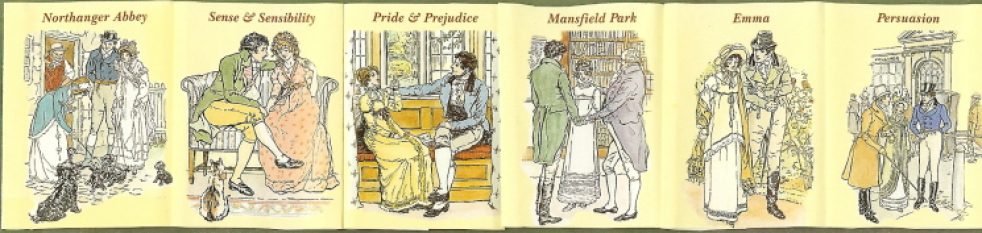



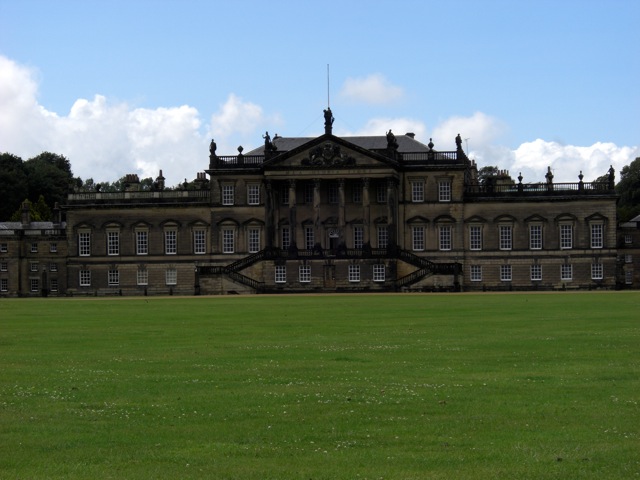

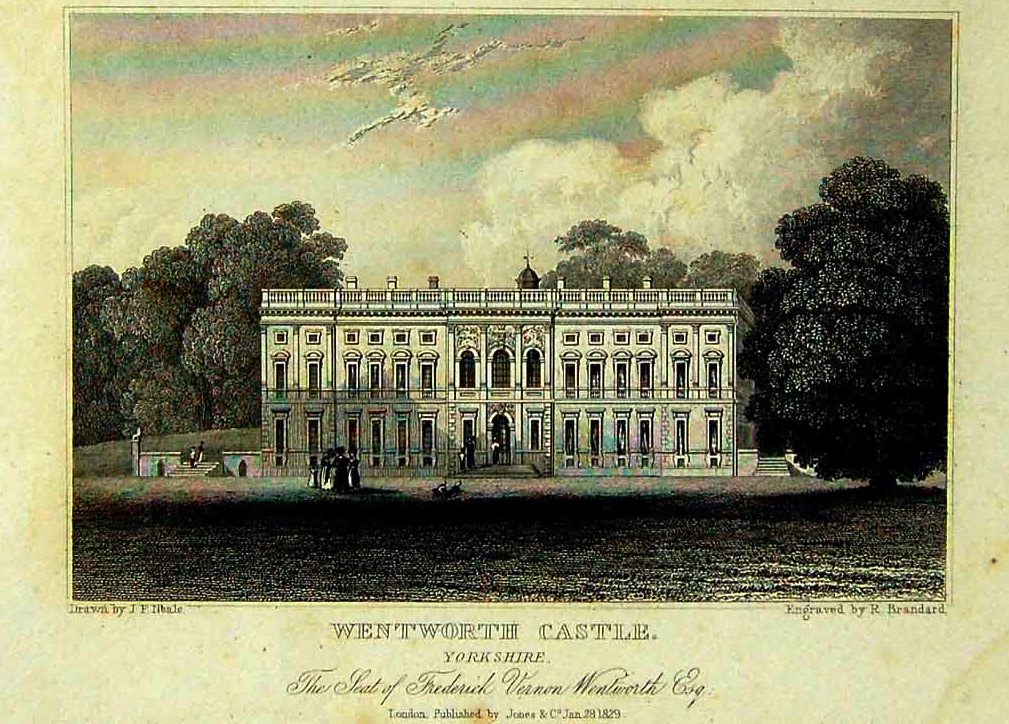
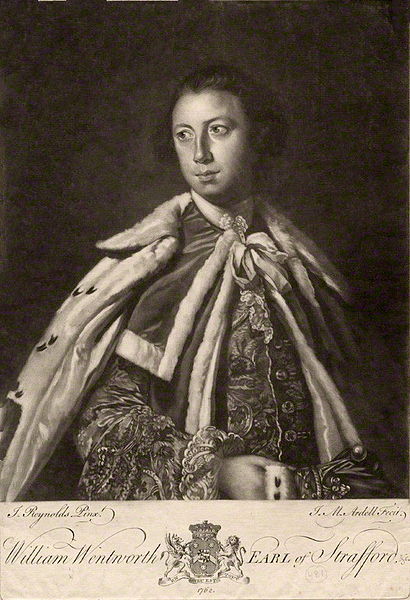



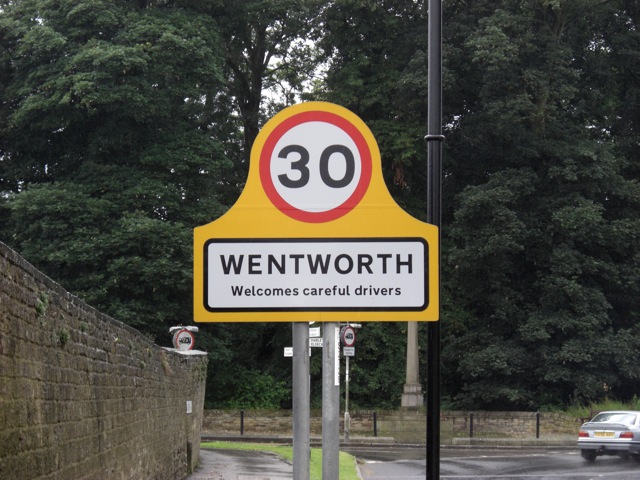
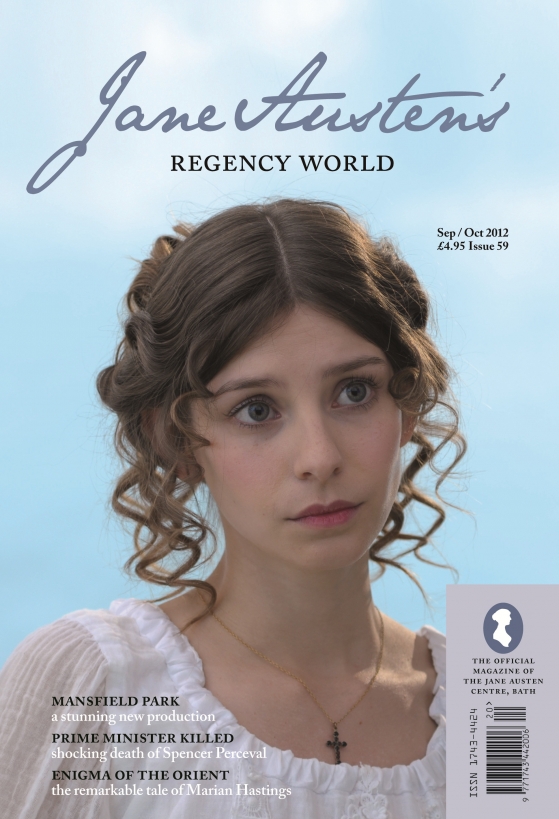


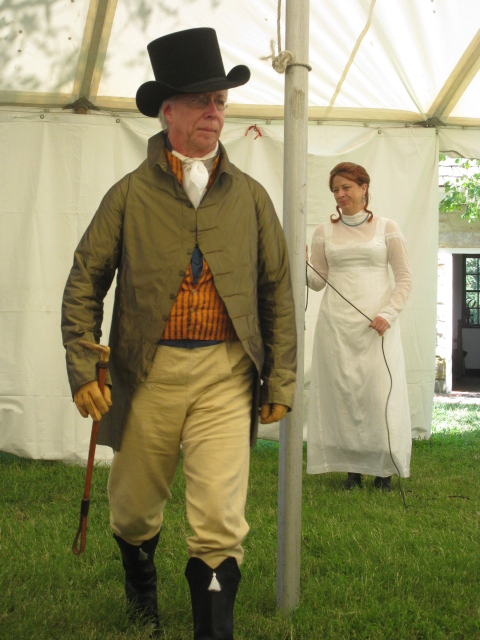
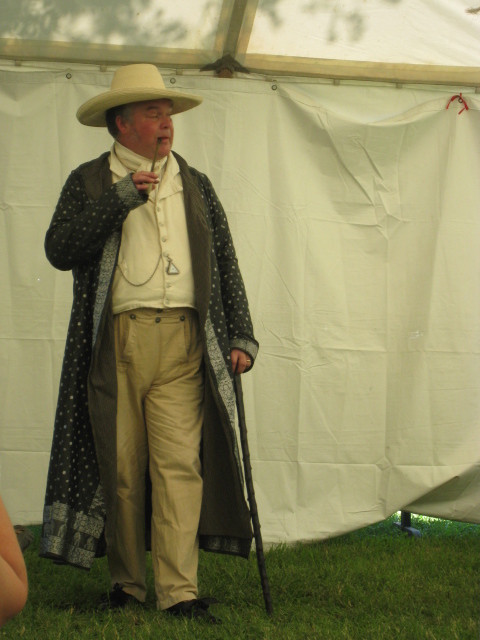


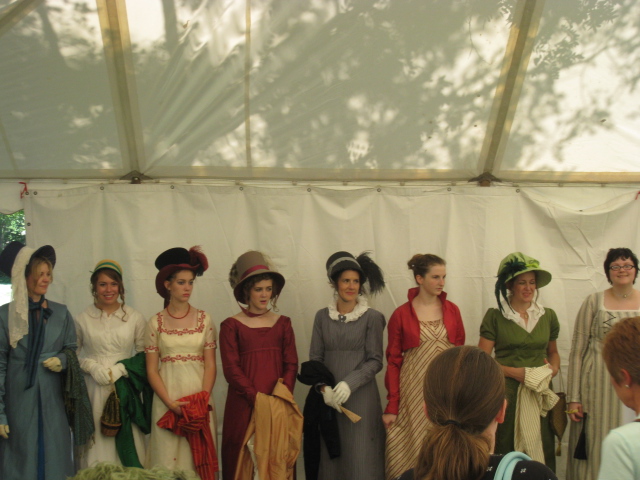

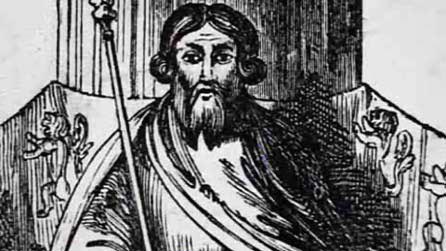


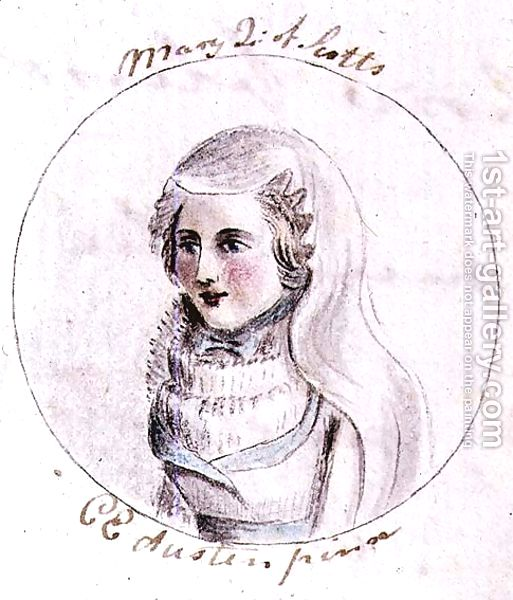


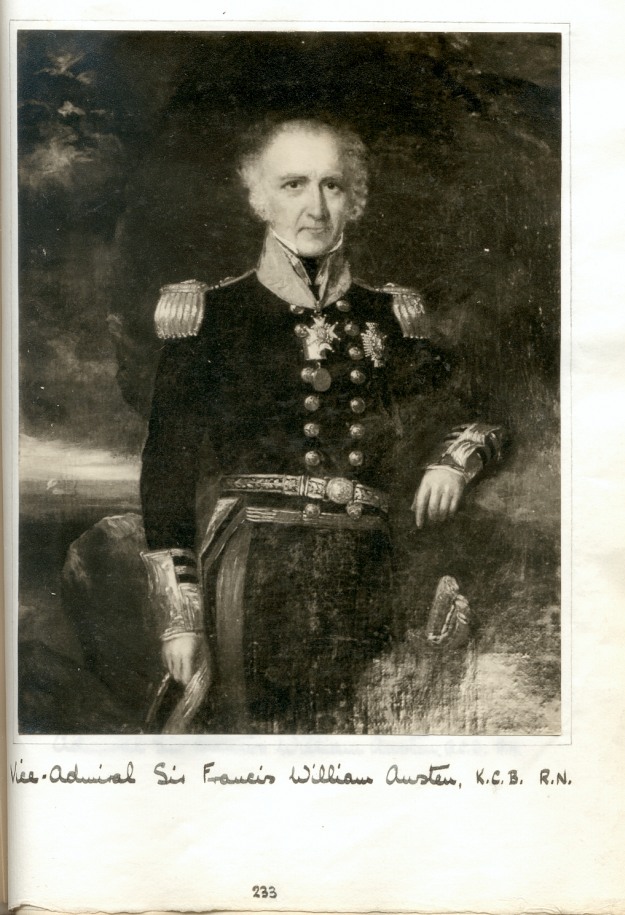
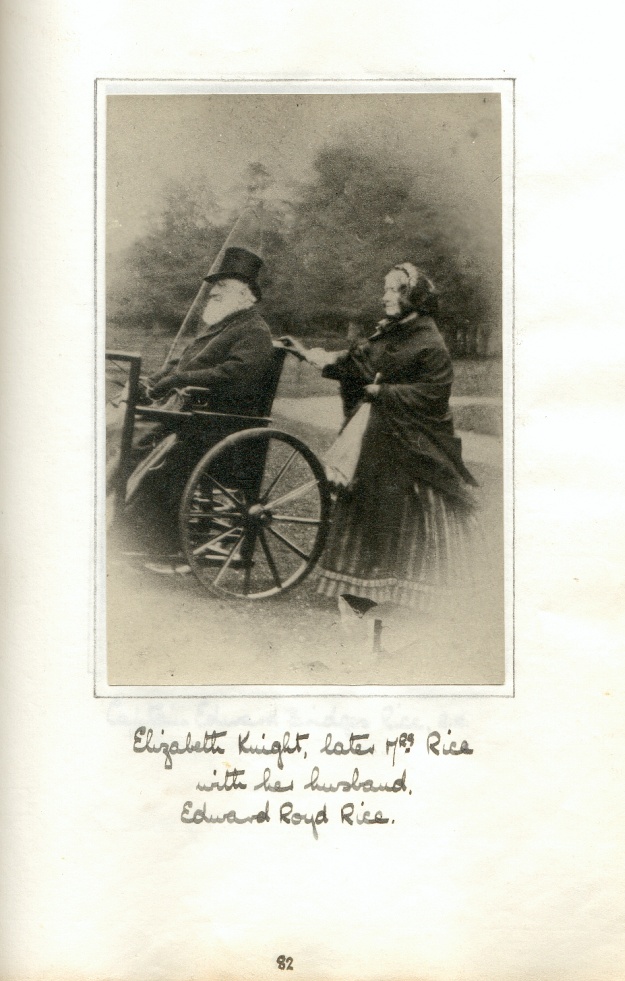
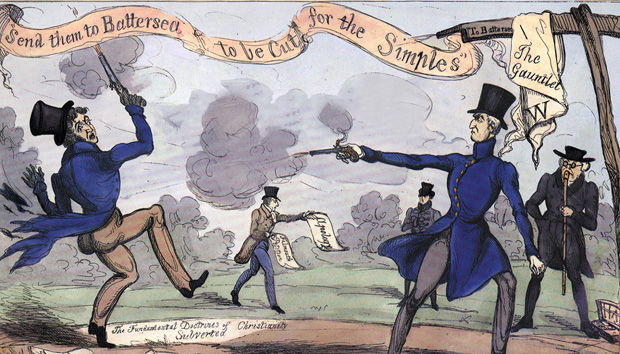
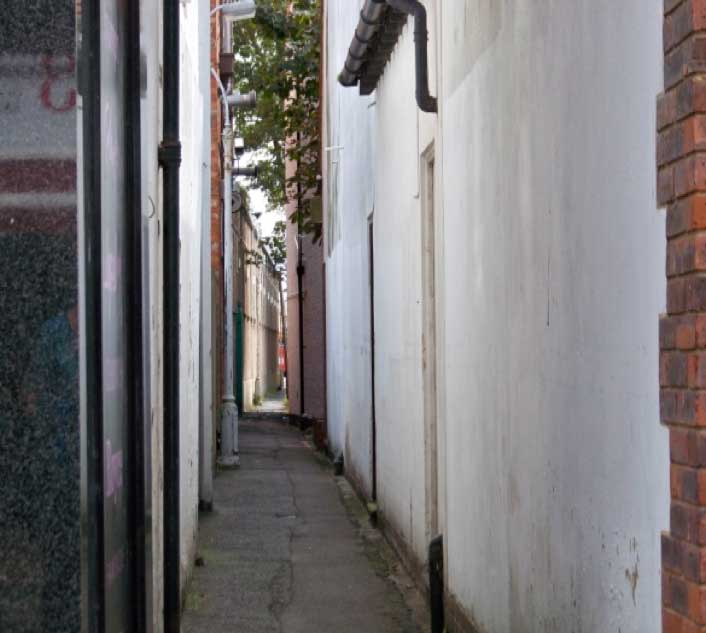
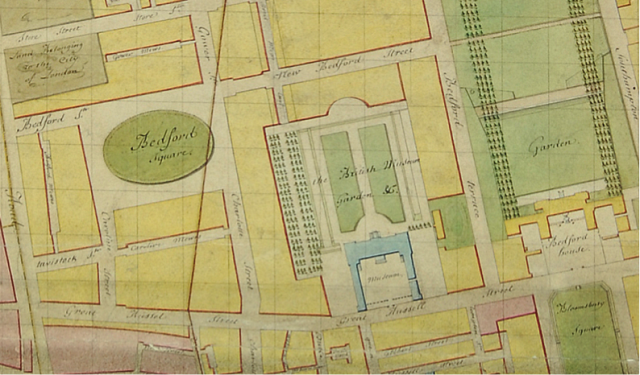
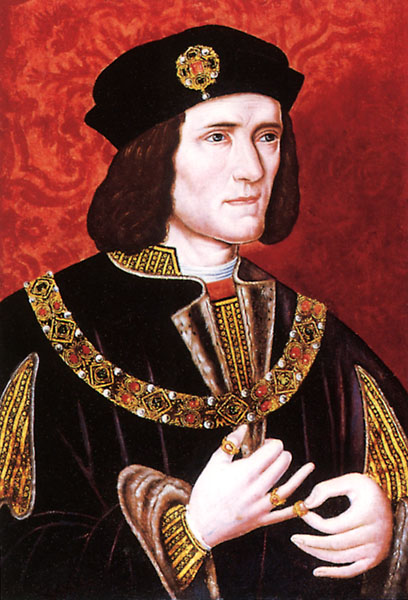
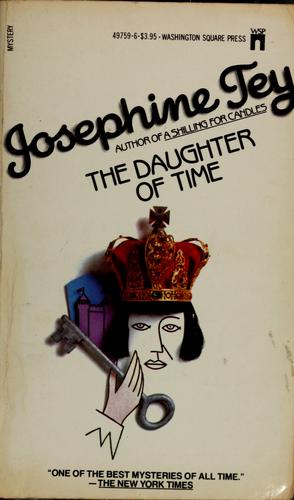


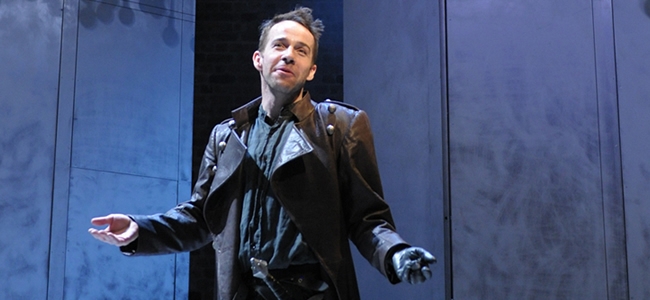

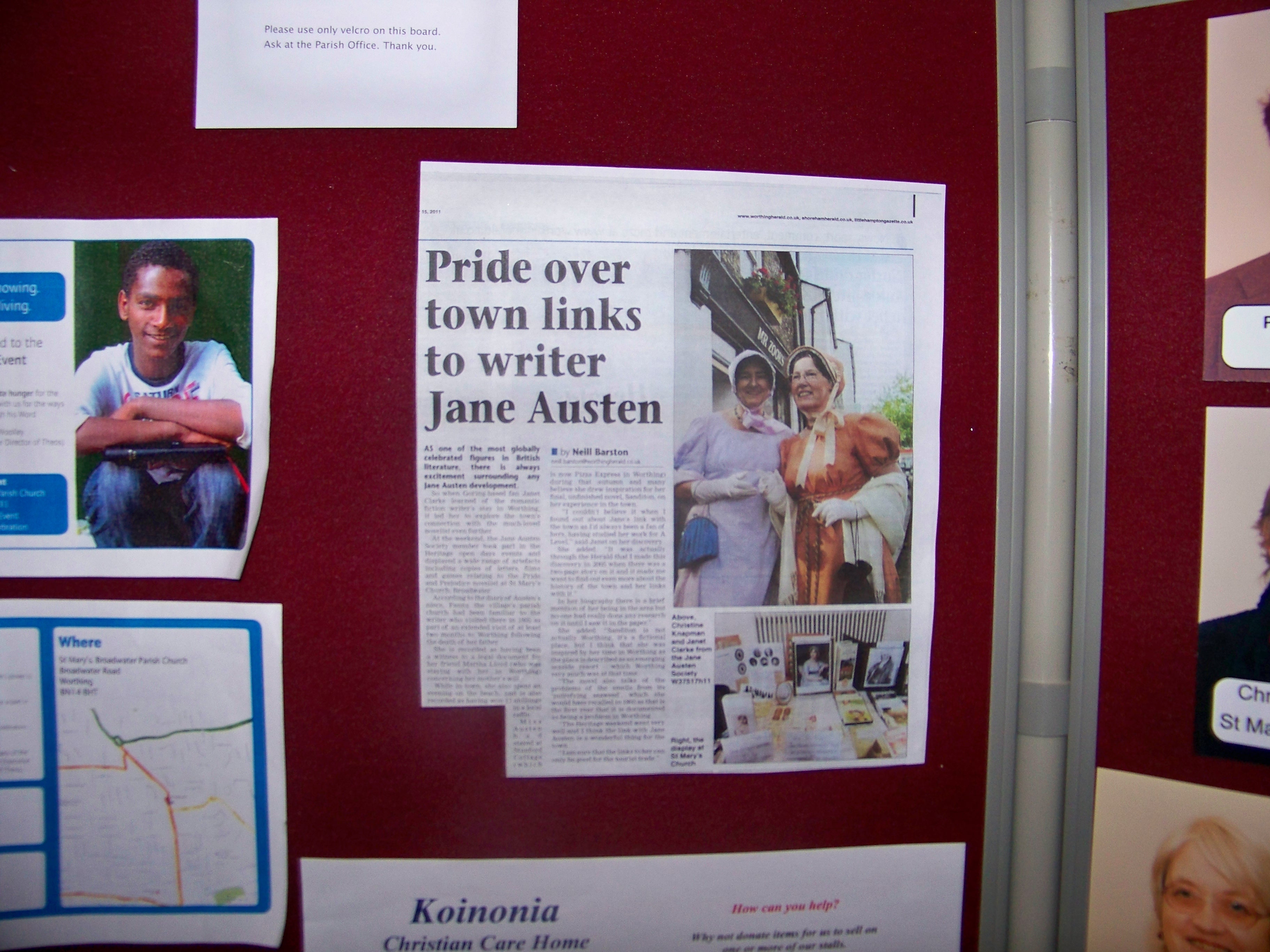
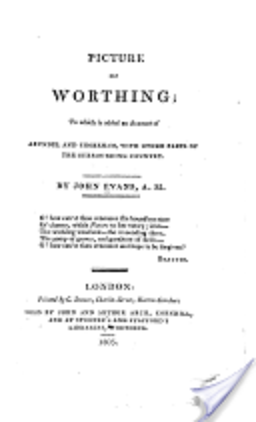

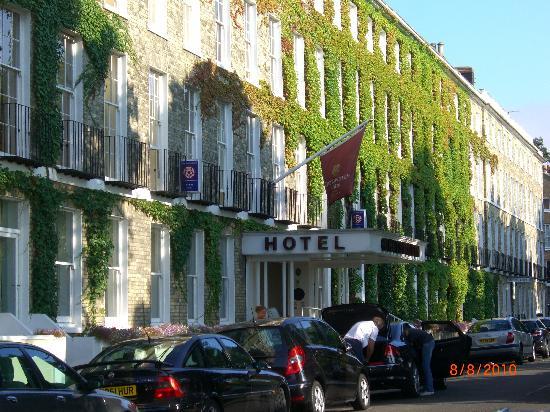
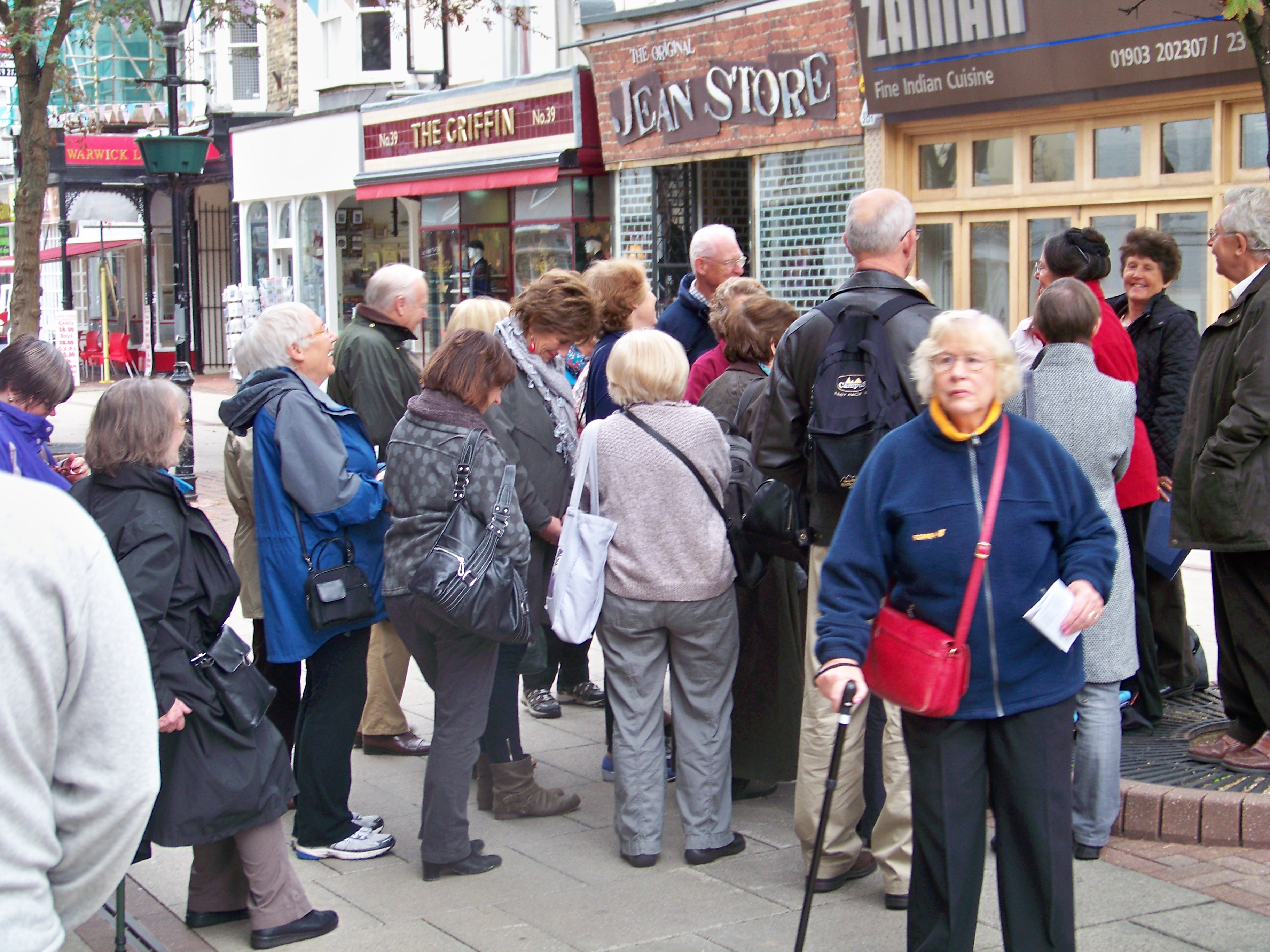
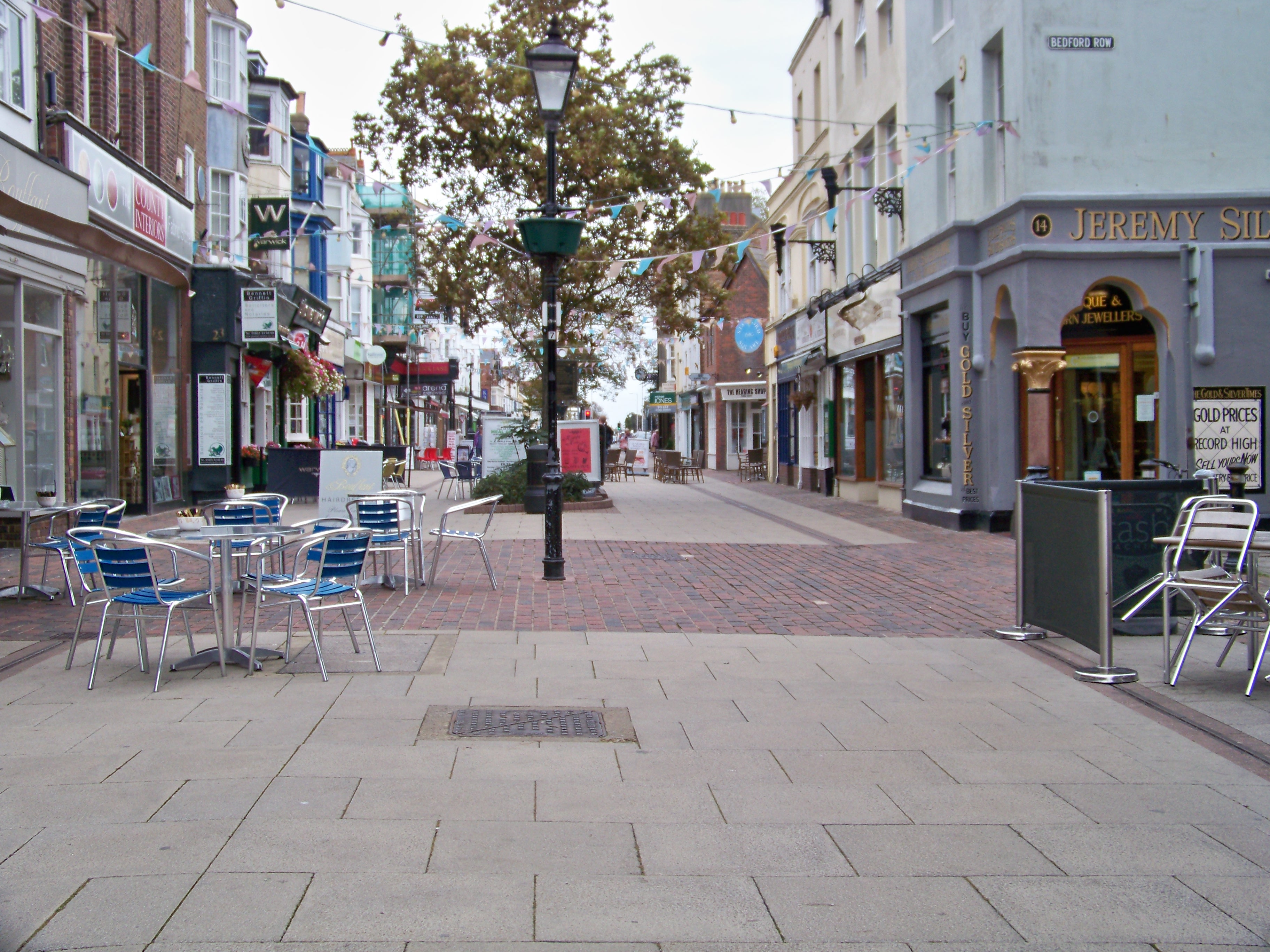


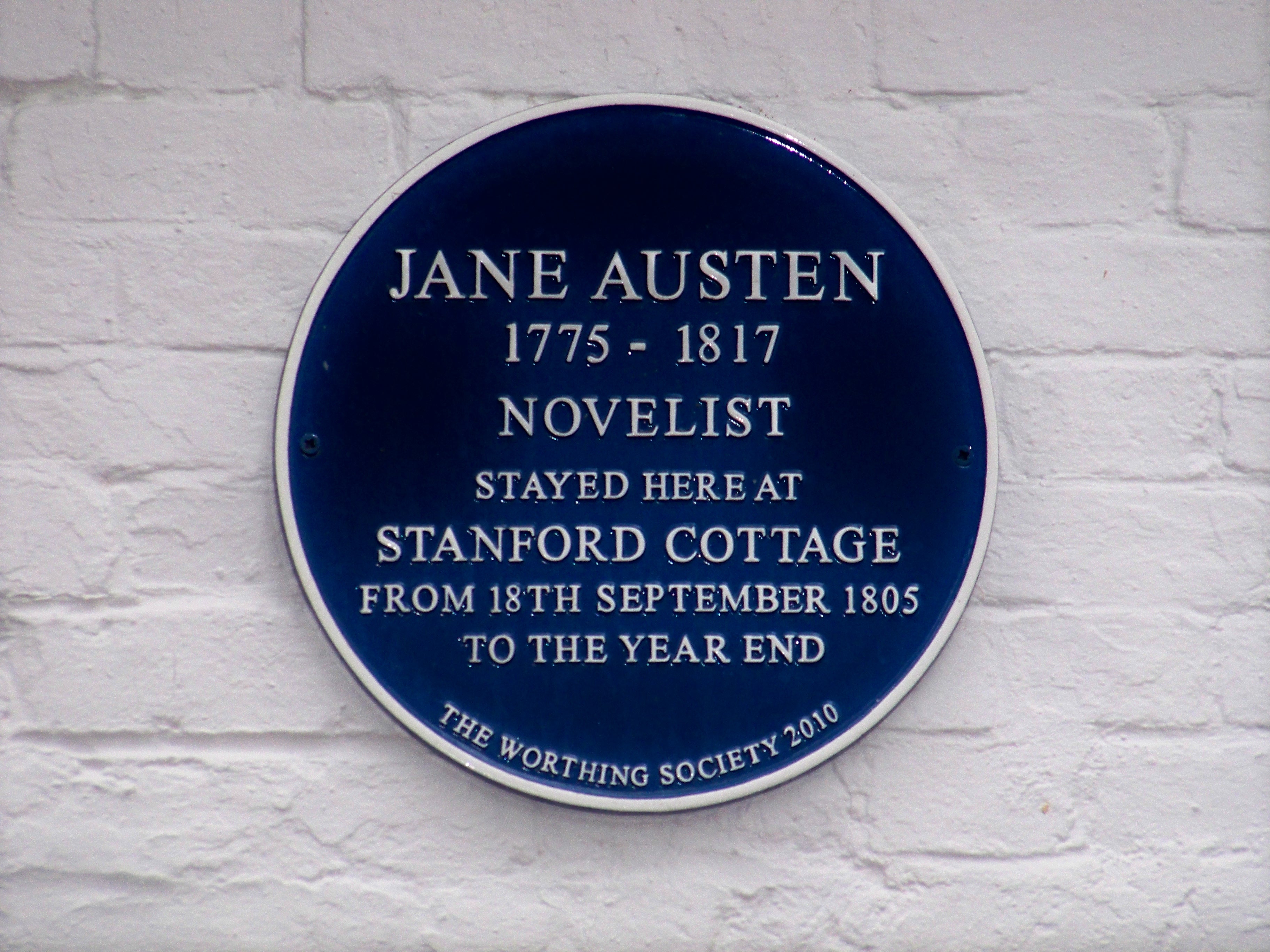


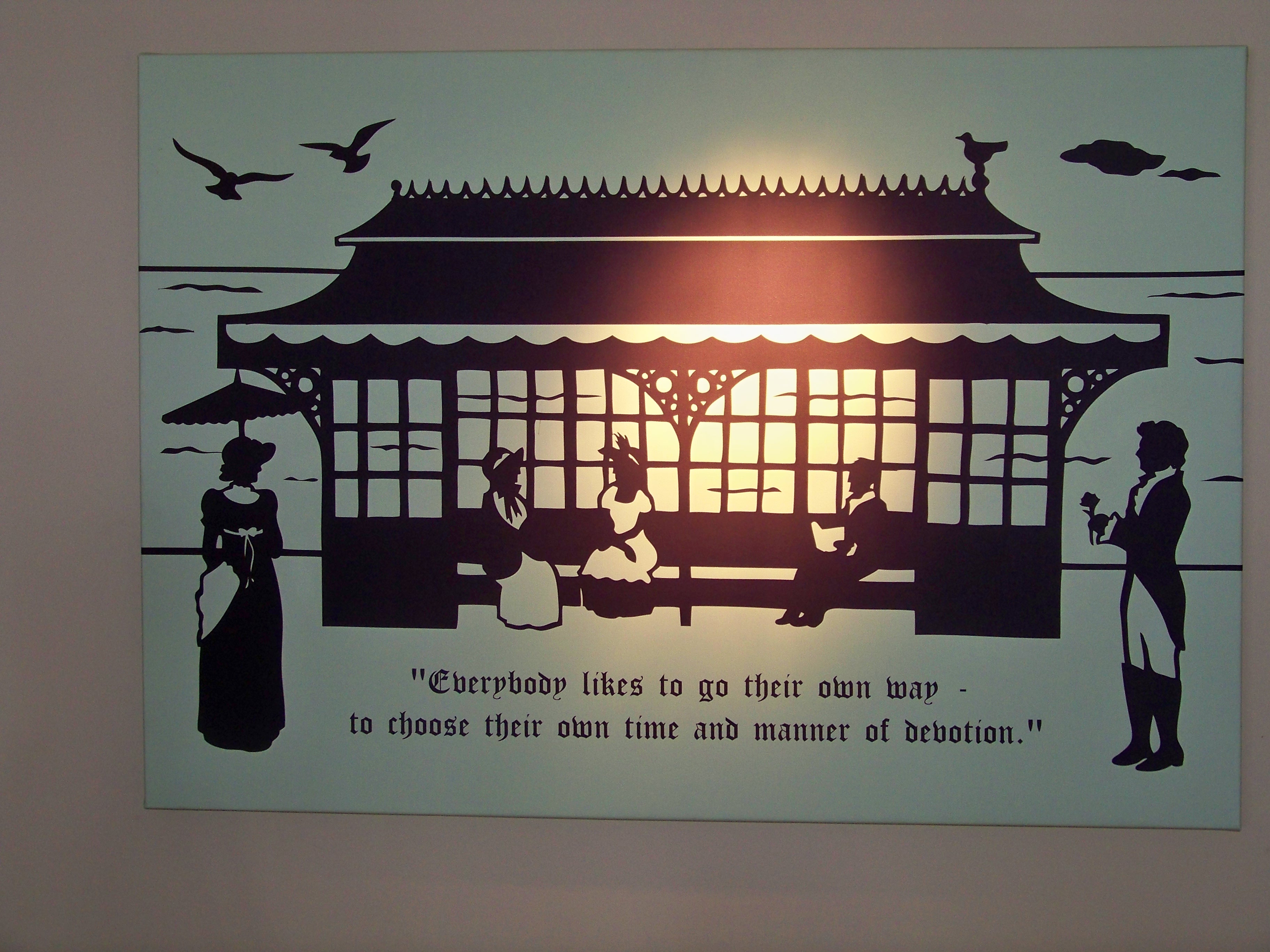






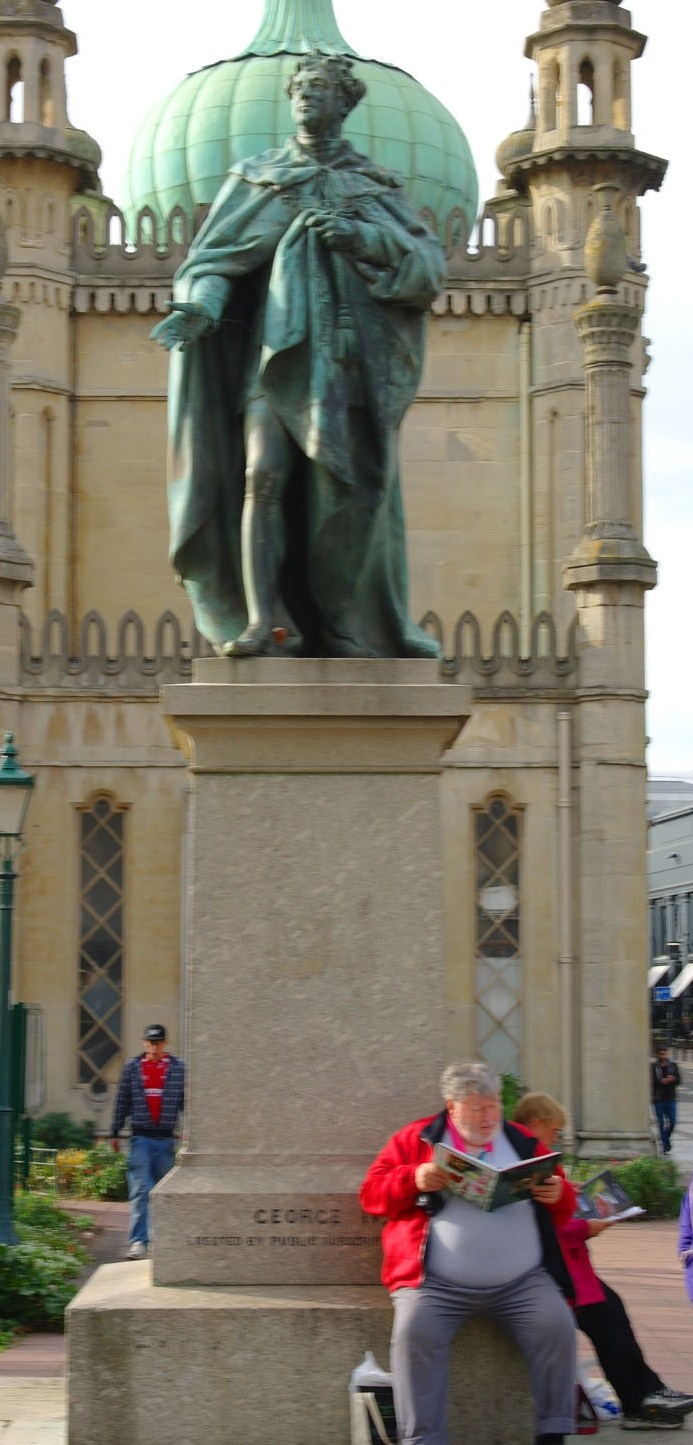


 Jane Austen in Vermont