You are Cordially Invited to JASNA-Vermont’s June Meeting
“The Mystery of Emma Austen’s Aunt Emma ~ An Interactive Presentation”
with Kelly McDonald*
Sunday, 7 June 2015, 1:00 – 3:00 p.m.
Morgan Room, Aiken Hall, 83 Summit Street
Champlain College, Burlington VT**
********
Brief sentences in a series of letters lays out the basic “mystery”: the 200-year-old family secret of a highly discouraged relationship between two women. Were the quarrels based on religion, class, station, or sexual attraction? In the spirit of Sanditon or Edwin Drood, no definitive conclusion exists; the audience is invited to brainstorm as family history unfolds. The connection to Jane Austen? Emma Austen was married to Austen’s nephew and biographer James Edward Austen Leigh.
Kelly McDonald
We all know Kelly McDonald as the prime mover in the founding of the Vermont JASNA region – she “retired” as co-RC when her research and publication work became her main focus. She is working on a 4-volume biography of the lives and families of Emma Smith and Mary Gosling – you can read all about them at Kelly’s blog “Two Teens in the Time of Austen”: https://smithandgosling.wordpress.com. Kelly has also published various essays in Persuasions, the monograph Jane Austen and the Arts, online articles via Academia.edu, has spoken at JASNA AGMs and will again be presenting at the 2015 AGM on Childbirth in early 19th-century England. You can read a full list of her writings here: https://smithandgosling.wordpress.com/the-author/
~ Free & open to the public ~
~ Light refreshments served ~
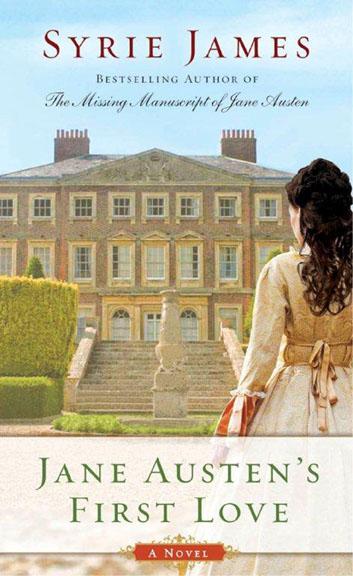
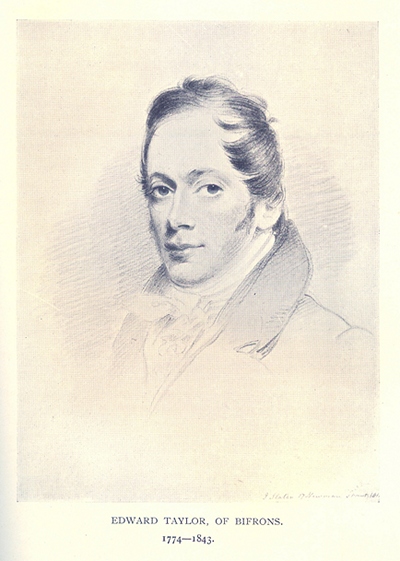
Syrie James’s new work, Jane Austen’s First Love, tells the tale of one Edward Taylor as a possible first love, pre-Tom Lefroy, for Jane Austen. It is fiction, but there is too much truth in the story, based largely on the few comments Austen made in letters to her sister Cassandra and James’ in-depth research into Taylor’s life, to have us shelve this book as merely a pretty fiction.
Syrie also wrote in more detail about Edward Taylor here: http://englishhistoryauthors.blogspot.com/2014/12/edward-taylor-of-bifrons-jane-austens.html – Ron Dunning, of Jane Austen genealogy fame, on reading about Syrie’s book, did some research into this Edward Taylor and has found some amazing connections to Jane Austen’s family – you will see that though Jane may not have had Edward Taylor for herself, future generations saw the Austen and Taylor families very much entwined… so here is Ron to tell us all about it. And thank you Ron for sharing this with us!
*************
A Postscript to Jane Austen’s First Love, by Ronald Dunning
Jane Austen may have been unlucky in her love for Edward Taylor, but four members of his family were more receptive to the attentions of hers. It can be illustrated in a drop-chart of the descendants of Edward Taylor’s parents, Edward Taylor the elder, and Margaret Taylor, to be found on the following link [and see below for an abbreviated version so you can follow the generations]: http://wc.rootsweb.ancestry.com/cgi-bin/igm.cgi?op=DESC&db=janeausten&id=I17370
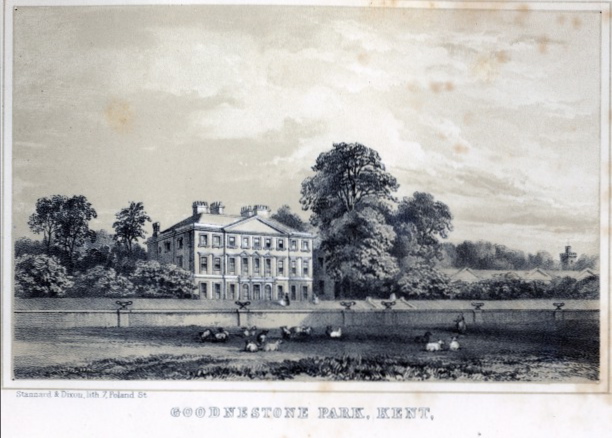
Bifrons Park, Kent
The number given to each person indicates the level of descent, with the elder Edward and Margaret in the first position. Their daughter Charlotte [JA’s Edward Taylor’s sister] married the Rev. Edward Northey, a Canon of Windsor, and two of that couple’s daughters married sons of Edward (Austen) Knight.
I. The first, Charlotte Northey, married Henry Knight [son of JA’s brother Edward], after his first wife, Sophia Cage, had died. Poor Charlotte had a very short married life too, dying three years later. Their one daughter, Agnes Charlotte Knight, married Narborough Hughes D’Aeth. Agnes had the good fortune that her mother lacked, and lived a long life of ninety years, during which she bore at least thirteen children.
The surname D’Aeth is pronounced Death by the family. I’m told that during the Second World War a Commander D’Aeth of the Royal Navy was promoted to Captain, but his men refused to serve under a Captain Death – so he felt it was best to change his surname. [One plug, if I may – the names Narborough and Cloudesley were given to many boys born to the D’Aeth family, and the reason is interesting. I wrote about it in an article, to be found here: http://www.janeaustensfamily.co.uk/articles/longitude.html]
II. Returning to the chart, Charlotte Northey’s sister, Mary Northey, married Henry Knight’s brother, the Rev. William Knight. Mary was, like her sister, a second wife, and more than twenty years younger than William. She became the step-mother to his eight children, and bore three daughters of her own, those on the chart. Unfortunately she too was visited by tragedy – the daughters, aged between two and five, all died within a week of one another, from smallpox.
III. There were two further connections, both among the descendants of Jane Austen’s fondly-doted-upon Edward Taylor. (Edward is half-way down the chart, the second person with the generational number 2.) His great-granddaughter Dorothy Mary Deedes (generation 5) married Lionel Charles Edward Knight, a great-grandson of JA’s brother Edward Austen Knight. Fortunately, there is no need to report a family tragedy here, since she lived into ripe old age.
IV. The fourth connection is less obvious – still a descendant of the younger Edward Taylor, but not a person who married a Knight. Nevertheless she brings the story full circle. Dorothy Mary Deedes’s brother, Herbert William Deedes [so Edward Taylor’s great-grandson, but also the great-great-nephew of Edward Austen Knight’s wife Elizabeth Bridges – confused enough now??], had a daughter who is simply identified in the chart as ‘Living Deedes,’ because she is still living. She is the dowager Lady FitzWalter of Goodnestone Park – whence Lady Bridges wrote to announce the betrothal of her daughters, one of them her daughter Elizabeth who married Edward Austen Knight! [see Syrie’s post here on Lady Bridges’ letters] With the Austen pedigree, where one story ends, another begins – Lord and Lady FitzWalter were cousins, both descended from the Bridges. But let’s leave it for another time …
************
Thank you Ron for this! – I append here a portion of the genealogy chart that shows these connections – please visit Ron’s genealogy page http://wc.rootsweb.ancestry.com/cgi-bin/igm.cgi?op=DESC&db=janeausten&id=I17370 for the full chart and links from each name – it is all quite daunting, and why I am showing here only the names that connect Taylor and Jane Austen!
1 Edward TAYLOR of Bifrons; Rector of Patrixbourne b: 26 AUG 1734 [JA’s Edward Taylor’s father]
+ Margaret TAYLOR (LATER PAYLER) b: ABT 1743 d: 27 APR 1780
2Charlotte TAYLOR d: 19 FEB 1837 [Edward Taylor’s daughter]
+ Edward NORTHEY MA, Canon of Windsor b: 22 OCT 1754 d: 18 FEB 1828
3Charlotte NORTHEY d: 28 JUN 1839 [Edward Taylor’s grand-daughter]
+ Henry KNIGHT b: 27 MAY 1797 d: 1843 [son of Edward Austen Knight, JA’s brother]
4 Agnes Charlotte KNIGHT b: 1837 d: 1927 + Narborough Hughes D’AETH of Knowlton Court, Kent; JP, DL, MA b: ABT 1821 d: 1886
5 Lewis Narborough Hughes D’AETH b: 13 MAR 1858 d: 21 OCT 1920
+ Eleanor Frances SNEYD b: ABT 1866
3 Mary NORTHEY b: ABT 1820 d: 07 DEC 1854 [Edward Taylor’s grand-daughter]
+ William KNIGHT Rector of Steventon b: 10 OCT 1798 d: 05 DEC 1873 [son of Edward Austen Knight, JA’s brother]
4 Mary Agnes KNIGHT b: 1843 d: 15 JUN 1848
4 Cecilia KNIGHT b: 1844 d: 09 JUN 1848 4 Augusta KNIGHT b: 1845 d: 09 JUN 1848
2 Edward TAYLOR Esq., of Bifrons, co. Kent; MP for Canterbury (1807-1812) b: 24 JUN 1774 d: 22 JUN 1843 [this is JA’s Edward Taylor, brother to Charlotte Taylor – her daughters Charlotte and Mary each married Jane Austen’s nephews Henry and William as shown above]
+ Louisa BECKINGHAM
3 Emily Octavia TAYLOR
+ William DEEDES of Sandling Park, co. Kent; JP, DL, MP for East Kent b: 17 OCT 1796 d: 30 NOV 1862
4 Louisa DEEDES
4 Emily DEEDES
4 Mary DEEDES
4 William DEEDES b: 11 OCT 1834
4 Herbert George DEEDES King’s Royal Rifle Corps; of Saltwood Castle b: 28 SEP 1836 d: 05 MAY 1891
+ Rose Elinor BARROW
5 Dorothy Mary DEEDES [great-grand-daughter of Edward Taylor]
+ Lionel Charles Edward KNIGHT b: 13 NOV 1872 d: 29 JAN 1931 [great-grandson of Edward Austen Knight, Jane Austen’s brother]
6 Elizabeth Margaret KNIGHT b: 12 MAY 1909 d: 1996
+ Ian Charles Rose ROSE d: 11 DEC 1962
5 Herbert William DEEDES of Galt, Hythe, co. Kent, and formerly of Sandling Castle and Saltwood Castle
+ Melesina Gladys CHENEVIX-TRENCH JP b: 11 SEP 1884 d: 16 JAN 1966
6 William Francis DEEDES Lord Deedes of Aldington (Kent); Editor of the Daily Telegraph b: 1913 d: 2006
6 Living DEEDES [dowager Lady FitzWalter of Goodnestone Park]
+ FitzWalter Brook PLUMPTRE 21st Baron FitzWalter b: 15 JAN 1914 d: 14 OCT 2004
*************************
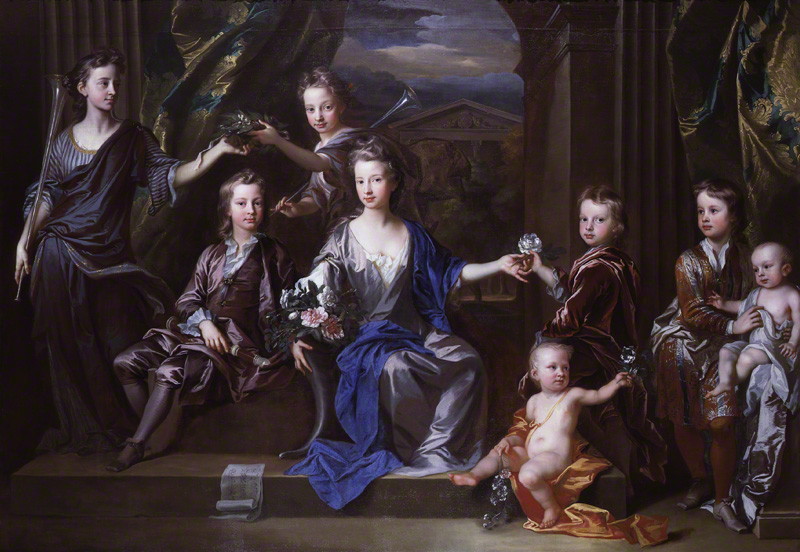
Is your head spinning yet??! If you have questions, please ask away – and any comments on Syrie’s original post will qualify you for the Grand Giveaway – deadline is tonight December 21 at 11:59pm. And just to make your head continue in its spin, here is a portrait of “The Children of John Taylor of Bifrons Park,” by John Closterman, 1696? [from the National Portrait Gallery] – one of these boys is presumably Jane’s own Edward Taylor’s grandfather Herbert Taylor [though he seems to have been born in 1698, so perhaps the dating of the portrait is off? – more questions to ponder!]
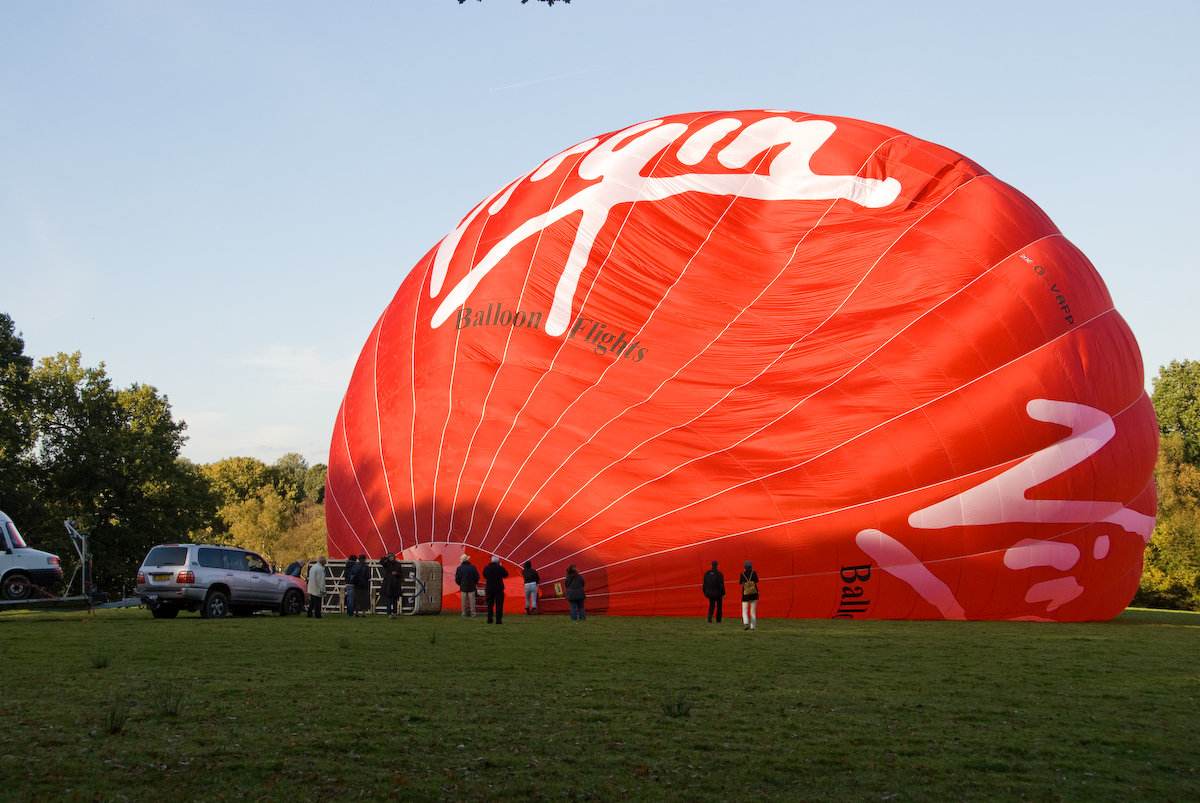
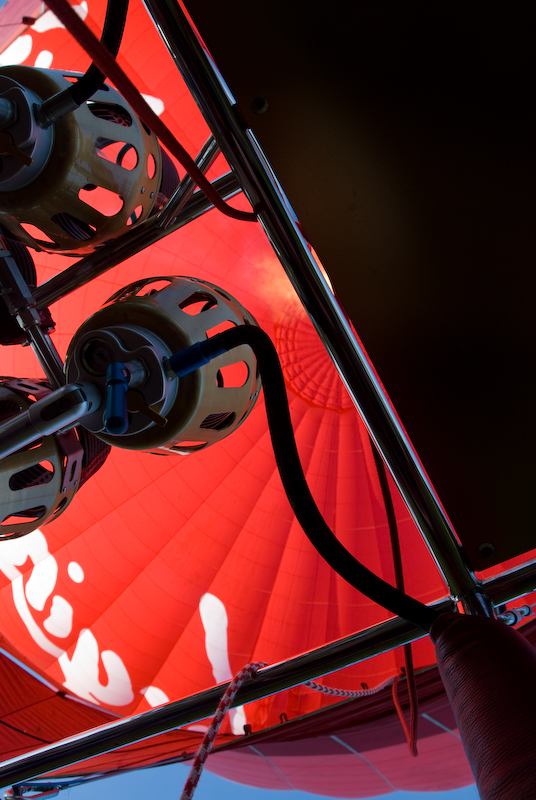
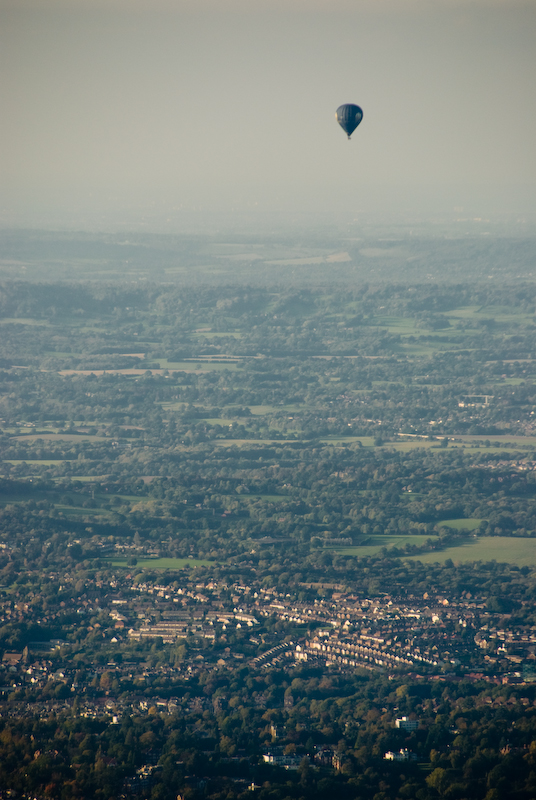
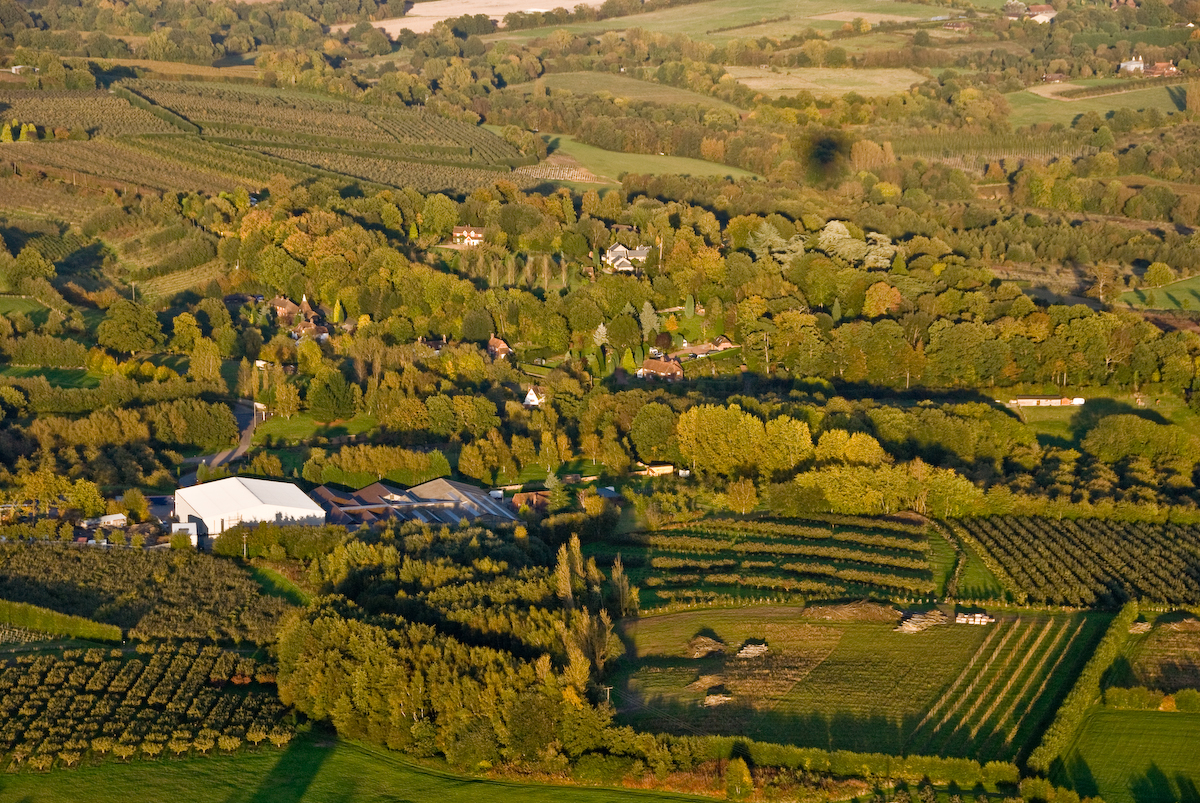
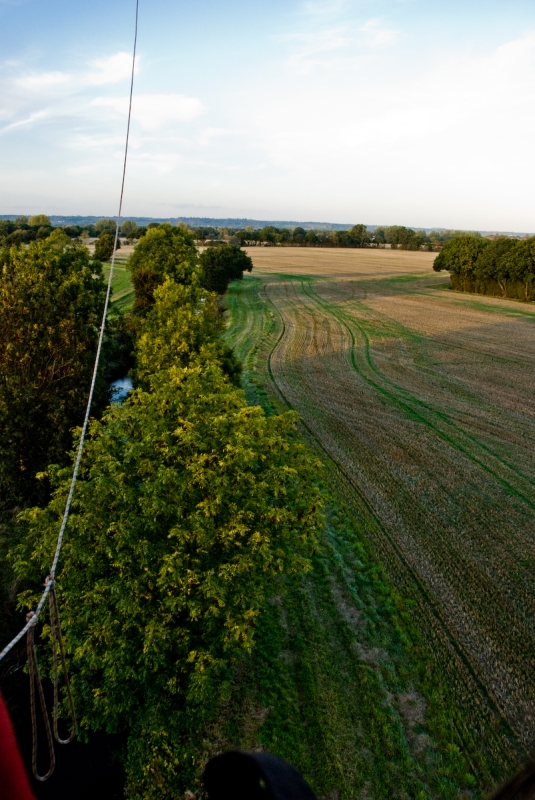
Gentle Readers: I welcome today Ron Dunning, author of the Jane Austen’s Family Website. Ron had written here before on Horsmonden in “Jane Austen and the Huguenots” – but today he tells of a hot air balloon ride he and his wife Helena took in 2008 where he took these wonderful pictures of Kent and the surrounding countryside – enjoy the ride!
*******
Sheep
Horsmonden from on High
by Ron Dunning
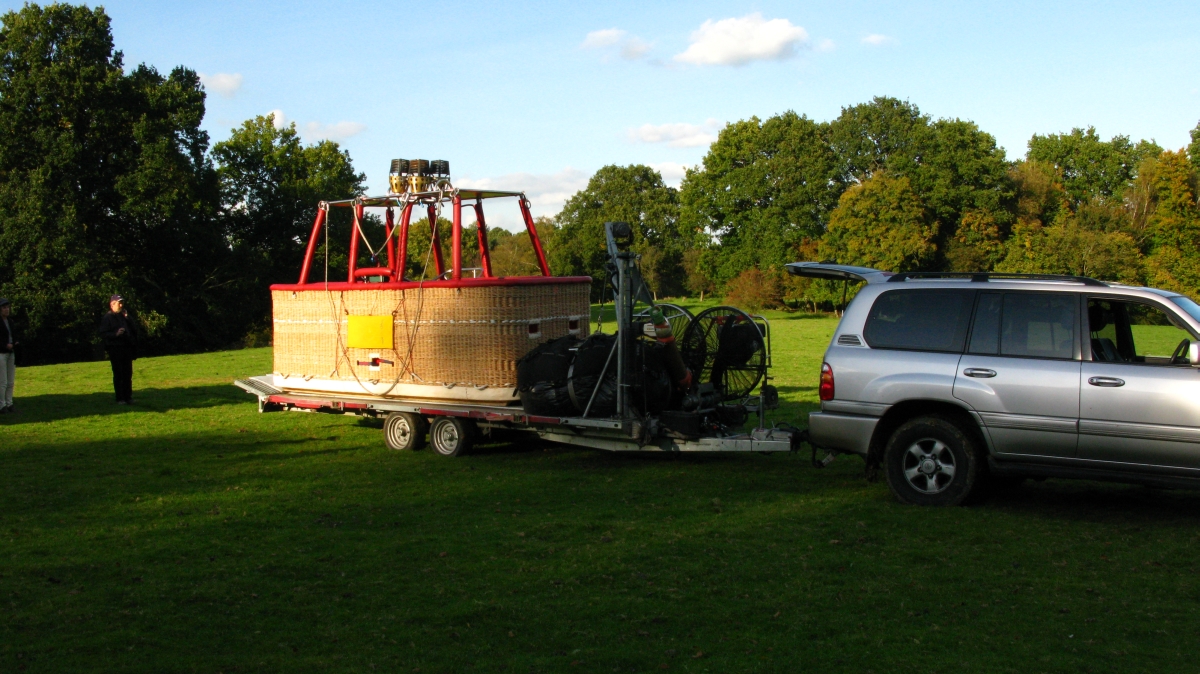
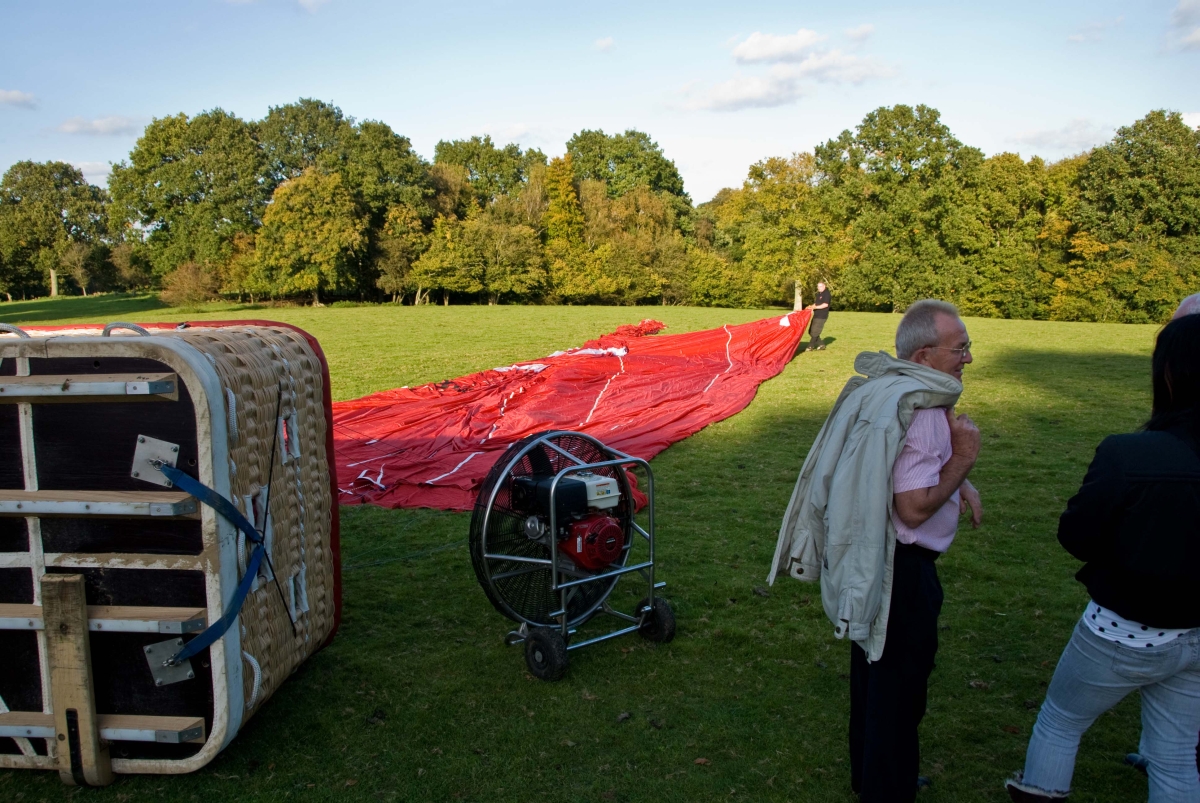
For my birthday in the spring of 2008 Helena, my wife, bought me a ticket for a hot-air balloon flight. I preferred to share the pleasure, so I waited till her birthday a few months later, and bought one for her. The weather that summer was very wet, and it wasn’t possible to book a flight until early October. We chose a launch site in Wadhurst, on the Sussex border with Kent, an area that we know and love, on what turned out to be a golden Indian summer’s afternoon.
The direction of a balloon’s flight is entirely dependent on the wind. I had given no prior thought to the fact that the Austens’ ancestral heartland of Goudhurst and Horsmonden lay only some ten miles away, but the wind took us, at 12 mph, precisely in that direction. I only realised that this was our on our route as we passed over St Margaret of Antioch in Pisidia – Horsmonden’s parish church, with its collection of Austen graves and memorial brasses.
Till then I had simply been enjoying the wonderfully calm experience. (Even though a balloon flies a few thousand feet above ground level its passengers aren’t troubled by wind, since it is blown along at the same speed as the air.) Now I began to scan the horizon for Broadford, and possibly even Grovehurst, the Austen houses. I couldn’t find Broadford. It may have been possible to see it, but I wouldn’t have recognised it from the south, the direction from which we were travelling, since I’d only ever seen the front, which faces north.
Grovehurst lies at least a mile further beyond the village, in wooded country. The wind, and our so ground speed, had dropped. I spent the next fifteen minutes straining my eyes for a glimpse of the house, to no avail. Then, just as we were descending in search of a landing site in a friendly farmer’s field, and as the pilot was announcing a Gypsy site to the left, and as I had quite given up on spotting it, there was Grovehurst on the right. The pilot turned the balloon through 360 degrees (I don’t know how he managed that!) for everyone to see, and marked the Austen’s ancestral home on his map to show future passengers.
I don’t believe that there is any record of Jane Austen’s visiting Horsmonden, where her grandfather William Austen was born. His heroic mother, Elizabeth Weller, had to take a housekeeping job at Sevenoaks School in 1708 to keep her family together, and that broke the Austens’ relationship with the village. It would not be an anachronism to imagine Jane, if she had visited, seeing her ancestral home by air – on 19 September 1783 Pilatre De Rozier, a scientist, launched the first hot air balloon called ‘Aerostat Reveillon.’ The first manned flight came two months later on November 21, with a balloon made by two French brothers, Joseph and Etienne Montgolfier.
At that time, when the fastest land transport proceeded at the rate of a trotting horse, ascending in a balloon and flying with the wind would have struck most people as terrifying and mad. As it happens my wife, who is normally fearless, asked me if I too had been worried. I confess that my imagination is generally vividly aware of consequences – and there we were at 2000 feet, with no parachutes, in a wicker laundry basket! But I was so absorbed in reconnaissance that I had forgotten to give the danger any thought.
ArrivalStill a Blank SlateTaking Shape ITaking Shape IIInflationInflation IIFiring upRising UpRising Up IILifting OffAloftNeighbour!Bayham Abbey RuinsLamberhurstBewl WaterSt Margaret of Antioch in PisidiaHorsmondenGrovehurstKentGroundlingsPursuit VehicleLanding StripSkid MarksPacking UpStowing Away
**********
Thank you Ron for this beautiful travelogue of Kent from the air!
I have to add that I have won a raffle only one time in my life, and that was for a hot-air balloon ride – it was quite the adventure, a totally unique experience of floating above the world without the usual noisy airplane sounds, so quiet and peaceful that I never wanted it to end – but we had a sudden wind pick-up and took off away from the tracer car [and my family who were following – my son, 7 years old at the time thought I had disappeared into the ether, never to be seen again; my nearly teenaged daughter was hoping beyond hope that was true!] and had a quite dramatic crash landing at a reservoir, all diving out of the basket to keep the balloon from falling into the water – but alas! my pictures, though quite lovely of the Connecticut countryside, are all on slides and do not, believe it or not, have anything to do with Jane Austen…
Anyone want to comment on Ron’s journey and photographs? or add any of your own ballooning adventures [whether Jane Austen-related or not!]?
Text and images copyright by Ronald Dunning, with thanks!
Gentle Readers: I welcome again Ron Dunning on a bit of Jane Austen ancestry – the Knight name of Chawton and Godmersham. We know that Thomas Knight and his wife adopted Edward Austen as a child, and passed on to him the landed estates they had inherited, both Chawton and Godmersham. The name of the family eventually became Austen-Knight, but Ron shows us here how far back this connection went – one wonders how much Jane Austen would have actually known of this…**
******************* Knight of Chawton and Godmersham
Presentation of Edward Austen to Thomas and Catherine Knight – wikipedia
We all know the story of how, in 1779, the 12-year-old Edward Austen charmed Thomas Knight [our Thomas henceforth] of Godmersham, and his newly-married wife Catherine [Knatchbull], when they stopped at Steventon on their bridal tour – so much so that they asked his parents to allow them to take him with them for the rest of the trip. The Knights grew increasingly fond of him, with his sunny and uncomplicated nature, and followed on by inviting him to visit them in Godmersham. When, after a few years, it became apparent that they were unlikely to have any children of their own to inherit their property and fortune, they arranged with the Austens to adopt him, and to give him their surname. There was a family connection – our Thomas Knight and Edward’s father George Austen were second cousins, both descended from John Austen and Jane Atkins.
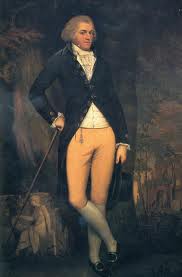
Thomas Knight, the younger, by Francis Cote – CHL ~ Catherine Knatchbull Knight, print of portrait by George Romney
Godmersham 1779 – wikipedia
Transfers of property, fortunes, and surnames were already well established in the Knight Family and make it all very difficult to follow. So I have created the chart below to make it easier for me, and I hope that it helps others too.
So, looking at the chart [see below]:
Chawton House
Beginning on the left, the Knight family had been in possession of the manor of Chawton for some generations. It was inherited by Dorothy Knight when the male line failed. According to the law of the time, her property, including the title to the estate, became the possession of her husband, Richard Martin. When they produced no children, it passed to Richard’s brother Christopher; when he too died, having remained unmarried, it was inherited by their sister Elizabeth and her two successive husbands. [Note that this line had all changed their name from Martin to Knight, before reaching our Thomas.]
Elizabeth left no children, and the property passed to a second cousin, Thomas Brodnax of Godmersham. In 1727, this Thomas changed his name by Act of Parliament to May, when he inherited property at Rawmere in Sussex from his mother’s childless cousin, Sir Thomas May. Then in 1736, on inheriting the Chawton estate, he changed his name again, to Knight.
Thomas Knight (a.k.a.Brodnax, May) – by Michael Dahl – CHL ~ Jane Monk, by Michael Dahl
This Thomas Knight and his wife Jane Monk, who was an Austen descendant, produced at least ten children, of whom five were
Edward Austen Knight – austenonly
boys. Only one, ourThomas (the second son of that name), survived childhood. Thomas enjoyed a long life of sixty years, and married Catherine Knatchbull [see portraits above]. When it became clear that they too would remain childless, they chose to adopt the young and affable Edward Austen, whose family were collateral descendants of Thomas’s great-great-grandparents, John and Jane [Atkins] Austen. On his death in 1794, Thomas Knight bequeathed Godmersham to Catherine, and all other properties to Edward; Catherine later moved to Canterbury and gave Edward the Godmersham estate at that time.
Confused? I too struggle to keep it all straight, so hopefully this chart helps. There is one detail missing, which will necessitate some further research; that is the family connection between the Martin and the Brodnax families, who were said to be second cousins. Once the research is done I’ll amend the chart, but it won’t make any difference to the sequence of surnames and ownership as they are illustrated here.
It’s some time since I last added anything to the Jane Austen’s Family website. It struck me as a good idea to include a pedigree section; this is now the first chart:
Thank you Ron! – if anyone has any questions [are you all sitting out there scratching your heads??], please ask Ron – he would be happy to answer anything you might put to him…!
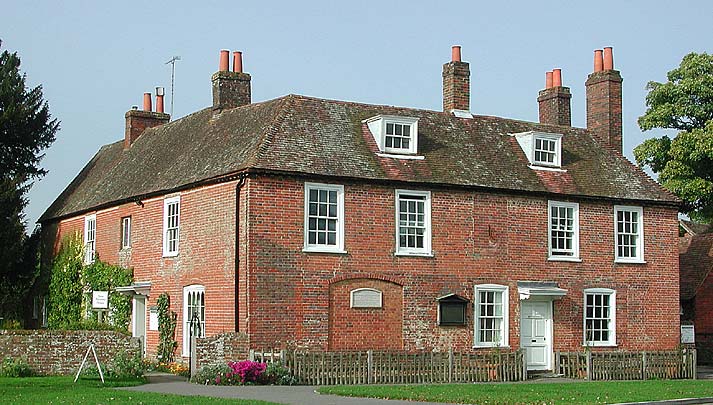
Without all these family dynamics and the extensive trading of names and the adoption of Edward Austen, Jane Austen might never have had the chance to live and write at Chawton Cottage [now the Jane Austen House and Museum]– and where would we all be without those six novels??
Chawton Cottage – astoft.co. uk
* The portraits of the Thomas Knights, Jane Monk, and Catherine Knight are all from Ancestry.com, with thanks to Ron for accessing these. You can read about the portrait artist Michael Dahl here: http://en.wikipedia.org/wiki/Michael_Dahl
** Ron has answered my question about whether Jane Austen knew about all these family connections:
Everyone – the Knights, Mr and Mrs Austen, Edward – knew incontrovertibly about the peregrinations at least back to the common descent from John and Jane Austen and, no doubt about the Mays too. It’s inconceivable that they wouldn’t have discussed it all in front of Jane.



















 Jane Austen in Vermont