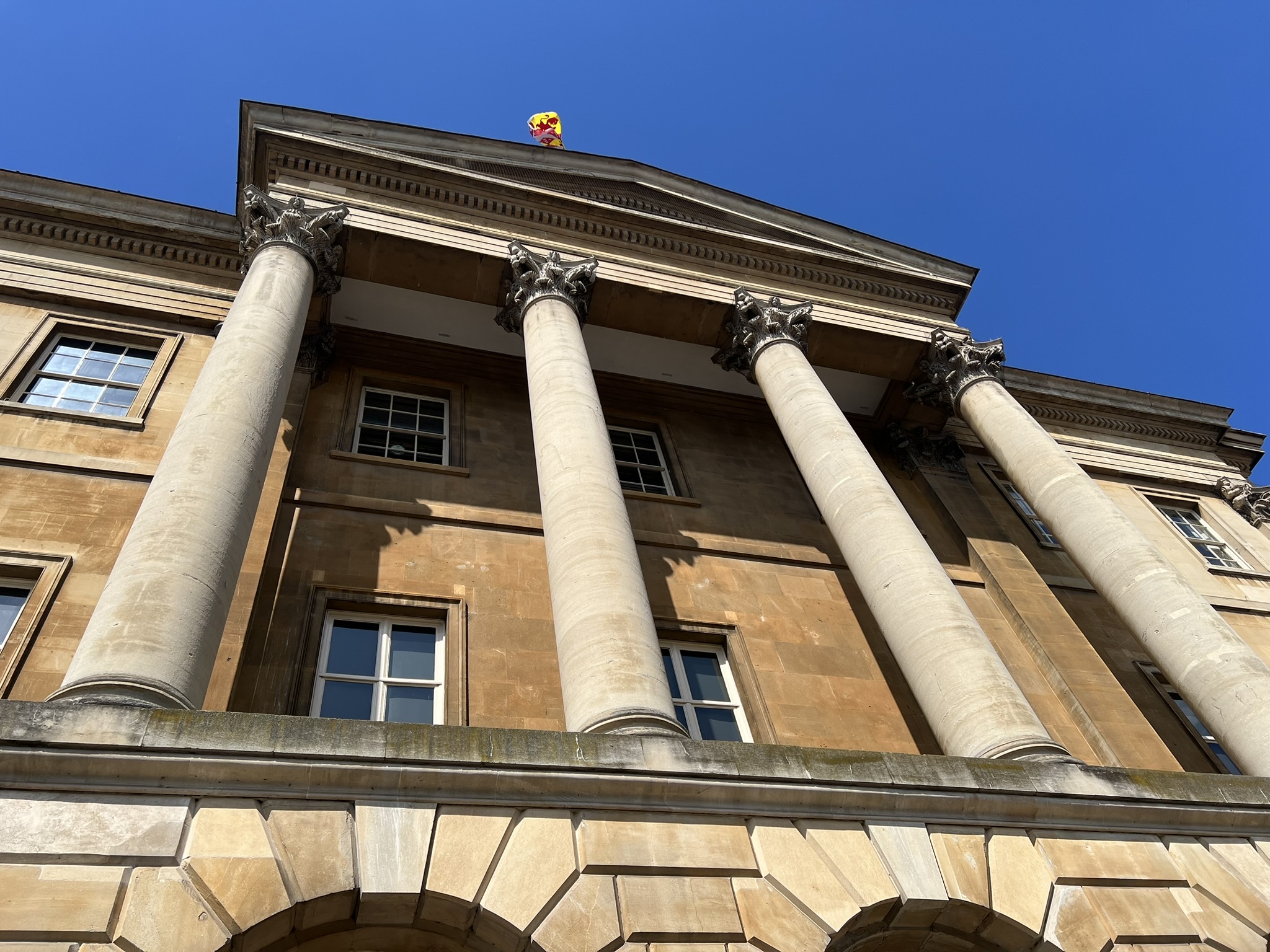
I am ashamed to say I have never been to Apsley House, home of the Duke of Wellington, so that was my goal this day – Ron had never been either, so we met there [right at the Hyde Park Gate, address is One London as you exit from Hyde Park] – and if you had a doubt as to whose home this was [and is], the number of portraits, sculptures, and paraphernalia of the Duke would certainly give you a hint… not to mention the statue of said Duke in the park across the street…
And the Wellington Arch: it is crowned by the largest bronze sculpture in Europe: the Angel of Peace descending on the Chariot of War. You can read about its history [and controversy] here.
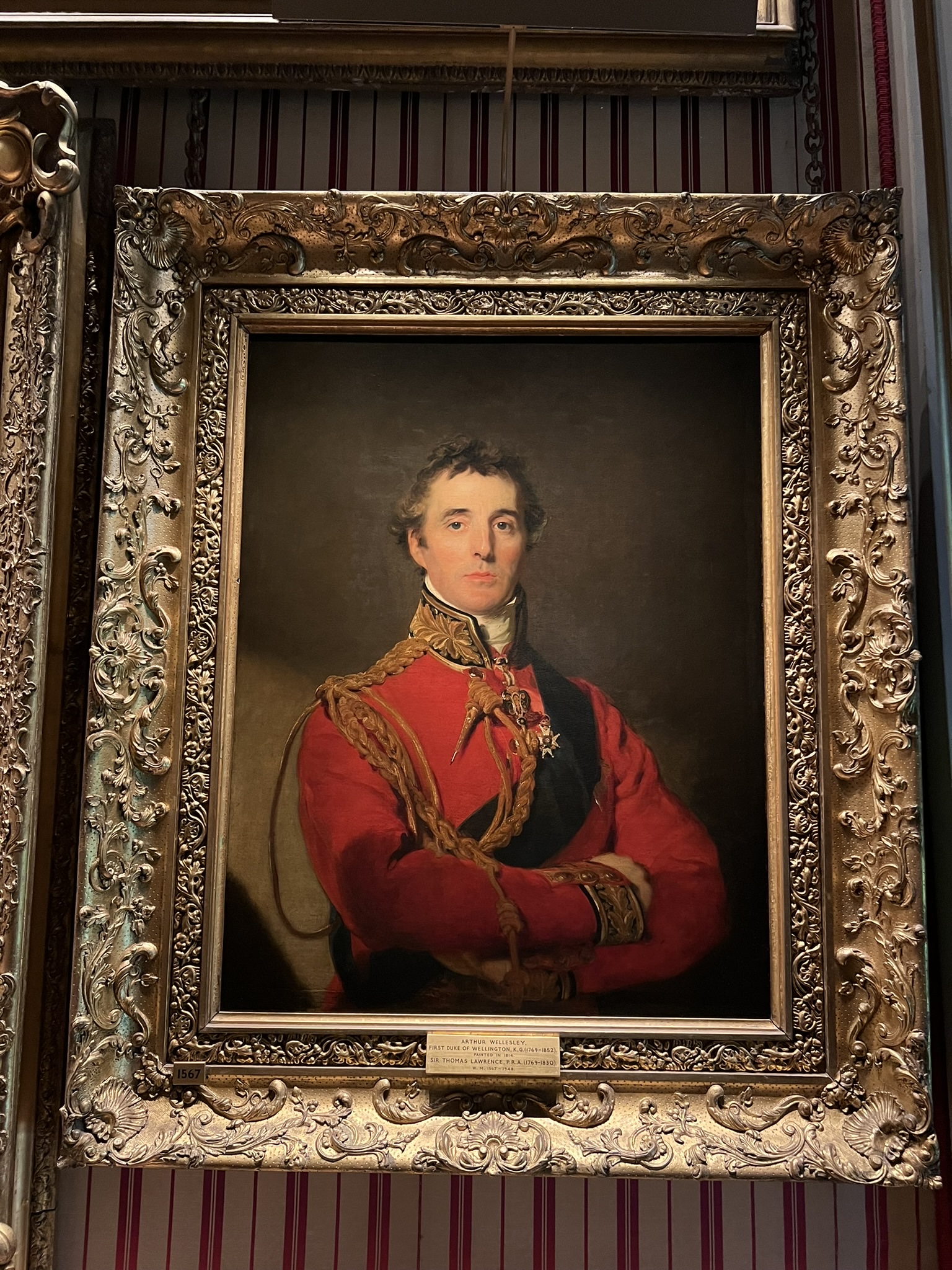
One of the many portraits of the Duke
Your basic dining room…
*****************
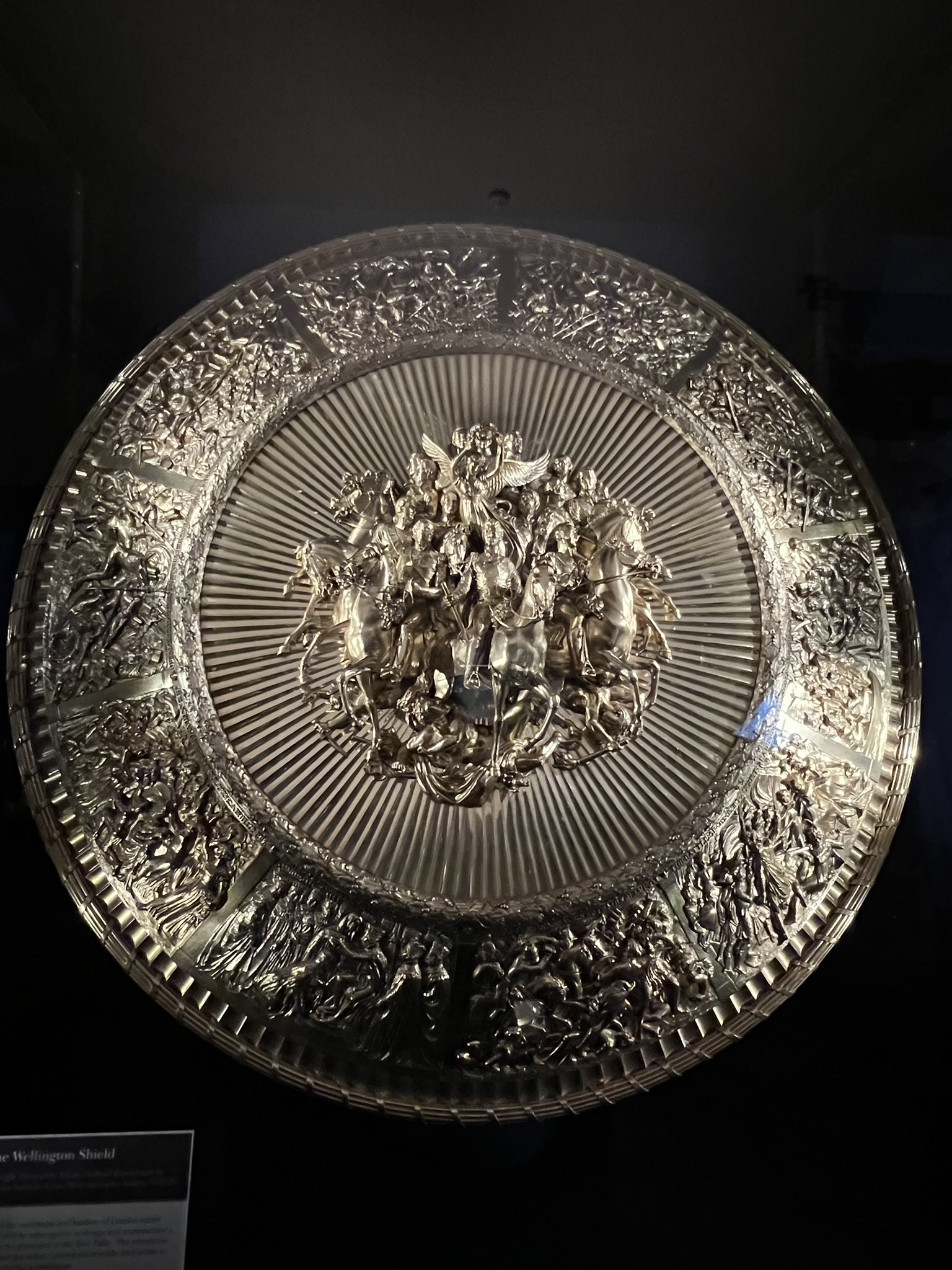
I loved it here – and art collection beyond compare – I could have spent many more hours. But for a man who by all accounts liked the simple life of being on a campaign, the extent of elaborate decorative arts and sumptuous décor seems to belie that – the color RED everywhere, and YELLOW…
************
One of two great surprises at Apsley is the extensive Spanish art collection in the Waterloo Gallery, “one of the great palatial interiors of Britain” [the Apsley House Guidebook by English Heritage] – a gift of King Ferdinand of Spain in 1816, the 165 paintings were found in an abandoned baggage carriage of Napoleon’s brother Joseph Bonaparte, then King of Spain. I give one fine example: “The Gambler,” by “a follower of Caravaggio”:
–
The other grand surprise was to find on entering the house a large nude statue of all people Napoleon! Napoleon as Mars the Peacemaker by Canova. It had been commissioned by Napoleon but had been covered up at the Louvre – after Waterloo Britain bought it for 66,000 francs and the Prince Regent [George IV] gifted it to Wellington. The entry stairwell was the only possible location and the floor had to be reinforced to support the great weight. Wellington admired Napoleon and there are several paintings of him in the art collection here. You can see the stairwell and the size in my more modest photo (!) here – this better picture of the whole statue is from the guidebook [it actually looks much larger than this image conveys – I did burst out laughing when I saw it was Napoleon…]
A friend of mine went several years ago to Apsley House for one of their occasional Regency balls – I can only imagine the swoosh of the dresses and music all around … you can see such a one in this youtube: https://www.facebook.com/ApsleyHouse/videos/2444115022311548
Alas! I had to content myself with an audio guide and a vivid imagination…
**************
Next up was Henry Austen! Ron and I were off to Sloane Square, where I served as a grateful listener for one of Ron’s walking tours of Austen sites. I had done this part of Henry Austen’s life before but Ron’s history of it all added much to my knowledge, not to mention another glorious weather day… all followed by lunch in a crowded outside eatery right in the middle of the weekend Sloane Square market – made one feel like a real Londoner!
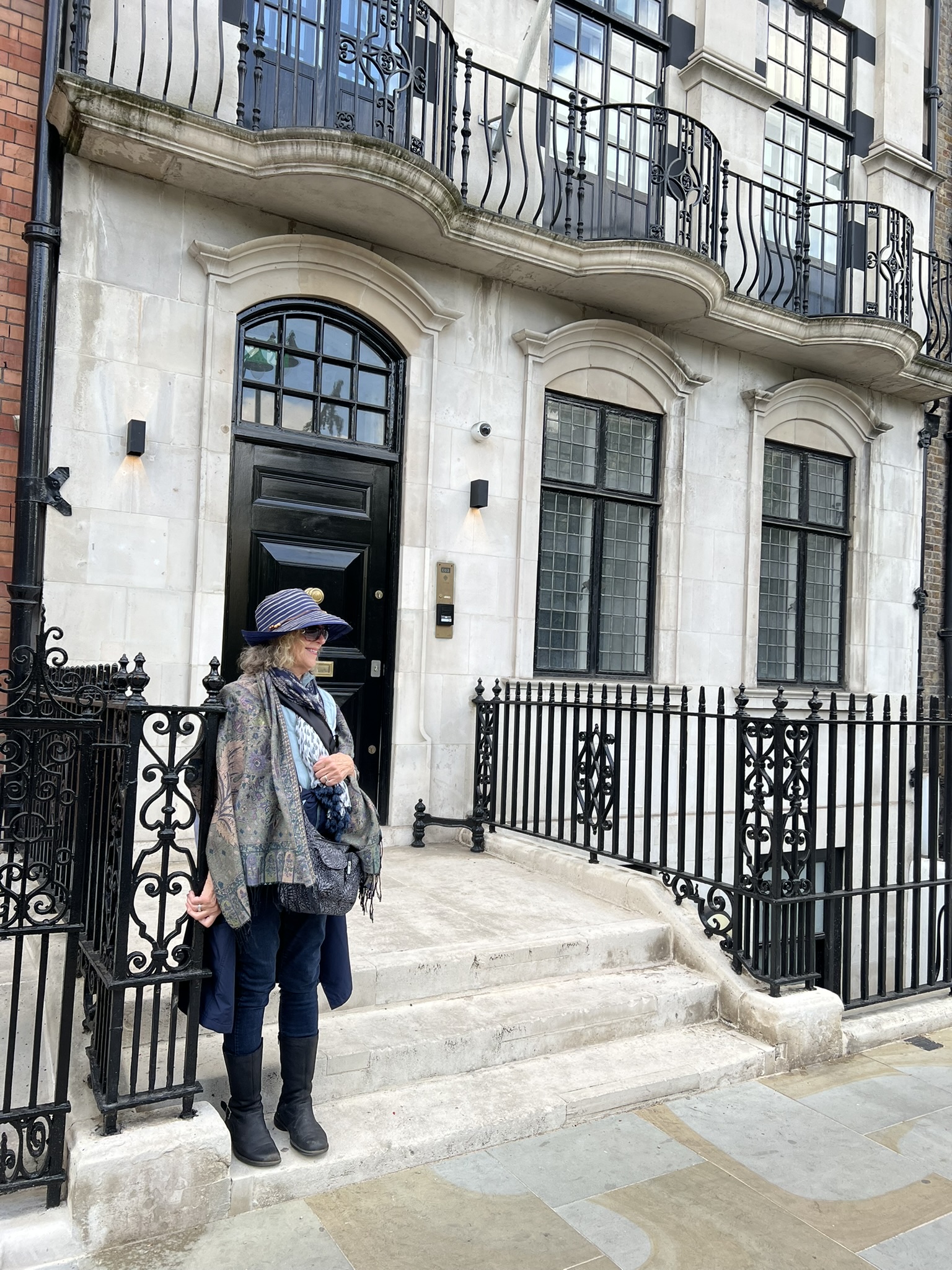
Henry’s house in Hans Place…
What Henry’s house would have looked like then…
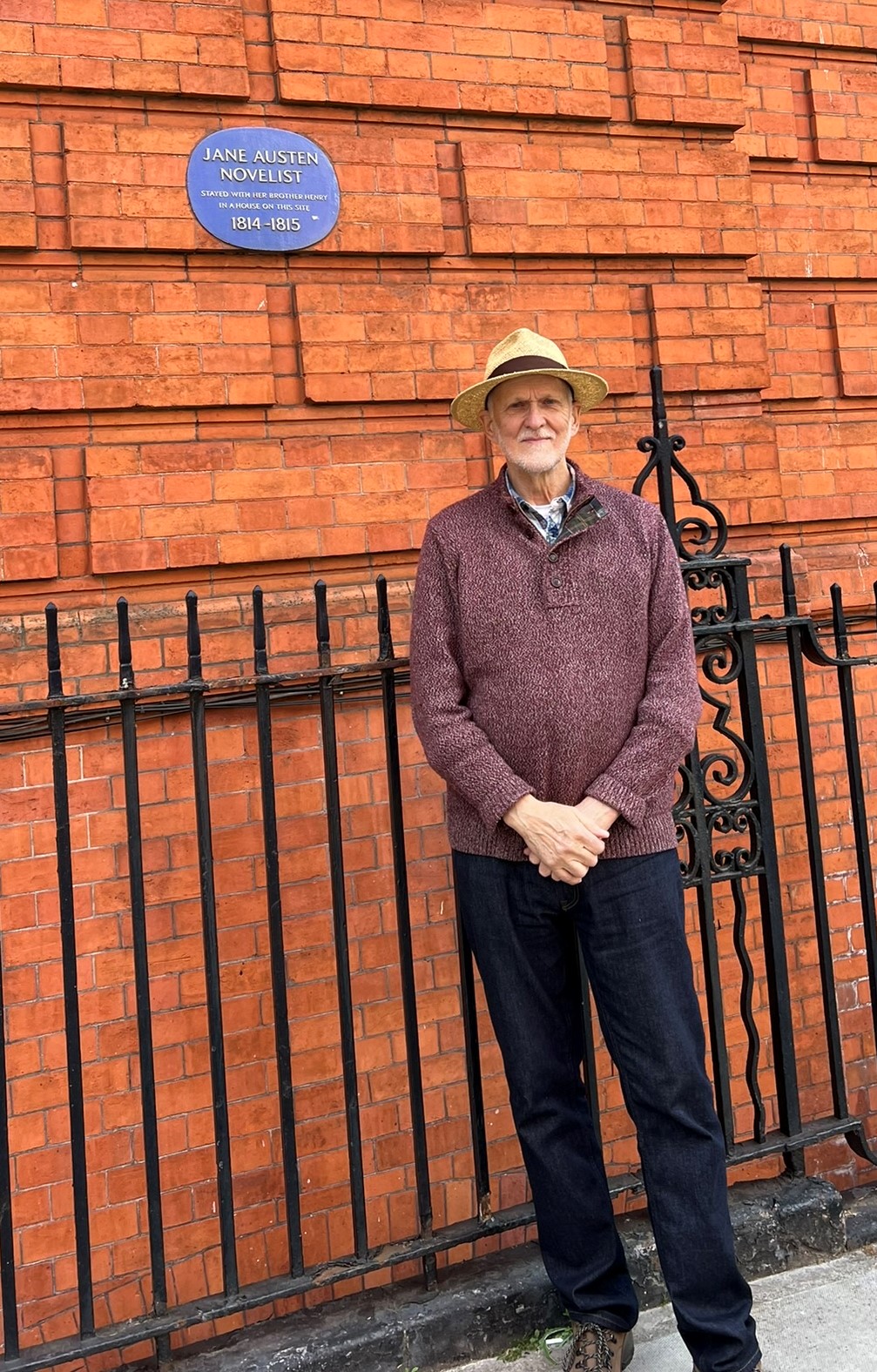
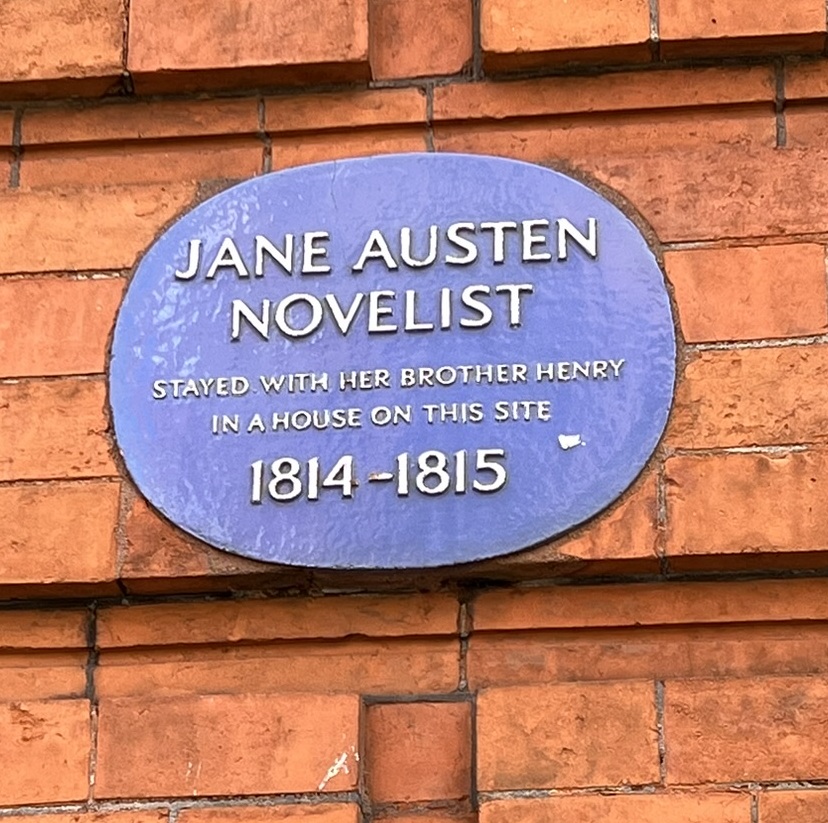
And the requisite Blue Plaque so we know it’s true…
adding this sketch from Constance Hill’s book JA: Her Homes and Her Friends (1902):
**************
Another great day with Ron…we bid adieu ’til a next visit [we have already lined up an itinerary…] – and I had a fine dinner later at my hotel [that is water not vodka!]:
Next up: the beginning of the JASNA Tour starting in Windsor!
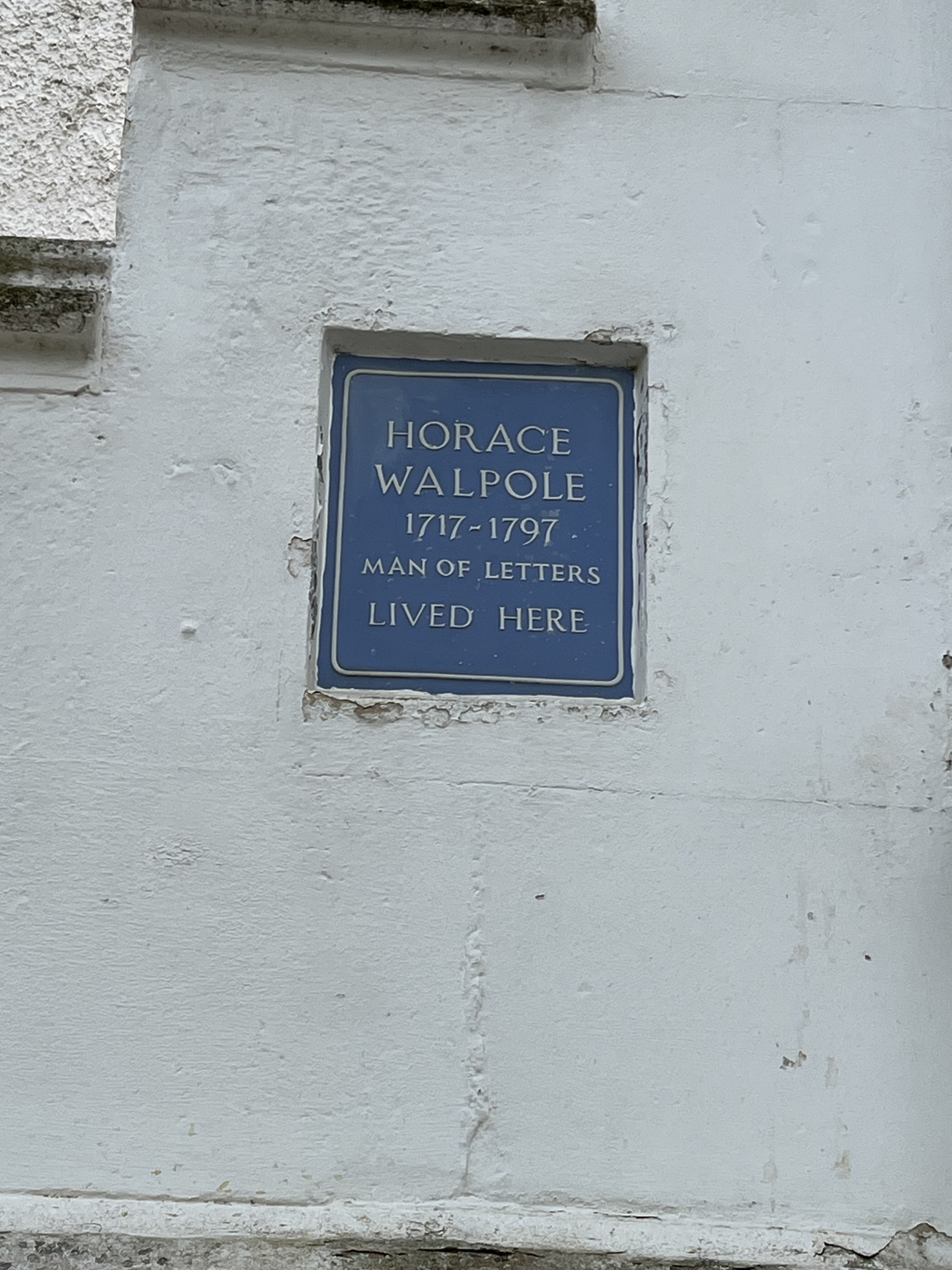
This day I had the pleasure of spending time with Ron Dunning – we have in the past visited estates and famous houses, and this time the plan was to go to Horace Walpole’s Strawberry Hill
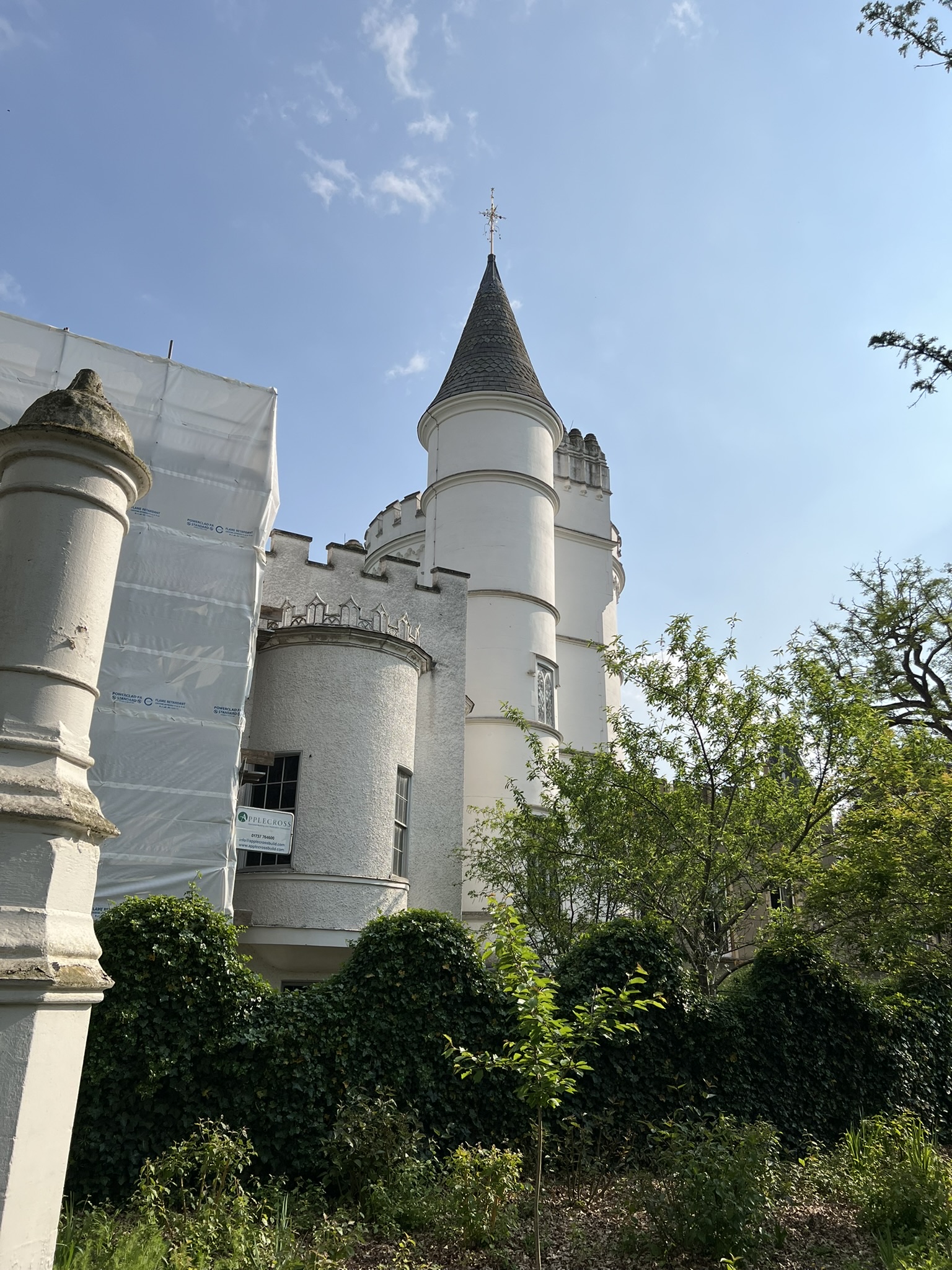
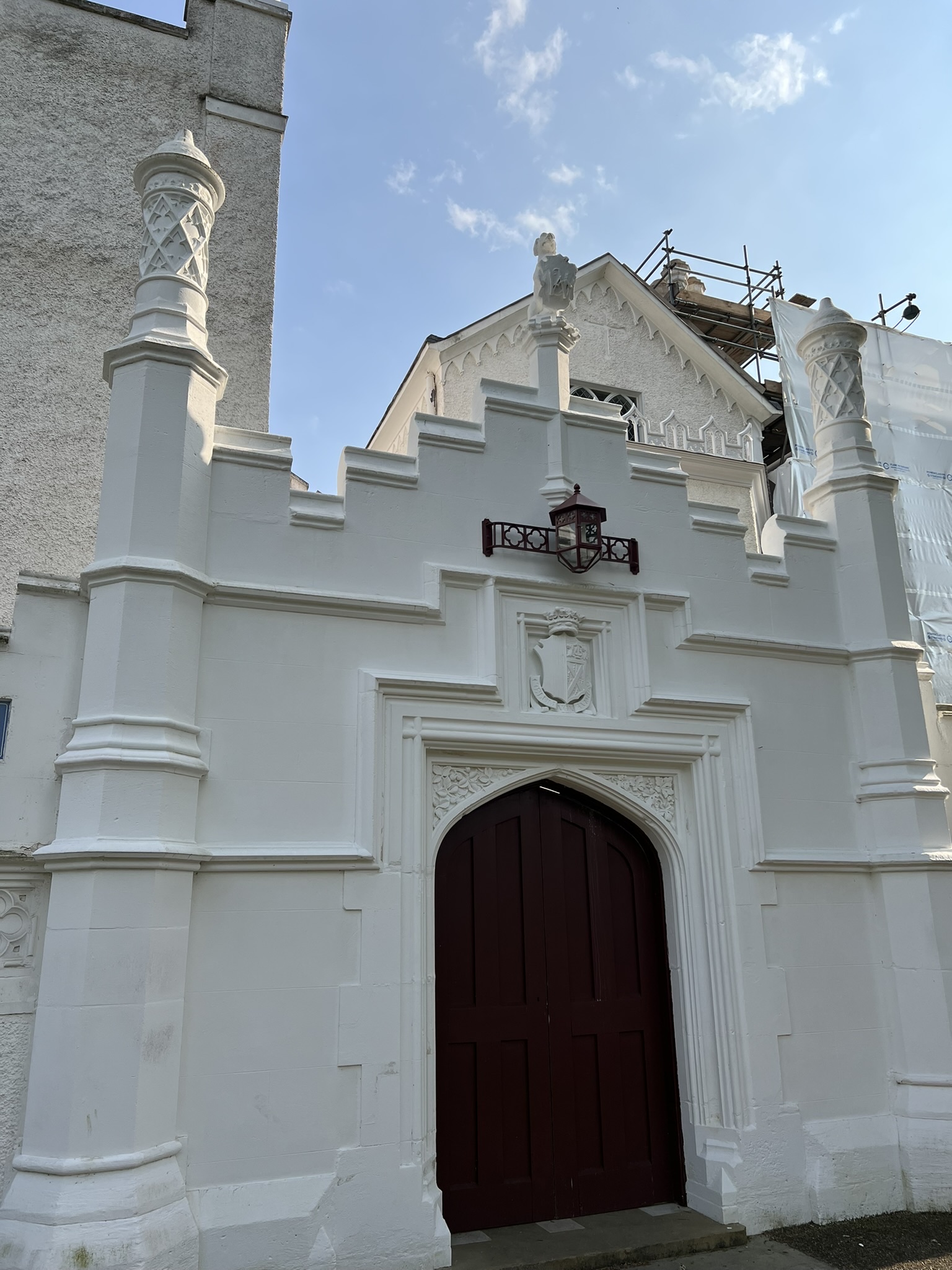
– alas! it was CLOSED [who closes a tourist site on a Friday??!] – but a few outside photos give you a sense of its grandeur – inside for another trip I am sorry to say – but you can visit it virtually here:
*****************
But Marble Hill was a lovely surprise – home to Henrietta Howard, mistress of George II [for which George’s wife Caroline was most grateful] – apparently George spoke no English and Henrietta was deaf, so a perfect relationship that lasted until he took on another mistress [you can read the ever-interesting George’s mistress stories here.
Howard was unhappily married, separated, but a well-loved and respected woman of education, wit, and grace. She also had a “home of her own” – she designed and lived in Marble Hill beginning in the 1720s, one of the many villas built along the Thames – it remains a rare example of a house built for and by a woman in Georgian England, thankfully saved by an Act of Parliament in 1902. Unlike many such estates, it feels like a very real and livable home, not a museum – you can read more about Henrietta and Marble Hill here.
Love this dining room wallpaper:
View from the Thames:
And now a view of the modern Thames, not likely what Henrietta saw!:
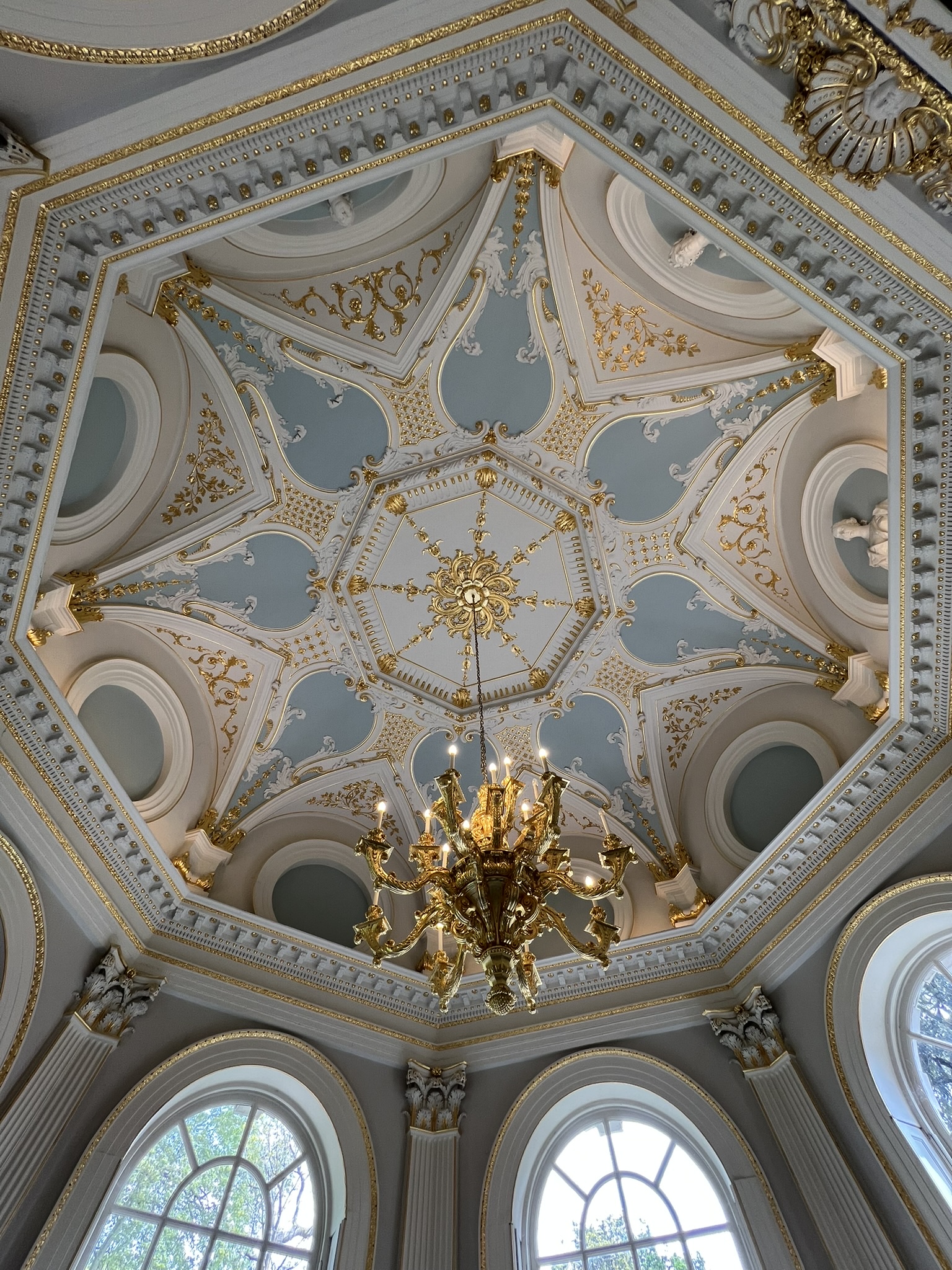
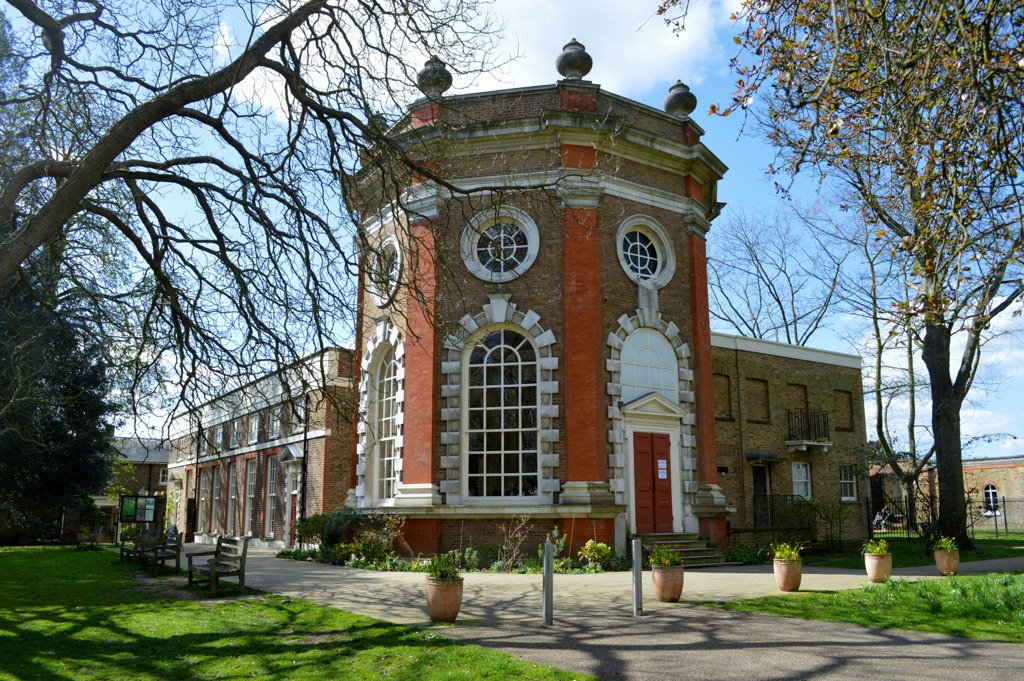
We did go to nearby Orleans House, now really just the Gallery standing – I only took a picture of the exquisite ceiling, but here is also an exterior shot courtesy of Wikipedia:
*****************
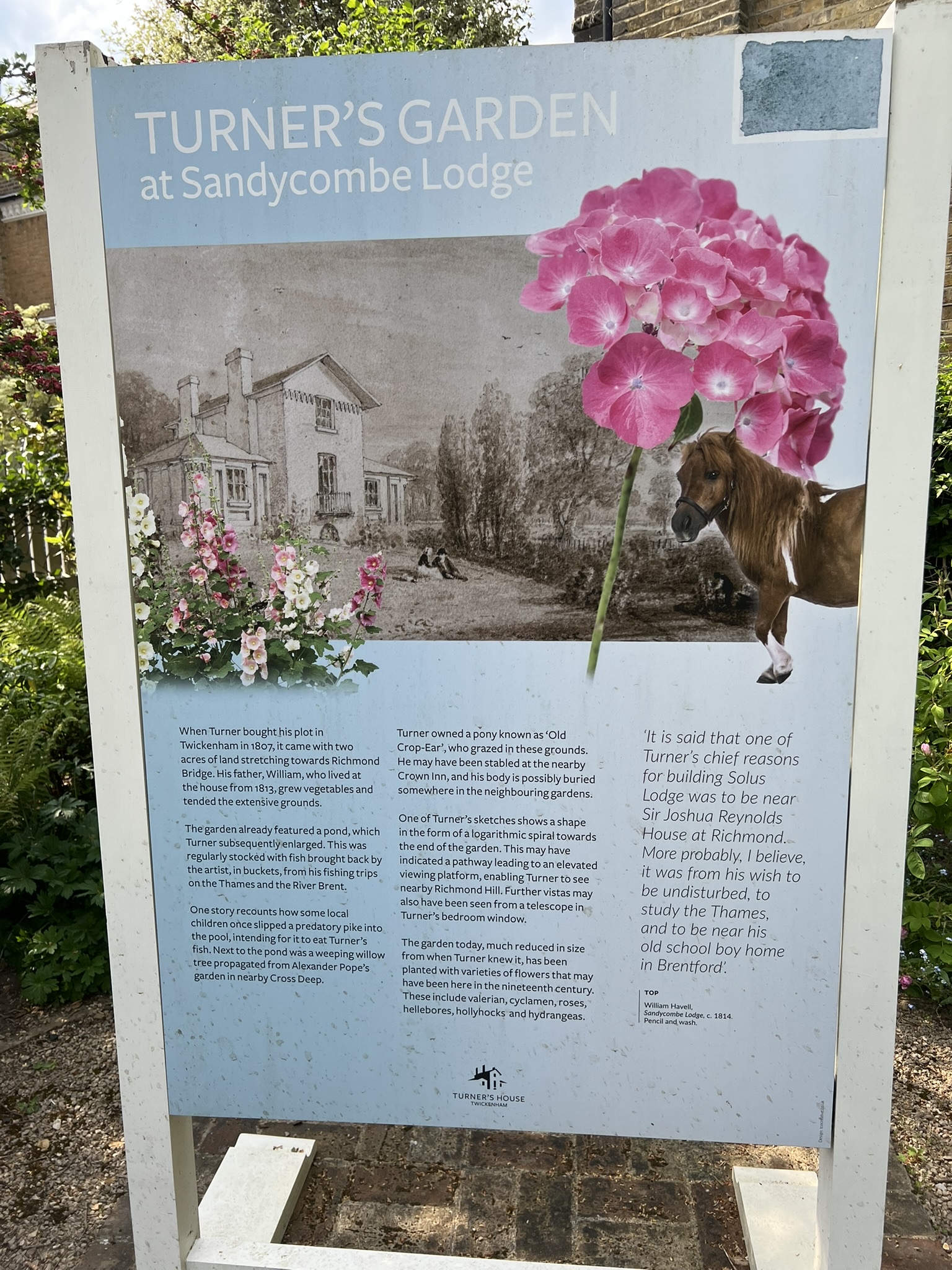
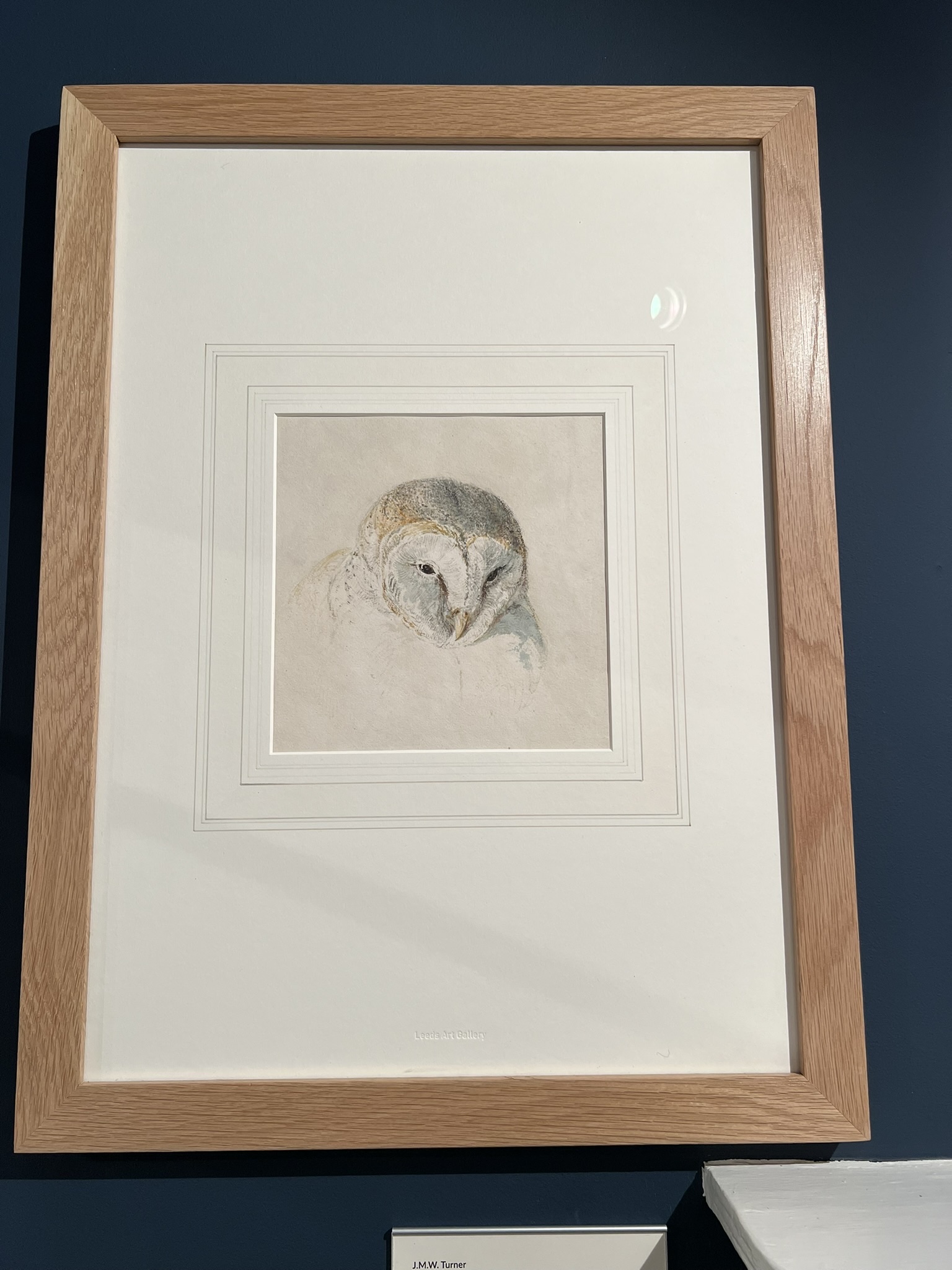
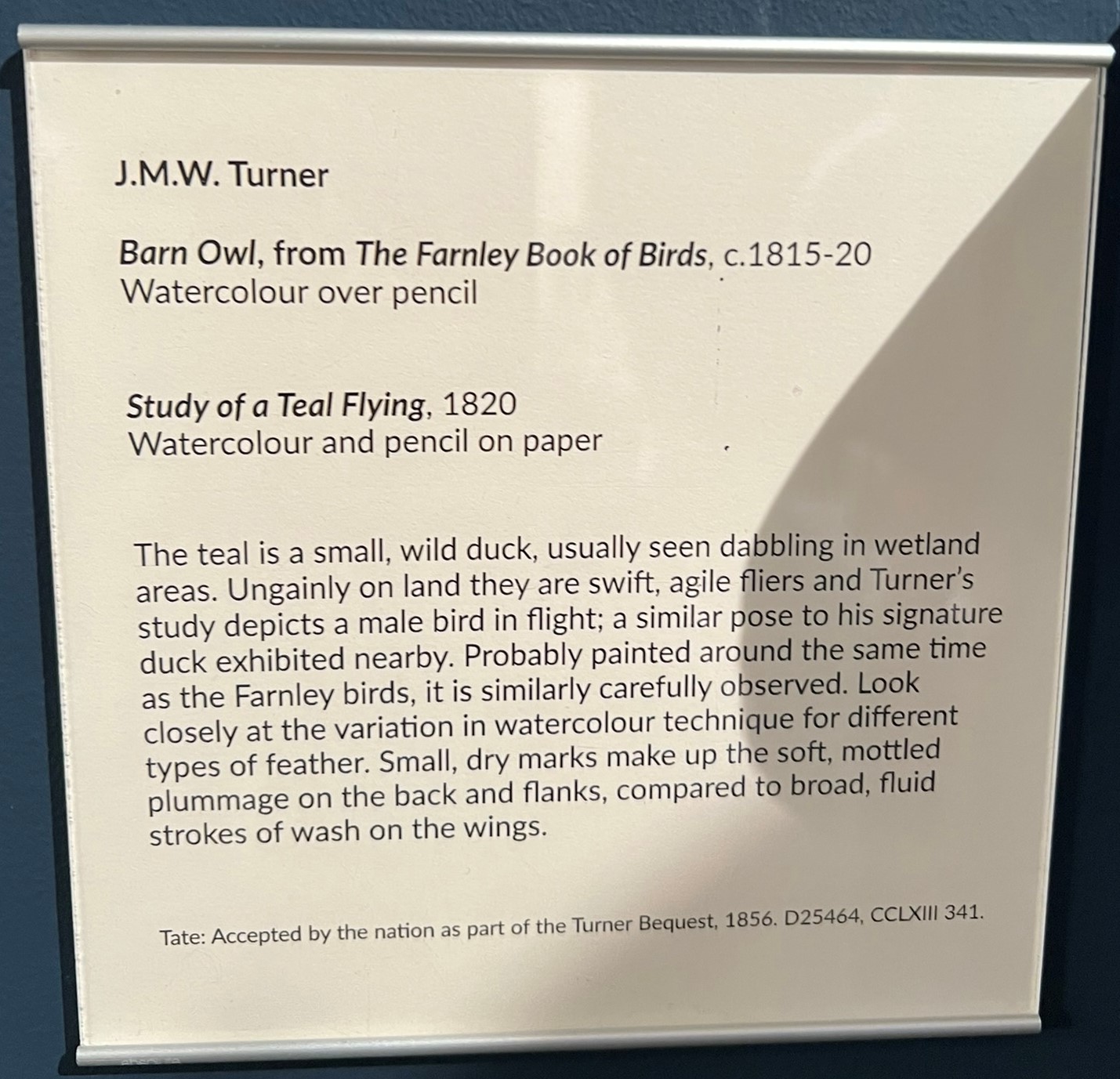
And to finish off the day, we took in the country home Sandycombe Lodge of J. M. W. Turner, where there was an inspiring watercolor exhibit of “Turner’s Kingdom: Beauty, Birds, and Beasts,” and very unlike the large and dramatic landscapes we associate with him. Celebrating Turner’s 250th [just like Jane!], the house, designed by Turner, is a small retreat that Turner lived in with his father.
************
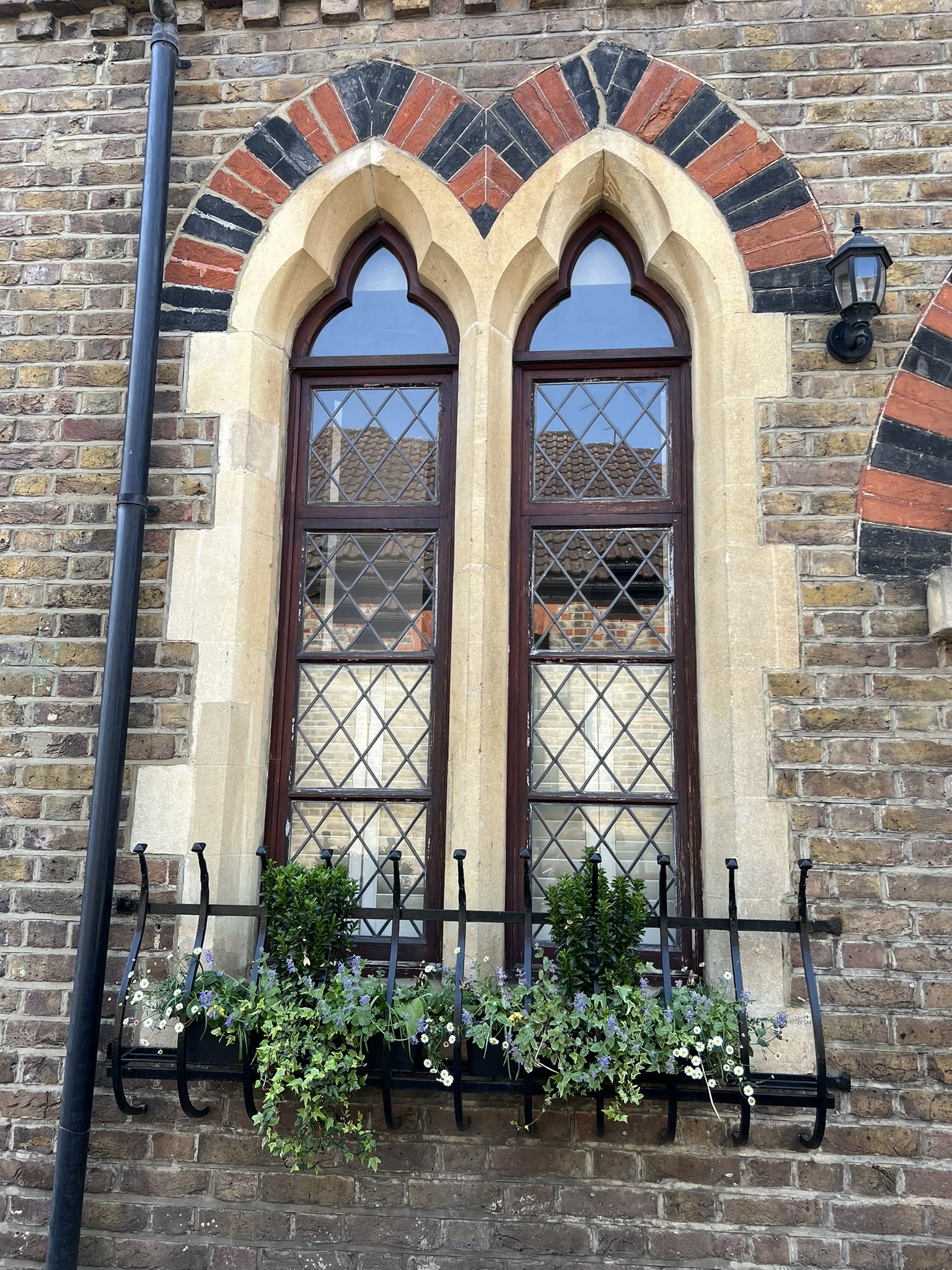
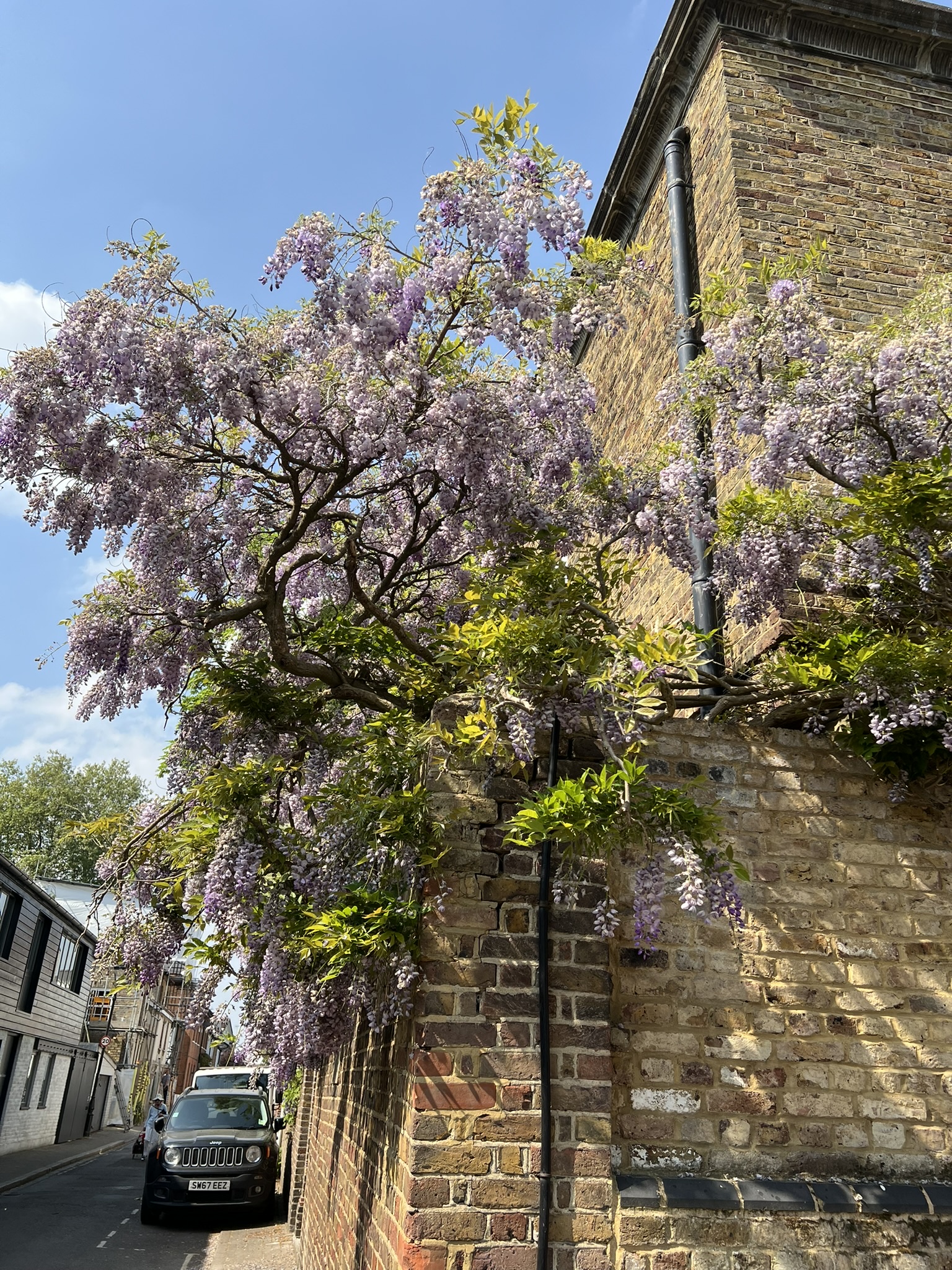
And this just another window of interest – and wisteria EVERYWHERE! [just like in SC…]
–
And another day “well-spent” – Thank you Ron for shepherding me around the sites of Twickenham!
So, finally, after years of doing various Jane Austen treks on my own, I was finally able to take the JASNA tour this May. And what a delight! Great itinerary, great accommodations, food, and brilliant company! Celebrating Austen’s 250th, we toured the various locales of her life and works, and always with the feeling of Jane herself looking over one’s shoulder, wondering what all the fuss was about…
Highlights are too hard to list in order of preference – each day a new adventure – and rather like being asked which is your favorite Austen novel, the answer always being “the one I have just finished” – the best of the tour was each new day.
I will say that being able to be the first to go into the 8 College Street address in Winchester where Austen passed away on July 18th 1817 was the most emotional – more on that soon – but it was a surprise to all of us that the College had worked so hard on getting it ready before expectations, and we were ushered in…
I shall try to sum up each day with a few pictures – I took 1227 in total [yikes!] and shall not burden you with all that [I have a penchant for windows and doors – and goodness knows where they are actually located…] – so here goes, as I start the course of my adventure, arriving in London several days early to visit sites with friends…
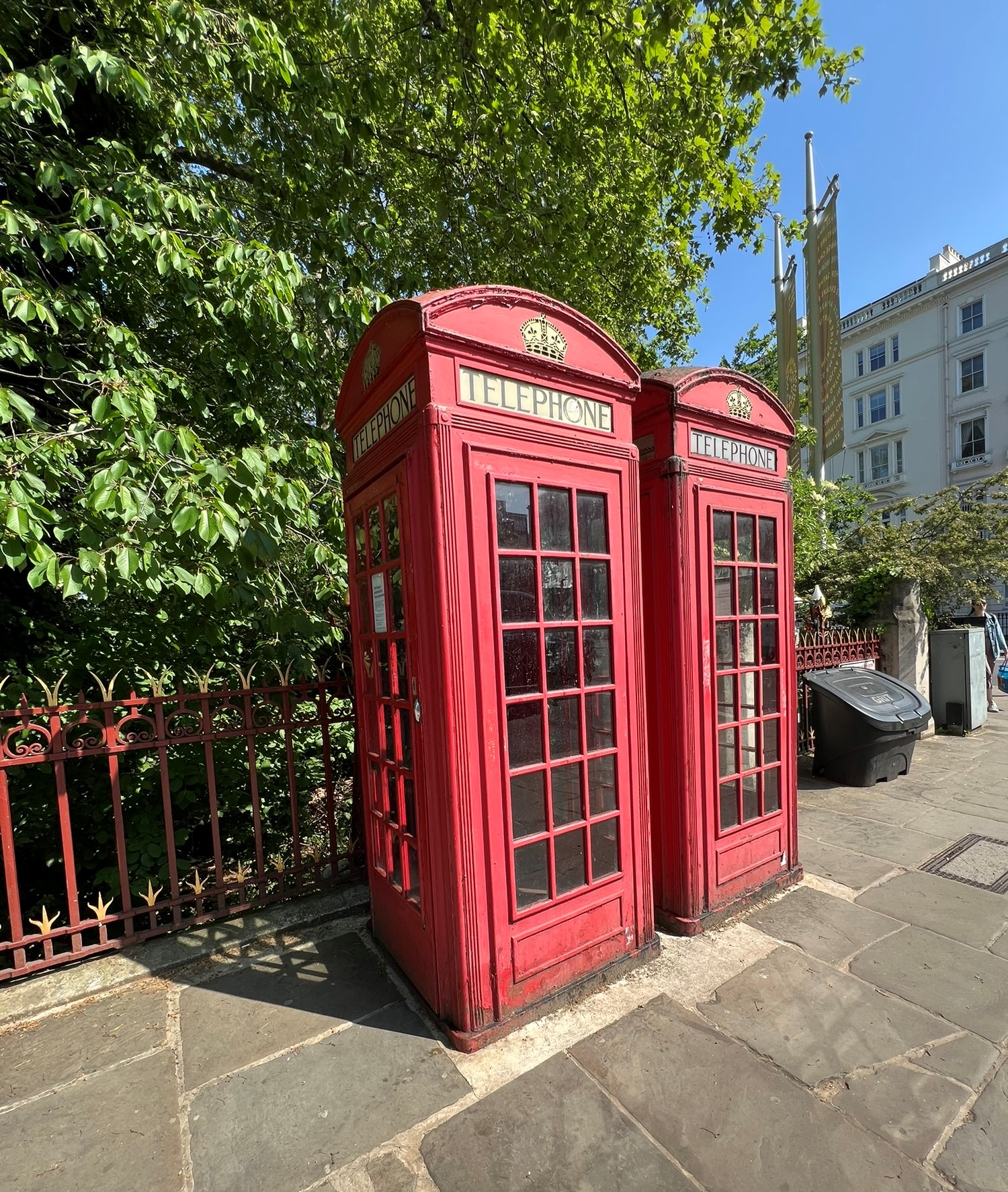
This is how you know you are in England:
DAY 1: Arrival, Lack of Sleep, Kensington walks
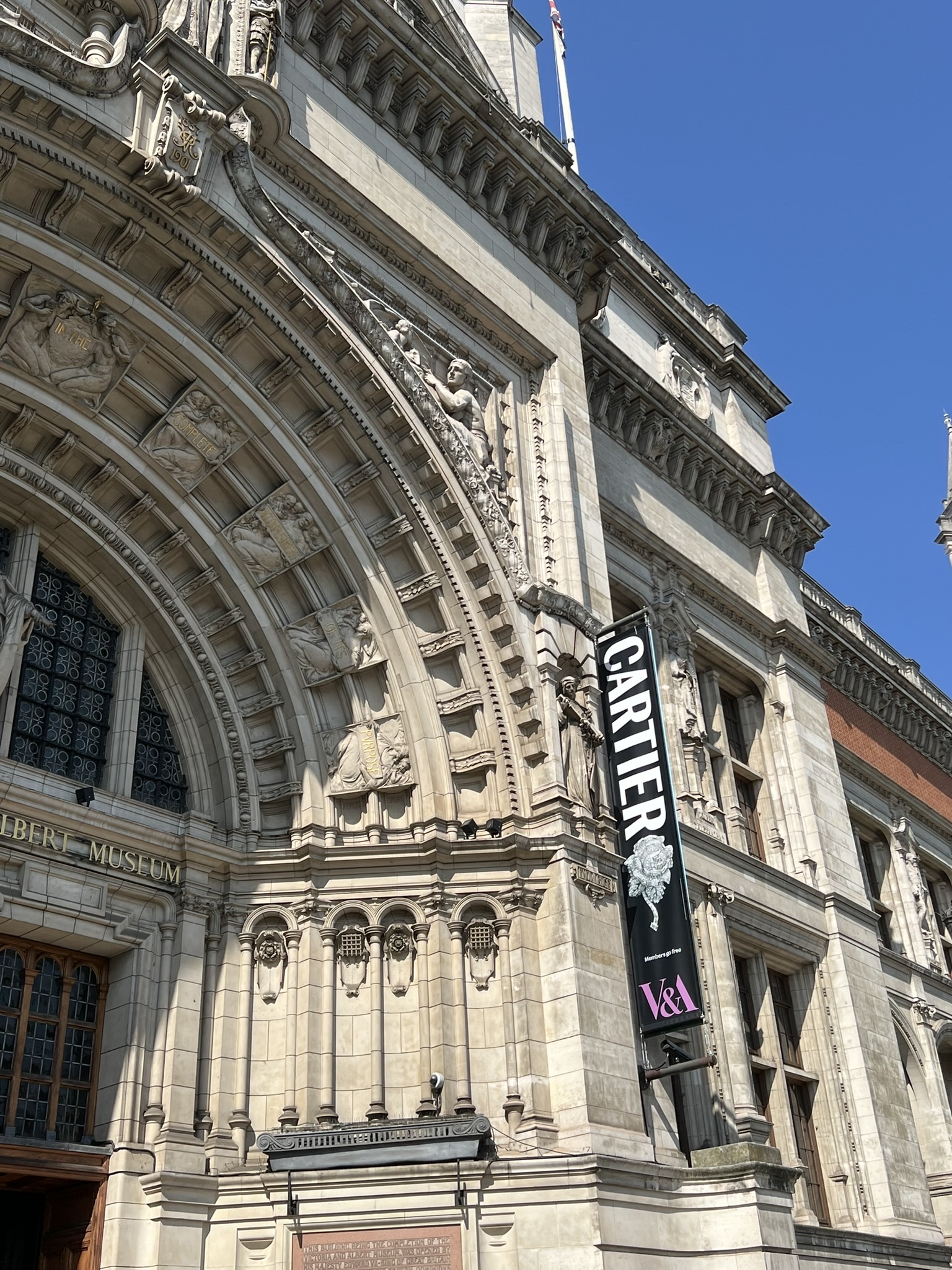
Arrived at my Kensington hotel but unable to check in until 3:00pm so wandered around on my own. I had lived in this Cromwell Road area as a student in 1968 [and where I met my husband] – so like to stay in this area when in London – changed a good deal, but the V&A and Prince Albert Hall are a short walk away and did this until lack of sleep set in:
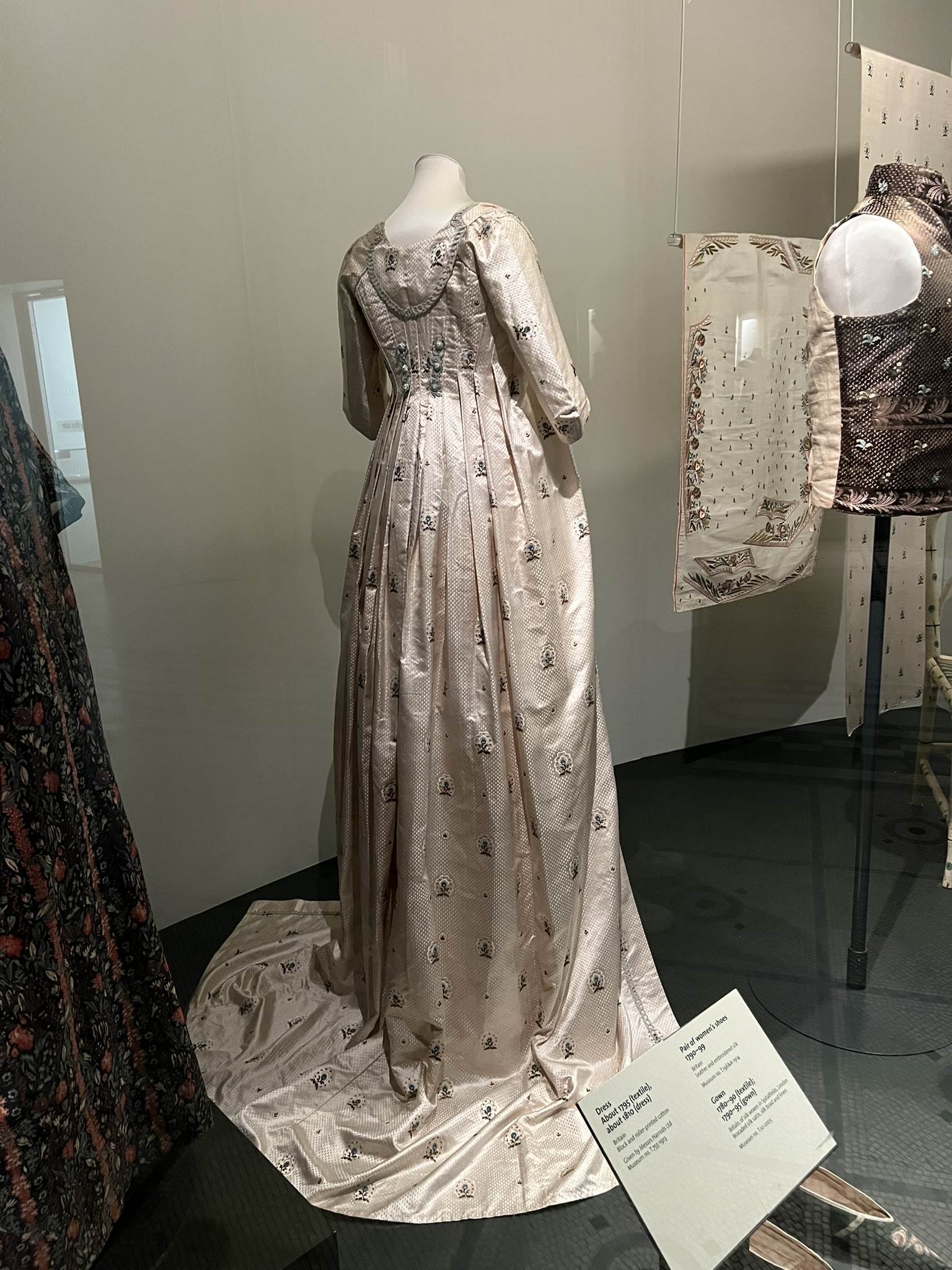
Cartier sold out, so I skipped through the Fashion Exhibit: was lucky to see this as it was closed to visitors just a few days later – a few favorites:
Like all museums around the world, Chawton House has had to close its doors during the COVID-19 pandemic – and like all of those places that so many of us love and visit regularly, Chawton House is dependent upon visitor fees, those now sadly lost. In order to remain on track and continue to offer its grand historic house and gardens to visit, a place to study early women writers, a place for exhibitions and lectures, a place to have tea!, Chawton House needs your support.
Their Emergency Appeal runs from April 20, 2020 through June 20, 2020:
“Donate today to help make sure Chawton House keeps going through closure, stages a vibrant digital programme to inspire and entertain thousands of people staying at home, and re-open to welcome visitors later in 2020.”
And great news is the soon-to-be relaunch of the Chawton House newsletter, The Female Spectator. Stay tuned for that!
AND, you can participate in their online Forums: the Poetry Challenge and their Reading Group.
*************
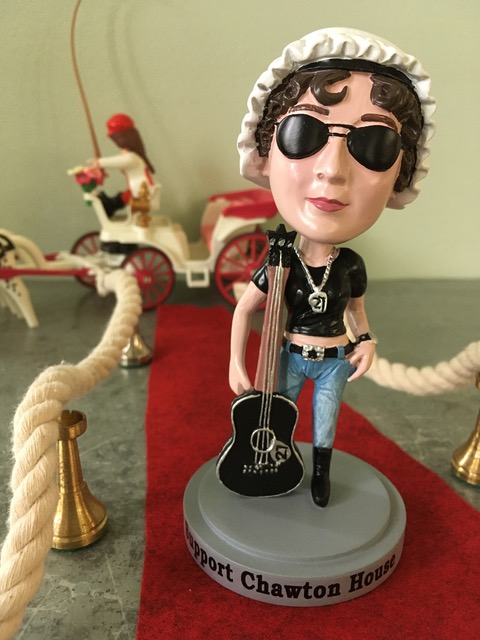
For all ourNorth American Friends of Chawton House, we too have a special initiative to spur on support: our very own Celebrity Jane! A must-have limited edition bobble-head of our dear Jane in full Rock & Roll garb, for anyone who donates $250 or more and while supplies last.
For your donation of $250 or more, the USPS will happily deliver Celebrity Jane to your door – and we’d like to ask that you send us a picture (or two or more!) of CJ in your house, in your garden, on your bookshelves, playing with your dog (or cat), participating in your latest Zoom gathering, really anything you can think of that shows CJ as part of your daily life (if only she could cook!)
Trooper loves Celebrity Jane (and NO! I am not a PUG!)
[Please email your photos to Kerri Spennicchia, a.k.a. CJ’s publicist on the NAFCH executive Board: spennke [at] gmail.com] – [additional photos on our facebook page and the website].
You can follow us on social media as well, where we are showcasing CJ in all manner of places and situations, with hearty thanks to our generous donors: Be part of the story!
Start your collection today! If “Celebrity Jane 2020” proves popular, then you may expect another limited edition “Bobble-head Jane” in 2021 and beyond. Hopefully our special limited-edition Janes will prove such outrageously popular collectibles that this leads to an annual fundraiser/giveaway campaign.
We thank you for your support! Chawton House is a very special place – let’s keep it that way…
Mellichamp painting of Chawton House, c1740; Supplied by The Public Catalogue Foundation
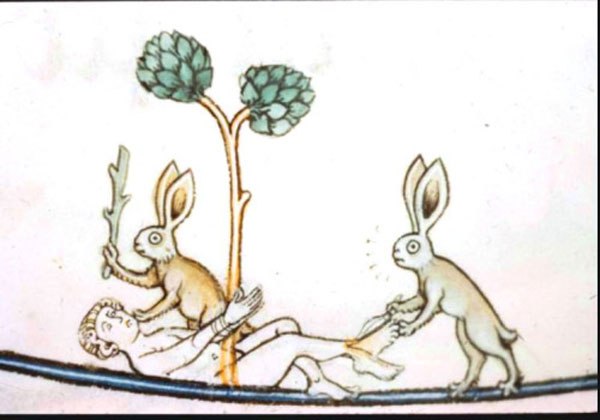
Just a few things of interest from the past few weeks, internet-surfing taking a back seat to Life… a few exhibitions, a bit about Bunnies, Shakespeare’s wife and her “second best bed.,” a few new books of note, the Bluestockings, a ton of reading from Women’s History month, and Jane Austen and drinking…
Here’s my favorite, about Shakespeare’s wife Anne Hathaway:
Anne Hathaway – maybe – wikipedia
“Anne Hathaway” – by Carol Ann Duffy
‘Item I gyve unto my wief my second best bed…’ (from Shakespeare’s will)
The bed we loved in was a spinning world
of forests, castles, torchlight, cliff-tops, seas
where he would dive for pearls. My lover’s words
were shooting stars which fell to earth as kisses
on these lips; my body now a softer rhyme
to his, now echo, assonance; his touch
a verb dancing in the centre of a noun.
Some nights I dreamed he’d written me, the bed
a page beneath his writer’s hands. Romance
and drama played by touch, by scent, by taste.
In the other bed, the best, our guests dozed on,
dribbling their prose. My living laughing love –
I hold him in the casket of my widow’s head
as he held me upon that next best bed.
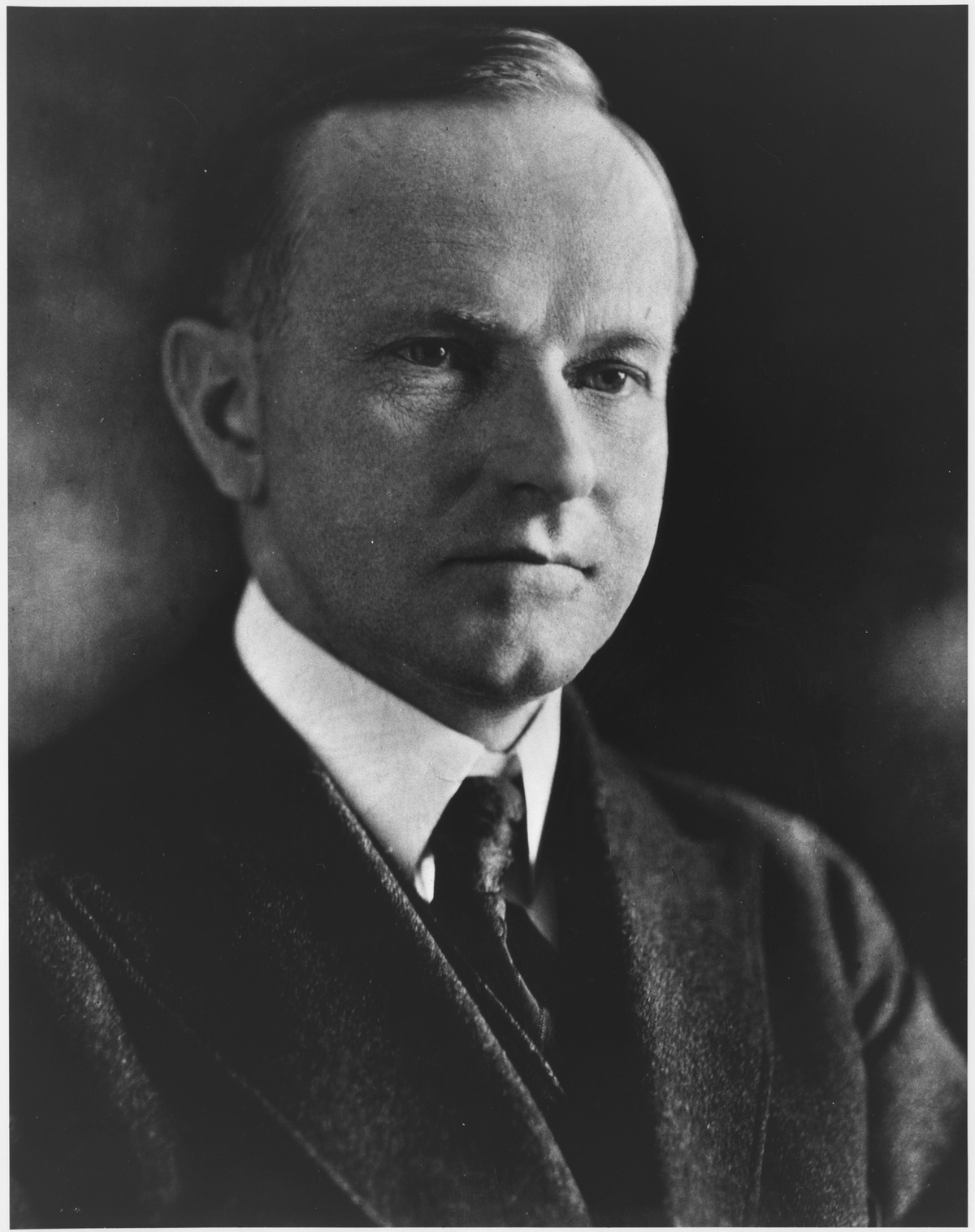
Some interesting news in the world of Calvin Coolidge: an eyewitness account to his swearing in as President in the early morning of August 3, 1923 in Plymouth, VT, this account from Coolidge’s chauffeur Joseph M. McInerney. His memoir “As I Remember” was recently acquired by the Vermont Historical Society’s Leahy Library: you can read the full document of 11 pages online here:
(scroll down below the comments to see the photographs)
*****
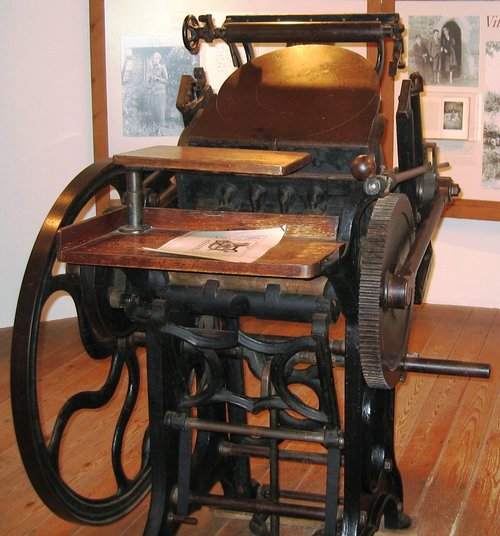
Virginia Woolf’s Hogarth Press
For Women’s History Month, the 31 daily posts on women involved in bibliography – historical printers, librarians, cataloguers, and archivists – that were posted on the twitter and facebook pages of the Women in Book History Bibliography website, are all now available on the website: “Why It Matters: Teaching Women Bibliographers” by Kate Ozment. Scroll down to read all 31 profiles – fascinating!
PW is first to report that, five days after receiving the manuscript, Atria’s Daniella Wexler preempted a debut historical novel,
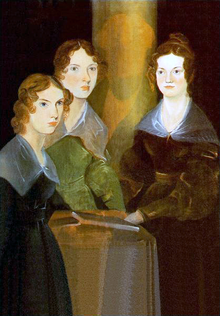
Brontë’s Mistress by Finola Austin, based on the true, heretofore untold story of Lydia Robinson and her affair with Branwell Brontë. According to the publisher, “the novel gives voice to the courageous, flawed, complex woman slandered in Elizabeth Gaskell’s The Life of Charlotte Brontë as the ‘wicked’ elder seductress who corrupted the young Brontë brother, driving him to an early grave and bringing on the downfall of the entire Brontë family.” Danielle Egan-Miller at Browne & Miller negotiated the deal for world English and audio rights.
*****
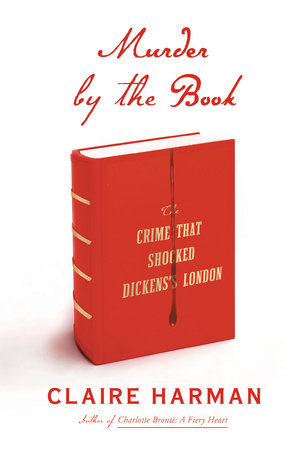
Austen biographer Claire Harman has a new book out: Murder by the Book: The Crime That Shocked Dickens’s London “the fascinating, little-known story of a Victorian-era murder that rocked literary London, leading Charles Dickens, William Thackeray, and Queen Victoria herself to wonder: Can a novel kill?” (how about Ulysses??)
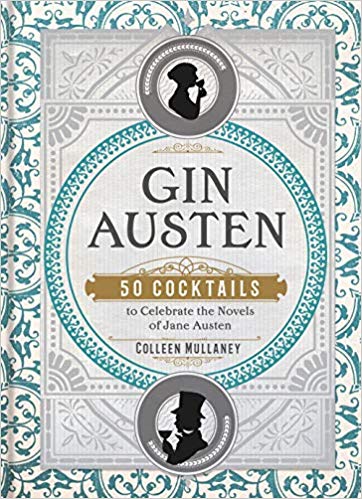
A new book out which every Jane Austen book club should have!
Gin Austen: 50 Cocktails to Celebrate the Novels of Jane Austen, Colleen Mullaney shares drink recipes inspired by the novels and characters of Jane Austen. Mullaney also digs into the history of drinks that were popular during Austen’s time, like flips, juleps, toddies, shrubs and sours, and gives tips on methods to prepare them and what vessels to serve them in.
“In Austen’s 1814 novel Mansfield Park, Fanny Price outgrows her childlike timidness and becomes a modest, morally just, beautiful young woman. After enduring the rudeness of her aunt Norris, the demands of her aunt Bertram and the disdain of her cousins, she finally finds love with the dashing [?!!!] son of Sir Thomas of Mansfield Park. After all of that, who would not have need of something light and refreshing?
Host your next book club gathering with a fun drinking game and a pitcher of Fanny’s Folly, a cocktail inspired by Fanny Price.
Here’s how to play: After reading the same novel, all players should watch a movie version of the story and drink as follows:
A character comes galloping up or goes rushing off on horseback: 1 sip
A mention of marriage: 1 sip
A display of haughty independence: 2 sips
A declaration of love: 2 sips
A display of marriageable skills (foreign languages, playing the piano or harp, singing, dancing or embroidery): 2 sips
A proposal of marriage: finish your drink
Any player exclaims, “That’s not how it happened in the book!”: finish your drink and refill everyone else’s
A friend of mine tells me that her son-in-law is playing the Jane Austen role-playing game “Good Society” – you can too – here is the information: https://storybrewersroleplaying.com/good-society/
How come nobody looks Happy??
****
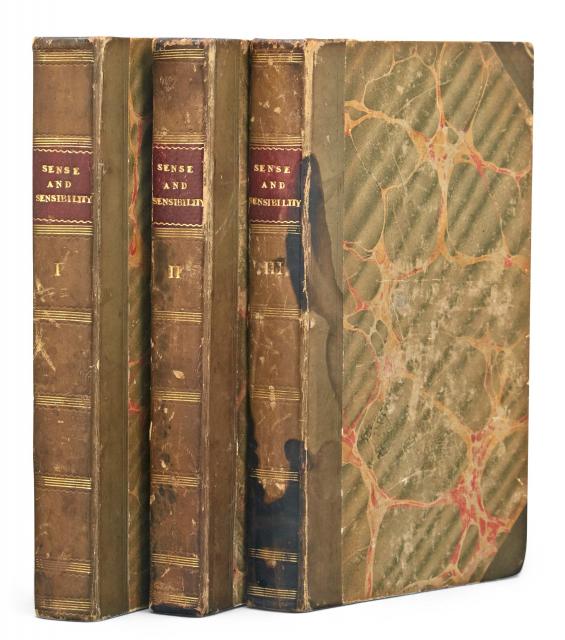
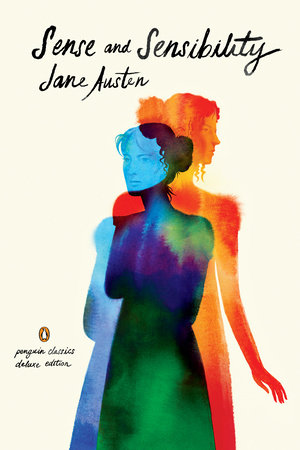
And finally, break open your piggy bank for this first edition of Sense & Sensibility:
Jane Austen’s Sense and Sensibility anonymously issued as “By a Lady” in 1811, was her first published novel. Presented as a triple-decker in an edition of about a thousand copies, the three volumes offered are in olive drab half calf. From the Estate of Frances “Peggy” Brooks, it is a sound set, and quite scarce in a period binding (est. $30,000-40,000). At Doyle’s April 17, 2019 (tomorrow!!): https://doyle.com/auctions/19bp01-rare-books-autographs-maps/rare-books-autographs-maps
Good Morning Readers: Two weeks worth today – had another post to do last week – so here is an array of items from Hogarth, the Ladies of Llangollen, Benedict Cumberbatch, Mr. Carson, book exhibits, birding, Carrie Chapman Catt, Astley’s Amphitheatre, the uses of the Bugle, and a few items about Jane Austen…
*********
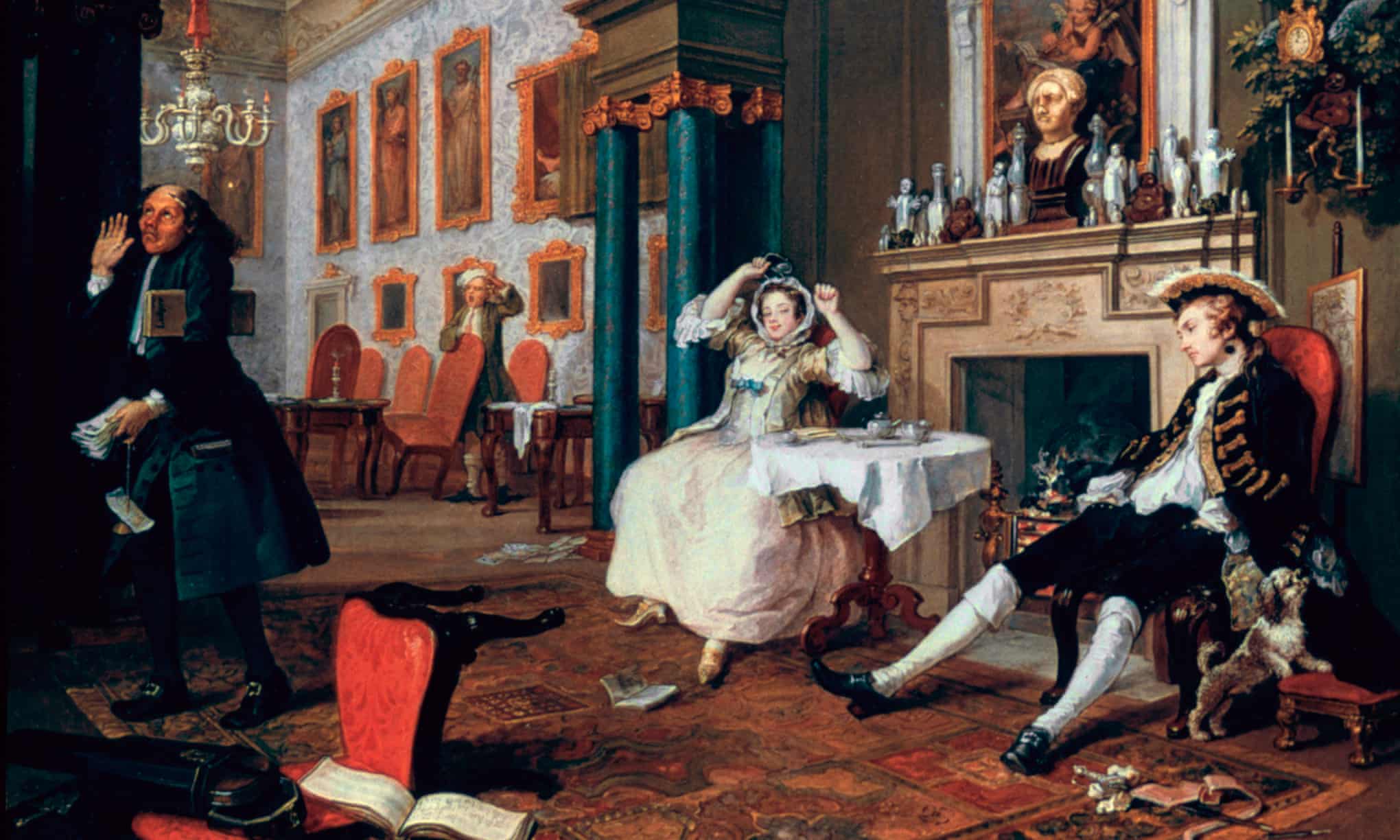
We know Jane Austen knew her Hogarth, so we should know about him too:
The Tête à Tête, 1743, the second in the series called Marriage A-la Mode by William Hogarth.
Hogarth: Place and Progress(Oct 9, 2019 – Jan 5, 2020) will unite all of Hogarth’s surviving painted series for the first time, along with his engraved series. The Museum’s own Rake’s Progress and An Election will be joined by Marriage A-la-Mode from the National Gallery, the Four Times of Day from the National Trust and a private collection, as well as the three surviving paintings of The Happy Marriage from Tate and the Royal Cornwall Museum. The exhibition will also include engraved series lent by Andrew Edmunds prints such as The Four Stages of Cruelty, Industry and Idleness and Gin Lane and Beer Street.
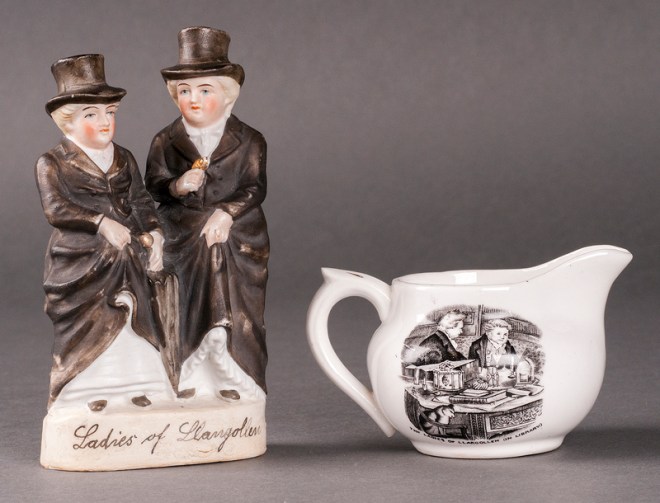
[Creamer with an image of the Ladies of Llangollen] and Ladies of Llangollen figurine, pottery, 1800s]
“500 Years of Women’s Work: The Lisa Unger Baskin Collection” is on exhibit at the David M. Rubenstein Rare Book & Manuscript Library at Duke University through June 15, 2019. It then moves to the Grolier Club in NYC. The collection includes all manner of books, art works, decorative arts, ephemera, lots on slavery, women suffragettes – even offers a look at Virginia Woolf’s writing desk.
Read about the Letters Live shows, a celebrity-filled reading of literary correspondence that has taken the world by storm: http://letterslive.com/
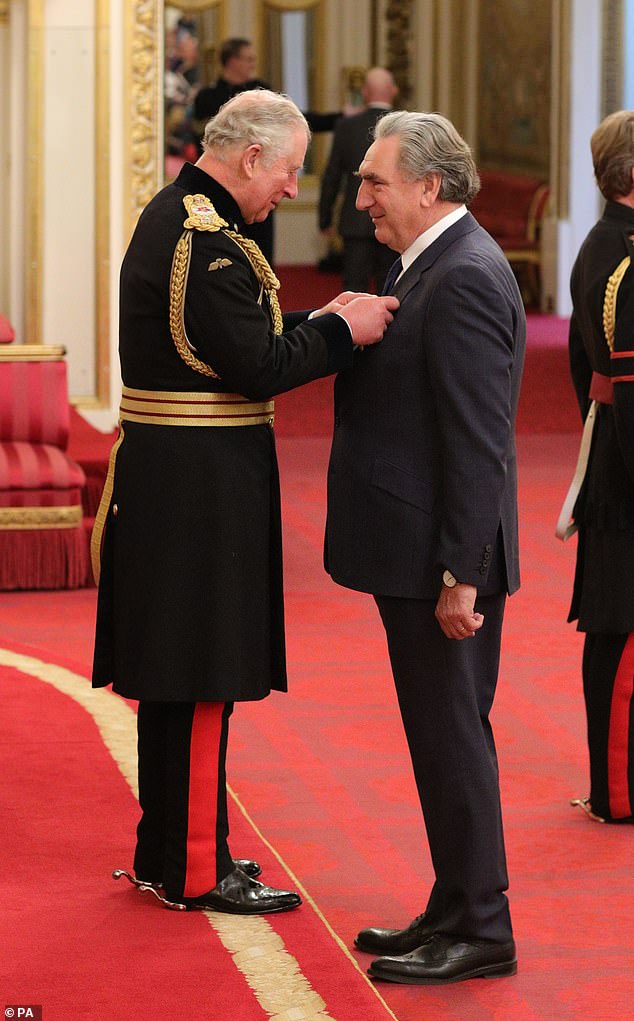
Think Benedict Cumberbatch, who is now a producer of the show, reading your favorite author’s letters – the next will be in London’s Victoria and Albert Hall on October 3, 2019.
Beginning March 22 through June 14, 2019 at the Library at the University of Otago (Dunedin, NZ) – just hop on down! – Special Collections will be exhibiting “For the Love of Books: Collectors and Collections” – a very selective overview of all the types of materials within their Special Collections. It highlights the type of books amassed by collectors such as Willi Fels, Esmond de Beer, Charles Brasch, and the Rev. William Arderne Shoults, as well as those discrete collections such as the Scientific Expedition Reports, and the Pulp Fiction Collection. I’ll post more when the exhibition goes live this week… You can follow them on facebook here: https://www.facebook.com/otagospecialcollections/
To play “Wingspan,” up to five players step into the shoes of ornithologists, bird watchers and collectors. Balancing bird cards, food tokens and multi-colored miniature egg pieces, competitors build avian networks by acquiring and deploying resources related to a specific species card. Take the roseate spoonbill, for instance: As Roberts observes, the species carries a value of six points. Placed in its native wetland habitat (rather than grassland or forest), the spoonbill can lay two point-generating eggs. Settling down comes at a cost, however, with players forced to cover a food requirement of one invertebrate, one seed and one fish. A special power conferred by the card is the chance to keep one of two extra bonus cards drawn from the deck.
****
As we are still in Women’s History Month, see this Library of Congress now digitized collection of the papers of Carrie Chapman Catt:
“The papers of suffragist, political strategist, and pacifist Carrie Love Chapman Catt (1859-1947) span the years 1848-1950, with the bulk of the material dating from 1890 to 1920. The collection consists of approximately 9,500 items (11,851 images), most of which were digitized from 18 microfilm reels. Included are diaries, correspondence, speeches and articles, subject files, and miscellaneous items, including photographs and printed matter. The collection reflects Catt’s steadfast dedication to two major ideals–the rights of women, particularly the right to vote, and world peace.”
***
Astley’s Amphitheatre:
Philip Astley – NFCA
Austen mentions Astley’s in a letter to Cassandra in August 1796:
“Edward and Frank are both gone out to seek their fortunes; the latter is to return soon and help us seek ours. The former we shall never see again. We are to be at Astley’s to-night, which I am glad of.”
And in Emma: He [Robert Martin] delivered these papers to John, at his chambers, and was asked by him to join their party the same evening to Astley’s. They were going to take the two eldest boys to Astley’s… and in the next chapter: Harriet was most happy to give every particular of the evening at Astley’s, and the dinner the next day…
-Some of my favorites this time around: anti-suffragism (only added now???); bampot; puggle; Weegie; and a word Austen would have used: sprunting (sounds awful but it’s not…)
I thought Belgravia (the book was a good read – I expect the mini-series to be even better… what’s not to like in a “tale of secrets and scandal set in 1840s Lonon”?!)
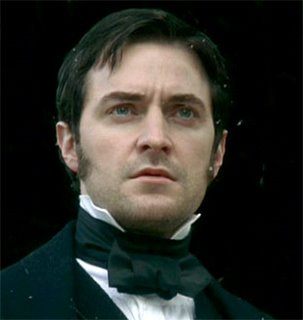
No matter who plays Mr. Knightley (Johnny Flynn has the honors this time around – he played William Dobbin in the latest Vanity Fair, the long-suffering Amelia-does-not-love-me sad-sack) – it is a darn shame that Richard Armitage never did so – he would have been perfect, IMHO… but I love Bill Nighy as Mr. Woodhouse – he’ll be the perfect weather-obsessed, self-absorbed hypochondriac ….
Richard Armitage in “North & South”
*****
And more on Austen movies by Graham Daseler here at the Los Angeles Review of Books– a very spot-on take on all the adaptations and which is the best (Persuasion 1995 – I agree whole-heartedly) and worst (Mansfield Park 1983) – though I don’t agree with his nasty bit about Clueless – he gives high marks to Olivier as Darcy, etc… – you can read it yourself here: https://lareviewofbooks.org/article/jane-austen-on-film/
****
Happy surfing all … let me know what you find this week!
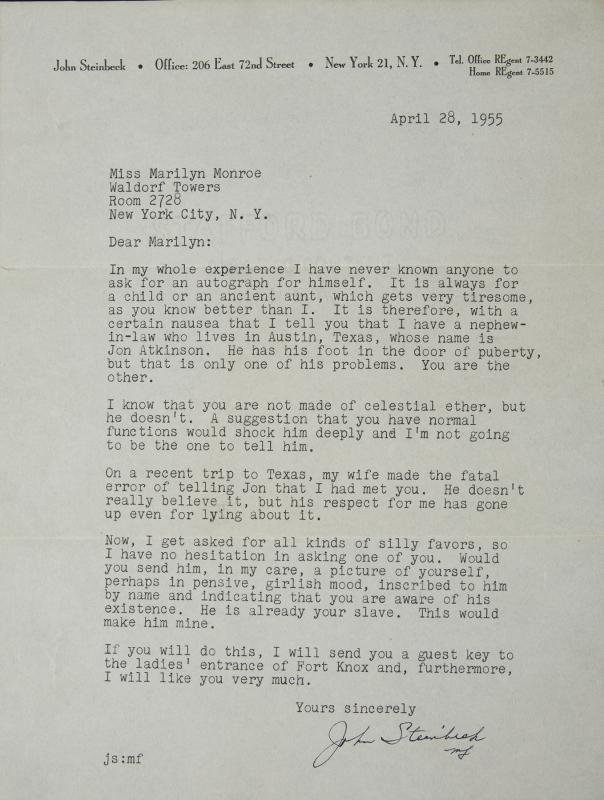
Not too much this week, as I have had company, and as it should, internet cruising takes a back seat. But this latest finds blog post starts with an Austen on the Block! – then moves on to Shakespeare, Julius Caesar, nursery rhymes, John Steinbeck, and various things about books ….
*************
First and foremost: Austen on the Block!
An interesting set of Jane Austen’s novels (a 1854 reprint of the Bentley set of 1833) that was owned by Austen’s niece Fanny Catherine Knatchbull is up for auction on March 28, 2019 at Forum Auctions in the UK:
Lot 225:
Austen (Jane) Novels, 6 vol. in 5, reprint of first collected edition, engraved frontispiece to each vol. but lacking half-titles and additional engraved vignette titles, vol.1 with presentation inscription from F.C. Knatchbull to her daughter Louisa dated 1856 (in Louisa’s hand) and remaining vol. with ownership signature of Louisa to front free endpaper, contemporary half calf, spines gilt with double morocco labels (3 lacking, a few chipped), rubbed, 8vo, Richard Bentley, 1833 [but c.1854]
A lovely association copy, once owned by Jane Austen’s favourite niece. Estimate is £4,000 – £6,000
A new website “Shakespeare Census” has been launched: it is a database that attempts to locate and describe all extant copies of all editions of Shakespeare’s works through 1700 (excluding the four folio editions). Visit https://shakespearecensus.org/homepage
Each play or poem has a logo – this is the one for Romeo & Juliet
***
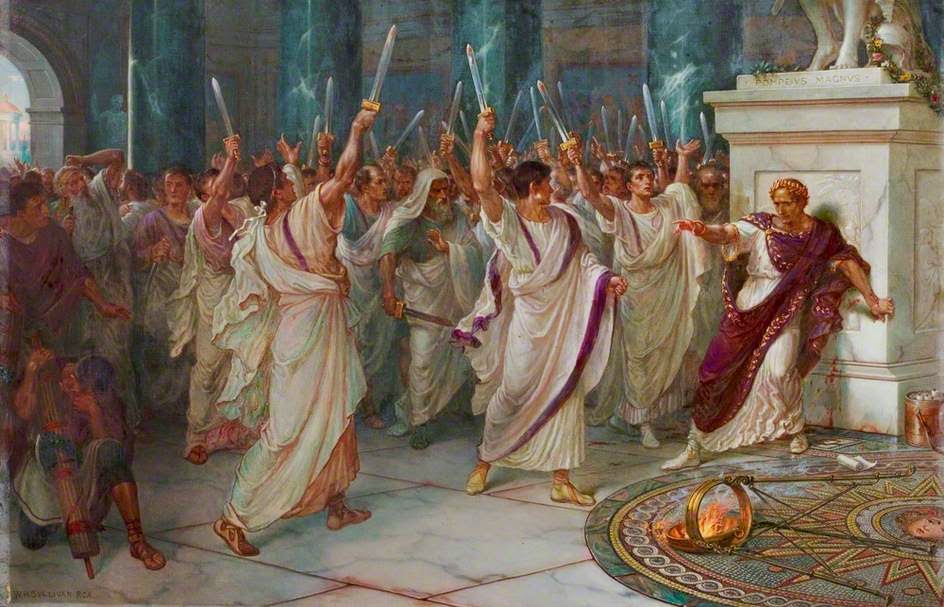
The Ides of March is upon us (March 15th), and so this is interesting news:
Assassination of Julius Caesar, by William Sullivan (ArtUK)
This edition from 1822 sold at auction in 2014 for $12,500!:
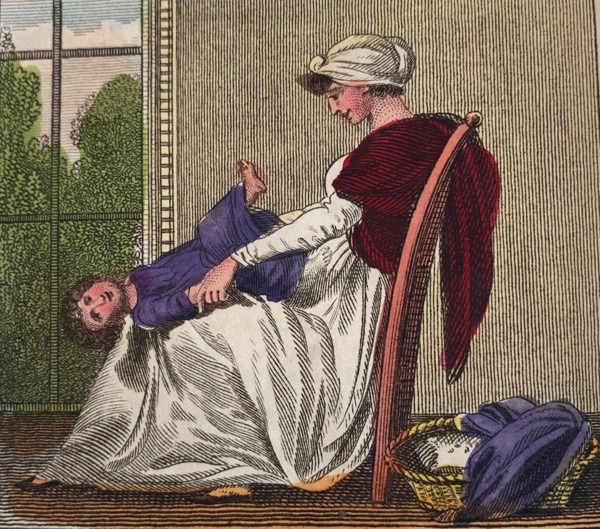
Songs for the Nursery, Collected From the Works of the Most Renowned Poets, and Adapted To Favourite National Melodies. London: Printed [By R. & A. Taylor] For William Darton, 1822. Estimate $ 6,000 — 8,000
“The Supreme Court issued a ruling on March 9, 1841, freeing the remaining thirty-five survivors of the Amistad mutiny. Although seven of the nine justices on the court hailed from Southern states, only one dissented from Justice Joseph Story’s majority opinion. Private donations ensured the Africans’ safe return to Sierra Leone in January 1842.”
Image: Joseph Cinquez, the Brave Congolese Chief…
[Drawn by James or Isaac Sheffield]; Moses Yale Beach, lith.;
Boston: Joseph A. Arnold, c1839
“A Matter of Size: Miniature Texts & Bindings” from the Collection of Patricia J. Pistner. March 5 – May 18, 2019
Image: Two Speeches by Abraham Lincoln: “The Gettysburg Address” and his “Second Inaugural Address;” written and bound by London bookbinders Sangorski & Sutcliffe in 1930.
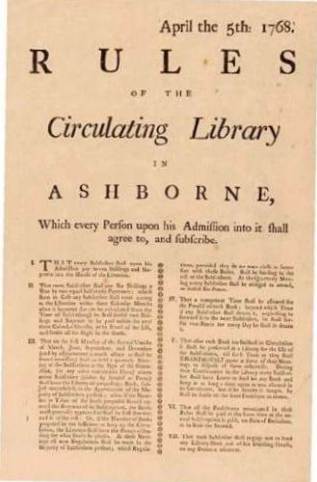
“Dated April 5, 1768, the simple printed broadside shown below lays down the ‘Rules…’ that apply to those wishing to use the Circulating Library in Ashbo[u]rne in Derbyshire.
As well as a joining fee of 7/6d, library users were charged six shillings a year for membership, payable in two instalments. They were also entitled to attend quarterly meetings at The Green Man or other designated venue to propose, discuss and vote on what new books might be purchased for the library.
Anyone keeping a book out on loan for longer than what had been agreed on as a reasonable period was liable to a fine of tuppence a day.
All users are reminded “…not to lend any Library Book out of his Dwelling-House on any Pretence whatever.”
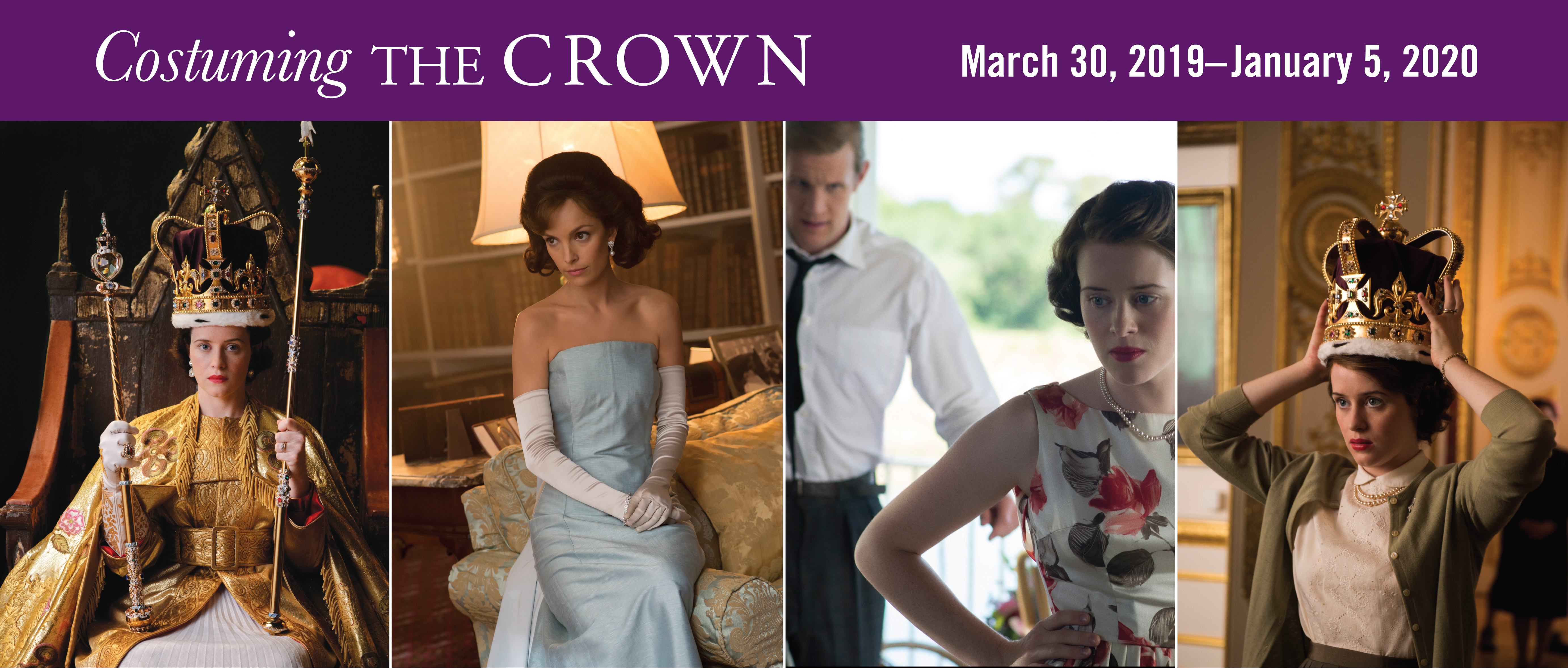
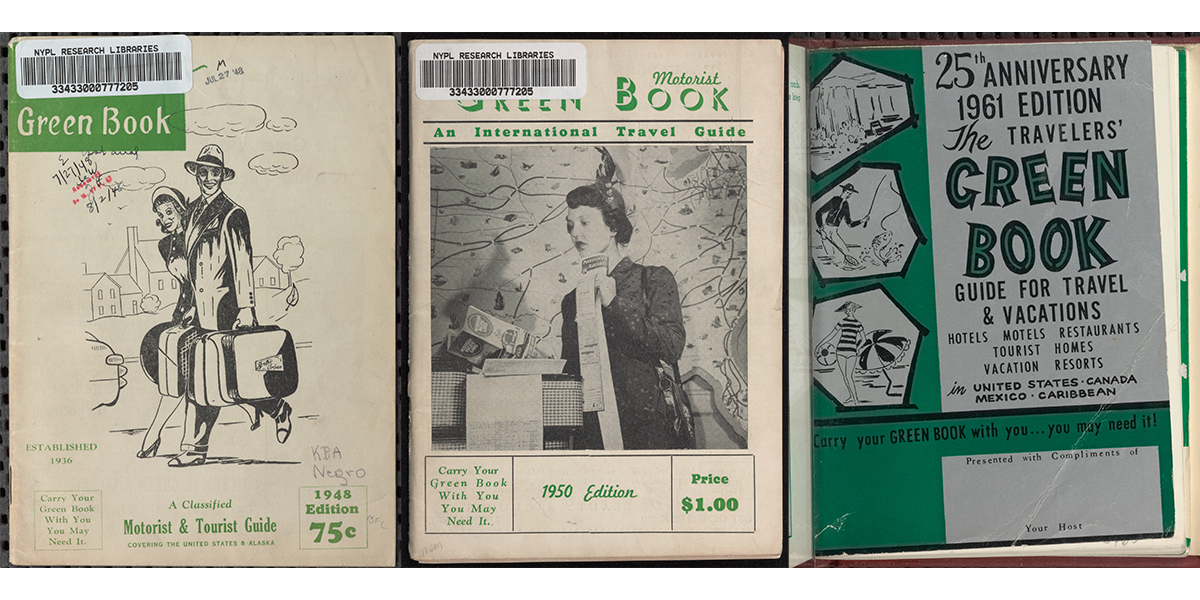
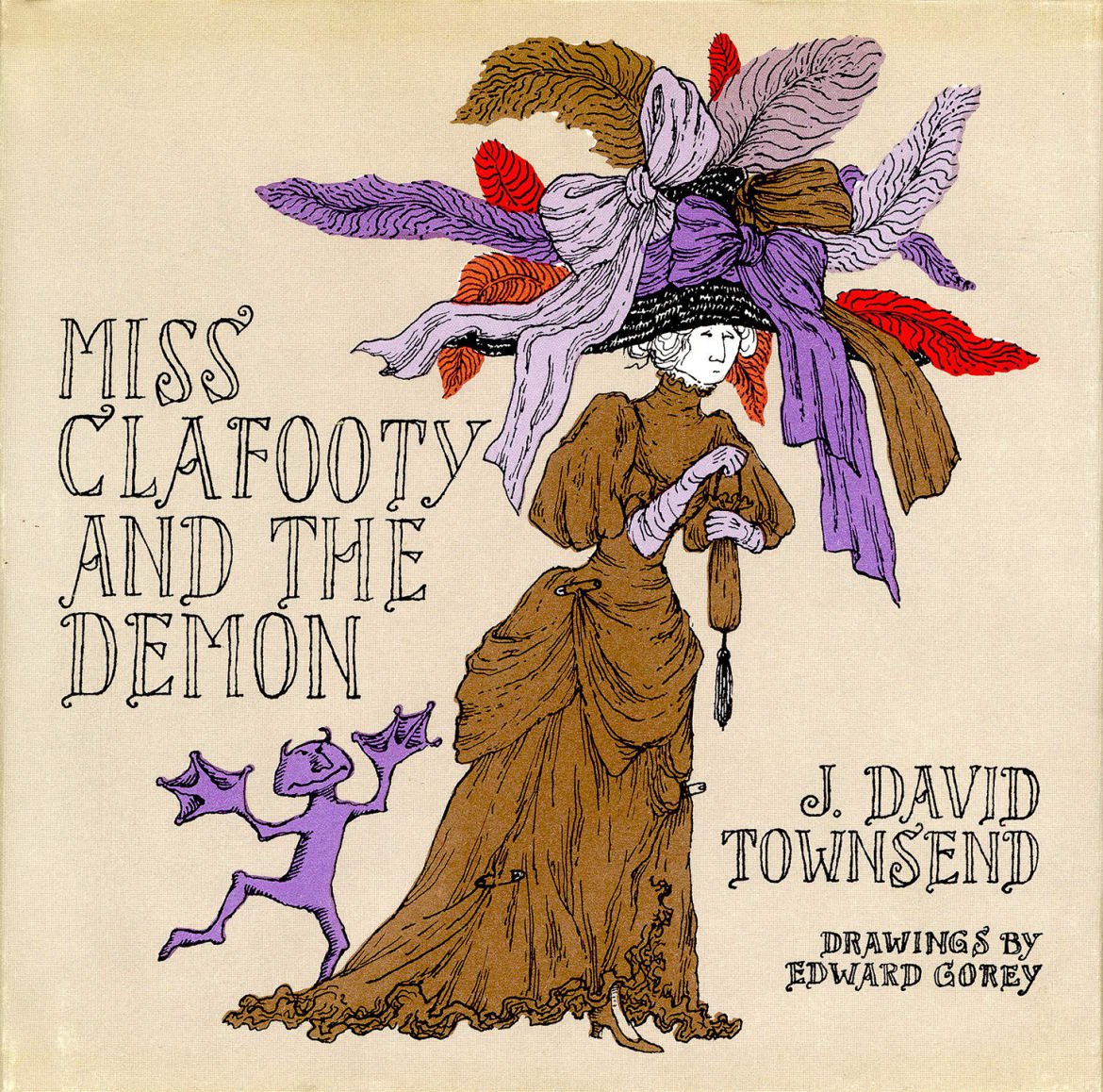
A week of goodies: Edward Gorey’s covers, Freddie Mercury, costumes for The Crown, Women’s History Month, Erotica, Cookery, Potatoes, Green Books, Doll Houses, and Highwaywomen…
Two databases that focus on Women Writers are FREE during the whole month of March:
Orlando: the subscription service Orlando:Women’s Writing in the British Isles from the Beginnings to the Present will be available free for all through the month of March for Women’s History Month: http://orlando.cambridge.org/svHomePage
Here is the login information: (no caps, no spaces)
Id: womenshistory19
pw: orlando19
The Women Writers Online collection includes more than 400 texts written and translated by women, first published between 1526 and 1850 (no login info required: you can search and read the texts in the collection at: http://wwo.wwp.northeastern.edu/WWO
The Private Case is an historic collection of erotica segregated from the main British (Museum) Library collection on grounds of obscenity from the 1850s onwards in a moral climate of suppression and censorship. Now much of the work has been digitized for all the world to see (subscription through Gale or in the Reading Room of the British Library).
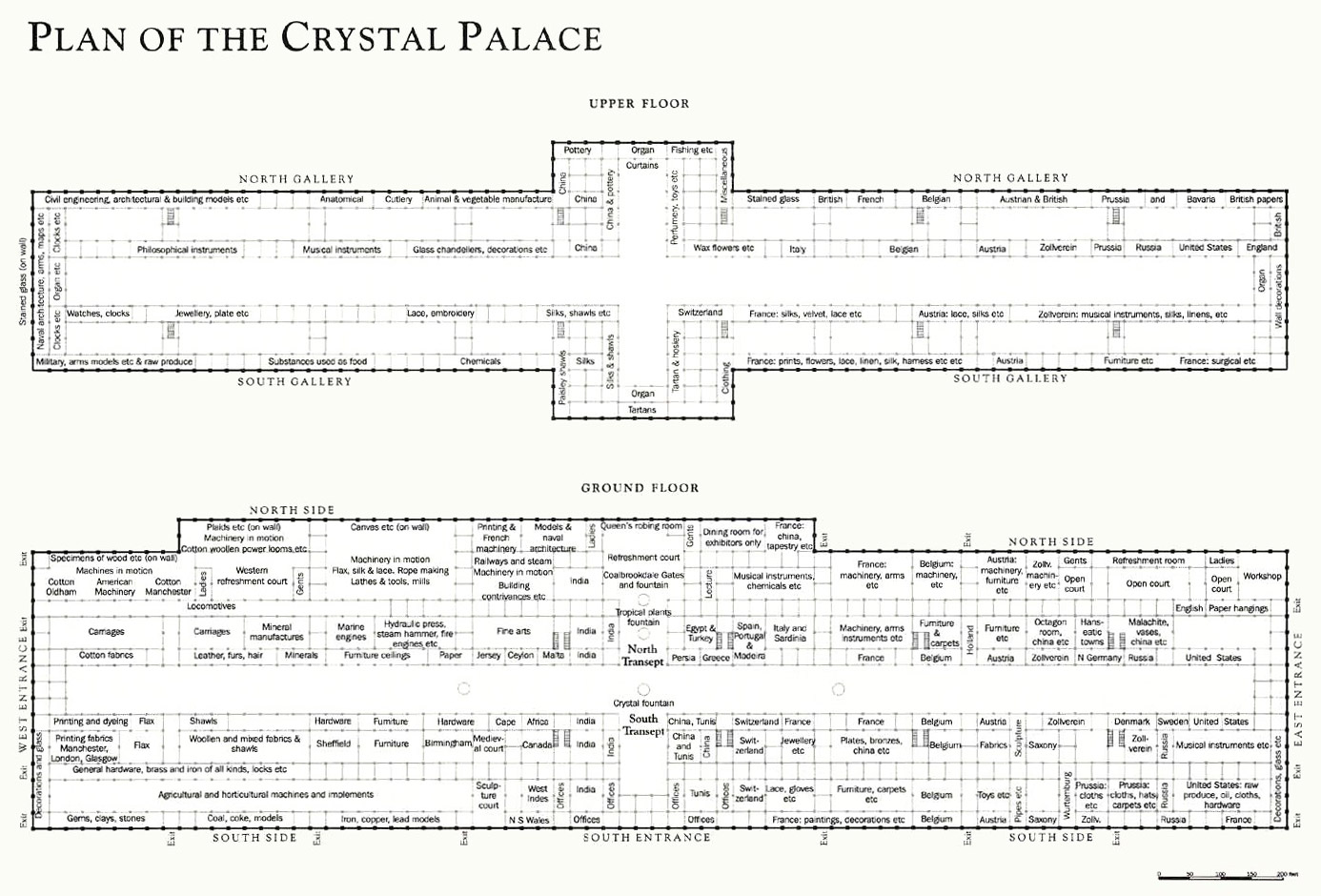
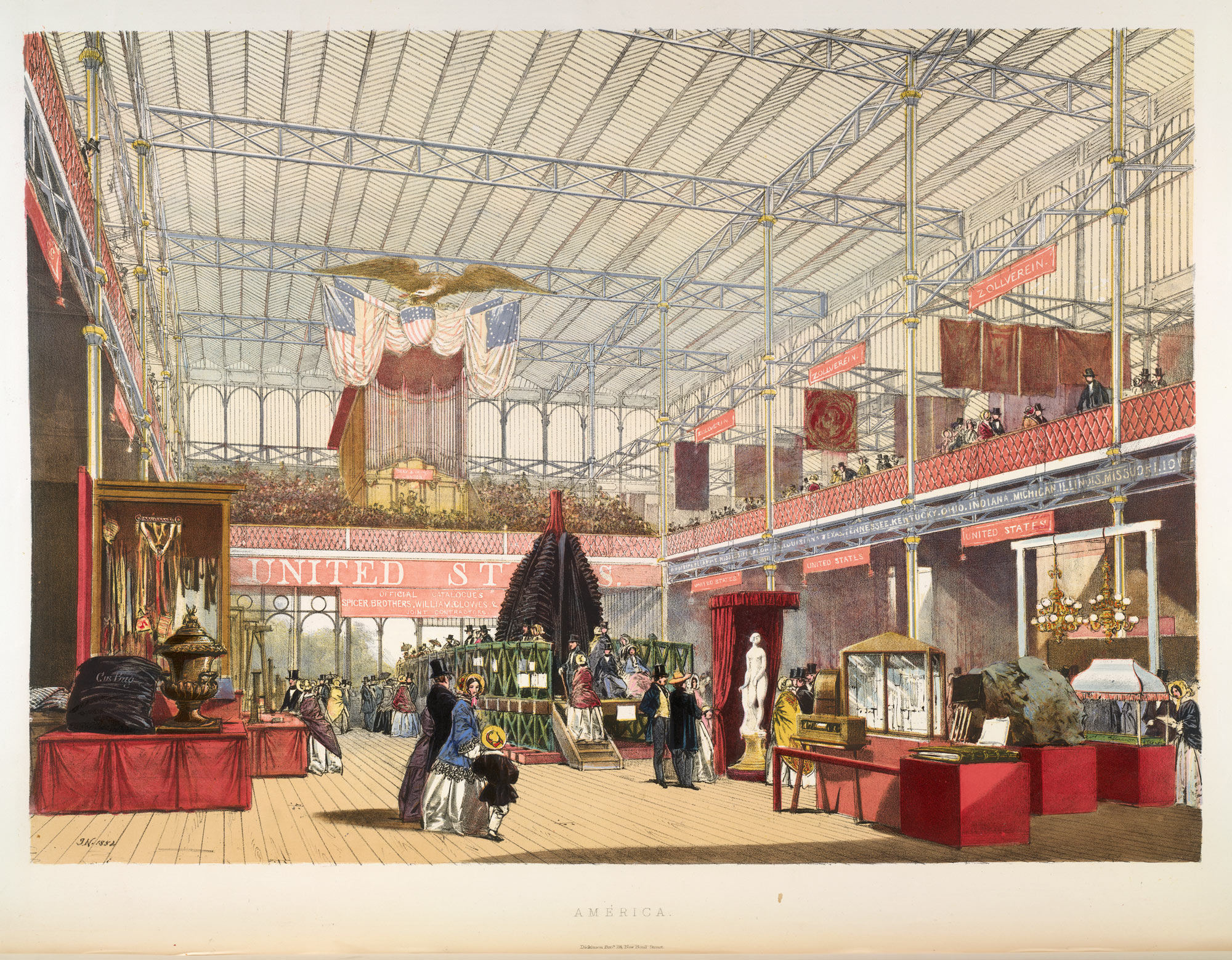
Then there’s the scene in North and South with Margaret and John Thornton meeting at the Great Exhibition and where she first sees the respect with which he is held by others (and always nice to have a reason to post a pic with Richard Armitage…)
“North and South” – the visit to the Great Exhibition
Here Begynneth A Lytell Geste of Robin Hood… Being A General and True History of the Lives and Robberies of the Most Notorious Highwaymen, Rogues, Cheats, Murderers and Rebel Leaders from the Medieval Period to the 19th Century
Lady Katherine Ferrers (1634-1660) – do you think Jane Austen had her in mind when creating her Fanny Ferrars Dashwood (the sneaky thief of inheritances)?? Or perhaps that’s where Mrs. Ferrars money came from?
Happy reading! What has been your favorite internet find this week?
Various finds this past week on the ever-amazing internet, from Dickens to Tolkein, Marie Antoinette to The Devil in the White City, and Robert Louis Stevenson to Gretna Green …. enjoy the reading journey!
*******
A study of the largest private library of Anglophone women’s writing collected in the nineteenth century: https://stainforth.scu.edu/
-Francis John Stainforth (1797-1866), an Anglican clergyman, collected a unique private library during the mid-nineteenth century. His library catalog lists 7,726 editions (8,804 volumes) authored and edited by 3,721 writers, nearly all of whom are women – but alas! No Jane Austen!
Then again, maybe the doodles weren’t from Darwin’s children at all. A gentleman on one of the listservs I subscribe to suggests the drawings are those of the children of Joseph Dalton Hookerhttps://en.wikipedia.org/wiki/Joseph_Dalton_Hooker
an academic conundrum – and example perhaps of scholars trading assumptions for statements of fact and how that can muddle the truth…
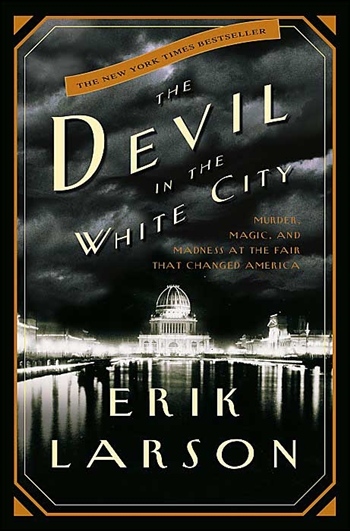
You all know this already, but Erik Larson’s Devil in the White City is being made into a Hulu TV series with Leonardo DiCaprio and Martin Scorsese as executive producers – will DiCaprio star in one of the roles do you think?? The architect or the evil Doctor?? This book had completely freaked me out when I read it back in 2003 – the story is frightful enough, but Holmes, the serial killer, ended up in Burlington Vermont on the same street where I lived!’- thankfully 100 years before, but still…. I was reading it late at night, read that bit, screamed like a banshee, scared my sleeping husband half to death – neighbors surely thought another murder was taking place… We read this for my book group – one woman could only read the chapters about the fair, completely skipped over the nasty doings – and ok to do really – the story of the fair and its architect is fascinating in itself.
-Years ago a friend and I visited the Hill-Stead Museum in Farmington CT – of course there was a framed Victorian hair art on the wall – it all struck us funny and we started giggling and could not stop – spent the entire tour of the house not so quietly making a scene – I do not think I am allowed back…and all because of that creepy hair…
Let’s hope they find fingerprints they can identify on that perfume bottle!
The hardest thing for me as a bookstore owner was the theft of books – always done by someone who knew the shop and certainly knew the value of what he/she was sneaking off with – I lost some very valuable titles over the years – in many ways, it finally did me in with having an open shop…
Portrait of Muhammad Dervish Khan, Elisabeth-Louise Vigee Le Brun. 1788
A painting by Elisabeth Vigée Le Brun, the 18th / 19th century portrait artist mostly noted for her paintings of Marie Antoinette, has reached the highest auction sale price for a female artist – $7.2 million!
Marie Antoinette
[This painting caused quite a stir: Marie Antoinette in a Muslin Dress – alas! she was in muslin, not the proper regal attire suitable for a Queen…]
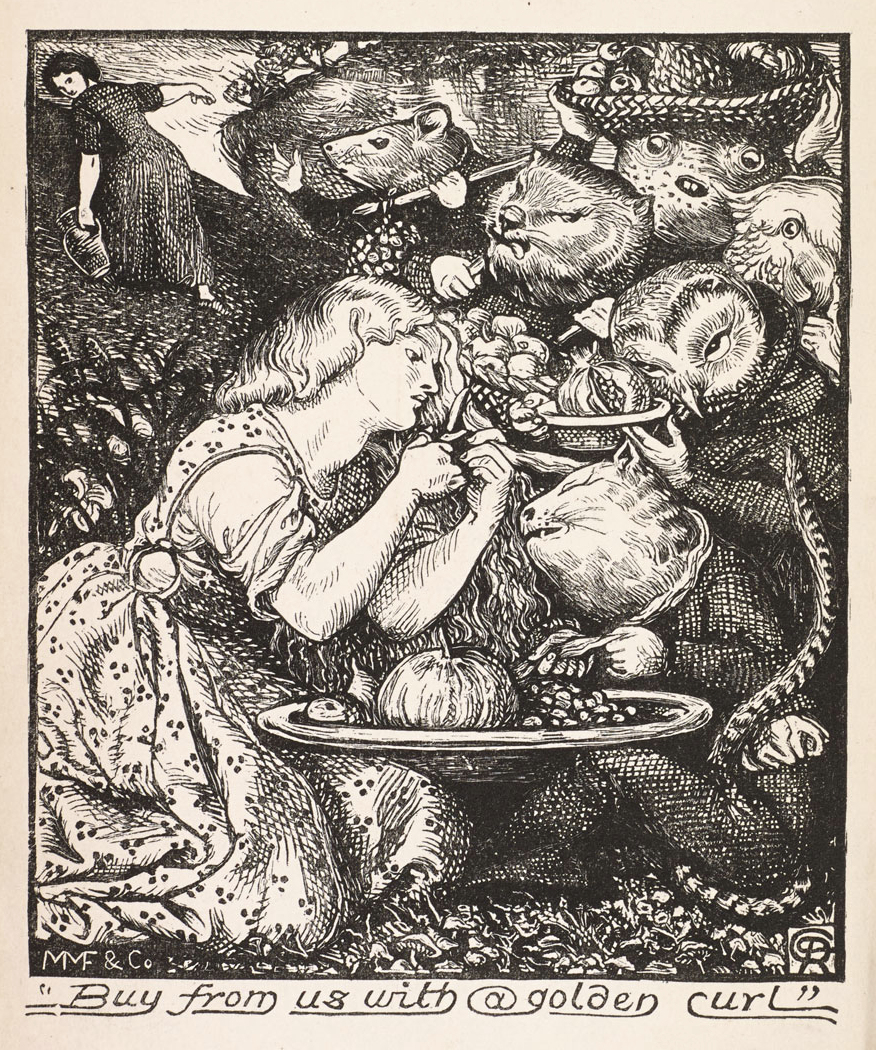
This week finds me jumping from Jane Austen’s sister-in-law Fanny Austen, to crazy bibliophiles, Rossetti’s wombats, the Coloring craze, Princess Margaret, and on to London, muons (whatever they are…), and more of course – it’s a mad world of information out there…
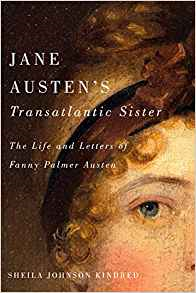
A new website and blog by Sheila Johnson Kindred, where she will explore Jane Austen’s naval world. Kindred is the author of Jane Austen’s Transatlantic Sister: The Life and Letters of Fanny Palmer Austen: https://www.sheilajohnsonkindred.com/
*
This made me laugh: always great stuff on The Londonist
-which led me to this: https://franceswolfrestonhorbouks.com/, a blog by Sarah Lindenbaum, who is seeking to reconstruct the book collection of Frances Wolfreston (1607-1677), a gentrywoman from the English midlands with an expansive library; over 200 books have been identified thus far.
—…which leads you to this illustration from the color week in 2017: Louis Rhead, Romeo & Juliet, for Tales from Shakespeare by Charles and Mary Lamb—-and then back to #colorourcollections on twitter: https://twitter.com/search?q=%23colorourcollections&src=tyah
A new chamber in the Great Pyramid? If you know what a “muon” is, you might know that the use of muon technology has revealed an as yet undiscovered chamber in the Great Pyramid, where remaining treasures may lie: https://blog.oup.com/2019/02/power-mysterious-muon/
*
Here’s a bit of a head-scratcher: with thanks to Tony Grant:
The article shows a letter from Jane Austen to Cassandra that Ms. Watson has transcribed; but she states: “You can actually see how they have changed their manuscript – how Jane Austen changed Pride and Prejudice as she’s writing it… That blows my mind a bit. You see it, and you think – that’s so much better after she’s edited it than before.”
Well, I’m sorry but as far as I know there are no manuscripts of Pride and Prejudice, or any of the other 5 novels other than the cancelled chapters of Persuasion – so this is very interesting if she has been transcribing a P&P manuscript??
An 1800 letter from Jane Austen to her sister Cassandra
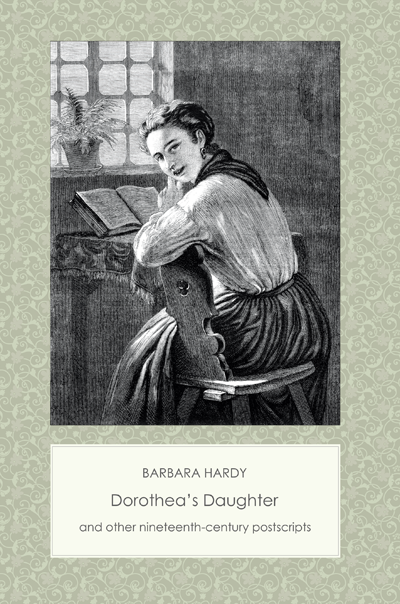
“Dorothea’s Daughter is a stunning new collection of short stories based on novels by Jane Austen, Charlotte Brontë, Charles Dickens, George Eliot, and Thomas Hardy. They are postscripts, rather than sequels, entering into dialogues with the original narratives by developing suggestions in the text. The authors’ conclusions are respected, with no changes made to the plot; instead, Barbara Hardy draws out loose threads in the original fabric to weave new material, imagining moments in the characters’ future lives.”
The stories are:
Twilight in Mansfield Parsonage (Mansfield Park by Jane Austen)
Mrs Knightley’s Invitation (Emma by Jane Austen)
Adèle Varens (Jane Eyre by Charlotte Brontë)
Lucy Snowe and Paulina Bretton: the Conversation of Women (Villette by Charlotte Brontë)
Edith Dombey and Son (Dombey and Son by Charles Dickens)
Harriet Beadle’s Message (Little Dorrit by Charles Dickens)
Lucy Deane (The Mill on the Floss by George Eliot)
Dorothea’s Daughter (Middlemarch by George Eliot)
’Liza-Lu Durbeyfield (Tess of the D’Urbervilles by Thomas Hardy)
Has anyone read this? It was first published in 2011. I’ve just ordered it and will let you know my thoughts…
Thanks for visiting… and Happy Reading…
ps: just a note as to why I leave in the full url of each link: if an imbedded link goes bad or far off into cyberspace, it is easier to find it if you have the details in the url – it doesn’t look as pretty, sorry to say, but more helpful in the end..





















































 Jane Austen in Vermont