Great Britain - History · Jane Austen · Jane Austen Societies · JASNA · Regency England · Travel

Jane Austen in The Midlands ~ the 2013 JASNA Tour to the UK ~ by Christopher Sandrawich

Gentle Readers: I welcome today Christopher Sandrawich with his post on the JASNA tour to the UK last July 2013. Part of last year’s trip took in the Midlands, and the Jane Austen Society Midlands hosted the group for a few days… Come join Chris as they trek about Hamtsall Ridware, Stoneleigh Abbey, Chatsworth, etc. and meet the likes of Edward Cooper, Mrs Philip Lybbe Powys, John Gisborn, William Wilberforce, and more …

***********

Jane Austen Society North America (JASNA) UK Tour 2013

Towards the end of 2012 Hugh Whittaker, Managing Director of Pathfinders, who was organising the JASNA tour of the UK asked David Selwyn for help in the Midlands. David directed him to me for assistance and I happily pledged the full and immediate support of The Jane Austen Society Midlands. I did this in the same way that a blank cheque is signed, and if I had been aware from the outset of the full count of time and energy that was to be spent I may have been less sanguine. However, our efforts were not only well received but it was a real pleasure to meet so many enthusiastic Jane Austen lovers from the other side of ‘the pond’. In a hot July under azure skies in the lovely countryside around Hamstall it was great to talk to such a diverse bunch of warm, friendly, and keenly interested Jane Austen devotees who, “just like us”, love her novels. Their most frequent question, however, was “Where is the air-conditioning?”

Whenever I think of Americans touring any part of Europe I show my age by fondly recalling the 1969 romantic comedy, “If it’s Tuesday, This Must Be Belgium” which had as its premise the country-hopping approach of ‘Whirlwind Tours’ taking in as many cities and culture as possible in the time allowed. To see if in the intervening half-century our American visitors have adopted a more relaxed style let’s review their itinerary, or schedule, and find out:

  • Sunday 14th July: Arrive Heathrow, meet up and have dinner.
  • Monday 15th July: Coach to Stamford, and then Hamstall Ridware to hear a talk from JASM and then on to Buxton.
  • Tuesday 16th July: Trip to view Lyme Park and Longnor; then return to Buxton.
  • Wednesday 17th July: Visit Bakewell, then guided tour of Chatsworth House, meet JASM then back to Buxton.
  • Thursday 18th July: Travel to Stoneleigh Abbey (guided ‘Austen Tour’ of house and view Costume Exhibition) then on to Adlestrop before going to Winchester.
  • Friday 19th July: Walking tour of Winchester, coach to Steventon and St Nicholas Church and hear a talk on Steventon “Then and Now” before going to Chawton Village and private tours of the House and Library. In the evening meet Hampshire members of the Jane Austen Society. Hotel in Winchester.
  • Saturday 20th July: Ceremony at Jane Austen’s grave, Winchester Cathedral, followed by a walk to 8 College Street. Return to Chawton for the JAS AGM, then evensong at St Nicholas Church.
  • Sunday 21st July: Visit the Close of Salisbury Cathedral followed by a tour of Wilton House, Wiltshire. Journey to Bath via Lacock.
  • Monday 22nd July: Guided walking tour of Bath visiting houses where Jane Austen lived, the pump room, the Jane Austen Centre and the Assembly Rooms for tea.
  • Tuesday 23rd July: Free Day to explore Bath further. Attend a private Regency Supper with Austen-themed entertainment in an elegant Bath Townhouse.
  • Wednesday 24th July: Travel to Brighton and tour the Royal Pavilion. Explore the campgrounds used by the militia during the Napoleonic wars. Free time to explore Brighton then to a country-house hotel for farewell dinner.
  • Thursday 25th July: Transport to Gatwick or Heathrow or onto London for those extending their stay.

It all seems ‘helter-skelter’ enough!

I regret that this commentary’s structure on the JASNA tour is less of a narrative and more a series of lists, like the one above.

Meeting JASNA at Hamstall Ridware
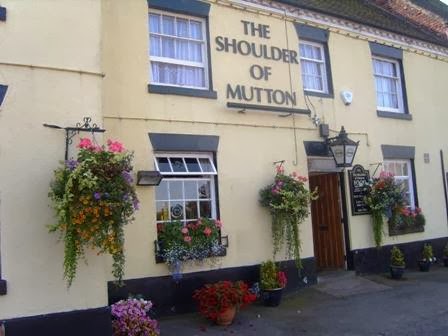
shoulderofmuttonpub

Shoulder of Mutton Pub in Hamstall Ridware

Carol Taylor and I had arranged to meet their bus at the Shoulder of Mutton pub for refreshments, but they were delayed owing to a bizarre accident. A very large tractor and trailer ran into a ditch to avoid colliding head-on with their bus, and completely blocked the road. Anyone who has driven through those narrow country lanes can appreciate their bus driver’s reluctance to reverse for any distance. Through the use of mobile phones, help was requested and given, and after a further detour they disembarked finally, and headed inside making full use of the pub’s many facilities. They seemed pleased to have made it unharmed but were bemused by the absence of air-conditioning. Our explanations that England is seldom hot enough for long enough to warrant air-cooling, evoked a mild look of surprised consternation. In preparation we had organised a package of information for each of them which seems such a waste not to share with you in turn. Included in their package was an enlarged copy on heavy paper of Carol’s wonderful sketch of The Rectory which appears in Transactions Issue No 10 and which was very well received.
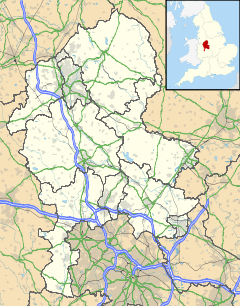
Staffordshire_UK_location_map_svg-wp

Stattfordshire, UK (Wikipedia)

I addressed the tour party and mentioned that there were several “Ridwares” in the area and this one is denoted as Hamstall Ridware. The place name comes from a Celtic word “Rhyd” meaning “Ford” and an Anglo Saxon word “Wara” meaning “Dwellers” and Hamstall Ridware is two miles north of a fording point across the River Trent. Also included (for them) was a photocopy of Edward Cooper’s likeness taken from Transactions Issue No 3 plus the following:

The Reverend Edward Cooper, first cousin to Jane Austen,
Rector of the Church of St Michael and All Angels, Hamstall Ridware
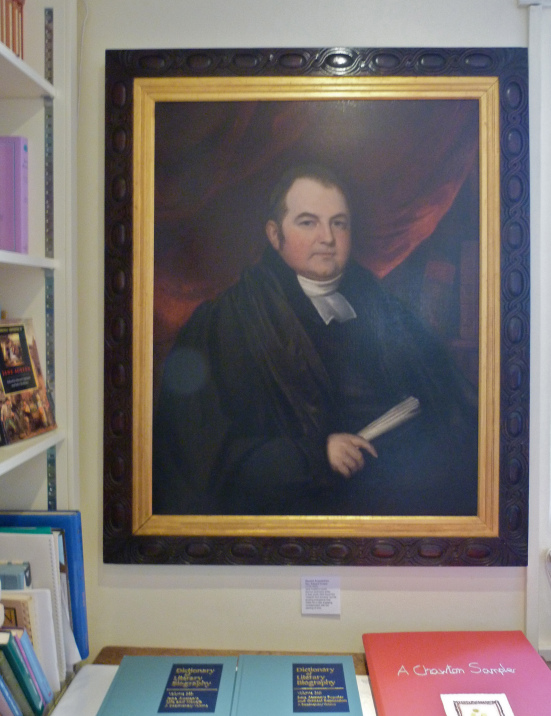
Cooper Portrait-JAHouse Museum

Portrait of Edward Cooper, by T. Barber (1819)
from the Jane Austen House Museum blog

  • Edward and Jane were cousins because their mothers were sisters and granddaughters of Theophilus Leigh of Adlestrop.
  • The Rev Cooper wrote evangelical and uncompromising sermons and he saw “eye to eye” with his Bishop, Henry Ryder.
  • Voltaire said that, “Anglican clergy had no major vice save avarice” and it seems even a friendly bishop had occasion to reprimand the Reverend Edward Cooper for keeping his curate, the Reverend John Riland, at Yoxall, on a miserly stipend.
  • For all Jane Austen’s seeming dislike of her cousin, and his letters of “cold comfort”, Edward Cooper made many good friends at Hamstall.  Even before he and his wife had moved up from Harpsden he had befriended Edward Riley who was to be his new neighbour.  By the summer of 1800, when his parents-in-law paid their first visit to Staffordshire, Cooper’s acquaintance had swelled to include the inhabitants of most of the great houses in the vicinity, as well as the clergymen of the many surrounding villages and several from the cathedral town of Lichfield, just eight miles distant.  Besides the fact that he was a well-educated man, Edward Cooper was very wealthy, having inherited the fortune of his grandfather, the goldsmith and banker, Gislingham Cooper; so he would have been quite at home among the local gentry.  He appears to have chosen his closest friends from among those of evangelical persuasion, some of whom had also met or were deeply interested in the life and work of Samuel Johnson.  These points may be of special interest to readers of Mansfield Park.
  • Adlestrop, a Cotswold Village, features the Manor House, Adlestrop Park, – which is a gothic mansion ‘improved’ by Repton – property of James Henry Leigh (the Leigh family had lots of ancestral lands). At the nearby Rectory lived the Reverend Thomas Leigh (Mrs Austen’s cousin) who on the death of his remote relative in 1806, the Honorary Mary Leigh, went to Stoneleigh Abbey in the company of Mrs George Austen with her daughters Cassandra and Jane. After the family interests were settled the Austen’s visited Hamstall Ridware and the Coopers in the late summer of 1806 and stayed about five weeks.

Adlestrop Park (astoft) and Adlestrop House – formerly the Rectory (geographUK)

  •  The proximity of church, rectory and manor house could not have escaped Jane Austen’s notice. The river and the stewponds immediately beyond the churchyard could prefigure Delaford in Sense and Sensibility. Left out of the novel is the tower, originally an outlook tower, now preserved as a ‘folly’.
  • Also, we have Sense and Sensibility character names with people known to, or friends of, the Coopers: Ferrars, spelt with two “e’s” but still with an ‘F’, Dashwood, Palmer and Jennings. Also, the Austens would have passed through Middleton on their journey from Stoneleigh Abbey in Warwickshire to Hamstall, and in addition Lord Middleton was a distant relation of Mrs Austen and she, herself, was named after the sister of the first Lord Middleton – Cassandra Willoughby.
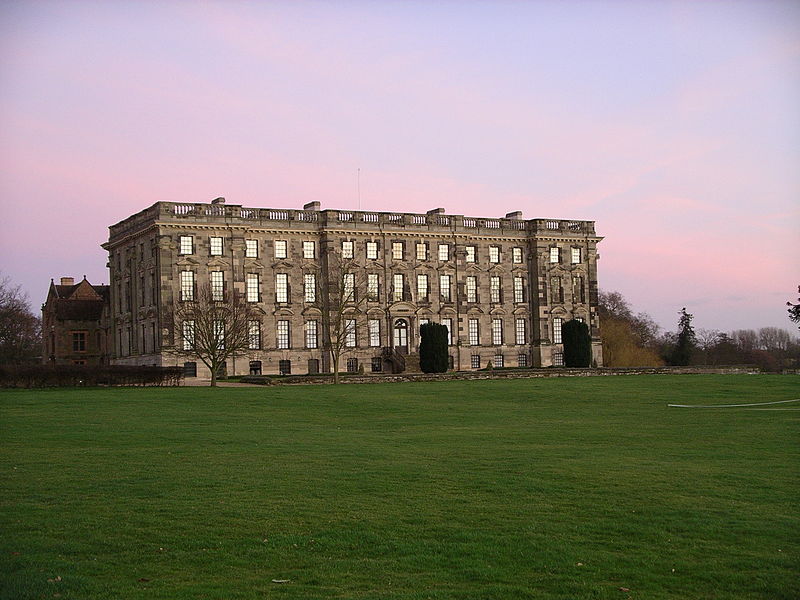
StoneleighAbbey-wp
Stoneleigh Abbey, Warwickshire (Wikipedia) 

  • Stoneleigh Abbey was maintained and added to over time by the wealth of the Leigh family and has an odd mix of styles: it has an Elizabethan East Wing, an 18th Century West Wing and a 14th Century Gate House. Its rooms are altogether lighter and more colourful than one might expect – and one can easily imagine Catherine Morland having to swallow her disappointment at the shortage of Gothic Horrors.
  • Just how far we can go to claiming that Stoneleigh Abbey as the model for Northanger Abbey is aided by the existence of a now concealed staircase leading from the stable yard that might have been the model for Henry Tilney to ascend and surprise Catherine when she was seeking Mrs Tilney’s bedroom.
  • What is more credible is the chapel at Stoneleigh Abbey being the model for the chapel at Sotherton Court in Mansfield Park. From the vantage point of the chapel balcony one sees, “the profusion of mahogany and the crimson velvet cushions appearing over the ledge of the family balcony above” and as Fanny Price noted, “no aisles, no inscription, no banners.”
  • Despite all of this the wall-plaque at Stoneleigh Abbey misspells the Austen name!
  • John and Millicent Gisborne were close friends of Edward Cooper.  They lived at Holly Bush, a beautiful and commodious house at Newborough in Needwood Forest, just two miles from Hamstall and a mile from Yoxall Lodge, the home of John’s older brother.  A deeply religious man, John Gisborne shared with Edward Cooper more than their evangelical persuasion.  They read the same books, Edward Cooper sometimes guiding his friend in the choice of reading matter and discussing it with him during long walks in the forest.  The younger Gisborne had inherited from his mother a keen interest in botany, which he pursued with unabated vigour all his life, corresponding with most of the leading botanists of the day.  He married the step-daughter of Erasmus Darwin. (Scientist, inventor, poet, and physician at Lichfield, Darwin was co-founder of the Lunar Society in Birmingham.  The experiments, discoveries and inventions of this group of men did much to advance the industrial revolution in England.)  Darwin’s own interest in botany, and the many thoughts his own experiments and discoveries gave rise to, he put into verse in his much-celebrated, sometimes controversial Botanic Garden, which Mrs. Lybbe Powys mentions in her journal.  Darwin’s son-in-law, John Gisborne, wrote two poems which won him some acclaim.  They are partly a celebration of Nature, but, as in the poetry of his brother, Erasmus Darwin, and of William Cowper, the poet so much loved by the Evangelicals, he reveals the extent to which his peaceful contemplation in the wild led to reflection on greater issues.  Among those that are mentioned in John Gisborne’s Vales of Weaver is the subject of Catherine the Great, whose ‘wickedness’ included the enslavement of the Poles.  Gisborne, contrasts the Empress of Russia with “Immortal Washington … Saviour of his Country, the Supporter of Freedom, and the Benefactor of Mankind.”
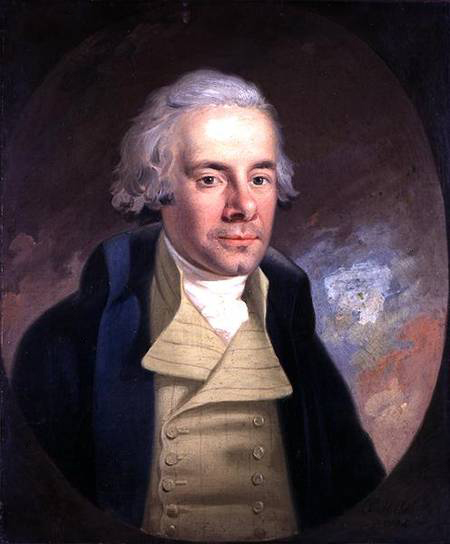
  • Slavery was almost an obsession with Edward Cooper’s friends at that time, and small wonder, for William Wilberforce had
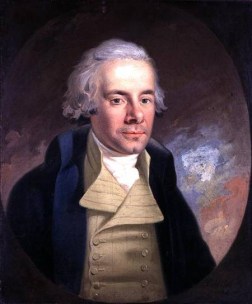
    William Wilberforce
    William Wilberforce

    spent many an autumn with the Gisbornes at Yoxall Lodge engaged in abolition work.  He and Gisborne had been at Cambridge together and had shared much companionable conversation late into the night.  However, they had parted company after graduation and only resumed contact when Gisborne heard that Wilberforce had taken up the issue of the slave trade in the House of Commons.  He promptly wrote to Wilberforce: “I have been as busy in town as a member of Parliament preparing himself to maintain the Abolition of the Slave Trade, and no doubt much more usefully employed.  I shall expect to read in the newspapers of your being carbonaded by West Indian planters, barbecued by African merchants, and eaten by Guinea captains; but do not be daunted for – I will write your epitaph.”  And Wilberforce was soon taking advantage of Gisborne’s quiet haven in the forest, where he and Mrs. Gisborne’s brother worked on the vast quantity of evidence on the slave trade, so as to become fully conversant with it and thereby strengthen their arguments.  For much of the day they would work uninterrupted in an upper room, eating little, only coming down to walk in the forest for a half hour before dinner.  There Gisborne would hear his friend’s melodious voice far away among the trees.
[Ed. There is a blog on John Gisborn [is there a blog on everything?] as well as a Brief Memoir  ]

  • On one such visit Wilberforce did take time off to accompany Gisborne to Etruria to call on Josiah Wedgwood who had manufactured a jasper-ware cameo depicting a slave in chains and the words: “Am I not a man and a brother.” Had they not the anti-slavery interest in common Gisborne would have met Wedgwood through his sister-in-law. Millicent Gisborne’s step-father, Erasmus Darwin was family doctor and friend to Wedgwood, another member of the Lunar Society.
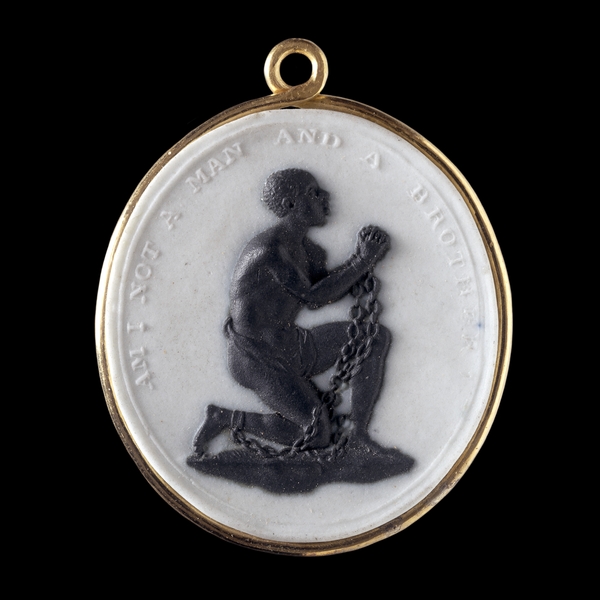
Wedgwood-slavery-BM

Josiah Wedgwood – Anti-Slavery Medallion – 1787 – British Museum

*********

In preparing these notes I have taken extracts from:

1.  King, Gaye.Edward Cooper’s Domain.” JASM Transactions 10 (1999)
2.  Poucher, Neil. “Jane Austen in the Midlands.” JASM Transactions 6 (1995)
3.  King, Gaye. “Jane Austen’s Staffordshire Cousin: Edward Cooper and His Circle.” Persuasions 15 (1993): 252-59.

*****************

The poem Adlestrop by Edward Thomas (1878-1917)

Yes, I remember Adlestrop –
The name because one afternoon
Of heat the express-train drew up there
Unwontedly. It was late June.
The steam hissed. Someone cleared his throat.
No one left and no one came
On the bare platform. What I saw
Was Adlestrop – only the name
And willows, willow-herb, and grass,
And meadowsweet, and haycocks dry,
No whit less still and lonely fair
Than the high cloudlets in the sky.
And for that minute a blackbird sang
Close by, and round him, mistier,
Farther and farther, all the birds
Of Oxfordshire and Gloucestershire.

I had included this poem, not only because it is both evocative and beautiful, and suitable reading on a hot English summer’s day, but because through the name, Adlestrop, we have the Theophilus Leigh connection as well as the connections with Edward Cooper’s parish and finally, JASNA were actually to go there as part of their itinerary on this tour. Nevertheless, I was still asked why it was included!

********************

A copy of the memorial to the Reverend Edward Cooper, with notes

IN A VAULT NEAR THIS SPOT ARE DEPOSITED
THE REMAINS OF
THE REV. EDWARD COOPER
WHO, FOR UPWARDS OF 30 YEARS WAS RECTOR
OF THIS PARISH, AND FOR MANY YEARS OF
THE ADJOINING PARISH OF YOXALL ALSO;
IN BOTH WHICH PLACES, (AS A FAITHFUL
MINISTER OF CHRIST,
AND ENDEARED TO ALL HIS PARISHIONERS,)
HE DISCHARGED, WITH UNREMITTING ZEAL,
THE DUTIES OF HIS SACRED OFFICE

HE WAS THE ONLY SON
OF THE REV. EDWARD COOPER L.L.D.
VICAR OF SONNING, BERKS &c. AND PREBENDARY
OF BATH AND WELLS; AND OF JANE HIS WIFE,
GRANDAUGHTER OF THEOPHILUS LEIGH ESQ
OF ADDLESTROP, IN THE COUNTY OF GLOUCESTER
HE WAS FORMERLEY
FELLOW OF ALL SOULS COLLEGE, OXFORD
HE WAS FATHER ALSO.
HE DEPARTED THIS LIFE, ON 26 DAY OF FEB 1833
IN THE 63rd YEAR OF HIS AGE.

“HE   BEING DEAD YET SPEAKETH”

WITHIN THE SAME VAULT ALSO REPOSE THE
REMAINS OF CAROLINE ISABELLA, HIS WIDOW,
ONLY DAUGHTER OF PHILIP LYBBE POWYS, ESQ
OF HARDWICK HOUSE IN THE COUNTY OF OXFORD,
SHE DIED IN THE 63rd YEAR OF HER AGE.

THIS TABLET WAS ERECTED BY THEIR   EIGHT SURVIVING
CHILDREN, AS A TRIBUTE OF
GRATEFUL AFFECTION, AND RESPECT,
TO THE MEMORY OF THEIR
DEEPLY LAMENTED, AND MUCH BELOVED
PARENTS


On her visit to her cousin Edward Cooper, in the summer of 1806, Jane Austen would have been familiar with the Church of St Michael and All Angels, Hamstall Ridware. The historic church, dating in part from the 12th Century, stands beside the Rectory on the beautiful site overlooking the River Blythe.
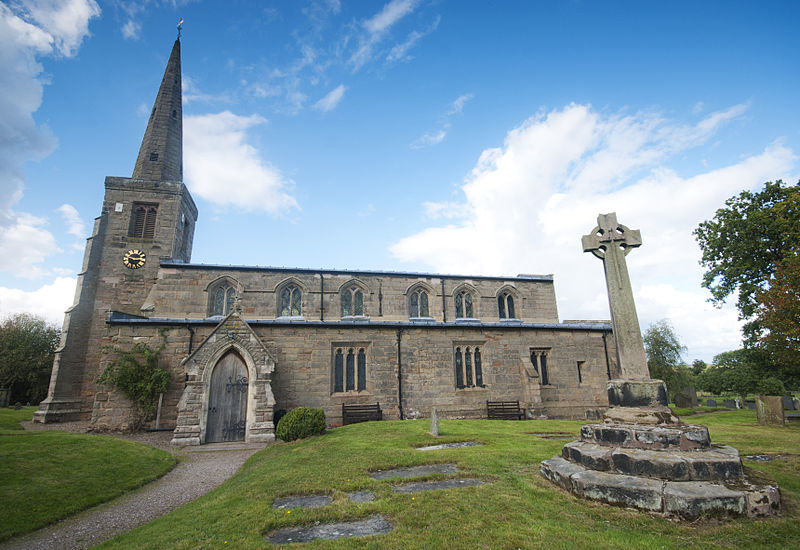
St_Michael's_Church,_Hamstall_Ridware-wp

St Michael and All Angels, Hamstall Ridware (Wikipedia)

This memorial on the east wall of the north aisle of his Church, reveals Edward Cooper’s connection with the Leighs of Adlestrop. The Jane Austen Society Midlands provided funds to have the tablet cleaned and the letters re-blacked. On Sunday, 16th August, 1998 one of the two hymns written by Edward Cooper was sung when the retiring vicar, the Revd, F Finch, rededicated the memorial.

************

Passages from the Diaries of Mrs Philip Lybbe Powys (Caroline Powys
(1738 – 1817)) of Hardwick House AD 1756 – 1808.
Collated with notes by Emily J Climenson in 1899*.
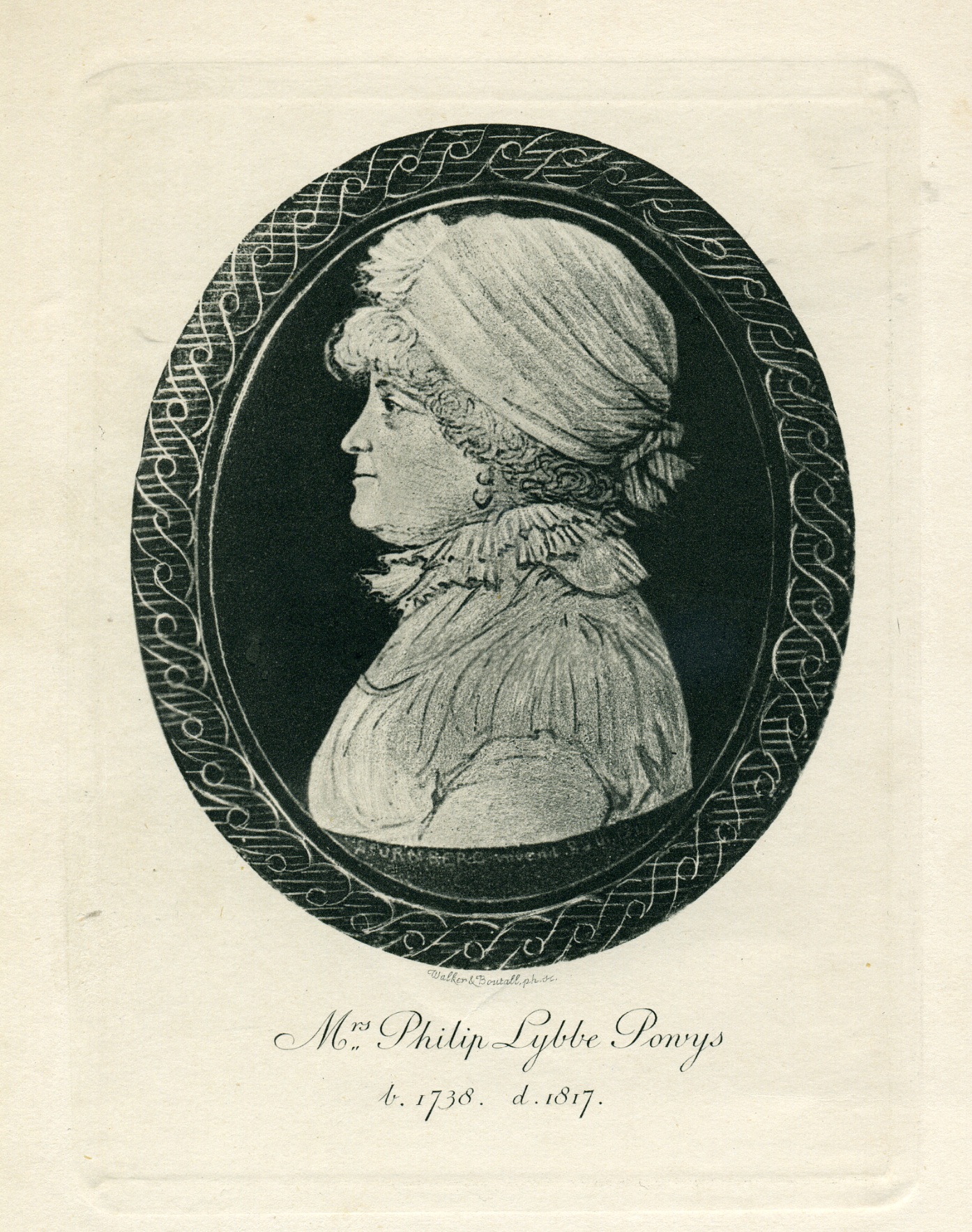
powys-austenonly
Mrs Philip Lybbe Powys (austenonly)

Mrs Philip Lybbe Powys and Jane Austen were contemporaries and this alone makes her diaries fascinating; however, she has another claim on our interest. She was an old friend of Mrs George Austen and her only daughter, Caroline, married Mrs Austen’s nephew, the Reverend Edward Cooper. A point to note is that “Lybbe” is one of Caroline’s husband’s given names, or Christian names as they were then known, and NOT part of his surname. [To avoid confusion please visit: The Persistence of a Genealogy Error, The Evidence, and What Really Happened at the Powys-Lybbe ancestry sitehttp://www.tim.ukpub.net/jane_austen_soc/index.html ]
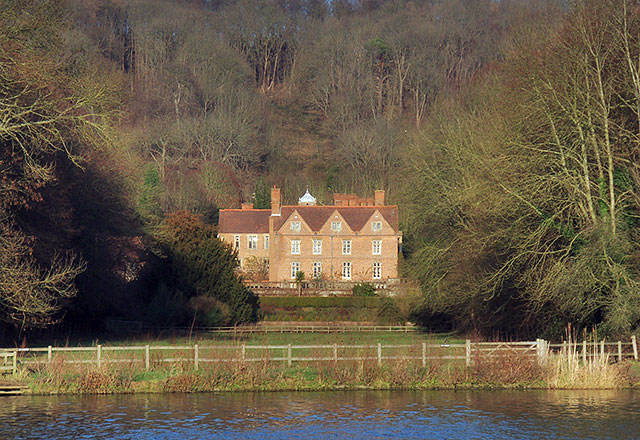
Hardwick_House-geograph_org_uk_-wpHardwick House is in Whitchurch, near Henley-on-Thames, Oxfordshire. In 1909 Hardwick House was bought by Charles Day Rose, and they are both said to be models for “Toad of Toad Hall” although there are other claimants for E H Shepard’s and Kenneth Grahame’s inspirations. In the diaries of Mrs Philip Lybbe Powys there is an entry for Jan 1776, when Jane was less than a month old, which gives first hand information on Oxfordshire, England of the time.

“The most severe frost in my memory began January 7th and lasted till February 2nd. It began to snow about two in the morning as we were returning from a ball at Southcote, and kept snowing for twelve days, tho’ none fell in quantities after the first three days, but from the inconvenience from that on the ground was soon very great, as strong north-east winds blew it up in many places twelve or thirteen foot deep, so that numbers of our cottagers on the common were oblig’d to dig their ways out, and then hedges, gates and stiles being invisible, and all the hollow ways levelled, it was with vast difficulty the poor men could get to the village to buy bread; water they had none, but melted snow for a long time – and wood could not be found – a more particular distress in Oxfordshire, as our poor have always plenty of firing for little trouble.

She goes on to describe the trials and tribulations generally but specifically mentions,

“Two hundred and seventeen men were employed on the Oxford Turnpike between Nettlebed and Benton to cut a road for carriages, but then a chaise could not go with a pair of horses, and very dangerous like driving on glass. A wagon loaded with a family’s goods from London was overturned, a deal of damage done to china &c, but ‘tis astonishing any one would venture to send goods is such a time, or venture themselves”

Several ideas occur on reading this. They kept late hours when going to a dance. The “inclosures” of the commons had not started or reached that part of Oxfordshire yet. The British are never ready for snow – no matter what sort, how much or how little – or when. However, when snow brought England to a silent halt and so most journeys were planned for the summer, in Russia the converse applied as travelling in summer on muddy byways with bogged down carriages was impossible, but the winter snow with sleds made travel for pleasure and business not only possible, but quick and easy. Jane Austen loved Shakespeare and my favourite quotation comes from Hamlet, “Nothing is either good or bad but thinking makes it so”, and snow provides a wonderful example of why this is true. The English look out on the freshly fallen deep drifts and say, “Bother! We are stuck inside” the Russians look out and say, “Great! We can go somewhere!” (In Russian, of course!)

The diary entries that mention the Coopers or Hamstall Ridware are as follows:

14th March 1793: was the day our dear Caroline was married to Mr Cooper, son of the late Dr Cooper, of Sonning, Berks, a match that gave all her friends the highest satisfaction, as there cannot be a more worthy young man. We had all intended to have the ceremony perform’d in London, but found some difficulties about residence, parish, &c., so are determin’d to have it at Fawley; so sent to our son Thomas not to come up, but to meet us there, with Phil and Louisa. I was so affected by the loss of my dear girl (who till latterly I had never parted with for even one night) that I dreaded how I would behave at the time. They all persuaded me not to go with her; so her father, Mr Cooper, and herself went to Fawley the day before, and the ceremony was over before any but our own family knew that it was to be performed there. And Tom, who had been all the week before in parties in our large neighbourhood, was afterwards complimented at keeping a secret even better than a lady! As soon as it was over, Mr Powys and Tom set off for London, and Phil and Louisa for Hardwick, the bride and groom for Sonning.

27th October 1794: Our dear Caroline brought to bed of a son

3rd December 1794: Edward Philip Cooper was christened at Harpsden Church (Mr Cooper then in holy orders, was curate at Harpsden for the Rev Thomas Leigh, rector who was non-resident). My mother, Mr Powys, Mrs Williams and Mr Henry Austen, sponsors. He had been half-christened before.

2nd February 1795: On the 11th managed to drive to Harpsden to see my Caroline, as we had never met since the 23rd December.

25th February 1795 the Fast: My brother being in residence at Bristol, our son, Mr Cooper, preach’d. The frost had lasted eleven weeks on the fast-day.

29th November 1795: Our dear Caroline brought to bed of a daughter, Isabella Mary.   

1st January 1796: At the christening of Isabella Mary (Cooper), at Harpsden, myself and Mrs Leigh godmothers, Dr Powys godfather. Stayed to dinner and supper; not home till two in the morning. Weather very different from last year; quite mild, had no frosts but high winds and rain.

6th July 1796: Stayed with Caroline, Mr Cooper being gone to London to meet his brother, Captain Williams, who soon after had the honour of being knighted by his Majesty for his gallant behaviour at sea.

27th March 1797: Caroline and Cooper went to London to Sir Thomas Williams, to see his new ship, the Endymion, launched                

24th May 1797: Caroline (Cooper) brought to bed of a girl (Cassandra)

7th July 1797: Cassandra Louisa’s christening at Harpsden Church. Mrs Austen and my daughter Louisa godmothers. Dr Isham godfather.

19th December 1797: I went to Harpsden. Mr Powys and Tom went to Bletchingdon Park to shoot, and were robbed by a highwayman only four miles from Henley, on the Oxford Road, just at three o’clock. We hear the poor man was drowned the week after, by trying to escape, (after having robbed a carriage), through some water which was very deep. He behaved civilly, and seemed as he said, greatly distress’d.

23rd December 1797: Edward drove Caroline and myself to Reading in the tandem.

29th January 1798: The Gentlemen’s Club. Caroline and I met the Fawley Court family at the Henley play. All the gentlemen came to the farce; a very full house, and better performers than one could have imagined. “The Jew” and “The Poor Soldier”. The company put £100 into the Henley Bank to answer any demands upon them, and as a surety of their good behaviour. Rather unusual for strollers in general.

14th August 1798: . . .At Canterbury . . . . We were so alarm’d for our dear Cooper (This happened at Newport, Isle of Wight) whose health had been so bad for some time, and who was one of the most affectionate of brothers, that we were quite miserable, and wrote immediately to Caroline that, if they the least wished it, we would return immediately after we received their next letter, and, as that must be some days coming, we were greatly distress’d and hardly knew how to manage, as the very next day had been some time fixed on for us all to set out for our intended tour through the Isle of Thanet;. . . . . . . .

21st August 1798: . . . . . . I had received a letter from Caroline to insist on our not shortening the time of our return, as his (Cooper’s) health was tolerable . . . . . . .

25th August 1798: I could not resist adding this description of what Mrs Philip Lybbe Powys as hostess for her bachelor brother-in-law the Dean of Canterbury provided for dinner for Prince William of Gloucester, nephew of George III, when he visited Kent in the summer of 1798. On this Saturday they sat down fourteen at a table to eat: Salmon Trout Soles, Fricando of Veal, Vegetable Pudding, Raised Giblet Pie, Chickens, Muffin Pudding, Ham, Curry of Rabbits Soup, Preserve of Olives, Open Tart Syllabub, Haunch of Venison, Three Larded Sweetbreads, Raised Jelly, Maccaroni, Peas, Potatoes, Buttered Lobster, Baskets of Pastry, Goose, Custards.

30th January 1799: Went from Hardwick, to stay with Caroline, while Cooper went into Staffordshire to see his living at Hamstall Ridware, that Mrs Leigh (from the Leighs of Addlestrop, Gloucestershire, and Stoneleigh, Warwickshire. Cooper’s mother was a Miss Leigh) had just been so kind as to present him to. The roads were so bad with snow and frost, we were obliged to go round by Caversham, but got safe to Harpsden to dinner.

1st February 1799: It continued snowing, and was so deep we were much alarmed for Cooper on his journey, as he had promised to write; but the Oxford mail had been stopped that day, a circumstance that had not happened for thirteen years.

3rd February 1799: Snow continued, but we were happy in having a letter from Cooper to say he was got safe back to Oxford, having been forced to walk many miles, and hoped by the same method he might be able to get home the next evening. There was no church on the Sunday at Harpsden or Fawley, as no one could get to either. The icicles on the trees hanging down was a most beautiful sight, when the sun shone on them.

4th February 1799: A hard frost. Cooper came by the Oxford stage.

23rd September 1799: Caroline and Cooper went to his new living in Staffordshire for a few days to furnish the house; the four children and two maids came to us. They had been staying the week at the Hall’s, Harpsden Court, previously. .Sunday September 13th was to me one of the most melancholy days I ever experienced, as it was to part me and my dearest Caroline, who was to set off the next day for Staffordshire; and as Mr Cooper was to do duty at Henley Church that day for Mr Townsend, he thought it best they should all lay at Henley, to make the separation less dismal. They would not stay to breakfast, but set off as soon as they got up. The dear little children stay’d till after morning church, and not knowing or feeling any of the anxiety that we did, seem’d perfectly astonished to see us shed tears, and that we did not feel equal pleasure with themselves at the idea of their journey.

7th July 1800:  . . . . . . . From hence we went to dinner at Lichfield, where Mr Cooper sent a servant to meet us, with the key of a gentlemen’s grounds, going through which shortened our way to Hamstall Ridware, where we got to tea. Cooper had walked about a mile from their house on our arrival, at which our dear Caroline ran out to meet us; but after so many months’ absence, she and myself were so overcome, that strangers might have supposed it a parting scene, instead of a most joyful meeting; but my sorrow was soon turned to its contrast, to find them all so well, and pleasantly situated.

9th July 1800: In the evening we went a trout-fishing on the Blythe, a river running at the bottom of a meadow before their house.

10th July 1800: Walk’d up the village to Smith’s the weaver, to see the manner of that work, and ‘tis really curious to see with what astonishing velocity they threw the shuttle. (Power-looms were not introduced till 1807; the shuttle was then thrown, and batten worked by hand.) Hamstall Ridware Church is a rectory dedicated to St Michael, a very neat old spire building of stone, having two side aisles, chancel &c., and makes a magnificent appearance as a village church.

21st July 1800: That evening we all walk’d up to Farmer Cox’s, a very fine high situation, and most extensive views; indeed the prospect all round Hamstall is delightful.

22nd July 1800: We took a long hot walk to the village of Murry, to see a tape manufactury, of which seven gentlemen of the neighbourhood are proprietors. The noise of the machinery is hardly to be borne, tho’ the workpeople told us they themselves hardly heard the noise! Such is use! The calendering part is worth observation, as the tapes all go through the floor of an upper room, and when you go down to the apartment under it, you see them all coming through the ceiling, perfectly smooth and glossy, where the women take them, and roll them in the pieces as we buy them at the haberdasher’s, whereas in the upper room they all looked tumbled and dirty.

28th July 1800:  We all set out early in the morn to see Shuckborough, Mr Anson’s, and Hagley, Lord Curzon’s. We went through Blythberry and Coulton, the latter a village rather remarkable for many of its cottages being built in a marl-pit with woods over it, the roots of its trees growing and hanging loosely over their little gardens, which are deck’d with all manner of flowers, and kept with the greatest neatness.

12th August 1800: All our party went a trout-fishing, but the heat was so intense it was hardly bearable. 

13th August 1800: Mr Cooper and Mr Powys, went to the assizes at Stafford. On their return they entertain’d us with a droll copy of verses on Lord Stafford’s picture being hung up in the town-hall in 1800:-  

“With happy contrivance to honour his chief,
Jack treats his old friend as he treats an old sheep
But with proper respect to the garter and Star,
Instead of the gallows he’s hung at the bar
To remove from this county so foul a disgrace,
Take down the old Peer, and hang Jack in his place”

[Jack is a Mr Sparrow] – [Ed.  Is this perchance a Johnny Depp sighting in 1800?]

14th August 1800:  I walked down to the river Blithe by seven in the morn to see Caroline and the three eldest children bathe, which they did most mornings, having put up a dressing house on the bank.

18th August 1800:  We all passed a dull gloomy day, the following one being upon fixed for leaving our dear relatives. We reached Fawley on Wednesday the 20th by seven o’clock.

7th January 1801: Caroline Cooper was brought to bed of a boy (on my birthday). He was christened Frederick Leigh Cooper.

3rd May 1801:  Our son Cooper preached, as Caroline, himself, and family came to stay with us the week before.

27th May 1801:  The Coopers, to our inexpressible grief, set out with their five dear children to Staffordshire.                                                                                                                                                         

 12th August 1802: After breakfast we set out thro’ Coventry by Kenilworth to Lichfield, where we dined, and reached Hamstall by tea-time, finding all the family (Coopers) perfectly well . . . . . . . . . we returned to Fawley on September 9th

2nd August 1803:  Mr Powys and I set out for our son Cooper’s in Staffordshire, and reached Hamstall on the 3rd about six. Had the inexpressible joy to see Cooper, Caroline, and their six dear children in perfect health.

5th March 1805: Our grandson Warren Cooper, born.

12th August 1805: Mr Powys and myself set off for our son Cooper’s in Staffordshire. We hired a post-chaise for the time at a guinea a week, of Hicks, coachmaker in the Fair Mile (at Henley on Thames)

 14th August 1805: We went out most mornings and evenings in the two donkey-chaises – very clever vehicles indeed. Caroline drove one, and little Edward was so pleased at being postillion to grandmamma, that. Though I sometimes drove myself, he most days rode my donkey, the carriages only holding one person each.

Monday the 26th had been for some time fixed on for us to go to Matlock and Dove Dale. We set out a party of seven; we went through Blithbury and Abbots Bromley. We got to the Rev Mr Stubbs’ at Uttoxeter by half-past one, who asked us to dine with him. We went to see the church, rather an extraordinary one, very ancient, and the pews so oddly managed (This was the case at Shiplake Church, Oxon, before the restoration of 1870. The seats in the first pews in the chancel had to be lifted up to admit persons to the seats behind.) as three or four go through each other, and so narrow that, if those belonging to the outward ones happen to come first, without they are the most slender persons, it’s impossible to pass each other. Caroline and myself, who are not so could not help laughing and saying it was lucky we did not belong to this church . . . . . . . 

September 1805: Mr Powys and myself left Hamstall, to return to Fawley. A dismal parting as usual 

[Note: A criticism often levelled at Jane Austen’s writing is that topical events of the time get little or no mention. Mrs Philip Lybbe Powys was an inveterate diarist and in her earlier entries there is mention of Nelson’s father whom she met in the late 1790’s but Nelson’s greatest victory which cost him his life is not mentioned at all in the collation of her diary entries prepared by Emily J Climenson. This important victory was such a decisive action in the wars against France and Spain, and we can only speculate on reasons why The Battle of Trafalgar 21st October 1805 is not mentioned even in passing. Mrs Lybbe Powys was a close friend of Mrs Cassandra Austen, and Edward Cooper was first cousin not only to Jane Austen but to Charles and Francis Austen who were Captains in the Royal Navy, and Francis was actually in Nelson’s Fleet but missed the action as he was away in the Mediterranean sent for fresh fruit and water. So as well as the interest this had to the nation, Mrs Philip Lybbe Powys had these added personal connections, but it still doesn’t impact on her everyday life so that it rates a mention in her diary? Does the absence of world affairs in Austen’s novels reflect a similar parochial view on life in England at that time, or alternatively does it just reflect the manners and interests of the time? “A woman’s place?”]

14th July 1807: Cooper, Caroline, their eight children, Mrs Morse the governess, and two servants came from Staffordshire to Hardwick 

31st July 1807: Mr Powys and myself went to Hardwick to see the Coopers; the children in high spirits with their five Hardwick cousins, so only saw thirteen together, as Tom’s were not there. The Coopers came to us afterwards. 

1st October 1807: Our dear Caroline Cooper and children set off for Staffordshire.

************* 

Extracts taken from the diaries of Mrs Philip Lybbe Powys and any notes I have added appear “not in italics”.

The visiting party asked many questions and this completed the information exchanges at Hamstall Ridware, although the Reverend Ty Leyland had also organised talks on the history and architecture of the church and its locality, which were also listened to with great interest.
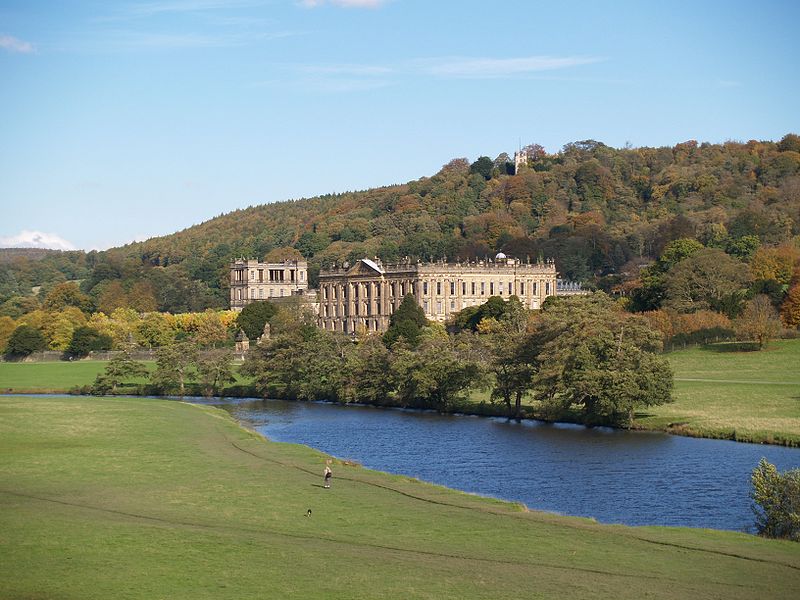
Chatsworth-wp
Chatsworth = ?Pemberley (Wikipedia)

Hil Robinson and I met the party again at Buxton later that day for dinner and conversation. Later in the week Jack and Jan Barber (with Hil and I again) met their party at Chatsworth for cream tea in the Palladian Stables (not a horse in sight) and I entertained the gathered party with my views on whether Chatsworth was in Jane Austen’s mind as the model for Pemberley. This has featured as a talk at our own AGM and my ideas are set out in full elsewhere in Transactions. [Ed. This talk will be posted here once it is published in JASM’s Transactions, so stay tuned….]

The Jane Austen Society Midlands was thanked most warmly for their company and for sharing views on all things Austen with the Jane Austen Society of North America tour party.

Chris Sandrawich, July 2013

*******************

Thank you Chris for this informative [and entertaining!] post on all things Jane Austen and the Midlands – I am, as always, green with Envy!  I have travelled quite a bit in the UK, but alas! not much in the Midlands … one of these days! I am inspired to read all of Caroline Powys’ diaries [albeit noting that Deirdre Le Faye in Jane Austen’s Letters advises caution in using these often inaccurate diaries edited by Climenson], but (in following Jane Austen’s own criticisms) Edward Cooper’s sermons, maybe not so much…

Update: please see the comment below from Ron Dunning re: the Tylney-Long connection – I include here his genealogy chart:
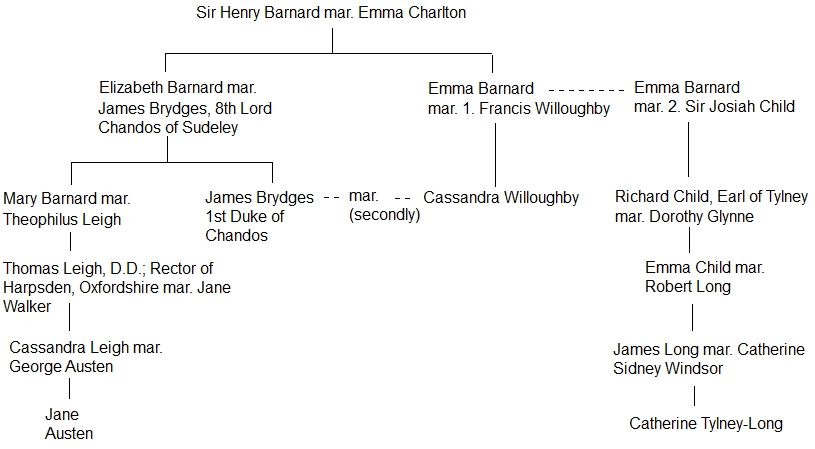
Jane Austen – Catherine Tylney-Long

c2014, Jane Austen in Vermont; text by Chris Sandrawich; images as noted.
Author Interviews · Book Giveaway · Books · Jane Austen · Jane Austen Popular Culture · Regency England

The Introduction of a Gentleman, by Heather Brothers ~ Author Interview & Book Giveaway

Gentle Readers:  I welcome today one of our very own JASNA-Vermont members, Heather Brothers, to talk to us about her very own, just published, novel! – The Introduction of a Gentleman.  A long-time Jane Austen fan, Heather has been coming to our meetings for the past several years – she loves the Regency period and this is her first go at a Regency historical romance – it is a great read, full of all the things you expect from the genre – good guys, bad guys, a naïve heroine, an estate in jeopardy, a bit of a mystery, and a fine Scottish setting both in the country and in Glasgow. Heather has graciously offered to tell us a little bit about herself and how she came to write this first book, and she will provide a free copy for a giveaway –  see below for the giveaway details. 

*****************

cover-IntroGent-Brothers

Deb: Welcome Heather!  All of us in Vermont are very excited for you, about this, your first published book! Tell us something about The Introduction of a Gentleman and what set you on the path to writing it… 

Heather: The seed that grew into my love of the Regency Era was planted – as many others may have experienced themselves – when I saw the 1995 BBC version of Pride and Prejudice. I lived in Australia at the time and was visiting my best friend’s family. Being proper members of the Commonwealth, they were shocked that I had not seen P&P. The first day at their house we sat and watched it from beginning to end – I was so enraptured by it, I didn’t want to leave my seat for anything!

Being your typical enthusiast, I proceeded to throw a Pride and Prejudice New Year’s Eve party the following year – complete with country dance jammed into a most decidedly un-Pemberleyan dance hall (i.e. the living room of a cape house.) I had movie-viewing parties, read through each novel, connected with other Janeites, and after a trip to Scotland in 2008 for a friend’s wedding, I began the story that is The Introduction of a Gentleman.

Inspired by names such as Carrick and Strathclyde (both of which my husband has refused to name any future children), I began thinking and working on who these characters would be. And being fairly recently graduated from that tumultuous match-making time of life myself, I wanted to create that time and those feelings in Laura’s life.

After two years, I had created a rough draft and then fell victim to the precursor to the most glorious blessing one can possibly experience in life. Morning sickness led to hospitalization. Thank heaven for anti-nausea medication. And incidentally, if you throw up in the waiting room, you’ll get a hospital bed really fast. Keep that in mind.

My daughter being born was so amazing and during the nursing phase I was able to read a ton of books – the first being re-reading Emma. I learned so much about writing from that intense reading-filled timeframe.

I found that self-publishing really relies on your network of friends and family members. I got three critical reviews from friends – one who is a published writer, one who is an award-winning writer and Regency Era subject matter expert, and one who has a PhD in the Classics and is qualified to teach writing at the college level. My husband was also an invaluable help since, in self-publishing, you have to do all the formatting yourself (i.e. become a software expert.) I would really recommend Createspace, though. They have a lot of tools and all the channels set up for you.

And this is how I come to be where I am now. I really hope you enjoy The Introduction of a Gentleman.  It doesn’t compare to the works of Jane Austen, but I think it’s a good read if you like that era.

Deb: What sort of reading have you done to prepare you to write a Regency historical novel?

Heather: Reading Jane Austen’s novels are in themselves a tutorial on many levels. I have also read some great books about the era – most recently The Jane Austen Handbook by Margaret Sullivan. I have done online research as well as learned a lot from the JASNA-Vermont meetings.

Deb: How long have you been reading Jane Austen? And what is your favorite book? Your favorite thing about her?

Heather: Interestingly, I ordered Sense and Sensibility from the Scholastic Book Club when I was in 9th grade. I tried to read it butcover-persuasion-oxford couldn’t understand who everyone was, so gave up. Fortunately, through increased brain development and a more keen interest, since that time, I have been able to enjoy each novel.

My favorite book is Persuasion. What I love about Jane Austen is how funny she is and how brilliant she was in weaving everything together in these books. I’ve written an essay on the book Persuasion called “Might I Persuade You?” which I hope to record in an audio format. After listening to the audio version so wonderfully performed by Juliet Stevenson, I was struck by just how hilariously and wonderfully Jane Austen wrote. The other aspect of Persuasion that is so great is the theme of redeemed love and second chances – which is just irresistible.

Deb: Are you working on another novel? And if so will it be set in the same time period as The Introduction of a Gentleman? Will you continue with any of the characters?

Heather: I am working on another novel – but it is a present-day story set in Vermont about a 10-year old girl who wants to figure out a family mystery amidst her quirky aunts, uncles and grandparents:  Your typical Vermont family.

Deb: Sounds like Cold Comfort Farm in Vermont! Can’t wait! What other kinds of books do you enjoy reading?

Heather:  My favorite books right now are Alexander McCall Smith’s Isabel Dalhousie series and the No. 1 Ladies Detective Agency series.

Deb: You mention a trip to Scotland and the reason why it is the setting for your book, but have you travelled to other places in the UK as well, specifically to Jane Austen country in England?

Chatsworth-wp

Chatsworth House and Bridge [Wikimedia Commons ]

Heather: My travels in Scotland helped me decide the general areas that I wanted things to take place. Sir William Blair’s country home, for instance, is based on a castle that my husband and I visited. Other scenes were inspired by a prior trip to England. One of my aunts used to live in Nottingham. When visiting her, she took me to some amazing sites like Chatsworth, but this was before I became an Austen fan – so I didn’t realize what I missing out on! I actually had no idea what Chatsworth was prior to her taking me there. I was 18 at the time – with so much to learn! So another trip to England is definitely a hope.

greenberg-beige-2 smaller
Hope Greenberg

Deb:  You dedicate the book to your sister, and also “To my husband, who came with me to my first Jane Austen Society meeting…on fashion.”  Was that at a JASNA-Vermont meeting, or another meeting somewhere else? 

Heather: Yes – the dedication refers to my first JASNA meeting – the one where Hope Greenberg spoke in Montpelier at the Vermont College of Fine Arts! I loved it and actually mentioned it to Hope at the Christmas tea when she wore her wonderful dress and hat to that meeting. I have been coming to JASNA meetings – when I could (i.e. not when Claire was tiny…) – since that meeting. [Ed. This meeting was on June 7, 2009 – with our very own regency fashionista Hope Greenberg on “Fashion in Jane Austen’s World” and a great intro to JASNA-Vermont for Heather! (and her husband!)] 

Thanks so much for having me here Deb!

 Deb: Thank you Heather! – and wishing you a great deal of luck with your first publishing endeavor.

 ******************

Plot synopsis: In 1797 Laura McCay searches for her path and a husband in the Scottish gentry. When the intriguing Mr. Strathclyde arrives at the May Ball, Laura is captivated by both his stature and his status. Her close friend, Carrick, deplores both the change he sees in Laura and Mr. Strathclyde’s growing influence over her. Heedless of the ramifications, Laura follows after Mr. Strathclyde, leaving family responsibilities and friends behind in the country. Laura disregards Carrick’s admonitions and throws herself into the city life of concerts, dresses and fashionable balls, only to find that not everything is as it seems….

The Introduction of a Gentleman at Amazon
ISBN: 978-1492725480
$8.99
[there is one online on Amazon for $999.11 – don’t buy that one… :)] 

About the Author:

Heather and Claire2
Heather Brothers and daughter Claire

What Amazon says: Heather Brothers is an avid Jane Austen fan and has had the pleasure of visiting Scotland several times. She lives in Vermont with her family.

More detail from Heather:  I was born and raised mostly in Vermont, with three years of my childhood spent in Germany. I went to McGill University in Montreal, and spent one year in Australia. I studied Political Science, German and French, and like many with a liberal arts degree, my job doesn’t reflect my studies. I work as a loan analyst at the Vermont Student Assistance Corporation, where I have worked for eight and a half years.

I love going to Shelburne Farms in the summer with my daughter and husband. My favorite restaurant is Mirabelle’s downtown – which has the best hot chocolate. I’m beginning to wonder if it’s become an addiction, seeing as I stop there every Sunday before church and am on a first name basis with the staff…

****************

Book Giveaway 

Please leave a comment or a question for Heather at the end of this post and you will be entered into a random drawing for a copy of The Introduction of a Gentleman.  Deadline is Tuesday January 21, 2014, 11:59 pm.  I will announce the winner on Wednesday January 22nd.  US entries only please. [sorry about that – postage rates are sky-high to everywhere else…]

C2014, Jane Austen in Vermont
Collecting Jane Austen · Jane Austen · Jane Austen Merchandise · Jane Austen Popular Culture · Regency England

The Gifts of Christmas ~ All Things Jane Austen! ~ Day 2 ~ Jane Austen’s Regency World Magazine

I suggest this every year as the perfect stocking stuffer for your favorite Austen reader, or gift yourself – it will show up in your mailbox 6 times a year! Jane Austen’s Regency World Magazine:

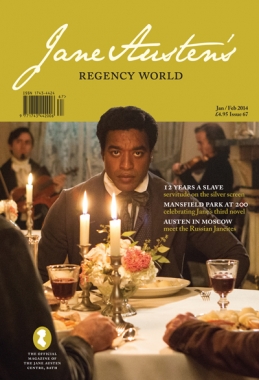
JARW_67_cover_1

Here is the latest news on the just published January/February (No. 67) issue – it is all about Mansfield Park:

The cover features Chiwetel Ejiofor as Solomon Northup in the new film 12 Years a Slave.

This issue begins the celebration of the bicentenary of the publication of Jane Austen’s third novel Mansfield Park.  In it you can read about:

  • Jane Austen on slavery: how Jane Austen’s third novel tackled the issue of slavery
  • Sympathy and advice for Mary Crawford
  • Breach of promise of marriage: the danger of being caught in a scandal
  • Navy vs Army: why Jane Austen preferred sailors to soldiers
  • Jane Austen Club of Moscow: Russian Janeites who enjoy the world’s favourite author

Plus: News, Letters, Book Reviews and information from Jane Austen Societies in the US, UK and Australia.

****************

To subscribe now click here: http://janeaustenmagazine.co.uk/subscribe/ and make sure that you are among the first to read all the news from Jane Austen’s Regency World. [You can also on this page download a sample article: there is a pdf of the article on the BBC’s Death Comes to Pemberley].  An annual subscription (six issues) costs £29.70 plus postage.

Digital magazine:  Jane Austen’s Regency World magazine is now available as a download for your iPad or Android device. The new issue goes live on January 1. For full details click here.

Happy Reading!

c2013 Jane Austen in Vermont
Austen Literary History & Criticism · Collecting Jane Austen · Jane Austen · Jane Austen Merchandise · Jane Austen Popular Culture · Literature · Regency England

Playing Jane Austen ~ The Jane Game Launches on Kickstarter!

Today is the day! – the Kickstarter campaign of The Jane Game has been launched!

I first posted on this here in January 2013 –  now it is time for you to sign on and help with getting this Jane Austen trivia game completed for distribution – a donation of $40. [or more!] will get you a copy of the game as well as the satisfaction of helping a Jane Austen entrepreneur. The Kickstarter website is here, where you will find the details of the game, the Rules of the game, and the various donation categories – you have until December 14, 2013 to sign on… I just did, and hope you will too!

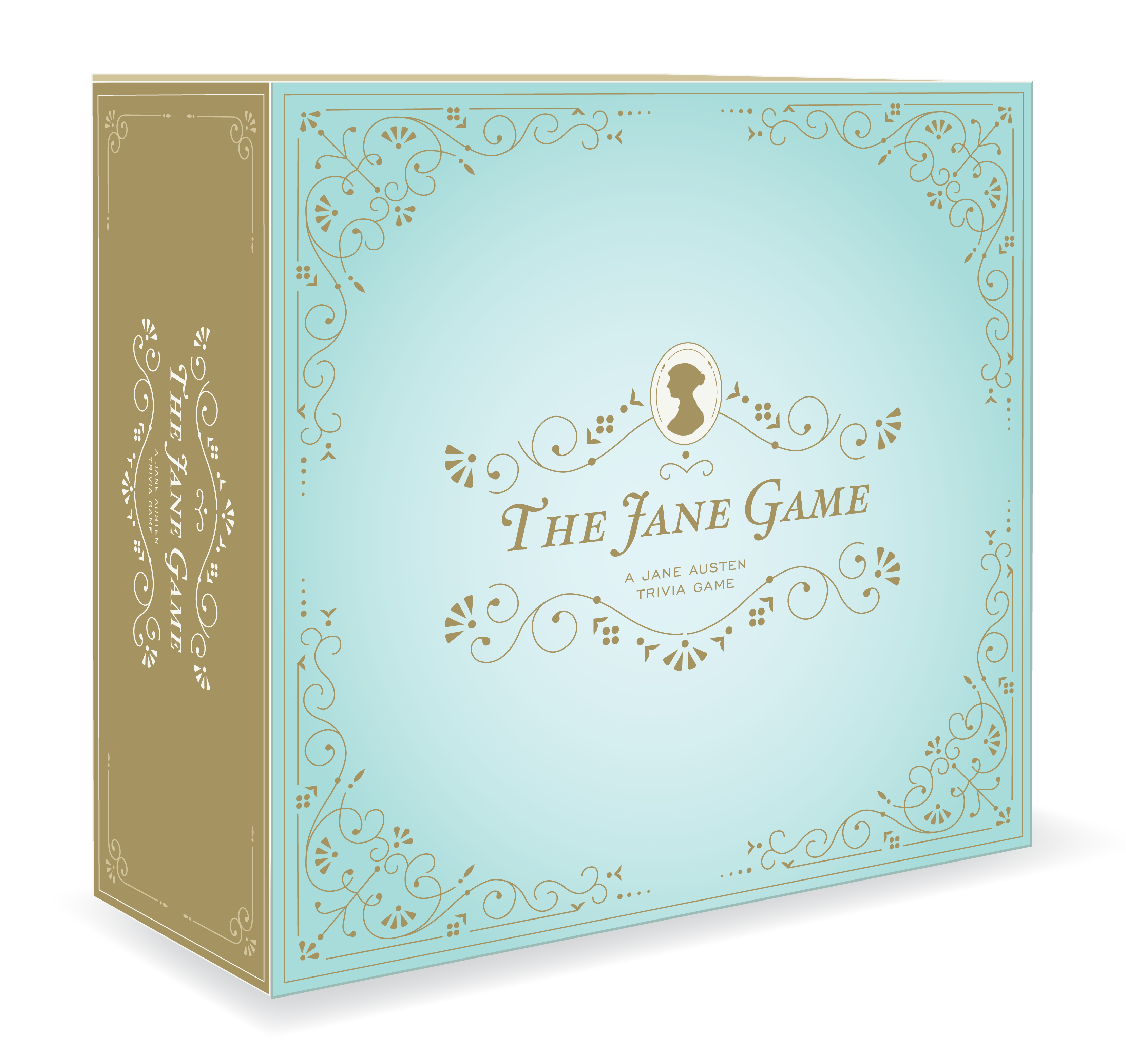
Promoted_Posts_BoxEnter Jane Austen’s world of elegance, wit and romance along with your friends when you play The Jane Game

The Jane Game is a trivia board game devoted to Jane Austen’s six novels. It is designed to bring Austen admirers together to share in her stories, characters, wit and language. While playing, each participant enters Jane’s world as one of her heroines. As such, you seek after a fortunate life by becoming an accomplished woman, gaining life experience and choosing to marry or not. Through chance, expertise and choice you could become the envied Mrs. Darcy, the pitied Mrs. Collins or the new roommate of Miss Bates. 

****************

And here are a few words from creator Elizabeth Bankhead on what to expect: 

Experience Section: The Jane Game gives you the experience of:

  • Entering Jane Austen’s world
  • Sharing in the merriment with your friends
  • Becoming more acquainted with Austen’s novels and encouraging us to want to read her more

Unique Section: The Jane Game 

  • Is a shared experience
  • Is the only board game that has trivia from all 6 of Jane’s beloved novels

Details:

  • $37 and shipping is free; after the Kickstarter campaign it will be $40 +shipping
  • Kickstarter ends on December 14, 2013

Kickstarter 101:

  • Kickstarter is a method through which we can give small amounts of money that together will equal a large sum…which, in this case, will be the cost of manufacturing the game
  • If you give the cost of the game, then you will get a game, which basically means you are pre-ordering
  • If we do not reach our goal, your credit card doesn’t get charged. This protects you and me. It gives a guarantee that you will receive a nice product and guarantees that I won’t be stuck with promises I cannot keep because I do not have enough money

Why pledge now? 

  • You Become a Founder: As such, you become part of The Jane Game. Welcome! Your name is placed on our website and you get to take part in some of the decisions for the game’s future.
  • Get the Game…and First: You get The Jane Game, which is “loveliness itself,” is it not?  If we are able to do a larger print run and can sell them, you get the game before any other distribution begins.
  • We Need You: We have covered the cost of the game’s development, but we cannot manufacture and ship the game to you without your support.
  • Free Shipping: We are covering the cost of shipping to many areas of the world, which will not be the case if it goes retail.

 ***************

Click here to see The Jane Game video

janegamebanner

Further information:

[Text and images courtesy of The Jane Game and Elizabeth Bankhead]

c2013 Jane Austen in Vermont
Austen Literary History & Criticism · Books · Collecting Jane Austen · Decorative Arts · Fashion & Costume · Georgian England · Georgian Period · Jane Austen · Regency England · Social Life & Customs

Your Jane Austen Library: Jane Austen and the Arts: Elegance, Propriety, and Harmony

Another book to be added to your wish list, due out early December!

ja-and-arts

Jane Austen and the Arts: Elegance, Propriety, and Harmony
Edited by Natasha Duquette and Elisabeth Lenckos.
Lehigh U P / Rowman & Littlefield, 2013

What makes this book so special to JASNA-Vermont is that one of the chapters is by our founding member Kelly McDonald! – see chapter 2 in the table of contents below, and her blog post on it here. Congratulations Kelly!

**************

About the book, from the Rowman & Littlefield website:

Contributions by Jessica Brown; Diane N. Capitani; Christine Colón; Alice Davenport; Deborah Kennedy; Kathryn L. Libin; Kelly McDonald; Belisa Monteiro; Jeffrey Nigro; J. Russell Perkin; Erin J. Smith; Vivasvan Soni; Melora G. Vandersluis and Frederick A. Duquette.

The essays collected in Jane Austen and the Arts; Elegance, Propriety, and Harmony examine Austen’s understanding of the arts, her aesthetic philosophy, and her role as artist. Together, they explore Austen’s connections with Edmund Burke, Adam Smith, Johann Wolfgang von Goethe, Madame de Staël, Joanna Baillie, Jean Jacques Rousseau, Mary Anne Schimmelpenninck, and other writers engaged in debates on the sensuous experience and the intellectual judgment of art. Our contributors look at Austen’s engagement with diverse art forms, painting, ballet, drama, poetry, and music, investigating our topic within historically grounded and theoretically nuanced essays. They represent Austen as a writer-thinker reflecting on the nature and practice of artistic creation and considering the social, moral, psychological, and theological functions of art in her fiction. We suggest that Austen knew, modified, and transformed the dominant aesthetic discourses of her era, at times ironically, to her own artistic ends. As a result, a new, and compelling image of Austen emerges, a “portrait of a lady artist” confidently promoting her own distinctly post-enlightenment aesthetic system.

***************

Table of Contents:

Preface: Jane Austen’s Critique of Aesthetic Judgment by Vivasvan Soni
Introduction by Natasha Duquette and Elisabeth Lenckos

I.  The Fine Arts in Austen’s World: Music, Dance, and Portraiture

Ch 1. “Daily Practice, Musical Accomplishment, and the Example of Jane Austen”  – Kathryn Libin
Ch 2.”A ‘Reputation for Accomplishment’: Marianne Dashwood and Emma Woodhouse as Artistic Performers” –  Kelly McDonald
Ch 3. “Miss Bingley’s Walk: The Aesthetics of Movement in Pride and Prejudice” – Erin Smith
Ch 4. “The Sister Artist: Cassandra Austen’s Portraits of Jane Austen in Art-Historical Context” – Jeffrey Nigro

II. Austen and Romanticism: Female Genius, Gothicism, and Sublimity

Ch 5 – “Portrait of a Lady (Artist): Jane Austen’s Anne Elliot, Madame de Staël’s Corrine, and the Woman of Genius Novel” – Elisabeth Lenckos
Ch 6 – “Jane Austen’s Comic Heroines and the Controversial Pleasures of Wit” – Belisa Monteiro
Ch 7 – “An Adaptable Aesthetic: Eighteenth-Century Landscapes, Ann Radcliffe, and Jane Austen” – Alice Davenport
Ch 8. “Exploring the Transformative Power of Literature: Joanna Baillie, Jane Austen and the Aesthetics of Moral Reform” – Christine Colón
Ch 9. “Jane Austen’s Influence on Stephenie Meyer” – Deborah Kennedy

III. Austen in Political, Social, and Theological Context

Ch 10. “Aesthetics, Politics, and the Interpretation of Mansfield Park” – Russell Perkin
Ch 11. “Reflections on Mirrors: Austen, Rousseau, and Socio-Politics” – Melora Vandersluis
Ch 12. “‘So much novelty and beauty!’: Spacious Reception through an Aesthetic of Restraint in Persuasion” – Jessica Brown
Ch 13. “Augustinian Aesthetics in Jane Austen’s World: God as Artist” – Diane Capitani
Ch 14. “‘Delicacy of Taste’ Redeemed: The Aesthetic Judgments of Austen’s Clergymen Heroes” – Fred and Natasha Duquette

*************

Due out in December, you can pre-order the book here – the ebook will be available this month for a penny less!

978-1-61146-137-4 • Hardback -December 2013 • $80.00 • (£49.95)
978-1-61146-138-1 • eBook – November 2013 • $79.99 • (£49.95)

You can also pre-order it here for a little less at Amazon.

[Text and image from the Rowman website]

C2013 Jane Austen in Vermont
Fashion & Costume · Georgian England · Georgian Period · Great Britain - History · Jane Austen · London · Museum Exhibitions · Regency England · Social Life & Customs

Museum Musings: The British Library ~ “Georgians Revealed”

Opening today! ~ “Georgians Revealed: Life, Style and the Making of Modern Britain” – 8 November – 11 March 2014 at the British Library

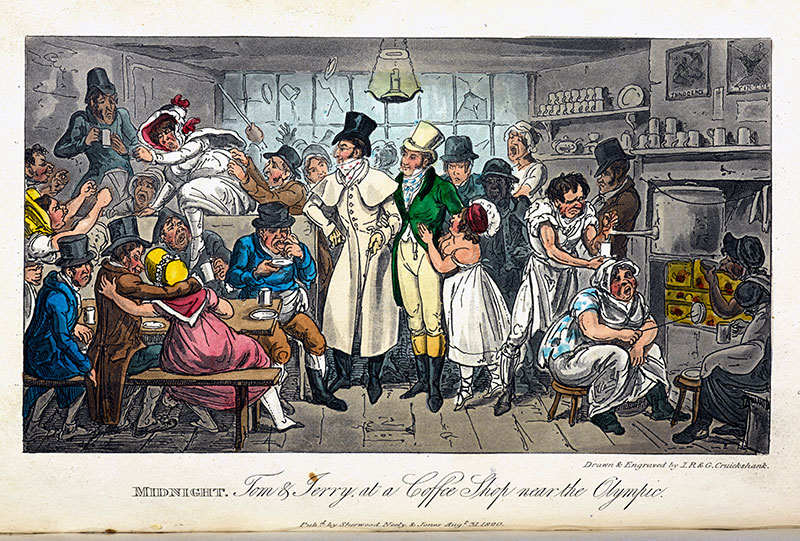
tomjerrycoffeeshop-orig

I.R. and G. Cruikshank. ‘Tom & Jerry at a Coffee Shop near the Olympic’ – Pierce Egan, Life in London (London, 1823).

 Tasteful and polite, or riotous and pleasure-obsessed? Discover the Georgians as they really were, through the objects that tell the stories of their lives.

From beautifully furnished homes to raucous gambling dens, Georgians Revealed explores the revolution in everyday life that took place between 1714 and 1830. Cities and towns were transformed. Taking tea, reading magazines, gardening and shopping for leisure were commonplace, and conspicuous consumption became the pastime of the emerging middle classes.

Popular culture as we know it began, and with it the unstoppable rise of fashion and celebrity. Art galleries, museums and charities were founded. In this time of incredible innovation, ideas were endlessly debated in the new coffee houses and spread via the information highway that was mass print.

Drawing on the British Library’s uniquely rich and rare collections of illustrated books, newspapers, maps and advertisements, as well as loaned artworks and artifacts, “Georgians Revealed” brings to life the trials and triumphs of the ordinary people who transformed Britain forever.

Georgiansrevealed banner

See this link for a short video on the exhibition by curator Moira Goff.

And check out the online shop where all manner of Georgian -related treasures are for sale, as well as a catalogue of the exhibition, another must-have for your Jane Austen collection!

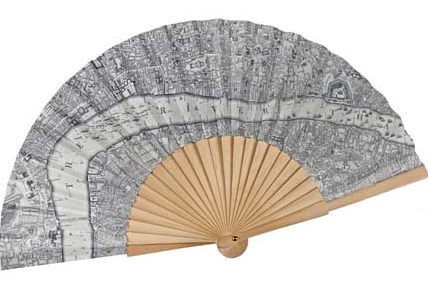
Georgians-map_fan3

Rocque map of London fan, £8
A beautiful wooden fan, featuring a historic map created by John Rocque.
The fan has been created exclusively for the British Library. Wood/ canvas.

[Images and text from the British Library website]

c2013 Jane Austen in Vermont
Auctions · Austen Literary History & Criticism · Books · Georgian Period · Jane Austen · Jane Austen Circle · Literature · Rare Books · Regency England

Austen on the Block! ~ A Lot of Lots!

UPDATE: Prices Realized added as available, includes buyer’s premium

There is much going on with Jane Austen and the Auction Block in the next month! – just this past week, Gorringes at their October 23, 2013 Fine Art, Antiques & Collectables auction – Sale LOCT13, had this on offer: Estimate £2,000-3,000.  SOLD for £11,000 !

Gorringes-letter-10-23-13

Lot 1454:

Austen, Jane.  An autograph manuscript fragment, comprising four lines, attached to another leaf bearing authentication, in turn attached to a letter from her nephew, James Edward Austen-Leigh, written on paper bearing watermark date 1868, at Bray Vicarage, February 7, 1870, presenting the fragment to Rev. G. C. Berkeley: ‘Men may get into the habit of repeating the words of our Prayers by rote, perhaps without thoroughly understanding – certainly without thoroughly feeling their full force and meaning.’ All attached to the title page of a copy of Austen-Leigh’s ‘A Memoir of Jane Austen…’ fragment approximately 1.75 x 6in.

******************

Upcoming auctions:  an abundance of Austen, Austen’s Circle, and Regency-era prints – I include various items because they are too wonderful not to share, but please visit each auction house site to see the “infinite variety” of offerings:

Bloomsbury: 7 November 2013. Library of a Gentleman: Fine Colour Plate, Costume, Travel and Sporting Books. London.

This auction is filled with Ackerman, Rowlandson, Cruickshank, Gillray and others! – here are a few examples, but go have a look at this treasure-trove for a Gentleman OR a Lady!

Lot 1:

AckermannsLondon-bloomsbury-11-7-13

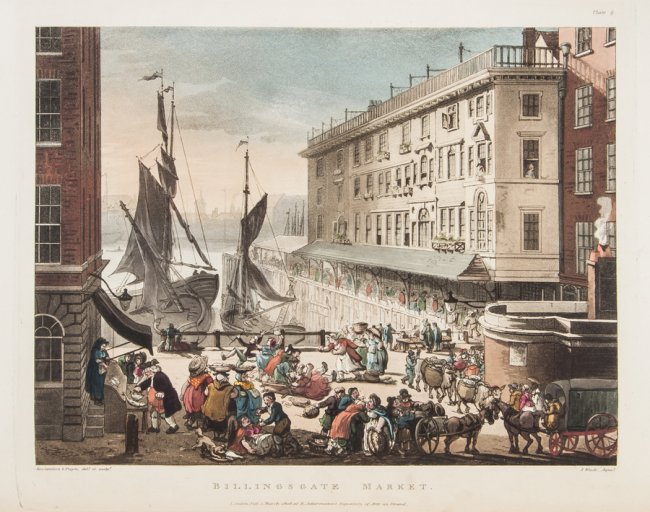
Ackermann’s London – “Billingsgate Market”

Ackermann, (Rudolph). Microcosm of London.

3 vol., first edition, early issue  with several of Abbey’s 12 “key plates” in first state (nos.1, 5, 8, 10, 11 & 18 and possibly 9), lacking half-titles, with wood-engraved pictorial titles, engraved dedication leaves, 104 hand-coloured aquatint plates after Rowlandson and Pugin, offsetting from plates but plates generally clean, some text leaves in vol.1 browned, handsome contemporary diced russia with elaborate gilt borders and cornerpieces, by C.Hering with his ticket, g.e., rebacked preserving old gilt spines, later cloth slip-cases edged in morocco, [Abbey Scenery 212; Tooley 7], 4to,  [1808-10].

Early issue bound from the original parts, watermarked 1806-07 and with all the 13 errata at end of vol.3 uncorrected and the Contents leaf in vol.1 headed “Contents”. However, the imprint of the wood-engraved title to vol.2 does not have a comma after “Bensley” but that in vol.1 does.

Estimate: £3,000 – £5,000; Starting Bid £2,600 – Sold for £4464

**********

Lot 2:

Agg-Foppish-Bloomsbury-11-7-13

“Foppish Attitudes” from The Busy Body, or Men and Manners

[Agg (John)] The Busy Body, or Men and Manners, edited by Humphrey Hedgehog, vol.1 & 2 only (parts 1-12), 11 hand-coloured aquatint plates by Williams, a little browning and offsetting, later tan calf, gilt, by Rivière & Son, spines gilt, g.e., spines chipped at head, joints split with covers becoming loose, 8vo, J.Johnston, 1816-17.

Estimate £200 – £300; starting Bid £180  – Sold for £211

************

Lot 3:

DrivingDiscoveries-Bloomsbury-11-7-13

“Driving Discoveries”

[Alken (Henry)] – the set of 7 hand-coloured etchings by Henry Alken, very slight marginal soiling, bookplates of William Henry Smith, Viscount Hambleden and George Seton Veitch, handsome later scarlet morocco, by Rivière & Son, covers with gilt border and upper cover titled and dated in gilt, spine gilt in compartments with five raised bands, g.e., corners very slightly rubbed, an excellent copy, [Siltzer pp.57 & 69; Tooley 25], oblong 4to, S. & J.Fuller, 1817 [watermarked 1821].

Estimate: £600 – £800; starting Bid £500 – Sold for £1364

*************

Lot 37:

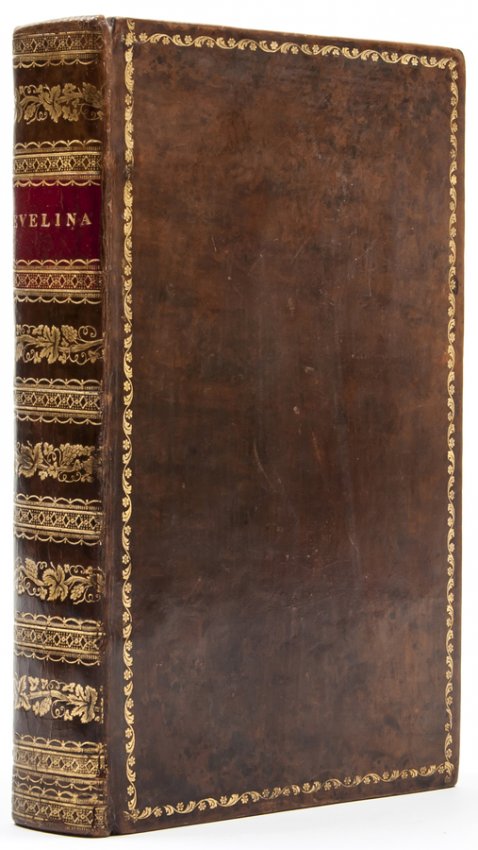
Evelina-bloomsbury-11-7-13[Burney (Fanny)] Evelina: or Female Life in London: being the History of a Young Lady’s Introduction to Fashionable Life, and the Gay Scenes of the Metropolis, hand-coloured engraved additional pictorial title and 6 plates after W.Heath, all but one aquatints, most offset onto text, some browning, bookplates of Charles C.Auchinloss and Hon.John Wayland Leslie, contemporary mottled calf, gilt, spine gilt with red morocco label, small gouge to lower cover, preserved in later red silk folder (a little rubbed and faded), red morocco slip-case (slightly darkened at edges), [Tooley 119], 8vo, 1822.

⁂ ***Originally published in 1778 under the title Evelina, or, A Young Lady’s Entrance into the World but reissued with this title following the popularity of Egan’s Life in London..

Estimate £200 – £300; starting Bid £180 – Sold for £496

***************

Lot 267:

Dacre-school-bloomsbury-11-7-13

Dacre (Charlotte). The School for Friends, a Domestic Tale, first edition, hand-coloured etched frontispiece and vignette title by Thomas Rowlandson, 12pp. text, lightly soiled and stained, stitched in original blue wrappers with paper label on upper wrapper, uncut, slightly soiled, preserved in later cloth portfolio and morocco-backed cloth slip-case, spine faded, 8vo, Thomas Tegg, [c.1800].

One copy only listed on COPAC, in the National Library of Scotland..

Estimate: £200 – £300; starting bid £180 – Sold for £3968

***********

Lot 274:

Rowlandson-miseries-bloomsbury-11-7-13

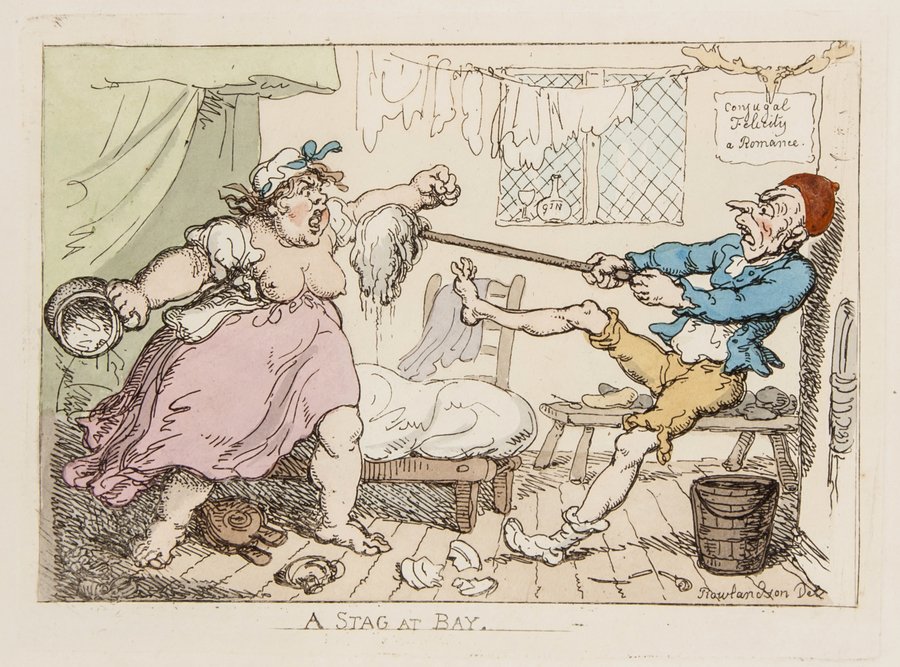
Rowlandson: “A Stag at Bay”

Rowlandson, Thomas. Miseries of Human Life”

Hand-coloured etched title and 50 plates by Thomas Rowlandson, without the rare ‘Pall Mall’ plate but replaced with ‘The Chiropodist’ as often and with an additional plate ‘The Enraged Vicar’ (signed and dated in plate 1805), otherwise with all plates as listed in the Abbey copy, light foxing, mostly marginal but affecting a few images, ex-library copy with bookplate and ink accession number to lower margin of first plate (otherwise unstamped), later olive morocco, gilt, by Rivière & Son, spine gilt, t.e.g., rather faded and a little rubbed, covers warped, upper joint repaired, [Abbey, Life 317], 4to, R. Ackermann, [1808].

Estimate: £500 – £700; Starting Bid £440 – Sold for £1054

**********

Lot 279:

Collier-Rowlandson-bloomsbury-11-7-13

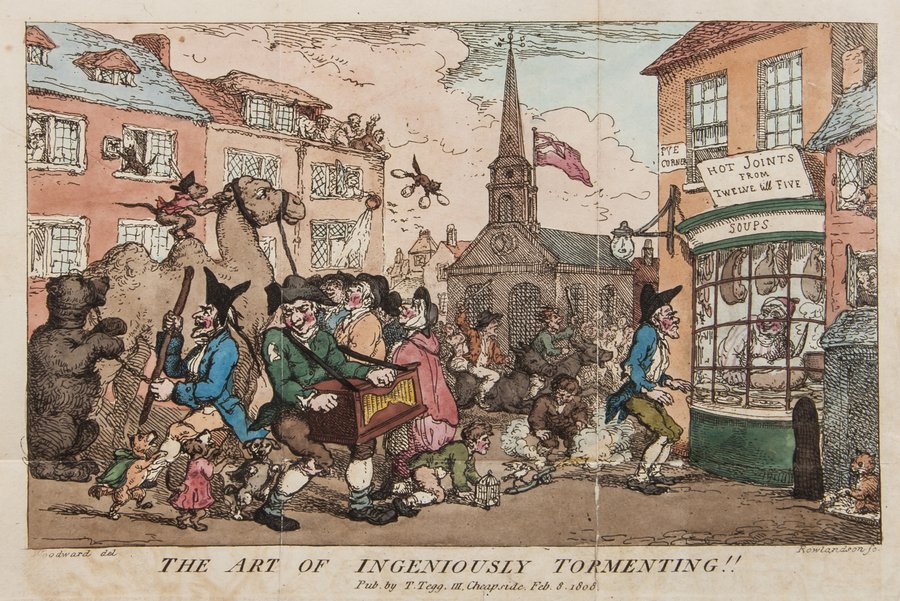
[Collier (Jane)] An Essay on the Art of Ingeniously Tormenting.

Half-title, folding etched frontispiece and 4 plates by Rowlandson after G.M.Woodward, all hand-coloured, frontispiece with short tear repaired, text browned, later tan calf, gilt, spine gilt, t.e.g., others uncut, a little rubbed, upper joint split, 12mo, 1808.

Estimate: £100 – £150; Starting Bid £90 – Sold for £112

**********

Lot 288:

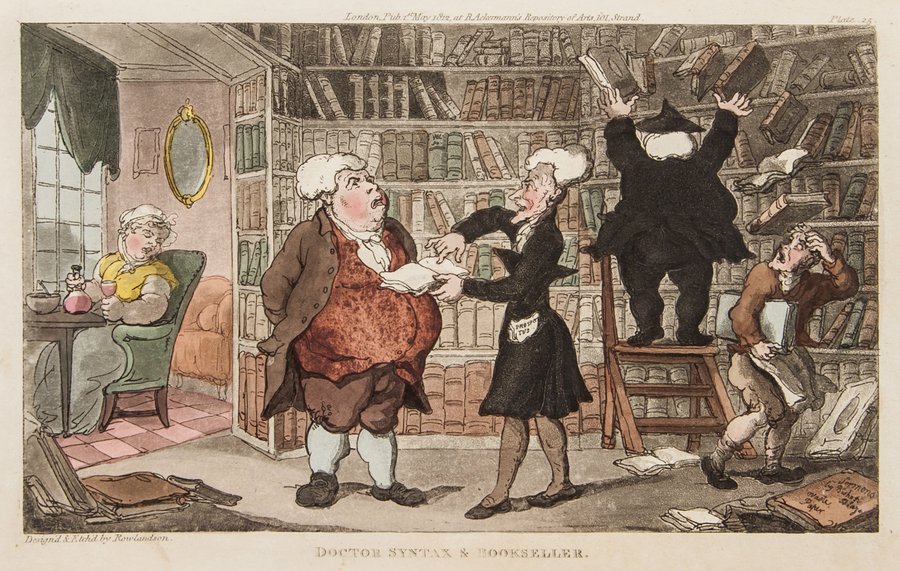
Rowlandson-syntaxbookseller-bloomsbury-11-7-13

Rowlandson: “Doctor Syntax and Bookseller”

[Combe (William)] The Tour of Doctor Syntax, in Search of the Picturesque. A Poem.

First edition, second issue with “Canto I”, hand-coloured aquatint frontispiece, vignette title and 29 plates by Rowlandson, 4pp. advertisements at end, old ink signature at head of title, some light browning and soiling, final leaf of text with small repair to upper inner margin, original boards, uncut, rubbed, rebacked preserving part of old paper label on spine, preserved in later red morocco drop-back box with metal catch, gilt, slightly rubbed, [Tooley 427], 8vo, [1812].

Estimate: £200 – £300; Starting Bid £180 –  Sold for £496

**********

Lot 344:

Wilson-Bloomsbury-11-7-13

Wilson (Harriette) – [?Heath (Henry)] Illustrations of Harriette Wilson’s Memoirs,

12 hand-coloured etched plates, 3 signed “H.H.”, c.170 x 140 or vice versa, 7 trimmed to border or just outside plate-mark and tipped into blank leaves, light soiling, one or two small tears to edge of image (repaired), engraved circular bookplate of Sir David Lionel Salomons, Bart., later dark blue morocco, gilt, by Bumpus of Oxford, spine gilt, very slightly rubbed and marked, 4to, S.W.Fores, 1825.

Estimate: £1,000 – £1,500; Starting Bid £900 – Sold for £1736

*************************

Millea Bros. November 9, 2013.  Asian, English, Modern Books

Lot 1473:

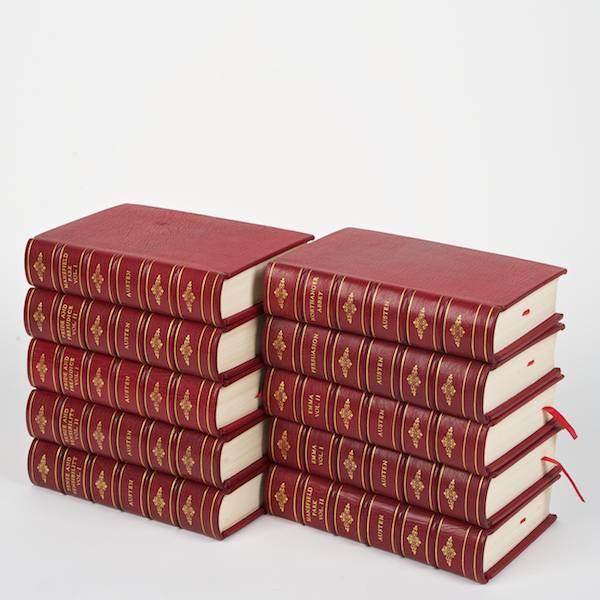
Millea-works-covers-11-9-13

Austen, Jane. Works. London, 1925. (10) volumes, 8vo., red morocco – Condition report: overall good, bindings good, a few scuffs and nicks
Estimate: $500-700. [no price realized available]

There is no further description about this set in the auction catalogue, but it is the 1925 George Harrap reprint of the 1908-9 Chatto & Windus edition of the novels, with illustrations by A. Wallis Mills.  Here is one illustration:

Millea-works-illus-11-9-13

**************** 

Bonham’s:  12 November 2013. Books, Atlases, Manuscripts and Photographs including the Aldine Collection of the late Sir Robert Horton, London.

Lot 165:

Bonhams-Emma-11-12-13

Austen, Jane. Emma: A Novel, 3 vol., first edition, half-titles in volumes 2 and 3 only, advertisement leaf at end of volume 3, light scattered foxing, stitching becoming loose with P3-4 in volume 1 partially detached, ownership signature of “M.E. Malden” on endpapers, contemporary half calf, worn, 3 covers detached, 4 corners strengthened with vellum, spines cracked [Gilson A8], 12mo, John Murray, 1816.

Estimate:  £4,000 – 6,000 (US$ 6,400 – 9,600) – Sold for £5,250 (US$ 8,435) inc. premium

*****************

Christies: 15 November 2013. Sale 9702: Fine Printed Books and Manuscripts. London.

Lot 402:

Christies-P&P-11-15-13Austen, Jane. Pride and Prejudice. London: T. Egerton, 1813. 2nd edition. 3 volumes, 12° (173 x 115mm). (Lacking half-titles, P2 at end of volume one with small marginal repair, tiny orange marginal mark to L5v of vol. II and lighter mark on a few other leaves, some spotting occasionally heavier.) Contemporary calf (rebacked, extremities lightly rubbed).

Estimate: £2,000 – £3,000 ($3,234 – $4,851) –

Sold for £2750 ($4,406)     

**********

Lot 403:

Christies-NA-P-11-15-13Austen, Jane. Northanger Abbey: and Persuasion… With a Biographical Notice of the Author [by Henry Austen]. London: C. Rowarth [vols I-II], and T. Davison [vols III- IV] for John Murray, 1818 [but ca. 20 December 1817]. 4 volumes, 12° (169 x 100mm). Half-titles. (Some occasional light browning and spotting, without final blanks P7-8 in vol. IV as often.) Contemporary half calf, leather gilt spine labels, speckled edges (front cover of vol. I nearly detached, front joints cracked and restored in vol. III, extremities lightly rubbed). Provenance: Maria Cipriani (ownership inscription). FIRST EDITION OF BOTH NOVELS.

Estimate: £3,000 – £5,000 ($4,851 – $8,085) – Sold for £4,750 ($7,610)

************

Of interest:
Lot 148:

Christies-Wollstonecraft-11-15-13

WOLLSTONECRAFT, Mary (1759-1797). Thoughts on the Education of Daughters with Reflections on Female Conduct, in the more important Duties of Life. London: J. Johnson, 1787. 8° (150 x 98mm). G6 a cancel as usual. (Short tear to last leaf.) Contemporary half calf (rebacked, extremities rubbed).

FIRST EDITION OF WOLLSTONECRAFT’S FIRST BOOK. Although it was an educational manual, the ‘more or less veiled remarks about her own emotional state … make it abundantly clear that she was far more interested in the state of her own life and the prospects that lay ahead of young women than in their years at school’ (Claire Tomalin, The Life and Death of Mary Wollstonecraft, London: Pelican, 1977, pp. 58-59). GOOD COPY. Rothschild 2595.

Estimate: £1,800 – £2,500 ($2,898 – $4,025) – Sold for £3,750 ($6,008)

****************

Christies: 20 November 2013. Sale 1160. Valuable Manuscripts and Printed Books. London.

Lot 84:

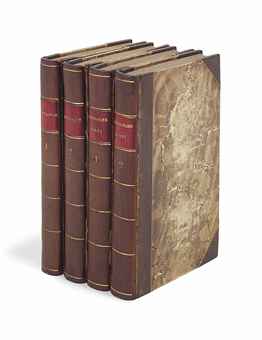
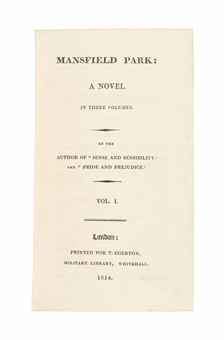
MP-Christies-11-20-13[AUSTEN, Jane (1775-1817).] Mansfield Park: A Novel… By the Author of “Sense and Sensibility,” and “Pride and Prejudice.” London: T. Egerton, 1814.

FIRST EDITION. 3 volumes, 12° (176 x 102mm). Half-titles. (Lacking blank O4 in volume II and advertisement leaf in volume III, occasional faint spotting.) Contemporary calf, flat spines with compartments ruled in gilt, green morocco gilt spine labels to second compartments, the others tooled in blind, speckled edges (extremities very lightly rubbed).

Estimate: £4,000 – £6,000 ($6,484 – $9,726) –  Sold for £13,750 ($22,138)

Lot 85: (another one!)

NA&P-Christies-11-20-13[AUSTEN, Jane (1775-1817).] Northanger Abbey: and Persuasion … With a Biographical Notice of the Author [by Henry Austen]. London: C. Rowarth [vols I-II], and T. Davison [vols III- IV] for John Murray, 1818 [but c. 20 December 1817].

4 volumes, 12° (177 x 103mm). Half-titles. (Some occasional light spotting, without final blanks P7-8 in vol. IV.) Contemporary calf, tan morocco gilt spine labels, speckled edges (extremities lightly rubbed, spines more heavily). Provenance: Baroness Keith of Meiklour House (bookplates). 1st edition of both novels.

Estimate: £4,000 – £6,000  ($6,484 – $9,726) – Sold for £7,500 ($12,075)

************

Also of interest at this auction:

Lot 124:

johnsondictionary-christies-11-20-13JOHNSON, Samuel (1709-1784). A Dictionary of the English Language in which the words are deduced from their originals, and illustrated in their different significations by examples from the best writers. London: W. Strahan for J. and P. Knapton [and others], 1755.

FIRST EDITION. 2 volumes, 2° (405 x 250mm). Titles in red and black, woodcut tail-pieces. (The first title with repaired losses and tears affecting some letters, the titles and a few leaves repaired in the inside margin, some marginal tears and some of these repaired, occasional mostly marginal soiling and spotting, faint dampstain in the margins of some leaves in vol. II.) Contemporary calf (neatly rebacked to style, corners repaired, sides scuffed). Provenance: David Tennant (title signature, some marginalia including on the verso of second title) — Stewart of Glasserton (bookplate).

Estimate: £5,000 – £8,000 ($8,105 – $12,968) – Not Sold

******************

All images are from each of the auction house websites, as cited.

Happy browsing!

c2013 Jane Austen in Vermont
Austen Literary History & Criticism · Collecting Jane Austen · Jane Austen · Jane Austen Popular Culture · JASNA · Regency England · Social Life & Customs

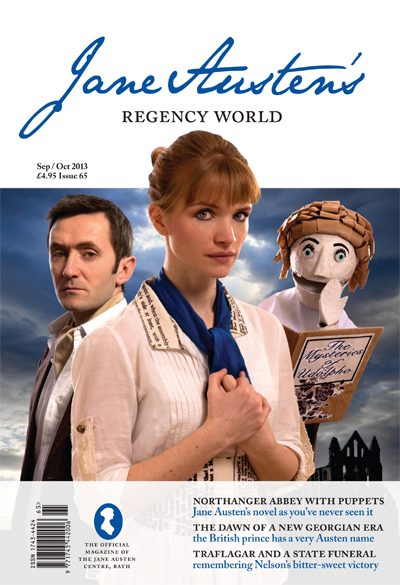
Hot off the Press! ~ Jane Austen’s Regency World Magazine No. 65

New issue!

JARW65-CoverSmall

The September/October issue of Jane Austen’s Regency World magazine is out now and will be mailed to subscribers this week. In it you can read about:

  • Northanger Abbey with strings: the Gothic puppet show that gripped the Edinburgh Festival and is heading to Bath and London
  • JASNA AGM preview: an exclusive look at September’s gathering in Minneapolis
  • The importance of being George: the new royal baby has a very Austen name
  • Trafalgar and Nelson: how the press reported the great Naval victory – plus Nelson’s funeral remembered
  • Remembering the Burneys: a new plaque in unveiled in memory of Fanny
  • Plus News, Letters, Book Reviews and information from Jane Austen Societies in the Netherlands, UK and Australia

 ************************

To subscribe now click here: http://janeaustenmagazine.co.uk/subscribe/ – and make sure that you are among the first to read all the news from Jane Austen’s Regency World.

[Image and text from JARW Magazine: http://janeaustenmagazine.co.uk/ ]

c2013 Jane Austen in Vermont
Fashion & Costume · Great Britain - History · Jane Austen · Jane Austen Societies · JASNA · Movies · Regency England · Social Life & Customs

A Jane Austen Immersion ~ Learning about Persuasion on Lake George, New York.

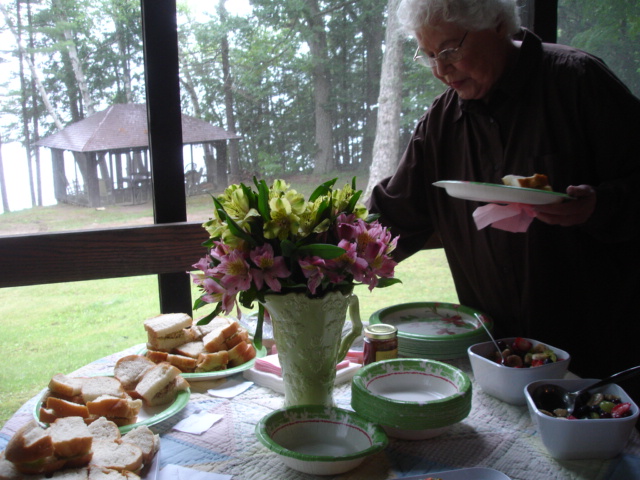
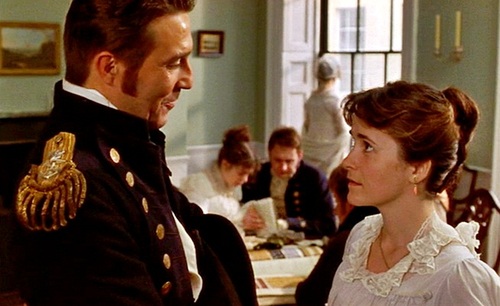
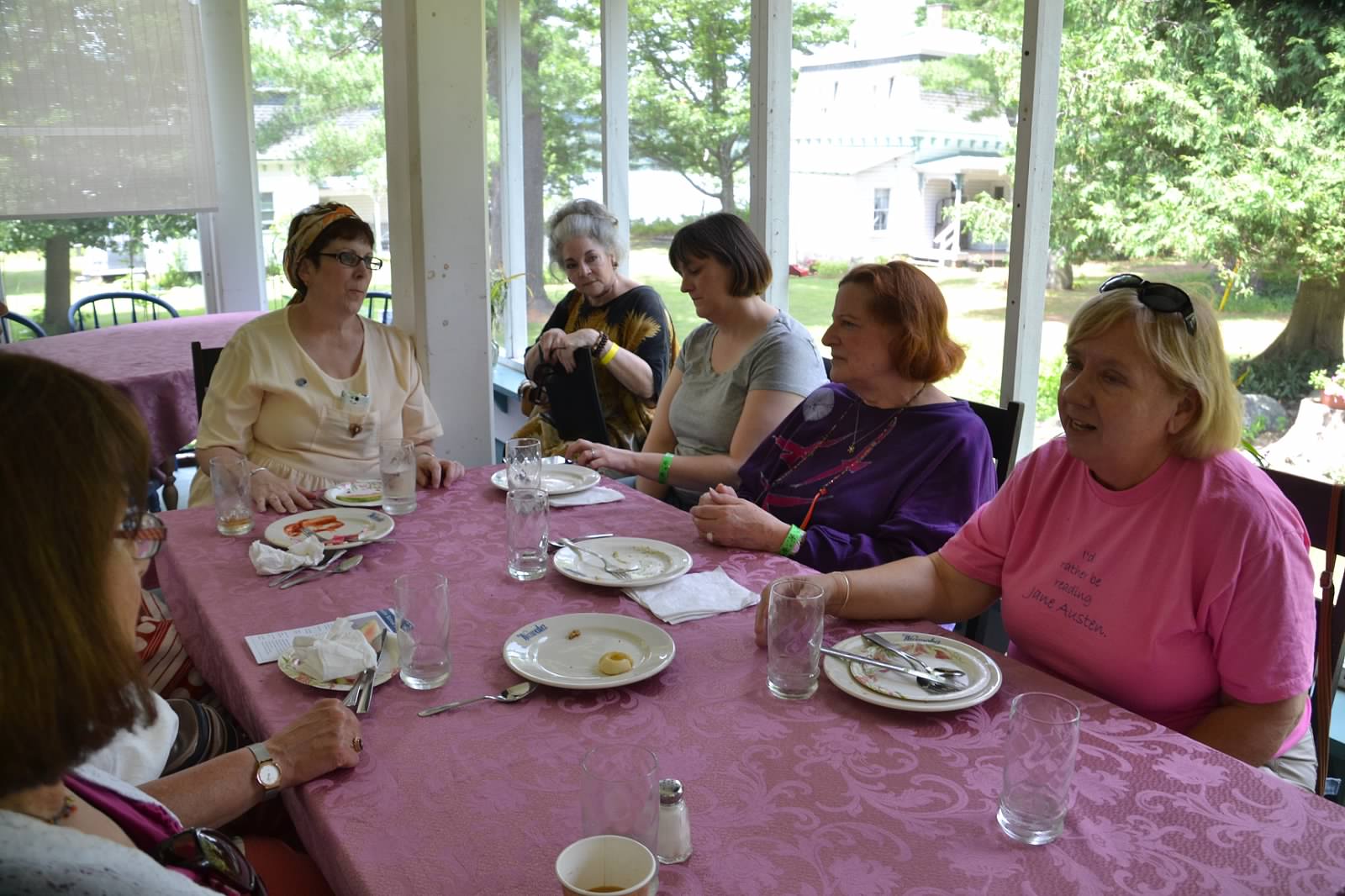
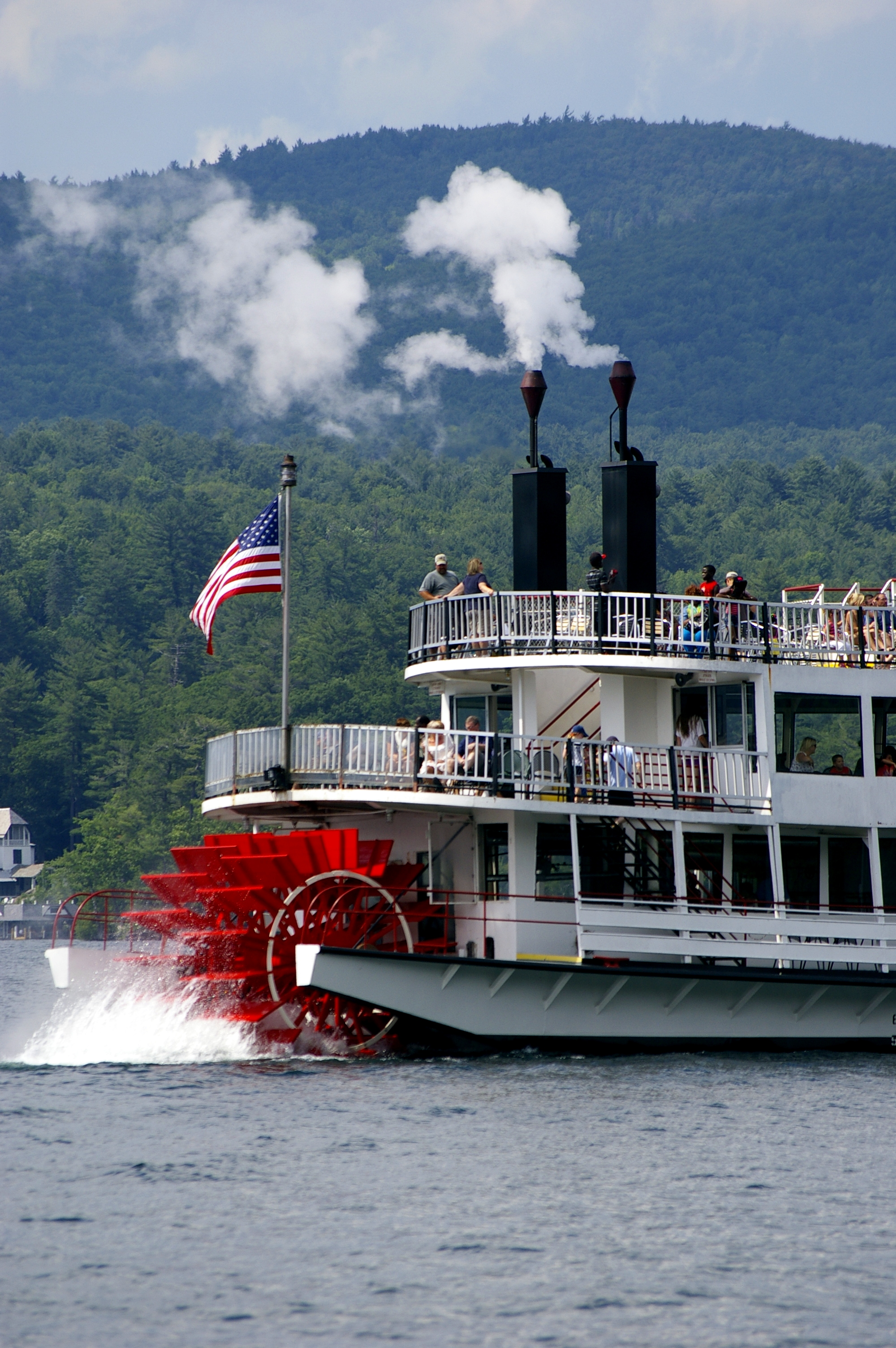
I am posting here several pictures from the JASNA-New York Capital Region’s Retreat from a few weeks ago – a fabulous time was had by all as we learned about, discussed, laughed over, and watched Jane Austen’s Persuasion. The overnight retreat was held at the Wiawaka Holiday House located on Lake George, New York, a perfect setting for a 24-hour immersion in the early 19th century. [See here for information on the weekend]

Wiawaka House c2013 Mary Huber

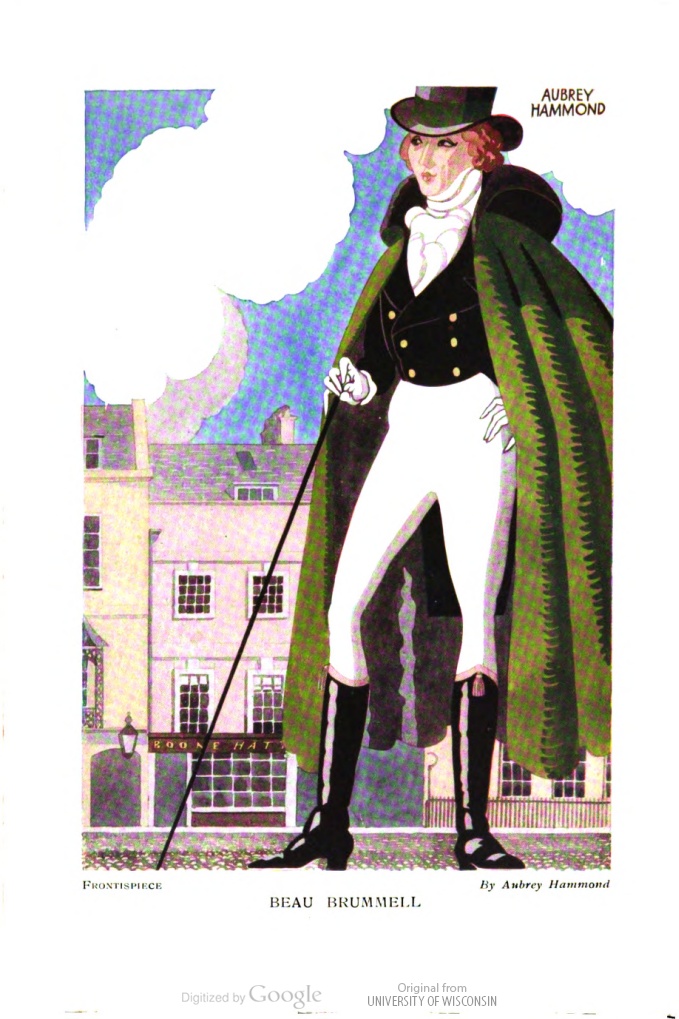
The event was facilitated by member Billie Franchini, who offered up great discussion questions, and kept us all on track and everything running very smoothly. We had the pleasure of listening to local author Marilyn Rothstein talk about the Regency Period, with tales of the Prince Regent, life in London for the upper classes, and Beau Brummell.

Hammond-BeauBrummell[Beau Brummell, by Aubrey Hammond, in Lewis Melville, Beau Brummell (NY: Doran, 1925) – at Hathi Trust]

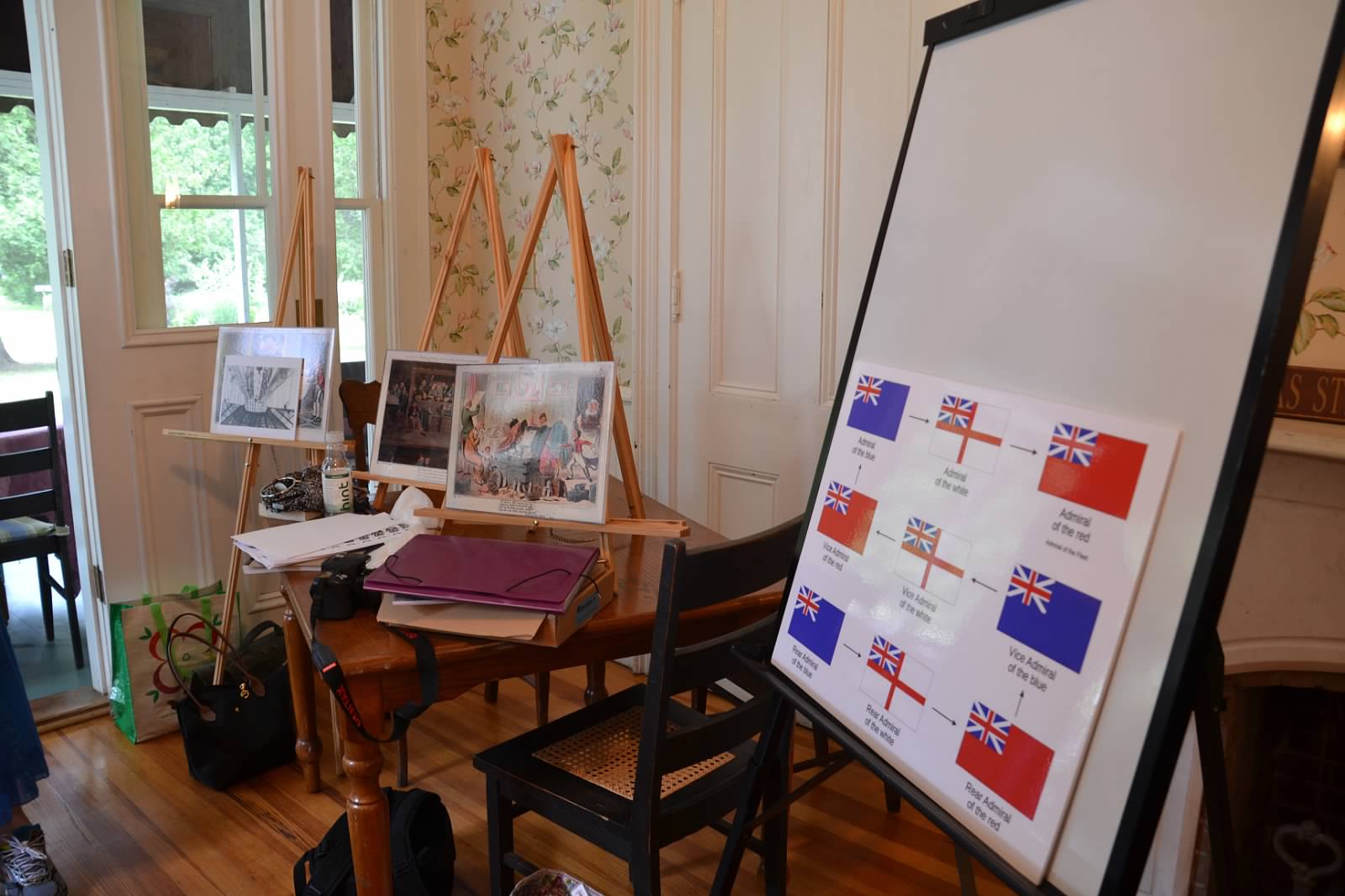
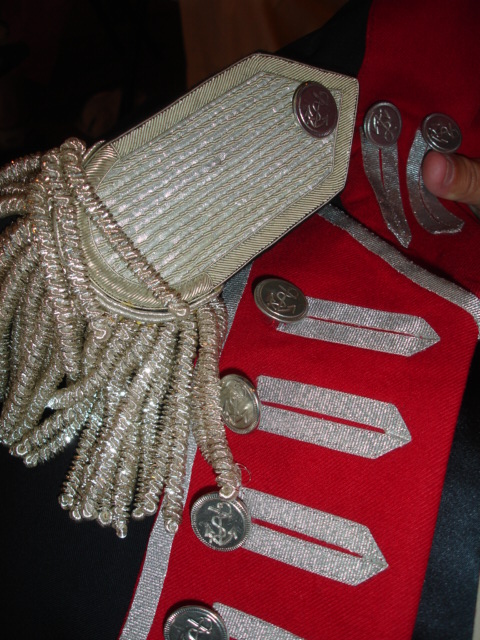
Lisa Brown, from the Syracuse and Rochester JASNA regions (and who has said she really just joined JASNA so she could talk about her first Love, The Royal Navy!), gave an enlightening talk on the uniforms of the Royal Navy from the period, as she passed around various examples of jackets made of superfine wool with epaulettes and buttons that we could handle and ooh! and aah! over [alas! – all empty with no Captain Wentworth in sight!]

the all-important epaulette c2013 D Barnum
Navy Uniforms 1795-1812 - Lisa Brown
Navy Uniforms 1795-1812 – Lisa Brown

***************

Lisa spoke the next day as well on “How Captain Wentworth Made His Fortune” – wherein we learned about the various ships of the period (and those that Wentworth commanded), the rating system, how one became an officer with hopes of success in battle and a future as an admiral, how one earned their prize money, how often a sailor was relegated to half-pay status [think Capt. Harville] and how very knowledgeable Jane Austen was about the Royal Navy because of her brothers’ involvement. Lisa is a veritable encyclopedia about the RN and she handled our peppering with questions admirably! [very excited to announce that Lisa will be speaking at our JASNA-Vermont June 2014 meeting!]

 c2013 Mary Huber
Lisa’s exhibits – c2013 Mary Huber
Tea on the Porch! c2013 D Barnum

The weekend ended with a sumptuous Tea, prepared mostly by RC Pat Friesen, and a final discussion of the joys of viewing the movie adaptation of Persuasion – thankfully the one with Amanda Root and Ciaran Hinds! – which we had done the night before… one never tires of this nearly perfect adaptation, and one always sees things not seen before, moreso when viewing it with a group…

persuasionmovieimage

A lovely 24-hour immersion! – up for next year is Northanger Abbey, and a more perfect setting I cannot imagine. Thank you all in the Capital Region JASNA group for making us all feel so very welcome and offering up insightful Austen discussion!

***********************

Breakfast with Billie and Sara - c2013 Mary Huber
Breakfast with Billie and Sara – c2013 Mary Huber
Lunch! - c2013 Mary Huber
Lunch! – c2013 Mary Huber
c2013 Mary Huber
c2013 Mary Huber
c2013 Lisa Brown
c2013 Lisa Brown

JASNA-NYCR-flier

Further reading:

All photos reprinted courtesy of Mary Huber, Lisa Brown, and Deb Barnum; you can view more photos of the retreat here:

Jane Austen · Jane Austen Popular Culture · Jane Austen Societies · JASNA · Regency England · Social Life & Customs

Time Traveling with Jane Austen in Connecticut

I welcome today JASNA member Janeite Bonnie, as she offers us the tale of her time-travel adventure at Jane Austen Summer Camp, sponsored by the JASNA-Connecticut Region on July 26-28, 2013. Bonnie was, alas! without a working camera, and it is with thanks that I use fellow camper Tess Quinn’s photographs!  [Tess is the author most recently of Pride Revisited.]

Enjoy all – so sorry I was not there – hopefully next year! [I was at the Middletown Inn a few years ago for a wedding, and I can attest to it being the perfect setting for anything to do with Jane Austen!]

______________________________

jasna-ct-summercamp-logo

I was a last-minute registrant for the Jane Austen Summer Camp, and registered for only the second half of the weekend, taking a miss on the workshops on Saturday morning because I had either attended similar workshops before or had skills that did not require workshops such as were offered. I drove down from VT to Middletown, CT on Saturday afternoon wondering what to expect in terms of the area in which the event took place, since such things do tend to color my experience. As I turned onto Main Street, I spied a row of 18th century clapboard houses across the street, and I thrilled to the sight. When I pulled up to the gate of the Inn at Middletown, I was immediately favorably impressed. The Inn at Middletown has the look of an early 19th century manor house, with wings, snubby portico, and miniature curved drive. When I walked inside, the Inn continued to enchant me with its central curved staircase, immense chandelier, fireplace, and patterned marble floor. The room I shared with my friend Shari was tasteful, but I barely had time to enjoy it before I had to begin my transformation into a Regency lady.

Middletown Inn-wp

 Middletown Inn [Wikipedia]

Our Saturday evening began with gathering in the second floor lobby, where alcoholic beverages were dispensed to those willing with shillings. Some faces were familiar; we have crossed paths at other JASNA, time-travel, and dance events. Most of us, I am gratified to report, were dressed in period outfits, and we exchanged compliments and admiring looks.

Dinnerbeforeball-quinn

Dinner before the Ball!

When we entered the conference room for dinner, I was pleasantly surprised to see it looking period-appropriate, too, with nicely painted woodwork, wallpaper, double-hung windows dressed up in patterned draperies, wall sconces, a boarded-up fireplace (well, it *is* summer) with a mantel and mirror above, and a sideboard in a recess with a mirror overhanging it.  Of course, I made my way to the center table so that I could have a great seat for the lecture after dinner by Irene Urban, who is known to me through Regency dance. She is a maven of Regency cookery, but more of her soon.

table-chocolate-and-fans-quinn

 Table setting

The table was dressed up with a sweet urn of colorful flowers, and everyone had gifts of a sandalwood fan and chocolates in front of her place setting. Lovely chocolates, by the way: They looked like cameos, with a milk chocolate base and a silhouette Jane Austen silhouetted in white chocolate. We started off dinner with a delicious cold soup of Lord-knows-what, but the ingredient I do remember is champagne.  More alcohol — terrific for loosening the joints and inhibitions for dancing! Everyone enjoyed their main course, too. I had already heard praise of the Inn at Middletown’s cuisine, but tasting was believing.  The presentation was also quite lovely.  Well done!

We did not enjoy a last course of dessert because that was saved for the break during the ball.  However, Irene Urban’s lecture on Regency dining was a delicious treat for the mind, and I would have willingly gone back for seconds and thirds, but it was all too quickly over, with no Q and A session.  Irene dropped tantalizing tidbits such as what was stocked in a Regency larder, including all the dead animals, which she accompanied with an etching of the same.  I would imagine that if cruel Regency parents had wanted to punish their naughty little ones, they could have locked them in a dark pantry for an hour.  Irene is not an all-talk-and-no-action lady; if you have ever attended an event with which she is connected, you are treated to period delights created from recipes that she has adapted from vague original recipes in her collection of period cookbooks.

susan-and-soldiers

Susan de Guardiola and her Soldiers

Next up was the ball, which was called by Susan de Guardiola, a Regency dance expert. The dances were simple to suit those who had never danced period dances before. The room was splendidly lit up, quite full of company, but not insufferably hot, so we were spared the trials of E. and M.  The crowd organized into two longways sets, and off we went, balancing, dos-a-dosing, slipping, turning, gazing, flirting, and attending.  I think we all acquitted ourselves rather well, and as a reward were treated to sumptuous desserts during the break, as well as the raffling off of two splendid gift baskets and several smaller gifts.

ball-everyone-quinn

Sunday’s activities began with a promenade to a local historical house museum [the General Mansfield House].  Many folks chose to dress up again, and I believe we looked fresh and charming in our day gowns, bonnets, reticules, and parasols. We gathered in the lobby, then strolled out through the front courtyard, crossed the street, and there we were.  The docent of the museum greeted us on the steps, then spent the next twenty minutes lecturing about the history of the house and its occupants while we stood, wilting.  An older woman required a chair, which my friend Shari borrowed and brought to her, and still the lecture continued!  We were finally allowed to tour the house and the grounds, which were not extensive but had a few suitable places for photo ops.

After the museum, we returned to the hotel to check out and have brunch: yummy cheese blintzes and vegetable quiche. After brunch, Dr. Mark Schenker, associate dean of Yale College, presented a lecture titled “The Richness of ‘Ordinary Life’ in Austen’s Novels”. While my author friends on either side of me scribbled away, I just sat in bliss. Dr. Schenker, while having ample notes, frequently put them down and wove witty and insightful incidental observations into his structured lecture. He is the type of speaker who leaves you glowing with happiness after you’ve been privileged to hear him.  I am embarrassed to admit that, although I

Dr. Schenker - "Is that all you can remember?!
Dr. Schenker – “Is that _really_ all you can remember?!

thoroughly enjoyed the lecture (and it made me wish that I had come for the full weekend so that I could have heard his other lecture Friday night), the only thing he said that I can quote was that he referred to Jane and Charles Bingley as the couple downstairs, the Mertzes of Jane Austen’s couples!  What a thing to remember.

**************

The weekend was capped with an ice cream social, the raffling off of two more marvelous gift baskets and smaller gifts, and the screening of the soon-to-be released film Austenland.  I do believe that this movie is haunting me.  I had already sat through the initial free preview for JASNA-NY members at the Sony screening room in New York and felt I had wasted two hours of my life.  I had even squeezed it into my tight schedule when it was offered because, of course, it was a one-time-only experience. However, two or three more free previews were offered after that to JASNA-NY members.  This past weekend, all the way up in mid-Connecticut I thought I could enjoy a good Austen movie with other Janeites, when, lo and behold, Austenland again popped up and put a pin in my Austen euphoria. N.B. I just received an e-mail from JASNA-NY about yet one more free preview of Austenland, to take place on Tuesday, July 30, in Manhattan!

austenland

 Austenland company

I left very glad that I had made the effort to drive for four and one-quarter hours the 260 miles from my home to the Inn at Middletown. Everyone with whom I spoke was positive about all aspects of the gathering, from the venue to the food, from the workshops to the lectures, from the ball to the gift baskets and the camp store, all were praised.  It is testament to the tremendous concerted efforts of all the organizers of this event, and I hope to see it repeated and expanded in two years.

For what do we live, but to make sport for our neighbours, and laugh at them in our turn? –Jane Austen

 **********************

[Note:  all pictures c2013 Tess Quinn, with thanks!, unless noted otherwise]

Further reading:

c2013 Jane Austen in Vermont