Austen’s epistolary novel, delivered to your inbox: 41 short films in 41 days 22 Sept – 1 Nov 2025
Calling all Jane Austen fans! Enjoy a daily dose of Austen in your inbox.
Creation Theatre’s award-winning team presents a witty, digital adaptation of Lady Susan in celebration of Jane Austen’s 250th anniversary. Told through 41 letters, this playful production transforms each letter into a short film, sent to your inbox daily between 22 September to 1 November 2025.
Lady Susan is one of Austen’s most unforgettable characters—scheming, flirtatious, and shamelessly self-serving, yet undeniably charming. Newly widowed, she’s determined to secure a wealthy new husband and find a suitable match for her reluctant teenage daughter. But can she outwit her critics—or has her reputation finally caught up with her?
“She is clever and agreeable, has all that knowledge of the world … which is too often used … to make black appear white.” — Catherine Vernon, Letter 6
“There is exquisite pleasure in subduing an insolent spirit, in making a person predetermined to dislike acknowledge one’s superiority.” — Lady Susan, Letter 7
“What could I do! Facts are such horrid things.” — Mrs Johnson, Letter 21
Tickets are £41 – so that works out as £1 a day for the duration of the project.
Creation Theatre is an award-winning company, recognised for its innovative and unusual digital theatre. To celebrate the 250th anniversary of Jane Austen’s birth, they’re performing a suitably quirky adaptation of her epistolary novel Lady Susan, available to watch online from anywhere in the world. Actors from Creation Theatre will bring the novel’s characters to life in the filming of each of the 41 letters. Audiences can experience the novel in long-form, across 41 days (and if you miss a day, you can catch up whenever you like), or you might choose to binge watch all 41 films at the end.
Started the morning with Joy spotting yet another famous person – in the lobby of the hotel – a Gerald-Ford-Lookalike – Joy is very good at finding these people! [recall Churchill last night at The Wellington!]
**********
We are off and running this morning to see as much as possible before the play tonight…
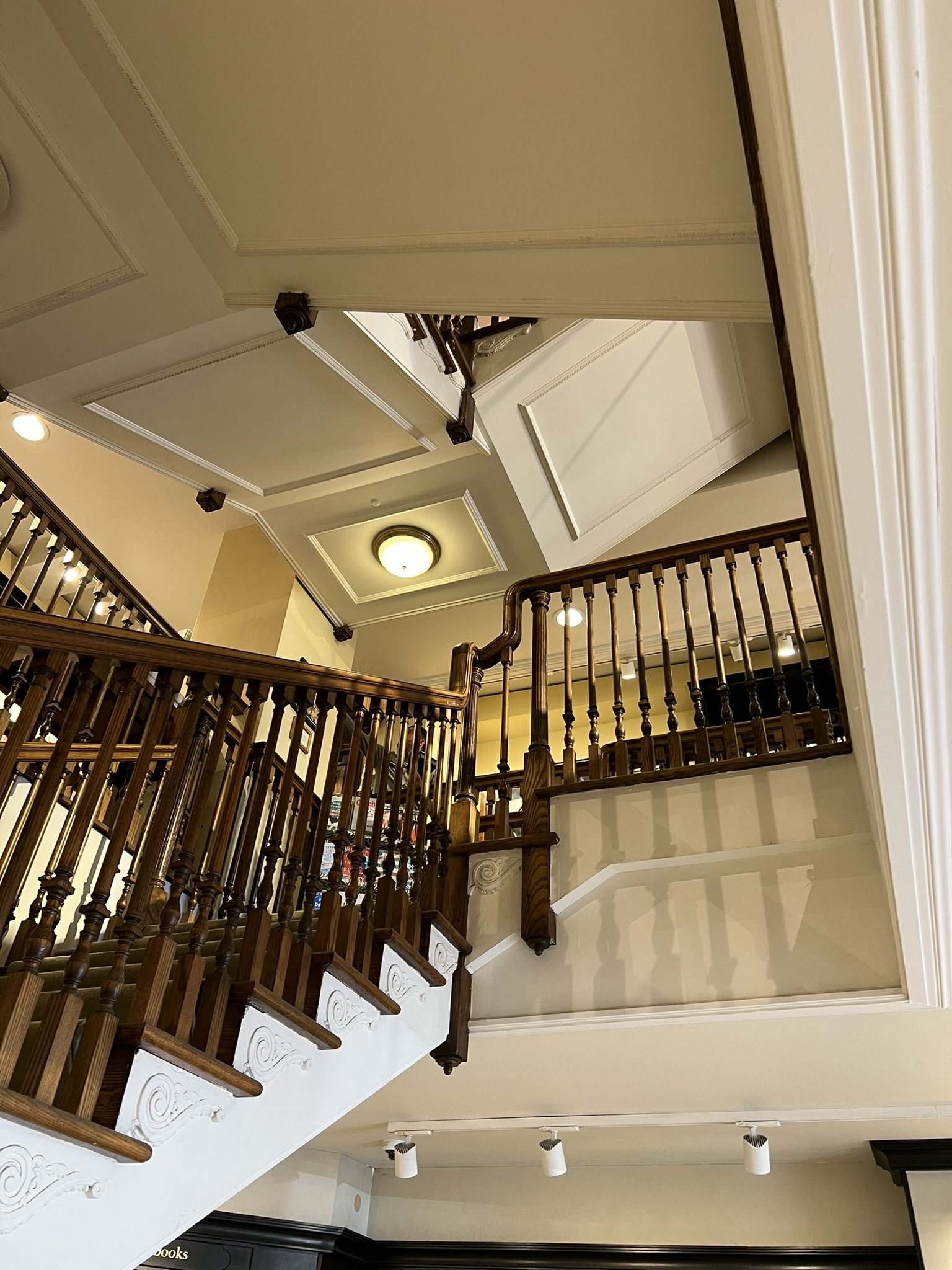
We hit Hatchard’s on Piccadilly first thing – one of those must-see places whenever in London [I go again when I came back in July] – founded in 1797, claims to be the oldest in the UK, it offers five floors of books, mostly new but also a brilliant collection of used and rare…one could be here all day, or more – so we do a rather fast scurry to all the floors, find this book, newly out that we both have to have…
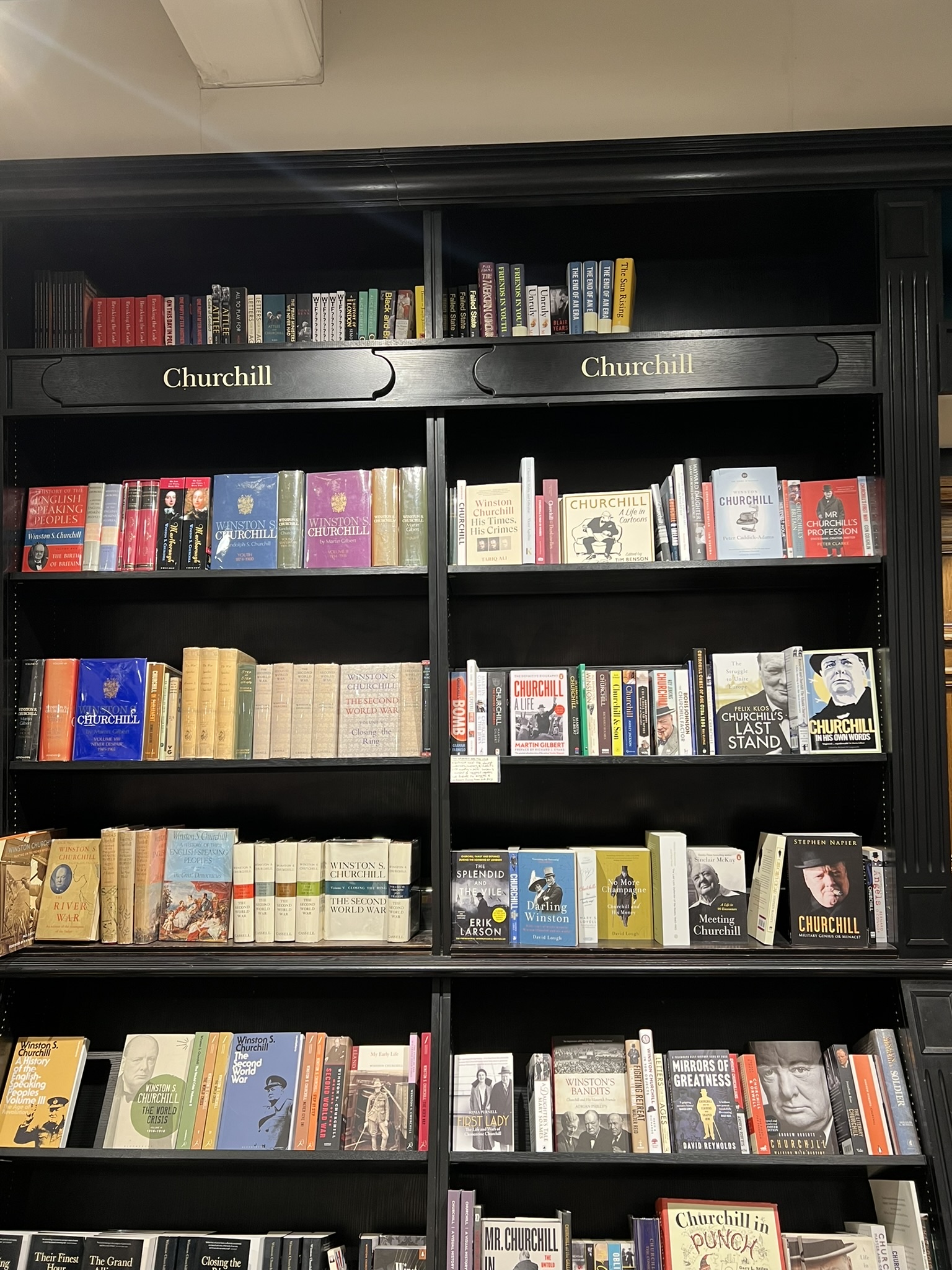
Always check the Churchill section…how much can you possibly say about one man??
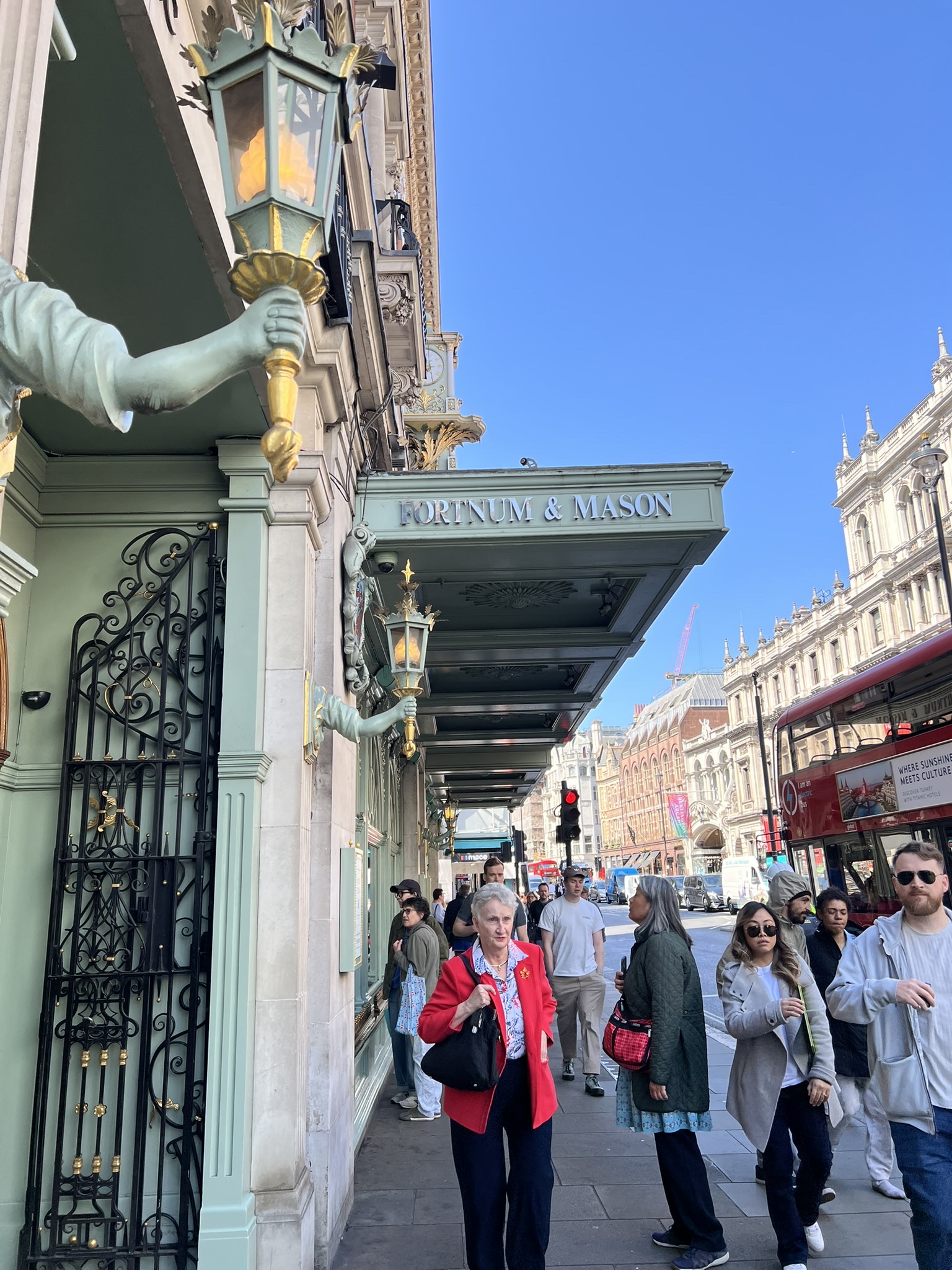
– and after a few purchases we head next door to the other must-see London shop Fortnum & Mason: their windows alone drawing you in…
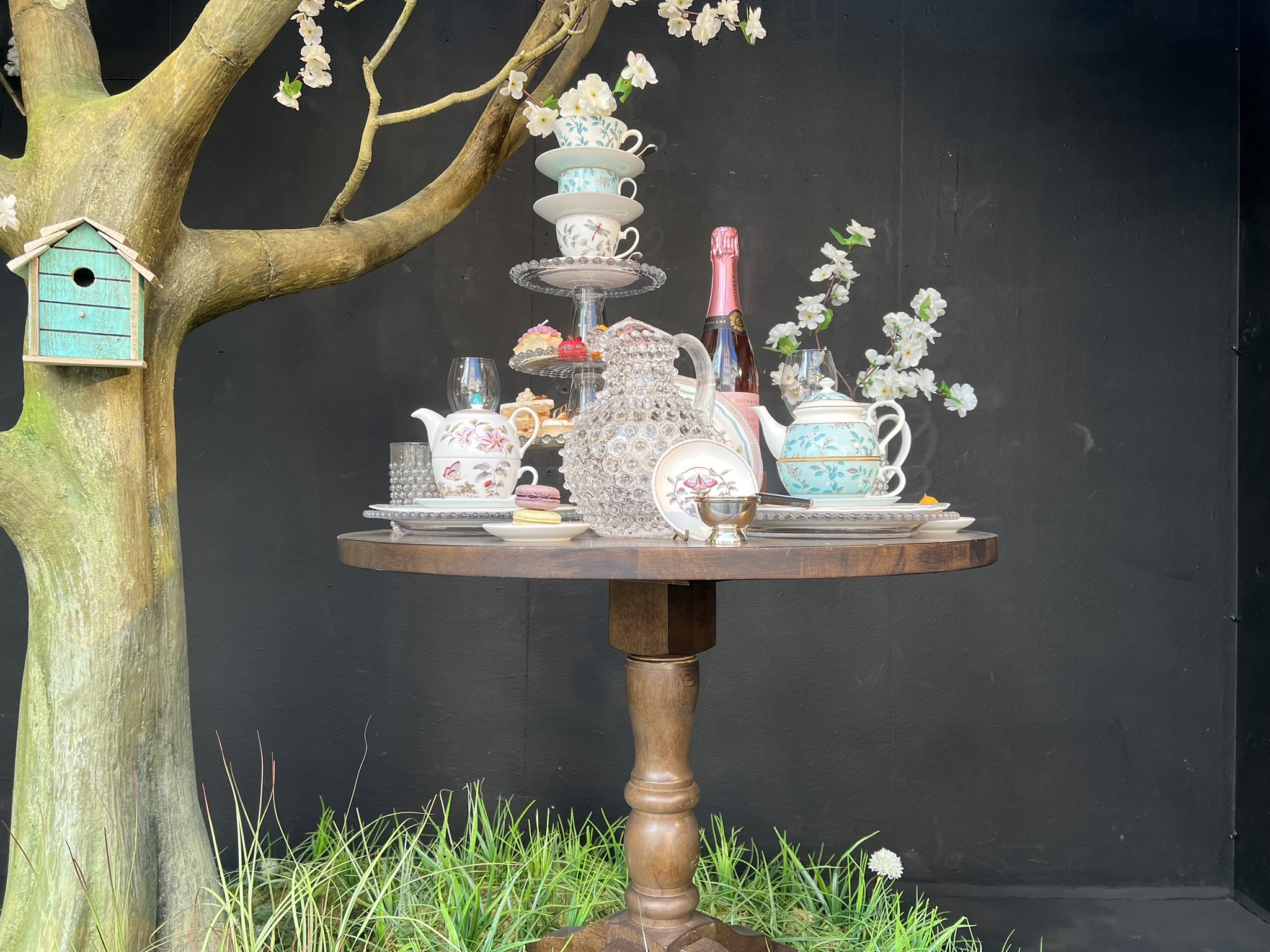
Did not do Afternoon Tea this time – but here it all is awaiting your arrival….
************
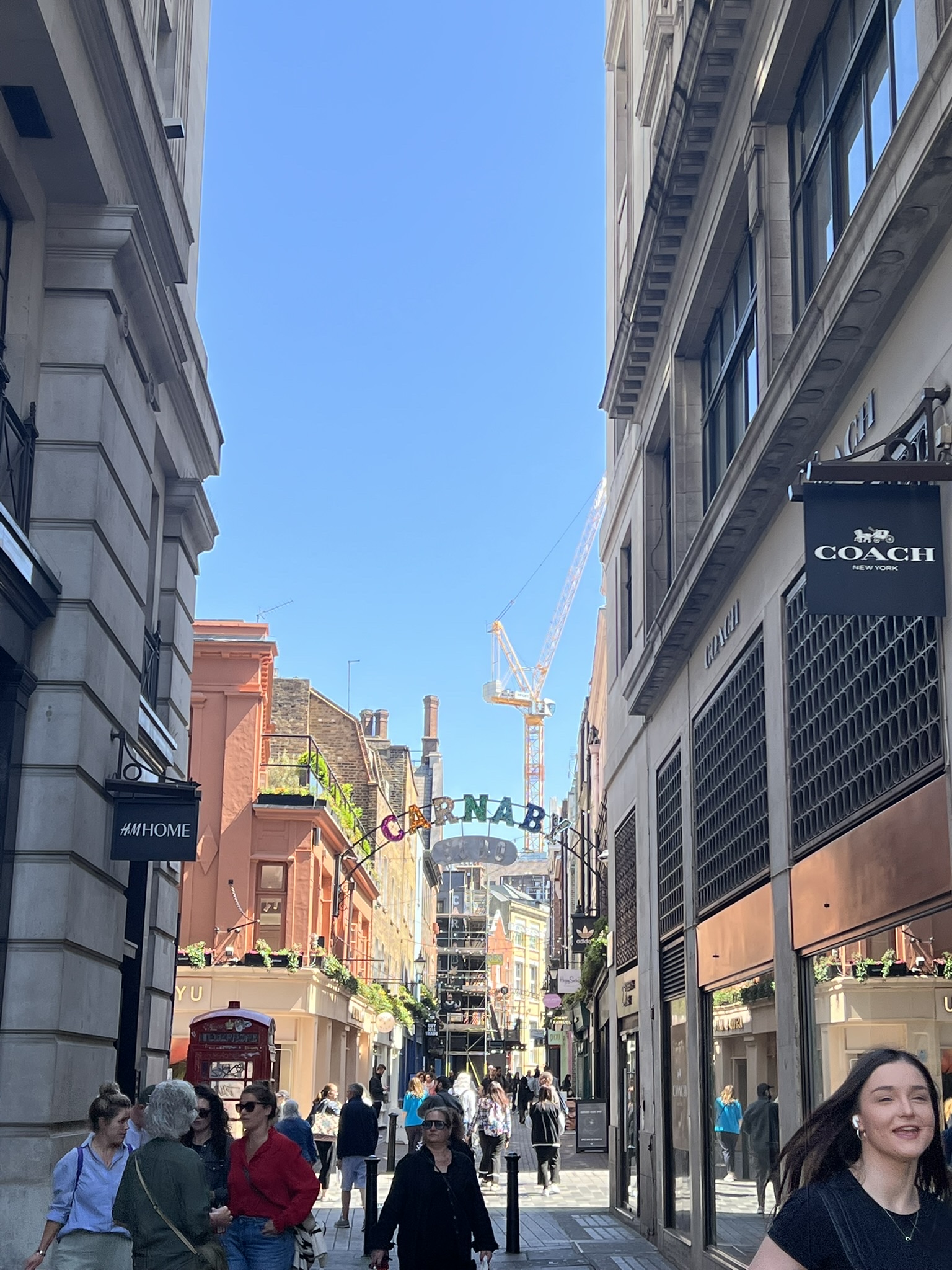
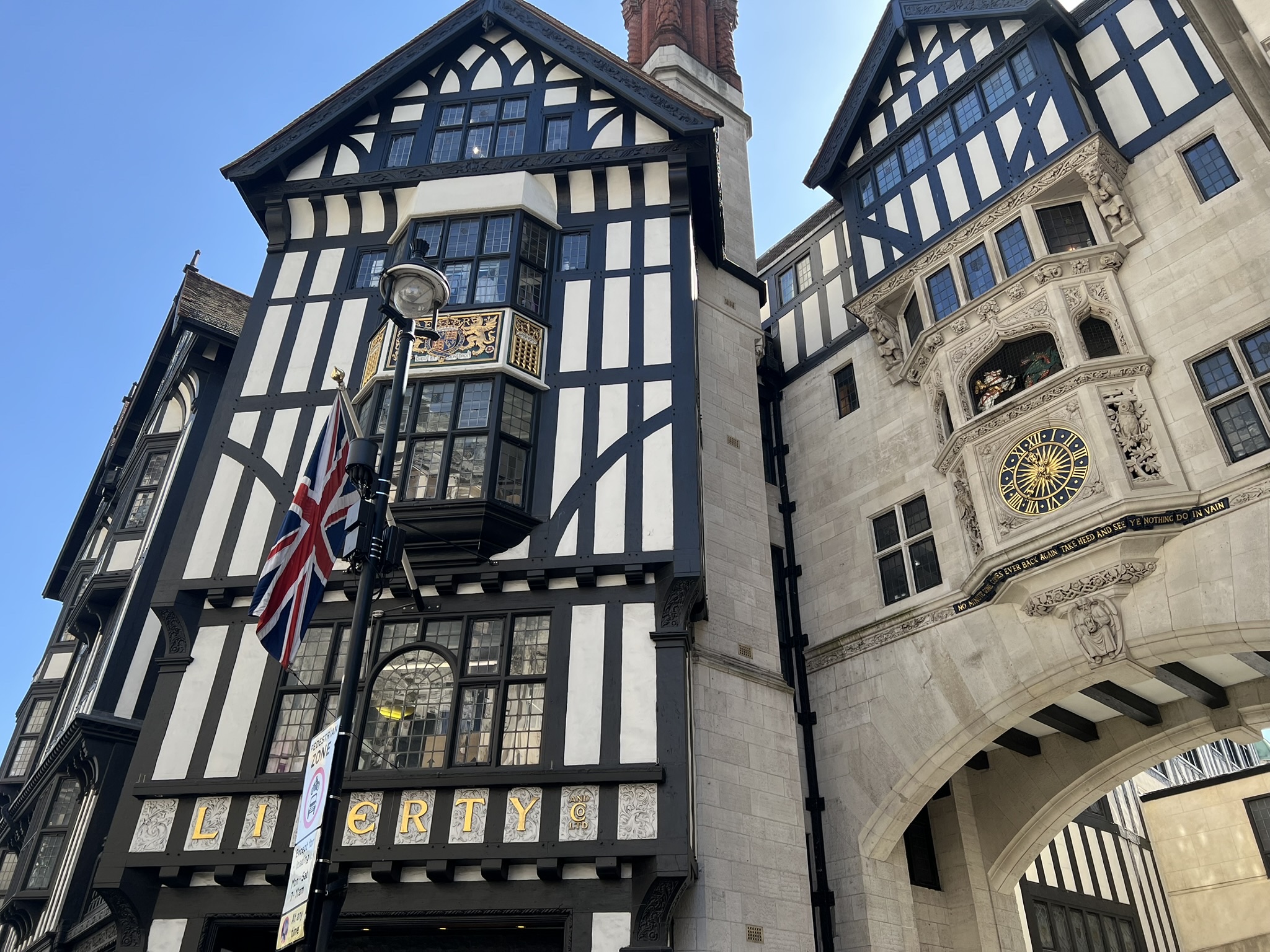
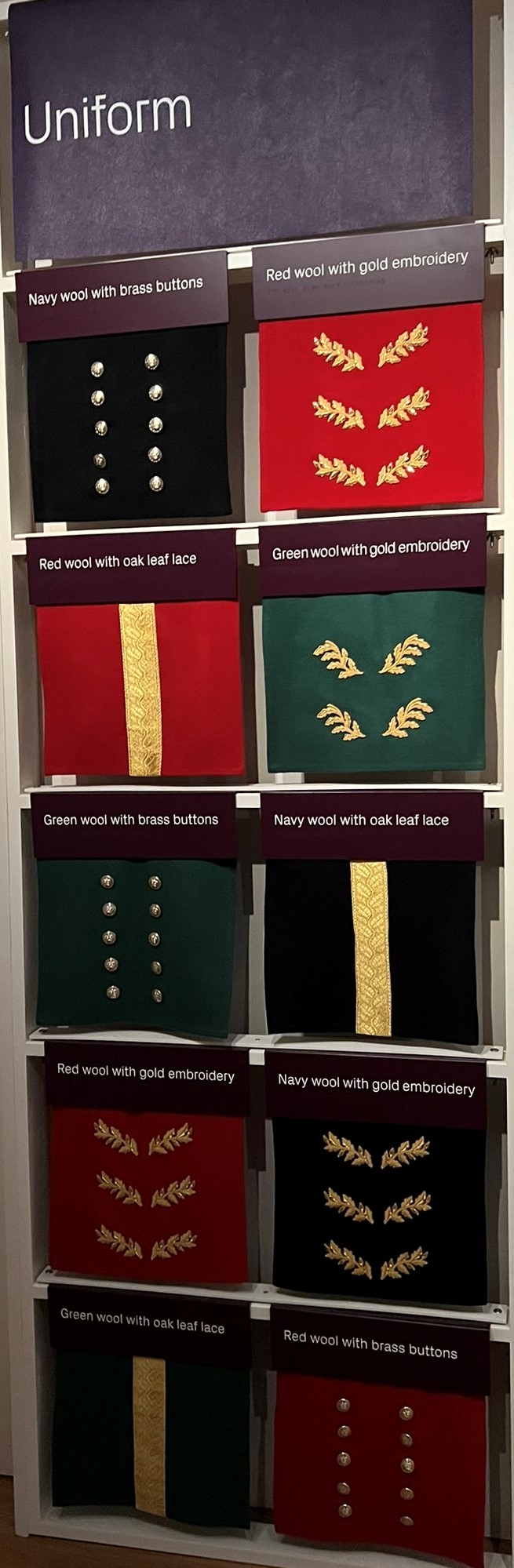
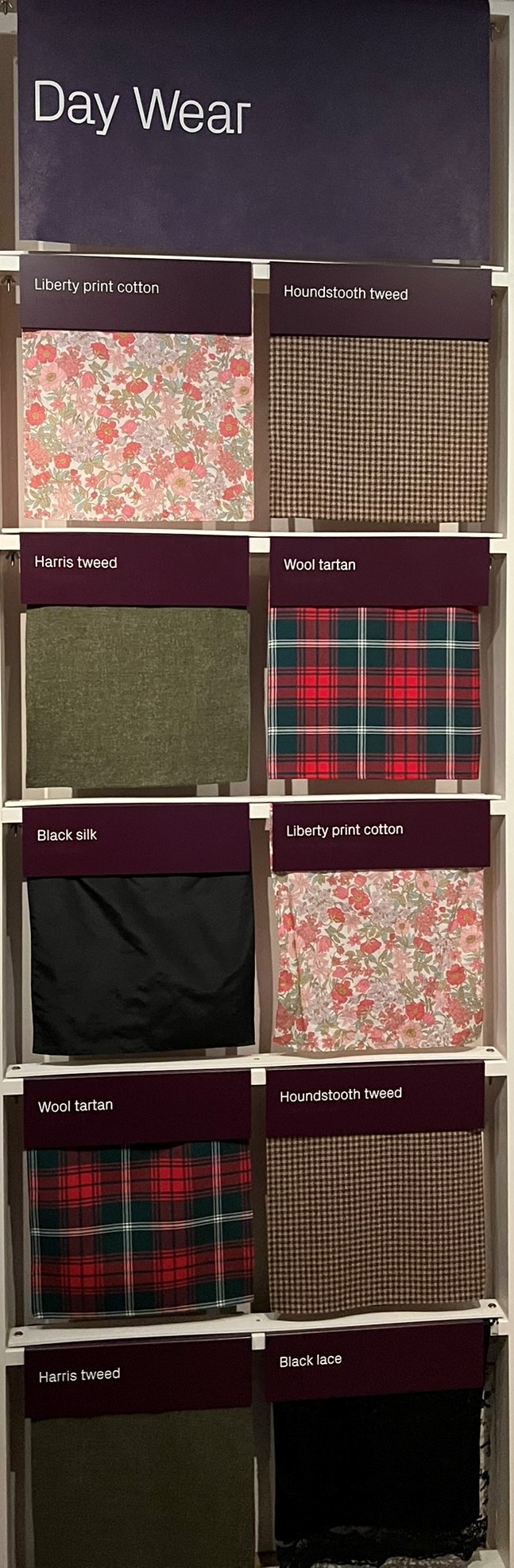
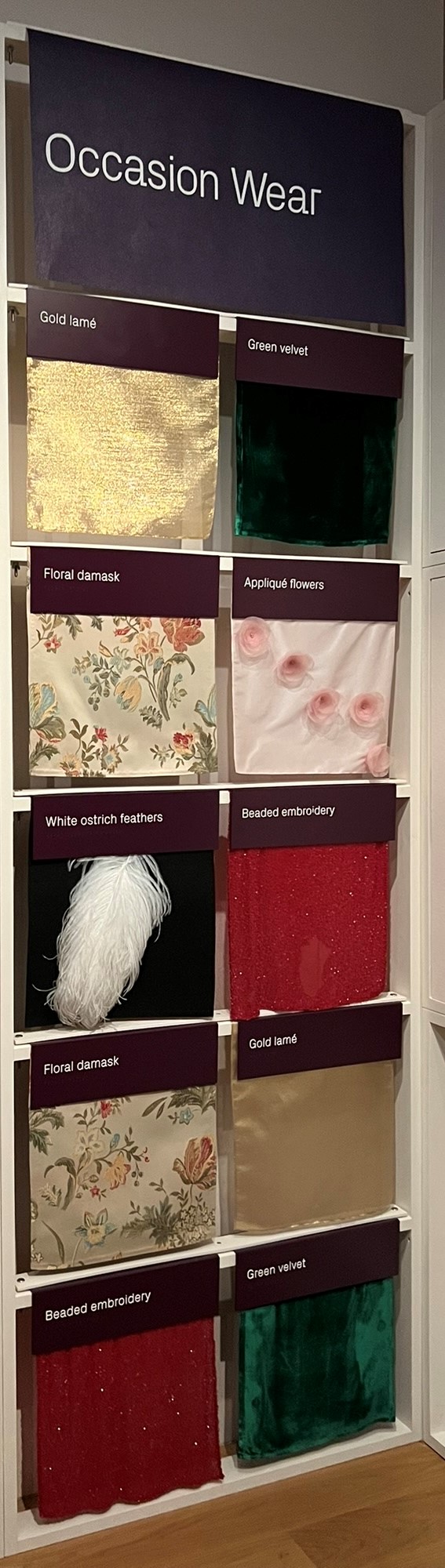
Passing Carnaby Street on our way to Liberty London on Great Marlborough St., with its array of fabrics for all manner of fashion and household goods. I had not been here before and what a treat! There was an exhibit on the history of the store and its variety of fabrics – could not get enough of this!
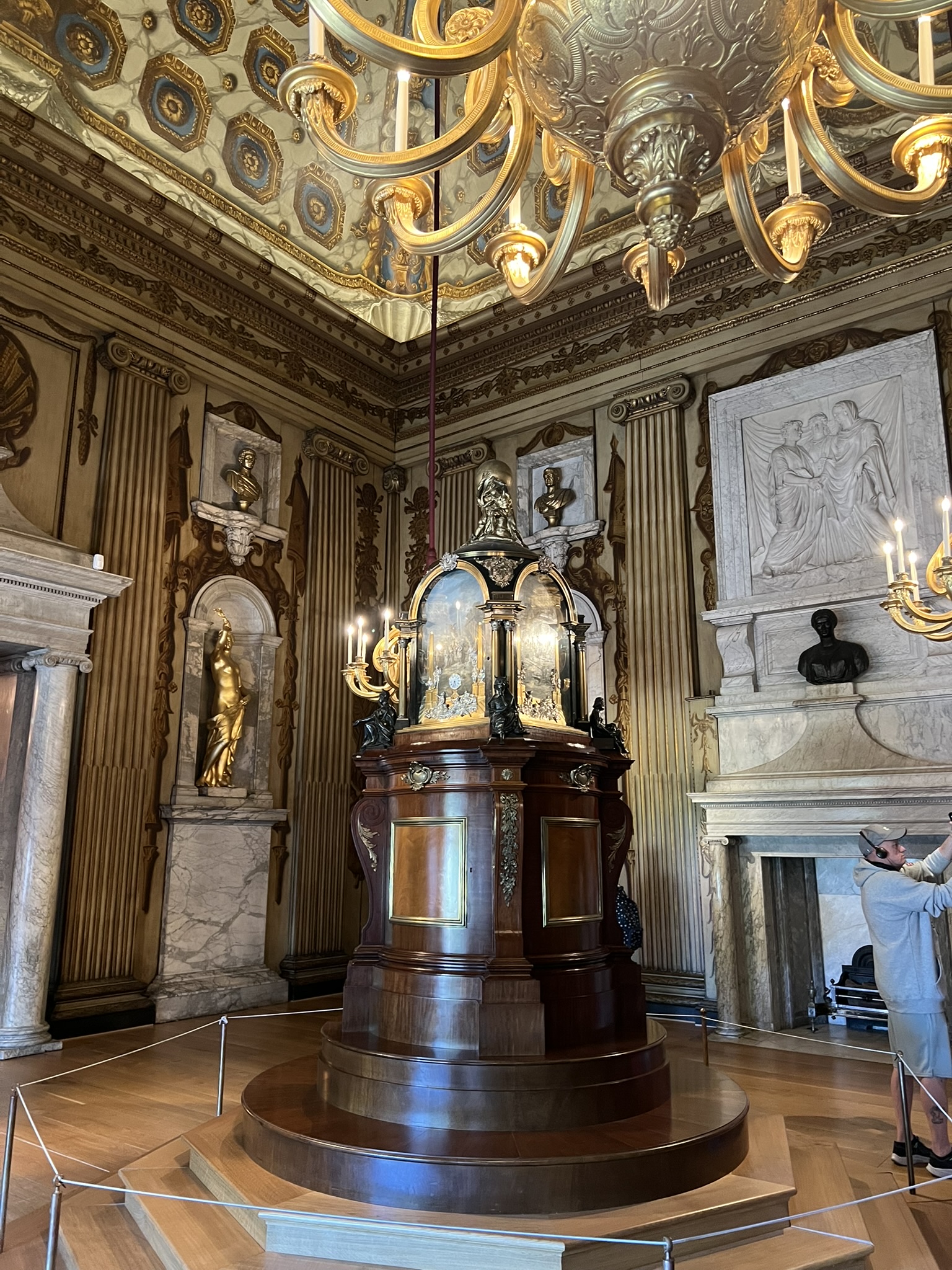
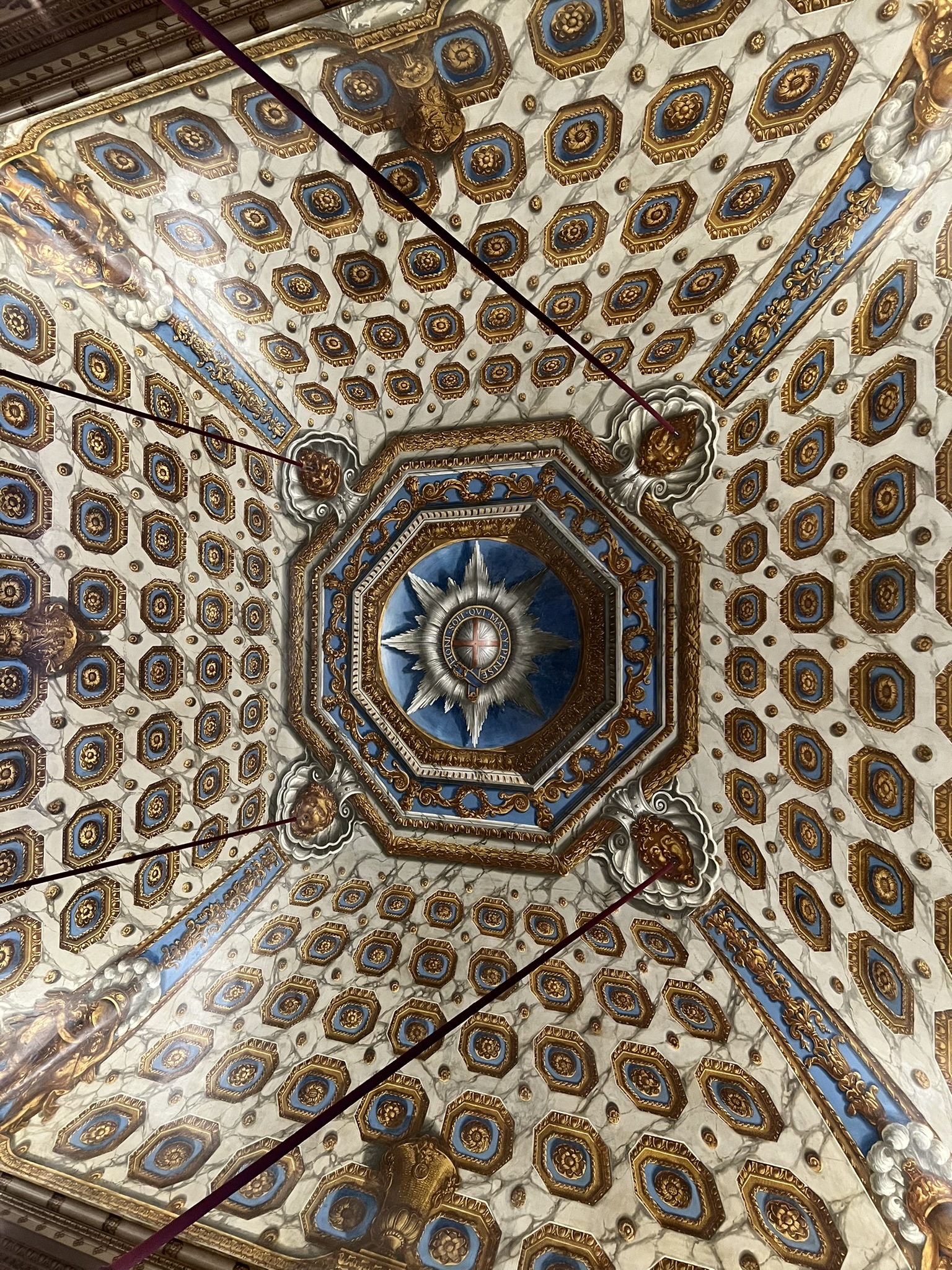
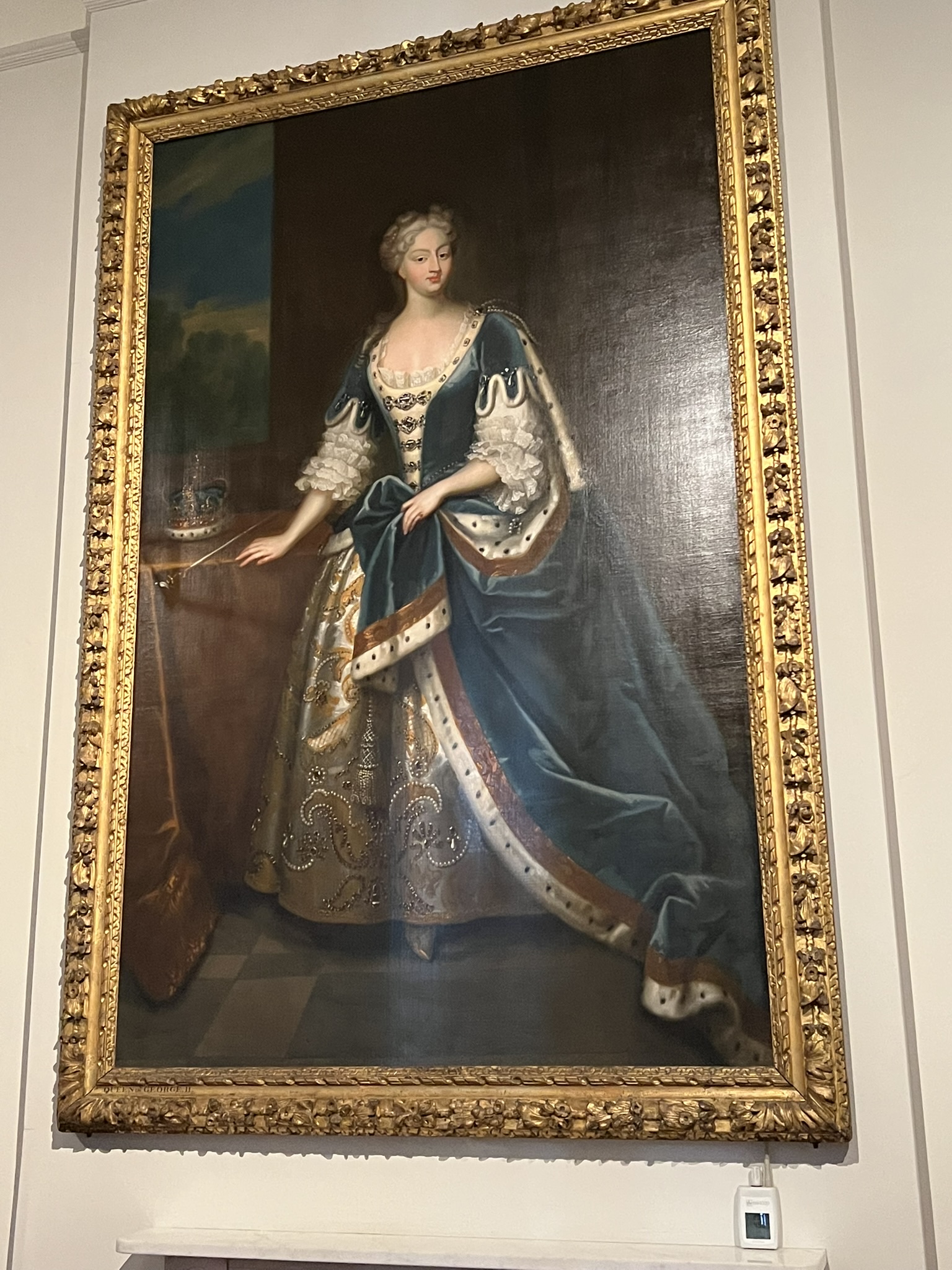
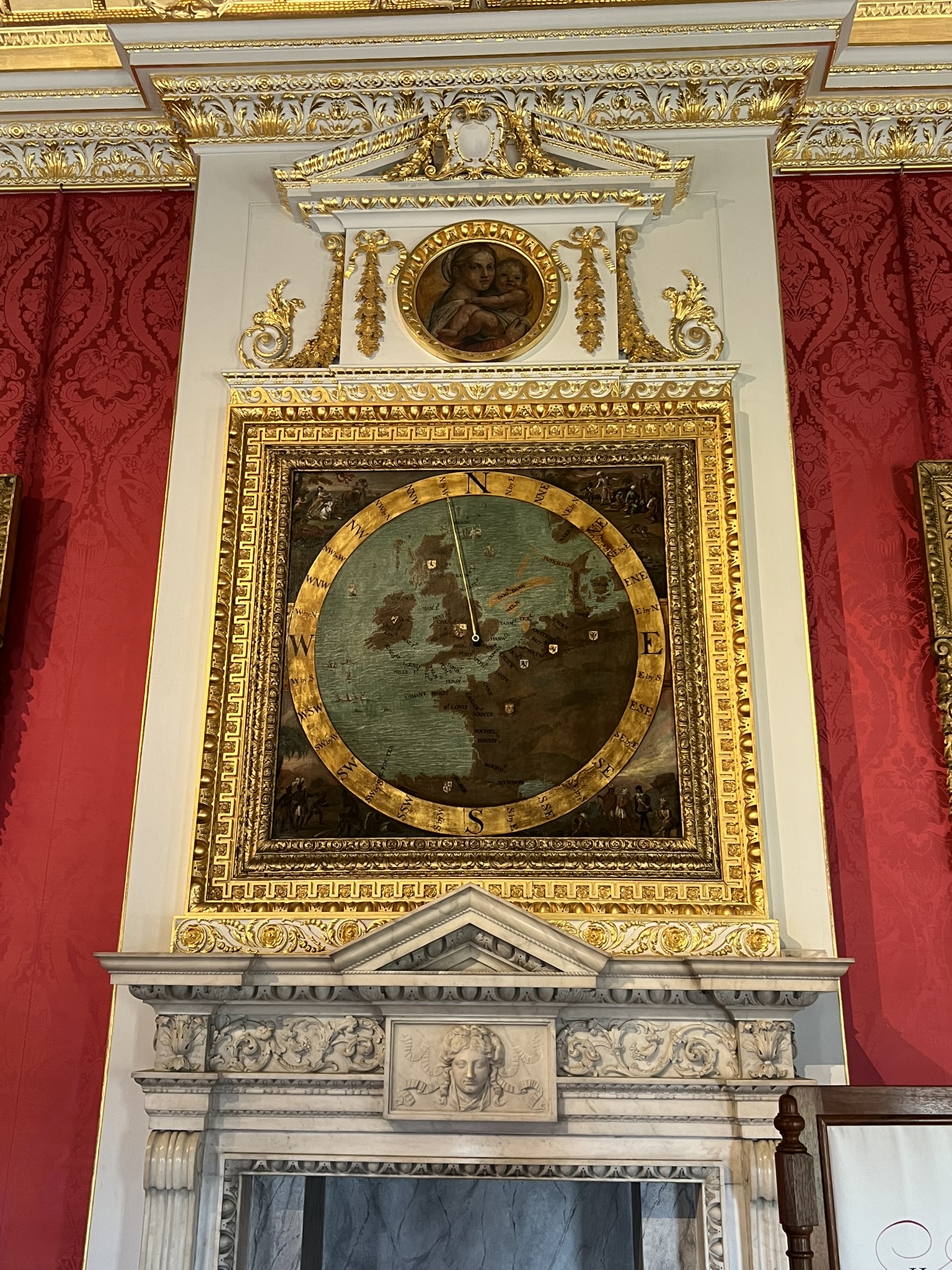
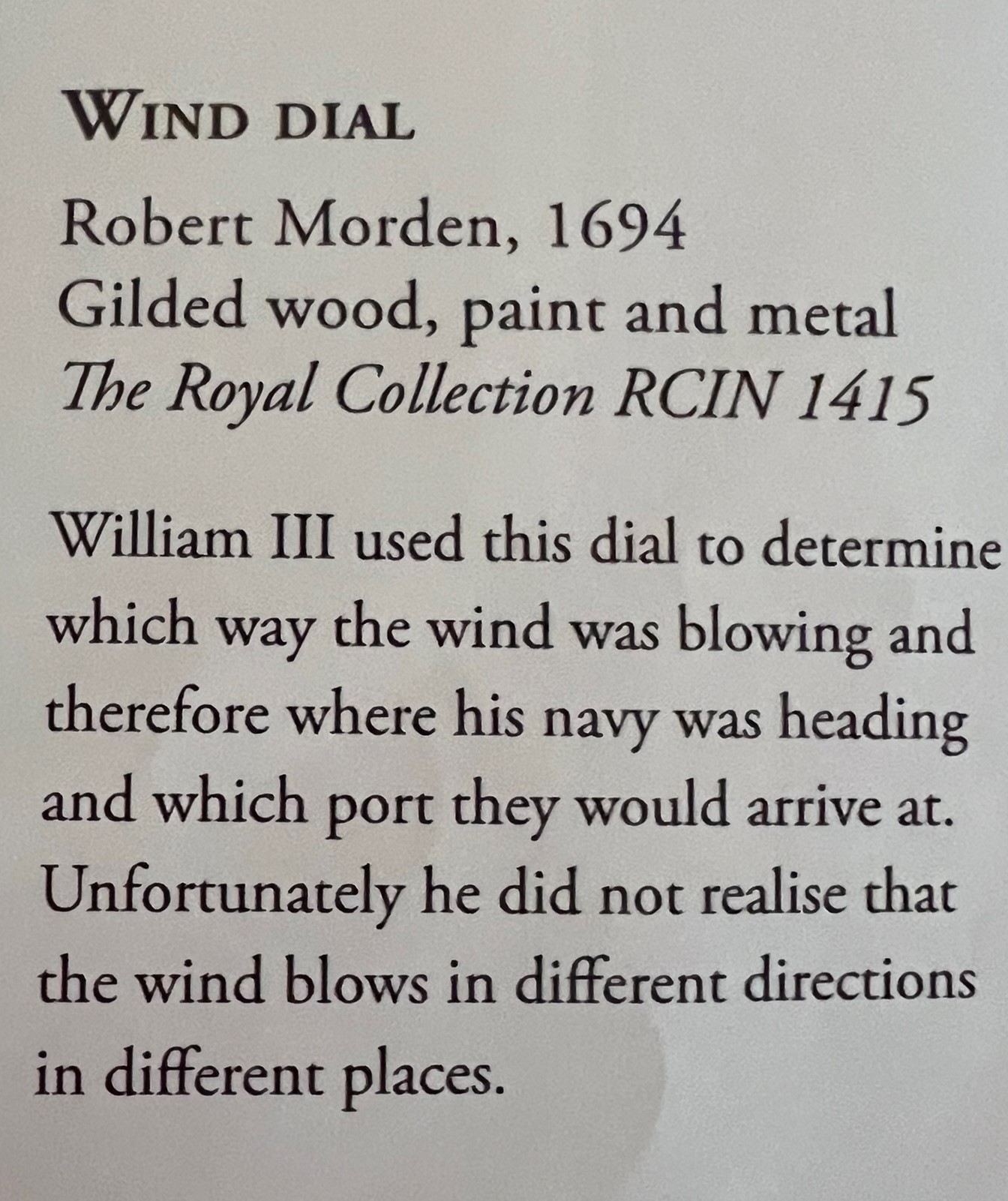
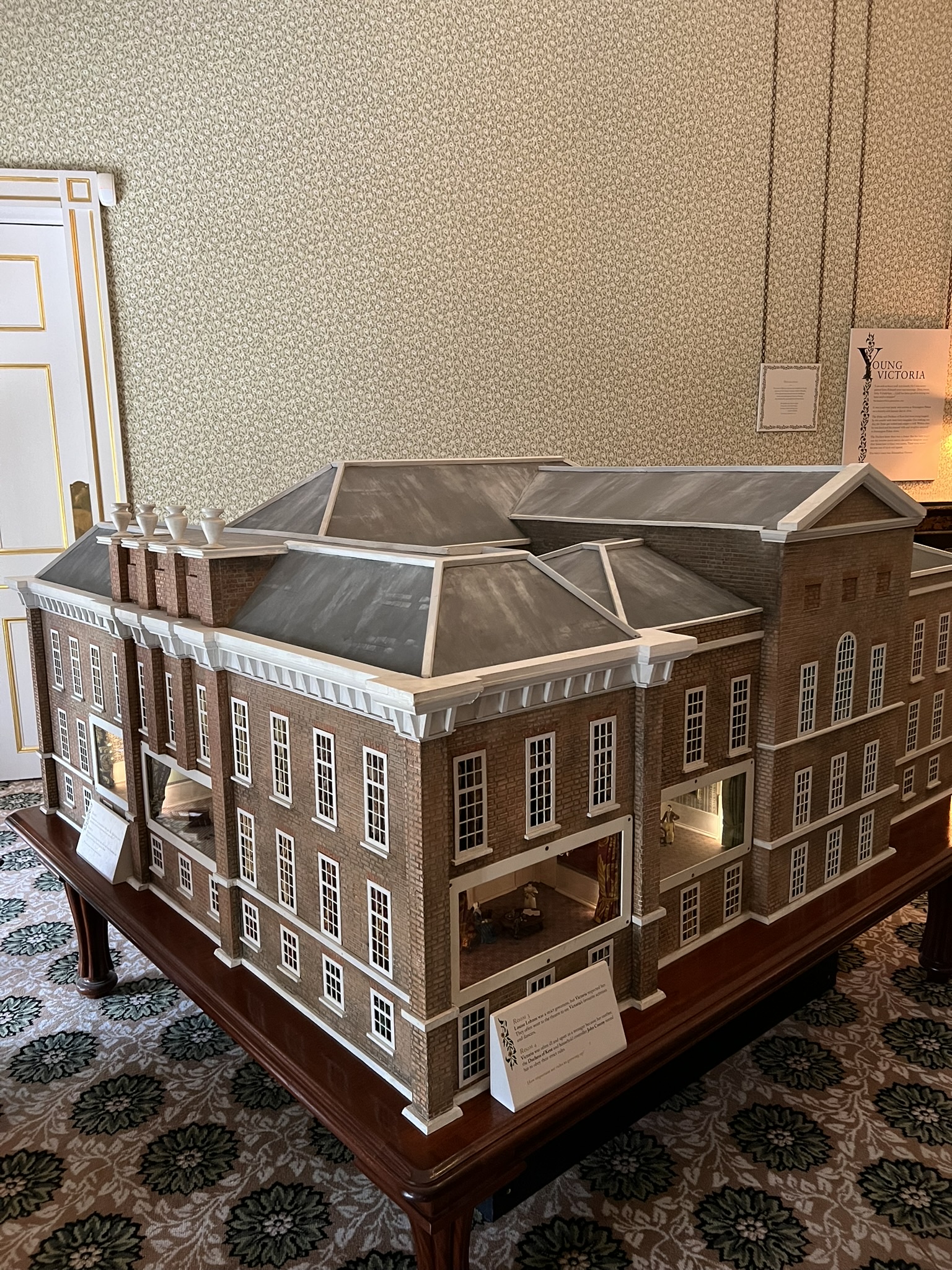
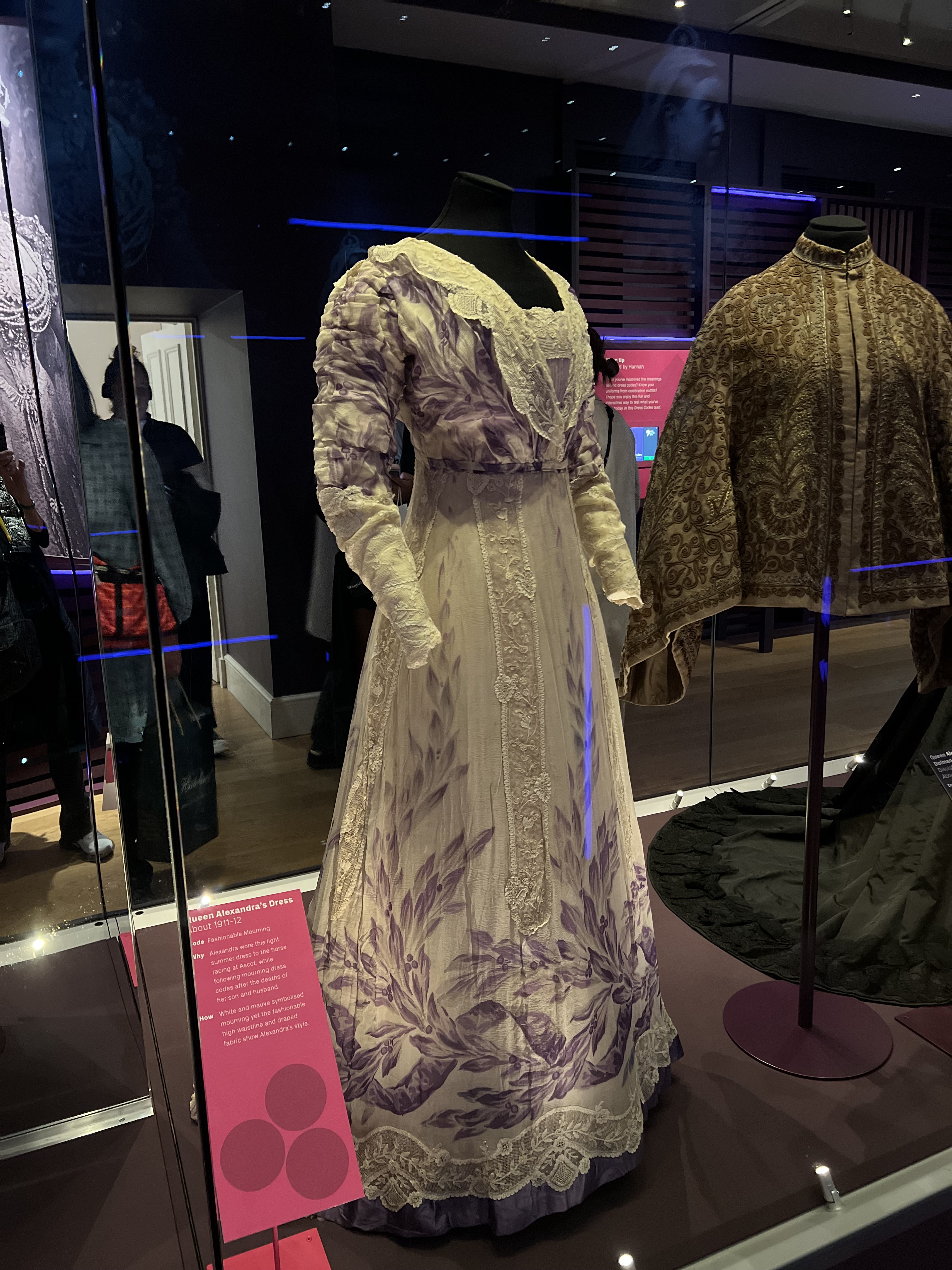
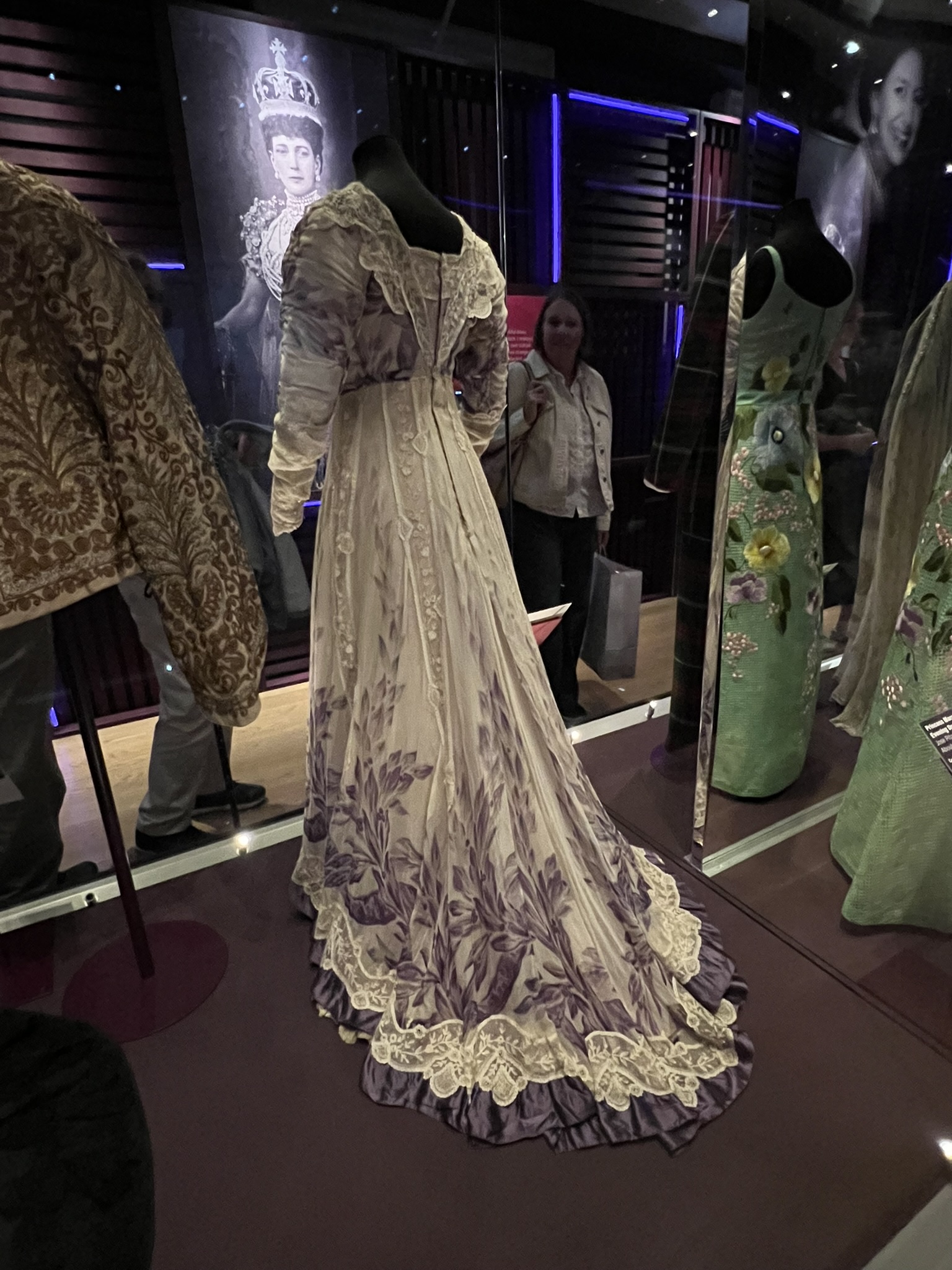
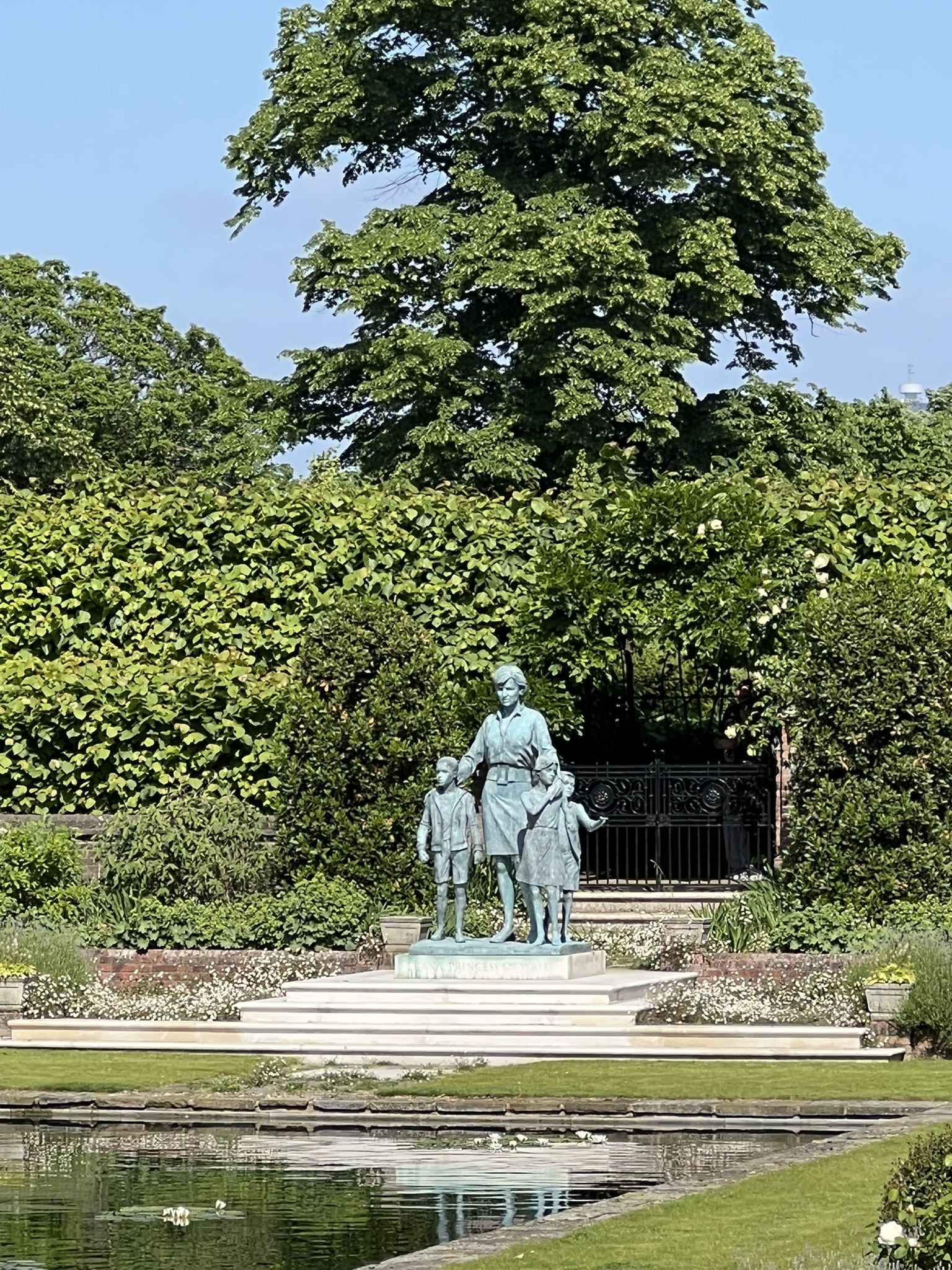
Then off to do the Royals – Kensington Palace – have been a number of times before but with different exhibits, this time going through most of the place to see its history – then a fine café lunch and then just wandered back to the hotel to pack and prepare for the play – A few photos from the Palace:
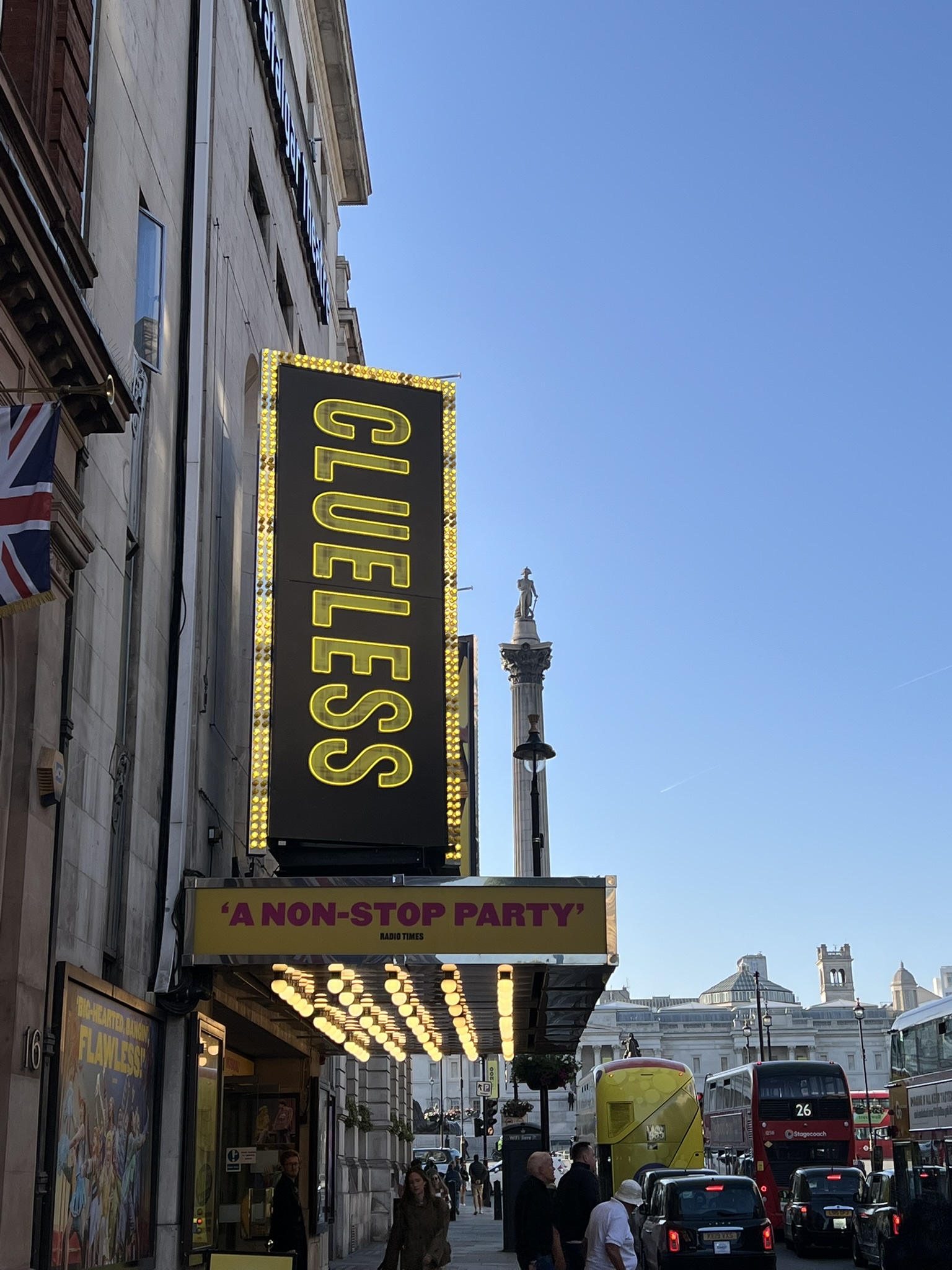
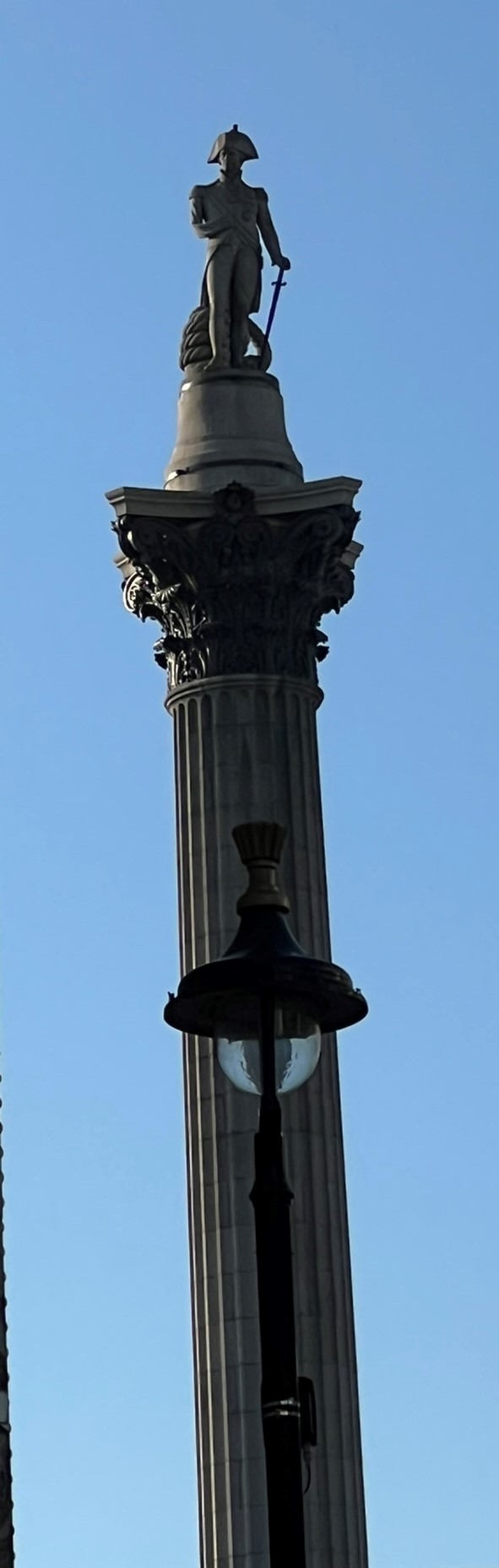
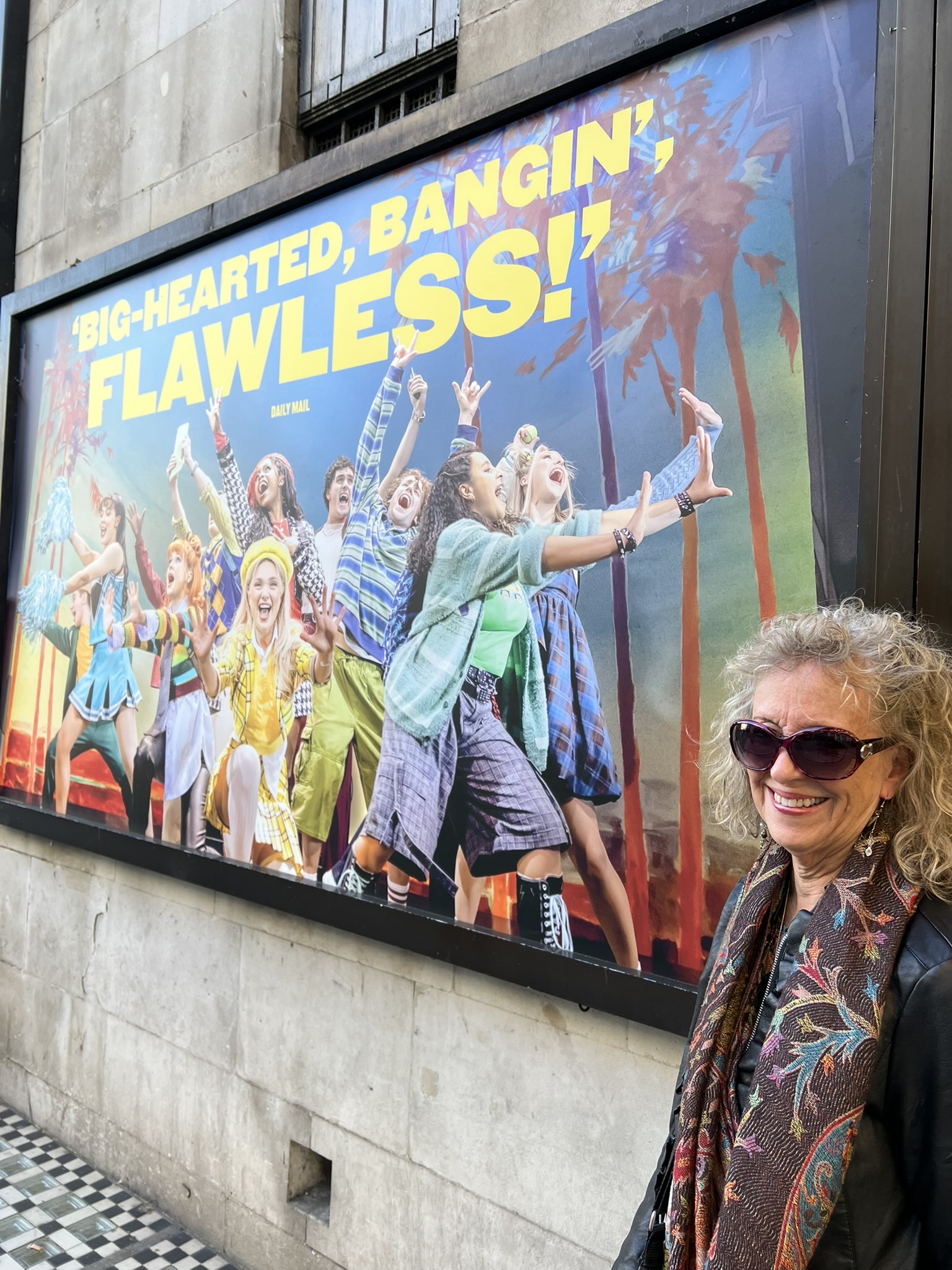
Then the play! No photos allowed during the performance, so only these from the outside [with Nelson in the background]:
and the opening screen:
Clueless did not disappoint – completely faithful to the original film AND Emma, there were catchy tunes, with great actors / singers / dancers; enough plaid to satisfy any tartan-obsessive; and enough energy in the playhouse to keep us all tapping and clapping all the way home. It was pure delight! [It is closing soon – get your tickets if you can…]
***********
So this short stop in London ended our tour – my hopes to see some of those places on my to-do list [the Sherlock Holmes Pub. and the National Portrait Gallery, closed for renovation the last time I was there] – I was not too disappointed as I was coming back at the end of June – and happy to report I did see Richard III in his new digs at the NPG [Room 1, Floor 3] as well as my favorite pub, under new management and with a new sign, but all the same inside with the Holmes memorabilia upstairs – the pub sign has changed a number of times through the years – here is the new one:
[Mr. Holmes is a topic for another day – a full post just on these changing signs is way past due…]
[this sort of creeped me out – my mother’s name was Elsie…]
–
And of course a Richard III – because even Jane thought he was an innocent man…
I was off very early for a 10:30 am flight – the hotel packed me a lovely breakfast; the taxi driver and I had the best conversation about Life and Current Politics I’ve had all year [lots to talk about!]; Heathrow was smooth sailing – and I was home via Charlotte NC and to Savannah in what seemed like a jiffy..
Such a nearly three-week journey! – very well-spent – with a hearty Thank You to JASNA and Pathfinders [and Marian our leader and driver Paul], to Liz Cooper for all her planning and just being there for all of us. And to everyone in Britain who welcomed us with such open arms despite our political nonsense! All the tour participants were a joy to spend some quality-Jane-time with – Thank You all for making this trip one of a lifetime – all in celebration of Jane’s 250th – seeing all the spots from her birth to her death, and all the glorious writing in-between. I am more devoted than ever – we are all nuts, of course, but justifiably so!
[You can visit the JASNA site for information on this years two tours – you should start planning for next year – JASNA will be announcing the 2026 tour early in the new year…just do it!]
c2025JaneAusteninVermont
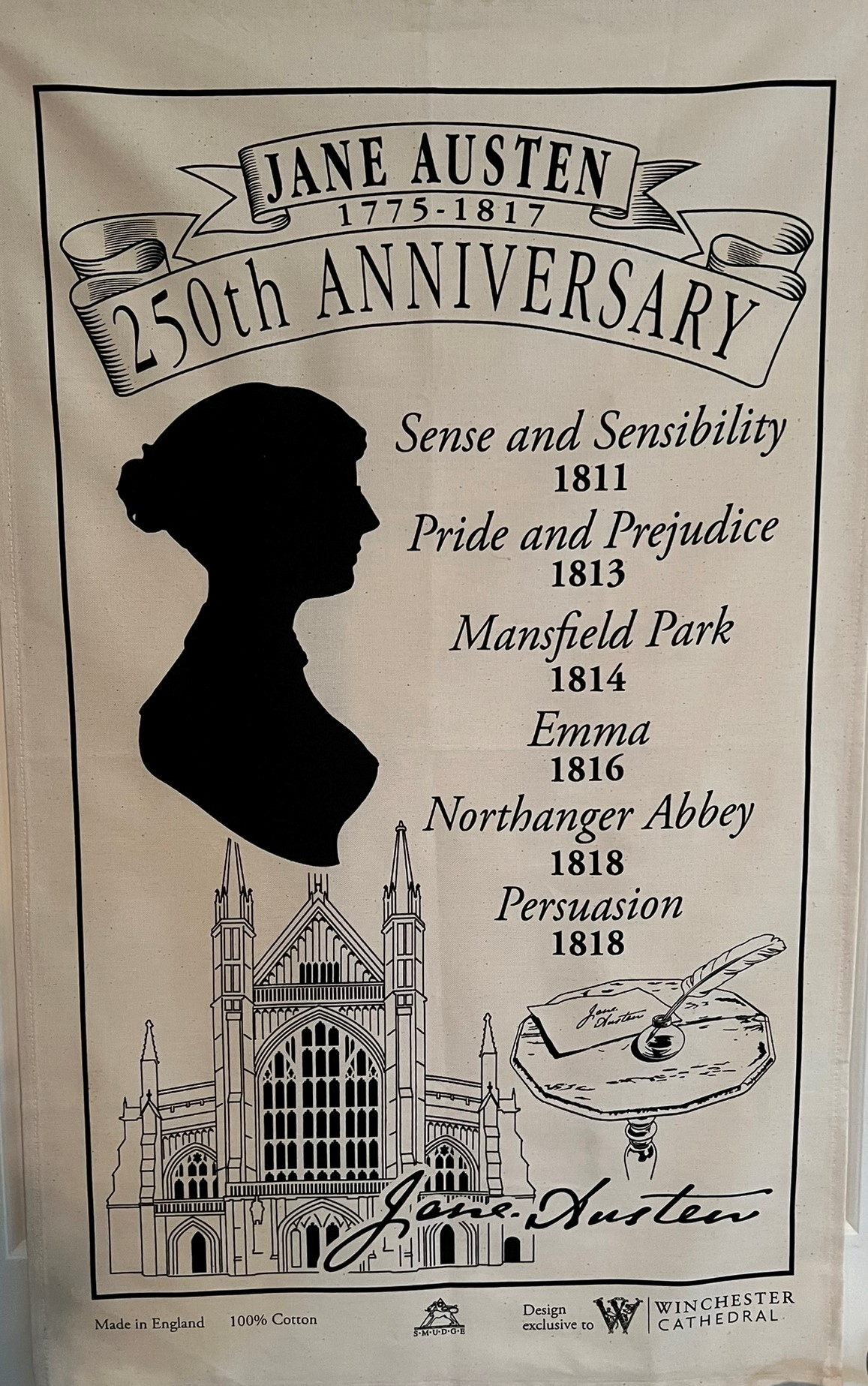
Tea Towel – Winchester Cathedral
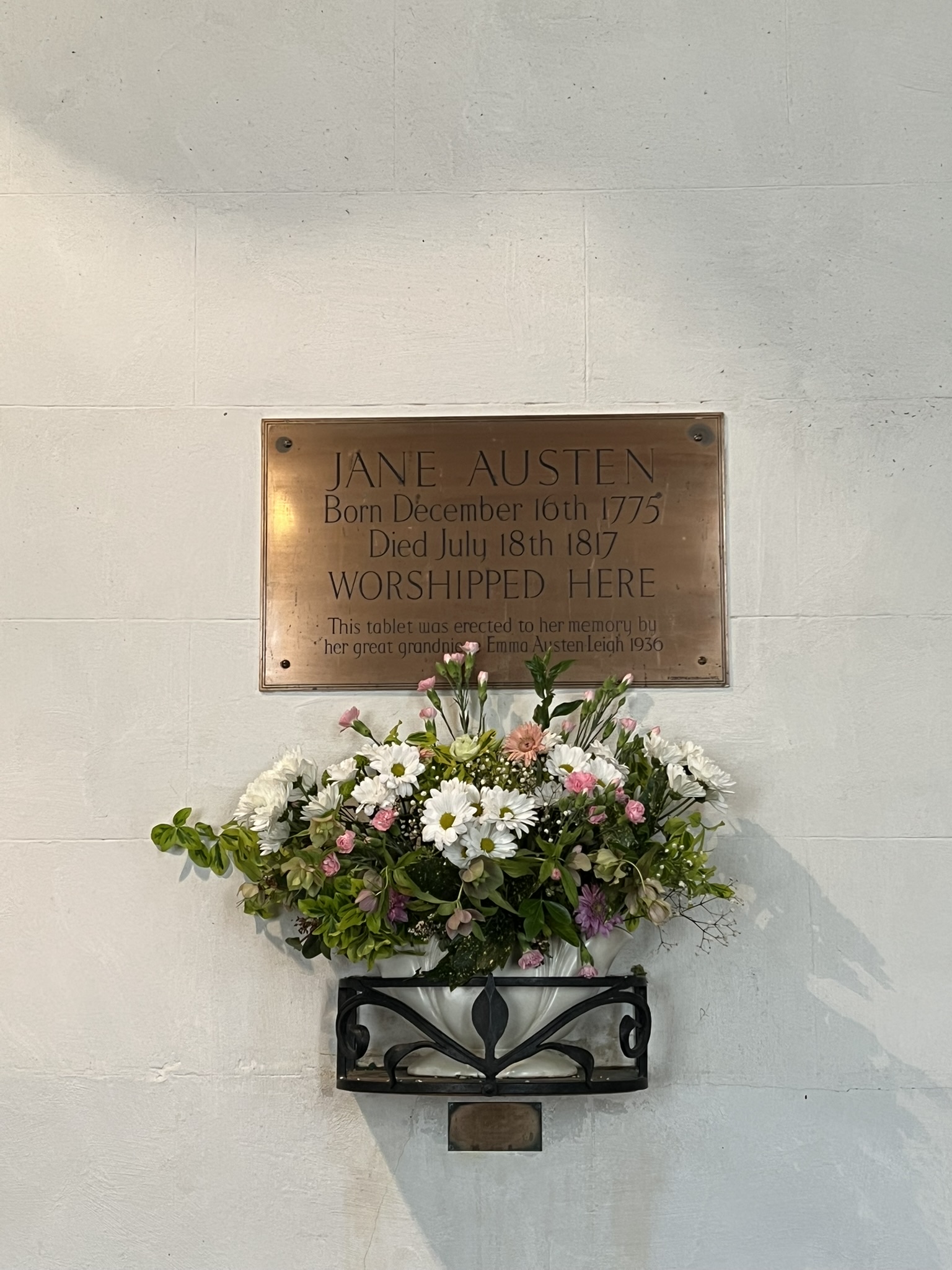
Winchester Cathedral – at the Jane Austen wall memorial
Well, finally back to recounting this Jane adventure – I have been to London again and then to Belgium for a Flemish Art tour [fabulous trip with Martin Randall Travel] – so working on remembering the details of this JASNA tour while reentering from an immersion into the art world of the 14th – 16th centuries…with enough artist-rendered crucifixions to last a lifetime…
I left off with our visit to Chawton on Day 8 – now on to Day 9 when we left our excellent Winchester Hotel and headed on to Bath – with the absolutely required stop in Lyme Regis – no Wentworth in sight as yet, but one can only hope. Actually I was more on the lookout for Jeremy Irons, but that is another story entirely…
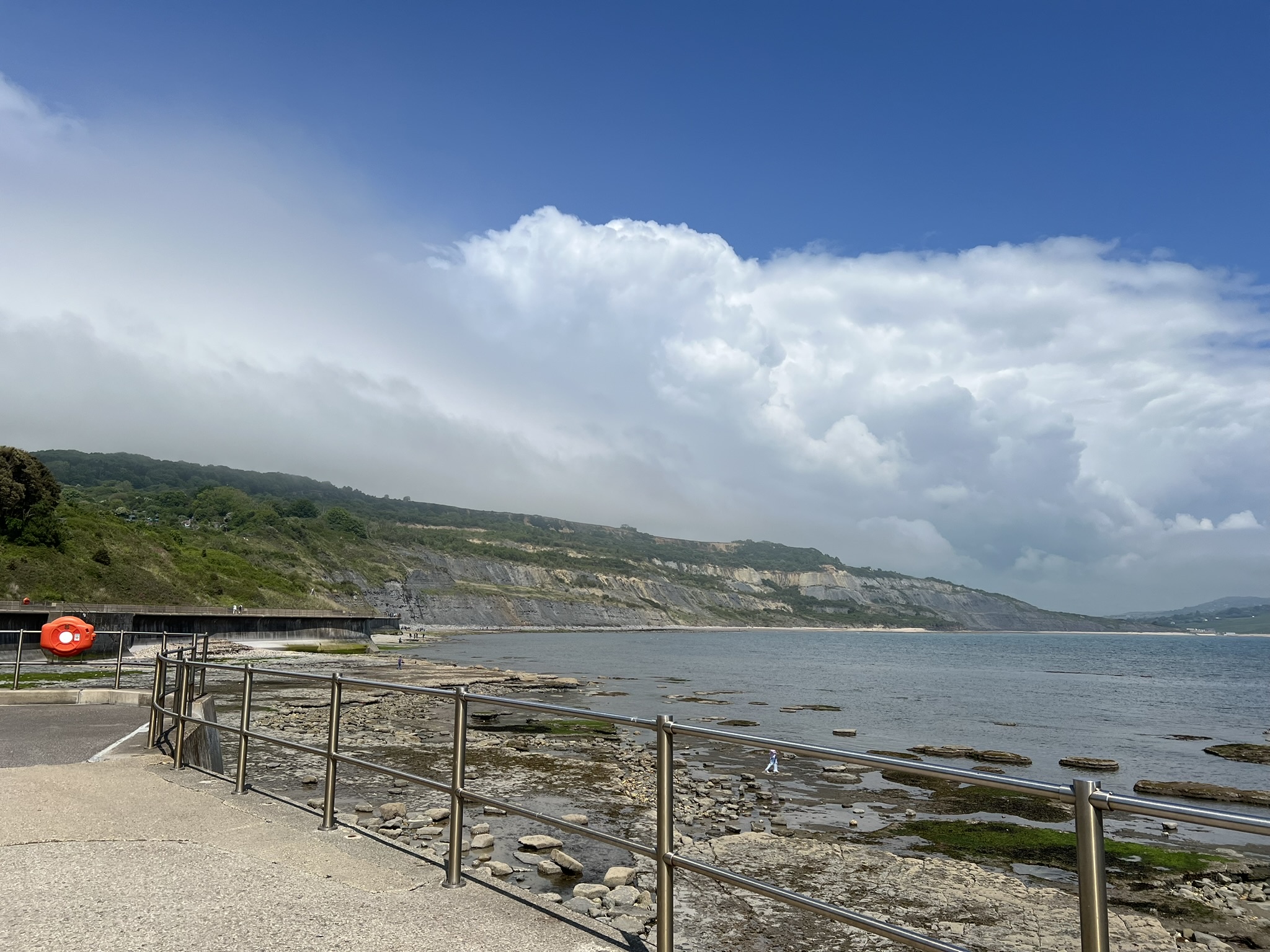
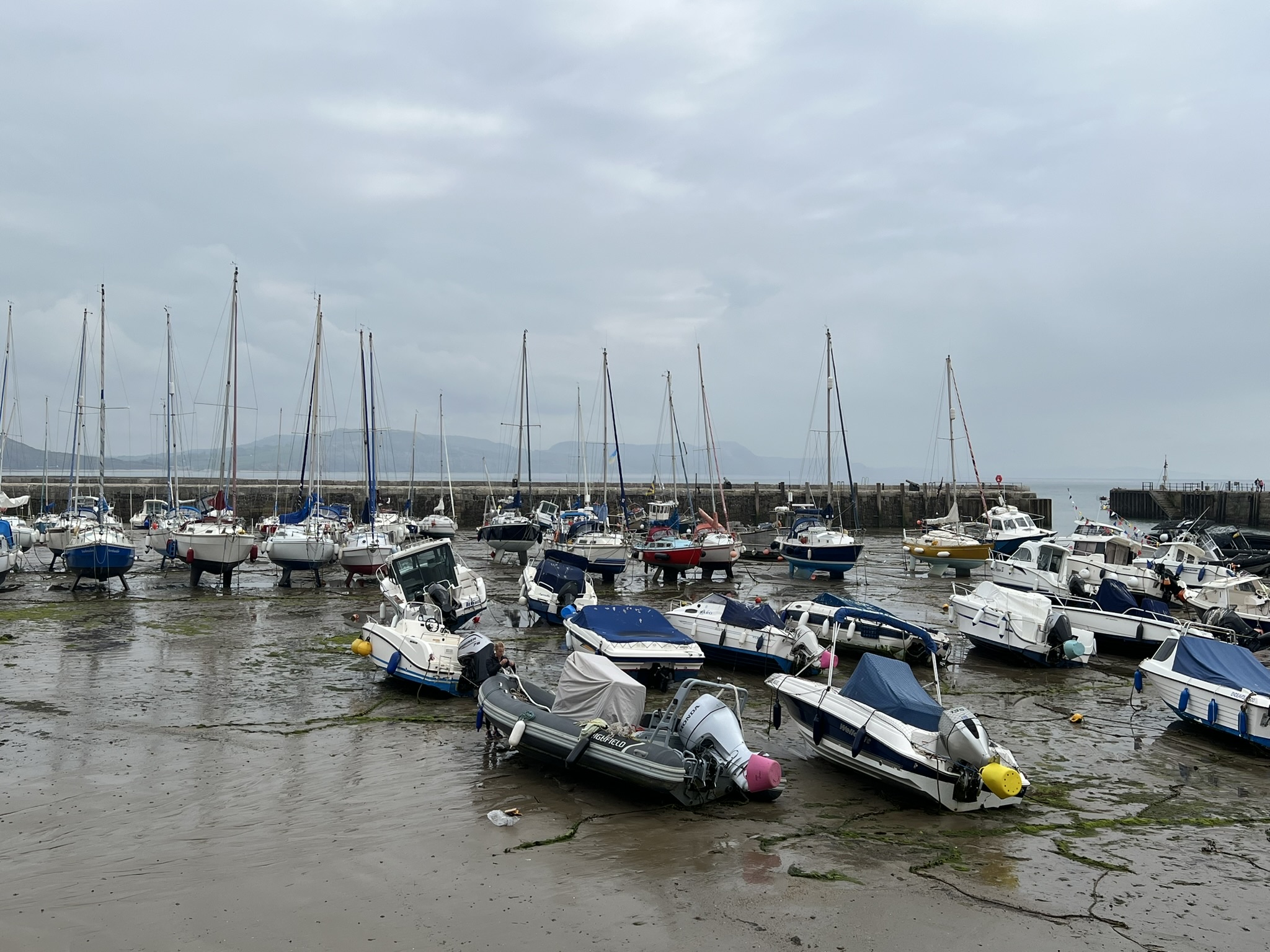
I have been to Lyme Regis before, where I stayed with friends in a bed & breakfast – the owner a sailor and the house fitted up like a ship – and with gorgeous views of the cliffs. Today was a perfect day, but very hazy and the cliffs barely visible the whole time we were there – unfortunate because it gives you a whole different perspective on this town, both now and when Austen would have visited.
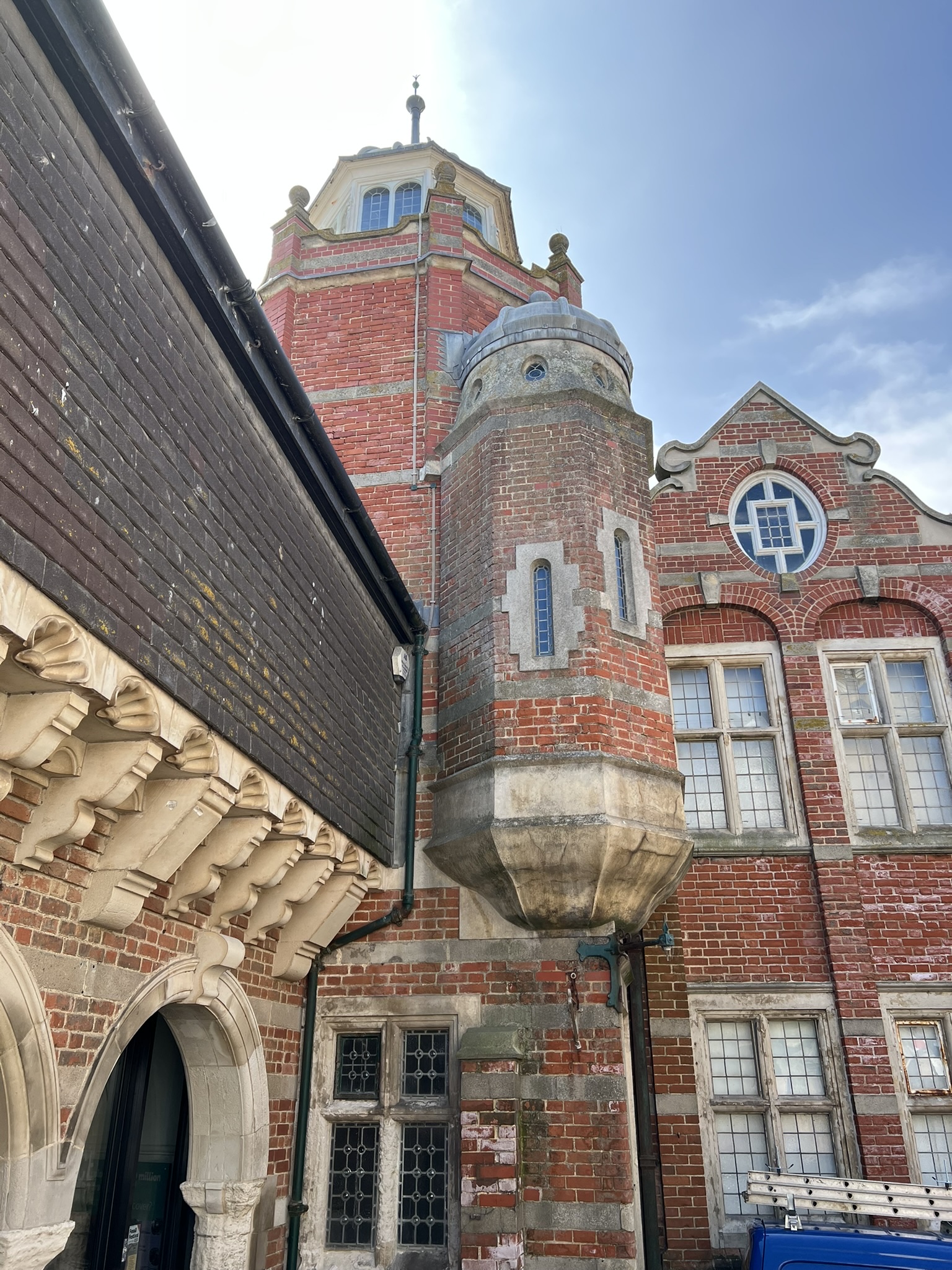
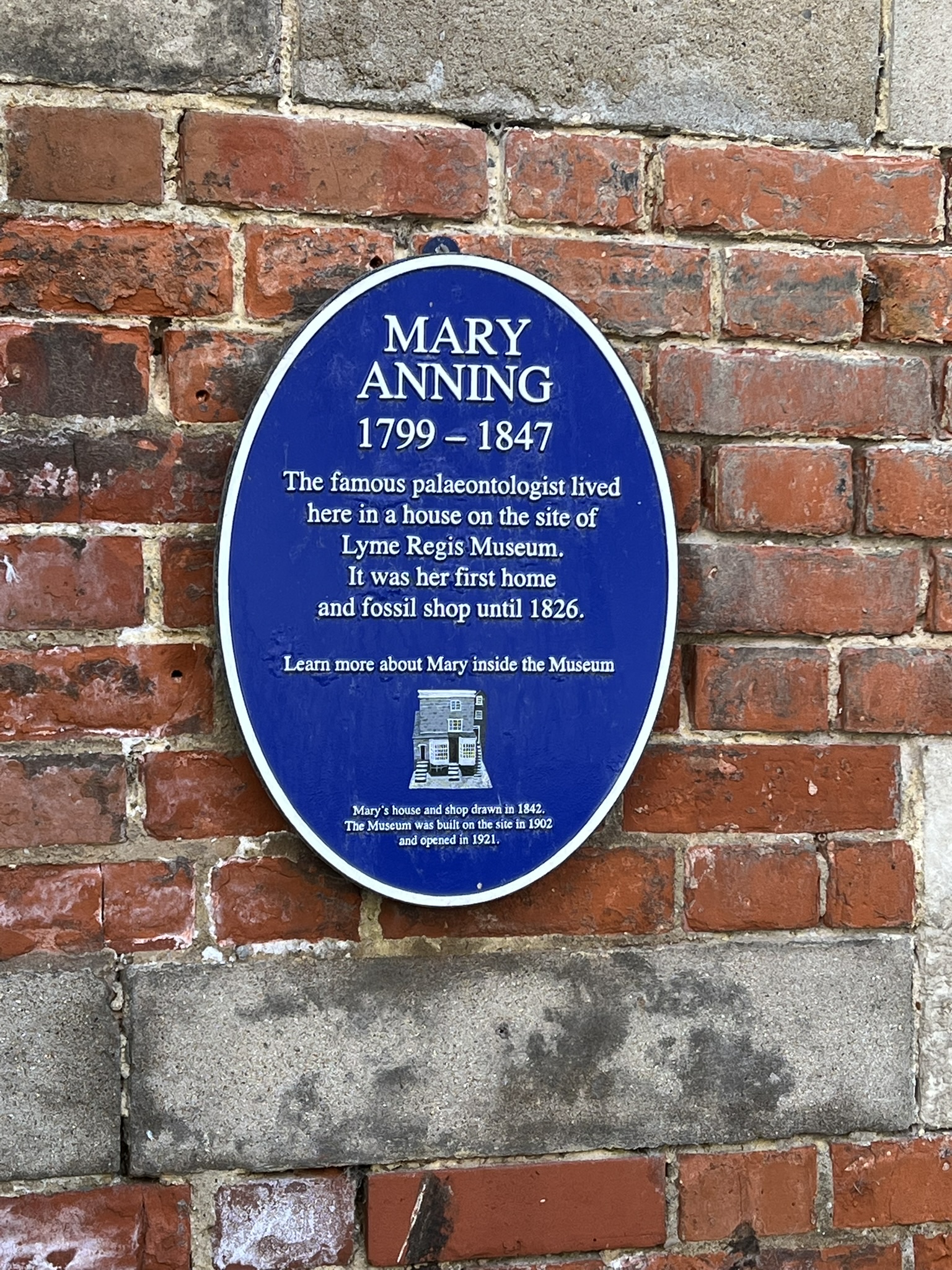
What does get prime attention here, and rightly so, is Mary Anning, famous for her fossil hunting and contributions to the study of paleontology. [You can read about her in Tracy Chevalier’s Remarkable Creatures for the historical fiction approach, but also here for a complete history lesson: https://www.nhm.ac.uk/discover/mary-anning-unsung-hero.html
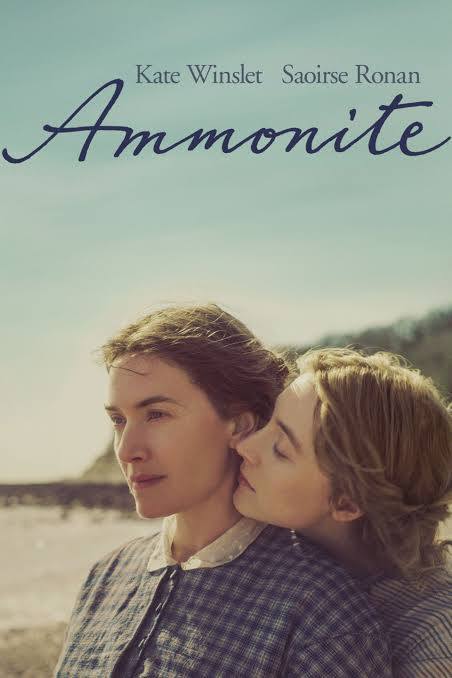
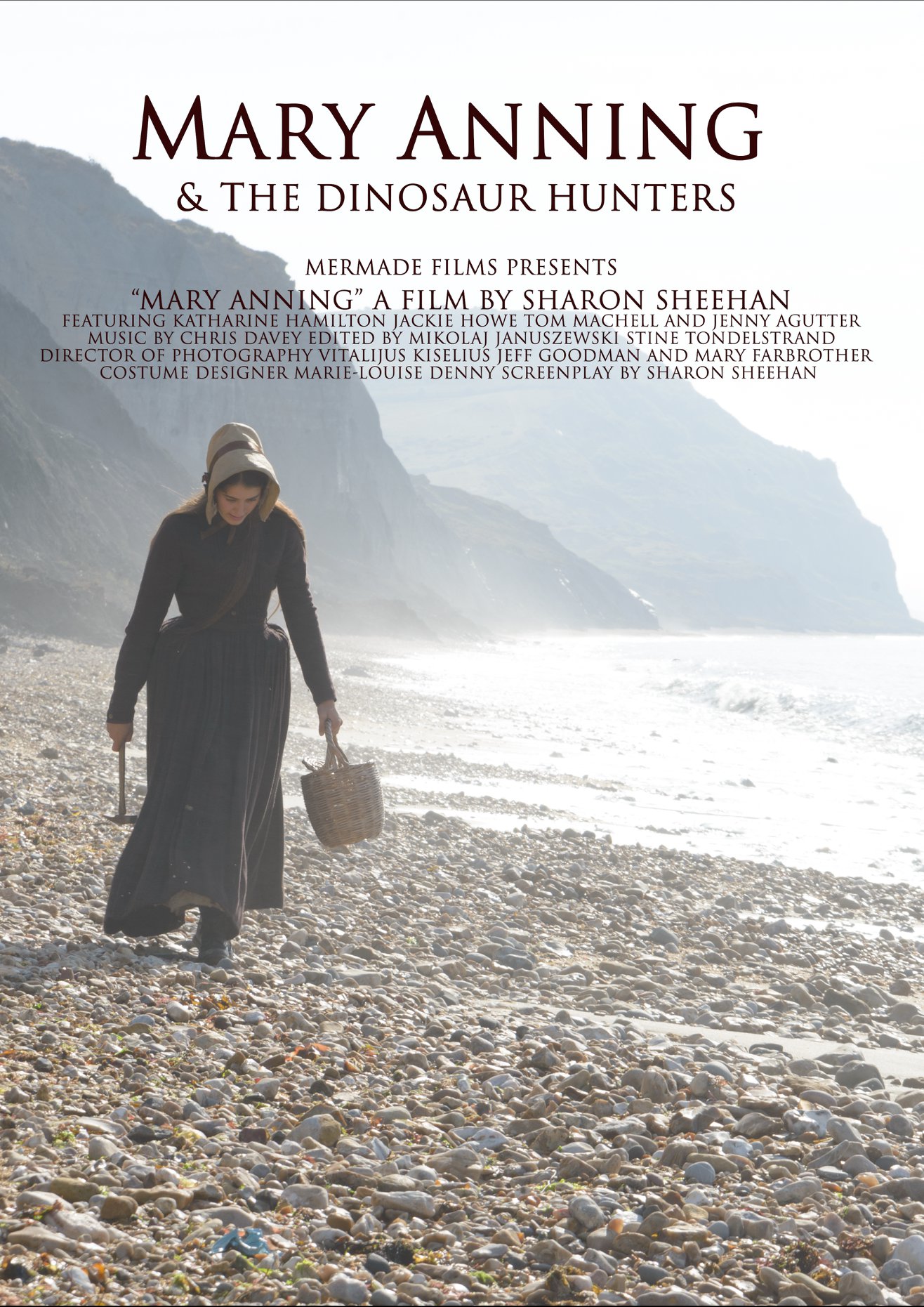
There is also the recent movie (2020) with Kate Winslet: Ammonite, which adds quite a bit to the historical record. And also the 2024 Mary Anning and the Dinosaur Hunters. Mary getting her just due finally!
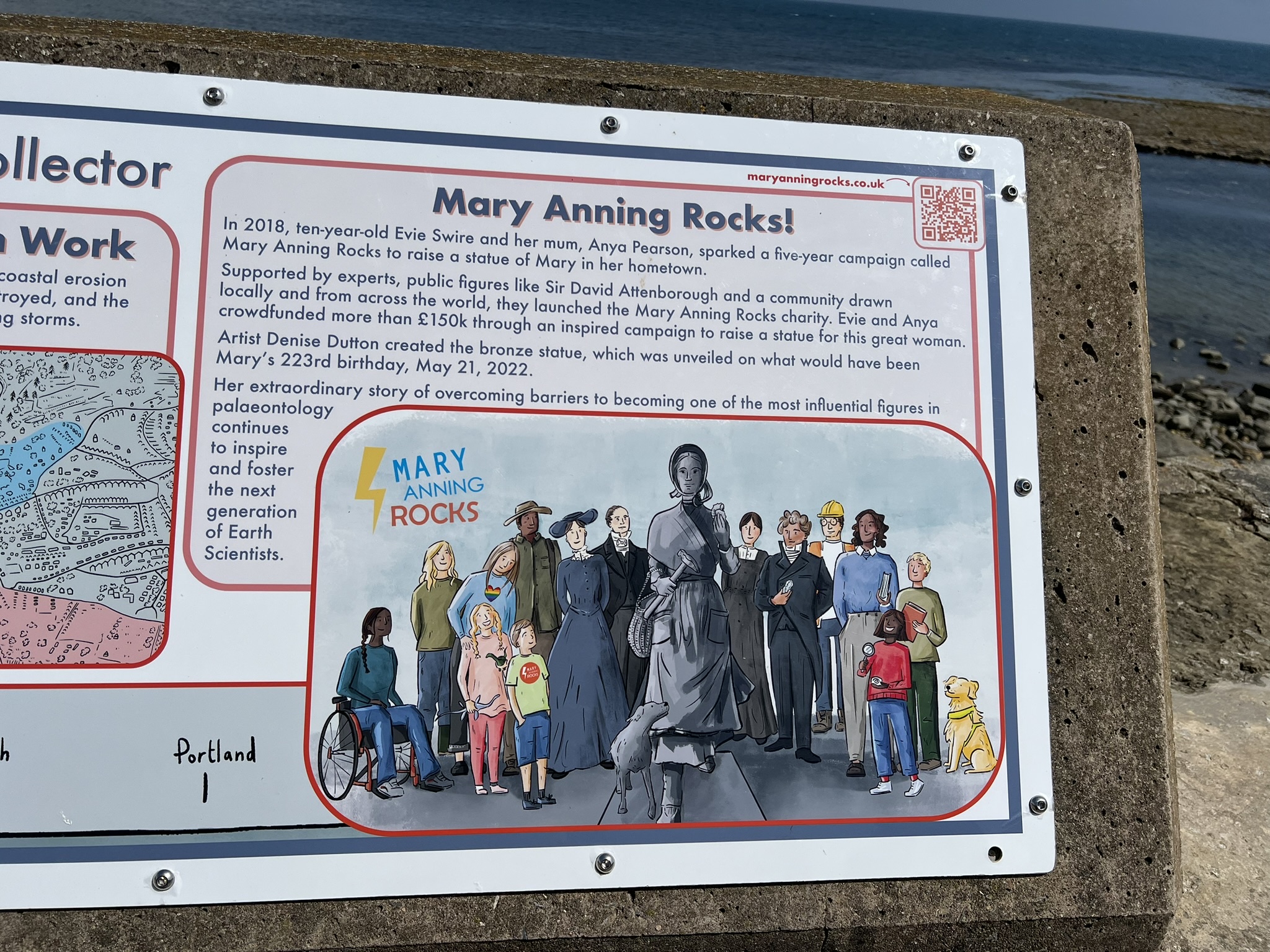
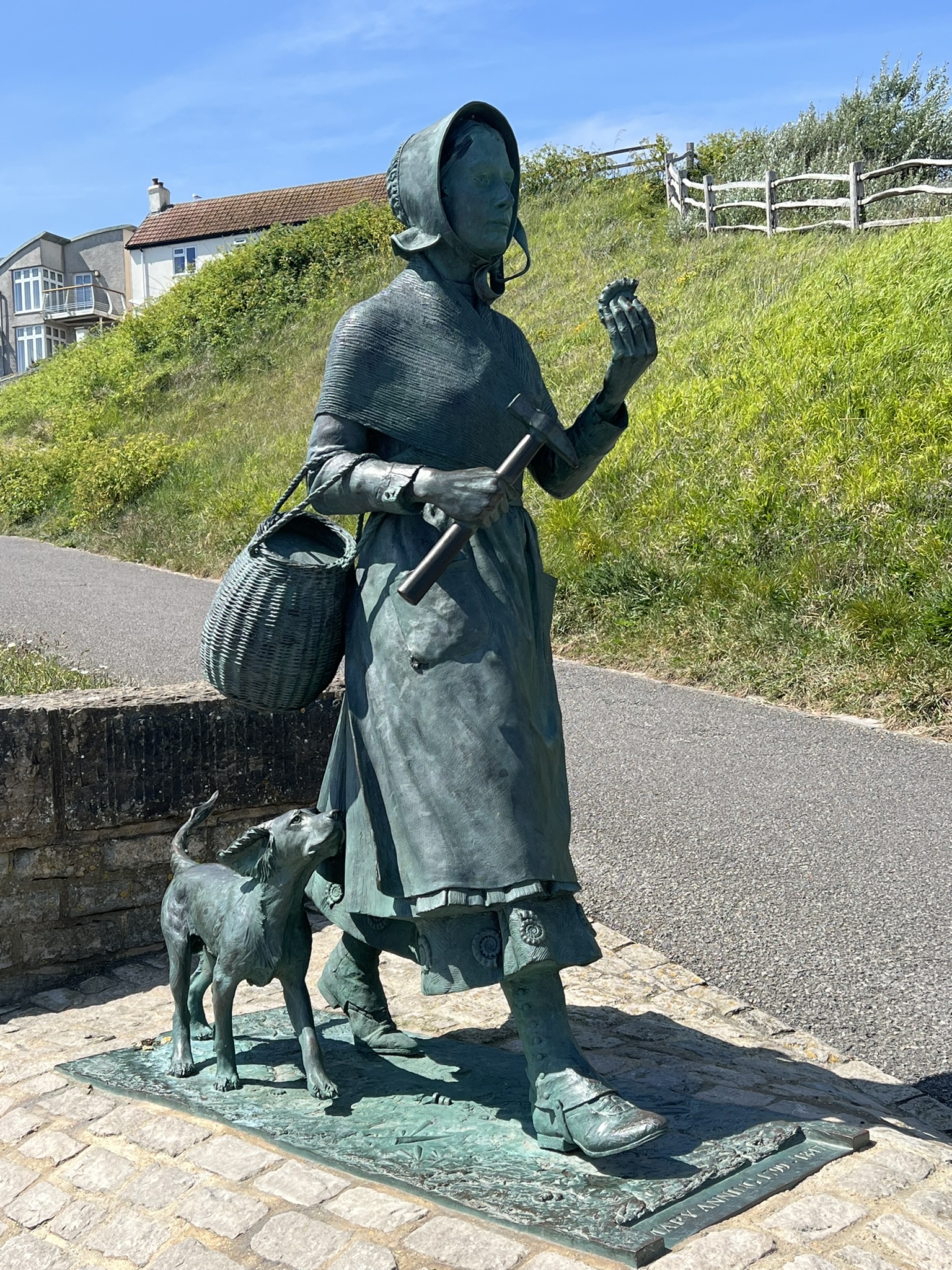
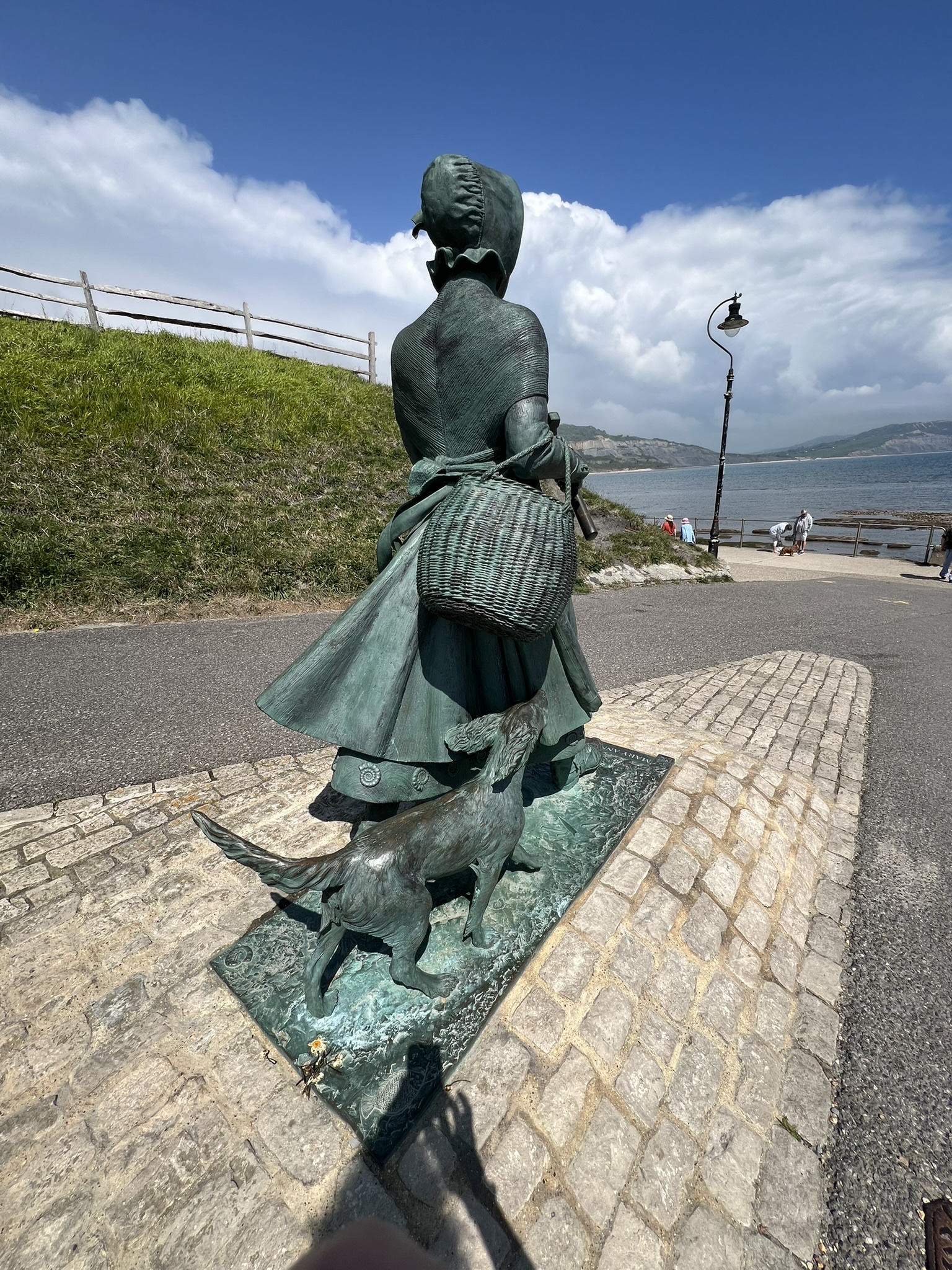
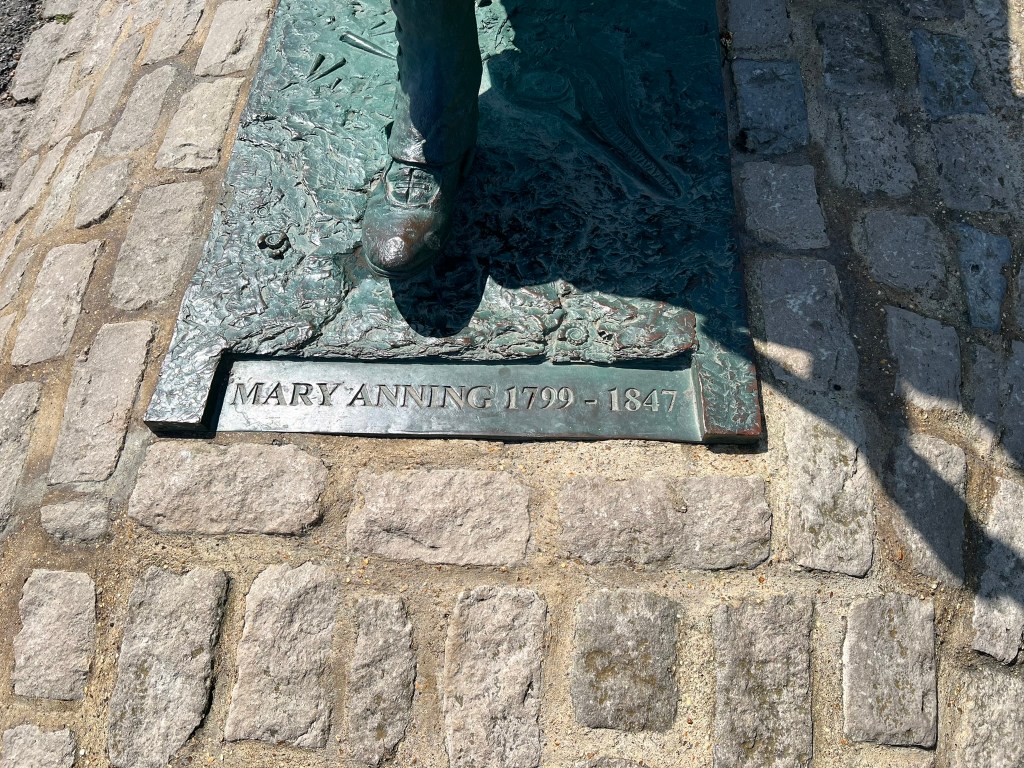
So, one of my main quests in our short visit to Lyme Regis was to see the Mary Anning statue, recently unveiled in 2022 – its creation a story in itself: a crowdfunding campaign called “Mary Anning Rocks” started by an 11-year old girl in Dorset – [did you know that 85% of the statues in the UK are of men??? Why am I not surprised…].
Designed by Denise Dutton, it is beautifully placed with a Mary in active pursuit looking out to sea with her dog in tow. It is quite lovely:
*****
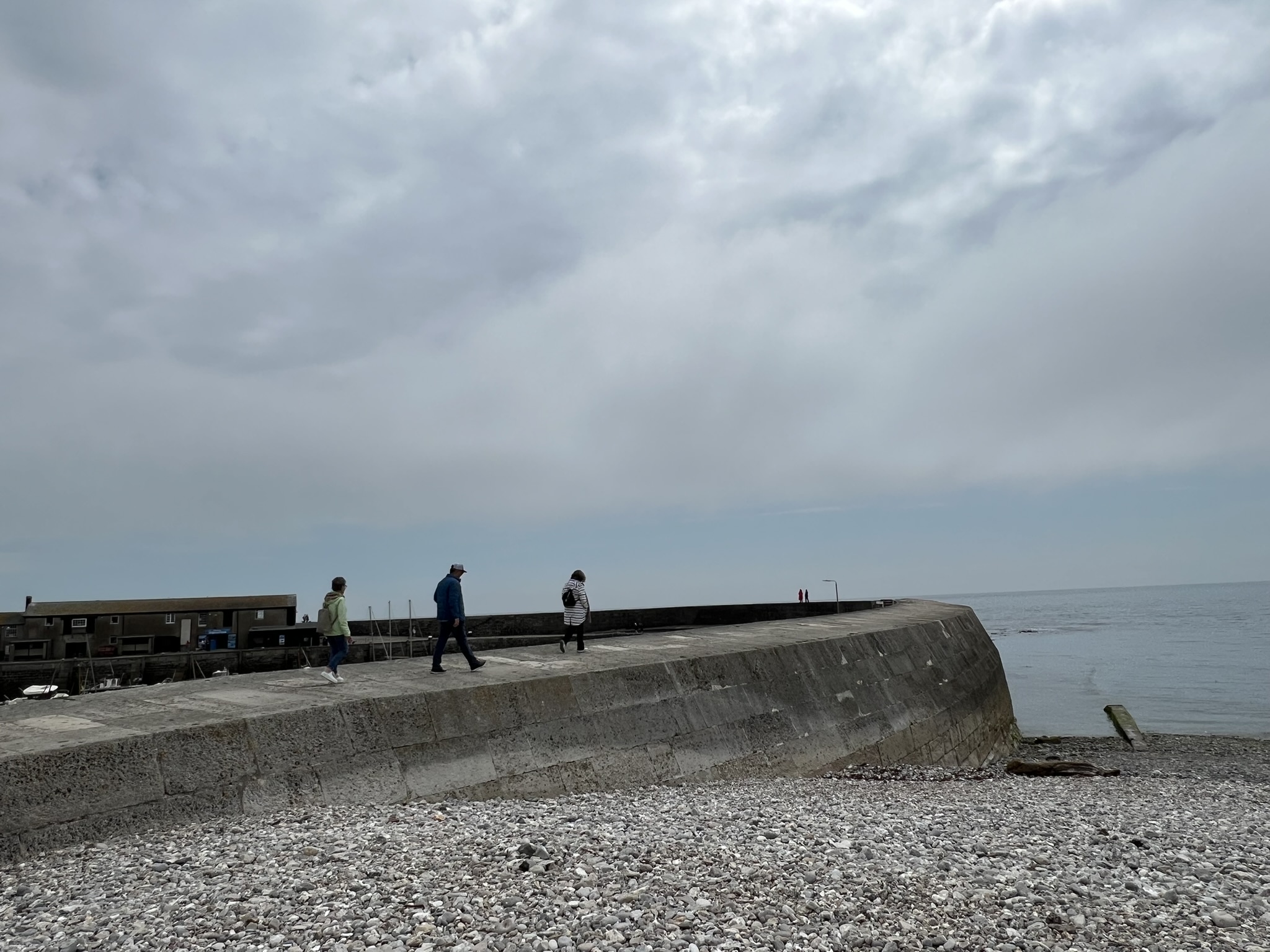
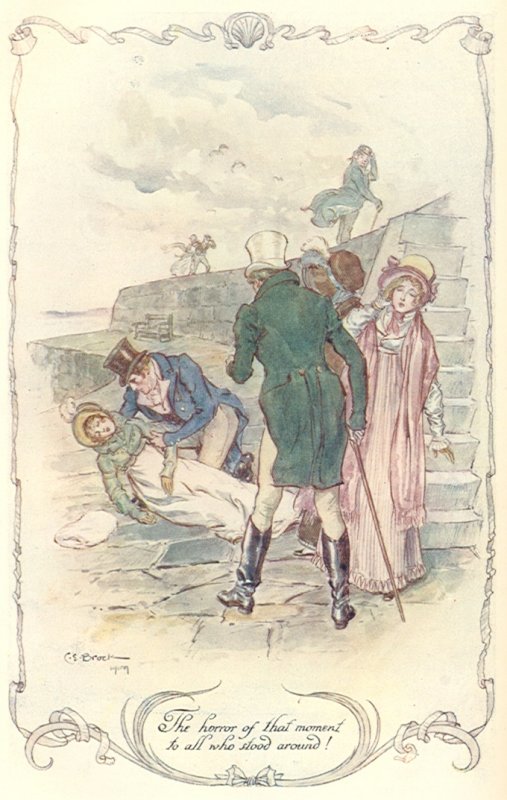
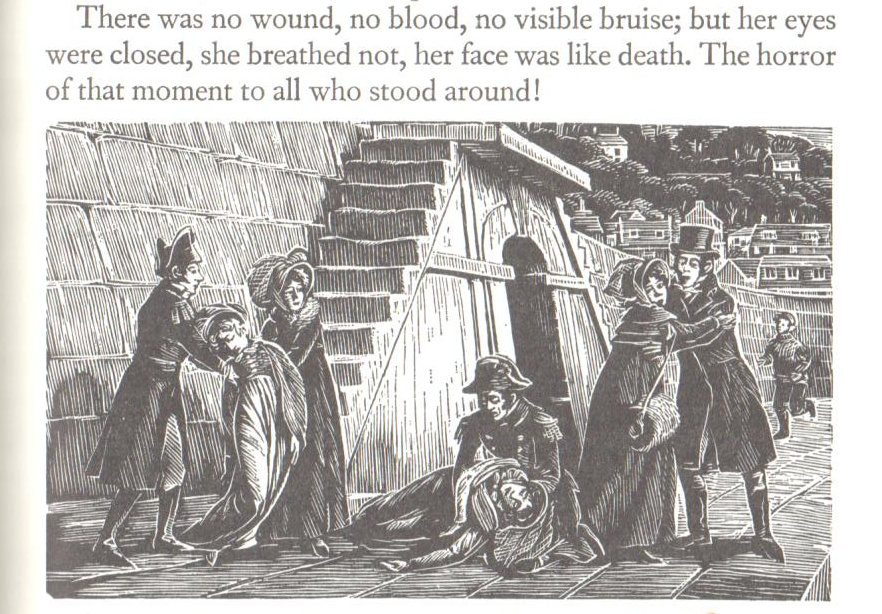
As for Jane here [and she is everywhere!]: we did a stroll on the Cobb – we listened to Marian [our tour manager] read the passage on Louisa Musgrove’s famous fall from the Cobb in Persuasion – we did this before attempting the treacherous Cobb itself as it was quite windy – we did not need a reenactment of anyone falling – especially as I have already noted that Wentworth was nowhere to be found…
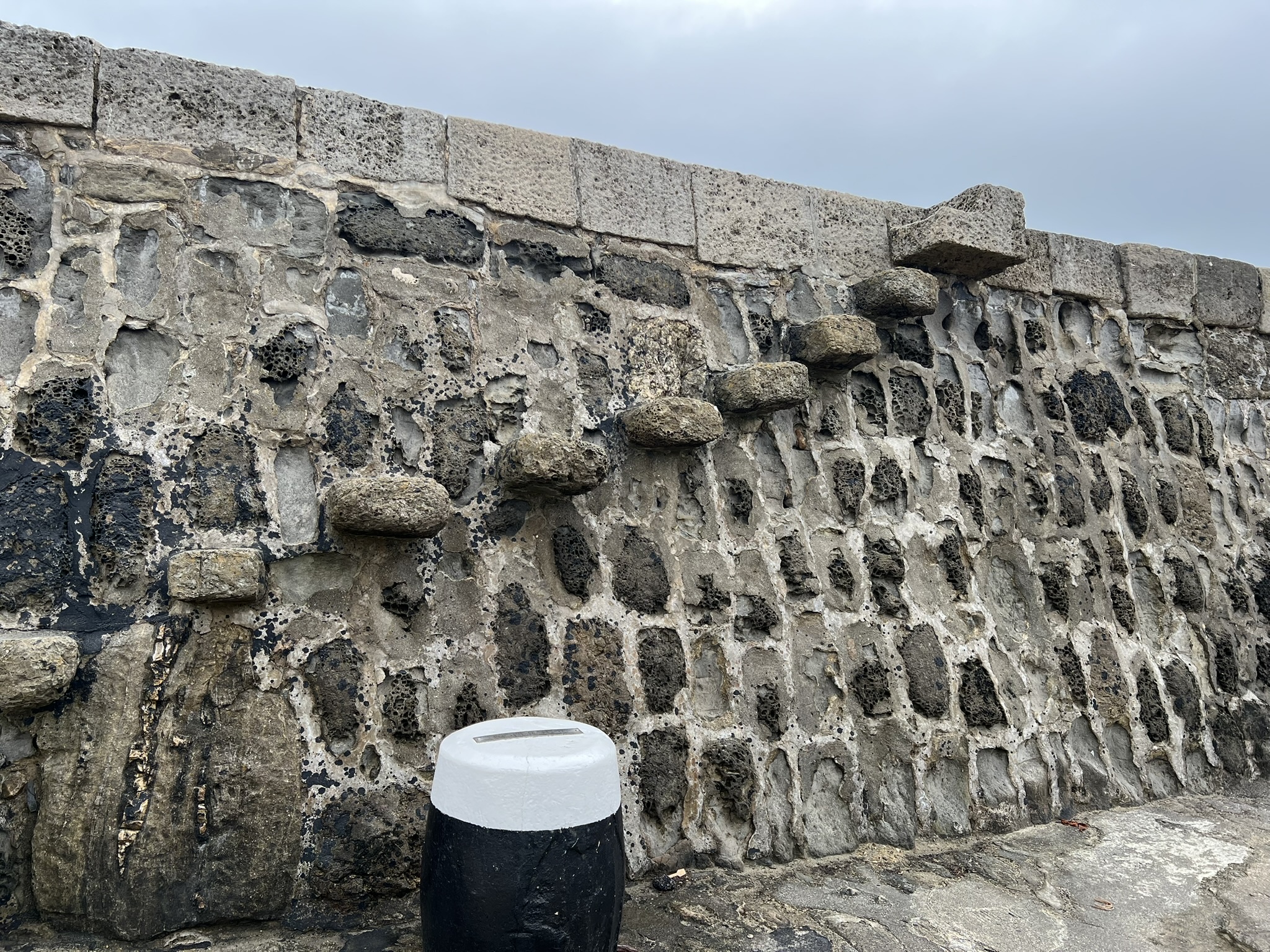
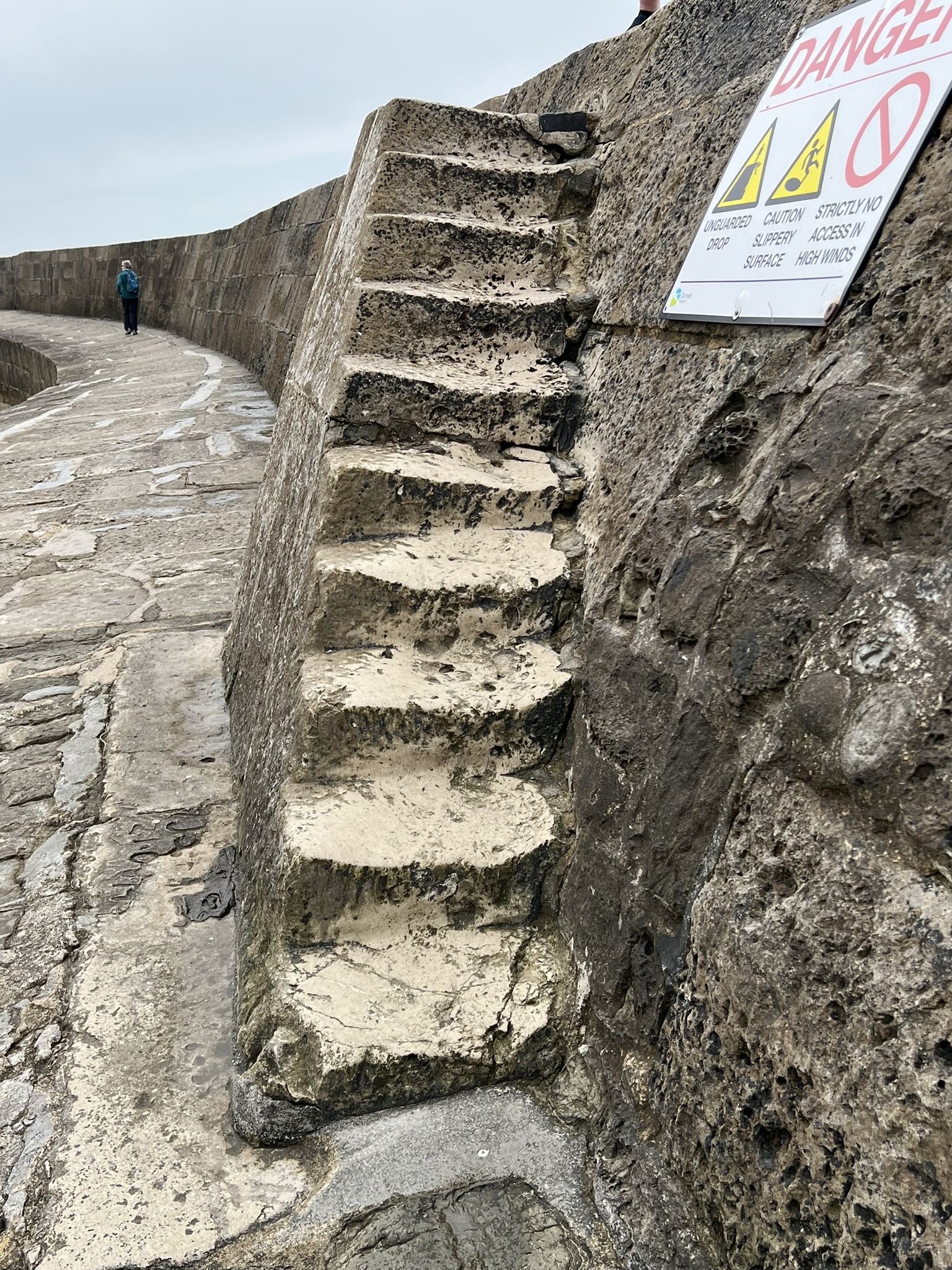
…and pictures do no justice to the extent of the slant on the Cobb – treacherous is too gentle a word…
Louisa’s fall is quite a tale, and it lives on in the imagination of us all, but none perhaps as renowned as these two:
Alfred Lord Tennyson visited Lyme primarily for its Austen sites, walking the nine miles from Bridport to Lyme on 23 August 1867—“led on to Lyme by the description of the place in Miss Austen’s Persuasion.” Arriving, Tennyson called on his friend Francis Palgrave, and “refusing all refreshment, he said at once, ‘Now take me to the Cobb, and show me the steps from which Louisa Musgrove fell.’
Charles Darwin’s son Francis expounded a good deal on the actual location wondering how a strong man such as the Captain could have entirely failed to catch her – he hypothesizes that Wentworth slipped, as he did himself: “I quite suddenly and inexplicably fell down. The same thing happened to a friend on the same spot, and we concluded that in the surprisingly slippery character of the surface lies the explanation of the accident.” (see Peter Graham, “Why Lyme Regis?” Persuasions 26 (2004): https://jasna.org/publications-2/persuasions/no26/graham/ )
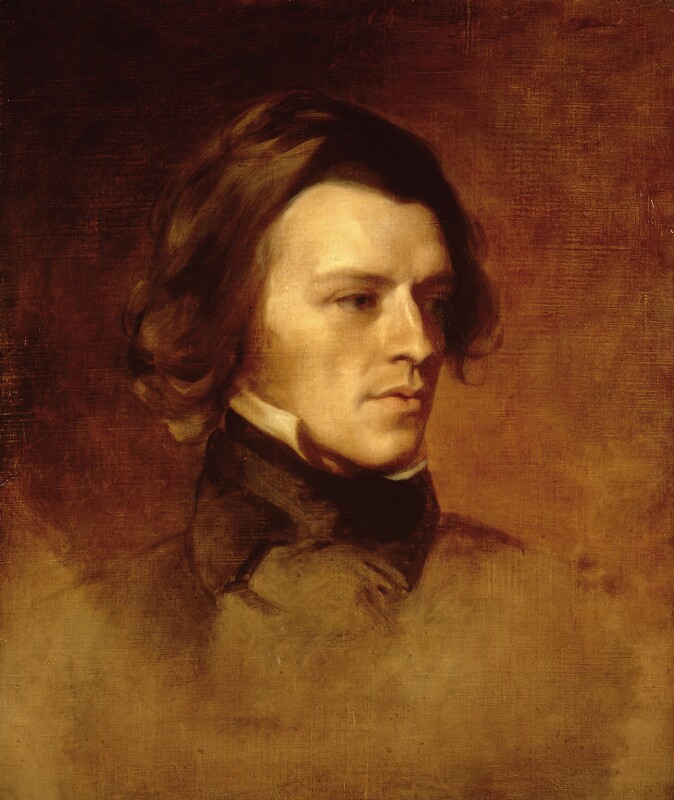
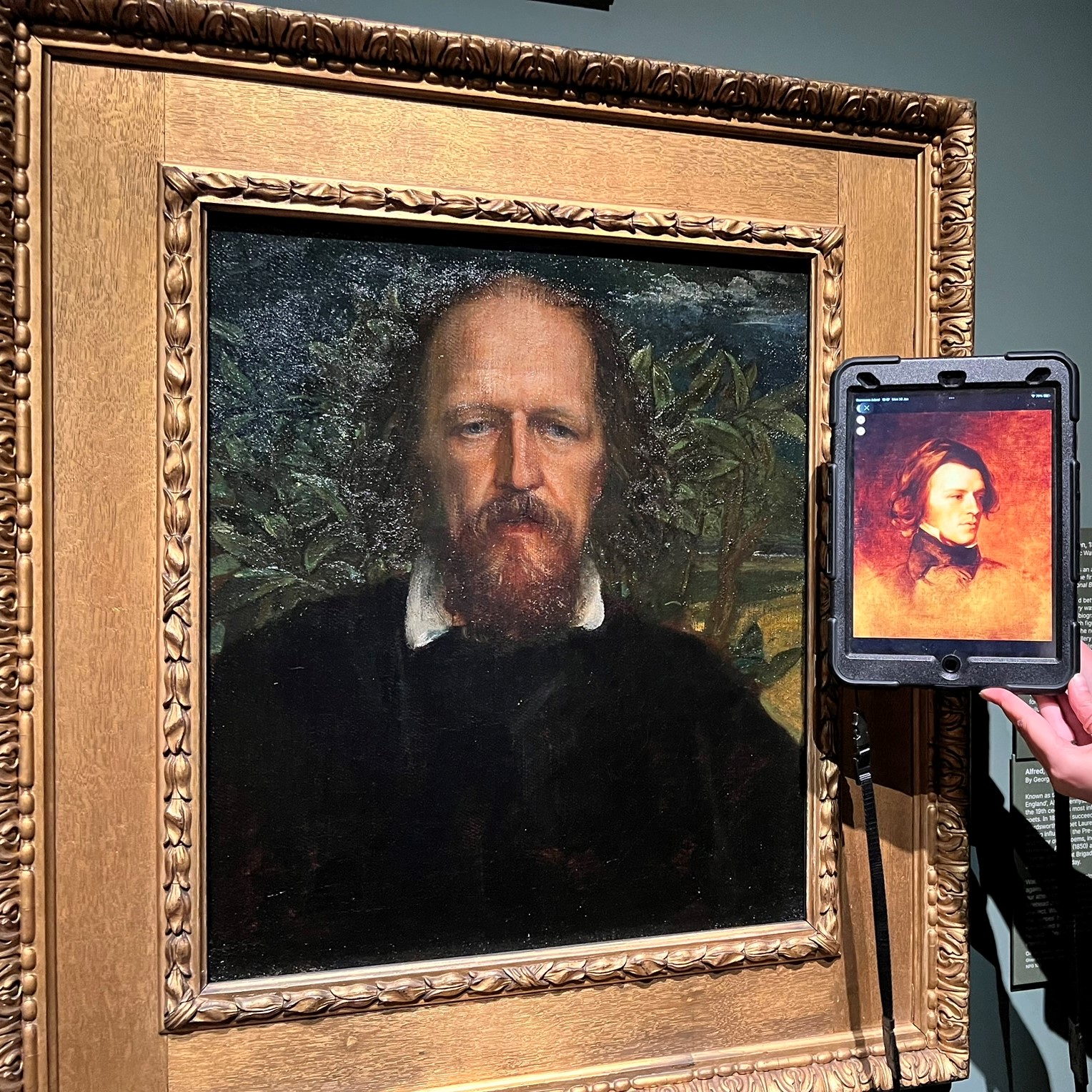
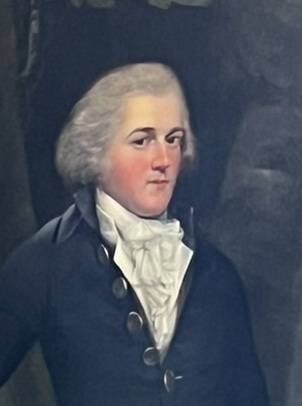
[This portrait at the NPG of a young quite-to-die-for Tennyson is no longer on display – here is the one there now – a shock to discover this when I just returned to London again last week and finally got to the renovated NPG:
I told the guard, here holding the earlier painting on her ipad, that she must speak to the powers that be and get young Tennyson back on view!]
But, back to the steps – the confusion continues as to which steps Louisa actually jumped from – “granny’s teeth” on the left being the most decided upon: but another treacherous walking adventure on the Cobb… two of my photos:
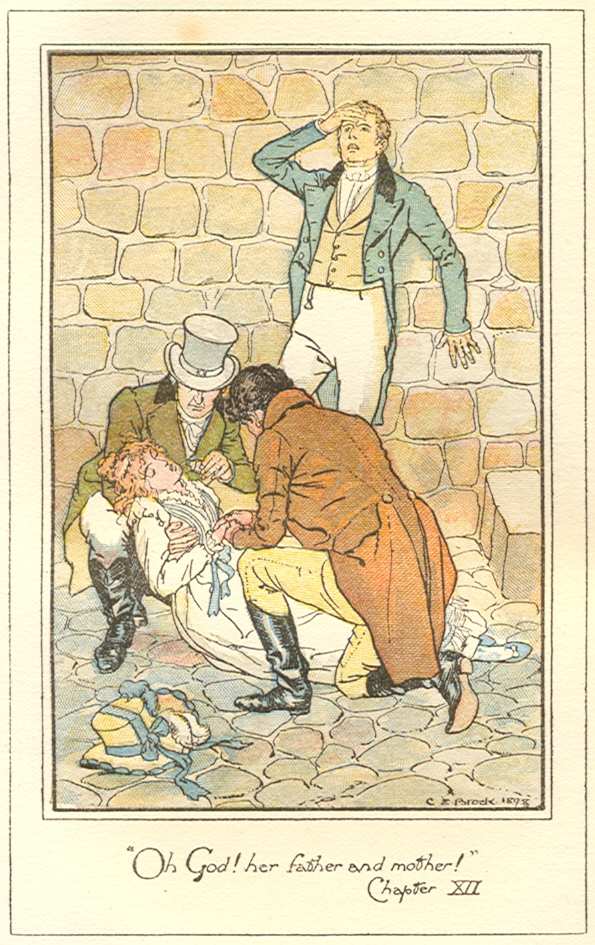
Illustrators of Austen’s Persuasion went wild with this scene, showing both options in their drawings: do you show her jumping?, or lying “lifeless” on the ground, Wentworth pleading “Is there no one to help me?” – here are just a few:
C. E. Brock – Dent, 1898 / Dent, 1909
Hugh Thomson – Macmillan, 1897
Joan Hassall – Folio Society, 1975, shows Henrietta in a swoon: “nay, two dead young ladies”!
Niroot Puttapipat – Folio Society, 2007, gives us an action image “I am determined I will” – perfect!
and the 1995 film of Persuasion is also perfect – the first jump when Wentworth catches her…:
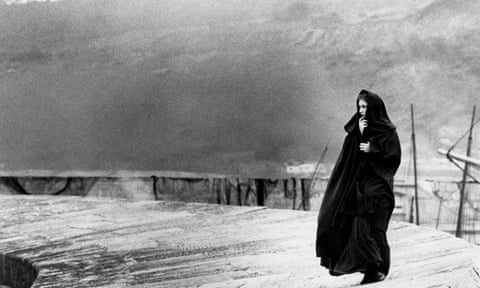
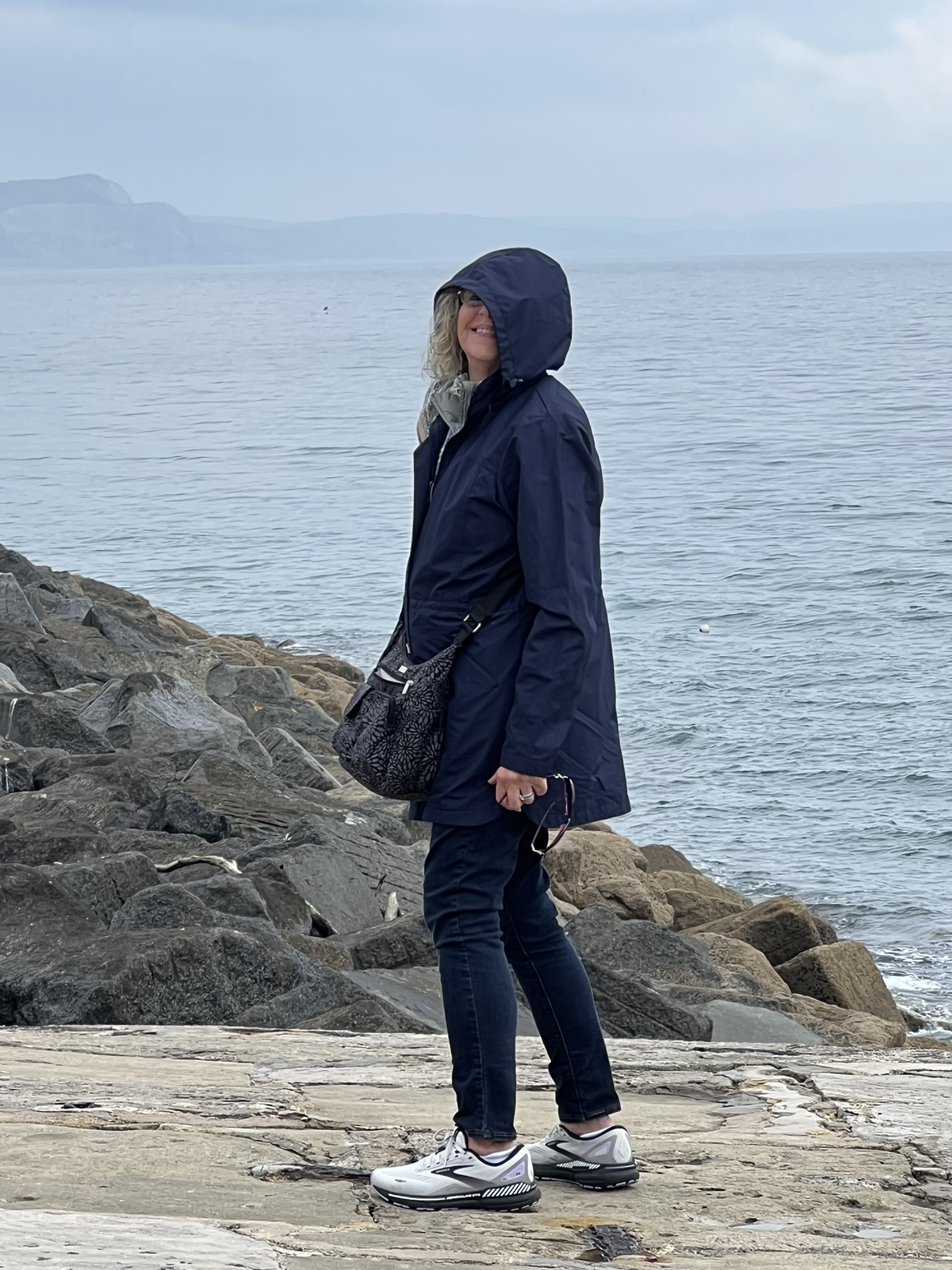
Despite all these dire images in our heads, Joy and I bravely trekked along the Cobb, and here as you can see I am channeling Meryl Streep in The French Lieutenant’s Woman – but again, no Jeremy Irons in sight to rescue me…a precarious place this Cobb…
Then we walked around town in our limited time here, in pursuit of the Anning statue, had lunch at a delightful restaurant, Rock Point, sitting outside on this now sunny day [still hazy…]
– and found that the Lyme Regis Museum was closed on Mondays so we were unable to see much of the local history: info here on the Museum
– we did just pass by the place where there is a Jane Austen Garden, but her stone bust disappeared a number of years ago, never to be seen again… sort of like the paintings in the Isabella Stewart Gardner Museum – I didn’t take any photos sorry to say, but here is one from their website:
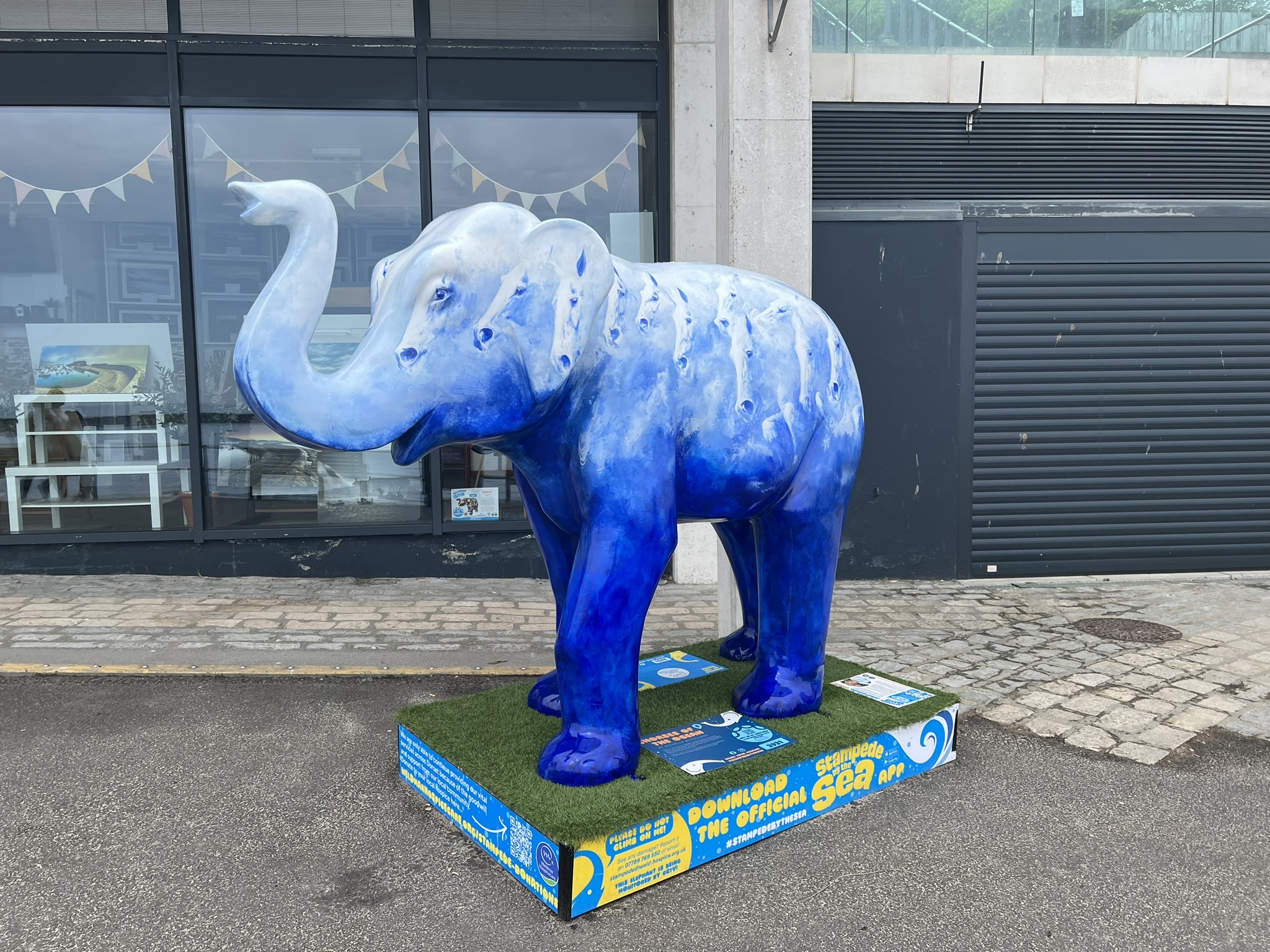
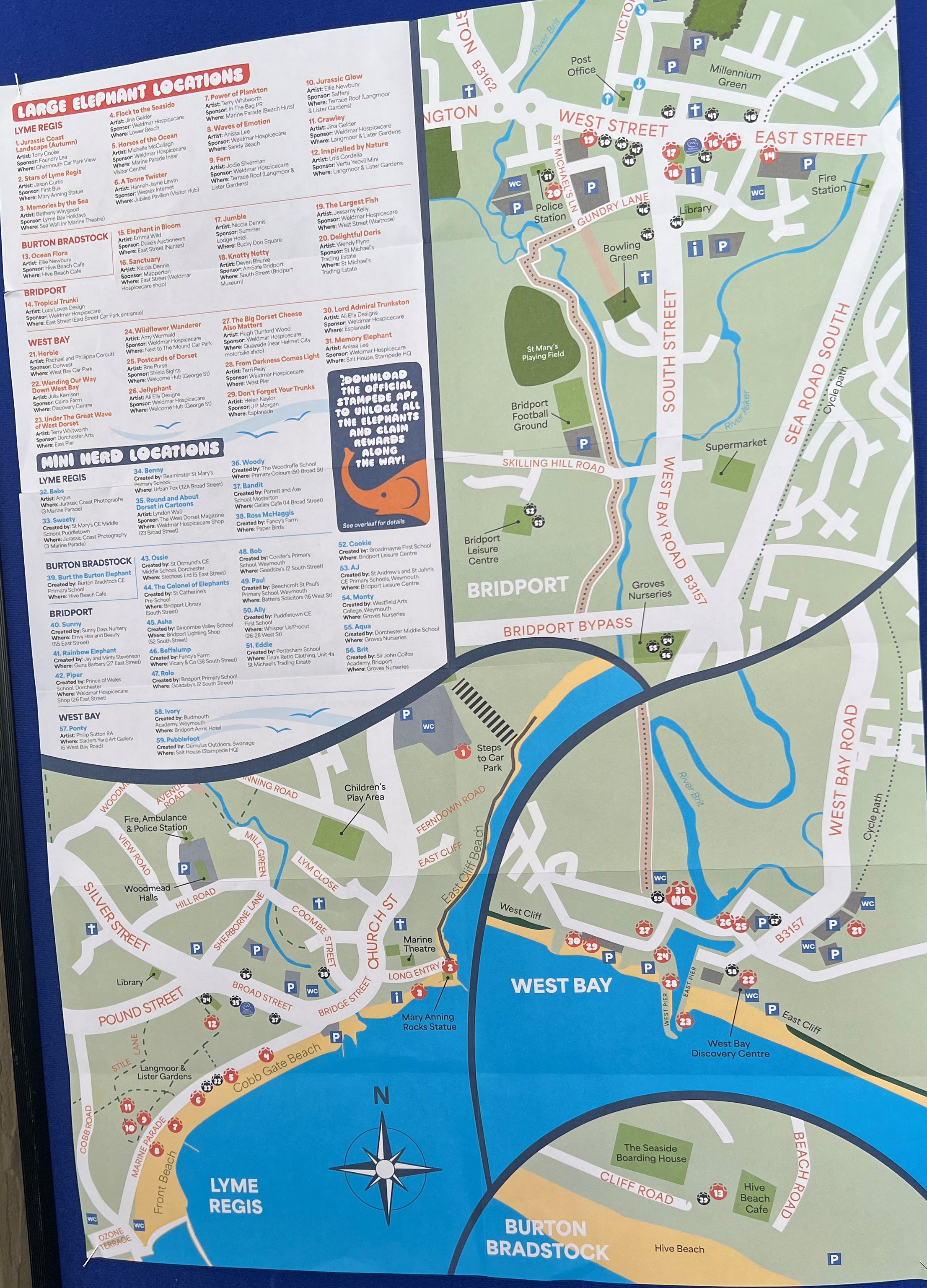
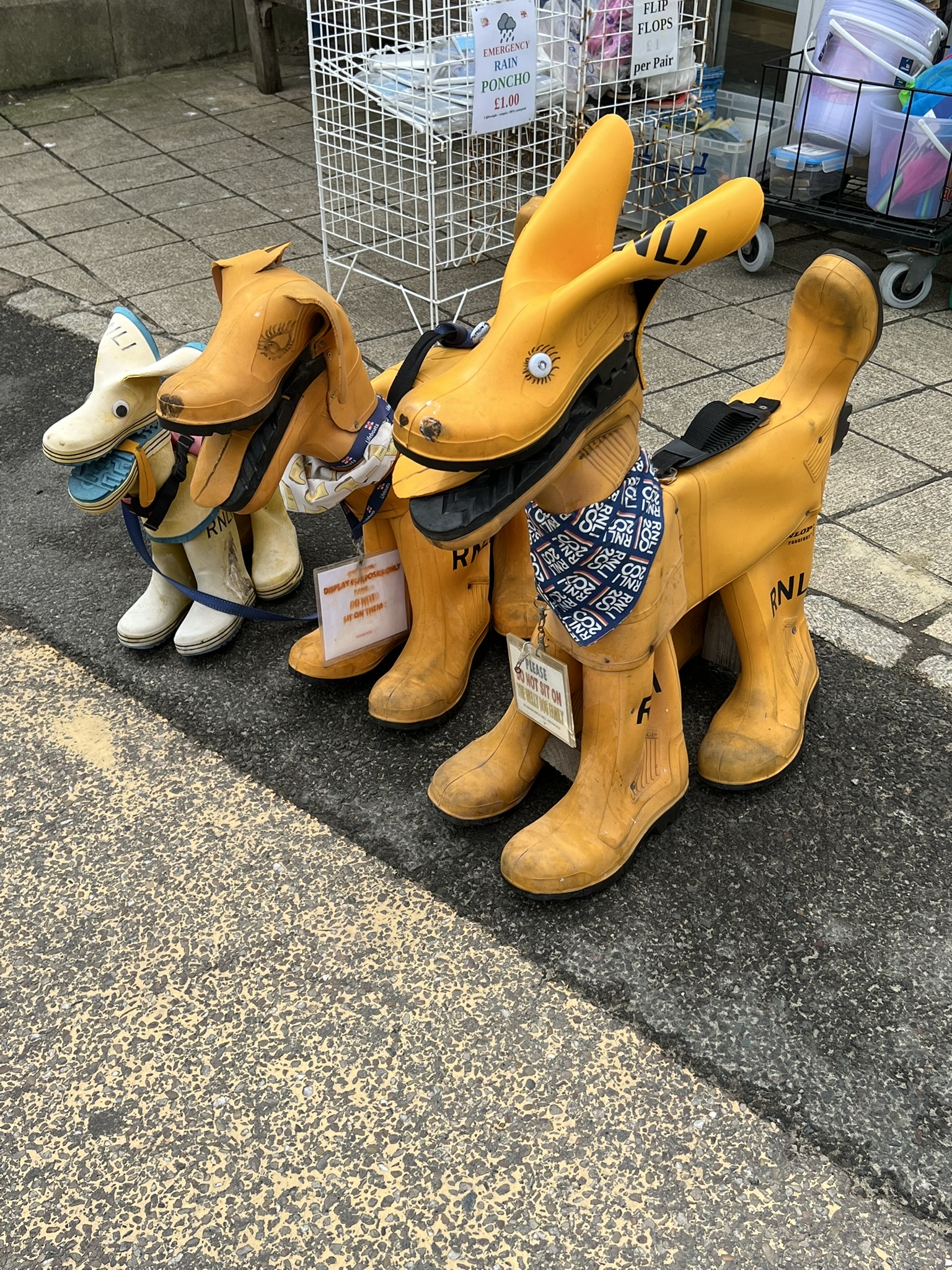
Also of interest walking around town is the current Stampede by the Sea – a collection of decorated painted elephants auctioned off for a charity event – you can find them all here on the map below, but here are two that captured my imagination: [look closely at this first one – what do you see??]
Map of all these hefty fellows about town – it is quite the fundraiser:
a farewell to Lyme Regis…the Cliffs just appearing…
************
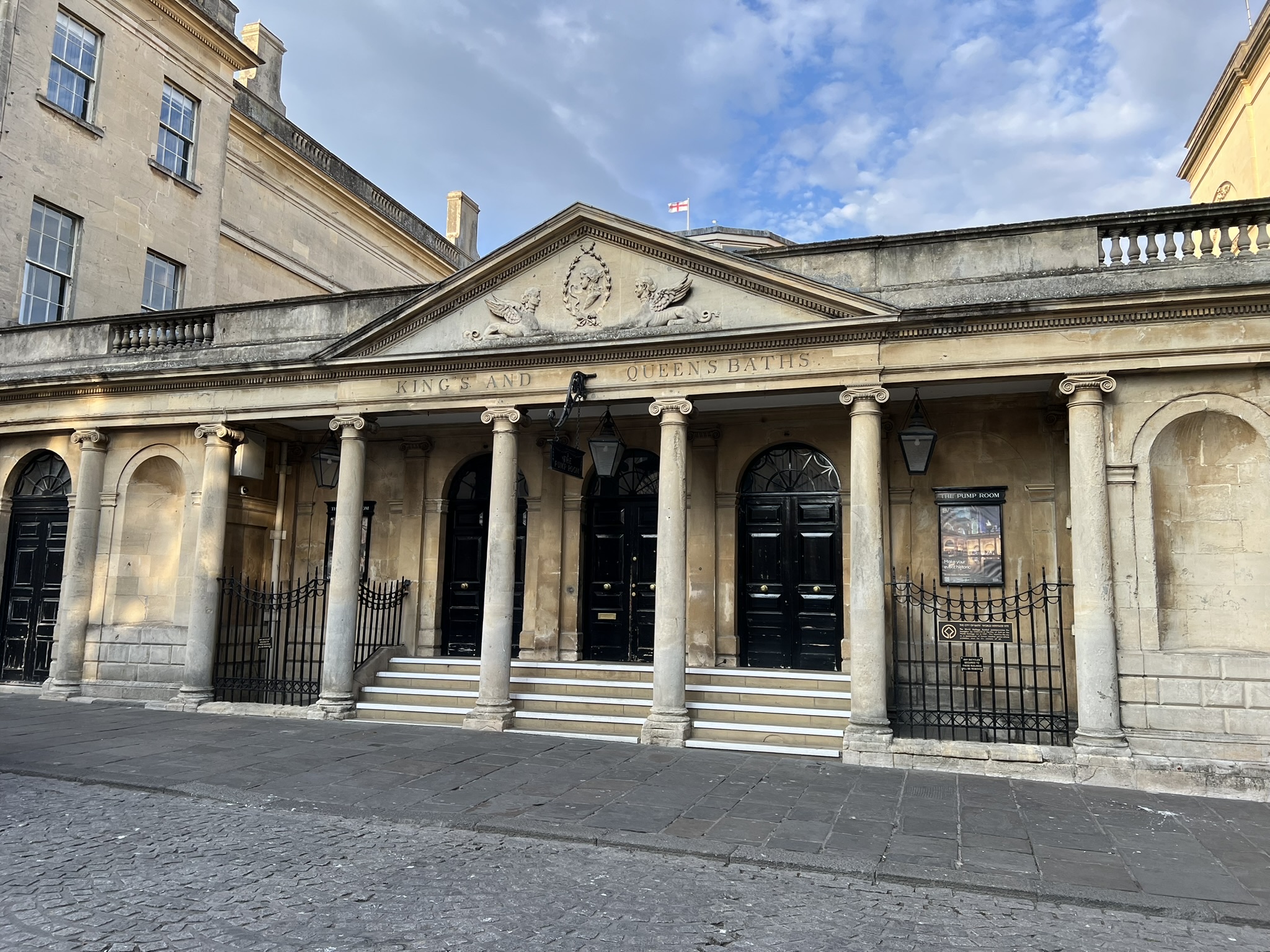
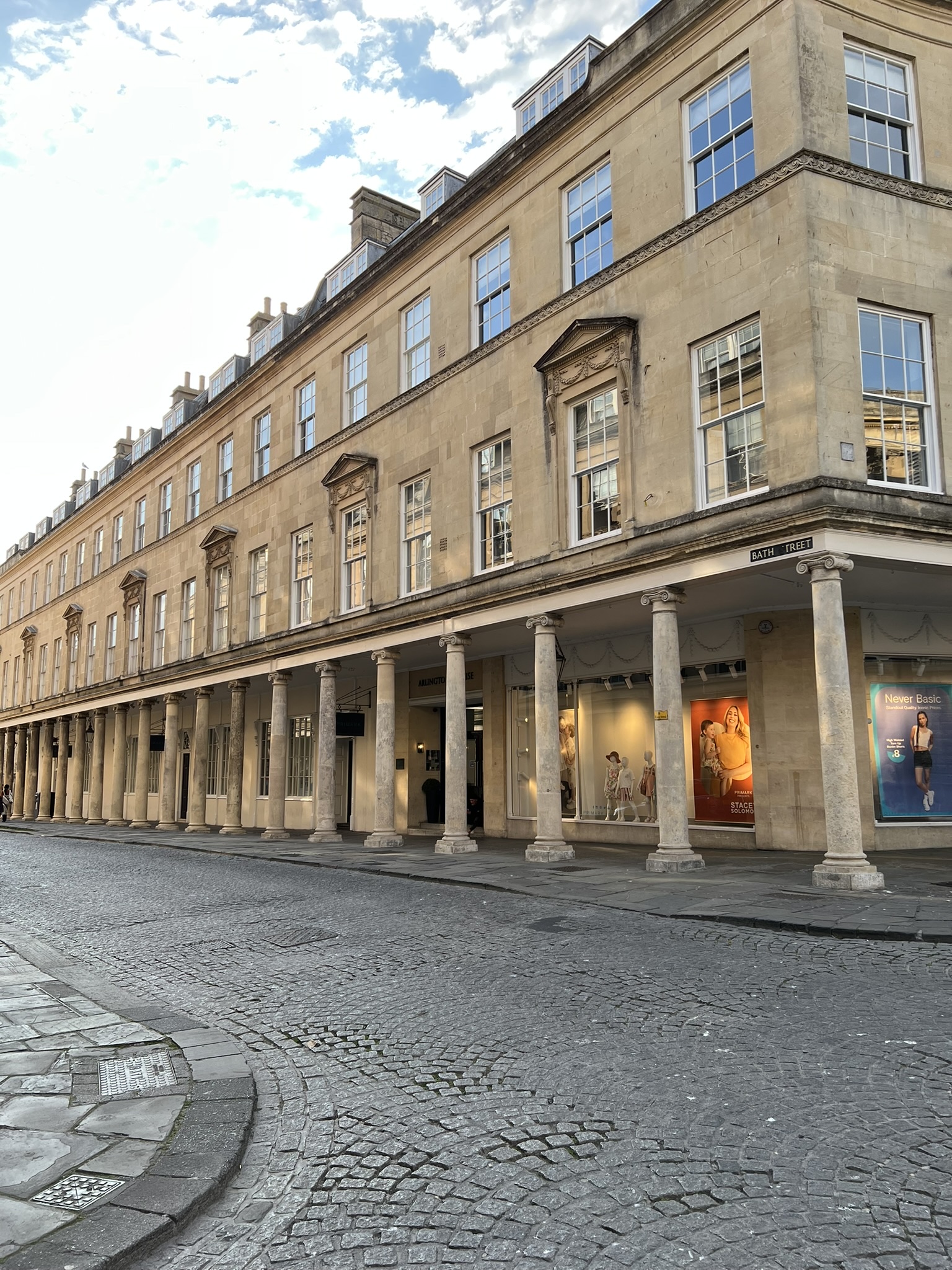
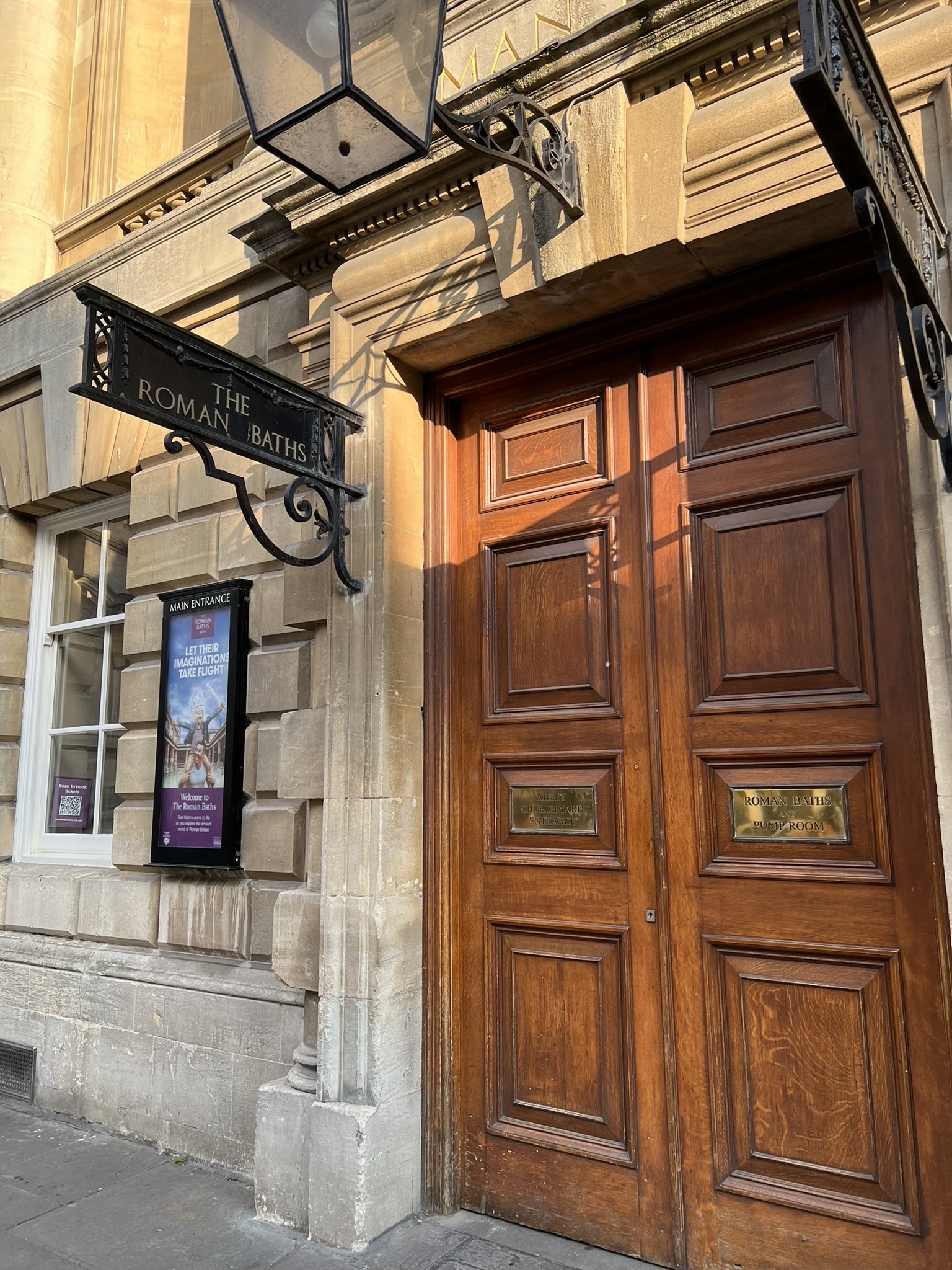
Then, back on the bus to head to Bath, home to some of the finest architecture in England, as well as a home to Jane Austen for several years, and as a plot-solving location in her book-end novels Northanger Abbey and Persuasion.
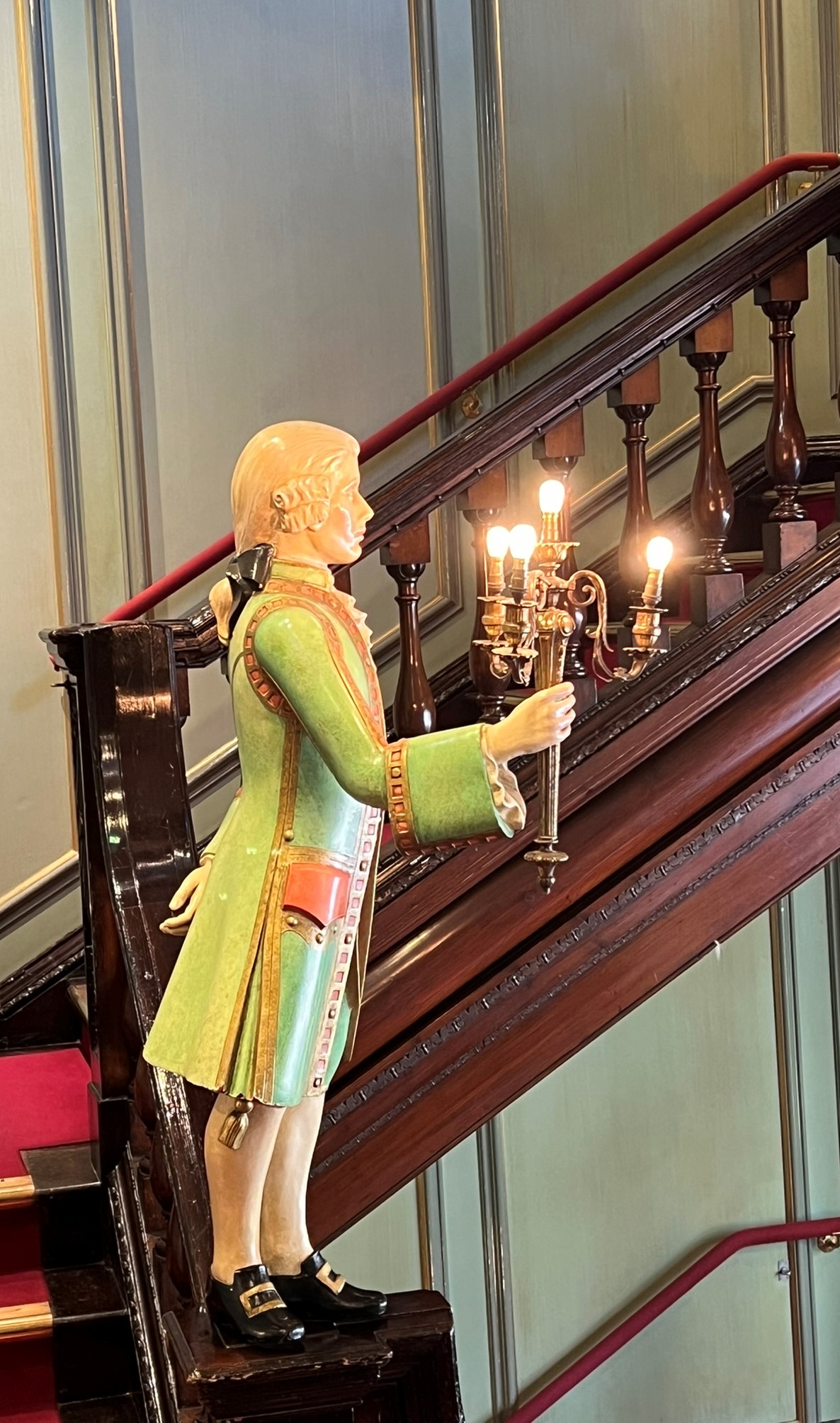
A very proper waistcoat on our “butler”…
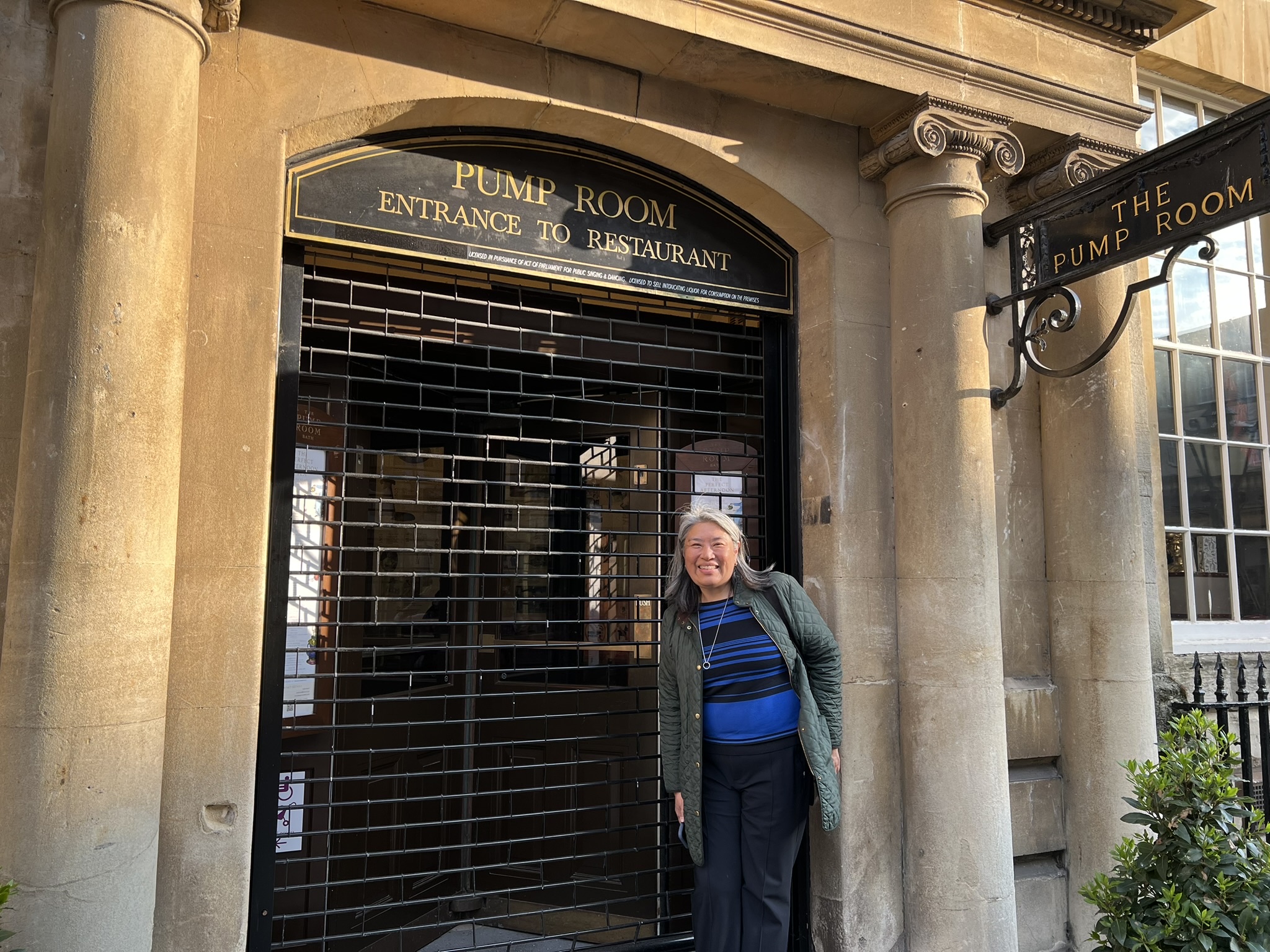
After settling into our room at the Hotel Indigo, perfectly located right downtown, Joy and I took a stroll around the places familiar to us and all the set locations for the various Austen films – a delightful walk as few people were around and most of the stores were closed, excepting our favorite Topping & Company Booksellers:
“Oh! what a Henry!…”
Dinner at the hotel restaurant to end a very full day, well-spent of course – Bath adventures will fill our next few days, can’t wait…
Where oh where do I begin to tell of this joyous day? All places I have been before, but more engaging touring about with a group of like-minded people, and the chance to see so much more behind the scenes…
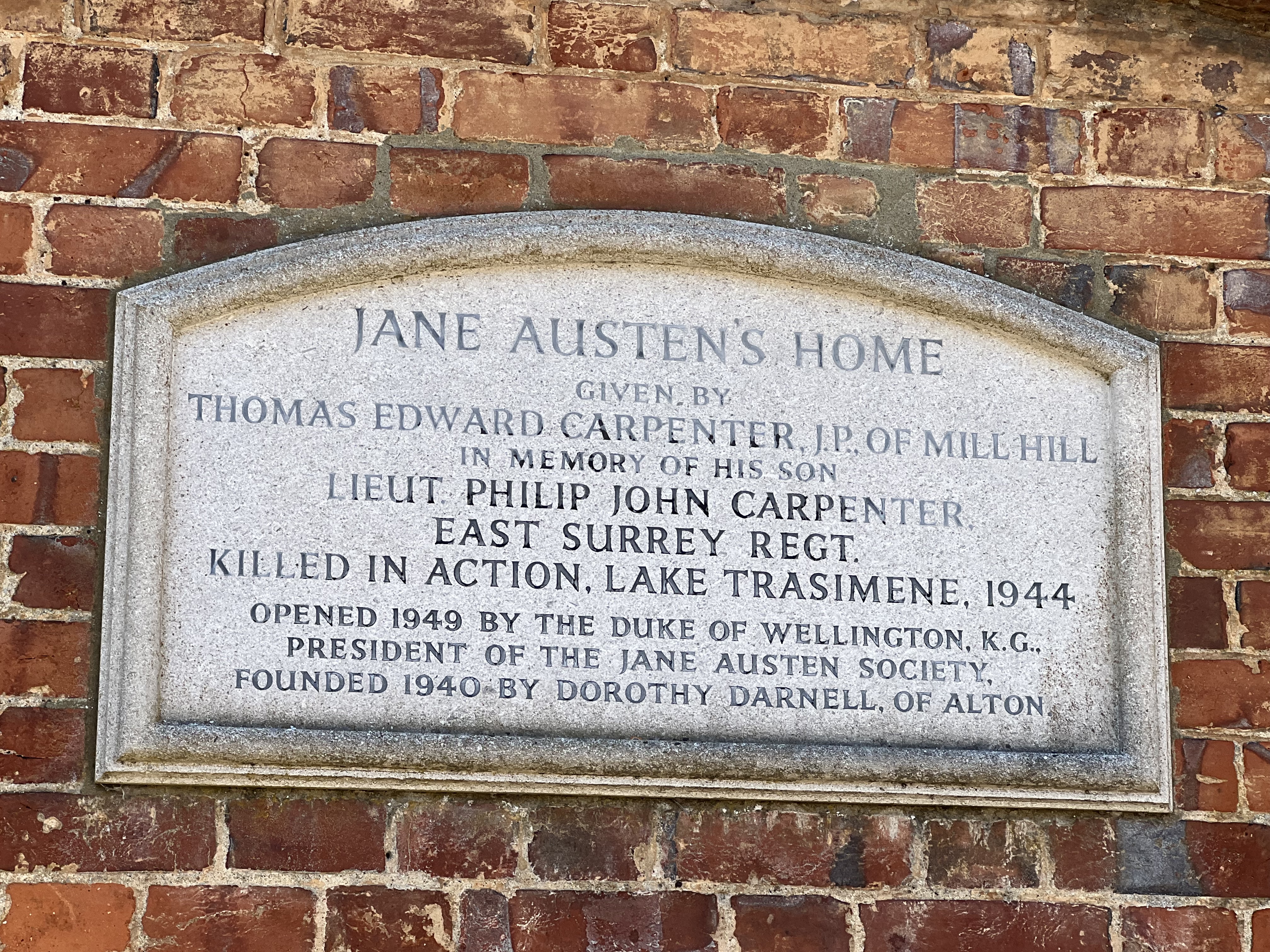
We are today off from our Winchester hotel to Chawton – and there to see the two most important sites having to do with Jane Austen: Chawton House and the Jane Austen House Museum.
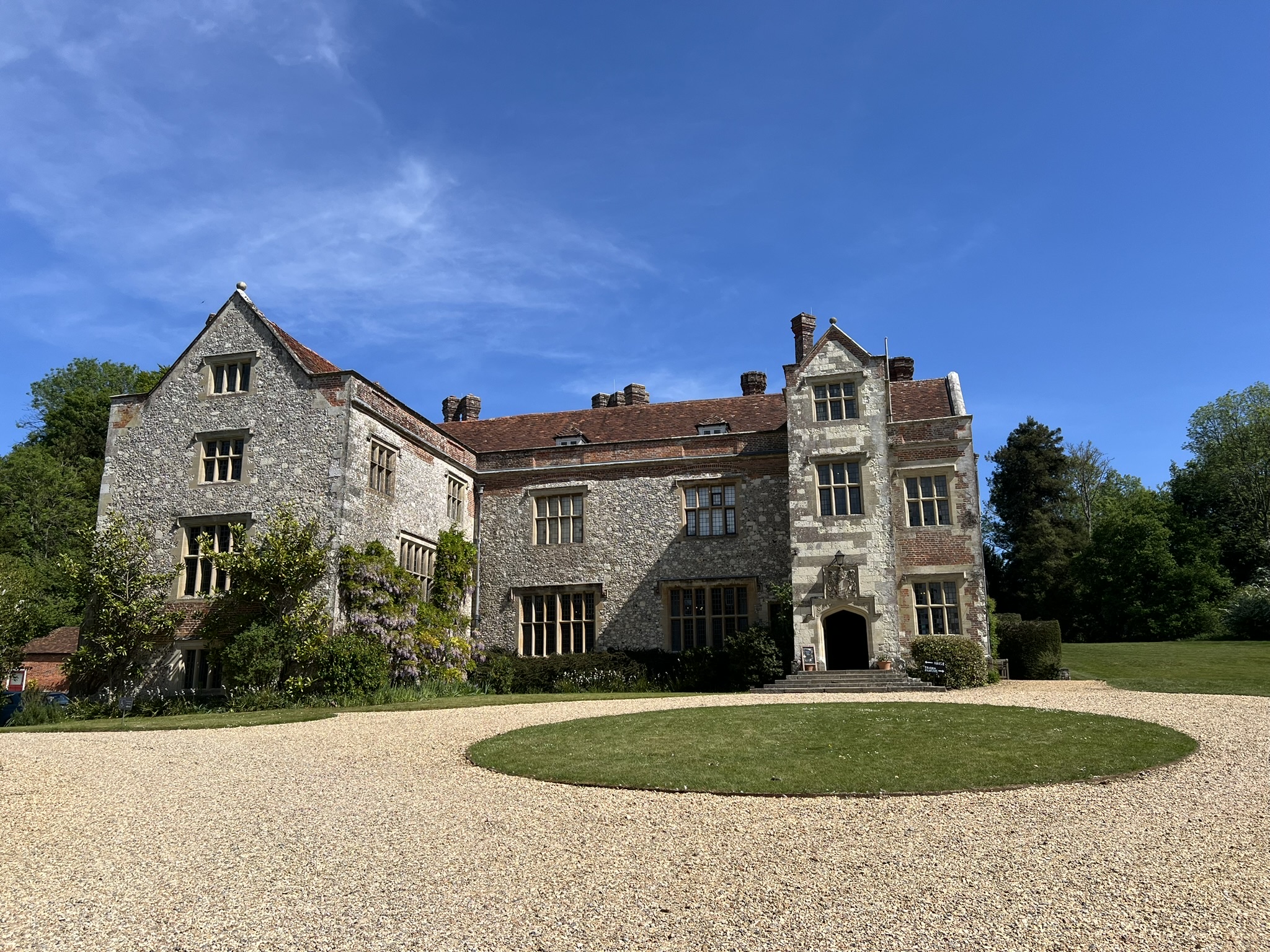
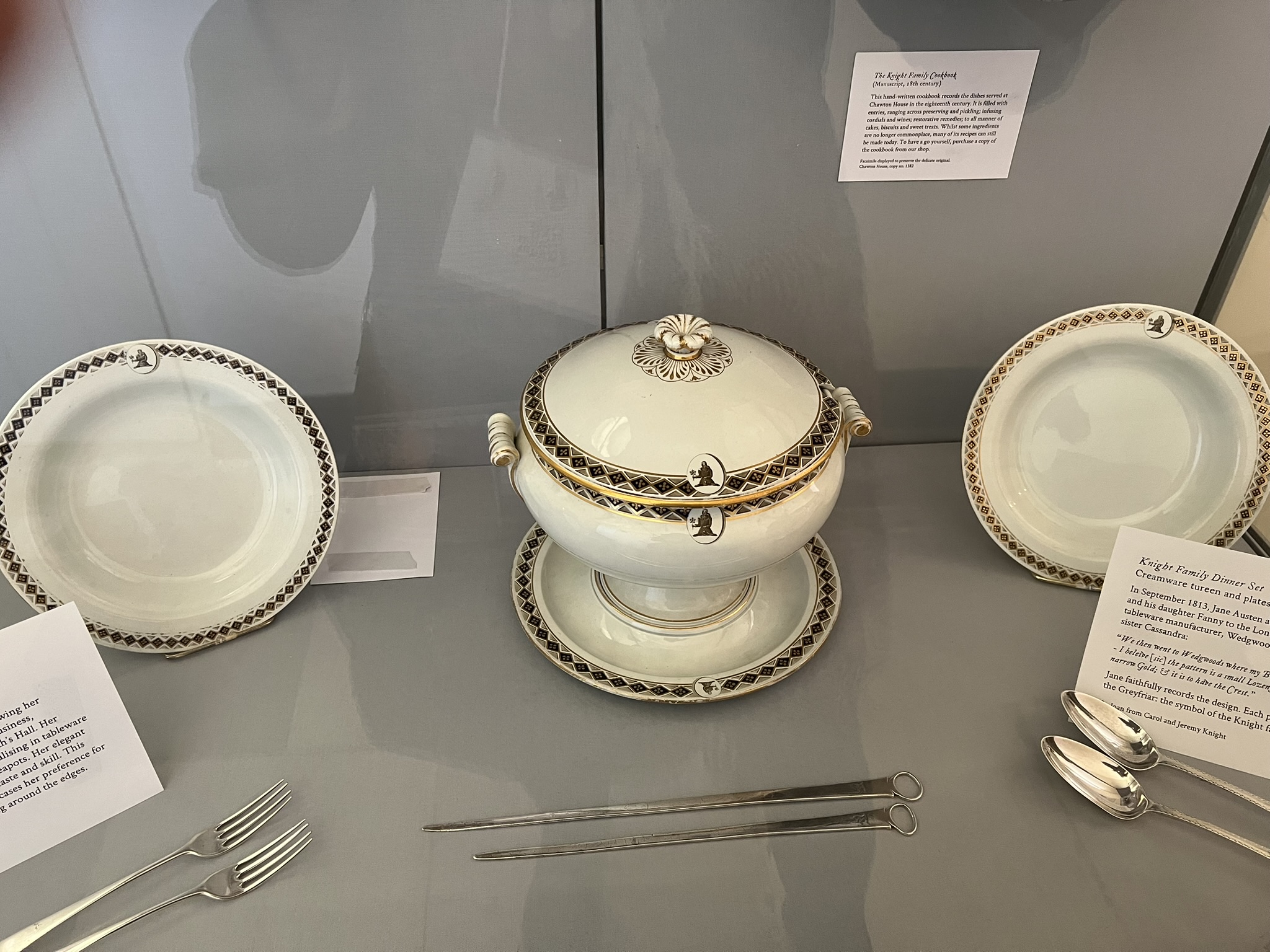
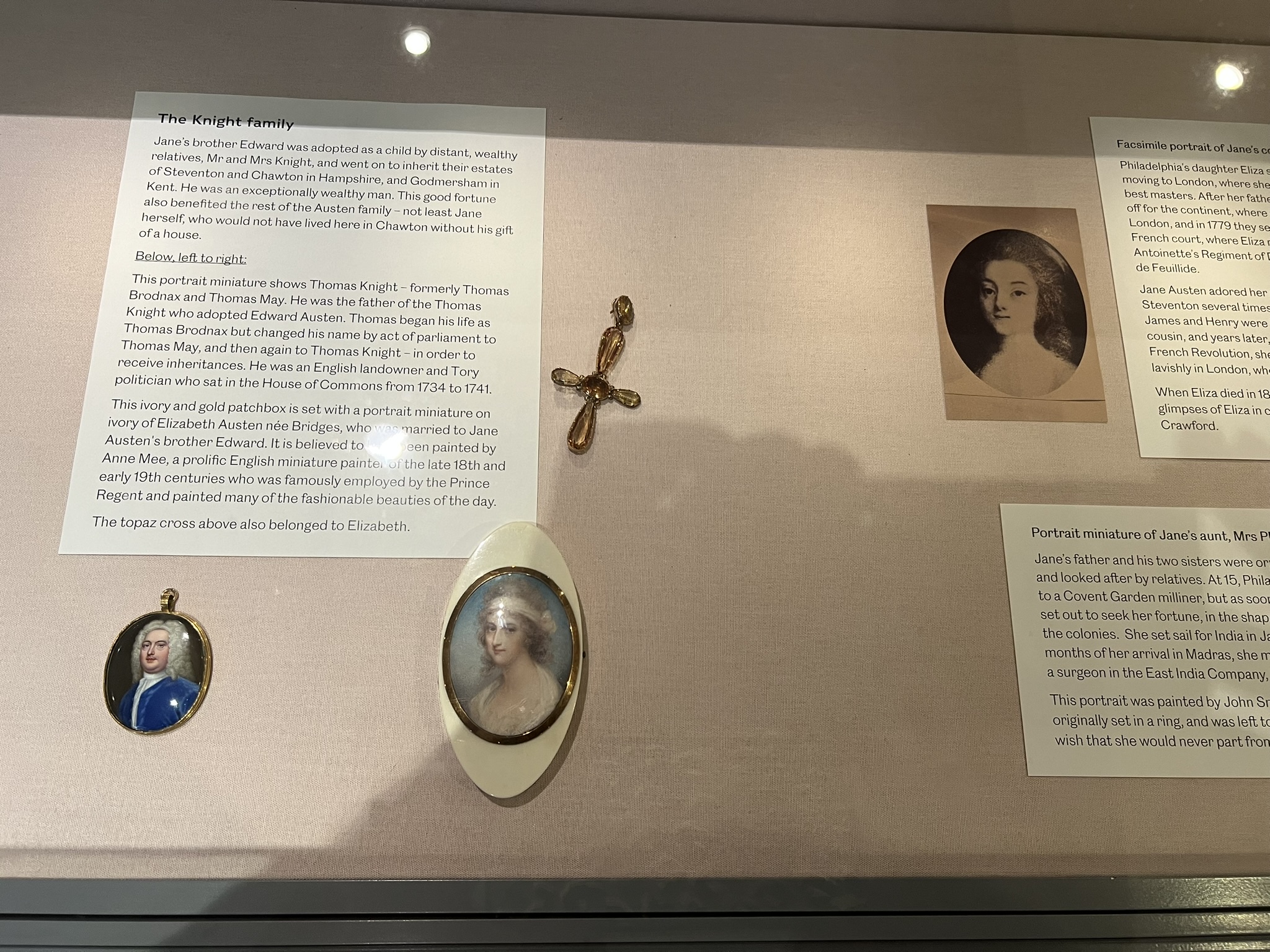
Chawton House is an Elizabethan manor house still in the Knight family, owned by Edward Austen Knight, Jane Austen’s brother. Edward was adopted by the Knight family and he inherited three estates: Steventon, Chawton and Godmersham Park. You can read all this interesting history here – https://chawtonhouse.org/visit/house/
…the main point being that Edward’s ownership of this Chawton estate gave him the ability to offer the steward’s cottage on the property to his mother and two sisters in 1809 [this is now called the Jane Austen House Museum] – and so, like Godmersham Park, Jane would have visited this house often – a short walk up the road – again, giving her the knowledge of life on a gentleman’s country estate. Edward’s stewardship of his land and properties certainly served as a model for her grand land-owning Heroes in her novels: Mr. Darcy, Mr. Knightley, and Col. Brandon.
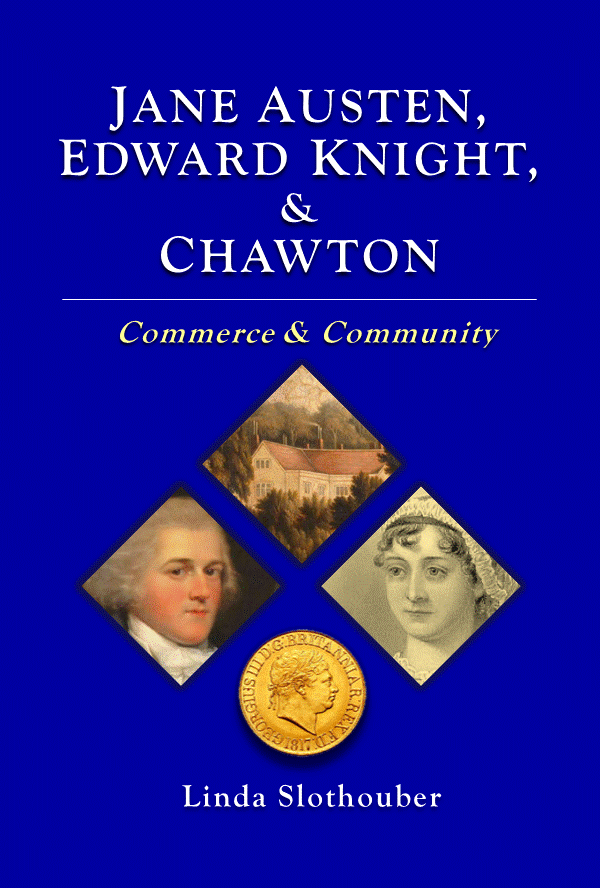
[If you have any doubts about Edward’s generosity, please read Linda Slothouber’s book: Jane Austen, Edward Knight, & Chawton: Commerce and Community [Woodpigeon Publishing, 2015.]
************
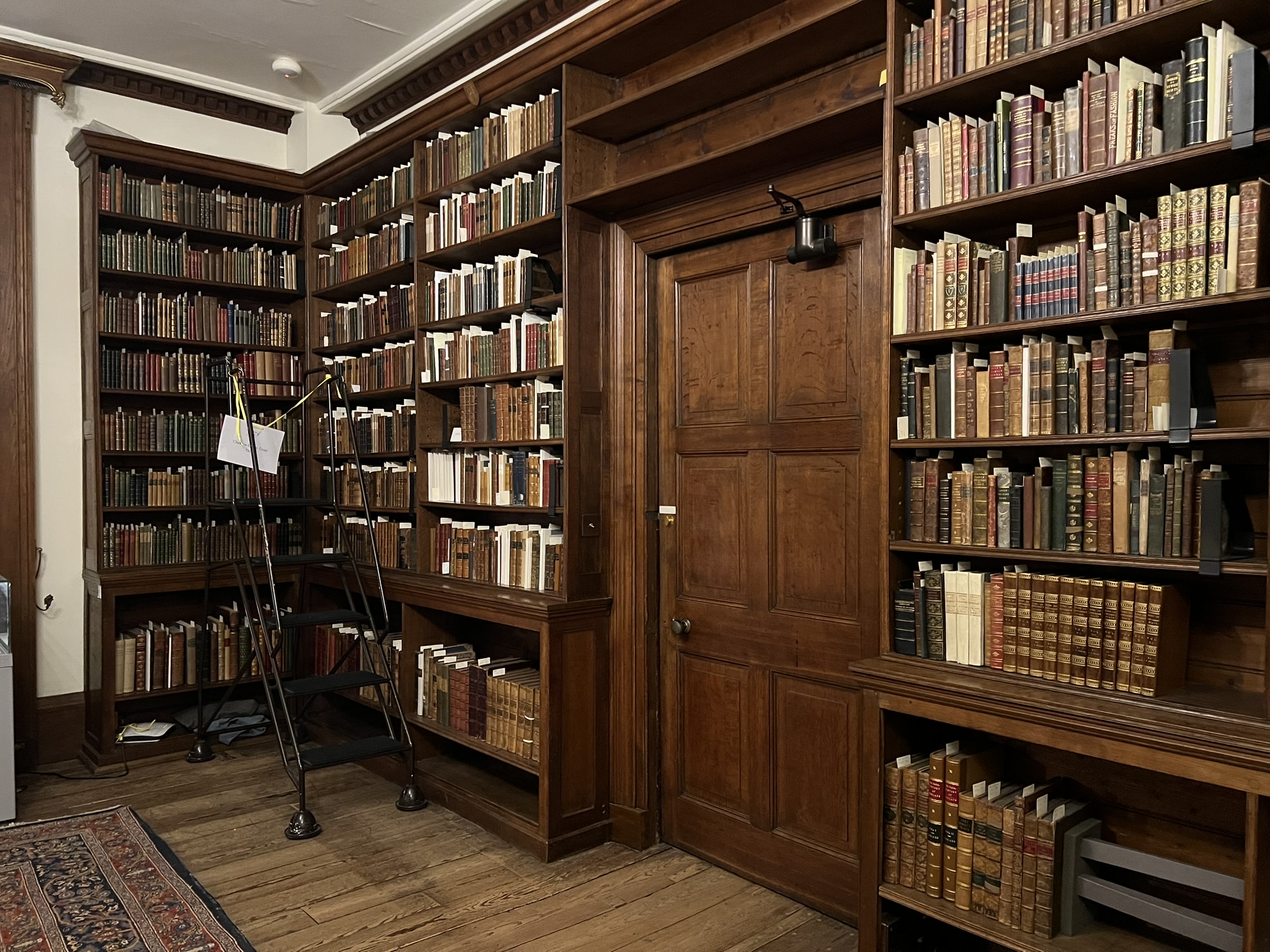
Chawton House is far more than a visit to a grand manor – complete with a tea room, numerous indoor and outdoor events throughout the year, a splendid garden and a place to wander, an Airbnb stay, and a wedding venue – it is most importantly a Library and Centre for the study of early women writers, 1600-1830. https://chawtonhouse.org/the-library/using-the-library/ – which is exactly what it says, a library of early women writers with many rare and unique titles; they also present changing exhibits on the many aspects of these women writers – right now one on “Sisters of the Pen.” [more on this below] – and do not miss their regular online offerings to us far afield.
The history of this library is novel-worthy itself – the American Sandy Lerner, taking on the lease of the property and keeping it from becoming a golf course [!] – the renovations to the house and outlying buildings, the housing of her book collection of these mostly forgotten women writers, and the creation of the now self-sustaining manor we can visit and study at today.
or if you are in the US or Canada, you can join the North American Friends of Chawton House here: https://www.nafch.org/ ]
Lots more to say here, but let’s get to our visit and some photos!
Katie Childs with Edward Austen Knight
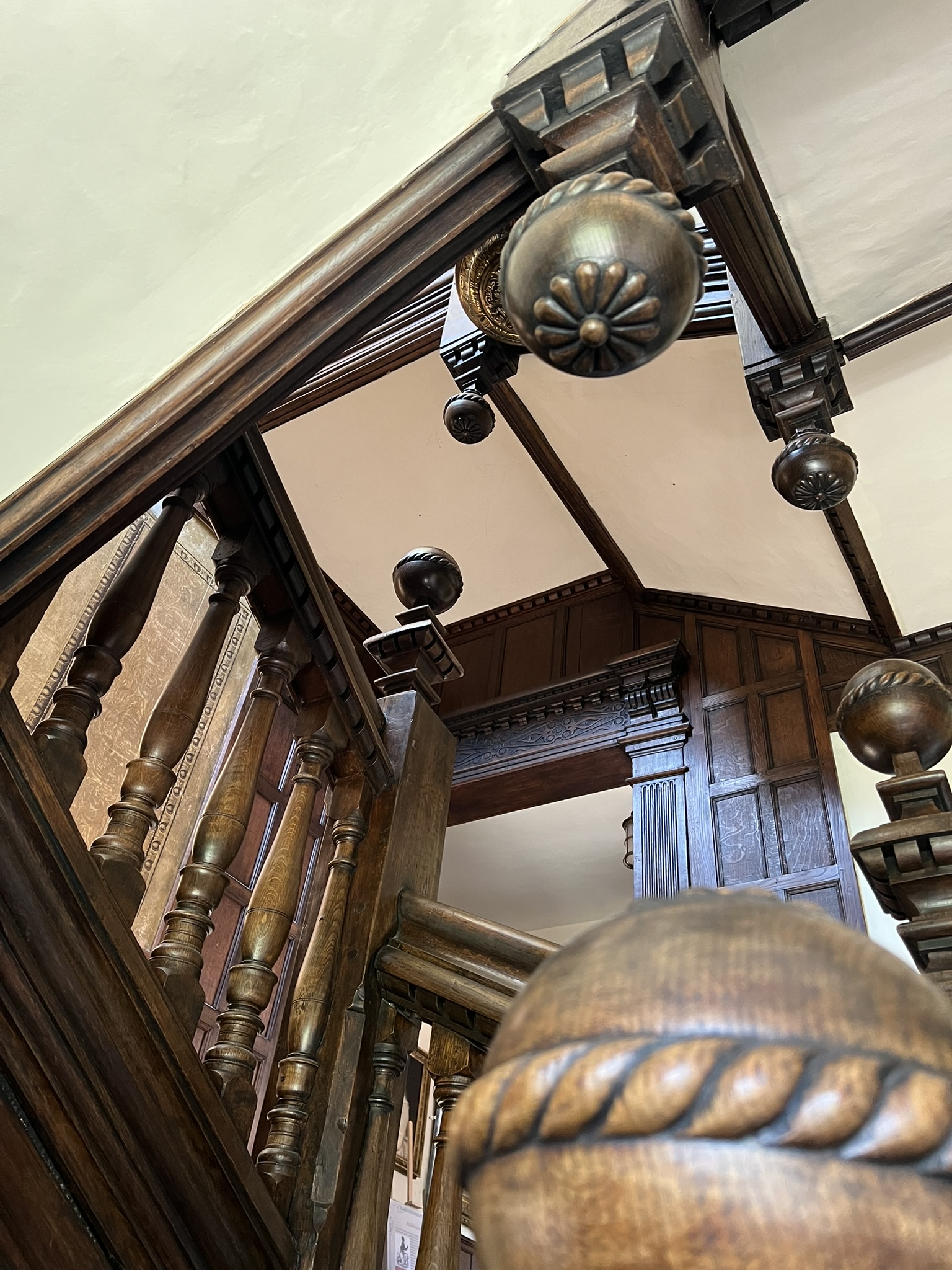
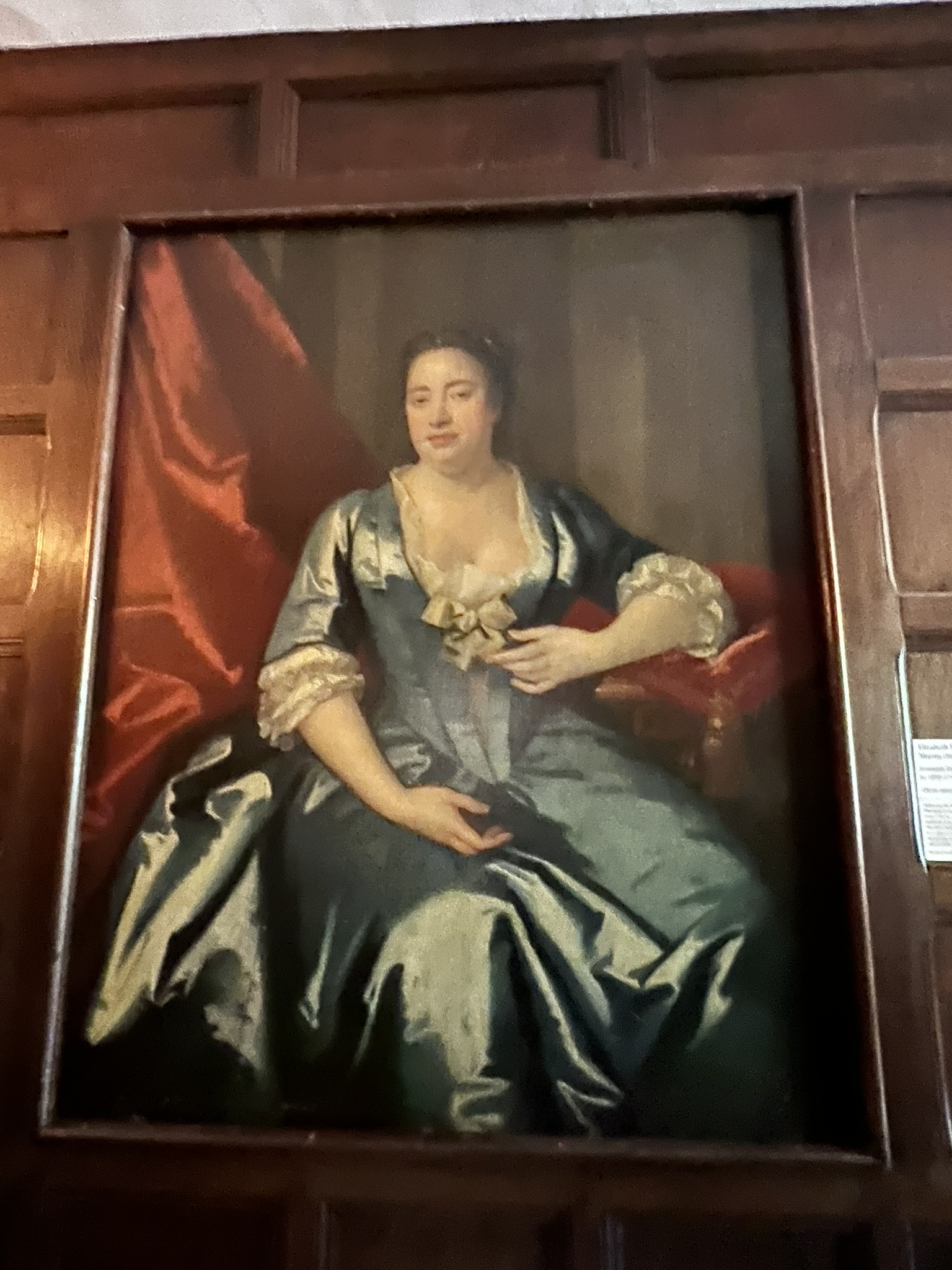
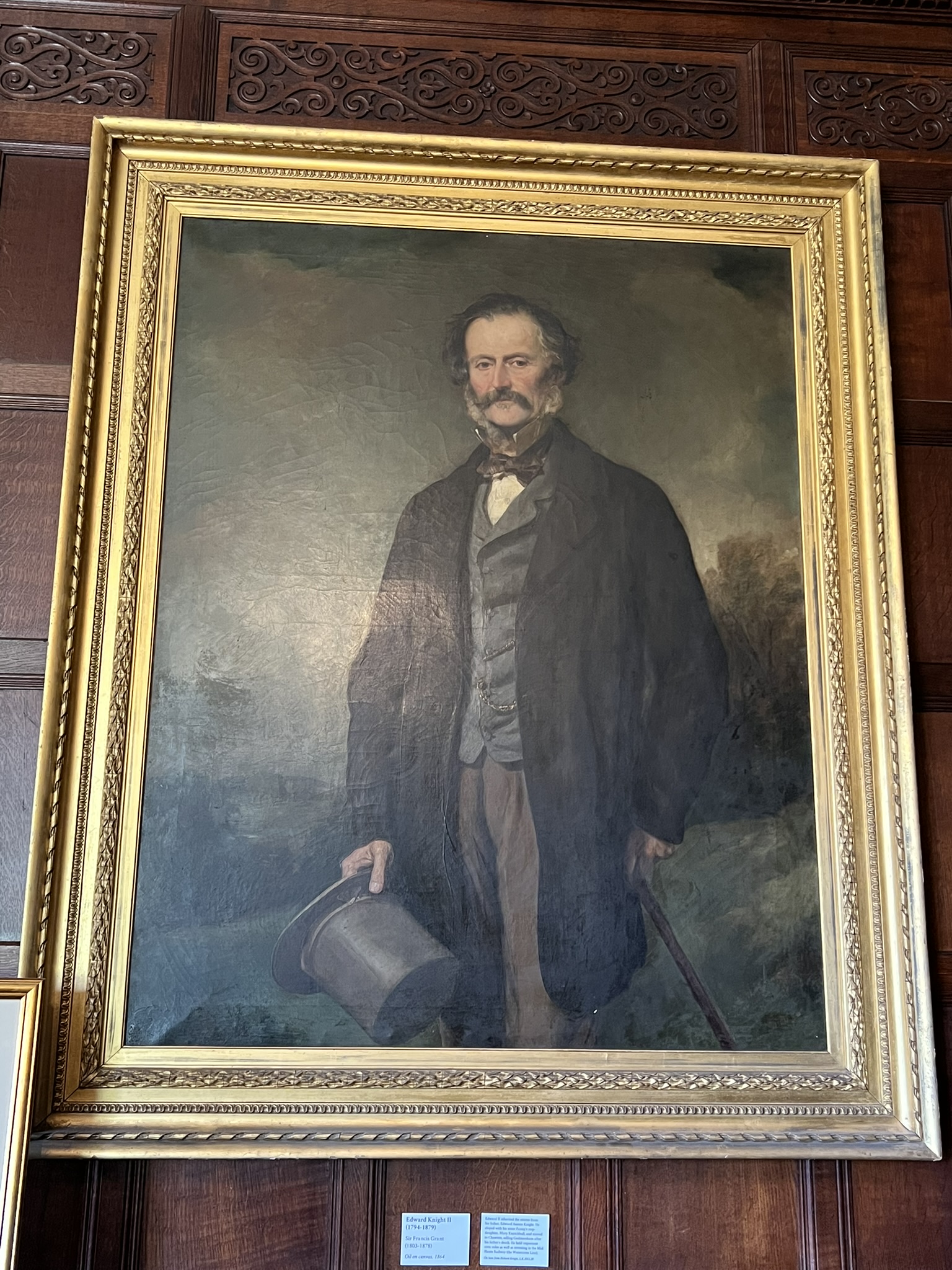
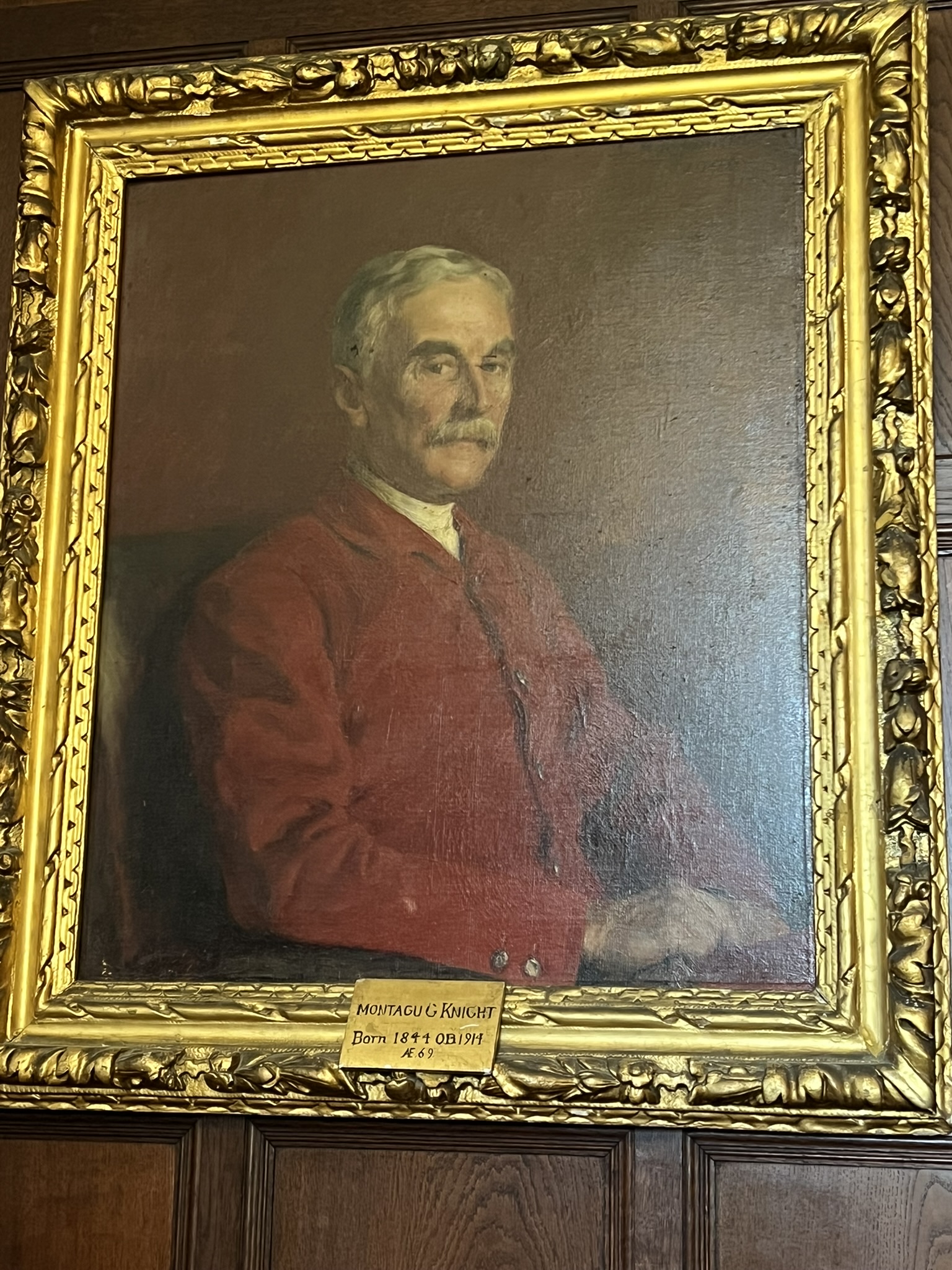
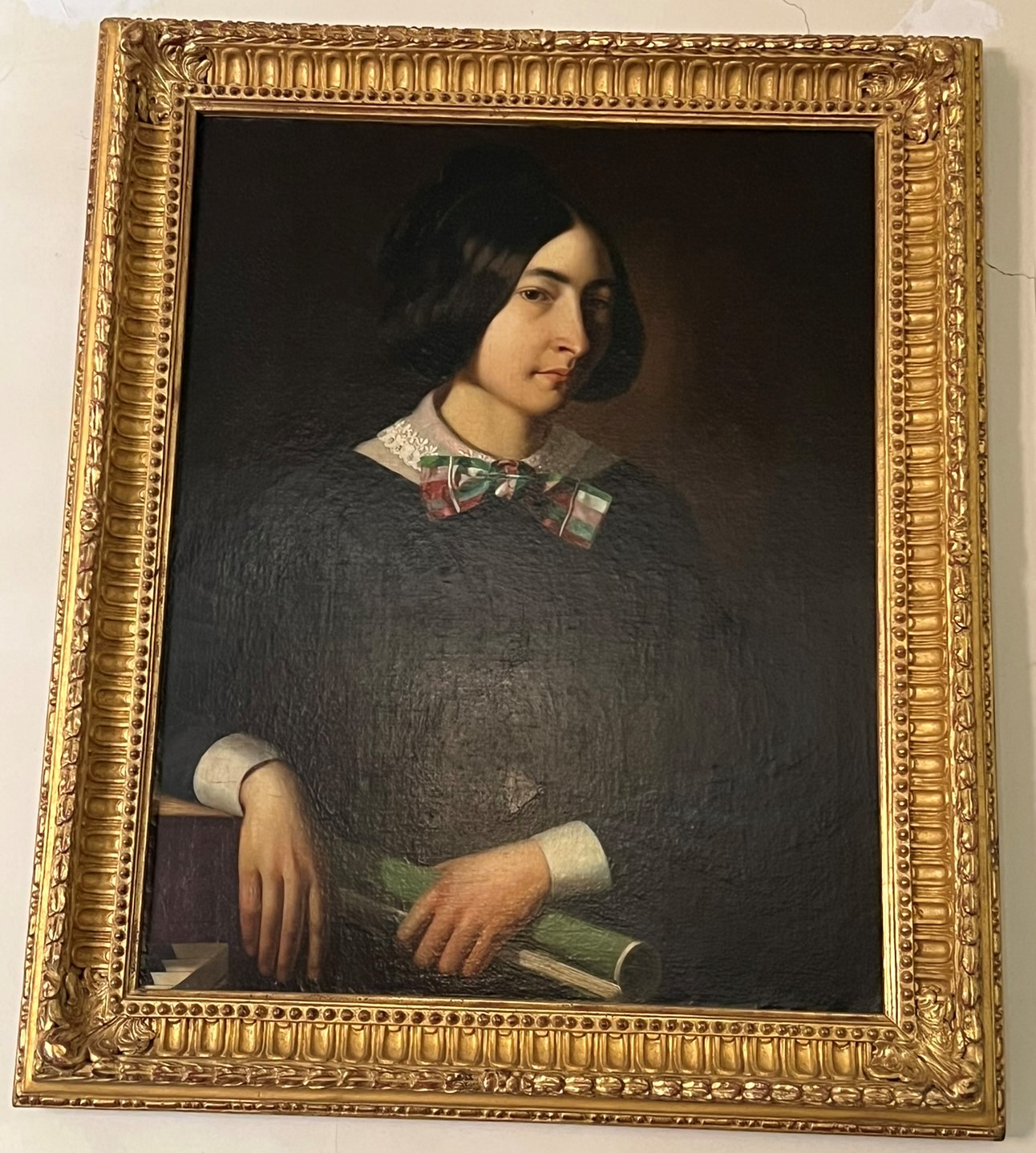
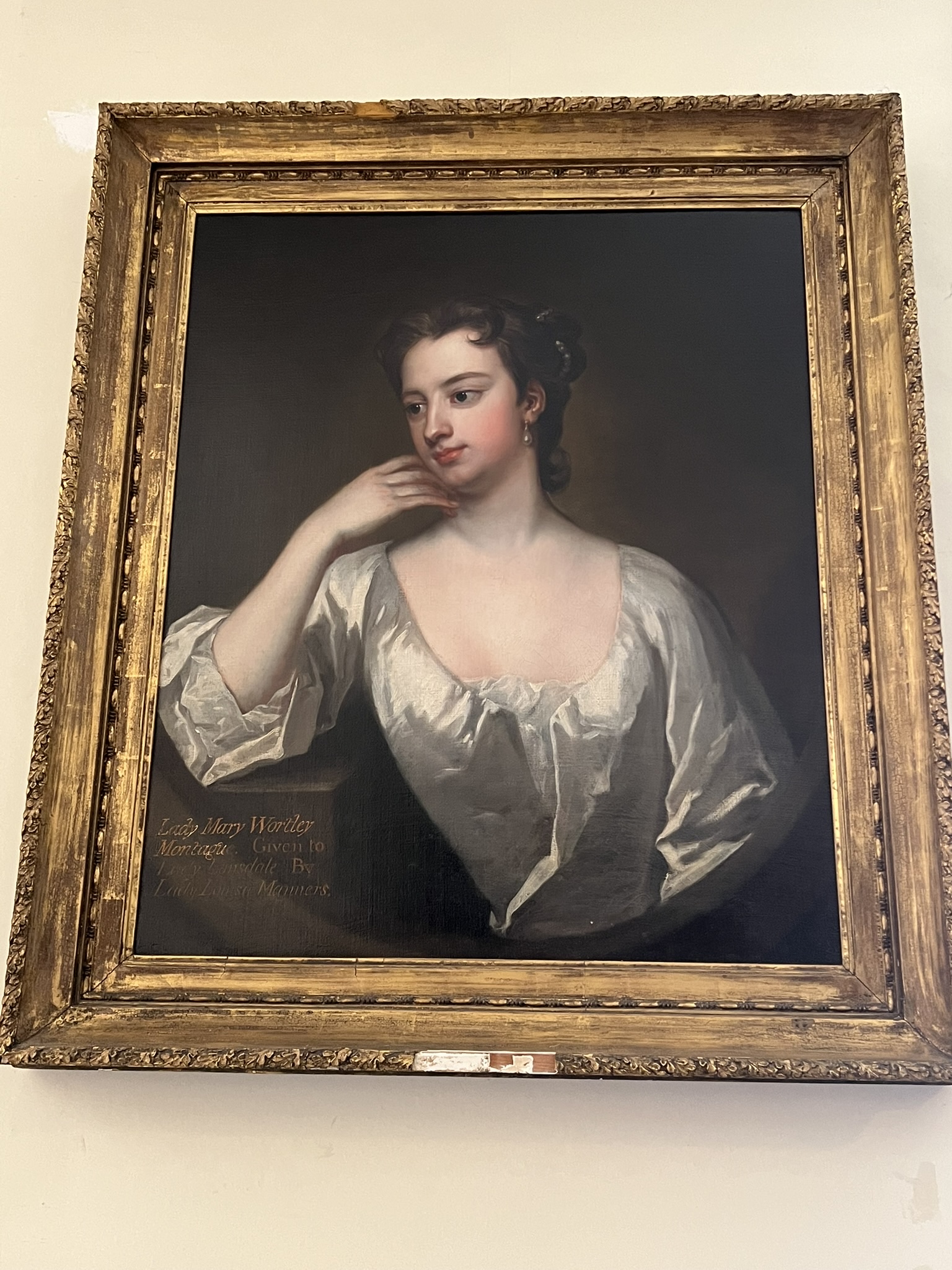
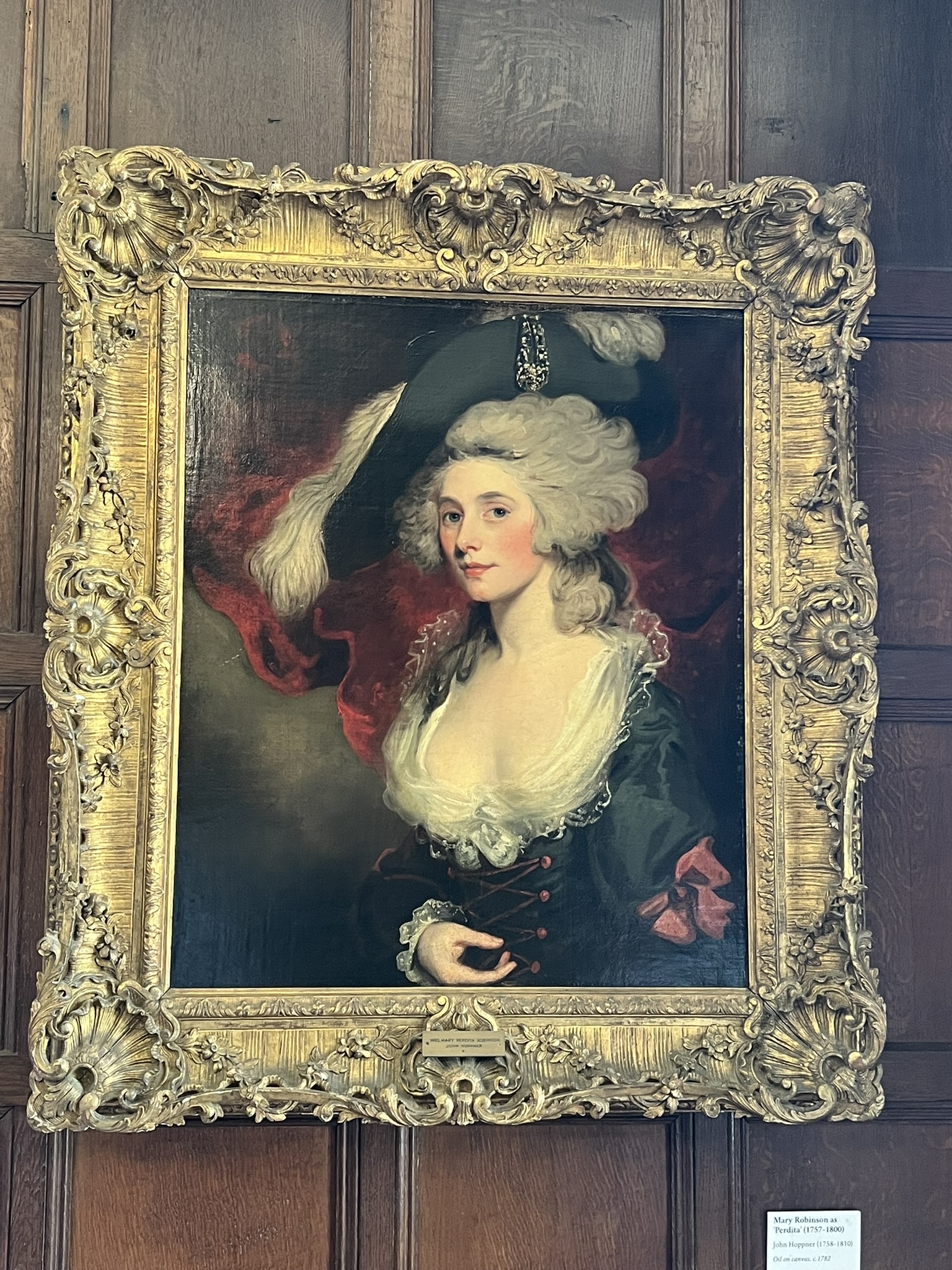
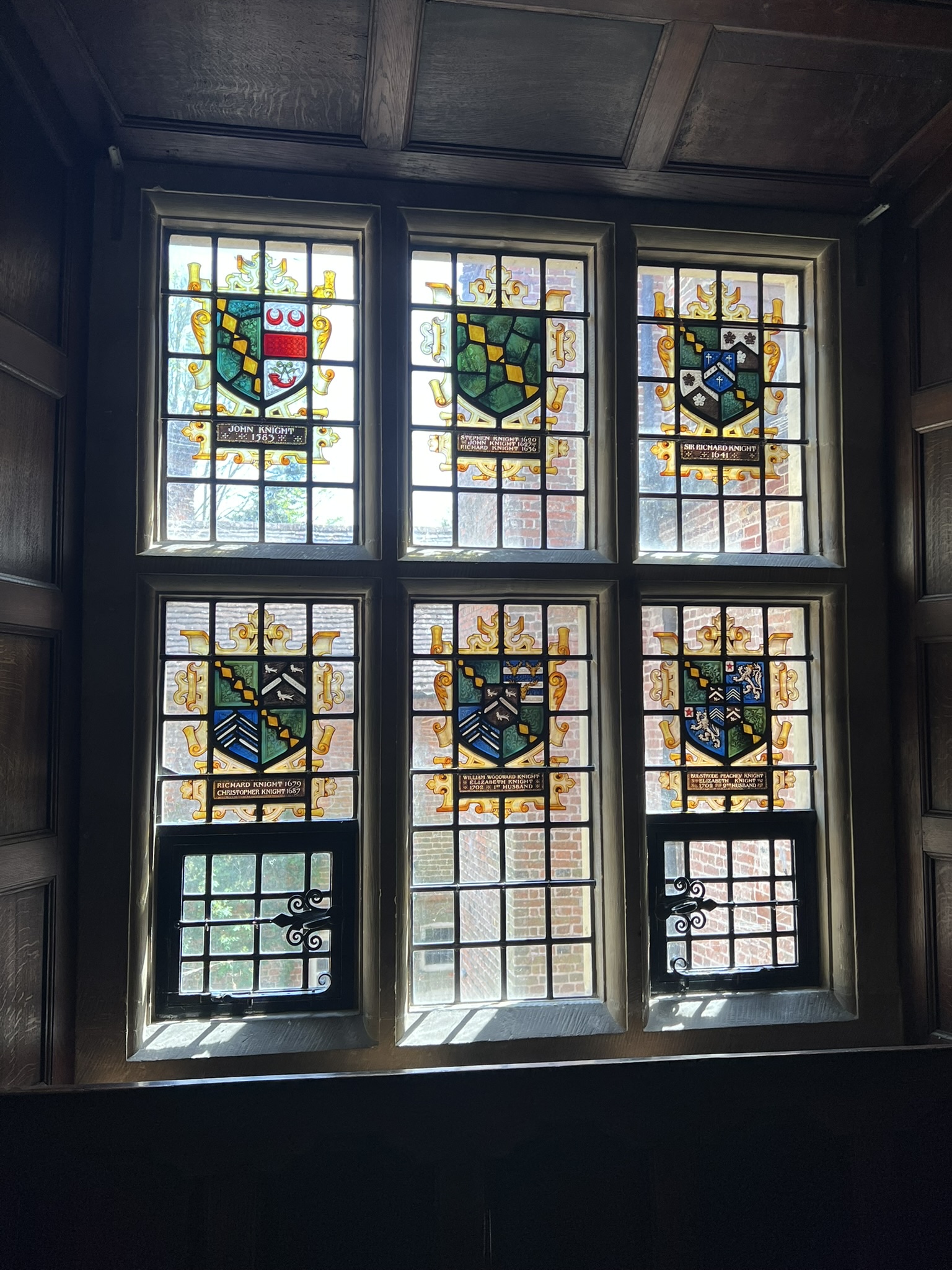
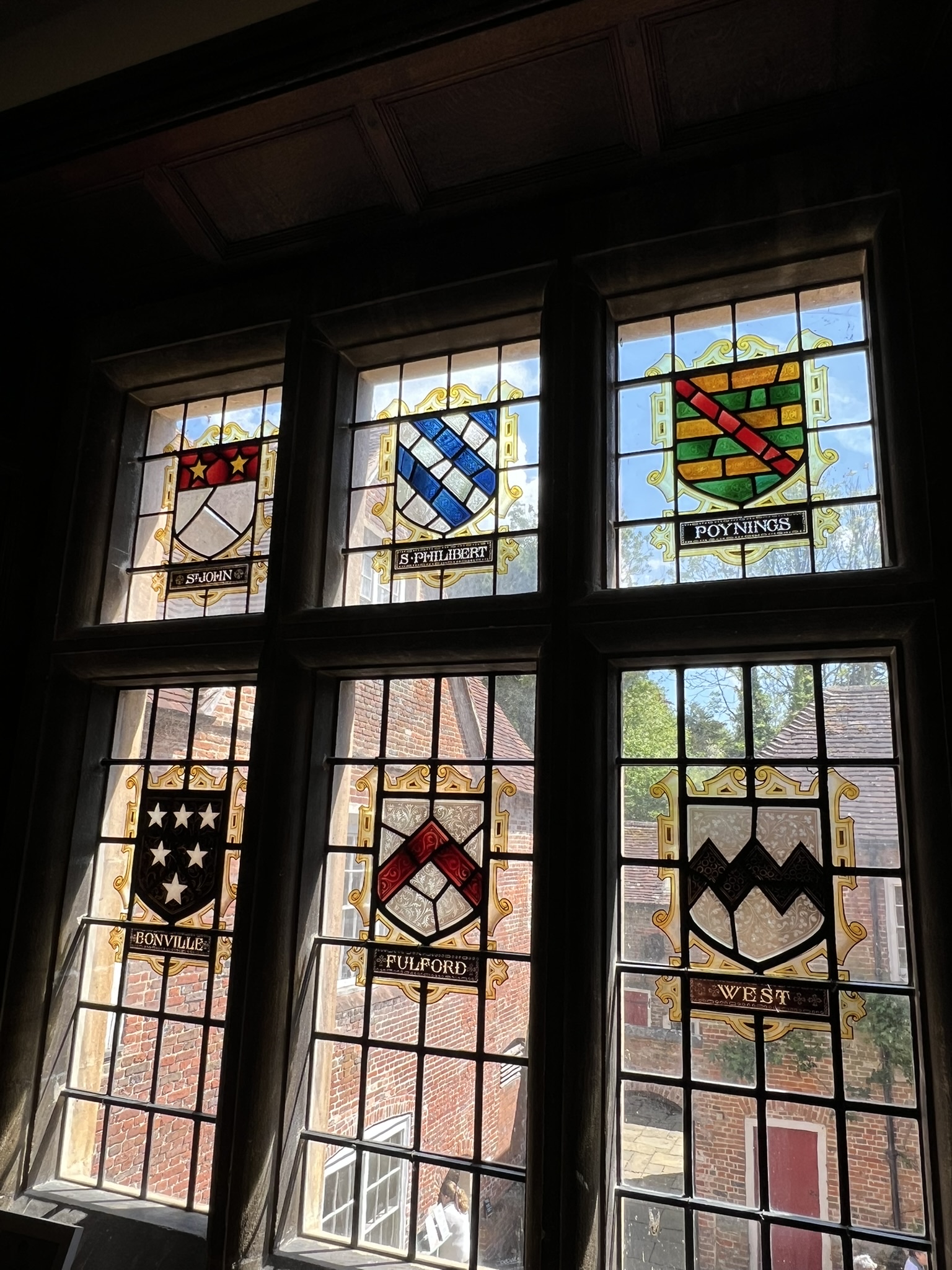
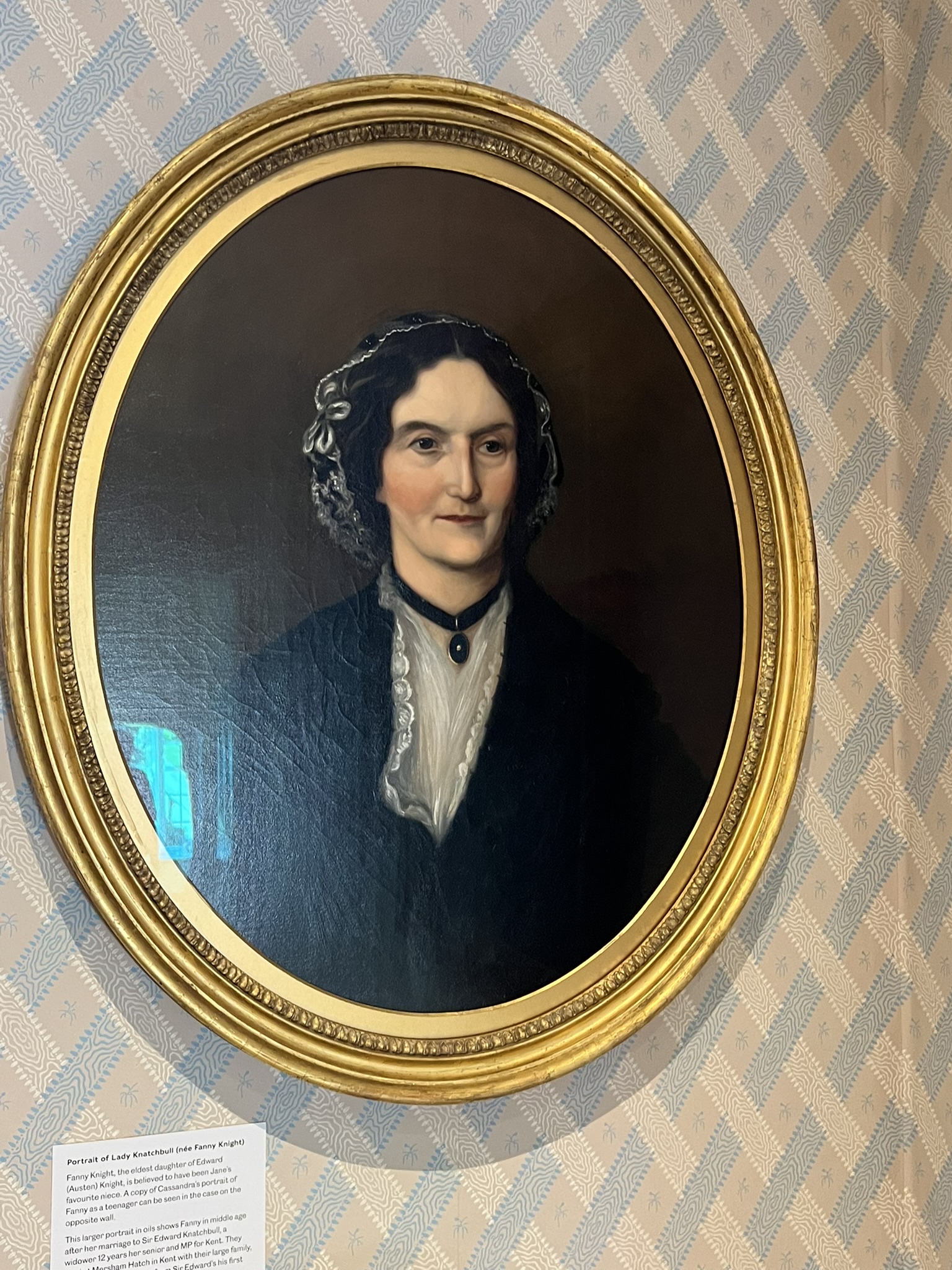
We were first greeted by Katie Childs – the Chief Executive [if you have been paying attention, we also met Katie at Godmersham Park!] – who gave us some of the history of the house, the library, current plans and exhibitions. We were able to tour the house on our own [ascending the grand staircase such an experience!] – seeing all the portraits of Knight family members, hung along with some of the famous women writers, actresses, manor house owners – and admiring the heraldic windows that I have posted about before.
Elizabeth Knight – Edward Knight Jr – Montagu George Knight
George Sand – Lady Mary Wortley Montagu – Mary Robinson
and what manor would be complete without an image of the Duchess of Devonshire:
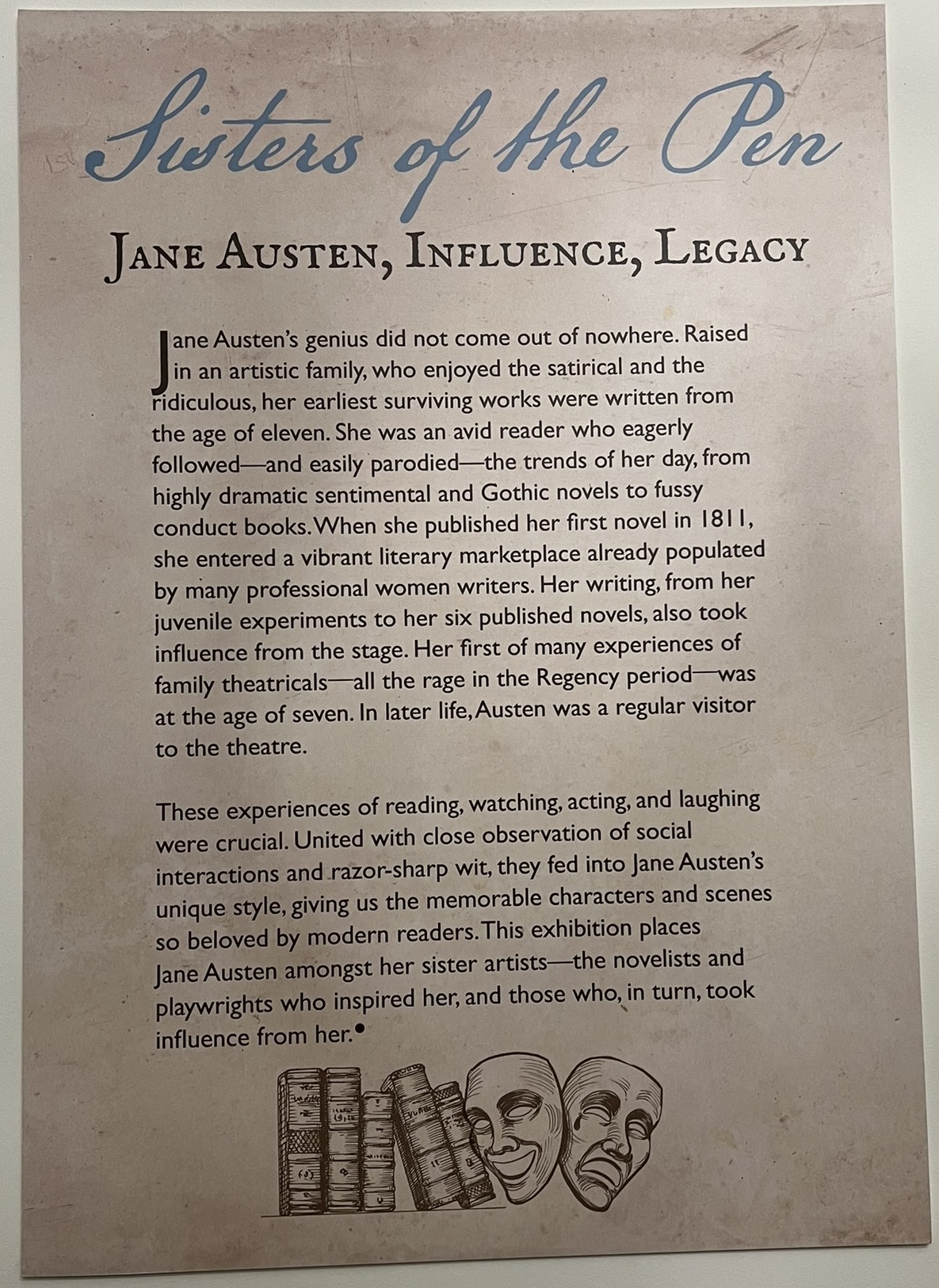
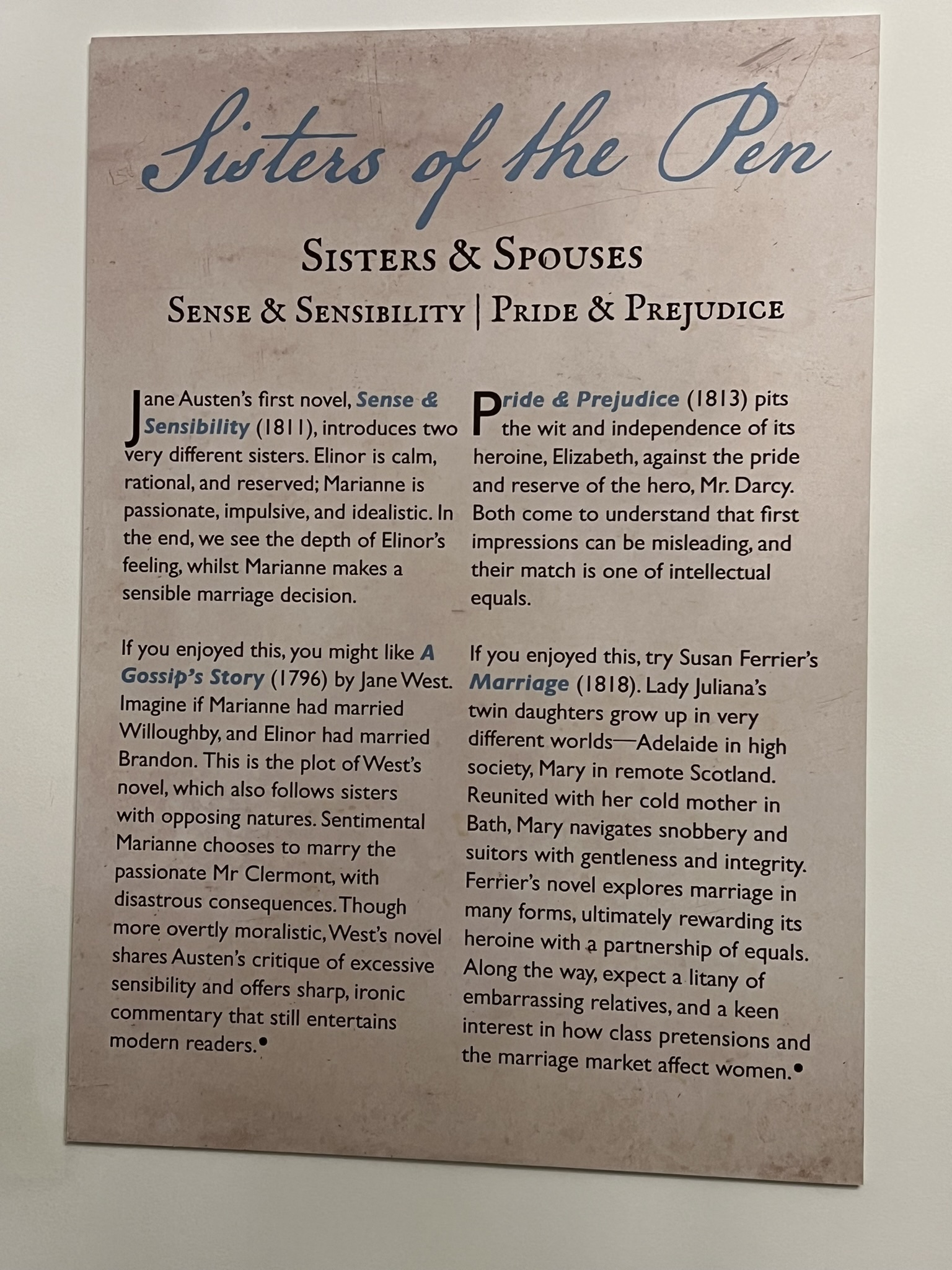
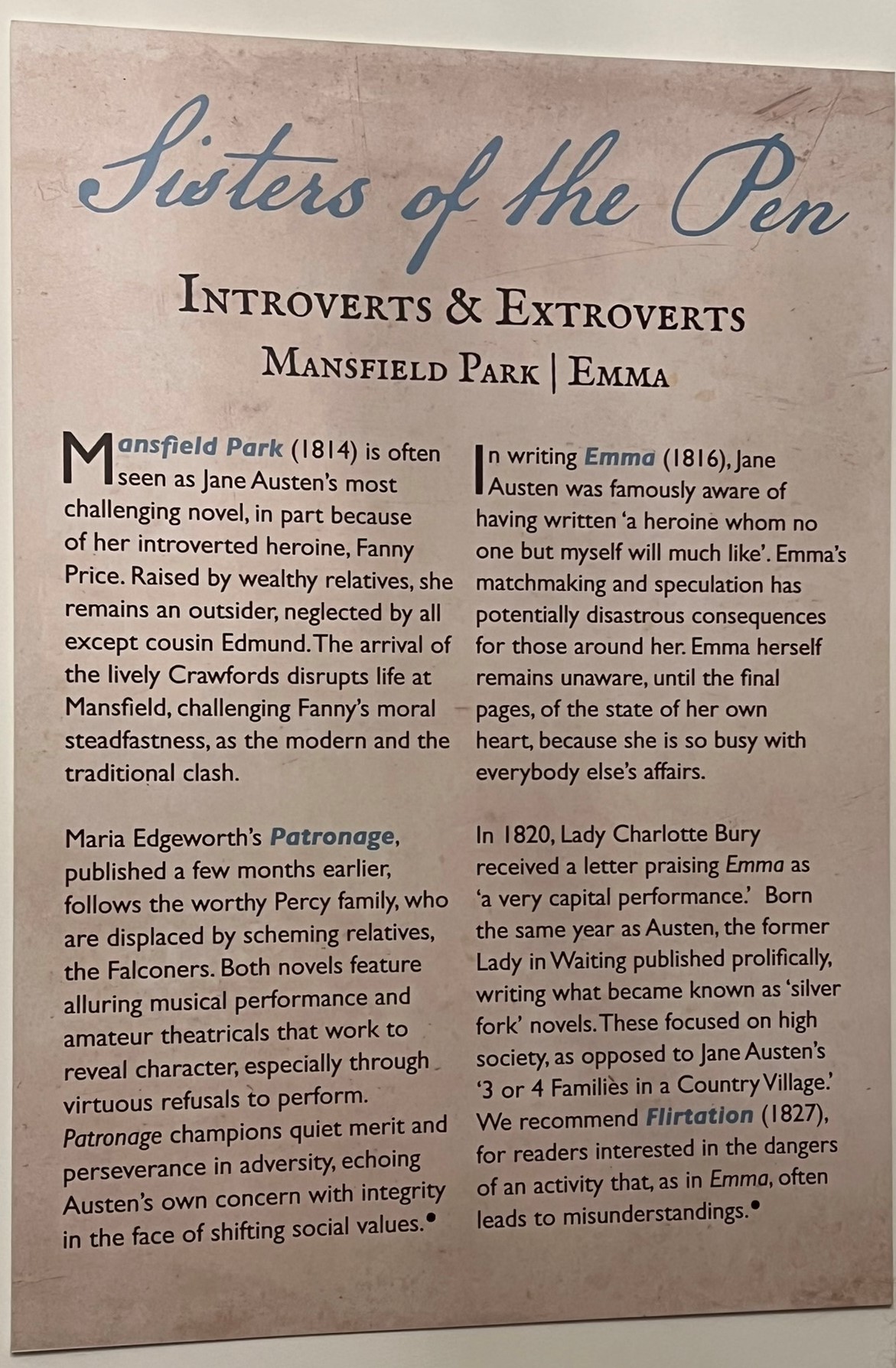
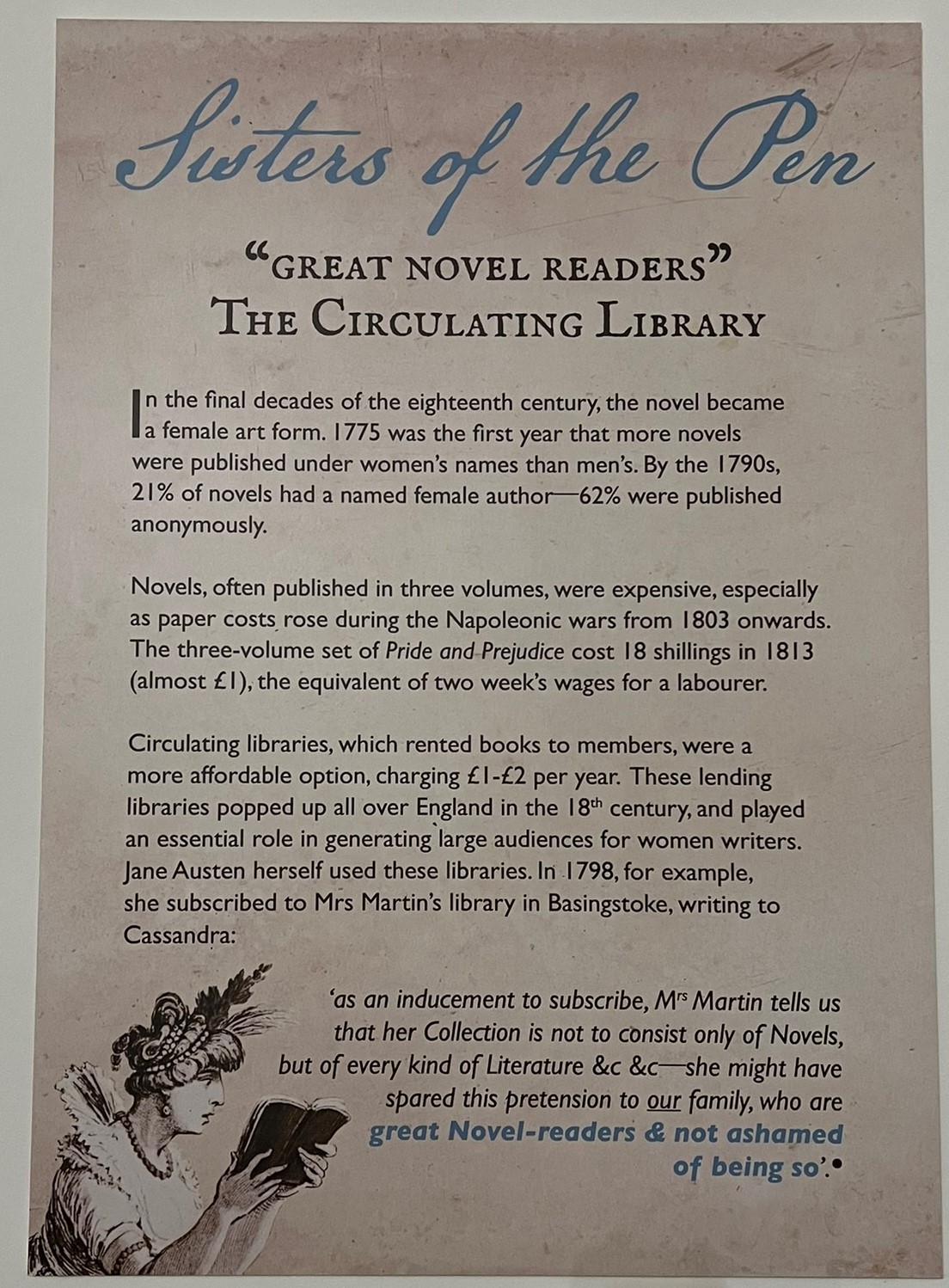
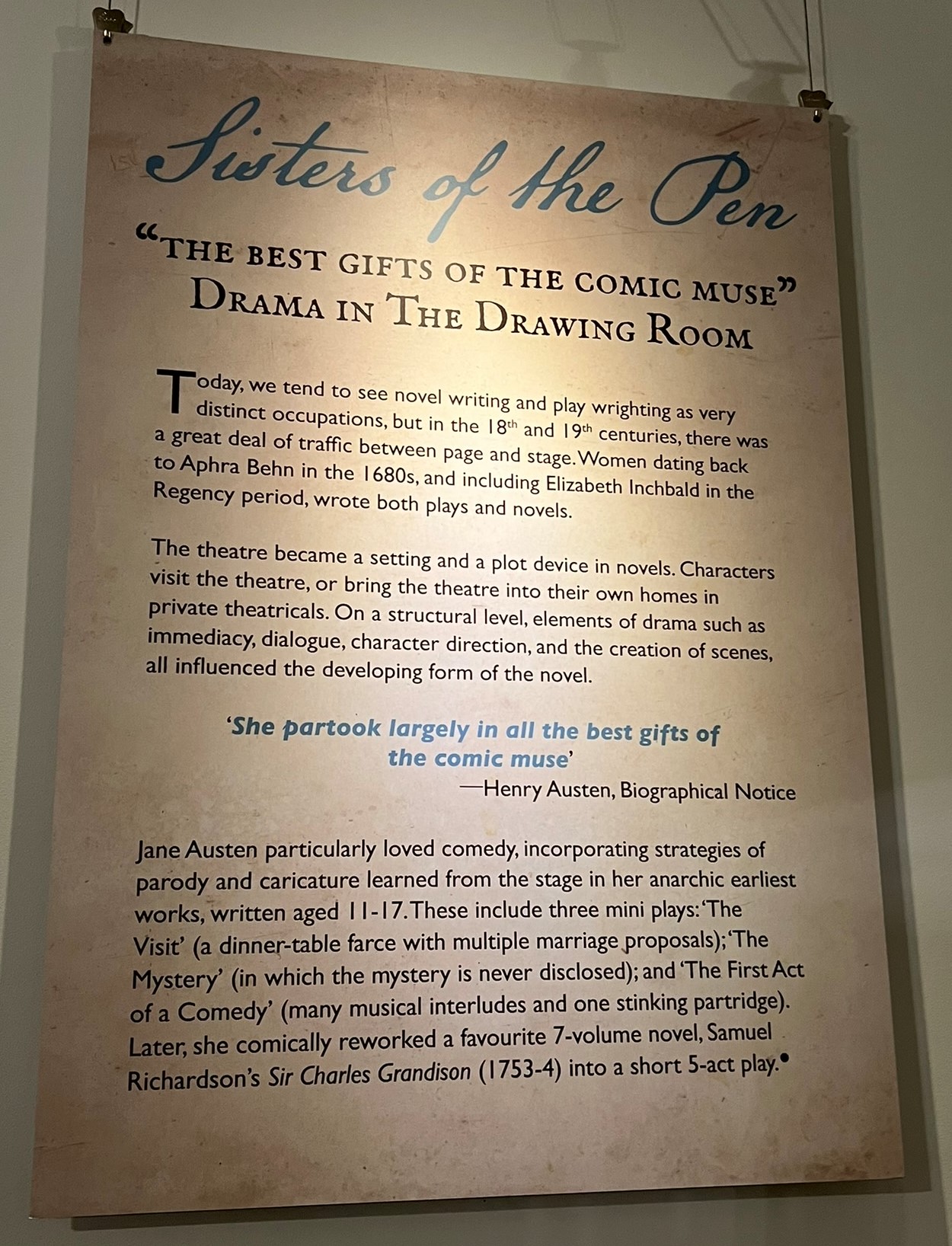
The current exhibition is quite eye-opening, especially if you were not previously aware of the numerous women writers before and during Jane Austen’s time [spoiler alert: Jane Austen did not invent the novel as we know it, nor was she the only woman writing in the late 18th / early 19th century!] – it is called “The Great Forgetting” – the removal of 100s of women writers from the canon, now subject to the ongoing process of being recovered – this exhibition “Sisters of the Pen: Jane Austen, Influence, Legacy” tells this history with both signboards, objects and books – it is beautifully done and no way to quite capture it with random photos – here are a few to give you a sense:
[and for the rest, you just must visit yourself!]
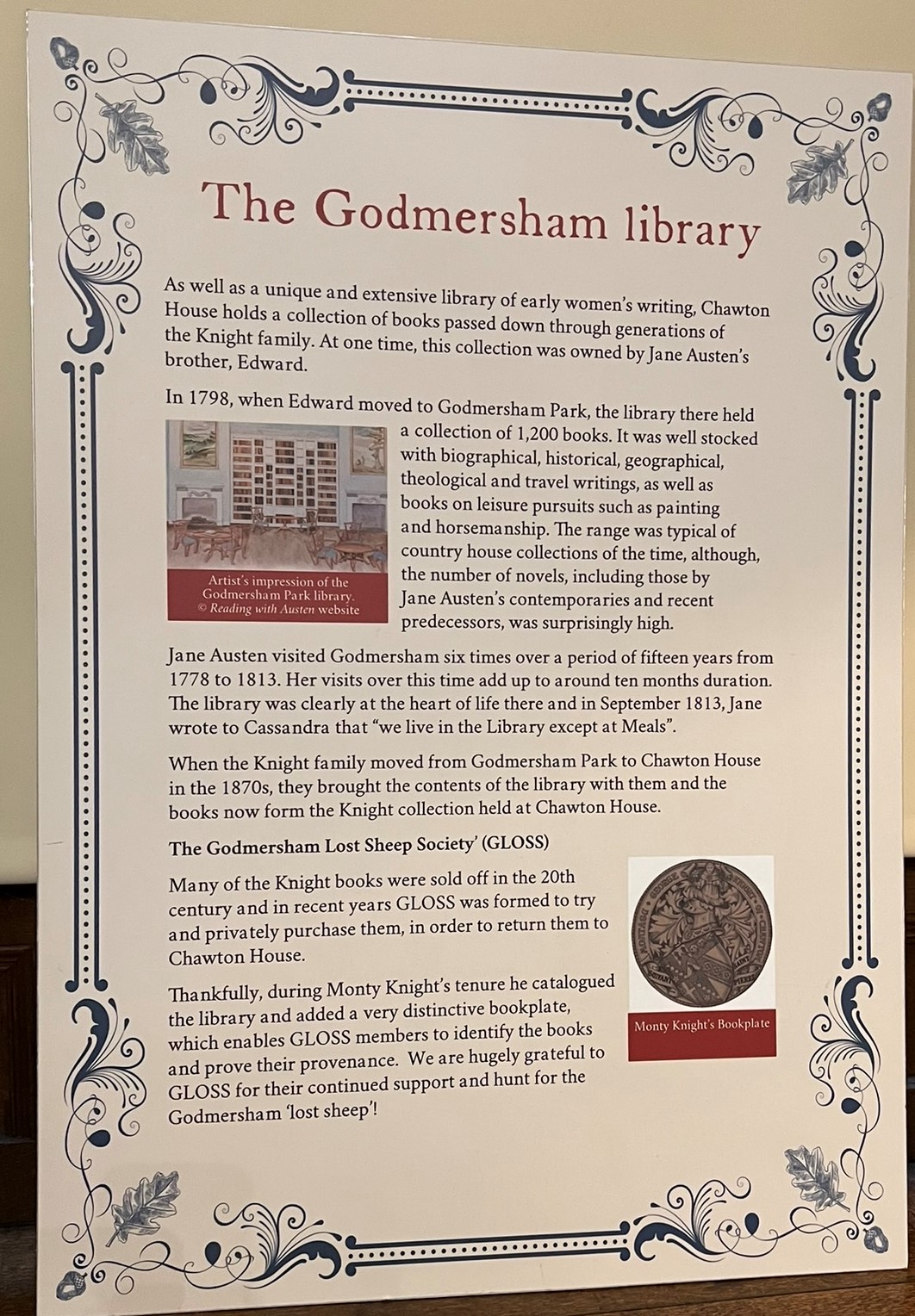
It was nice to see the display on the Godmersham Park library and the Reading with Austen website and the blogwhich tells of the GLOSS finds: “Bulstrode Peachey”, one of the volunteers, was very happy to tell me all about it, and even happier to learn I worked with Peter Sabor in returning the “Lost Sheep” to Chawton House:
It was grand to meet a number of the Chawton House volunteers – those that keep it all going and preserving and sharing the grand history here to visitors like us.
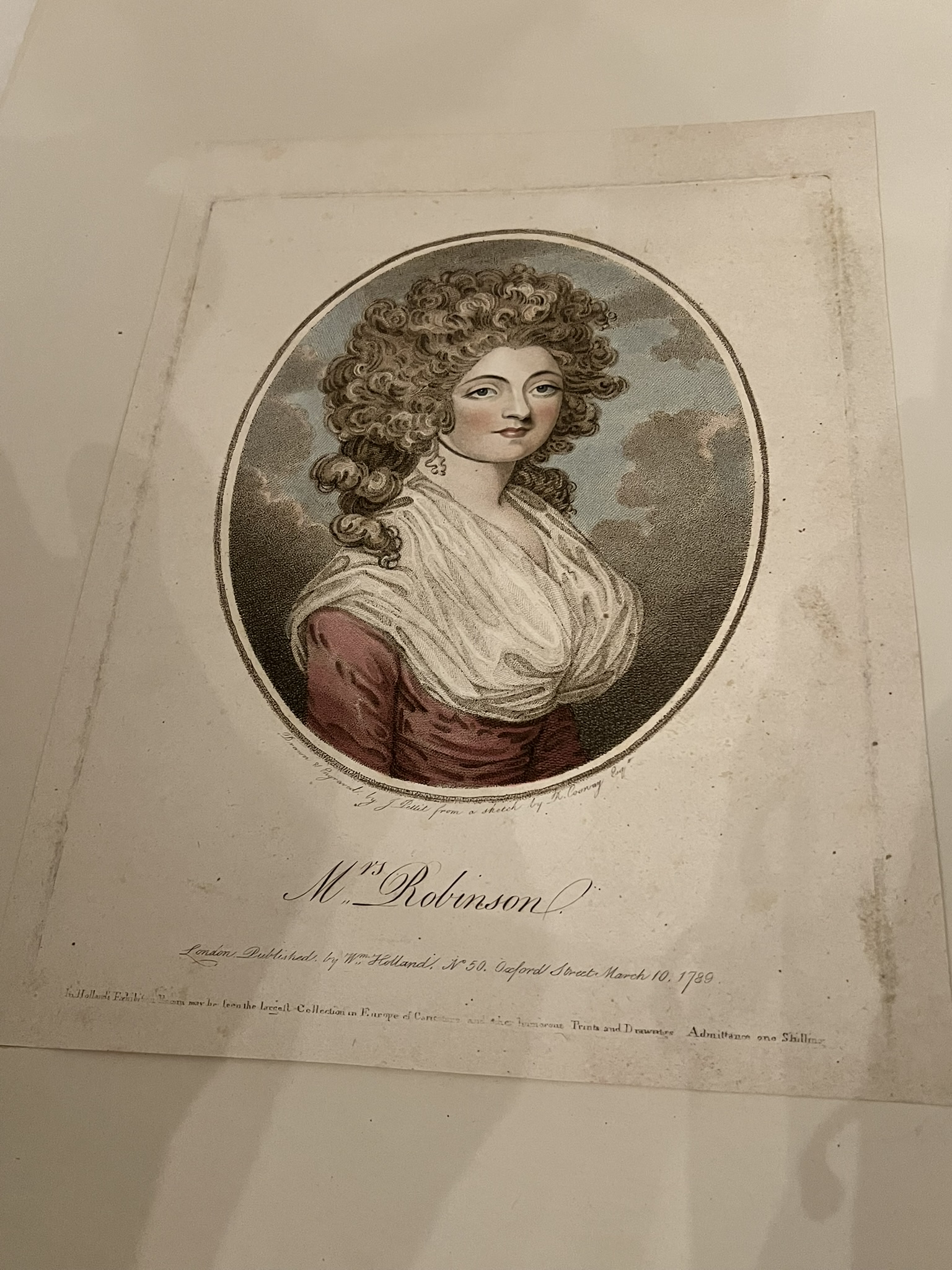
Katie invited us to see some of the recent acquisitions from the Deirdre Le Faye Archive: here is a Mary Robinson print:
and here an example of Le Faye’s numerous fashion prints:
and one of Le Faye’s carriage prints:
************
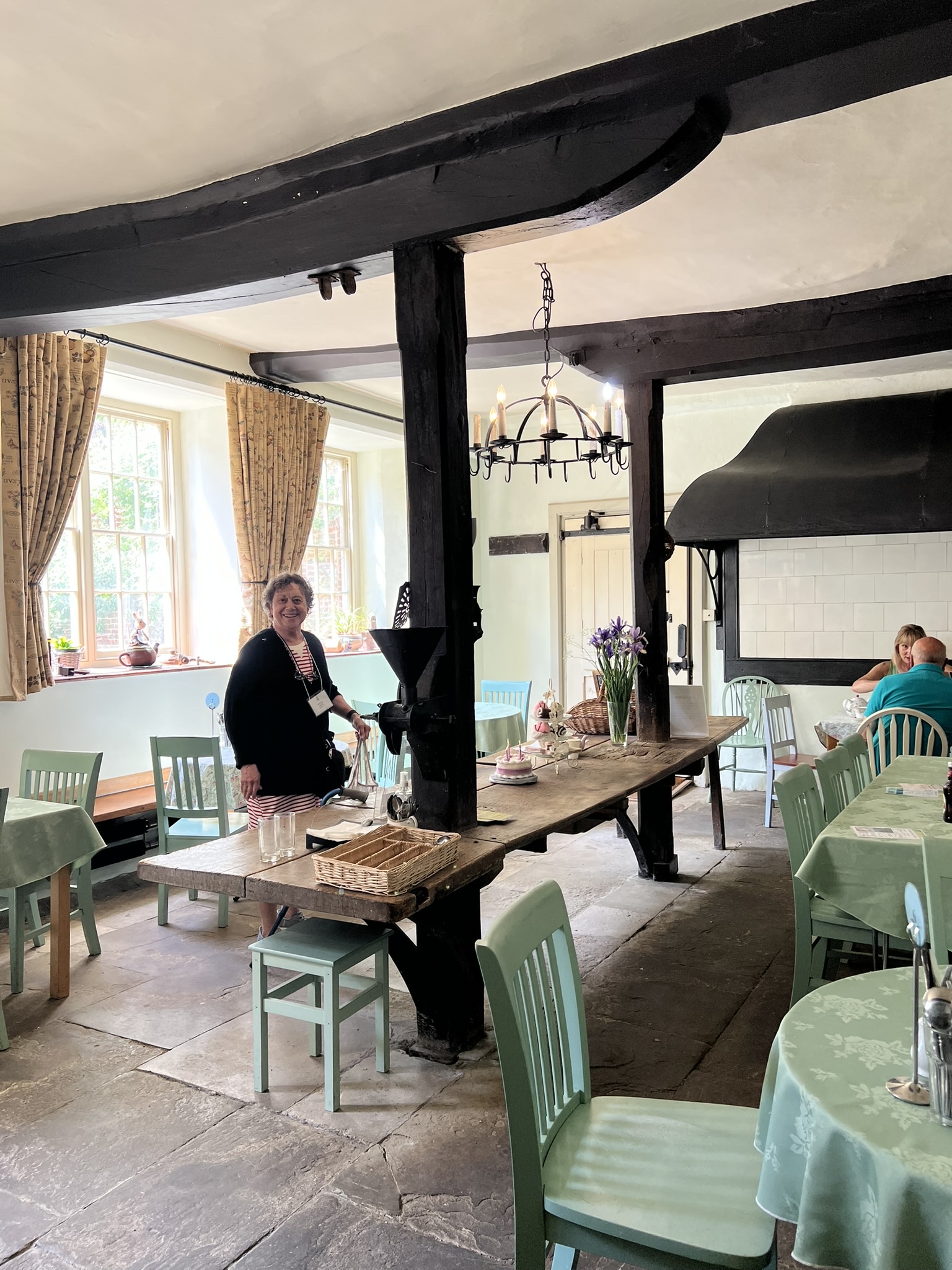
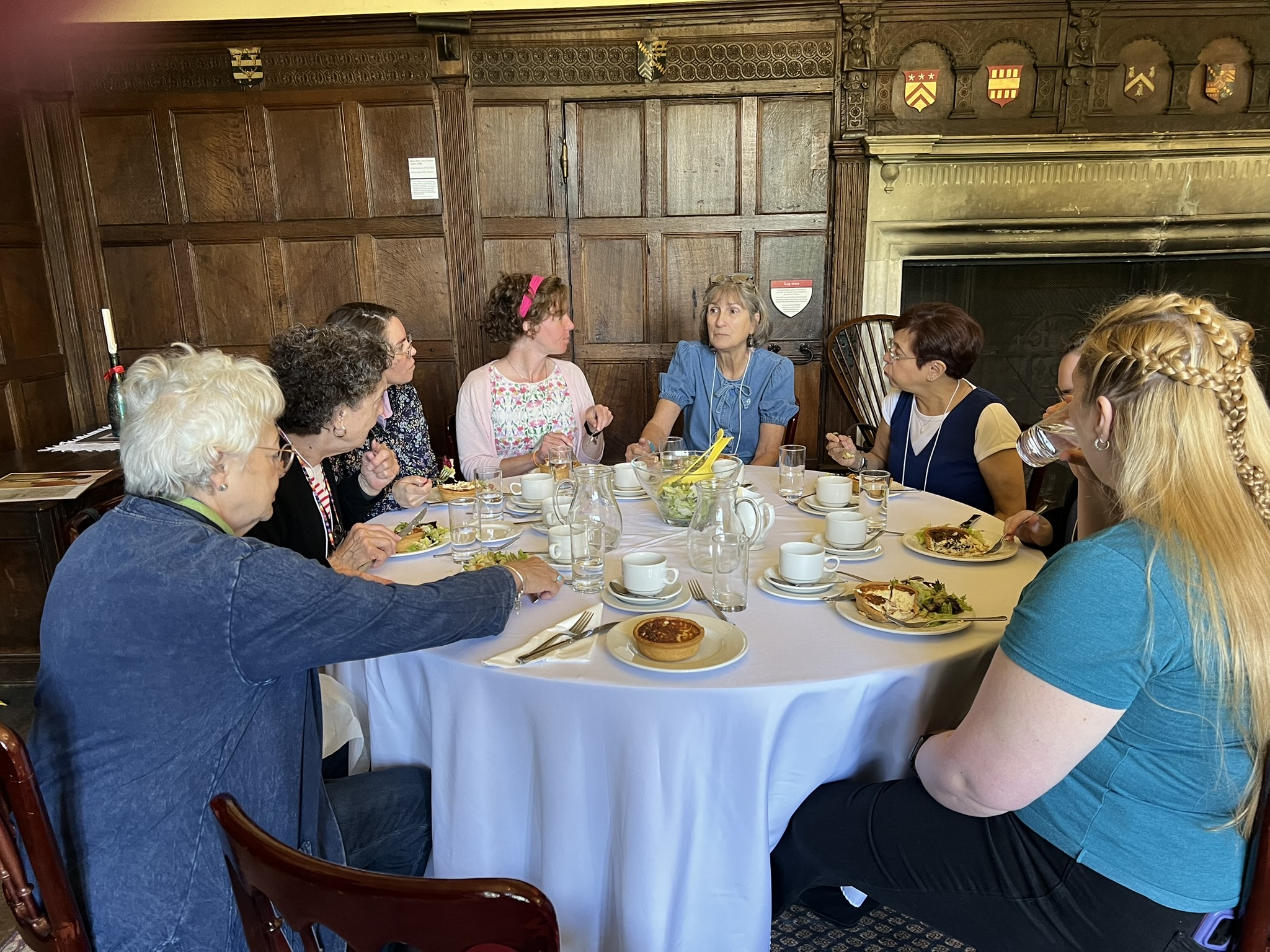
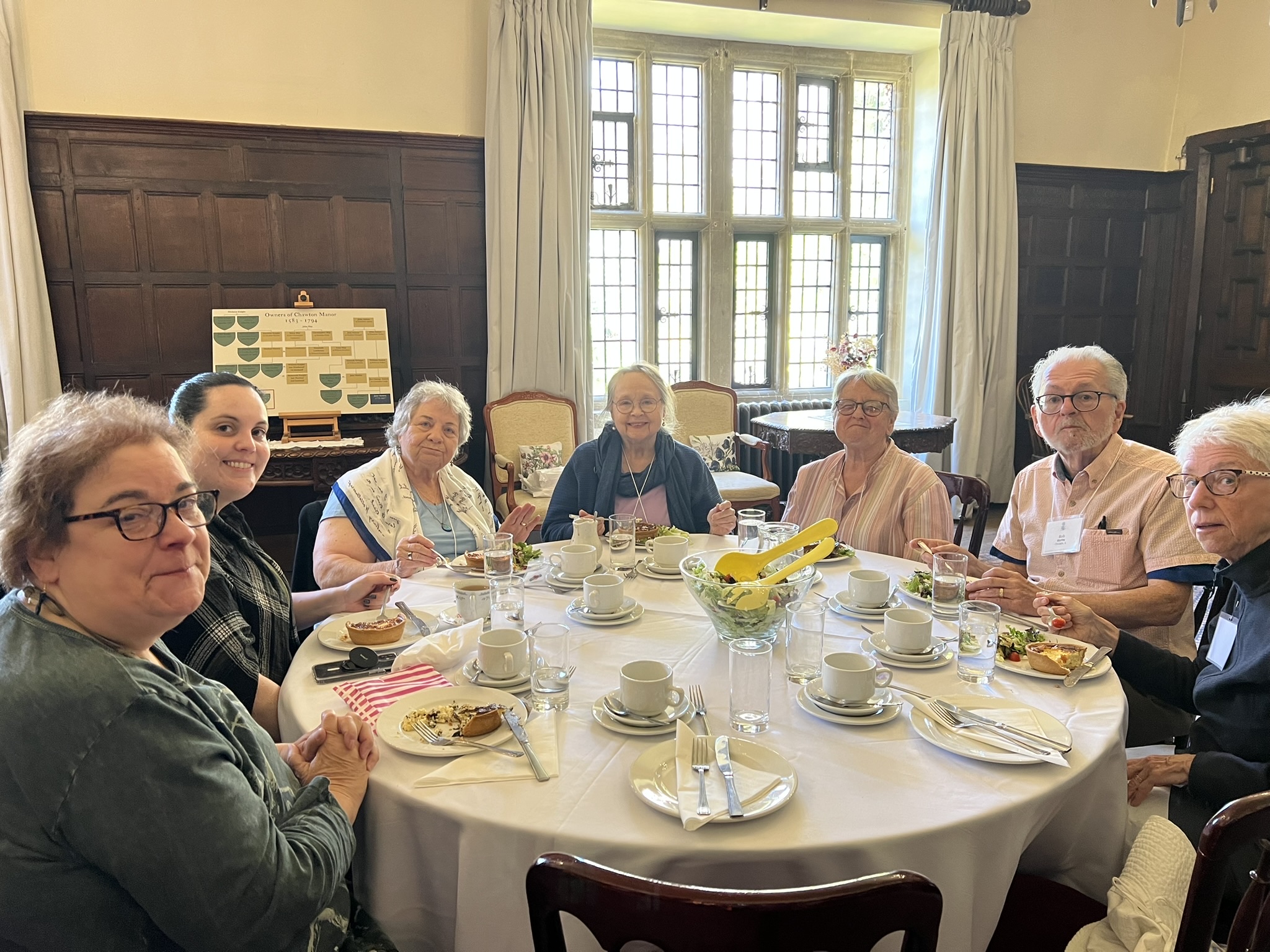
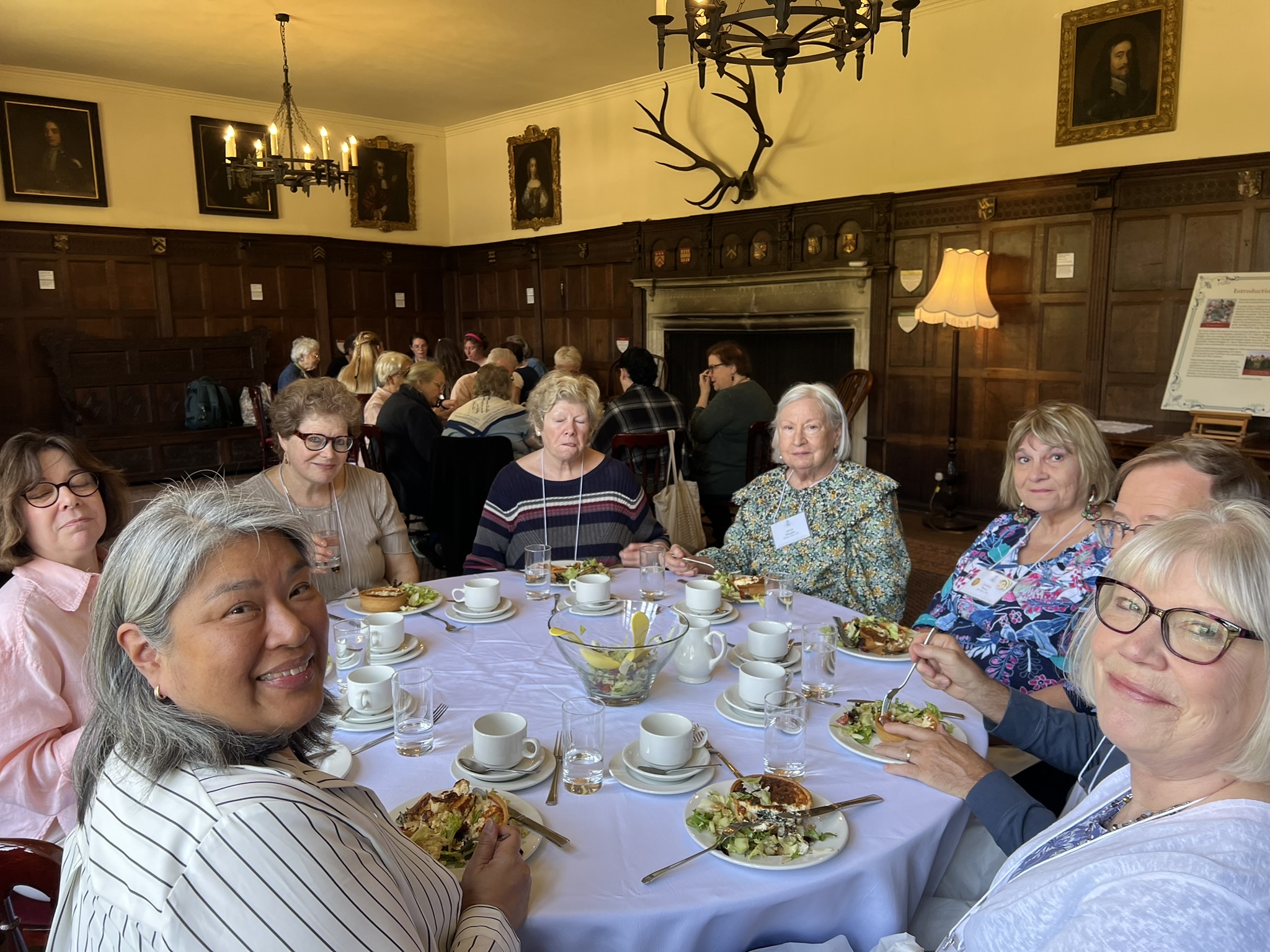
Then a delightful lunch:
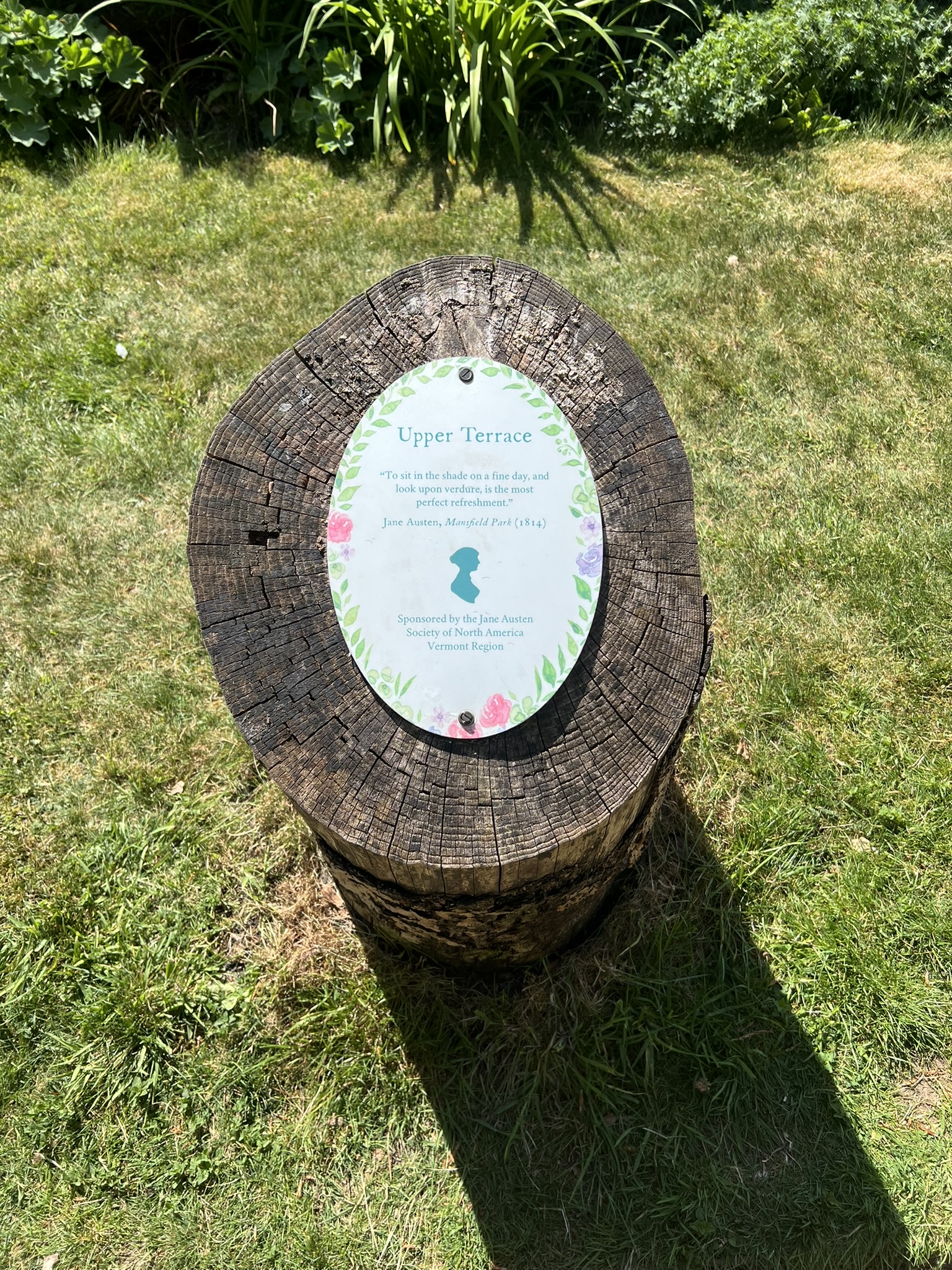
….and of course a chance to SHOP and then to wander about the grounds – I did visit the marker at the Upper Terrace, donated to NAFCH by the Vermont Region:
**************
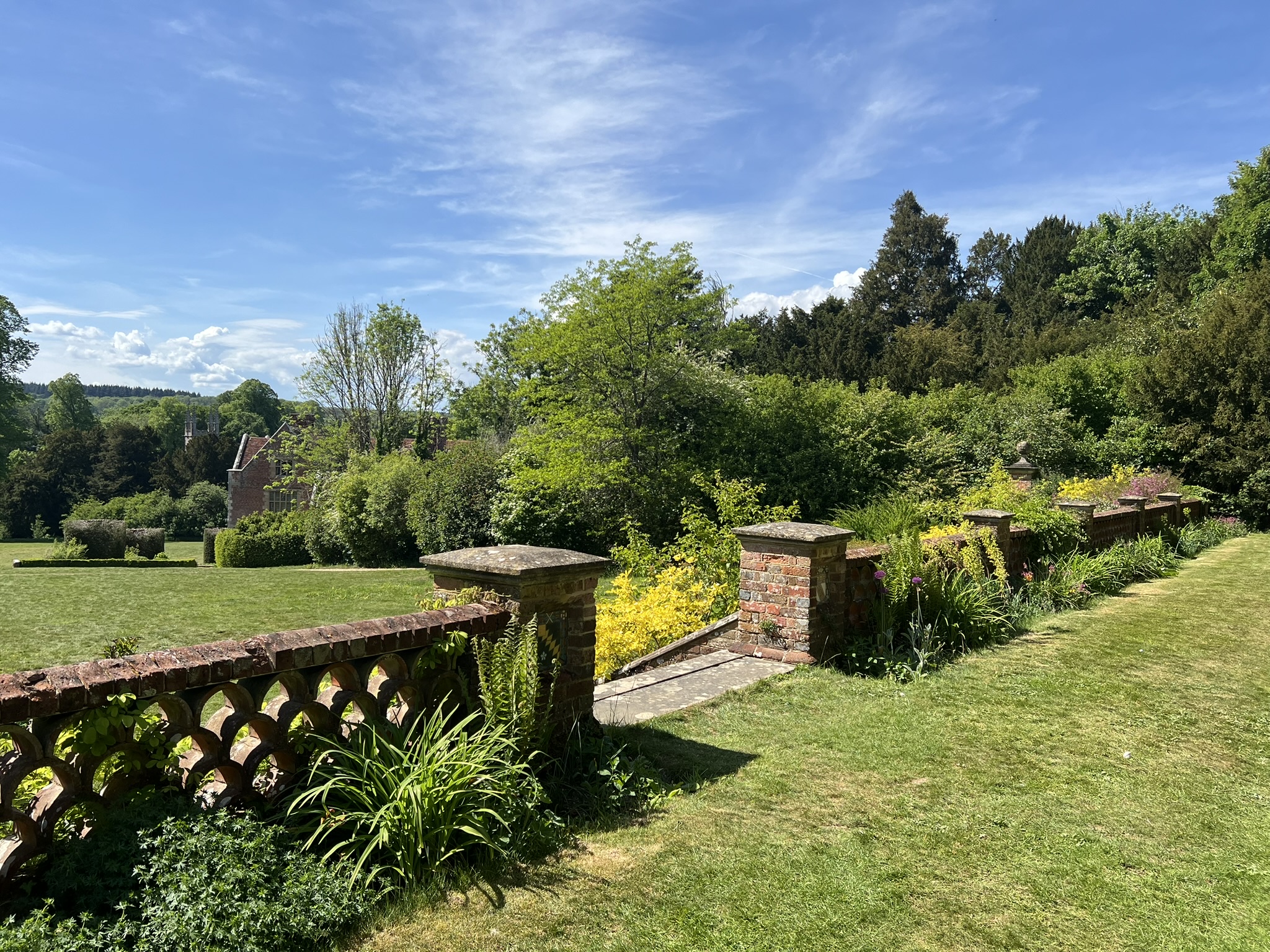
A short walk down the drive takes us to the Church on the grounds – do I dare say it is a St. Nicholas??! – where Jane and family would have worshipped and where we will find the graves of Mrs. Austen and Cassandra:
************
We were then off down the road to the “Chawton Cottage” – now called the JAHM: https://janeaustens.house/ – a short trek in Jane Austen’s footsteps, nothing much changed from her own time here, excepting macadam and sidewalks, and cars roaming about rather than horses and carriages and stagecoaches rumbling by their front window….
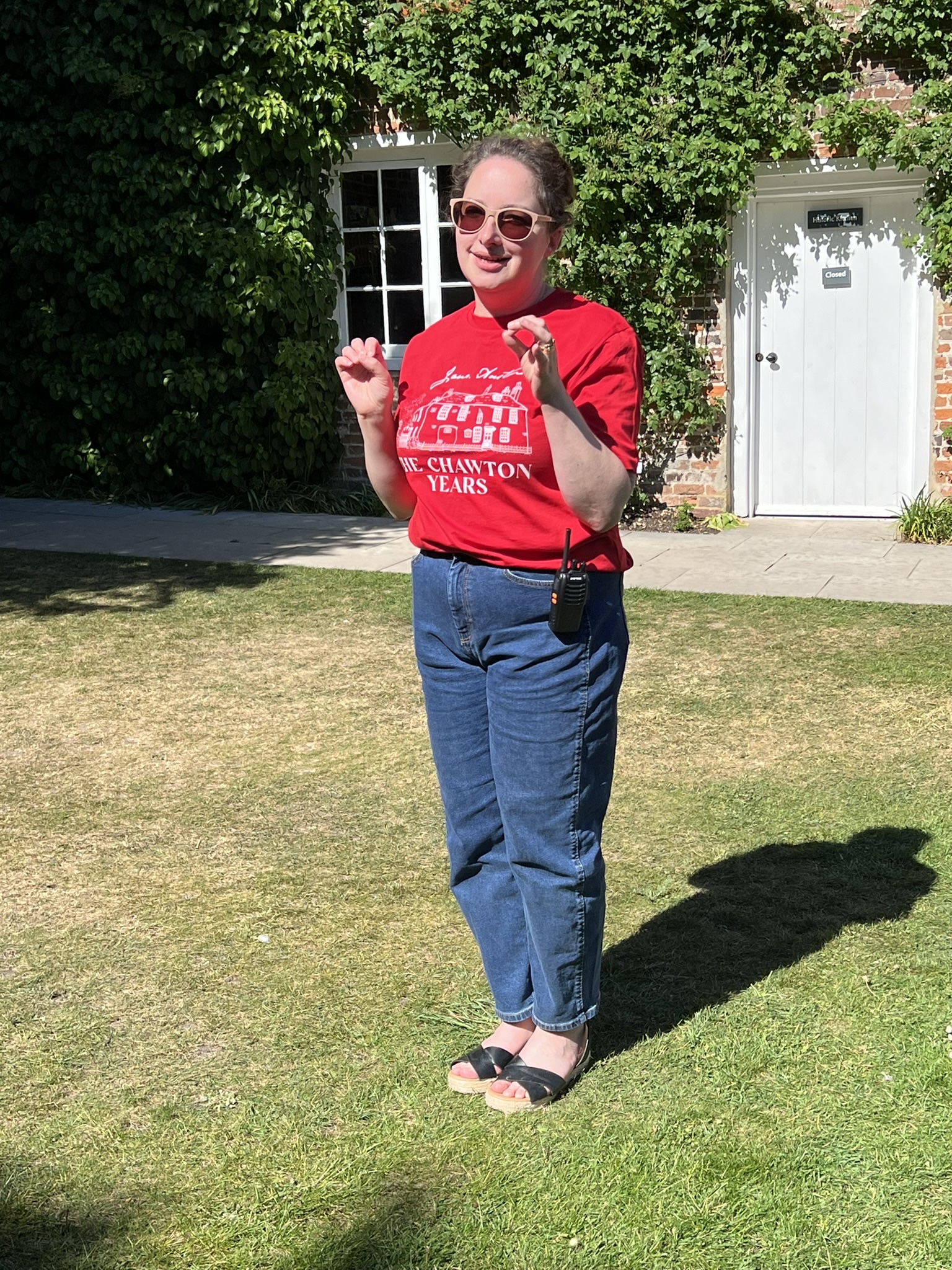
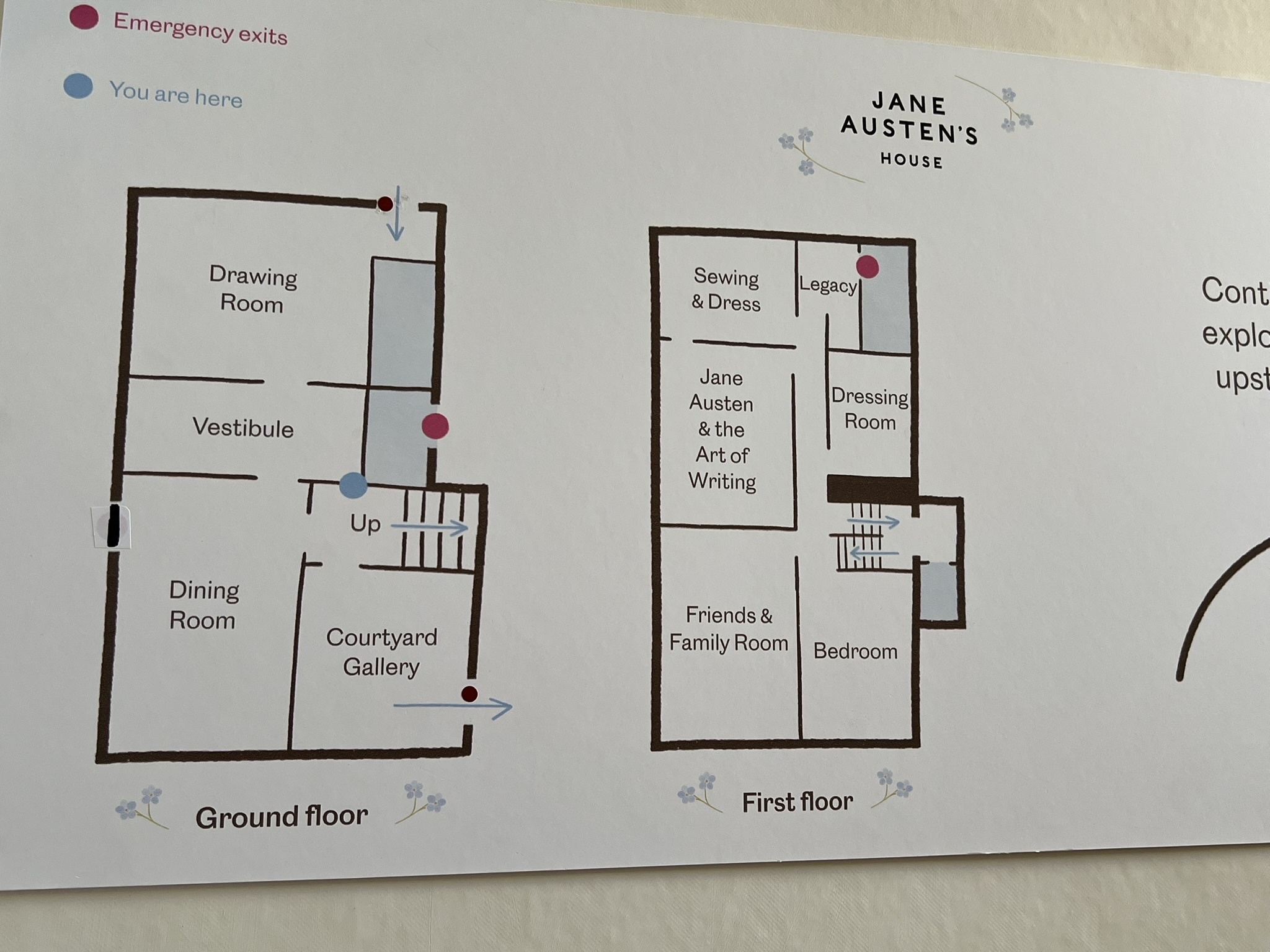
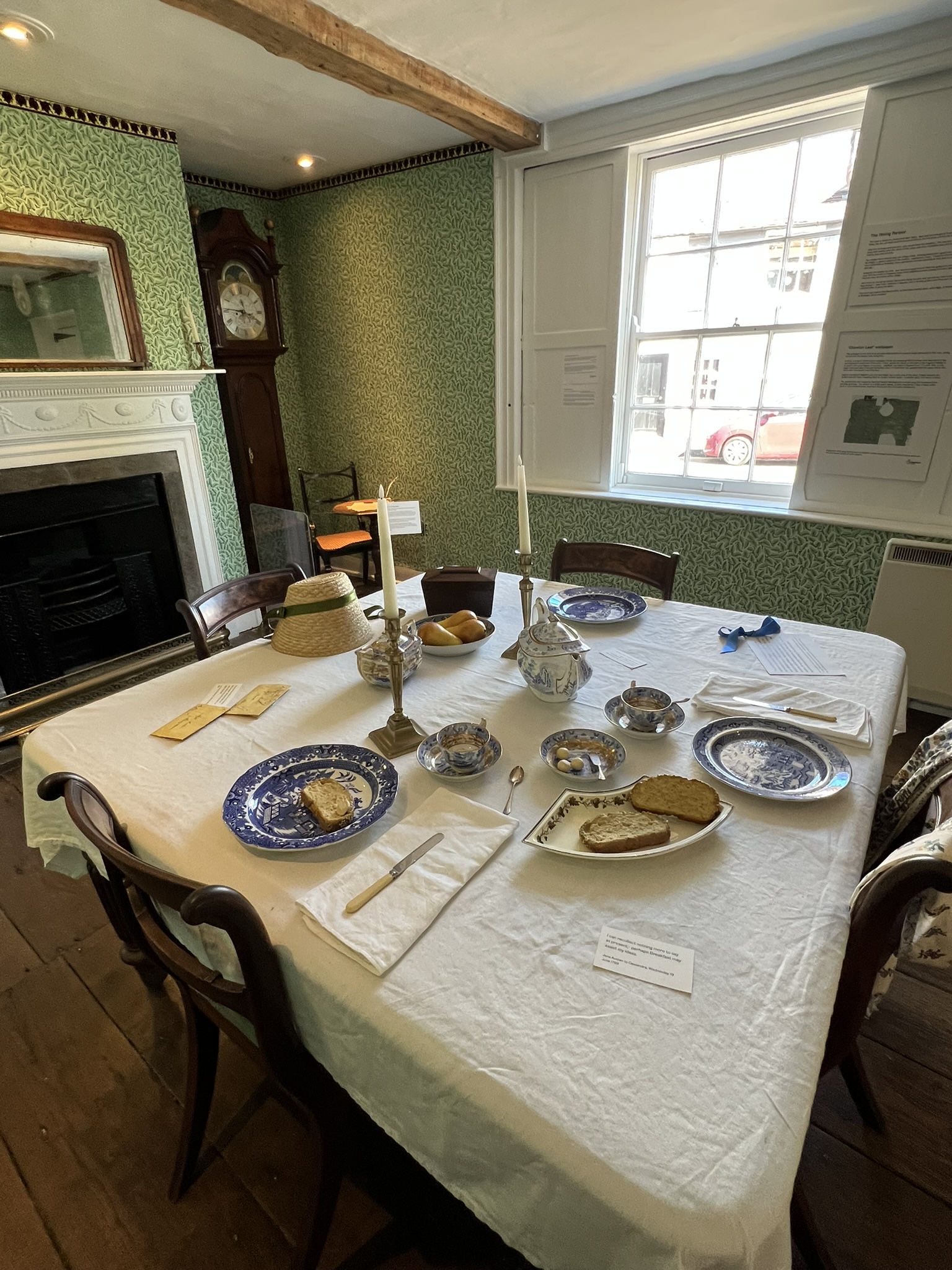
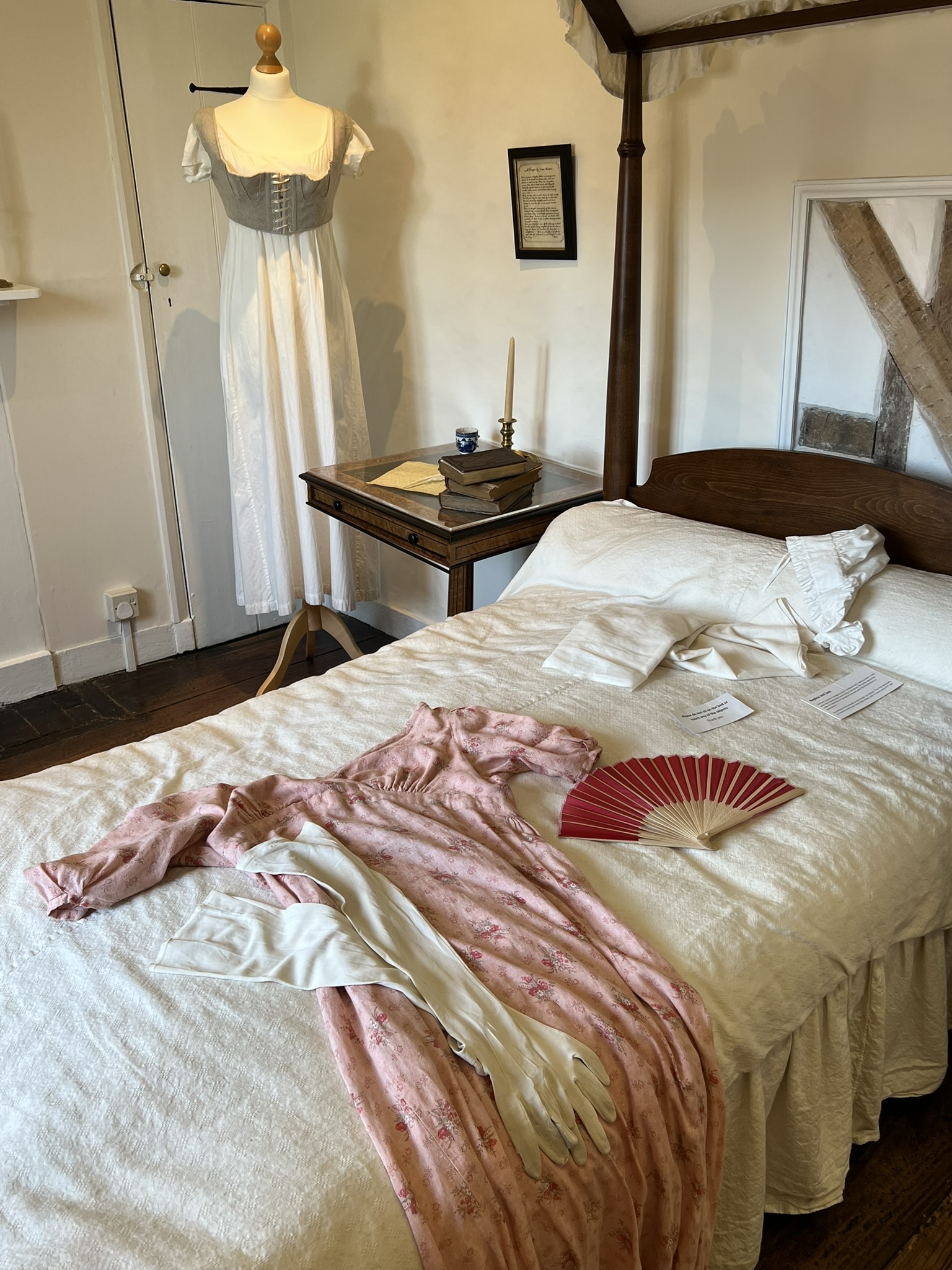
Warmly welcomed by house Director Lizzie Dunford, we could tour the house on our own, a living monument to seeing how Jane and her sister Cassandra and her mother lived in this “cottage” but actually quite a large home:
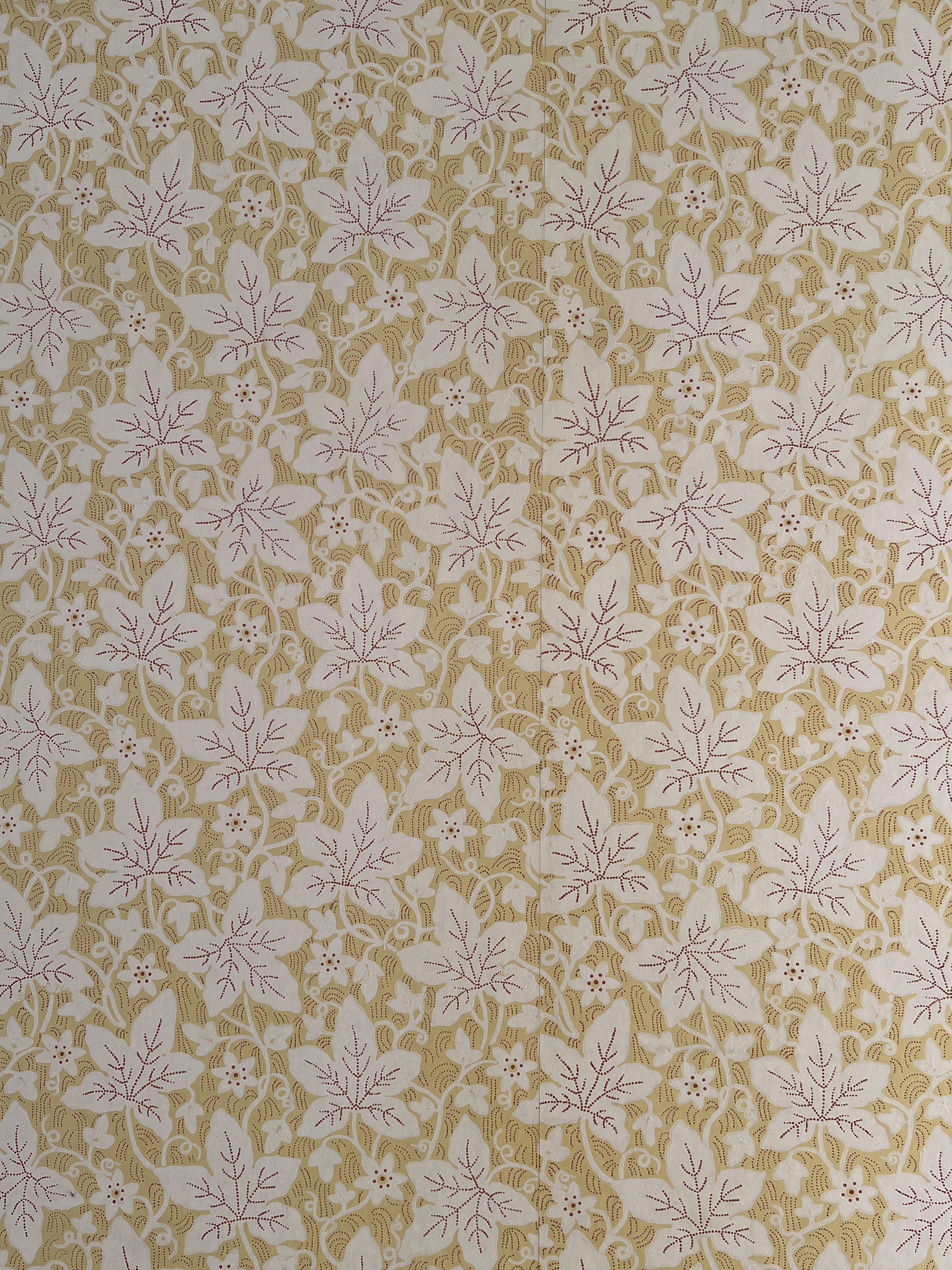
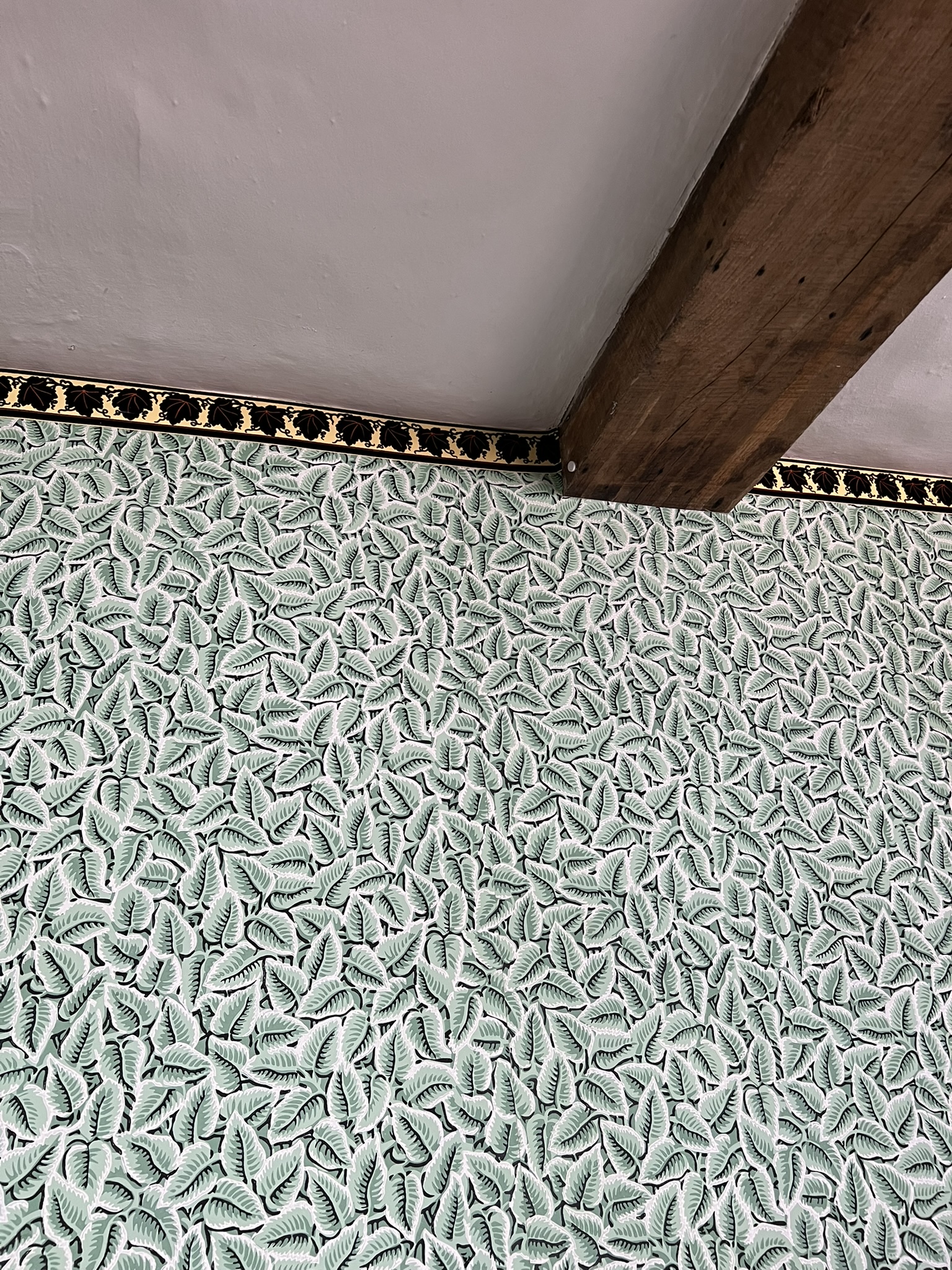
The rooms decorated with the newly minted wallpaper, recreated from the existing fragments, it all feels as though Jane herself is just around the corner…
As there was a concert scheduled for that evening, we were fortunate to be there when the pianist and singer were rehearsing – a Jane Faifax / Frank Churchill moment for sure!
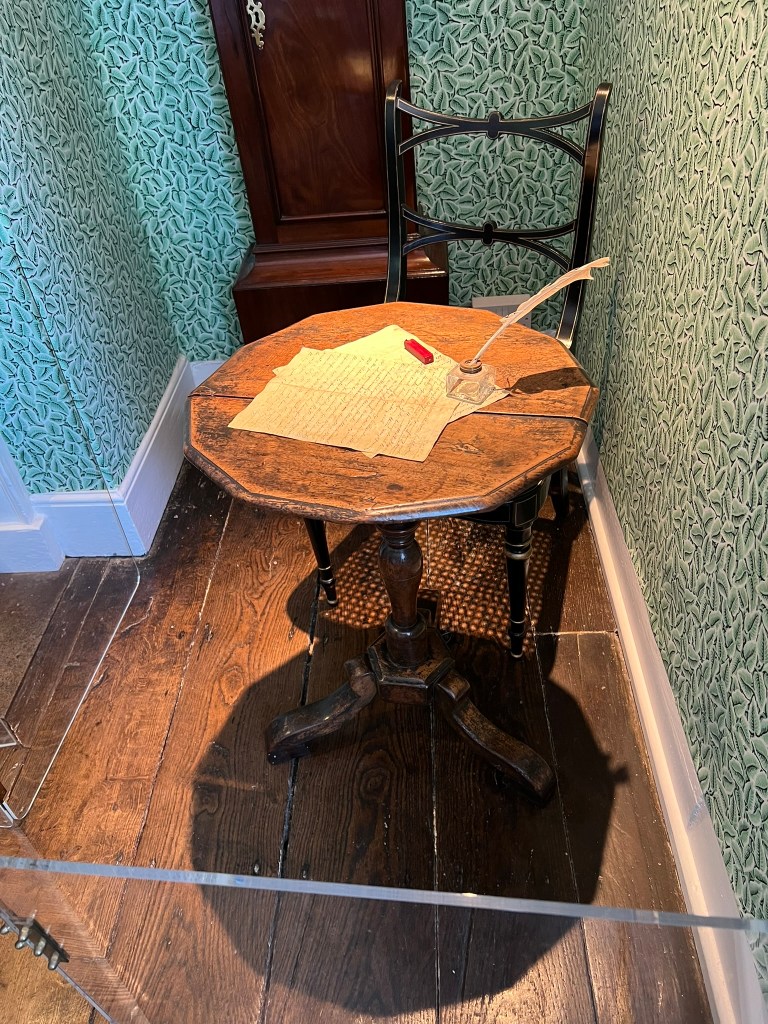
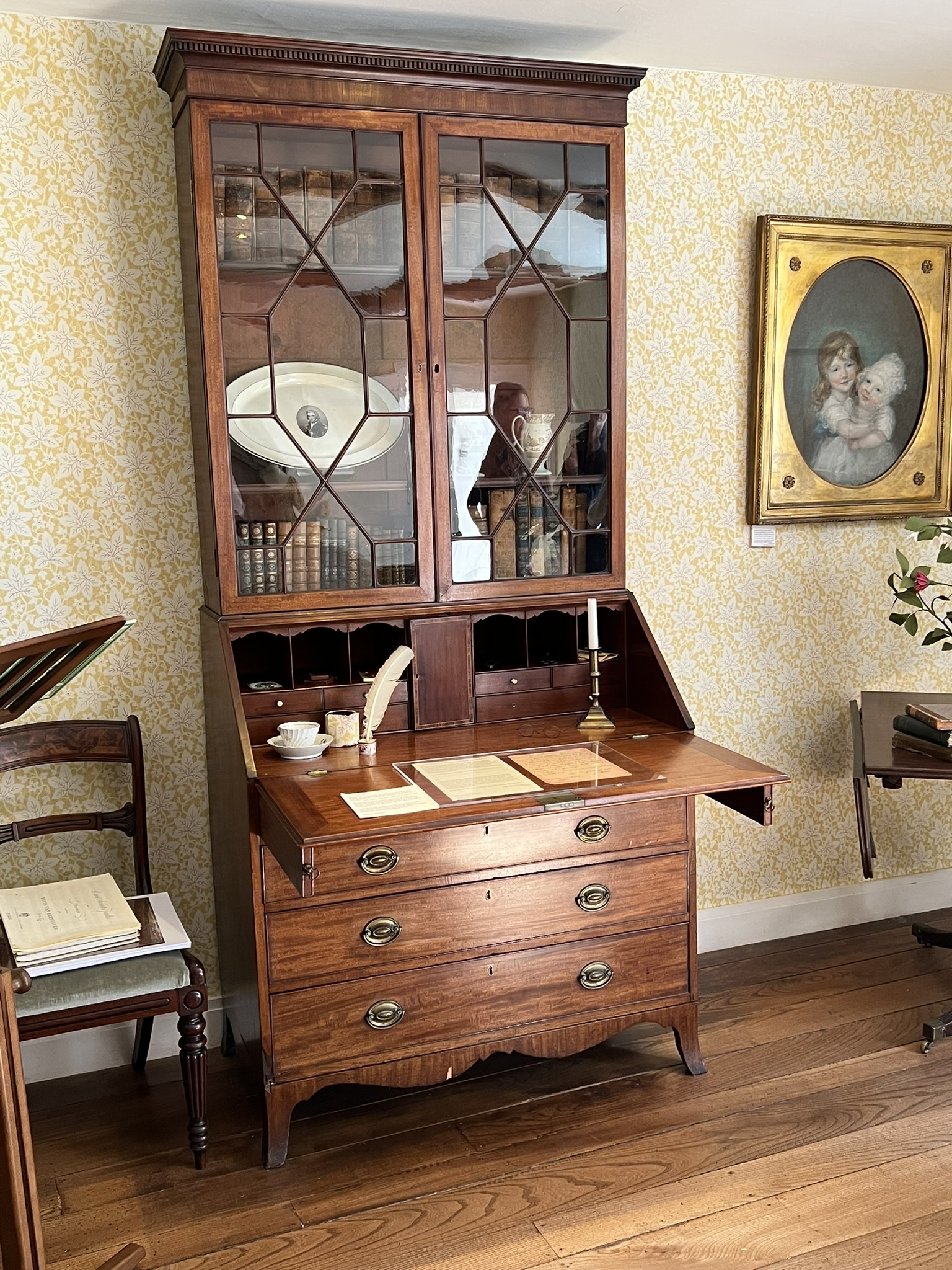
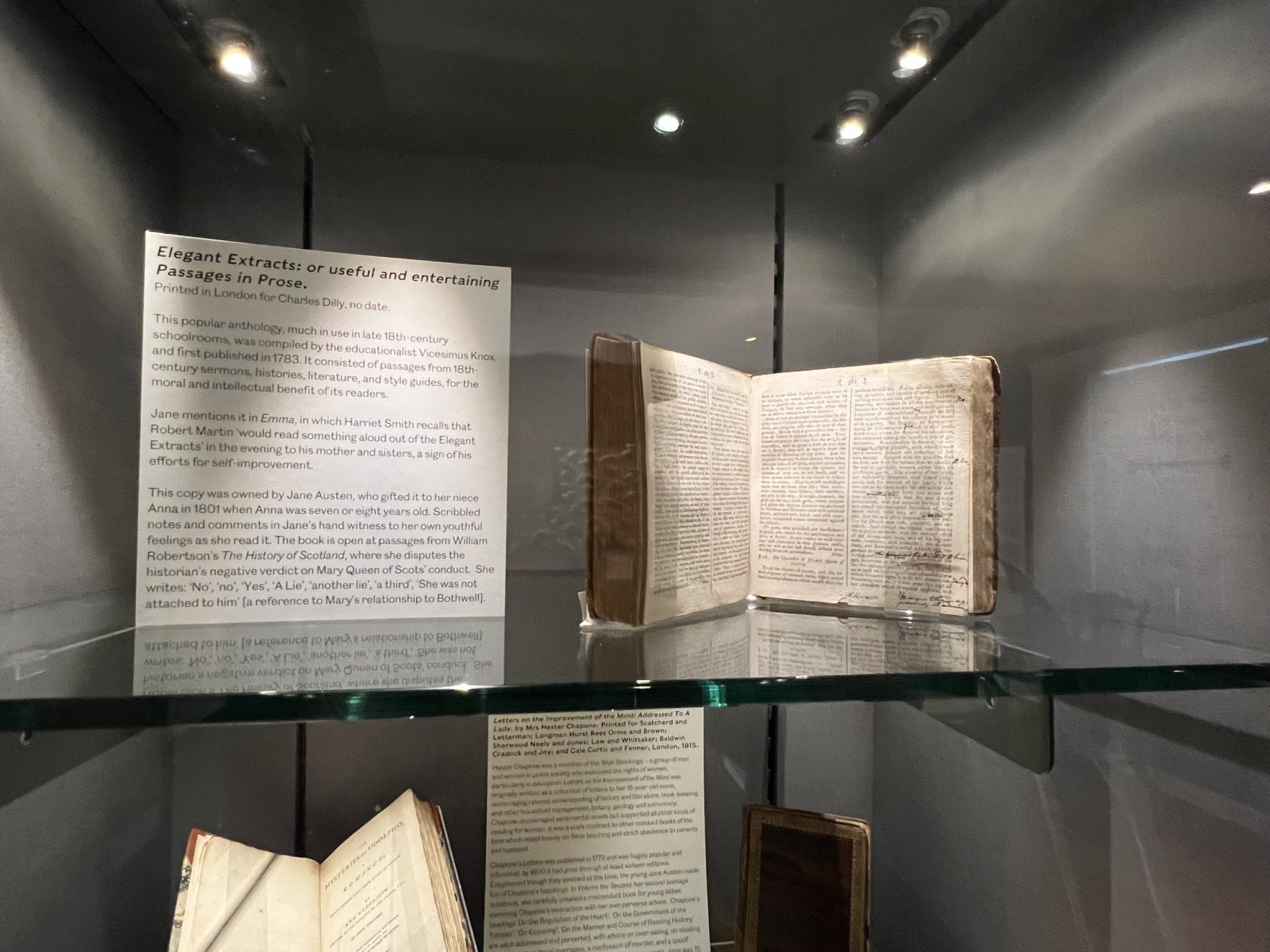
Here is a slideshow of various spots and objects in the house, starting with the infamous writing table where Austen “scribbled” her letters and novels: [scroll right to see all the photos]
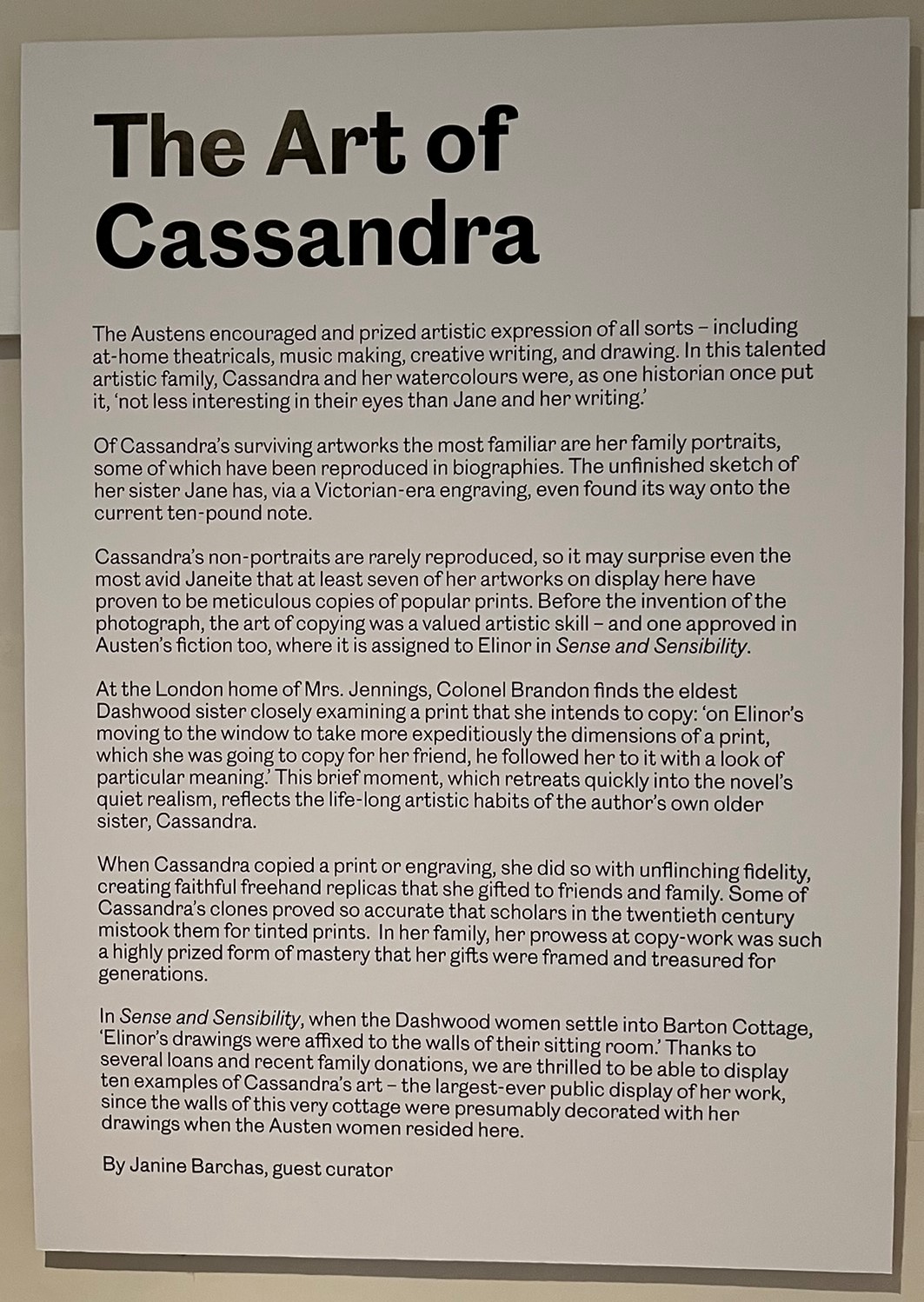
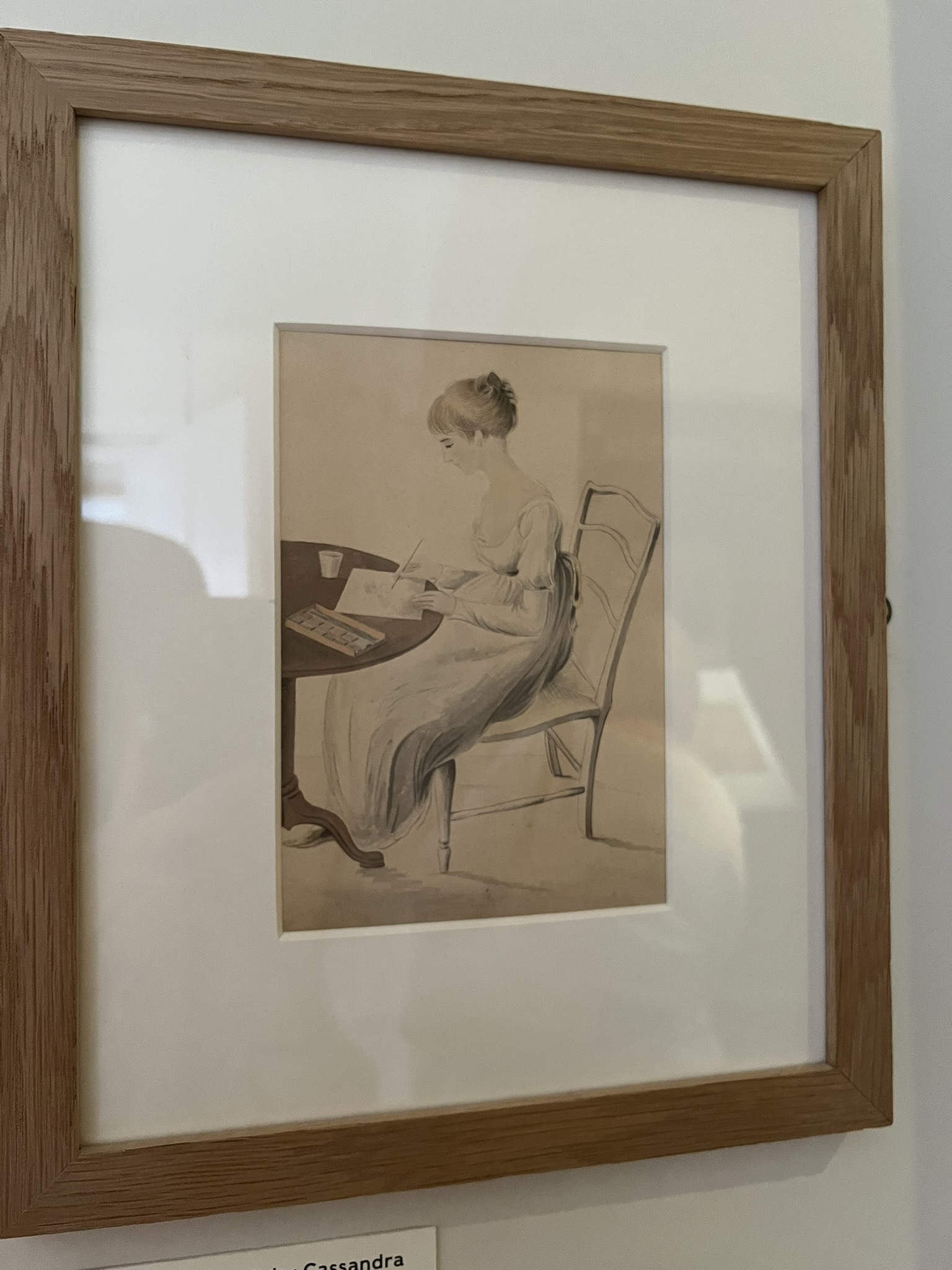
And were incredibly lucky again to see the exhibit on “The Art of Cassandra” on view til Sept 7, 2025, and curated by Professor Janine Barchas – a first-time ever display of 10 works by Austen’s sister:
This seemingly modest exhibition of ten artworks is the largest-ever public display of the confirmed works of Cassandra Austen. Not since Cassandra’s creative years in this very cottage have so many of her surviving artworks been gathered together in one place. Four of these were only recently discovered to exist among the possessions of Austen descendants. I’m thrilled that they will once again be displayed in the home where the Austen women lived and worked.’
– Janine Barchas, 2025
[Sorry! I did not take any more photos of Cassandra’s drawings, I was so enchanted by them – this link takes you to the online exhibition!]
The shop here at JAHM is yet another treasure trove as well as a danger to one’s wallet – I regret not buying the ring – I rarely wear gold, and somehow the silver one just doesn’t feel like the real thing…so I shall get through my disappointment by looking at the photo [image from JAHM]:
The garden at JAHM is a delight and you can imagine Jane and Cassandra working in it, enjoying it every day:
Our young Piony [sic] at the foot of the Fir tree has just blown & looks very handsome; & the whole of the Shrubbery Border will soon be very gay with Pinks & Sweet Williams, in addition to the Columbines already in bloom. The Syringes too are coming out. – We are likely to have a great crop of Orleans plumbs…
Jane Austen, 29 May 1811 from Chawton to Cassandra at Godmersham Park
These tulips will have to do!
Time for afternoon tea! [we did not want for food on this tour!]
And then back to the hotel…the evening on our own… a glorious day!!
Coming off our visit to Steventon, we were given some free time to explore Winchester on our own, the Cathedral and College to be part of the Day 7 adventure. I have been to Winchester before, have seen all the spots associated with Jane, and at the 2003 AGM we had a grand banquet at the Great Hall. [There was a talk by the then woman mayor of the City – a Jane Austen follower! Her name was Jean Hammerton, and I see that she passed away in 2020 – she was a delight!]
Considered one of the finest surviving medieval aisled halls of the 13th century, it is all that remains of the vast Winchester Castle, begun by William the Conqueror. I was largely alone here today, and lacking banquet tables and all that food, you can see the vastness and majesty of the place:
It is also home to the “Round Table”:
Which is nearly 800 years old, has a diameter of 18 ft, made of 121 separate pieces of English oak – and is considered the symbol of medieval mythology – think Camelot – King Arthur and the Knights of the Round Table. Since recent dating proves it is from the 13th century and not an original table of Arthur’s 6th century, much conjecture remains as to who ordered this to be made (probably Edward I), and why (part of a great banquet for an ‘Arthurian’ tournament during celebrations in 1290). The painting on the Round Table is dated to the early 16th century and has been determined to be the image of Henry VIII as a young man – Henry wanting to reinforce the Tudor claim to be direct descendants of Arthur [what a Henry…]*:
…as well as a nice reference to John F. Kennedy.
Queen Victoria has her own place of honor here – a HUGE statue for her Golden Jubilee in 1867:
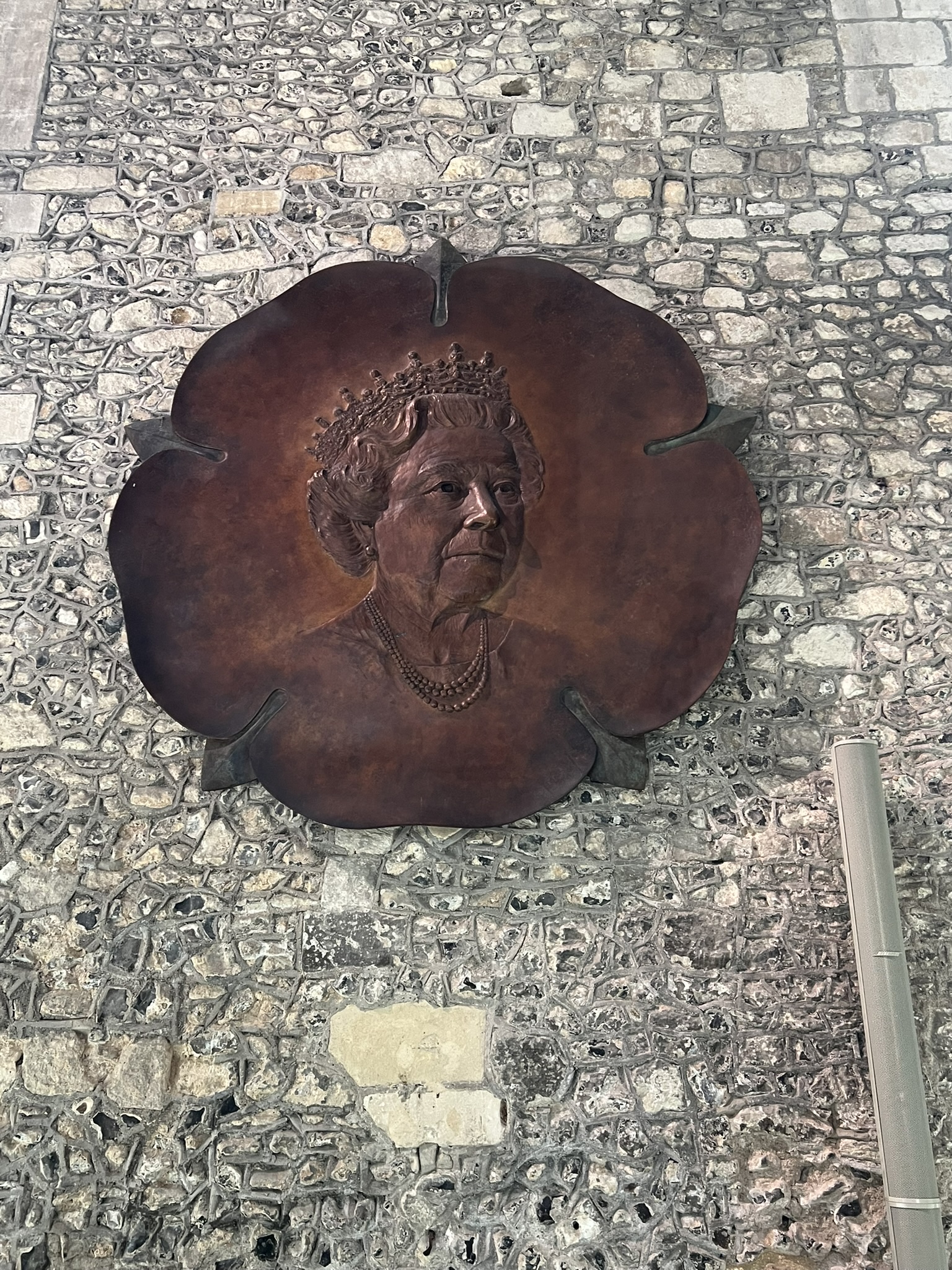
Exiting the Hall is a recreation of Queen Eleanor’s Garden [Queen Eleanor of Provence, wife of Henry III, and Queen Eleanor of Castile, wife of his son Edward I], opened in 1986 by Her Majesty The Queen Mother – it also includes an herb garden, filled with medieval plants, for their beauty as well as their medicinal purposes.
***********
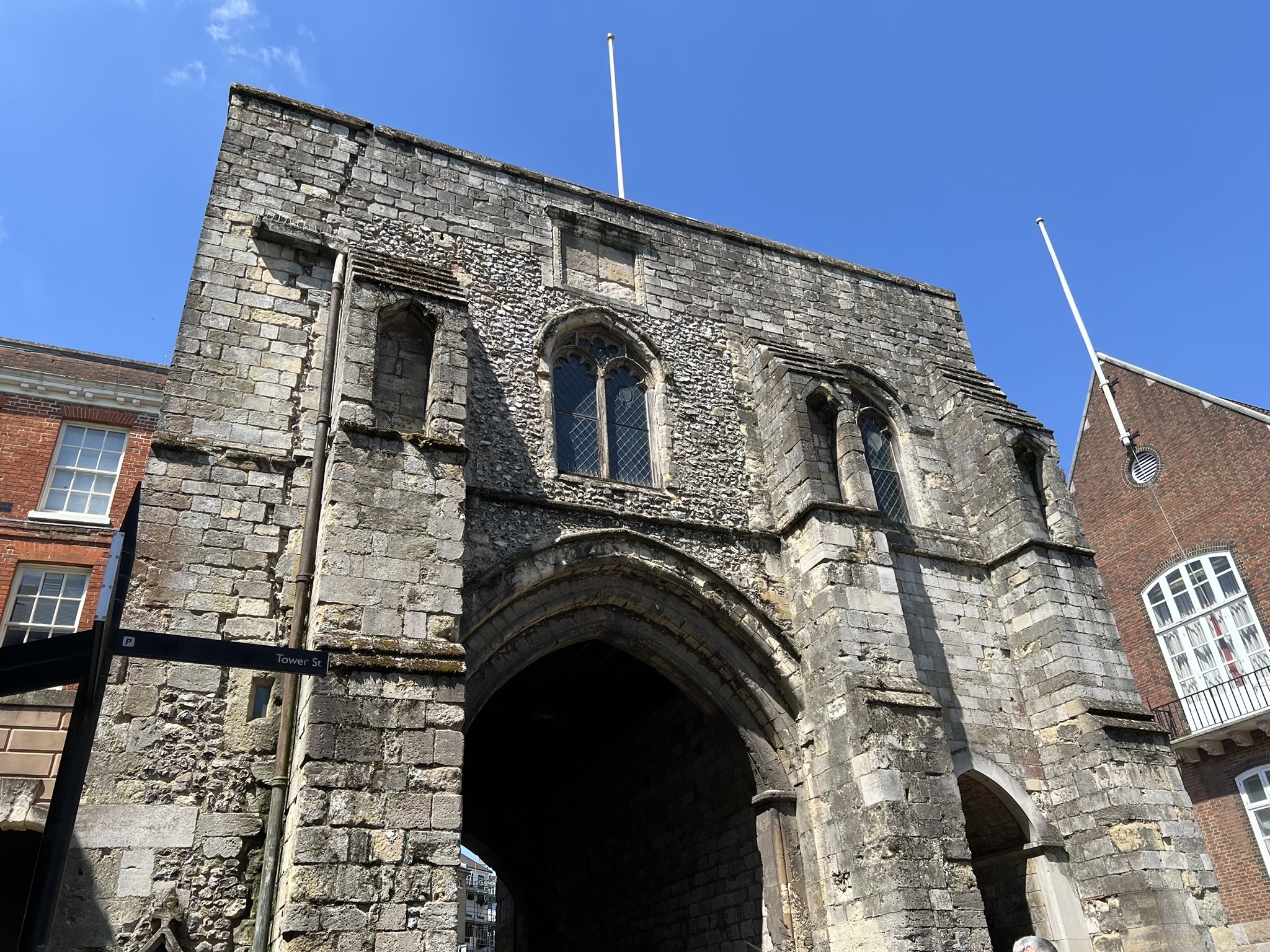
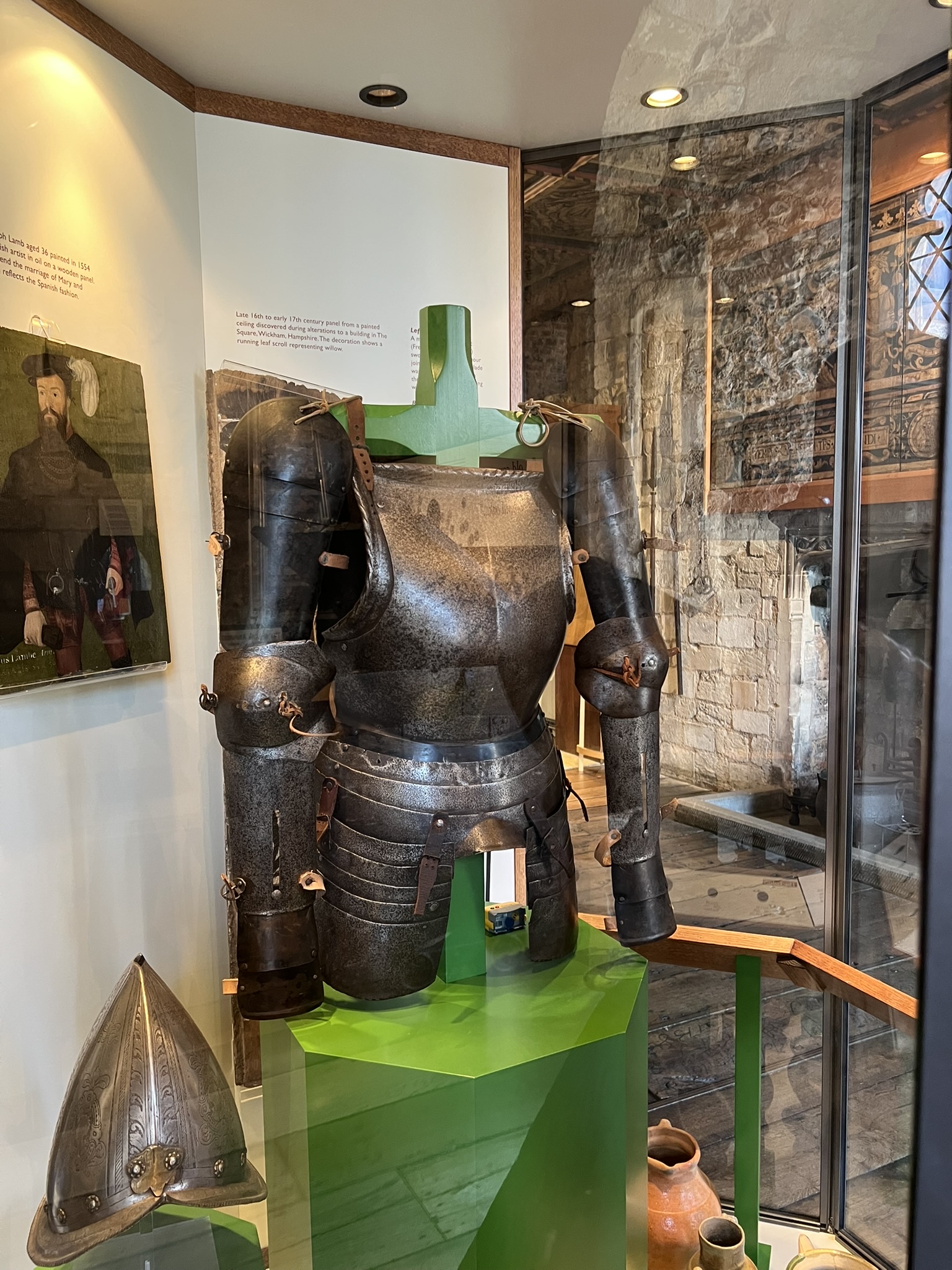
I then went to the Westgate Museum, next to the Hall and within the West Gate into the City, which holds some interesting artifacts of medieval and later times – always impressed by a fine coat of armor:
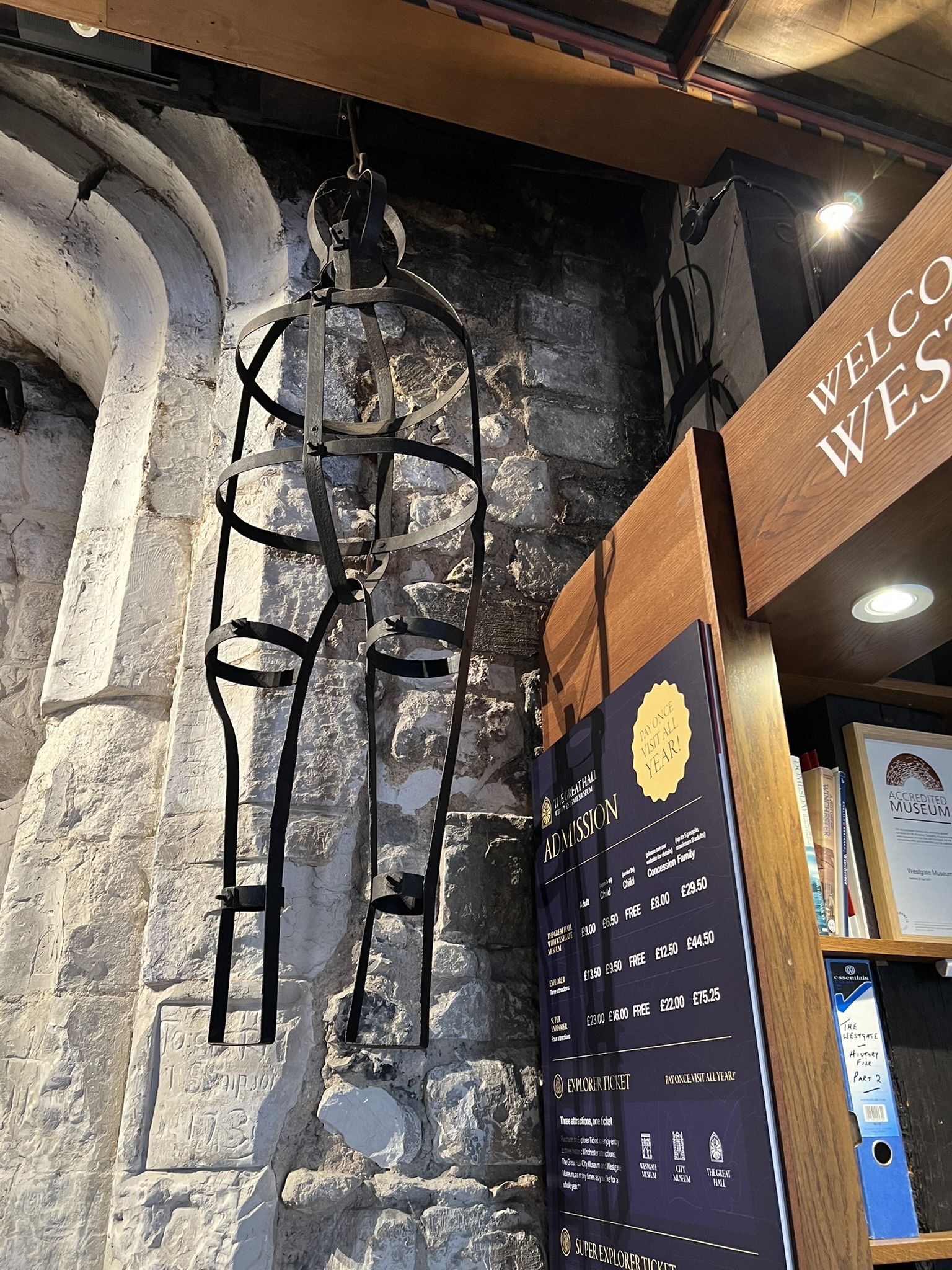
A hanging gibbet, not so much…
Great views of the Hall and the City from up top of the Gate:
We were greeted by Louise West, Trustee for the HCT, and Jaane Rowehl, Director of Programme and Collections, and two of the people working on their upcoming exhibit “Beyond the Bonnets: Working Women in Jane Austen’s Novels”
We were first treated to a talk on and a viewing of some of the artifacts that would have been used by these “working women” of Hampshire: domestic servants [lady’s maids, housekeepers, washer women]; governesses and teachers; and business women [seamstresses, milliners, glazers]; and the inevitable houses of prostitution – the artifacts that will be in the exhibit about their working lives, much of what has been discovered from diaries, receipts, and letters:
–
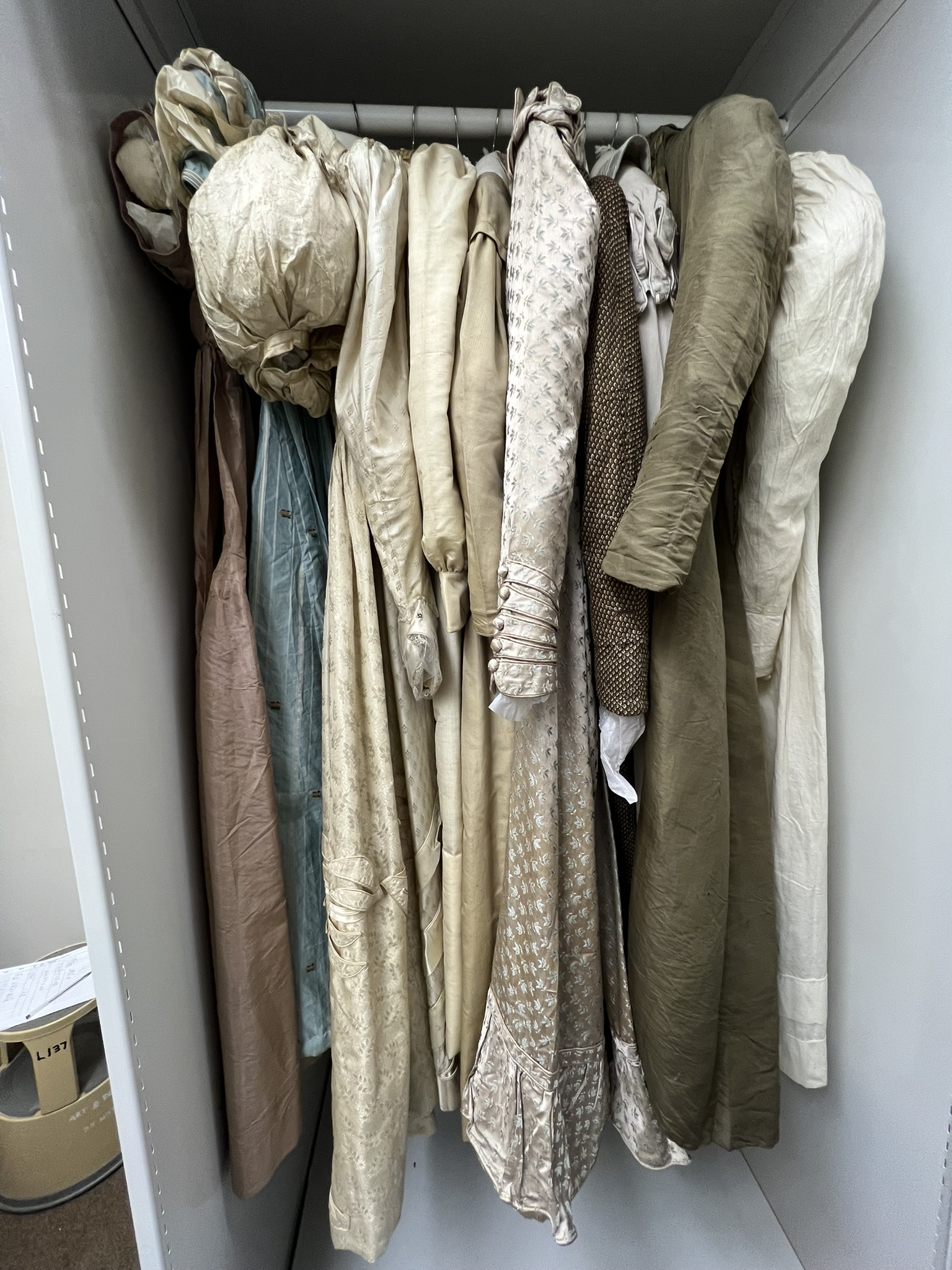
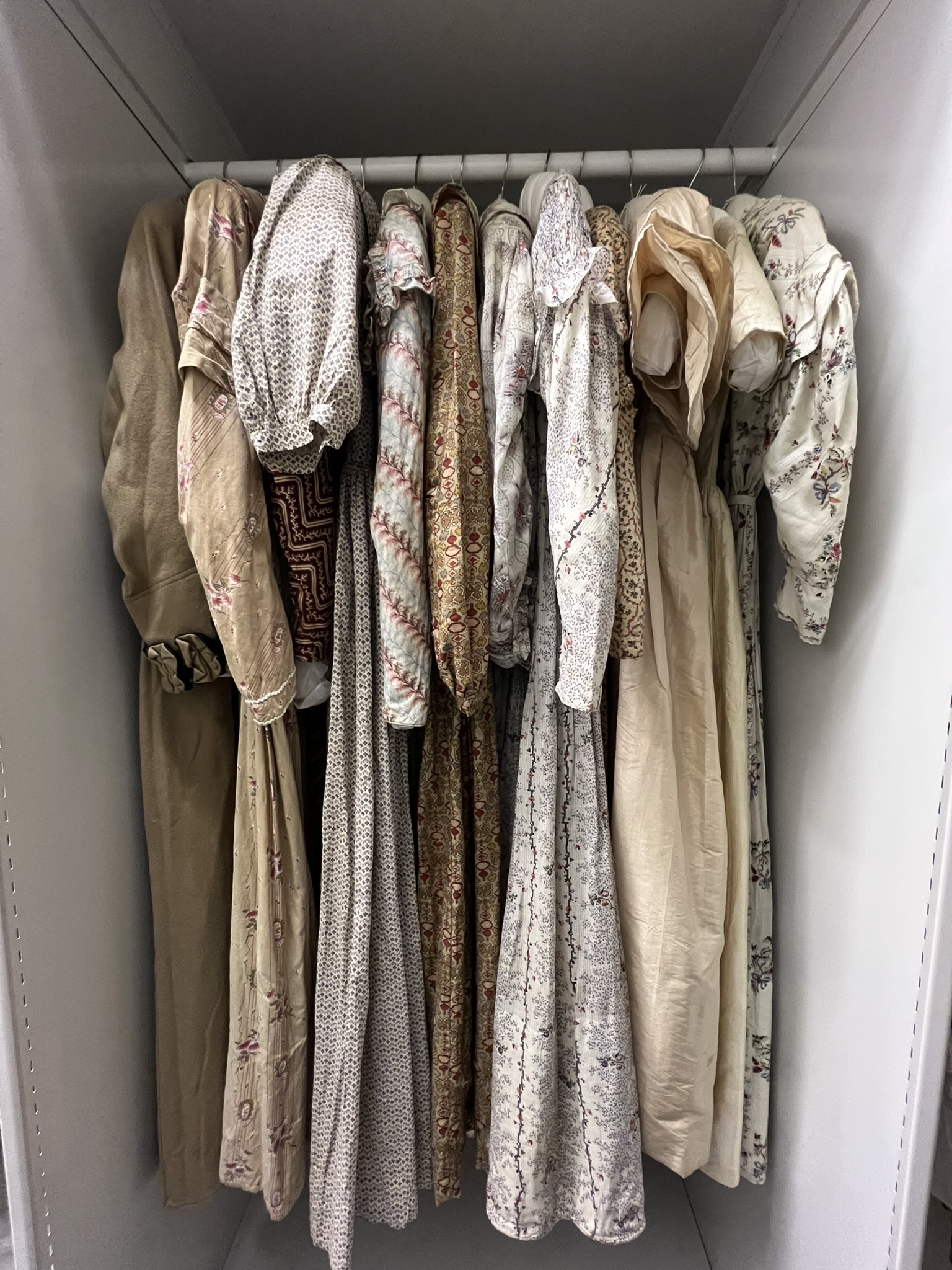
Then a behind-the-scenes tour of the HCT’s costume and textile collection – fascinating work being done here [as well as rows and rows of costumes that are rented out for plays, etc]. Here we could see some of the actual dresses in the collection that are being preserved and studied:
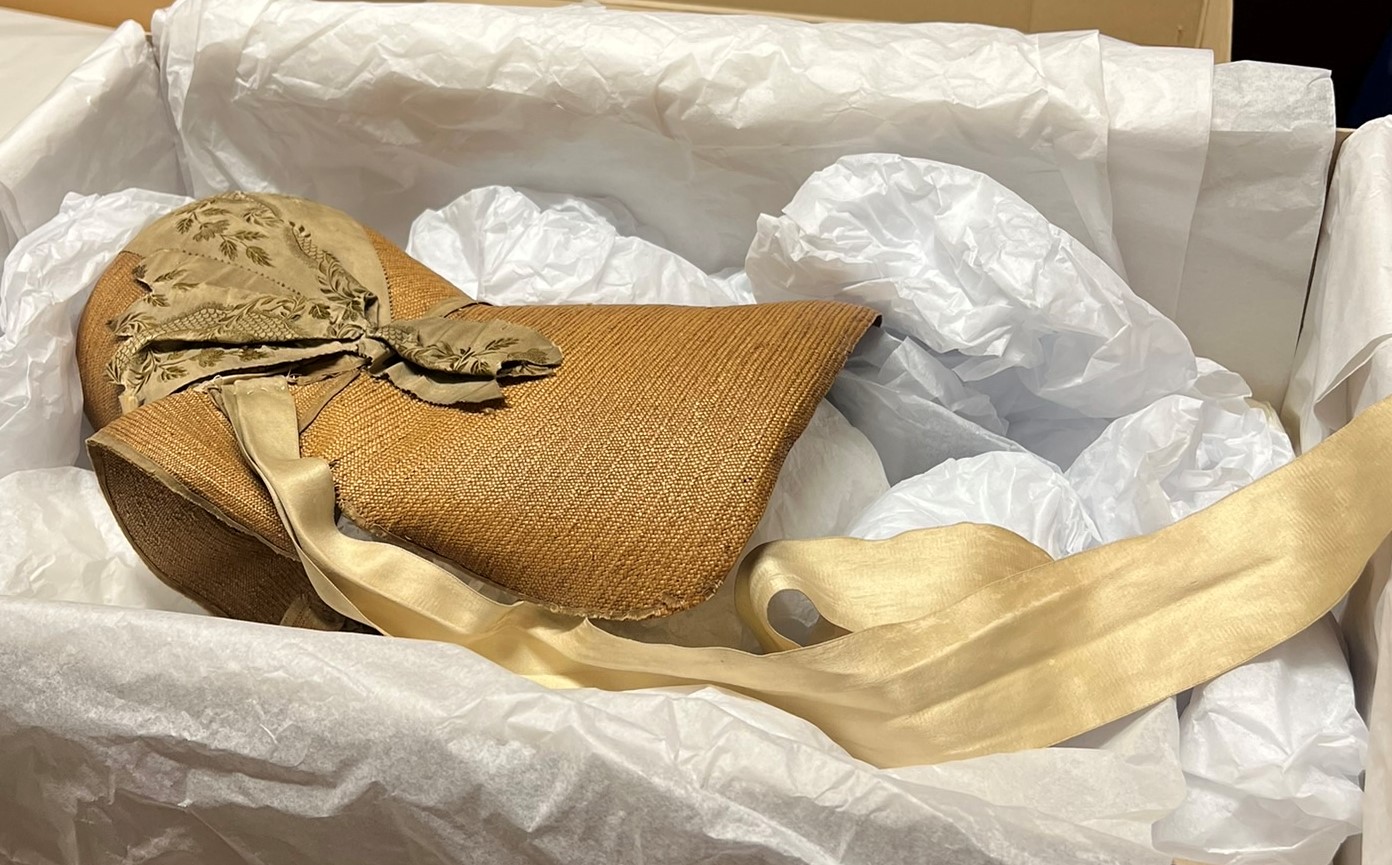
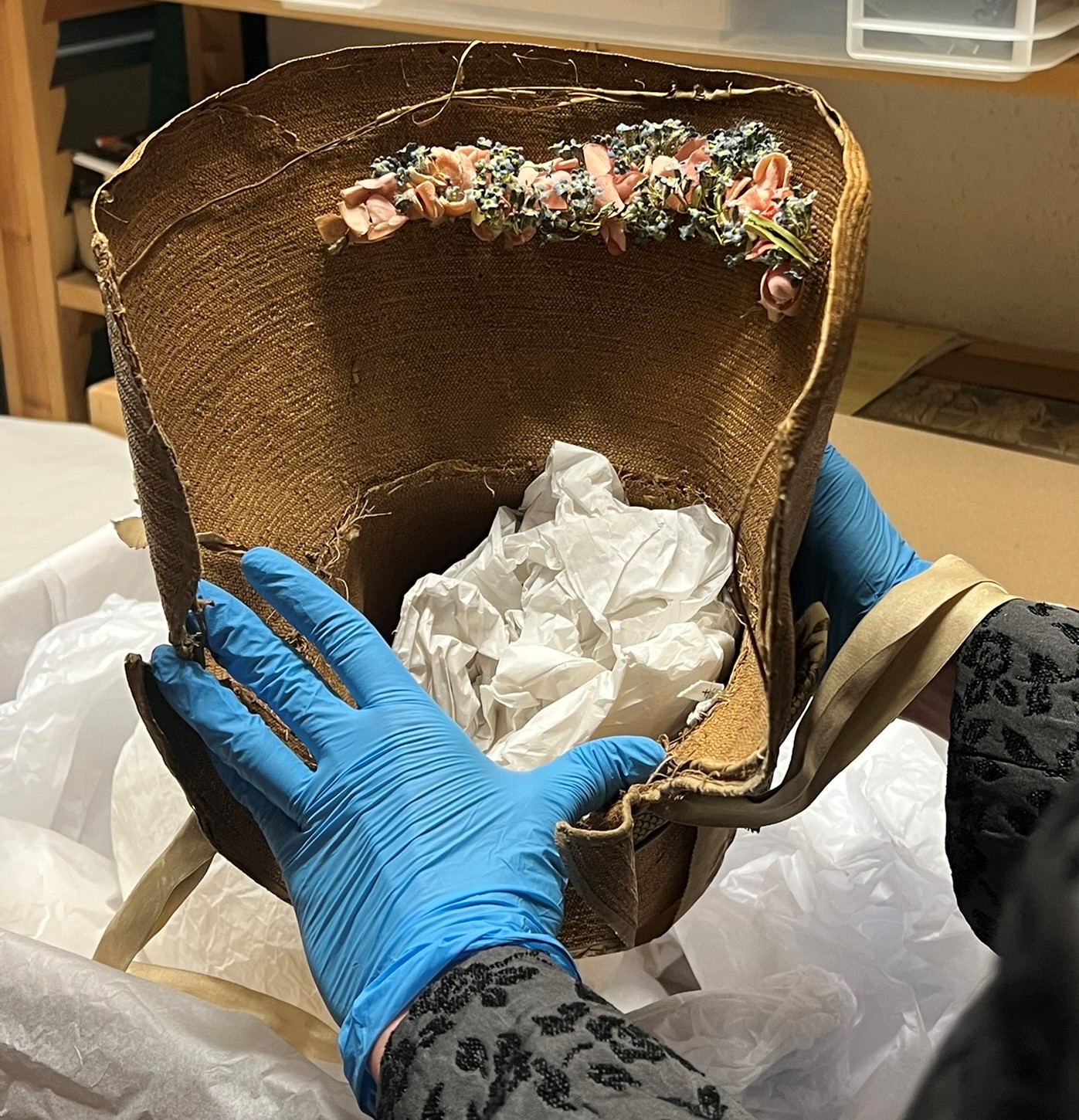
And this fascinating bonnet!
And the necessary Fan:
–
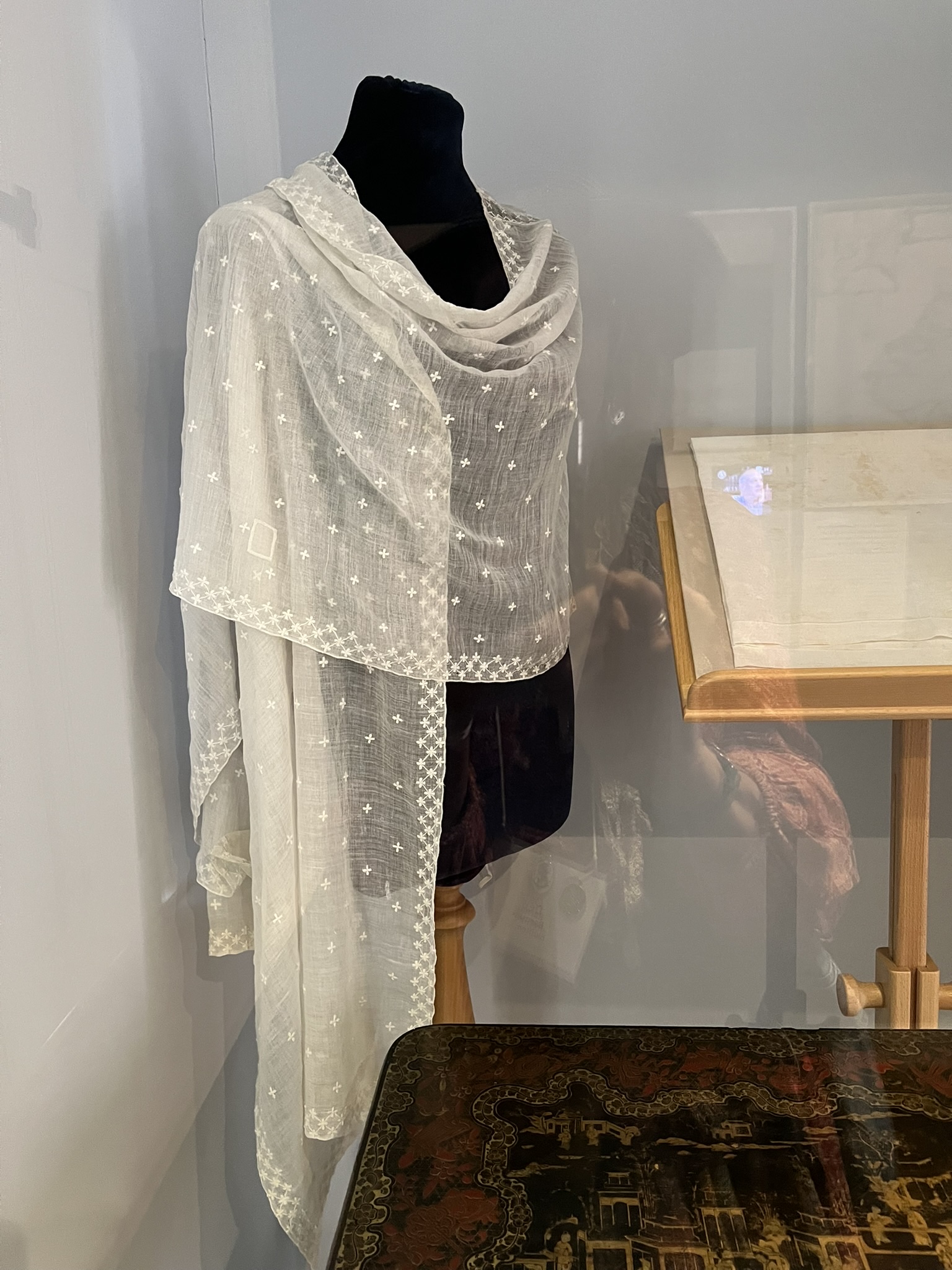
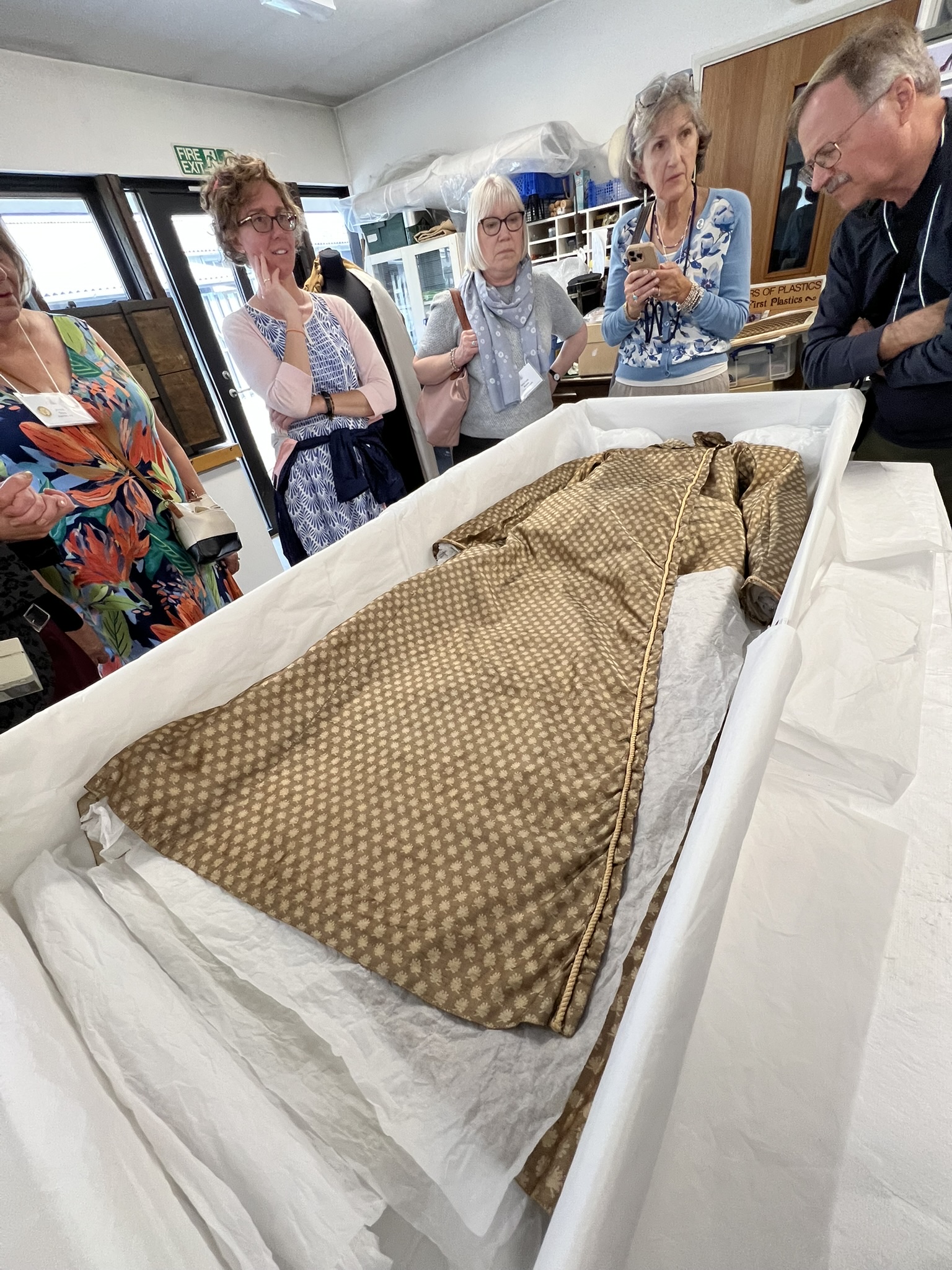
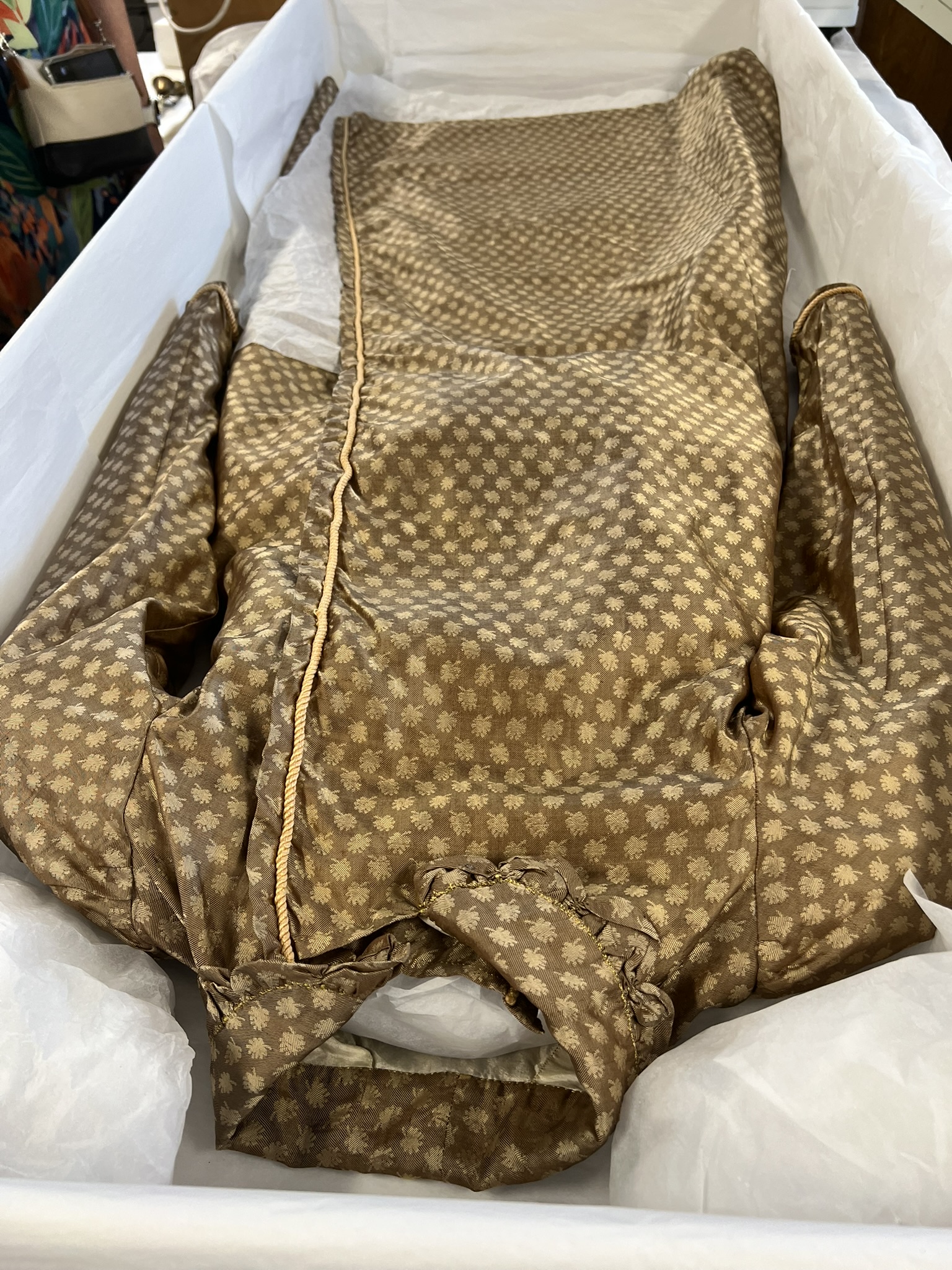
But nothing was quite so moving [some of the group on the verge of fainting] of Austen’s original pelisse:
Many of us have seen the various replicas, but to see this so close up [no touching allowed!] was quite something… and nice to know the care it is being given…
We were treated to a proper cup of tea and refreshments and then back to the hotel, where we had the evening to ourselves – we took advantage of the lovely outdoor patio with a fine glass of wine and pub fare – another perfect day [one can get used to this…]
Tomorrow brings us to the Cathedral, final resting place for Jane, so come visit again… [this blog posting is taking longer than the trip itself!]
*Source: Hampshire City Council. The Great Hall: Where History and Legend Meet. [no date]
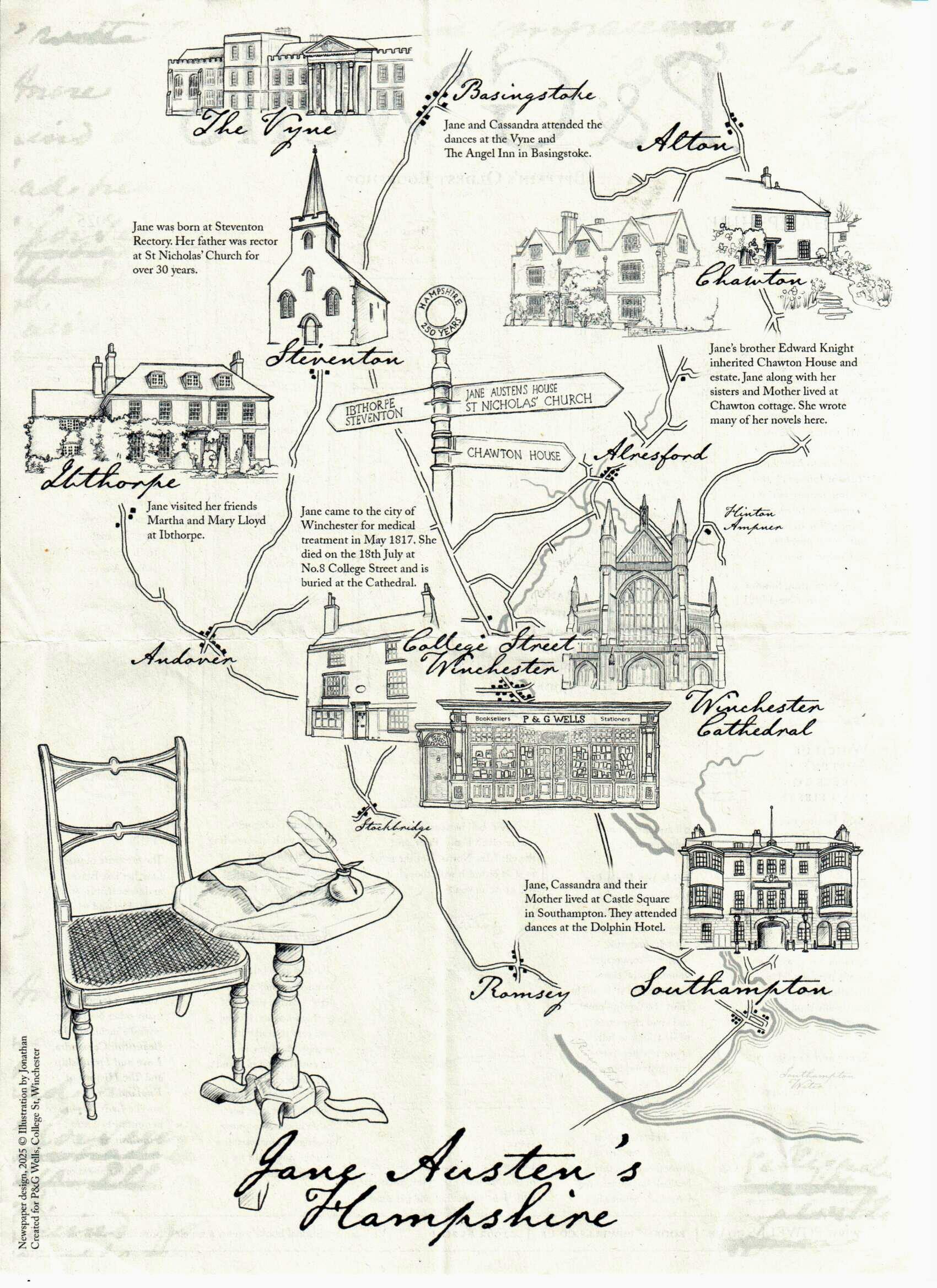
Today we journey from Winchester to Jane Austen’s home ground – where she lived for the first 25 years of her life: Steventon.
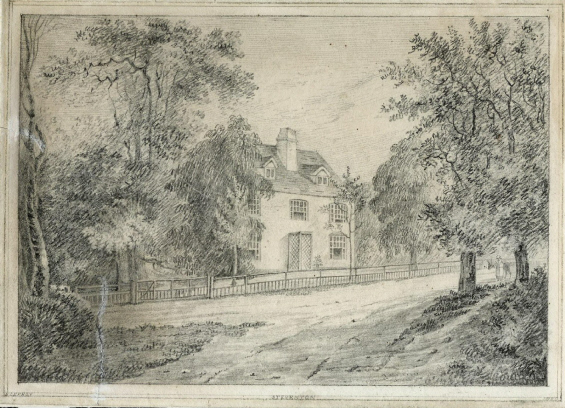
The house she and her siblings were born and raised in no longer stands, but thanks to her niece Anna Lefroy (or possibly her nephew-in-law Ben Lefroy), we have these drawings of the house:
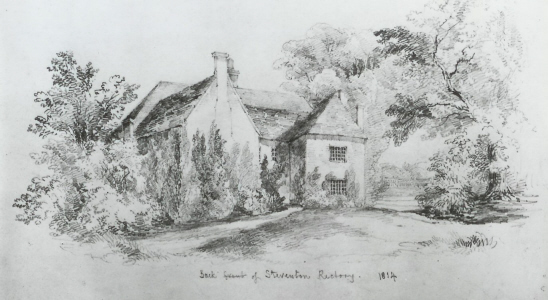
and this rear view:
All that is left today is this fenced-in location of the house pump: so our imaginations have to run wild…
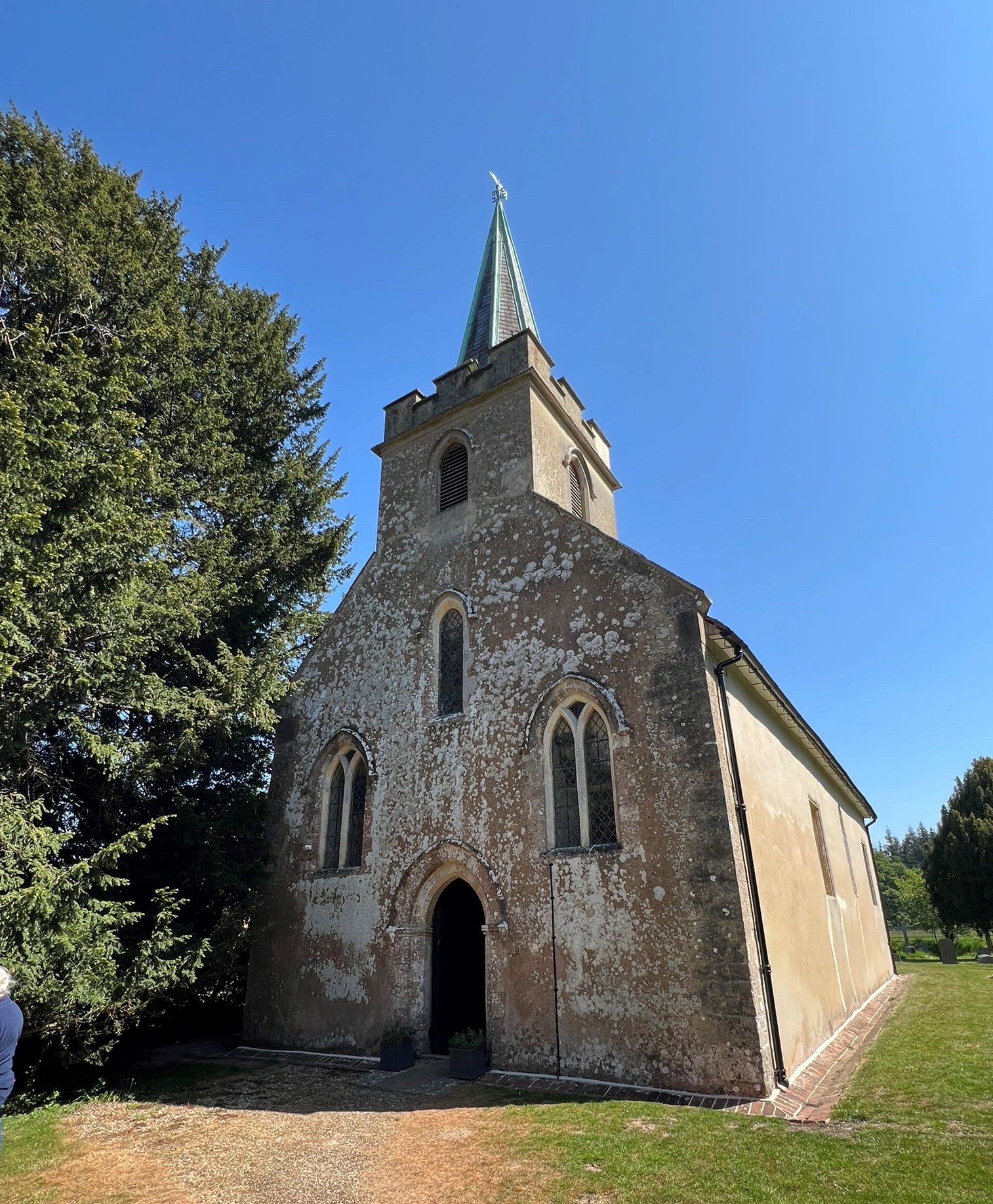
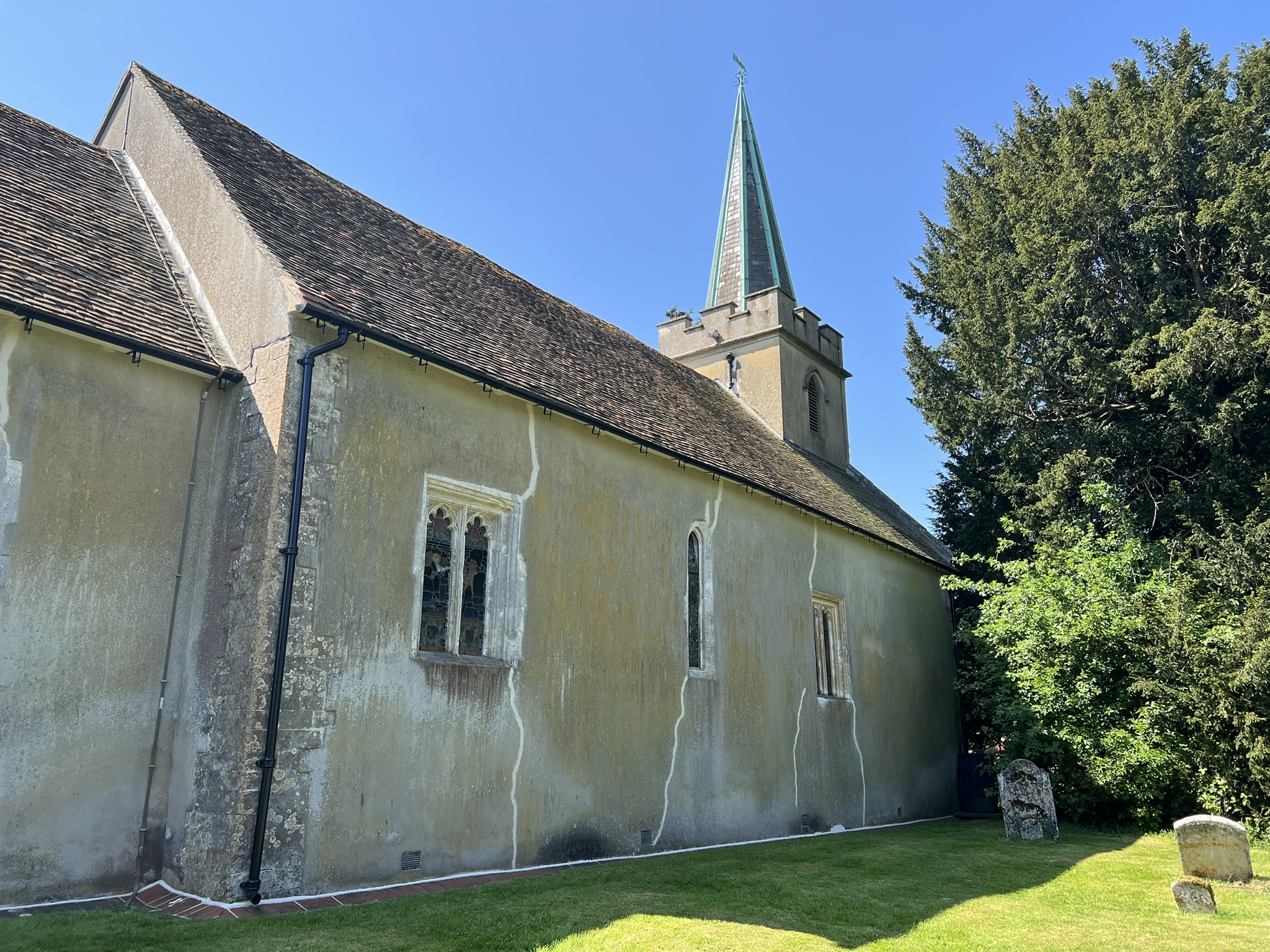
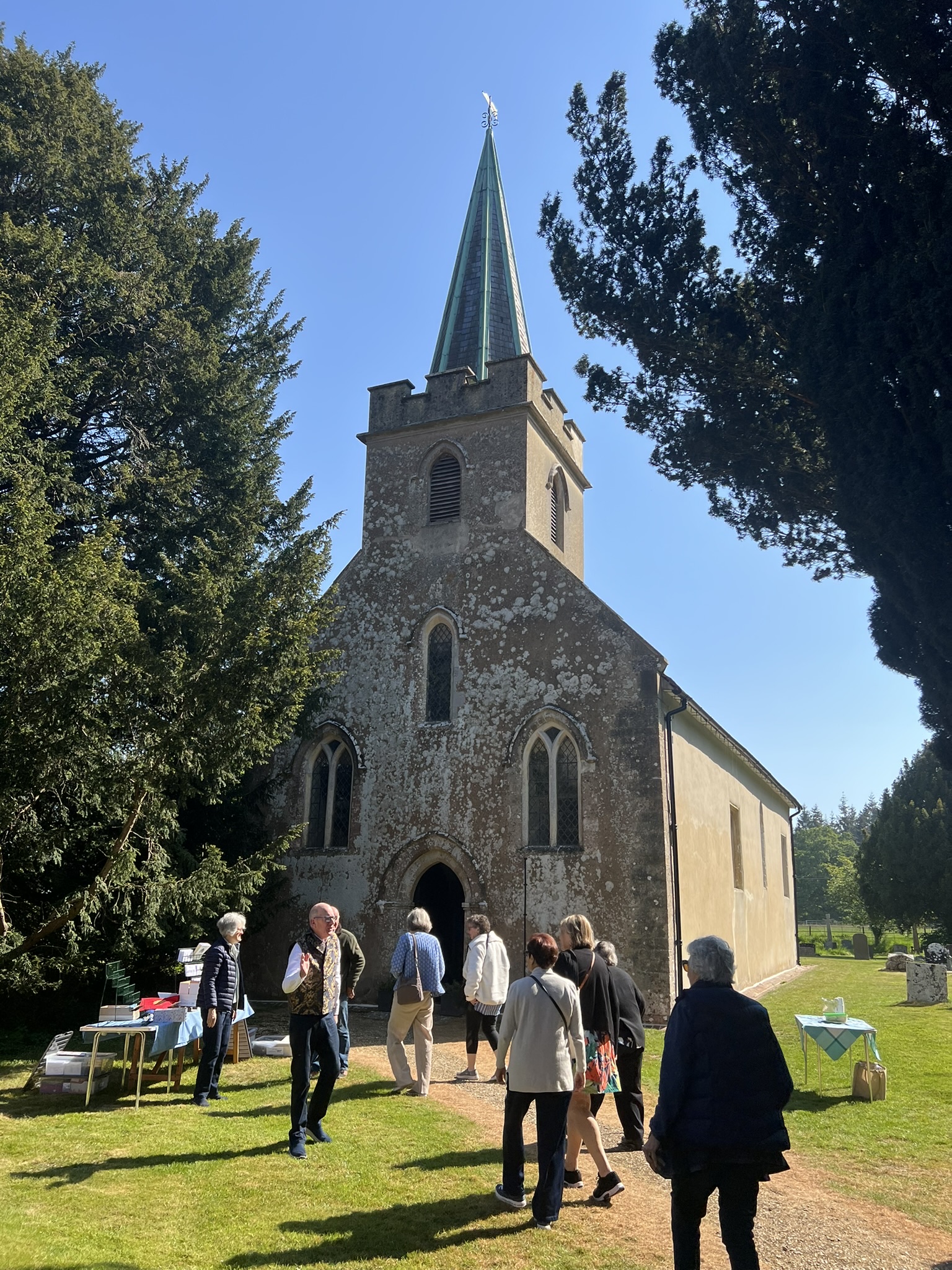
It is the Church we come to see here [a St. Nicholas of course]: you can also see we are done with the cold of Kent, and welcome the warm and cloudless sky of lovely Hampshire – [I am reminded for a moment of Margaret Hale in Gaskell’s North and South and the loss of her beloved Hampshire and her favorite “Helstone” roses, as she makes her way in northern cold and dark Manchester…]
Members of theJane Austen Societywarmly greeted us on this lovely day, offering delicious fare and Austen-related merchandise to buy. Then a quiet visit inside the church to see where Jane would have worshipped, her father rector here from 1761 (and of Deane from 1763) until his retirement in 1801 and death in 1805.
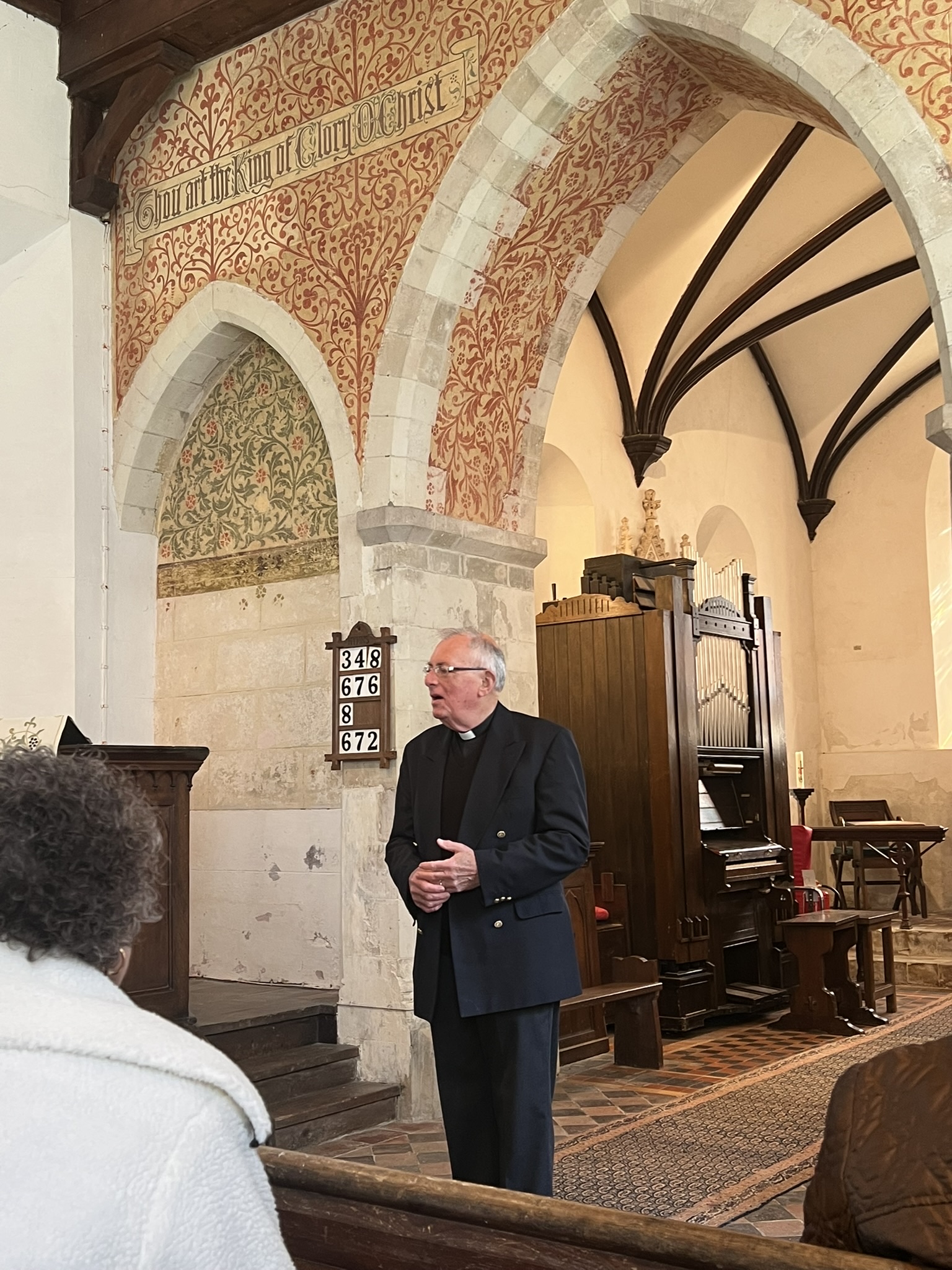
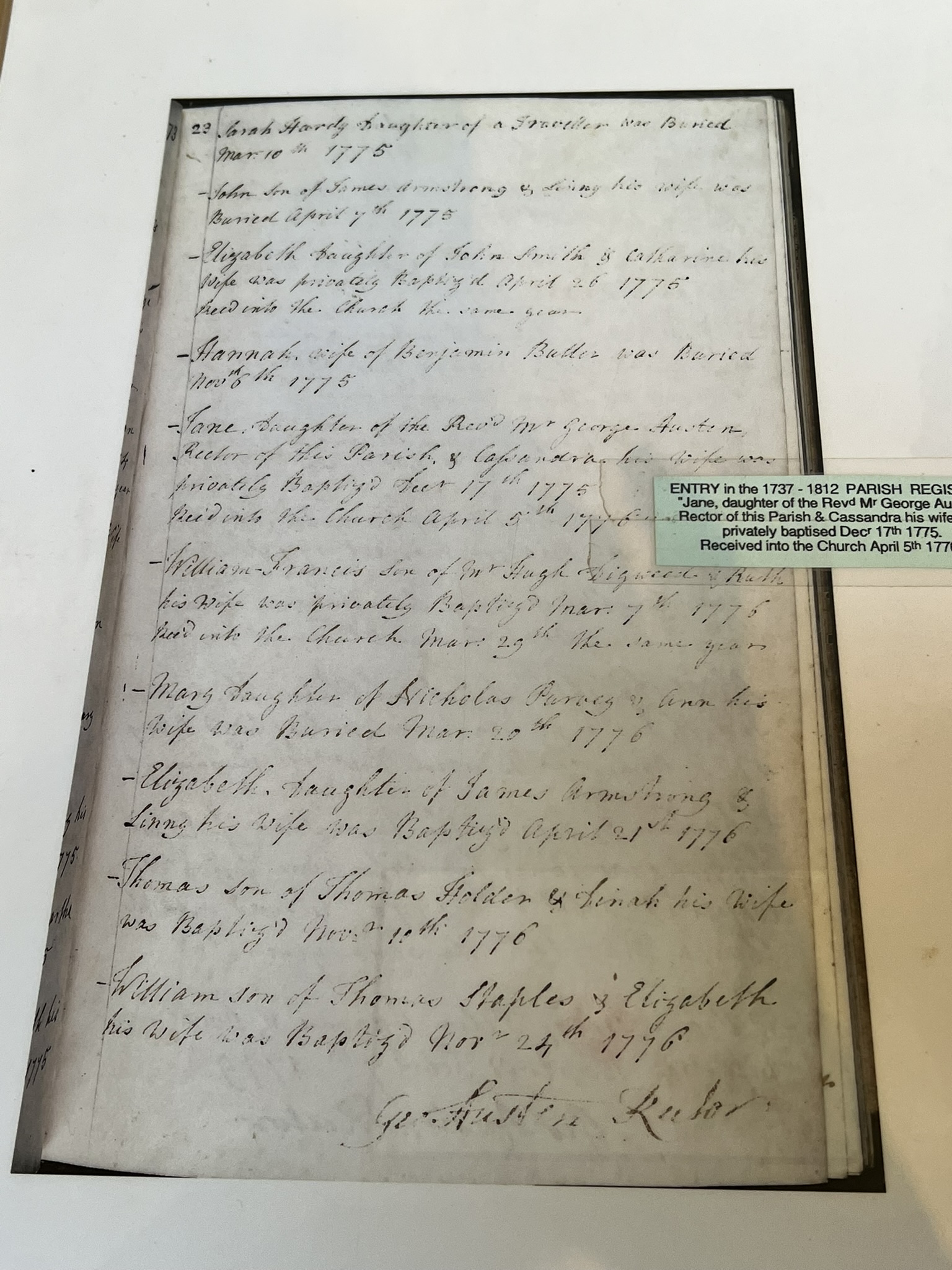
Michael Kenning, rector here from 1992-2012, introduced us to the Church and its Jane history – I have had the pleasure of meeting Canon Kenning in 2003 for the JASNA AGM trip to Winchester – he is little changed, and still an avid Austen “fan” – the vice-chairman of the Jane Austen Society Trustees. He shared this baptism note in the church records:
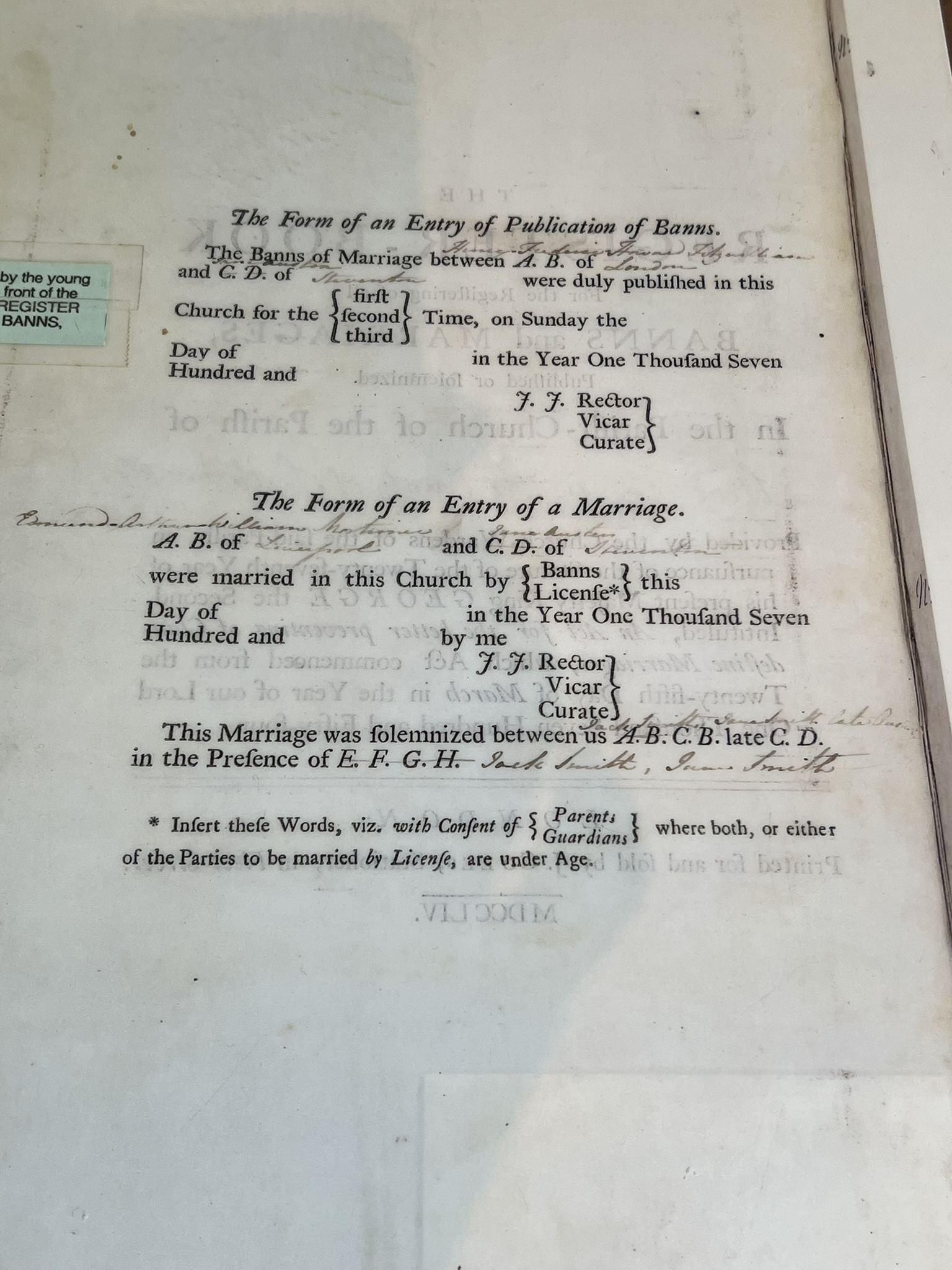
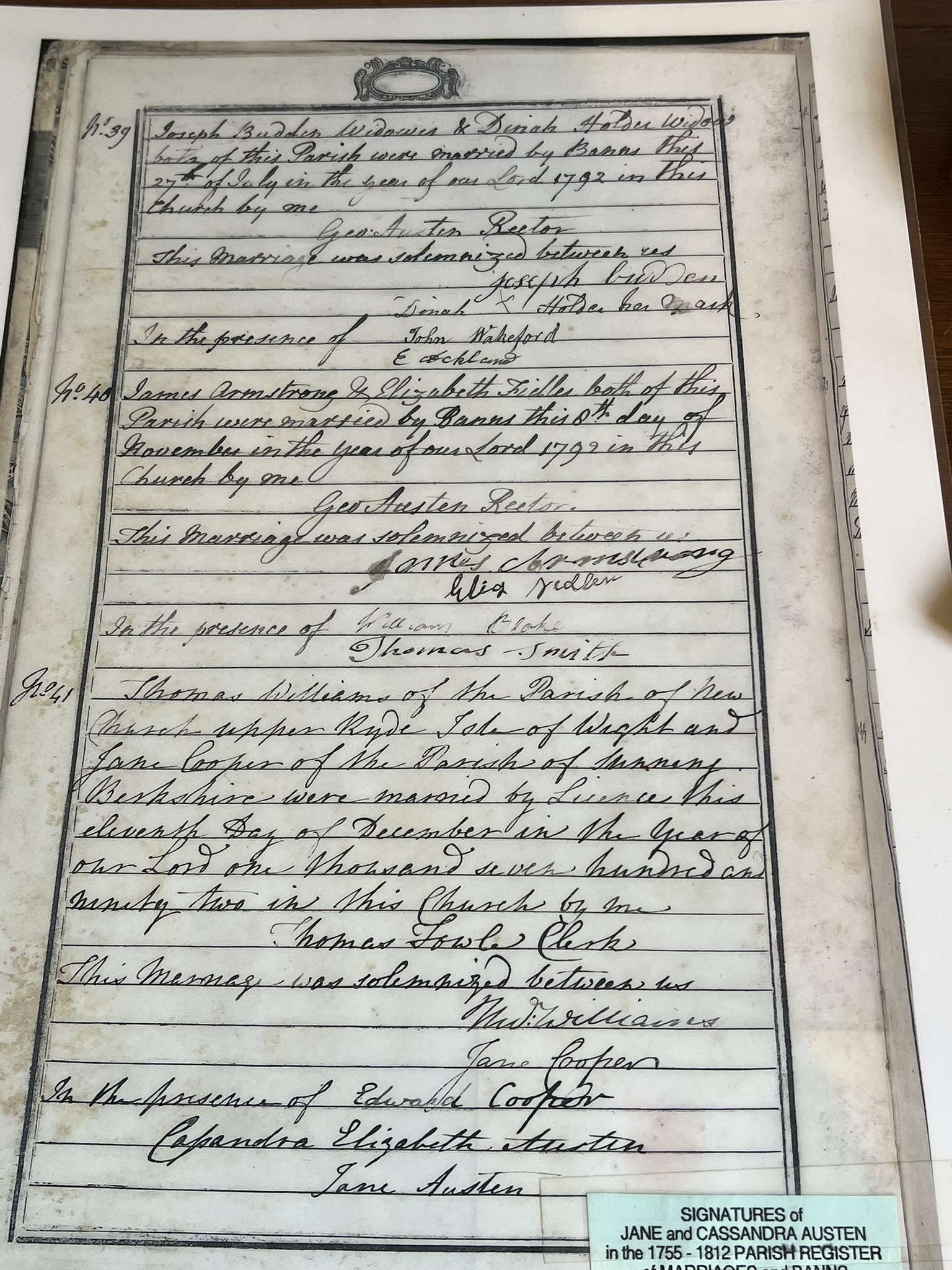
And some of the documents that Jane had written in, in one or more of her imaginative fits marrying herself off to various people, as well as her serving as a witness to a marriage (Kenning noted that she wasn’t actually old enough to serve as a witness, so what does that do the married couple?!]:
–
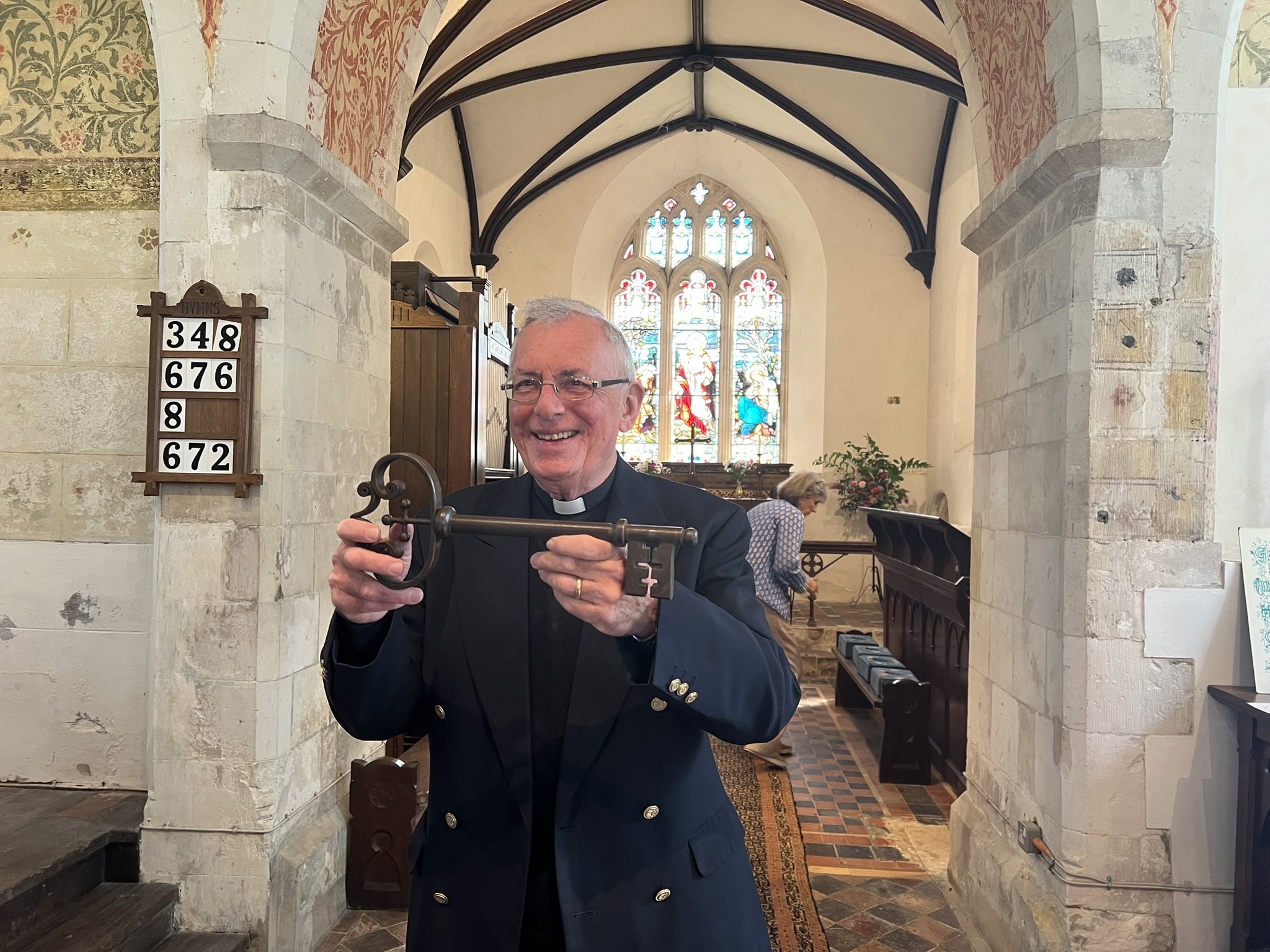
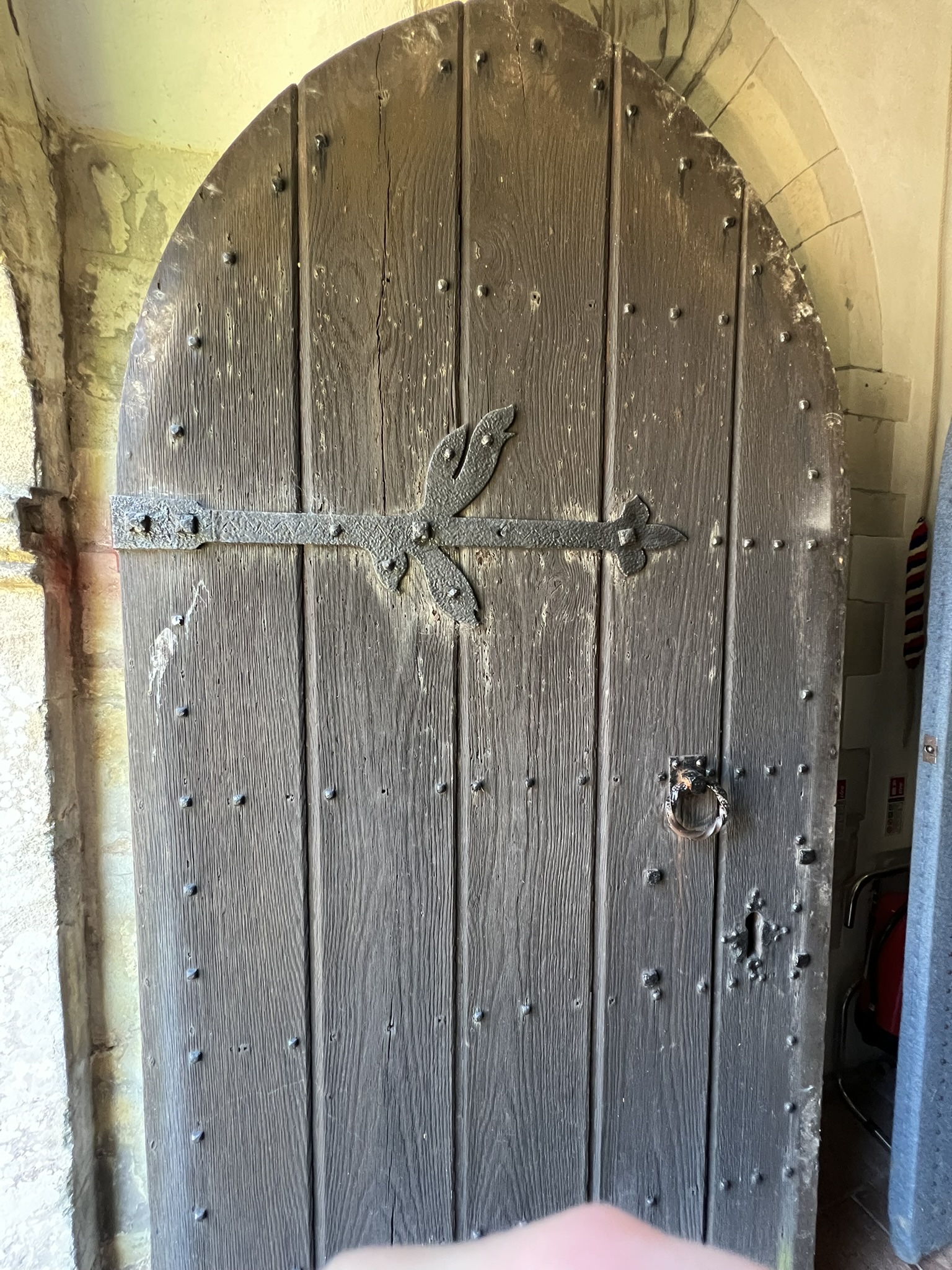
Kenning also showed us the massive and heavy key to the church – the door having a lock that was unmanageable, the key hidden in a nearby tree [did EVERYONE know this?!]
–
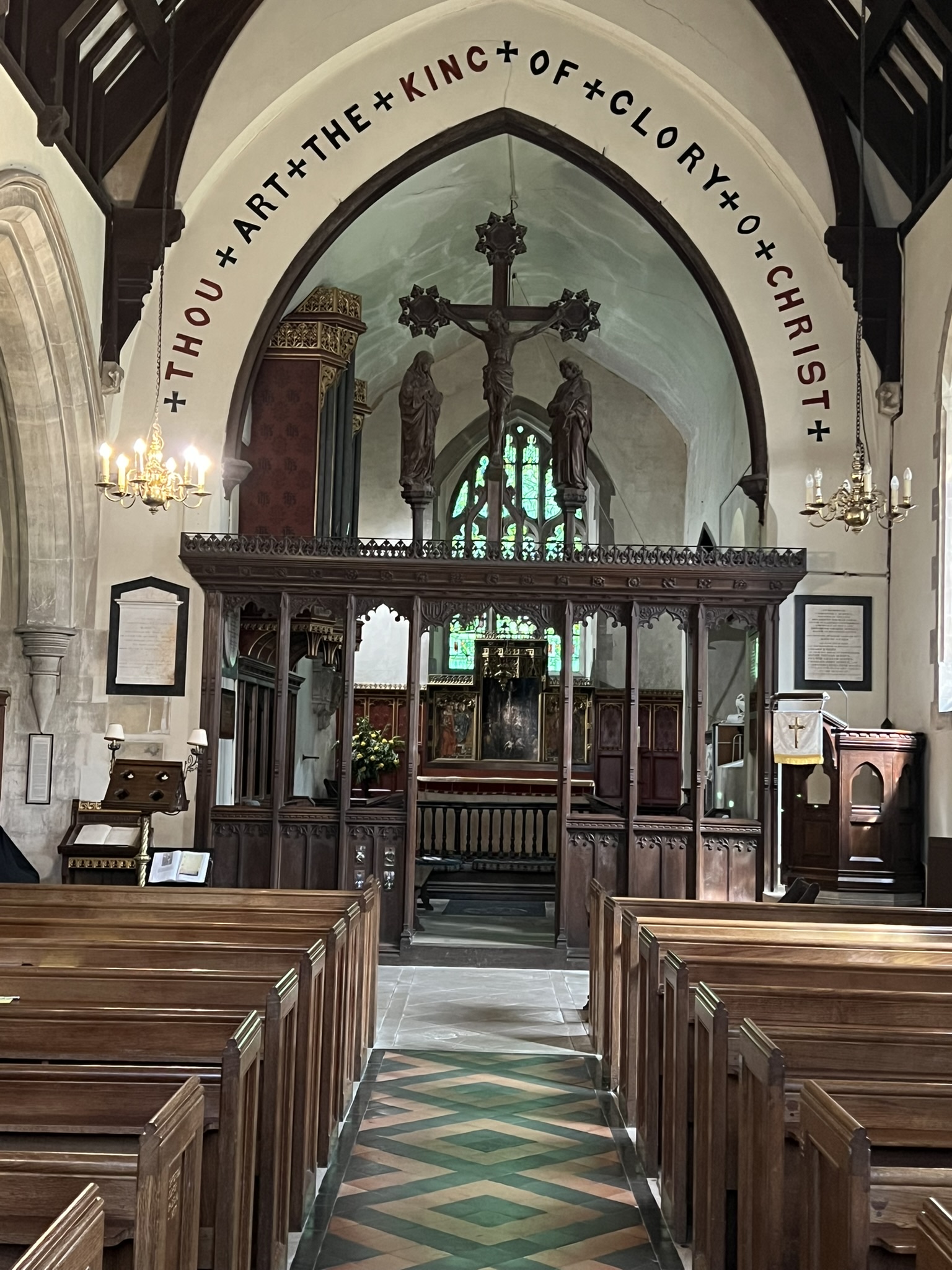
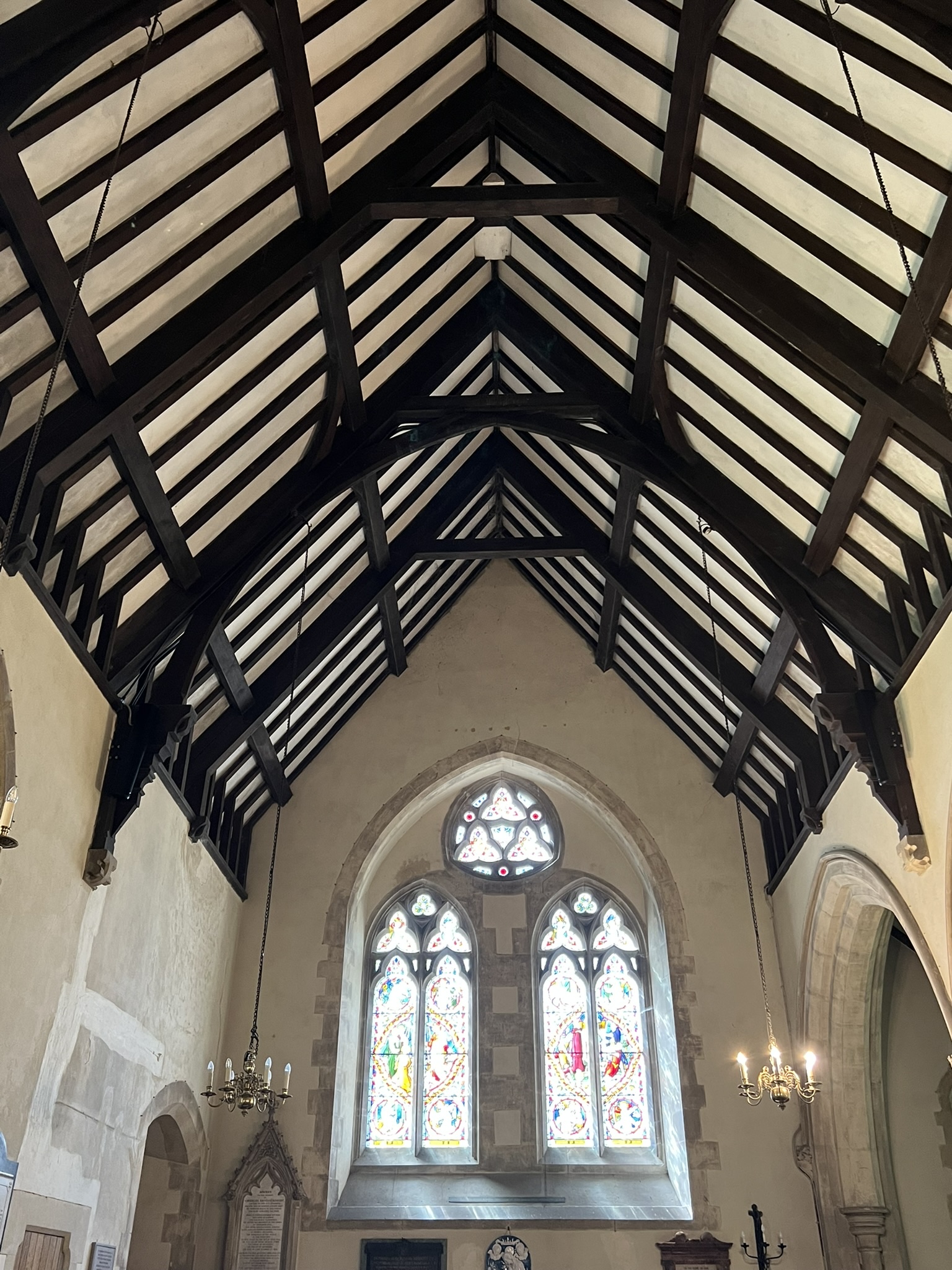
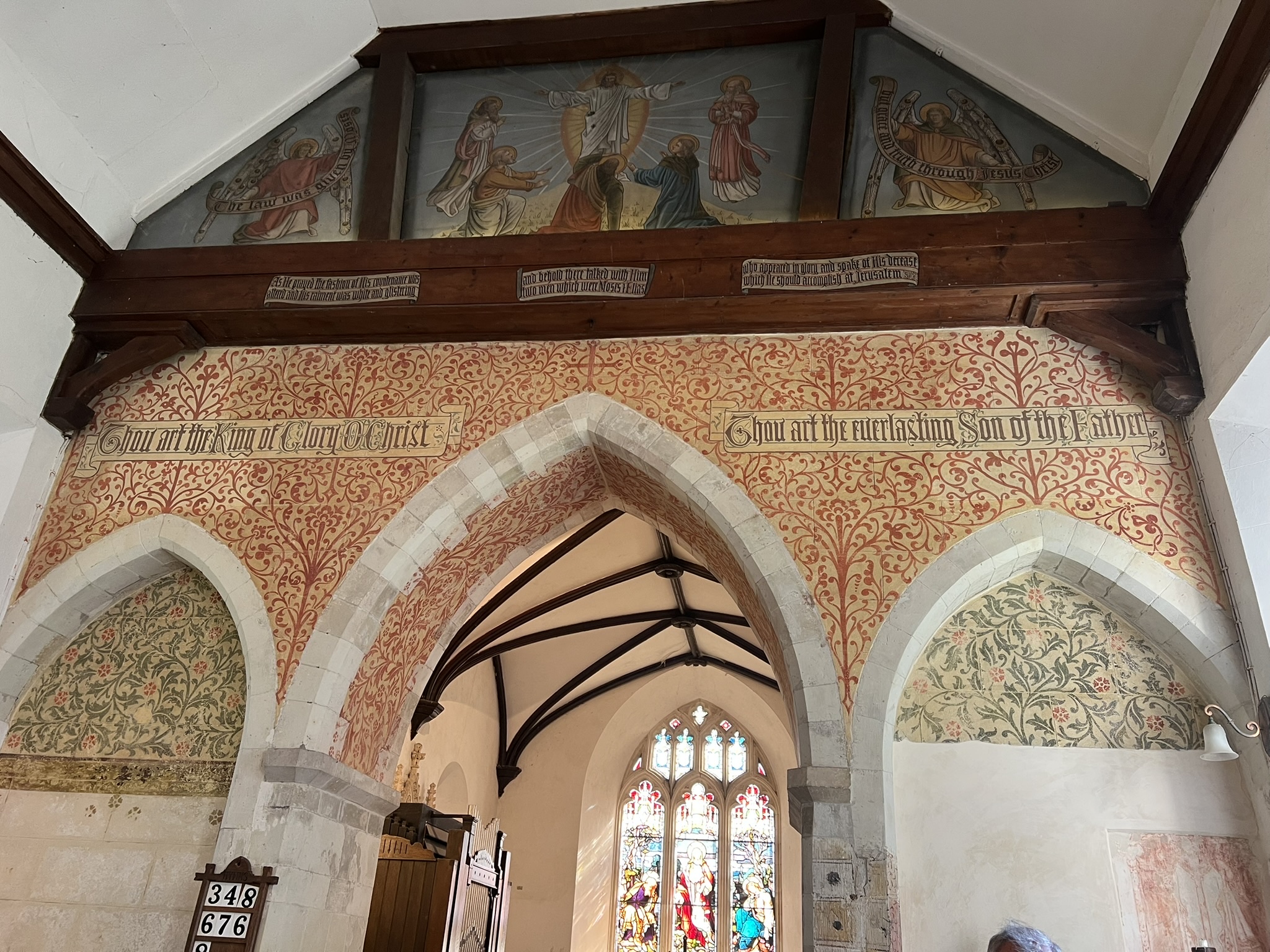
The church interior is lovely, with these William Morris-like decorative designs, but not there during Austen’s time.
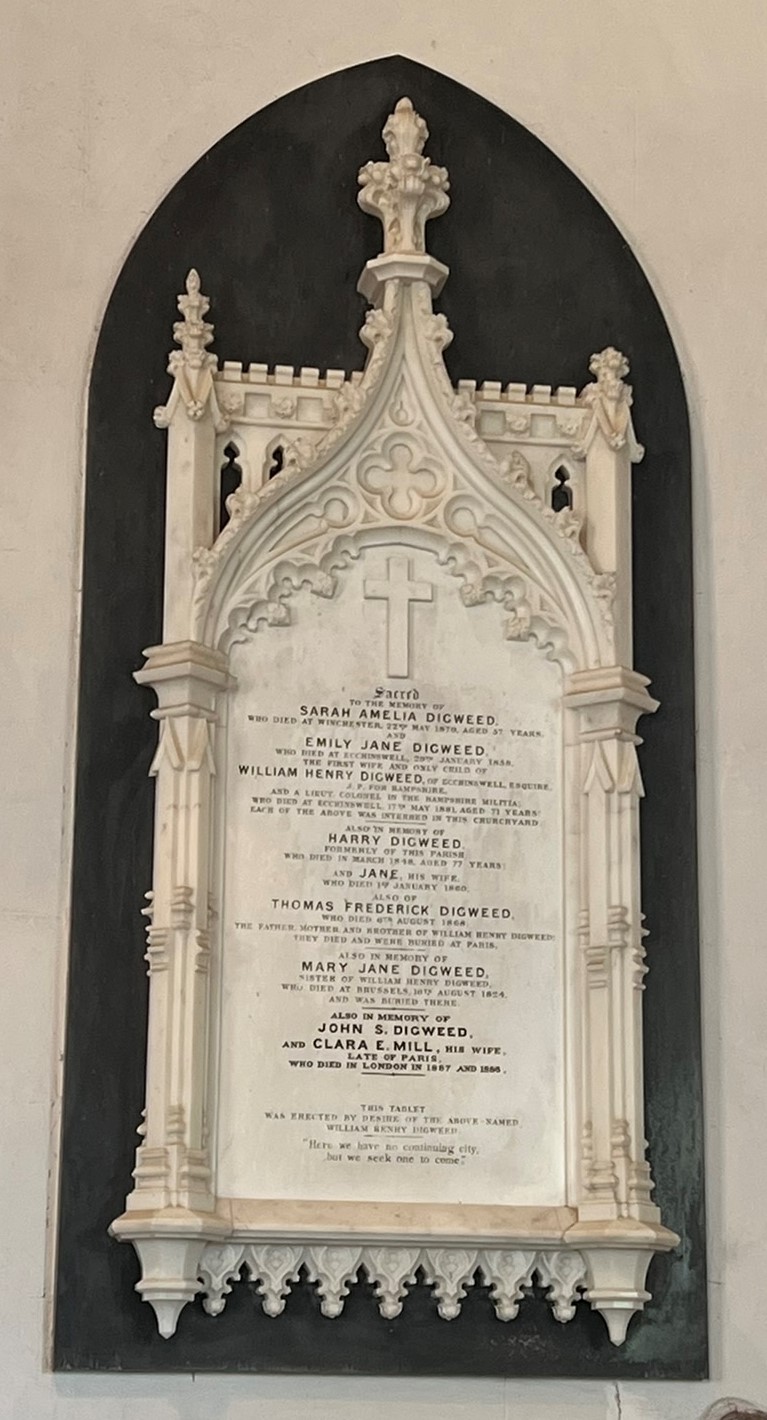
The Austen neighbors the Digweed family are very present with large memorials and many graves in the churchyard:
–
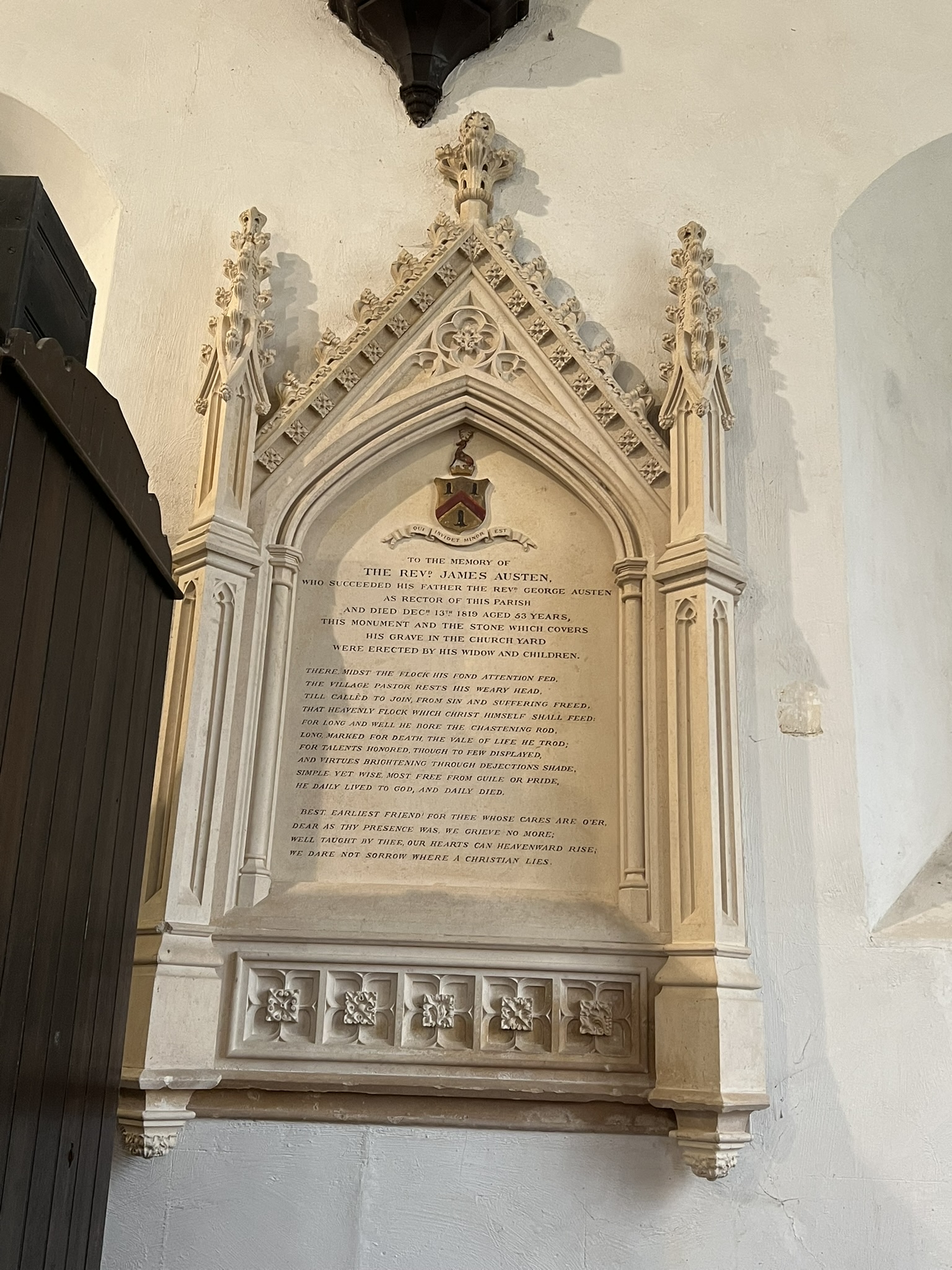
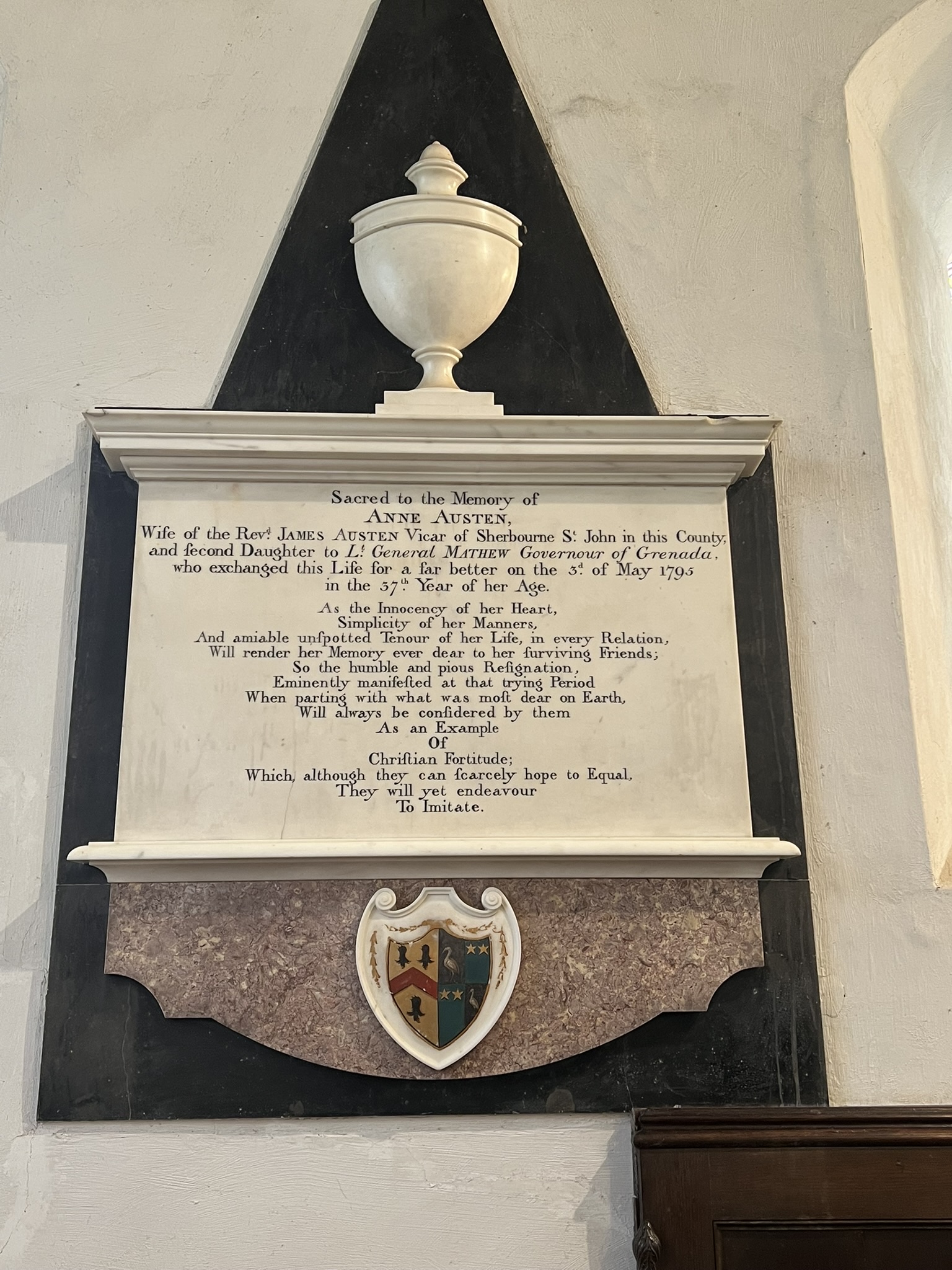
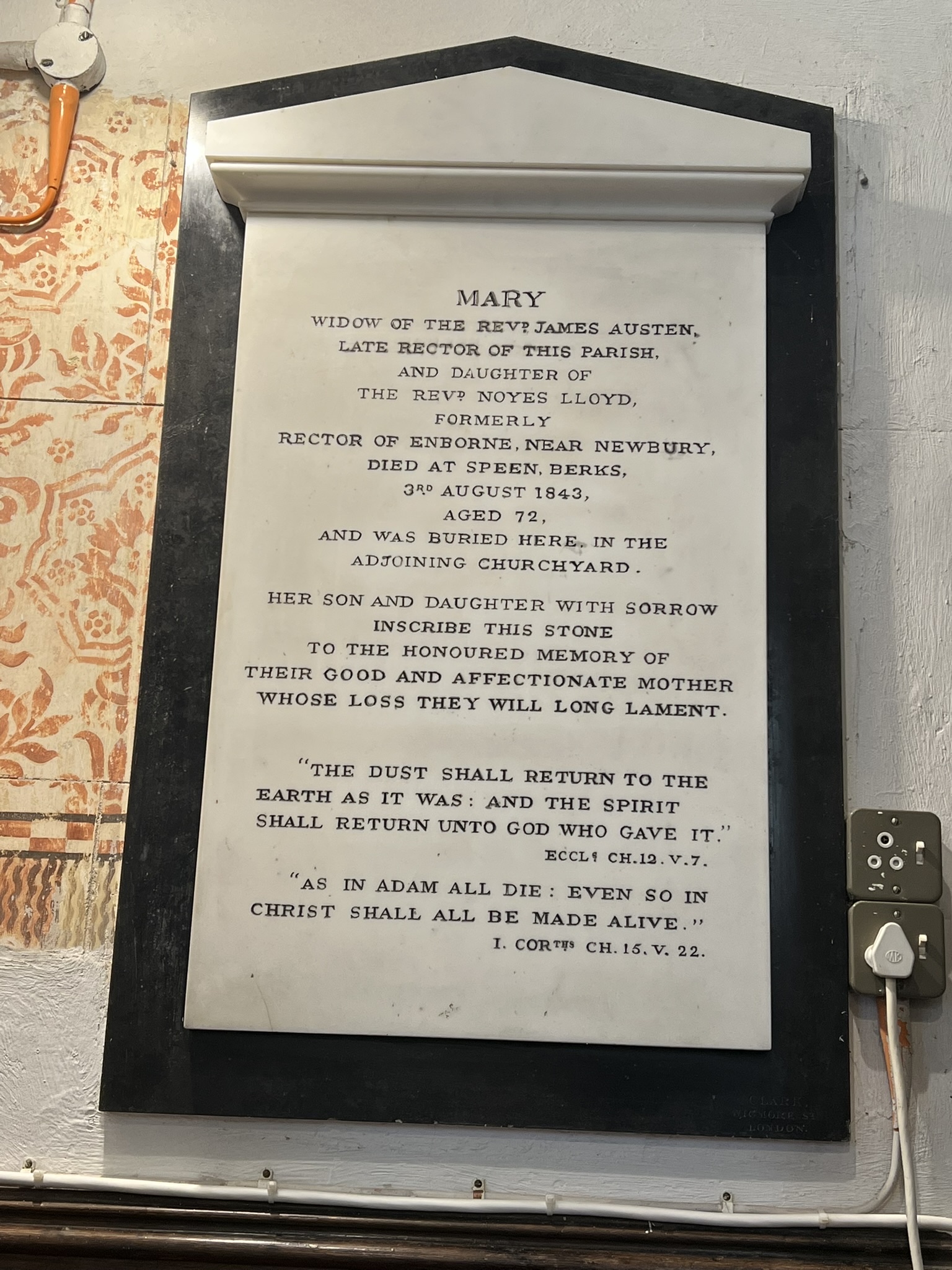
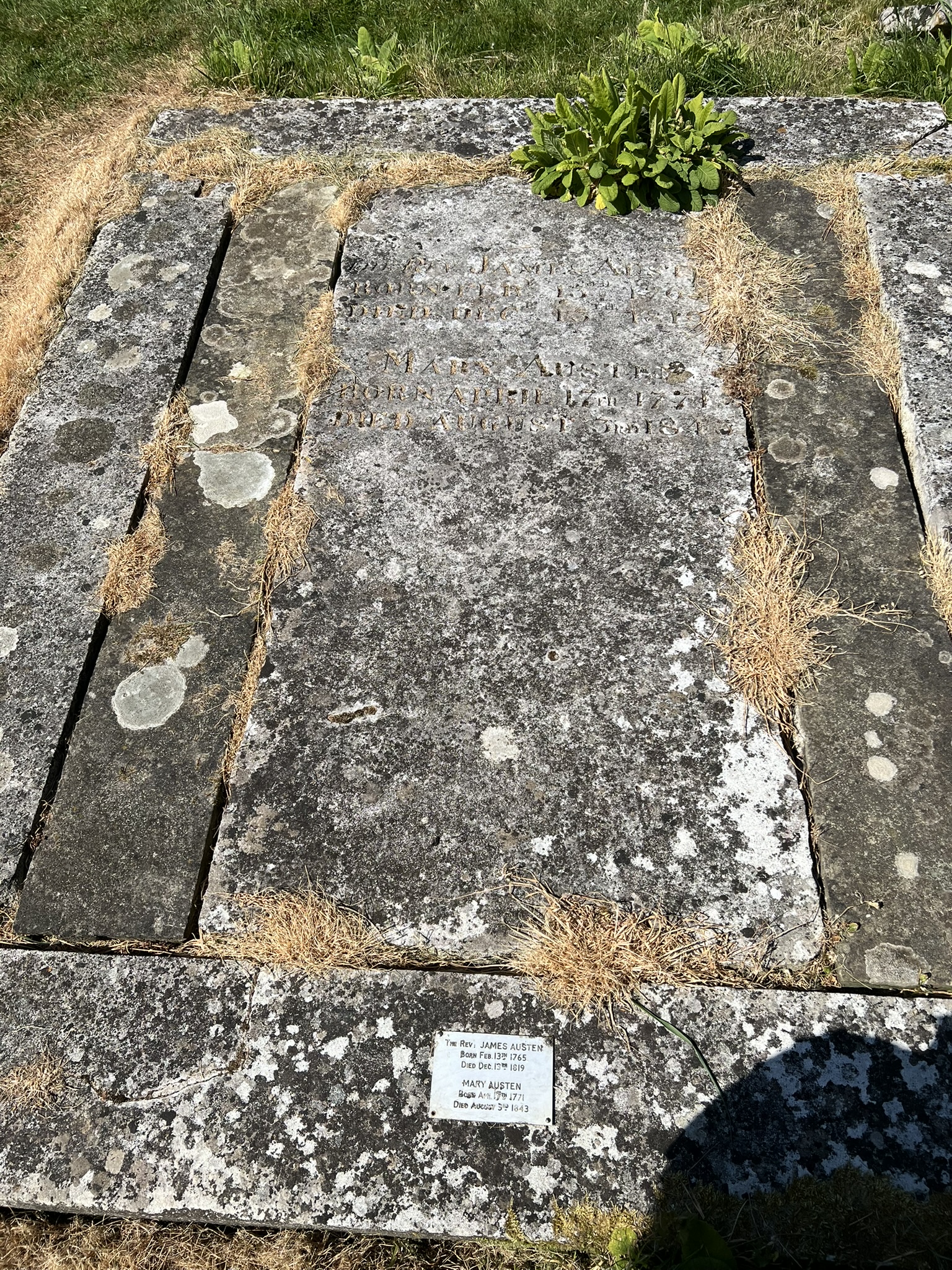
James Austen has a few memorials and is buried in the churchyard – it states that Mary Lloyd Austen is buried here, but no mention of Ann, his first wife, though records show she is buried here as well…
**************
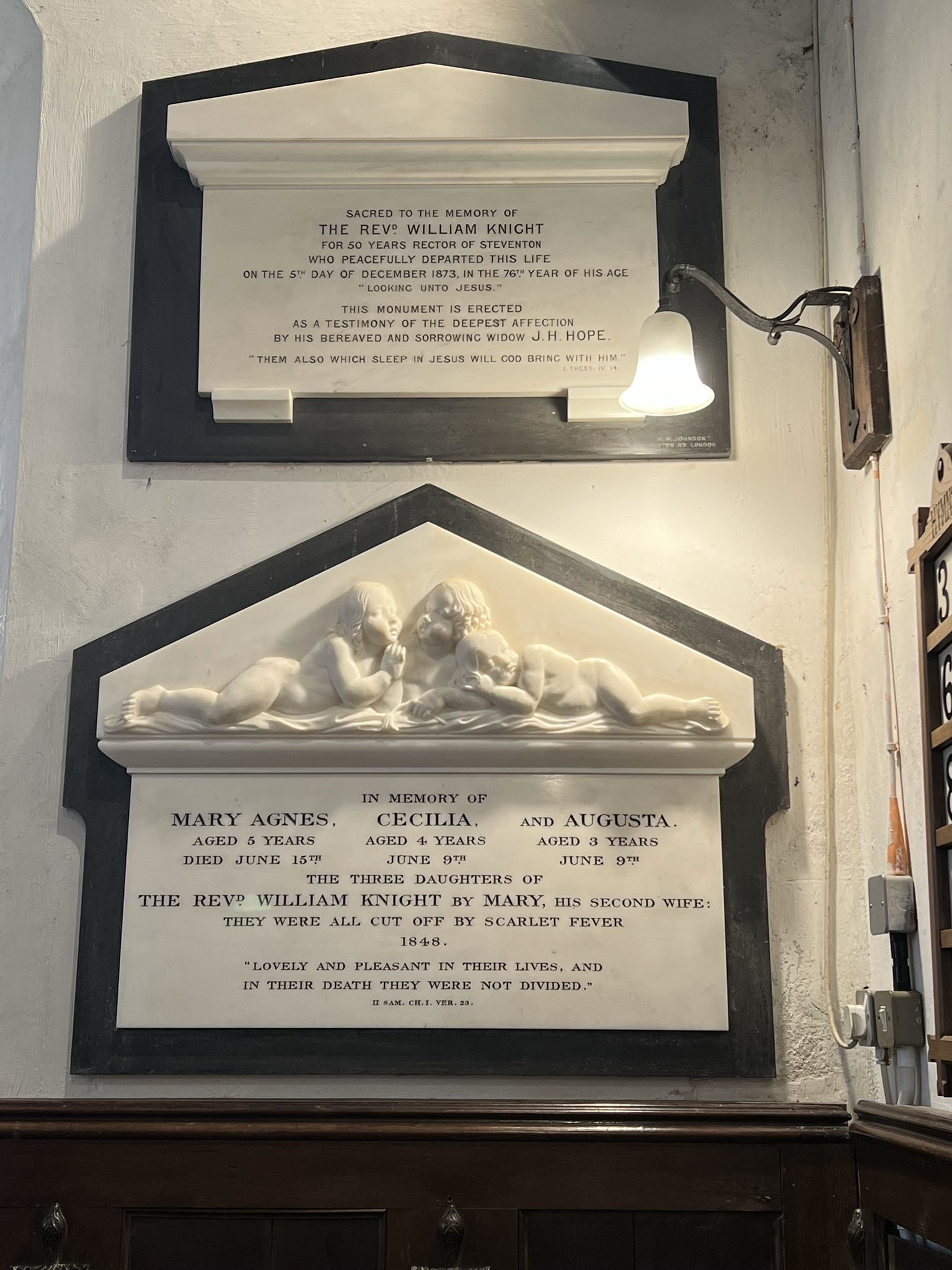
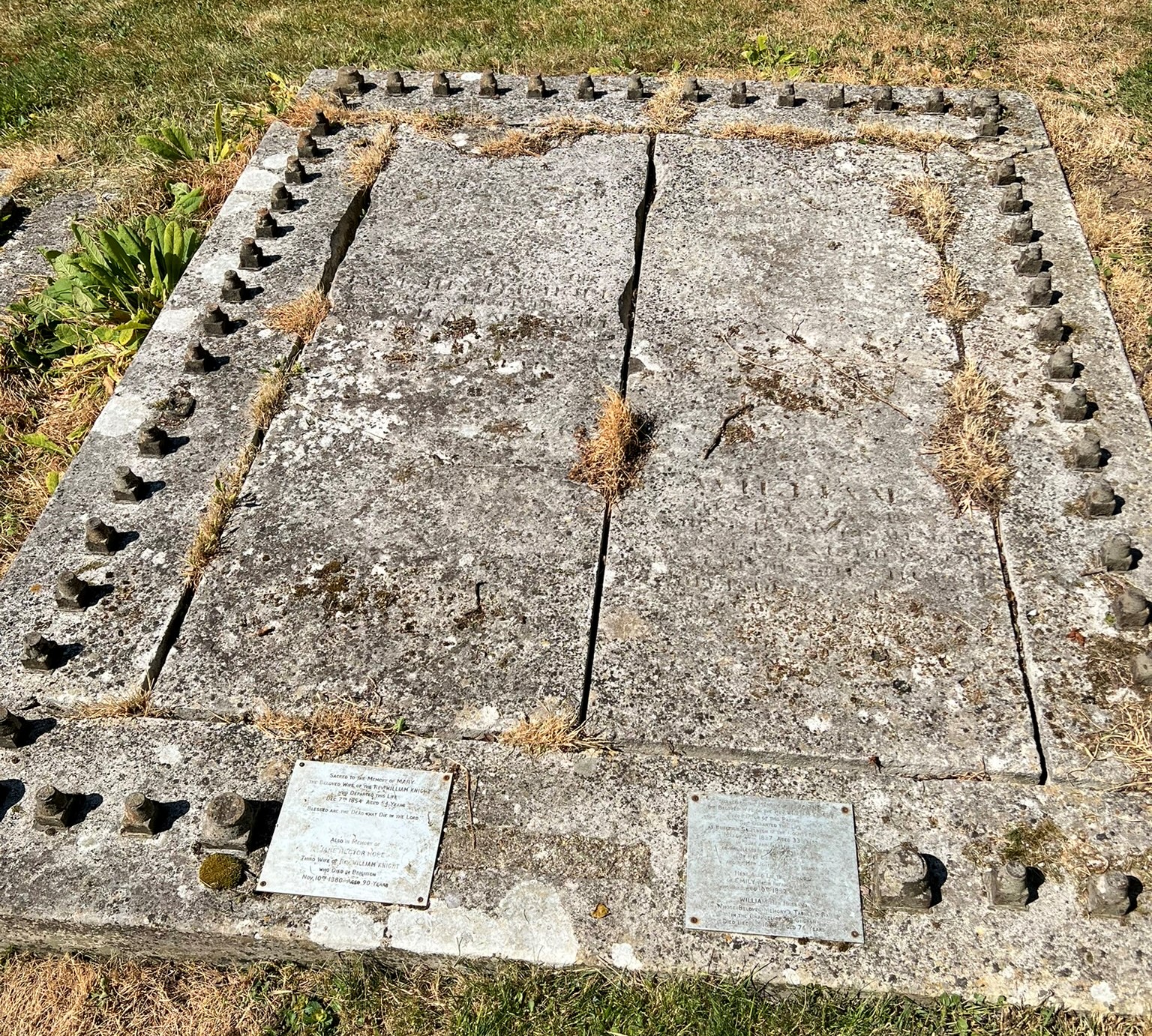
A sad memorial to encounter is the one for William Knight, Jane’s nephew [Edward’s son] – he was rector here from 1823-73. This memorial shows the death of his three young daughters within days of each other from scarlet fever – and the graves in the yard:
The iron pieces at the edge of the grave indicate there would have been an iron-fence enclosure around the grave – many such metals were removed for use during wartime in the 1940s.
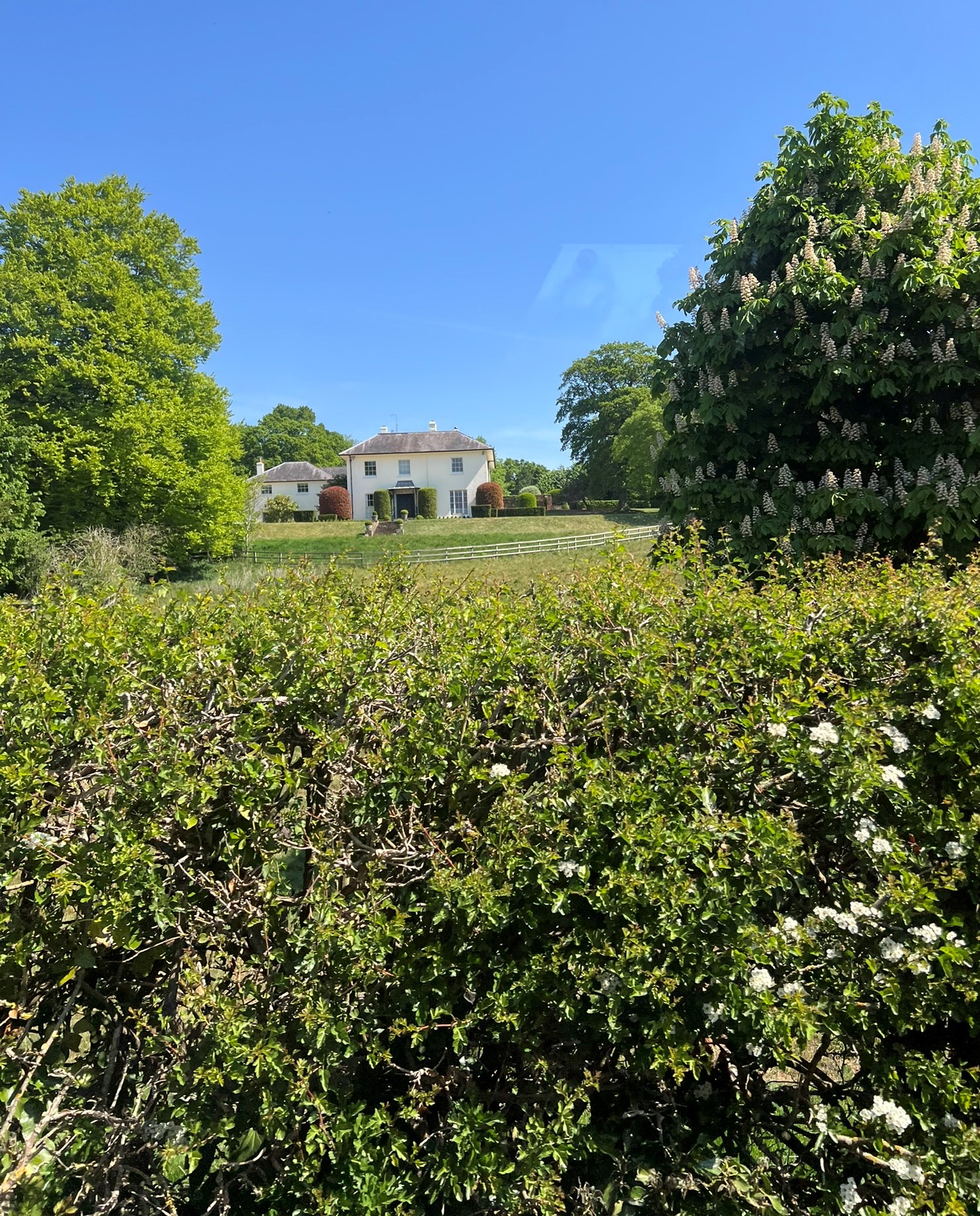
I have already written a bit about the parsonage that Austen grew up in – and while today there is nothing but the pump to give us a sense of time and place, when William became the rector, Edward Austen demolished the Steventon Rectory, his own boyhood home, and built a new one for William on higher ground – sometime in around 1826 [it is all quite confusing as these two blog posts about Steventon indicate]:
…..and was recently on the market – here a grand example of just how wrong some real estate listings [and history in general] can be: this Steventon House [as it is called] was not built on the same location where Jane Austen lived and wrote…
We then headed back to Winchester for some time on our own to explore the city – the afternoon finding us at the Hampshire Cultural Trust, which I shall write more about in a Day 6, Part 2 post…so much there to talk about! [think the “pelisse”… and do not faint…]
This morning we headed off once again after our last English breakfast at Culpeper’s Restaurant at the Chilston Park Hotel… for a two-hour trek to Worthing, at the seaside, and where Jane Austen stayed in September 1805 ’til at least early November [Le Faye, Chronology, 319]. I have read about this time of her life and her extended stay here – the must-read book is the Antony Edmonds’ Jane Austen’s Worthing: The Real Sanditon (Amberley, 2013):
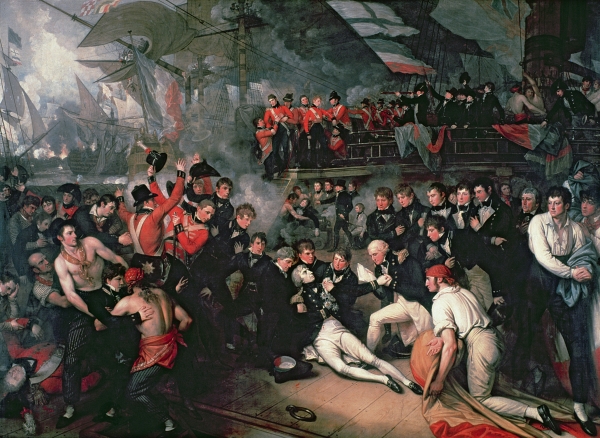
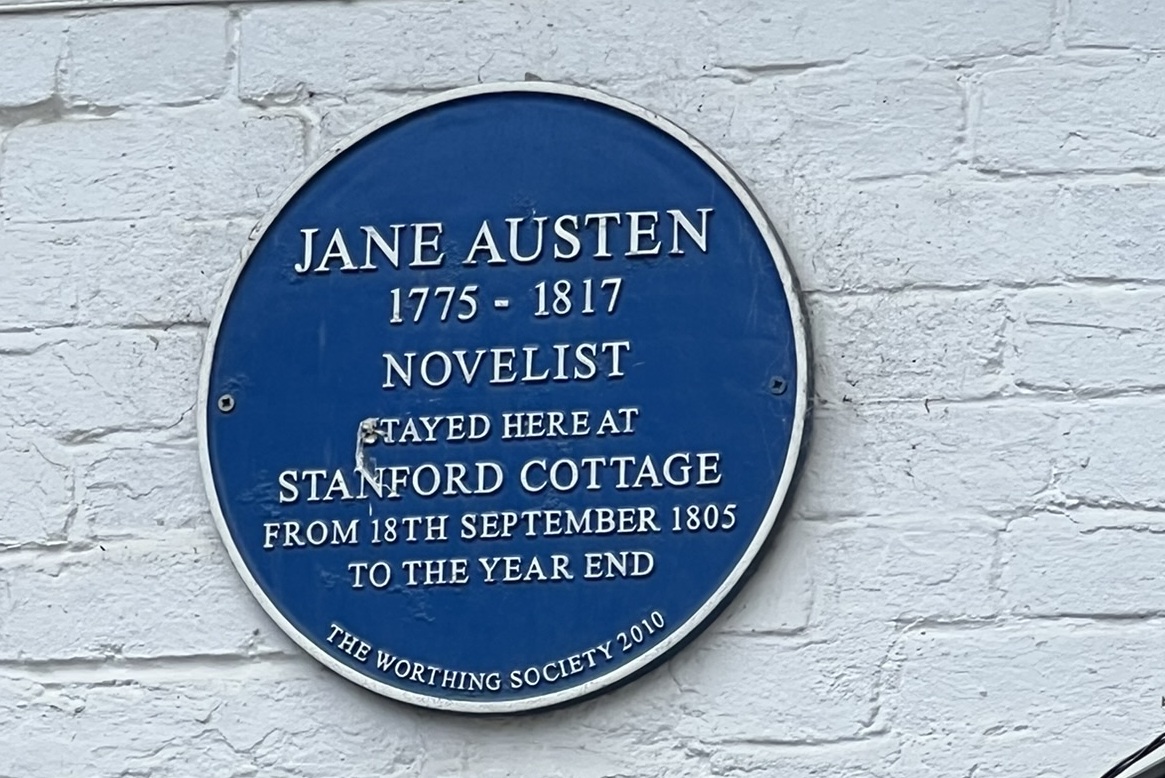
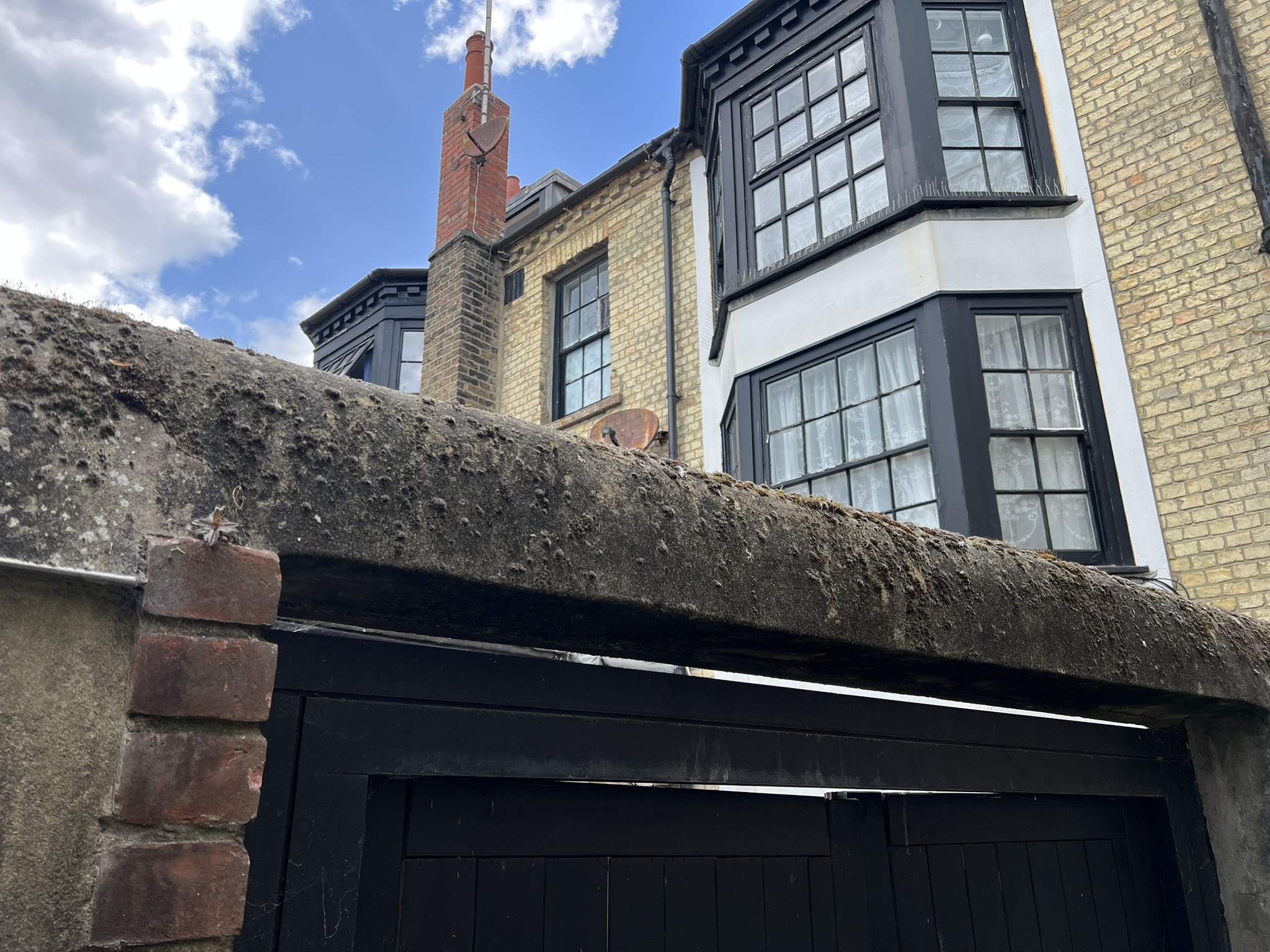
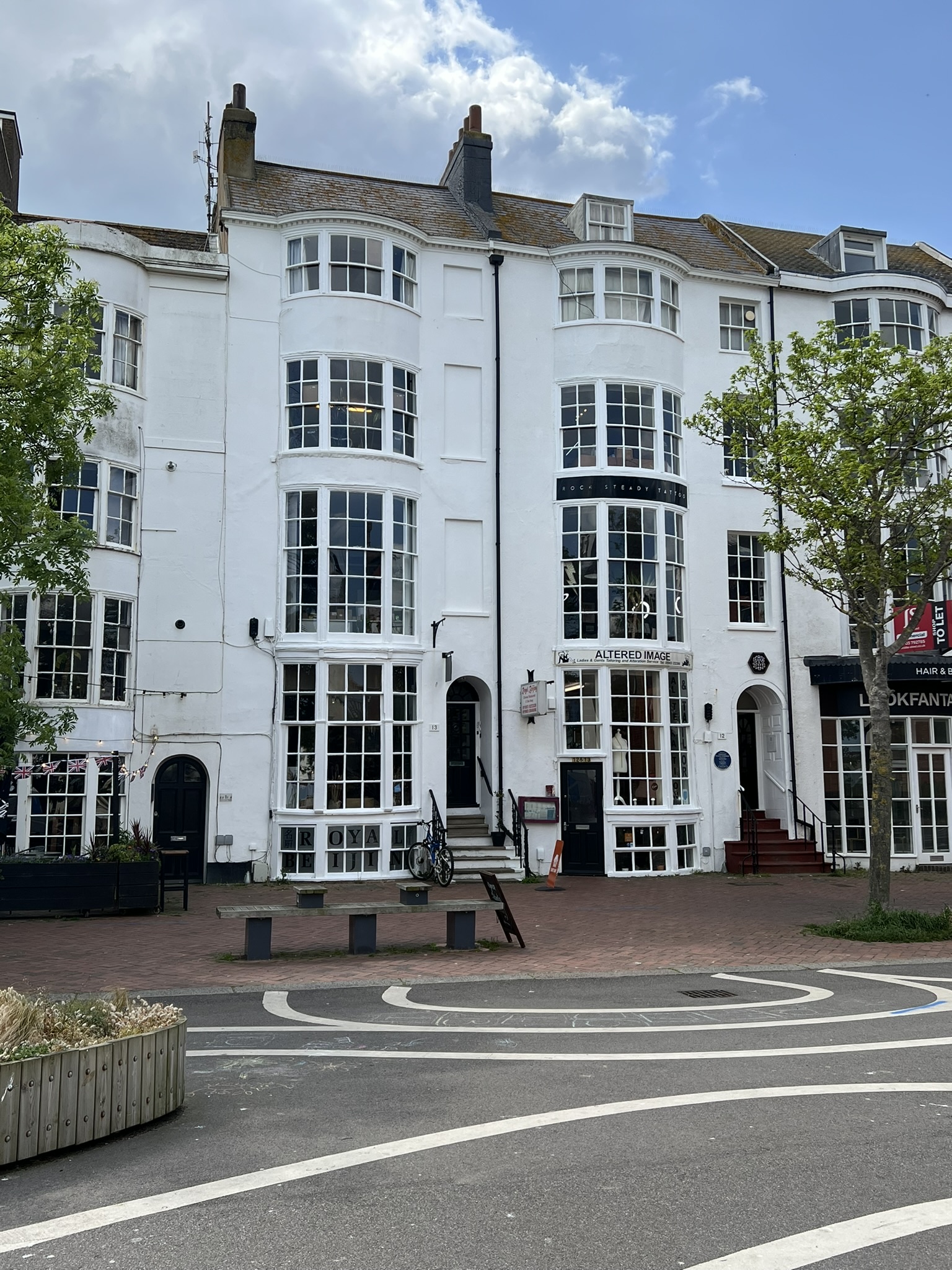
Profusely illustrated, Edmonds tells all about the history of Worthing and what it was like in 1805 as Jane would have experienced it. She was here with her mother, sister Cassandra, Martha Lloyd, niece Fanny Austen [later Knight], and Miss Sharpe – they stayed in Stanford Cottage, now a Pizza Express, and where we were met by members of the Worthing Society. They were terrific – gave a powerpoint lecture on Austen’s time here [interesting to learn that they were here in October 21, 1805, the date of the Battle of Trafalgar and the death of Nelson [and they were likely all worried about where Frank was then located – did they know then that he was not part of the battle?]]
[Death of Nelson, by Benjamin West – Wikipedia]
*******
Stanford Cottage:
And this from the lecture on the route the Austens et al would have traveled to Worthing:
*******
Worthing was a place made famous by the arrival of Princess Amelia, youngest daughter of George III, who came here for sea-bathing to improve her health [to no avail: she died of tuberculosis in 1810]. Other notables who either visited or lived for a time in Worthing were Percy Bysshe Shelley, Lord Byron, Charles Lamb, the poet Robert Bloomfield, the poet and critic Horace Smith, and the actor Colonel Berkeley and actress Mrs. Bunn (Margaret Somerville, and a bit after Austen). There are a number of “Blue Plaques” scattered around town noting other people of historical interest [including Harold Pinter, who wrote “The Homecoming” while living here from 1962-64]. One an only conjecture if Austen ran into any of these people… or if she would have liked Pinter’s turn as Sir Thomas in the 1999 Patricia Rozema Mansfield Park…?]
[House where Princess Amelia stayed]
One is easily sidetracked from the main event: Jane Austen in Worthing.
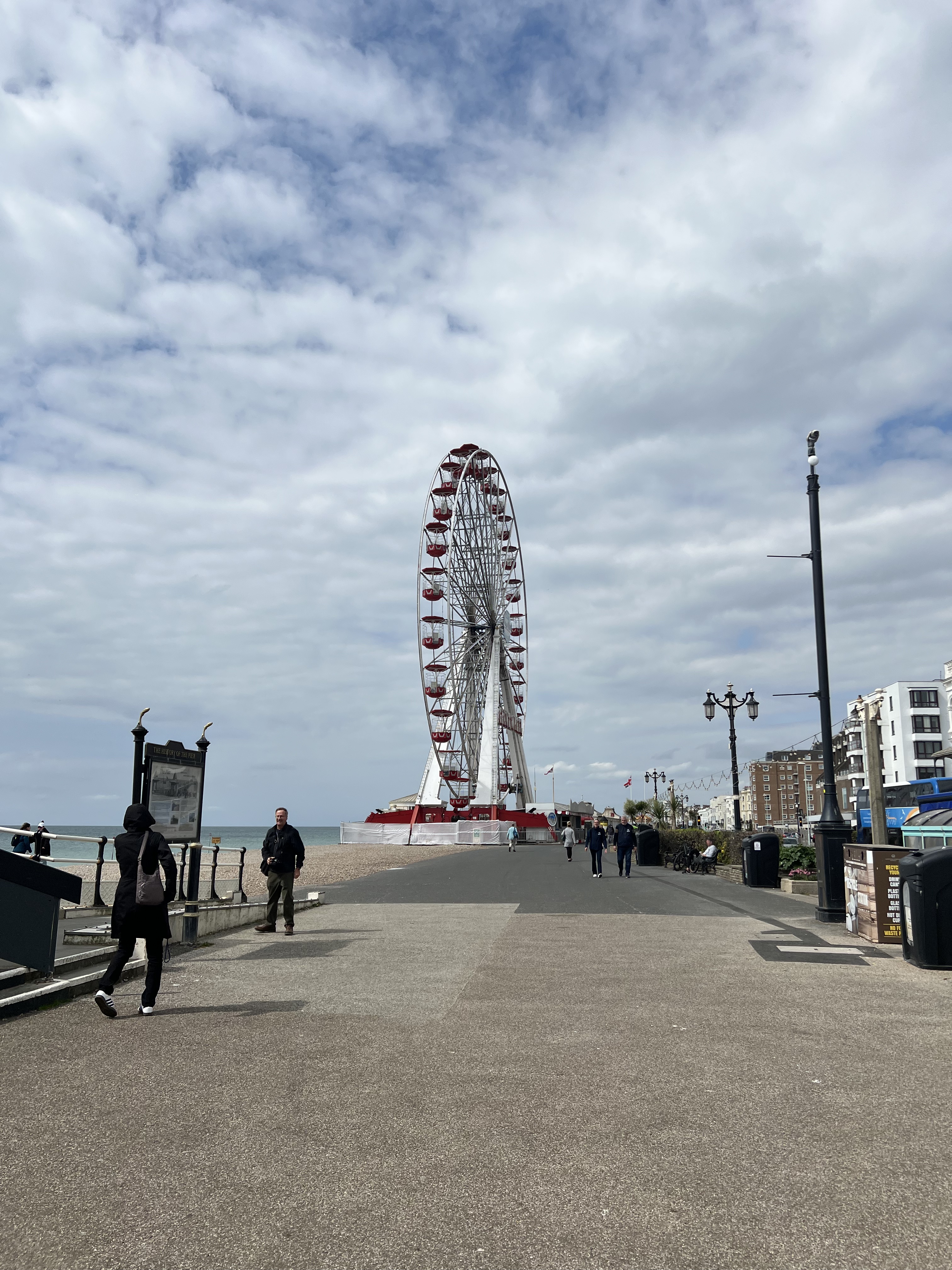
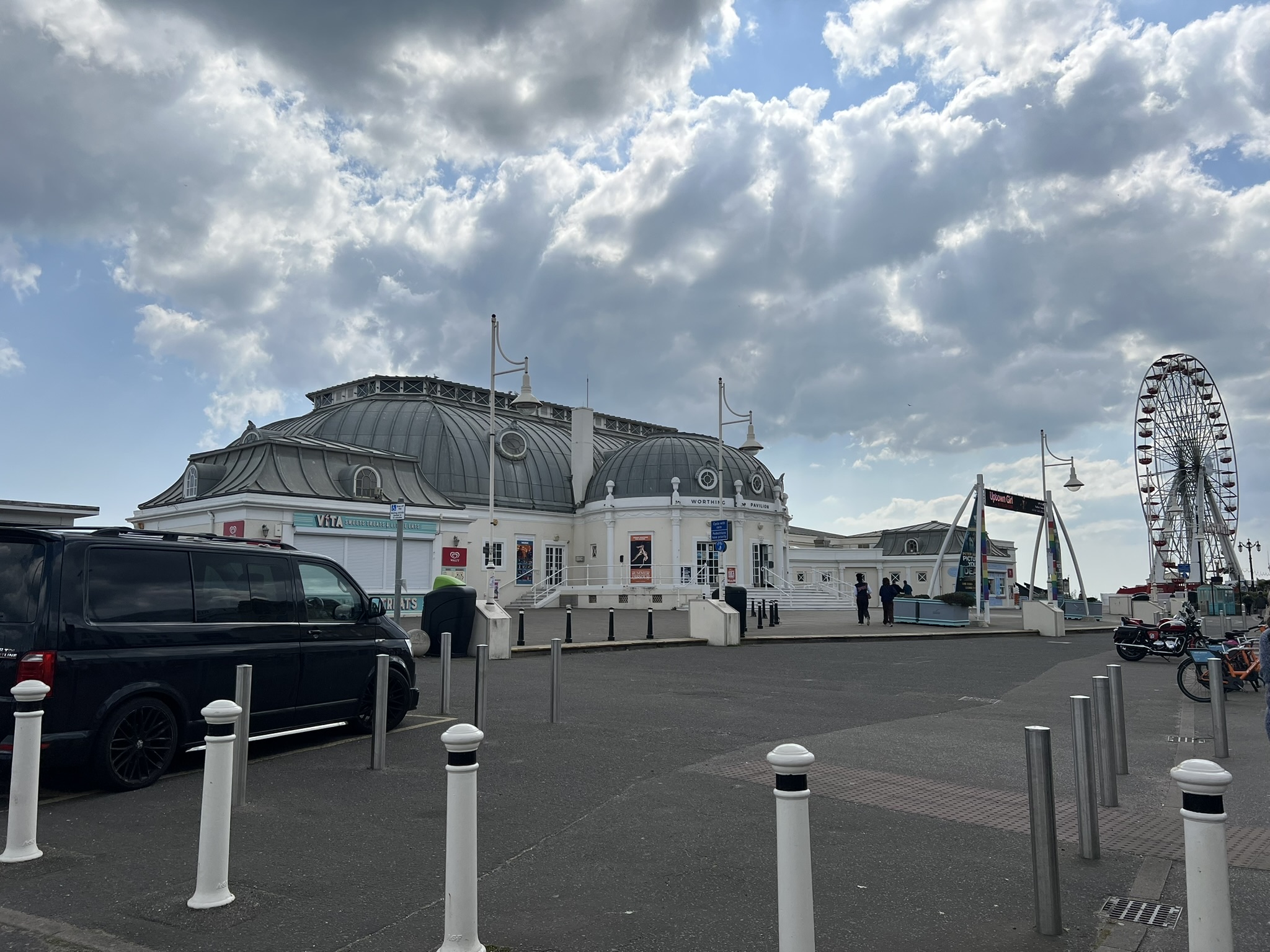
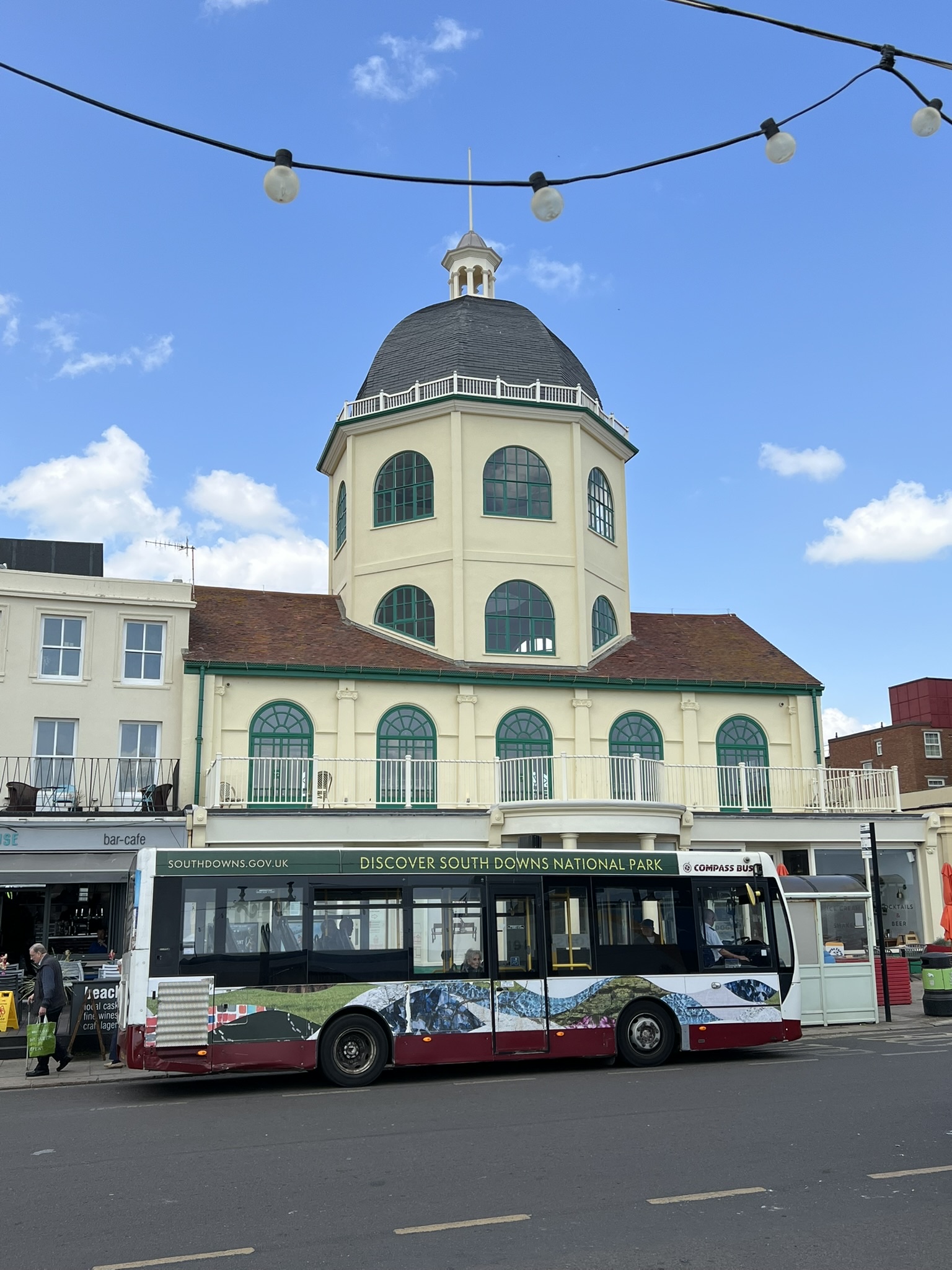
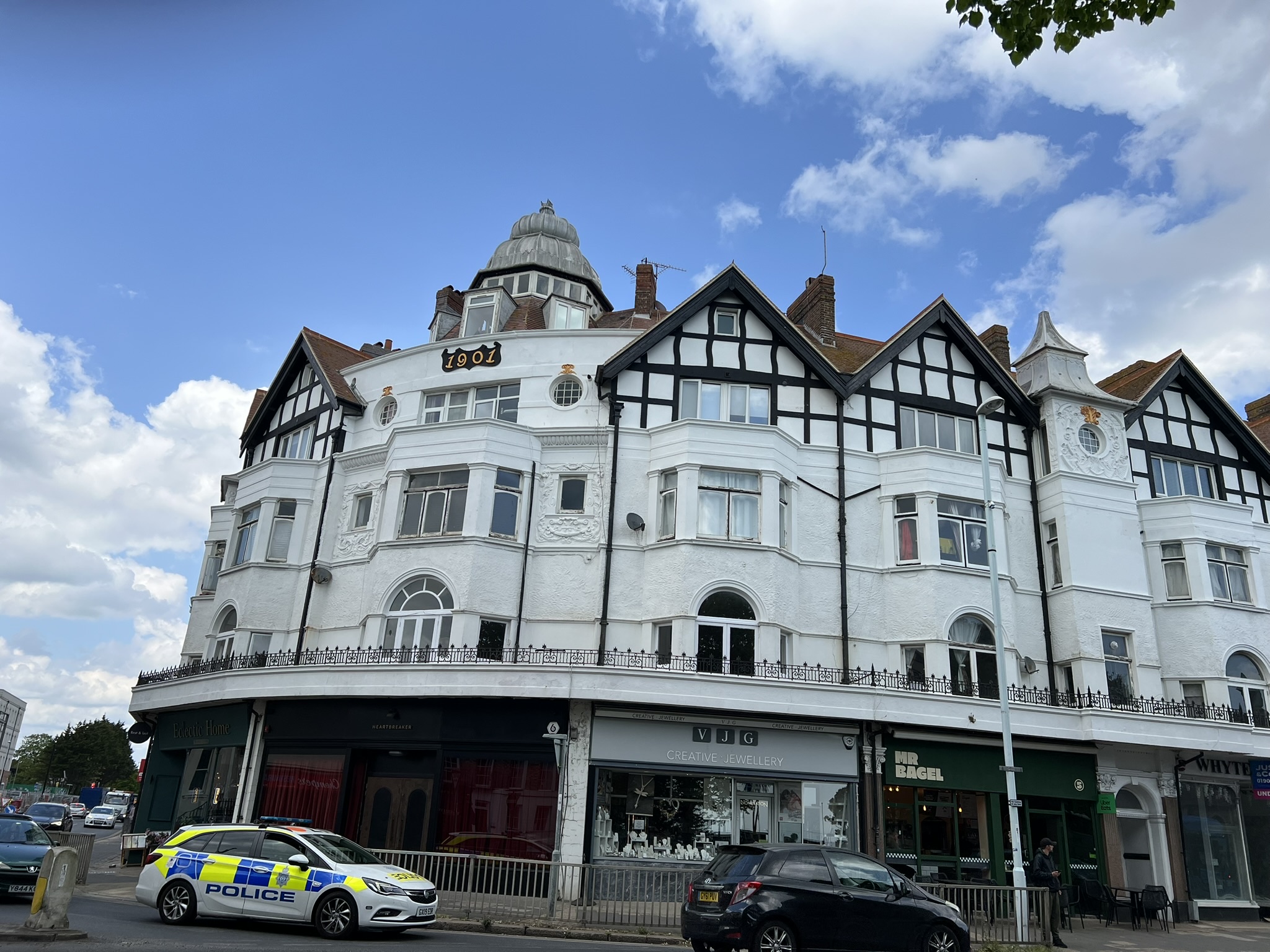
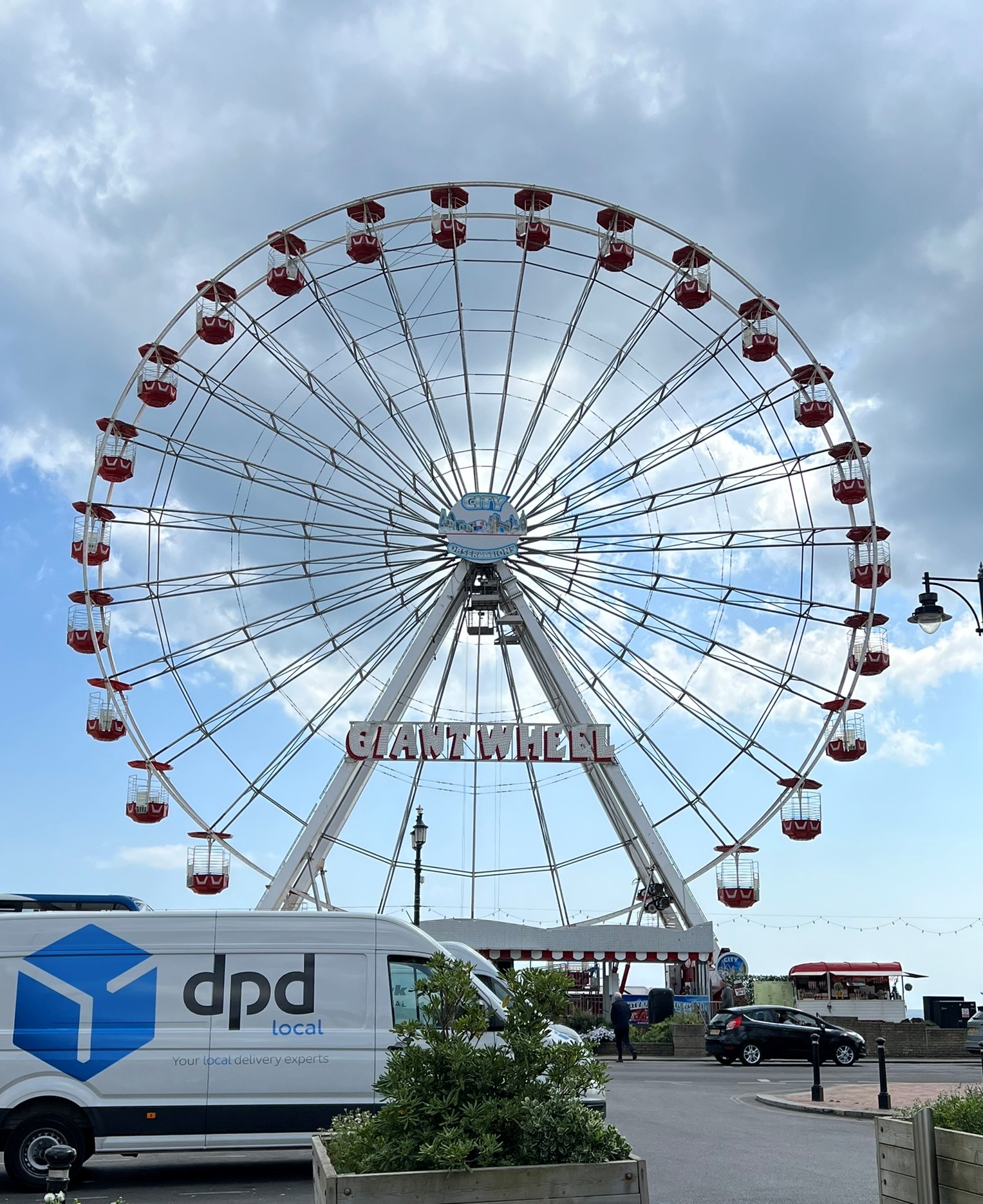
I was quite taken with the town, between the seaside, the Ferris Wheel, the beach, the enchanting streets, and by the graciousness of our hosts. After the lecture, we inhaled pizza, then took a walking tour guided by our Worthing Society hosts that followed Austen’s time here:
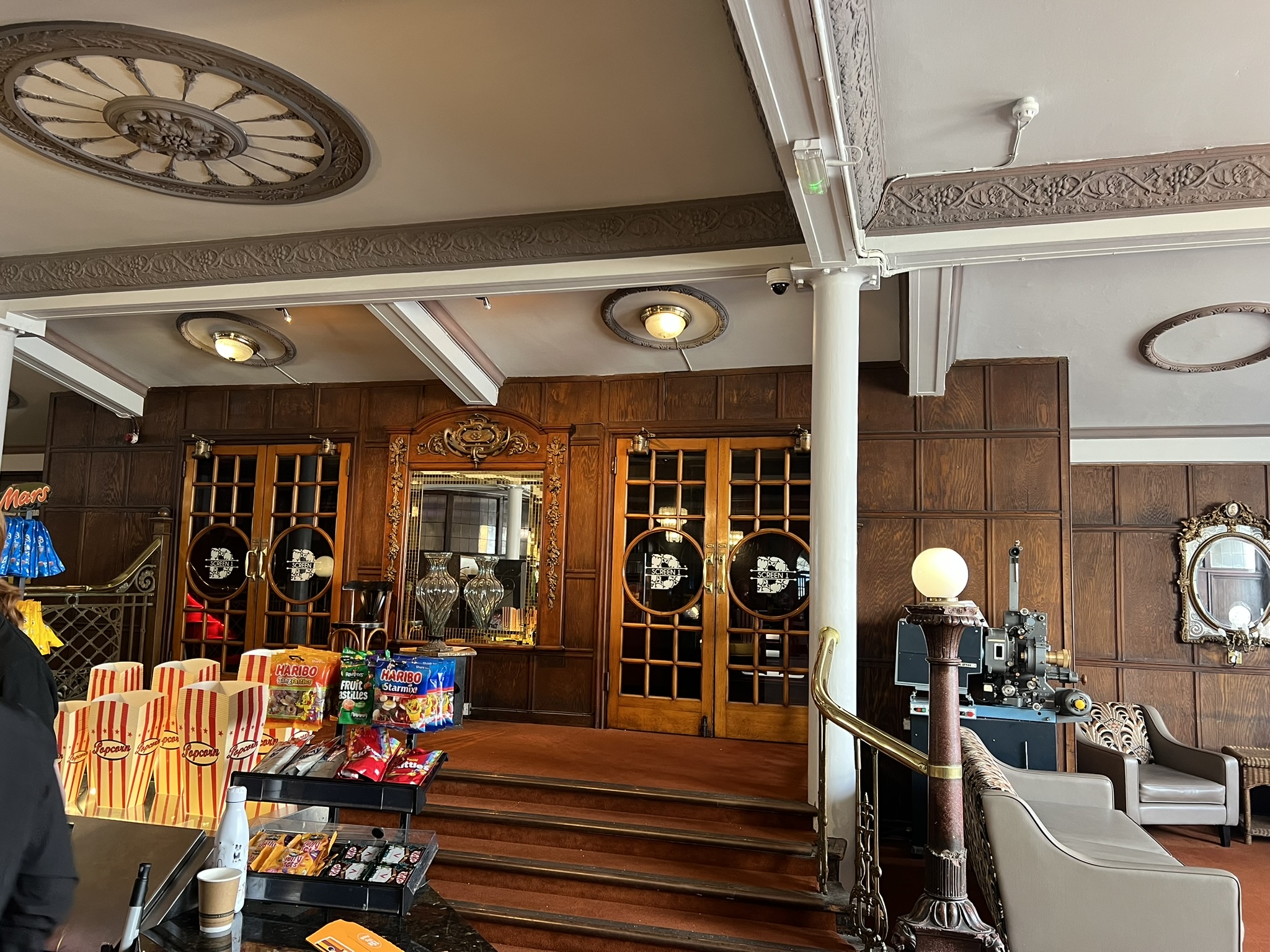
[The Dome Cinema, 1911]
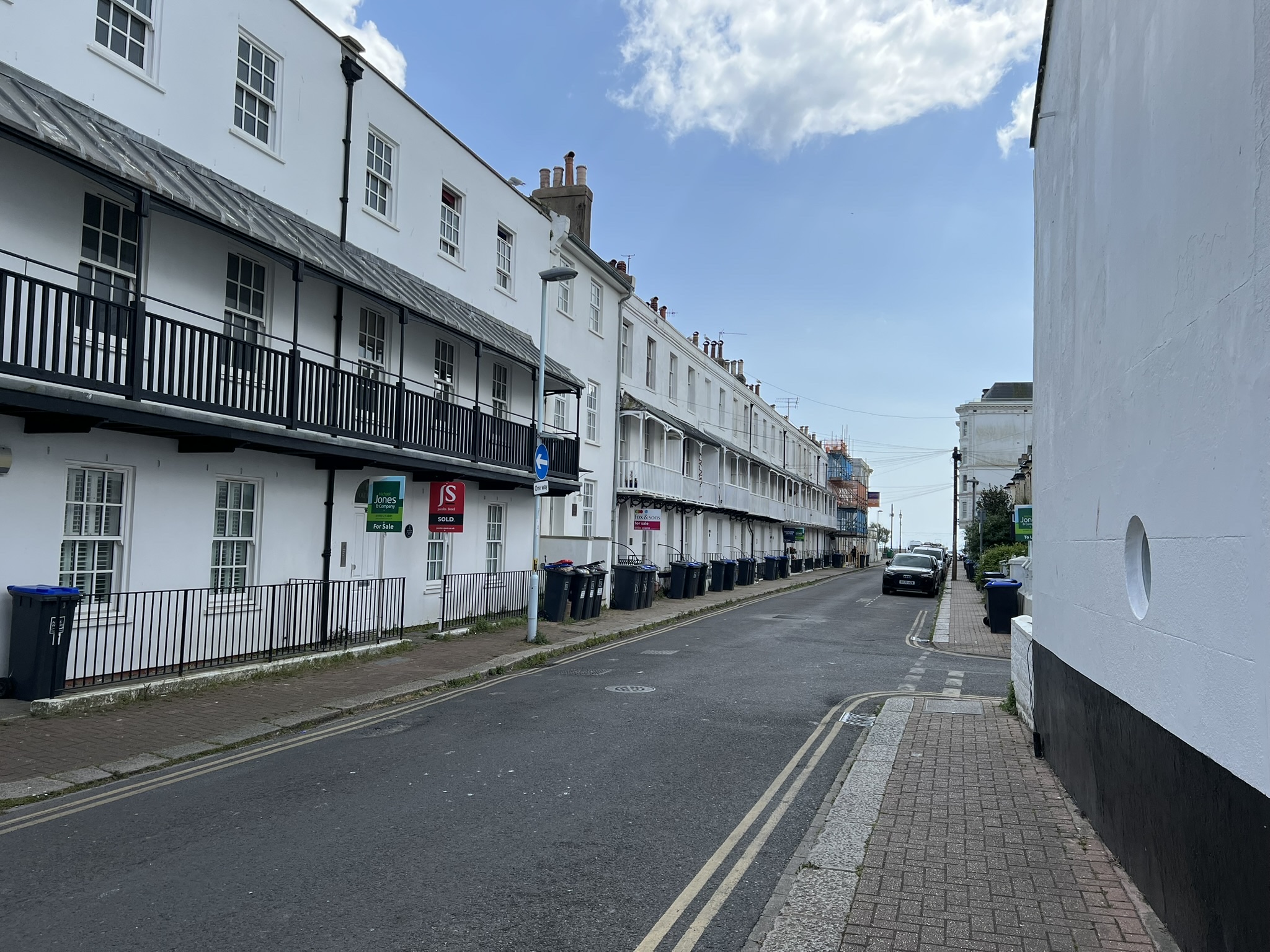
[a street just as Austen would have seen it…well, without the signs, the asphalt, the cars, the trash cans…but the buildings remains as they were then…]
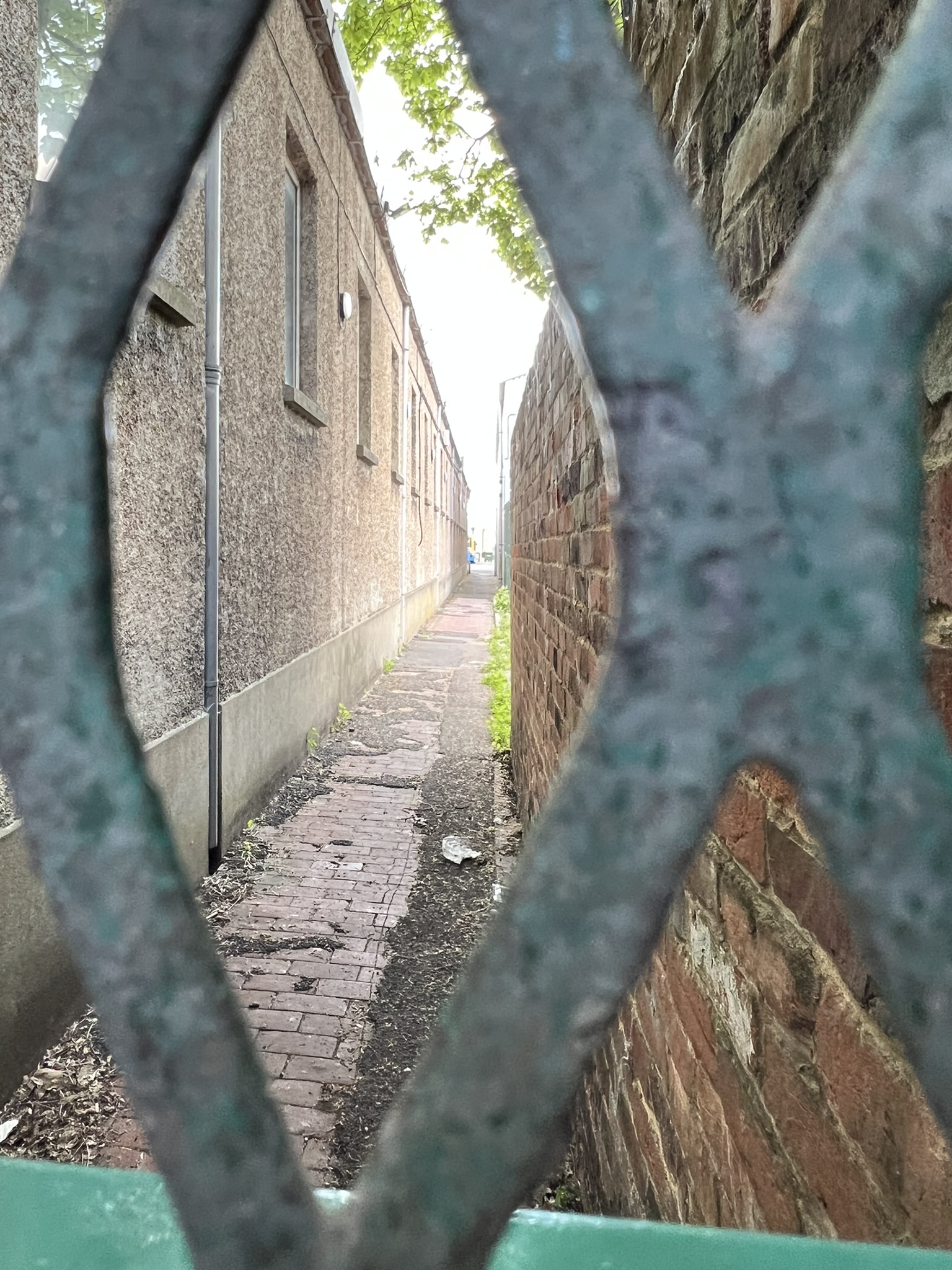
And her path to the circulating library, which is now closed to walkers…
…. and the path to the water for a refreshing dip [there were 30 bathing machines at the time, and “were, according to the 1805 town guide, segregated, so that ‘every proper attention is paid to decency’.”] [Worthing Society Heritage Leaflet No. 2, “Jane Austen” (c2013, Janet Clarke)]
Venus’s Bathing (Margate): Hand-coloured etching, 1790 By: Thomas Rowlandson courtesy of the Wellcome Collection
All that is known about this family trip is through Fanny Austen’s notebook jottings – there are no letters from this time, and indeed no letters from Jane from 30 August 1805 until 7-8 January 1807 (Letter 48(C) is a July 24, 1806 poem to Fanny and is only a copy written out by Anna Lefroy) – what happened in those years remains a mystery … and ripe for fictional interpretation.
But Edmonds makes a strong case for Austen’s visit to Worthing as being the foundation of her last novel Sanditon – all the characters of the town are in place in her story, sadly never finished, and also ripe for fictional completions, of which there are several [as well as the over-the-top-but-beautiful-to-look-at 3-season TV series].
We thanked our new-found friends in Worthing and were then on our way to Winchester, from where we will spend the next 4 days journeying from there to take in the Jane-in-Hampshire sites…
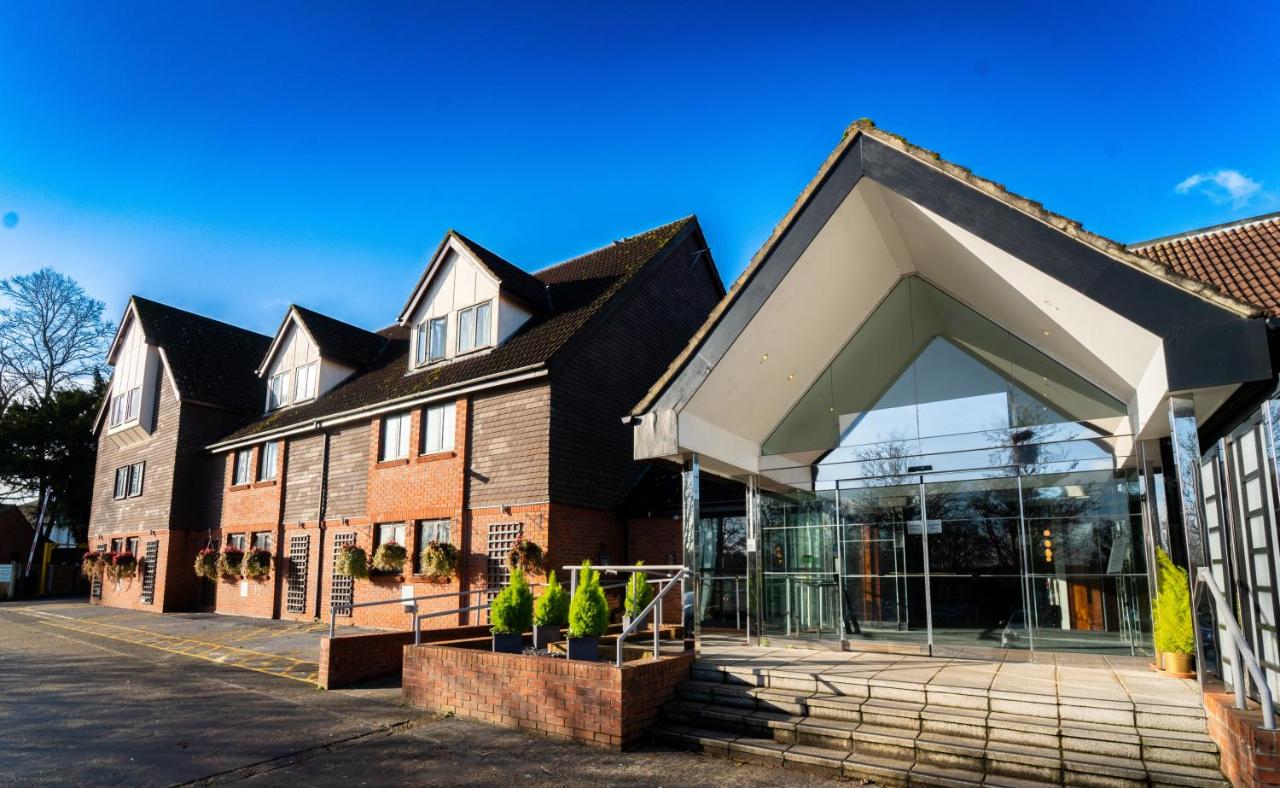
In the meantime, dinner at our hotel, the Winchester Hotel & Spa:
[from the hotel website as I failed ot take a picture!]
First, we traveled on our bus today to Goodnestone [did I mention yet our very-talented bus driver on this trip, Paul? A master of small lanes, hedgerows, and city maneuvers, Paul brought his expertise, patience (with all the Jane talk!), and humor to each day. The bus was smaller than the average bus, but with NO SIDE MIRROS, which proved his abilities beyond possibility…[I have a picture thanks to Joy!..]
– but I bring this up because today, traveling down a country lane on the way to Goodnestone, this big red behemoth attracted a herd of sheep like none of us have ever seen – unlike a Gary Larson cartoon, where the cows keep eating and ignoring the passing-by humans, these sheep raced to the fence to visit the huge bus – did they think it was their Mother?? Many of us got out to greet them, all running toward us – whatever they expected or what was on their minds we were unable to determine – but it gave us all a good laugh and we felt more welcomed than ever to the Kent countryside [I did have a Thomas Hardy moment of all the sheep racing to and jumping over the cliff edge in Far From the Madding Crowd, one of the most distressing moments in 19th century literature…but no such sad outcome for us – the fence stopped any such disaster and we just bid them all adieu and continued our journey smiling all the way…]
Goodnestone was the family home of Elizabeth Bridges, wife to Edward Knight. Brook Bridges purchased the home in 1704 [more on him in a bit…] – it remains in the family and now you can visit the house and gardens and it serves as a wedding venue. I was looking forward to seeing this house and having tea there, but alas! our plans were sent all askew by a film crew taking over the house for a “Married at First Sight” filming… the UK series has been on TV since 2015 – I did watch ½ an episode on TV while there and was quite stupefied by its stupidity…but if it helps support the Goodnestone estate, then that is a mere quibble of taste…
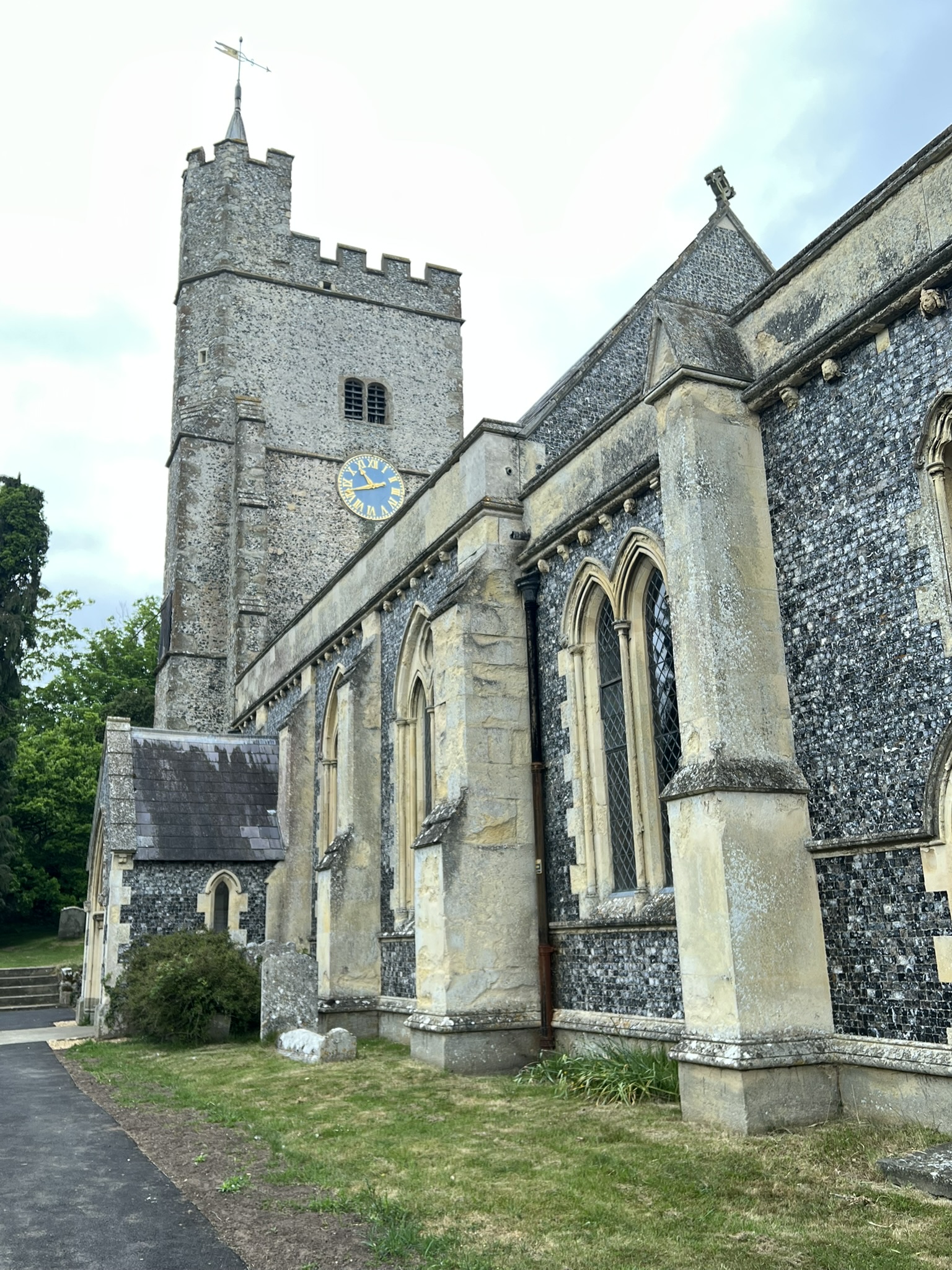
So, only distant shots, and a visit to the Church of the Holy Cross, where we were introduced to one of the family who gave us the low-down on the family history, and a tour around the church. This is the church where Edward and Elizabeth were married – it was actually a double wedding [Elizabeth’s sister Sophia and William Deedes], perhaps giving Austen the idea for her Pride and Prejudice double wedding of the Bennet sisters, Elizabeth and Jane.
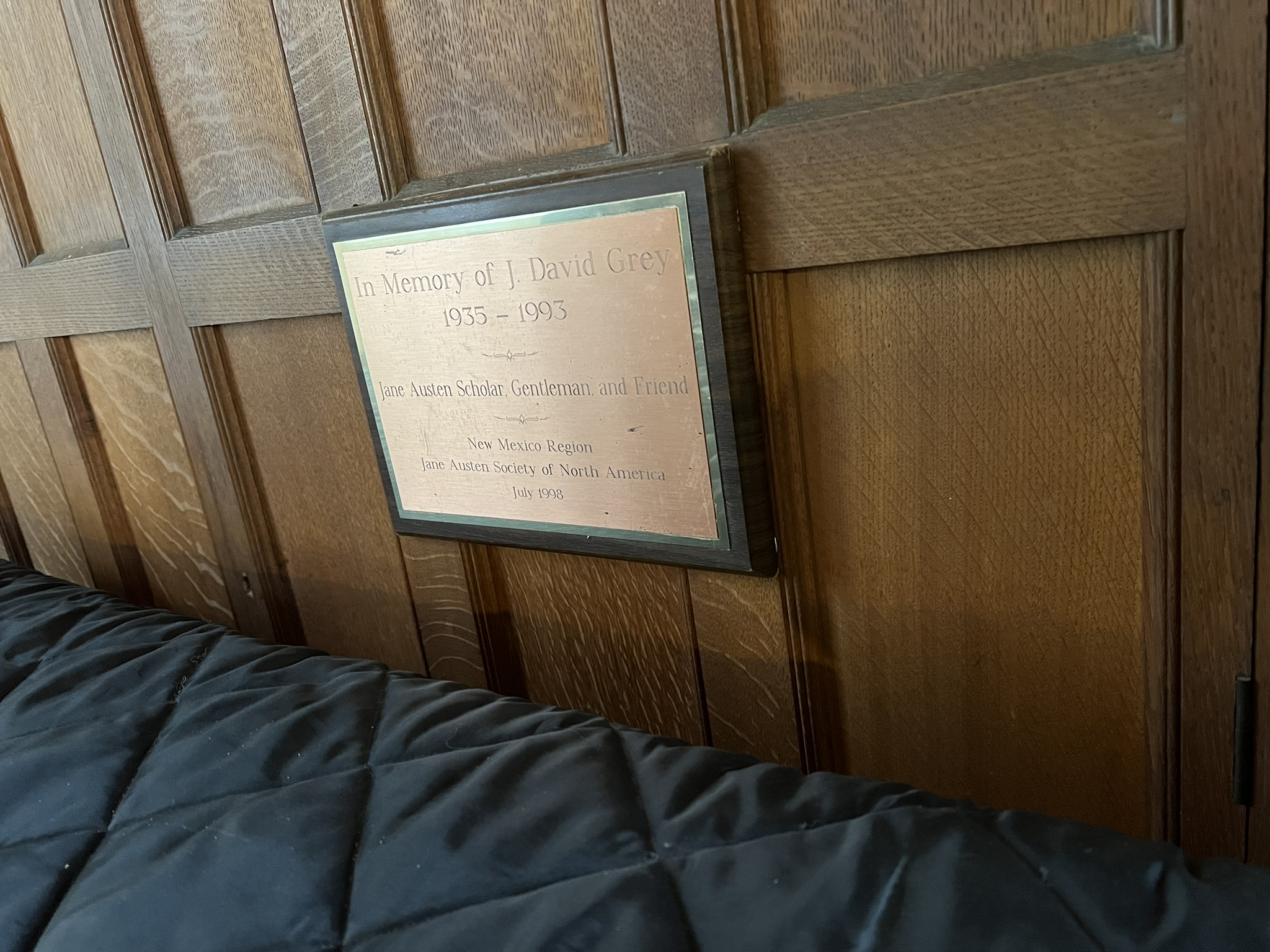
Of interest to Janeites is the plaque to J. David Grey, one of the founders of JASNA, and installed here in his memory with JASNA’s support.
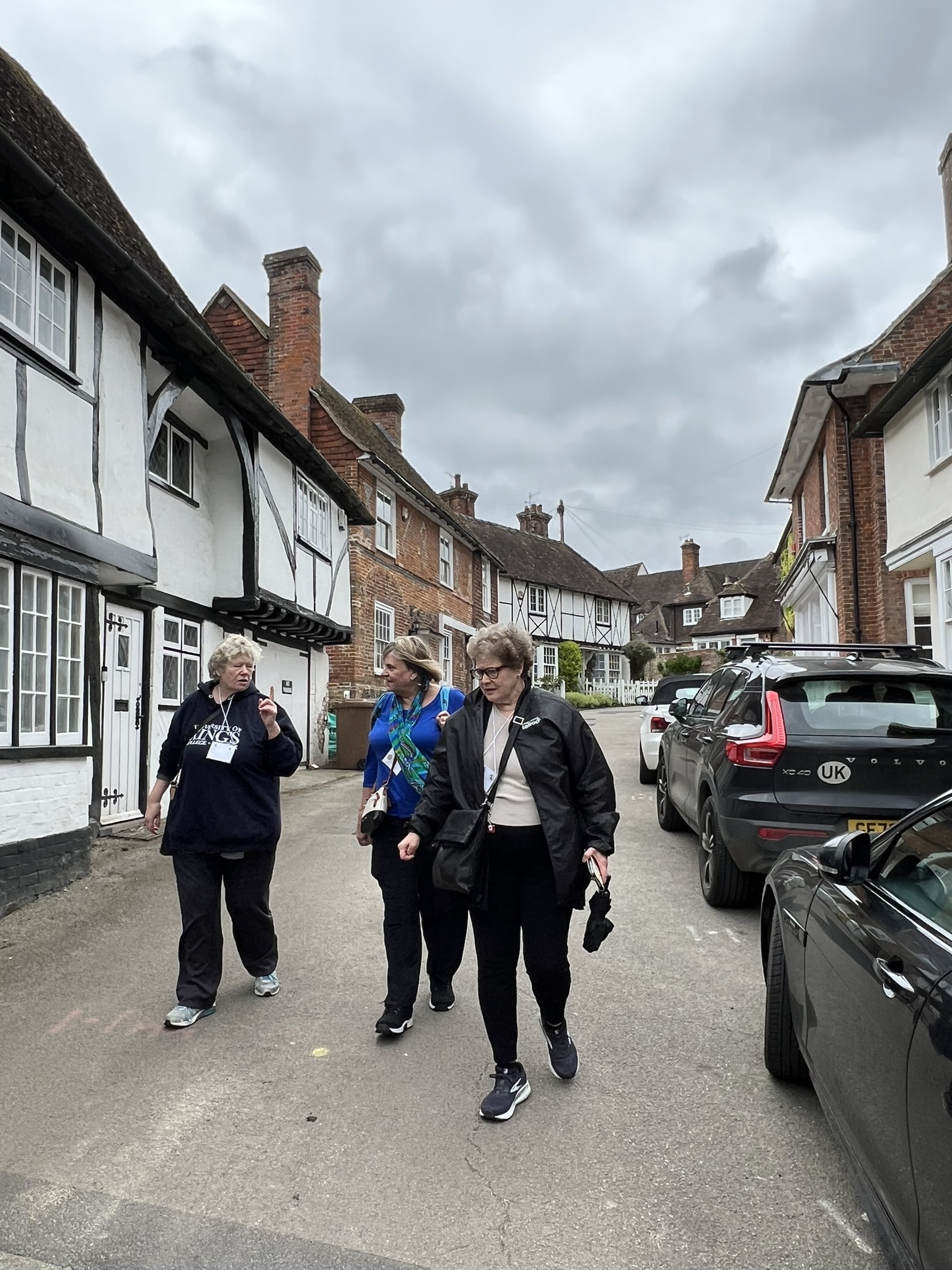
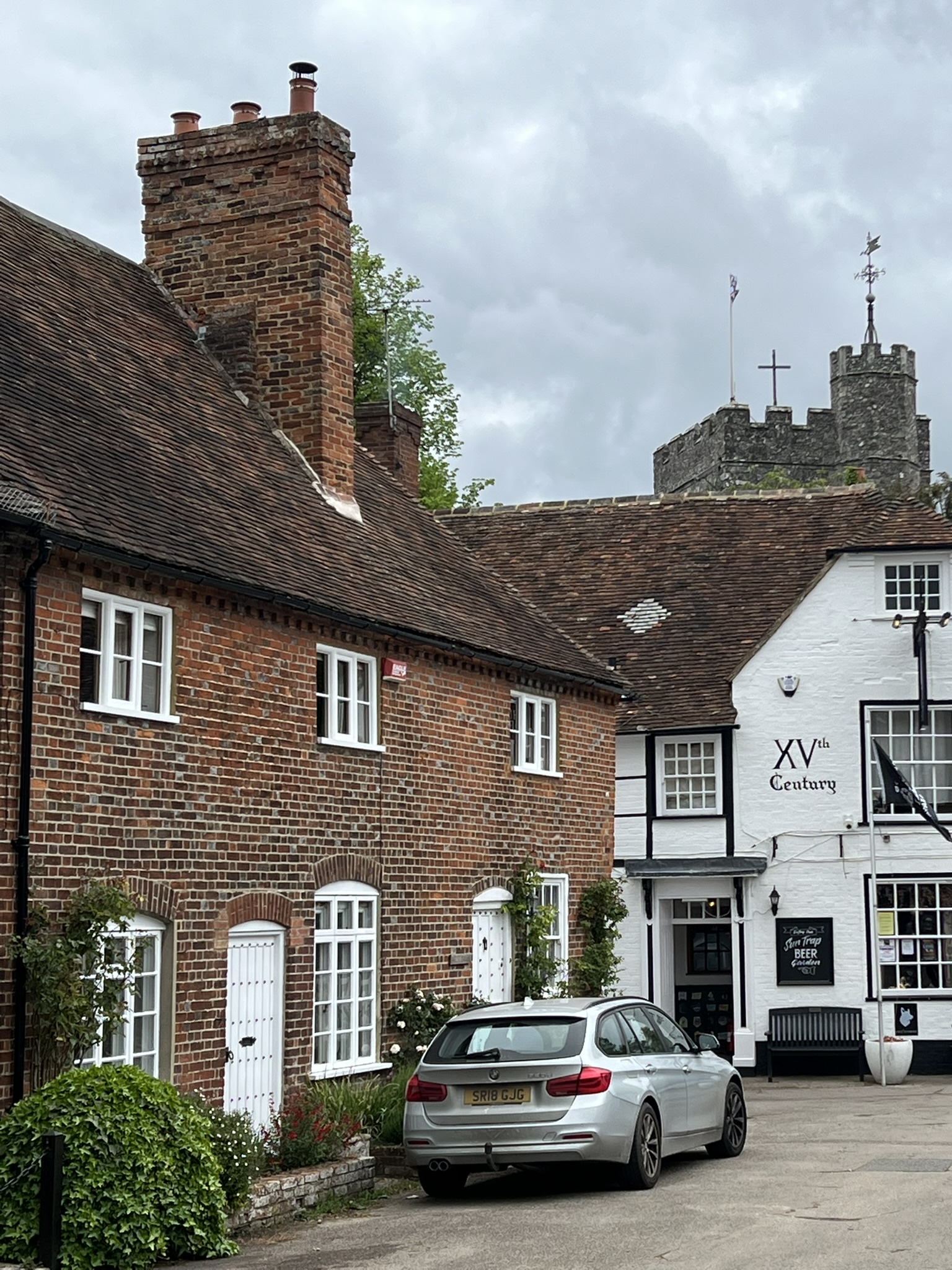
Then off to Chilham, the village that served as the location for Highbury in the 2009 Emma series. We were able to walk around the village and had lunch at the Woolpack Inn, established in 1480 [so delicious, I forgot to take a single picture!], and an appropriate spot considering our sheep welcome…
***********
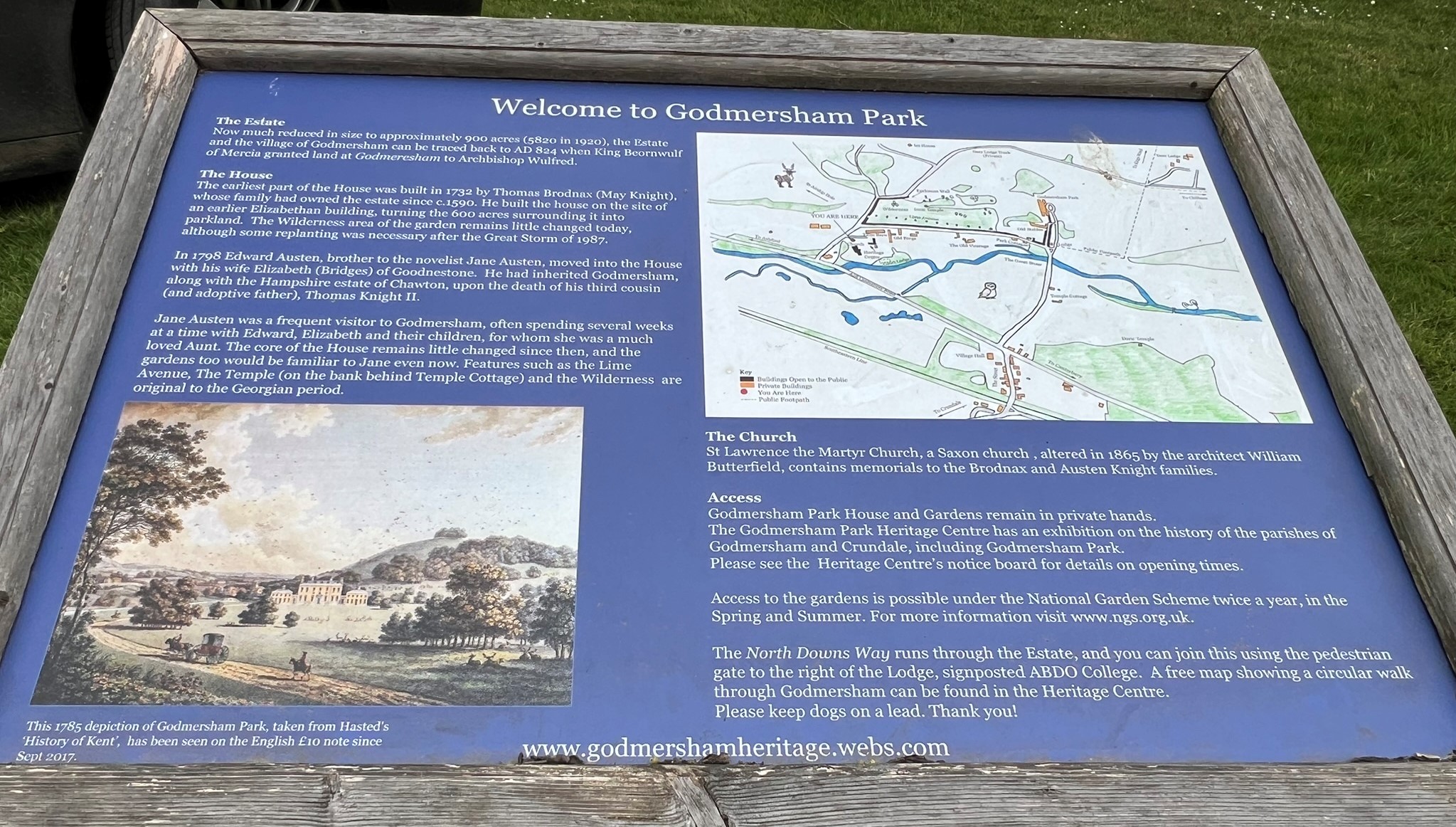
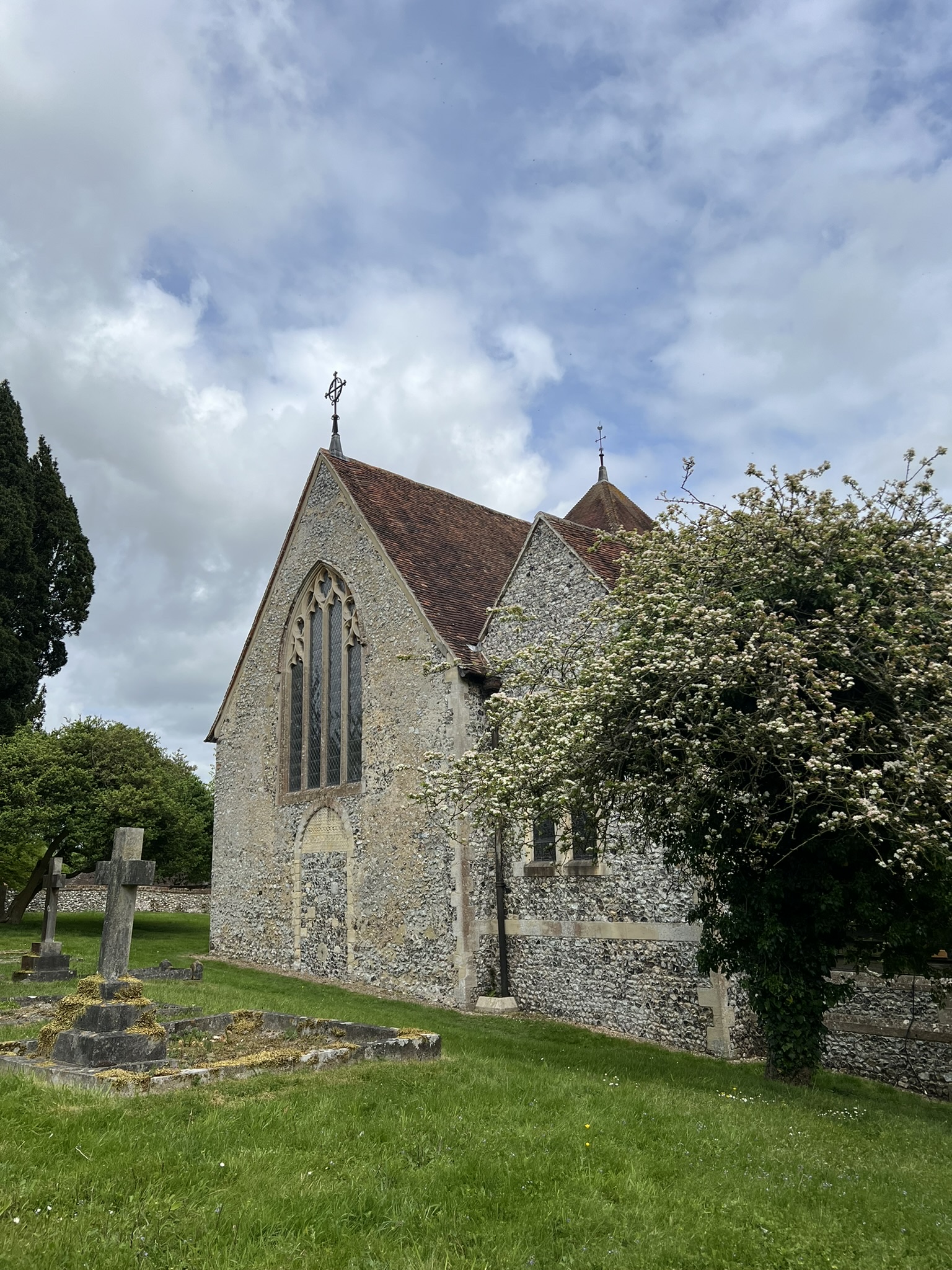
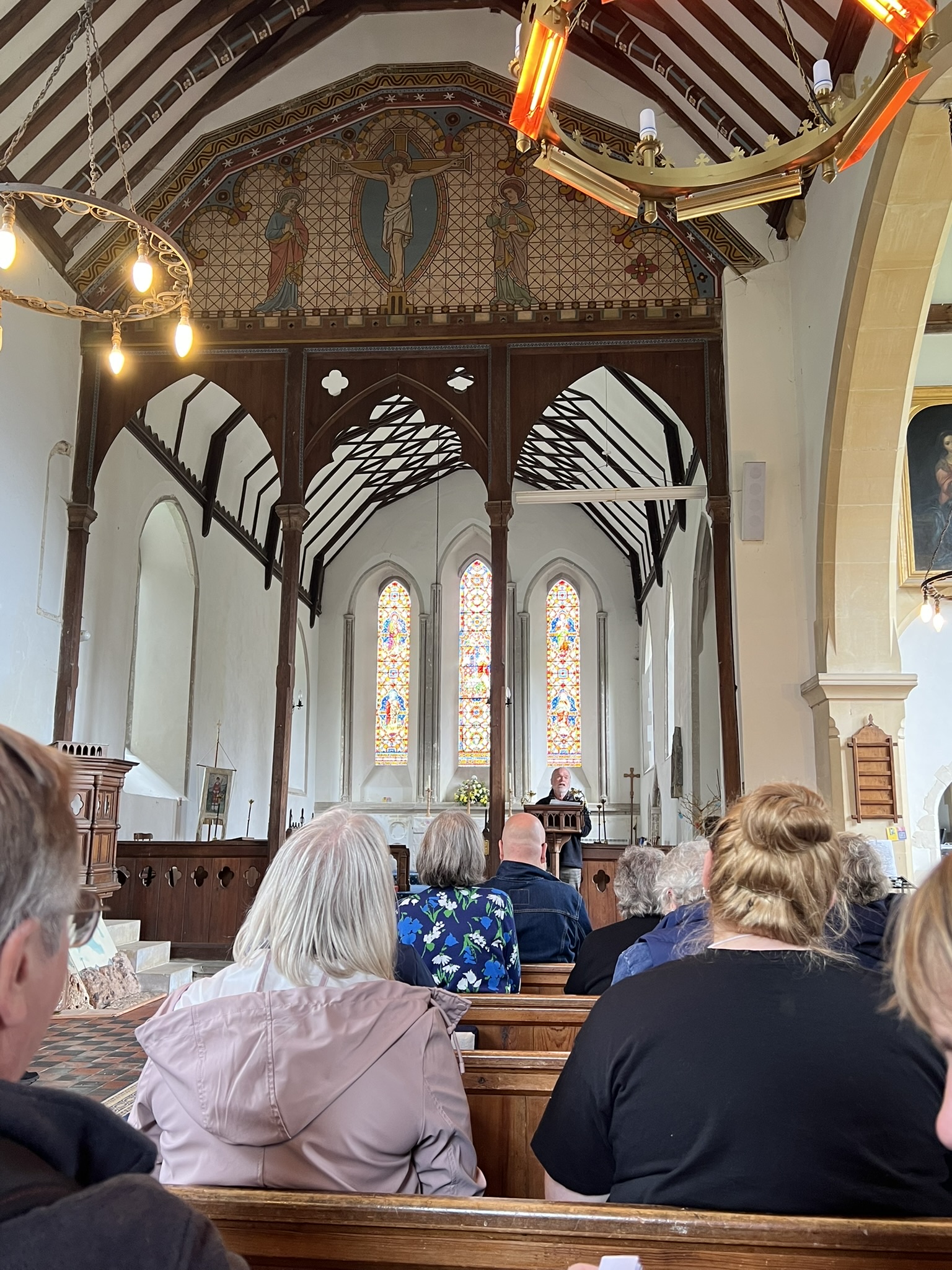
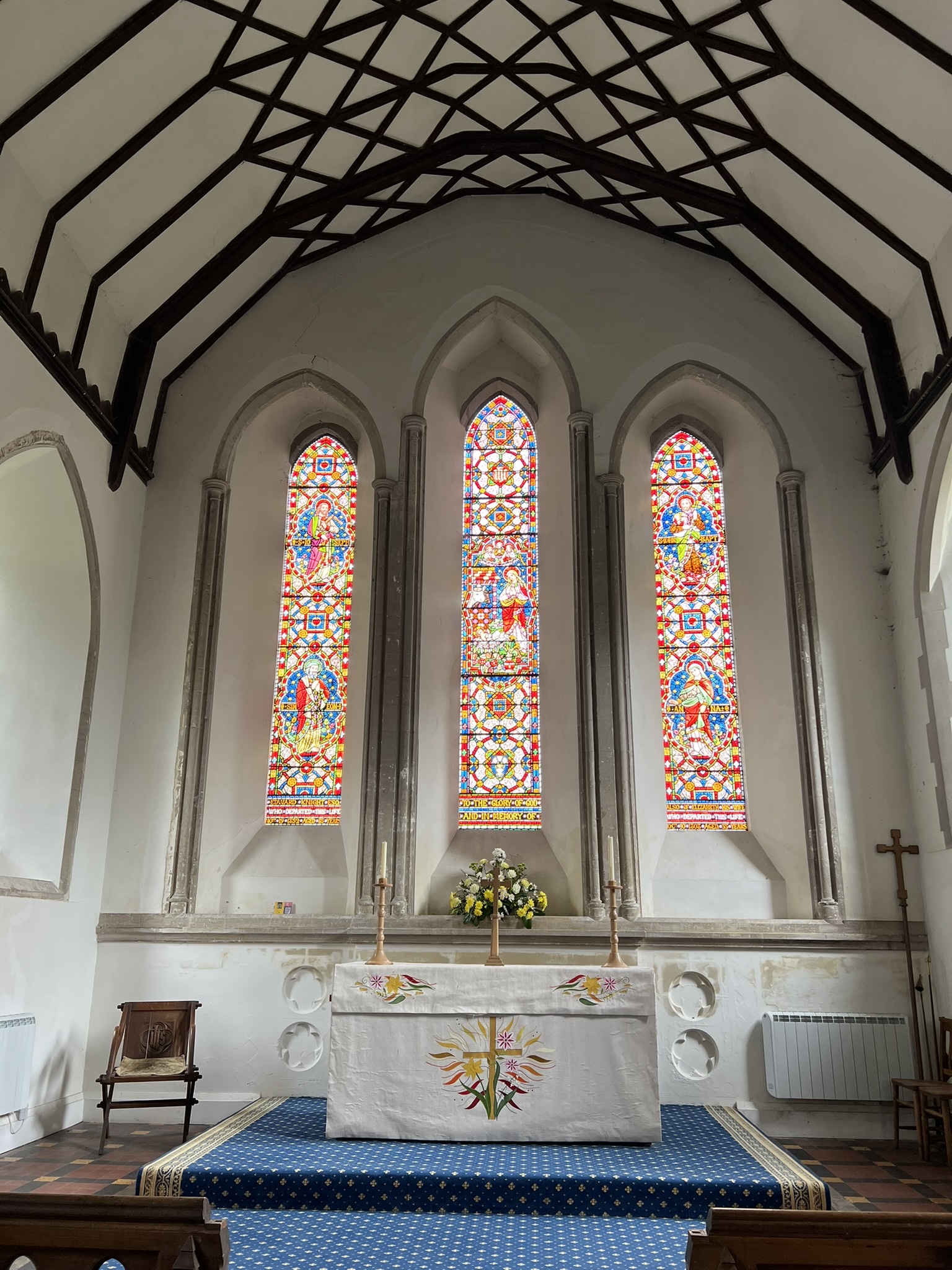
Then to Godmersham Park, my most anticipated spot on the tour. First to the Church, surprisingly not a St Nicholas, but a St. Lawrence: here we had a history lesson about its connections to the Austens.
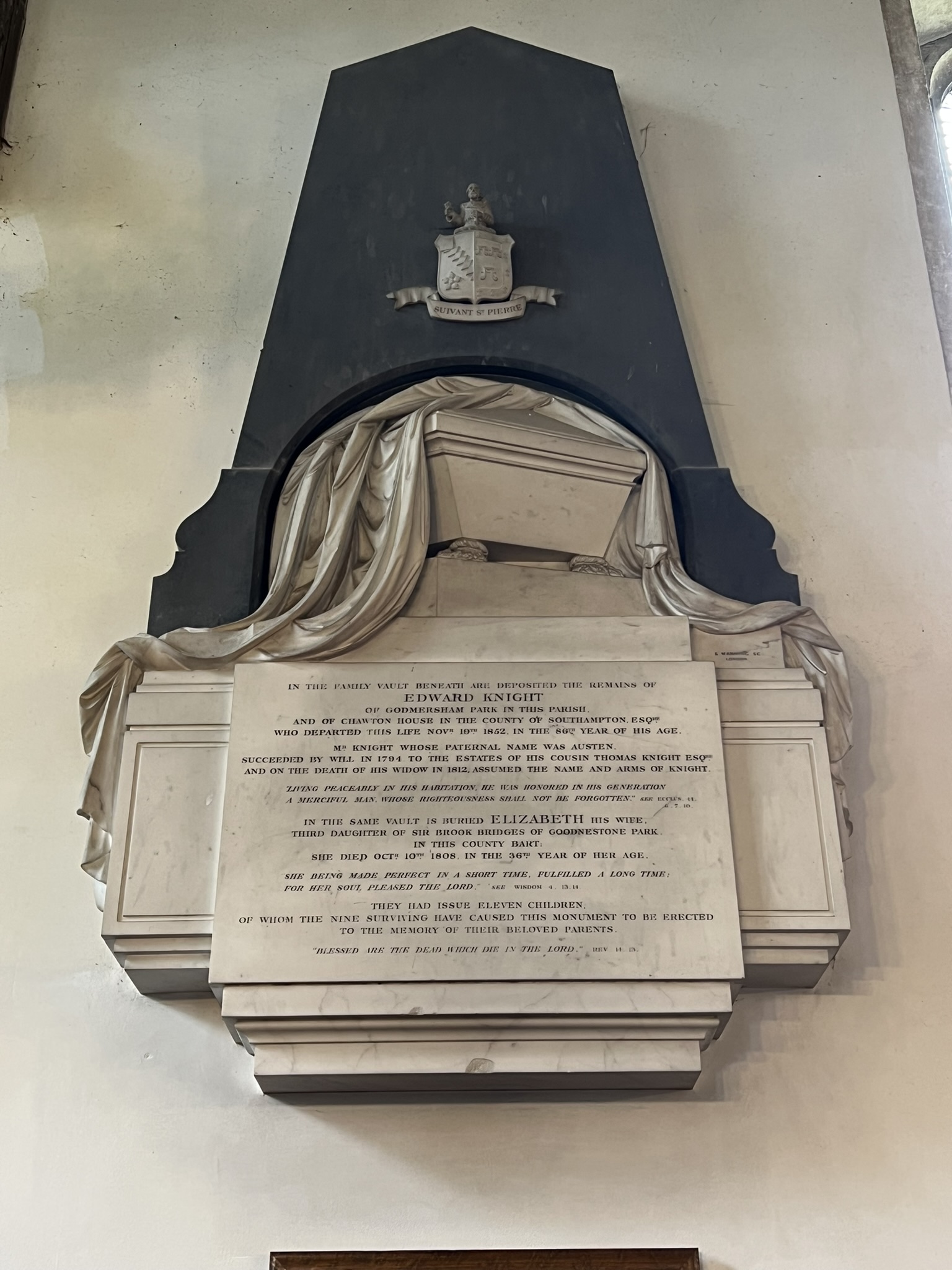
Godmersham Park was Edward Austen’s home, inherited from his adoptive parents that required him to change his name to Knight. Here he and Elizabeth raised their 11 children [Elizabeth died after the birth of the 11th at the age of 35 in 1808] and where his extensive gentleman’s library was housed, the source of Professor Peter Sabor’s project Reading with Austen– the website offers an interactive plan of the library showing what books were on the shelves and their location as Jane Austen would have experienced. The goal of the project has also been to return as many of the books that were originally in Edward’s library if at all possible – we call ourselves The Godmersham Lost Sheep Society – you can read all about it at these links – we actively fundraise to help in the purchase of any books that might show up at auction or in booksellers’ catalogues.
Godmersham Park
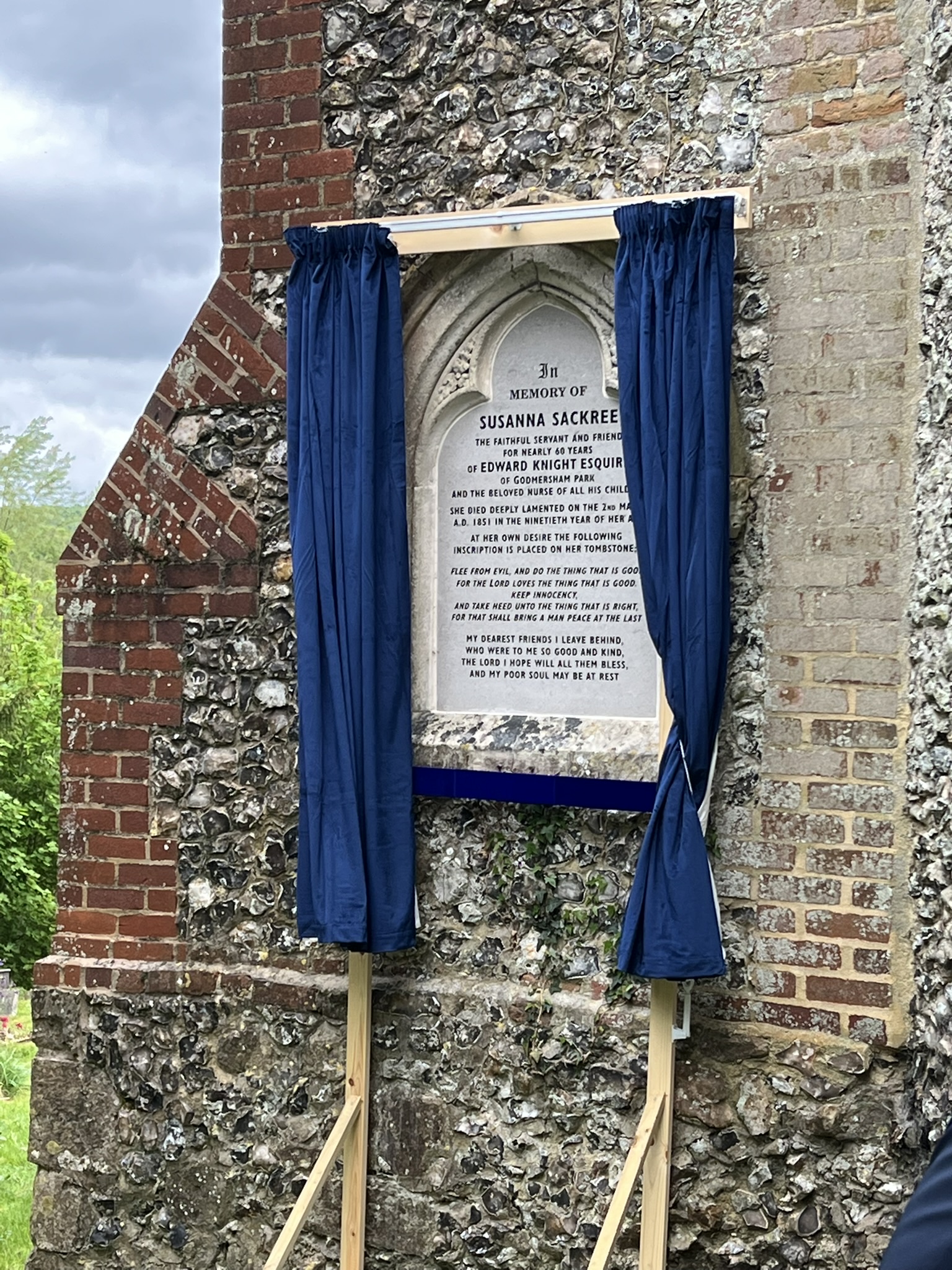
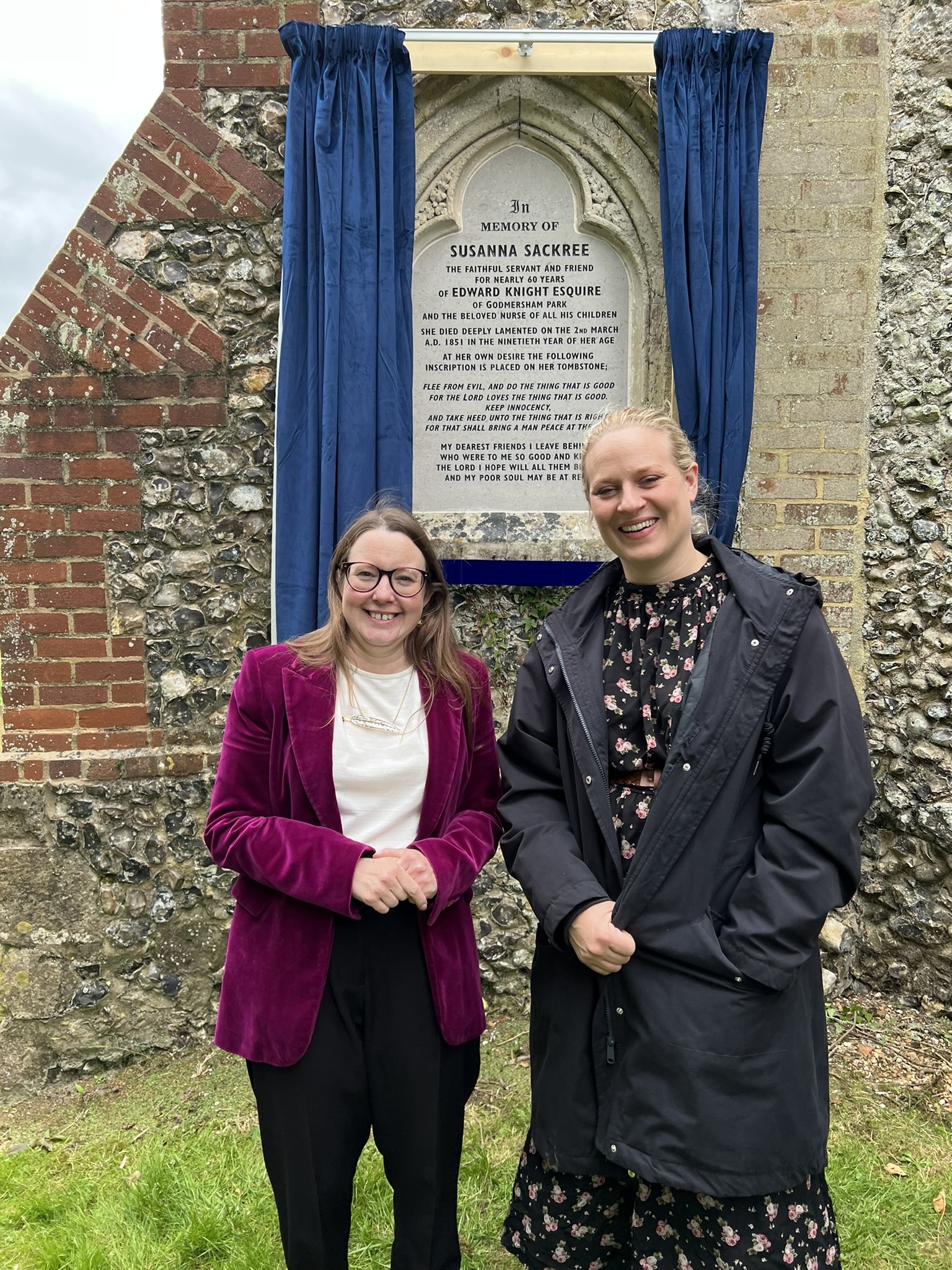
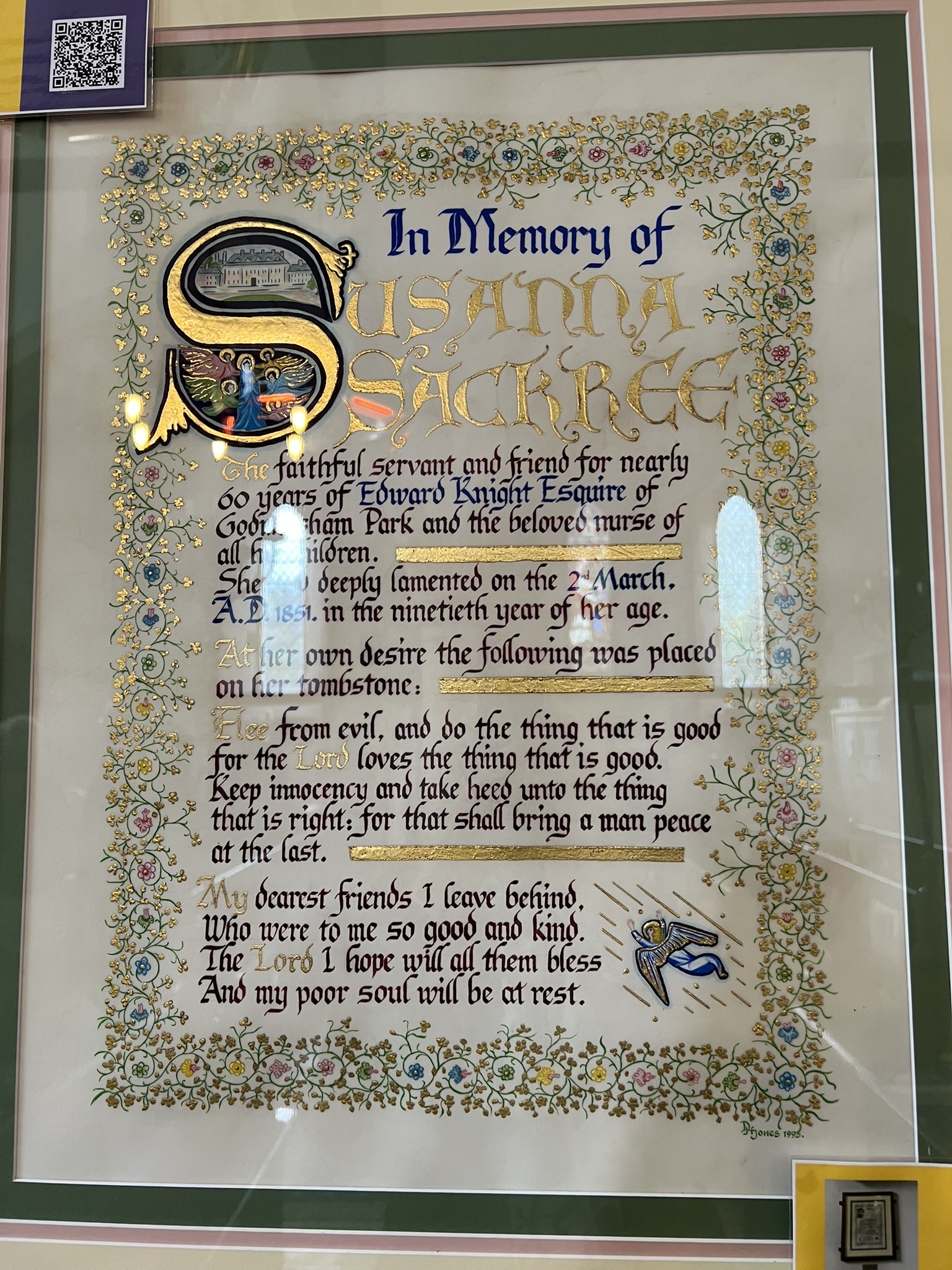
We were honored to be present for the unveiling at the Church of the Susannah Sackree memorial, here with Katie and Kim from Chawton House:
Susannah Sackree was the nursemaid to the Knight children, and memorialized by them in the church and now with this grand memorial on the exterior. It was a very moving moment to see a servant, often forgotten by their employers and history, so lovingly remembered by the Knight family.
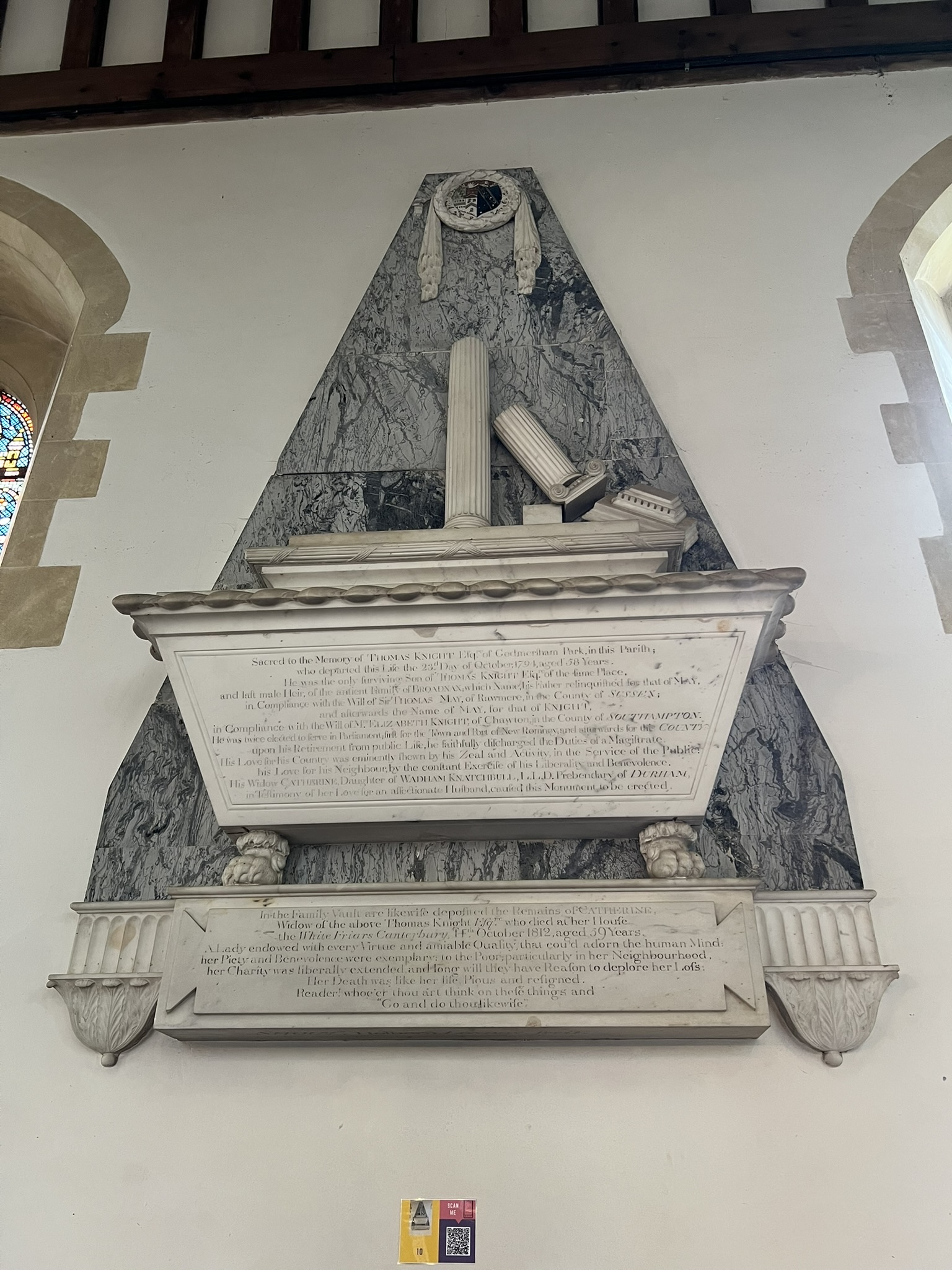
Susannah Sackree, Edward Knight, and Thomas Knight Memorials
The Heritage Centre tells the story of the house and grounds – it now serves as home to the Association of British Dispensing Opticians and so you cannot tour the house, BUT, we were allowed into [under a code of silence] the entrance foyer, nearly the same as it was in Austen’s time – but no library to visit or any of the other rooms Jane would have stayed in – it is all classrooms now…
The grounds however we could walk around, and as we know that Jane, being an avid walker, would have strolled around these very spots – one could almost feel her there hovering about…
**************
Refreshments were gratefully received, and then we were off to Canterbury. Some of us went to the evensong at the Cathedral [one of my favorite things to do when in England], this after walking around the city for a while – we had two goals in mind: to see the portrait of the scandalous father of Elizabeth Bridges, Sir Brook Bridges (1733-91), whose portrait hangs in the Beaney House of Art & Knowledge – here he is in all his glory:
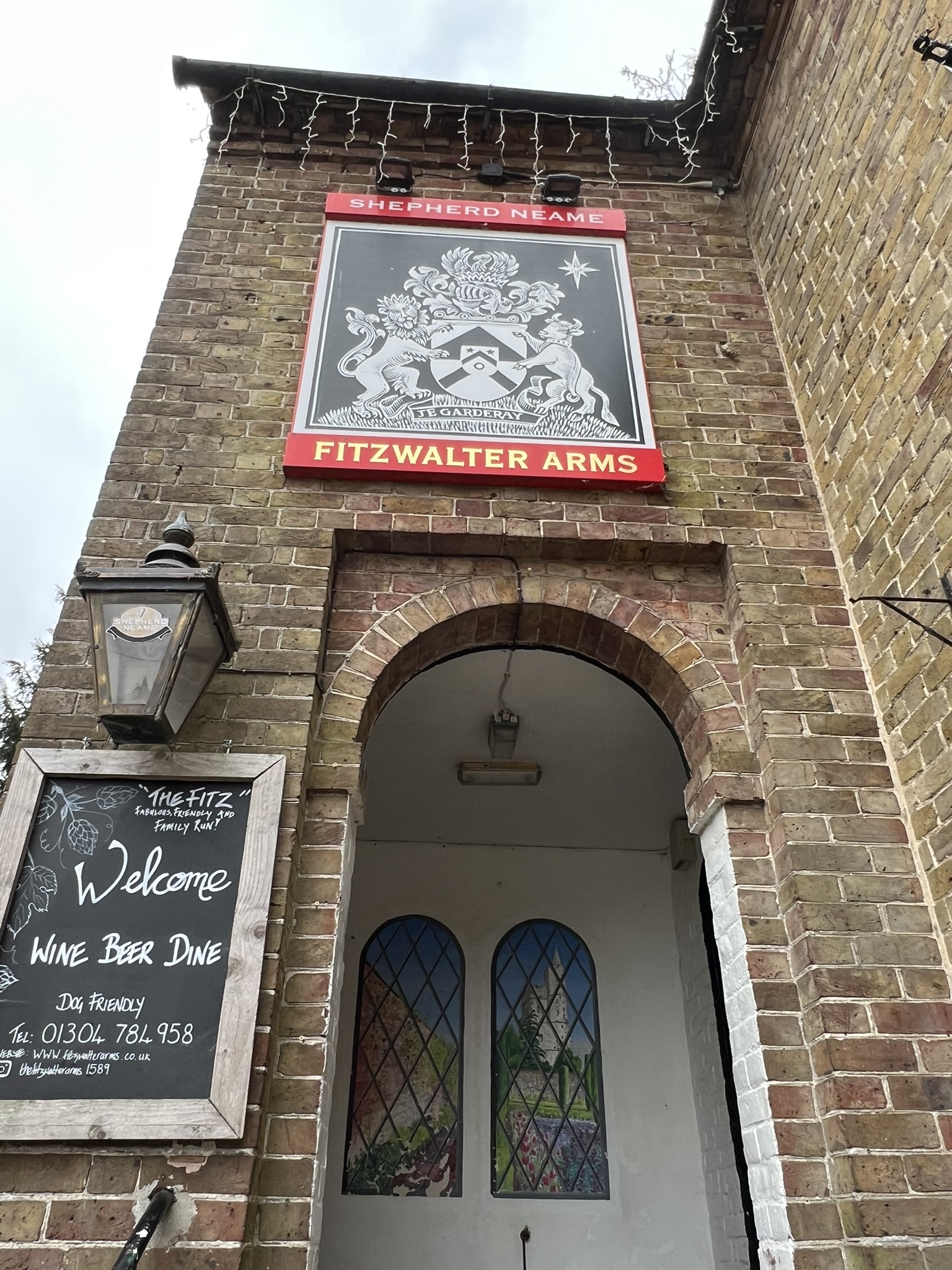
[Bridges married Fanny Fowler, who was heiress to the title Baron Fitzwalter, and still the prominent name here at Goodnestone]:
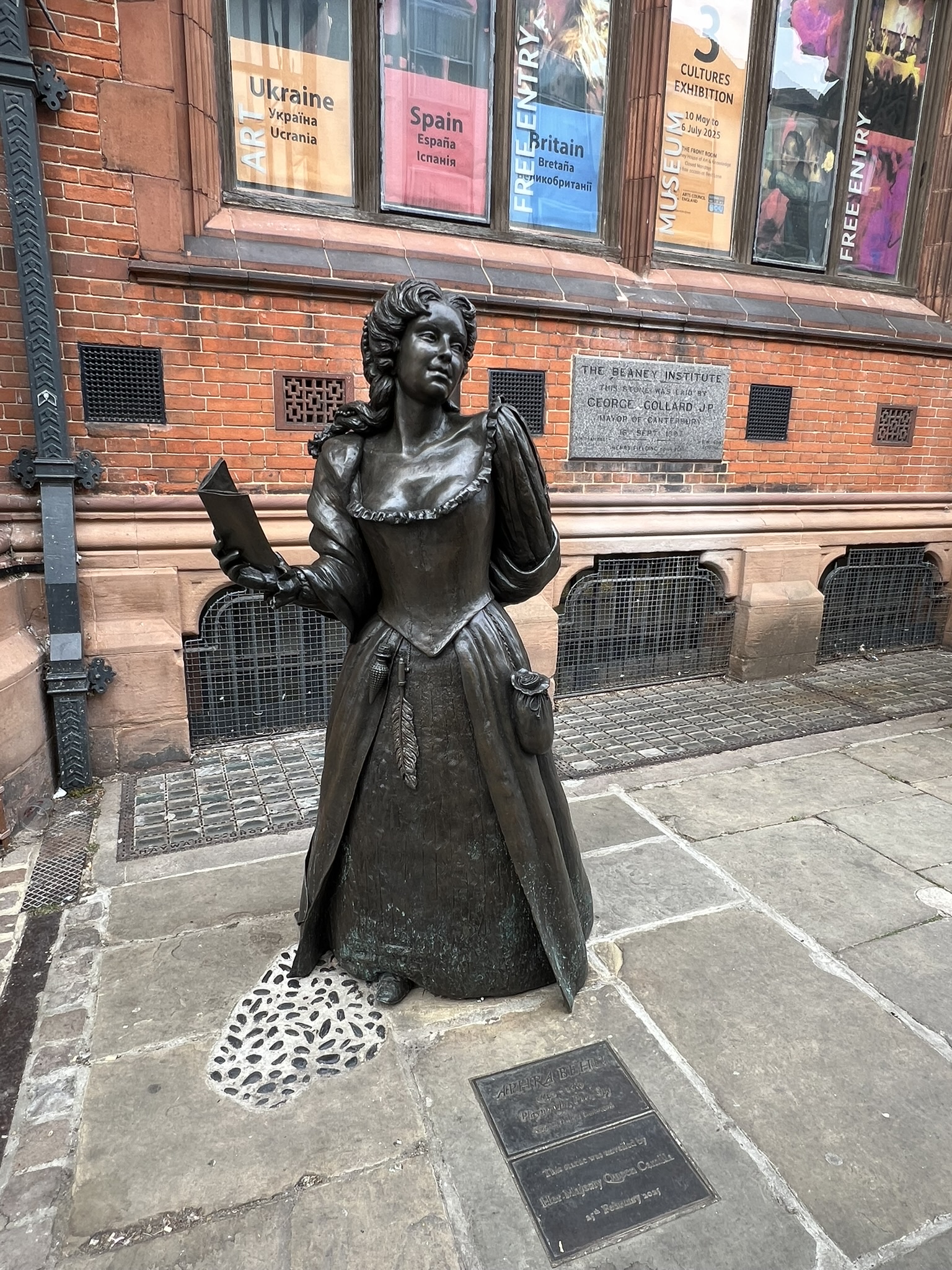
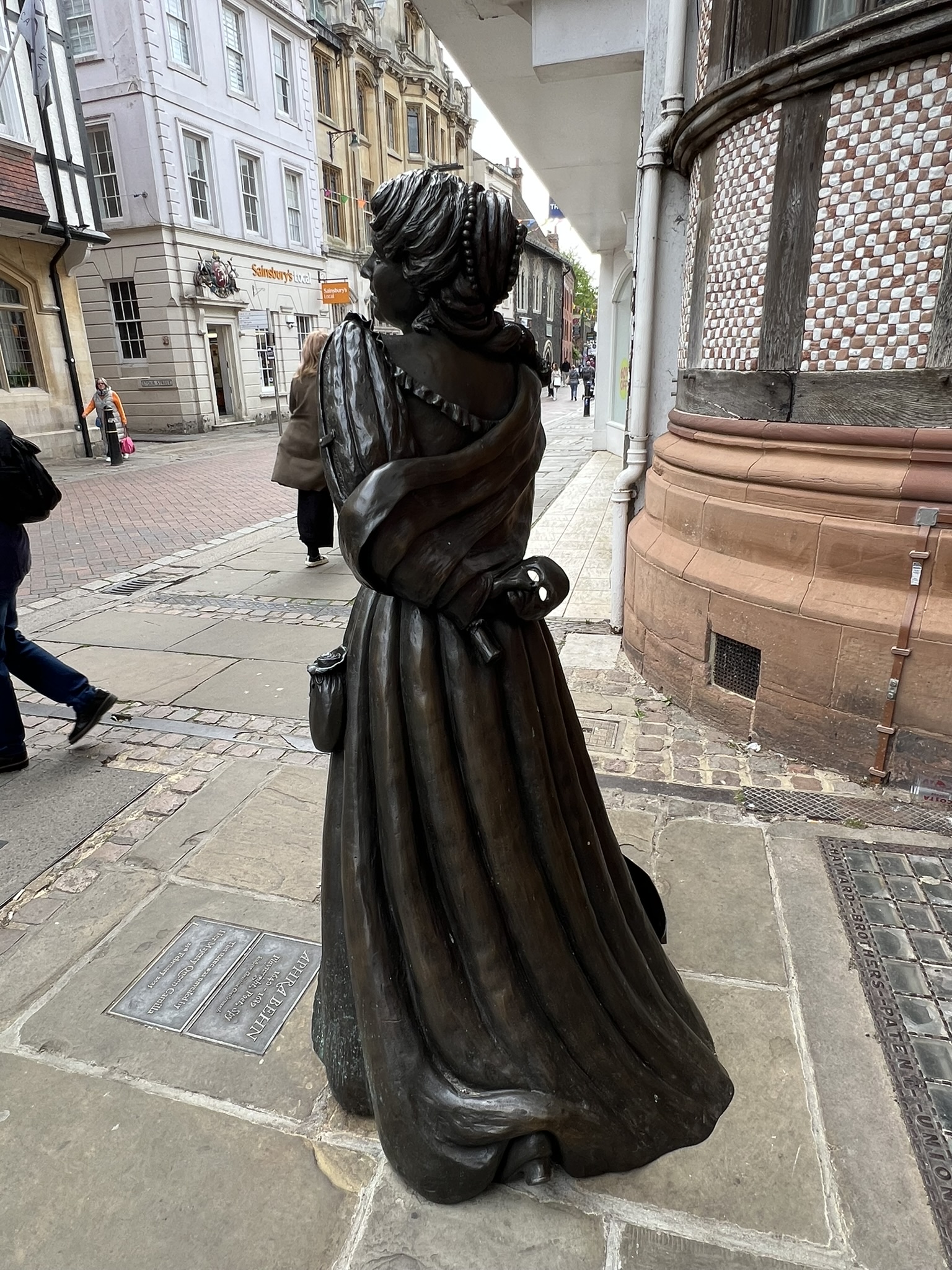
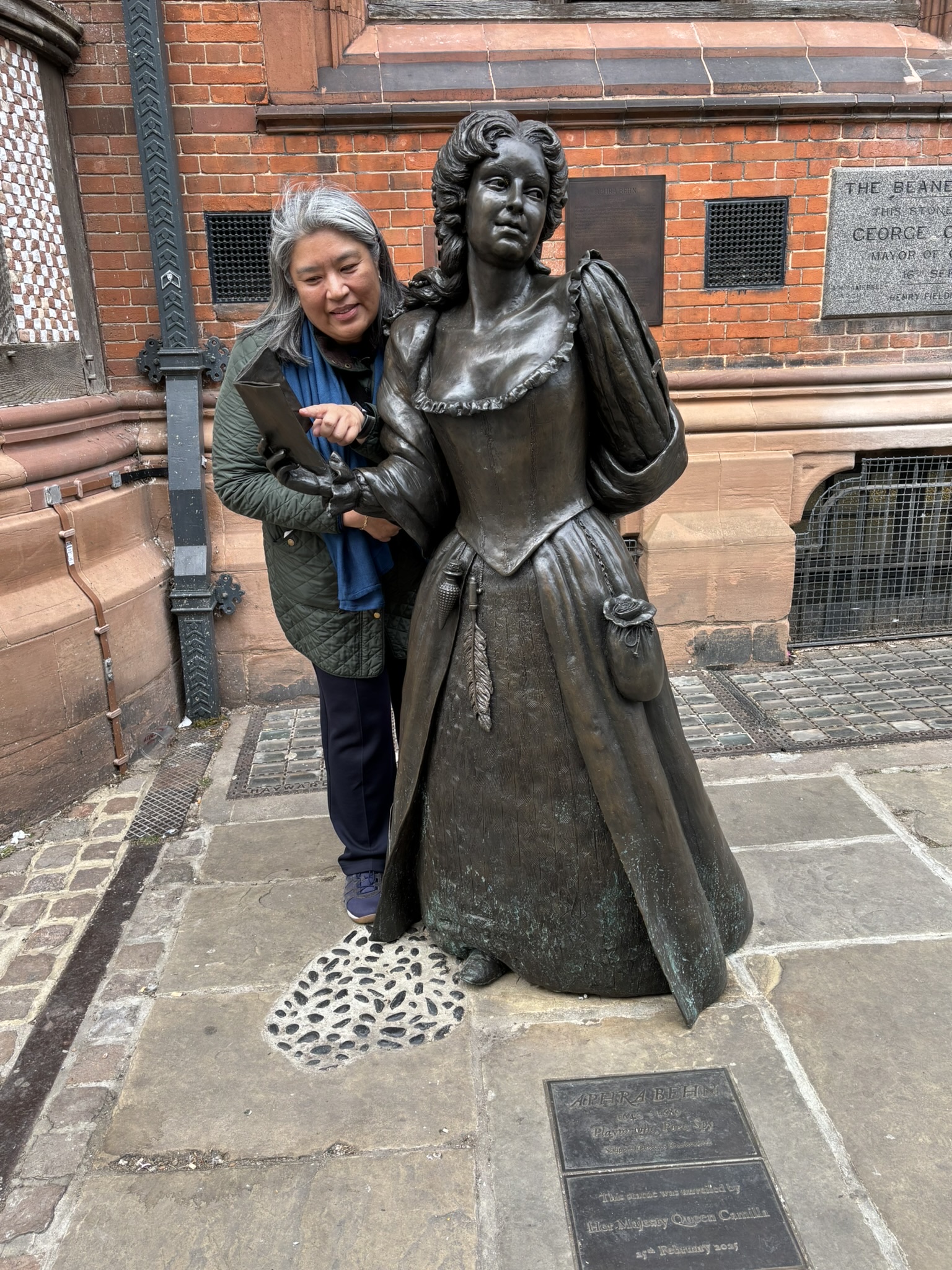
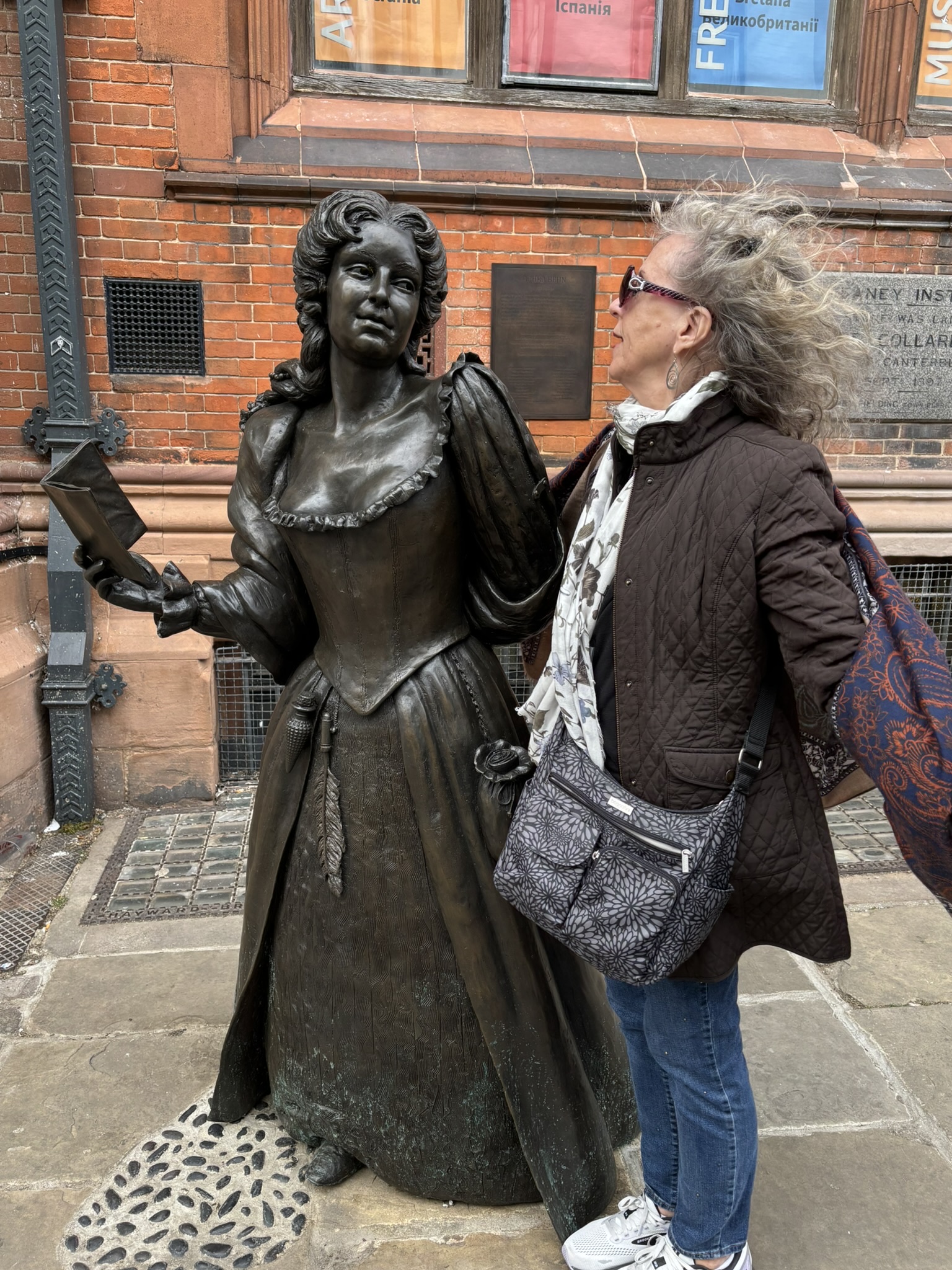
And Joy and I giving tribute to this early woman writer par excellence:
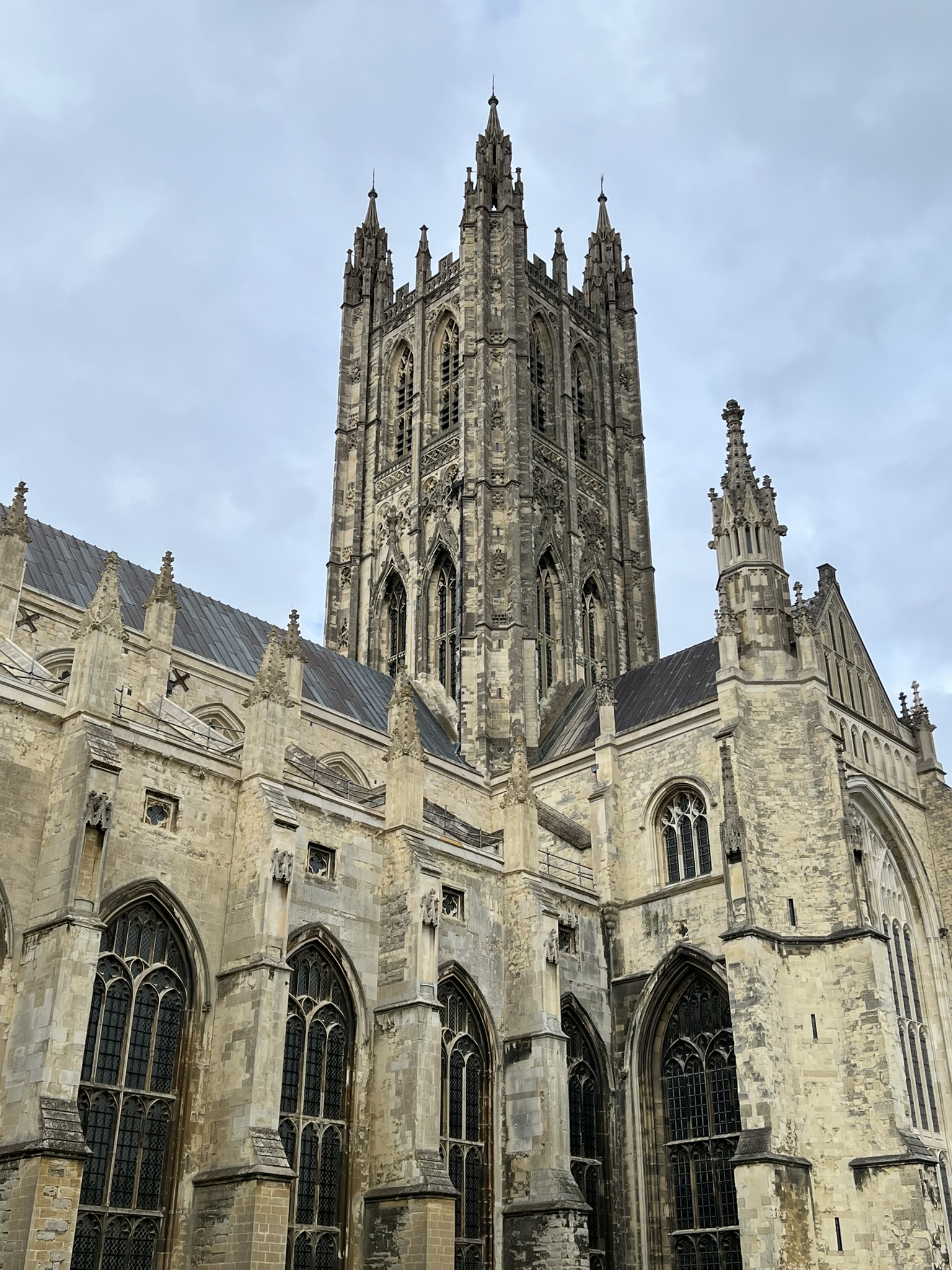
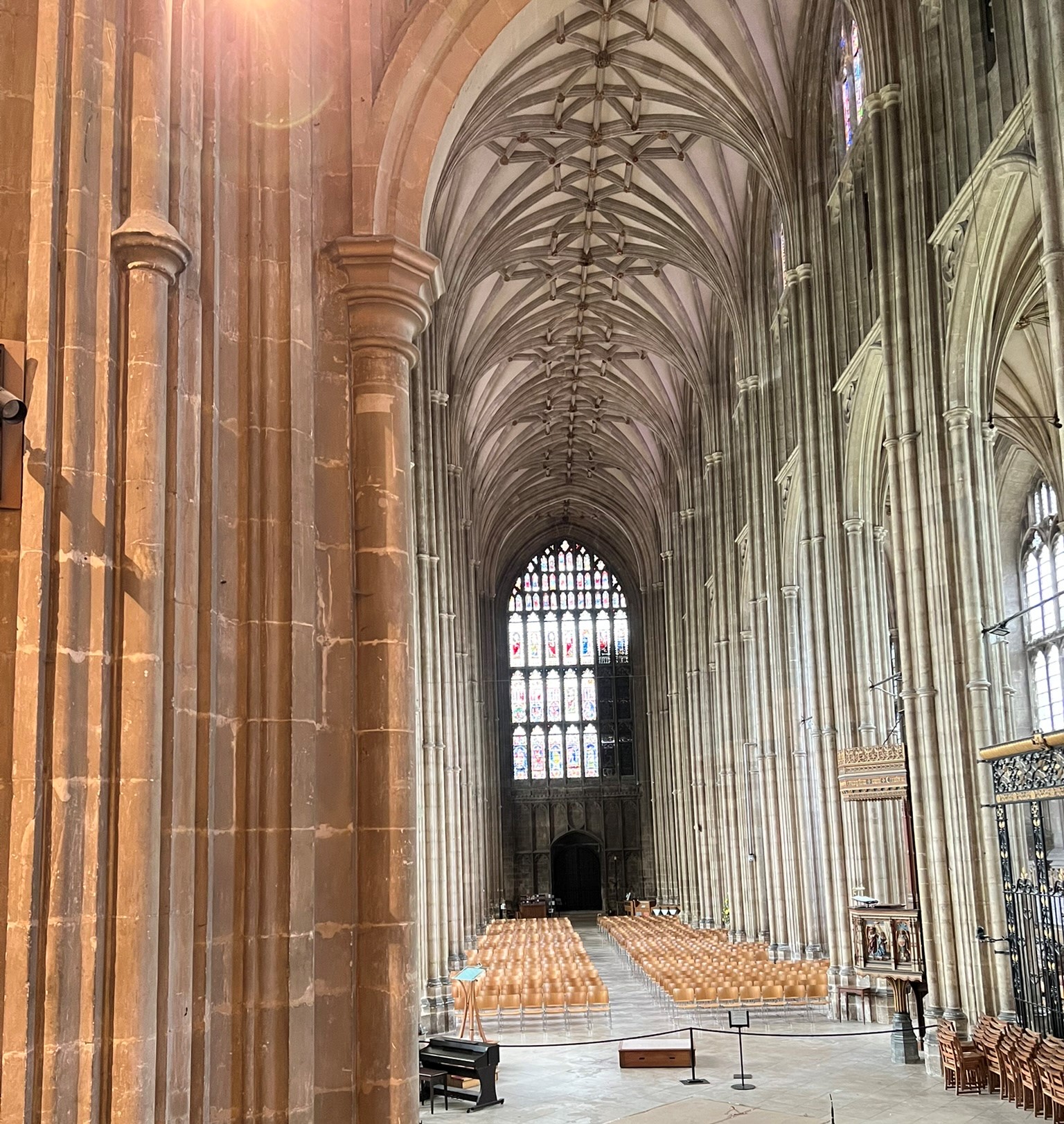
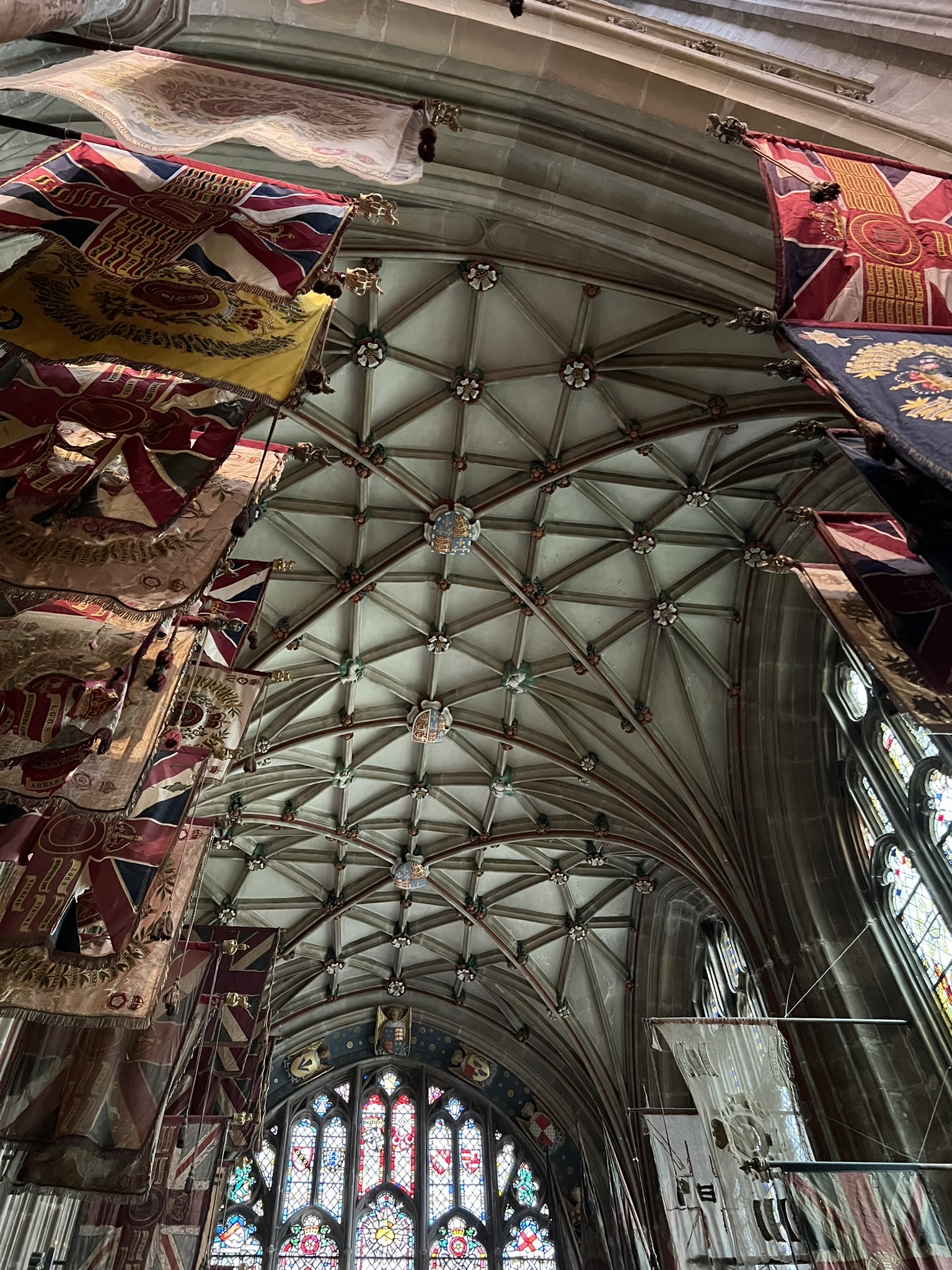
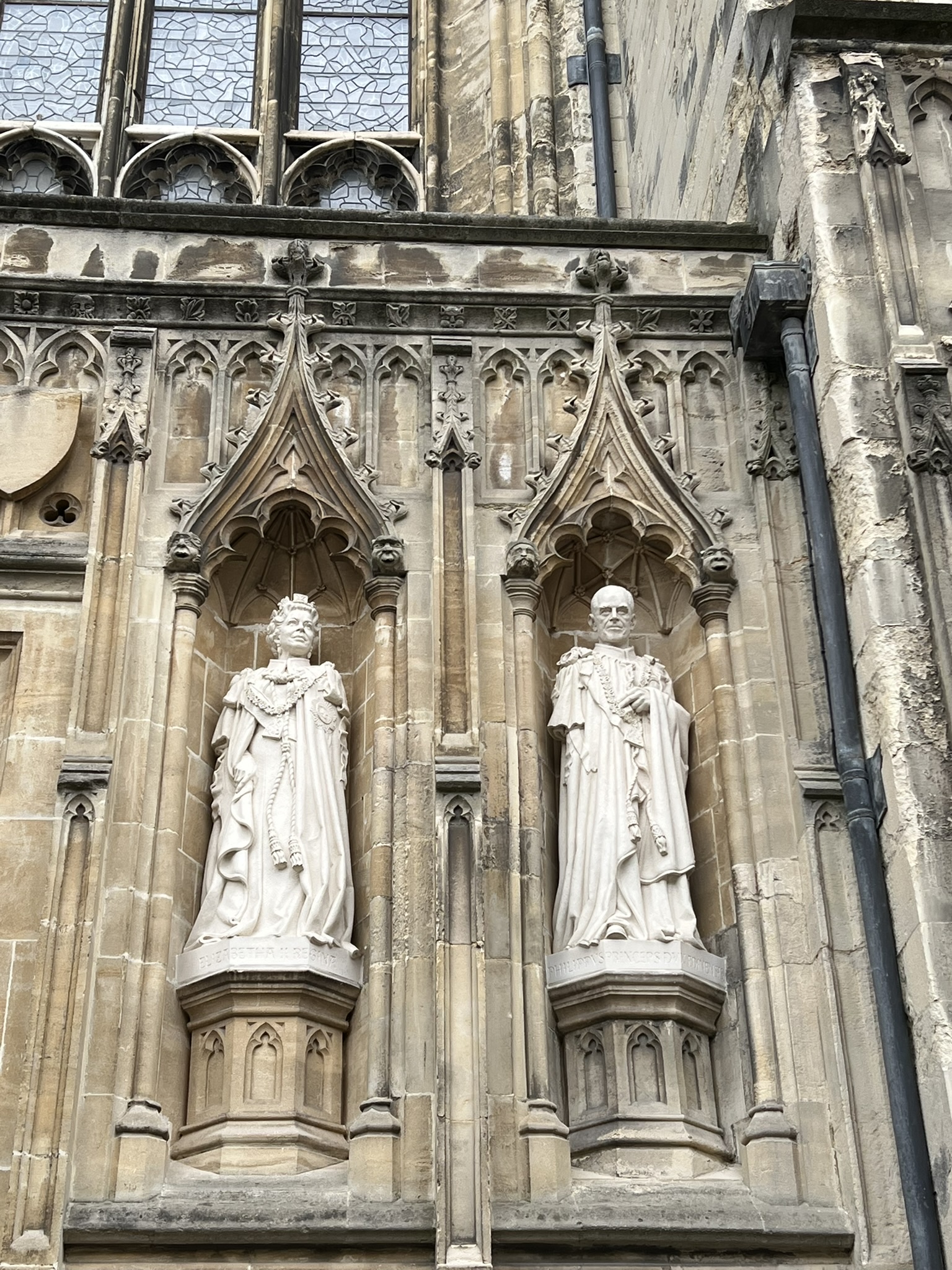
Our walk around Canterbury found us in delightful conversation with a gentleman who asked where we were from: Joy says California – “You must be a hippie” he says. I in South Carolina but from Vermont, and he goes into rhapsodies about Bernie Sanders! [Bernie’s brother has long lived in England and has served in the Labour Party, and this fellow apparently knows him…it was good to have a conversation about the troubles in the US right now – everyone sympathetic to us but also not appreciative of the tariff situation and concerns about ally relationships…] – it was an enlightening conversation, but we were off to Evensong – which was beautiful, as always, – reserved seats just for JASNA, and though we were unable to take photos during the service, I captured a few on the way out…and the exterior [much restoration work going on covering up the main entrance]:
So, until tomorrow, when we leave our gorgeous Chilston Park Hotel and head to Winchester for four nights, by way of Worthing…
c2025JaneAustenInVermont
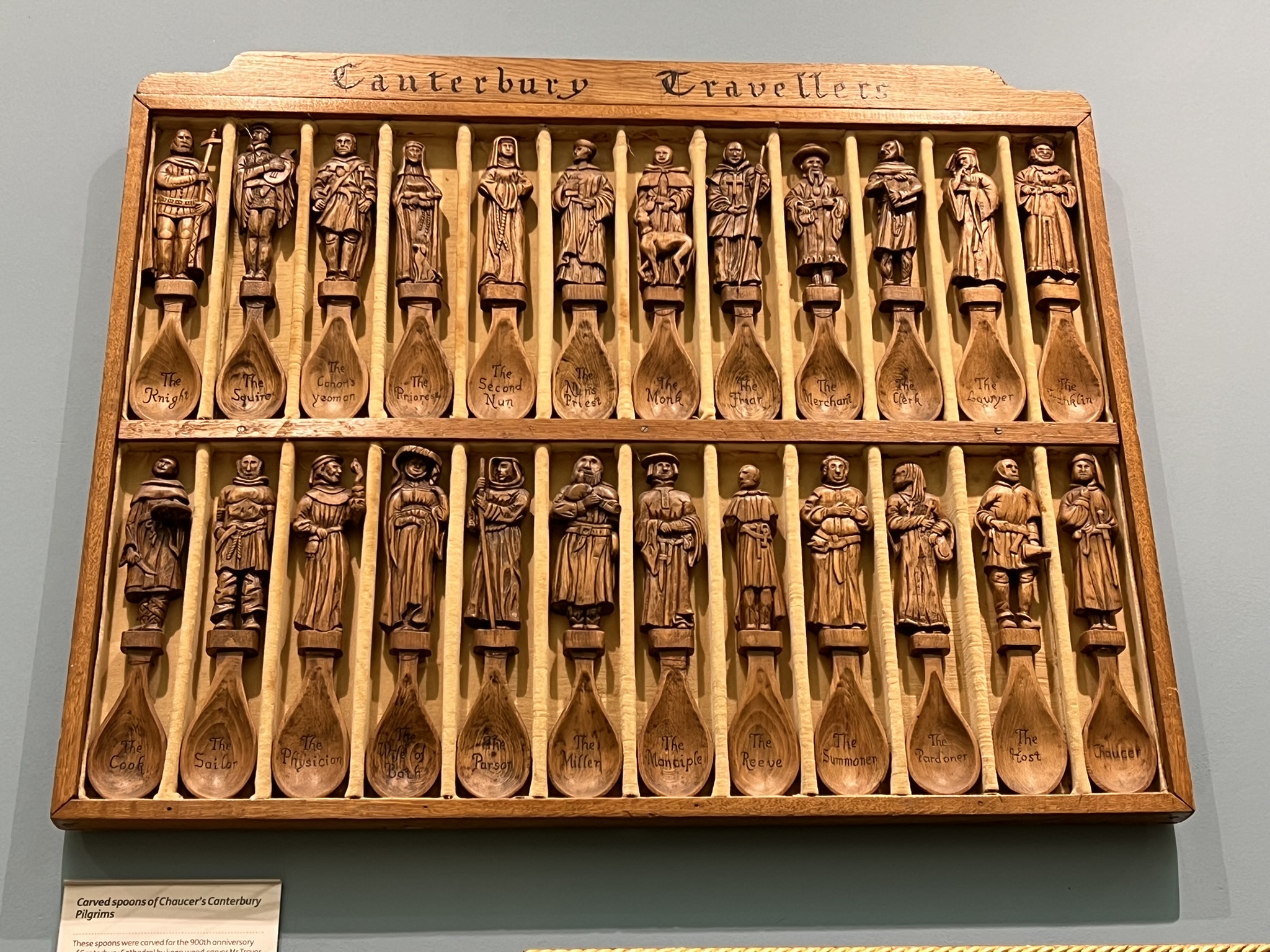
Feeling a bit like a “Canterbury Traveller”… [from the Beaney Museum]
Another day begins with a full English breakfast in this lovely morning room at Chilston Park, the piano serving as a buffet table!:
[One of the hardest things about returning from travel in England is the loss of that daily English Breakfast – if one had a maid, it could be sorted, but alas! I do not…I am the maid and chief swabby…and cereal works just as well to start the day, or so it has to…]
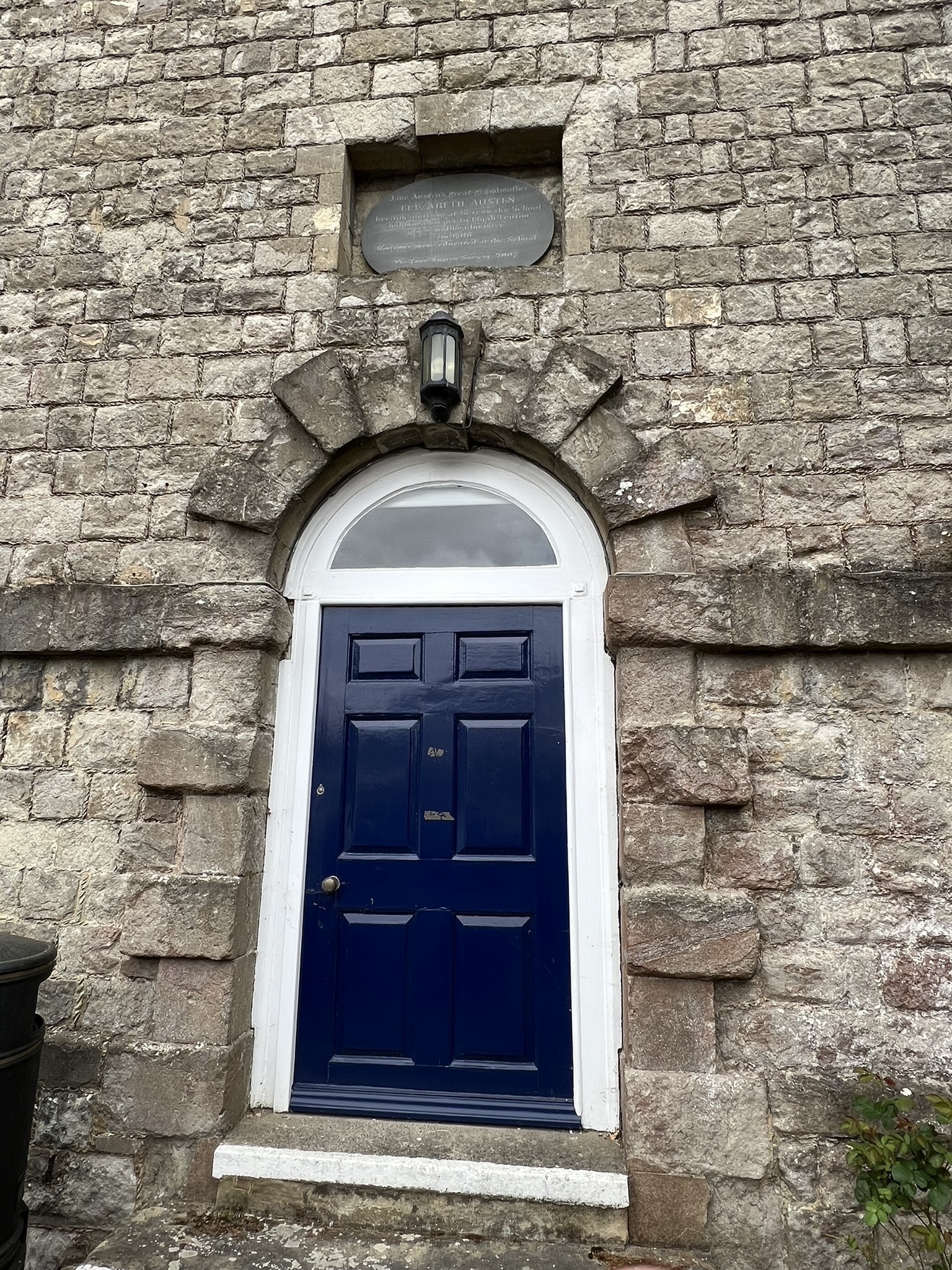
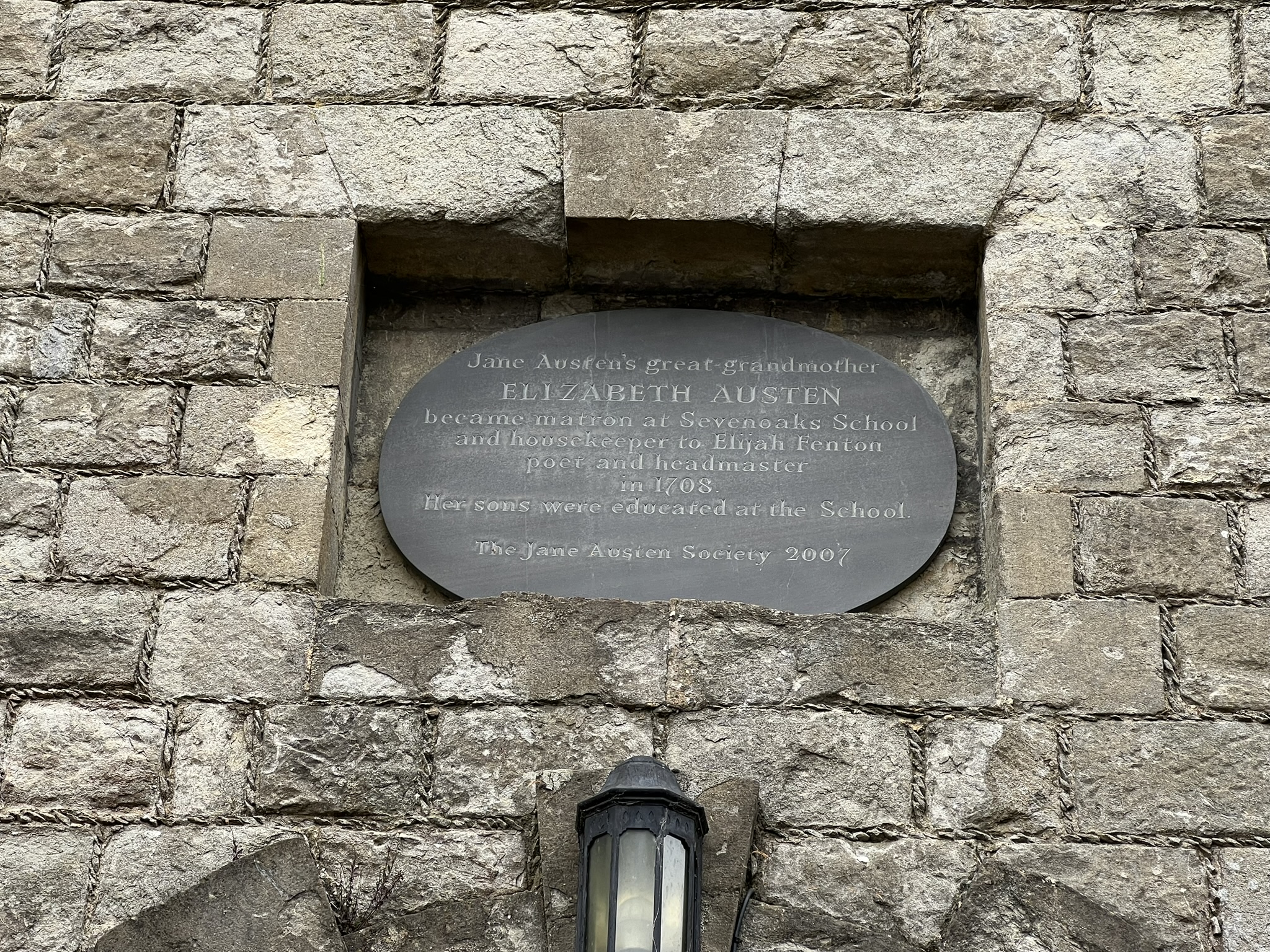
We are off today to Sevenoaks to learn more about the John Austen family. Several members of the Kent Branch joined us again – we walked down the High Street to see the Red House, where George Austen’s uncle Francis lived, Sevenoaks School where George’s father William had been a pupil, and to learn more about John Austen’s wife Elizabeth Weller, Jane’s great grandmother. Weller had to take a housekeeping job at Sevenoaks School in 1708 to keep her family together –
Here is the plaque to her on the Sevenoaks School building, a fitting tribute to a very strong woman in Austen’s ancestry.
You can read more about Weller in this recent Persuasions On-Line essay by Azar Hussain with an extensive bibliography for further sources on this side of the family.
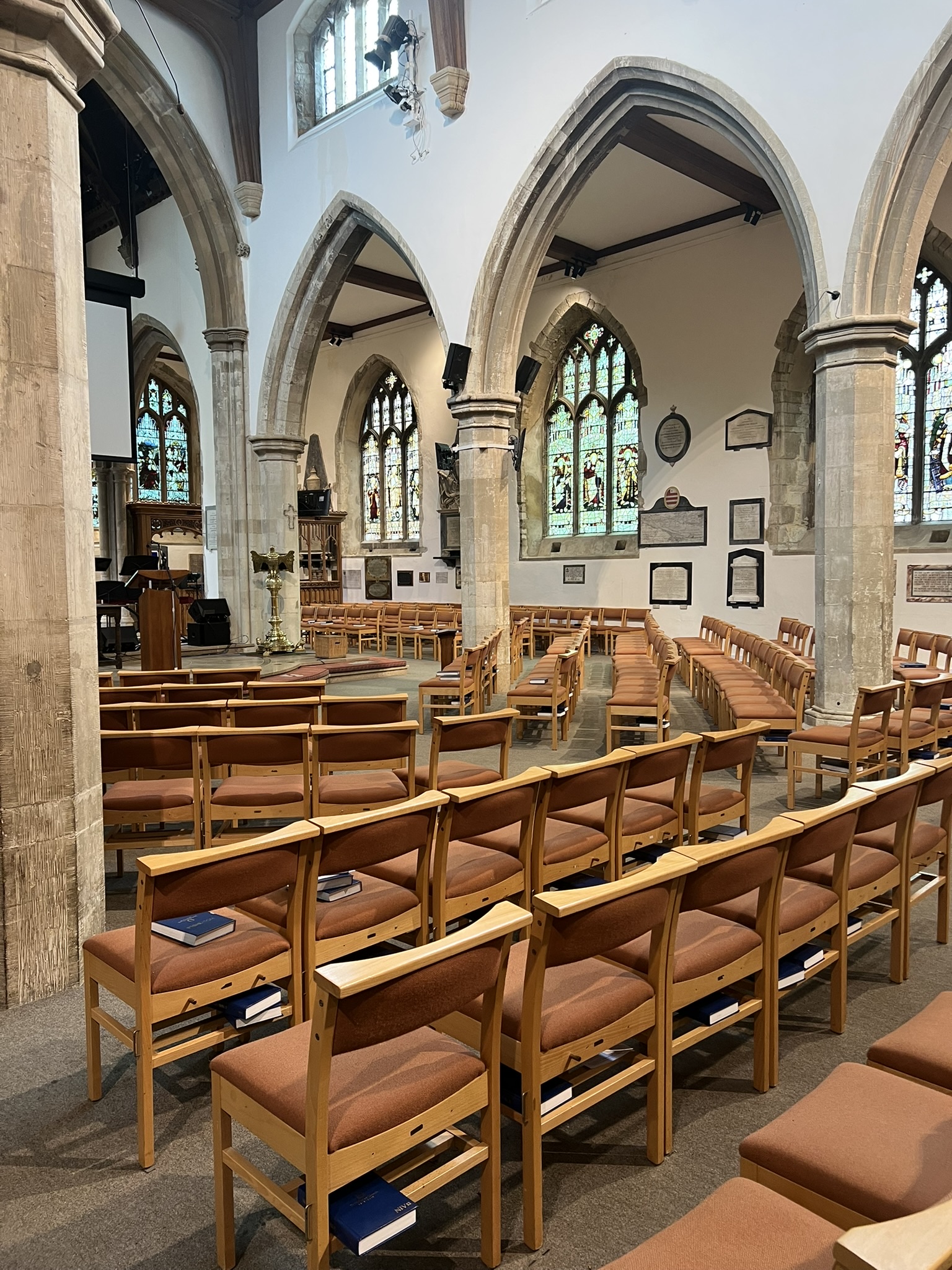
Then off to visit yet another St Nicholas Church, where a number of Austen family are buried, and where the Kent JAS members offered us some fine refreshments before we wandered around the churchyard [you can see it is now freezing!].
[You can just make out the “Austen”]
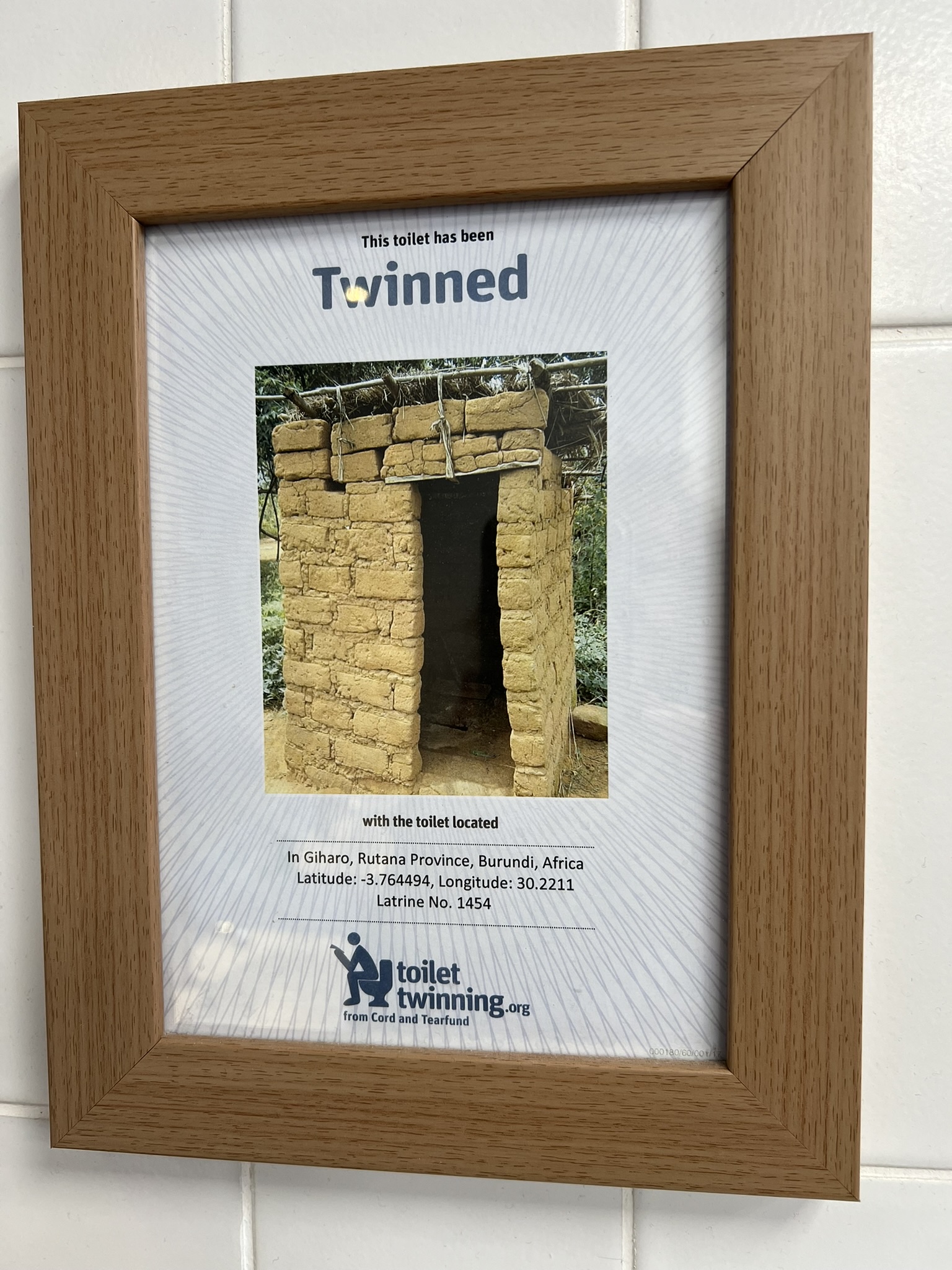
And another “Twinned Toilet”!
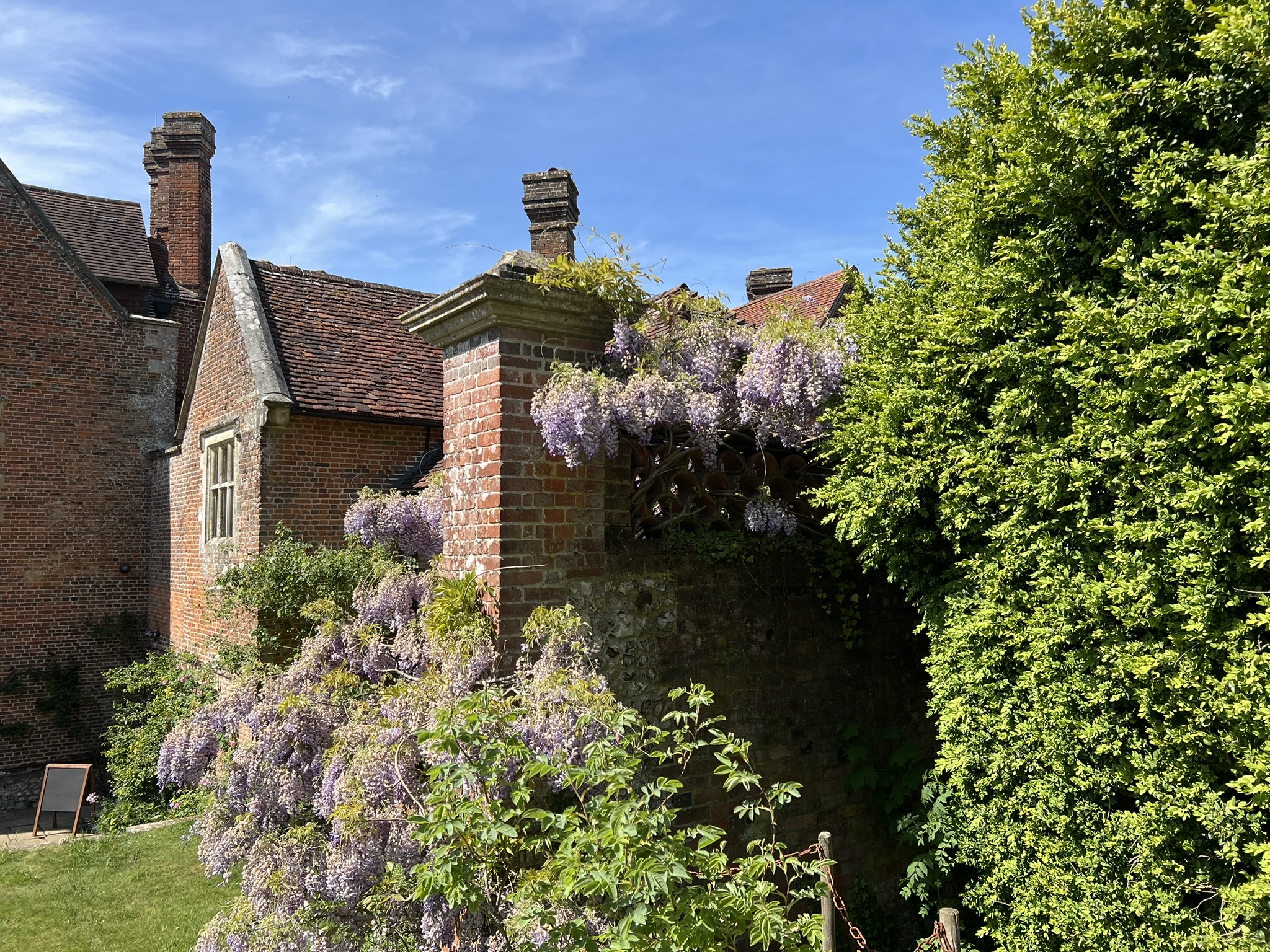
And another wisteria fix:
[NOTE: Sheila Johnson Kindred wrote a fine blog post about this whole area of Kent – you can read that here.]
********
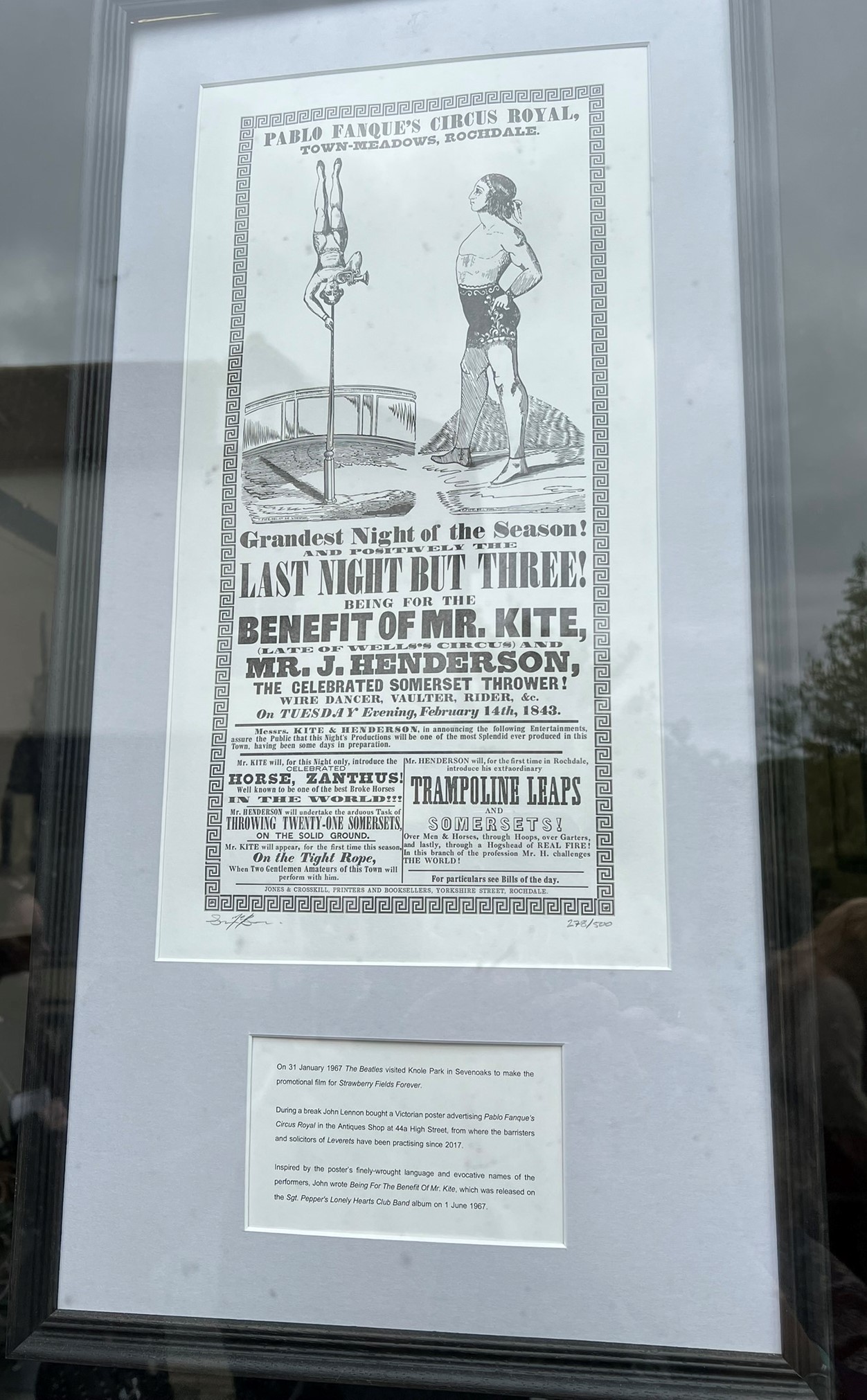
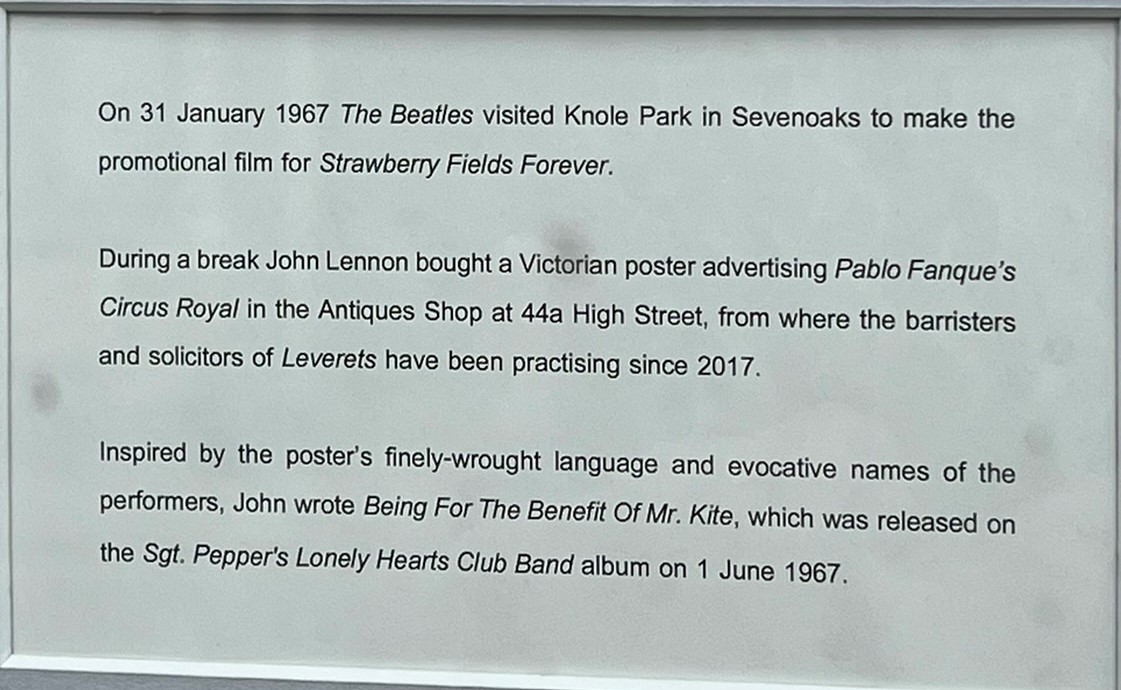
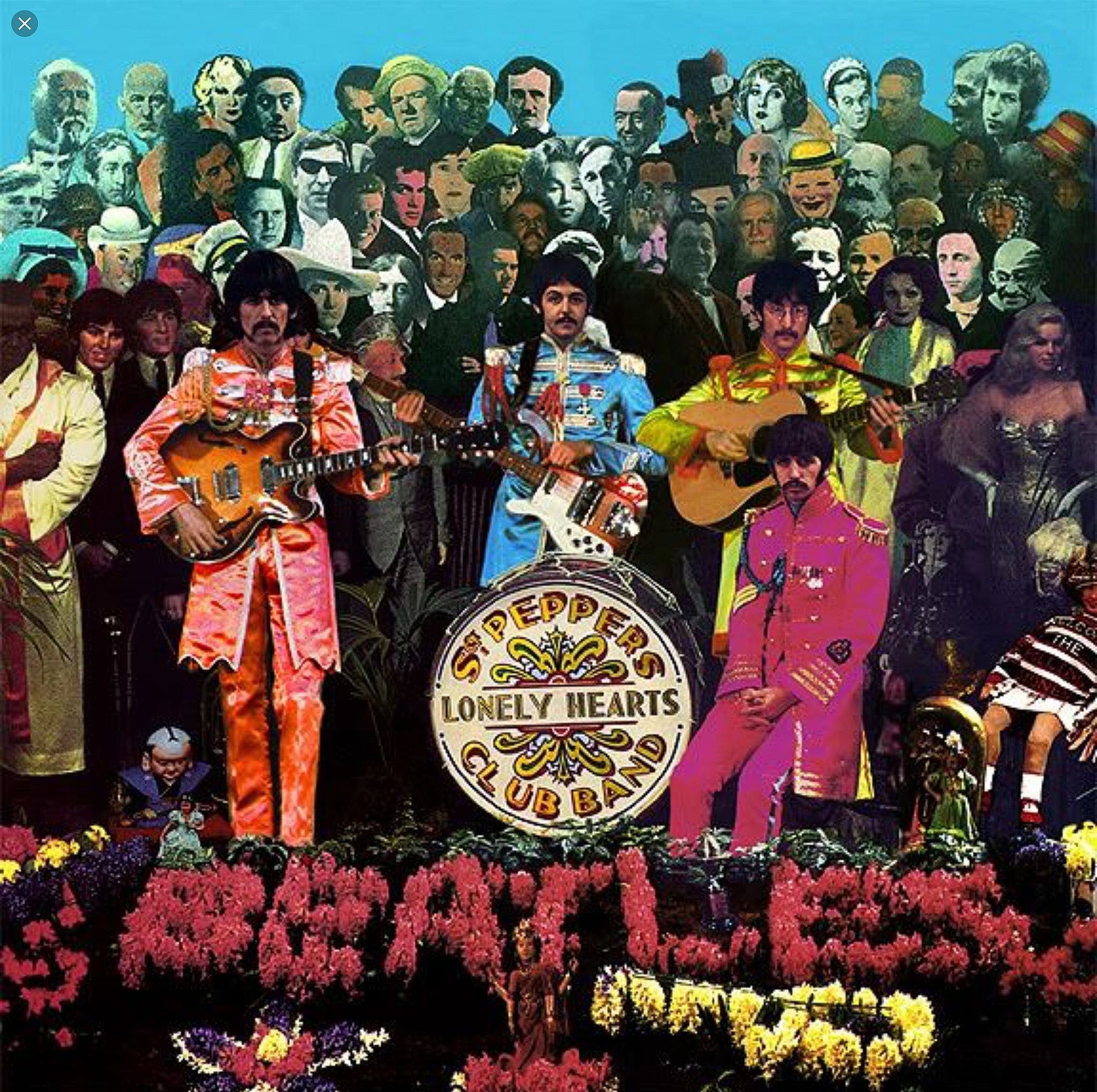
A Beatles aside: a quick return to the 20th century with this advert in a window in the former antique shop at 44a High Street – you can read about it on this sign and how John Lennon made a song from it all…on their Sgt. Pepper’s Lonely Hearts Club Band album:
***********
Ok, now we head back to the 15th century – we are off to Knole, one of the largest country houses in Britain, and in the hands of the Sackville family since 1605 [and now part of the National Trust]. The history here is startling and a guidebook essential to understand the intricate maze of rooms – I could not get out of my mind the joys of playing hide-and-seek in such a place, participants never found and now likely molding skeletons around every corner. The history covers every century since its inception, the walls filled with portraits of all manner of famous people, rooms you know Vita Sackville-West and Virginia Woolf [writing her Orlando] knew well. I loved it here, and was so engrossed I forgot to use my camera! – but here are a few of things that spoke to me – none of this does justice to the place – you must add it to your next trip itinerary:
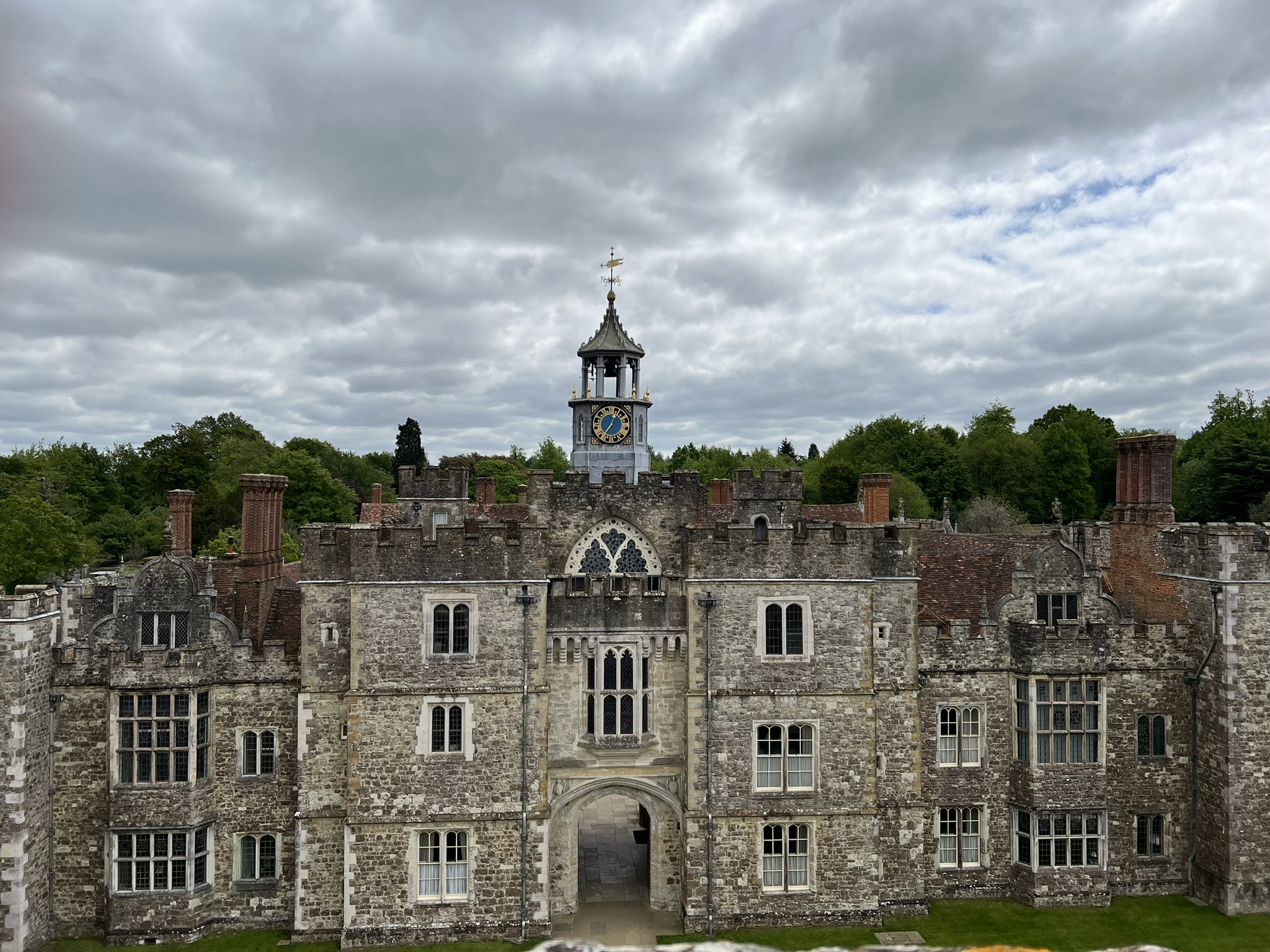
The exterior:
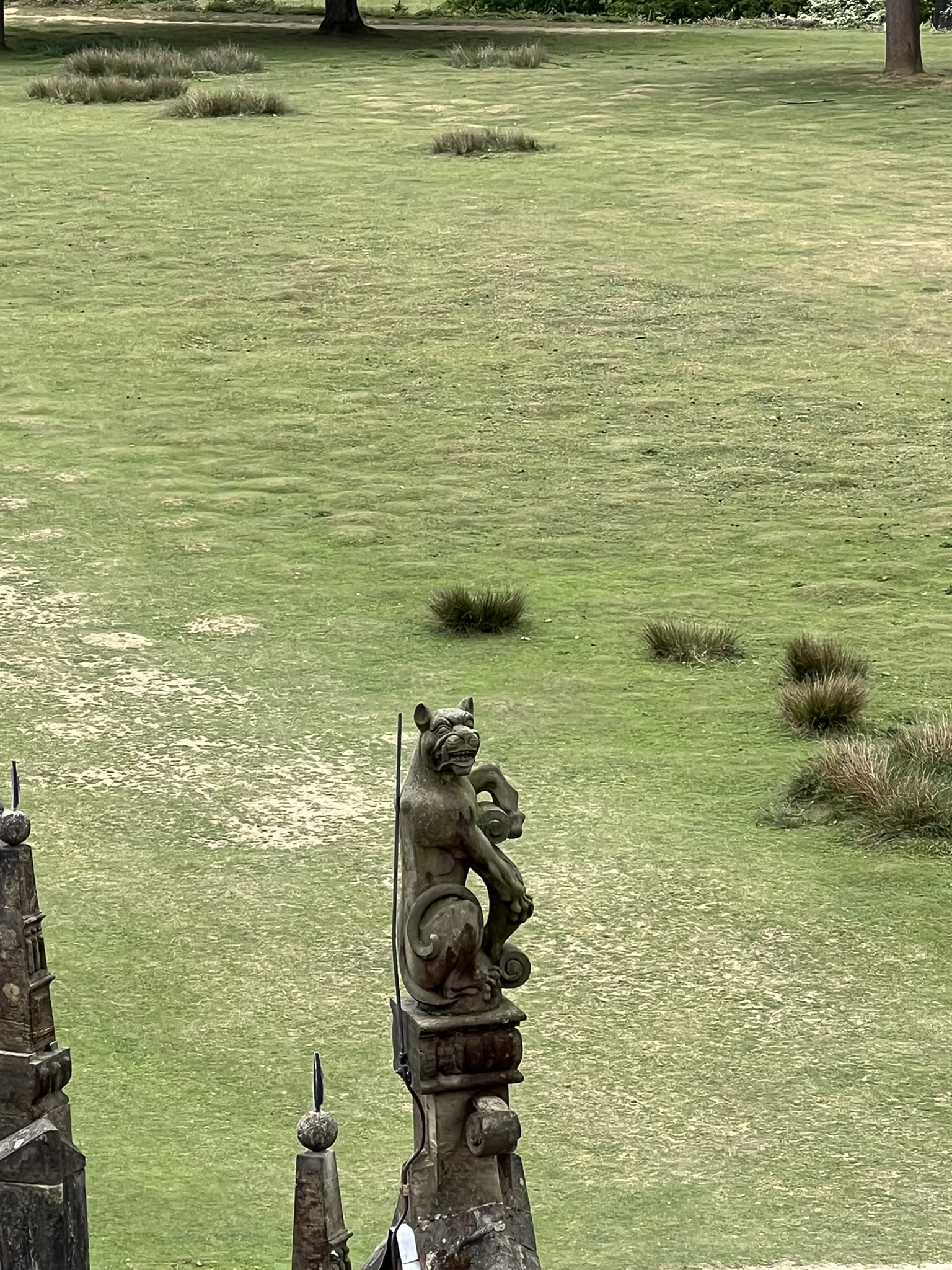
The leopard stone statues:
The Great Stair with its stunning artwork [leopards here too]:
Guess who?! [he is everywhere…]
The Orangery, awaiting the upcoming Beatrix Potter exhibition:
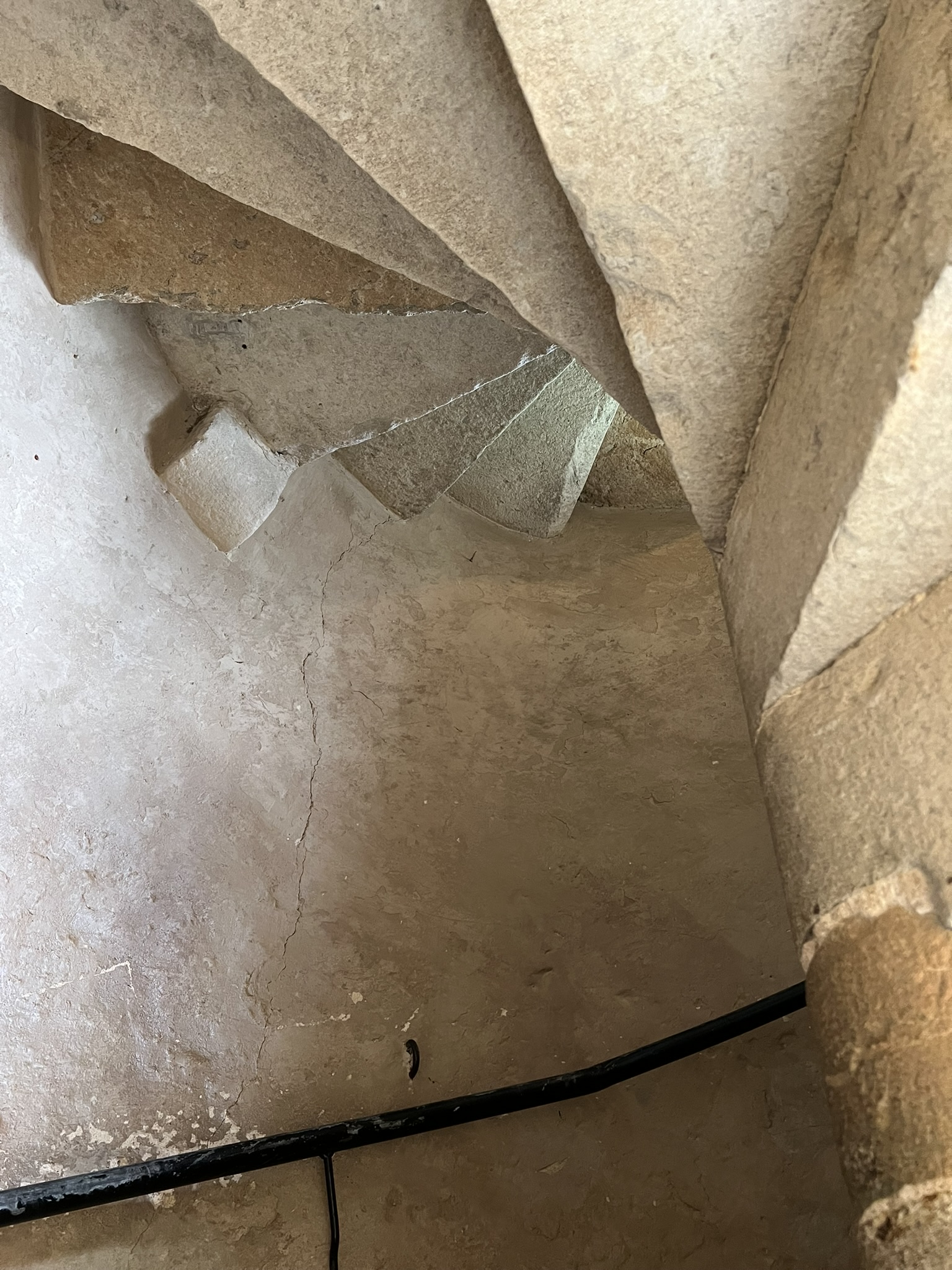
The winding staircase to Eddy Sackville-West’s gatehouse tower [do not attempt after a glass of wine…]:
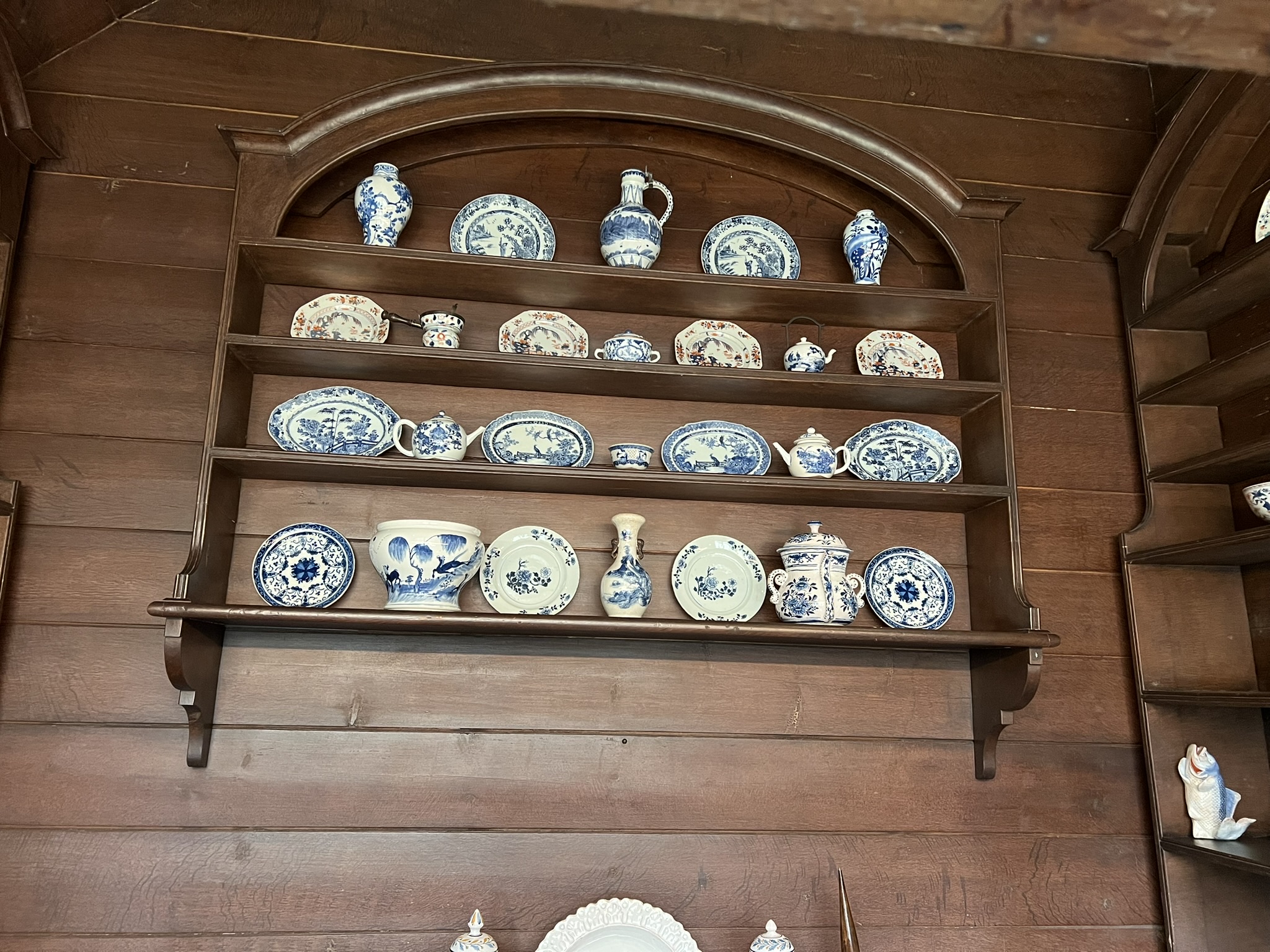
I was captivated by the story of Lady Betty, Lady Elizabeth Germaine (1680-1769), who lived at Knole in the 18th century – her bedroom and dressing room are presented as historically accurate to her times. She had a passion for porcelain, and here on display are some of her blue and white collection [my own passion…]
We were on our own for lunch and the tea room here was most accommodating…
It is a worthwhile endeavor to give Knole and its history a bit of your time: at the National Trust site, and Wikipedia does not disappoint.
*******************
More Austen family history as we drove to Tonbridge, to see where George Austen was born in 1731 and went to school; as well as another church visit to St Peter and St Paul’s. You can follow our walk with this guide “In Austen Family Footsteps: A Circular Walk in Tonbridge” – again with the Kent Branch members.
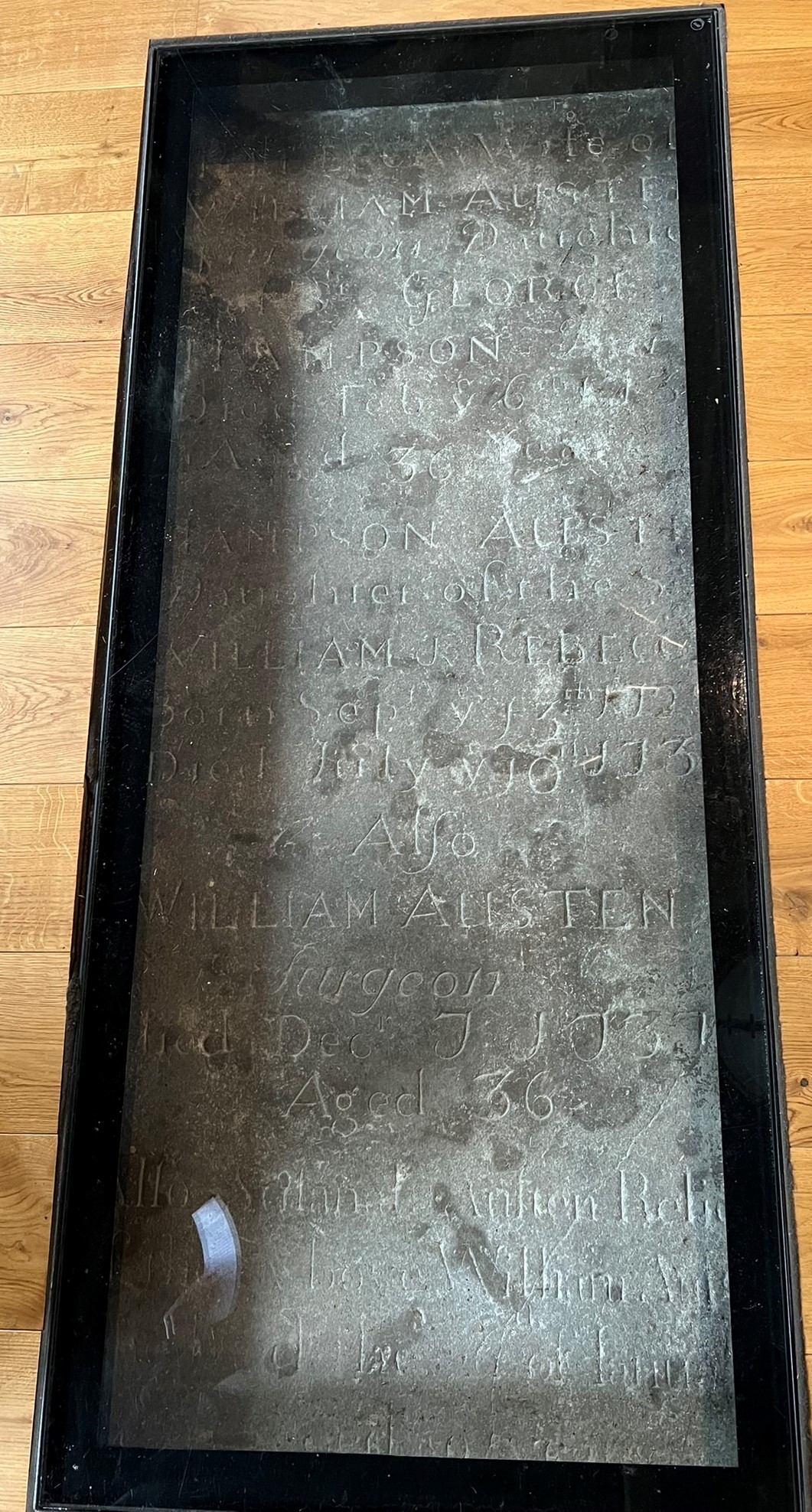
The Church of St Peter and St Paul, where Jane Austen’s grandfather William is buried with his first wife Rebecca Hampson and his second wife Susanna – the grave is now protected with glass so you can read the inscriptions and no more trodding on them:
************
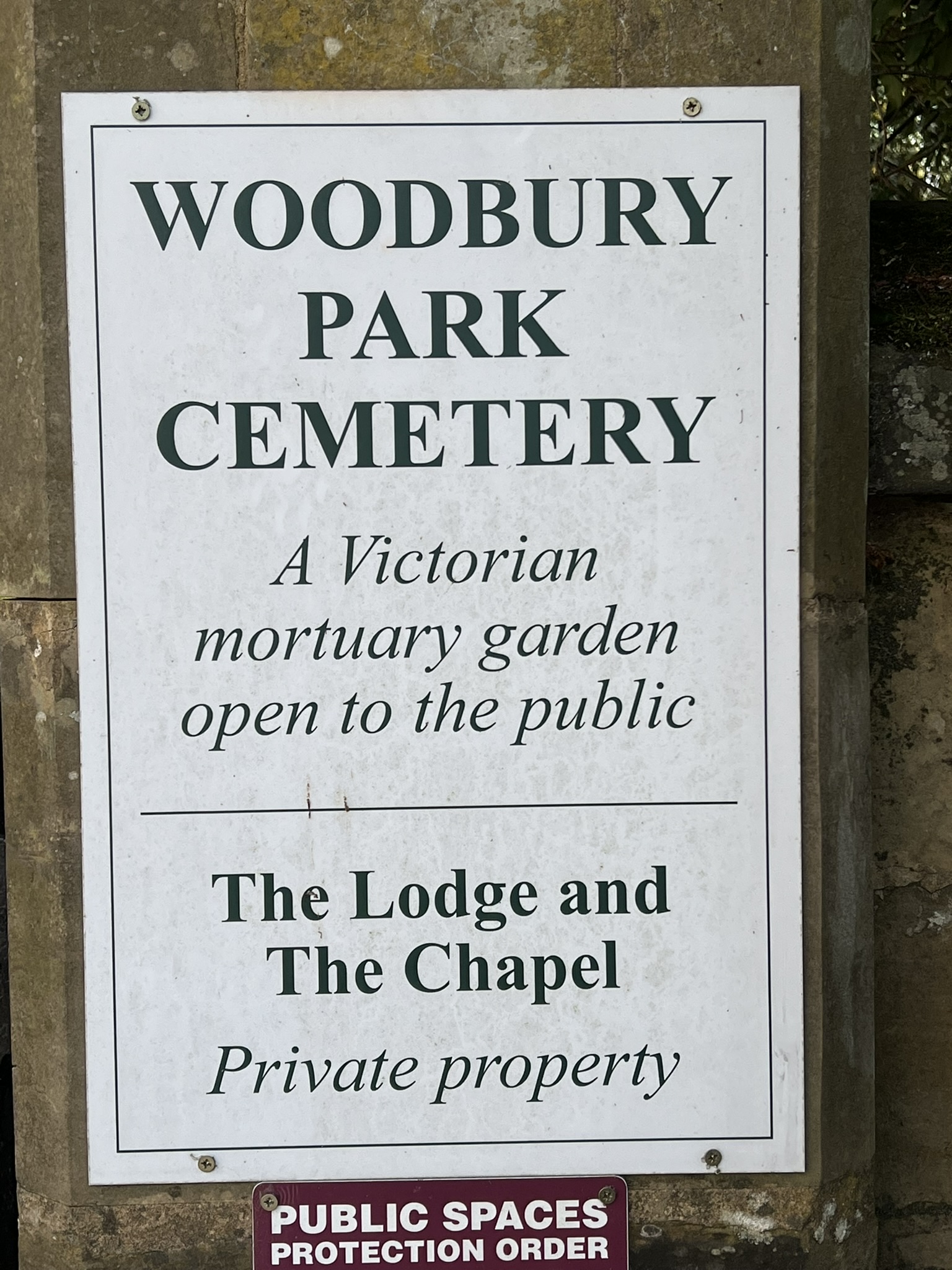
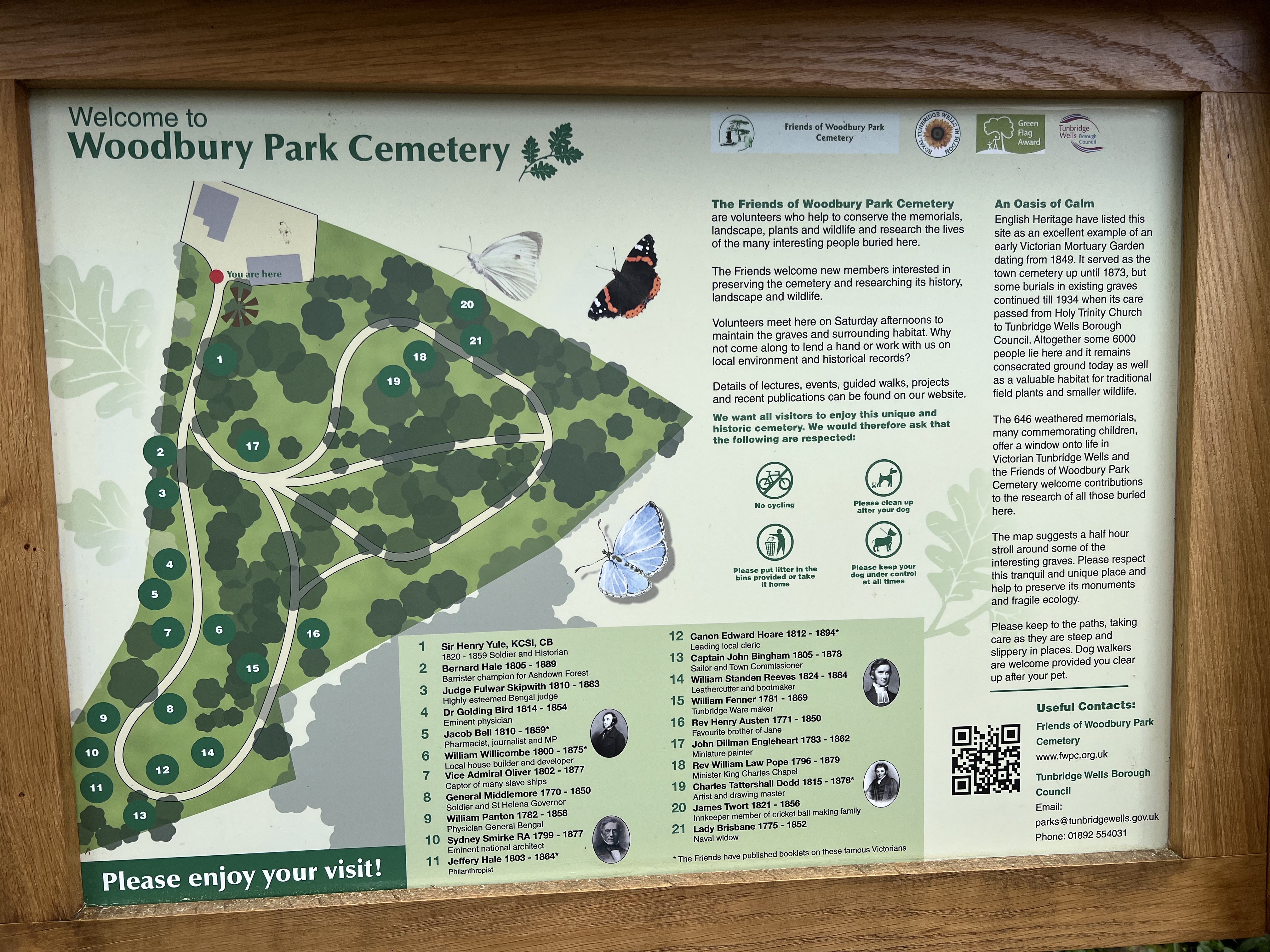
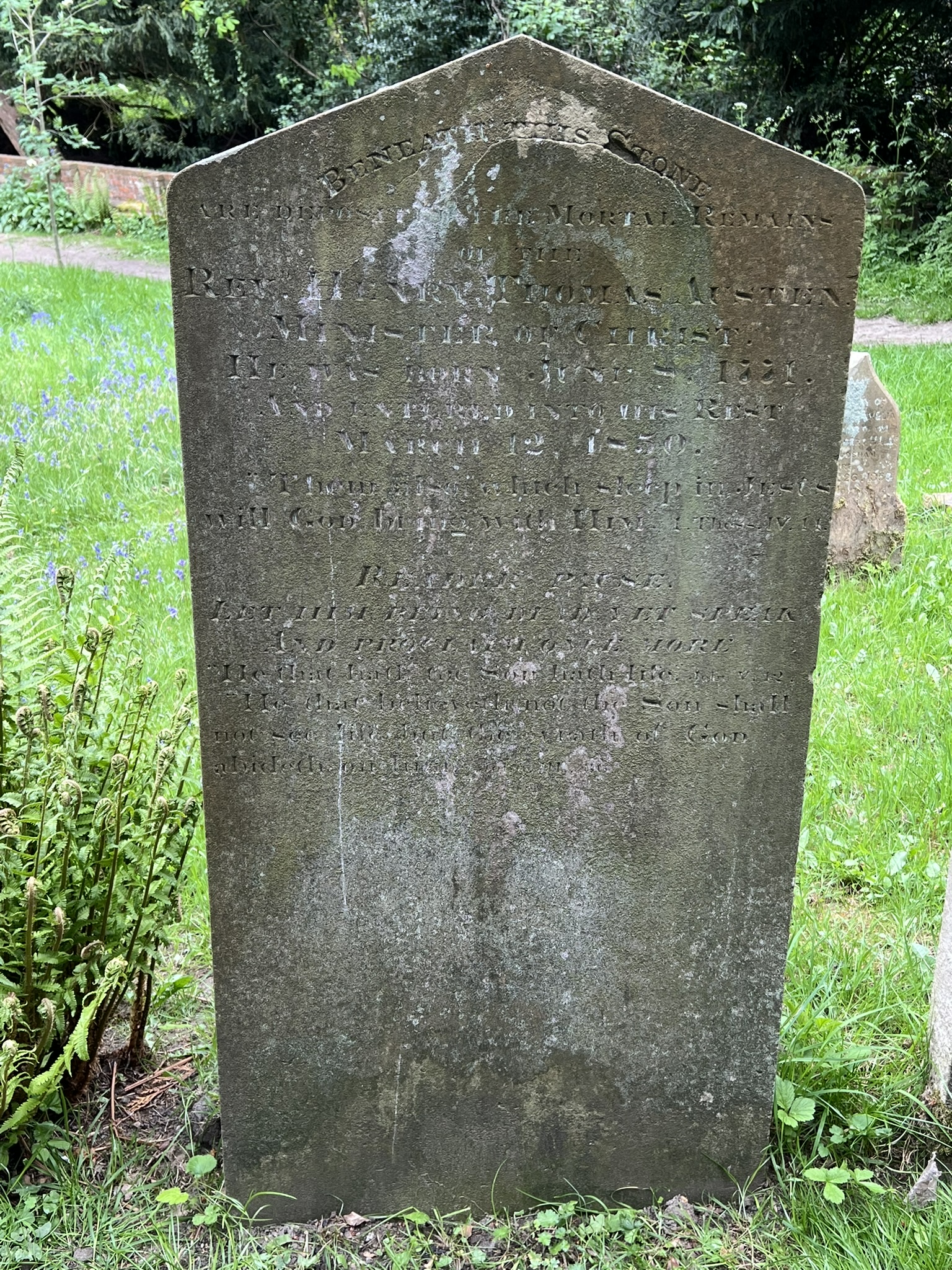
And the day ended at the Woodbury Park Cemetery in Tonbridge Wells, where Henry Austen (1771-1850) is buried, along with several other notables. It is a lovely spot, all maintained by volunteers, with new walkways recently installed. I felt a sadness here, thinking of Henry here all alone, with Eliza buried in the cemetery of St John-at-Hampstead in North London, and his second wife Eleanor Jackson, who died in 1864, who knows where? [does anyone know?] So here lies Henry, the liveliest of Austen’s brothers, the likely model for her various Henrys [Oh! What a Henry!], as well as her publishing champion, all alone in Tonbridge Wells – I was quite overcome really…
***********
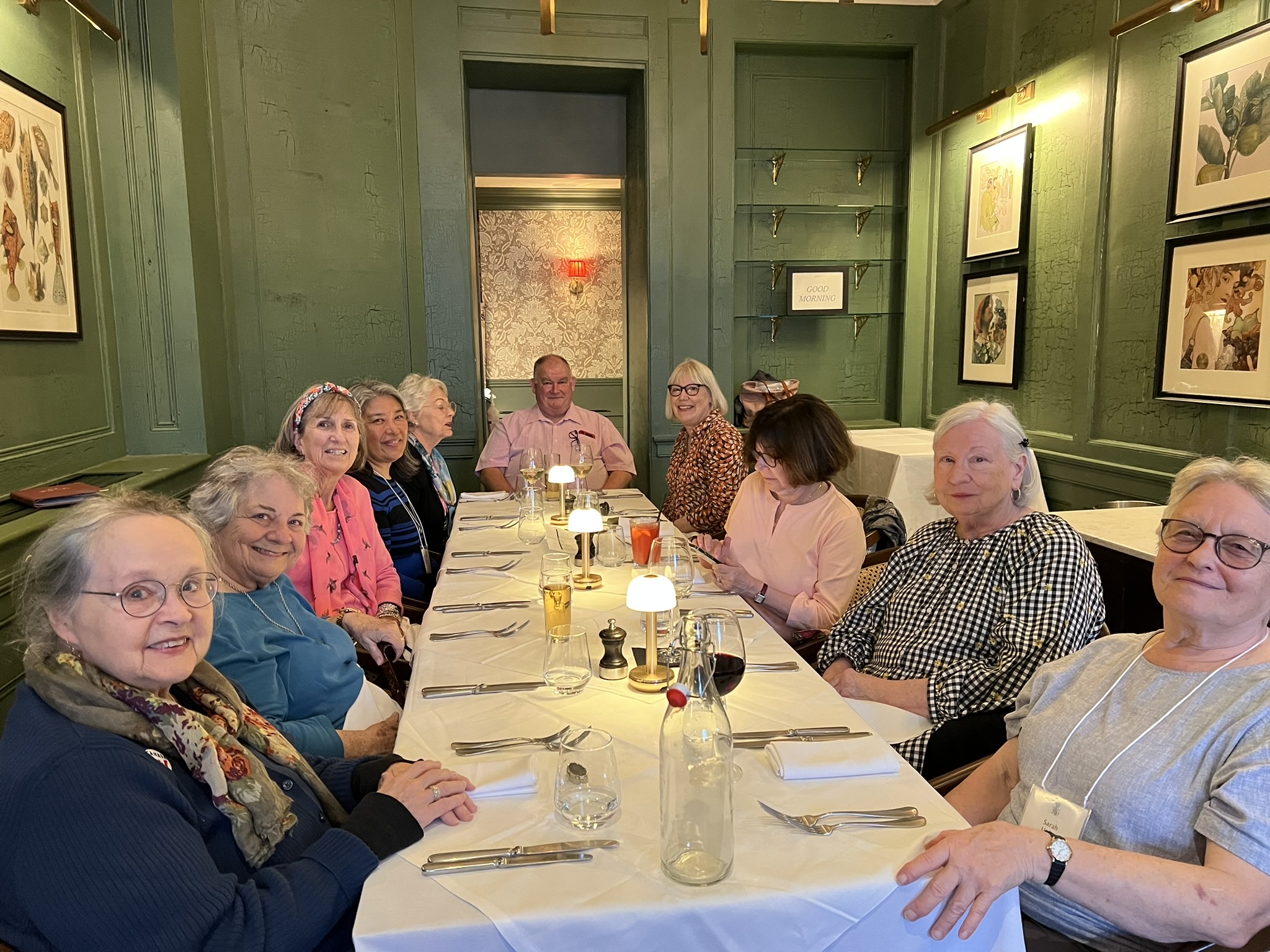
Dinner again at our hotel, joined by several of the Kent Branch members who had so graciously guided us at the various spots to give us a deeper understanding of George Austen’s family in Kent. I hate to repeat “a day well-spent” but it was, as each proceeding and succeeding day proved – the “Beautifull Cassandra” would be quite jealous with her only one such day…
************
c2025JaneAustenInVermont
The hot-air balloon shower in the Montgolfier room:
One of the reasons I wanted to do the JASNA tour this year [other than the doable May option] was in it following the life and times of Jane for her 250th and therefore Kent was on the itinerary. I have been only to Canterbury a million years ago as well as to Dover [for one of the worst crossings in English Channel history – only two people on the ship did not get sick: me and my not-yet husband – perhaps destiny stepped in right then and there…]. But Kent was an important place in Jane Austen’s life, and so I was most curious to visit all the known spots with Austen family connections.
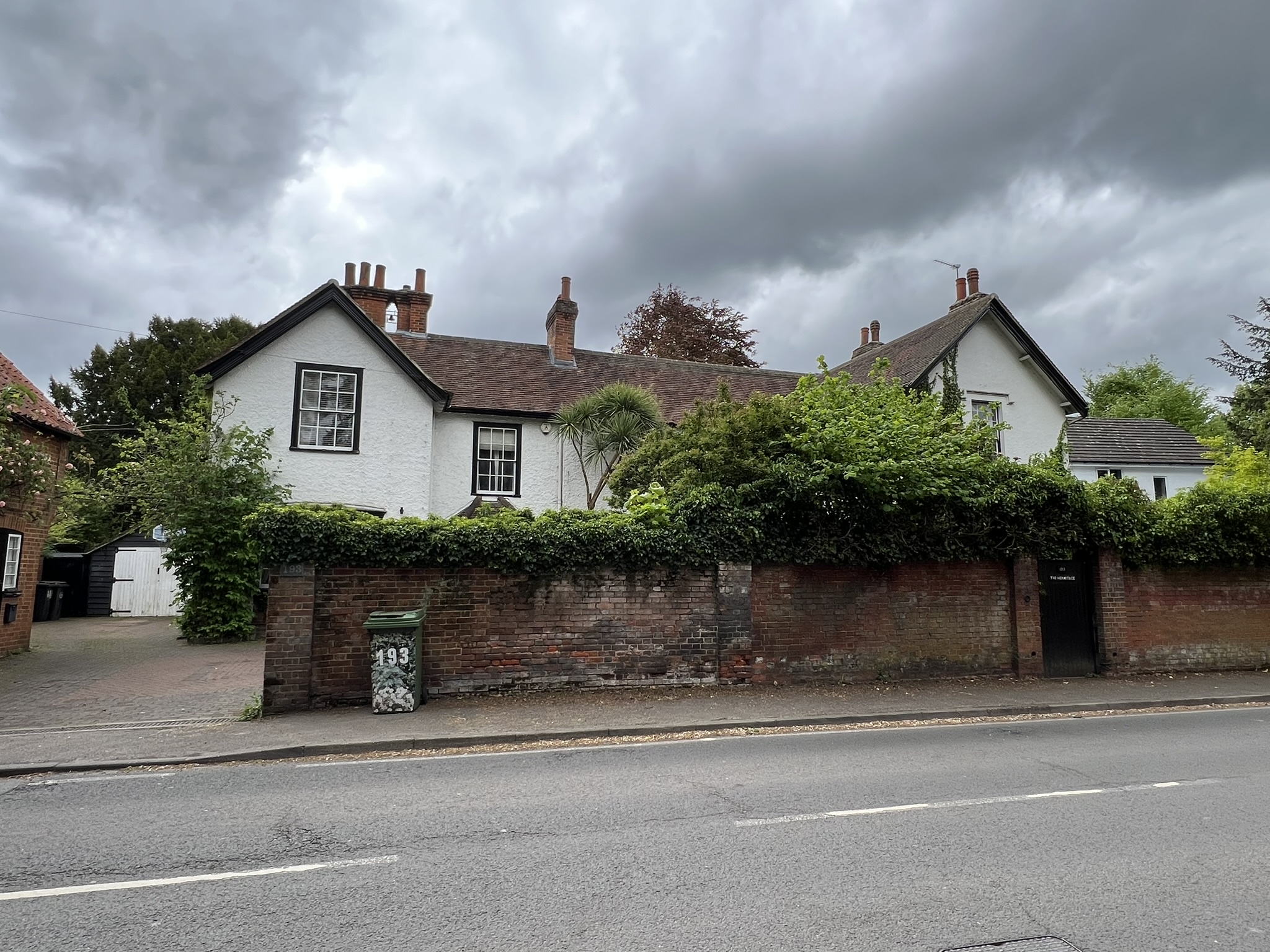
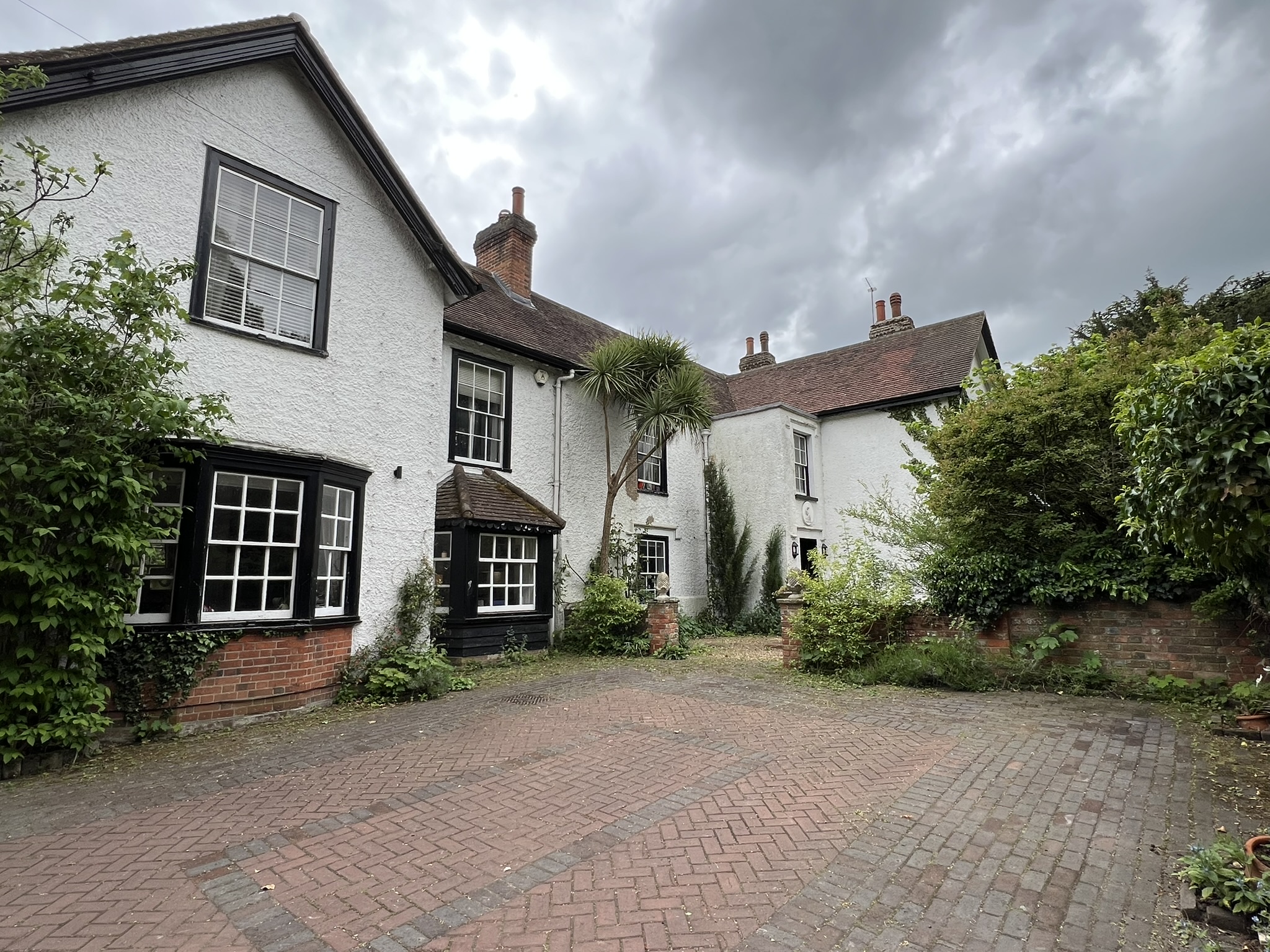
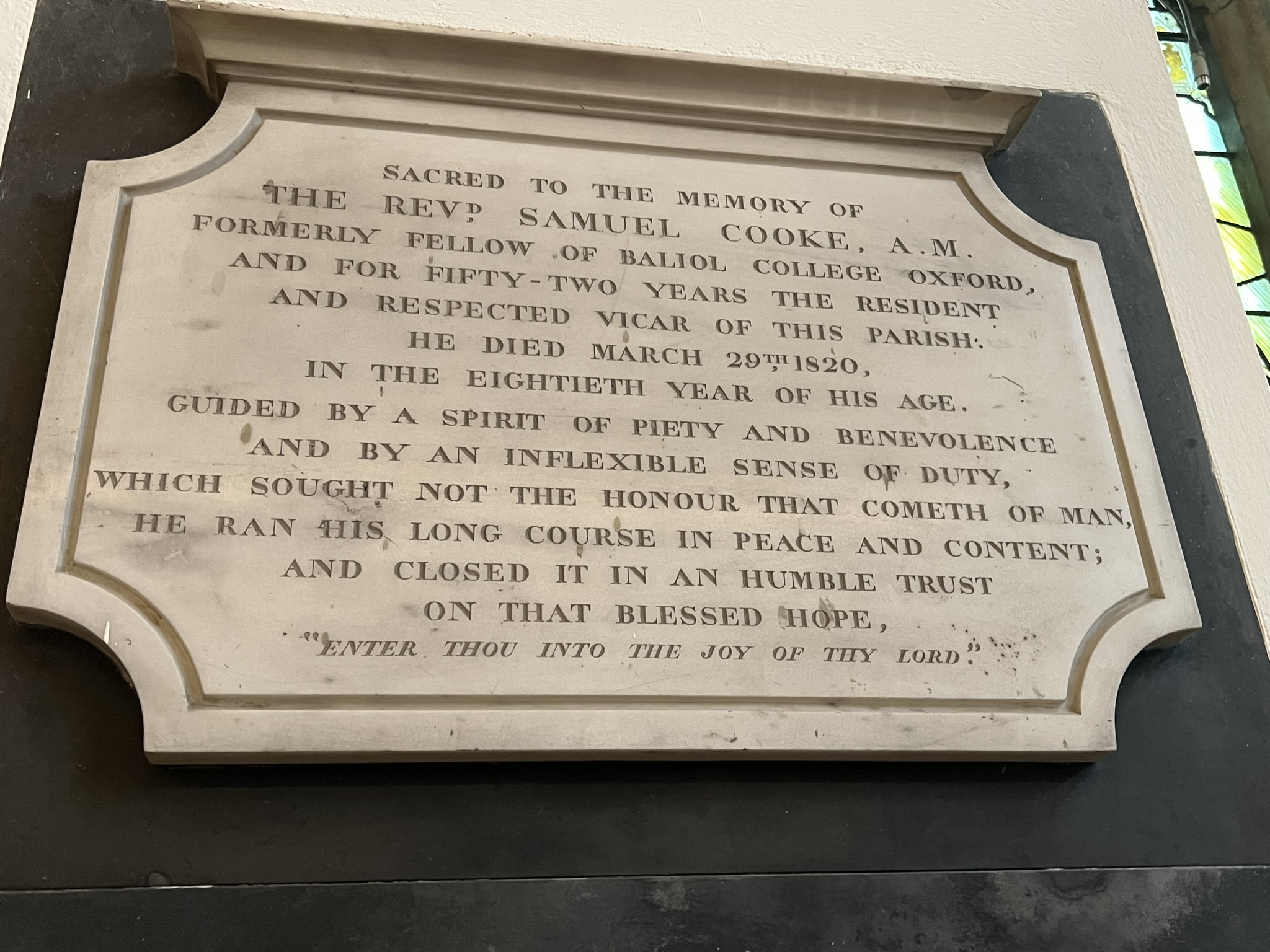
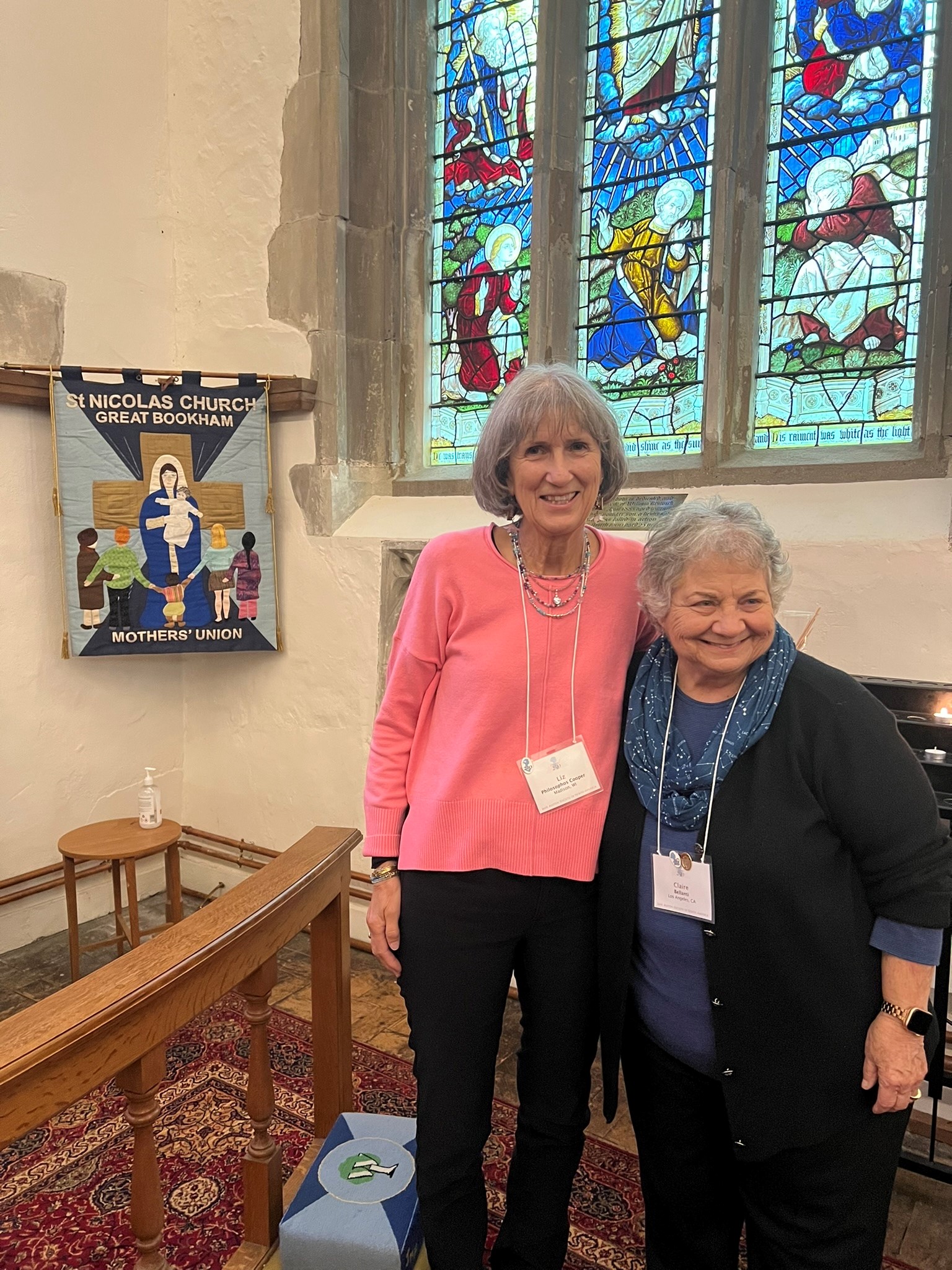
We left Windsor and headed east by way of Surrey to stop in Great Bookham, home to Samuel Cooke as well as another Frances Burney spot on my side-view Burney trek – she lived here from 1793, shortly after her marriage to D’Arblay, until 1802 when they left for France [bad timing – they remained in France for over 10 years due to the Napoleonic Wars]. The home they lived in there is now called The Hermitage:
[it is lovely – they need a gardener…]
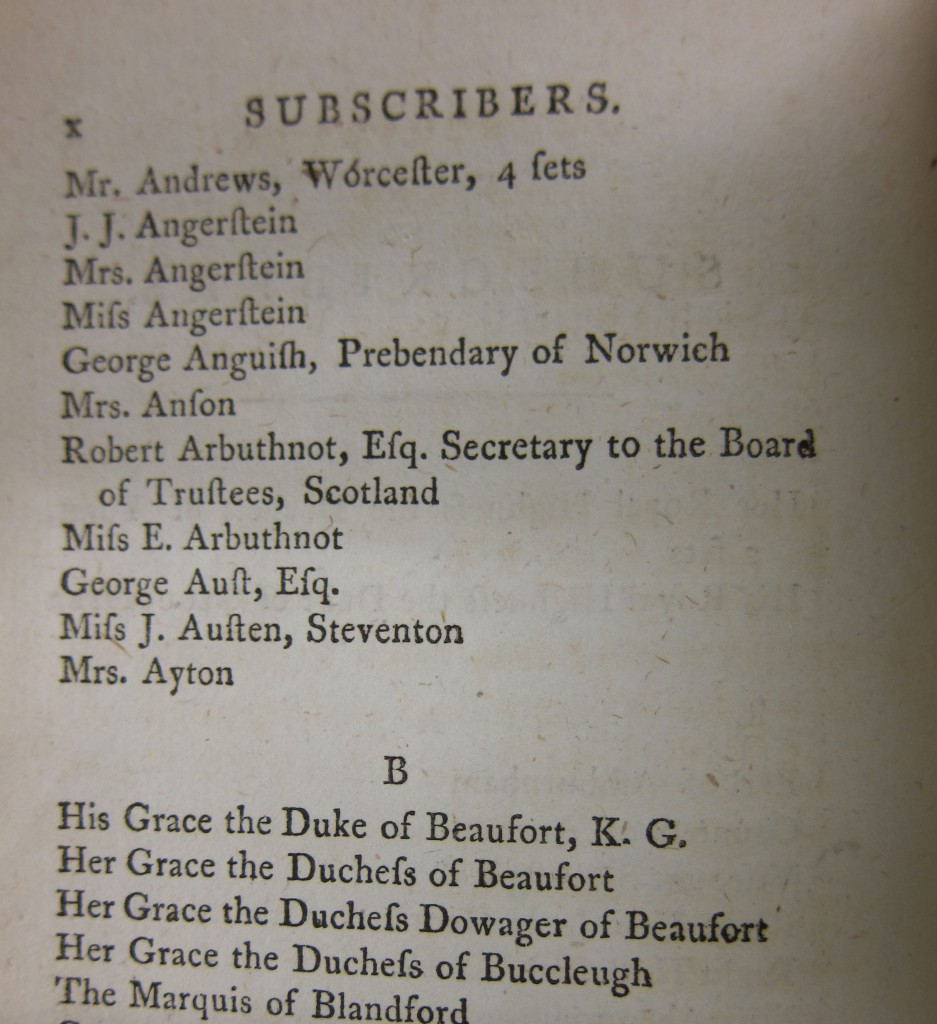
this is where Burney wrote Camilla (1796), the book where Austen’s name first appears in print as a subscriber:
Apparently Burney’s husband General D’Arblay attempted to manage the extensive gardens with military zeal – “he demolished an established asparagus bed and pruned the fruit trees with his sword.” 1
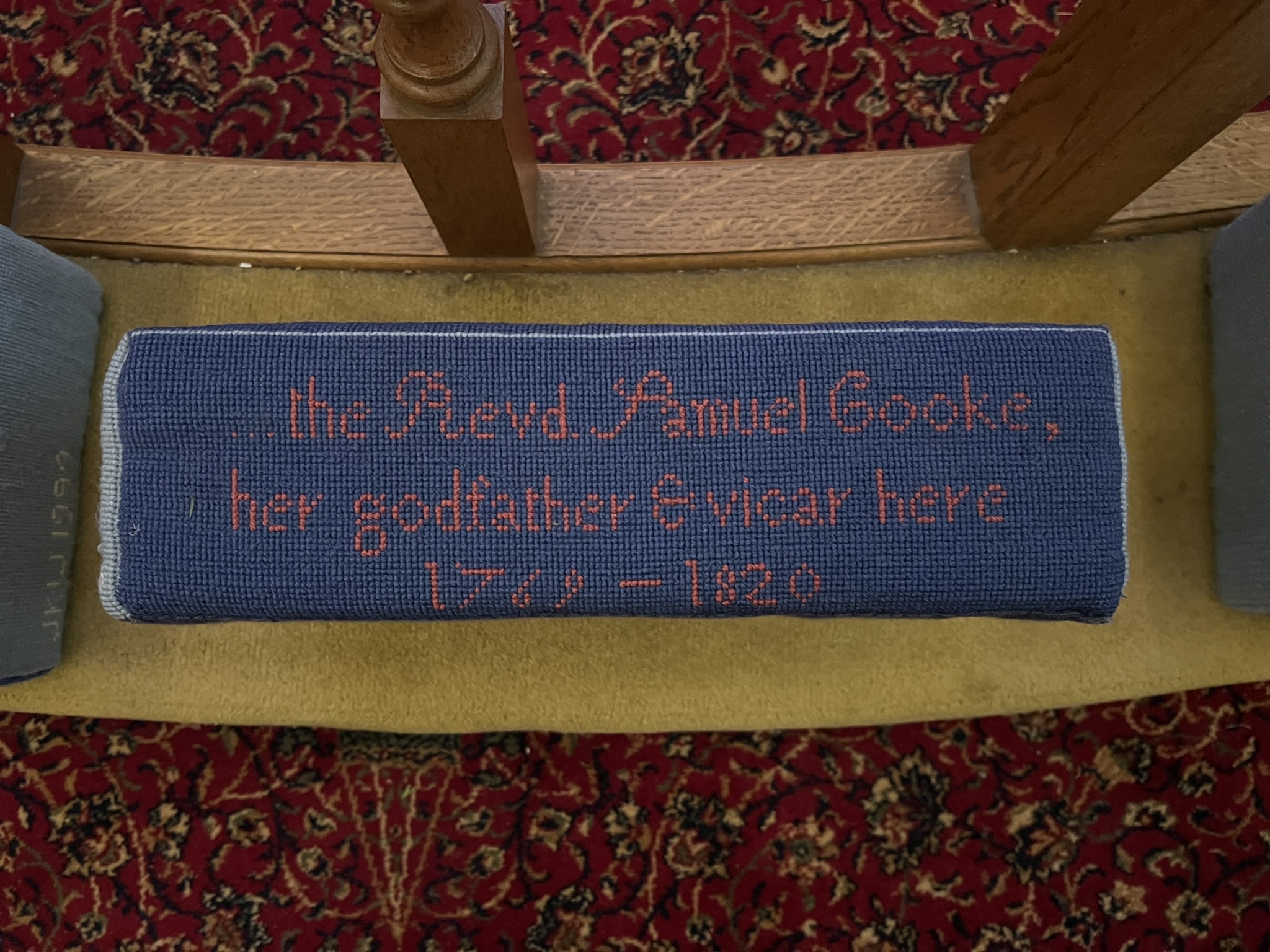
The Rev. Samuel Cooke (1741-1820) was the vicar of this first of our St Nicolas Churches for 52 years…
[notice that some have an “h” and some do not: Nicholas vs. Nicolas– no explanation for this to be found, other than this from the never-wrong AI:
“The variation in spelling (St. Nicholas vs. St. Nicolas) for churches dedicated to Saint Nicholas is due to historical and linguistic shifts. The “ch” in “Nicholas” was adopted in the 12th century in English, based on the Greek pronunciation of the “chi” letter in the name’s original Greek form. While “Nicholas” is the more common English spelling, “Nicolas” is occasionally used and reflects a more direct pronunciation of the Greek origin.”]
Samuel Cooke married a Cassandra Leigh, first cousin to Austen’s mother, also named Cassandra Leigh; he was Jane’s godfather [one way to lose your mind on any given day is to try to absorb the genealogies of the Austen, Cooke, and Leigh families…] and the families were close.
Tony Grant wrote a blog post about this several years ago, so you can visit here for more info.
Found these signs in a few toilets in our travels… you can read all about “Toilet Twinning” here – who knew??]
***********
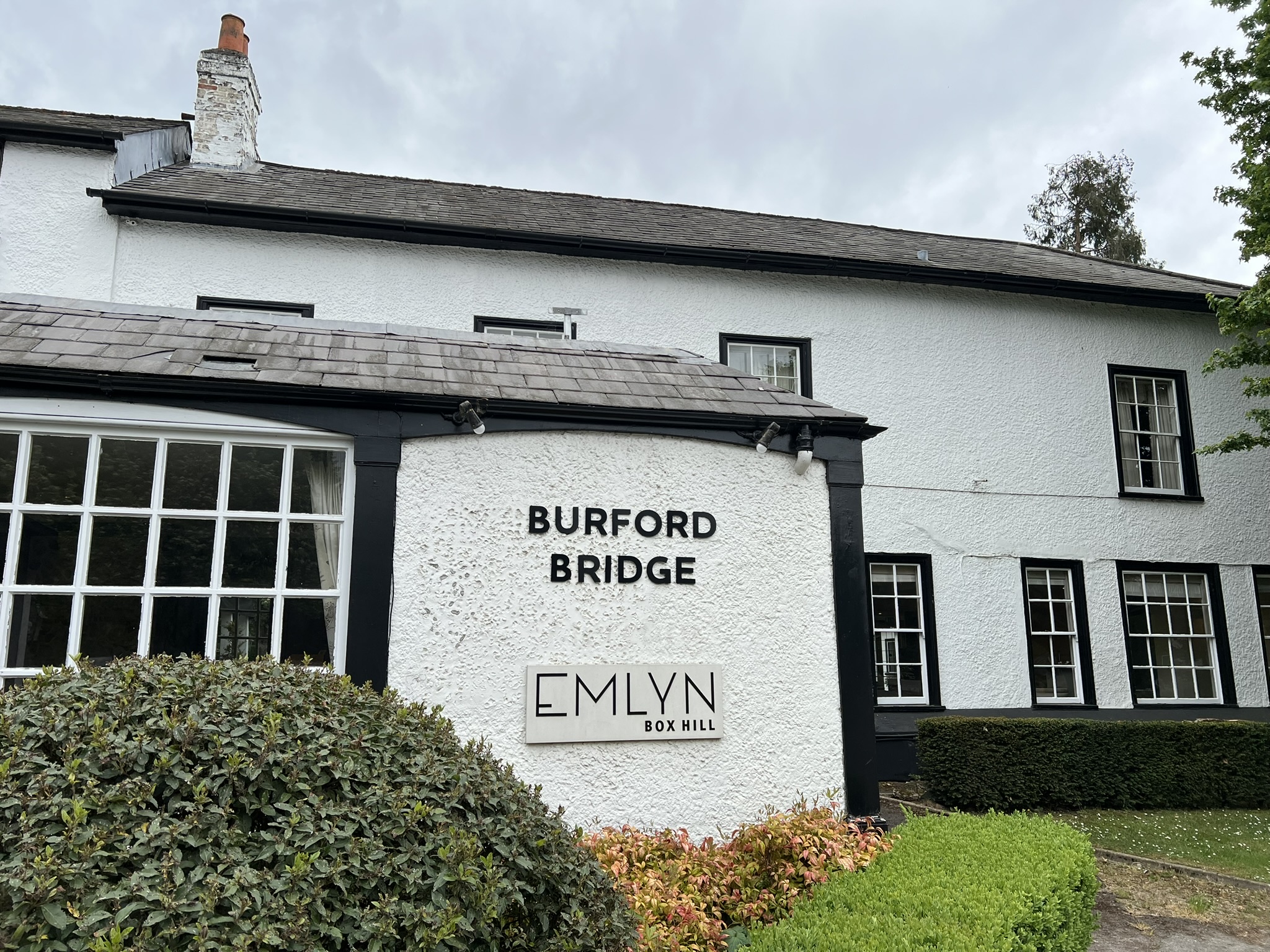
We next headed to the Box Hill area and had lunch at the Burford Bridge Hotel [I had been by there on my day with Tony and Marilyn when we trekked Box Hill] – an interesting old Inn with a number of notable guests as Wikipedia tells me:
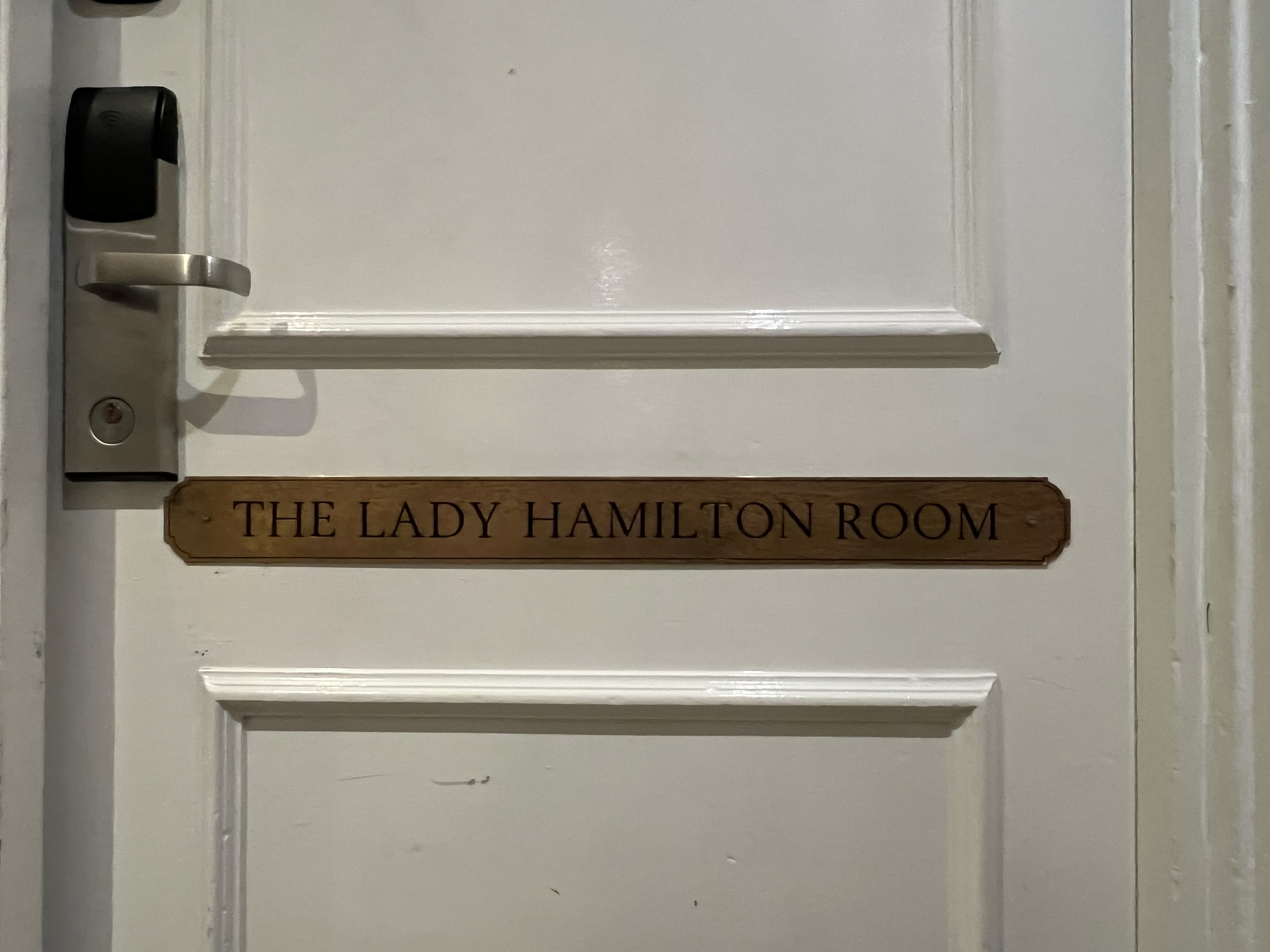
“After leaving London, John Keats took a room overlooking the gardens, and completed his epic poem “Endymion” there in 1817. (Keats is said to have been recommended the hotel by the essayist and literary critic William Hazlitt [I am not a fan of Hazlitt – he said terrible things about the Bluestockings..].) Robert Louis Stevenson was a guest in March 1878, during which time he wrote two short stories: “Story of the Young Man with the Cream Tarts” and “Story of the Physician and the Saratoga Trunk.” Other prominent visitors included Queen Victoria, Jane Austen, William Wordsworth and Sheridan. It was here too that Lord Nelson spent secret hours with his love Emma Hamilton, before going to vanquish Napoleon’s fleet at the Battle of Trafalgar.”
Notable indeed! Lady Hamilton’s room is now a boring conference room but nicely labelled thus:
Rooms reflect the hotel’s history:
And Box Hill was just above us:
***************
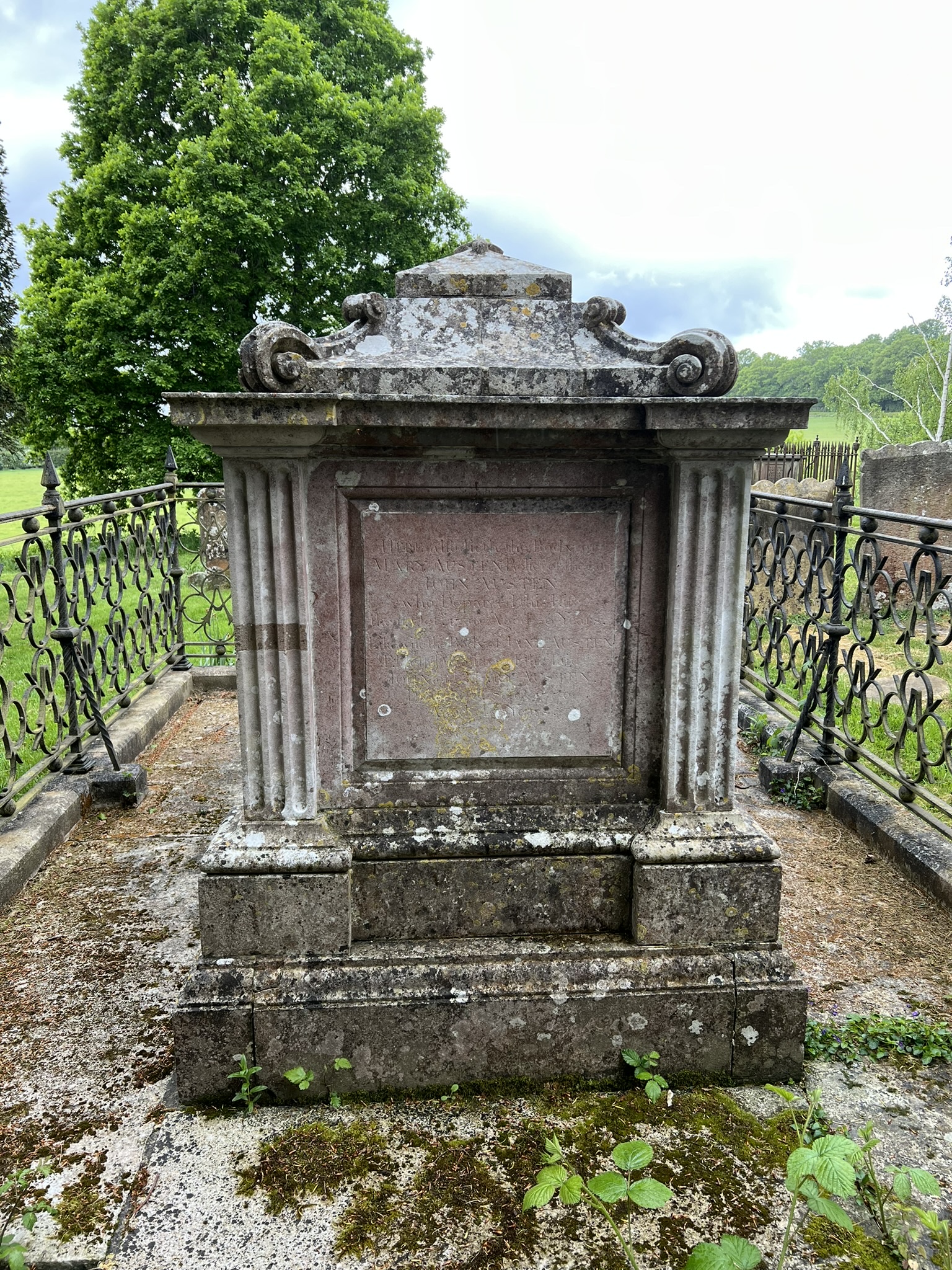
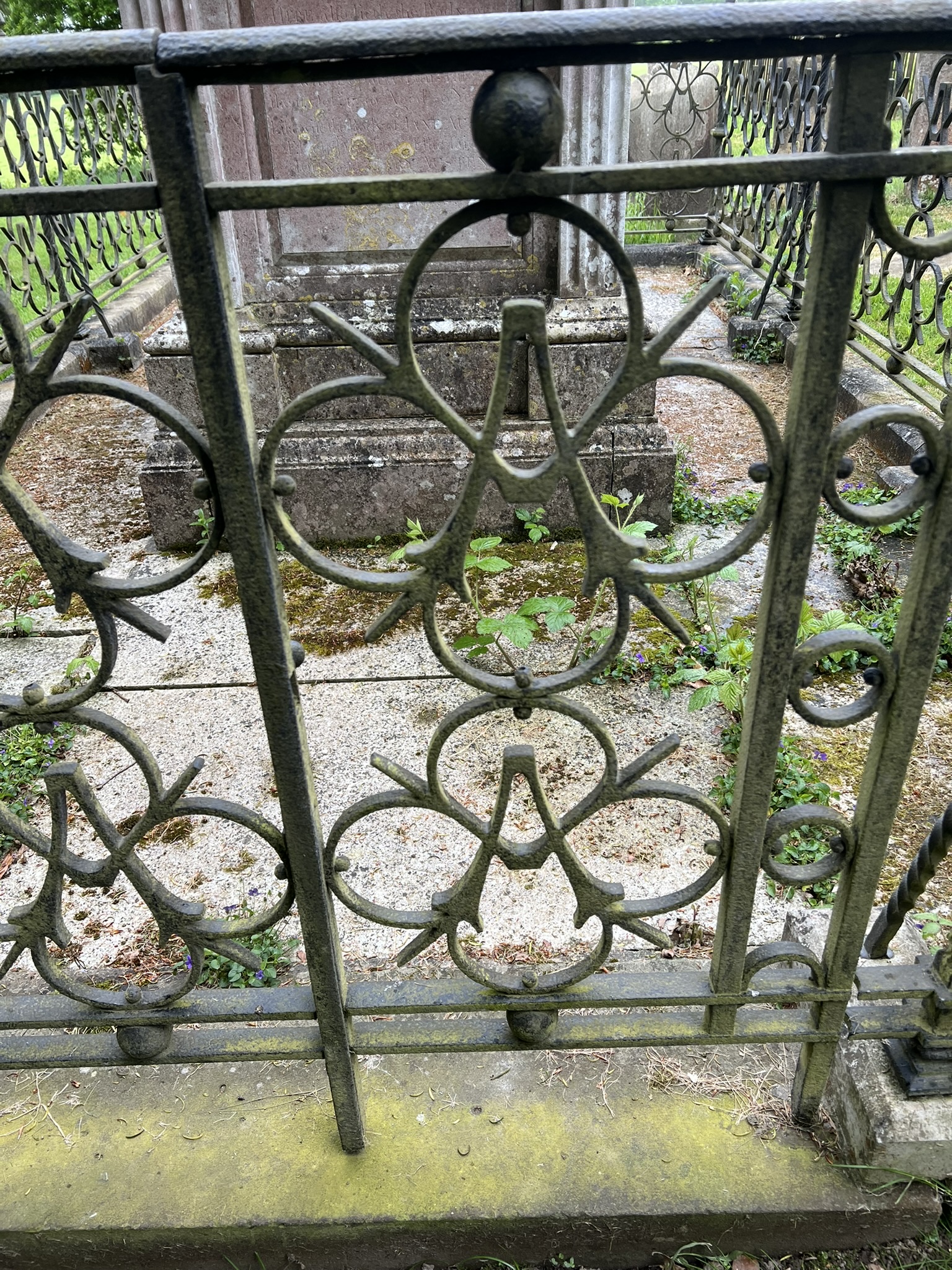
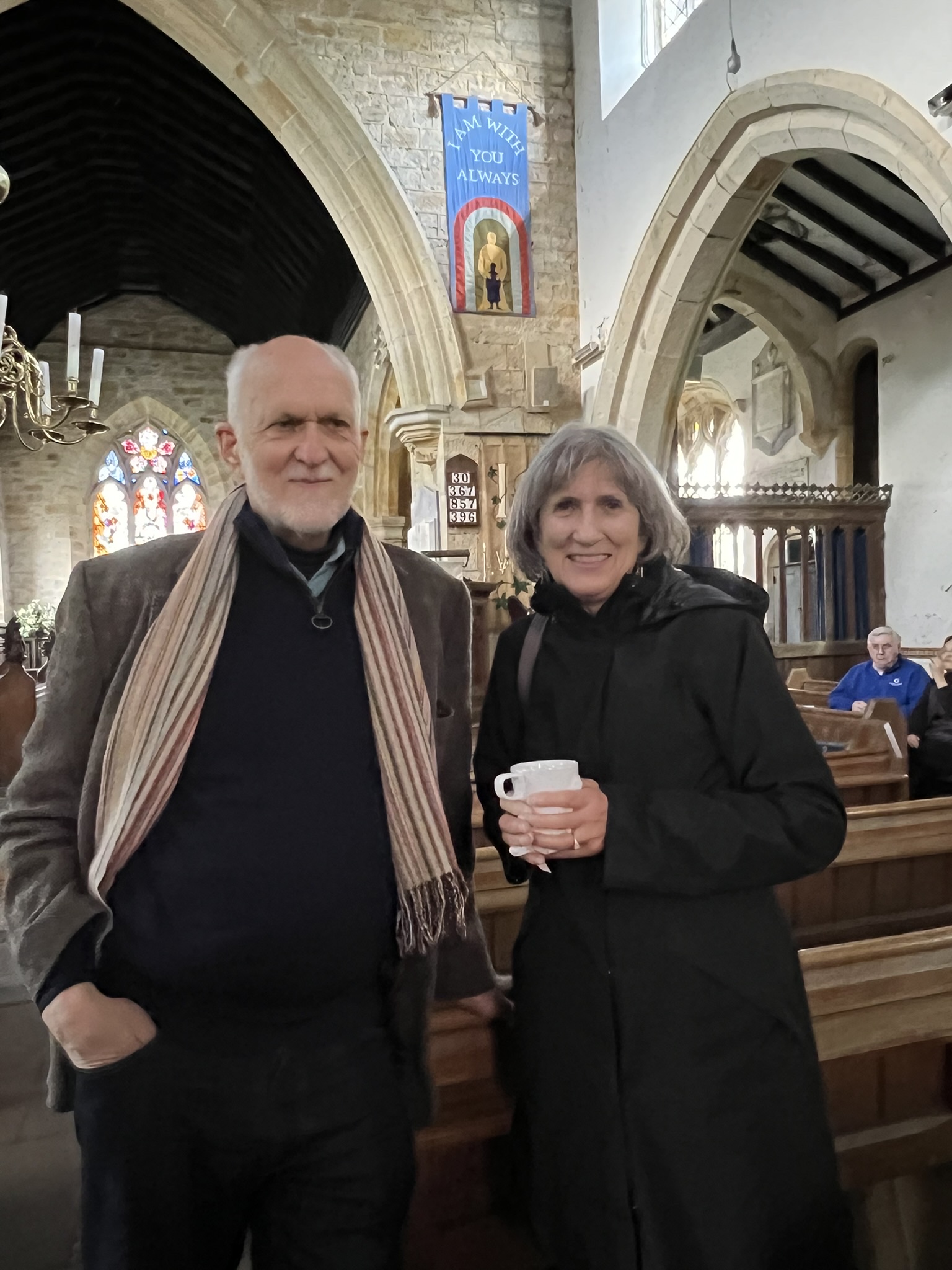
After a fine lunch we headed off to Horsmonden to visit the Church of St. Margaret – this was delightful as we met some of the JAS Kent Branch members who graciously told us about the church and its ties to the Austen family. The John Austen family [John Austen was Jane’s great-grandfather but the family goes back to the first John Austen (1560-1620) – more on them tomorrow] lived here and there are various memorials in the church and churchyard – here one of the tombs: notice the “A” on the gate, signifying “Austen”:
Note: And Ron Dunning joined us here as well – you can read a post of his about Horsmonden from the vantage of a hot-air balloon!]
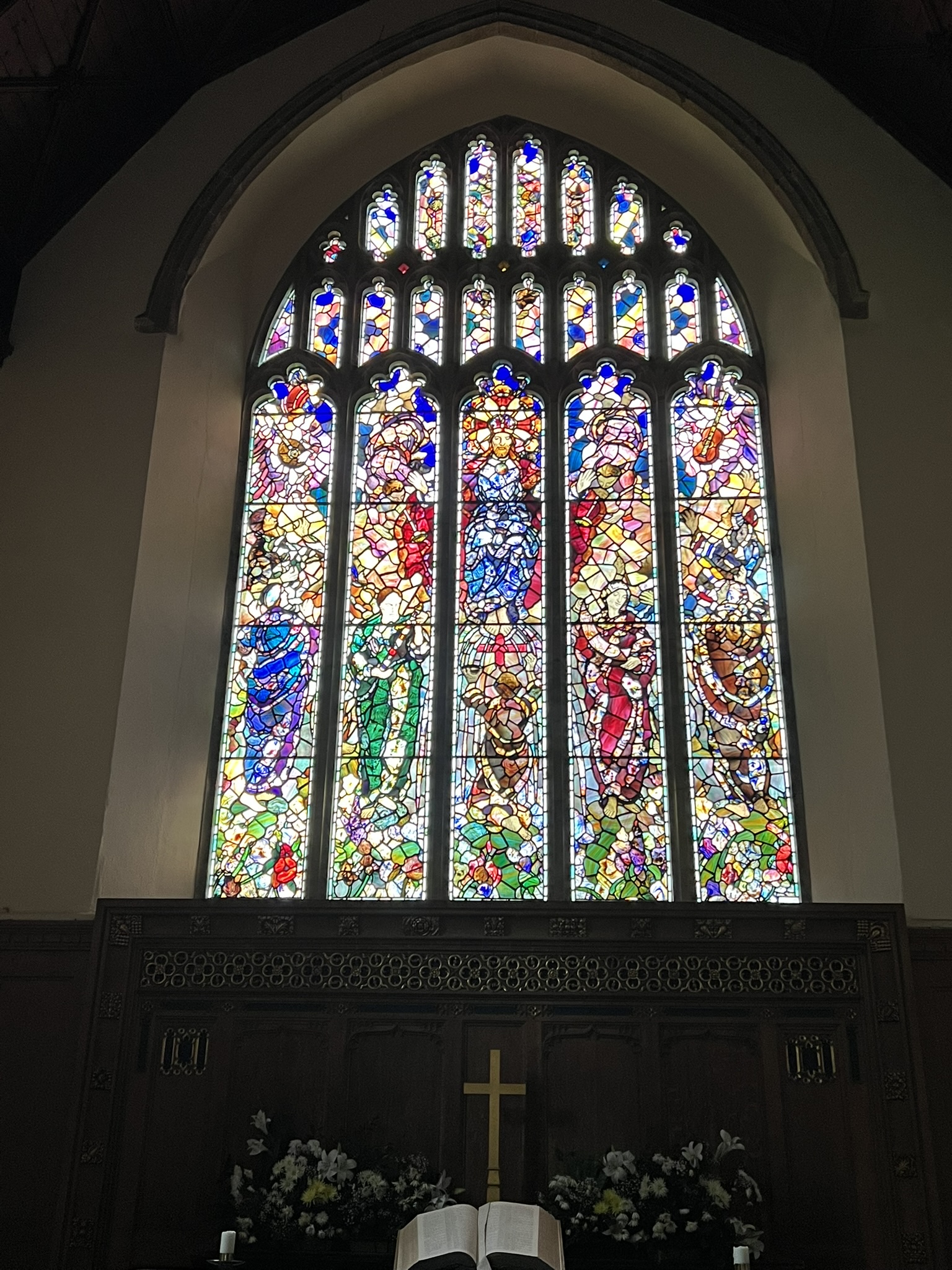
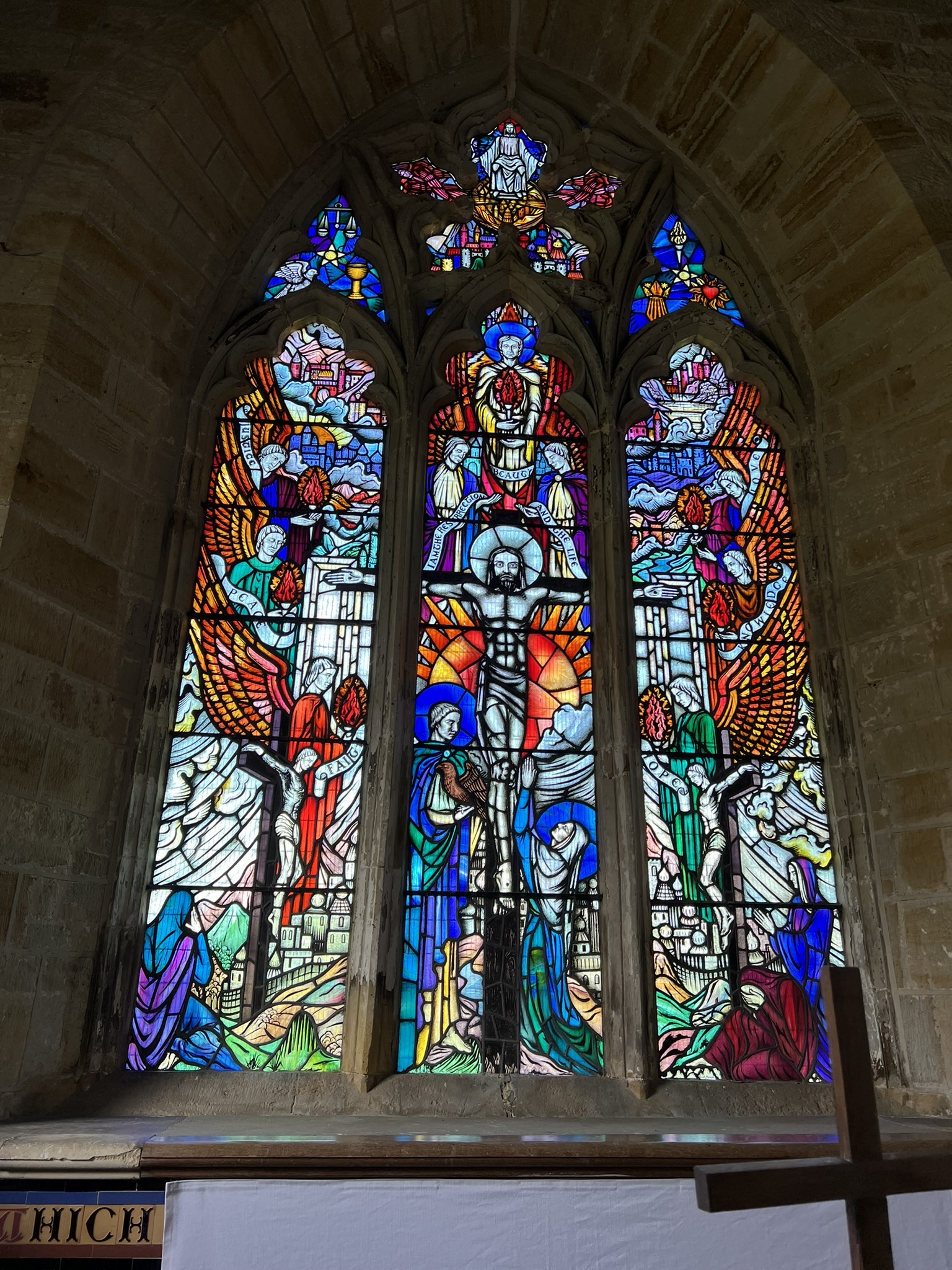
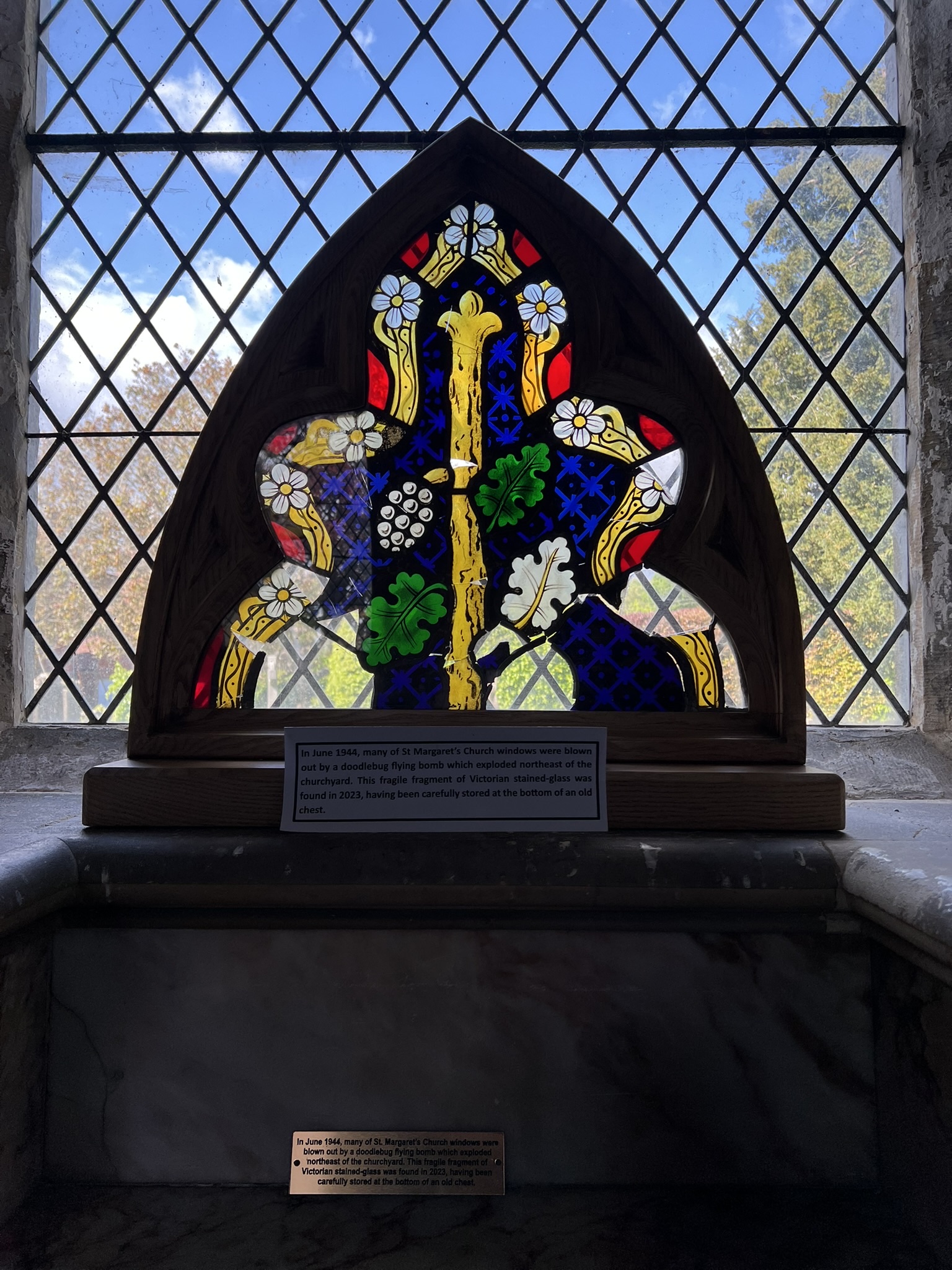
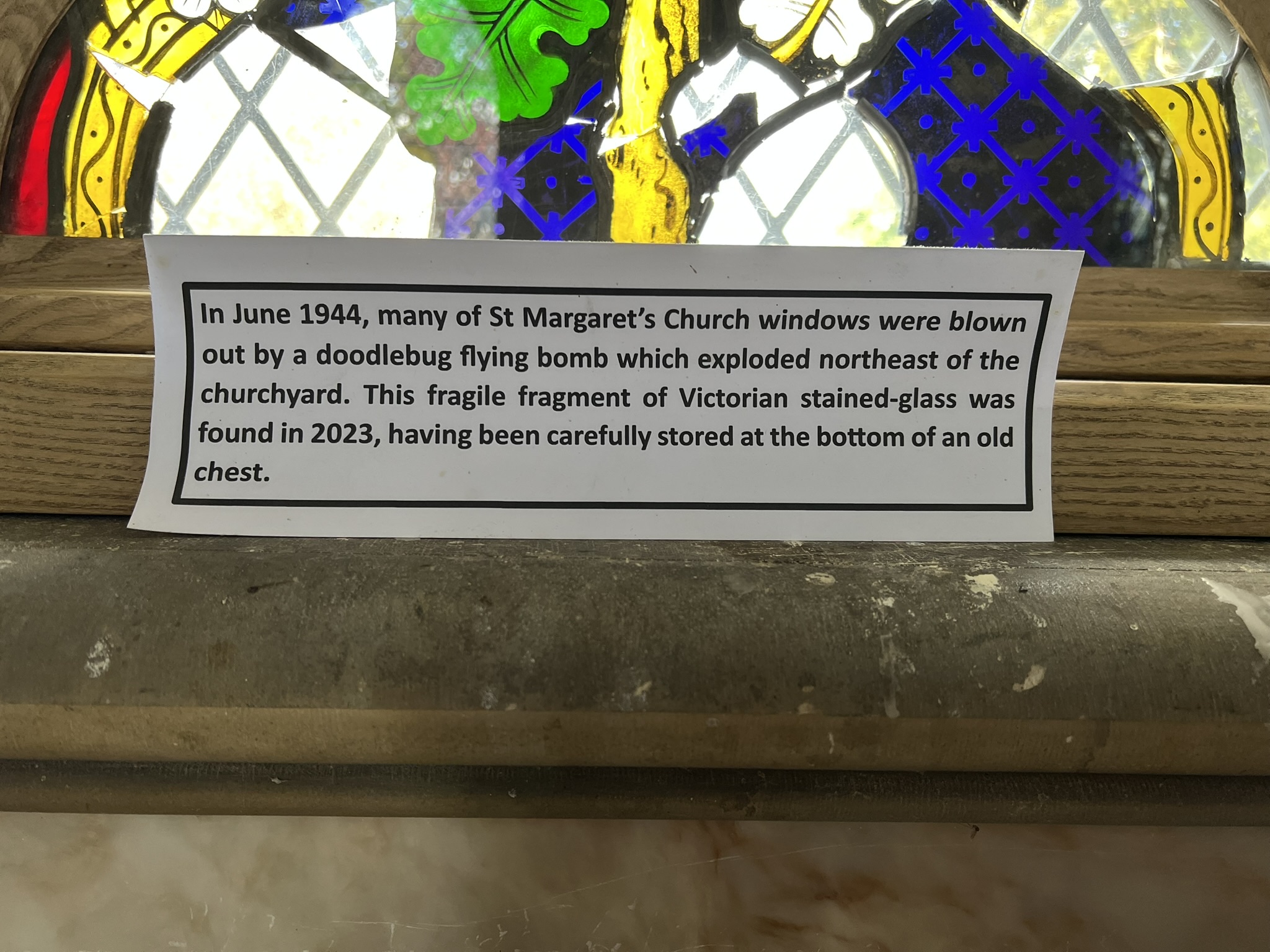
The stained glass windows in this church are stunning. A WWII bombing blew out all the windows on the north and east sides with little of the glass surviving – many of the now existing windows have been designed by notable artists. And a very recent discovery in an old chest at the church of an intact piece of window gives us this lovely example of what the whole window must have looked like:
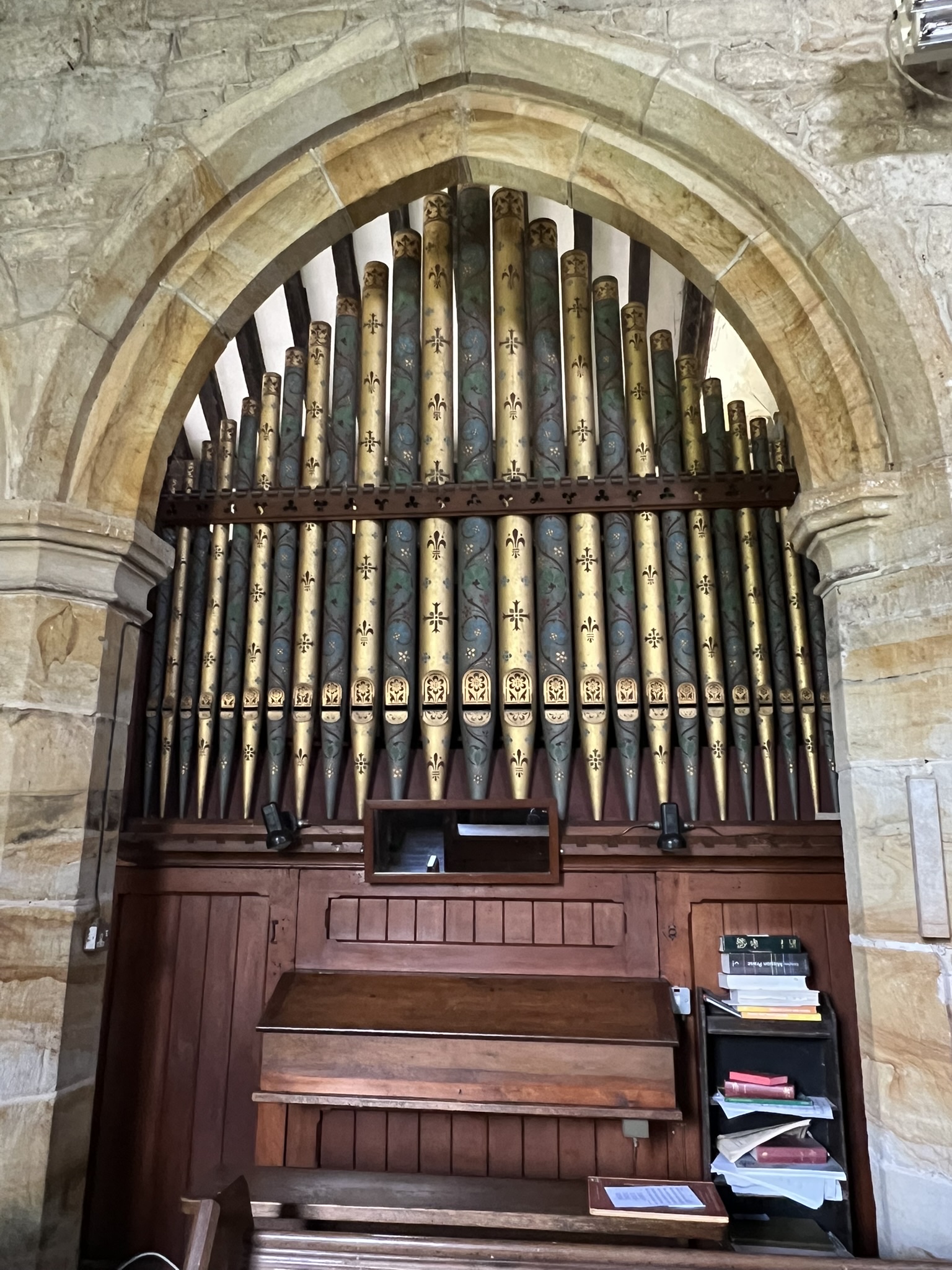
The organ pipes are also a work of art:
************
We then headed to our hotel in Lenham where we stayed for three days to allow for further exploring of Kent…and more of the John Austen family …
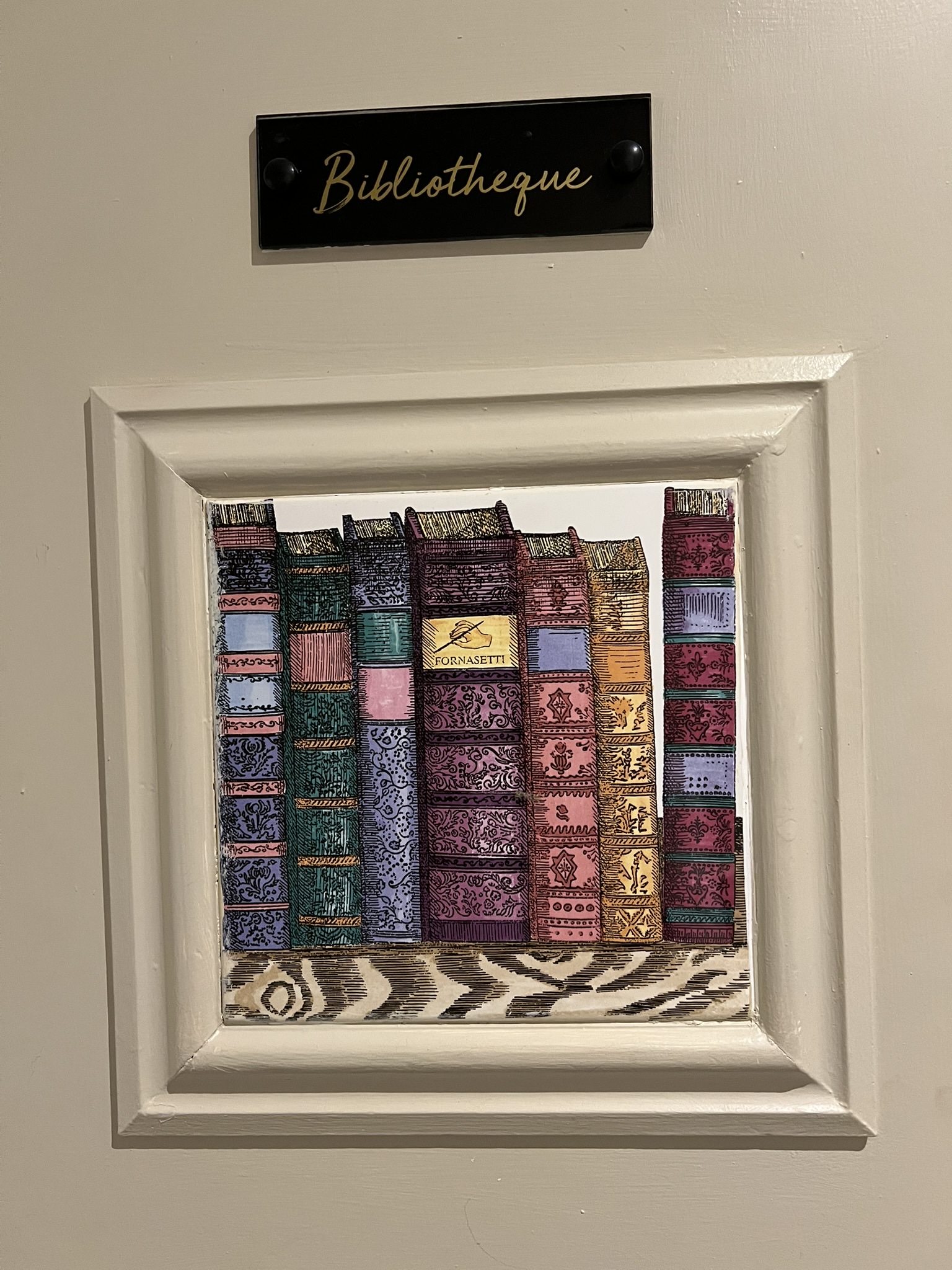
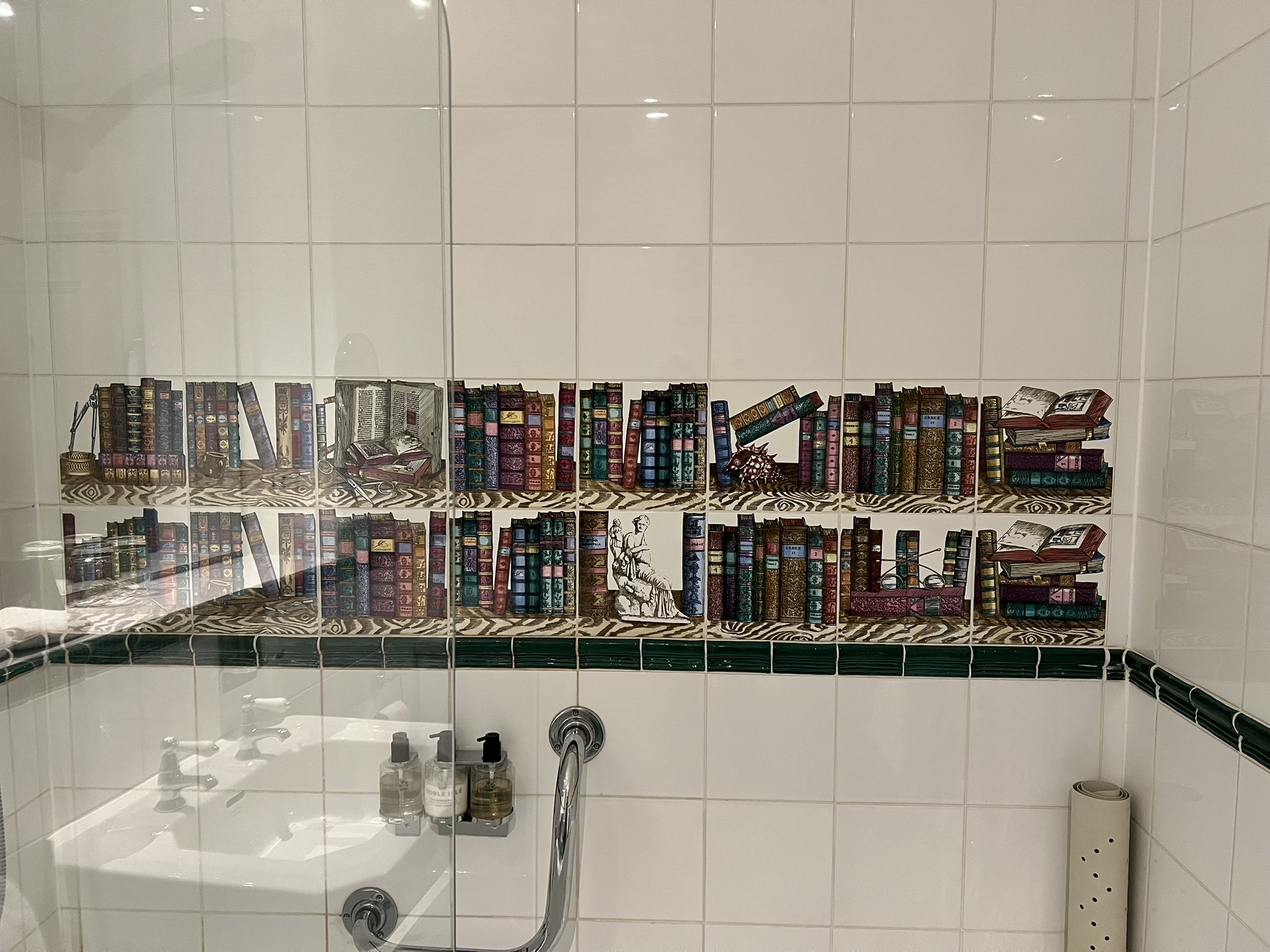
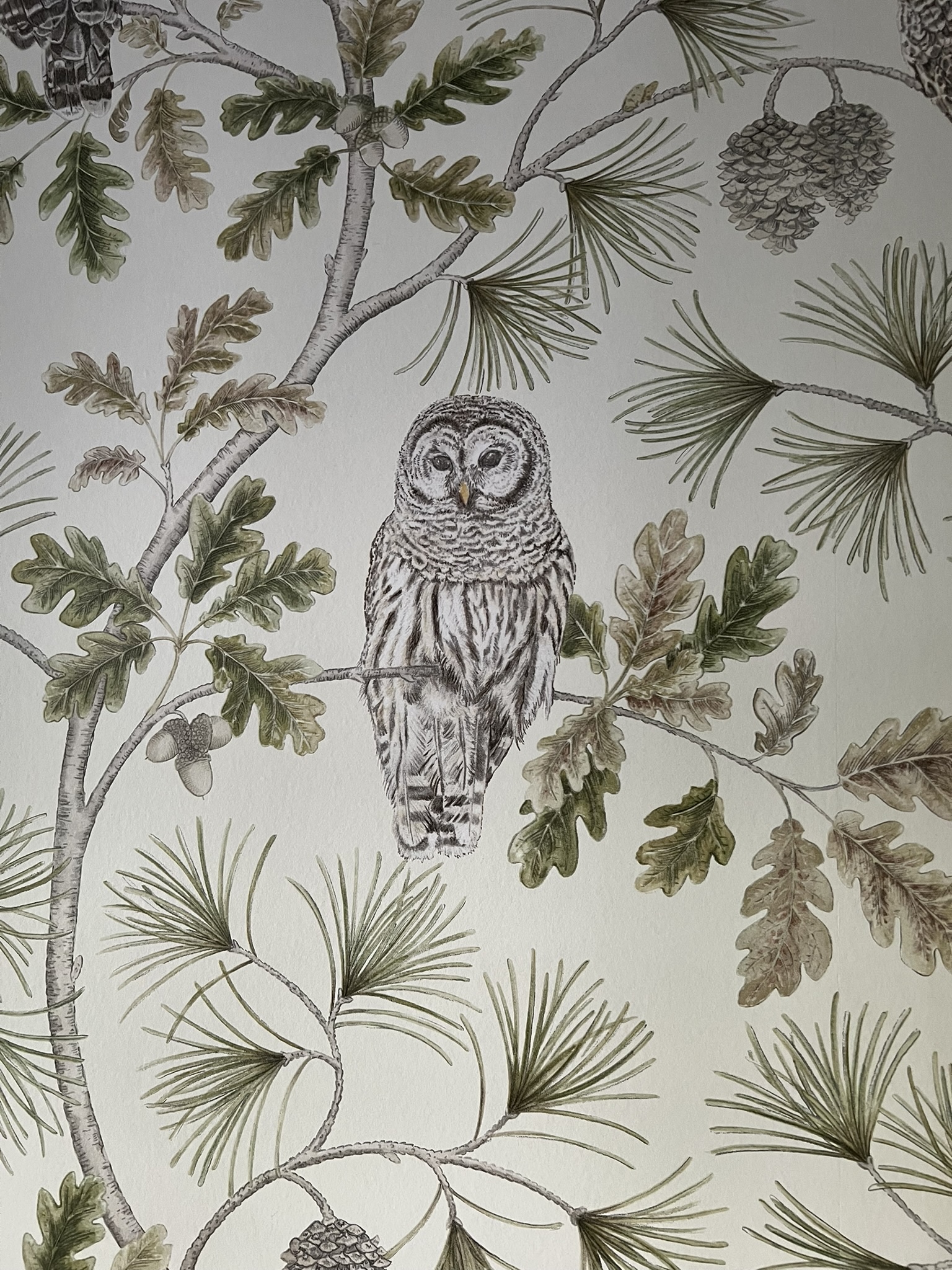
The Chilston Park Hotel was pure pleasure – the cold days and nights had set in [after unseasonably hot days in London], so walking the property was limited, but the hotel was grand, with each room named and decorated according to various themes such as Art Deco, Carousel, Montgolfier (Hot Air Ballooning!) – not sure whether the knowledge gods were at work but my room was the “Bibliotheque” – here is our door, and the tub, along with a bookcase full of books, and this “wise” fellow on the wall:
And another day well-spent! Stay tuned for tomorrow…
_________
1. Elizabeth Matts, et al. 1800: Great Bookham at the Time of Jane Austen, Fanny Burney and R B Sheridan. Parochial Church Council of St. Nicolas, [circa 2008], p. 26. [Published with the support of the JASNA Churches fund.]

 Tickets are £41 – so that works out as £1 a day for the duration of the project.
































































































 Jane Austen in Vermont