Austen Literary History & Criticism · Decorative Arts · Fashion & Costume · Georgian England · Great Britain - History · Jane Austen · Jane Austen Circle · Jane Austen Popular Culture · JASNA · London · Museum Exhibitions · Regency England · Social Life & Customs

Adventures with Jane! Day XIII & XIV: Books, Fabrics, a Palace, ‘Clueless,’ and Home!

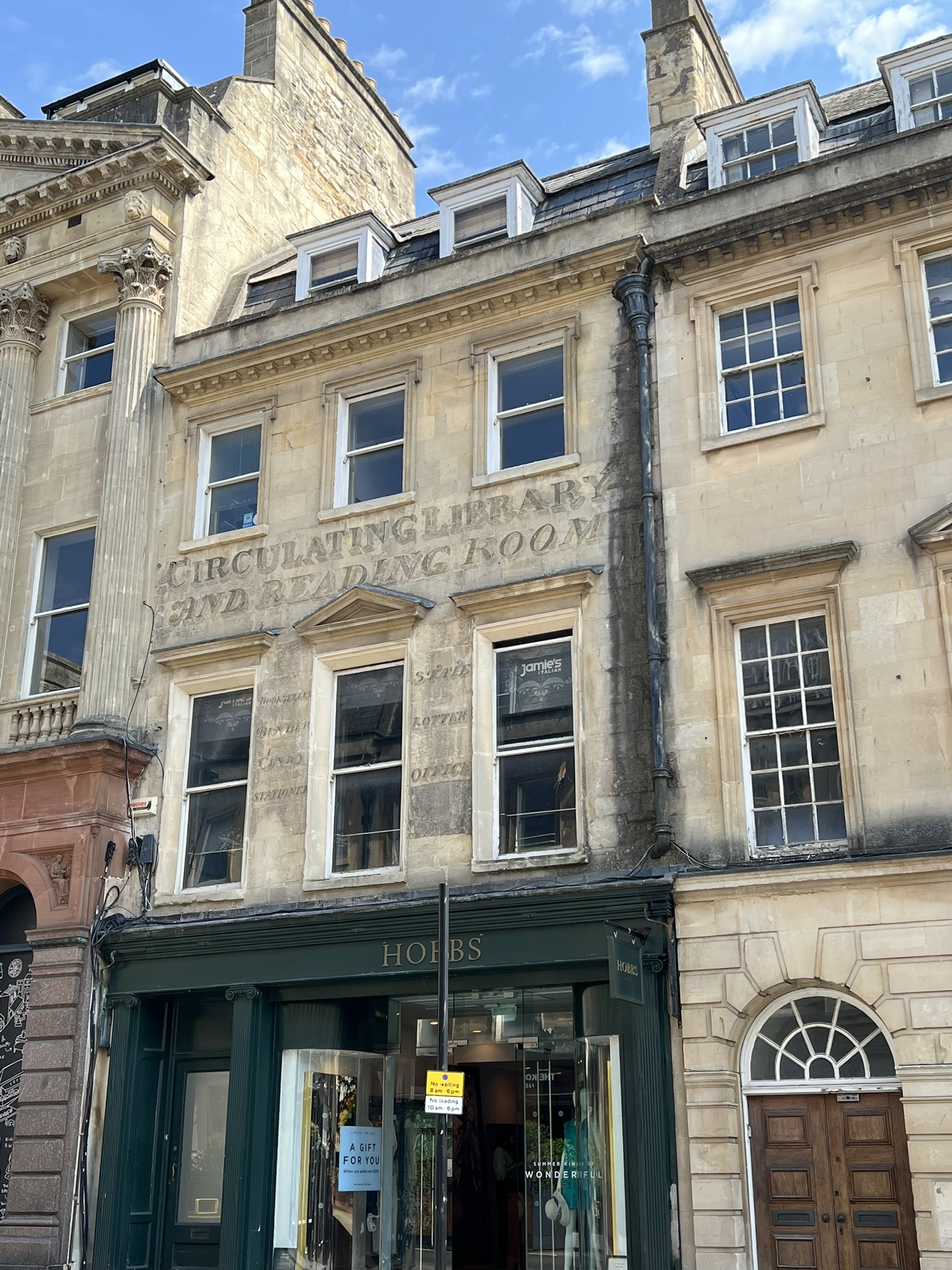
[Mr. Holmes is a topic for another day – a full post just on these changing signs is way past due…]

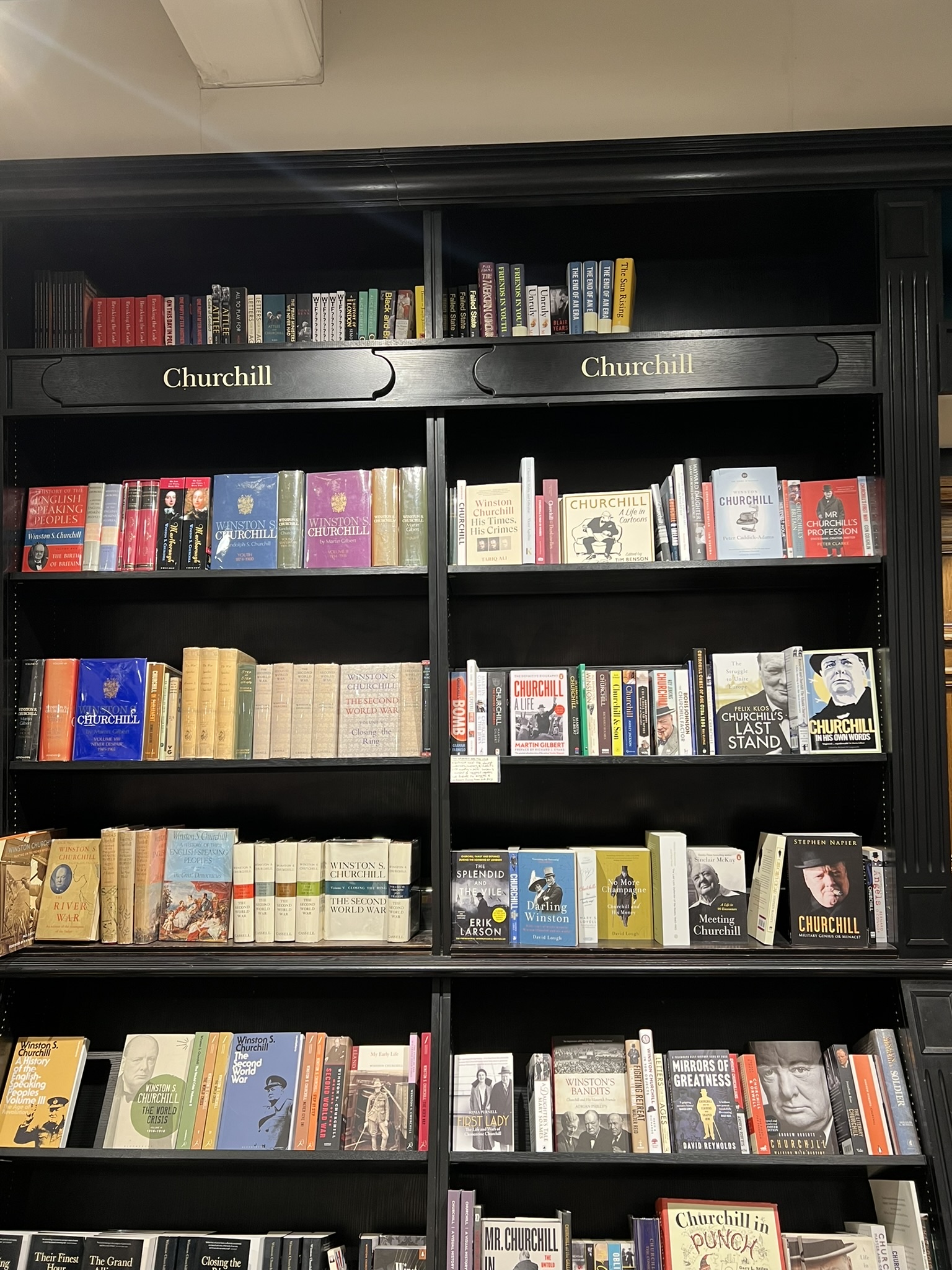
And of course a Richard III – because even Jane thought he was an innocent man…

Austen Literary History & Criticism · Decorative Arts · Georgian England · Georgian Period · Great Britain - History · Jane Austen · Jane Austen Circle · Jane Austen Illustrators · Jane Austen Popular Culture · JASNA · Museum Exhibitions · Regency England · Travel

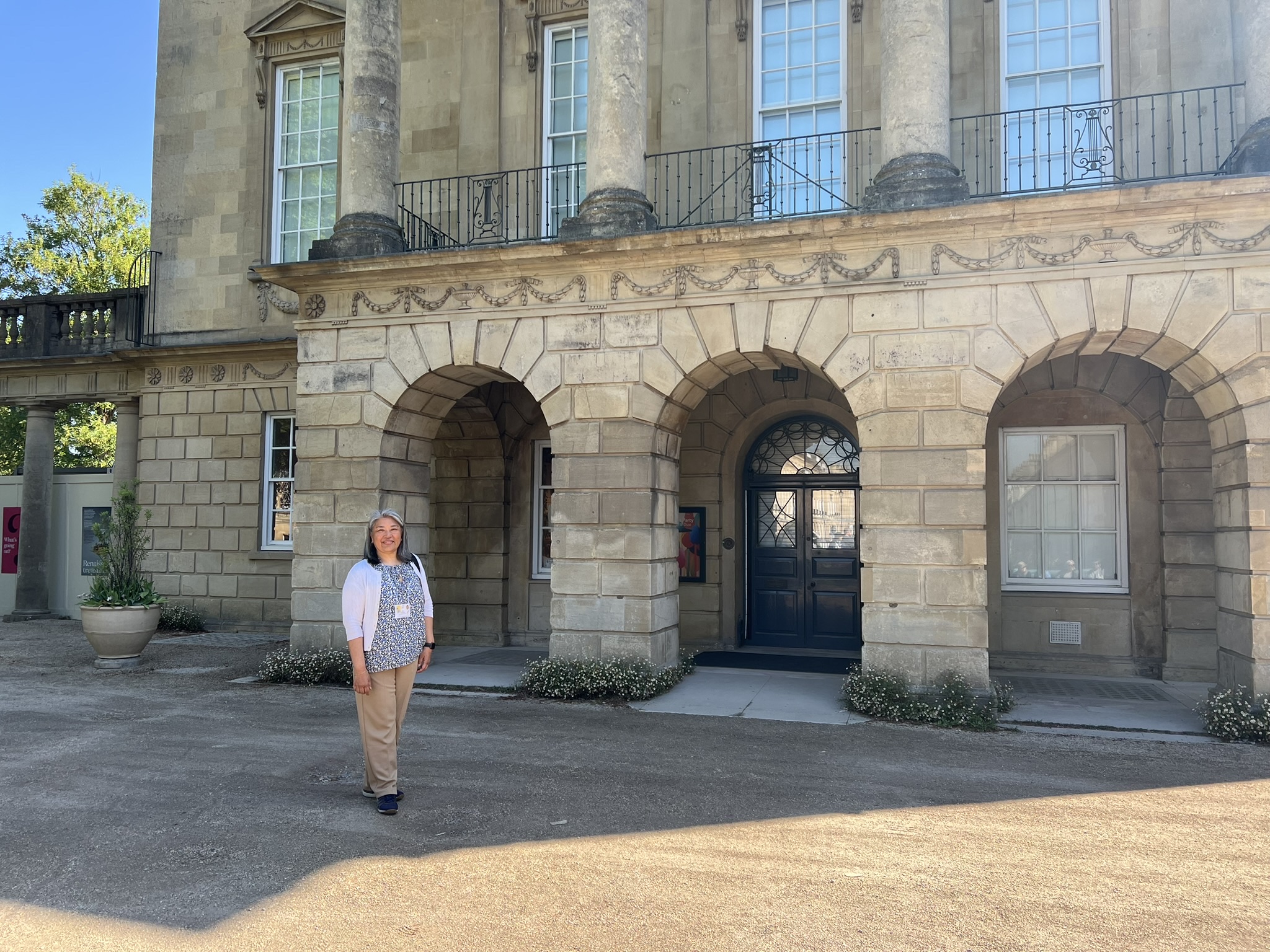
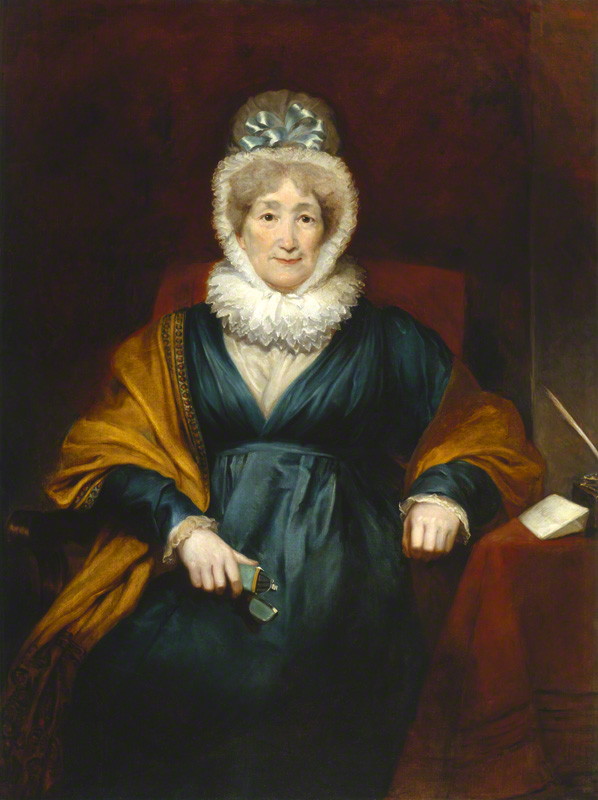
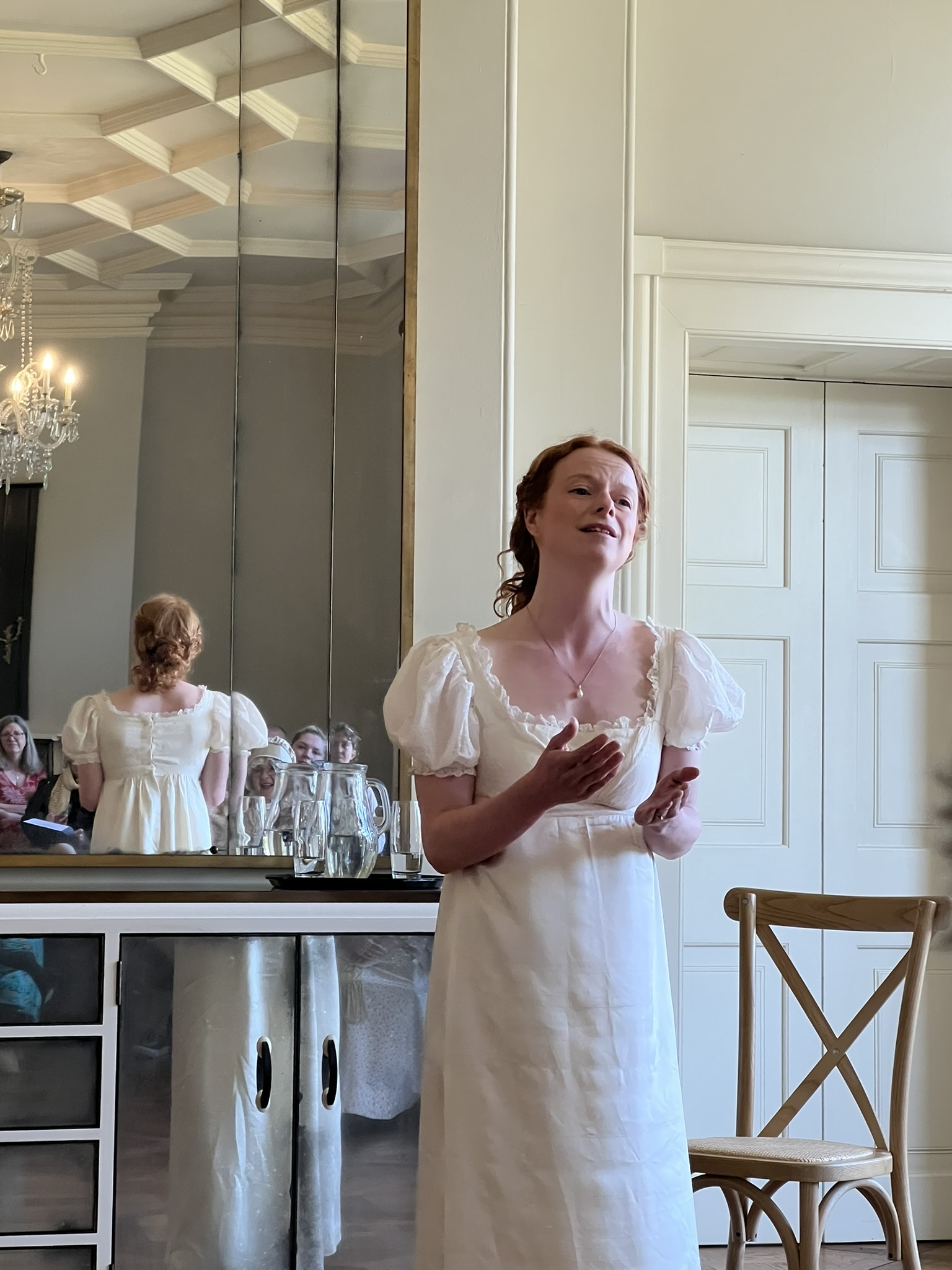
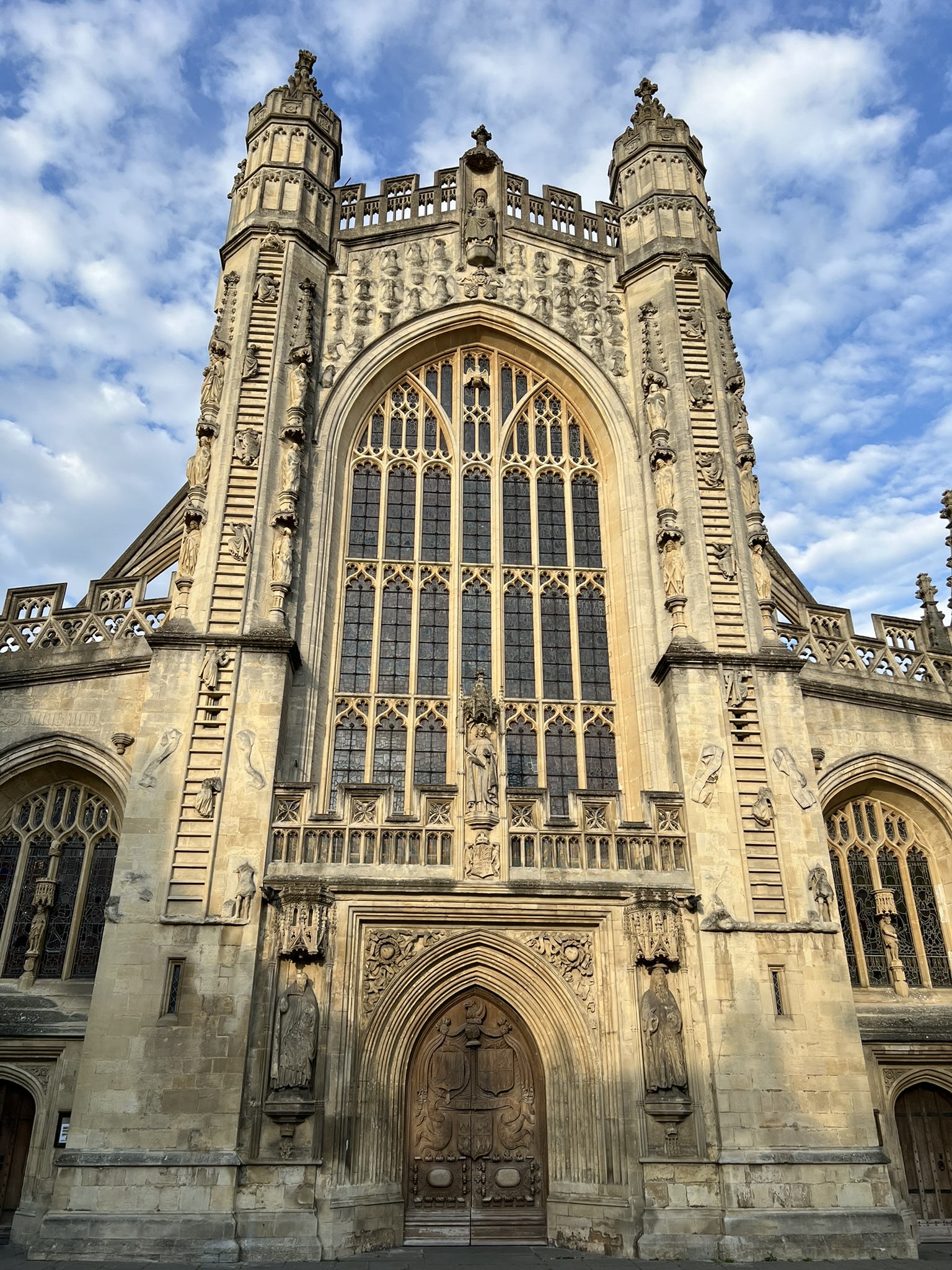
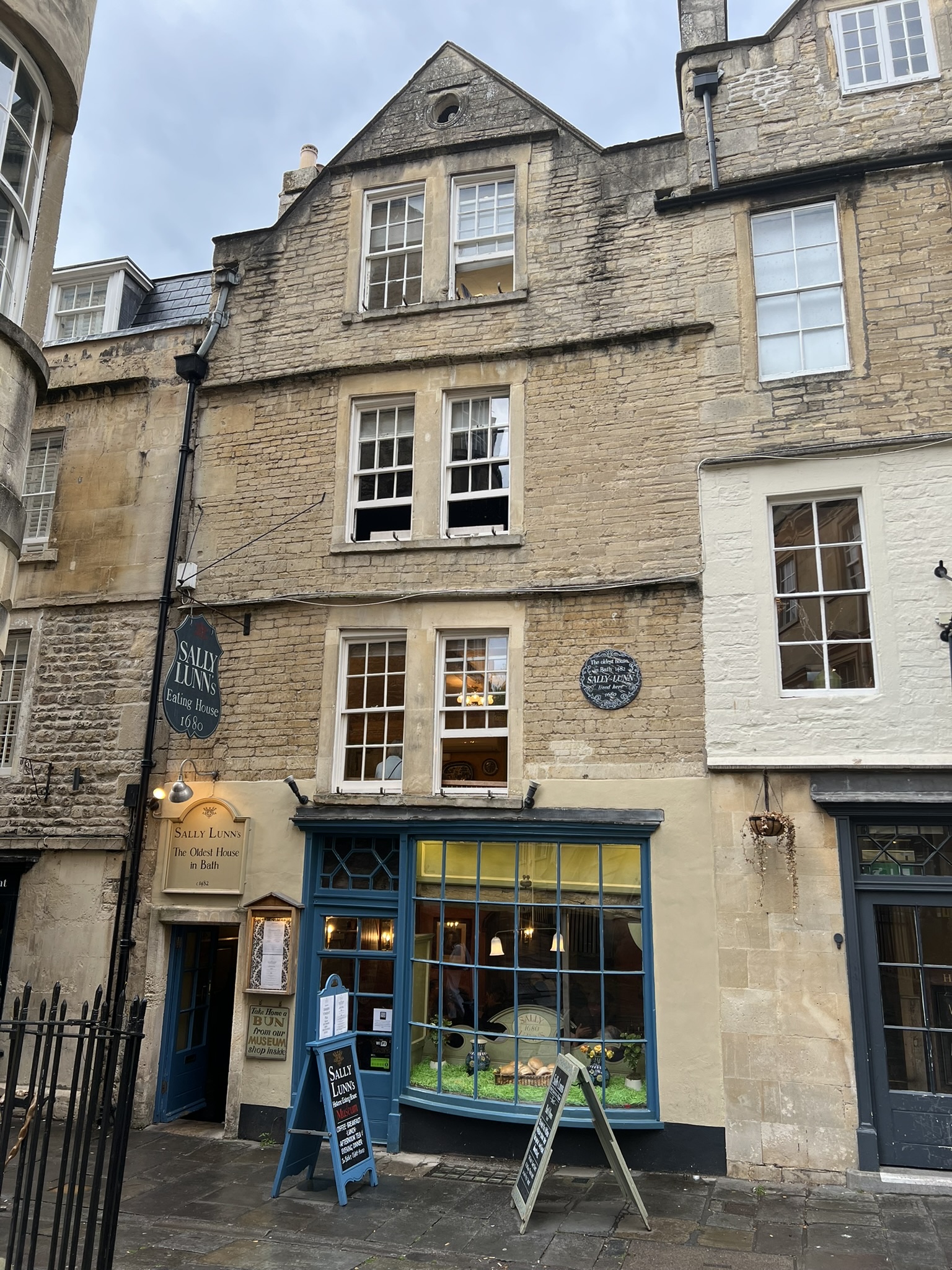
Adventures with Jane! Day XI: Bath, Bridgerton, and Rugby…

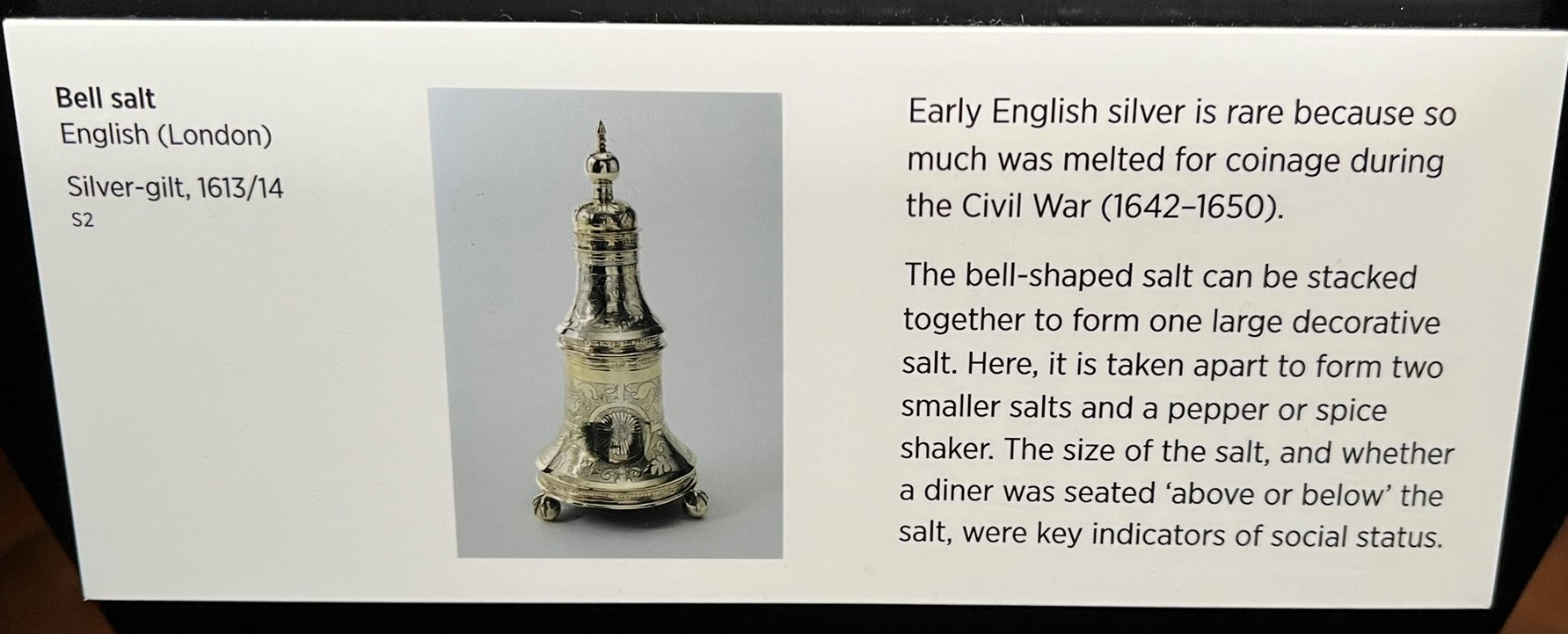
English silver:

https://www.janeaustensummer.org/post/here-s-where-jane-austen-s-real-life-and-persuasion-intersect-in-bath

c2025JaneAustenInVermont
Austen Literary History & Criticism · Georgian England · Georgian Period · Great Britain - History · Jane Austen · Jane Austen Circle · Jane Austen Popular Culture · JASNA · Museum Exhibitions · Regency England · Travel

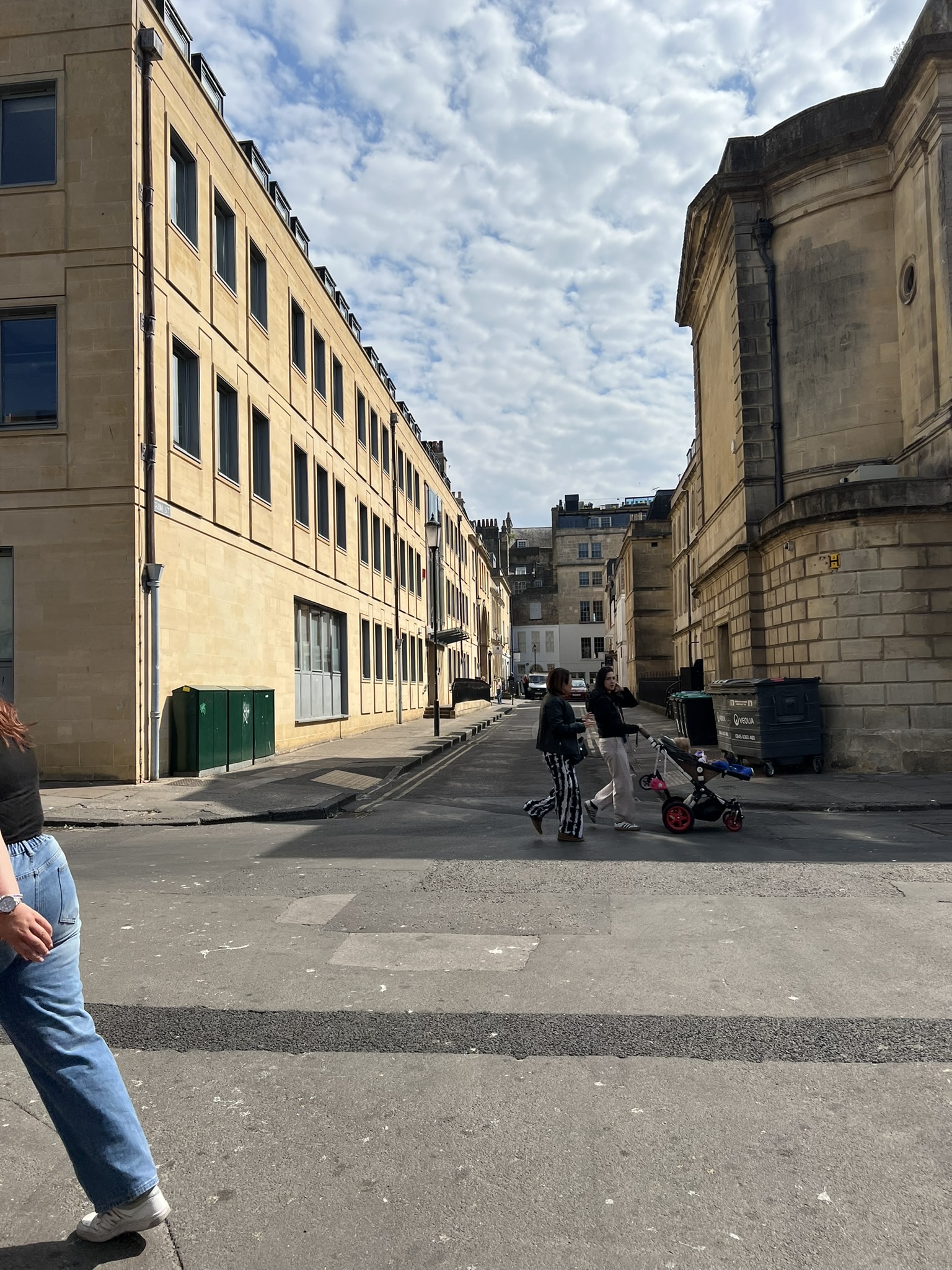
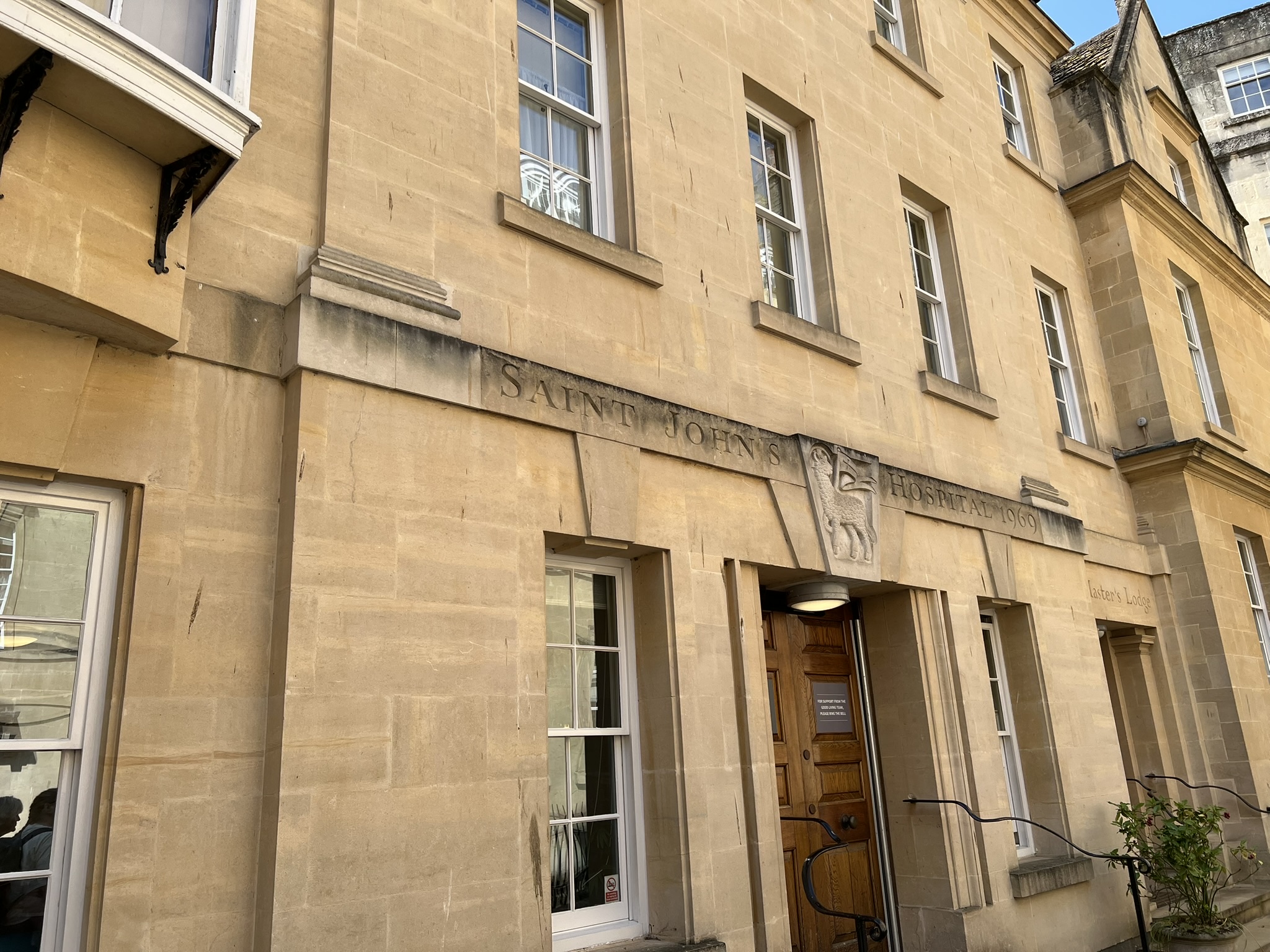
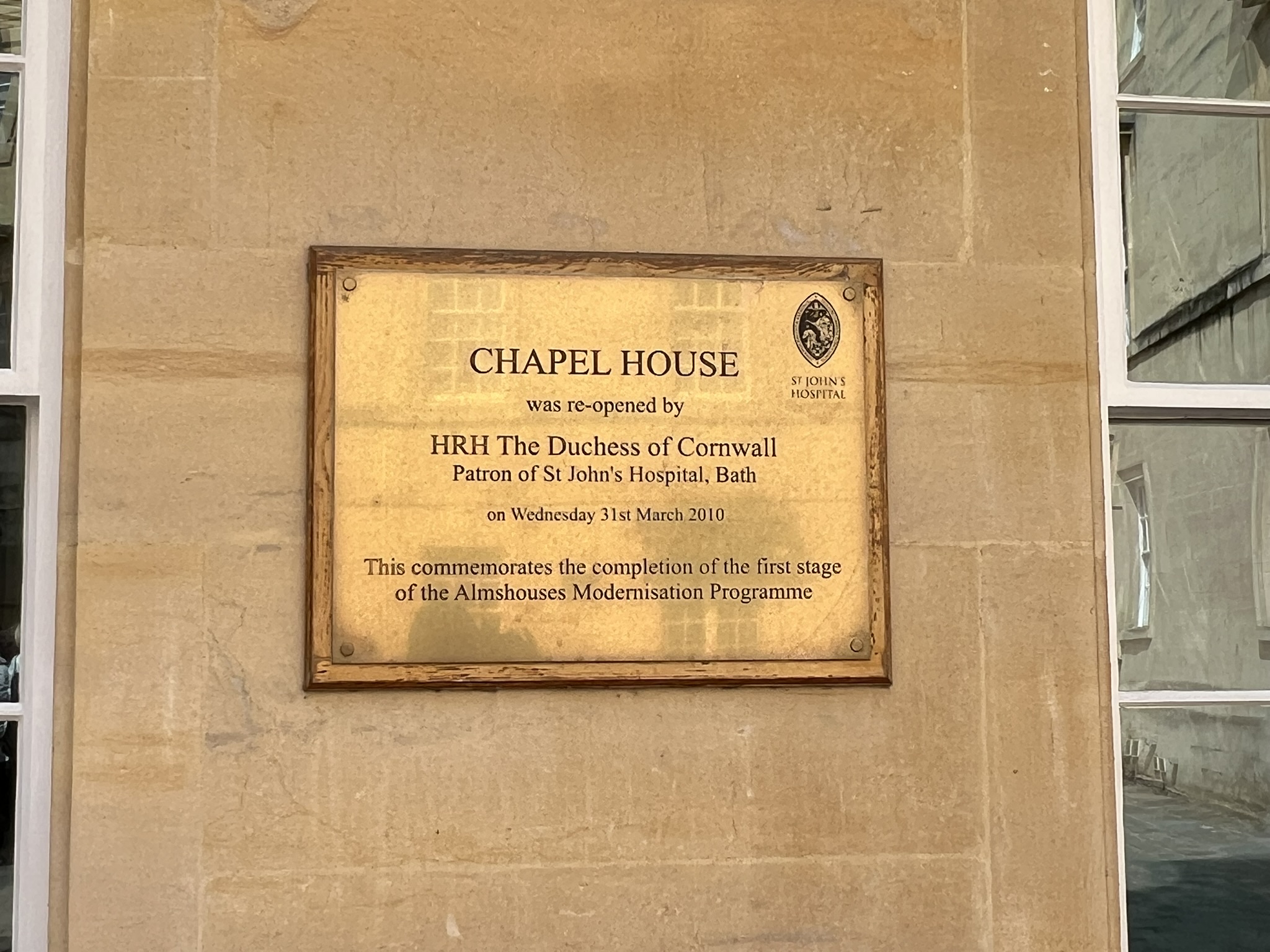
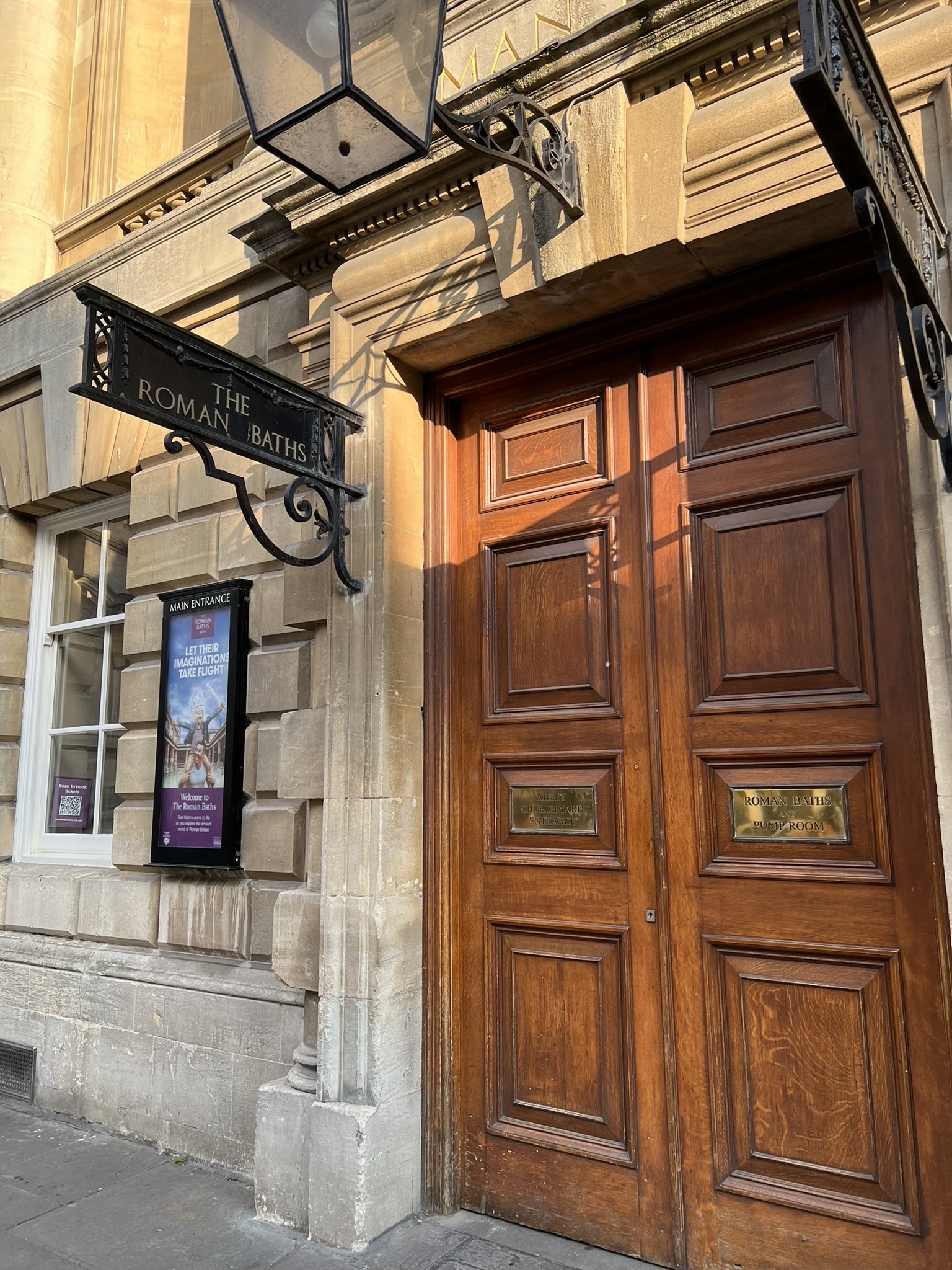
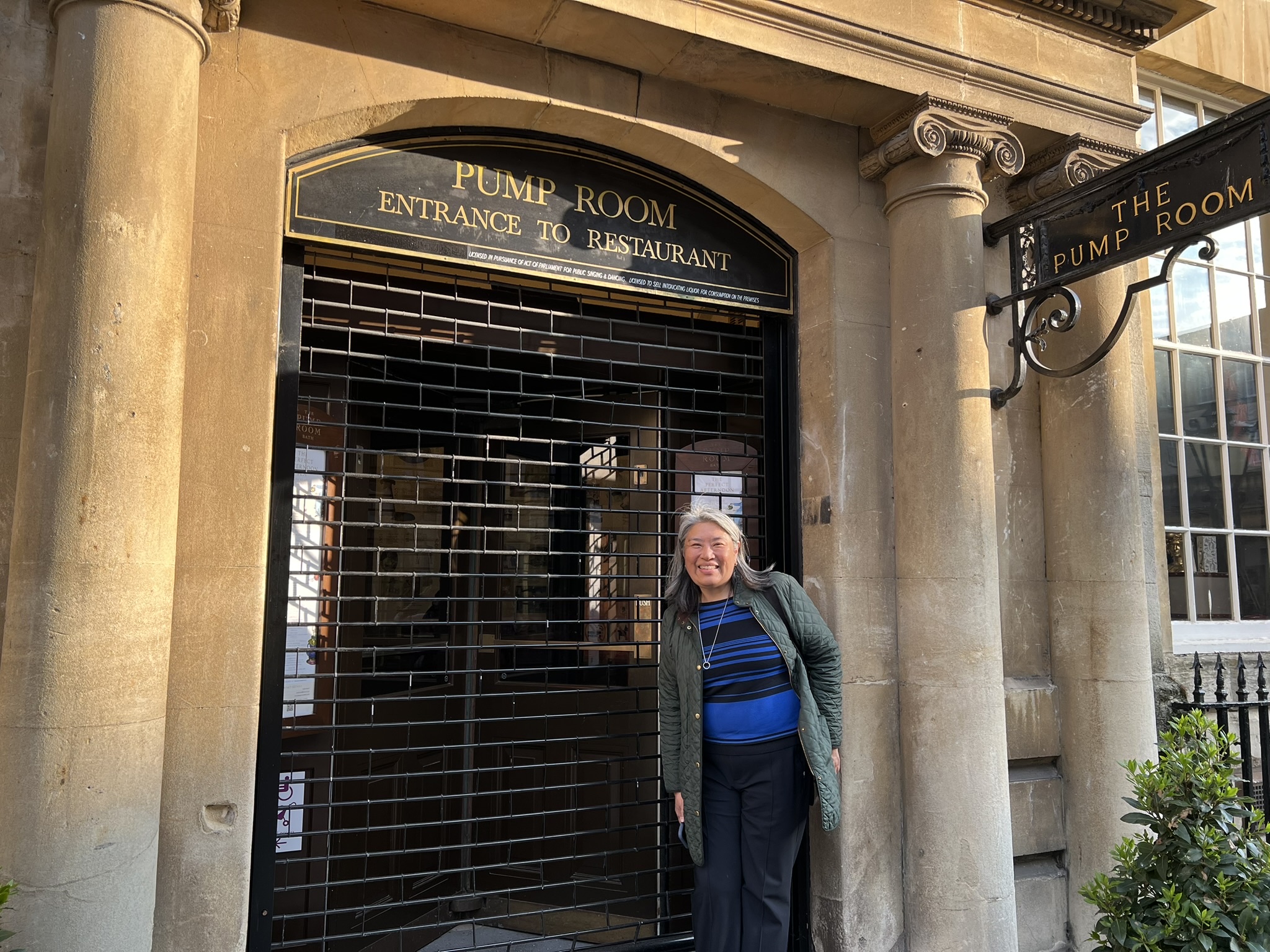
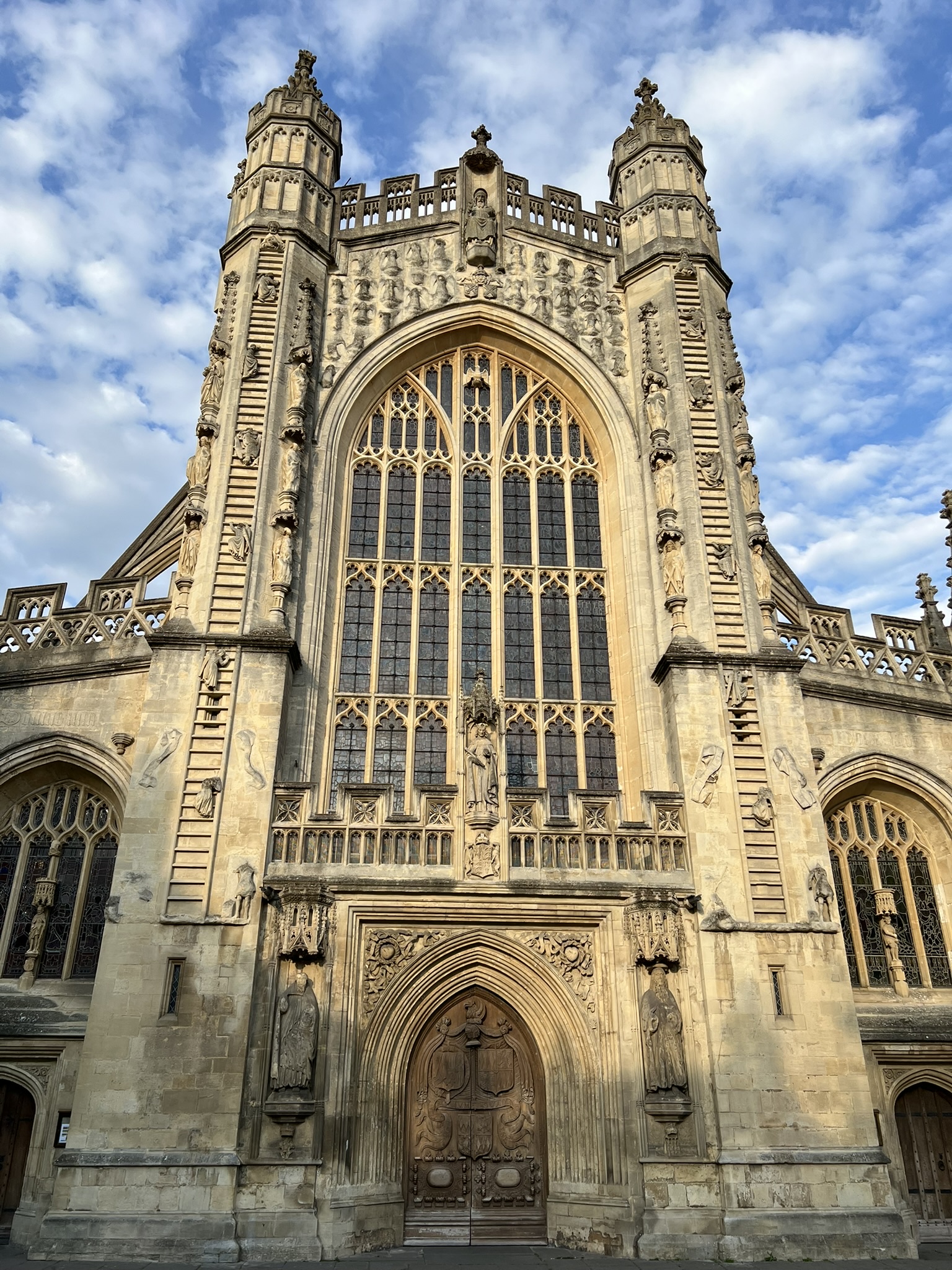
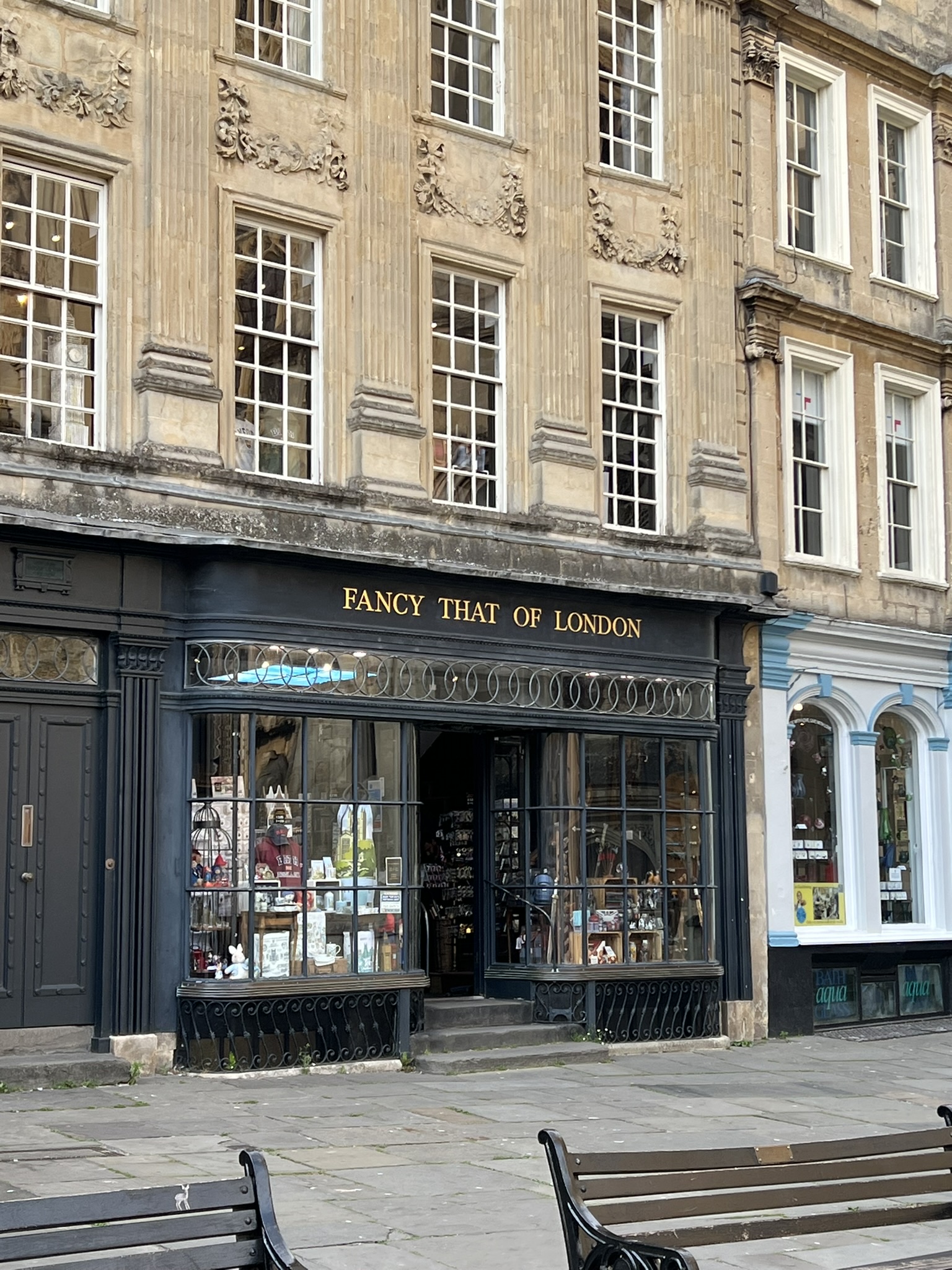
Adventures with Jane! Day X: It’s all about Bath

***********

  • The Nibbs Family [James Langford Nibbs]
  • Dr. William Bowen – doctor to Mrs C Auysten in 1804
  • William Siddons, husband to Sarah
  • Admiral Sir William Hargood [Francixs Austen’s Canoppus
  • Caleb Hillier Parry
  • The Famous Castrata Rauzzioni

And another day is done…

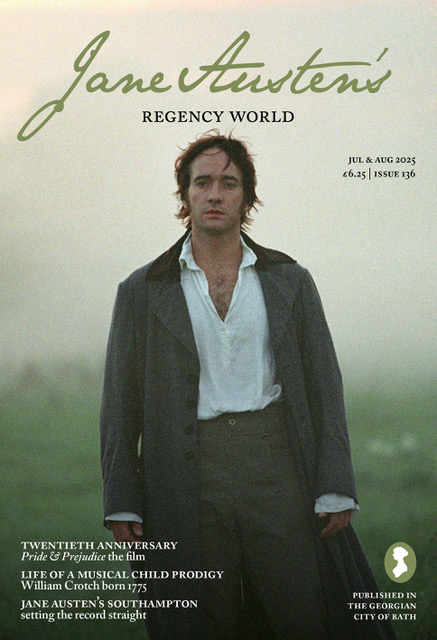
* Latest issue of JARW: [always a pleasure to see Mr. Darcy in the fog…]

and another great sign:

c2025JaneAustenInVermont
Georgian England · Georgian Period · Great Britain - History · Jane Austen · Jane Austen Circle · Jane Austen Illustrators · Jane Austen Societies · JASNA · Museum Exhibitions · Regency England · Social Life & Customs

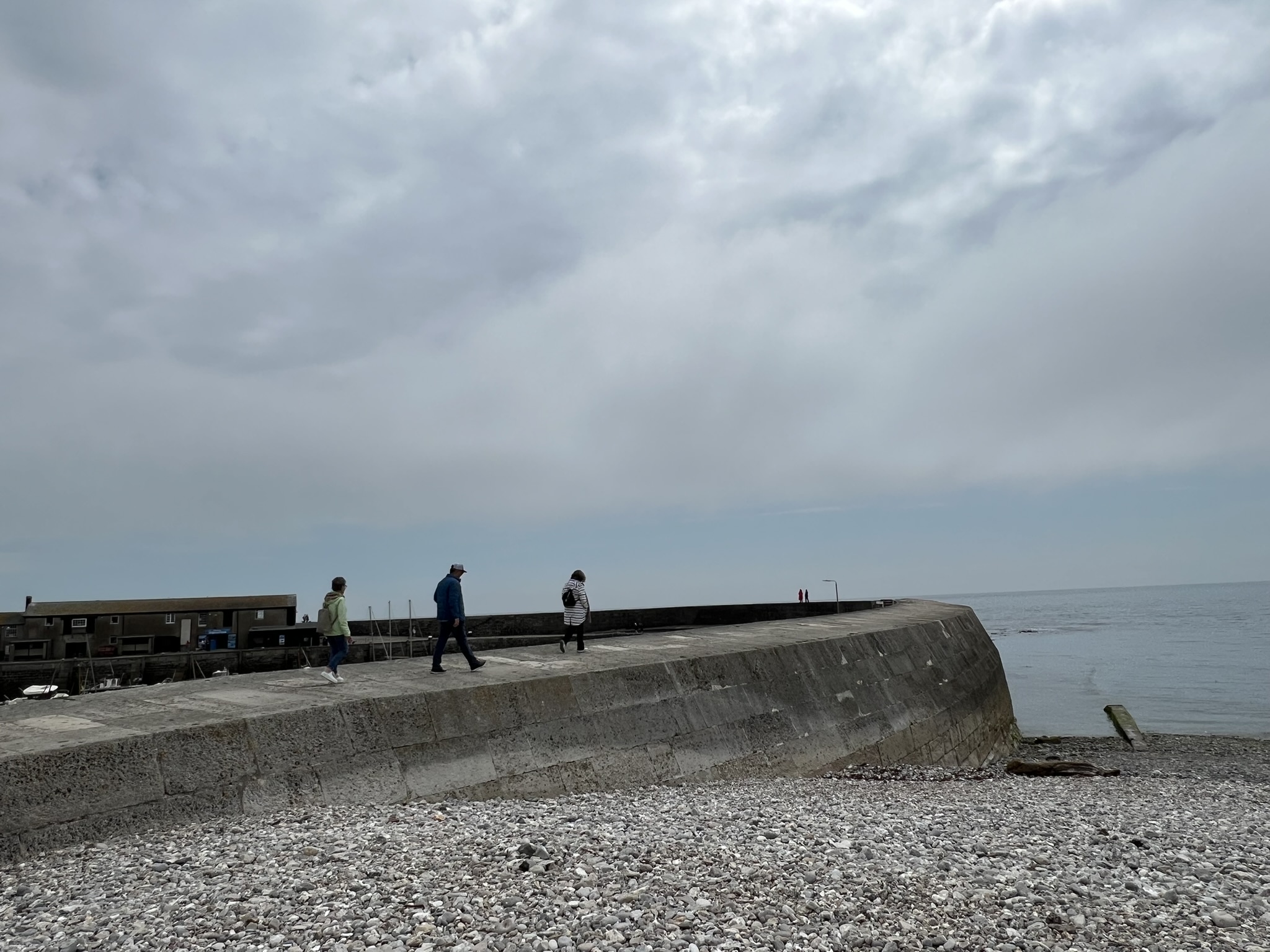
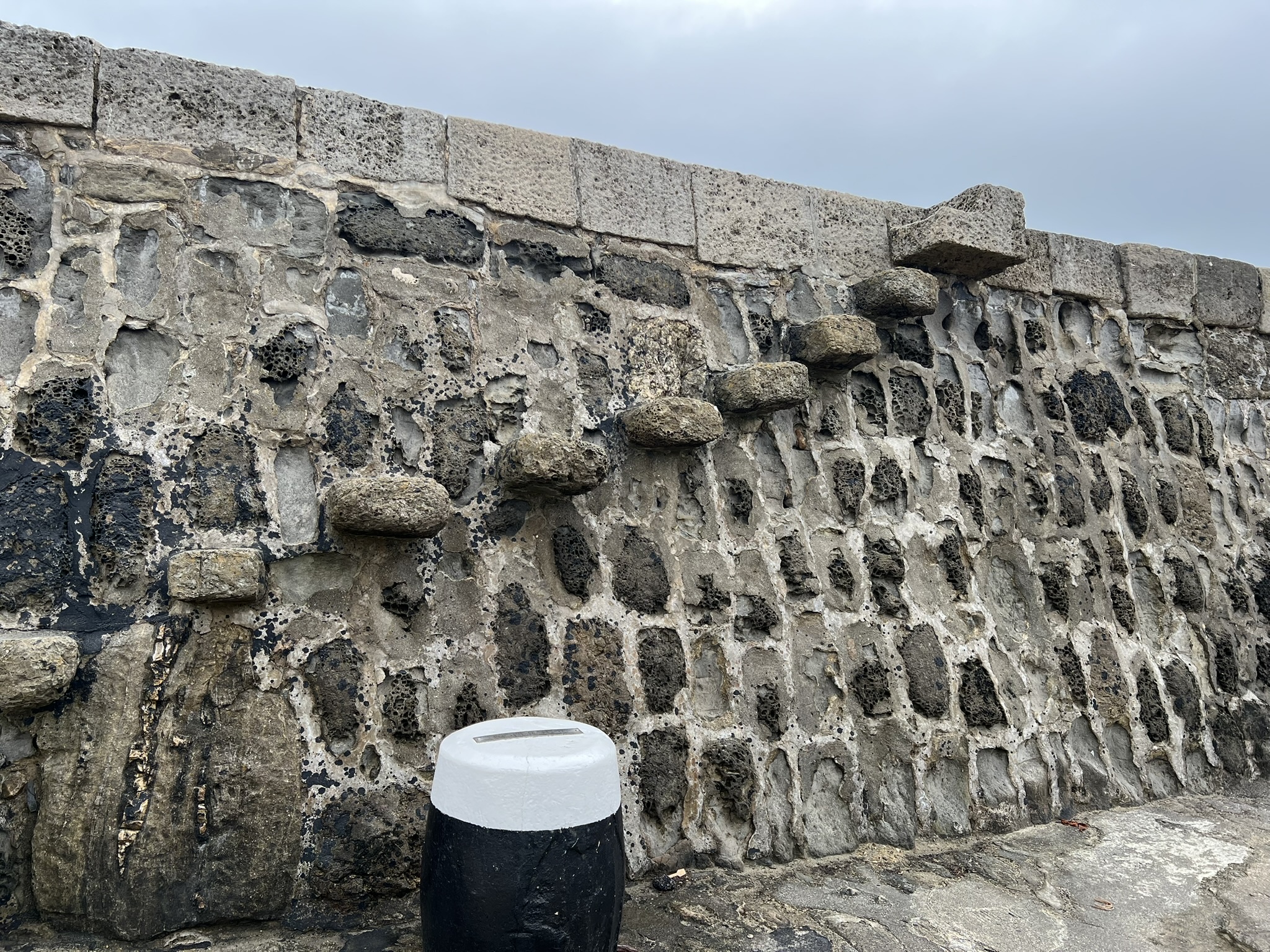
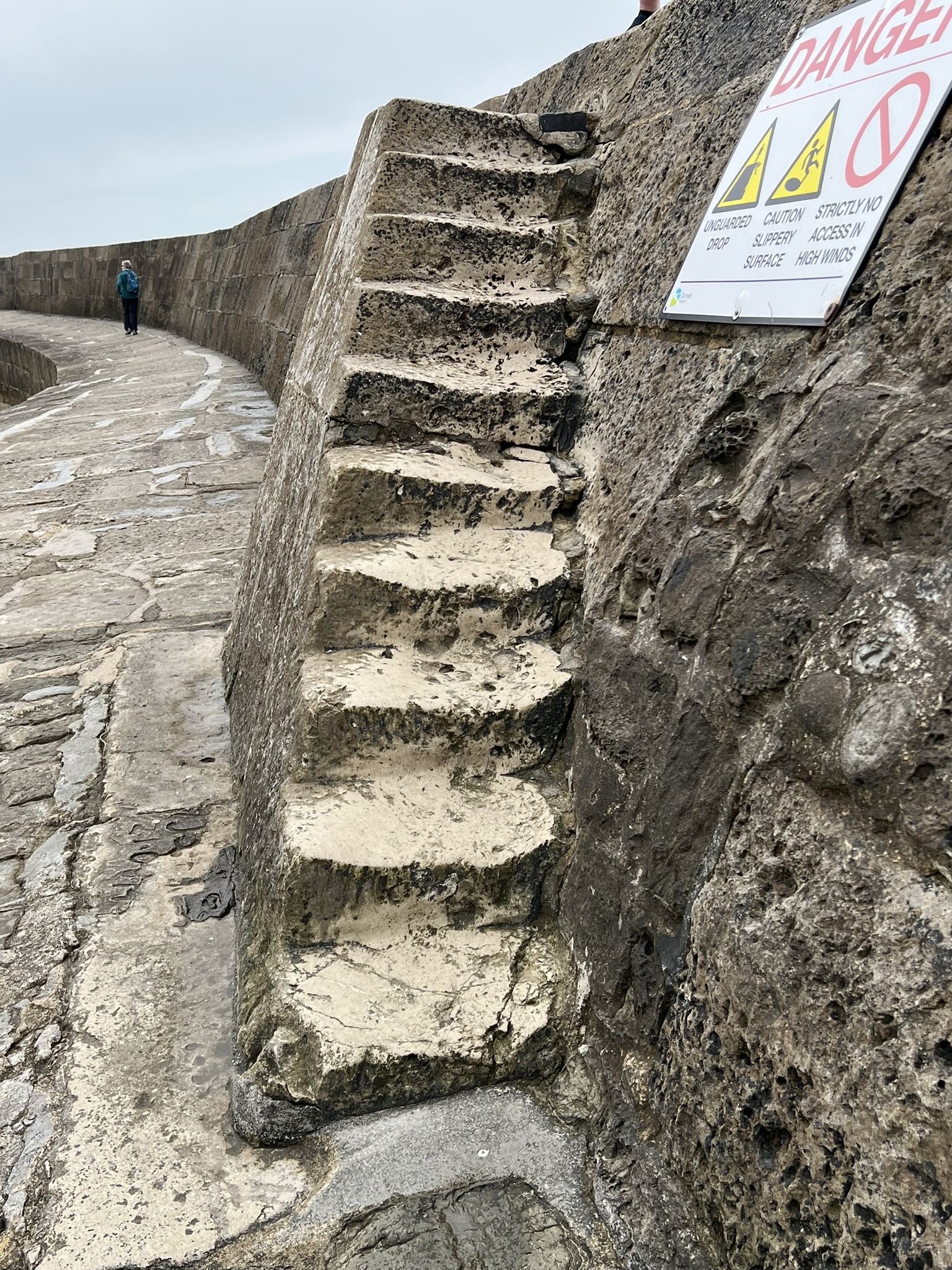
Adventures with Jane! Day IX: On the Trail to Lyme Regis…         

*****

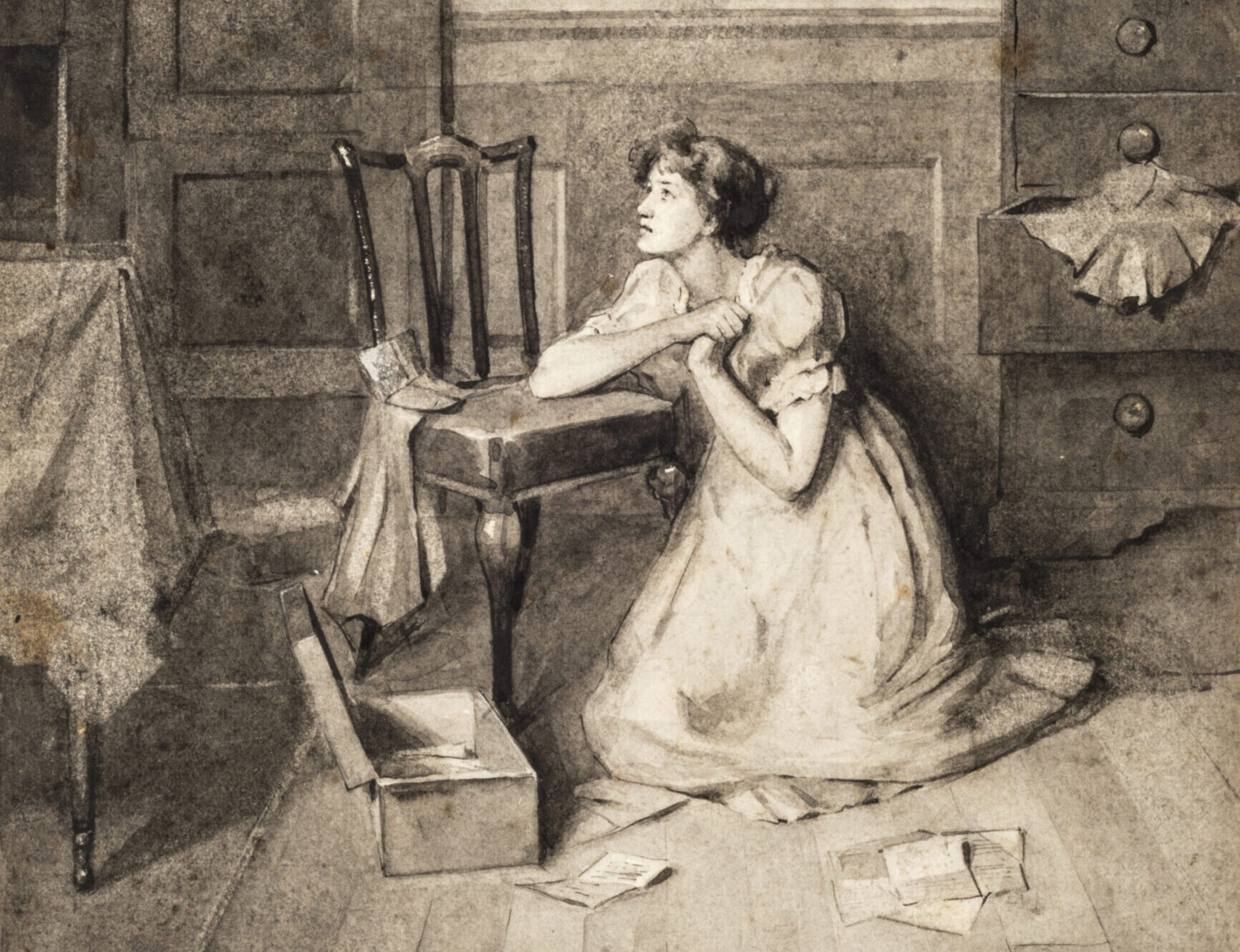
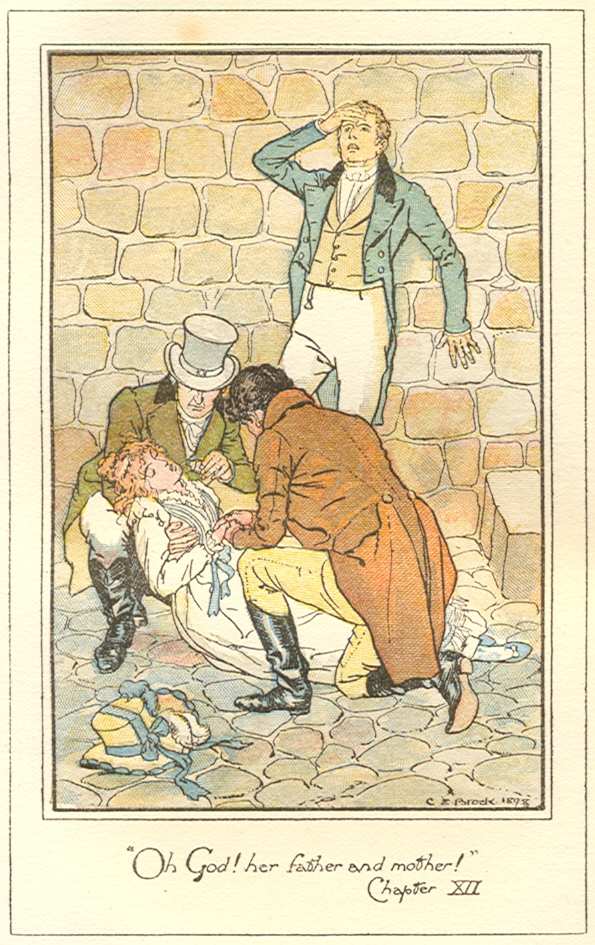
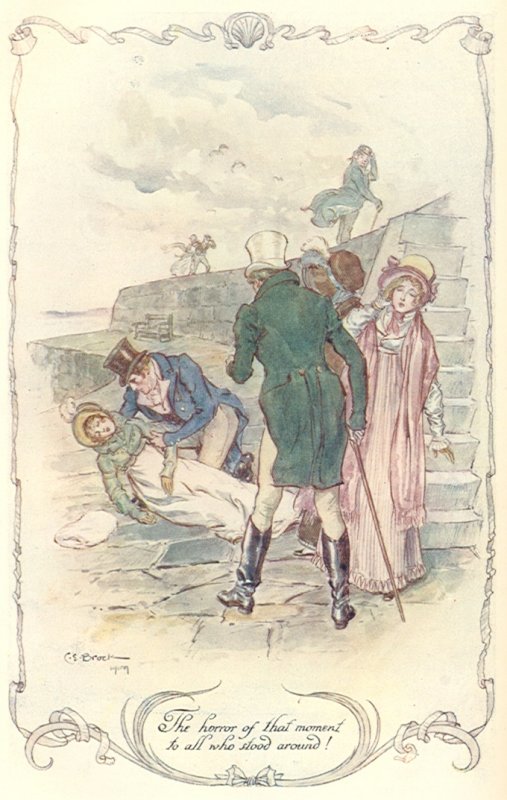
C. E. Brock – Dent, 1898 /  Dent, 1909

Hugh Thomson – Macmillan, 1897

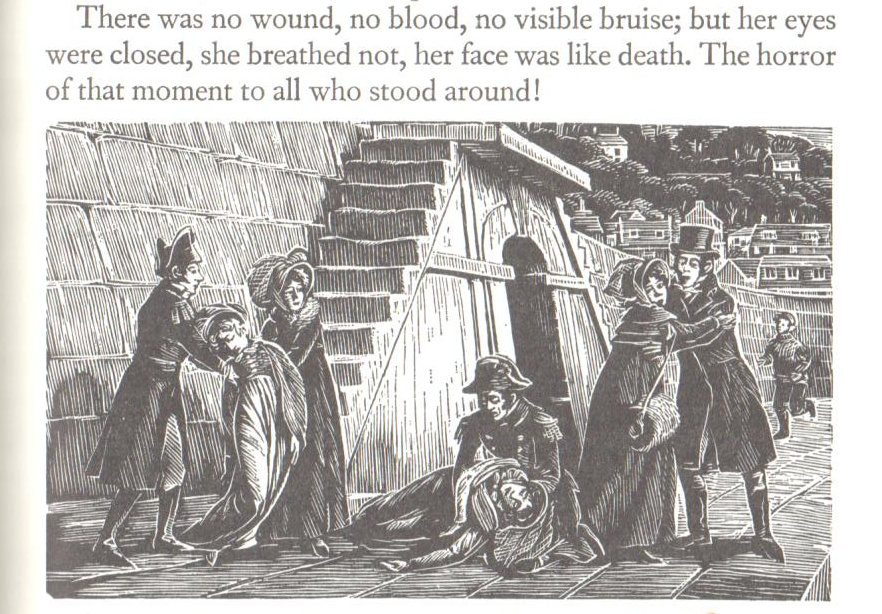
Joan Hassall – Folio Society, 1975, shows Henrietta in a swoon:
“nay, two dead young ladies”!

Niroot Puttapipat – Folio Society, 2007, gives us an action image
“I am determined I will” – perfect!

© RICHARD AUSTIN 2003

*************

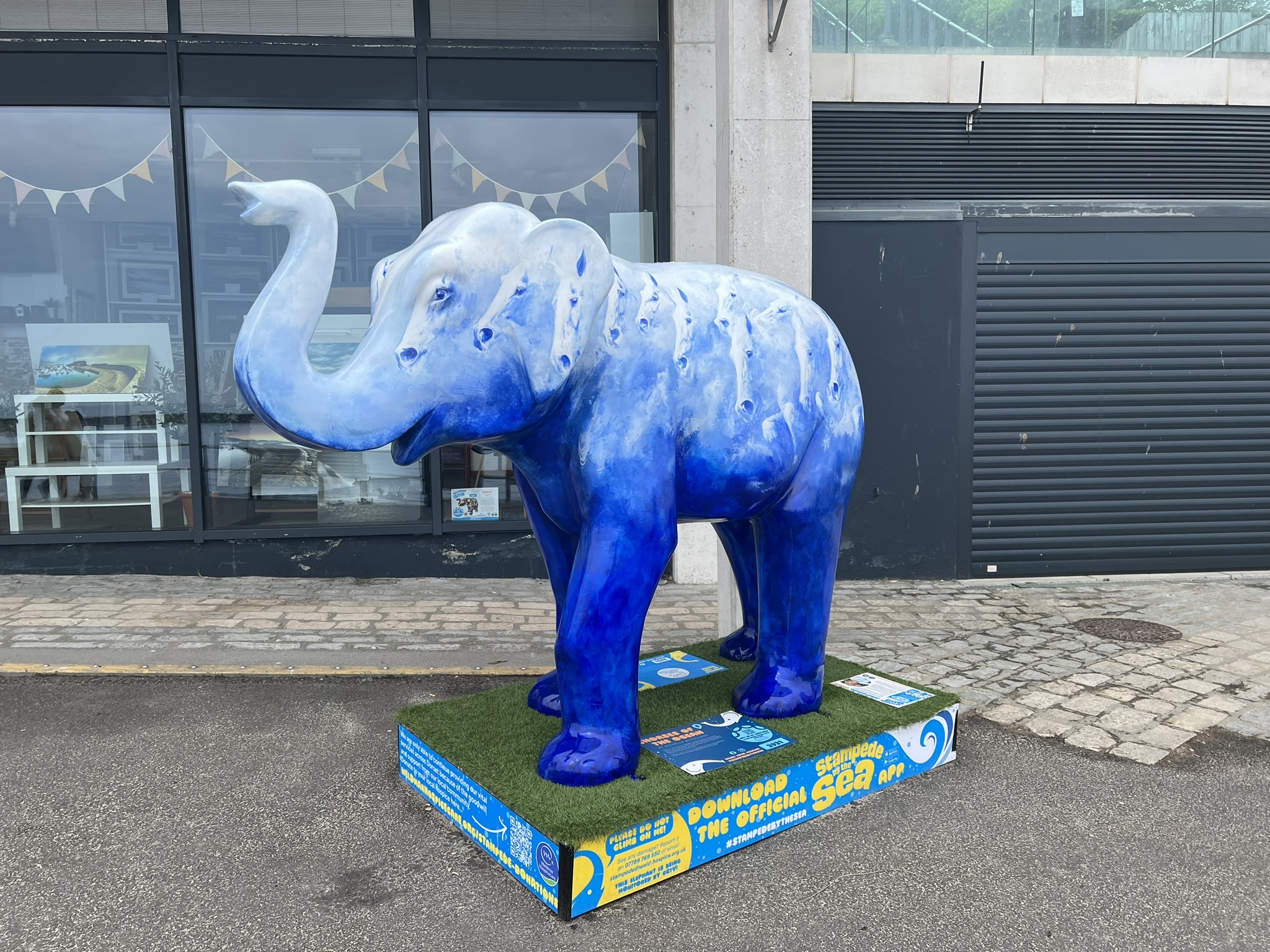
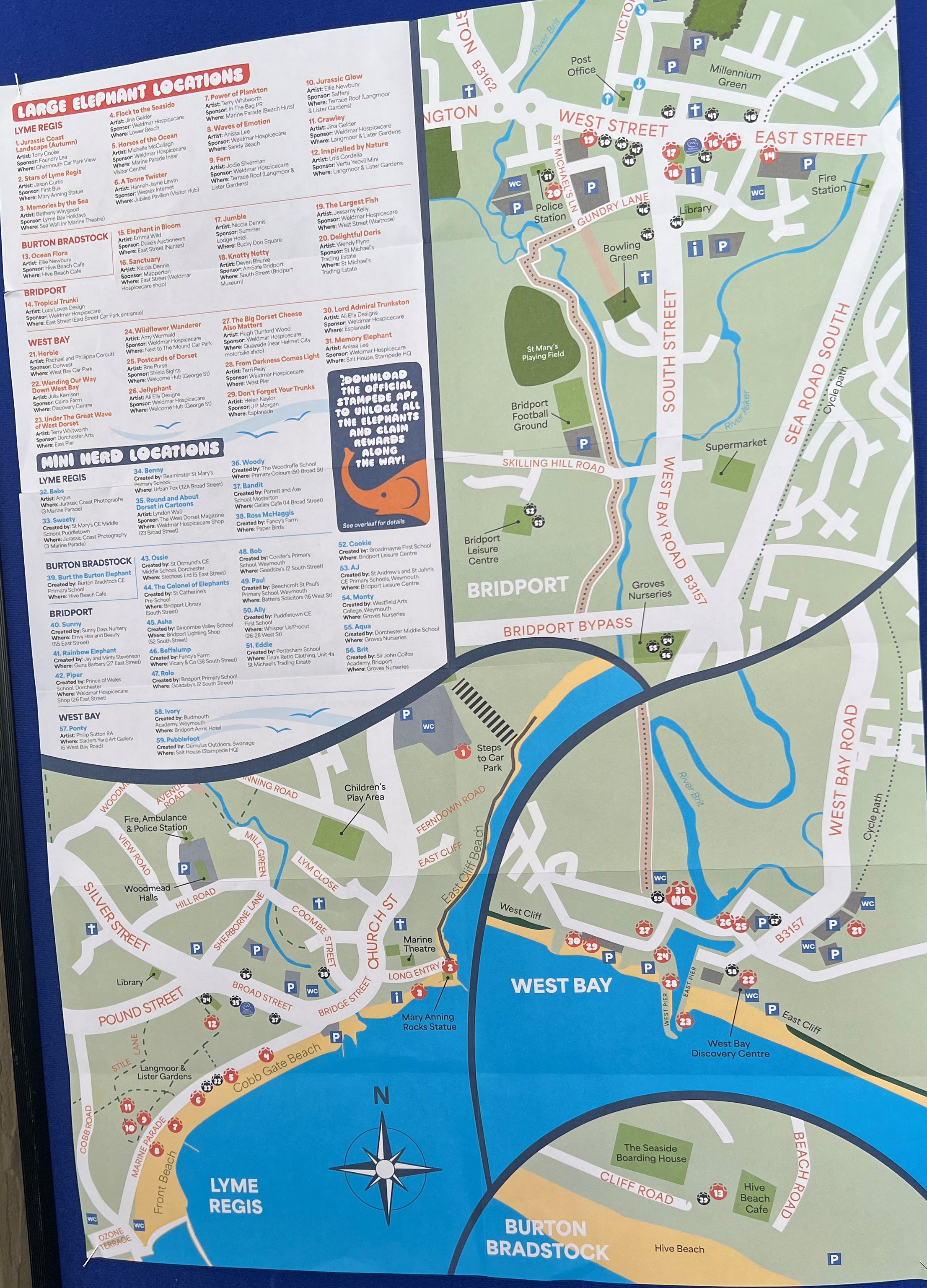
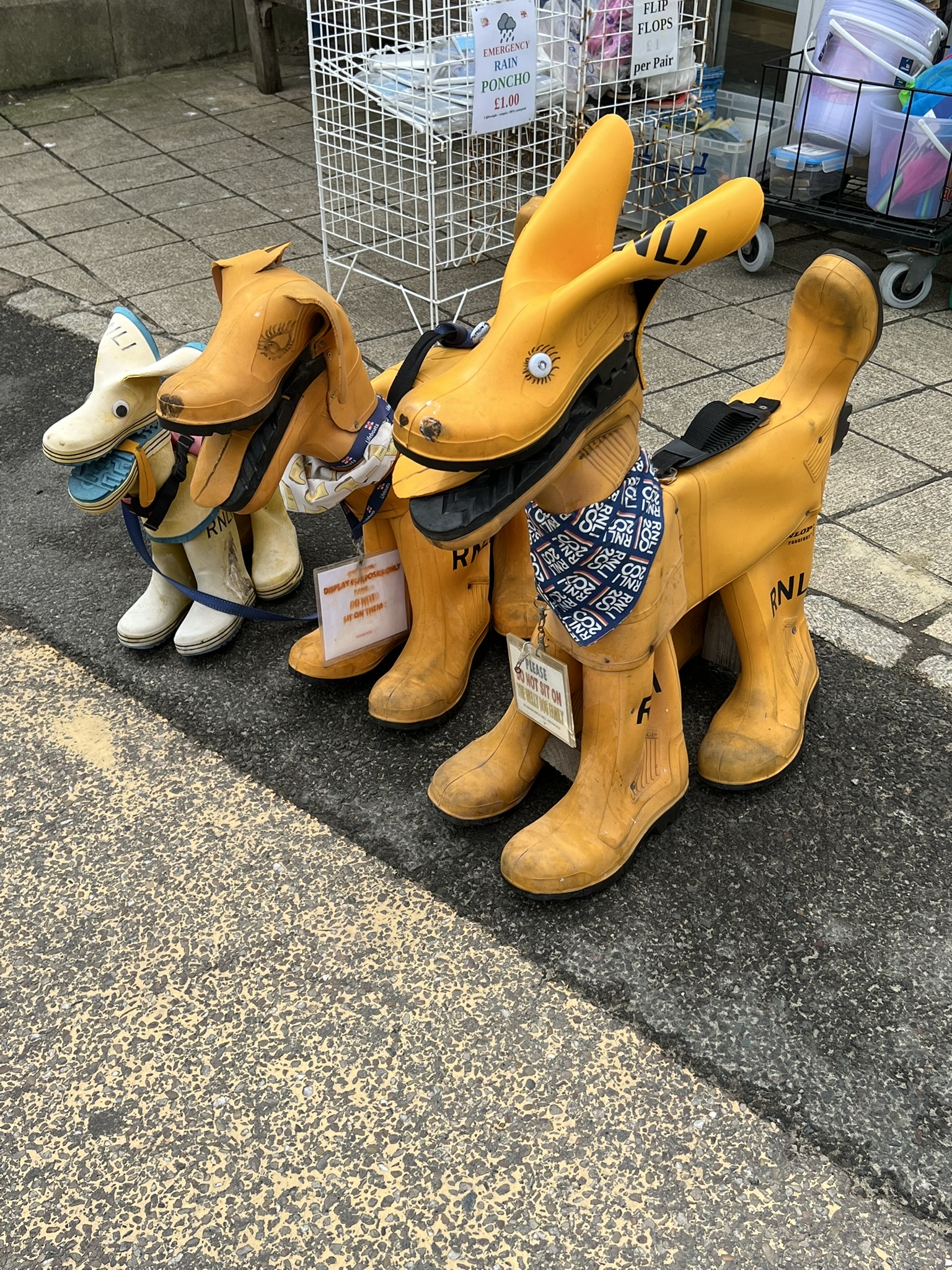
Map of all these hefty fellows about town – it is quite the fundraiser:

*************

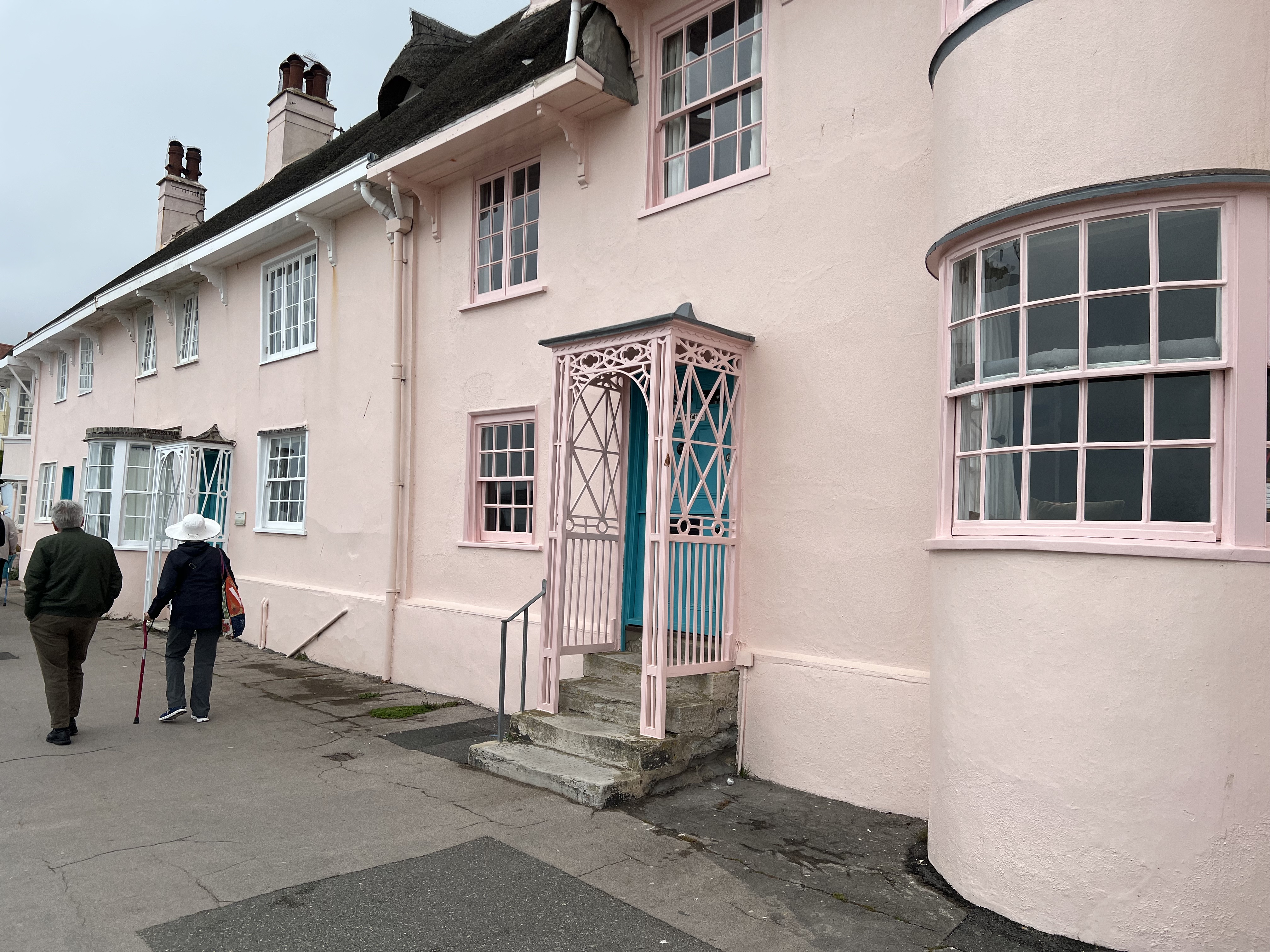
Benwick Cottage!

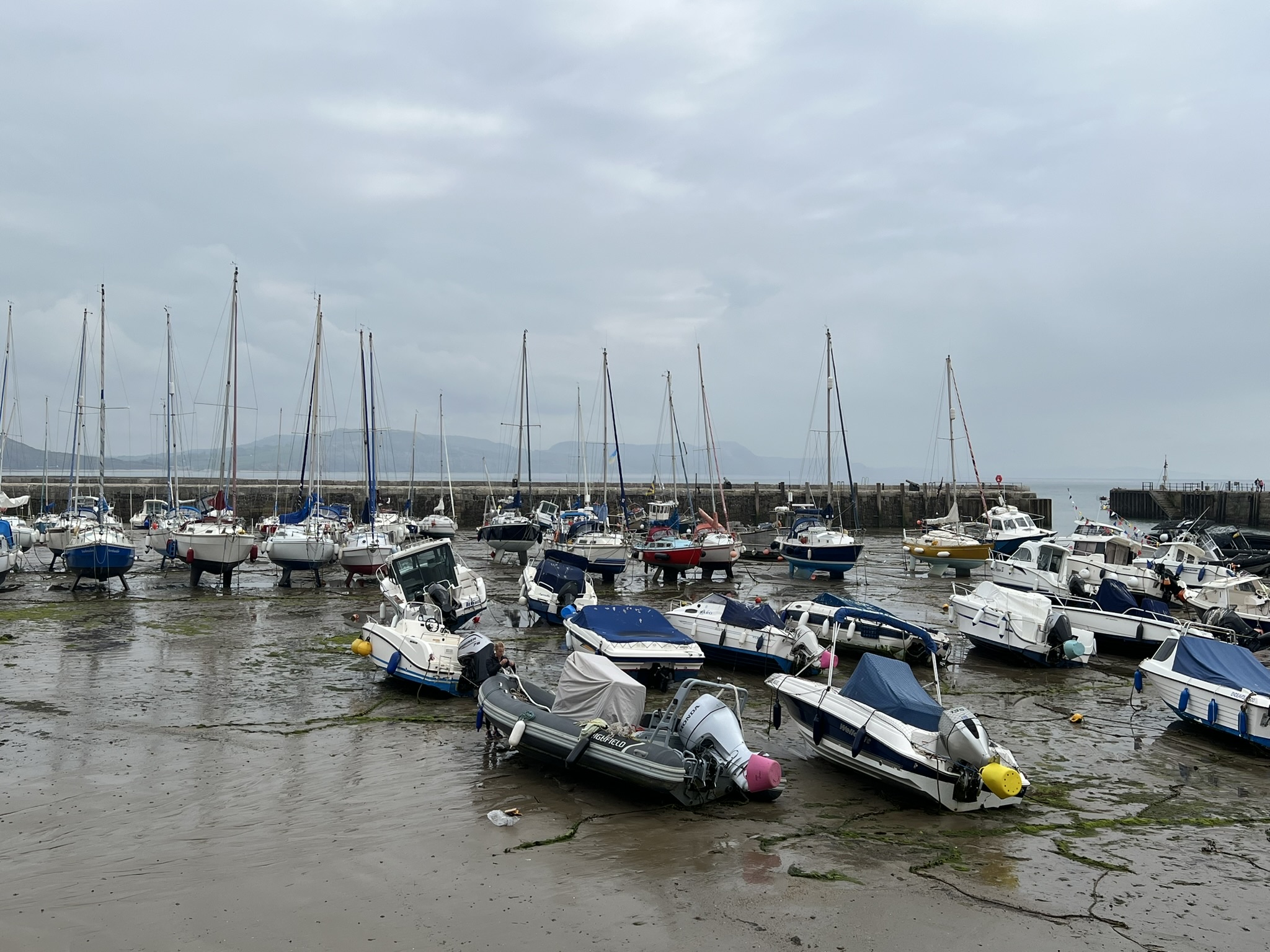
Boats awaiting the tide…

My now favorite shop: Seasalt Cornwall

A clear reminder you are at the seaside!

Always in search of poppies….

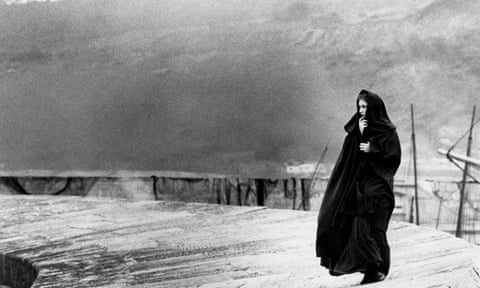
a farewell to Lyme Regis…the Cliffs just appearing…

************

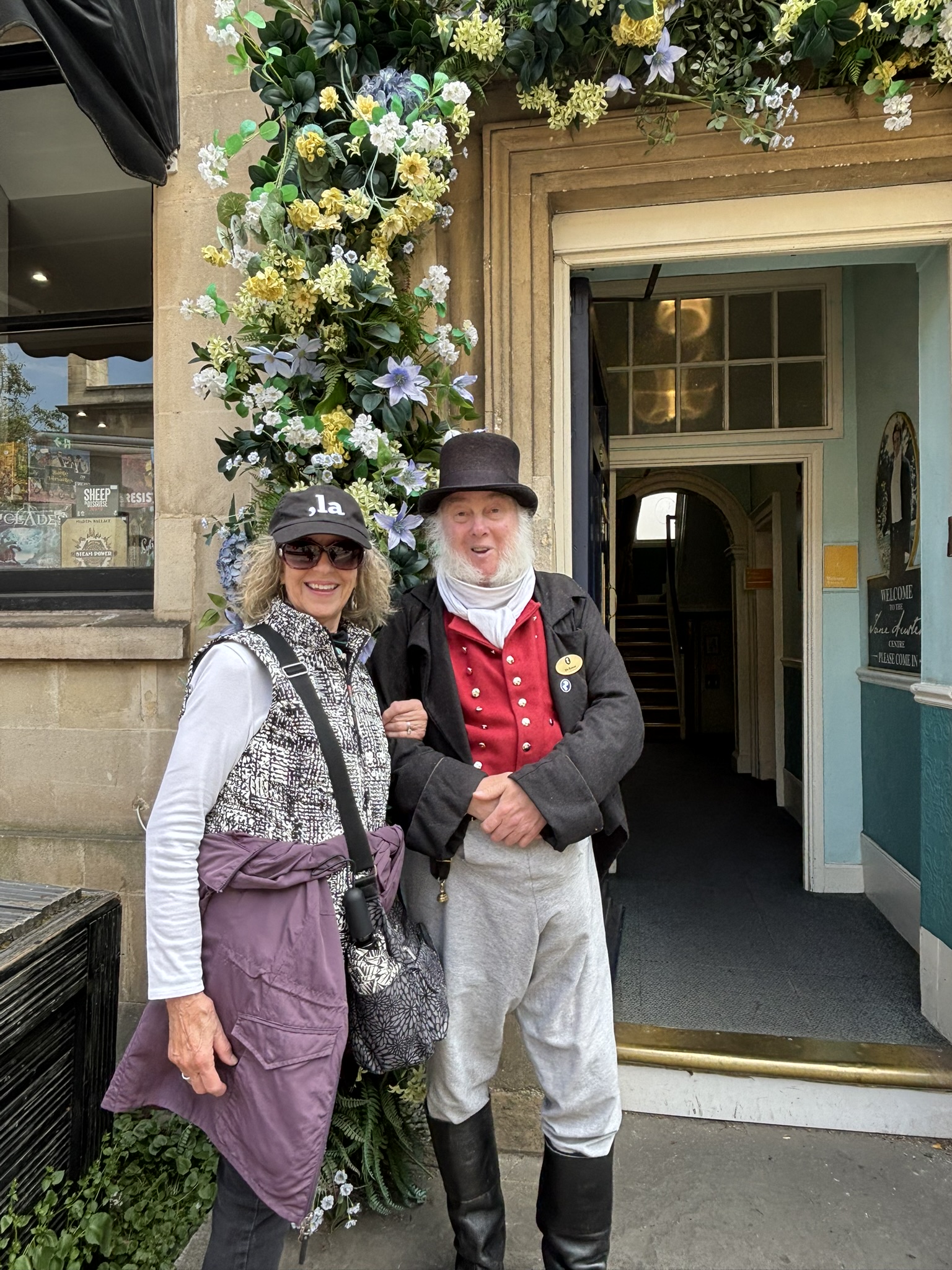
A very proper waistcoat on our “butler”…

“Oh! what a Henry!…”

C2025JaneAustenInVermont
Austen Literary History & Criticism · Chawton House · Decorative Arts · Domestic Arts · Fashion & Costume · Georgian England · Georgian Period · Godmersham Park Library · Great Britain - History · Jane Austen · Jane Austen Circle · Jane Austen Merchandise · Jane Austen Popular Culture · Jane Austen Societies · Jane Austen's Letters · JASNA · Museum Exhibitions · NAFCH - North American Friends of Chawton House · Rare Books · Regency England · Social Life & Customs · Women Writers

Adventures with Jane! Day VIII: The Delights of a Visit to Chawton

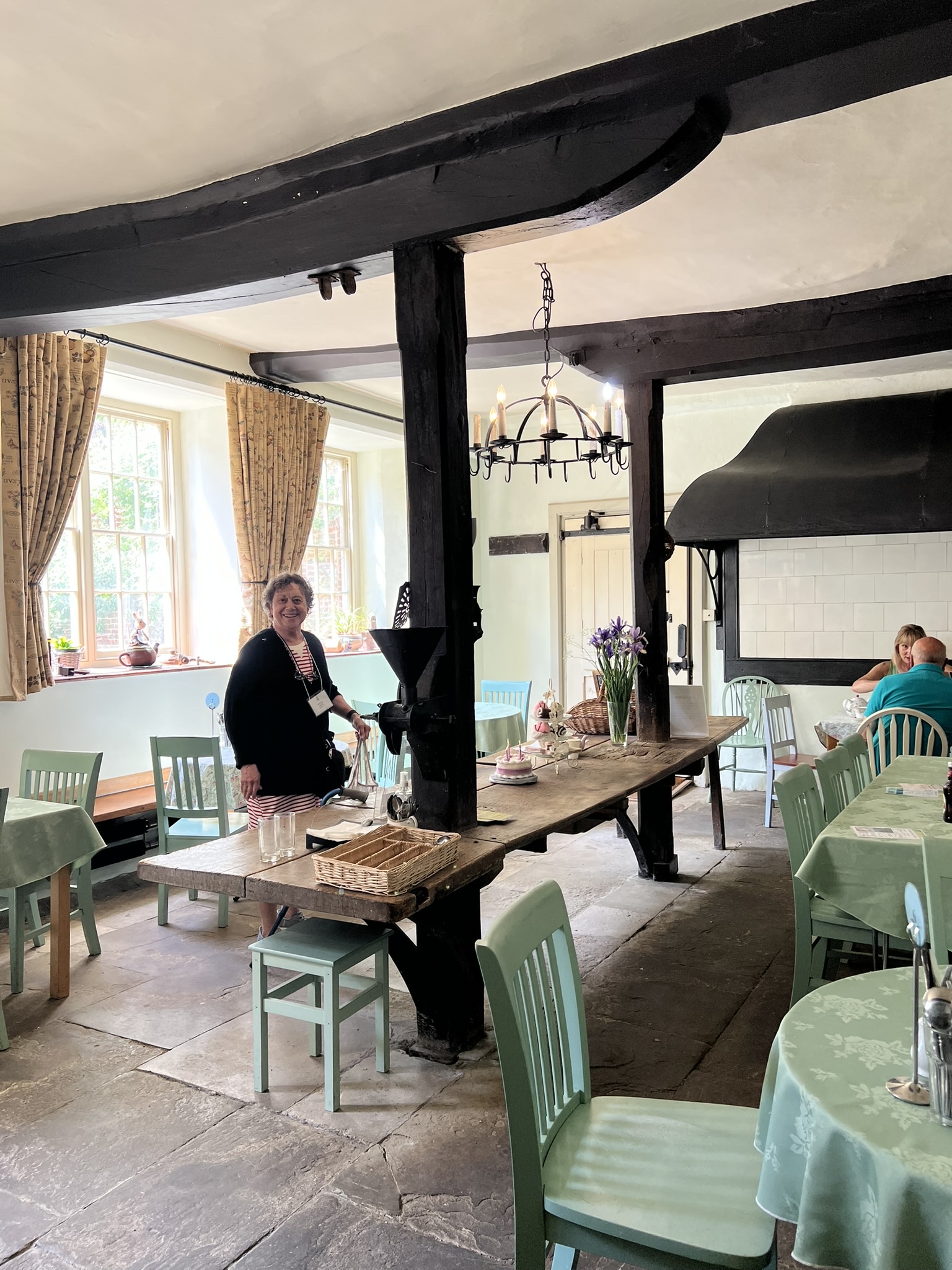
The Tea Room

************

– Janine Barchas, 2025

Jane Austen, 29 May 1811 from Chawton
to Cassandra at Godmersham Park

c2025JaneAustenInVermont
Austen Literary History & Criticism · Great Britain - History · Jane Austen · Jane Austen Circle · Jane Austen Genealogy · Jane Austen Popular Culture · JASNA · Museum Exhibitions · Rare Books · Regency England

Adventures with Jane! Day VII: Winchester, the Beautiful and the Sad…

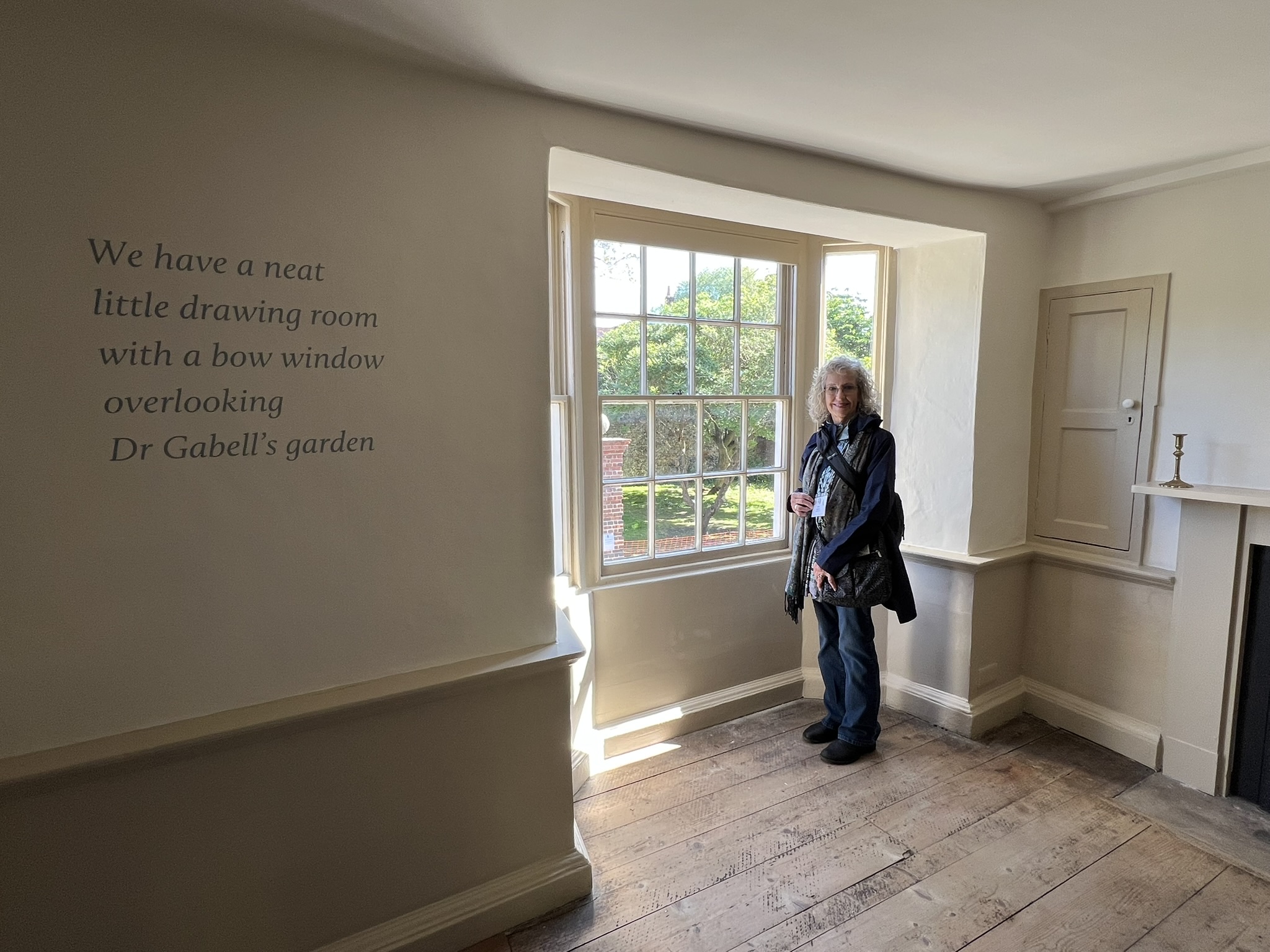
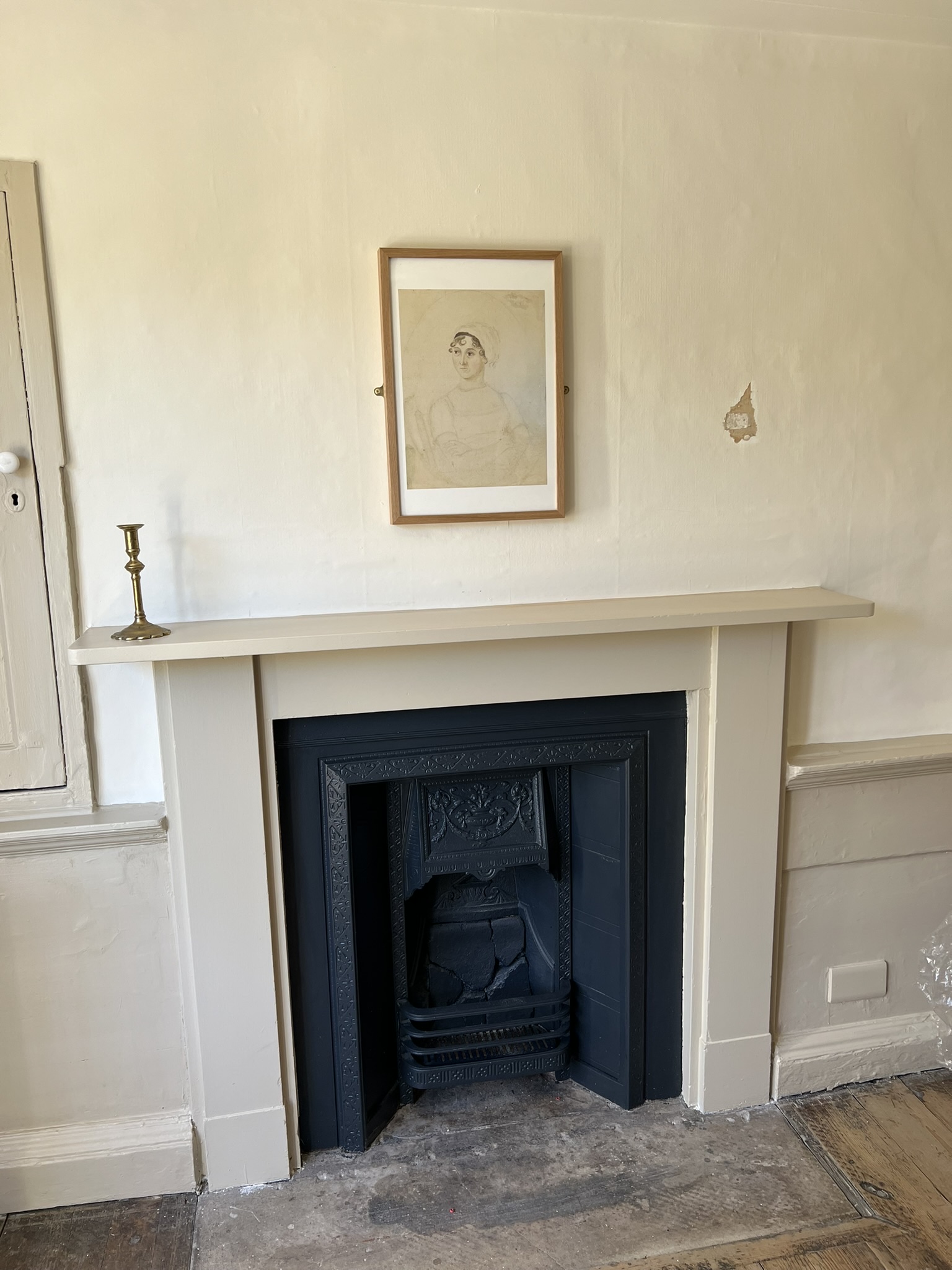
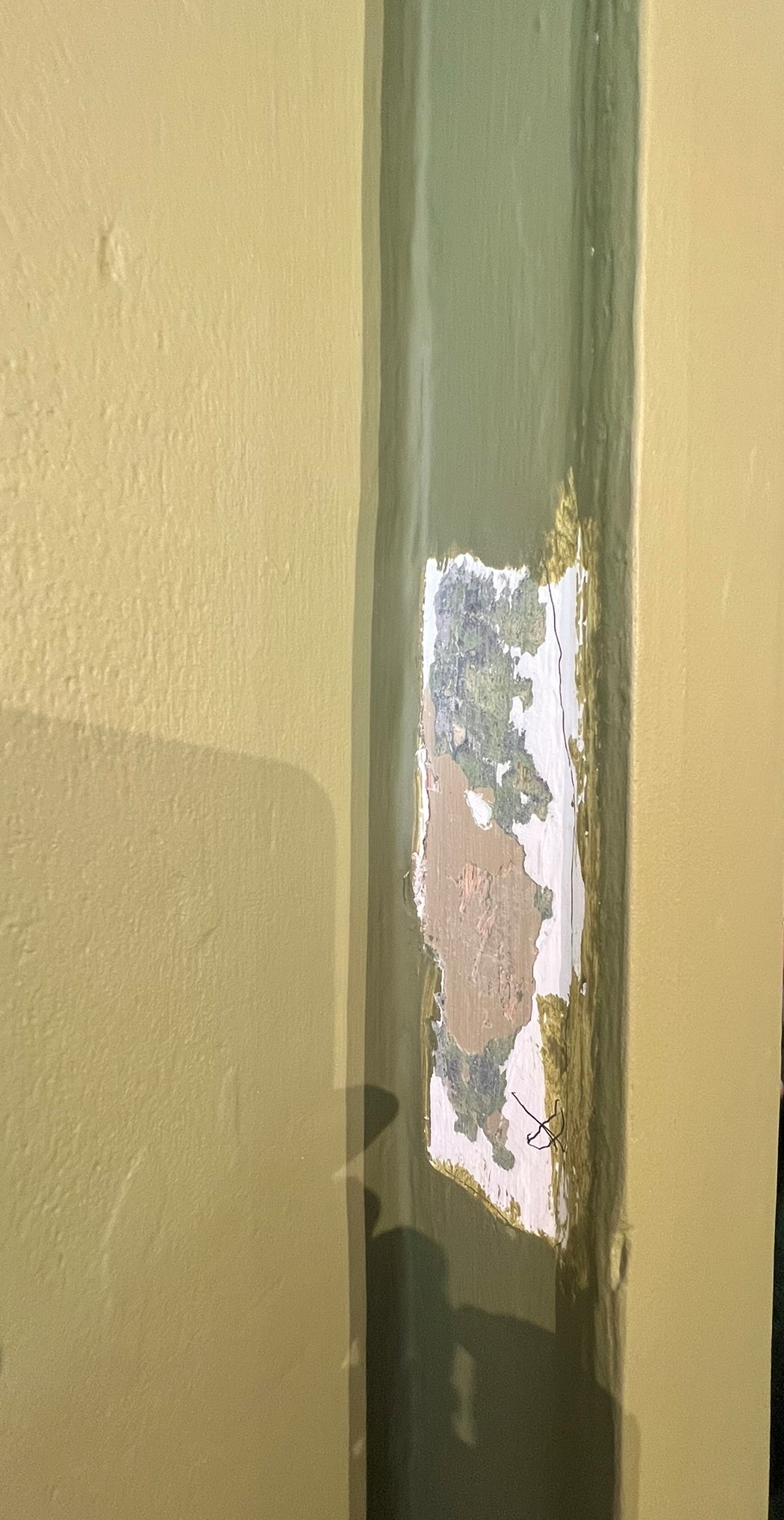
Matching the original paint colors…[the colors surprised me – different in every room, colorful and deep – I didn’t take photos of every room sorry to say…]

****************

****************

***********

***********

https://www.facebook.com/winchestercathedral/videos/307368896851773

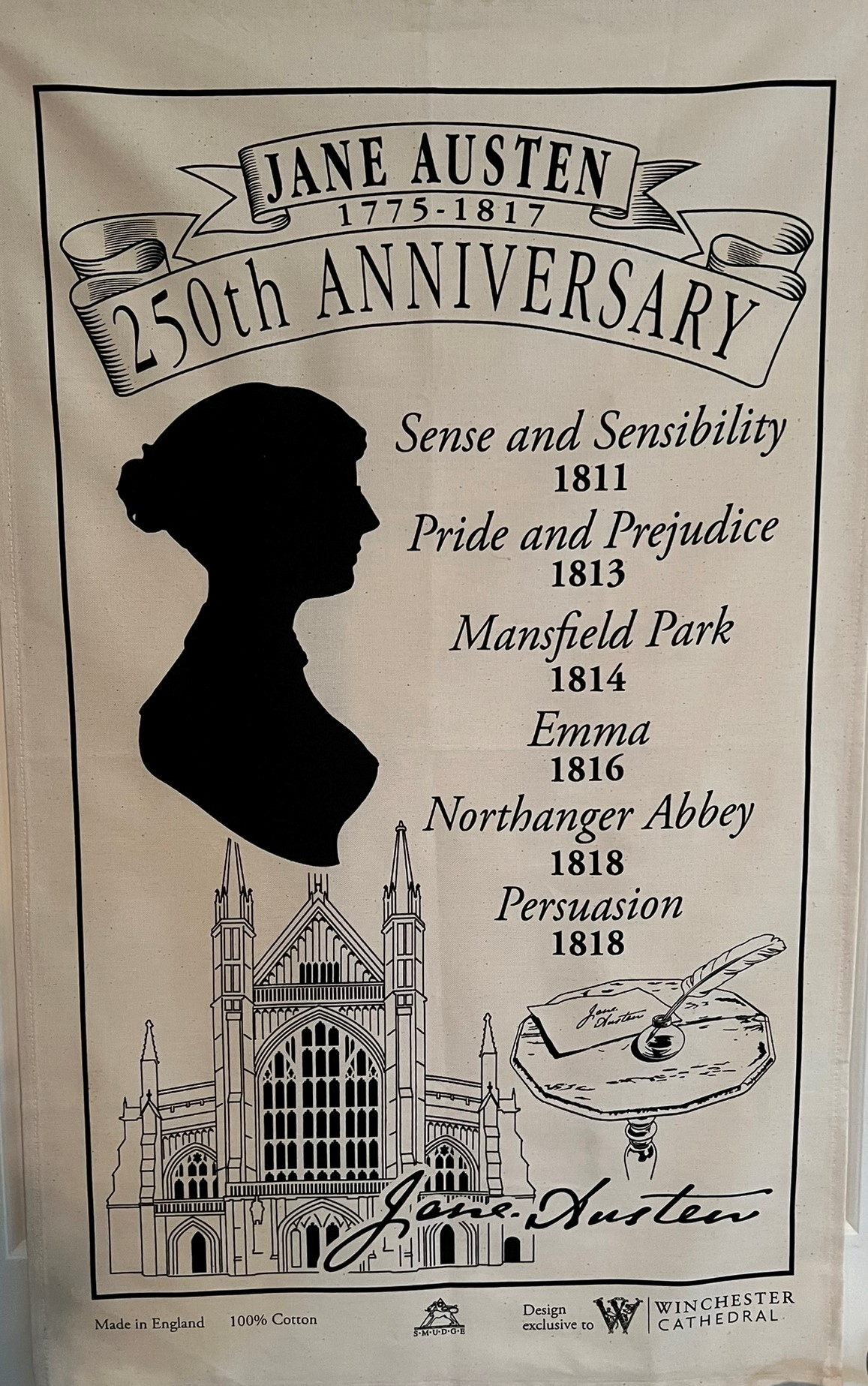
Here is the flier they have celebrating Jane Austen’s 250th:

c2025JaneAustenInVermont
Austen Literary History & Criticism · Domestic Arts · Fashion & Costume · Georgian England · Great Britain - History · Jane Austen · Jane Austen Circle · Jane Austen Societies · JASNA · Museum Exhibitions · Regency England · Social Life & Customs

Adventures with Jane! Day VI, Part 2: Winchester and the Hampshire Cultural Trust.

Coming off our visit to Steventon, we were given some free time to explore Winchester on our own, the Cathedral and College to be part of the Day 7 adventure. I have been to Winchester before, have seen all the spots associated with Jane, and at the 2003 AGM we had a grand banquet at the Great Hall. [There was a talk by the then woman mayor of the City – a Jane Austen follower! Her name was Jean Hammerton, and I see that she passed away in 2020 – she was a delight!]


Considered one of the finest surviving medieval aisled halls of the 13th century, it is all that remains of the vast Winchester Castle, begun by William the Conqueror. I was largely alone here today, and lacking banquet tables and all that food, you can see the vastness and majesty of the place:

It is also home to the “Round Table”:

Which is nearly 800 years old, has a diameter of 18 ft, made of 121 separate pieces of English oak – and is considered the symbol of medieval mythology – think Camelot – King Arthur and the Knights of the Round Table. Since recent dating proves it is from the 13th century and not an original table of Arthur’s 6th century, much conjecture remains as to who ordered this to be made (probably Edward I), and why (part of a great banquet for an ‘Arthurian’ tournament during celebrations in 1290). The painting on the Round Table is dated to the early 16th century and has been determined to be the image of Henry VIII as a young man – Henry wanting to reinforce the Tudor claim to be direct descendants of Arthur [what a Henry…]*:

…as well as a nice reference to John F. Kennedy.

Queen Victoria has her own place of honor here – a HUGE statue for her Golden Jubilee in 1867:

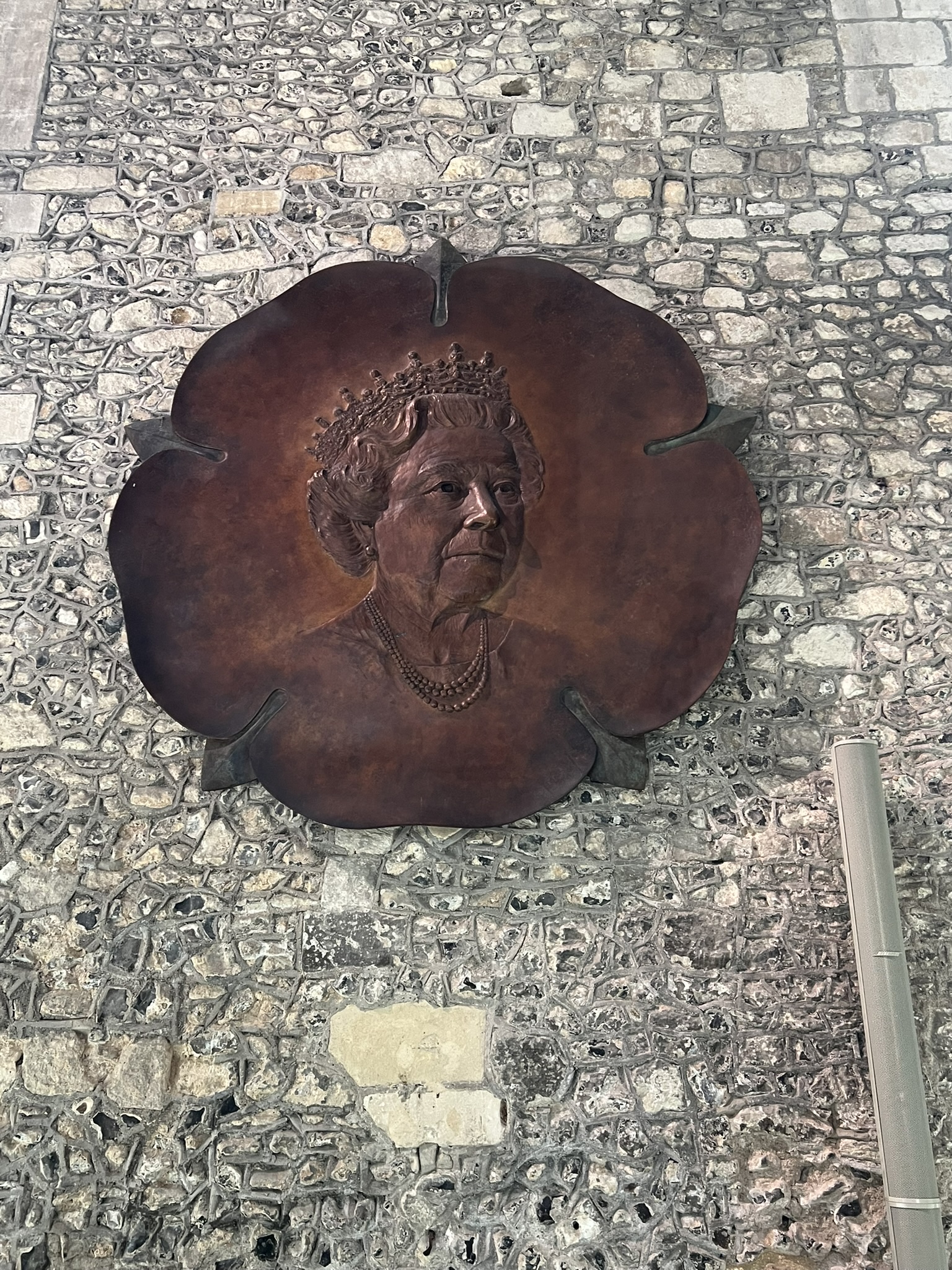
and a 6-ft wide bronze sculpture for Queen Elizabeth II for her Diamond Jubilee:

**********

Exiting the Hall is a recreation of Queen Eleanor’s Garden [Queen Eleanor of Provence, wife of Henry III, and Queen Eleanor of Castile, wife of his son Edward I], opened in 1986 by Her Majesty The Queen Mother – it also includes an herb garden, filled with medieval plants, for their beauty as well as their medicinal purposes.

***********

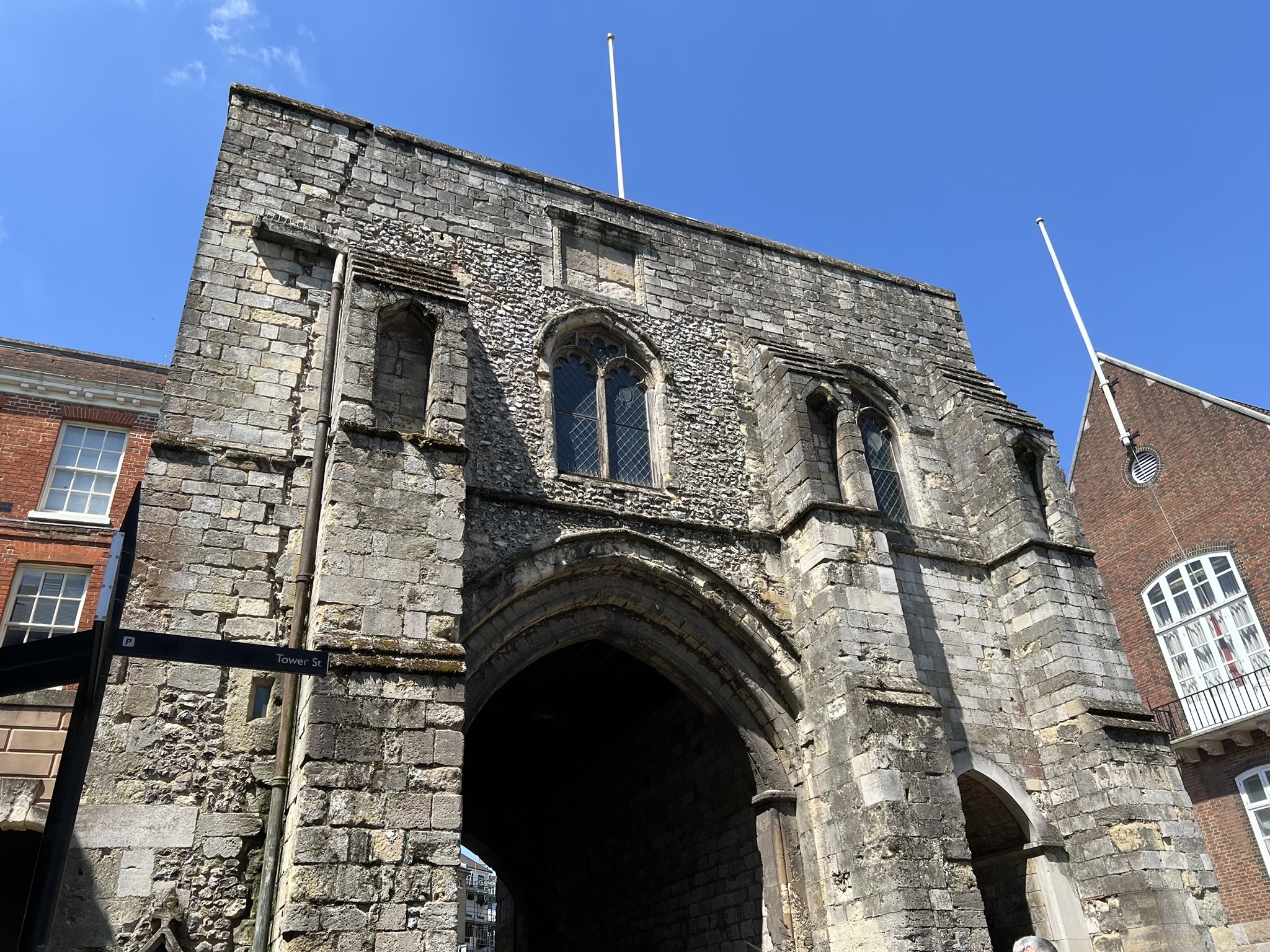
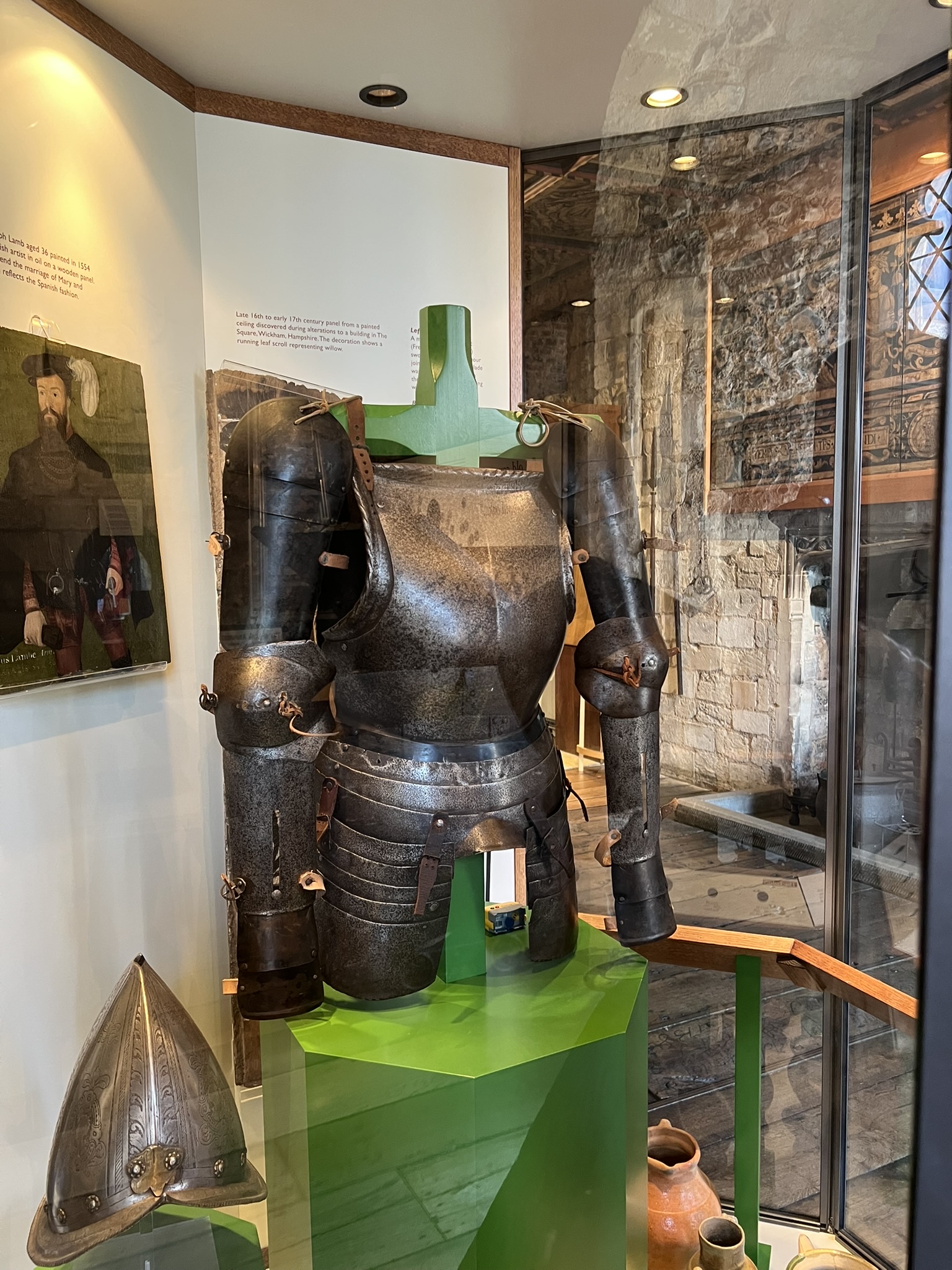
I then went to the Westgate Museum, next to the Hall and within the West Gate into the City, which holds some interesting artifacts of medieval and later times – always impressed by a fine coat of armor:

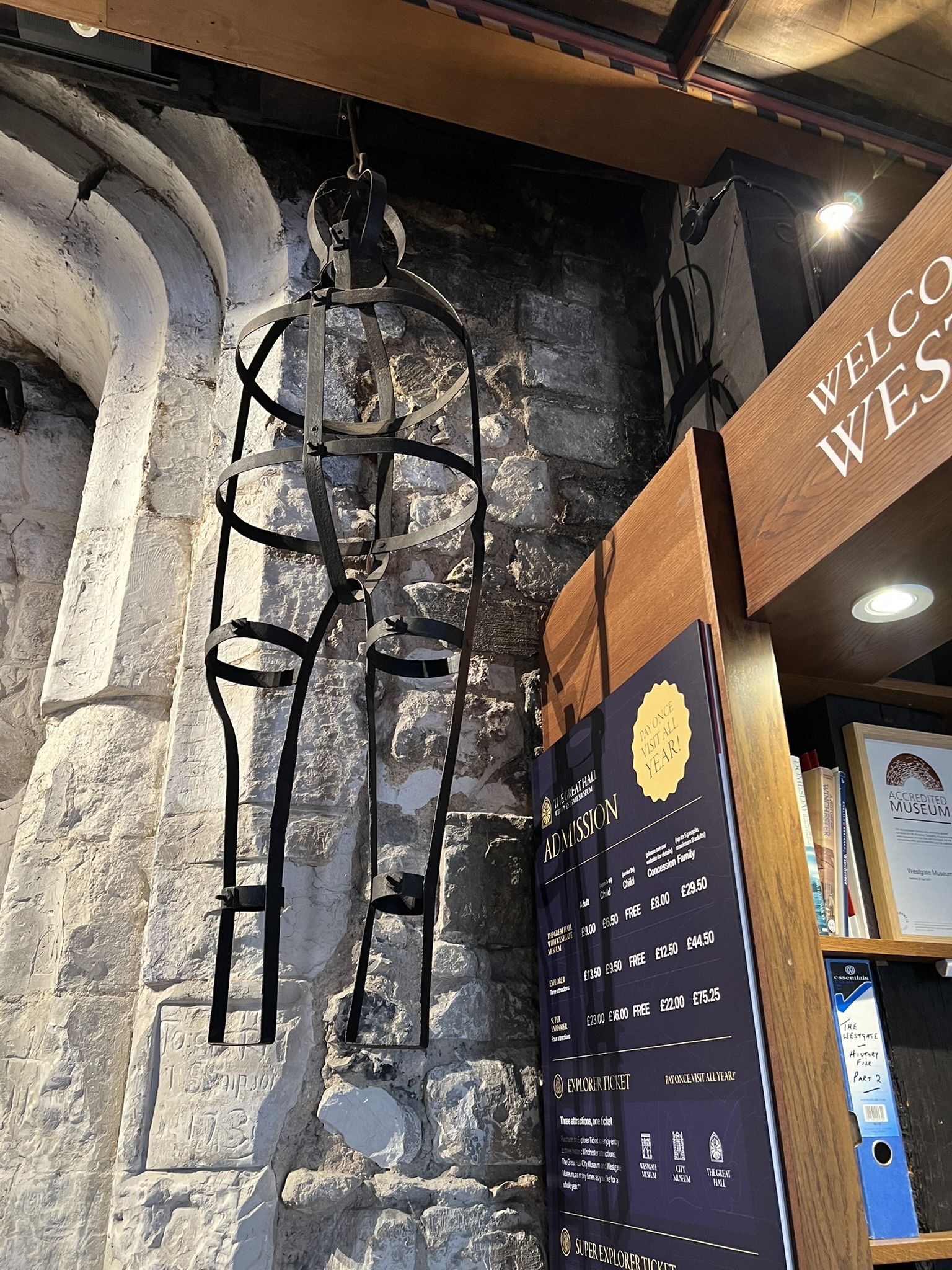
A hanging gibbet, not so much…

Great views of the Hall and the City from up top of the Gate:

********

And finally a return to Jane’s times, as we head to The Hampshire Cultural Trust.

We were greeted by Louise West, Trustee for the HCT, and Jaane Rowehl, Director of Programme and Collections, and two of the people working on their upcoming exhibit  “Beyond the Bonnets: Working Women in Jane Austen’s Novels”

Dates: 2 Nov 2025 – 22 Feb 2026 – you can read about it here:

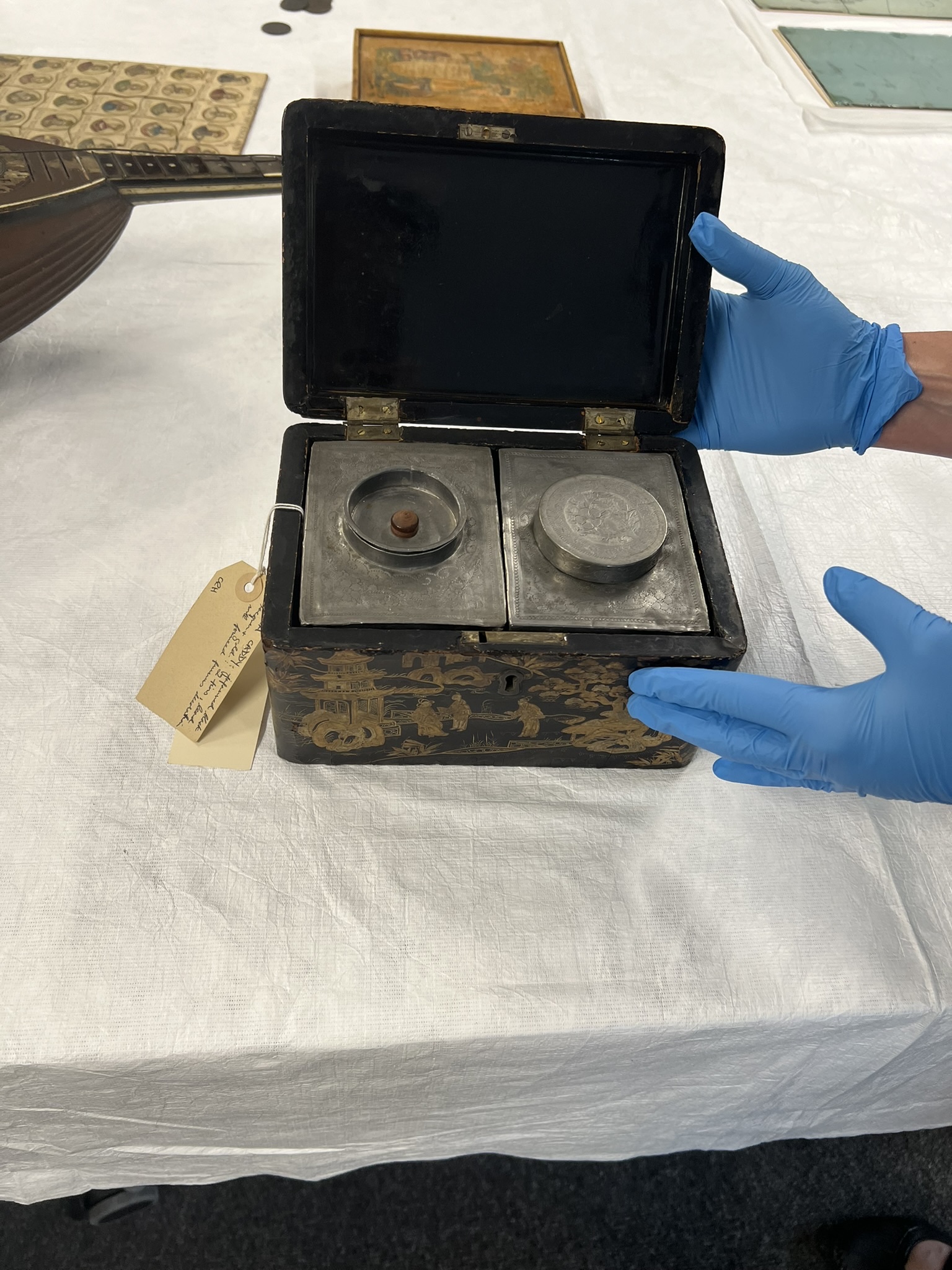
We were first treated to a talk on and a viewing of some of the artifacts that would have been used by these “working women” of Hampshire: domestic servants [lady’s maids, housekeepers, washer women]; governesses and teachers; and business women [seamstresses, milliners, glazers]; and the inevitable houses of prostitution – the artifacts that will be in the exhibit about their working lives, much of what has been discovered from diaries, receipts, and letters:

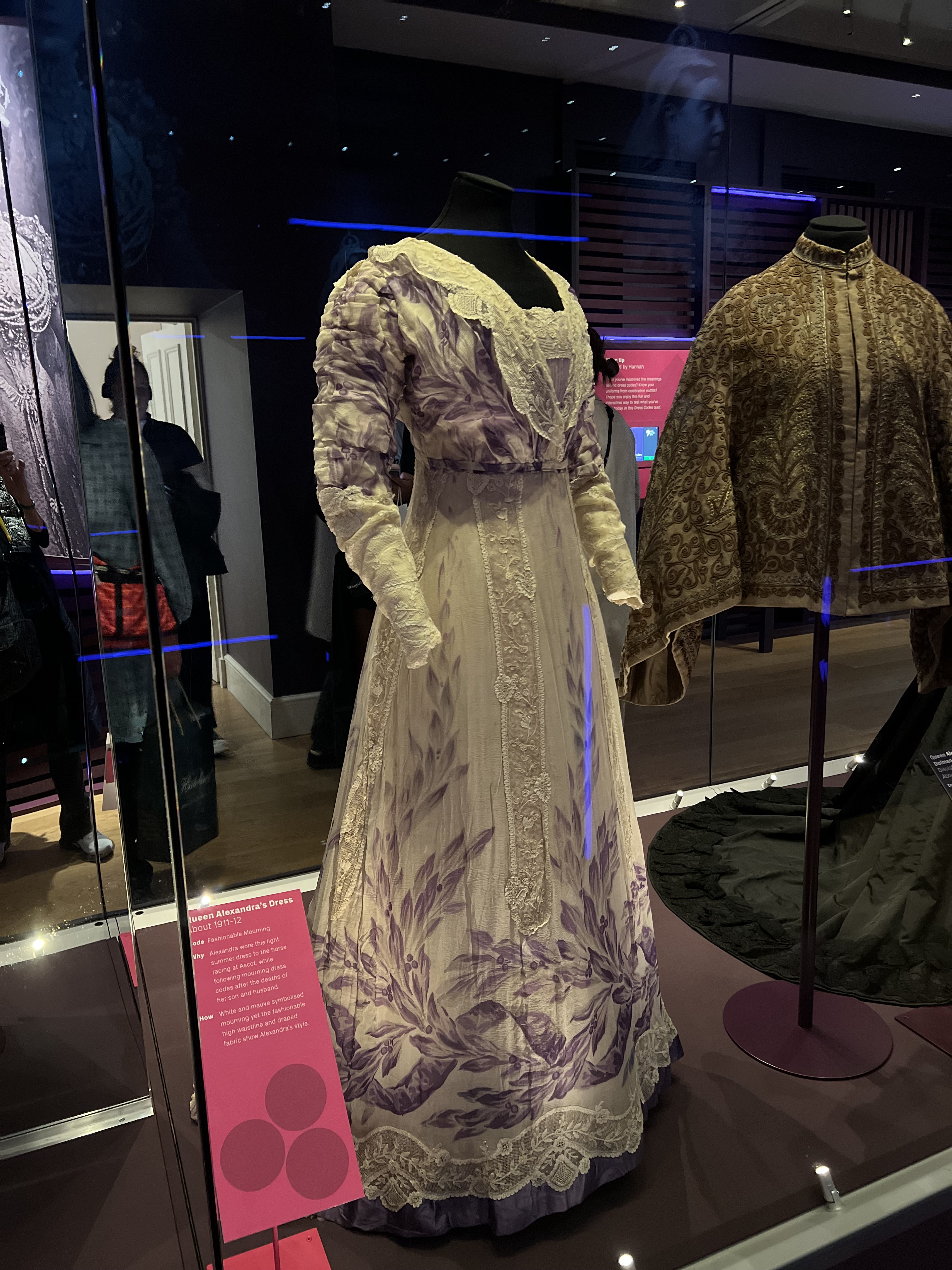
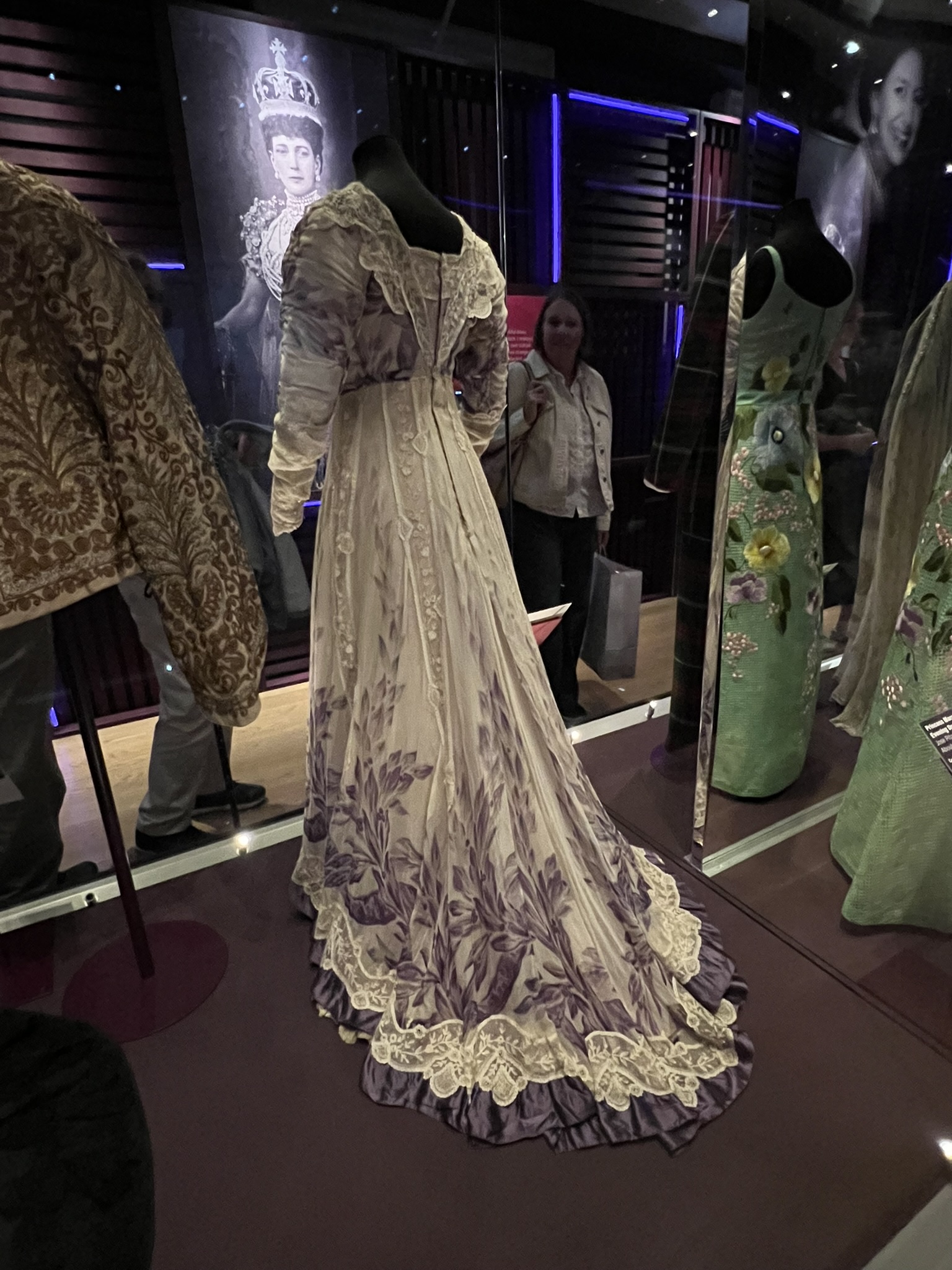
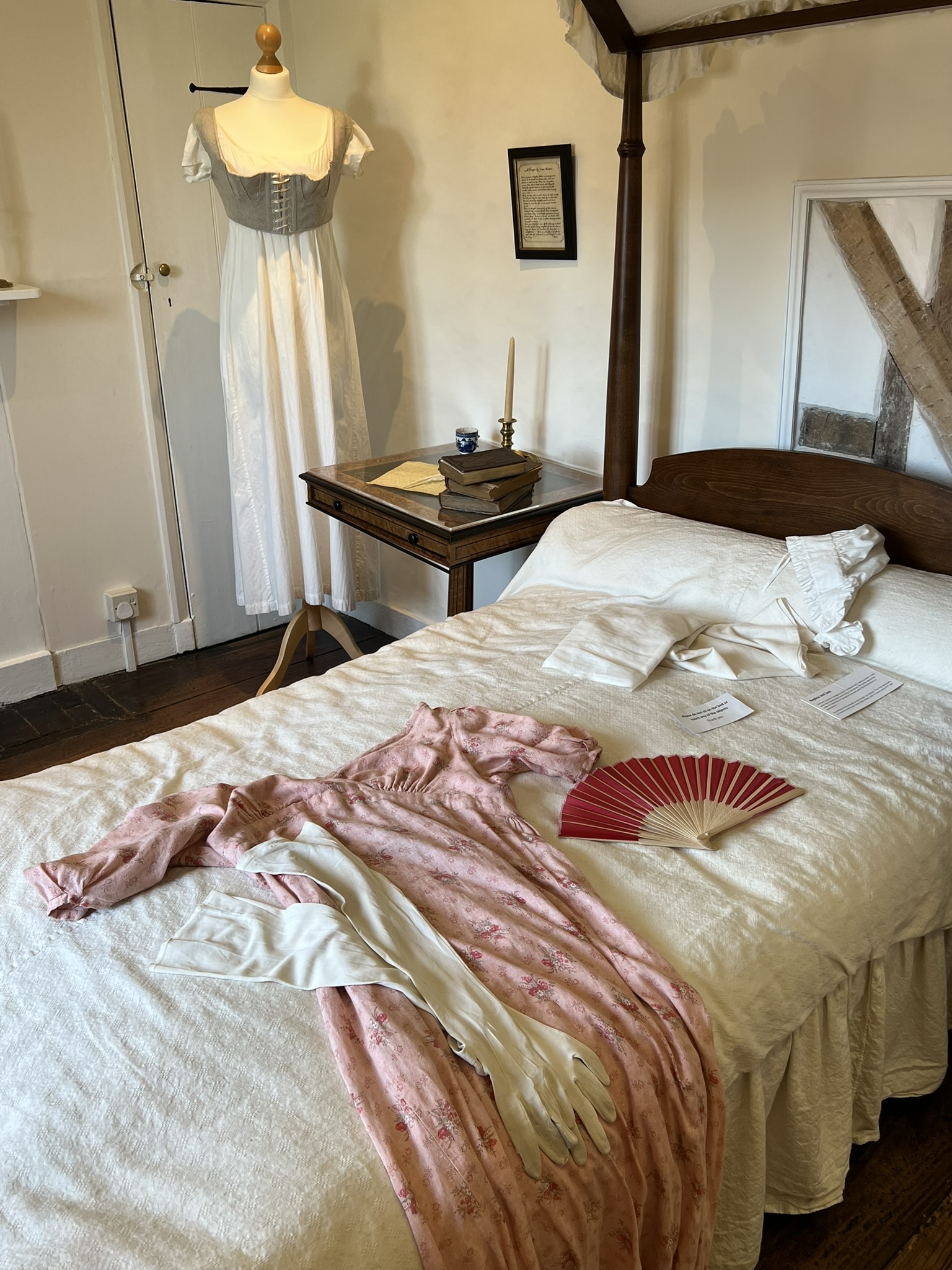
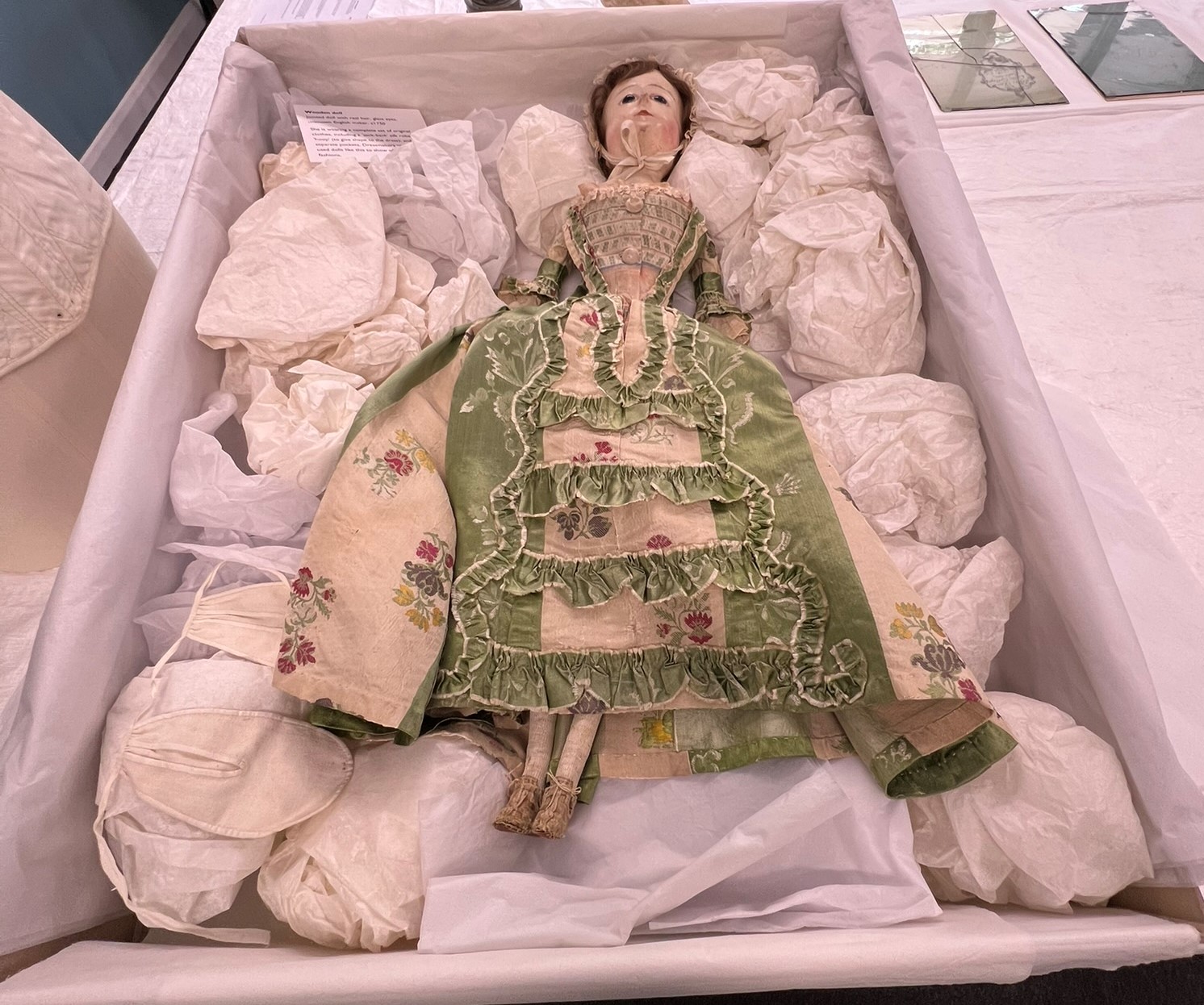
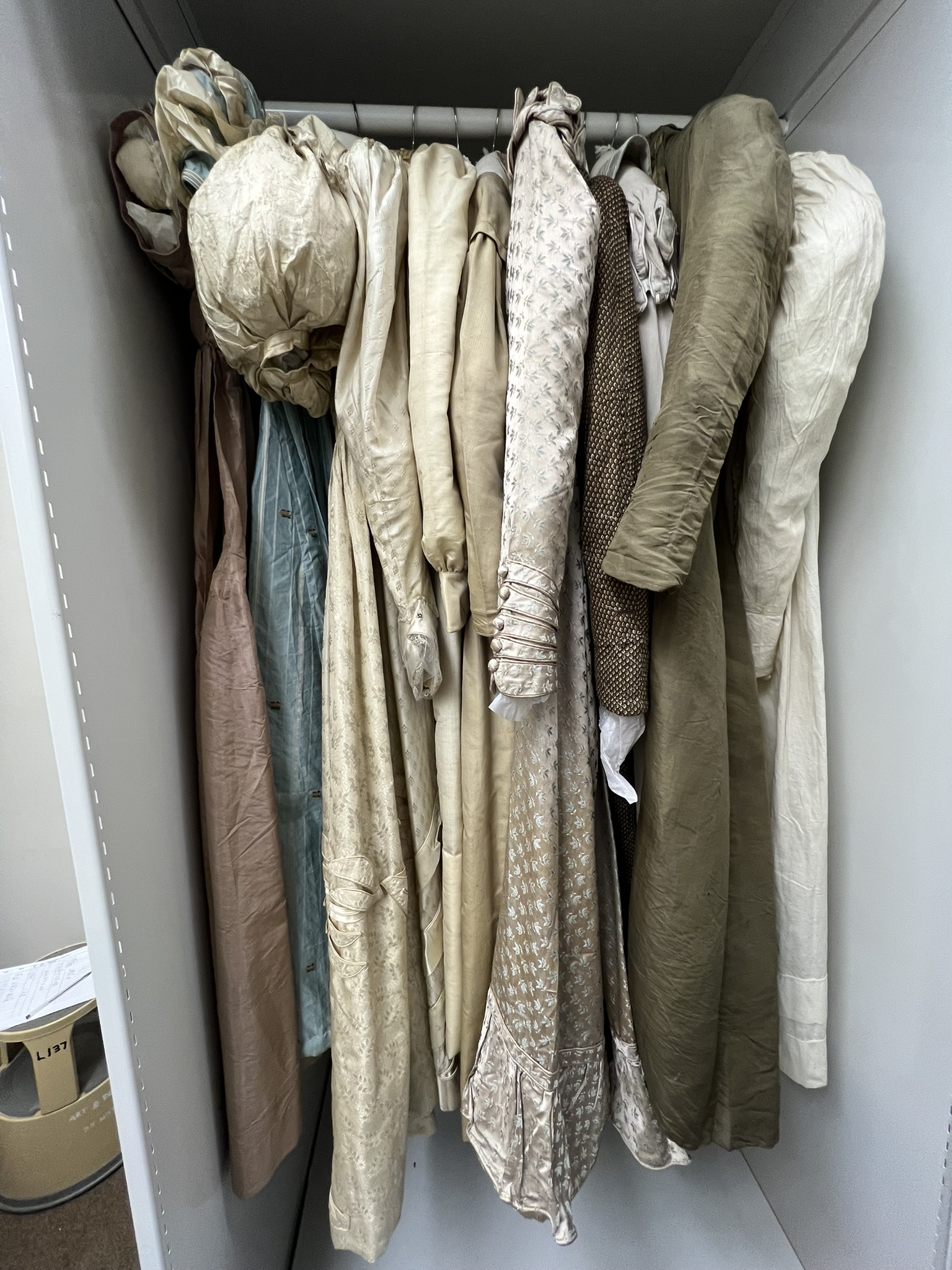
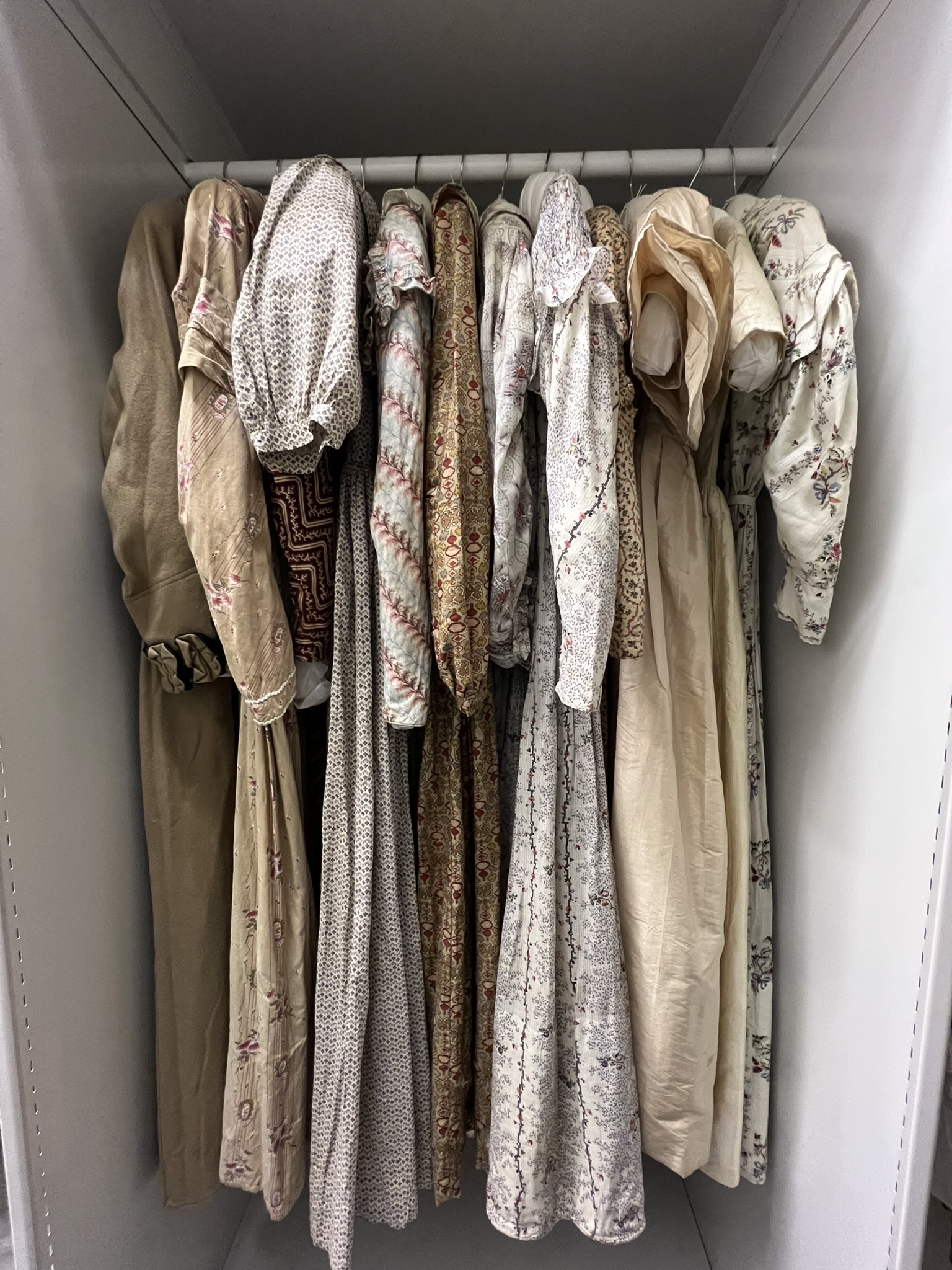
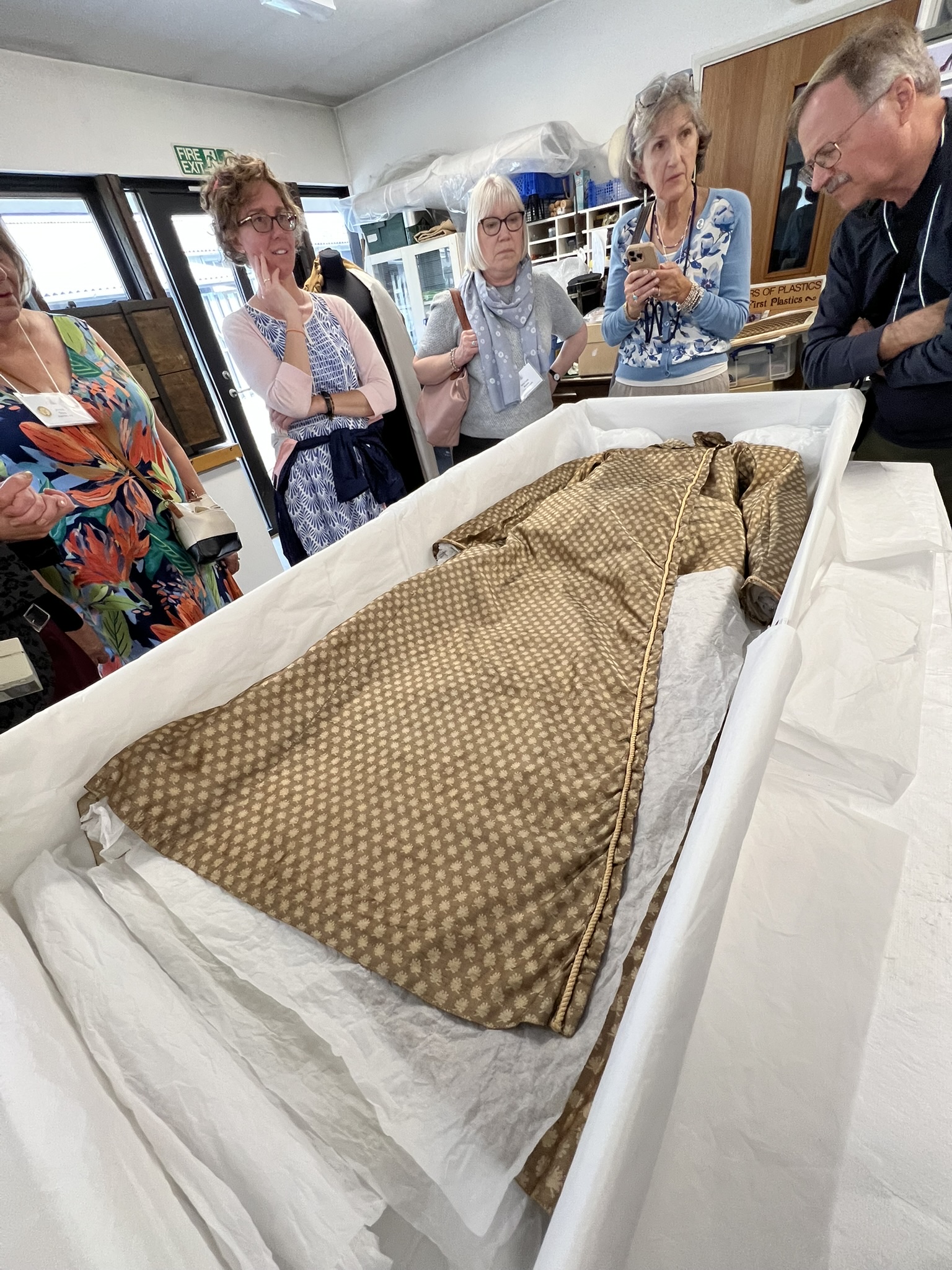
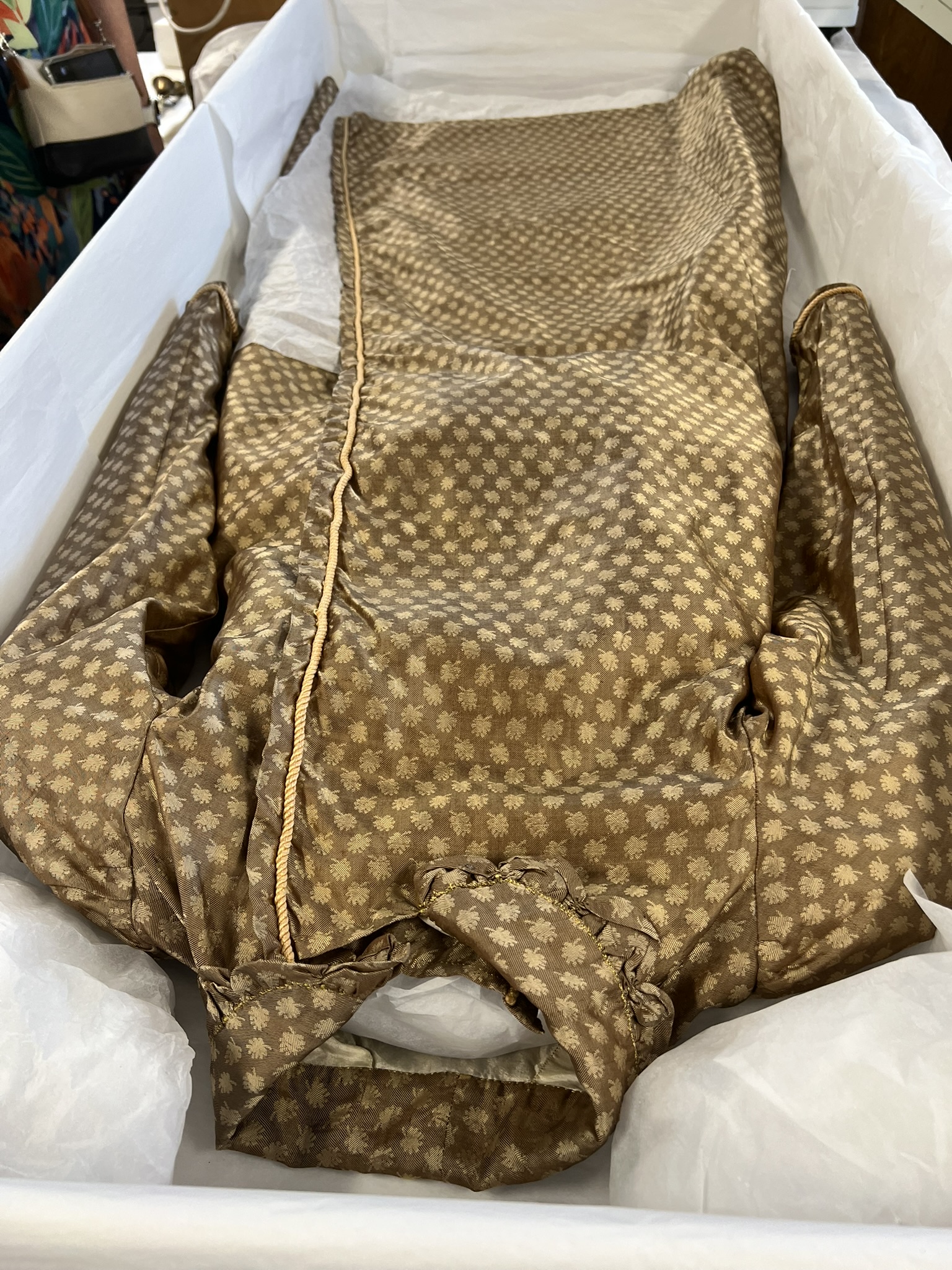
Then a behind-the-scenes tour of the HCT’s costume and textile collection – fascinating work being done here [as well as rows and rows of costumes that are rented out for plays, etc]. Here we could see some of the actual dresses in the collection that are being preserved and studied:

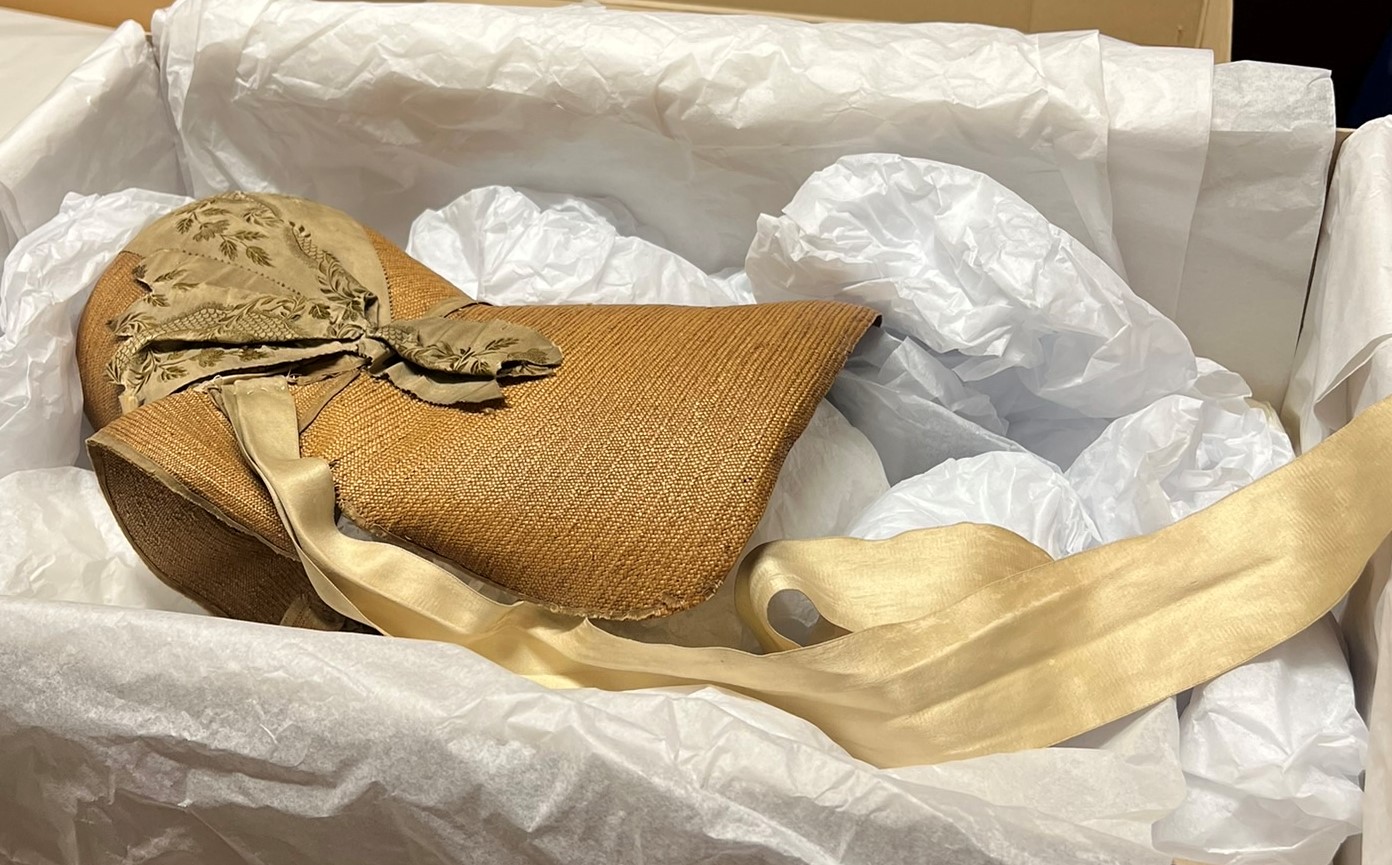
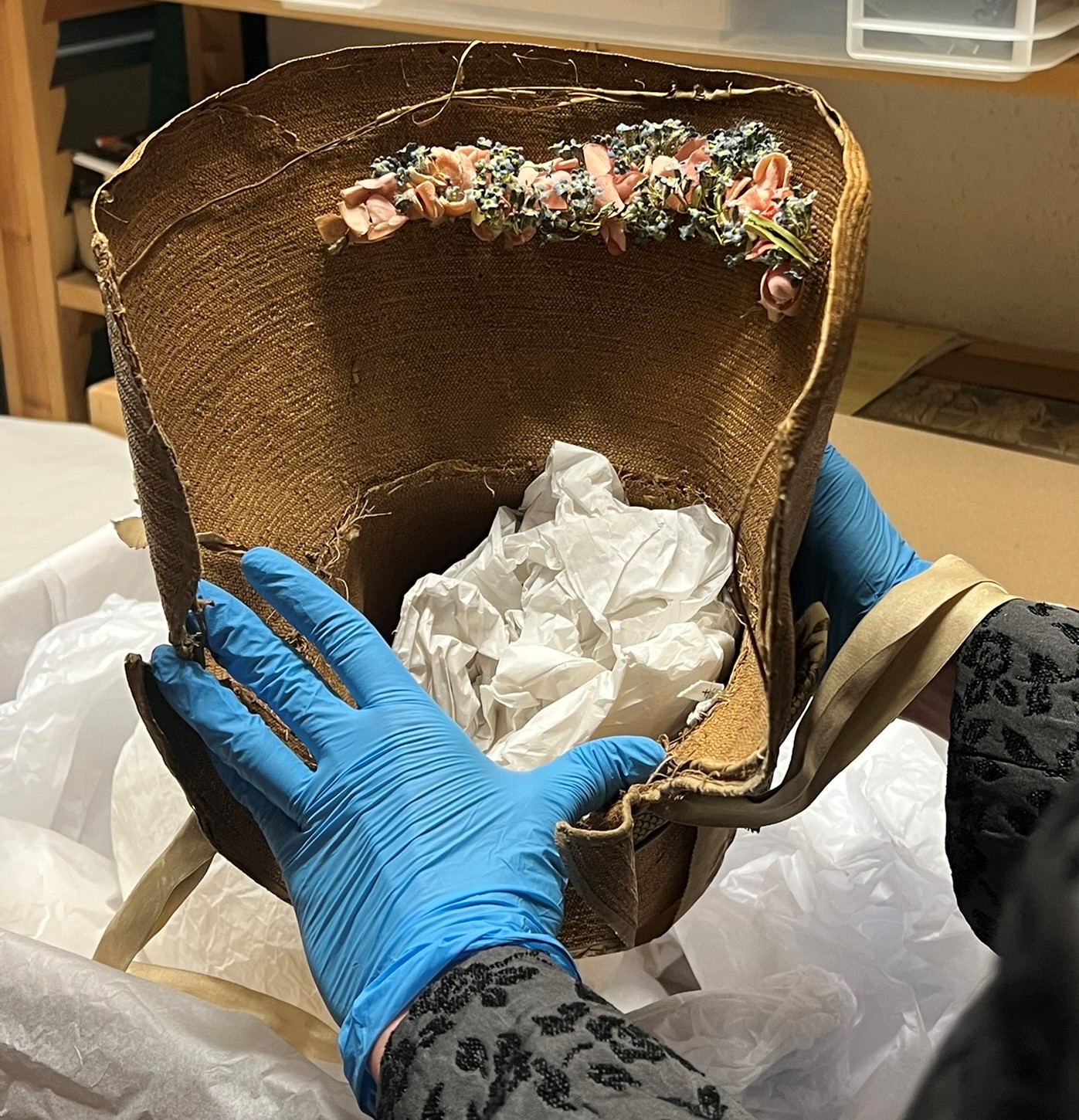
And this fascinating bonnet!

And the necessary Fan:

But nothing was quite so moving [some of the group on the verge of fainting] of Austen’s original pelisse:

Many of us have seen the various replicas, but to see this so close up [no touching allowed!] was quite something… and nice to know the care it is being given…

We were treated to a proper cup of tea and refreshments and then back to the hotel, where we had the evening to ourselves – we took advantage of the lovely outdoor patio with a fine glass of wine and pub fare – another perfect day [one can get used to this…]

Tomorrow brings us to the Cathedral, final resting place for Jane, so come visit again… [this blog posting is taking longer than the trip itself!]

*Source: Hampshire City Council. The Great Hall: Where History and Legend Meet. [no date]

C2025JaneAustenInVermont

Austen Literary History & Criticism · Great Britain - History · Jane Austen · Jane Austen Circle · Jane Austen Genealogy · Jane Austen Popular Culture · Jane Austen Societies · JASNA · Regency England · Social Life & Customs

Adventures with Jane! Day VI: Hampshire…

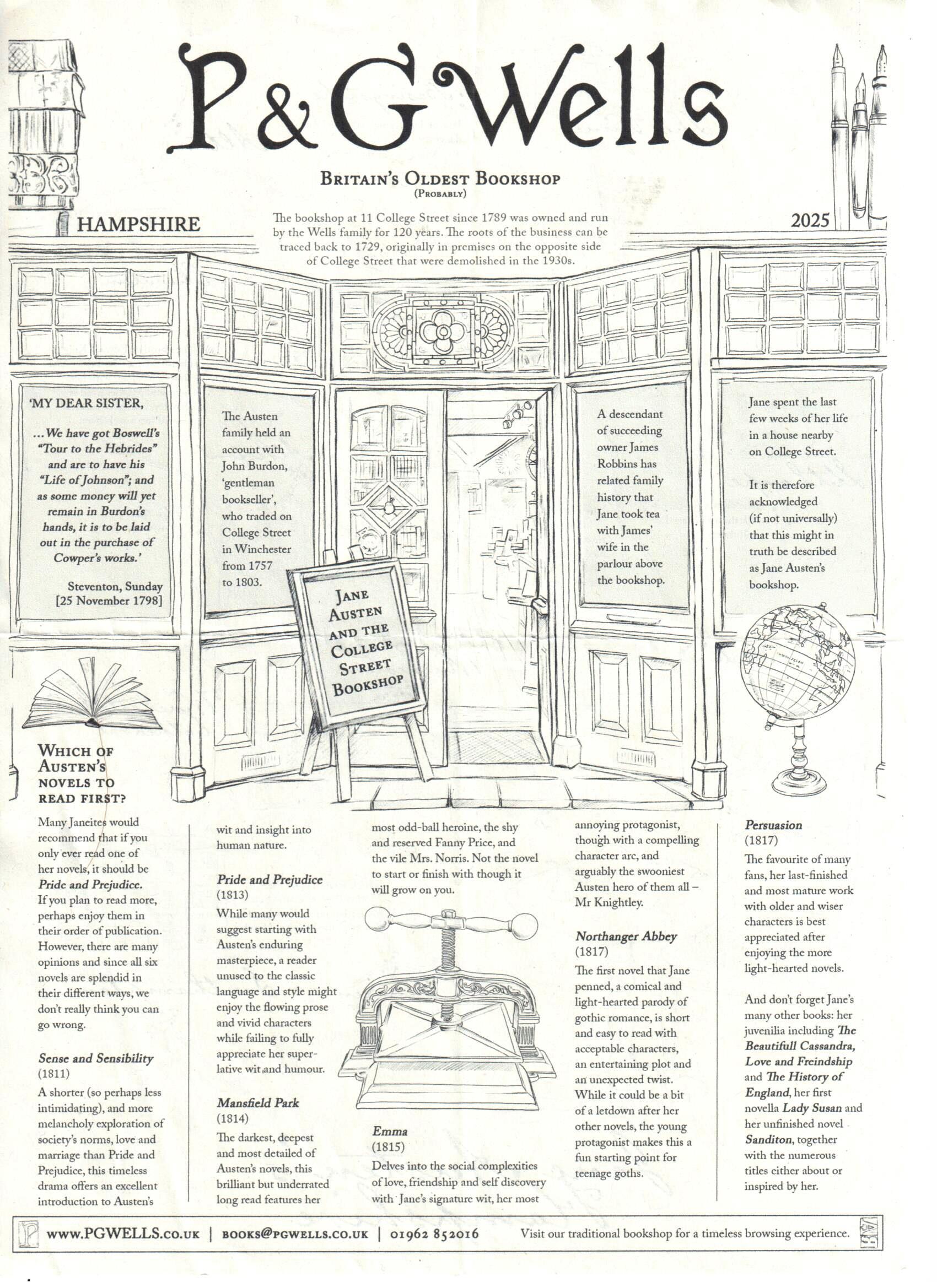
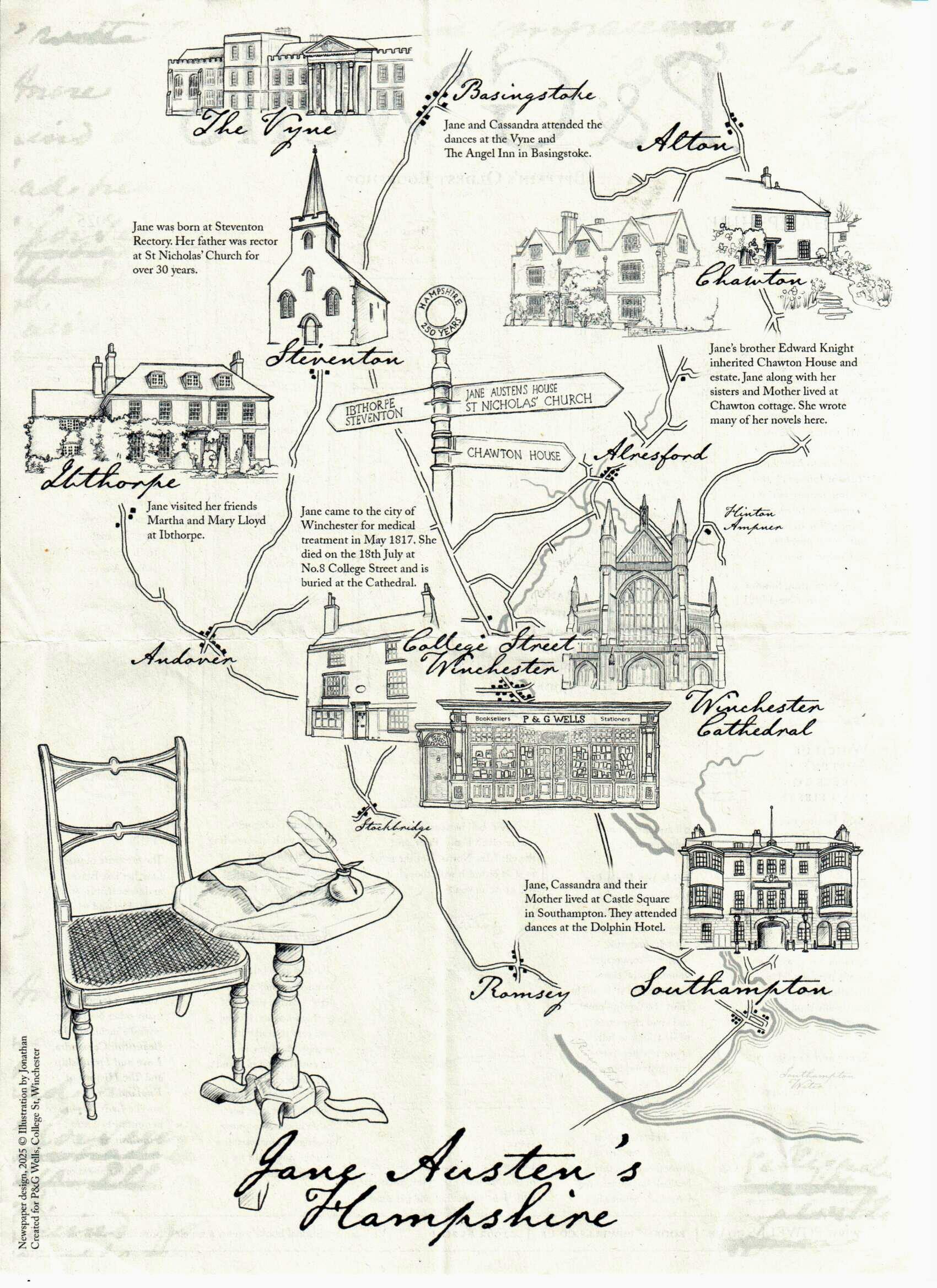
[Handout from P&G Wells Bookshop]

Today we journey from Winchester to Jane Austen’s home ground – where she lived for the first 25 years of her life: Steventon.

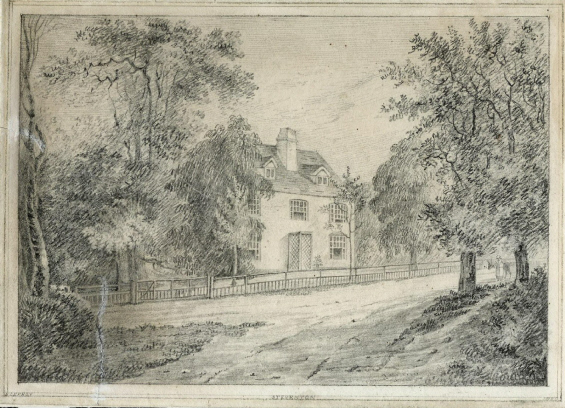
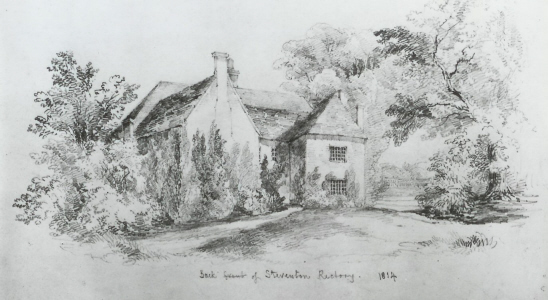
The house she and her siblings were born and raised in no longer stands, but thanks to her niece Anna Lefroy (or possibly her nephew-in-law Ben Lefroy), we have these drawings of the house:

and this rear view:

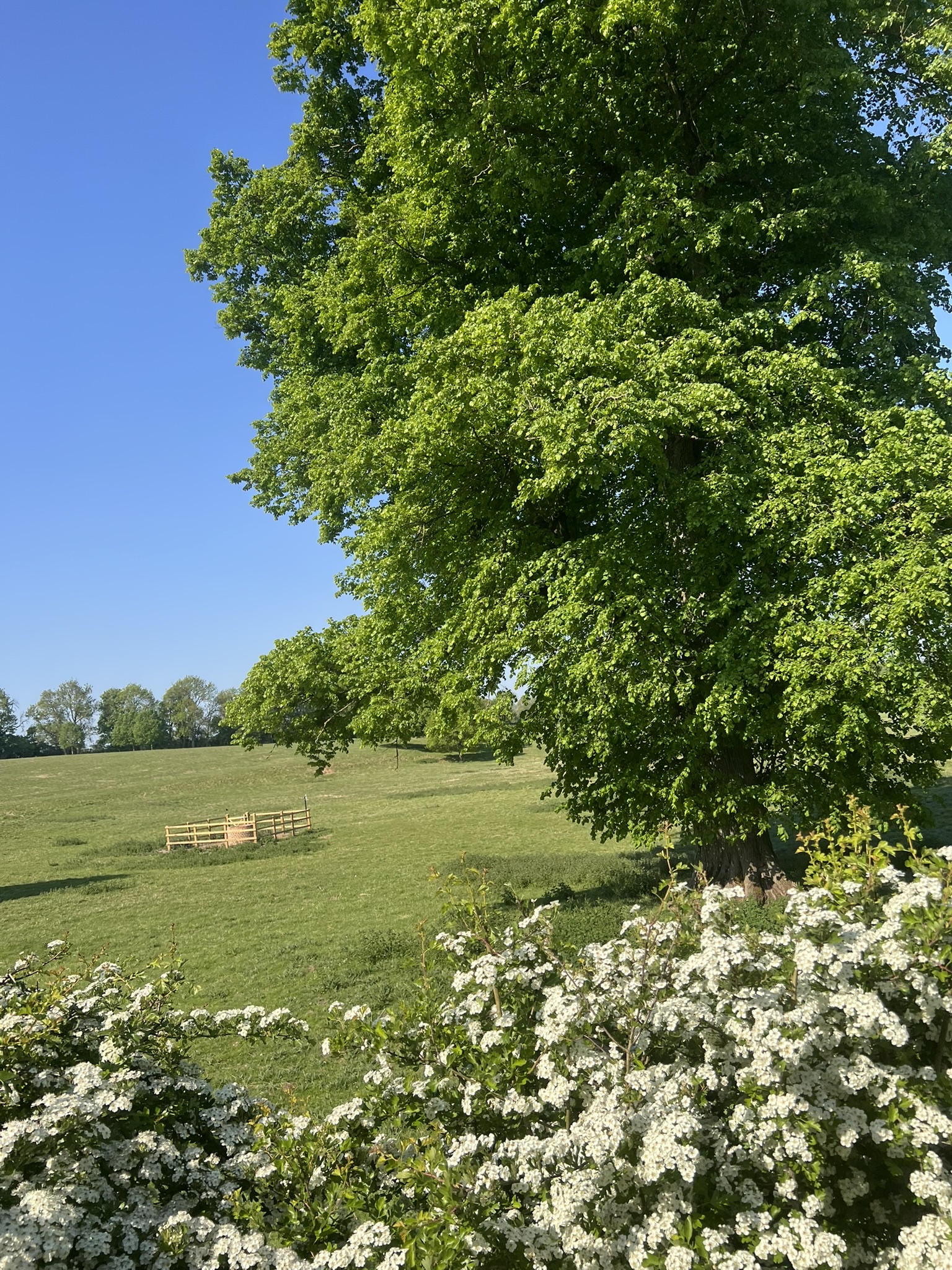
All that is left today is this fenced-in location of the house pump: so our imaginations have to run wild…

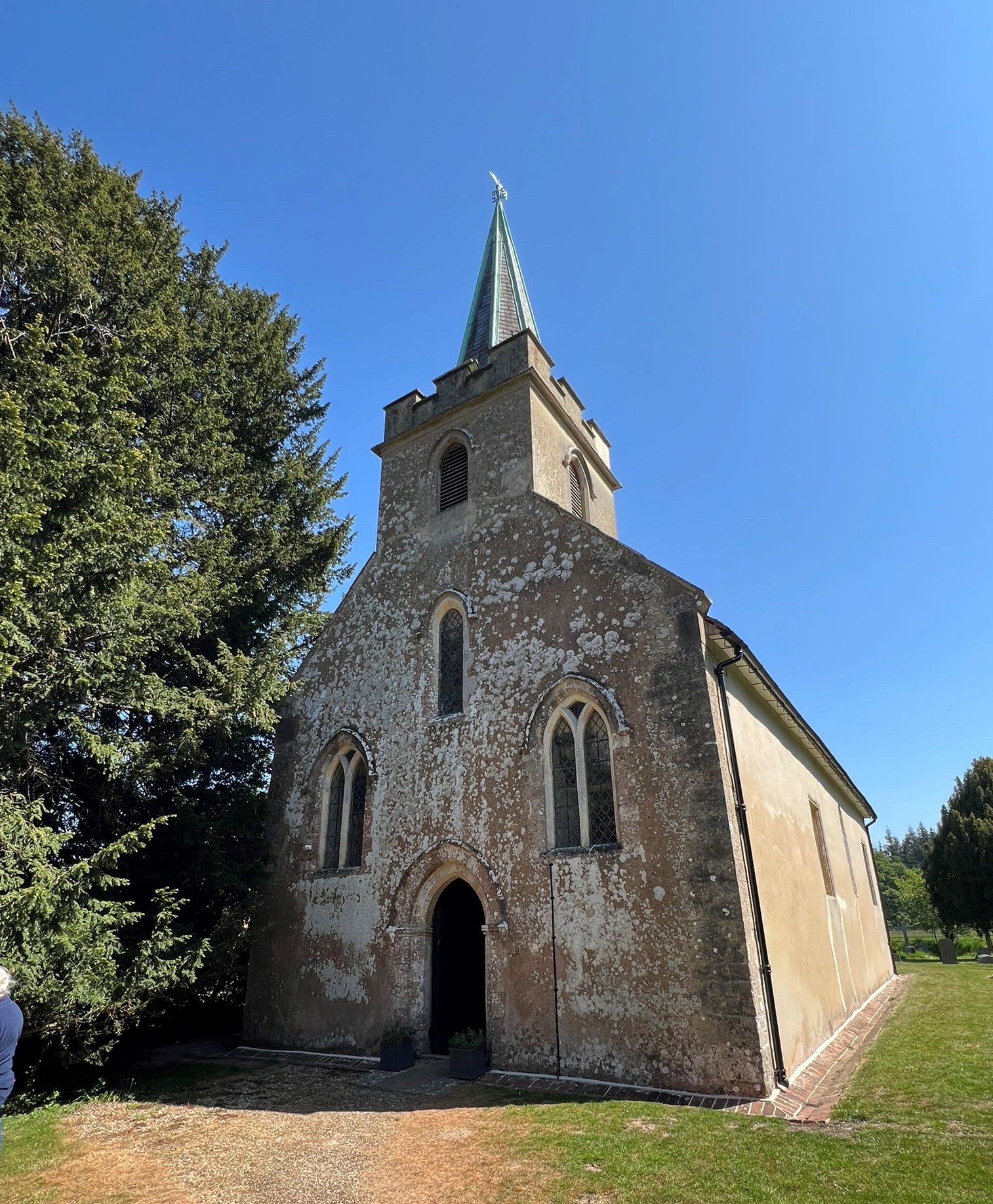
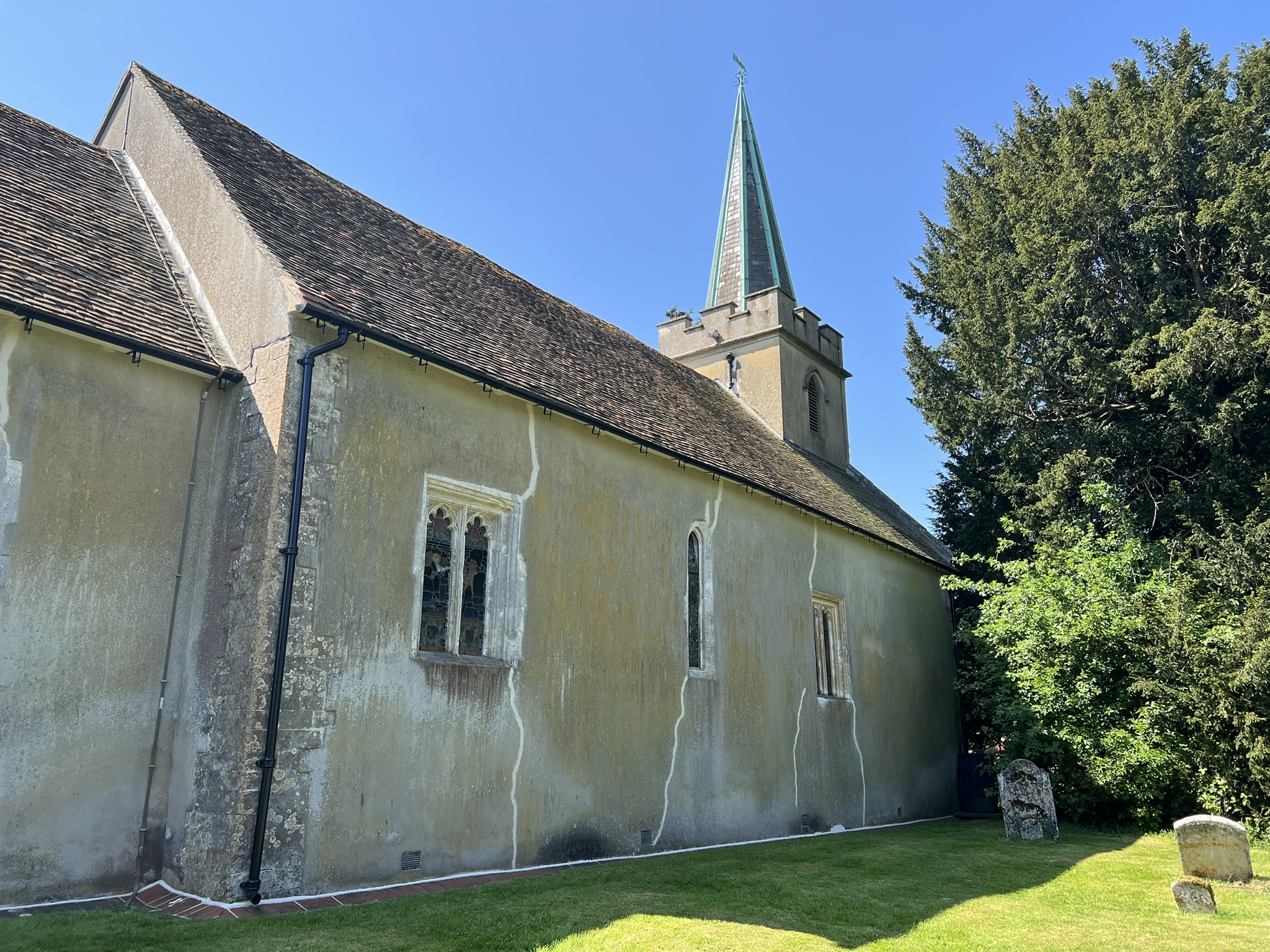
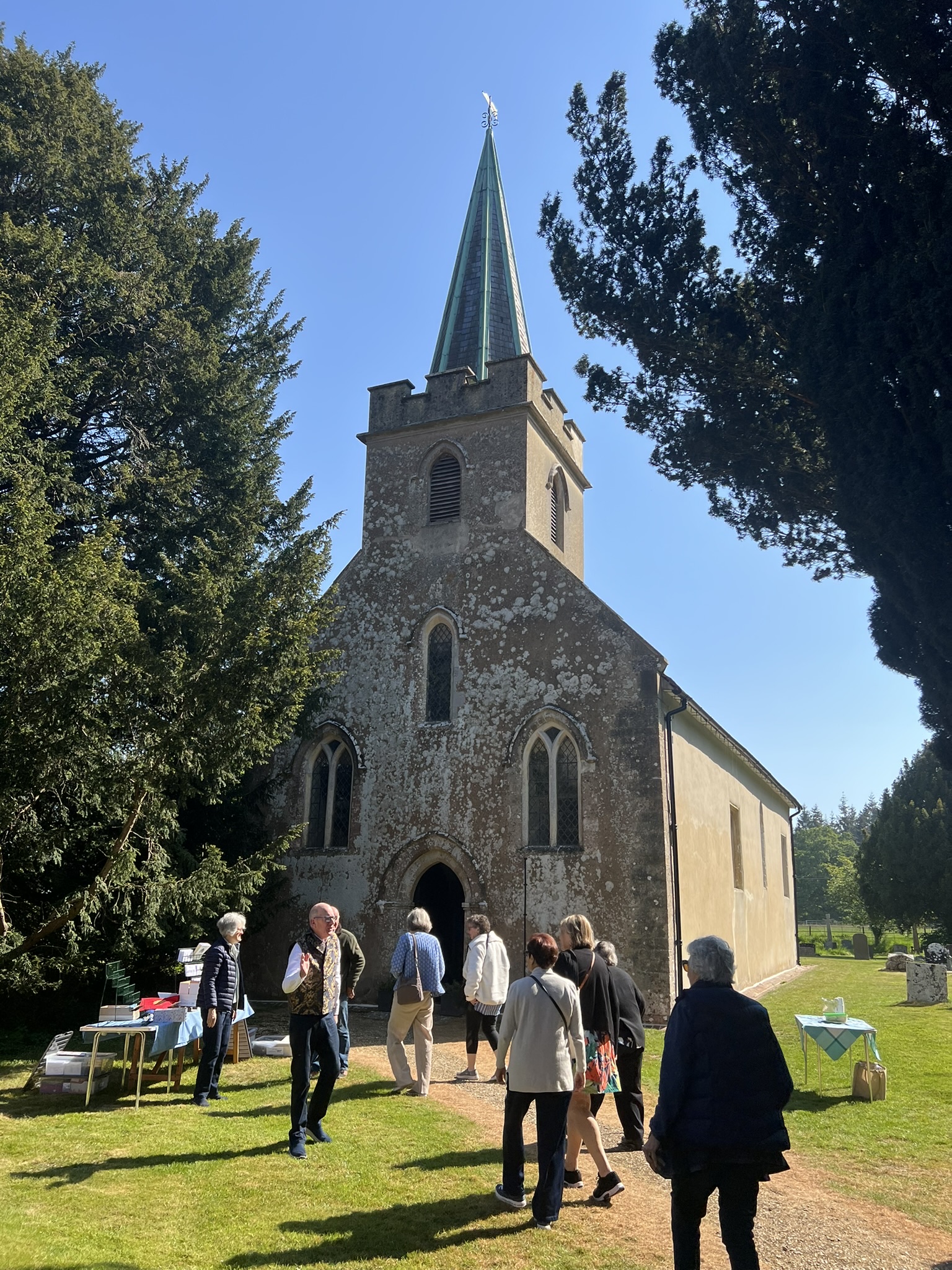
It is the Church we come to see here [a St. Nicholas of course]: you can also see we are done with the cold of Kent, and welcome the warm and cloudless sky of lovely Hampshire – [I am reminded for a moment of Margaret Hale in Gaskell’s North and South and the loss of her beloved Hampshire and her favorite “Helstone” roses, as she makes her way in northern cold and dark Manchester…]

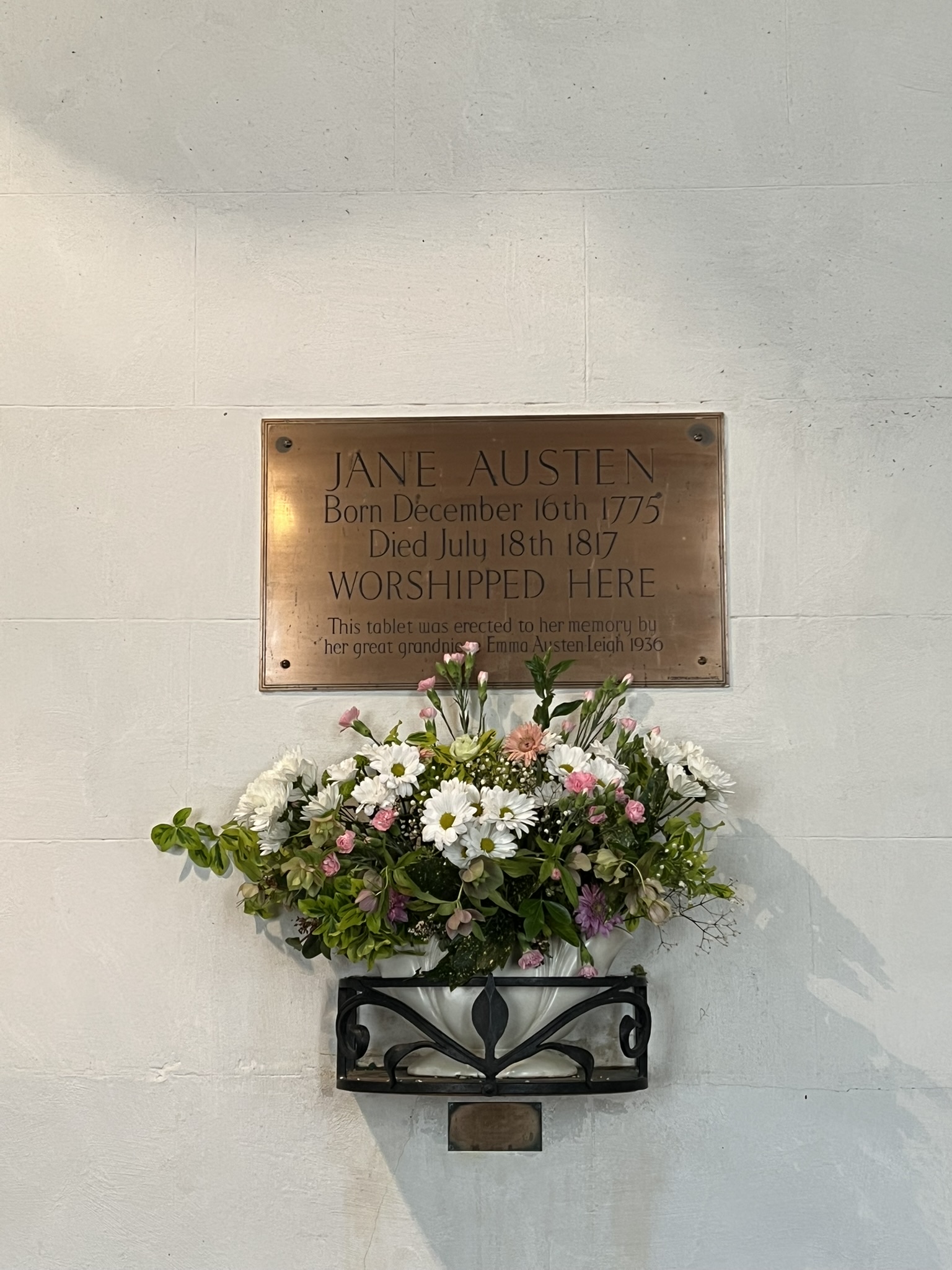
Members of the Jane Austen Society warmly greeted us on this lovely day, offering delicious fare and Austen-related merchandise to buy. Then a quiet visit inside the church to see where Jane would have worshipped, her father rector here from 1761 (and of Deane from 1763) until his retirement in 1801 and death in 1805.

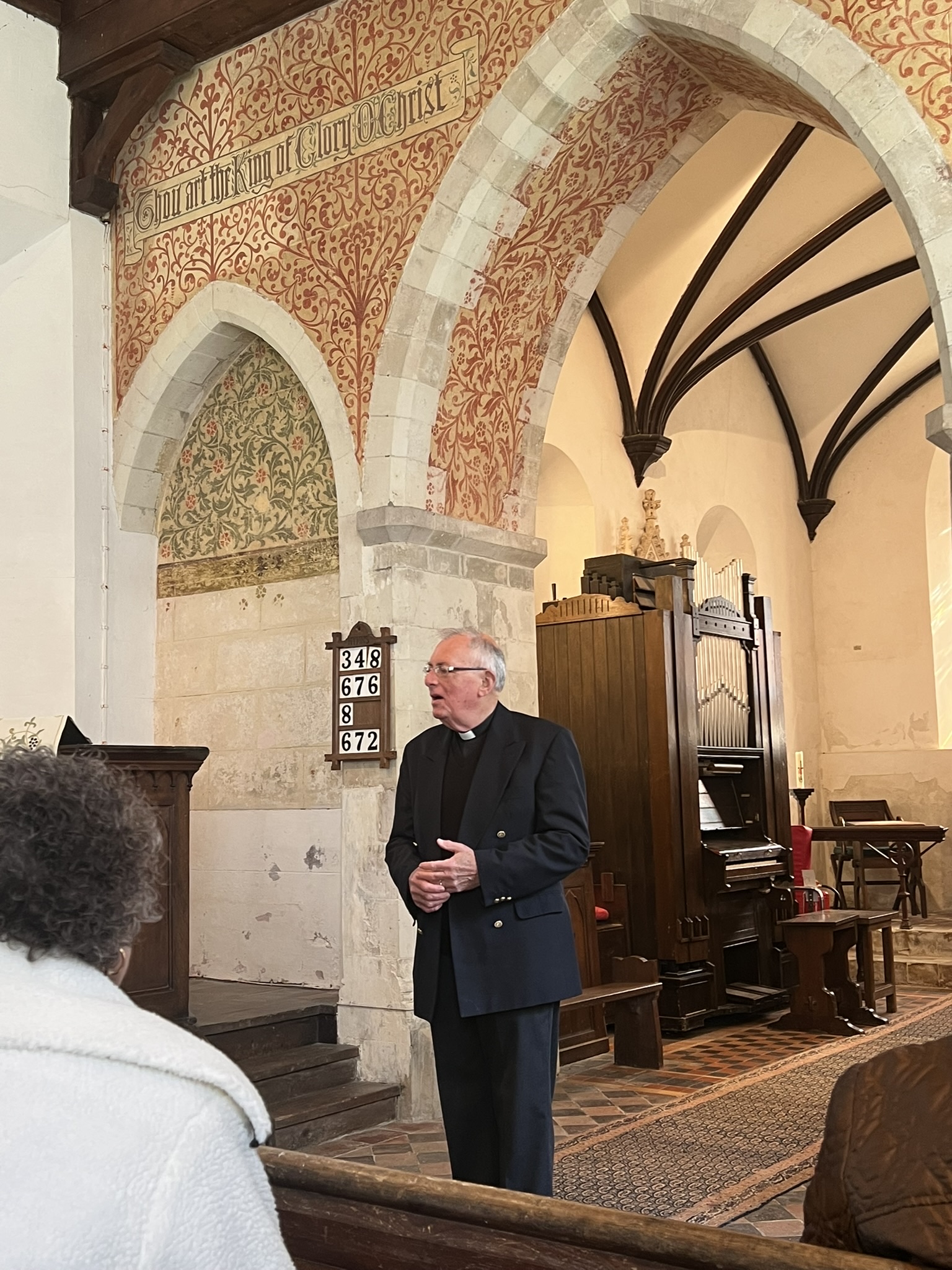
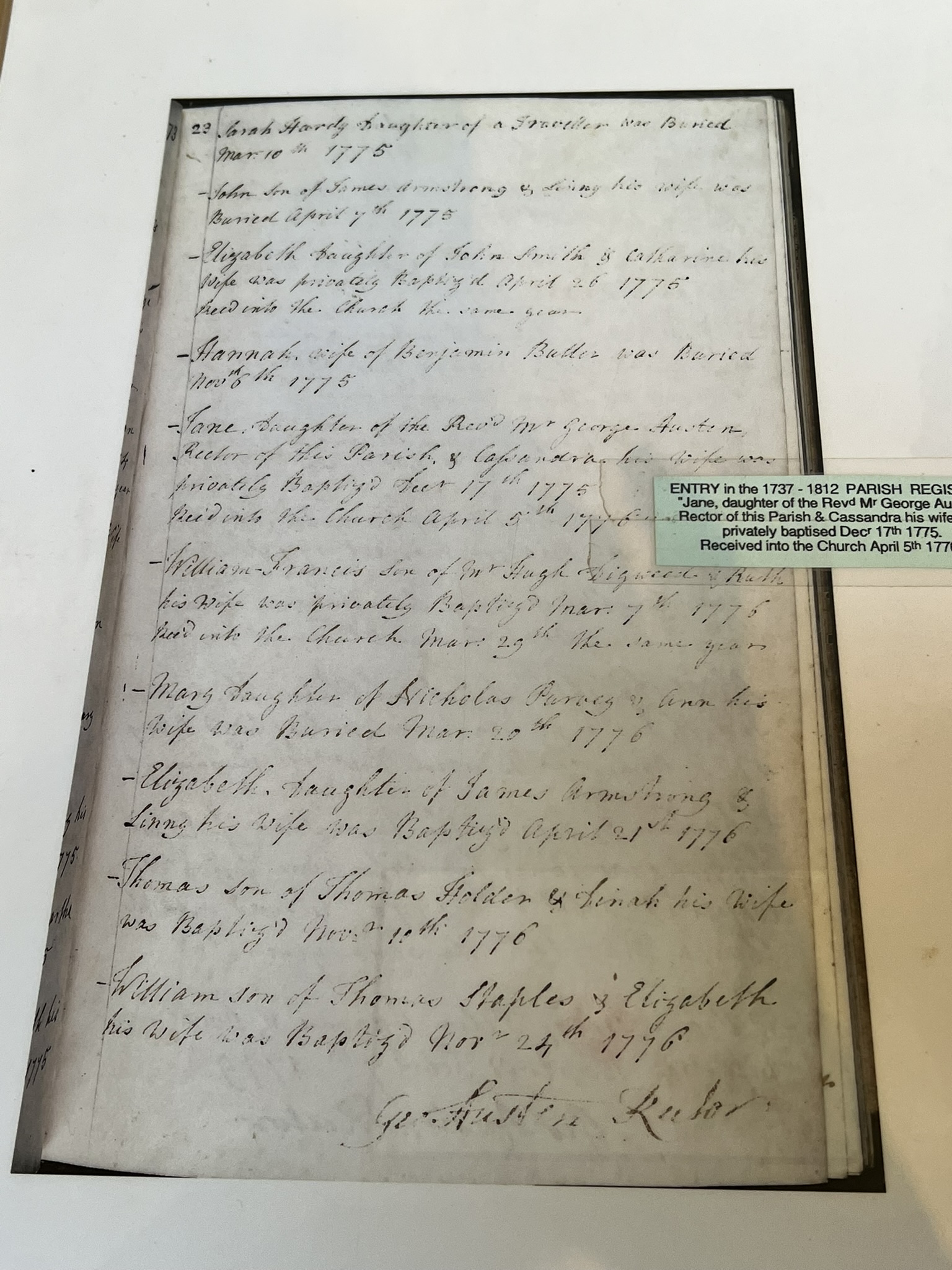
Michael Kenning, rector here from 1992-2012, introduced us to the Church and its Jane history – I have had the pleasure of meeting Canon Kenning in 2003 for the JASNA AGM trip to Winchester – he is little changed, and still an avid Austen “fan” – the vice-chairman of the Jane Austen Society Trustees. He shared this baptism note in the church records:

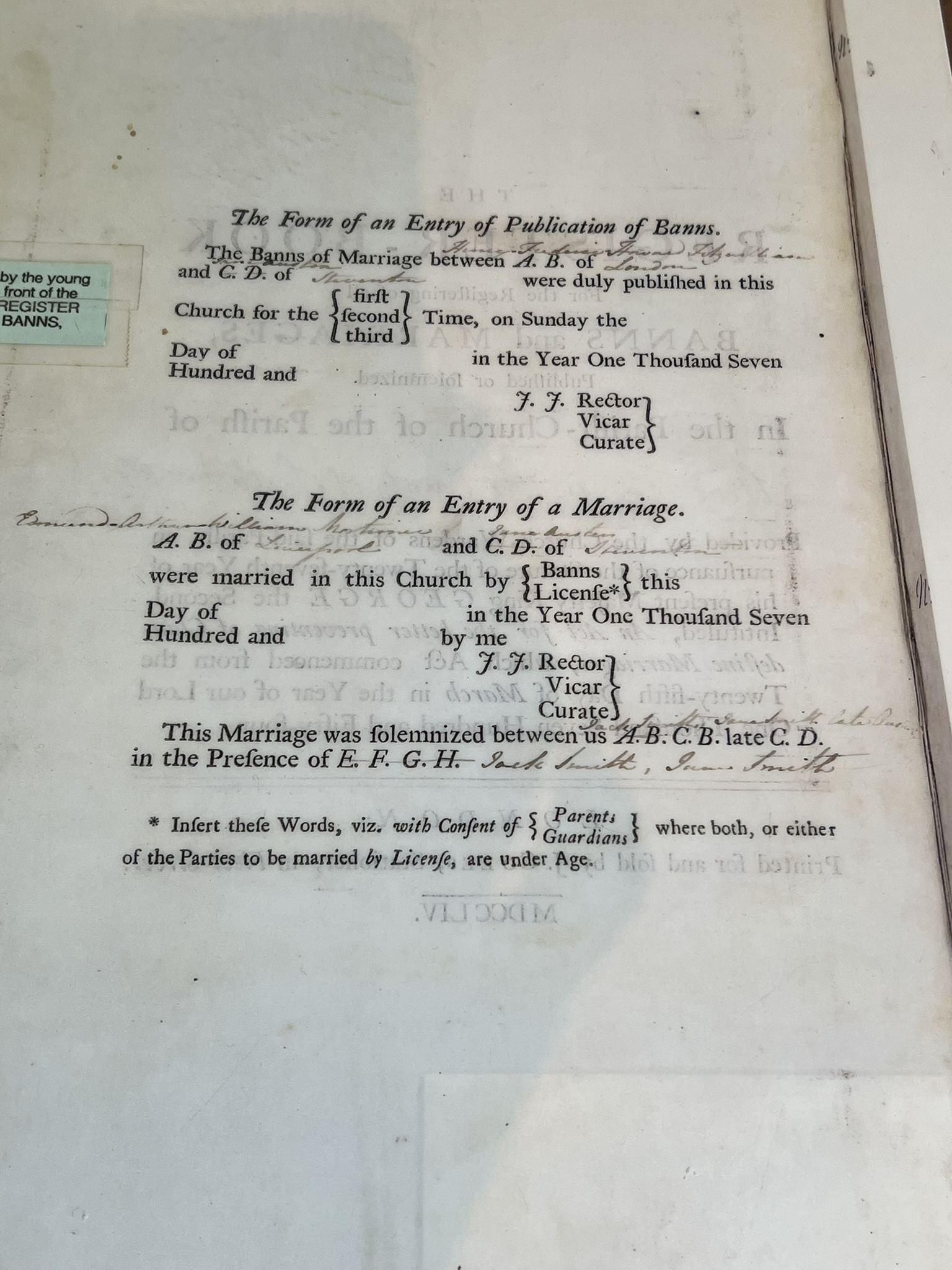
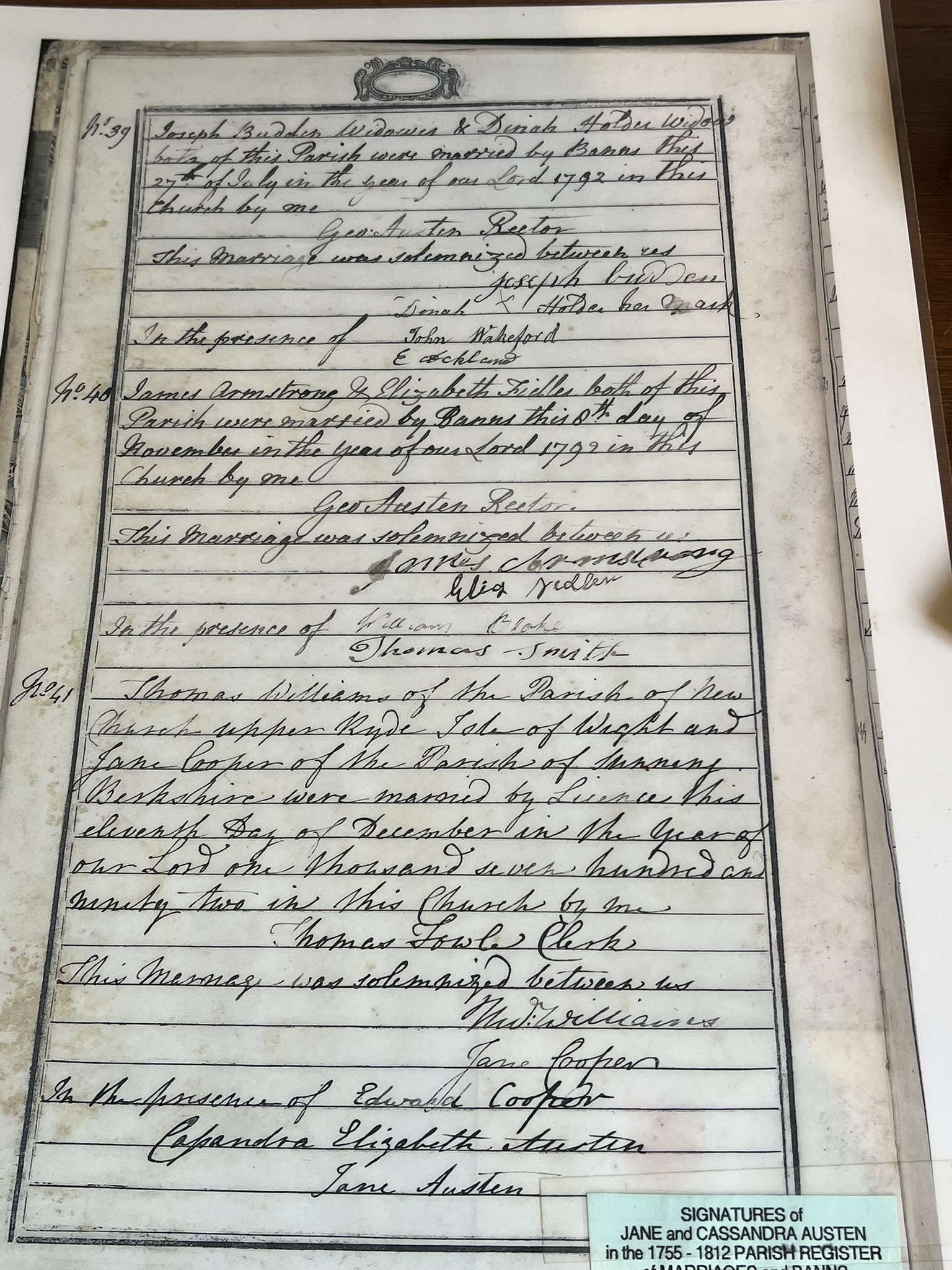
And some of the documents that Jane had written in, in one or more of her imaginative fits marrying herself off to various people, as well as her serving as a witness to a marriage (Kenning noted that she wasn’t actually old enough to serve as a witness, so what does that do the married couple?!]:

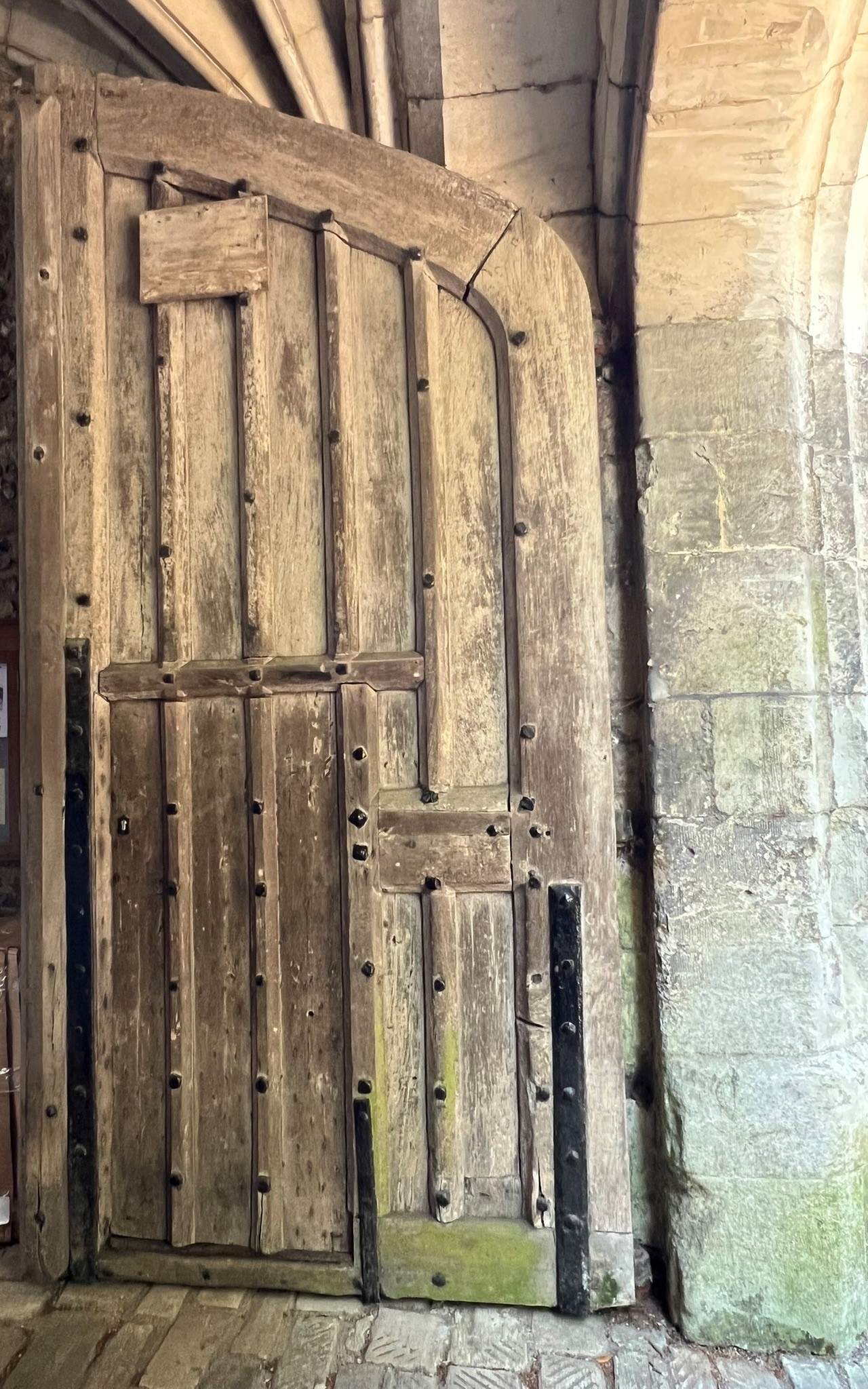
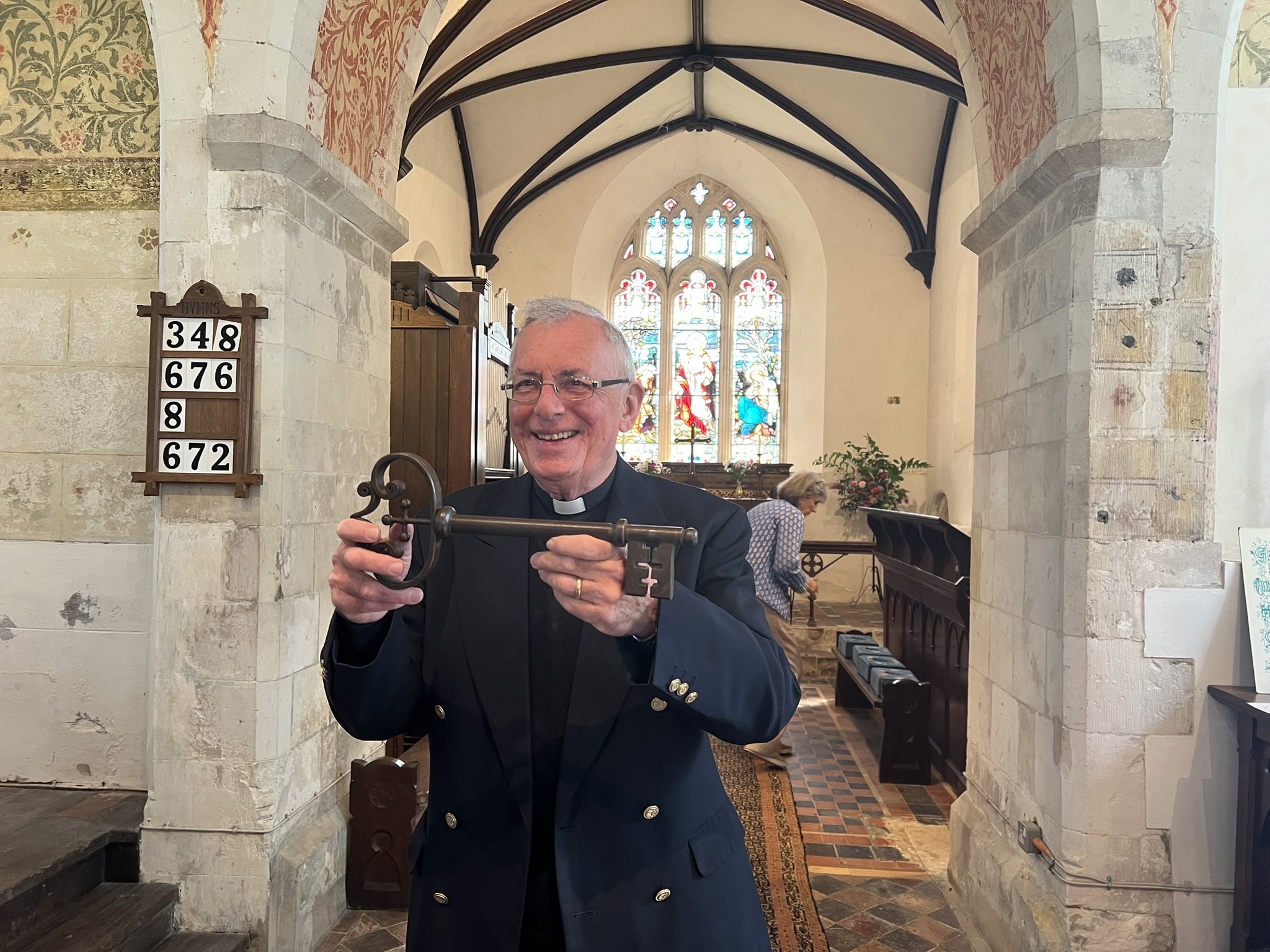
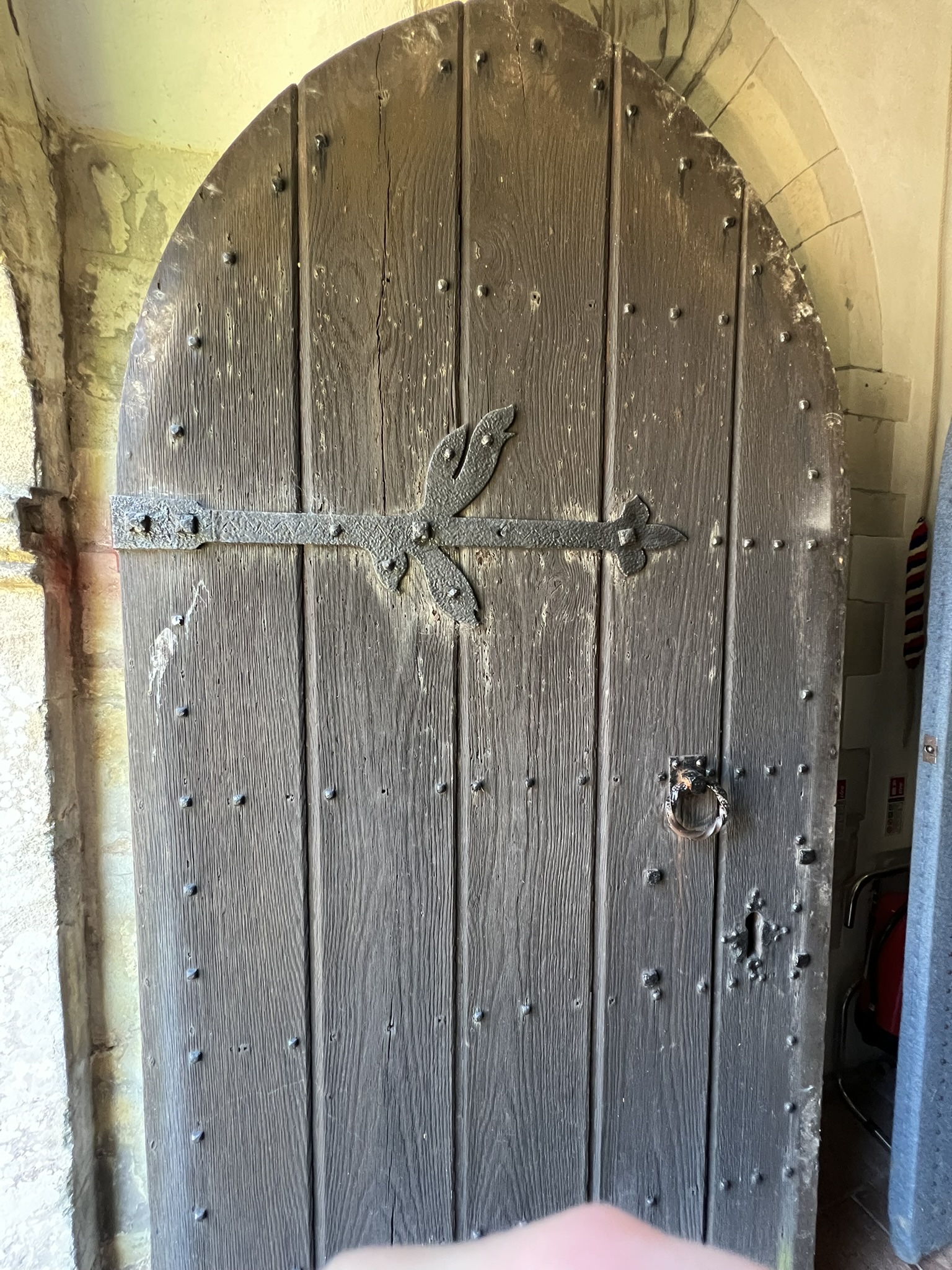
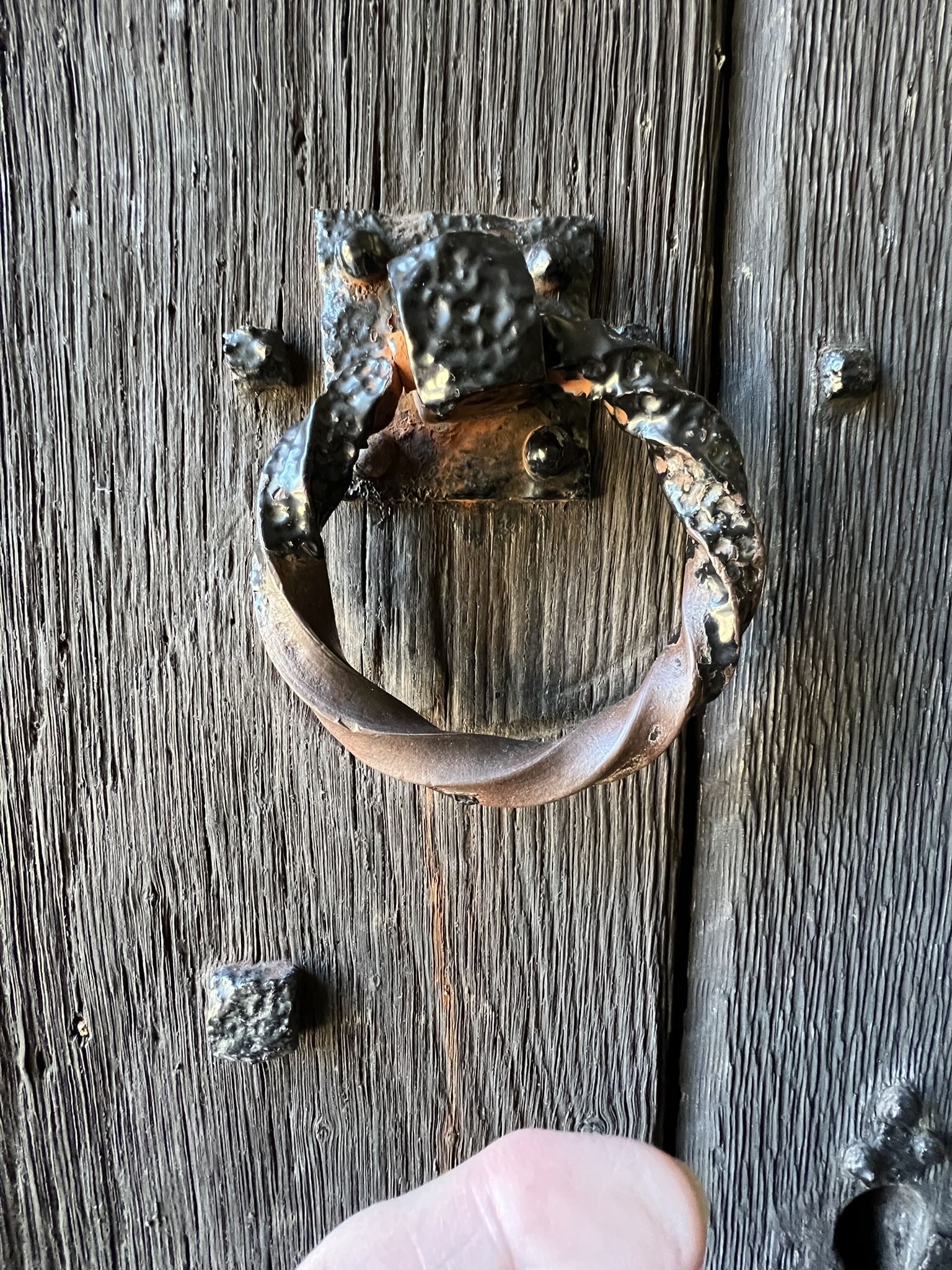
Kenning also showed us the massive and heavy key to the church – the door having a lock that was unmanageable, the key hidden in a nearby tree [did EVERYONE know this?!]

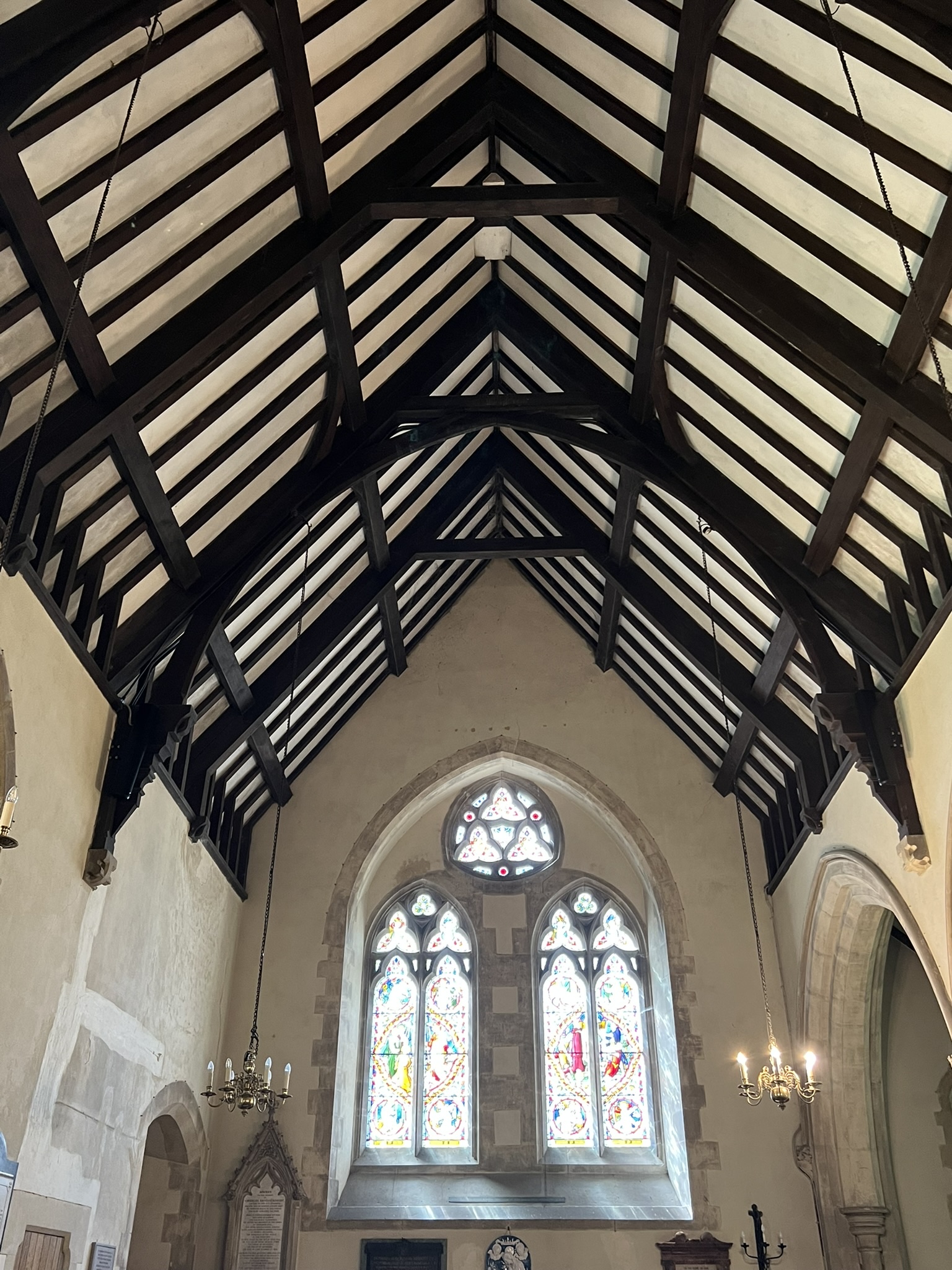
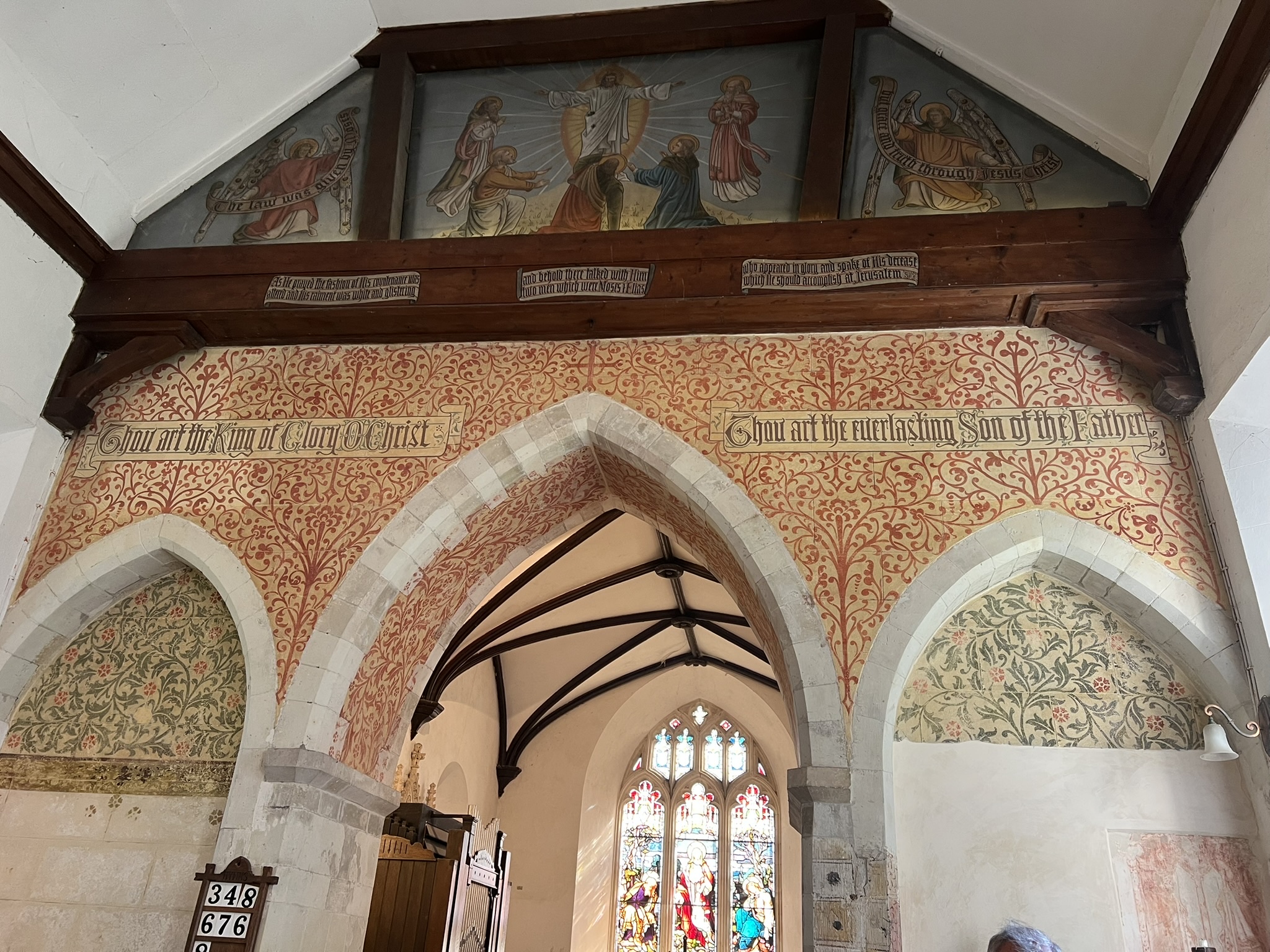
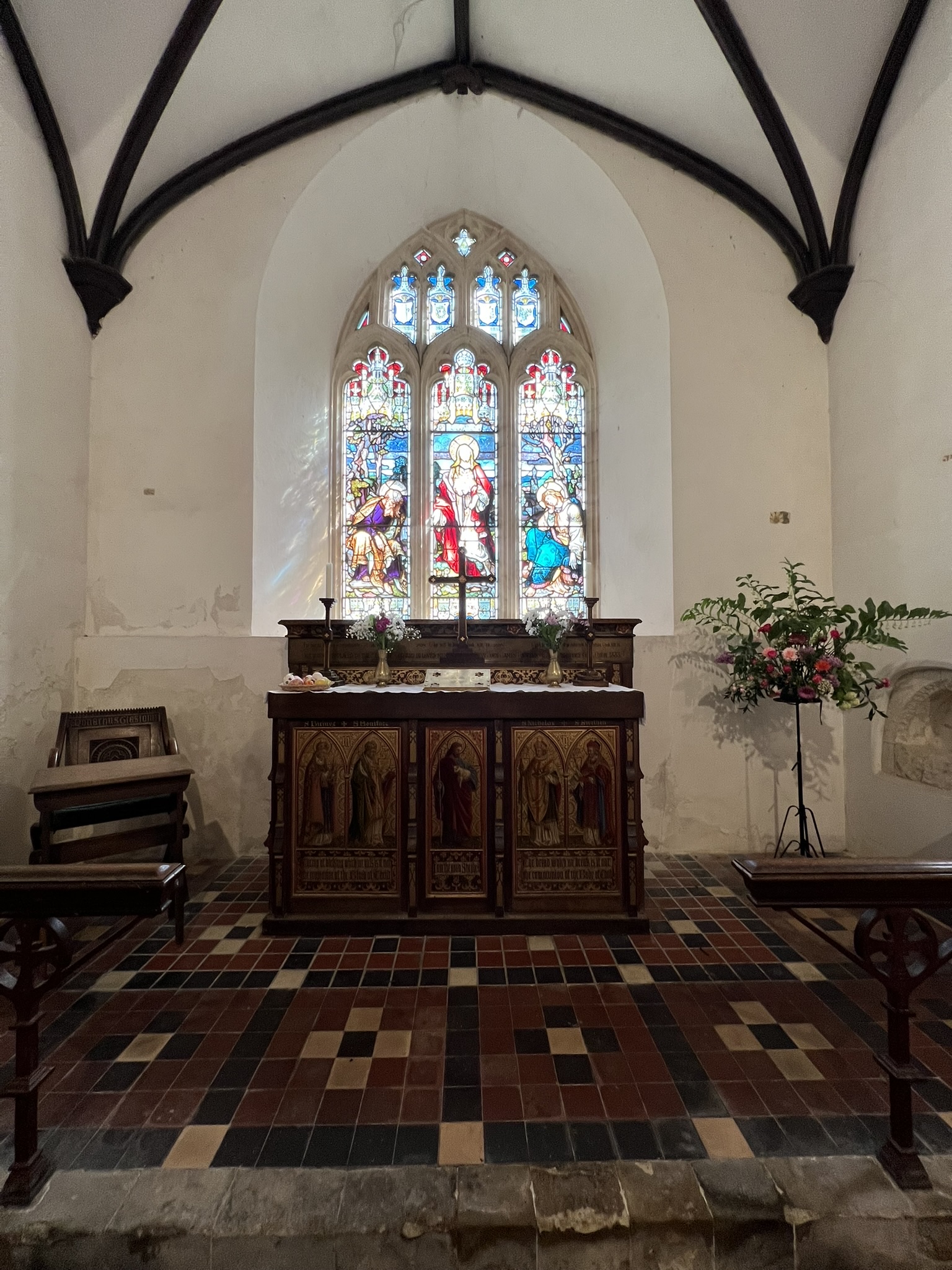
The church interior is lovely, with these William Morris-like decorative designs, but not there during Austen’s time.

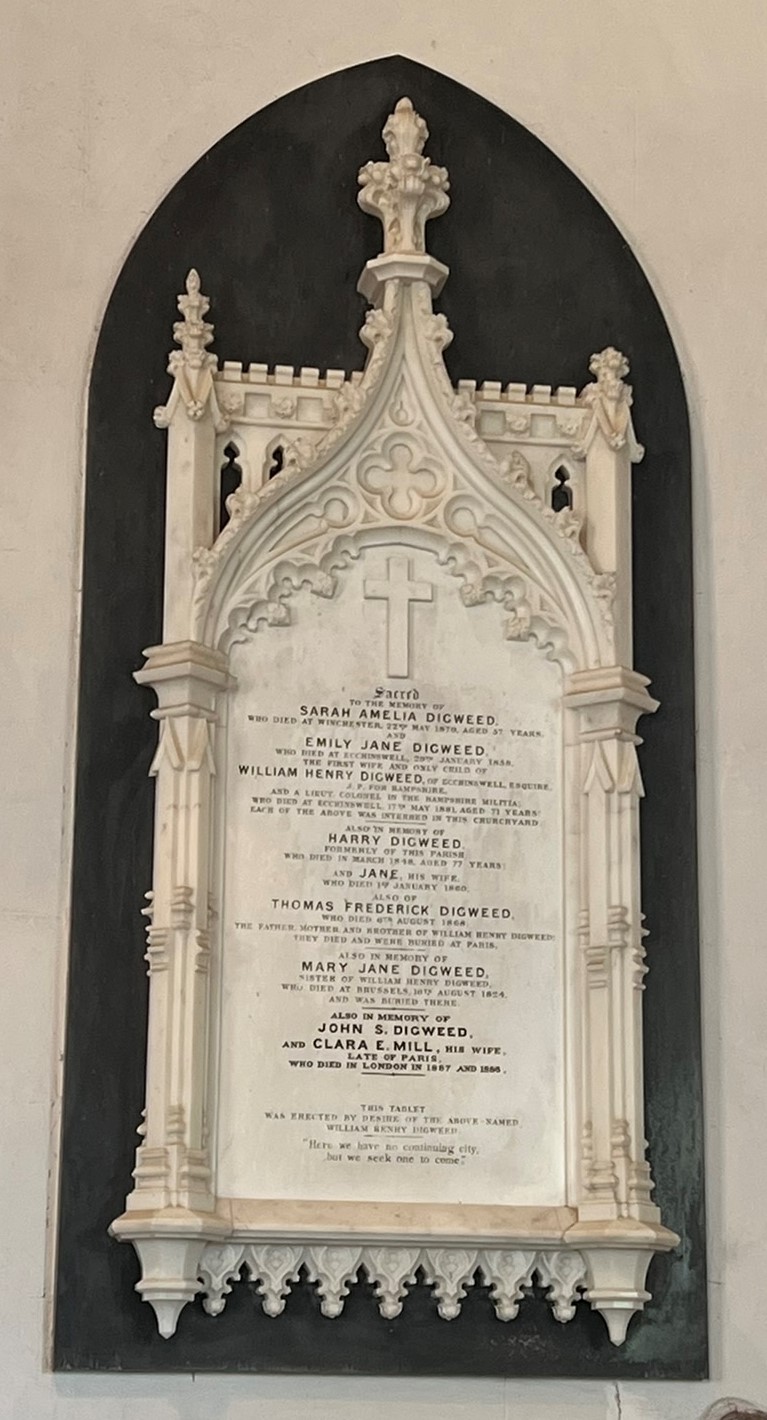
The Austen neighbors the Digweed family are very present with large memorials and many graves in the churchyard:

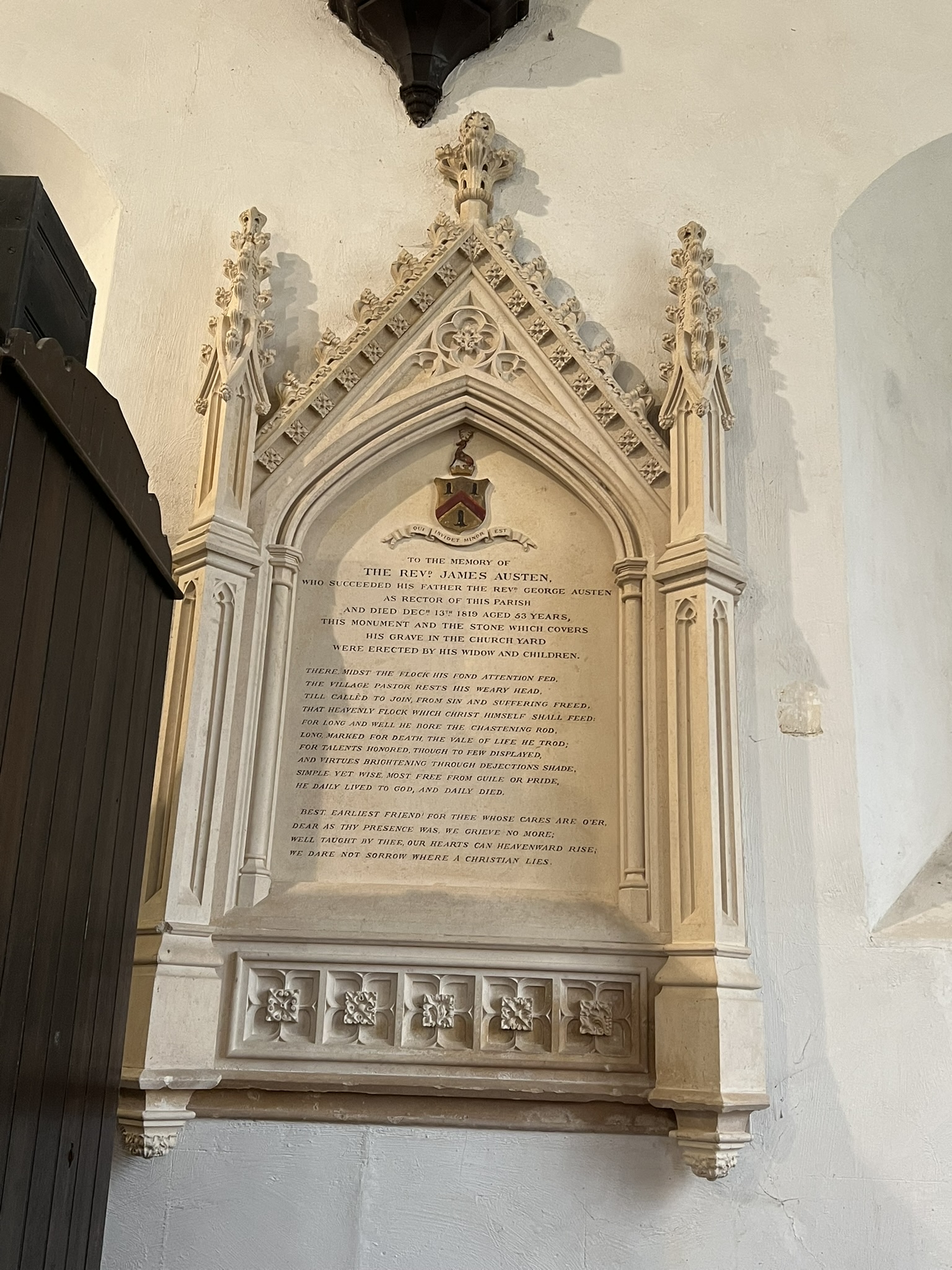
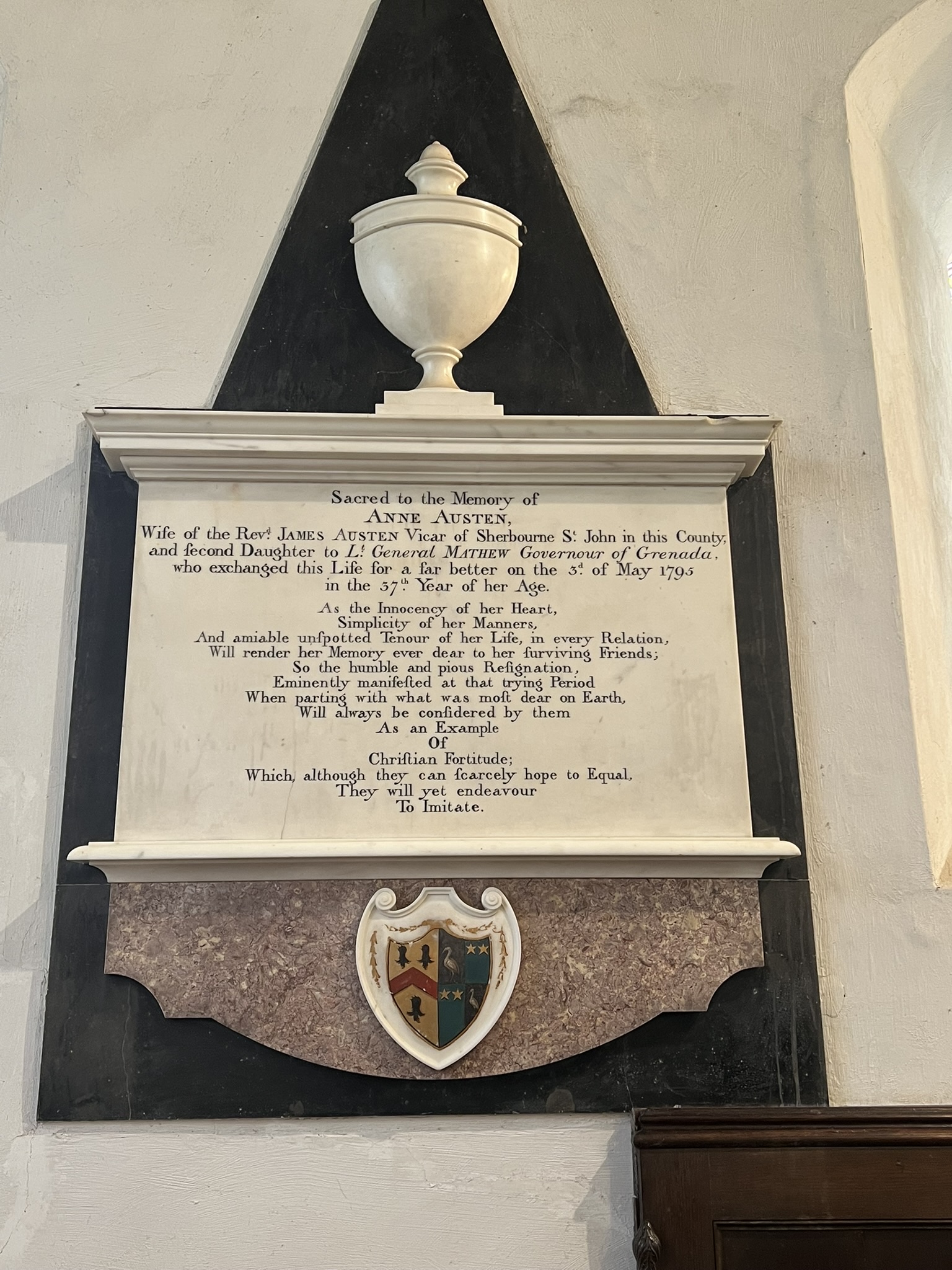
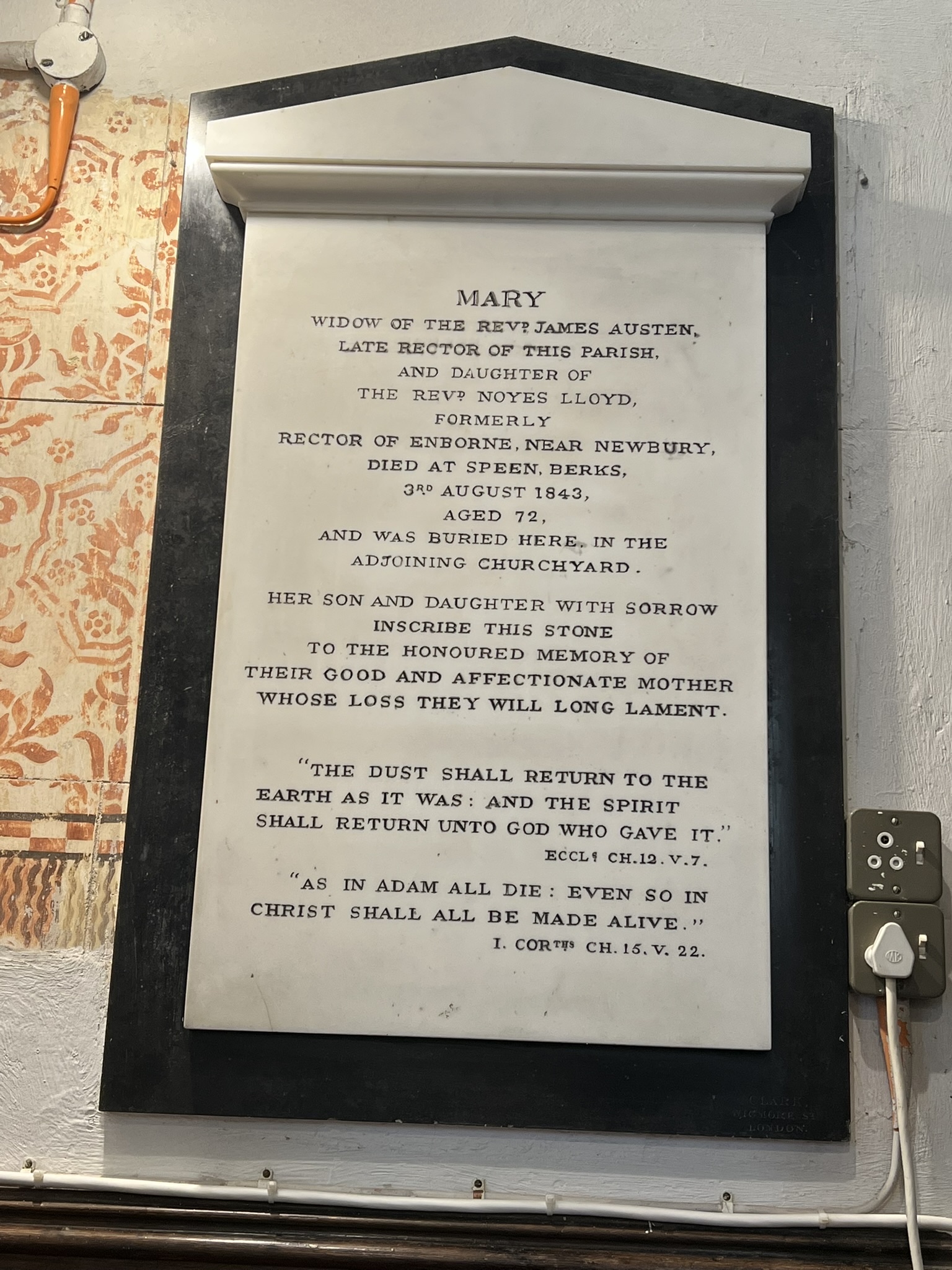
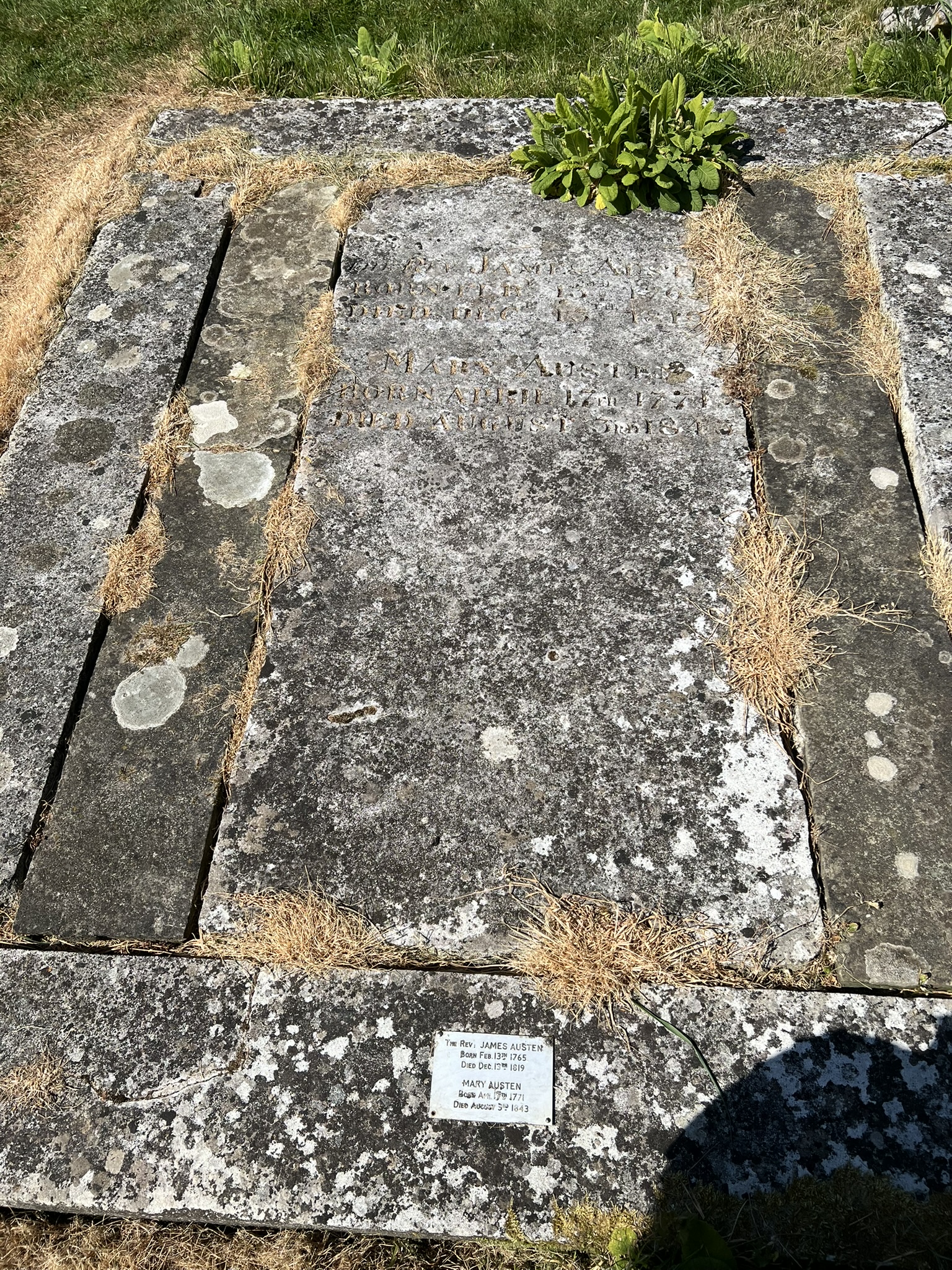
James Austen has a few memorials and is buried in the churchyard – it states that Mary Lloyd Austen is buried here, but no mention of Ann, his first wife, though records show she is buried here as well…

**************

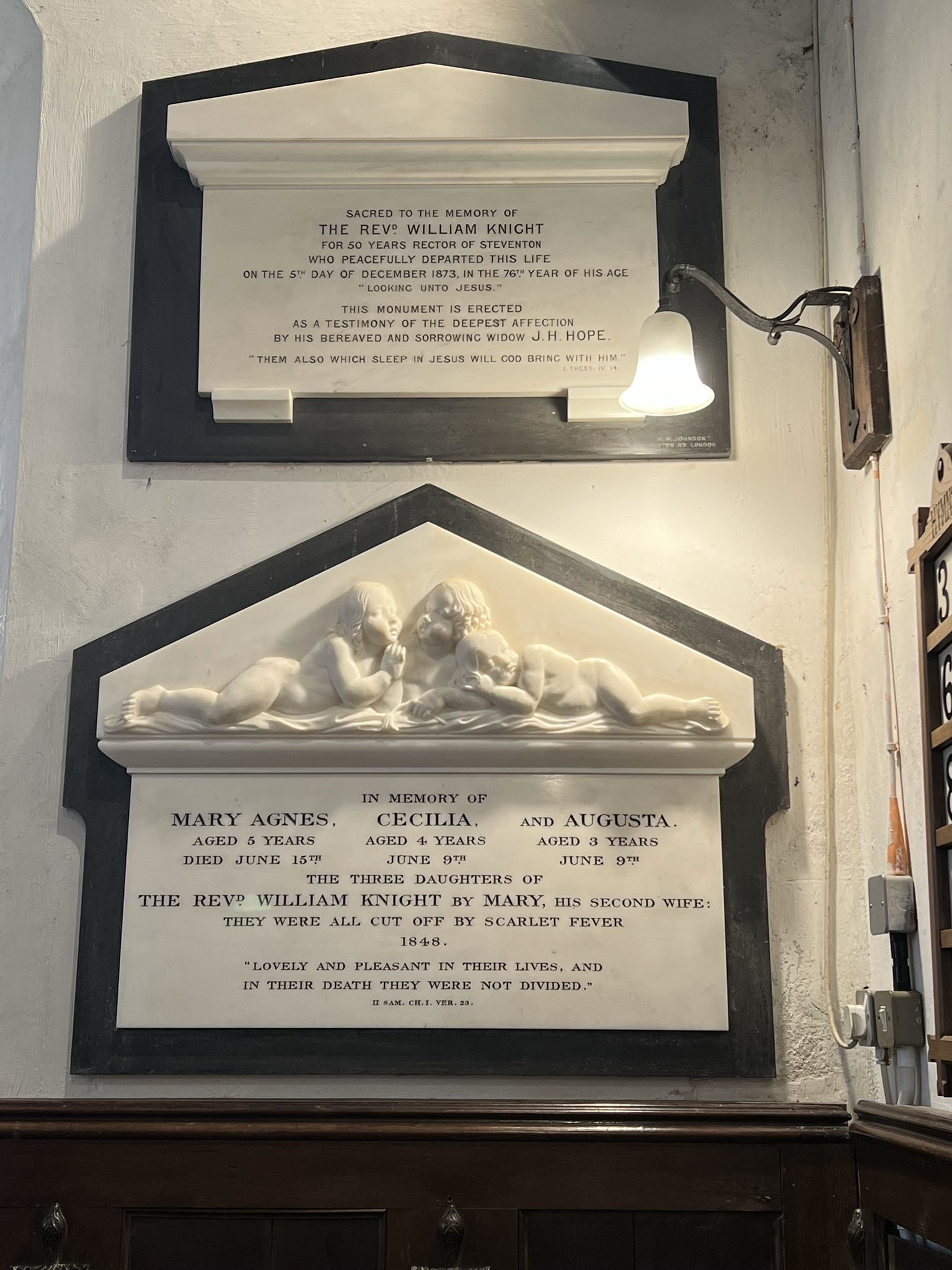
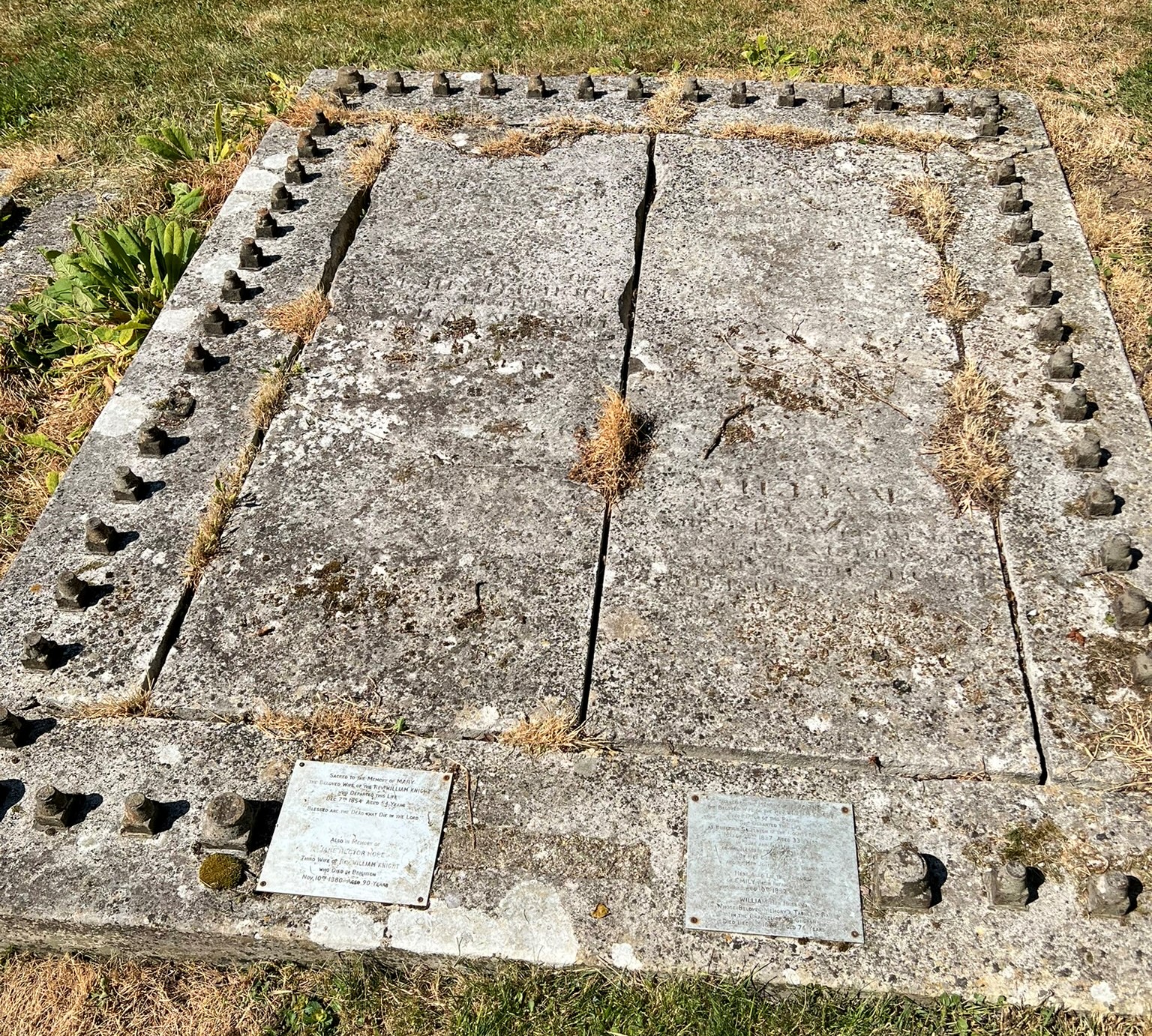
A sad memorial to encounter is the one for William Knight, Jane’s nephew [Edward’s son] – he was rector here from 1823-73. This memorial shows the death of his three young daughters within days of each other from scarlet fever – and the graves in the yard:
The iron pieces at the edge of the grave indicate there would have been an iron-fence enclosure around the grave – many such metals were removed for use during wartime in the 1940s.

I have already written a bit about the parsonage that Austen grew up in – and while today there is nothing but the pump to give us a sense of time and place, when William became the rector, Edward Austen demolished the Steventon Rectory, his own boyhood home, and built a new one for William on higher ground – sometime in around 1826 [it is all quite confusing as these two blog posts about Steventon indicate]:

The Saga of the Steventon Parsonage;

and a follow-up post.

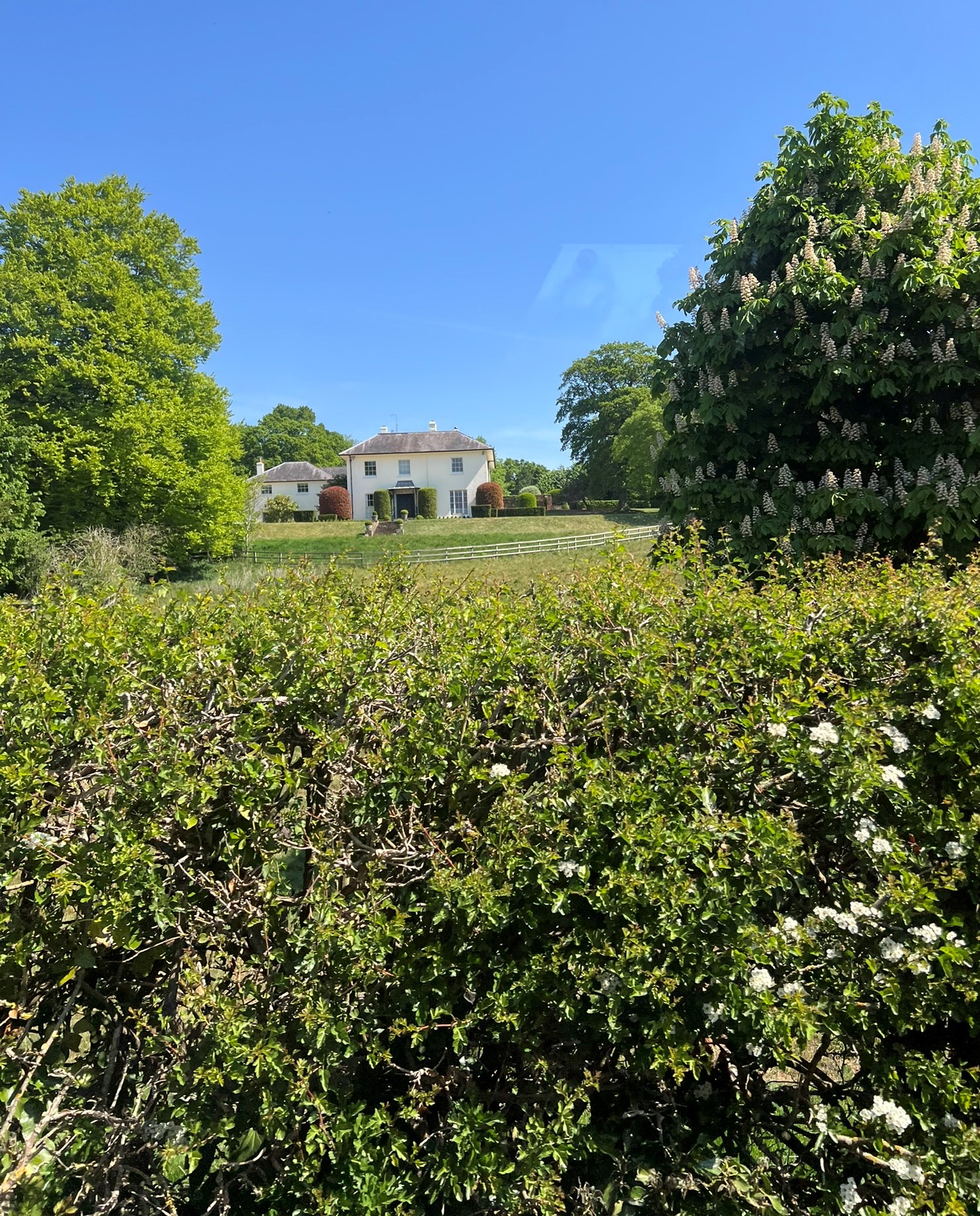
 – this rectory still stands…

…..and was recently on the market – here a grand example of just how wrong some real estate listings [and history in general] can be: this Steventon House [as it is called] was not built on the same location where Jane Austen lived and wrote…

.https://www.houseandgarden.co.uk/article/jane-austen-steventon-house-for-sale

But see the great pictures of the house interior and gardens…! It sold, the going price £8,500,000 – not sure how much it actually went for…

*************

A few more images to leave you with – a magical place here:

************

https://www.bbc.com/news/uk-england-hampshire-16002088#.

And here from Jane Odiwe in 2015:

https://janeausten.co.uk/blogs/jane-austen-life/jane-austens-china-and-the-steventon-archaeological-dig?

**********

We then headed back to Winchester for some time on our own to explore the city – the afternoon finding us at the Hampshire Cultural Trust, which I shall write more about in a Day 6, Part 2 post…so much there to talk about! [think the “pelisse”… and do not faint…]

So stay tuned…

c2025JaneAustenInVermont

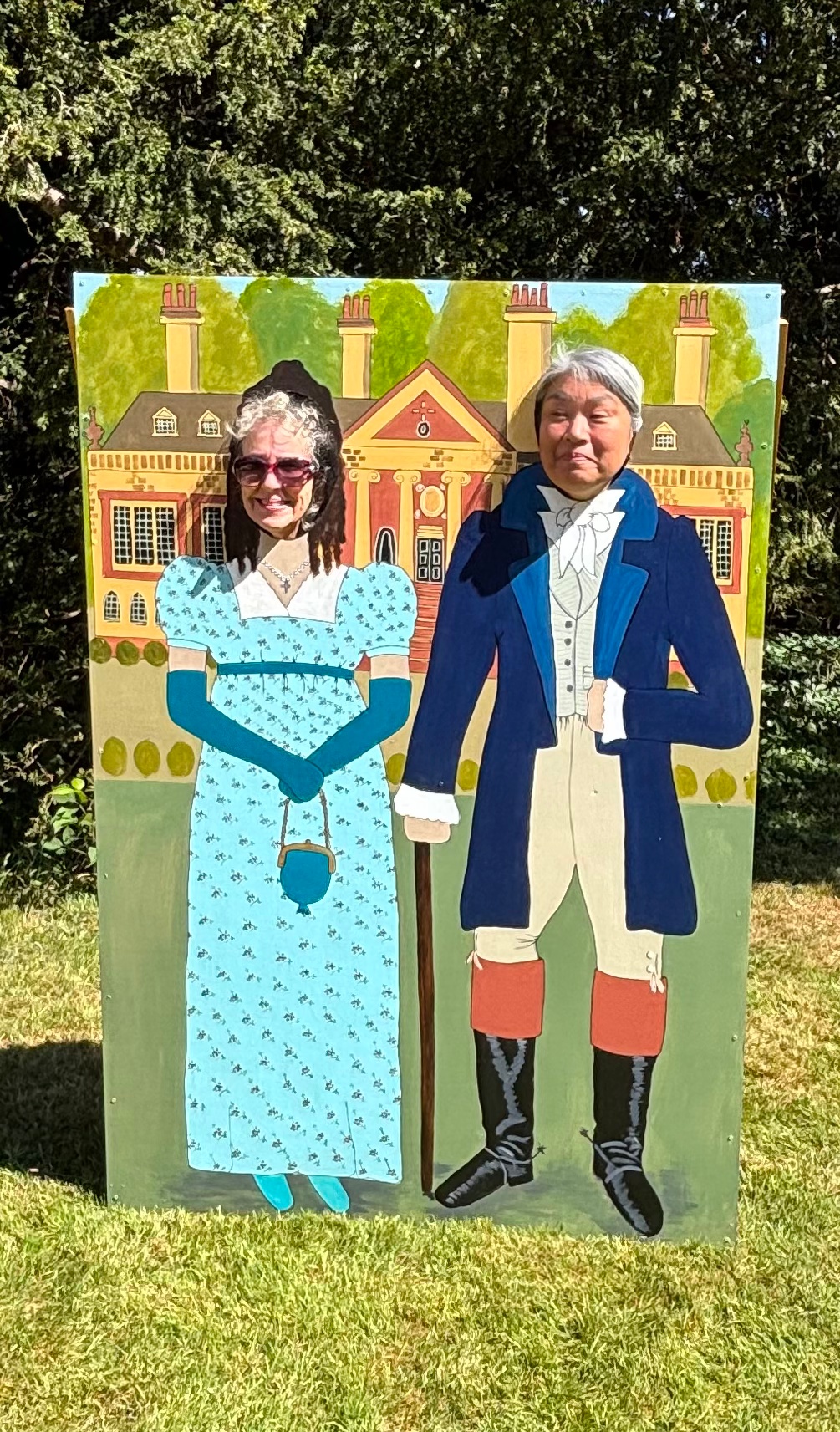
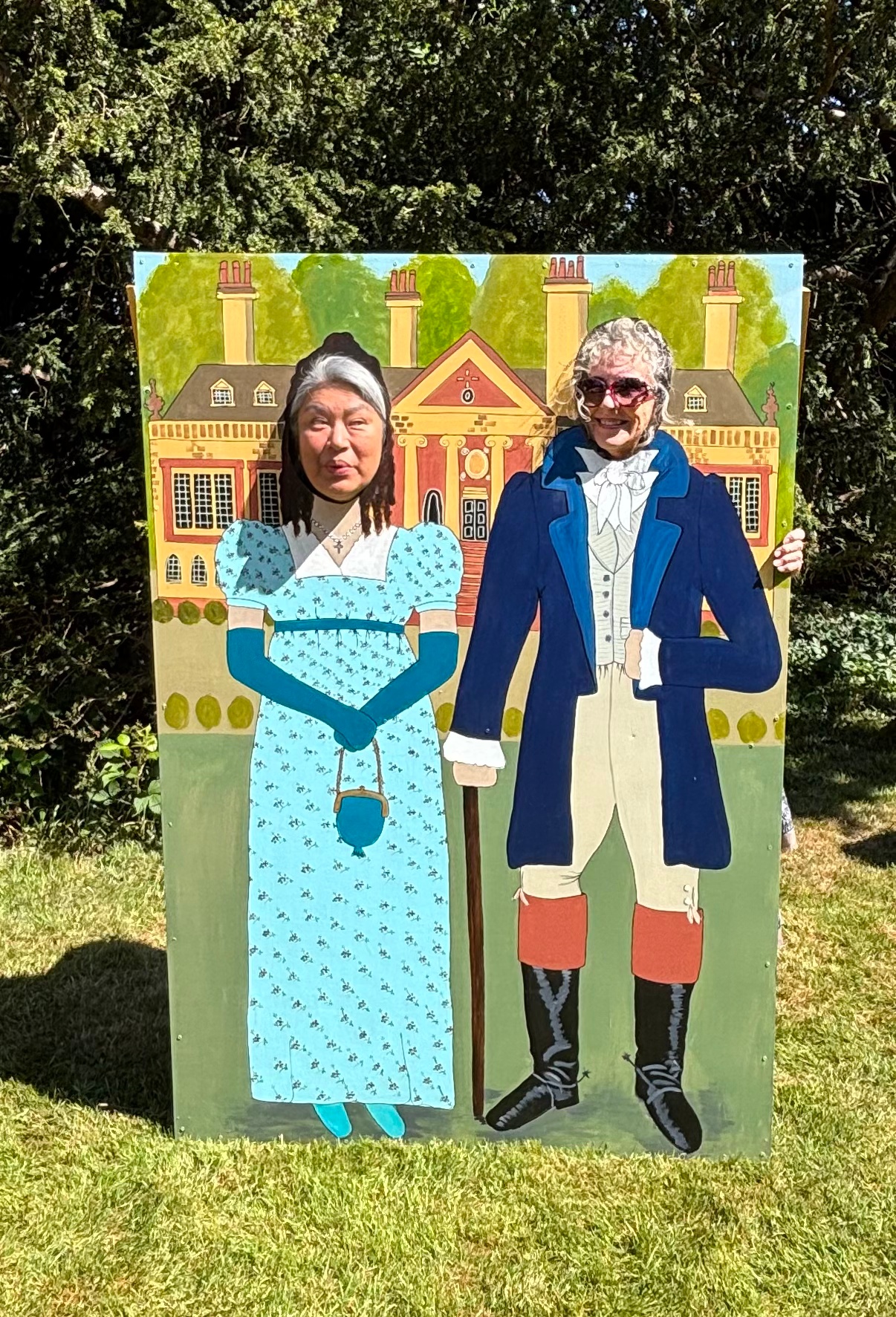
[Joy and I “dressed” for the occasion…]

Austen Literary History & Criticism · Georgian Period · Great Britain - History · Jane Austen · Jane Austen Circle · JASNA · Literature · Regency England · Social Life & Customs · Travel

Adventures with Jane! Day V: To Worthing and Winchester

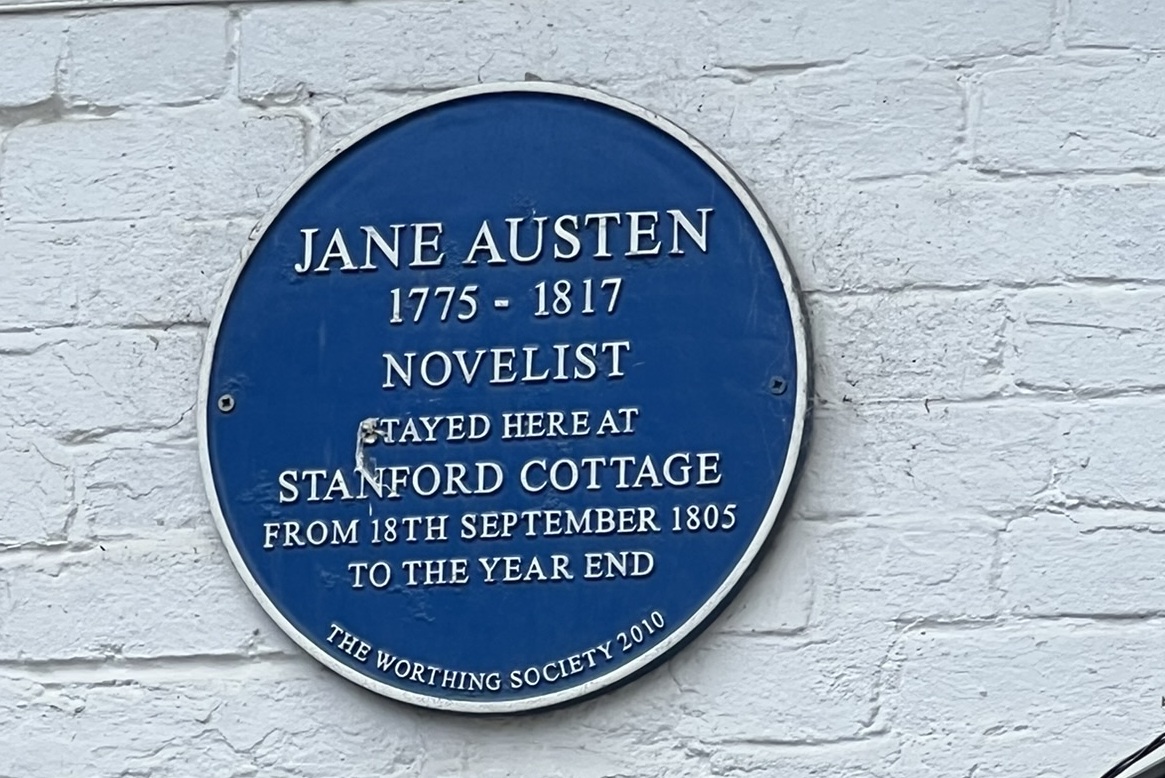
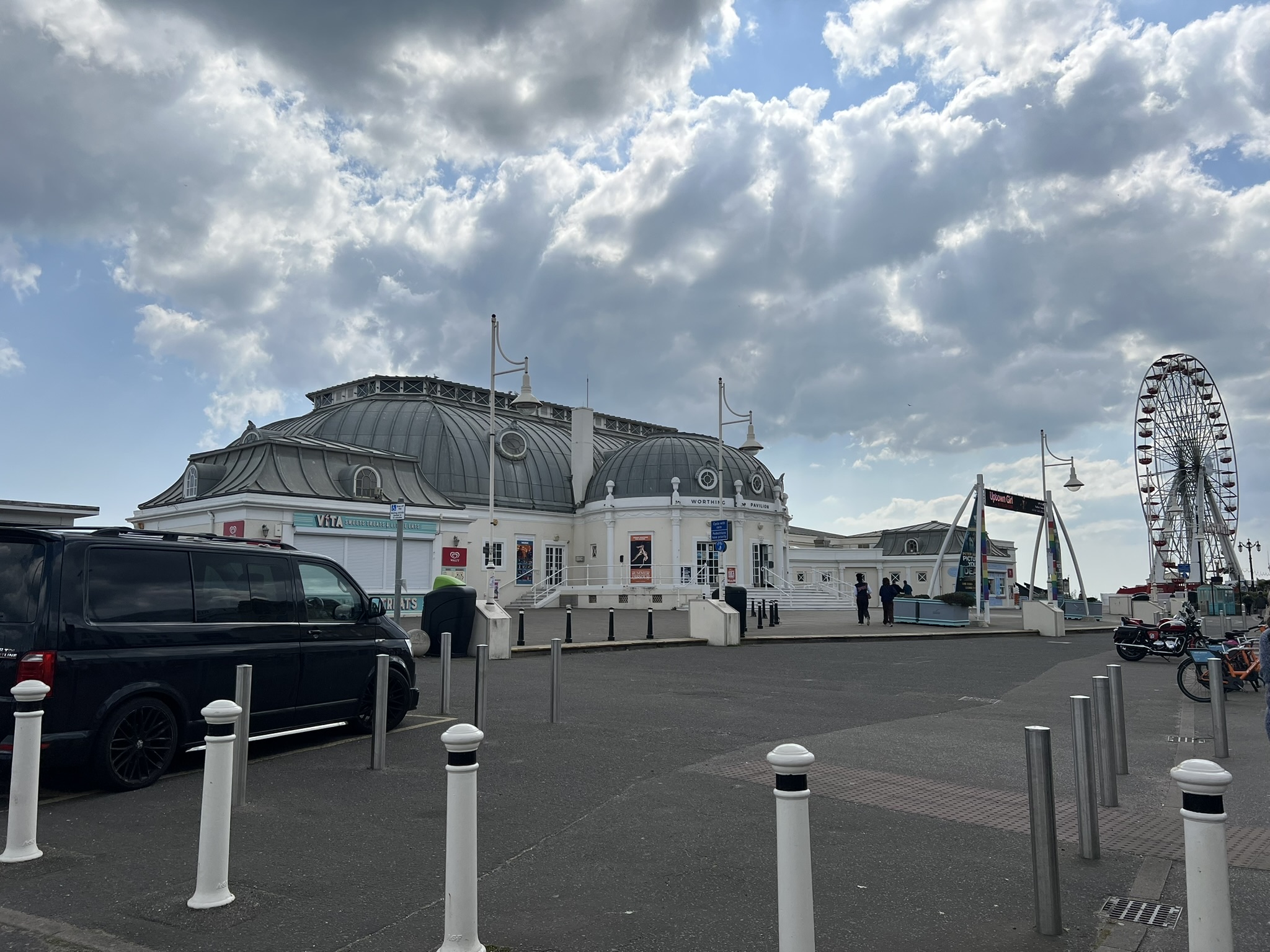
This morning we headed off once again after our last English breakfast at Culpeper’s Restaurant at the Chilston Park Hotel… for a two-hour trek to Worthing, at the seaside, and where Jane Austen stayed in September 1805 ’til at least early November [Le Faye, Chronology, 319]. I have read about this time of her life and her extended stay here – the must-read book is the Antony Edmonds’ Jane Austen’s Worthing: The Real Sanditon (Amberley, 2013):

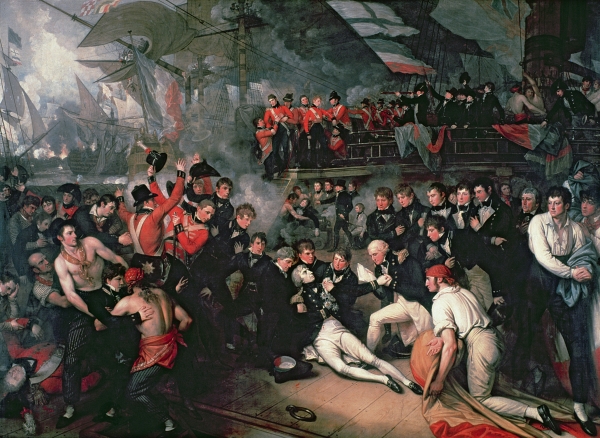
Profusely illustrated, Edmonds tells all about the history of Worthing and what it was like in 1805 as Jane would have experienced it. She was here with her mother, sister Cassandra, Martha Lloyd, niece Fanny Austen [later Knight], and Miss Sharpe – they stayed in Stanford Cottage, now a Pizza Express, and where we were met by members of the Worthing Society. They were terrific – gave a powerpoint lecture on Austen’s time here [interesting to learn that they were here in October 21, 1805, the date of the Battle of Trafalgar and the death of Nelson [and they were likely all worried about where Frank was then located – did they know then that he was not part of the battle?]]

[Death of Nelson, by Benjamin West – Wikipedia]

*******

Stanford Cottage:

And this from the lecture on the route the Austens et al would have traveled to Worthing:

*******

Worthing was a place made famous by the arrival of Princess Amelia, youngest daughter of George III, who came here for sea-bathing to improve her health [to no avail: she died of tuberculosis in 1810]. Other notables who either visited or lived for a time in Worthing were Percy Bysshe Shelley, Lord Byron, Charles Lamb, the poet Robert Bloomfield, the poet and critic Horace Smith, and the actor Colonel Berkeley and actress Mrs. Bunn (Margaret Somerville, and a bit after Austen). There are a number of “Blue Plaques” scattered around town noting other people of historical interest [including Harold Pinter, who wrote “The Homecoming” while living here from 1962-64]. One an only conjecture if Austen ran into any of these people… or if she would have liked Pinter’s turn as Sir Thomas in the 1999 Patricia Rozema Mansfield Park…?]

[House where Princess Amelia stayed]

One is easily sidetracked from the main event: Jane Austen in Worthing.

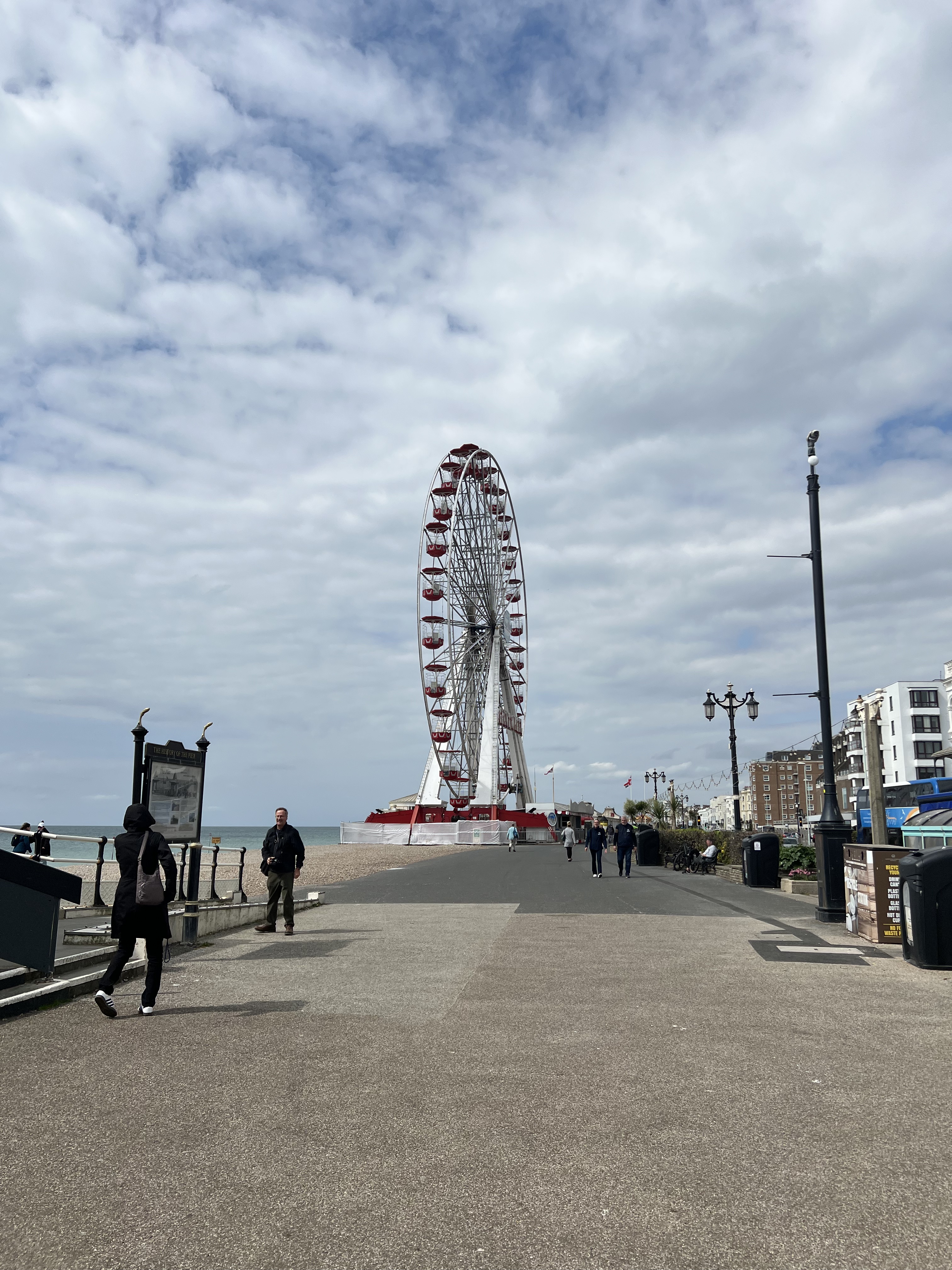
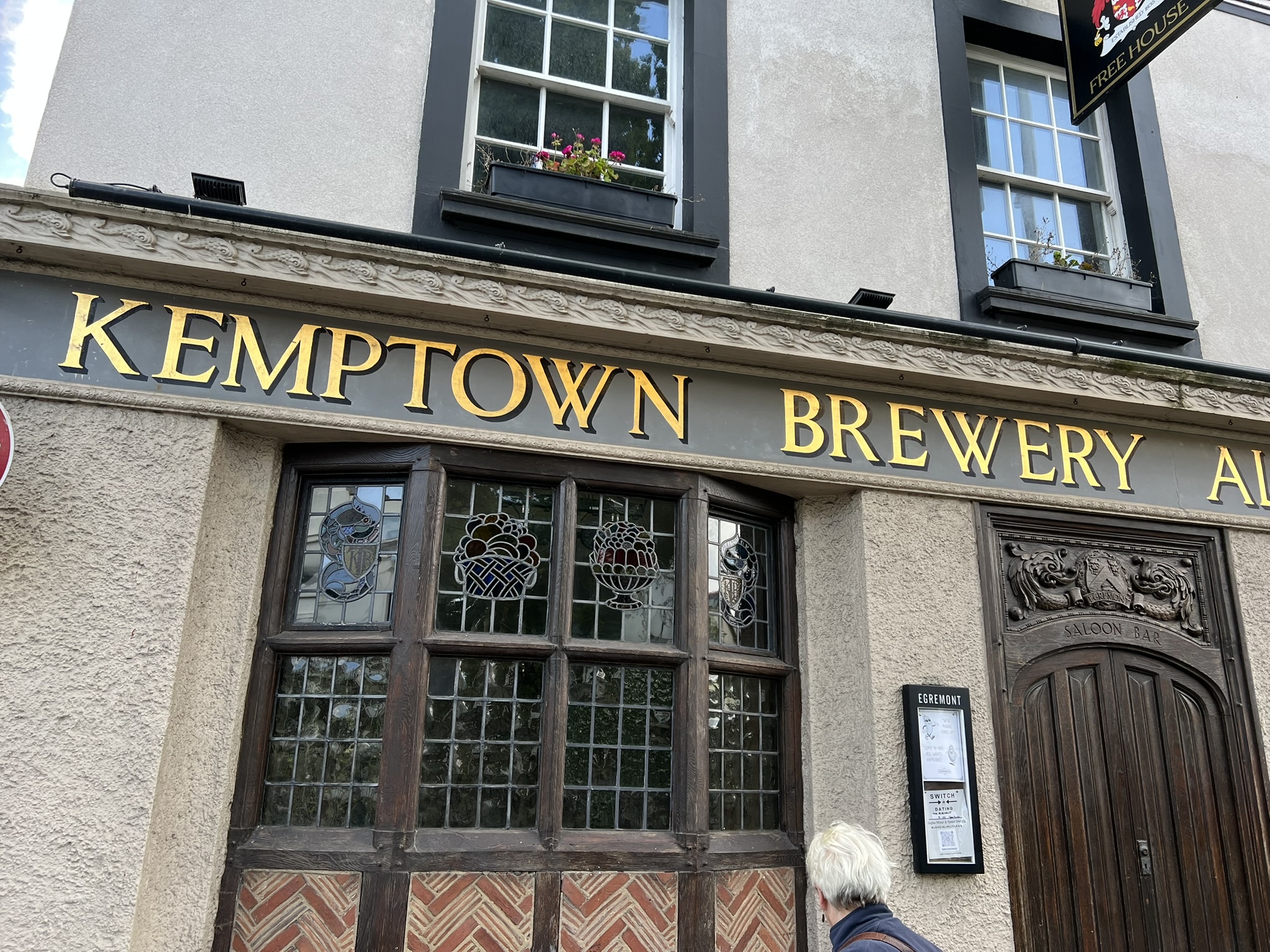
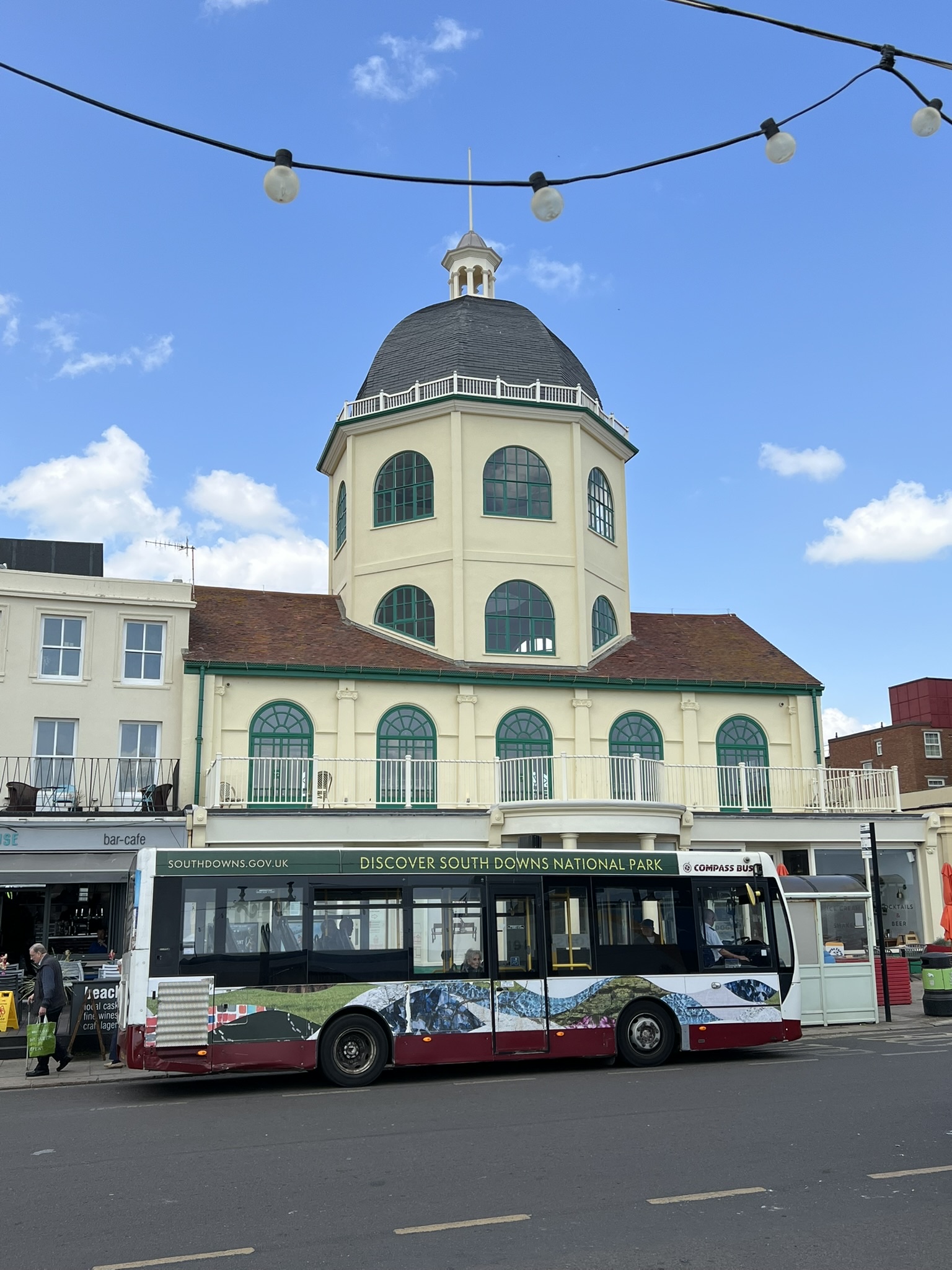
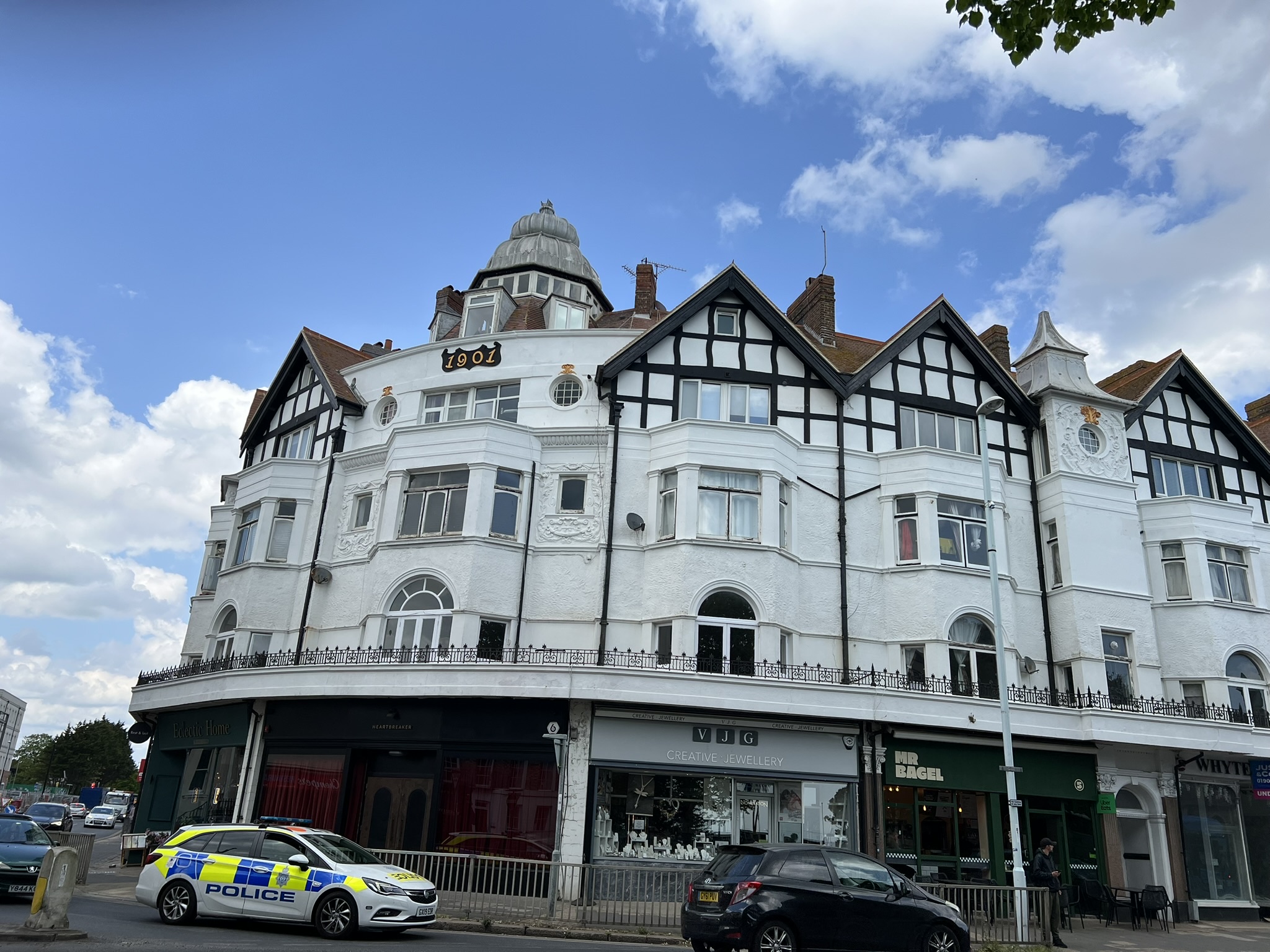
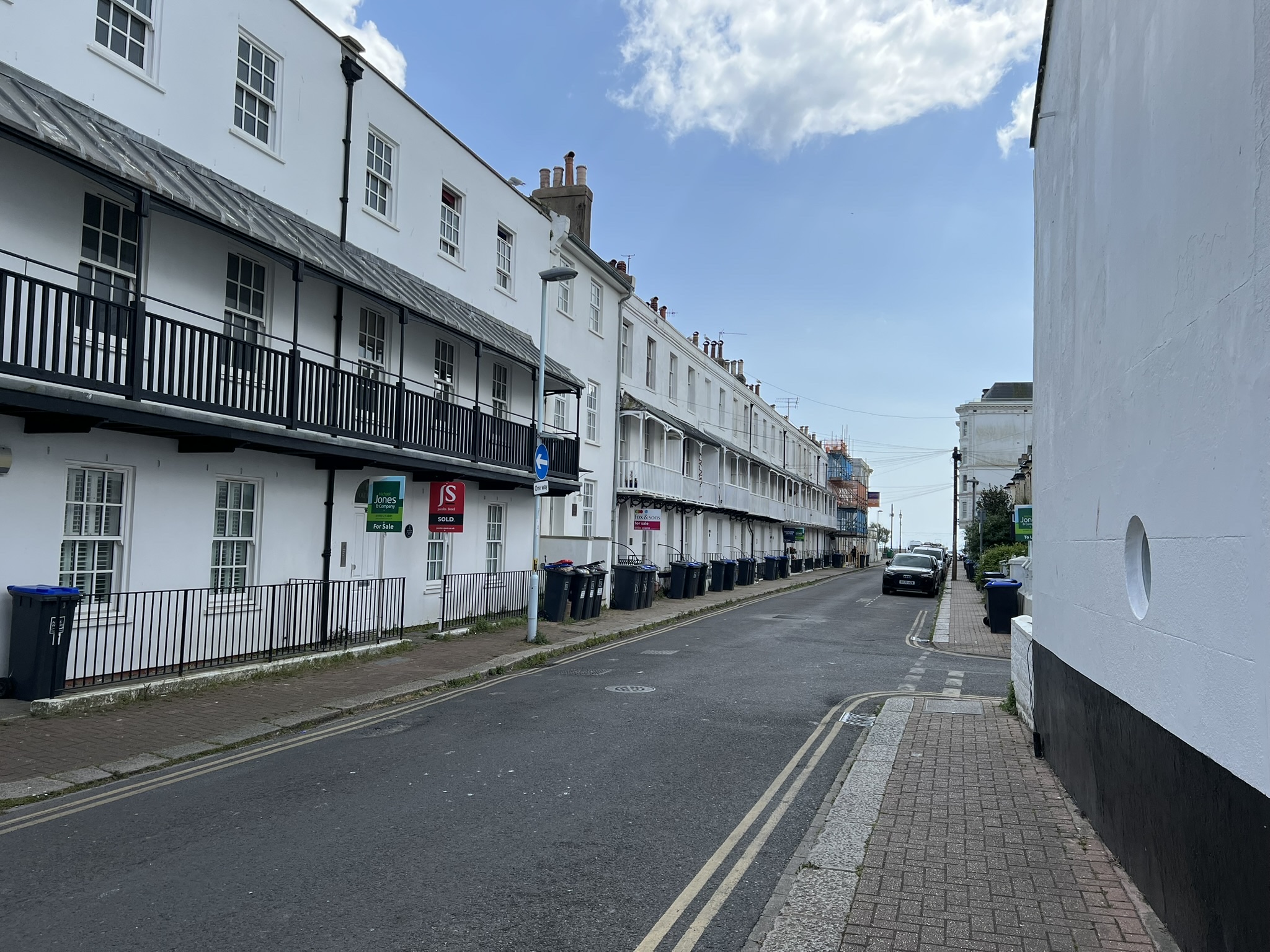
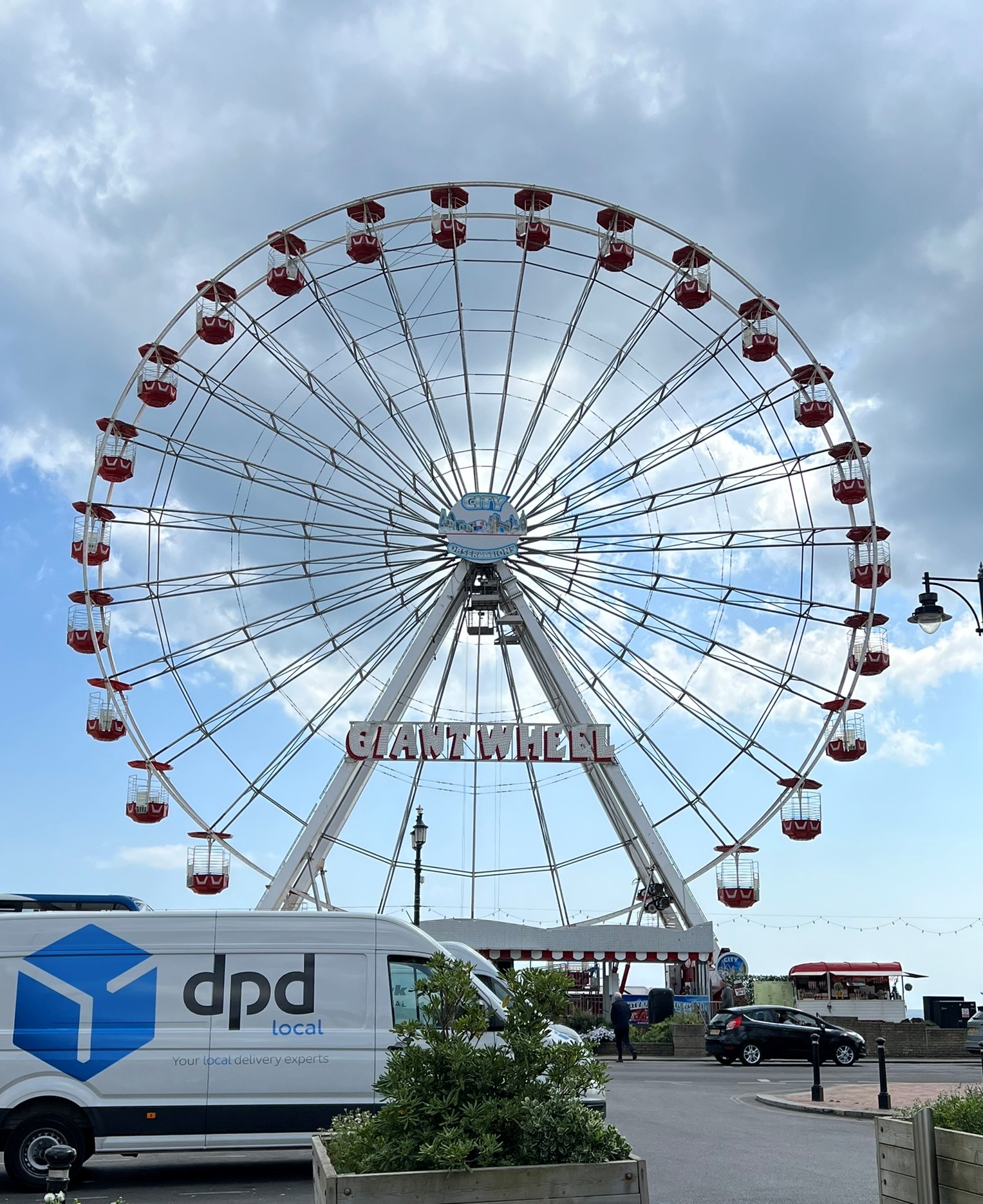
I was quite taken with the town, between the seaside, the Ferris Wheel, the beach, the enchanting streets, and by the graciousness of our hosts. After the lecture, we inhaled pizza, then took a walking tour guided by our Worthing Society hosts that followed Austen’s time here:

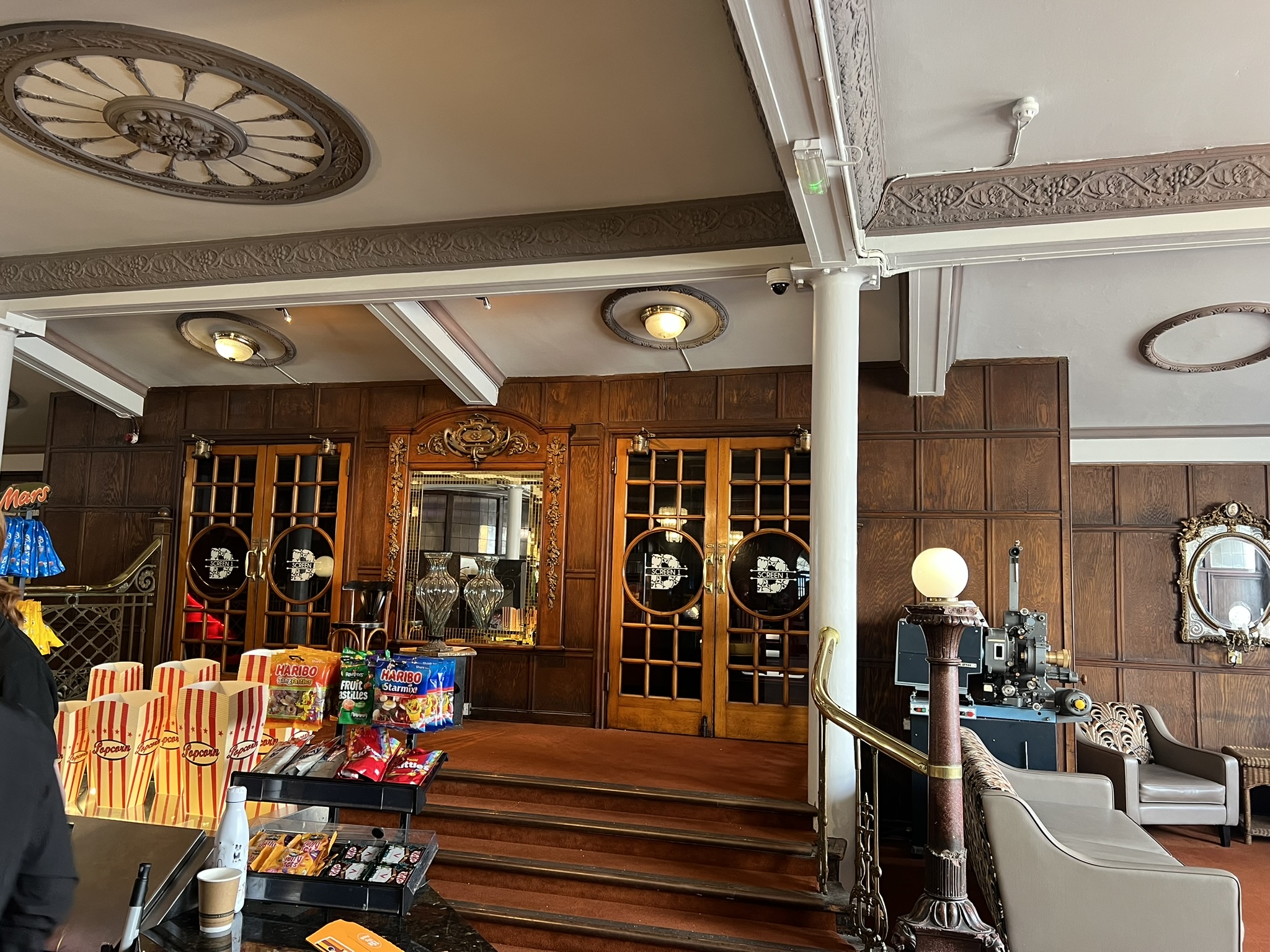
[The Dome Cinema, 1911]

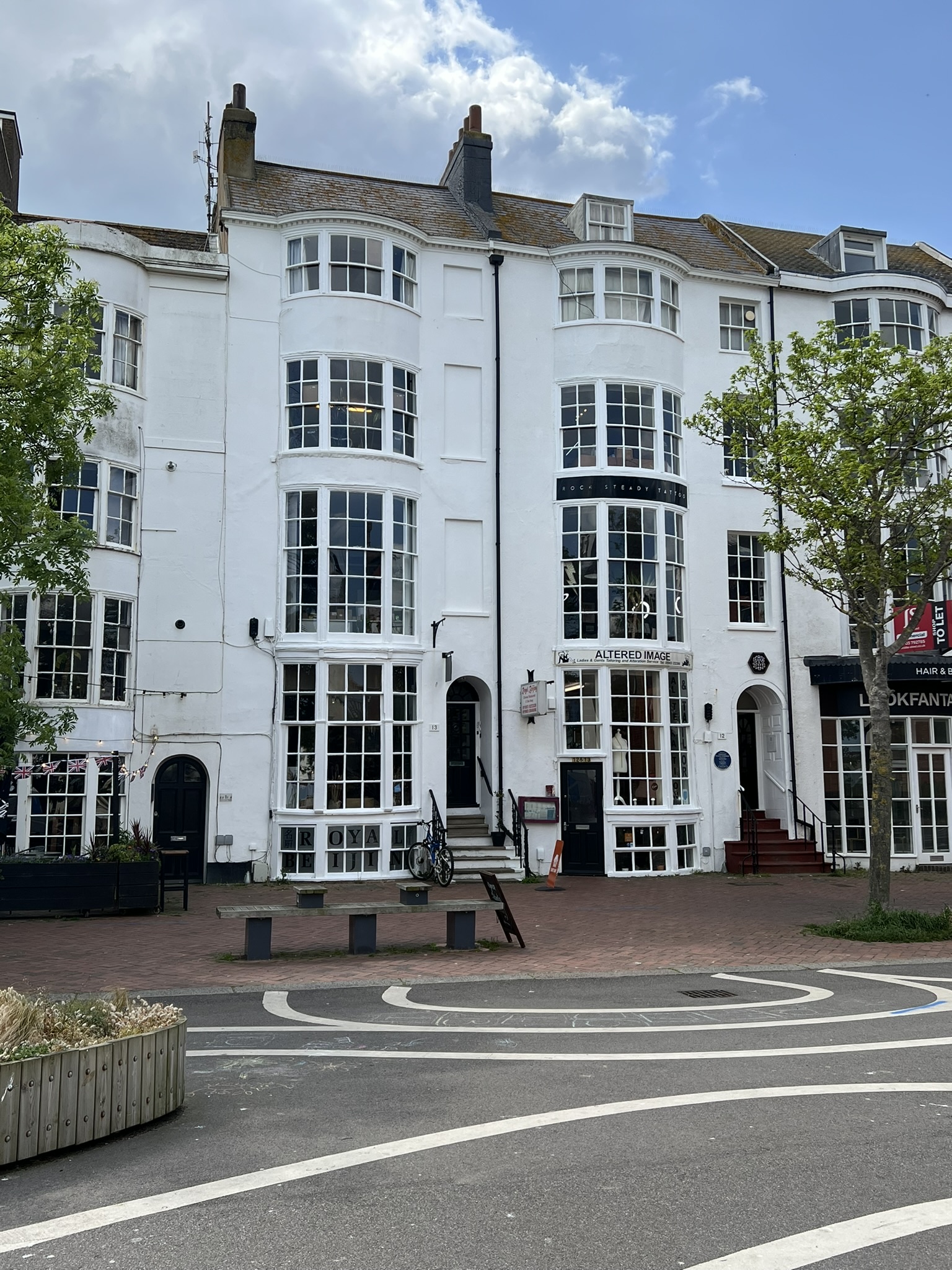
[a street just as Austen would have seen it…well, without the signs, the asphalt, the cars, the trash cans…but the buildings remains as they were then…]

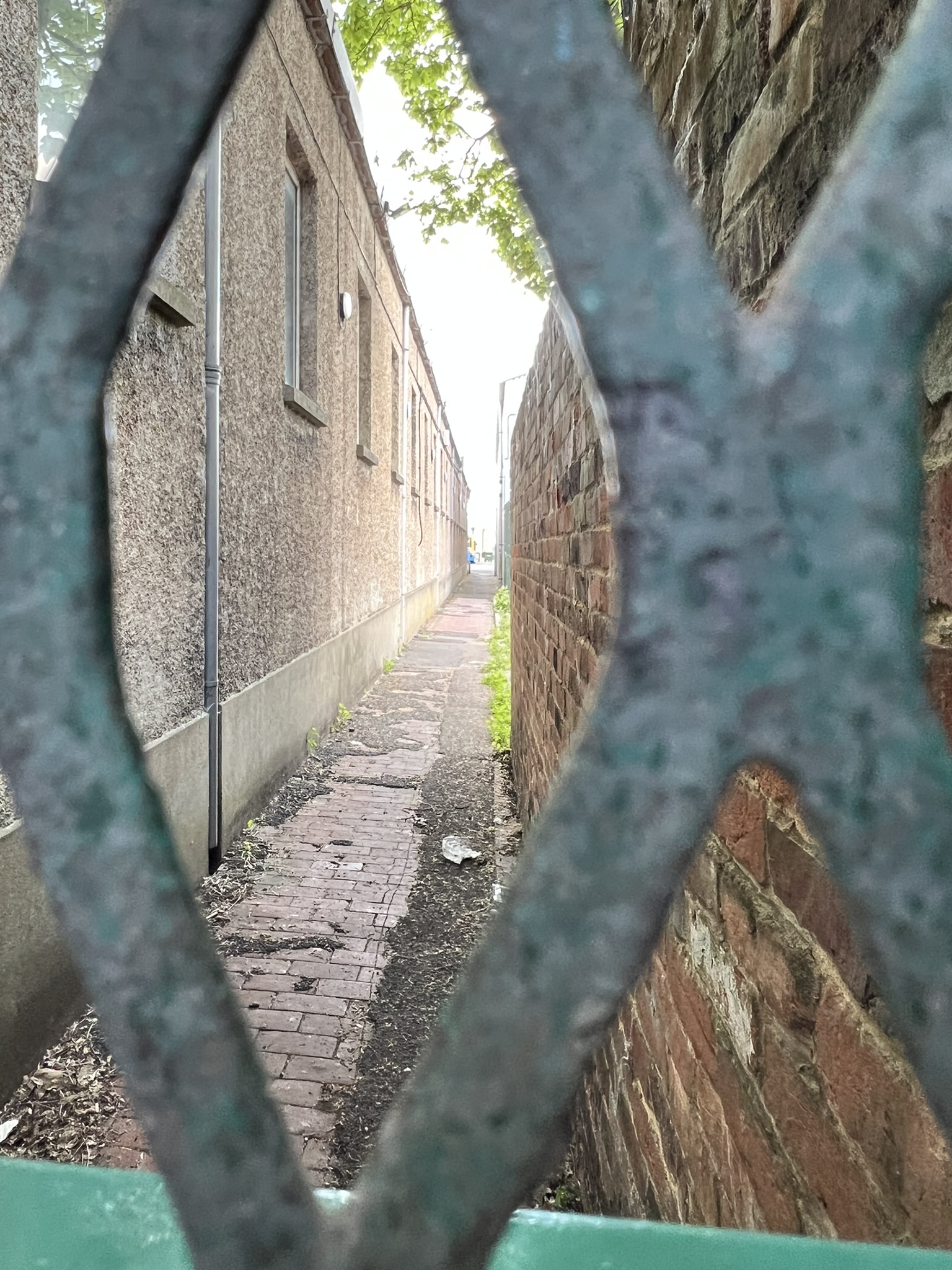
And her path to the circulating library, which is now closed to walkers…

…. you can read more about the closure of this “Library Passage” [called a “twitten”] to the Circulating Marine Library that Jane would have walked: https://janeausteninvermont.blog/2012/03/01/the-library-passage-in-worthing-under-threat-of-closure-how-you-can-help/

and the followup here: https://janeausteninvermont.blog/2012/07/18/update-worthings-library-passage/

…. and the path to the water for a refreshing dip [there were 30 bathing machines at the time, and “were, according to the 1805 town guide, segregated, so that ‘every proper attention is paid to decency’.”] [Worthing Society Heritage Leaflet No. 2, “Jane Austen” (c2013, Janet Clarke)]


Venus’s Bathing (Margate):
Hand-coloured etching, 1790 By: Thomas Rowlandson
courtesy of the Wellcome Collection

All that is known about this family trip is through Fanny Austen’s notebook jottings – there are no letters from this time, and indeed no letters from Jane from 30 August 1805 until 7-8 January 1807 (Letter 48(C) is a July 24, 1806 poem to Fanny and is only a copy written out by Anna Lefroy) – what happened in those years remains a mystery … and ripe for fictional interpretation.

But Edmonds makes a strong case for Austen’s visit to Worthing as being the foundation of her last novel Sanditon – all the characters of the town are in place in her story, sadly never finished, and also ripe for fictional completions, of which there are several [as well as the over-the-top-but-beautiful-to-look-at 3-season TV series].

You can read more on the Worthing Society here: https://www.worthingsociety.org.uk/

We thanked our new-found friends in Worthing and were then on our way to Winchester, from where we will spend the next 4 days journeying from there to take in the Jane-in-Hampshire sites…

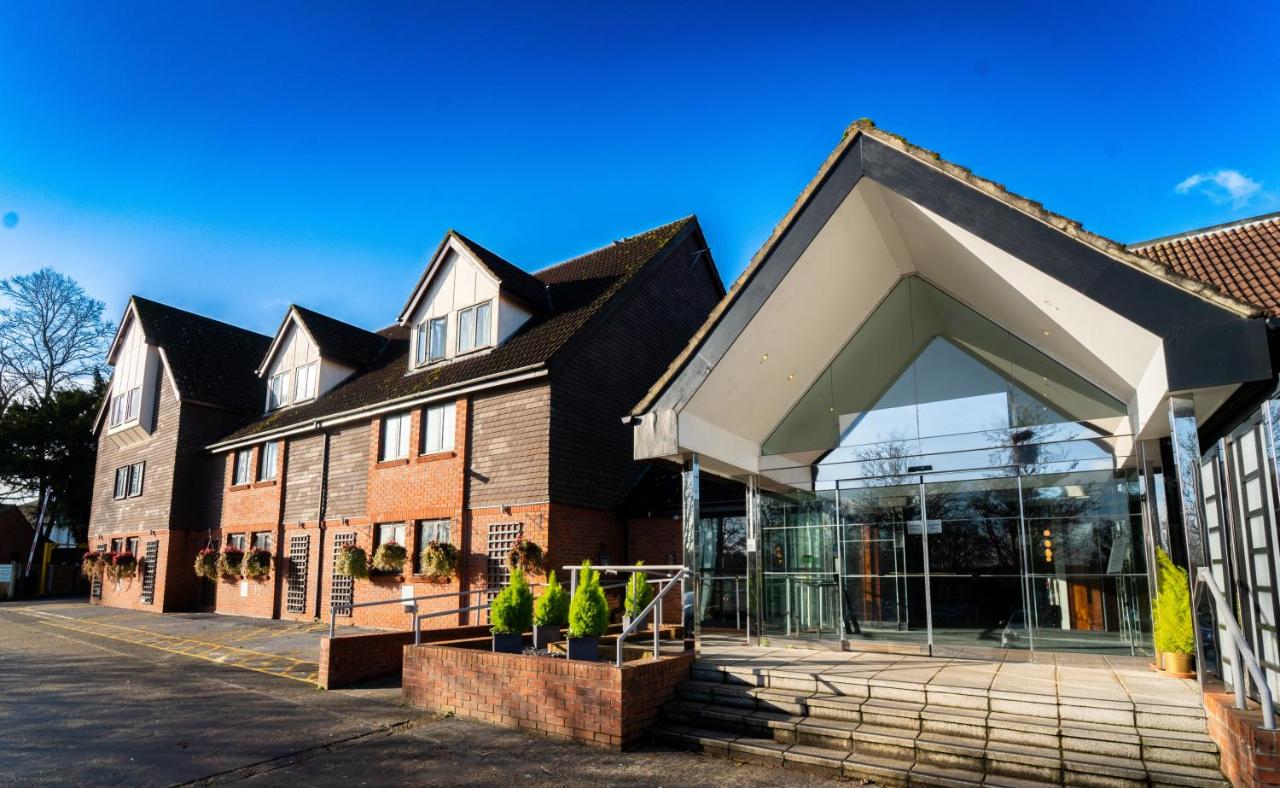
In the meantime, dinner at our hotel, the Winchester Hotel & Spa:

[from the hotel website as I failed ot take a picture!]

More on Worthing here, a guest post by Chris Sandrawich: https://janeausteninvermont.blog/2012/05/10/in-search-of-jane-austen-guest-post-a-tour-of-worthing-by-chris-sandrawich/

c2025JaneAustenInVermont
Georgian Period · Godmersham Park Library · Great Britain - History · Jane Austen · Jane Austen Circle · Jane Austen Genealogy · Jane Austen Societies · JASNA · Literature · Museum Exhibitions · NAFCH - North American Friends of Chawton House · Regency England · Social Life & Customs · Women Writers

Adventures with Jane! Day IV: Goodnestone, Godmersham, and Canterbury

What an extraordinary day this was!

First, we traveled on our bus today to Goodnestone [did I mention yet our very-talented bus driver on this trip, Paul? A master of small lanes, hedgerows, and city maneuvers, Paul brought his expertise, patience (with all the Jane talk!), and humor to each day. The bus was smaller than the average bus, but with NO SIDE MIRROS, which proved his abilities beyond possibility…[I have a picture thanks to Joy!..]

– but I bring this up because today, traveling down a country lane on the way to Goodnestone, this big red behemoth attracted a herd of sheep like none of us have ever seen – unlike a Gary Larson cartoon, where the cows keep eating and ignoring the passing-by humans, these sheep raced to the fence to visit the huge bus – did they think it was their Mother?? Many of us got out to greet them, all running toward us – whatever they expected or what was on their minds we were unable to determine – but it gave us all a good laugh and we felt more welcomed than ever to the Kent countryside [I did have a Thomas Hardy moment of all the sheep racing to and jumping over the cliff edge in Far From the Madding Crowd, one of the most distressing moments in 19th century literature…but no such sad outcome for us – the fence stopped any such disaster and we just bid them all adieu and continued our journey smiling all the way…]


Goodnestone was the family home of Elizabeth Bridges, wife to Edward Knight. Brook Bridges purchased the home in 1704 [more on him in a bit…]  – it remains in the family and now you can visit the house and gardens and it serves as a wedding venue. I was looking forward to seeing this house and having tea there, but alas! our plans were sent all askew by a film crew taking over the house for a “Marriage at First Sight” filming… the UK series has been on TV since 2015 – I did watch ½ an episode on TV while there and was quite stupefied by its stupidity…but if it helps support the Goodnestone estate, then that is a mere quibble of taste…

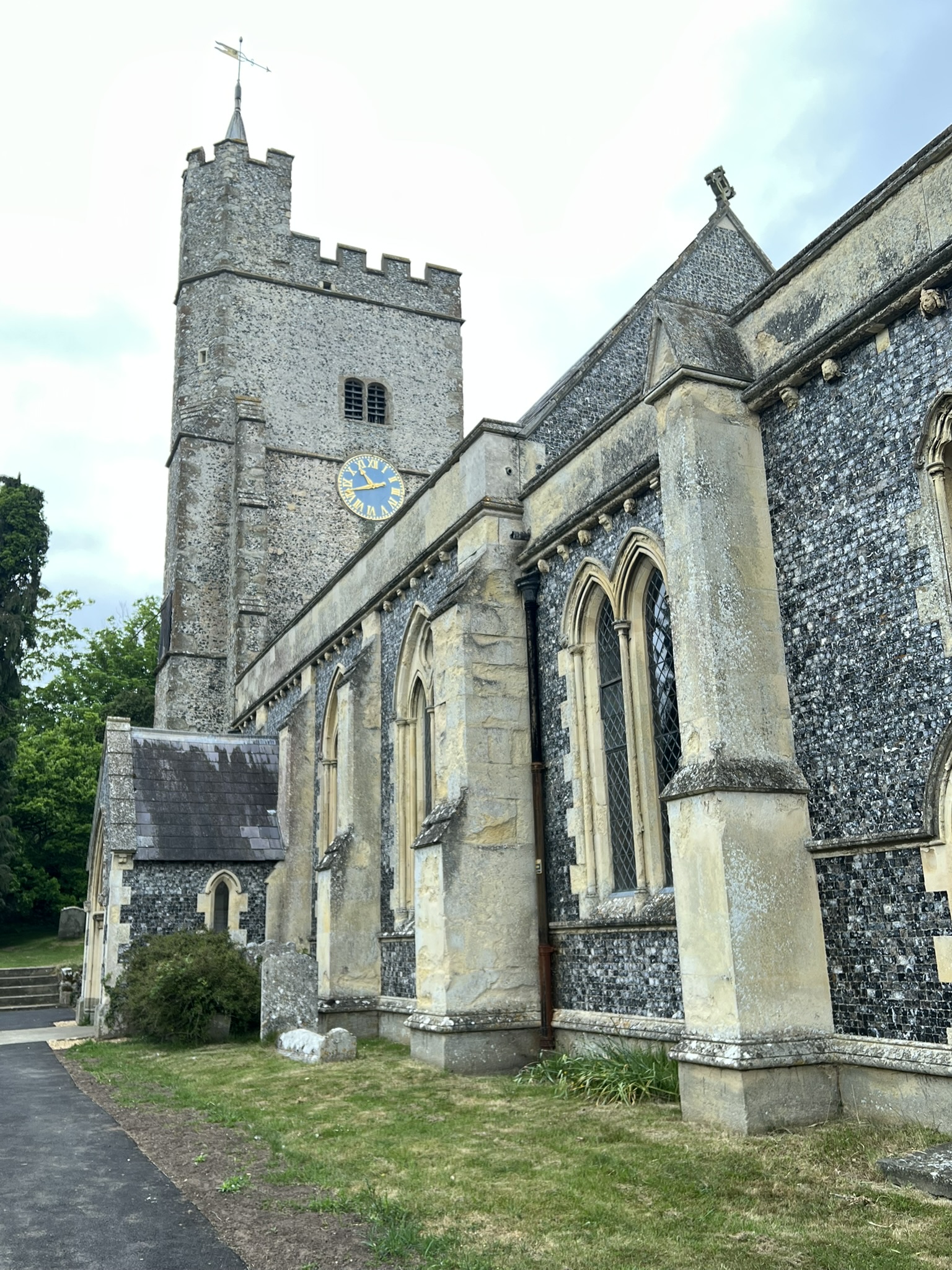
So, only distant shots, and a visit to the Church of the Holy Cross, where we were introduced to one of the family who gave us the low-down on the family history, and a tour around the church. This is the church where Edward and Elizabeth were married – it was actually a double wedding [Elizabeth’s sister Sophia and William Deedes], perhaps giving Austen the idea for her Pride and Prejudice double wedding of the Bennet sisters, Elizabeth and Jane.

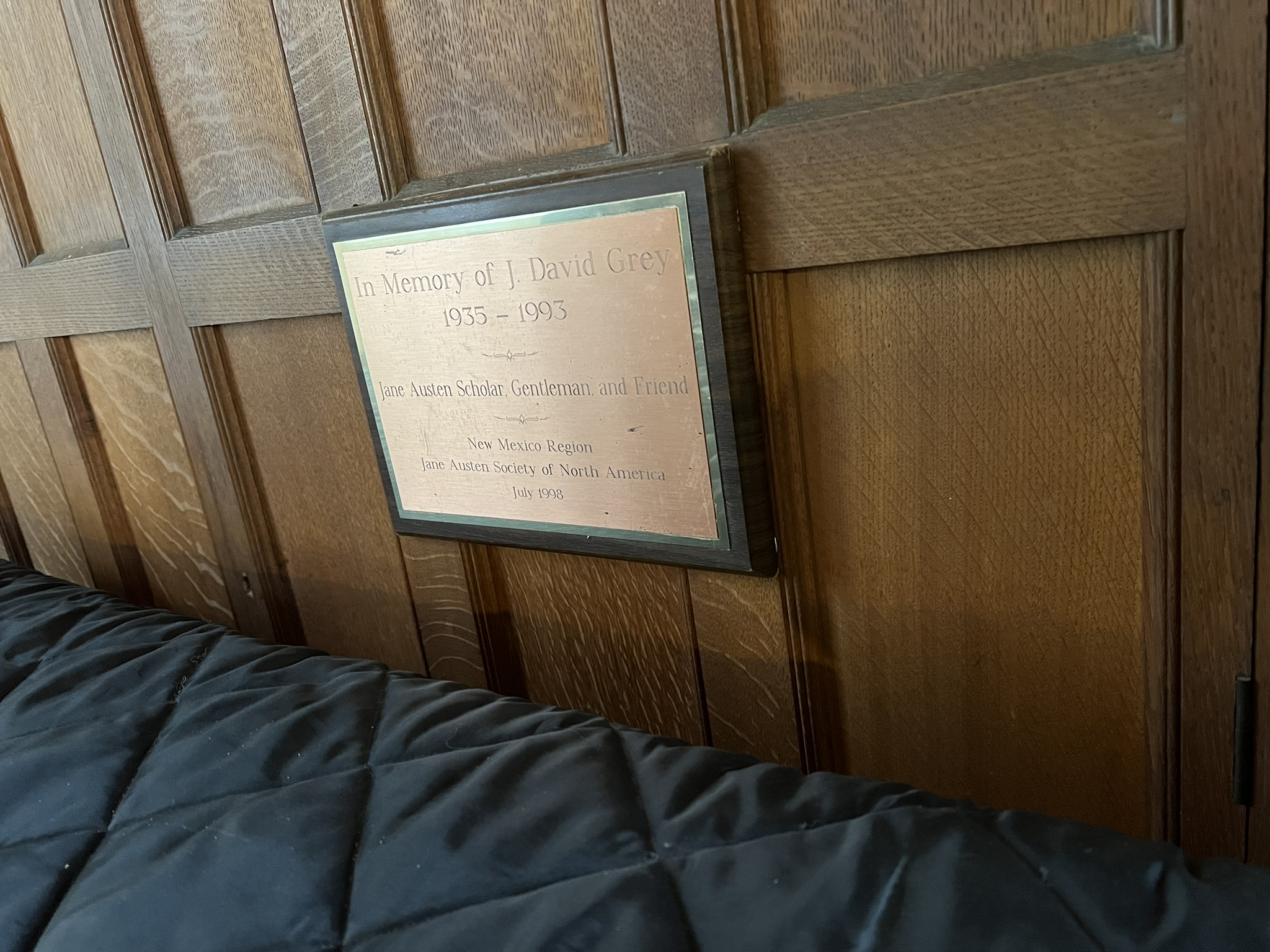
Of interest to Janeites is the plaque to J. David Grey, one of the founders of JASNA, and installed here in his memory with JASNA’s support.

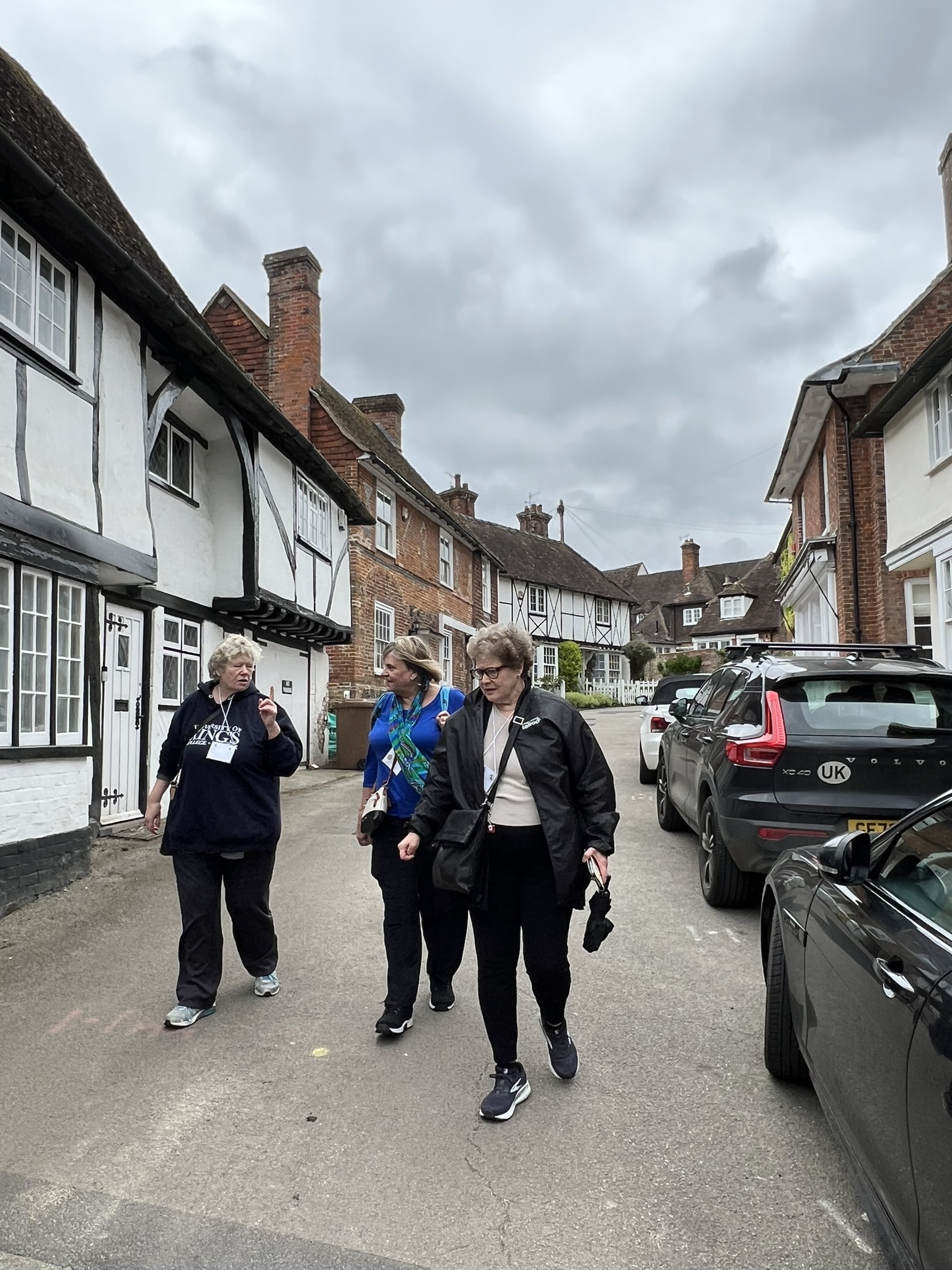
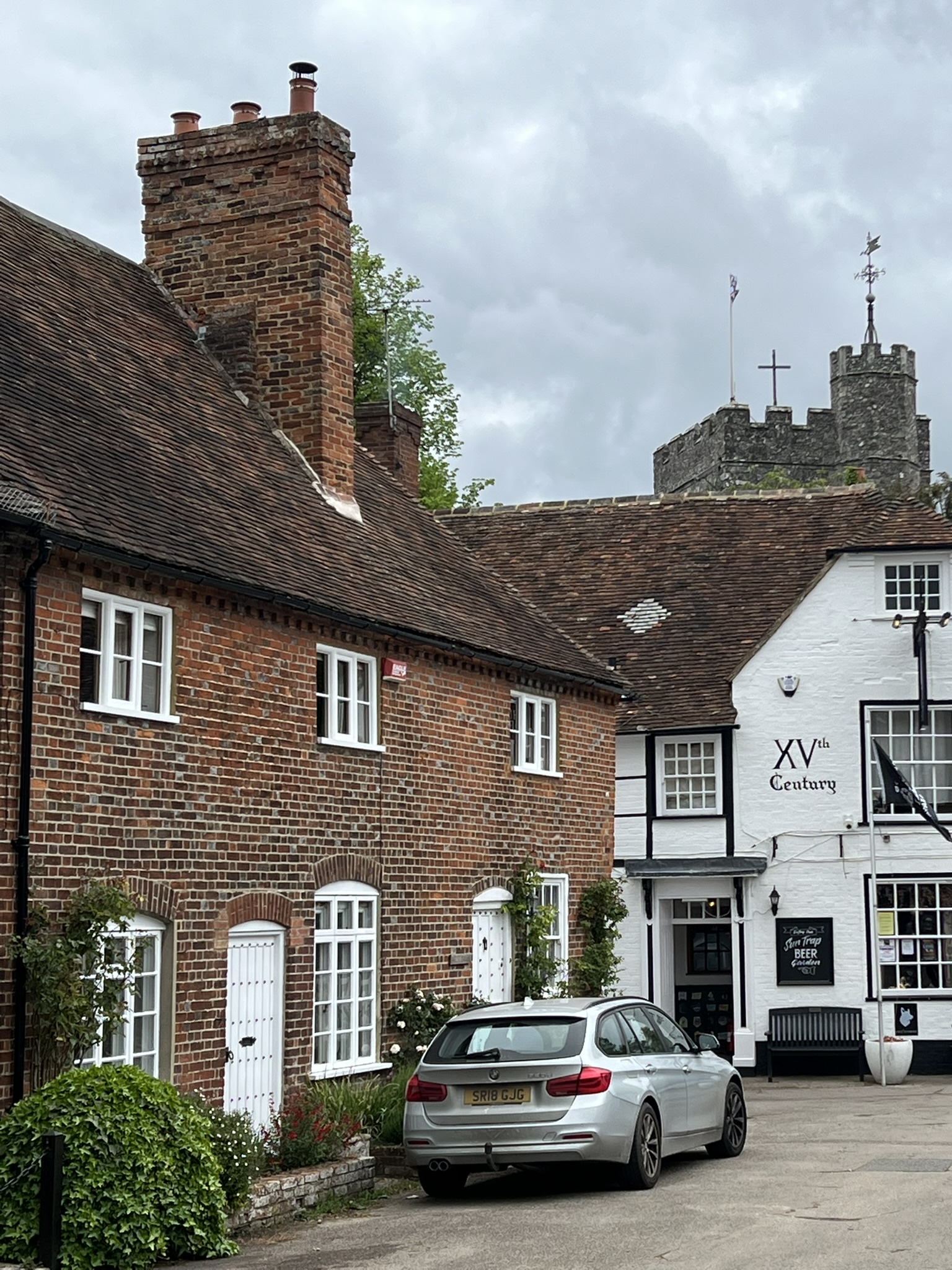
Then off to Chilham, the village that served as the location for Highbury in the 2009 Emma series. We were able to walk around the village and had lunch at the Woolpack Inn, established in 1480 [so delicious, I forgot to take a single picture!], and an appropriate spot considering our sheep welcome…

***********

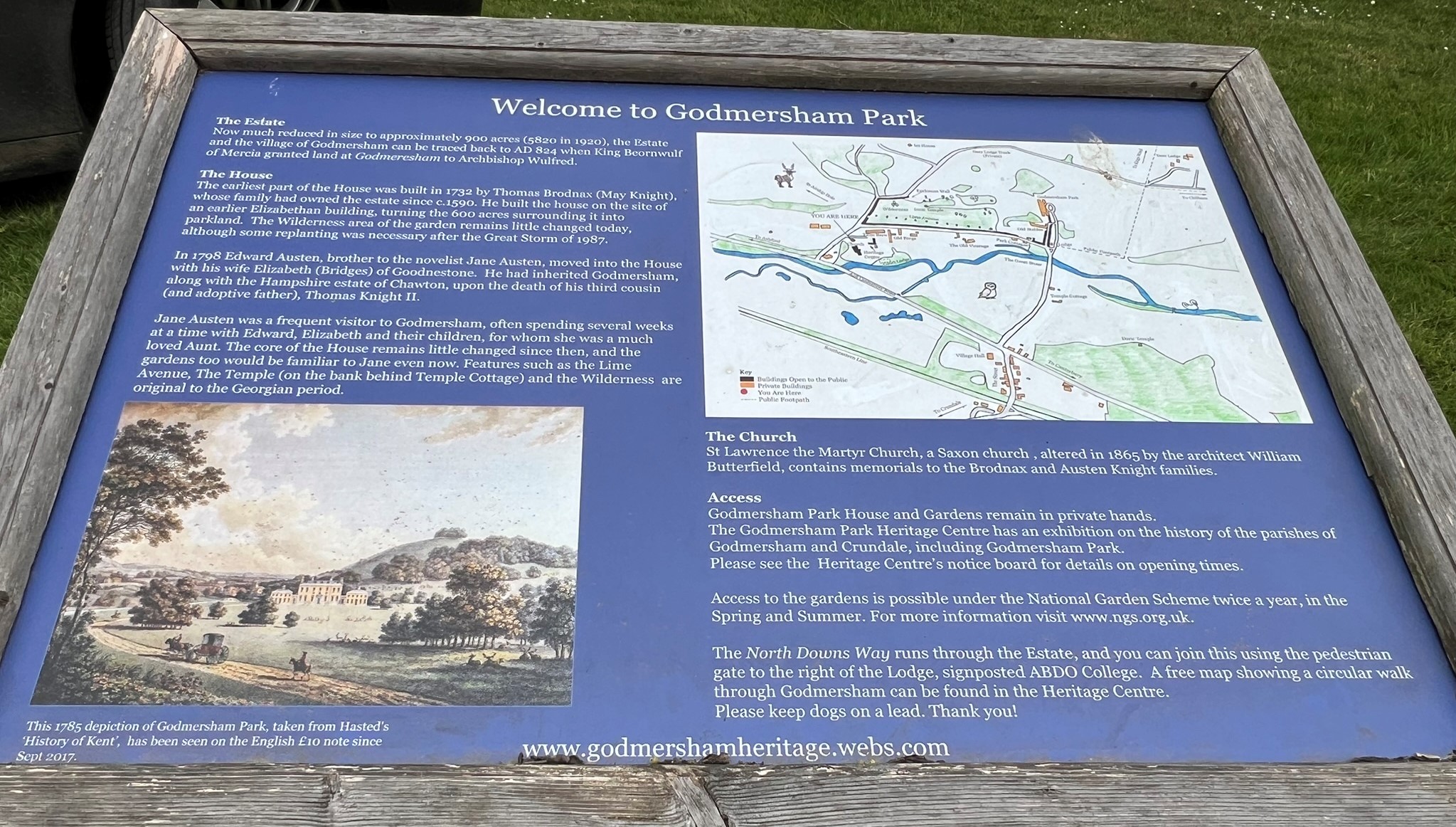
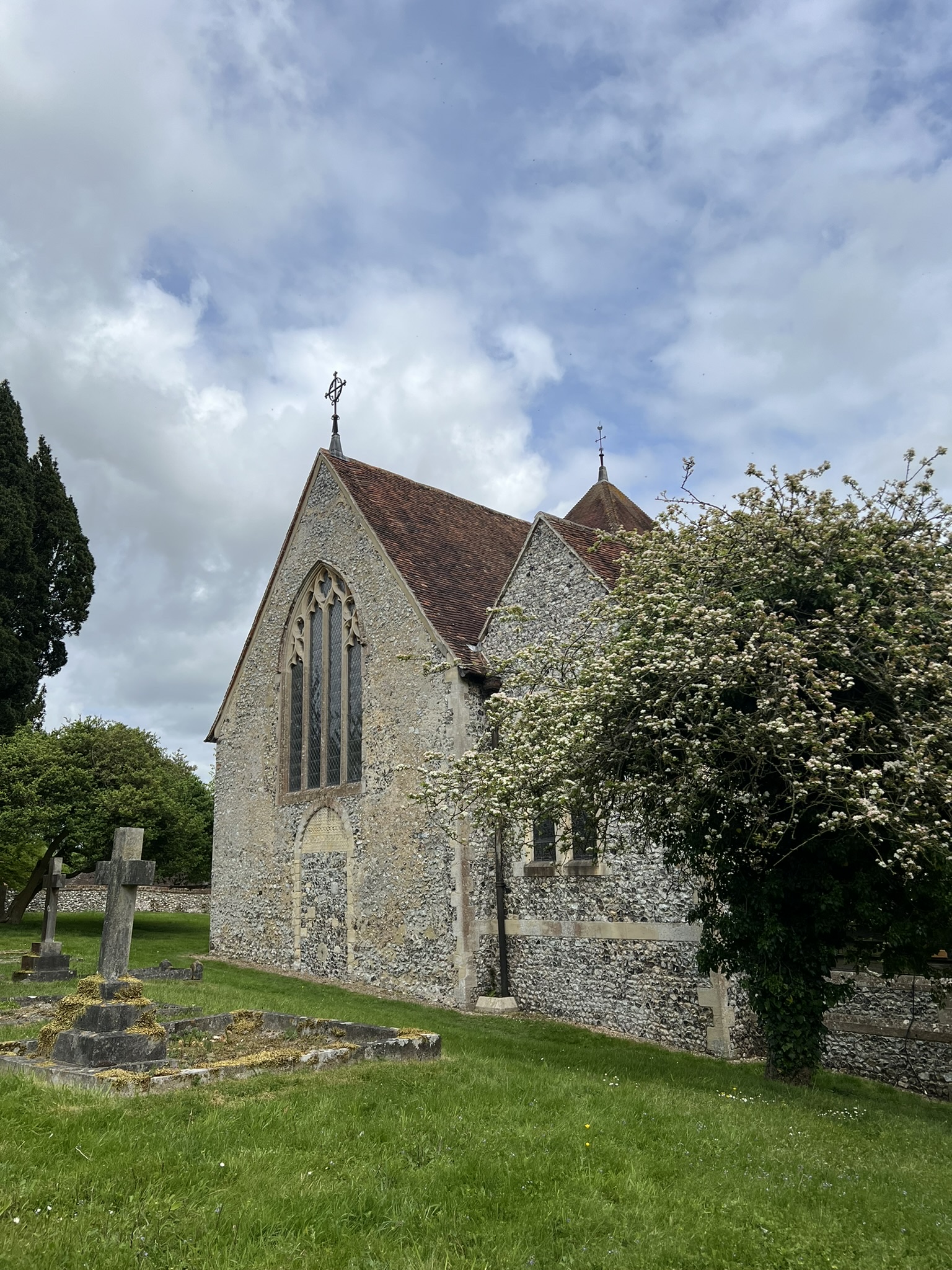
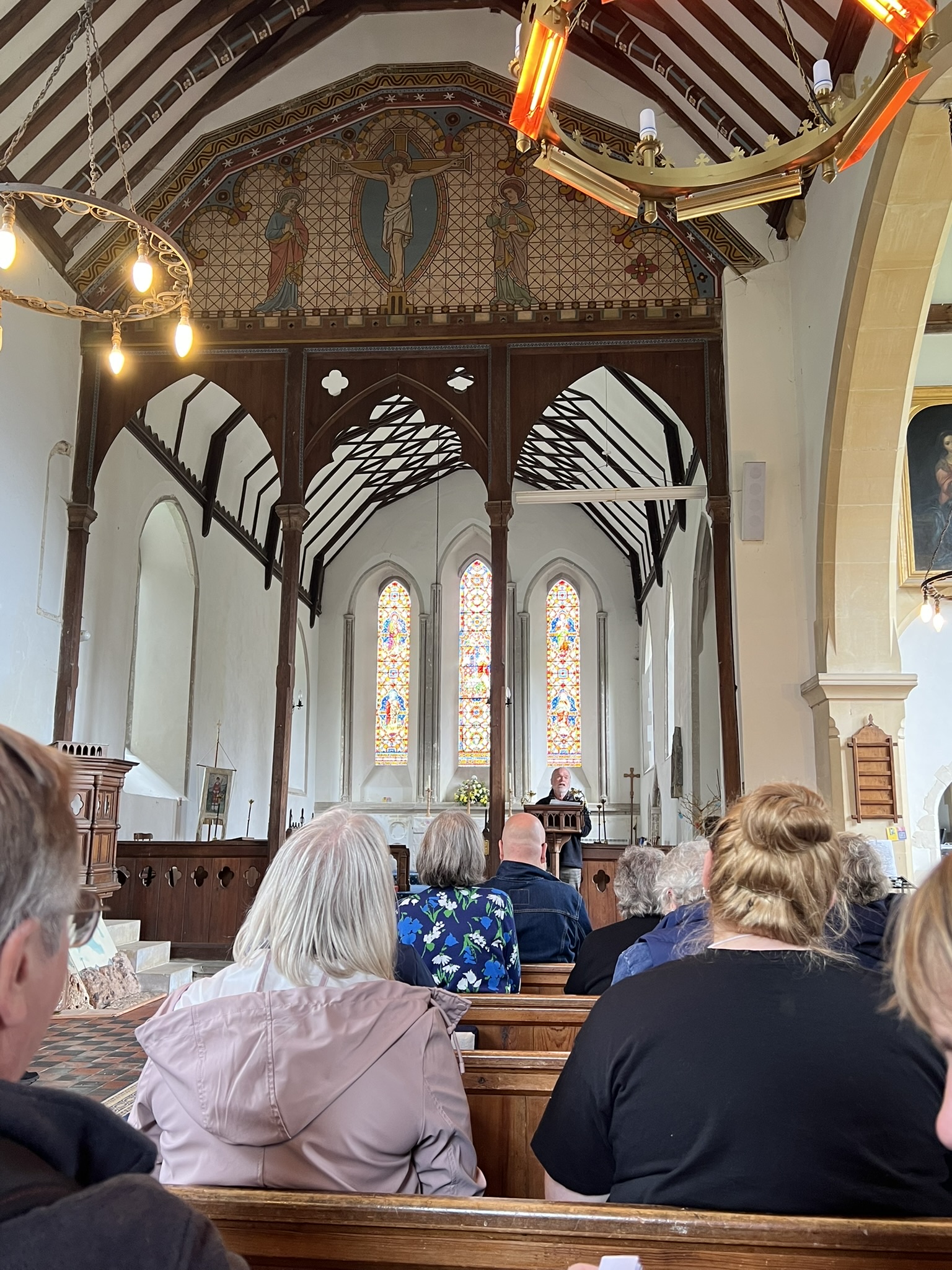
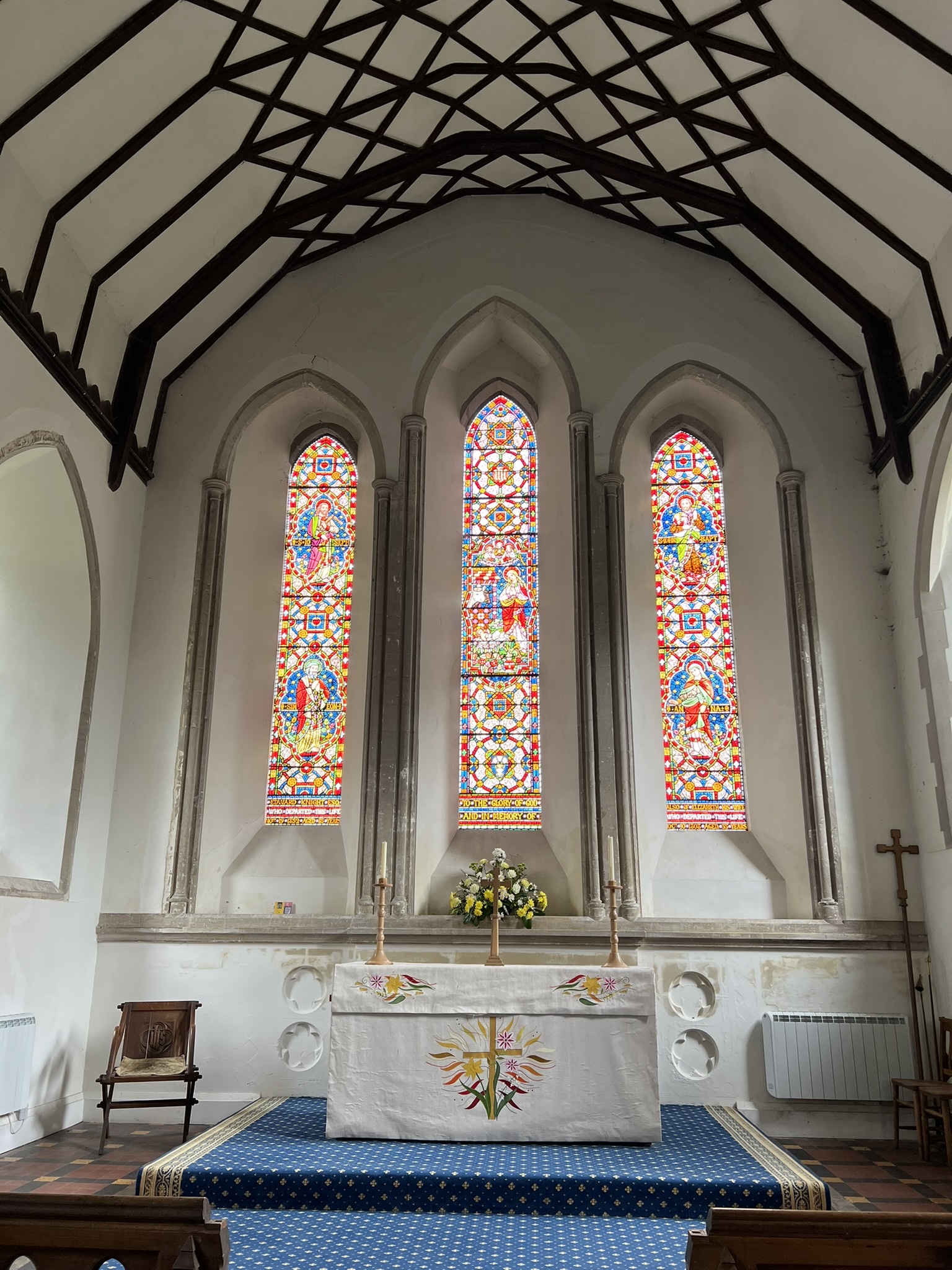
Then to Godmersham Park, my most anticipated spot on the tour. First to the Church, surprisingly not a St Nicholas, but a St. Lawrence: here we had a history lesson about its connections to the Austens.

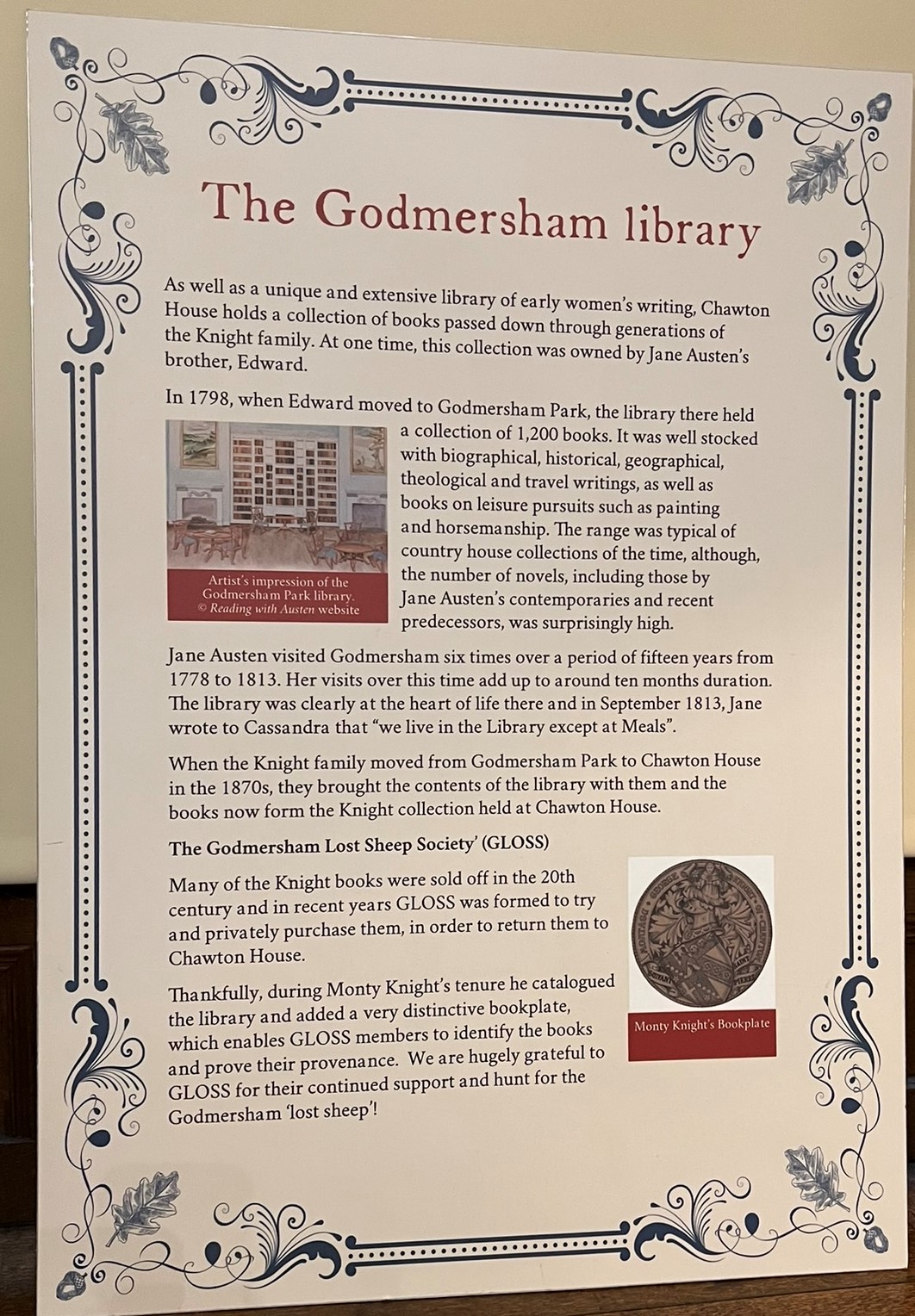
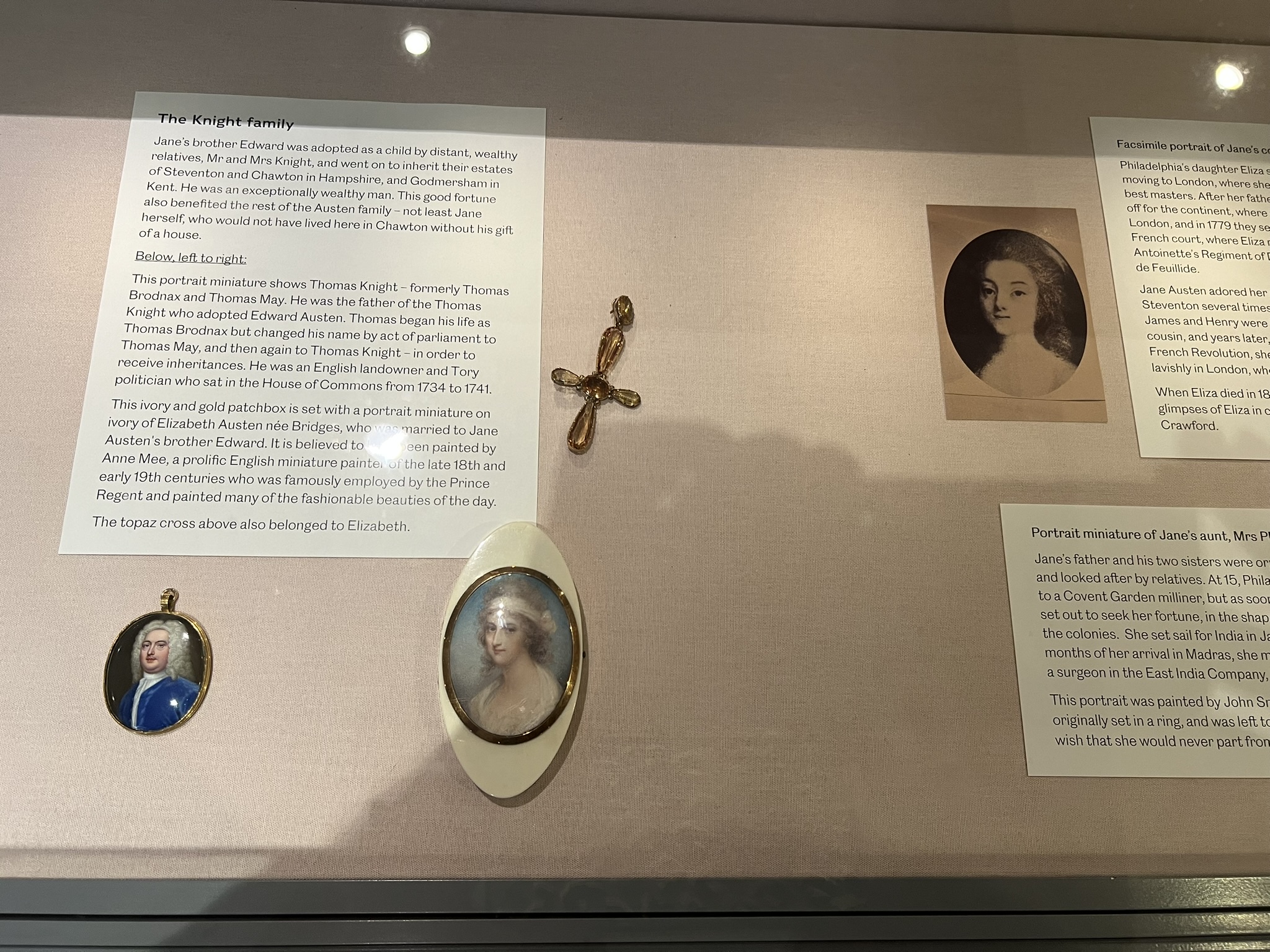
Godmersham Park was Edward Austen’s home, inherited from his adoptive parents that required him to change his name to Knight. Here he and Elizabeth raised their 11 children [Elizabeth died after the birth of the 11th at the age of 35 in 1808] and where his extensive gentleman’s library was housed, the source of Professor Peter Sabor’s project Reading with Austen – the website offers an interactive plan of the library showing what books were on the shelves and their location as Jane Austen would have experienced. The goal of the project has also been to return as many of the books that were originally in Edward’s library if at all possible – we call ourselves The Godmersham Lost Sheep Society – you can read all about it at these links – we actively fundraise to help in the purchase of any books that might show up at auction or in booksellers’ catalogues.

Godmersham Park

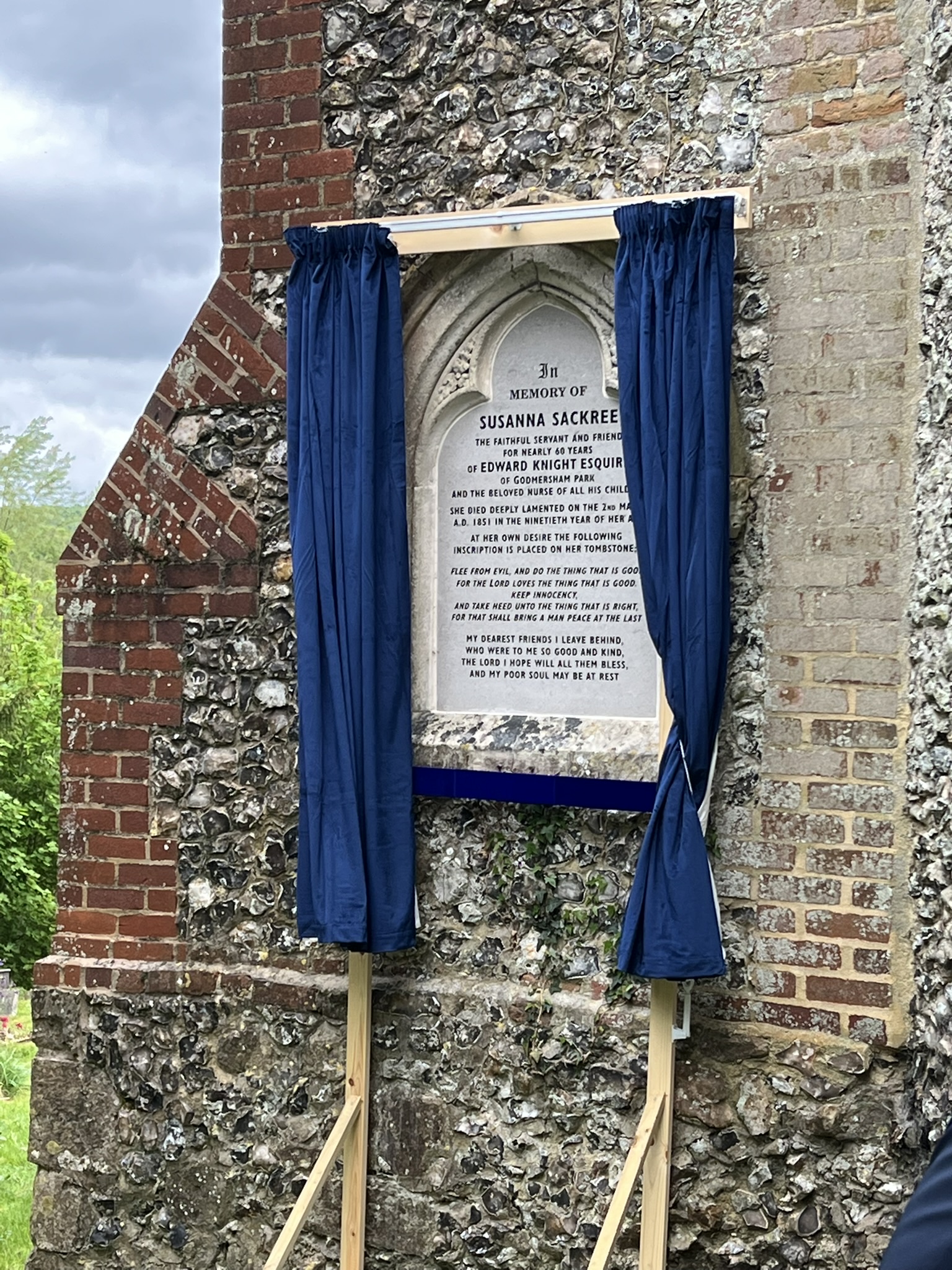
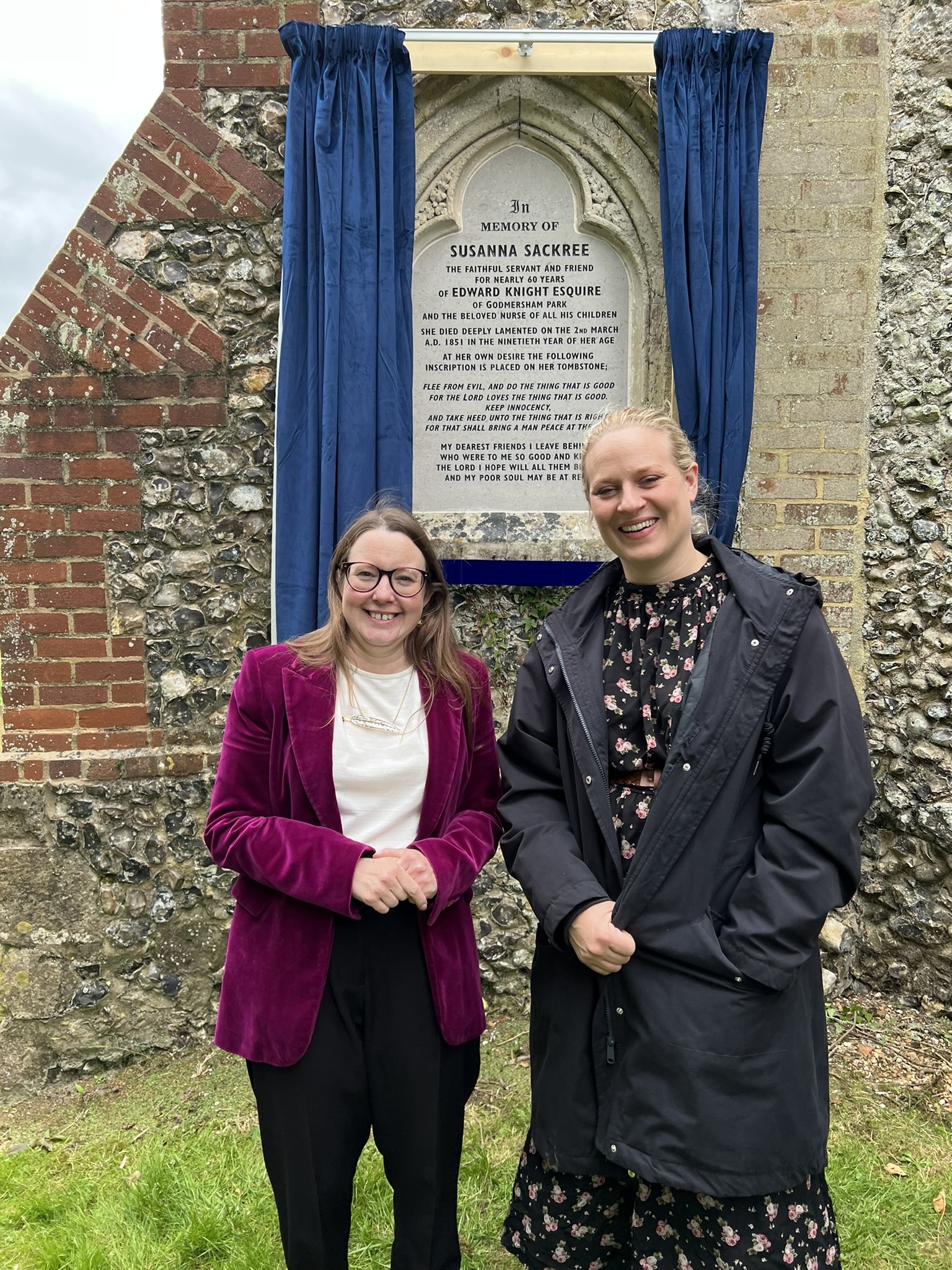
We were honored to be present for the unveiling at the Church of the Susannah Sackree memorial, here with Katie and Kim from Chawton House:

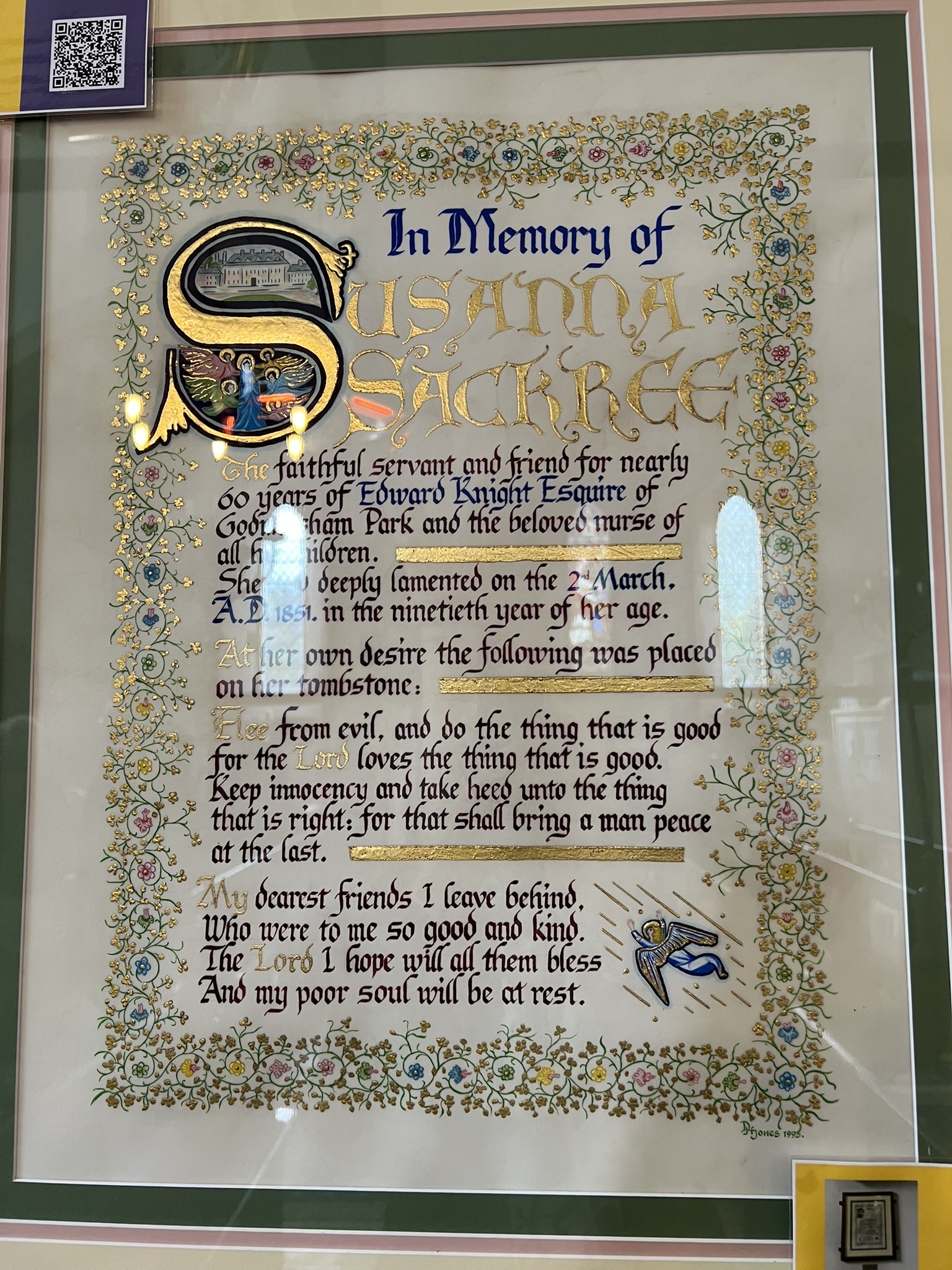
Susannah Sackree was the nursemaid to the Knight children, and memorialized by them in the church and now with this grand memorial on the exterior. It was a very moving moment to see a servant, often forgotten by their employers and history, so lovingly remembered by the Knight family.
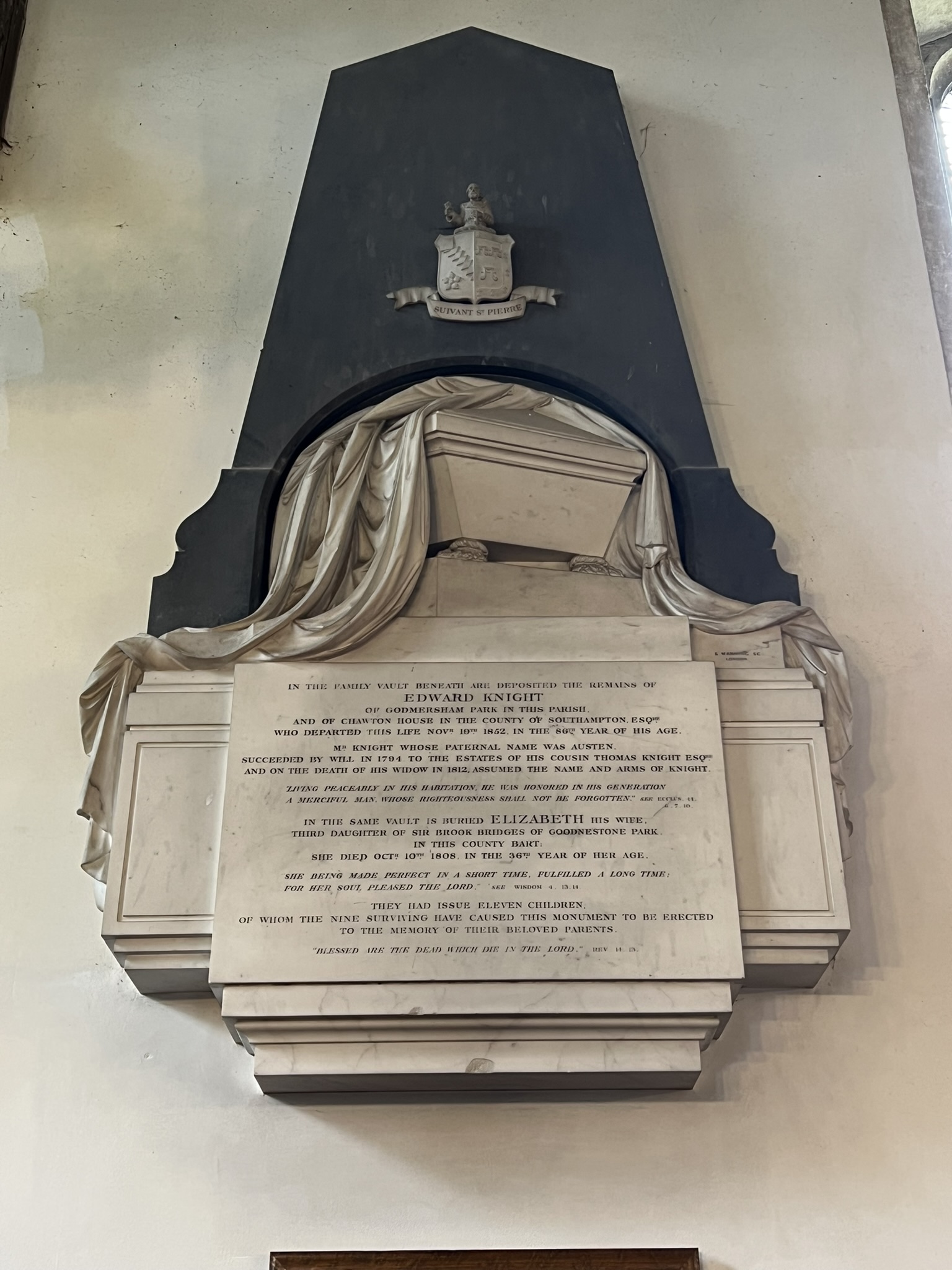
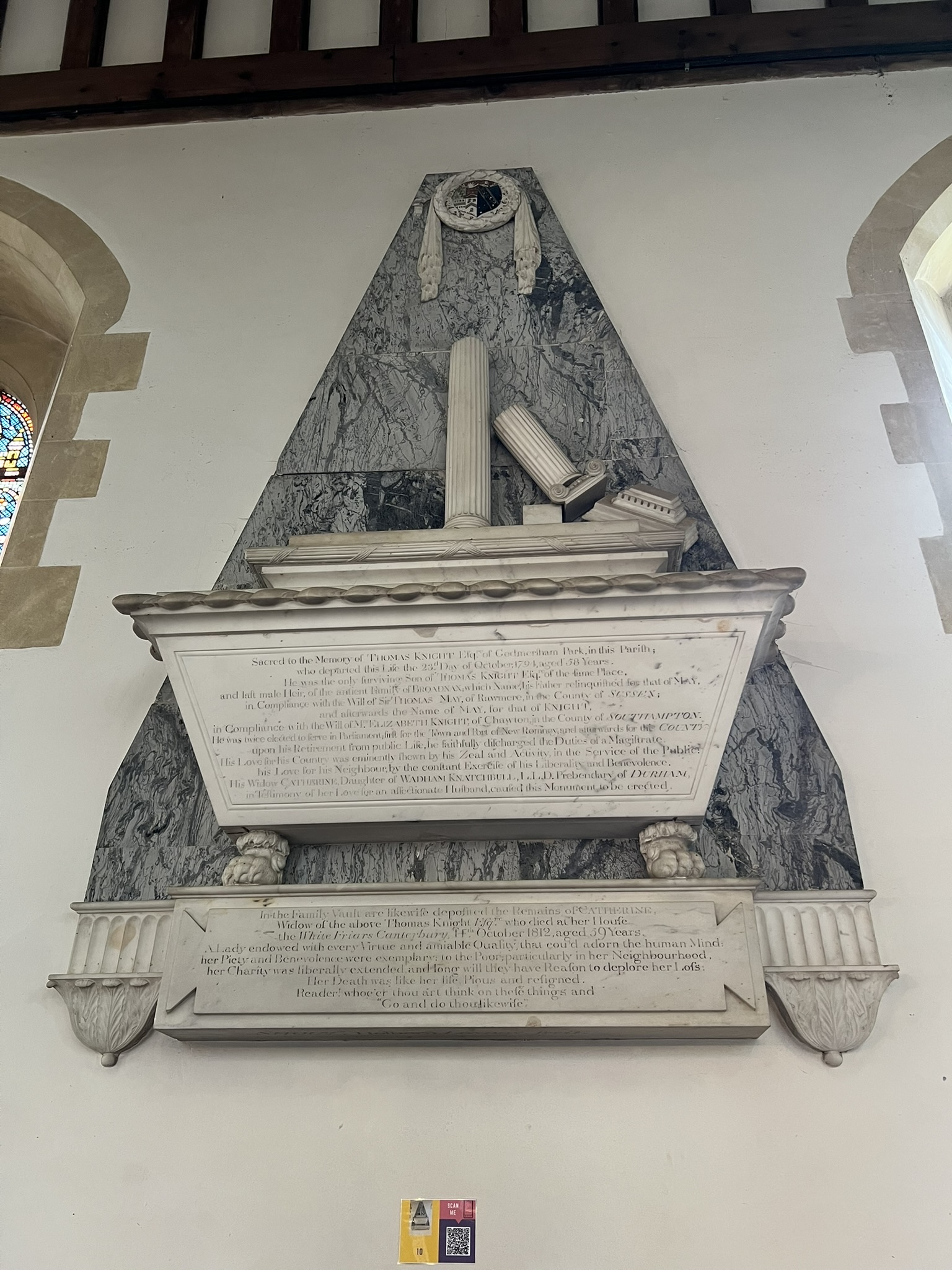
Susannah Sackree, Edward Knight, and Thomas Knight Memorials

You can read more about her in this Persuasions On-Line essay by Jennie Batchelor (2023) .

**********

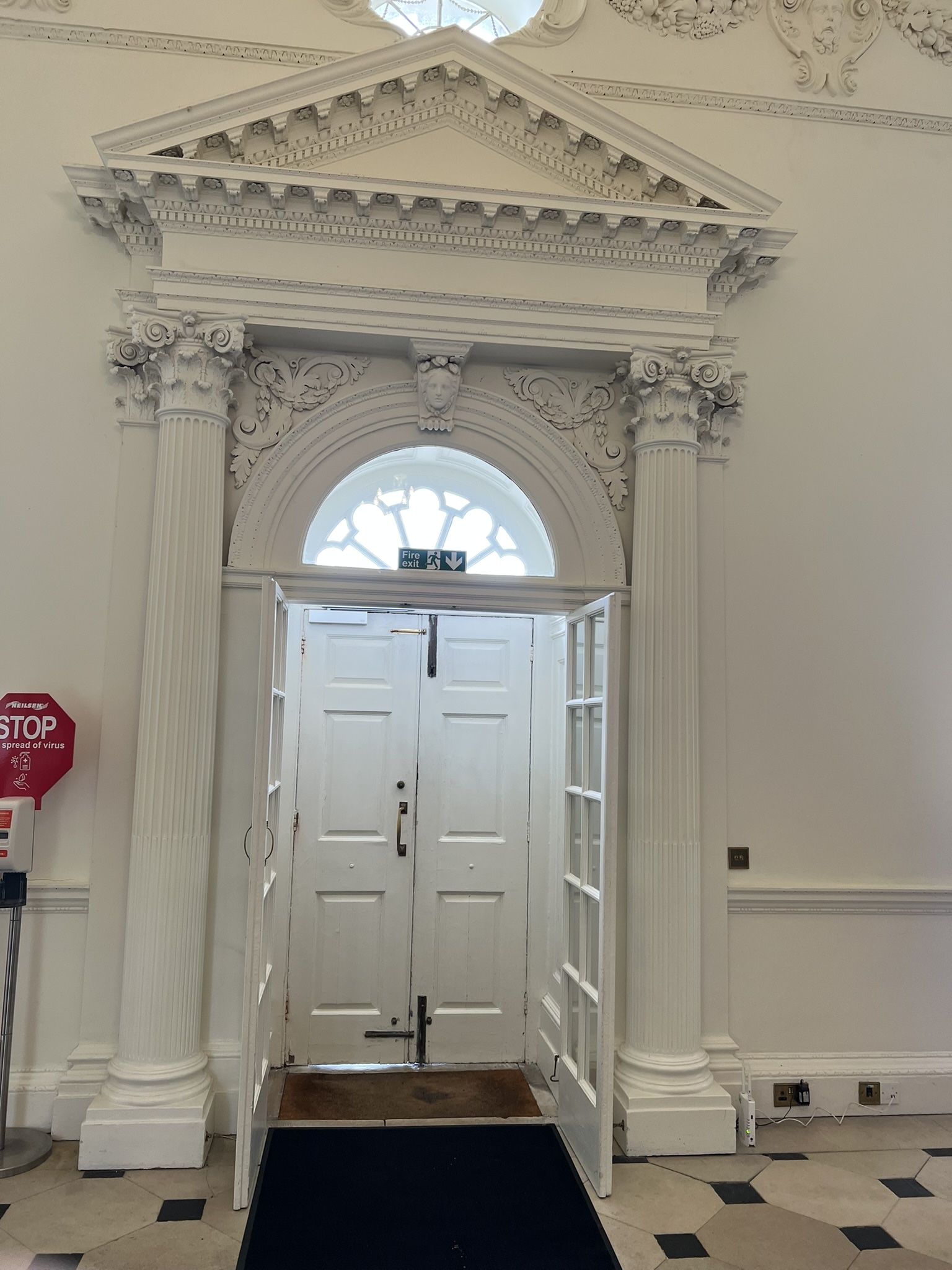
The Heritage Centre tells the story of the house and grounds – it now serves as home to the Association of British Dispensing Opticians and so you cannot tour the house, BUT, we were allowed into [under a code of silence] the entrance foyer, nearly the same as it was in Austen’s time – but no library to visit or any of the other rooms Jane would have stayed in – it is all classrooms now…

The grounds however we could walk around, and as we know that Jane, being an avid walker, would have strolled around these very spots – one could almost feel her there hovering about…

**************

Refreshments were gratefully received, and then we were off to Canterbury. Some of us went to the evensong at the Cathedral [one of my favorite things to do when in England], this after walking around the city for a while – we had two goals in mind: to see the portrait of the scandalous father of Elizabeth Bridges, Sir Brook Bridges (1733-91), whose portrait hangs in the Beaney House of Art & Knowledge – here he is in all his glory:
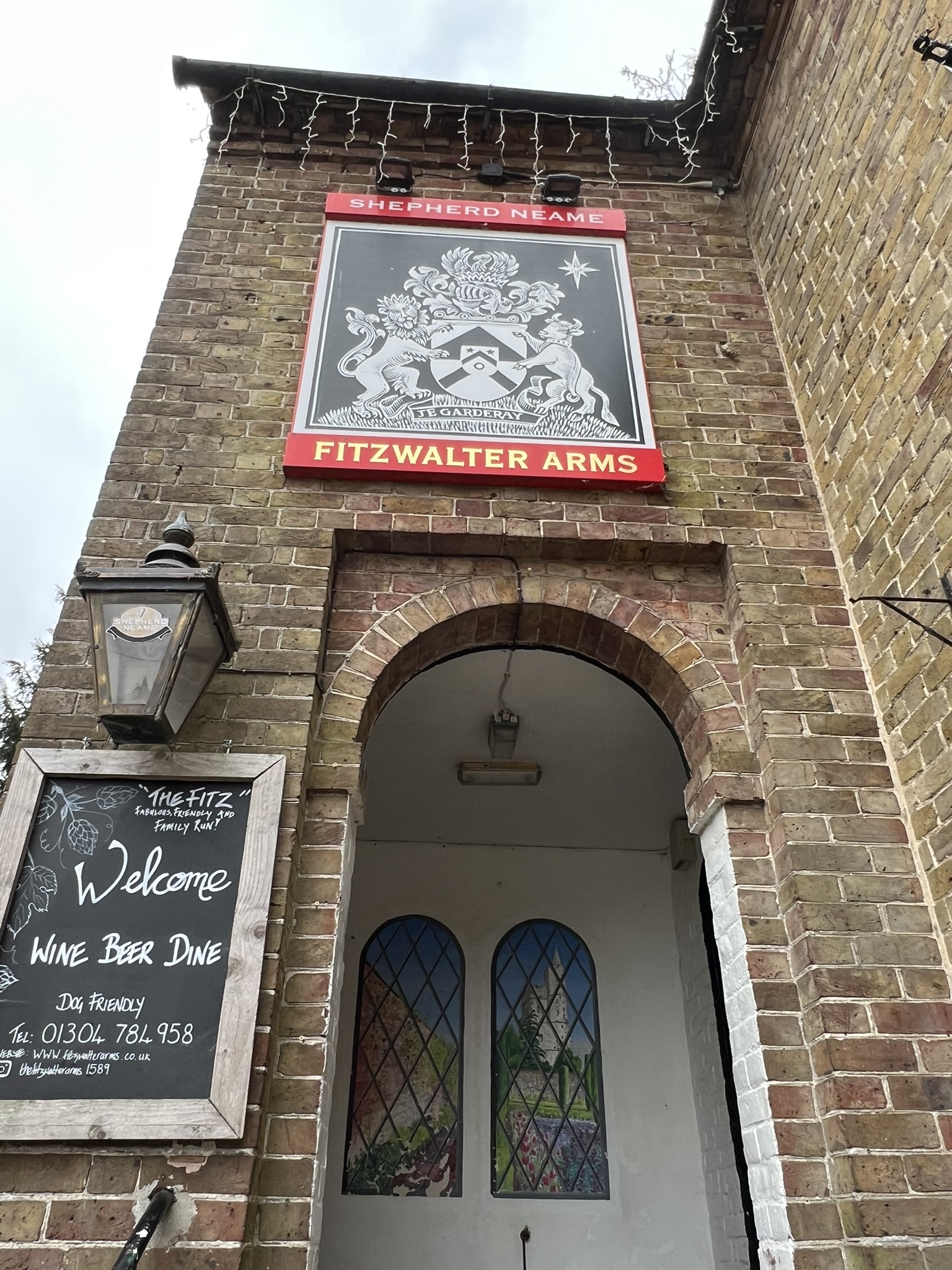
[Bridges married Fanny Fowler, who was heiress to the title Baron Fitzwalter, and still the prominent name here at Goodnestone]:
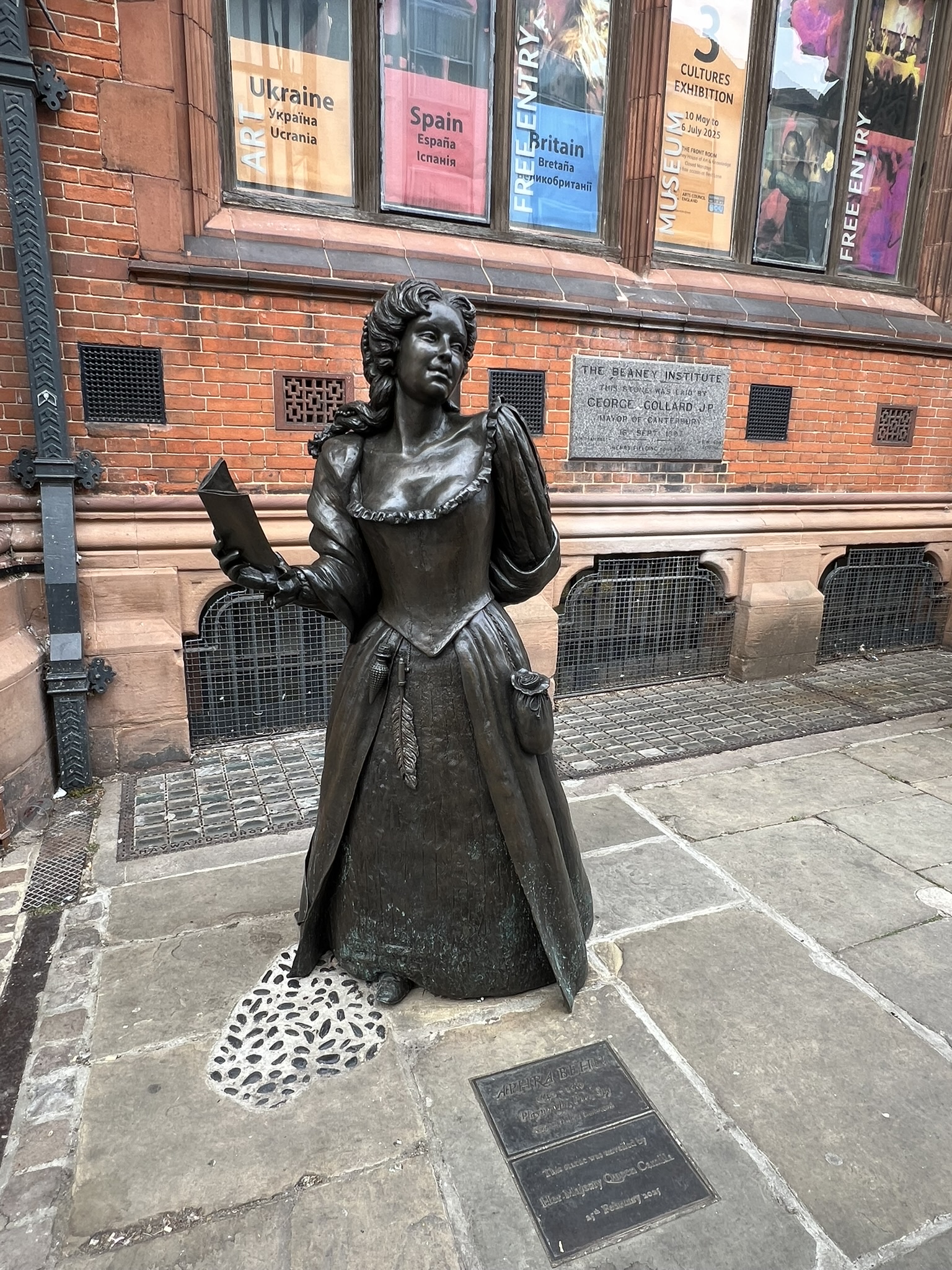
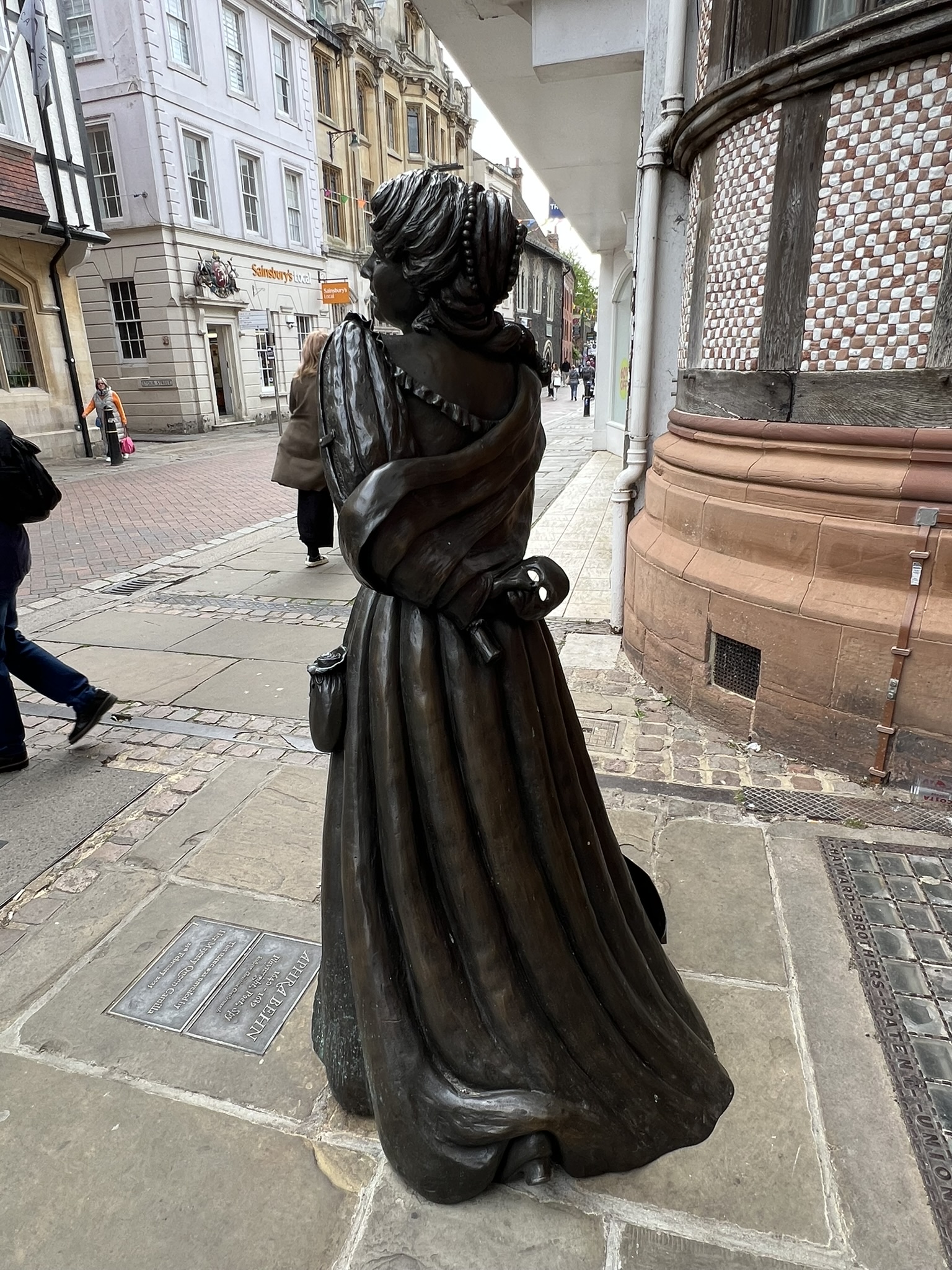
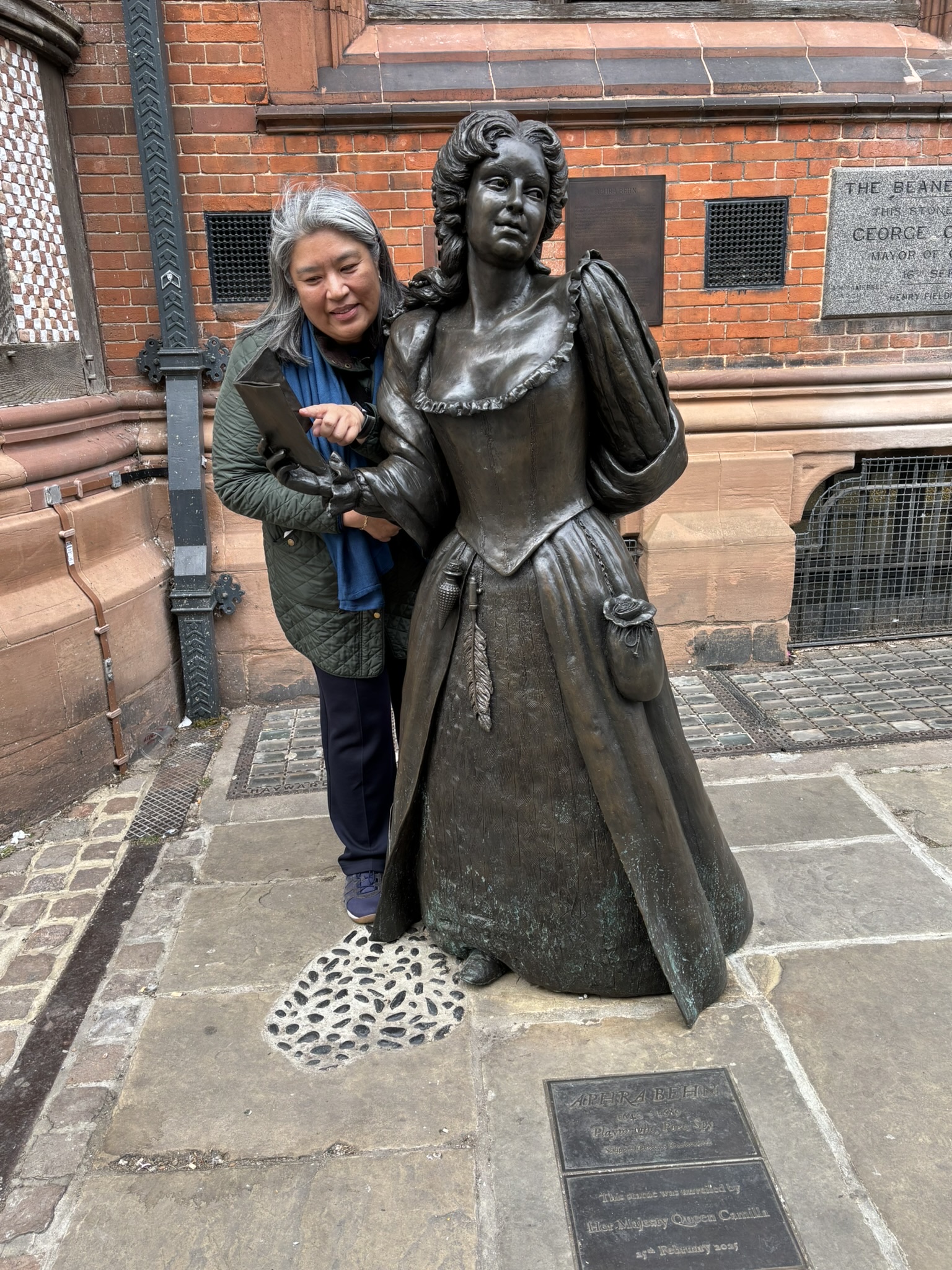
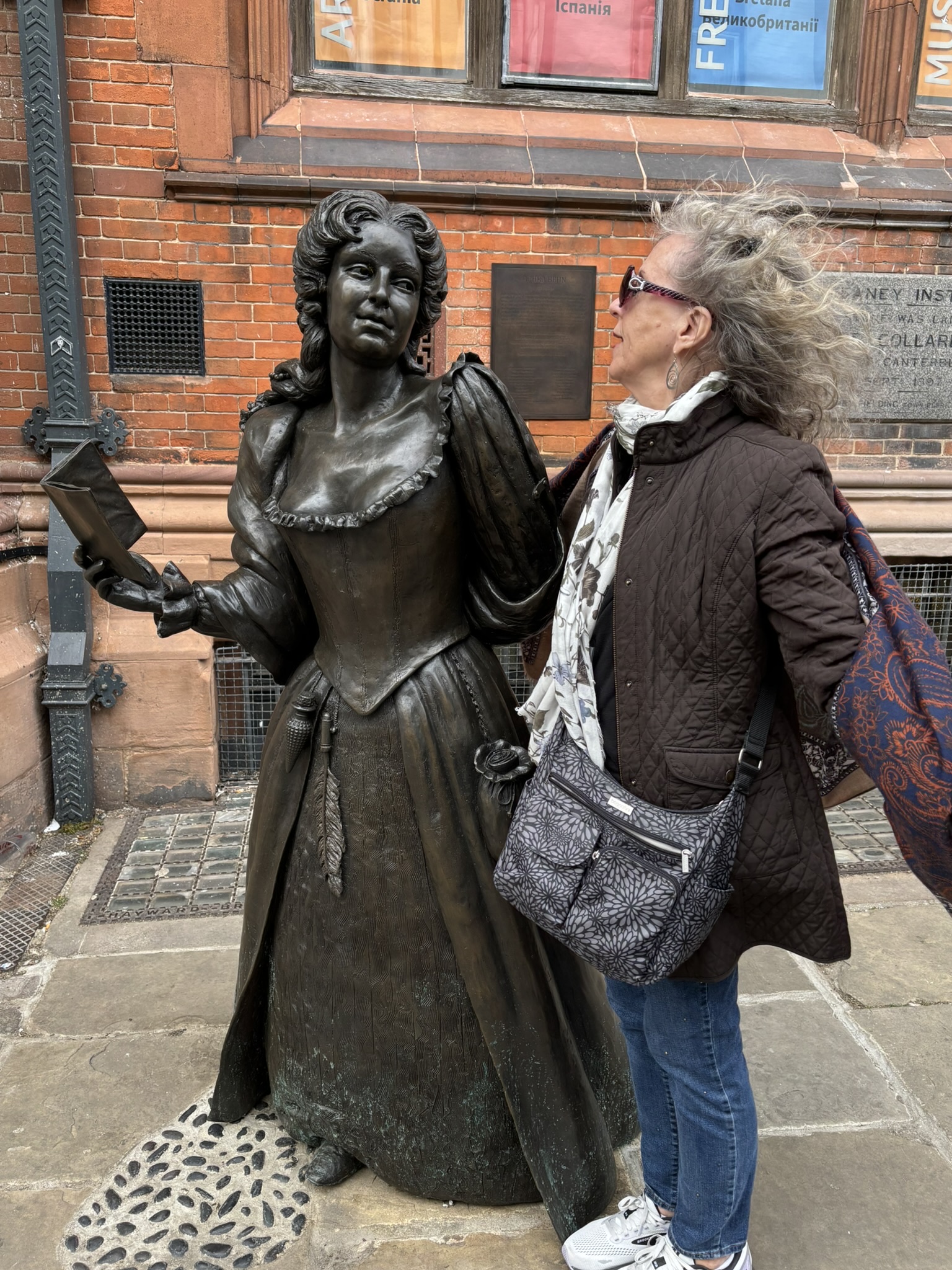
Another draw here was the statue of Aphra Behn, lately unveiled by Queen Camilla – such a tribute to Behn, right here on the main street of Canterbury, she finally getting her just due. See here for an explanation of all the features of the statue – and more here at Fine Books & Collections – I especially liked her foot revealed from under the back of her dress…

And Joy and I giving tribute to this early woman writer par excellence:

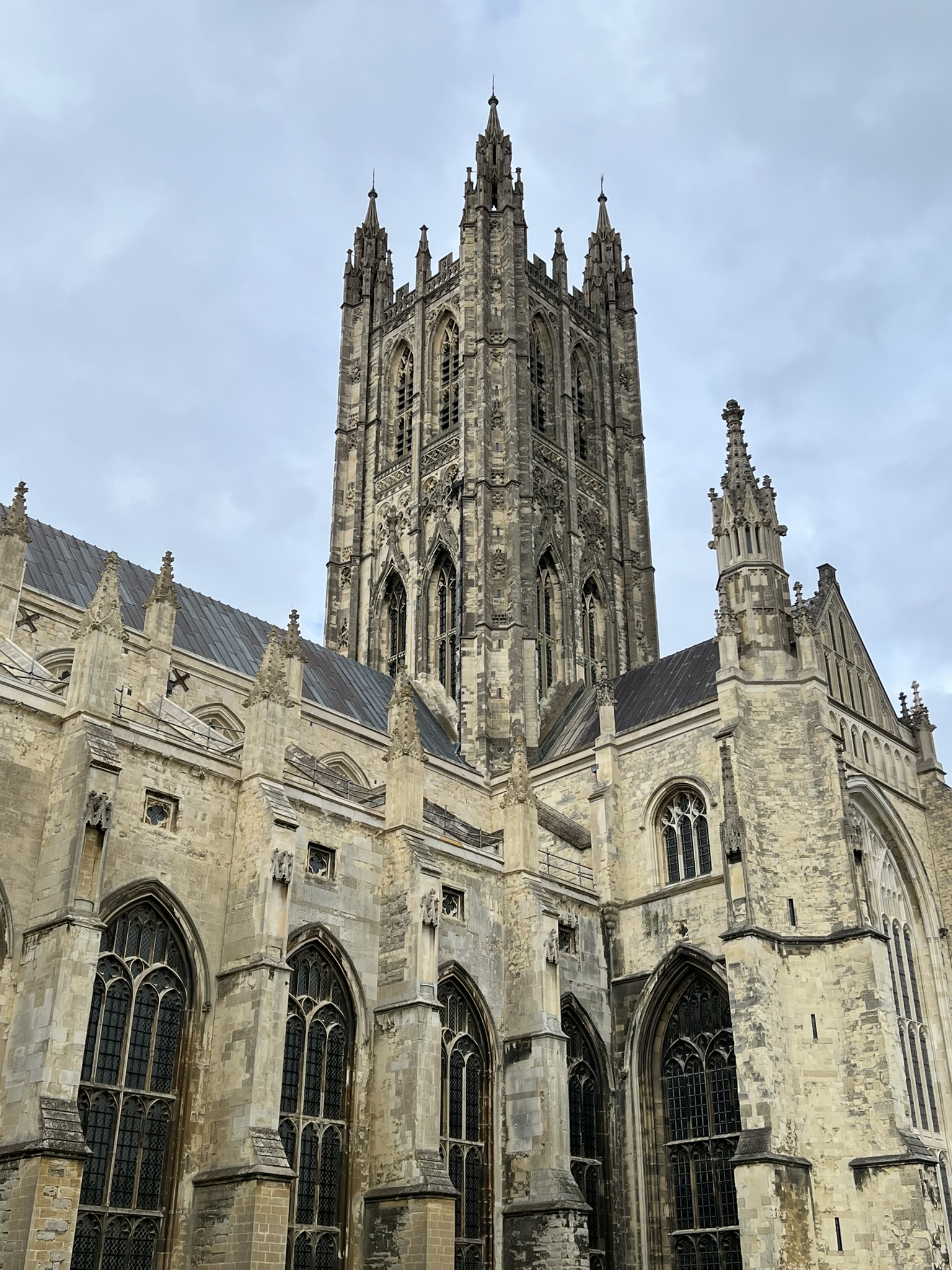
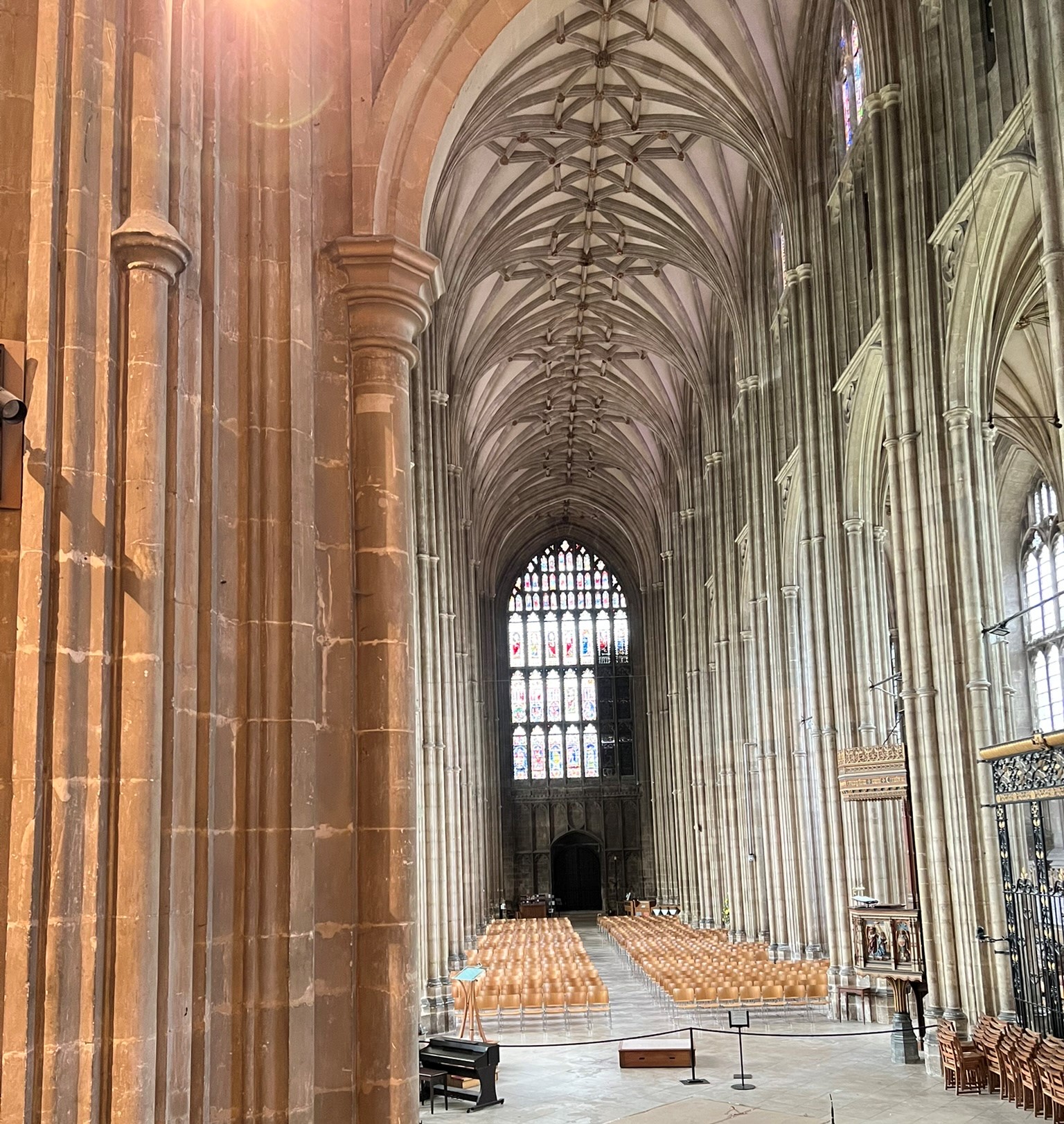
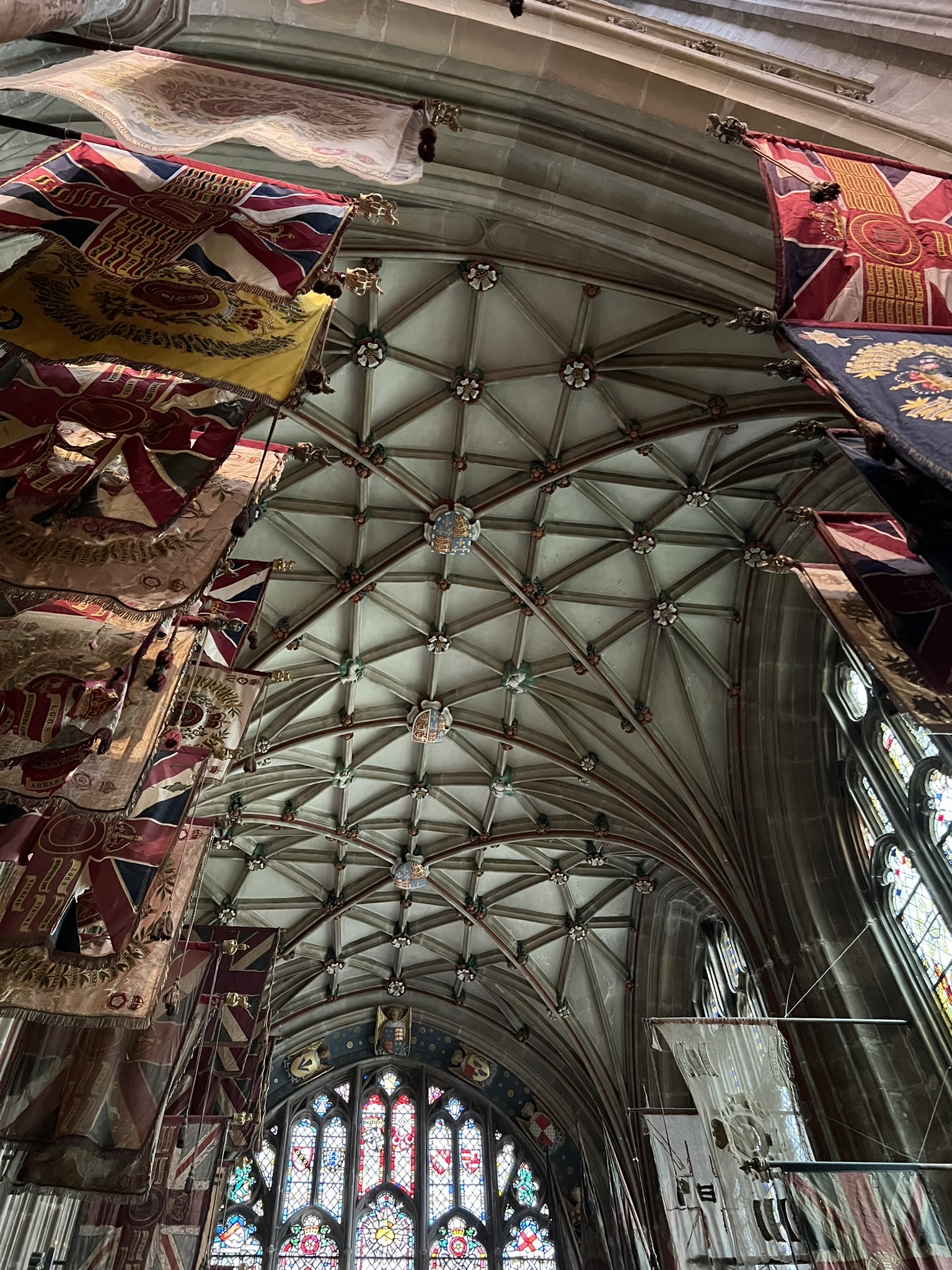
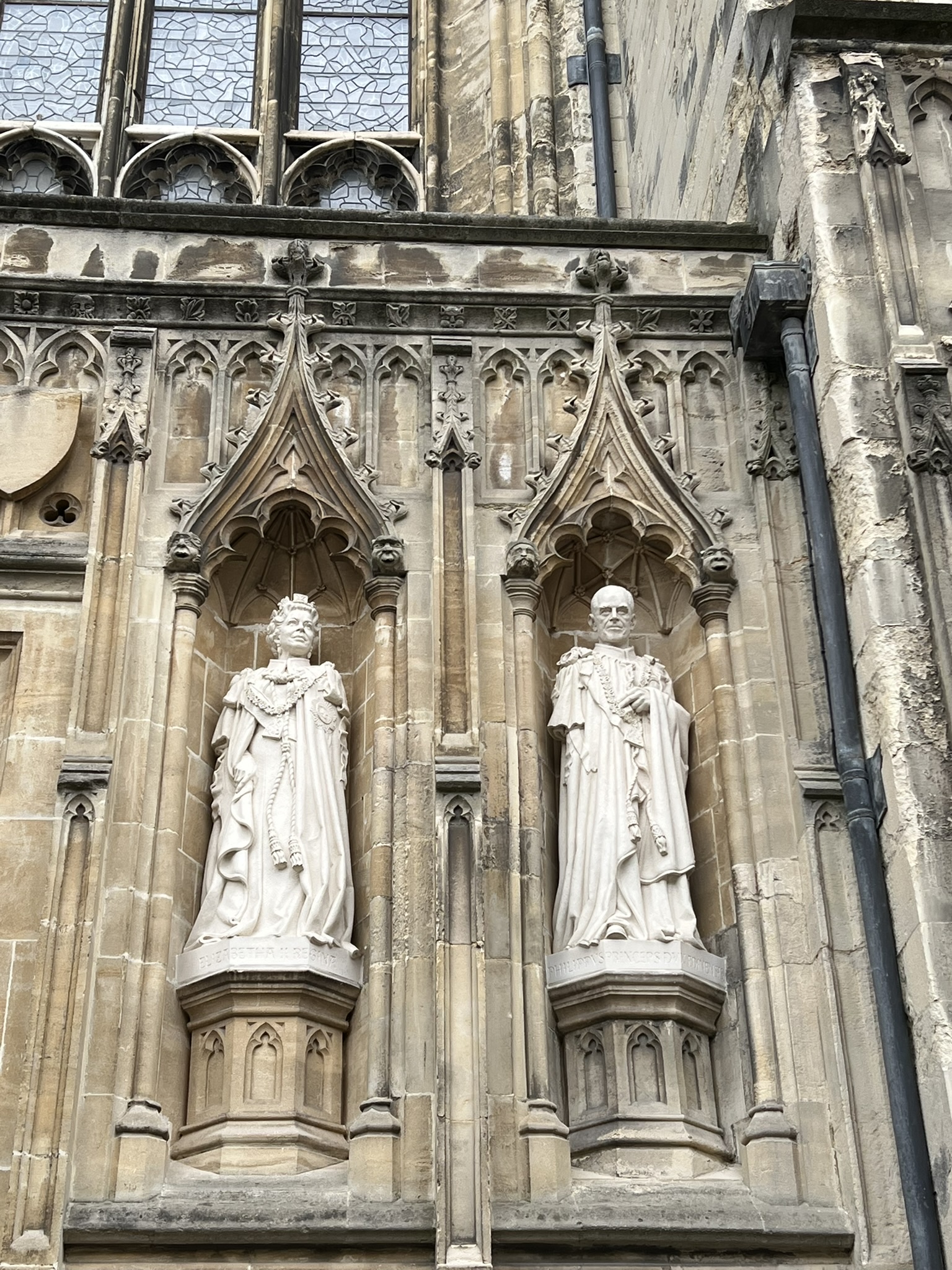
Our walk around Canterbury found us in delightful conversation with a gentleman who asked where we were from: Joy says California – “You must be a hippie” he says. I in South Carolina but from Vermont, and he goes into rhapsodies about Bernie Sanders! [Bernie’s brother has long lived in England and has served in the Labour Party, and this fellow apparently knows him…it was good to have a conversation about the troubles in the US right now – everyone sympathetic to us but also not appreciative of the tariff situation and concerns about ally relationships…] – it was an enlightening conversation, but we were off to Evensong – which was beautiful, as always, – reserved seats just for JASNA, and though we were unable to take photos during the service, I captured a few on the way out…and the exterior [much restoration work going on covering up the main entrance]:

So, until tomorrow, when we leave our gorgeous Chilston Park Hotel and head to Winchester for four nights, by way of Worthing…

c2025JaneAustenInVermont

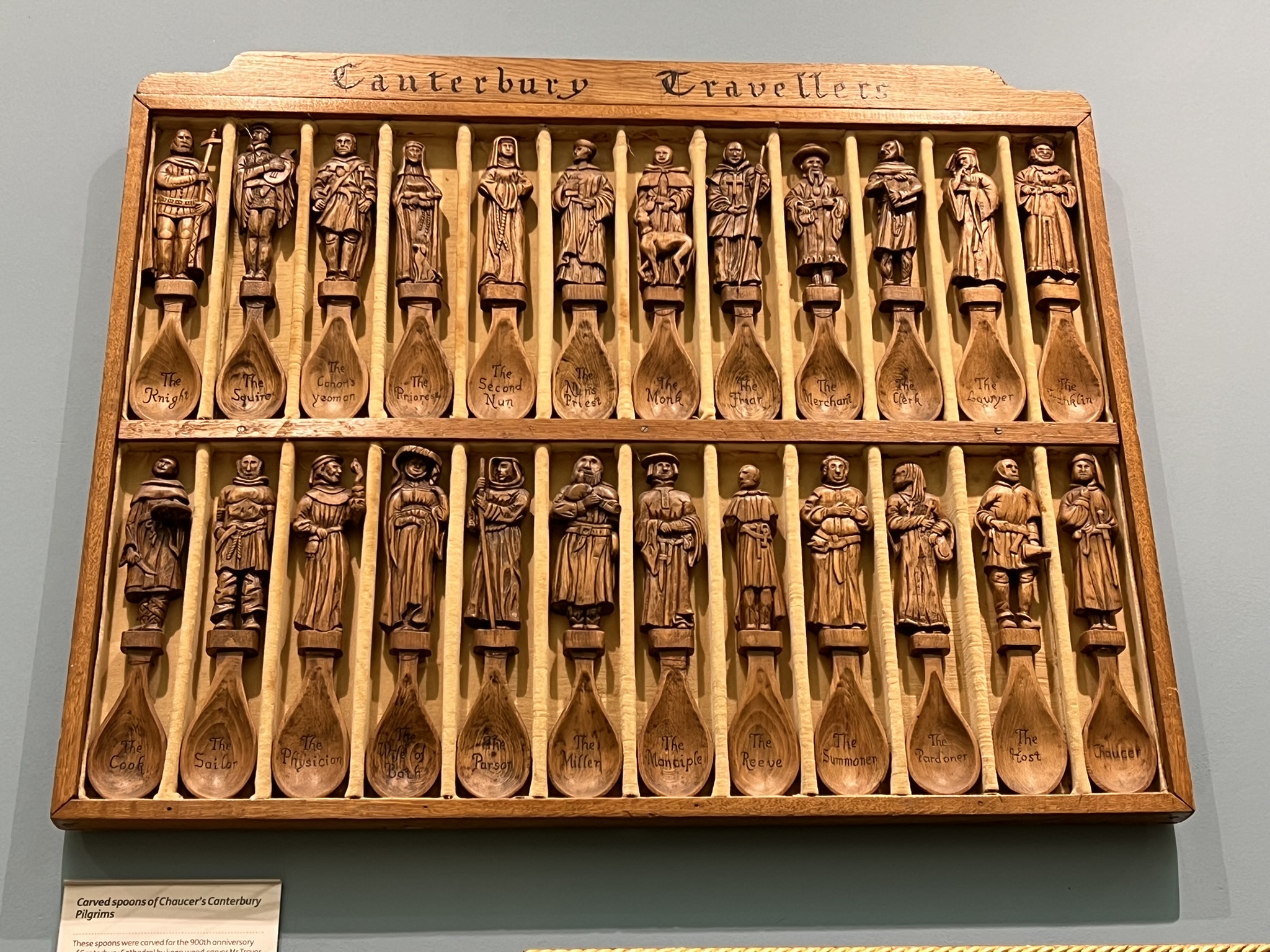
Feeling a bit like a “Canterbury Traveller”… [from the Beaney Museum]

and I loved this: