“This exhibition brings back to Strawberry Hill some of the most important masterpieces in Horace Walpole’s famous and unique collection for a once-in-a-lifetime exhibition. Horace Walpole’s collection was one of the most important of the 18th century. It was dispersed in a great sale in 1842. For the first time in over 170 years, Strawberry Hill can be seen as Walpole conceived it, with the collection in the interiors as he designed it, shown in their original positions.”
This portrait of Henry Carey by Marcus Geeraerts is the supposed inspiration behind Walpole’s The Castle of Otranto (a must-read for all dedicated Jane Austen fans…)
Image: Image: The Gaming House, A Rake’s Progress by William Hogarth. An early depiction of White’s which was at this time a notorious gambling den [Londonist]
A terrific book at Open Access on Victorian newspapers and periodicals: A Fleet Street in Every Town: The Provincial Press in England, 1855-1900, by Andrew Hobbs – https://www.openbookpublishers.com/product/835 [the pdf is a free download, all 470 pages!] – Hobbs has also set up a twitter account where he will post diary excerpts daily: https://twitter.com/HewitsonDiaries
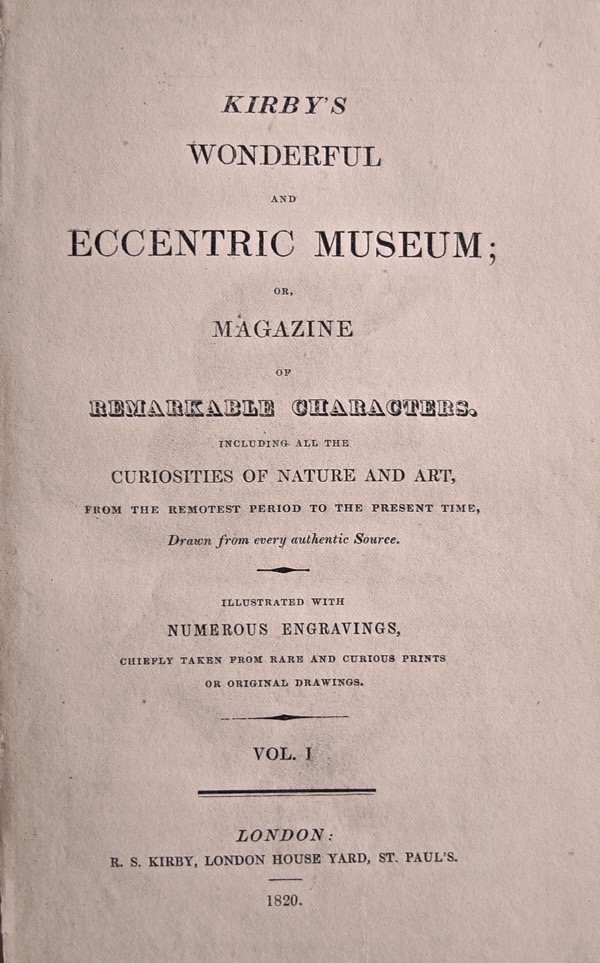
A collection of the wacky and weird, long before P. T. Barnum – Kirby’s Eccentric Museum, with thanks to The Gentle Author at “Spitalfields Life” (excellent images – one weirder than the next…): http://spitalfieldslife.com/2019/01/12/kirbys-eccentric-museum/
It is really rather churlish of me to post about an exhibit that is no longer there – give you a sample of something you can’t anywhere find the full feast – but so I shall do because the exhibit closed right after I went and then the holidays intervened. But with the permission of the Collections Manager at the Fleming Museum at the University of Vermont, I shall show you several of the fashions that were on display at their recent “The Impossible Ideal: Victorian Fashion and Femininity” which ran from September 21 – December 4, 2018.
All the fashions are part of the Fleming’s collection and not usually on display. The exhibition of clothing and accessories, along with excerpts from popular American women’s magazines (Godey’s Lady’s Book and Peterson’s Magazine), explores “how fashion embodied the many contradictions of Victorian women’s lives, and, eventually, the growing call for more diverse definitions of women’s roles and identities.”
It is not a large exhibition, but each gown or corset has its own story: the fabric and accessory details, the history of the wearer, and how it reflected the times in Victorian Vermont. We see the changes during this “Victorian era’s ‘cult of domesticity’ and the idea that women’s place was in the home and not in the public sphere,” to later in the century, “when sleeker skirts, broader shoulders, lighter fabrics, and suit styles gave women greater freedom of movement reflecting increasing autonomy.” [Quoted text from the Fleming Newsletter, Fall 2018].
It is interesting to see the Victorian shift from the Regency era’s flowing and revealing dresses and wonder how women ever let that happen!
I will show you here some of my favorites: I’d like to hear which is your favorite from this small sample…
****************************
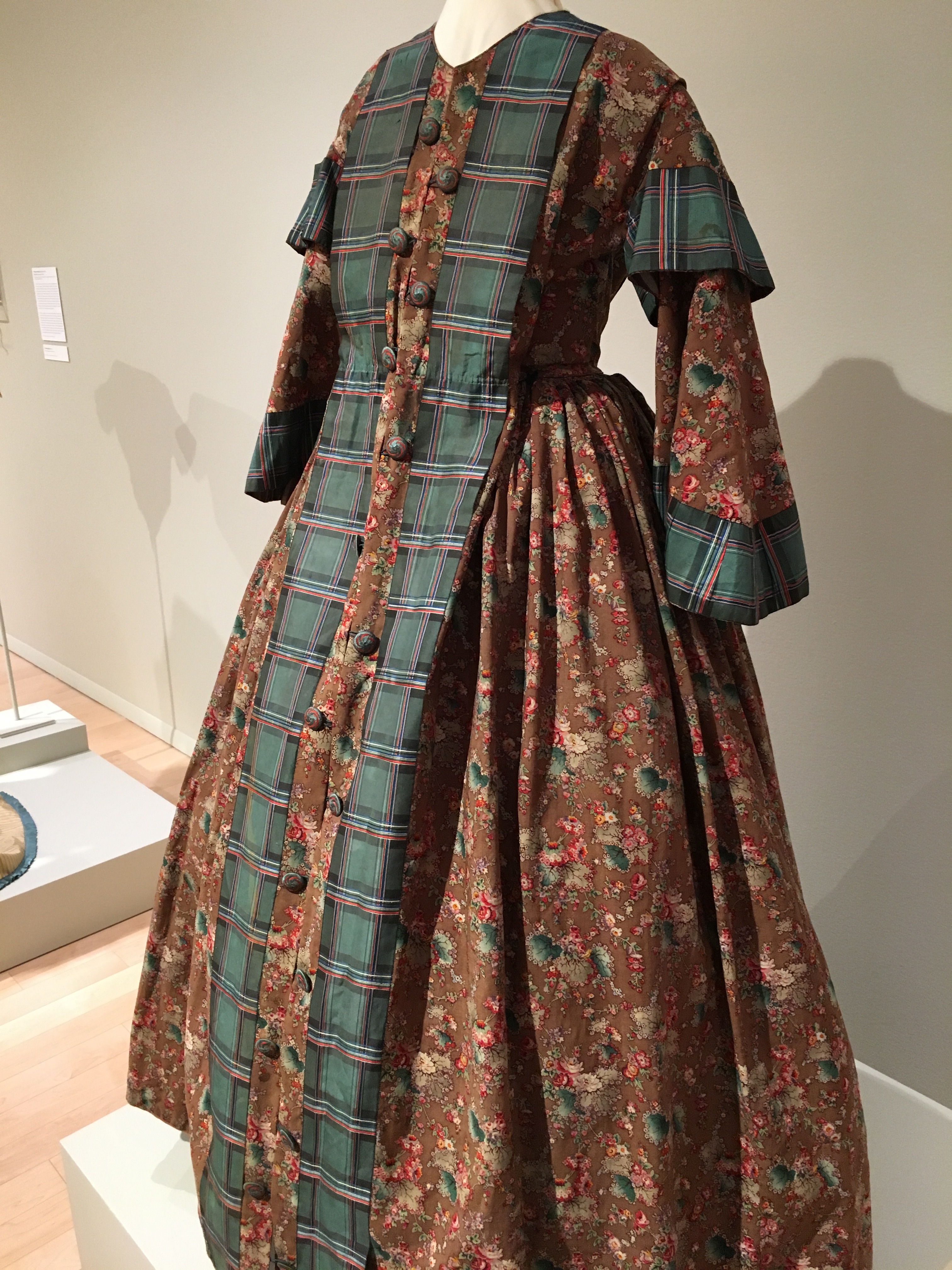
Wrapper, c1850:
printed floral cotton with silk taffeta trim and embroidered buttons; a loosely-fitted at-home dress usually worn at breakfast
Have you always wondered why the Victorians had such a penchant for plaid? See below for some further reading on the subject…
White Wedding Dress, 1857:
off-white damasked silk taffeta with gold silk-fringe. Tradition has it that the trend to wear white for weddings began with
Queen Victoria’s wedding in 1840
– but in reality, white was only used by the wealthiest of brides.
*
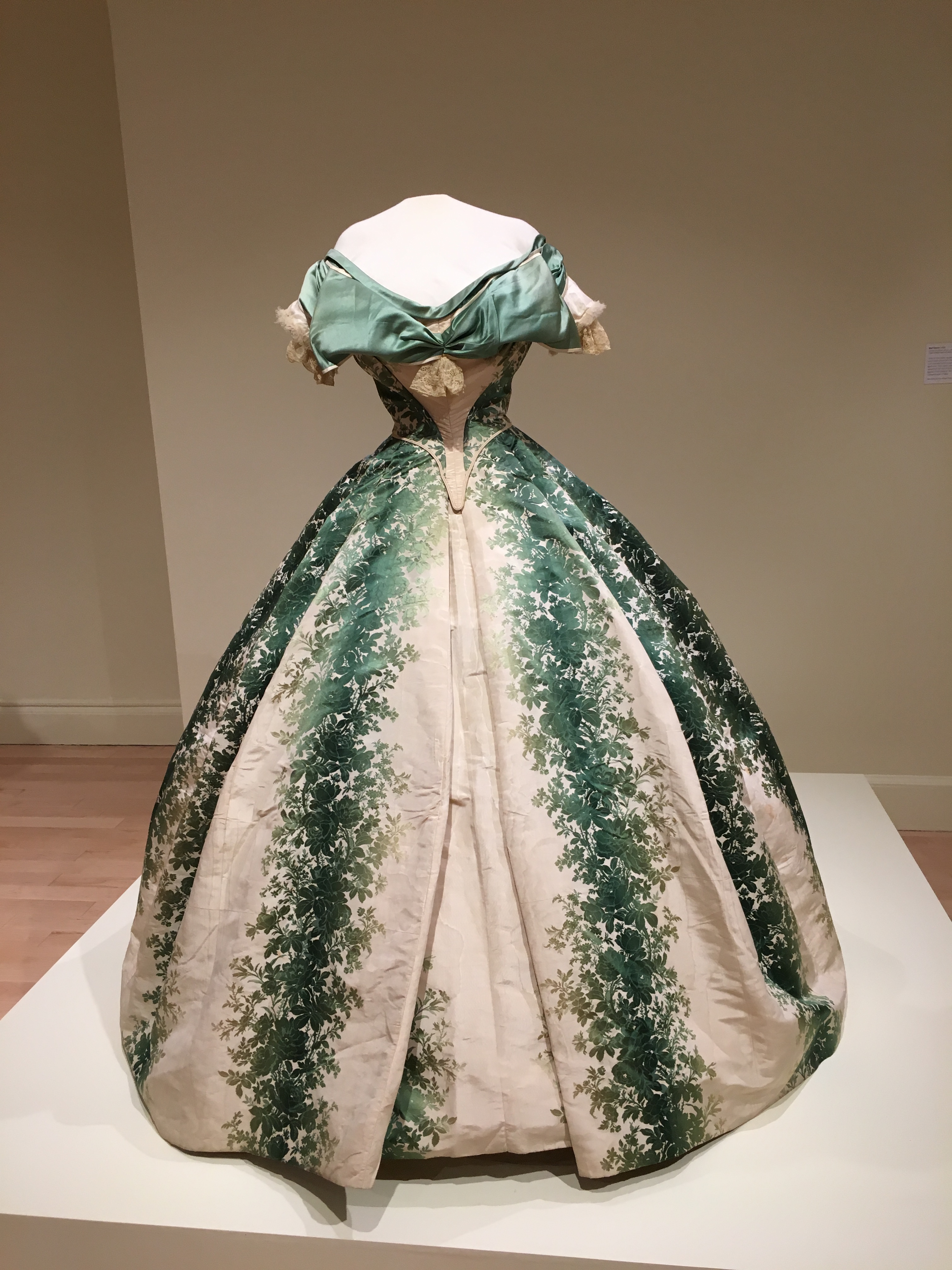
Ball Gown, 1860:
cream moiré silk taffeta with floral damask and trimmings in satin and lace
*
*Wedding Skirt (1865) and Afternoon Bodice (altered early 1870s): yellow and green striped silk taffeta. This is a prime example of how even the wealthiest of women would have adapted their clothes to reflect fashion crazes or bodily changes.
*
Princess Cut Dress, c1870s:
purple silk taffeta with silk organza trim. The cuirass bodice, named for the chest piece on medieval armor was the latest fashion craze. And by the late 1850s, synthetic chemical dyes began to replace vegetable-based dyes, allowing for brighter, longer-lasting colors – and not entirely safe, as some of the dyes contained arsenic!
*
Opera or “Fancy Dress” Gown, 1875:
aubergine silk velvet, satin brocade bobbin lace, glass beads and tortoise-shell buttons,
and absolutely stunning in real life! (hard not to touch…)
*
Blue dress worn at UVM graduation in 1878:
silk taffeta with mother-of-pearl buttons
The University of Vermont began accepting women in 1871and in 1875 was the first American University of admit women into the honor society Phi Beta Kappa. This dress was worn by Ellen Miller Johnson (1856-1938) of Burlington Vermont – she majored in Classical Courses and graduated with the fourth co-educational class in 1878, one of three women in a class of seventeen.
*
Two-Piece Traveling Wedding Dress, 1885:
garnet silk satin with dark purple velvet and white bobbin lace, and I confess this to be my favorite – who can resist garnet and purple!
*
Two-Piece Suit-Style Dress, 1895:
black and red textured silk with white bobbin lace. The beginnings of a more masculine-mode of dress
*
Riding Habit, c1900:
brown wool broadcloth with black silk satin
And we cannot forget about the all-important unmentionables:
with a Brattleboro, VT advertisement from Brasnahan & Sullivan:
Which obviously gave the publisher this idea for a Persuasion cover (having literally nothing to do with the story but it’s worth a chuckle…)
And a few hats and shoes to finish off this exhibition:
***********************
All photos c2018 Deborah Barnum; with my thanks to Margaret Tamulonis, Manager of Collections and Exhibitions at the Fleming Museum, for permission to publish these images. If you have any interest in knowing more about a particular dress and who wore it, please ask me in a comment.
UPDATE #1: new images from the exhibition have been added!
Folger Exhibit Brochure
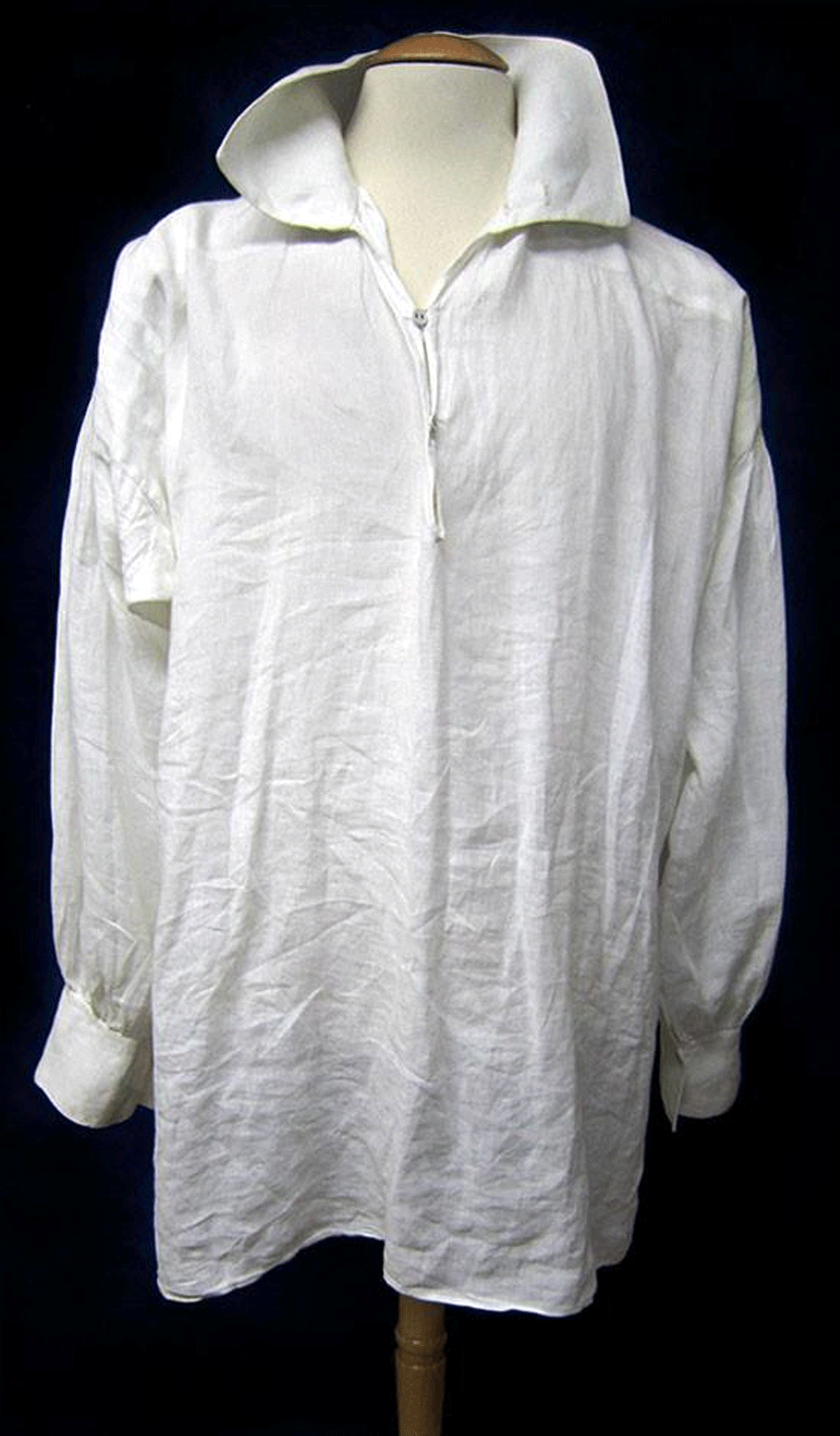
The Will & Jane: Shakespeare, Austen, and the Cult of Celebrity exhibit at the Folger Shakespeare Library is garnering a good deal of press (as it should!). Apparently there are record crowds wanting to get a glimpse of their two favorite Literary Heroes and how they have shown up in popular culture for the past 200 years – and “The Shirt” is no small part of this (a.k.a. Colin Firth as Mr. Darcy) – no, no, don’t get your hopes up, Mr. Firth is not part of the Exhibit (though he would be most welcome…), but rather the shirt worn for the endlessly-youtubed scene of Darcy emerging from a pool of standing water at Pemberley is on display in a locked glass case where it can be on view but protected from the expected mass hysteria of, well, the masses… Kissing a glass case is not quite the same as stroking a cotton shirt, albeit hanging rather listlessly from a plastic form… but it is still a must see if you can get there! Grown women have been known to faint away, despite the message from a young Jane to “run mad as often as you chuse; but do not faint…” I do hope the Folger is up to the task of a gallery full of shirt-mad persons… (and dare I add that though I am NOT one of the shirt-hysteric Janeites who think this scene is the best in all of the nearly 6 hour film, I do confess a strong interest in getting a glimpse of the actual shirt worn by Colin Firth…)
If you are able to attend the JASNA AGM this year, to be held in Washington DC, October 21-23 (but do allow extra days for all there is to see and do) – you will get a chance to go to the Folger and see what all the fuss is about – the two curators (Janine Barchas of the University of Texas at Austin, and Kristina Straub of Carnegie Mellon University) will be on hand to tell us all about it. If you are not at the AGM, the exhibit runs from August 6 – November 6, 2016 and admission is free. In the sad event you shall miss it entirely, there are also various articles to read – see the links below.
***************
18th-century Staffordshire porcelain of William Shakespeare (Folger) /
and 20th-century figurine of Jane Austen (Joan Doyle)
Today however, I welcome Janine Barchas, who most graciously answered a few of my questions about how the idea of this Will & Jane grouping came about… if you have any questions, please comment below and she will get back to you. As an incentive, and especially for those of you unable to make it to the Folger, Janine has provided us a copy of the 18-page exhibit brochure – another piece of Jane Austen celebrity “stuff” we all like to collect! (see below for details)
***************
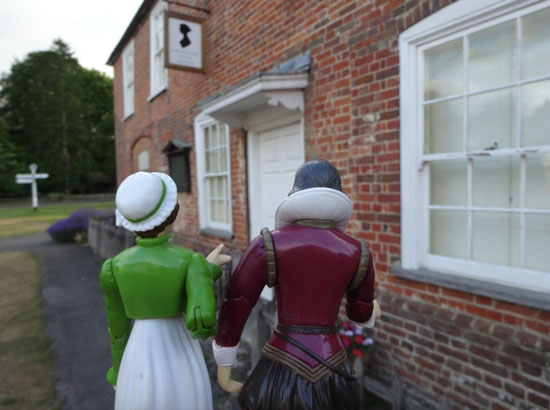
Will and Jane at Chawton Cottage
JAIV: Tell us how this exhibit came about?
JB: This was a case of classic academic one-upmanship. In 2012, Michael Witmore, the Director of the Folger Shakespeare Library, came to the University of Texas at Austin for a conference about the fate of books in a digital world. Over a meal, I joked that Jane Austen was “giving Shakespeare a run for his money” and asked what he was planning to do about it. As Mike and I continued to spar about the differences and similarities between the fan cultures around these two famous authors, an idea was born: “Will & Jane.”
Busts of William Shakespeare (Folger) and Jane Austen (Joan Doyle)
JAIV: How did you and Kristina Straub come to work on this exhibit together?
JB: Our partnership was the result of solid academic matchmaking! Mike Witmore was her former colleague at Carnegie Mellon University, so Kristina’s name came up right away in the context of her deep knowledge of Shakespeare’s reception in the 18th century. She and I had never met before our work on “Will & Jane” even though we are both 18th-century scholars and know many of the same people in what is a smallish field. This exhibition has been a full three years in the making, during which time we have grown very close. I look at our publications and label text and cannot tell you what sentence began as mine and which was first drafted by Kristina. Given that academics are known for their social awkwardnesses and a tendency to work best when alone, our partnership on “Will & Jane” has been an extraordinary intellectual experience – even outside of the unique content of the show.
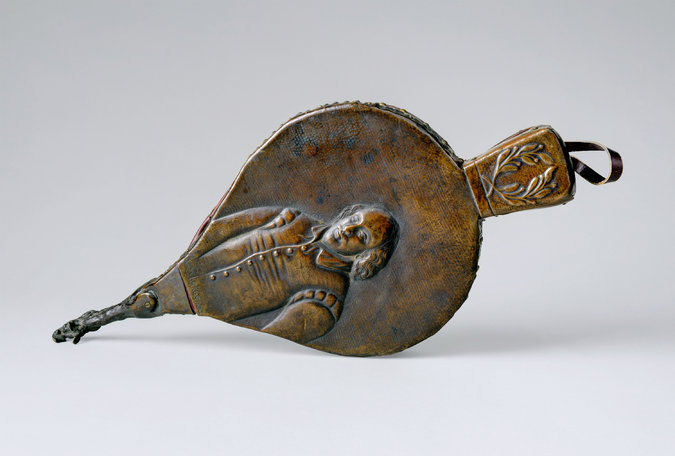
Shakespeare bellows – Folger
JAIV: You mostly talk and write about Jane Austen, but also the book itself as part of the material culture of the eighteenth and early nineteenth centuries. What was the biggest challenge in taking on this exhibit that largely deals with the artifacts of celebrity created and collected over the past 200 years?
Royal Worcester porcelain figurine of “Emma Woodhouse” (1998) from the collection of Joan Doyle / and a colored pottery tableau entitled “Othello Relates his Story (ca. 1880) from the collections of the Folger
JB: The dominance of non-book artifacts in this exhibition (ceramics, paintings, odd assortments of relics, tchotchkes, and souvenirs) may seem at odds with a serious library of rare books such as the Folger. However, although both Shakespeare and Austen are fundamentally admired for their great literary works, the history of their afterlives and the nature of their modern celebrity is not just about steady streams of new editions but about the material objects that ordinary fans crave and collect. This exhibition took us out of the usual library stacks of books and into art vaults and collections of so-called “realia.” Part of the challenge, then, of putting this exhibition together was for two academics who were used to talking about the language of plays and novels to learn how to think and talk about non-book and wordless objects and the stories they can tell. Mixing high and low culture in this exhibition (books with bobble-heads, so to speak) has been both a joy and a challenge. In practical terms, today’s objects that celebrate Jane Austen at her 200-year mark lack the historical patina of those Shakespeare “relics” and souvenirs that have been carefully preserved for two centuries. And yet we wanted these authors to stand together as potential equals. This meant that every juxtaposition of old and new objects, every comparison between the afterlives of Will and Jane, had to show similar impulses across centuries of fandom – in spite of any obvious differences between current market values of the materials shown.
JAIV: What most surprised you in your findings?
JB: We initially thought that in order to fill 20 large display cases, we might have to stretch the comparison a bit here and there. But we were amazed by the tight parallels between, for example, the public spectacles that celebrated Shakespeare around his 200 mark (e.g. a museum dedicated to the Bard and a Jubilee) and today’s BBC bonnet dramas that, in essence, do some of that same work to promote Jane Austen. Also, we were genuinely surprised by the manner in which Henry and Emily Folger resembled, in their dedication to all things Shakespeare, the collecting impulses of Alberta and Henry Burke, the couple who amassed the world’s most significant Jane Austen collection (now split between the Morgan Library and Goucher College). One thread across the exhibition is how these two American couples, collecting decades apart and focused on two very different writers, pursued their purchases in the same way.
JAIV: What do you hope visitors will take away from this exhibit?
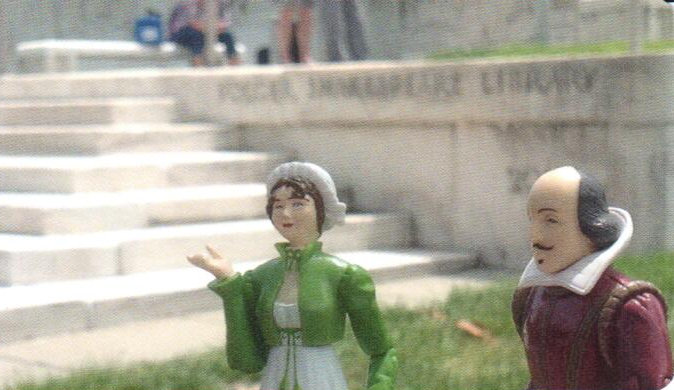
Will and Jane at the Folger
JB: A sense of fun. We hope the combination of whimsy and scholarship is infectious and will help folks to see that even pop culture benefits from a larger historical framework.
JAIV: What has been the response so far?
A chalice made from the mulberry tree Shakespeare planted (Folger) /
a lock of Jane Austen’s hair (Jane Austen’s House Museum)
JB: A lively and lavishly illustrated review across two pages of the NYT weekend section on opening day surely helped to boost visitor numbers as well as raise our curatorial spirits. The public seems genuinely curious about a show that pairs these equally famous but very different authors. So far, we’ve had some record numbers in terms of daily visitors and received enthusiastic feedback from Folger docents. The docents are the well-informed volunteers who lead daily group tours and have their finger on the pulse of true public reaction. When they remain enthusiastic, you know a show is doing well.
JAIV: Who besides Shakespeare and Jane Austen has had such an impact on our celebrity-obsessed culture?
JB: Modern movie stars (and before them the starry thespians of the 18th-century stage) have glammed up both Will and Jane. Our exhibition features a number of film actors who have their feet in both Shakespeare and Austen camps and whose own celebrity is in a symbiotic relationship with these authors. From Laurence Olivier (photo stills and movie clips) to Emma Thompson (she loaned us the original typescript of her Sense and Sensibility screenplay), objects about and from movie stars adds a bit of Hollywood sparkle throughout the exhibition.
The Shirt – Colin Firth as Mr. Darcy (BBC)
JAIV: What is your next project???
JB: Hopefully another project with Kristina. It will indeed also be very hard to go back to a steady diet of “just books” after this. I suspect that odd bits of material culture will cling to all my research from now on. I see both Will and Jane differently now. They are each bigger than their written works alone.
This collector’s album for cigarette cards (London: Carreras Limited, ca. 1935) is one of many items in the exhibition showing Will and Jane being used to advertise non-book products
******************
Thank you Janine! – very much looking forward to seeing you and Kristina at the Folger in October!
If you would like to comment or ask Janine a question, please do so in the reply box below. Deadline will be Wednesday August 31, 2016 at 11:59pm – winner will be announced on Thursday Sept 1, 2016. Domestic only, sorry to say (our postal rates have soared).
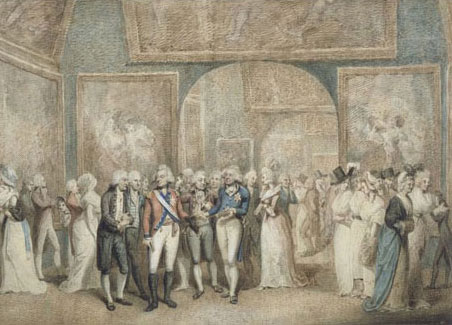
Janine Barchas is Professor of English at the University of Texas at Austin. She is the author of Matters of Fact in Jane Austen: History, Location, and Celebrity (Johns Hopkins University Press, August 2012). Her first book, Graphic Design, Print Culture, and the Eighteenth-Century Novel (Cambridge UP, 2003), won the SHARP book prize for best work in the field of book history. You can visit (and spend hours browsing!) her online digital project What Jane Saw(www.whatjanesaw.org) which includes the gallery of the British Institution that Jane Austen visited on May 24, 1813 and the “Shakespeare Gallery of 1796.” Barchas, along with colleague Kristina Straub, is currently curating an exhibition at the Folger on Will & Jane: Shakespeare, Austen, and the Cult of Celebrity.
“Will & Jane: Shakespeare, Austen, and the Cult of Celebrity” runs August 6 through Nov. 6, 2016 at the Folger Shakespeare Library, 201 East Capitol Street S.E., Washington; 202-544-7077.
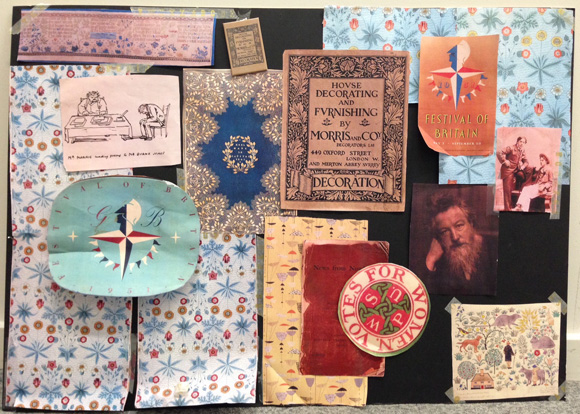 Making a William Morris Christmas at the National Portrait Gallery:
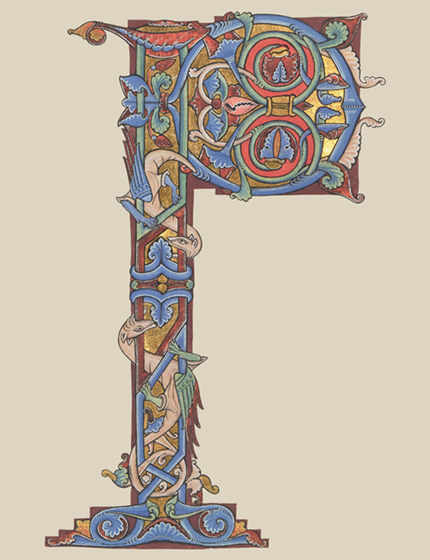 800 Medieval Manuscripts from England and France 700-1200: https://manuscrits-france-angleterre.org/polonsky/en/content/accueil-en?mode=desktop
 Sign on for some Online Jane Austen – about Northanger Abbey – Hillsdale College – FREE: https://online.hillsdale.edu/courses/_austen/home/jane-austen-schedule

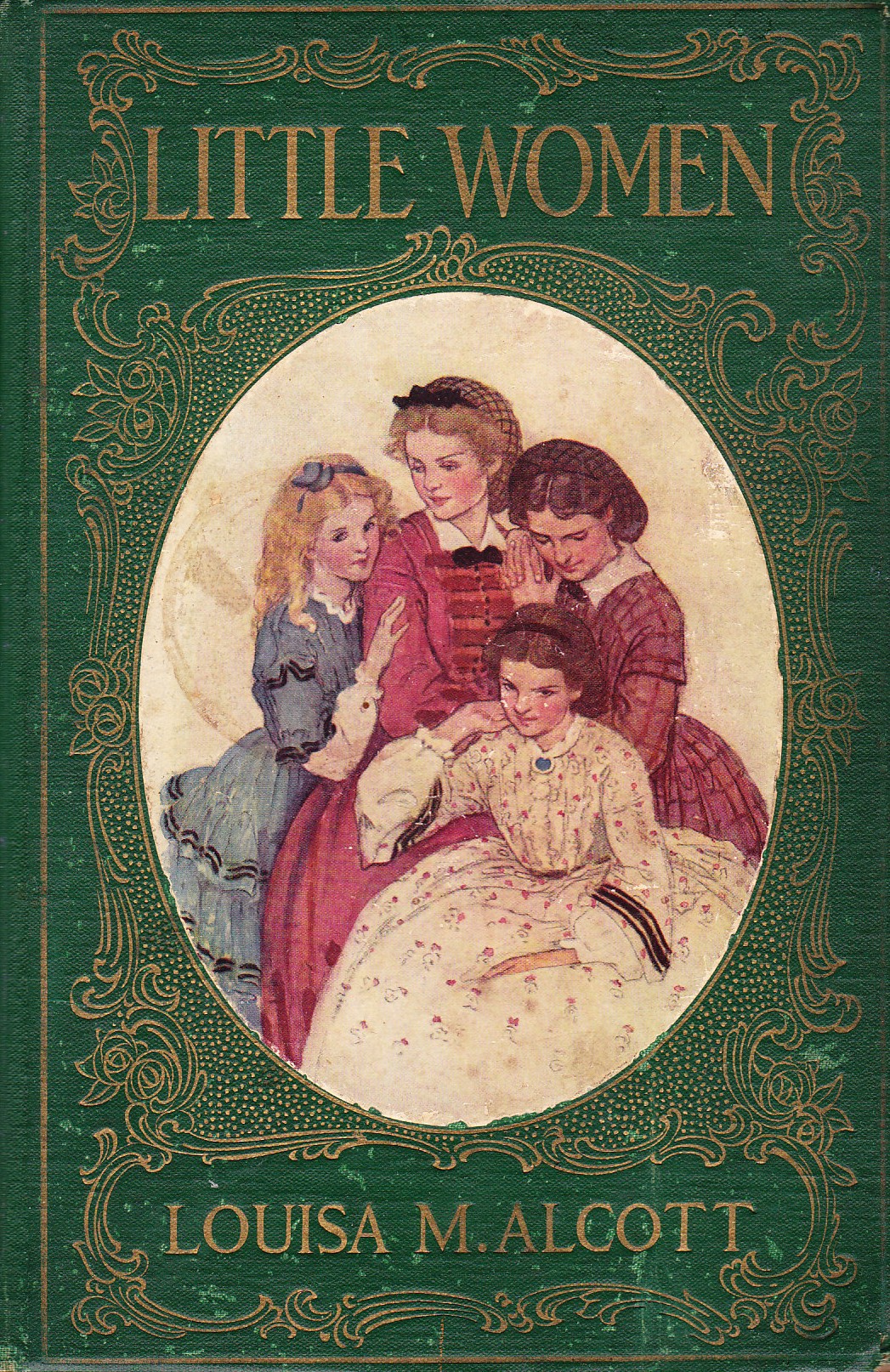 18 movie/tv adaptations of books in 2019 – READ them before the movie!: https://www.buzzfeed.com/farrahpenn/tv-and-movie-book-adaptations-in-2019 (including Little Women, Catch 22 (with George Clooney…), The Goldfinch, Where’d You Go Bernadette…and more)
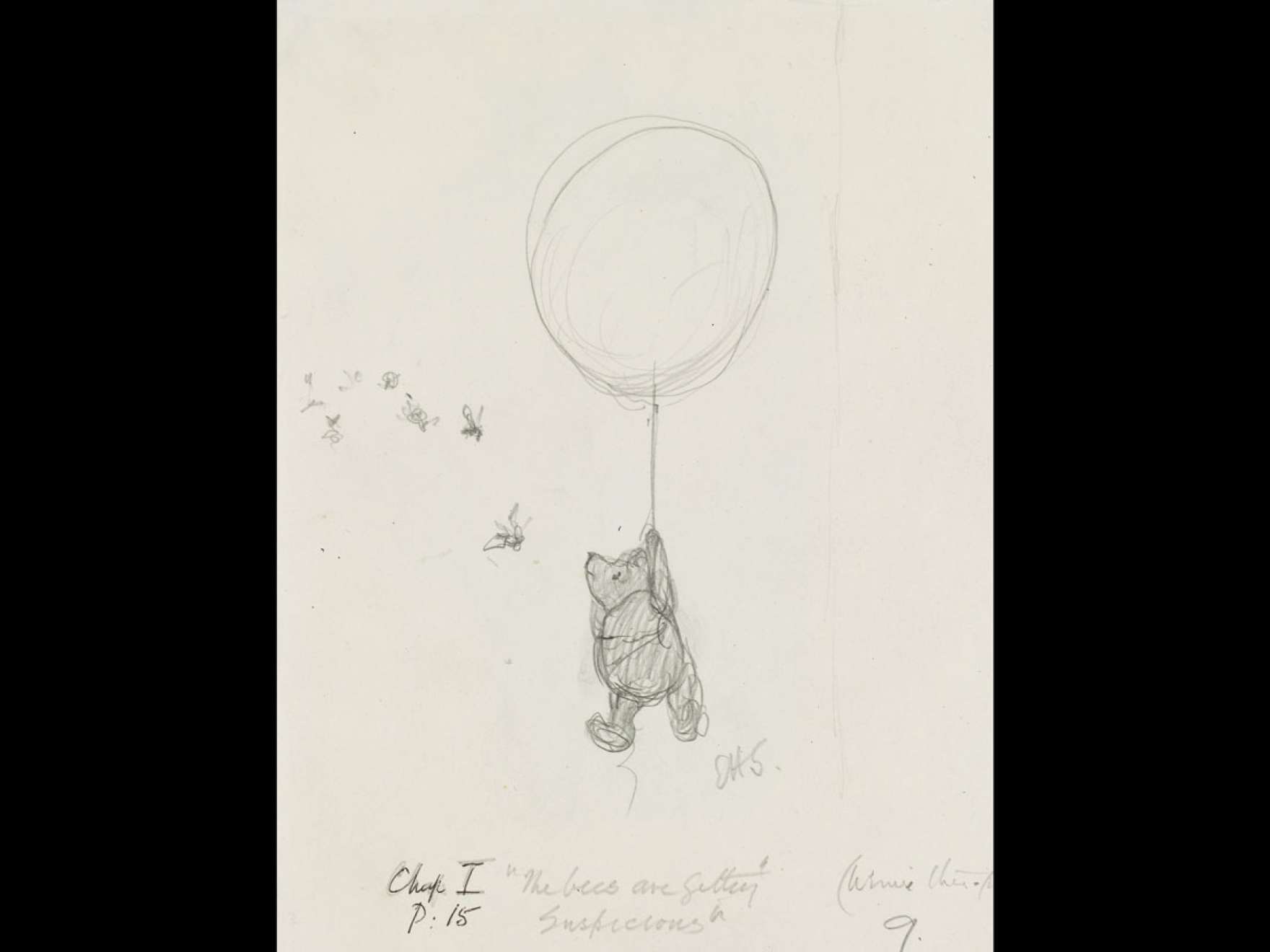 I missed this, sad to say: Winnie-the-Pooh at the MFA – you can see a tiny bit of the exhibit here – scroll down for the preview: https://www.mfa.org/exhibitions/winnie-the-pooh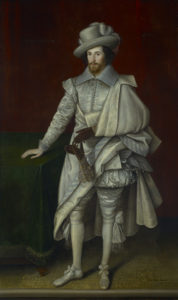
 Some old news: Jane might be appalled (though I think more likely she would have had a copy herself…), but here is a more than interesting essay on Lady Chatterley’s Lover, and the copy that sold at auction in October 2018: https://www.sothebys.com/en/articles/rowan-pelling-on-sex-obscenity-and-lady-chatterleys-lover …
 If you are watching Masterpeice’s Victoria, you might wonder about the real history behind it all: here is the pbs version: https://www.pbs.org/wgbh/masterpiece/specialfeatures/victoria-s3-e1-history-in-images/#










![will-jane-porcelain-figures2-jb[1]](https://janeausteninvermont.blog/wp-content/uploads/2016/08/will-jane-porcelain-figures2-jb1.png?w=663&h=556)

![will-jane-porcelain-figures-jb[2]](https://janeausteninvermont.blog/wp-content/uploads/2016/08/will-jane-porcelain-figures-jb2.png?w=663) Royal Worcester porcelain figurine of “Emma Woodhouse” (1998) from the collection of Joan Doyle / and a colored pottery tableau entitled “Othello Relates his Story (ca. 1880) from the collections of the Folger
Royal Worcester porcelain figurine of “Emma Woodhouse” (1998) from the collection of Joan Doyle / and a colored pottery tableau entitled “Othello Relates his Story (ca. 1880) from the collections of the Folger



 Jane Austen in Vermont