So, finally, after years of doing various Jane Austen treks on my own, I was finally able to take the JASNA tour this May. And what a delight! Great itinerary, great accommodations, food, and brilliant company! Celebrating Austen’s 250th, we toured the various locales of her life and works, and always with the feeling of Jane herself looking over one’s shoulder, wondering what all the fuss was about…
Highlights are too hard to list in order of preference – each day a new adventure – and rather like being asked which is your favorite Austen novel, the answer always being “the one I have just finished” – the best of the tour was each new day.
I will say that being able to be the first to go into the 8 College Street address in Winchester where Austen passed away on July 18th 1817 was the most emotional – more on that soon – but it was a surprise to all of us that the College had worked so hard on getting it ready before expectations, and we were ushered in…
I shall try to sum up each day with a few pictures – I took 1227 in total [yikes!] and shall not burden you with all that [I have a penchant for windows and doors – and goodness knows where they are actually located…] – so here goes, as I start the course of my adventure, arriving in London several days early to visit sites with friends…
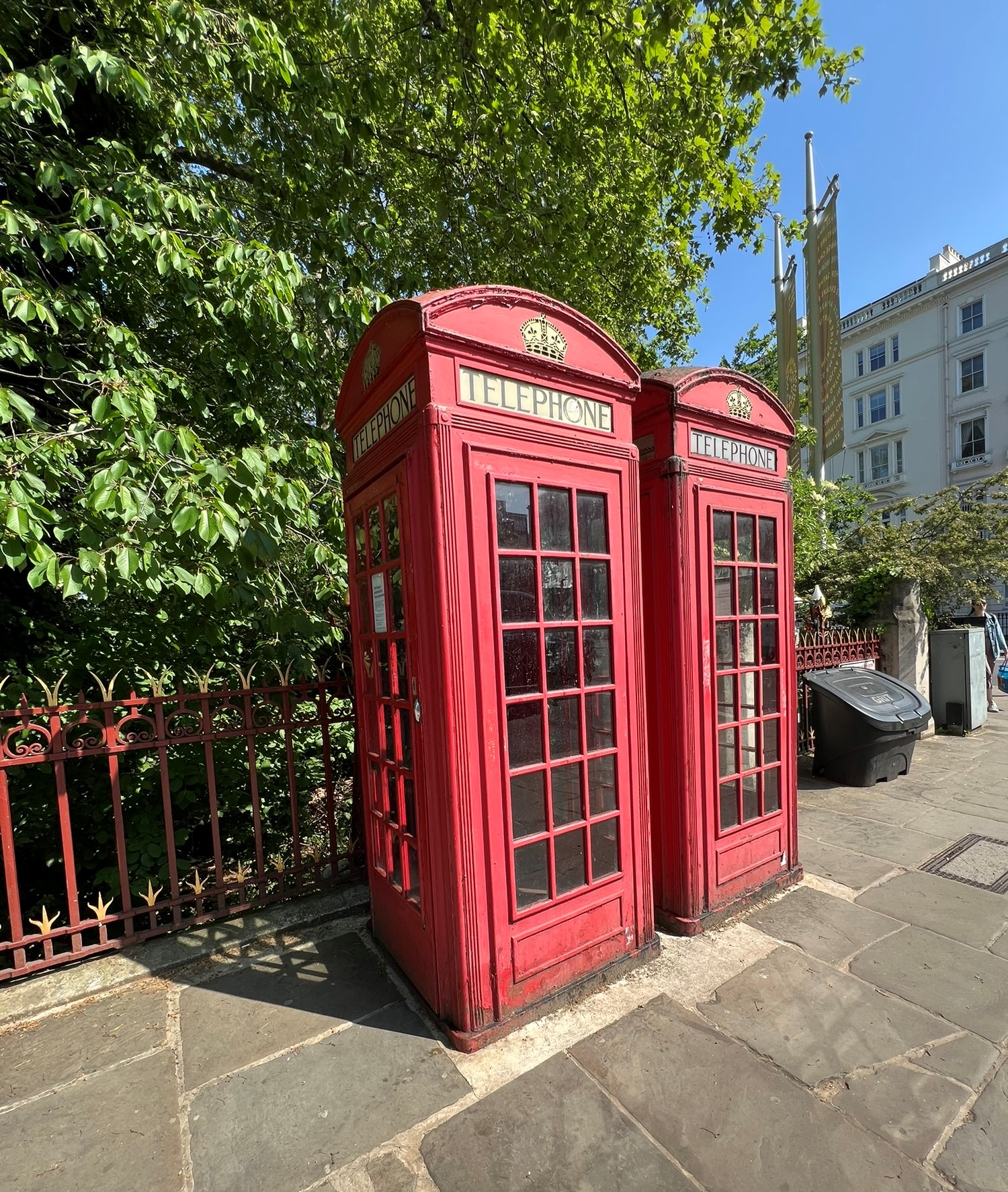
This is how you know you are in England:
DAY 1: Arrival, Lack of Sleep, Kensington walks
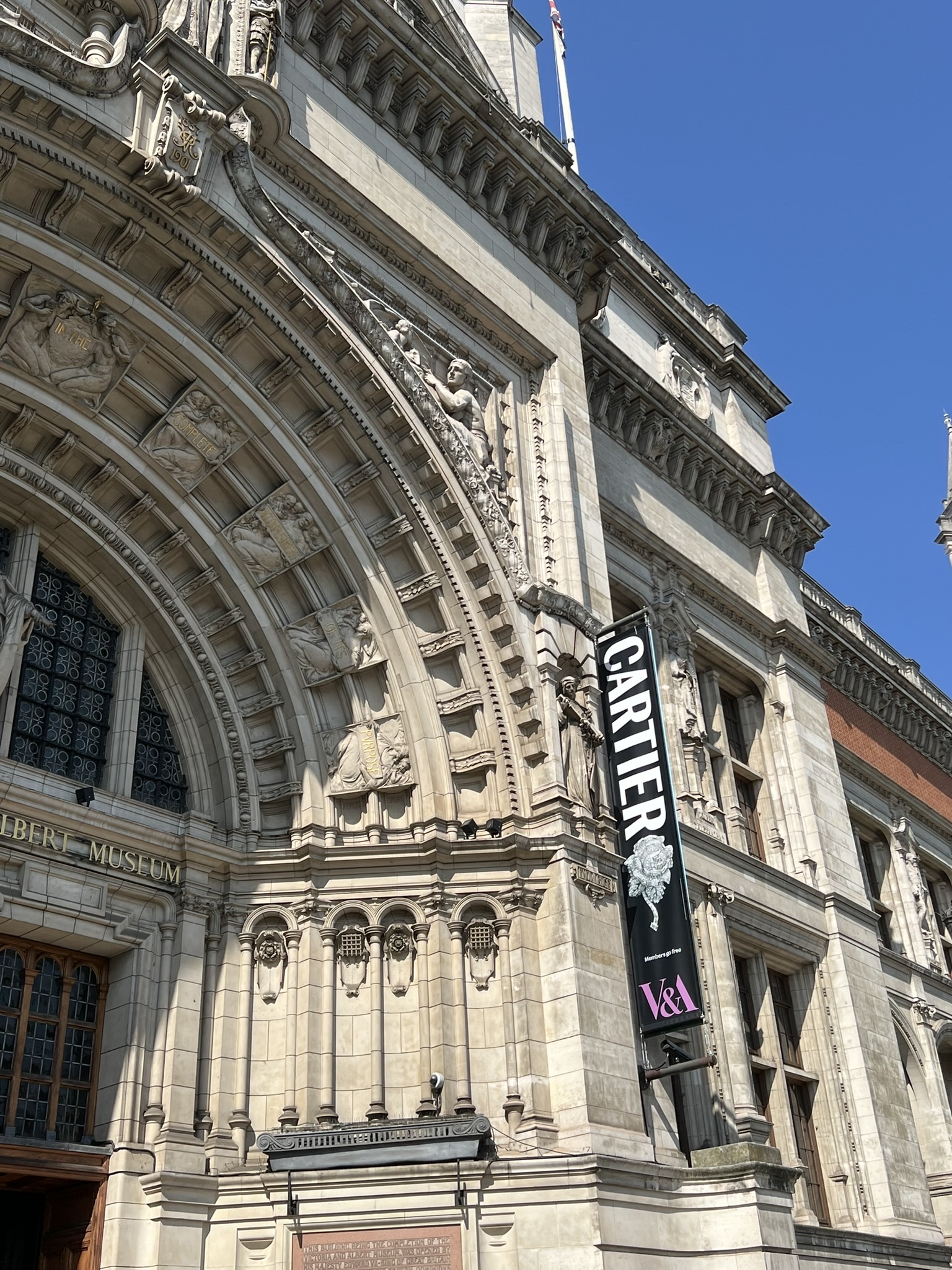
Arrived at my Kensington hotel but unable to check in until 3:00pm so wandered around on my own. I had lived in this Cromwell Road area as a student in 1968 [and where I met my husband] – so like to stay in this area when in London – changed a good deal, but the V&A and Prince Albert Hall are a short walk away and did this until lack of sleep set in:
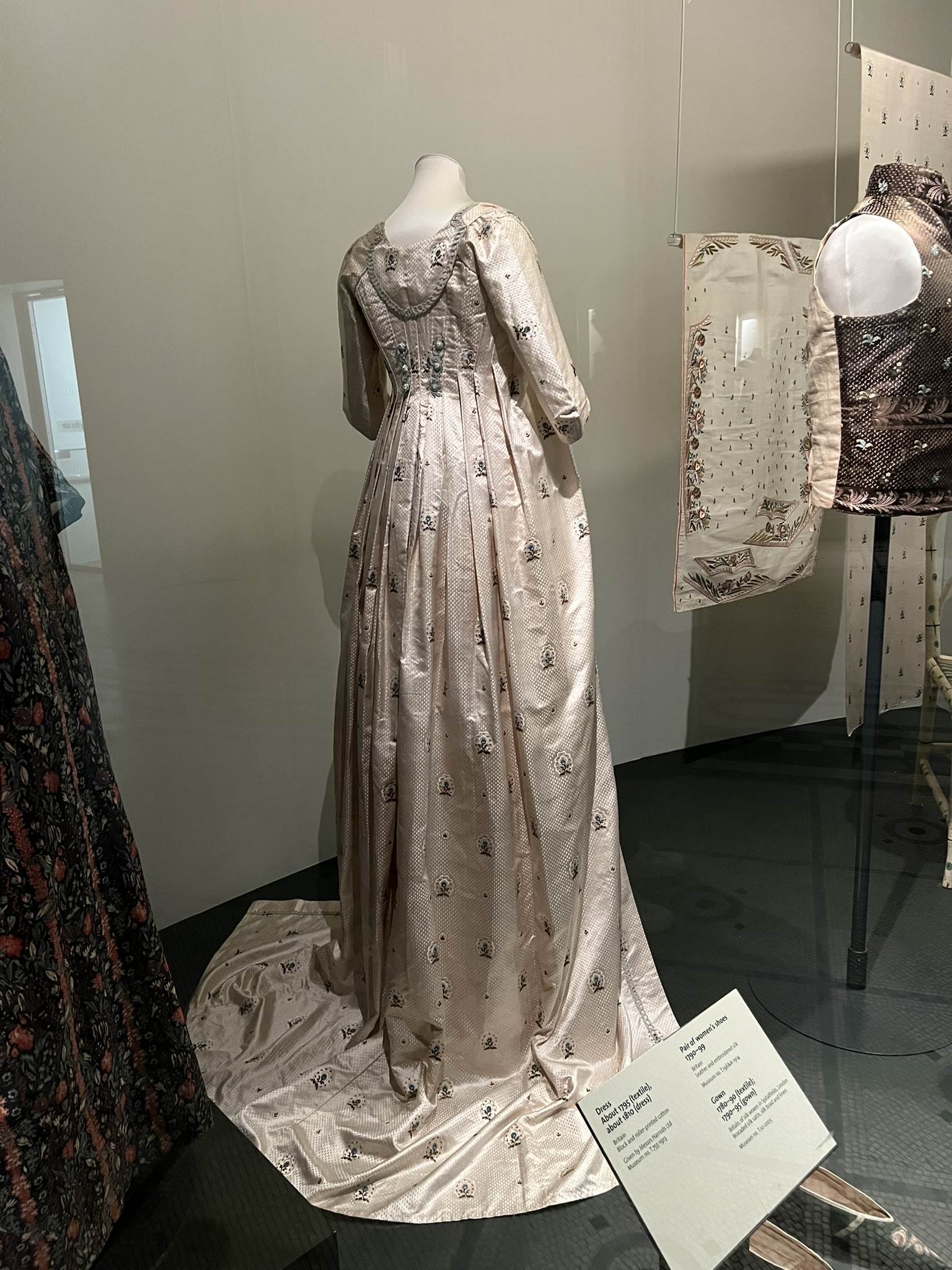
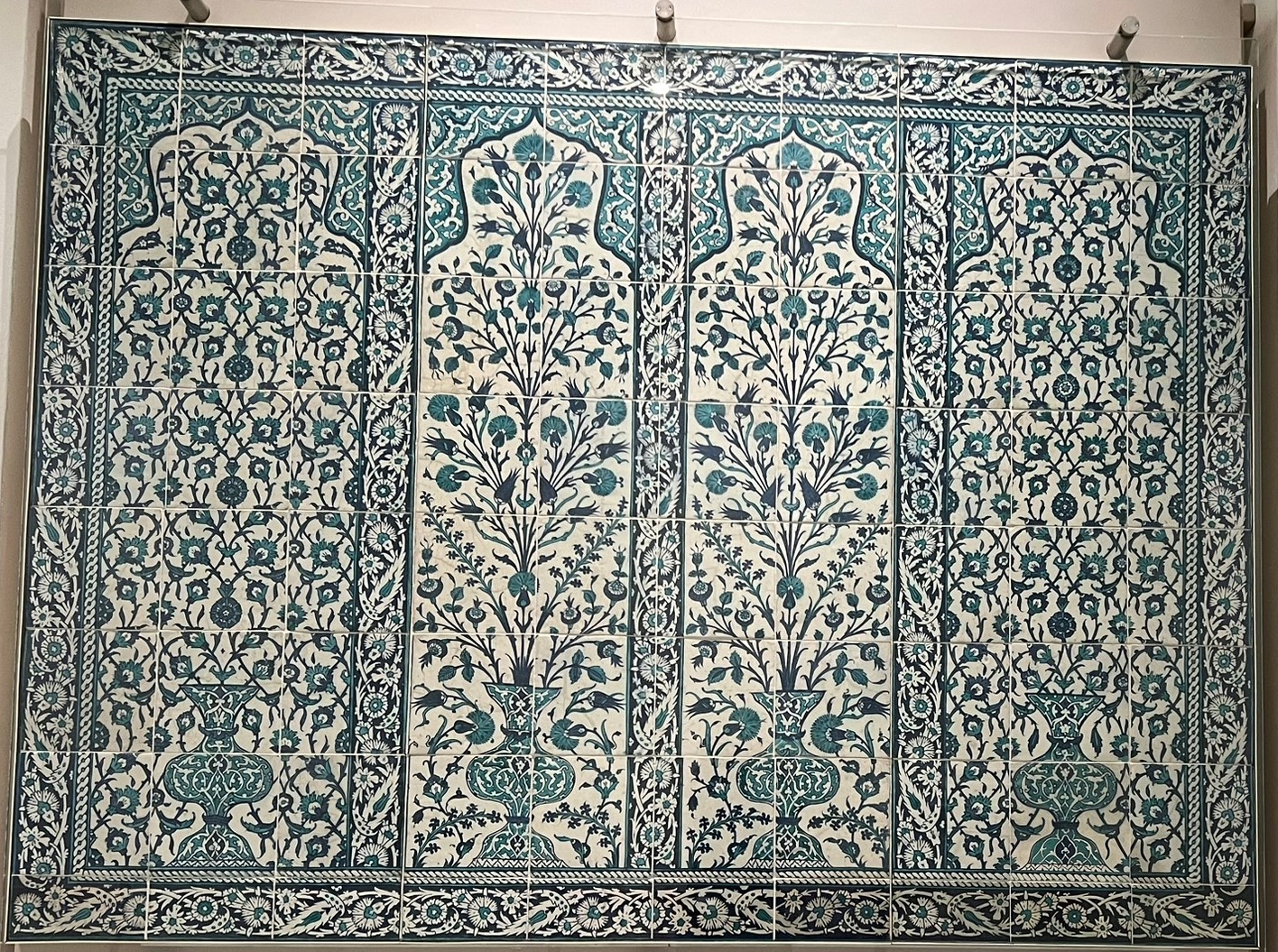
Cartier sold out, so I skipped through the Fashion Exhibit: was lucky to see this as it was closed to visitors just a few days later – a few favorites:
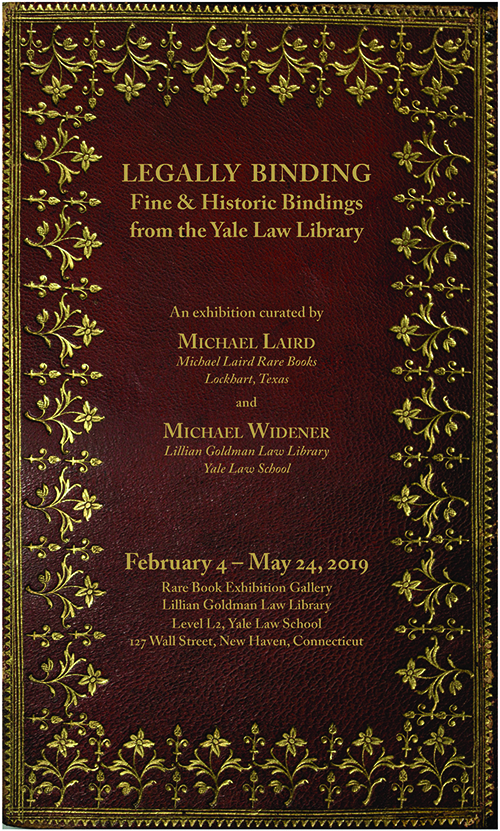
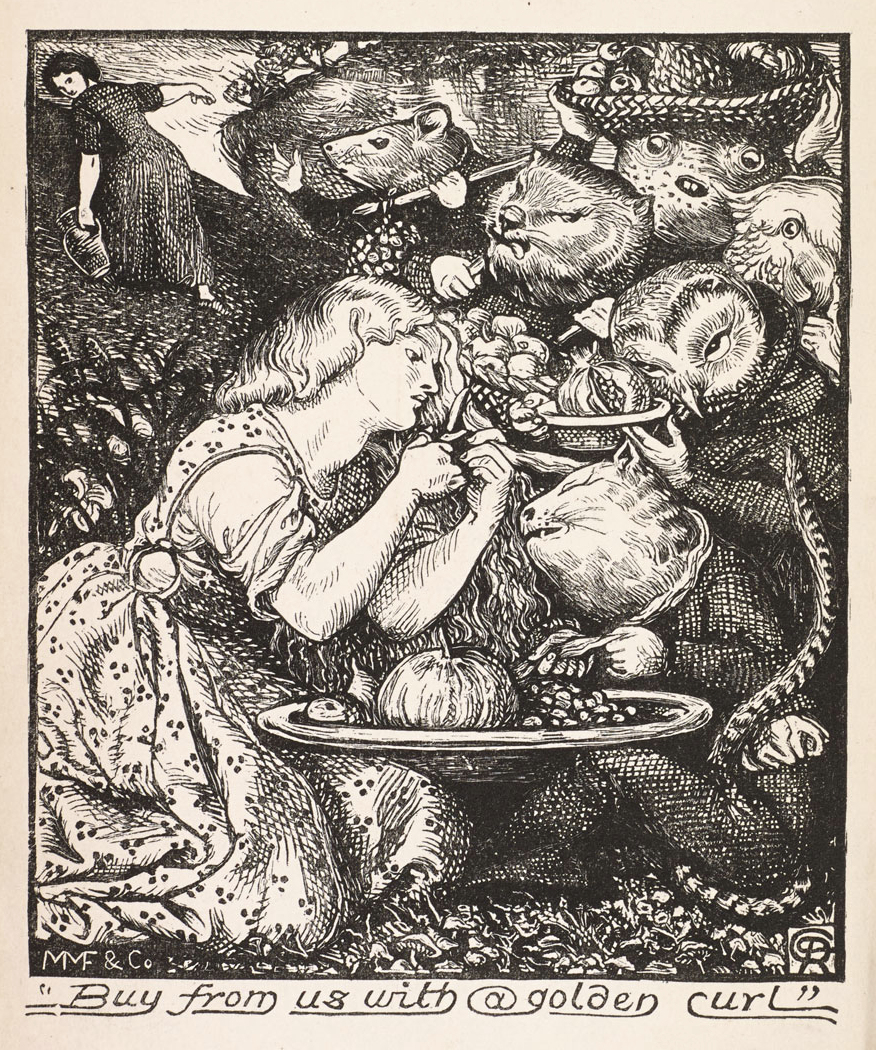
This week finds me jumping from Jane Austen’s sister-in-law Fanny Austen, to crazy bibliophiles, Rossetti’s wombats, the Coloring craze, Princess Margaret, and on to London, muons (whatever they are…), and more of course – it’s a mad world of information out there…
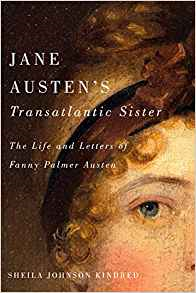
A new website and blog by Sheila Johnson Kindred, where she will explore Jane Austen’s naval world. Kindred is the author of Jane Austen’s Transatlantic Sister: The Life and Letters of Fanny Palmer Austen: https://www.sheilajohnsonkindred.com/
*
This made me laugh: always great stuff on The Londonist
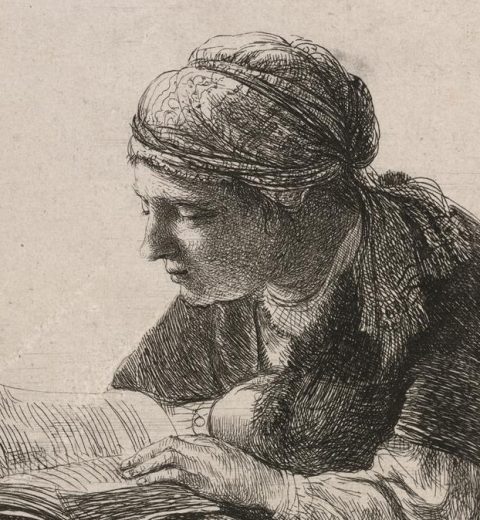
-which led me to this: https://franceswolfrestonhorbouks.com/, a blog by Sarah Lindenbaum, who is seeking to reconstruct the book collection of Frances Wolfreston (1607-1677), a gentrywoman from the English midlands with an expansive library; over 200 books have been identified thus far.
—…which leads you to this illustration from the color week in 2017: Louis Rhead, Romeo & Juliet, for Tales from Shakespeare by Charles and Mary Lamb—-and then back to #colorourcollections on twitter: https://twitter.com/search?q=%23colorourcollections&src=tyah
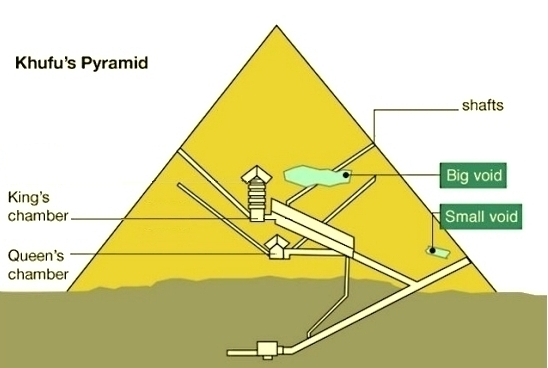
A new chamber in the Great Pyramid? If you know what a “muon” is, you might know that the use of muon technology has revealed an as yet undiscovered chamber in the Great Pyramid, where remaining treasures may lie: https://blog.oup.com/2019/02/power-mysterious-muon/
*
Here’s a bit of a head-scratcher: with thanks to Tony Grant:
The article shows a letter from Jane Austen to Cassandra that Ms. Watson has transcribed; but she states: “You can actually see how they have changed their manuscript – how Jane Austen changed Pride and Prejudice as she’s writing it… That blows my mind a bit. You see it, and you think – that’s so much better after she’s edited it than before.”
Well, I’m sorry but as far as I know there are no manuscripts of Pride and Prejudice, or any of the other 5 novels other than the cancelled chapters of Persuasion – so this is very interesting if she has been transcribing a P&P manuscript??
An 1800 letter from Jane Austen to her sister Cassandra
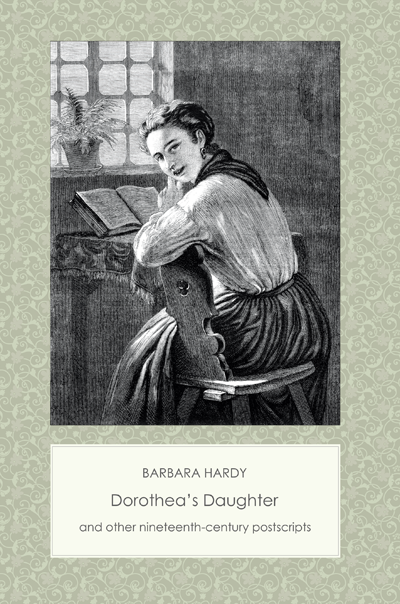
“Dorothea’s Daughter is a stunning new collection of short stories based on novels by Jane Austen, Charlotte Brontë, Charles Dickens, George Eliot, and Thomas Hardy. They are postscripts, rather than sequels, entering into dialogues with the original narratives by developing suggestions in the text. The authors’ conclusions are respected, with no changes made to the plot; instead, Barbara Hardy draws out loose threads in the original fabric to weave new material, imagining moments in the characters’ future lives.”
The stories are:
Twilight in Mansfield Parsonage (Mansfield Park by Jane Austen)
Mrs Knightley’s Invitation (Emma by Jane Austen)
Adèle Varens (Jane Eyre by Charlotte Brontë)
Lucy Snowe and Paulina Bretton: the Conversation of Women (Villette by Charlotte Brontë)
Edith Dombey and Son (Dombey and Son by Charles Dickens)
Harriet Beadle’s Message (Little Dorrit by Charles Dickens)
Lucy Deane (The Mill on the Floss by George Eliot)
Dorothea’s Daughter (Middlemarch by George Eliot)
’Liza-Lu Durbeyfield (Tess of the D’Urbervilles by Thomas Hardy)
Has anyone read this? It was first published in 2011. I’ve just ordered it and will let you know my thoughts…
Thanks for visiting… and Happy Reading…
ps: just a note as to why I leave in the full url of each link: if an imbedded link goes bad or far off into cyberspace, it is easier to find it if you have the details in the url – it doesn’t look as pretty, sorry to say, but more helpful in the end..












 Jane Austen in Vermont