I am cheating this week by copying and expanding an old post, but as it fits nicely into the “collecting Jane Austen” theme, I shall hopefully be pardoned [plus the original post is 11 years old!]
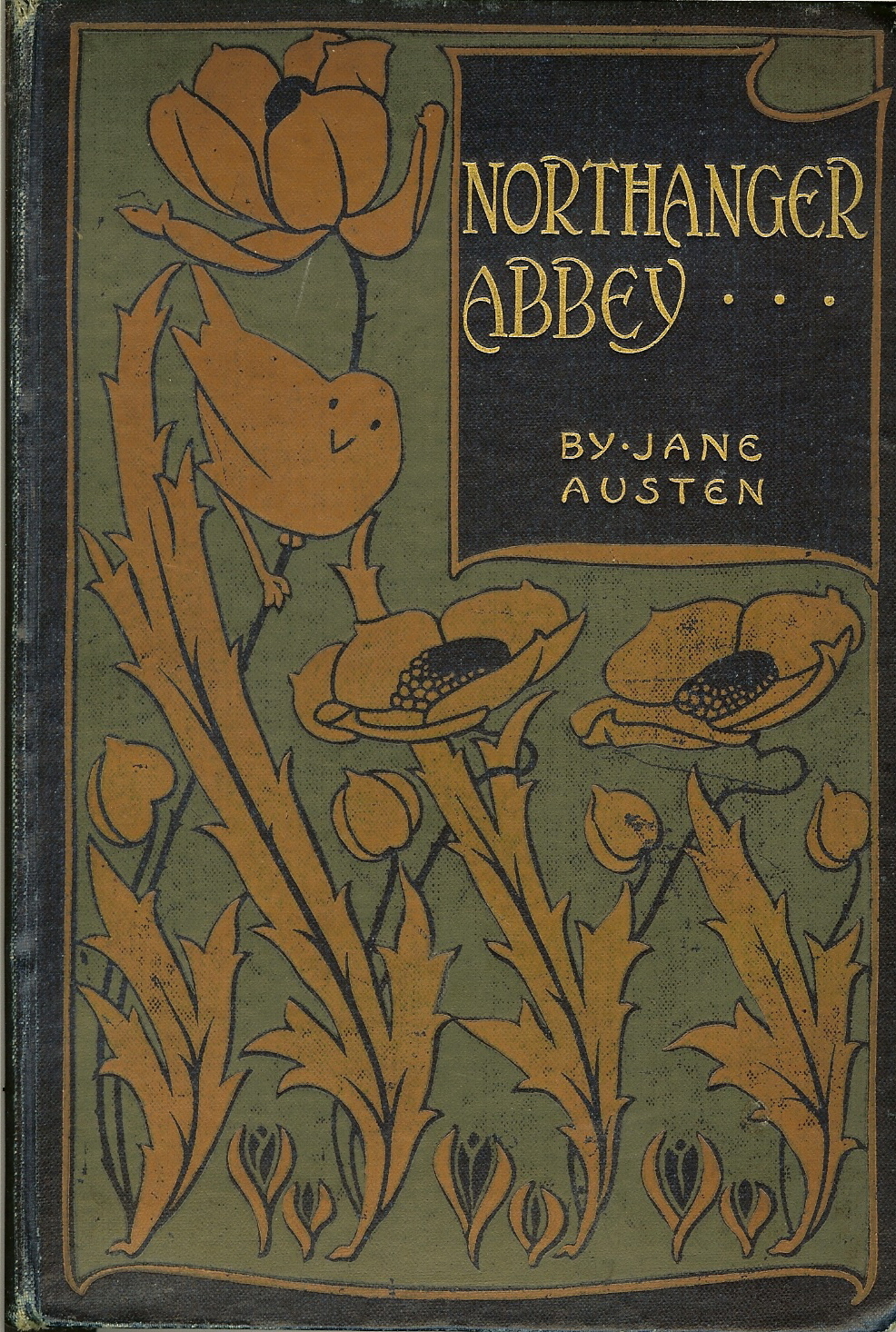
This post began back in February of 2009 when Laurel Ann at Austenprose asked about the illustration by Paul Hardy in my post on Henry Tilney. This illustration was the frontispiece in an undated Blackie & Son [London] edition from the late 19th – early 20th century. There is a bookseller ticket for “R. F. Hunger, Stationer & Printer.”
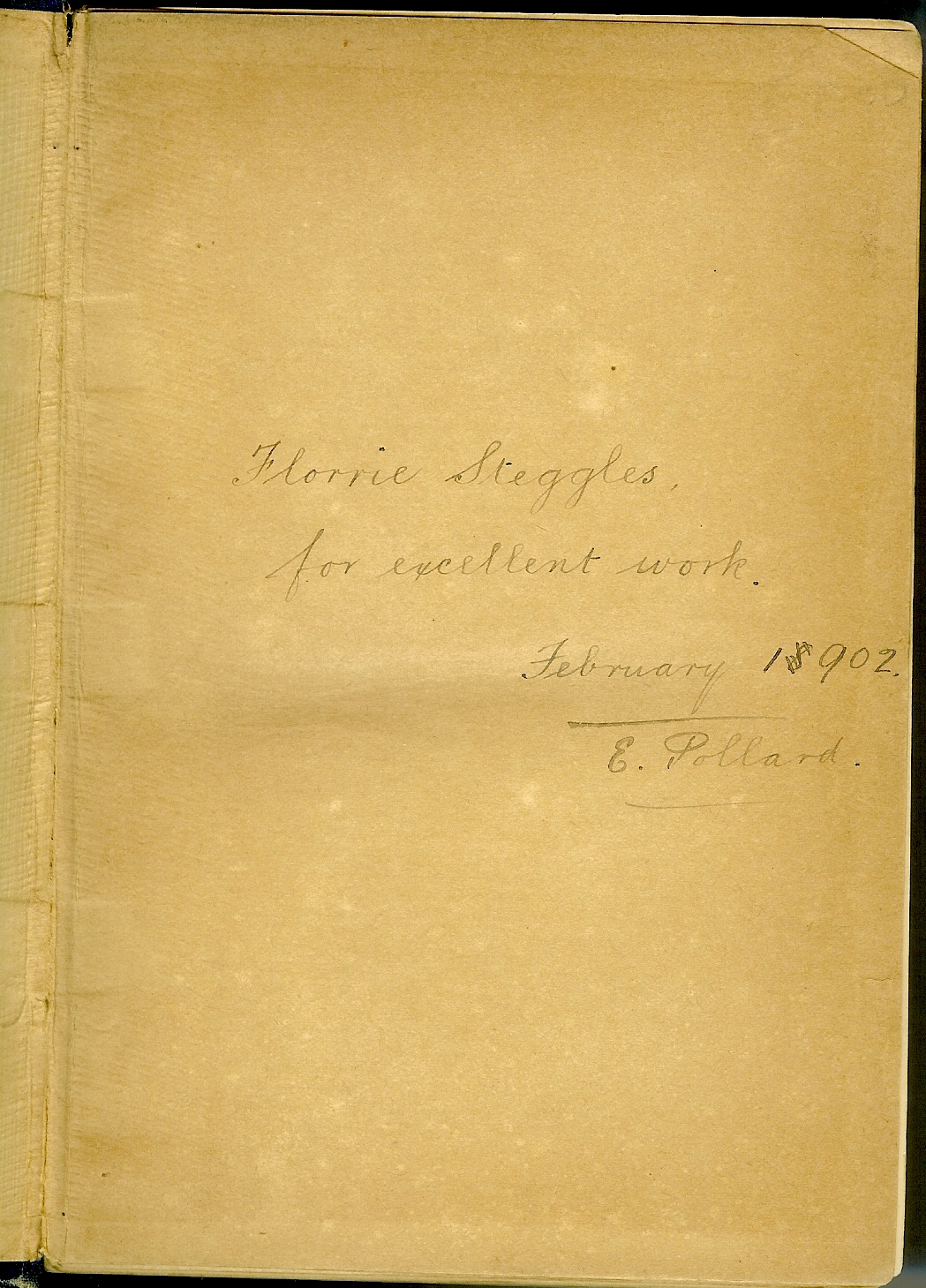
And there is an inscription dated February 1902 that reads – “Florrie Steggles, for excellent work. E. Pollard 1902.” [this is why I love inscriptions!] … what a gift for a young lady to receive! [Notice the inscriber first wrote 8 rather than 9 in 1902 – over a year later and still not used to the 1900s!)
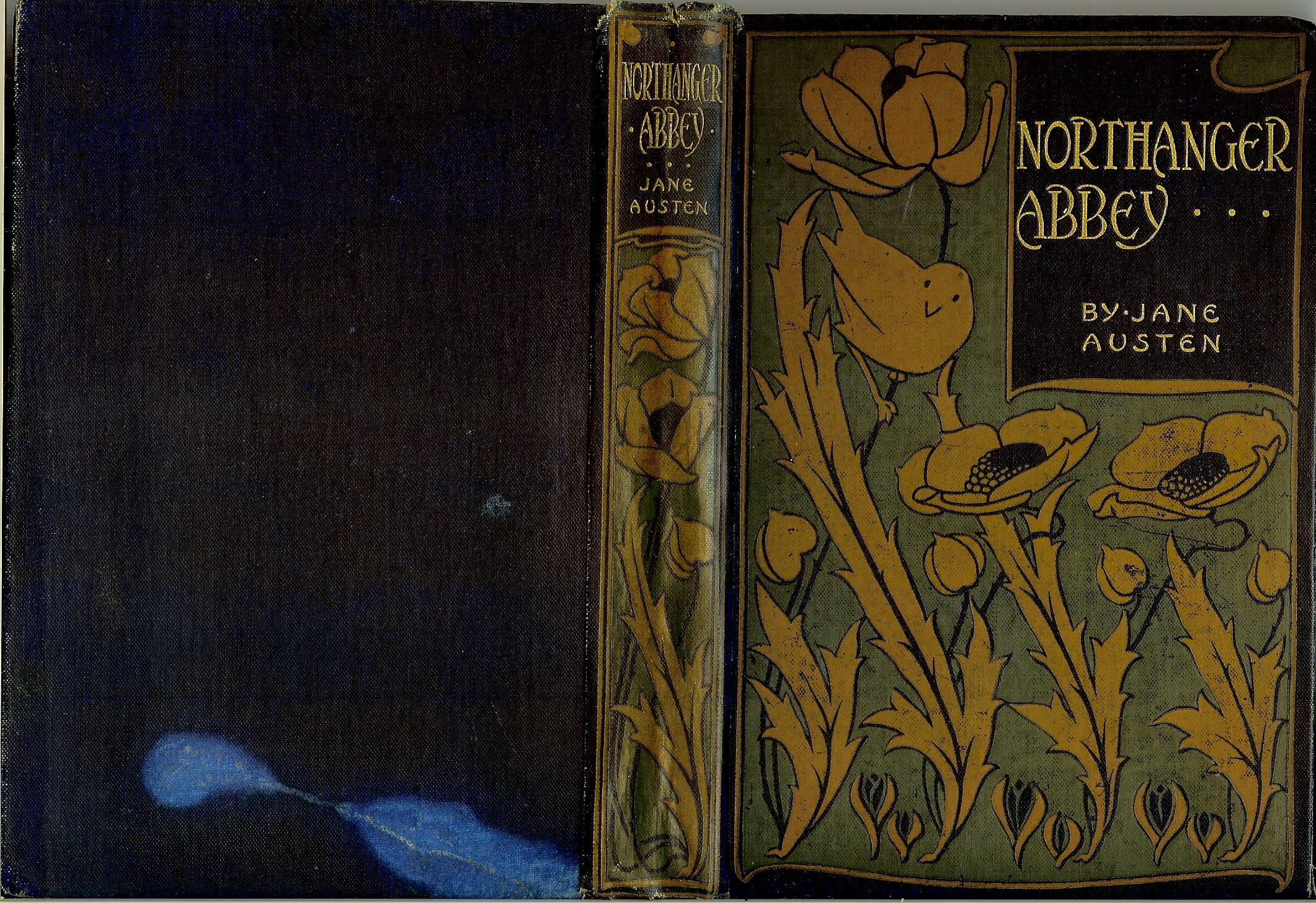
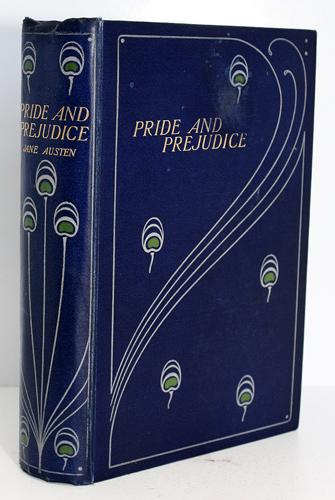
I bought this book for its cover alone [alas! the pages are quite browned and there is only one illustration], but the Art Nouveau unsigned decorative binding is just lovely, the spine also decorated – it is a welcome sight on my book shelves:
You can also see this rather unfortunate stain on the rear board – a damp stain that faded the navy cloth to this beautiful blue!
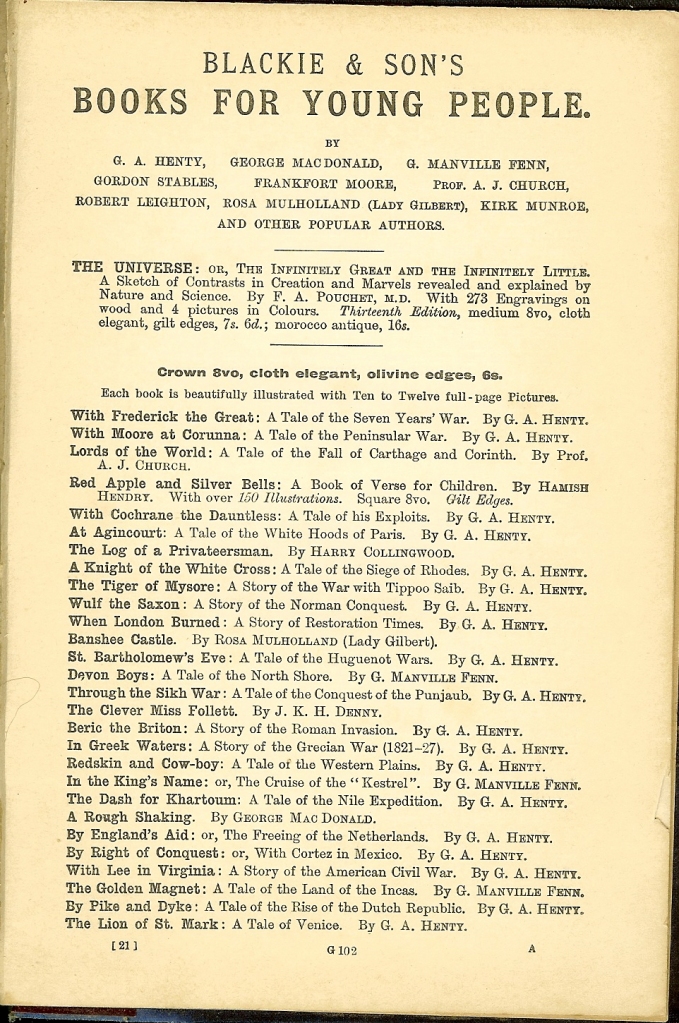
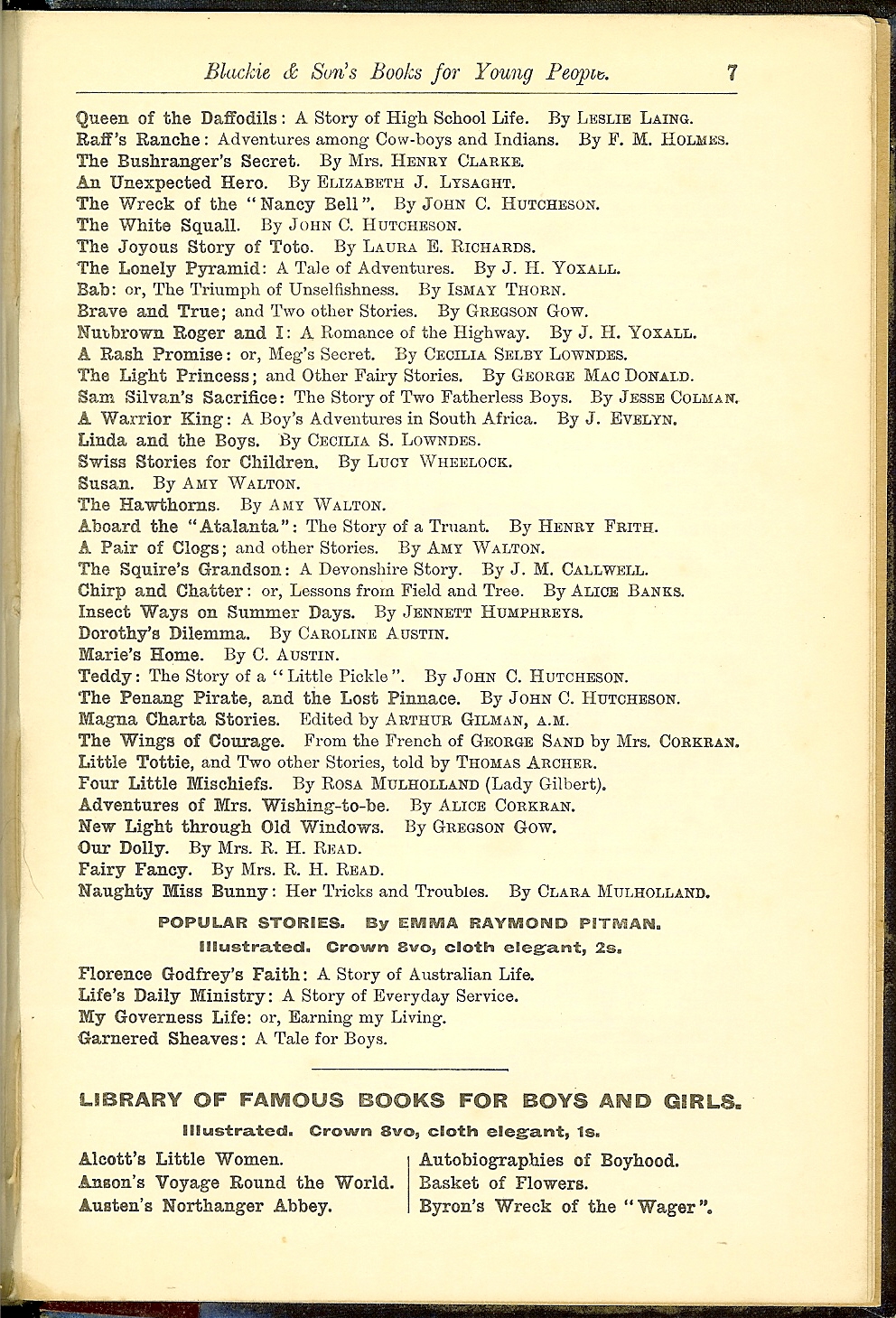
There are 8 pages of advertisements for Blackie & Son’s in the rear: here the first page and page 7 with Austen’s Northanger Abbey listed under “Library of Famous Books for Boys and Girls.”
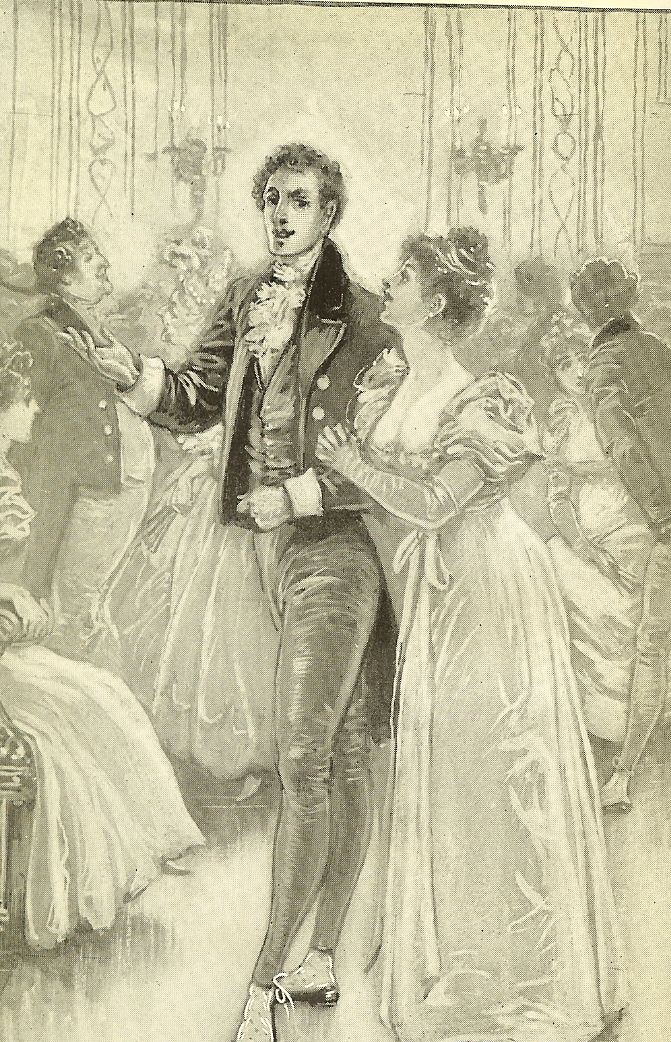
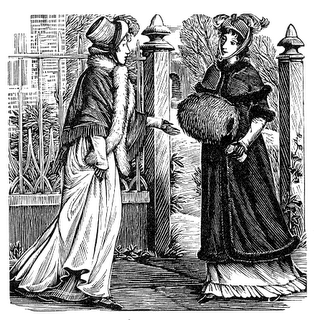
The one and only illustration is by Paul Hardy:
“Bath, compared with London,” said Mr. Tilney, “has little variety.”
Paul Hardy (1862-1942) was an English illustrator, known for his illustrations in The Strand Magazine and his painting of Canterbury Pilgrims. Austen is listed as one of the novelists he illustrated, but I find only this Northanger Abbey. You can read about Hardy and see a good number of his illustrations here: https://commons.wikimedia.org/wiki/Category:Paul_Hardy_(illustrator)
Hardy’s efforts to get the Regency right are a tad off – he seems to have a confused fashion sense! – your thoughts??
As for collecting, scouting out the decorated covers of Austen’s works is a worthy endeavor. Both Janine Barchas’s The Lost Books of Jane Austen (Johns Hopkins, 2019), and Margaret Sullivan’s Jane Austen Cover to Cover (Quirk, 2014) are excellent references to aid in your search.
Do you have any favorite covers in your Austen collection?
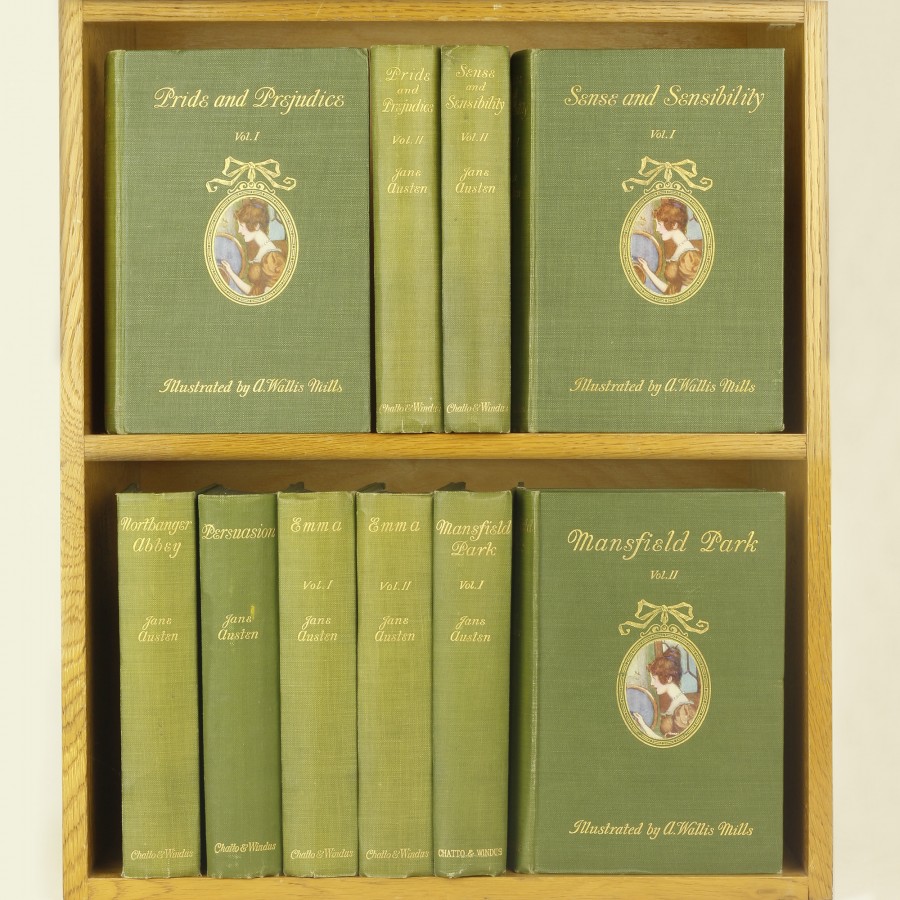
The Novels of Jane Austen. London: Chatto & Windus, 1908-09 [Source: Jonkers Rare Books]
At number E117 in the Gilson Bibliography we find this 10-volume set listed with the following description:
“Printed by Arden Press, Letchworth. Olive green cloth gilt, with small oval colour illustration pasted down on each front board, endpapers [same in all volumes] reproducing a watercolour drawing by A. Wallis Mills, green dustwrappers printed in black. A general introduction and introductory notes by R. Brimley Johnson, title pages printed in blue and black, each volume has a frontispiece and nine other colour plates also by Mills [they plates do not always face the page specified in the illustration].
The volumes were available separately, or as a set bound in whole green parchment. Reissued in 1925 by George C. Harrap, London, bound in mid brown diagonal fine-ribbed cloth, otherwise identical with the original issue.”
So, I don’t actually have this full set, just the Persuasion volume, the one novel I focus my collecting energies on. I was doing a talk on illustrating Persuasion and wanted to have my own copy, and I broke all the rules of collecting to get it – I found it online, knew it was in terrible condition, but bought it anyway – it didn’t cost much and I wanted it for the illustrations and the endpapers. Alas!, it smells – so it is kept in its own place and not on the shelves with my other Persuasion copies – but, no regrets.
I am posting on this for a few reasons – because it is often the illustrated editions that are the most interesting and therefore the most collectible. And while we know our Brock and Thomson and Hammond editions, this set is not as well known.
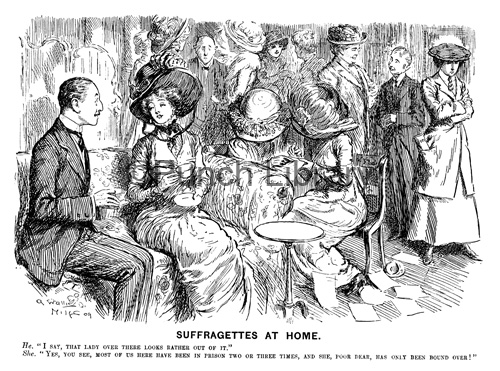
A[rthur] Wallis Mills [1878-1940] was a British artist of mostly humorous subjects – he is famous for his cartoons and illustrations for Punch and The Strand magazines, and he illustrated more P. G. Wodehouse stories than any other artist.
“Suffragettes at Home” for Punch Magazine, published 14 April 1909.
He: I say, that lady over there looks rather out of it’. She: Yes, you see, most of us here have been in prison two or three times, and she, poor dear, has only been bound over!’
We might wonder why Chatto chose a political cartoonist to illustrate Austen – but at least we can give them credit for acknowledging her satirical wit.
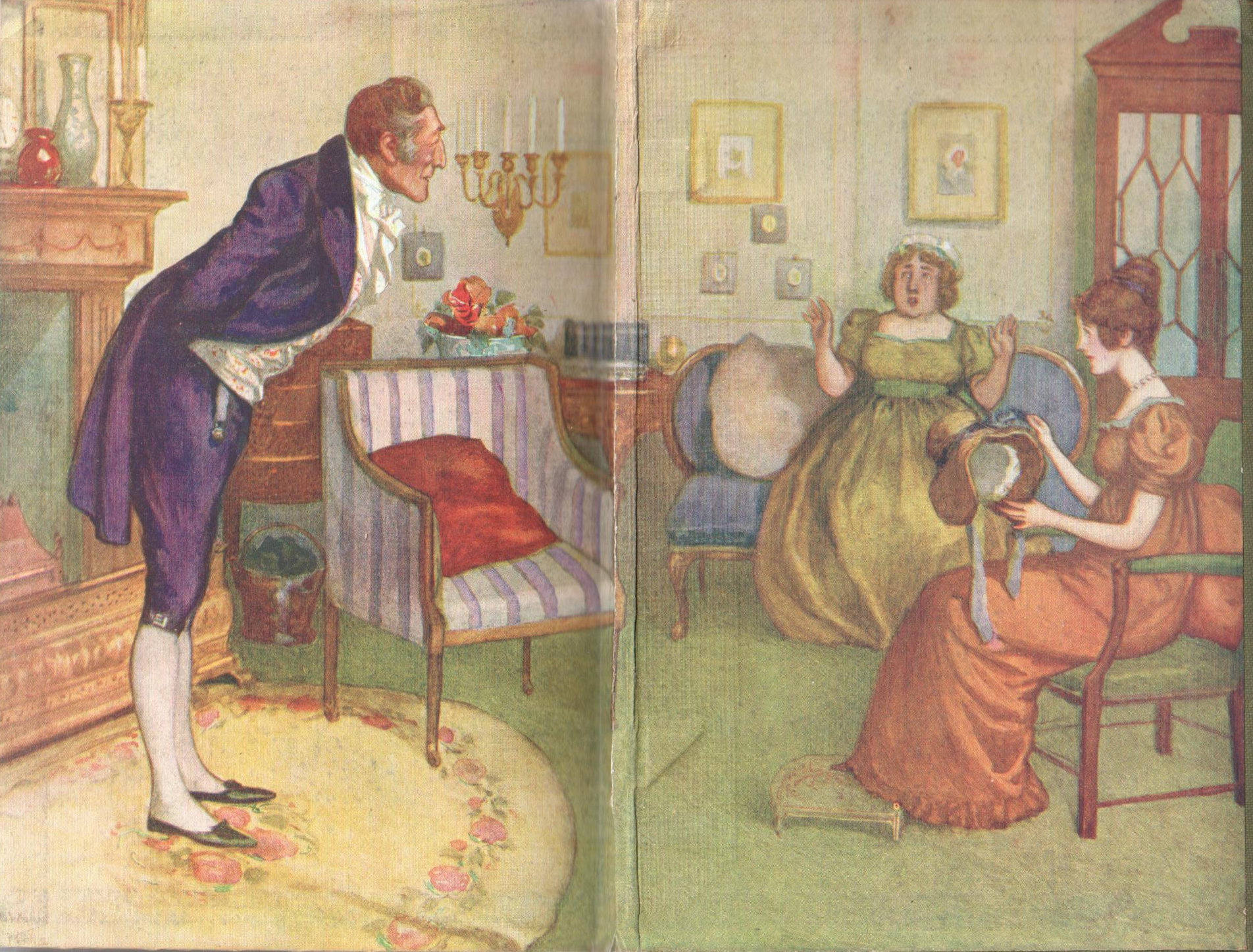
Here is a composite of a number of the illustrations across all the volumes:
A review of the two Sense and Sensibility volumes in the set appeared in The Literary Digest of October 1908, page 561, published by Duffield & Co., New York: the reviewer wrote:
“These two volumes in the new ten-volume set of Jane Austen’s writings, illustrated in colors by A. Wallis Mills, follow closely upon the publication of the first two, which contained “Pride and Prejudice.” Mr. Mills has caught the spirit of the original rather better in these volumes than he did in the other. His Mr. Darcey [sic] was not quite convincing, nor were his Miss Bennets, altho he was more successful with Mrs. Bennet—quite successful, in fact. In the present volume his Sir John is entirely satisfying and so are Mrs. Jennings and Mrs. Ferriar. We like immensely, also, his Dashwood girls. His picture of Mrs. John Dashwood’s arrival in her new home is entirely adequate. A more satisfying edition of Jane Austen is not known to us.”
[One can only assume the reviewer never saw a single Brock, Thomson, or Hammond!]
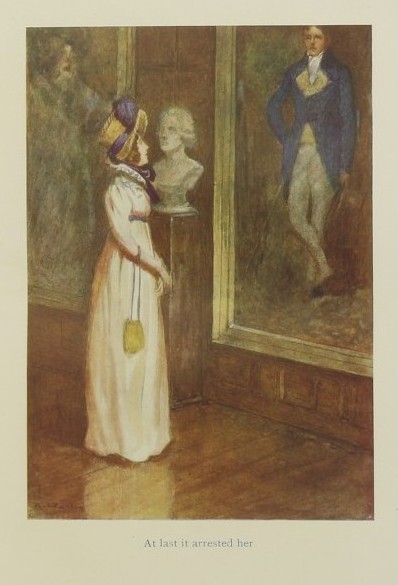
Here’s a larger image of the scene of Elizabeth in “earnest contemplation” of Mr. Darcy’s portrait – I cannot help but agree with the above reviewer’s opinion of Mr. Darcy:
Though I find him a far better Darcy here:
***********************
What most interests me about these Mills illustrations is that the Austen illustrator Joan Hassall found them so distasteful, she did the unpardonable [in my view] with regard to a book: She writes, “Unfortunately, I could not like these pictures and spent a long time perseveringly tearing out about 50 coloured plates.” [JAS Report, 1973] – which means she left 50 intact – I wonder which ones! David Gilson calls them insipid! – these are very strong responses to poor Mr. Mills, and sure proof that the illustrations in a Jane Austen novel can either make or break the story for you.
Here are some examples from the set:
the very busy endpapers
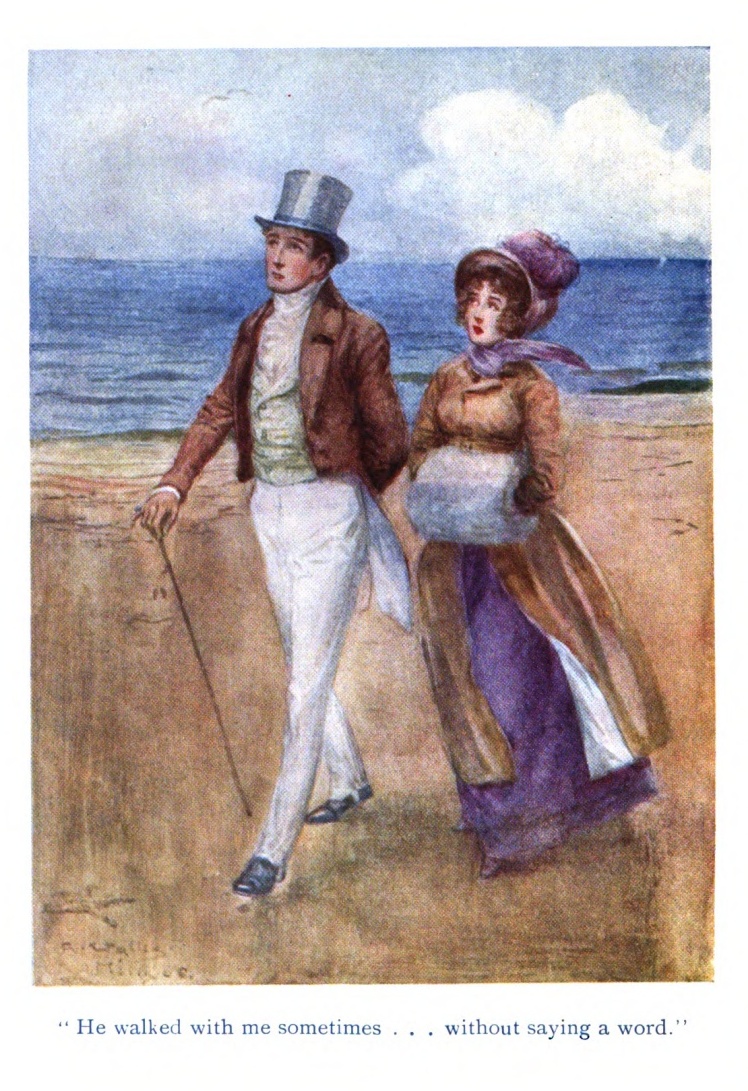
From Persuasion – here is the frontispiece, which makes no sense at all – it is the frontispiece, which should be a grand introduction to the book, and here we have Benwick and Mary Musgrove walking the beach at Lyme Regis – can you recall they even did this together?? Certainly no poetry conversation between them…
And this also from Persuasion of Charles Musgrove and Benwick “rat-hunting”: Musgrove a dead ringer for Prince Charles [and again, a rather odd scene to illustrate…]:
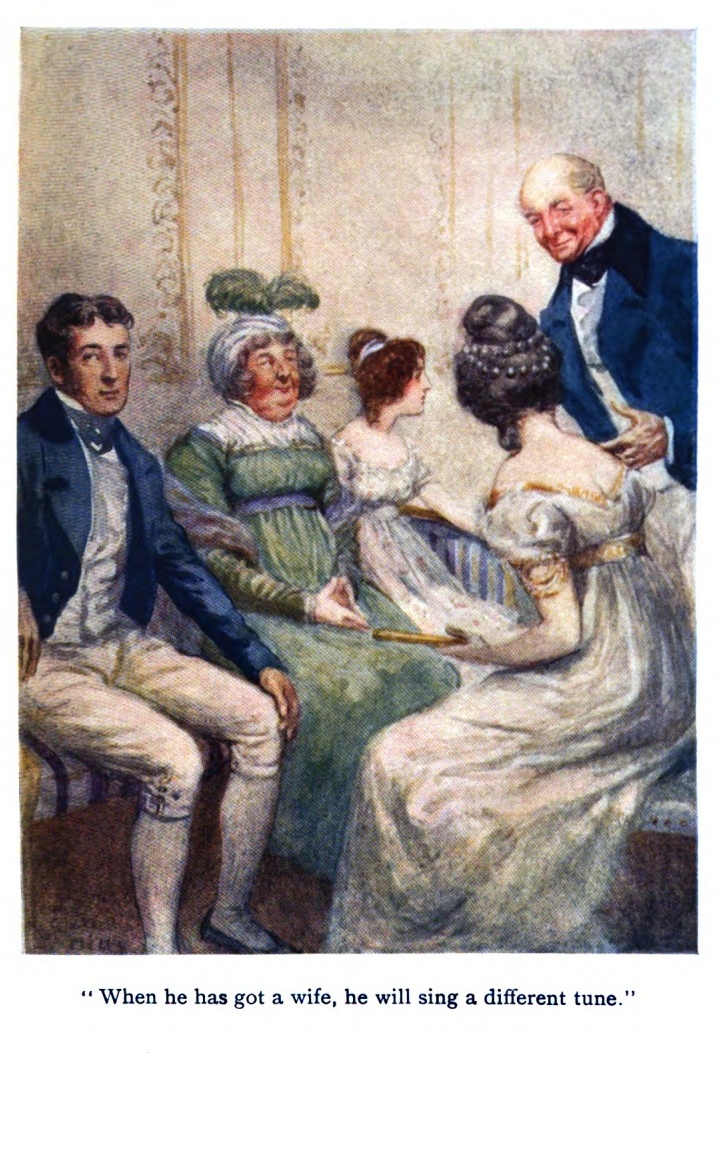
We must see Captain Wentworth or you shall never forgive me…he’s on the left looking rather disturbed… cramped “on the same sofa… divided only by Mrs. Musgrove, no insignificant barrier indeed…” and perhaps wondering why he ever left his ship…
I don’t find Mr. Mills’ attempts at giving us Austen’s humor in watercolor as awful as some – I do think they are a tad wishy-washy and far too-cute, but he is spot-on with the fashions and his humorous side is apparent, just maybe not as effective as Hugh Thomson? I do think you need to see all the illustrations from each volume to get the full effect, his comedy more subtle. They in some ways remind me of the 2013 Royal Mail postage stamps by Angela Barrett, where you can see the Persuasion scene is that of Mr. Elliot first spotting Anne on the Cobb:
Royal Mail Jane Austen Stamps, 2013
You find these volumes often sold separately, and often in not great conidtion [be sure to check for those 10 illustrations in each volume!] – full sets appear infrequently and might run to $1000 or more depending upon condition.
Thoughts anyone? Would you cut these illustrations out of your set [thereby making it worthless], or call them insipid??
Gentle Readers: In an effort to offer weekly posts on collecting Jane Austen, I shall start with the basics of book collecting – this a general summary of things to consider with a few examples specific to Jane Austen and Pride and Prejudice in particular. This will be followed by weekly posts on randomly chosen books in the various categories I list here that I think are essential to a Jane Austen collection.
Let’s start in the pages of Pride and Prejudice in the library at Netherfield where we find Elizabeth, Miss Bingley, Mr. Bingley, and Mr. Darcy:
[Elizabeth] walked towards a table where a few books were lying. He [Bingley] immediately offered to fetch her others; all that his library afforded.
“And I wish my collection were larger for your benefit and my own credit; but I am an idle fellow, and though I have not many, I have more than I ever look into.”
Elizabeth assured him that she could suit herself perfectly with those in the room.
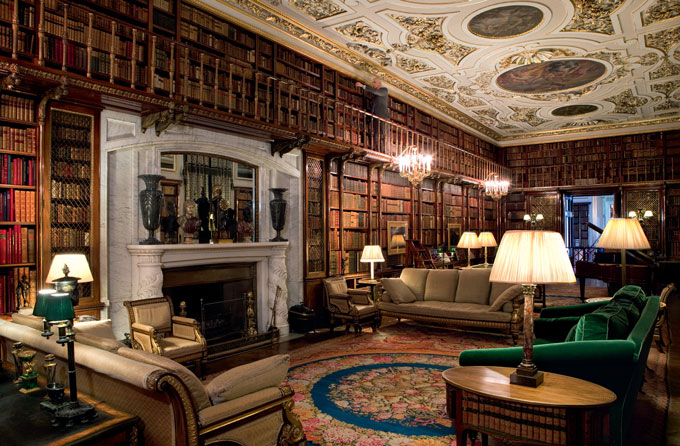
“I am astonished,” said Miss Bingley, “that my father should have left so small a collection of books. What a delightful library you have at Pemberley, Mr. Darcy!”
“It ought to be good,” he replied; “it has been the work of many generations.”
“And then you have added so much to it yourself, you are always buying books.” [my emphasis]
“I cannot comprehend the neglect of a family library in such days as these.”
And so, here we have the permission of Mr. Darcy himself to buy as many books as we would like!
II. The Collecting of Books:
Terry Belanger, a veteran book collector and rare book librarian once famously said “you are a collector if you have more than one copy of a single title” –
So, I ask you, how many of you have more than one copy of any of Jane Austen’s novels? And how many of you already realize that to collect all copies of books by and about Jane Austen is surely an impossible task? Even focusing on one title, say Pride and Prejudice, we would find it an impossible undertaking!
So where to start?
1. The first rule of book collecting is Collect what you Love – so I can assume that any of you reading this alllove Jane Austen, and so that will be our focus… and not only the books but also the myriad objects and ephemera. You can collect anything – my son collects Sneakers, only Nike Jordans, which leads to books about sneakers, etc…!
An amusing tale about collecting one title: In a used bookshop in England a few years ago I hit the mother-load of A Child’s Garden of Verses – a title I collect –
I brought five different editions to the register, manned by a young man obviously neither the owner nor all that well-versed in the vagaries of collecting – he hesitated for a moment, looked thoughtful, and finally blurted out “Do you know that all these books are the same?” [epilogue: I bought them all…]
2. Try to find the 1st edition (and by “first edition” I mean “first printing”), and how do we do that?
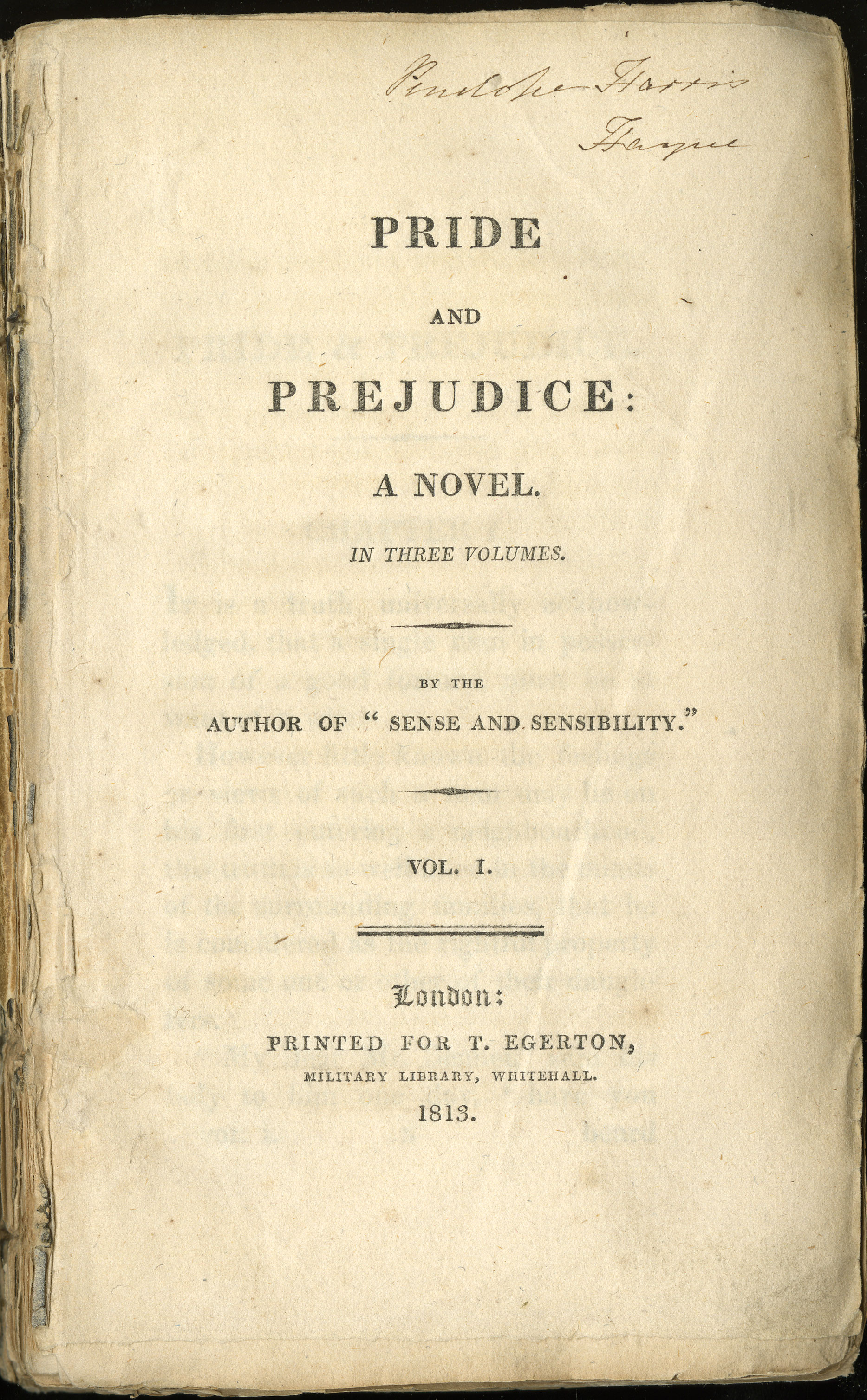
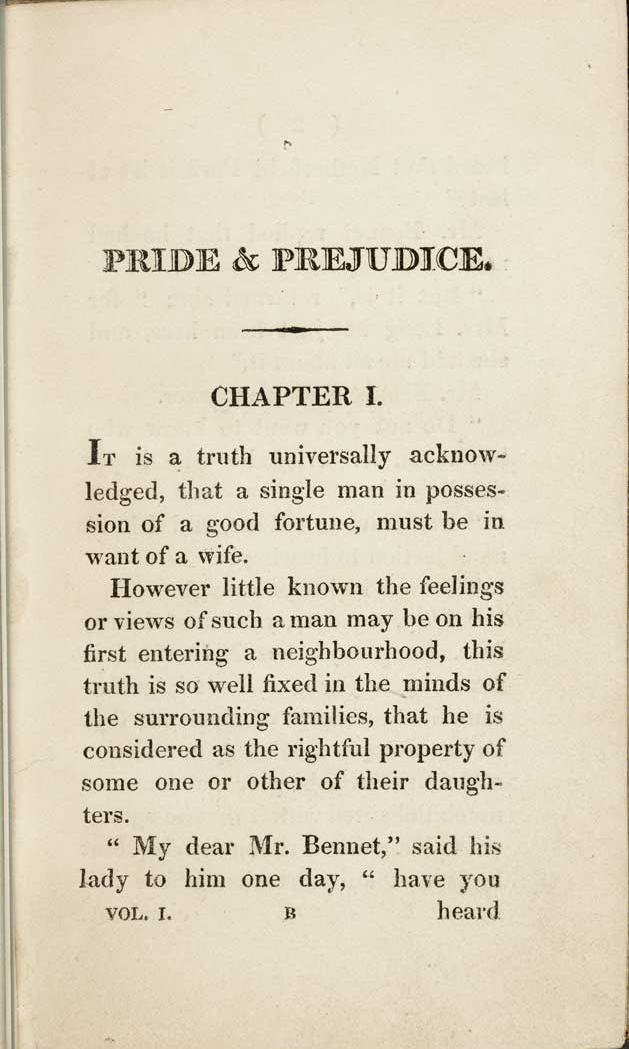
1st edition Pride and Prejudice [National Library of Scotland]
For most of us, Jane Austen first editions are beyond our pocketbooks – but you will need to know the basics of book collecting to understand why some books are harder to find, and why, when you find them, they can often be expensive.
It is here you will need to decide if you want the first edition in pristine condition or if you only need a reading copy, or not even a first edition at all – this is a question to ask at every purchase.
The most difficult aspect of book collecting is how to identify a first edition – every publisher did it differently and often changed their indicators over time. There are many guides to help with this.
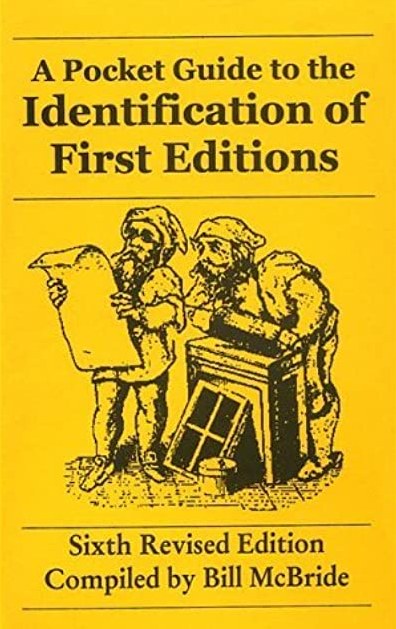
This Pocket Guide to the Identification of First Editions by Bill McBride is the best starting point for a general understanding of the practices of various publishers. You can also find this information online at Quill & Brush Books: https://www.qbbooks.com/first_ed_pub.php
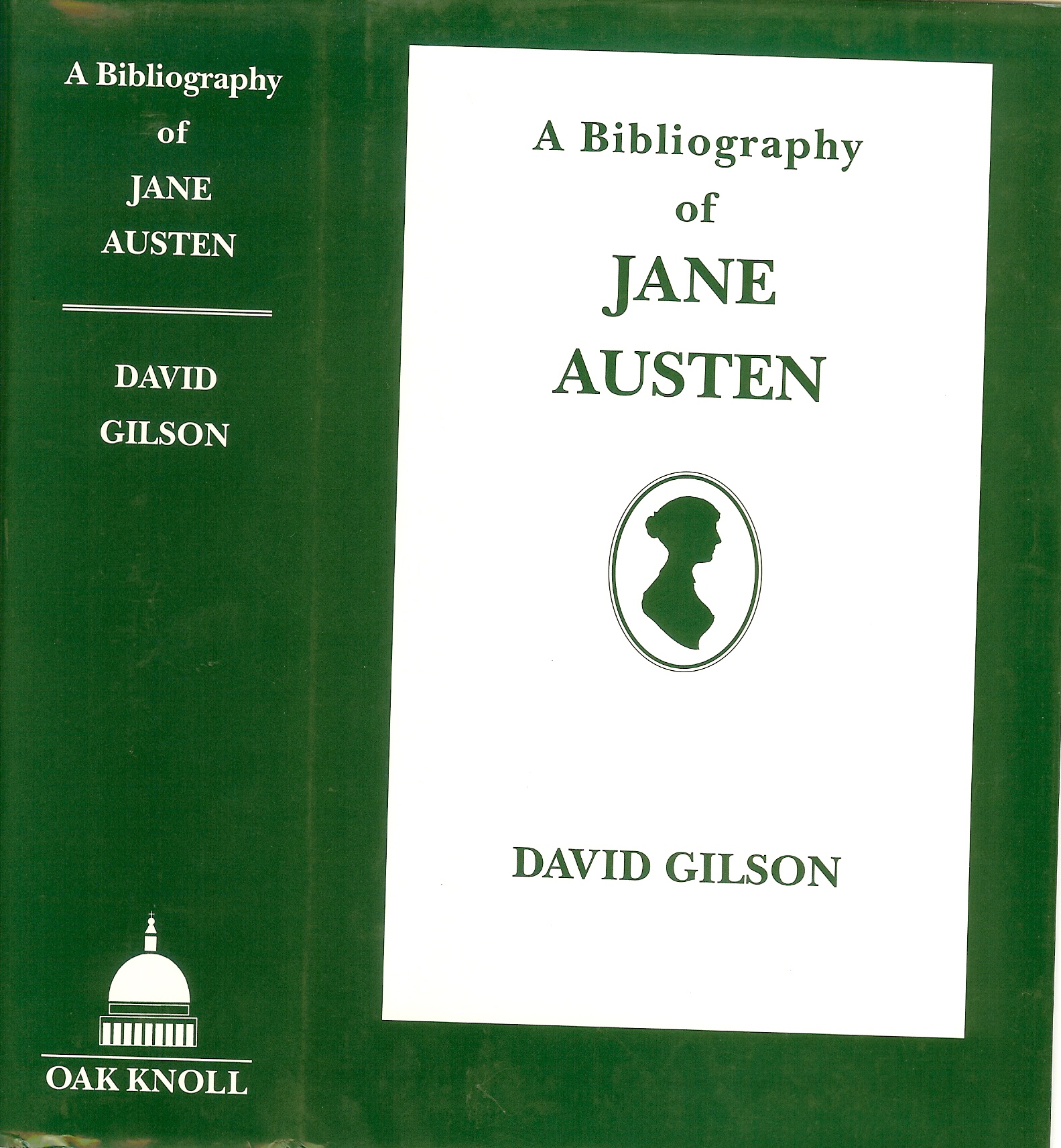
Then you will need more specific detail on the author/subject you are collecting, and thankfully for us Jane Austen enthusiasts, David Gilson, and Keynes and Chapman before him, have largely done this work for us…
If you want to understand book terminology, you must have John Carter’s ABC for Book Collectors – the 8th edition by John Carter and Nicolas Barker. Oak Knoll Press / British Library, 2004.
4. Determining value: supply and demand – Desirability+Scarcity=Value
Is the book still in print?
How many copies were printed?
Is this the author’s first book? – Sense and Sensibility is the most valuable
How did the book first appear? – binding, dust jacket? [value greatly reduced if lacking jacket: 75% – fiction, 20% – non-fiction]. Eg. S&S first published in boards is more valuable than the finest leather binding
1st ed. S&S in original boards;
1st ed, S&S leather bound
S&S 1st ed in boards and leather bound]: estimated value: $200,000 / $50,000.
Illustrations present? are they all there?
Condition, Condition, Condition! – most important factor! [see more below]
Where do you find values? There are many guides to consult:
Allen and Patricia Ahearn. Collected Books: A Guide to Identification and Values. 4th ed. (2011); see also their author guides – one on JA from 2007
American Book Prices Current: auction sales, so actual value
Bookseller catalogues: what titles are selling for
Author and subject bibliographies
Internet: bookselling sites: be wary – prices all over the place
5. CONDITION is the most important issue: prices will vary depending upon condition – even if you have the 1st edition – if it is in deplorable condition that will affect the value.
Booksellers grade a book’s condition using the terms below, from “As New” down to “Poor”: for instance VG [for the book ] / VG [for the jacket] – anything less than a VG is really not collectible:
VERY FINE/NEW [VF / NEW]: As new, unread.
FINE: Close to new, showing slight signs of age but without any defects.
VERY GOOD [VG]: A used book that shows some sign of wear but still has no defects.
GOOD [G]: A book that shows normal wear and aging, still complete and with no major defects.
FAIR: A worn and used copy, probably with cover tears and other defects.
POOR: a mess really, but might have some redeeming qualities
READING COPY: any book less than VG
*************
An interesting tale to demonstrate this: The rare bookseller Stuart Bennett [no relation to our esteemed Bennet family!] writes in his book Trade Bookbinding in the British Isles 1660-1800.
Alas! pre-Austen, but we find her in a NOTE: [an aside – always check indexes for Jane Austen – you will be pleasantly surprised to see how often she turns up and in the most amazing places!]
Bennett writes in a footnote on the issue of publishing in boards vs. the wealthy having their favorite books bound in leather:
What is certain is that wrappered and boarded popular literature was not part of the visual landscape of country house libraries. In my experience these books, when kept, found their way into cupboards underneath the display bookcases, or into passages or rooms used by servants. In my days at Christie’s I once spent hours in the pantry cupboards of a Scottish country house, searching through stacks of these wrappered and boarded books among which I found, virtually as new, Volume III of the first edition of Sense and Sensibility. When I found the other two volumes I remarked to the aristocratic owners that this was one of the most valuable books in the house, as exceptional survival in original condition, and doubtless so because one of their ancestors had bought Jane Austen’s first novel, read it, and hadn’t cared enough to send it to for rebinding, and never bought another. My ebullience was arrested by an icy stare from the Countess, who replied, “I am sure, Mr. Bennett, that our ancestors would never have felt that way about Jane Austen.” [3]
Stuart tells me: this S&S set the then-record auction price in 1977 or 1978 (he was the auctioneer!), and turned up about twenty or maybe 25 years later offered by a London bookseller for, as he recalls, $200,000. Then it disappeared again.
Question: Should you buy a less collectible book because you cannot afford the higher price? – do you just want a reading copy or need to fill a gap in your collection? – you can decide this on a case-by-case basis – what becomes available and when and how much you can spend…
6. Where to find Books:
“Beauty in Search of Knowledge” – Thomas Rowlandson
– Local bookstores: sadly less of them, but still the best resource of Jane Austen books – a bookseller who will know your likes, will buy with you in mind, someone to trust… – Specific booksellers: those who specialize in Jane Austen and other women writers – shops, catalogues – you can find at book-fairs, being on their catalogue mailing list, and on the internet. For eg. Jane Austen Bookshttps://www.janeaustenbooks.net/ – Auctions / auction catalogues – The Internet: major used bookselling sites: you need to be an informed consumer!
The Good, the Bad, and the Ugly of the Internet: I could write a very lengthy post just on this – so I will only emphasize the biggest positive – you have at your fingertips a Global marketplace – no longer dependent on a brick & mortar shop around the corner [sad as this is to me!]
Biggest negative: be in be-wary mode – who are you buying from? – how to decide which is the best copy with so many price and condition discrepancies? – my best advice? – choose a bookseller who knows what they are about: valid and complete descriptions and a price that seems reasonable in light of other copies on offer.
A word about EBAY: a Gigantic auction house always open! – an amazing resource but also the biggest potential for getting a bad deal – you need to be an informed consumer!
Best use of the internet: Want Lists – most book sites do this and auction houses offer “alerts” – you will be notified when an item becomes available…
7. Caring for your collection: lots of information here to consider…just not today.
II. What to Collect:
Now comes the hard part – with so much out there on Jane Austen, where do you even begin? The need to focus on one particular aspect [say just collecting copies of Pride and Prejudice], or by zeroing in on a certain illustrator you like [the Brock brothers], or only books with fine decorative bindings [so many] – this list covers the gamut of possibilities – you just need to choose what you are most interested in. You must however start with a core collection:
A. A Jane Austen Core Collection
Oxford edition of The Novels of Jane Austen, ed. R. W. Chapman, 3rd ed.
1. The Works: the Oxford edition, ed. by Chapman (1923); the Cambridge edition, general editor Janet Todd, with each volume edited by a a different scholar; a set of reading copies of each novel – ones you can markup, underline, and make notes
2. The Letters – all editions [Brabourne, Chapman, Le Faye, Modert]
3. R. W. Chapman’s books on Jane Austen
4. Biography: the Memoir and everything since!
5. A Chronology of Jane Austen, Deirdre Le Faye (Cambridge, 2006)
6. The Bibliographies: Keynes, Chapman, Gilson, Barry Roth’s 3 volumes, and those continued annually in Persuasions; the Cambridge Bibliographies, etc…
7. Brian Southam. The Critical Heritage. Vol I. 1811-1870. Routledge, 1979; The Critical Heritage, Vol. II. 1870-1940. Routledge, 1987. – now available as digital reprints, 2009
8. Critical works: starting off point to further study – where to start?? The bibliographies; “Companions” – “Handbooks” – “Casebooks”
9. The World of Jane Austen: [endless material!]
The Arts: Music, Art, Architecture; Interior Design and Decorative Arts; Landscape
Georgian and Regency History: Political, Economic, Social, Religious
Social life and customs: Etiquette; Gender / Class issues; Dancing; Costume and Fashion
Domestic Arts: Cookery, Needlework, Women’s work, Family life, Home-life, Servants
Medical History
Military History: the Royal Navy, the Militia, The French Revolution, the American Revolution, Napoleonic Wars, War of 1812
Geographical History and Maps
Travel and Transportation: Carriages, Roads, Guidebooks, etc…
Literary Theory, History of the Novel, Narrative Theory, Language
B. Collecting a specific Jane Austen novel: as an example Pride & Prejudice
P&P, Gresham, 1900, illus. by Chris Hammond, Talwin Morris binding
1st editions
American editions
Specific Publishers: Bentley, Macmillan, Dent, Oxford, Folio Society, LLC, Penguin, etc.
Translated editions
Illustrators: also single illustrations
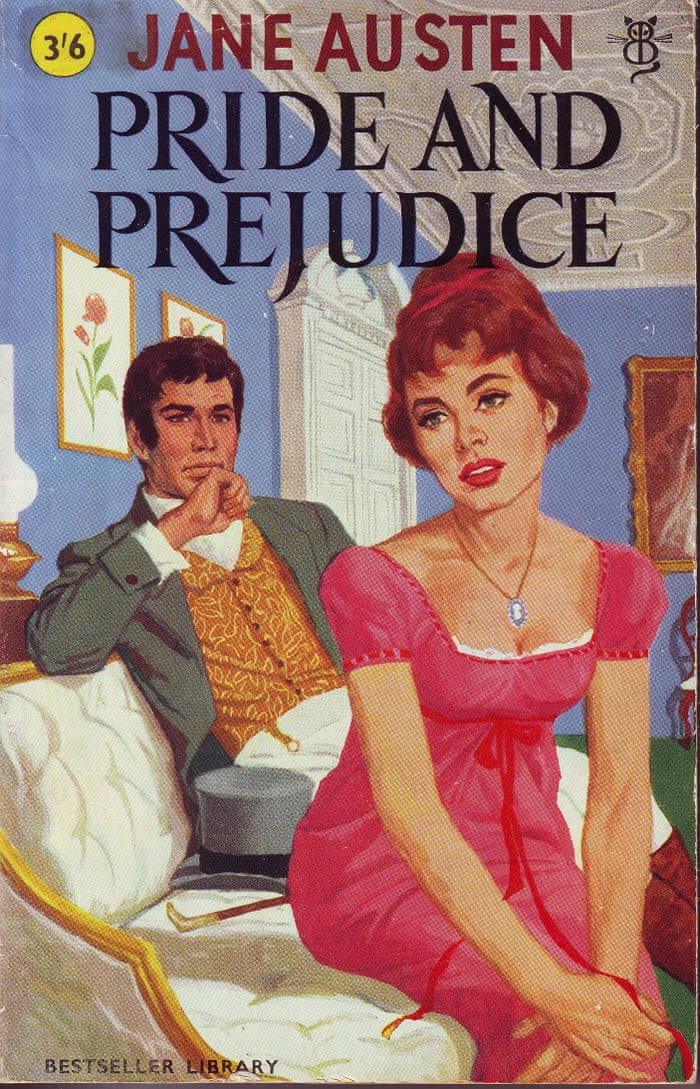
Decorative bindings / cover art – to include paperbacks
Critical editions: with scholarly editing and introductions
Books where P&P shows up
Association copies: e.g. Sarah Harriet Burney’s copy
Books that influenced Austen: e.g. Frances Burney’s Cecilia
Adaptations: Editions for young readers; Dramatizations; Films, Audiobooks
Sequels! – endless potential!
History / Social Life and Customs of the times, specific to P&P – fill your bookshelves!
Ephemera and Physical Objects – P&P merchandise in popular culture, many to do with Colin Firth…(!)
Royal Mail, Jane Austen Stamps 1975, by Barbara Brown
*****************
Ok, now you know everything to know about Book Collecting – you can begin this lifelong fun-filled endeavor! Join me next week for the first of many [I hope] Jane Austen-related titles you must have on your shelves…all with Mr. Darcy’s approval. Any questions or suggestions, please comment.
Enquiring Minds: I welcome today, Professor Janine Barchas, author of the recently published The Lost Books of Jane Austen, a work of mind-boggling scholarship, wherein “hardcore bibliography meets Antiques Roadshow!” And whether your tastes run to book history, the science of bibliography, literary history, or just a love of Jane Austen, you will be delighted with this addition to your Austen collection – an absolute must-have in my mind, to be shelved in a place of honor right alongside your copy of David Gilson. And don’t think it is some pedagogical tome – I laughed, I cried, I learned, I was wowed! – and I think you will be too.
Today, Janine is going to share with us what got her started on this incredible journey, some of her finds, and where it all goes from here.
Deb: First off, I must say that his book has been universally praised by Austen scholars and readers, book historians, and bibliographers! Did you have any idea the book would be so universally embraced?
JB: I dared not hope. Instead, I worried about whether crisscrossing the standard demarcations between audience groups (academics v. fans, readers v. collectors) might prove fatal. At the start, anonymous readers of the manuscript for Johns Hopkins University Press warned against the intellectual Schizophrenia of my approach (my phrasing). In view of their worry, much of the final book was rewritten and reframed so that essential bibliographical details would not detract from the larger human narrative—what my editor called “not getting lost in the weeds.” In other words, I had a lot of help and advice while shaping a book to appeal widely—and to different people for different reasons. Who would have thought that any press could produce such a handsome gift-worthy volume filled with headshots of tatty, cheap, and rejected books? From the start, there was something not entirely rational about expecting any audience for a book about unwanted books. I’m immensely gratified that so many people share my affection for these neglected reprints.
Deb:How did your education / scholarship lead you to working on Jane Austen – how, and when? In other words, when did your fascination with Austen begin?
JB: I came to Austen late and reluctantly. I was not introduced to her until college and graduate school, where I read her as a duty (as a stop along the history of the novel genre) rather than as a pleasure. I did not return to her novels in earnest until I was asked to teach a single-author course on Austen. At first, I tried to argue my way out of the task—after all, Samuel Richardson, who has no action figure, needed me more. Eventually, I gave in to the market demand on campus. Once I slowed down, reread all her books, and started teaching Austen, I had to bend at the knee along with all her other devotees.
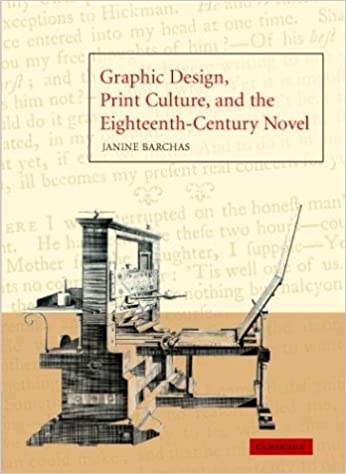
Deb:You have always had an interest in book history – tell us about your first book: Graphic Design, Print Culture, and the Eighteenth-Century Novel, published by Cambridge University Press in 2003.
JB: All my projects seem to take a material turn. Graphic Design argued that it was silly for serious academics to study and write about eighteenth-century novels while staring at and quoting from modern paperbacks (e.g. the Penguin reprints used in college classrooms). I showed how these modern reprints had silently altered the text as well as the innovative typographical innovations for which the genre was termed “novel” in the first place (ie. layout, paratexts, illustrations, the advertising language of title pages, font choices). In Graphic Design I urged serious scholars to return to the original editions of eighteenth-century books when studying literary meaning. In Lost Books, I finally found a scholarly purpose for all those inauthentic reprintings that I dismissed as unauthoritative in that early project!
Deb: You go through 200 years of Austen’s publishing history in such an interesting order. When did it become apparent that these divisions were a way of approaching the Lost Books: Paperback Jane, Scholarly Jane, Virtuous Jane, Temperance Jane, Marketing with Jane, Armed Services Jane, Chick-lit Jane, etc…
JB: For years, I periodically rearranged the shelves of the cheap Austen reprints that I acquired, grouping books on the dining room table and elsewhere to see what patterns emerged—patterns of aesthetics, formats, prices, audiences, etc. I wanted to explore patterns that would allow me to go beyond the usual mere temporal lists of publications (“and then this edition, and then this one”). While the story of the “pinking” of Jane Austen during the 1950s and 60s showed itself fairly quickly, the most meaningful patterns were impossible to see until after I gained access to the books of other collectors whose plentiful shelves contained many more examples to sort (physically or mentally). All in all, it probably took nine years of looking before the one year of writing to feel that I had a book’s worth of findings to share.
Deb: The seven Vignettes you include in the book tell the stories of book owners of the many Austen novels you have found. These are enlightening, sometimes wrenching – but such a personal tribute to Austen’s many readers through the past 200 years. A name, a date, maybe an address would send you on a deep-dive adventure into census, birth, marriage and death records – thank goodness for the internet and ancestry.com, making such research even possible! What was your favorite connection that you found?
JB: Locating the backstories and former owners behind particular copies was indeed the most rewarding part of researching and writing this book. However, asking me to pick between these people and their books is like asking a mother which child is her “favorite.” As you say, some of the backstories proved tearjerkers while other copies offered up endearing or surprising anecdotes about the lives of real Austen readers. The vignette that makes me smile most broadly is probably the one about the young Harvard law student named Heman Burr who, on his very first trip to Paris in 1879, binge read all of Jane Austen’s novels.
Deb: What was the most elusive, that you just couldn’t let go? – and finally found something…
JB: Unlocking the ownership history of one cheap mid-nineteenth-century copy of Mansfield Park depended upon locating the official naval record of the officer whose name matched the ownership signature. Even after I found his record, I needed help from a colleague familiar with naval terminology and a knowledge of specific ships and battles to see that his navel career mapped neatly onto the Austen novel that he had so treasured.
Deb: And the one(s) where you hit a brick-wall and ended at a dead end?
JB: There were dozens and dozens of books whose ownership signatures I could not trace with certainty in the historical record – sometimes because the name was too common or the inscription lacked mention of a location to help triangulate it. The anonymity that an all-too-common name conveys has its own cosmic sadness. For a provenance researcher there is nothing more deflating than the proud ownership signature of a “Miss Smith.”
Deb: How many more stories do you have, not included in Lost Books, but possibly to be published elsewhere? Can we hope for a Vignettes sequel??
JB: There were handfuls of worthy backstories and many clusters of odd reprints that did not make it into the final book. While a sequel is not in the cards (sweet of you to ask!), I have published a few of those findings as separate essays for the Los Angeles Review of Booksand also for Literary Hub.
Another such essay (about the ignored marginalia of those who disliked Austen) is scheduled to appear in the May/June issue of Jane Austen’s Regency World magazine.
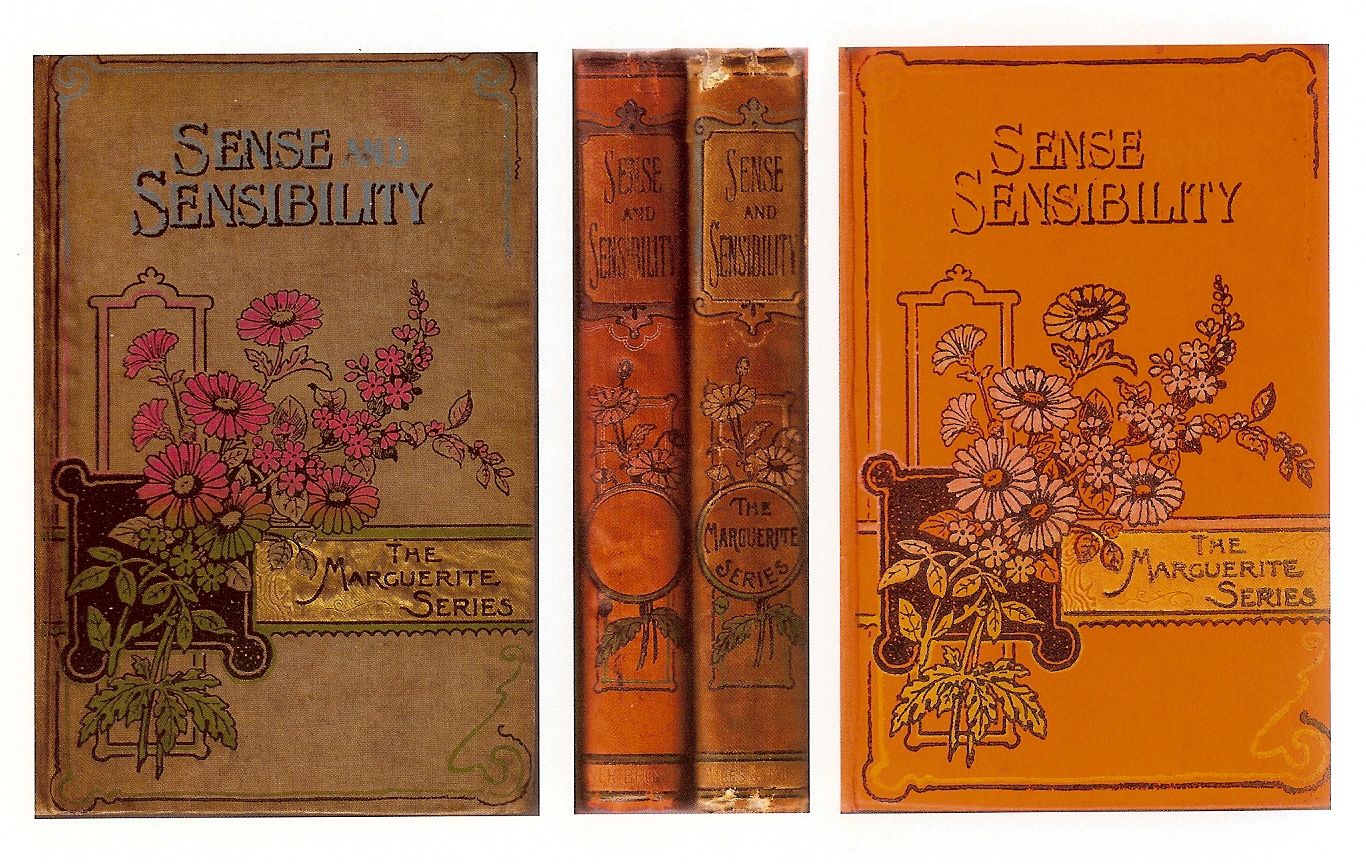
‘Sense and Sensibility’ in the Marguerite Series from Miles & Miles (London), no date – Barchas collection (page 112)
Deb: Throughout this past decade of research, you located and purchased as many of these cheaply published works as possible; or you found collectors willing to share their shelves with you; or you found the odd one in a scholarly institution:
– What surprised you the most?
JB: The sheer number of cheap reprints not listed in Jane Austen’s bibliographies. I had assumed that bibliographies were, barring oversight and human error, objective records of publications. I was taken aback by how subjective the discipline of bibliography is and how biased towards “important” highbrow editions.
Deb: Your most amazing discovery?
JB: A well-thumbed copy of Mansfield Park from the 1890s that served as an attendance prize in a temperance society for coal miners. Coal miners!
Deb: Most elusive find?
JB: A paperback copy of Elizabeth Bennet published in Philadelphia in 1845 and which originally sold for 25 cents.
**************
Deb: What is now the most prized book in your collection, and why?
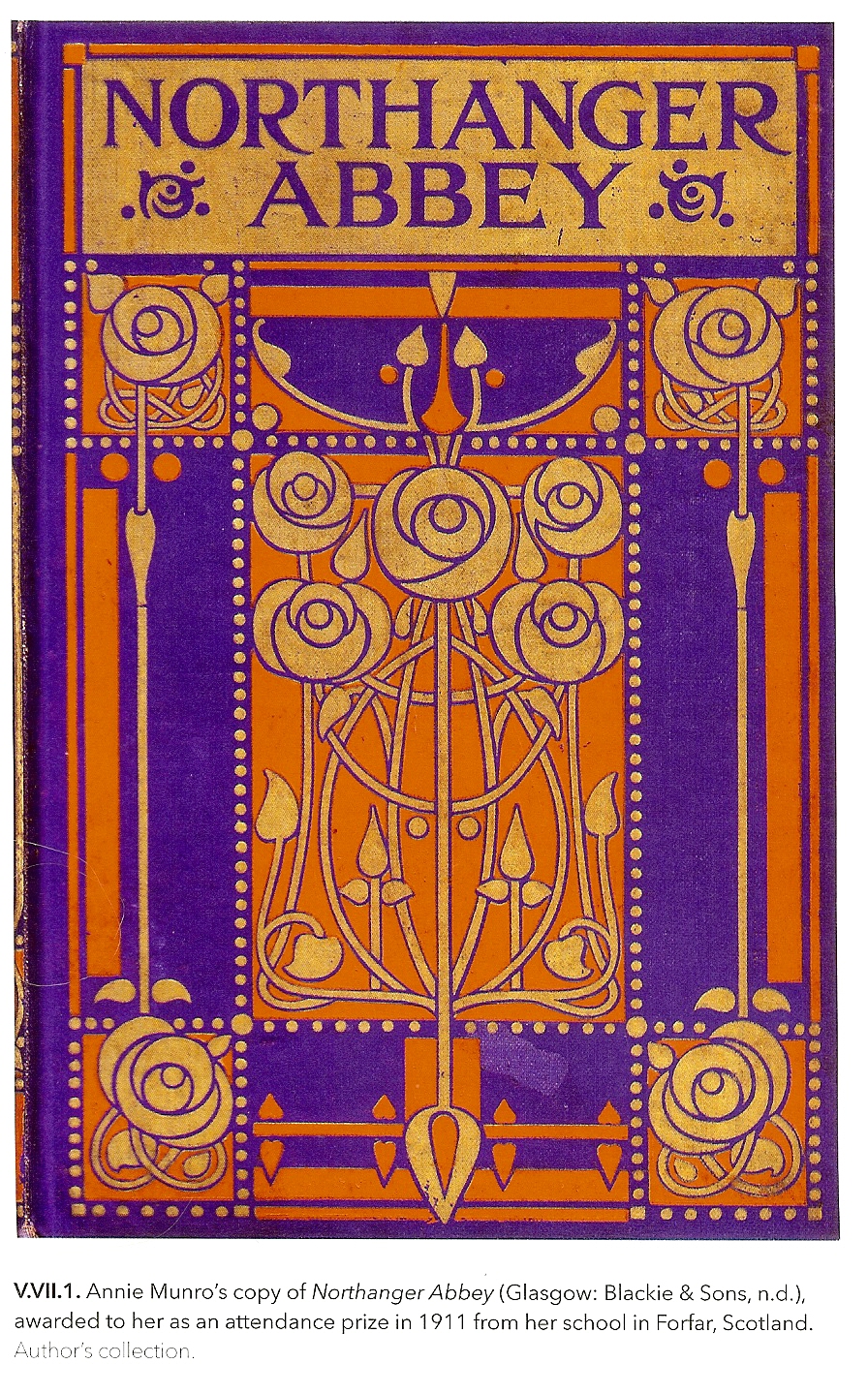
JB: The cheap colorful copy of Northanger Abbey published by Blackie & Sons which was awarded as a school prize in Forfar Scotland in 1911 to one “Annie Munro.” During my research, I discovered that only six months later Annie tragically died from diphtheria, age 13, and that this volume could be the sole artifact she left behind. It was an honor to be able to tell Annie’s story in the book’s last vignette, and it remains an honor to safeguard her prized book.
Deb: Tell us about the cover, specially done for you – it is such a combination of the old, the new, the charming – just a perfect introduction to the feast that awaits the reader on the inside!
JB: The incredible artist who created the book sculpture for the cover is Mike Stilkey, who works with discarded library books and lives in Los Angeles. He is famous for his large wall-sized installations on which he paints unique figures and animals. In a fan letter, I told him about my own Lost Books project. He then created his “Jane Austen” sculpture from discarded books for possible use on the cover. Everyone at the press instantly loved it. I agree that Stilkey’s work strikes the perfect note and I remain grateful to him for responding with such generosity to this project.
Deb: You end your book with a “call to action”: that this “gobsmackingly incomplete historical record” of the publishing of Jane Austen has much more to be added to – you wish / hope that other collectors, scholars, laypeople, and institutions will share with you any such “low-brow editions” they might have – you envision some sort of digital bibliography – how do you hope to move forward with this idea? How can people help?
JB: Ambitiously, I now hope that collectors of such reprints as I discuss in Lost Books will agree to donate these relatively inexpensive but scarce volumes to institutions with proper special collections, where these books can allow further research into publishing history and Austen’s reception. The major Austen collector that I worked with has generously agreed to donate her Jane Austen reprints to a special collections library that has, in turn, agreed to house such a gift (cataloguing and storage costs are non-trivial). I have agreed to add my own books to hers, trusting that, jointly, our donations will help to save information for the future and prompt others to do the same. Books such as this need to be together to maximize the information they contain as historic artifacts. Interested parties can contact me about inquiring about similar donations. In addition, a collector in Australia wrote me that he has reacted to my project by starting a blog that shows other collectors how to trace prices and provenance of “cheaper” reprints: https://bookcollectingheaven.com/2020/03/30/price-and-provenance/ .
Deb: And finally, what’s up next?
JB: This year, with the help of a fellowship from the American Council of Learned Societies and a stay at the Lewis Walpole Library, I have begun a new project, called Renting in the Age of Austen. When Jane Austen is born in 1775, the burgeoning consumer culture of late-Georgian England increasingly allowed temporary ownership over some luxury goods for a fee. Books and artworks could now be borrowed, furniture and musical instruments rented, carriages or horses hired, and whole country mansions let. Some Georgian rentals were bizarre (e.g. pineapples), but all complicated identity politics. Rented objects blur traditional social signals of rank. Whereas old sumptuary laws aimed to fix luxury goods as markers of class, in Austen’s era privilege could be flaunted with kit and carriages not one’s own. My project explores the messy logistics of what was rented (where, to whom, and at what prices?) to reveal the social implications for this early economy of temporary possession.
Deb: Anything else you would like to share?
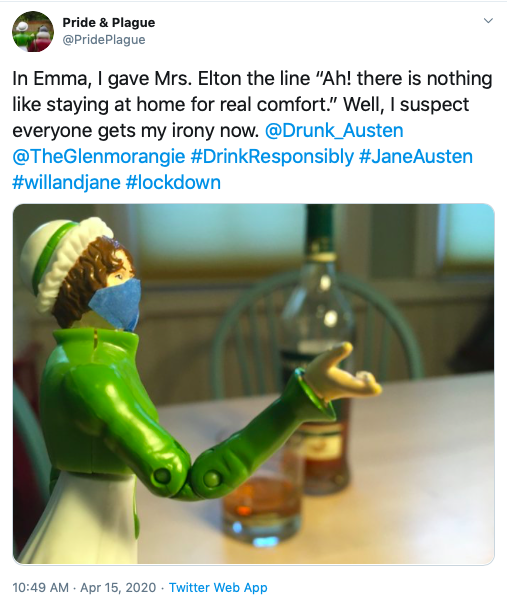
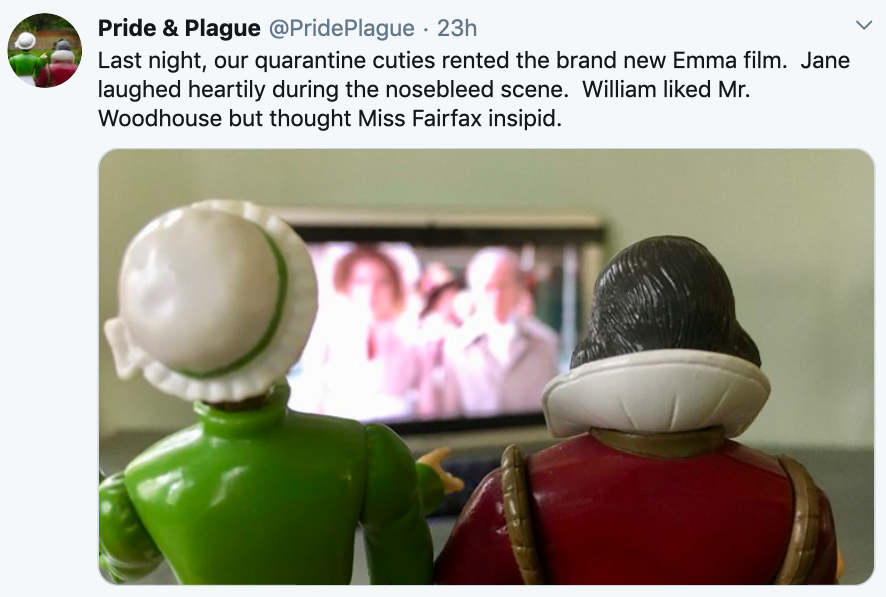
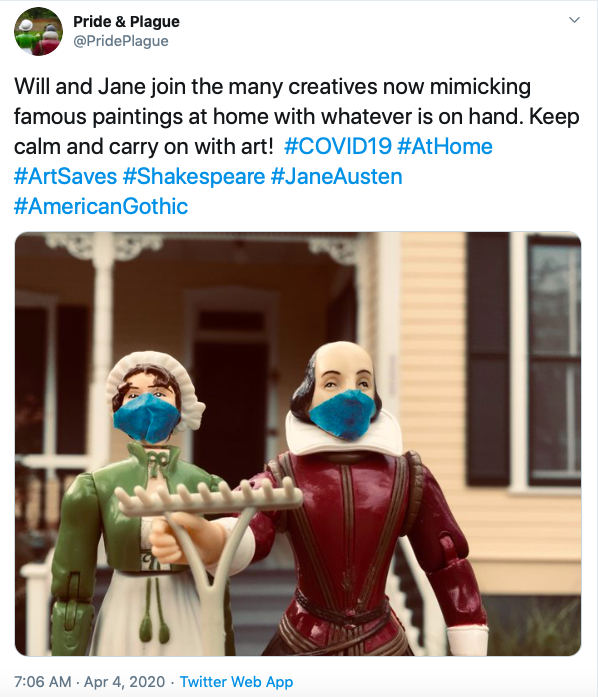
JB: I would like folks to know of my unexpected lockdown project: “Pride & Plague” on Twitter (@PridePlague). On this channel celebrity couple William Shakespeare and Jane Austen have been posting updates to their fans while in social isolation during the COVID-19 crisis. Even those not on Twitter can see it here for a chuckle: https://twitter.com/PridePlague. I think of this project as my contribution to morale [and a welcome contribution it is! See below for some examples…]
**********
Thank you Janine for sharing your insights – I do most heartily recommend this book to everyone – and please, look at your shelves and see if perchance you might have your very own “unsung reprints” lying about – you too could add to the knowledge of Jane Austen’s publishing history and be a part of this fascinating story.
About the author:
Janine Barchas is the Louann and Larry Temple Centennial Professor in English Literature at the University of Texas at Austin. She is the author of Matters of Fact in Jane Austen: History, Location, and Celebrity and the prize-winning Graphic Design, Print Culture, and the Eighteenth-Century Novel. She is the creator behind the digital project What Jane Sawwherein we can view two Georgian blockbusters as witnessed by Jane Austen (Joshua Reynolds in 1813 and the Shakespeare Gallery of 1796). She has also written essays for the Washington Post, New York Times, Lit Hub, and the Los Angeles Review of Books. Her newest work, The Lost Books of Jane Austen, about the many unsung editions of Jane Austen, was published by Johns Hopkins University Press this past October.
The Lost Books of Jane Austen, by Janine Barchas
Johns Hopkins University Press, 2019
284 pages. Color illustrations throughout.
You can purchase it at your local bookseller or here at Amazon.
**********
As noted above, Janine is currently working through the present sheltering-in-place crisis by finding daily humor in the antics of Jane and Will and posting all about them on her twitter page “Pride & Plague.” You can follow the fun here: https://twitter.com/PridePlague
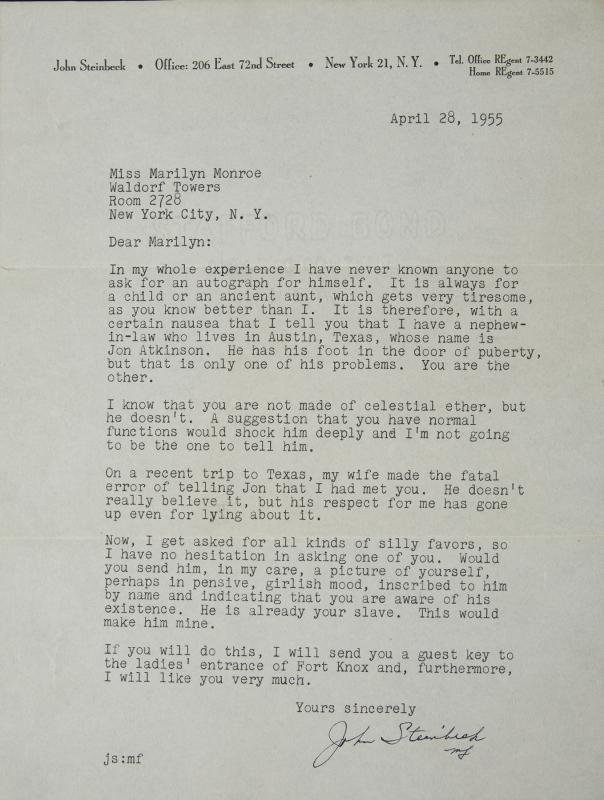
Not too much this week, as I have had company, and as it should, internet cruising takes a back seat. But this latest finds blog post starts with an Austen on the Block! – then moves on to Shakespeare, Julius Caesar, nursery rhymes, John Steinbeck, and various things about books ….
*************
First and foremost: Austen on the Block!
An interesting set of Jane Austen’s novels (a 1854 reprint of the Bentley set of 1833) that was owned by Austen’s niece Fanny Catherine Knatchbull is up for auction on March 28, 2019 at Forum Auctions in the UK:
Lot 225:
Austen (Jane) Novels, 6 vol. in 5, reprint of first collected edition, engraved frontispiece to each vol. but lacking half-titles and additional engraved vignette titles, vol.1 with presentation inscription from F.C. Knatchbull to her daughter Louisa dated 1856 (in Louisa’s hand) and remaining vol. with ownership signature of Louisa to front free endpaper, contemporary half calf, spines gilt with double morocco labels (3 lacking, a few chipped), rubbed, 8vo, Richard Bentley, 1833 [but c.1854]
A lovely association copy, once owned by Jane Austen’s favourite niece. Estimate is £4,000 – £6,000
A new website “Shakespeare Census” has been launched: it is a database that attempts to locate and describe all extant copies of all editions of Shakespeare’s works through 1700 (excluding the four folio editions). Visit https://shakespearecensus.org/homepage
Each play or poem has a logo – this is the one for Romeo & Juliet
***
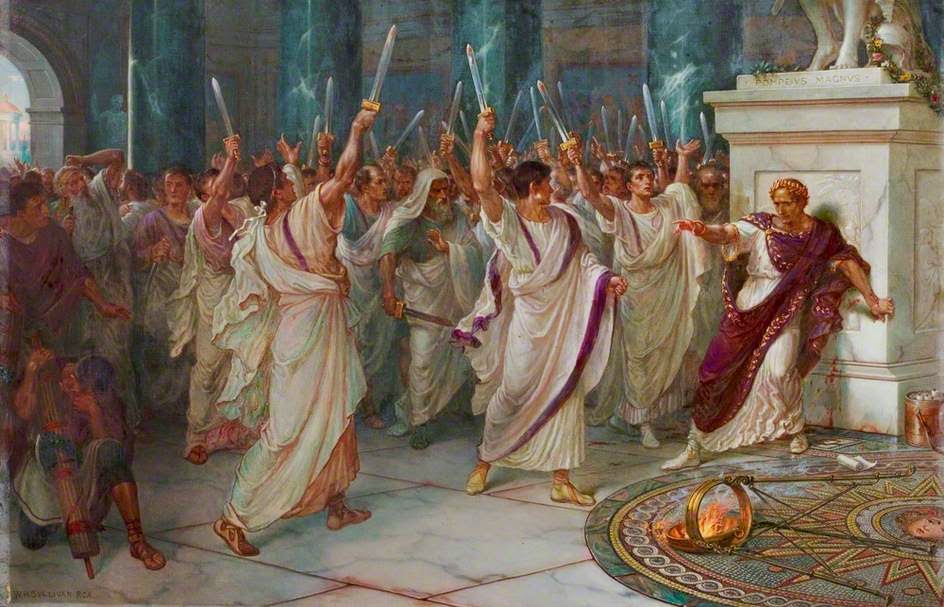
The Ides of March is upon us (March 15th), and so this is interesting news:
Assassination of Julius Caesar, by William Sullivan (ArtUK)
This edition from 1822 sold at auction in 2014 for $12,500!:
Songs for the Nursery, Collected From the Works of the Most Renowned Poets, and Adapted To Favourite National Melodies. London: Printed [By R. & A. Taylor] For William Darton, 1822. Estimate $ 6,000 — 8,000
“The Supreme Court issued a ruling on March 9, 1841, freeing the remaining thirty-five survivors of the Amistad mutiny. Although seven of the nine justices on the court hailed from Southern states, only one dissented from Justice Joseph Story’s majority opinion. Private donations ensured the Africans’ safe return to Sierra Leone in January 1842.”
Image: Joseph Cinquez, the Brave Congolese Chief…
[Drawn by James or Isaac Sheffield]; Moses Yale Beach, lith.;
Boston: Joseph A. Arnold, c1839
“A Matter of Size: Miniature Texts & Bindings” from the Collection of Patricia J. Pistner. March 5 – May 18, 2019
Image: Two Speeches by Abraham Lincoln: “The Gettysburg Address” and his “Second Inaugural Address;” written and bound by London bookbinders Sangorski & Sutcliffe in 1930.
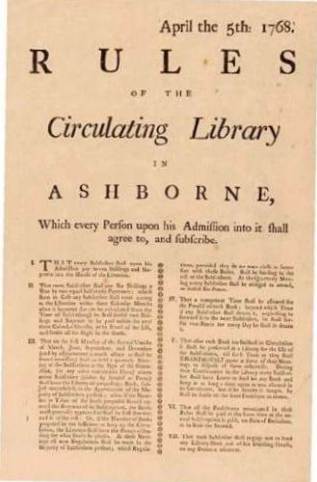
“Dated April 5, 1768, the simple printed broadside shown below lays down the ‘Rules…’ that apply to those wishing to use the Circulating Library in Ashbo[u]rne in Derbyshire.
As well as a joining fee of 7/6d, library users were charged six shillings a year for membership, payable in two instalments. They were also entitled to attend quarterly meetings at The Green Man or other designated venue to propose, discuss and vote on what new books might be purchased for the library.
Anyone keeping a book out on loan for longer than what had been agreed on as a reasonable period was liable to a fine of tuppence a day.
All users are reminded “…not to lend any Library Book out of his Dwelling-House on any Pretence whatever.”
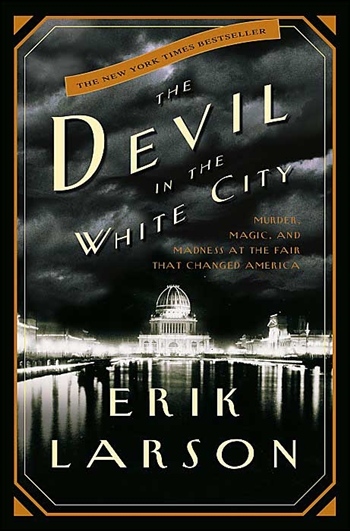
Various finds this past week on the ever-amazing internet, from Dickens to Tolkein, Marie Antoinette to The Devil in the White City, and Robert Louis Stevenson to Gretna Green …. enjoy the reading journey!
*******
A study of the largest private library of Anglophone women’s writing collected in the nineteenth century: https://stainforth.scu.edu/
-Francis John Stainforth (1797-1866), an Anglican clergyman, collected a unique private library during the mid-nineteenth century. His library catalog lists 7,726 editions (8,804 volumes) authored and edited by 3,721 writers, nearly all of whom are women – but alas! No Jane Austen!
Then again, maybe the doodles weren’t from Darwin’s children at all. A gentleman on one of the listservs I subscribe to suggests the drawings are those of the children of Joseph Dalton Hookerhttps://en.wikipedia.org/wiki/Joseph_Dalton_Hooker
an academic conundrum – and example perhaps of scholars trading assumptions for statements of fact and how that can muddle the truth…
You all know this already, but Erik Larson’s Devil in the White City is being made into a Hulu TV series with Leonardo DiCaprio and Martin Scorsese as executive producers – will DiCaprio star in one of the roles do you think?? The architect or the evil Doctor?? This book had completely freaked me out when I read it back in 2003 – the story is frightful enough, but Holmes, the serial killer, ended up in Burlington Vermont on the same street where I lived!’- thankfully 100 years before, but still…. I was reading it late at night, read that bit, screamed like a banshee, scared my sleeping husband half to death – neighbors surely thought another murder was taking place… We read this for my book group – one woman could only read the chapters about the fair, completely skipped over the nasty doings – and ok to do really – the story of the fair and its architect is fascinating in itself.
-Years ago a friend and I visited the Hill-Stead Museum in Farmington CT – of course there was a framed Victorian hair art on the wall – it all struck us funny and we started giggling and could not stop – spent the entire tour of the house not so quietly making a scene – I do not think I am allowed back…and all because of that creepy hair…
Let’s hope they find fingerprints they can identify on that perfume bottle!
The hardest thing for me as a bookstore owner was the theft of books – always done by someone who knew the shop and certainly knew the value of what he/she was sneaking off with – I lost some very valuable titles over the years – in many ways, it finally did me in with having an open shop…
Portrait of Muhammad Dervish Khan, Elisabeth-Louise Vigee Le Brun. 1788
A painting by Elisabeth Vigée Le Brun, the 18th / 19th century portrait artist mostly noted for her paintings of Marie Antoinette, has reached the highest auction sale price for a female artist – $7.2 million!
Marie Antoinette
[This painting caused quite a stir: Marie Antoinette in a Muslin Dress – alas! she was in muslin, not the proper regal attire suitable for a Queen…]
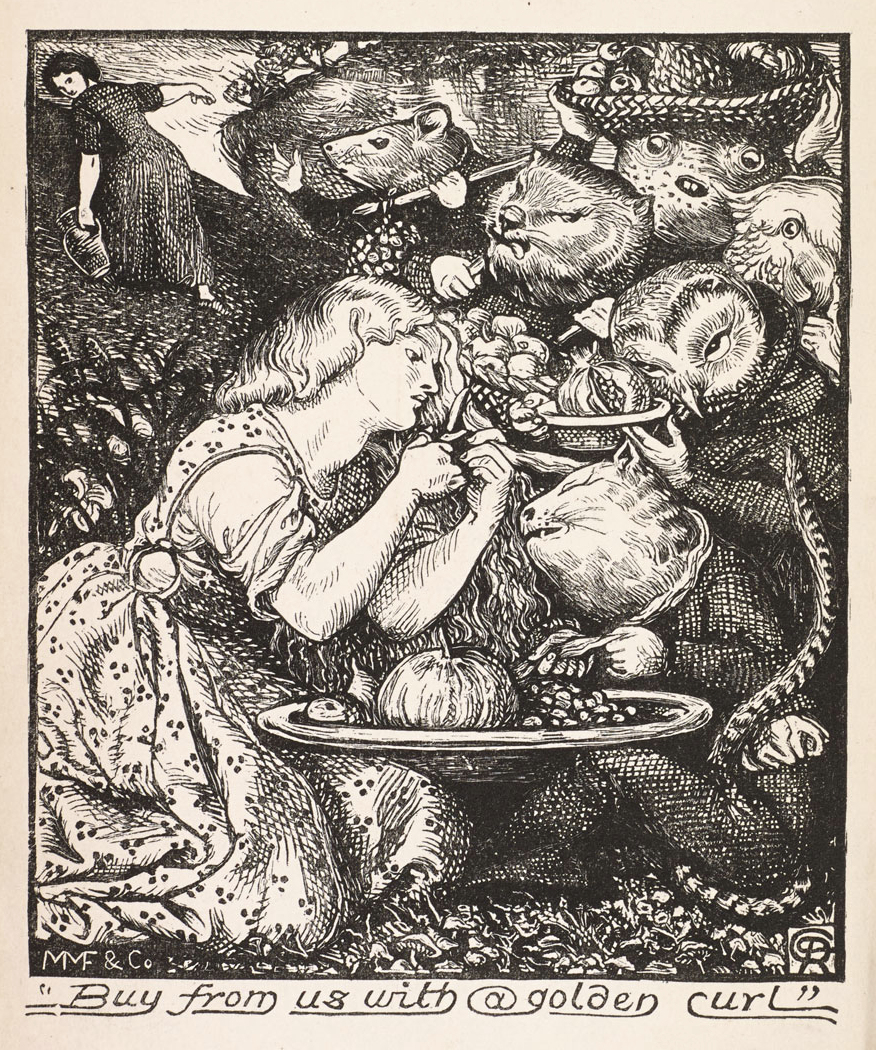
This week finds me jumping from Jane Austen’s sister-in-law Fanny Austen, to crazy bibliophiles, Rossetti’s wombats, the Coloring craze, Princess Margaret, and on to London, muons (whatever they are…), and more of course – it’s a mad world of information out there…
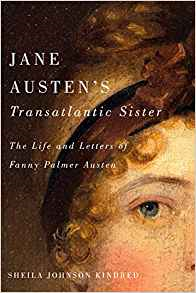
A new website and blog by Sheila Johnson Kindred, where she will explore Jane Austen’s naval world. Kindred is the author of Jane Austen’s Transatlantic Sister: The Life and Letters of Fanny Palmer Austen: https://www.sheilajohnsonkindred.com/
*
This made me laugh: always great stuff on The Londonist
-which led me to this: https://franceswolfrestonhorbouks.com/, a blog by Sarah Lindenbaum, who is seeking to reconstruct the book collection of Frances Wolfreston (1607-1677), a gentrywoman from the English midlands with an expansive library; over 200 books have been identified thus far.
—…which leads you to this illustration from the color week in 2017: Louis Rhead, Romeo & Juliet, for Tales from Shakespeare by Charles and Mary Lamb—-and then back to #colorourcollections on twitter: https://twitter.com/search?q=%23colorourcollections&src=tyah
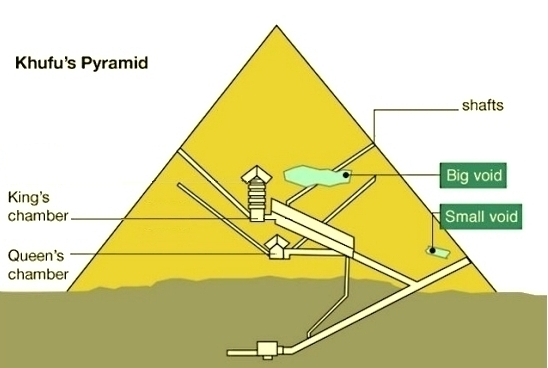
A new chamber in the Great Pyramid? If you know what a “muon” is, you might know that the use of muon technology has revealed an as yet undiscovered chamber in the Great Pyramid, where remaining treasures may lie: https://blog.oup.com/2019/02/power-mysterious-muon/
*
Here’s a bit of a head-scratcher: with thanks to Tony Grant:
The article shows a letter from Jane Austen to Cassandra that Ms. Watson has transcribed; but she states: “You can actually see how they have changed their manuscript – how Jane Austen changed Pride and Prejudice as she’s writing it… That blows my mind a bit. You see it, and you think – that’s so much better after she’s edited it than before.”
Well, I’m sorry but as far as I know there are no manuscripts of Pride and Prejudice, or any of the other 5 novels other than the cancelled chapters of Persuasion – so this is very interesting if she has been transcribing a P&P manuscript??
An 1800 letter from Jane Austen to her sister Cassandra
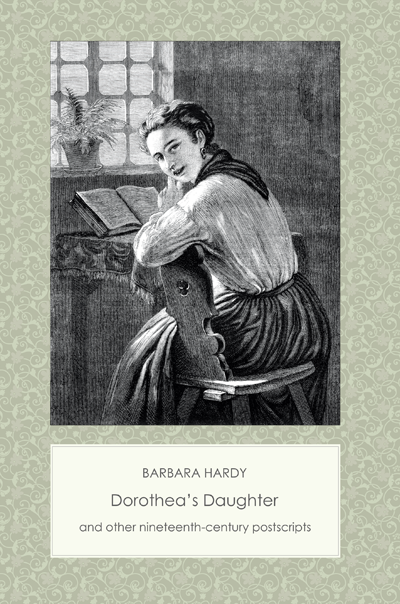
“Dorothea’s Daughter is a stunning new collection of short stories based on novels by Jane Austen, Charlotte Brontë, Charles Dickens, George Eliot, and Thomas Hardy. They are postscripts, rather than sequels, entering into dialogues with the original narratives by developing suggestions in the text. The authors’ conclusions are respected, with no changes made to the plot; instead, Barbara Hardy draws out loose threads in the original fabric to weave new material, imagining moments in the characters’ future lives.”
The stories are:
Twilight in Mansfield Parsonage (Mansfield Park by Jane Austen)
Mrs Knightley’s Invitation (Emma by Jane Austen)
Adèle Varens (Jane Eyre by Charlotte Brontë)
Lucy Snowe and Paulina Bretton: the Conversation of Women (Villette by Charlotte Brontë)
Edith Dombey and Son (Dombey and Son by Charles Dickens)
Harriet Beadle’s Message (Little Dorrit by Charles Dickens)
Lucy Deane (The Mill on the Floss by George Eliot)
Dorothea’s Daughter (Middlemarch by George Eliot)
’Liza-Lu Durbeyfield (Tess of the D’Urbervilles by Thomas Hardy)
Has anyone read this? It was first published in 2011. I’ve just ordered it and will let you know my thoughts…
Thanks for visiting… and Happy Reading…
ps: just a note as to why I leave in the full url of each link: if an imbedded link goes bad or far off into cyberspace, it is easier to find it if you have the details in the url – it doesn’t look as pretty, sorry to say, but more helpful in the end..
“This exhibition brings back to Strawberry Hill some of the most important masterpieces in Horace Walpole’s famous and unique collection for a once-in-a-lifetime exhibition. Horace Walpole’s collection was one of the most important of the 18th century. It was dispersed in a great sale in 1842. For the first time in over 170 years, Strawberry Hill can be seen as Walpole conceived it, with the collection in the interiors as he designed it, shown in their original positions.”
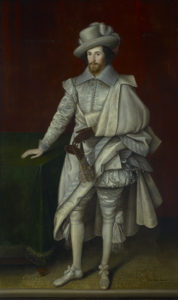
This portrait of Henry Carey by Marcus Geeraerts is the supposed inspiration behind Walpole’s The Castle of Otranto (a must-read for all dedicated Jane Austen fans…)
I begin with my own prejudice – Persuasion has long been my favorite Austen novel. One cannot dispute the joy of reading Pride and Prejudice; or the laughter at the pure innocence and brilliance of Northanger Abbey; we can sympathize with the moral steadfastness of Fanny in Mansfield Park, savor the (im)perfections of Emma (both the book and heroine!), and revel in that dawning realization that Sense and Sensibility is so much better than at first thought. But it is Persuasion that holds my abiding affection – a novel of second chances, a novel that seems closest in some inexplicable way to Jane Austen herself, a romance where she actually plays out the agony of lost and found love, and so unlike her, a profession of love that she actually doesn’t back off from and leave the reader to their own imaginings!
But here today, I am only going to talk of how it all came to be. I’ve already written about the interesting publishing journey of Northanger Abbey here – and Persuasion, because it was published along with NA in a 4-volume set after Austen’s death, is bound up (literally) in that publishing story, Northanger Abbey, her earliest completed work, and Persuasion, her last – and why Sarah Emsley on her blog has called her celebration of these two works as “Youth and Experience.”
But other than being bound together in late December 1817, the journey of Persuasion’s composition and publication is quite different, as we shall see.
How it came to be:
NA / P – 1st ed – Peter Harrington
Cassandra’s “Memorandum” (see Minor Works, facing p 242), where she wrote the dates of the composition of each of the novels, tells us that Austen began Persuasion on August 8, 1815 and wrote “Finis” at the end of the manuscript on July 18, 1816.
We know from her nephew James Edward Austen Leigh’s 1871 Memoir that Austen was dissatisfied with the ending, she thought it “tame and flat:” she rewrote chapter 10 (i.e.chapter 10 of volume 2), added chapter 11, and retained chapter 12 (which had been the final chapter 11). This final version was finished on August 6, 1816.
These handwritten original two chapters are the only extant manuscripts of Austen’s novels. These were first printed in the 1871 second edition of the Memoir, and this was the accepted text until the actual MS became available on December 12, 1925 and was edited and published by R. W. by Chapman under the title Two Chapters of Persuasion (Oxford, 1926). The manuscripts are now housed in the British Library, and you can see the transcribed text beside the facsimile online at Jane Austen’s Fiction Manuscripts: http://www.janeausten.ac.uk/manuscripts/blpers/1.html
Cancelled Chapter 10 – JAFM
As these cancelled chapters are included in most modern scholarly editions of the novel, I shall assume you have read them and will only summarize here: Austen has Anne meeting Admiral Croft on her way home from Mrs. Smith’s (and where she has just learned of the true character of William Elliot) – she is invited to visit Mrs. Croft, and assured of her being alone, she accepts, and to her consternation finds Capt. Wentworth at home. Admiral Croft has asked Wentworth to find out from Anne if the rumors are true she is to marry her cousin and thus might want to move into Kellynch Hall. Wentworth is quite beside himself but does as asked, “irresolute & embarrassed;” with Anne’s adamant assurance that nothing is farther from the truth, they have
a silent, but very powerful Dialogue;- on his side, Supplication, on hers acceptance. – Still, a little nearer- and a hand taken and pressed – and “Anne, my own dear Anne!” – bursting forth in the fullness of exquisite feeling – and all Suspense & Indecision were over. – They were reunited. They were restored to all that had been lost.
Etc. etc… explaining all their past feelings and misunderstandings and a final chapter of future plans, they are left “with little to distress them beyond the want of Graciousness and Warmth” once their news was spread to family and friends, ex-potential lovers and a scheming Mrs. Clay.
A discussion of why Austen made these changes is beyond the topic here at hand – but we can agree with Austen’s own assessment that it was too “tame and flat:” she needed to pull all the characters together – the Musgroves, Benwick and Harville, the Crofts, and the obtuse Elliots; she needed to increase the tension and suspense between Anne and Wentworth; she wanted to give Anne a strong voice in her conversation with Harville, all overheard by Wentworth; and of course she needed the Letter – what would Persuasion be without “You pierce my soul. I am half agony, half hope…”? !
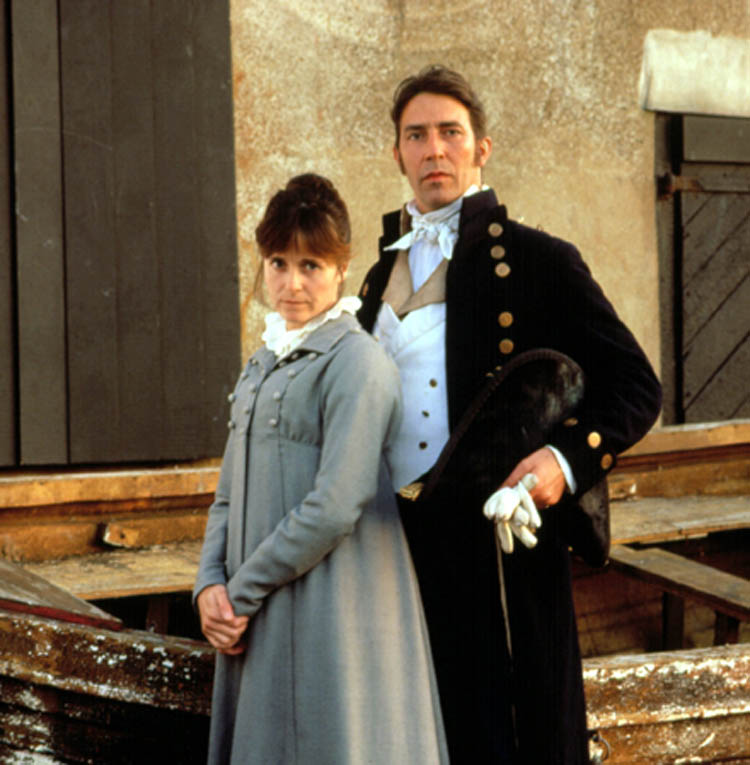
Photo by Sony/Everett / Rex Features PERSUASION, Amanda Root and Ciaran Hinds, 1995
I will note that in the movie version (Amanda Root – Ciaran Hinds, Sony/BBC 1995) – and I think the most perfect of all the Austen adaptations – a part of this scene with Wentworth and Anne is added to the plot, Wentworth confronting Anne in the Assembly Room at Admiral Croft’s request, Wentworth sure of her impending engagement to Elliot, and Anne, unable to answer in her confusion and hurt, runs off. This leads to the scene as written at the Inn – Wentworth listening and composing, the remainder of the film following the book. – This is all worthy of further conversation!
But one of Austen’s classic lines is not in the final novel – the first draft is a bit more comic in nature, and perhaps she thought it not fitting the more somber nature of this work:
It was necessary to sit up half the Night & lie awake the remainder to comprehend with composure her present state, & pay for the overplus of Bliss, by Headake & Fatigue.
************************
That Austen made these changes is a gift to later generations, as it is in this manuscript that we are given a rare glimpse into how meticulous she was in her writing and editing methods, crossing out and rewriting, looking for the exactly correct word or phrase.
We know little about Persuasion from Austen herself: it is only mentioned in her Letters twice, though not by name:
On March 13, 1817 she wrote to her niece Fanny Knight:
I will answer your kind questions more than you expect. – Miss Catherine (meaning Northanger Abbey) is put upon the Shelve for the present, and I do not know if she will ever come out; – but I have a something ready for Publication, which may perhaps appear about a twelvemonth hence. It is short, about the length of Catherine – This is for yourself alone… [Letter 153, Le Faye]
And again on March 23, 1817:
Do not be surprised at finding Uncle Henry acquainted with my having another ready for publication. I could not say No when he asked me, but he knows nothing more of it. – You will not like it, so you need not be impatient. You mayperhaps like the Heroine, as she is almost too good for me. [Letter 155, Le Faye]
The working title for Persuasion was “The Elliots” – as there is no evidence that Austen chose the titles for either Northanger Abbey or Persuasion, it is generally accepted that her brother Henry titled both; and we might agree with him: interesting to note that “persuasion” in one form or another in mentioned in the novel at least 29 times – you can go to this hyper-concordance to Jane Austen to search for all the occurrences: http://victorian-studies.net/concordance/austen/
Henry must have delivered the manuscripts of both Northanger Abbey and Persuasion to John Murray very soon after Austen’s death on July 17, 1817. Murray wrote to Byron, whose works Murray also published, in early September 1817 telling him that of the new books he was about to publish included “two new novels left by Jane Austen, the ingenious author of ‘Pride and Prejudice’ who, I am sorry to say, died six weeks ago.” (Gilson, xxx.)
So, one question to ask is if Austen “finished” Persuasion in August 1816, why write seven months later that it “may perhaps appear about a twelvemonth hence” ??? What kept her from sending it along to Murray upon completion if she was happy with it in March of 2017?
Austen’s life when she was writing Persuasion:
Scene from P&P – Isabel Bishop – Morgan Library
If we look at the writing of Persuasion on a blank canvas – she started it in August 1815, finished August 1816 – we do not get a complete sense of Austen the woman, the sister, the friend, the author. I find it most fascinating to look at her life in that year and ask what else was going on while she used her spare quiet moments to write this her last novel:
– She visits London and is staying with Henry in October 1815 and stays until mid-December. She is working on the proof sheets of Emma, Henry negotiating with Murray to publish Emma and a 2nd edition of Mansfield Park – she is also working on the corrections for this 2nd edition.
– Henry falls dangerously ill, and Austen takes on writing letters to Murray herself while nursing Henry; she requests all family members to come as there is growing concern he will not survive.
– It is conjectured that one of Henry’s doctors, Matthew Baillie, learned of his sister being the author of Pride & Prejudice, etc. and passed this word on to the Prince Regent. On the 13th of November, Austen visits Carlton House at the request of the Prince Regent’s Librarian James Stanier Clarke – she is also asked to dedicate her soon-to-be-published Emma to his “Royal Highness” – and though she hated this prospect, it likely sped up the printing process. (One aside: she had to pay for the Prince’s 3 vol. beautifully bound copy of Emma…)
Emma, 1st ed. Windsor Castle – Le Faye
– In late November, the Alton bank fails and bankruptcy looms over Henry and his partners.
– Austen leaves London on her birthday 16 December 1815 once Henry is fully recovered and the initial fear of bankruptcy seems allayed; Emma is published on 23 December 1815 (title page says 1816).
– In early 1816, Henry buys back “Susan / Catherine / Northanger Abbey” from Crosby for the £10 originally paid to Austen in 1803 and she begins to make a few edits, writes her “Advertisement” and by March it is “put upon the Shelve at present.” (Crosby went bankrupt shortly thereafter).
– In February, her brother Charles, commanding the HMS Phoenix, is caught in a storm off the Greek Archipelago and runs aground. He is brought up for a court-martial in April for his responsibility in the action but is completely acquitted.
– There is the ongoing lawsuit that threatens Edward Austen Knight’s properties – and this is not resolved until after Jane’s death (see Ltr. 122, October 17-18, 1815 for one reference to Edward’s “Cause”).
– And sometime in here she writes her very funny “Plan of a Novel” – inspired without question by her correspondence with Clarke which lasted from November 1815 to April 1816. [You can read this as well online here: http://www.janeausten.ac.uk/manuscripts/pmplan/1.html ].
Henry Austen
– By mid-March, Henry is declared bankrupt and his life as a banker, and Austen’s chief financial support in her publishing endeavors, is over. This is a dreadful blow to the entire family – he can no longer offer any support to his mother and sisters; Edward has lost a good deal of money and will be responsible for many of the debts; and James is at risk of losing his inheritance in the Leigh-Perrot estate. The bankruptcy is resolved by June – but Henry has had to sell off everything (for a fine accounting of the details of Henry’s home furnishings, see Clery, 268).
– Emma is published in late December and initially does very well, but sales begin to slack off after the March 1818 Quarterly Review essay by Walter Scott. Appearing to offer praise to Austen’s narrative voice and abilities to portray her few families with wit and precision, Clery finds that the negative tone of the review, the emphasis on what Austen leaves out of her works and his failure to mention Mansfield Park at all, greatly influenced Austen’s writing of Persuasion.
She is writing this work during these many crises of health and possible death and financial losses. No wonder she writes of an extravagant family on the brink of ruin and characters with various health issues. Clery makes another point I confess to never thinking of before – could her Sir Walter be some sort of slam at Walter Scott?? (Clery, 272) – You can compare Austen’s Emma sales (1409 copies sold early on) with Scott’s own sales for his Rob Roy, also published in late December 1817 and which sold 10,000 copies in two weeks.
Sir Walter – Brock, 1908
Sir Walter Scott, Raeburn, 1822
– In the context of the wider world, there was the ever-expanding and more competitive market for publishing novels in Austen’s time. In 1775, the year she was born, 31 new novels were published; in 1811, when Sense & Sensibility appeared, 80 new fiction works appeared; for the year 1818, Northanger Abbey and Persuasion were published along with 61 other novels. Altogether, 2,503 new novels were published in the years between 1775 and 1818. (Raven, 195-6)
So to answer my own question: why did Austen not publish Persuasion after she finished it? Her brother was no longer able to cover the costs of publication and loss if sales should fail; and, the signs of her own declining health were beginning in mid-1816, that summer, “the year without a summer” due to the 1815 eruption of Mount Tambora in Indonesia. It is a wonder she was able to write anything at all, much less go on with working on her brilliant Sanditon, put aside on 18 March 1817…
What did the book look like?
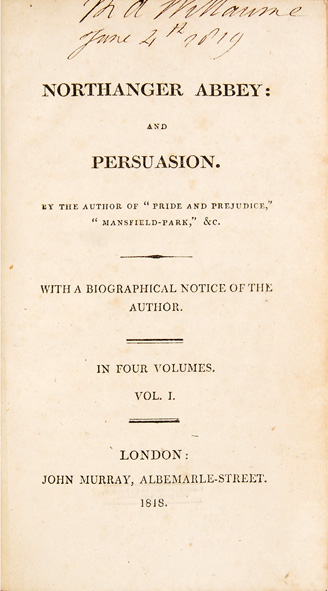
NA / 1st ed. title page – P. Harrington
– It was published posthumously in December 1817 [though the title page says 1818] with Northanger Abbey
– Title page states: “By the Author of ‘Pride & Prejudice,’ ‘Mansfield Park,’ etc.”; With a “Biographical Notice of the Author,” (dated Dec. 20, 1817, by Henry Austen, thus identifying his sister as the author to the public for the first time)
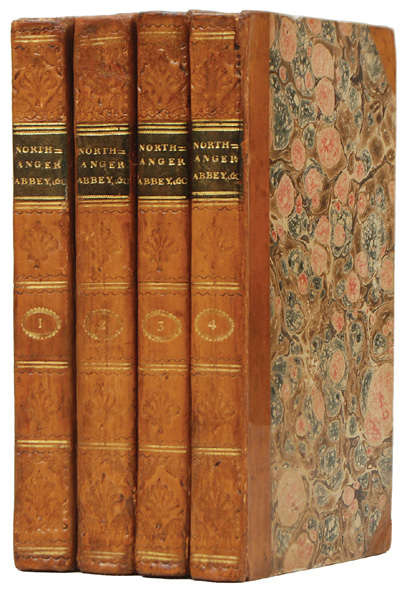
– Published by John Murray, London; 1818; in four volumes: the two Northanger Abbey volumes printed by C. Roworth; the two Persuasion volumes by T. Davison of Lombard St.
– Included is the “Advertisement by the Authoress to Northanger Abbey” where Austen “apologizes” for the datedness of the story and zings the dastardly publisher for withholding the book for 10 years…
– Advertised first in The Courier 17 December 1817 as to be published on 20 December in 4 volumes, 24s.: “Northanger Abbey, a Romance; and Persuasion, a Novel.” The advertisement in The Morning Chronicle appeared on the 19th (“Tomorrow will be published”) and the 20th of December 1817 (“Books published this day”).
Physical description:
12mo or about 7.5″ tall, with text on pages not crowded but about 5-8 words / line and about 21 lines / page in vol. 3; 22 lines / page in vol. 4 – and interesting to note that unlike the Northanger volumes there are no catchwords used in the Persuasion volumes
blue-grey paper boards, off-white or grey-brown backstrips, white paper labels (there are a number of variants) –
NA / P – 1st ed – Sotheby’s, 2010
Size of run: @ 1750 copies [various opinions on this; some say 2500 copies] – 1409 copies sold very quickly, the majority to circulating libraries
Cost: 24 shillings for the 4 volumes
Profit: @£515 – like Austen’s other works, Persuasion was published on commission: Austen paid for costs of production and advertising and retained the copyright; the publisher paid a commission on each book sold – the exception was Pride & Prejudice for which she sold the copyright to Thomas Egerton
What is it worth today?
Price Guides (estimates in 2007): Original binding: $75,000 / Rebound copy: $20,000
In 2010, a 1st edition in original boards sold at Sotheby’s for £43,250 ($68,396) with an estimate of 31,628 — 47,442 USD)
Where can you find a copy?
I love this tidbit (from Gilson): Queen Elizabeth has in her personal library at Windsor Castle Sir Walter Scott’s copy of the 1st edition.
Gilson notes where copies of the 1st edition can be found (other than the Queen’s and therefore more accessible to all, and certainly at least one of these will be close to you!), at all the usual suspects in various bindings: Goucher, the Bodleian, Boston Athenaeum, Boston Public Library, British Library, Cambridge, Jane Austen’s House Museum, Columbia, Library of Congress, U of Edinburgh, U of Glasgow, Harvard, London Library, National Library of Scotland, the Morgan Library, New York Public Library, U of Toronto, Yale, Williams, etc. See the rest of Gilson’s list on pg 88-91.
When was theFirst American edition published?
Persuasion – 1st Am ed, 1832 – James Cummins
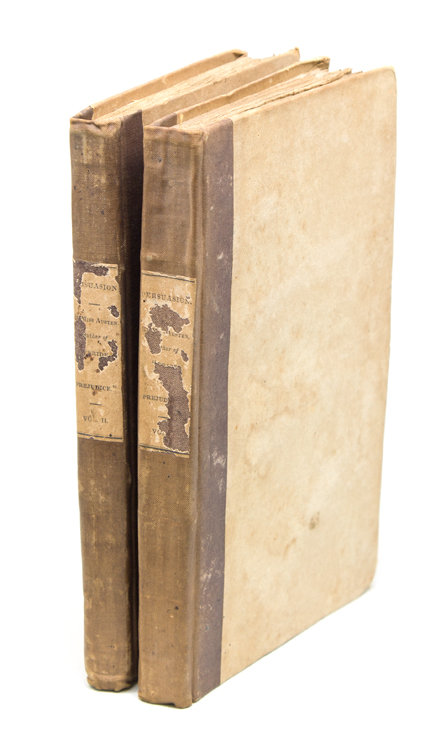
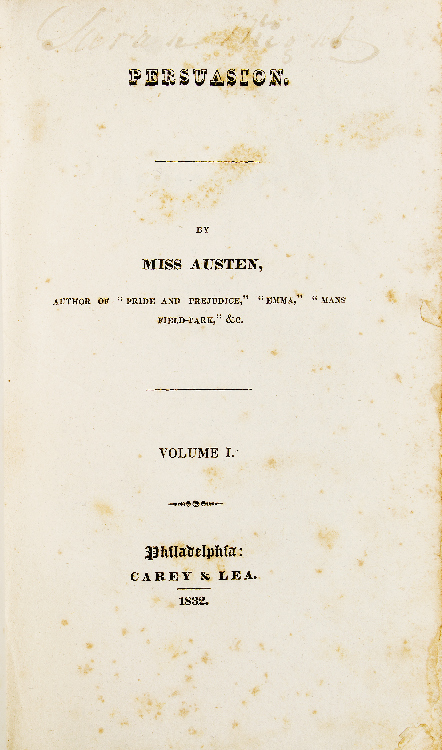
Persuasion was published in America by Carey & Lea of Philadelphia in two volumes in 1832, separate from Northanger Abbey which was published in two volumes in 1833. The title page states “by Miss Austen, Author of ‘Pride and Prejudice,’ ‘Emma,’ ‘Mansfield-Park,’ etc.” Bound in drab paper boards with purple cloth spines with white spine labels, the spine reads: “Persuasion, by Miss Austen / Author of Pride and Prejudice.” 1250 copies were printed, and advertised on November 8, 1832 as “Persuasion, a novel, by Miss Austin [sic]” as being published that day. (And people have been getting it wrong ever since!) Gilson points out the various modifications to language typical of all the American editions of Austen’s novels, mostly those having to do with the Deity, for instance “Lord bless me!” is changed to just “Bless me!”
Estimated value: Original binding: $10,000 / Rebound copy: $5,000
You can find two copies available online at Abebooks: $10,000 and $15,000 – both in original boards.
Persuasion – 1st Am ed, 1832 -title page – J. Cummins
Parlez-vous francais? Persuasion in French:
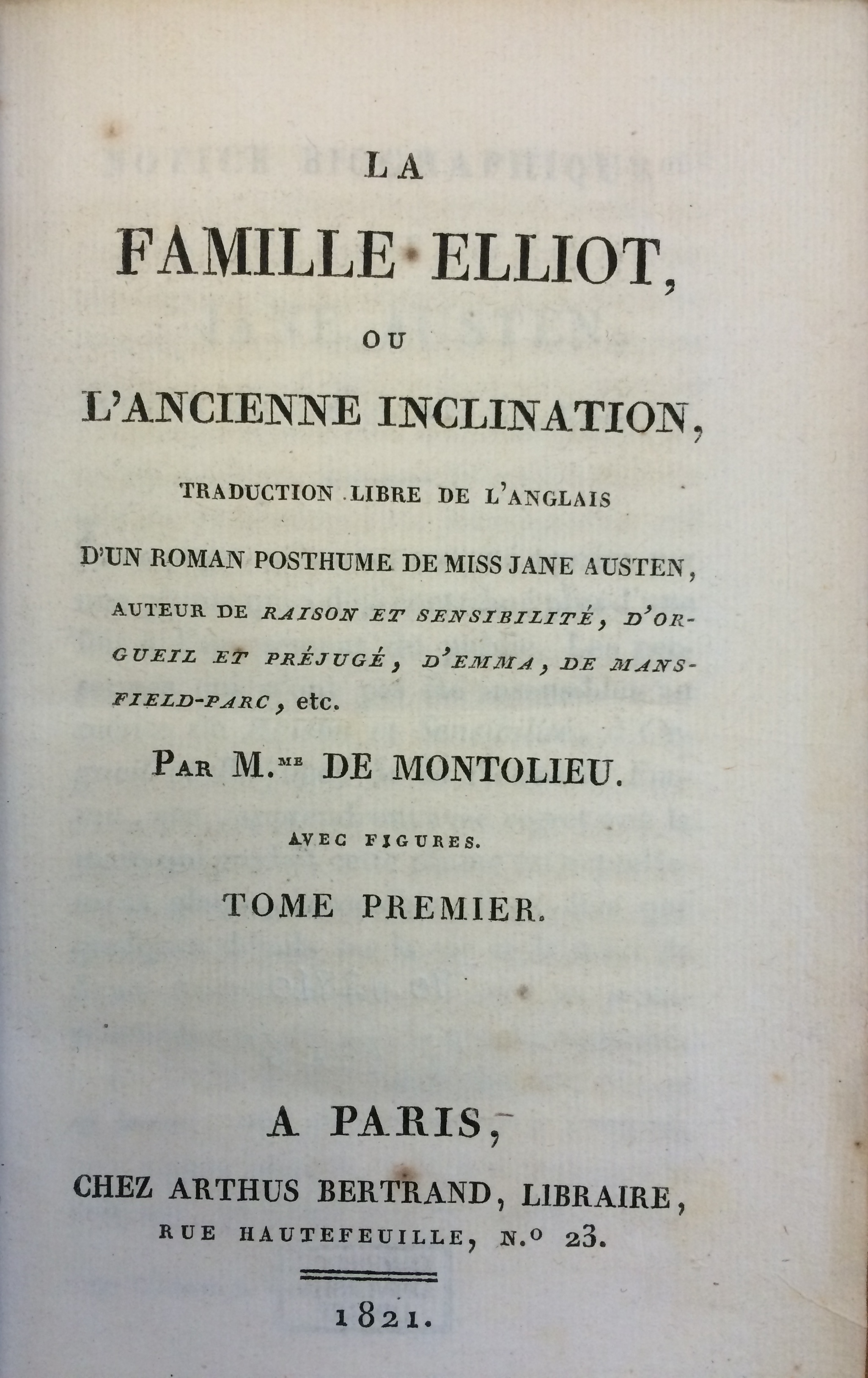
La Famille Elliot ou “L’Ancienne Inclination” [ “the old or former inclination”] translated by Isabelle de Montolieu, was published in Paris in 1821 by Arthus Bertrand. This is the first published novel to have Austen’s full name on the title page and to include illustrations: an engraved frontispiece in each volume (Delvaux after Charles Abraham Chasselat). In volume I we find Capt. Wentworth removing two-year old Walter Musgrove from Anne’s back; and in volume II, here we see Wentworth placing his heart-wrenching letter before Anne.
The French texts of Austen’s novels, what Southam calls “travesties not translations,” (26) were modified to fit the tastes of the sentimental French reading public. In Persuasion, Montolieu changes the ending by restoring Anne to Kellynch rather than leaving the future of Capt. Wentworth and Anne dependent upon a lasting peace. (See Cossy, 176) One notable change (and why we might ask!), is that Anne’s name is changed to Alice!
The First Illustrated Edition in England:
NA / P – Bentley, 1833
Richard Bentley purchased the copyrights of Austen’s novels from Henry and Cassandra in 1832 (and the copyright of P&P from Thomas Egerton) and in 1832-33 he published all the novels in his Standard Novels series. These were the first English editions to carry illustrations – steel-engraved frontispieces and title page vignettes by William Greatbatch after George Pickering. Northanger Abbey and Persuasion were published in 1833 in a single volume together with the frontispiece from Northanger Abbey (Henry coming up the stairs surprising Catherine) and the title vignette from Persuasion showing a seated Anne overhearing Capt. Wentworth talking to Louisa Musgrove. All very Victorian!
The Timeframe of Persuasion:
Though Austen is often been criticized for creating an insular world with little commentary on outside real-life events, such thinking is belied with a close study of Persuasion, where one finds a very specific chronology easily linked to the historical reality of the time depicted.
– The first paragraph of Persuasion sets us into this timeframe with quoting the “Elliot of Kellynch Hall” entry from the Baronetage, the only work Sir Walter seems capable of reading, and where we learn the birth and death dates of everyone in the family – we learn that Anne was born on August 9, 1787 and a still-born son in 1789, and that Anne’s mother died in 1801.
– In chapter 4, we are given the very specific time that Capt.Wentworth stayed with his brother at Monkford for six months over the summer of 1806. This is the backstory of Persuasion, the current story often called a sequel to this original tale of love, all now told in four pages…
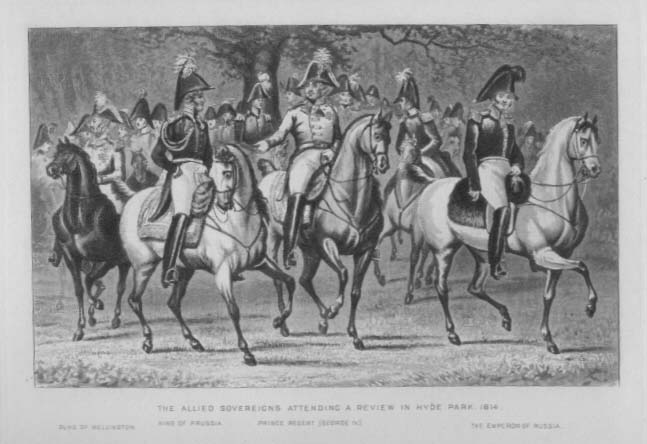
– The exact time of the action is set a few pages on in chapter 1: “…at the present time, (the summer of 1814)…,” and in chapter 3, a direct reference to the peace: “This peace will be turning all our rich Naval Officers ashore.” The Peace of Paris was signed on May 30, 1814, Napoleon abdicating and off to Elba. There were celebrations in London that Austen refers to in her letters:
Allied Sovereigns Attending a Review in Hyde Park June 1814 Duke of Wellington, King of Prussia, Prince Regent (later George IV), and Emperor of Russia
Austen writes Cassandra who is in London with Henry:
Take care of yourself, & do not be trampled to death in running after the Emperor. The report in Alton yesterday was that they certainly would certainly travel this road either to, or from Portsmouth. – I long to know what this Bow of the Prince’s will produce.- [Ltr 101, 14 June 1814]
– The Elliots travel to Bath sometime in mid-September, Anne goes to Uppercross Cottage, and on Michaelmas, September 29, the Crofts take over Kellynch.
– Captain Wentworth arrives in October; they all visit Lyme Regis in November (this is 17 miles from Uppercross). In January Lady Russell takes Anne to Bath (Mary’s letter to Anne in Bath is dated February 1815, this carried by the Crofts when they come to Bath for the Admiral’s health). Captain Wentworth follows not far behind, all is beautifully settled with Anne, and the novel ends in March of 1815.
– In the real world, Napoleon escapes Elba and returns to Paris by March 20, 1815 – this is after Persuasion ends, before Waterloo in June 1815, and why Austen ends the novel with the unknown state of the peace leaving Anne and her Captain in limbo. In truth, the Navy was not mobilized in the spring of 1815, and so we might rest comfortably in that reality of Wentworth not being returned to a Ship and War – and contemporary readers in late 1817 would have known that… but Austen chooses to emphasize that any such “peace” is likely not long-lasting, as we know all too well even today…
Austen’s personal knowledge of Bath, Lyme Regis and the Navy is paramount in Persuasion, but it is interesting to note regarding the Navy and pointed out by Brian Southam in his Jane Austen and the Navy, that not a single critic or commentator addresses her sailors and officers as a social class until Richard Simpson’s review of James Edward Austen Leigh’s 1870 Memoir in the North British Review of April 1870.
And one date in this novel that has always made me wonder: why does Austen have Charles and Mary Musgrove marry in 1810 on her very own birthday of December 16?? Any thoughts?? There is a long gap in the letters here: from July 26, 1809 to April 20, 1811, so we have no idea what was going on in Austen’s own life on that date in 1810 – we can only wonder that it was not some sort of code to her family of readers…
The early reviews of the two-novel publication all make reference to the sadness of her death and, now finally identified to the public in Henry’s “Biographical Notice,” a general lament that no other works will come from her pen. I will give a quick summary here of the four earliest reviews as this is really a topic for another blog post entirely:
British Critic, December 1817, an unsigned review: After commenting on the talents of Jane Austen, where “some of the best qualities of the best sort of novels display a degree of excellence that has not been often surpassed,” the writer goes on to summarize and highly praise Northanger Abbey. Persuasion is given short shrift with a concluding paragraph I quote in its entirety:
With respect to the second of the novels, it will be necessary to say but little. It is in every respect a much less fortunate performance than that which we have just been considering. It is manifestly the work of the same mind, and contains parts of very great merit; among them, however, we certainly should not number its moral, which seems to be, that young people should always marry according to their own inclinations and upon their own judgment; for that in consequence of listening to grave counsels, they defer their marriage, til they have wherewith to live upon, they will be laying the foundation for years of misery, such as only the heroes and heroines of novels can reasonably hope ever to see the end of.(quoted in Southam, Critical Heritage, v.1, 84)
Edinburgh Magazine & Literary Miscellany, May 1818, an unsigned notice (Mary Waldron corrects the common error that this was in Blackwood’s Edinburgh Magazine). The writer calls Austen an “amiable and agreeable authoress,” that she…
will be one of the most popular of English novelists” and “within a certain limited range, has attained the highest perfection of the art of novel writing…We think we are reading the history of people whom we have seen thousands of times – with much observation, much fine sense, much delicate humour, many pathetic touches, and throughout all her works, a most charitable view of human nature, and a tone of gentleness and purity.”
All ends with my favorite line of any critic: “…novels as they are, and filled with accounts of balls and plays, and such adbominations…” !
Gentleman’s Magazine, July 1818, notice / obituary. Southam quotes these words on NA and P:
The two Novels now published have no connection with each other. The characters in both are principally taken from the middle ranks of lie, and are well supported. Northanger Abbey, however is decidedly preferable to the second Novel, not only in the incidents, but even in its moral tendency. (16)
Quarterly Review, January 1821, unsigned review but attributed to Richard Whately, the Archbishop of Dublin.
Whately reviews all the novels, Austin [sic] for him a serious writer whose “moral lessons, though clearly and impressively conveyed, are not offensively put forward, but spring incidentally from the circumstances of the story…that unpretending kind of instruction which is furnished by real life…her fables nearly faultless.” After a humorous take on John Thorpe in Northanger Abbey as “the Bang-up Oxonian,” Whately concludes with an analysis of romantic love as portrayed in Persuasion, and calling it her most superior work, “one of the most elegant fictions of common life we ever remember to have met with.”
As Southam points out, none of these early critics and readers “were ready to accept her disconcerting account of the ways and values of their own society” and therefore failed to “identify the force and point of her satire.” (Southam, Critical Heritage, 18) Such was left to future generations!
And this great bulk of modern criticism and commentary continues to enlighten us – and does so right here on Sarah Emsley’s blog with an array of writers who will offer interesting and insightful ways to approach Persuasion – the journey starts this week – Check back and join the conversation!
Sources:
Austen, Jane. Jane Austen’s Letters. 4th ed. Ed. Deirdre Le Faye. Oxford UP, 2011.
_____. The Novels of Jane Austen: the Text Based on Collation of the Early Editions. 3rd ed. Ed. R. W. Chapman. Vol. V, Northanger Abbey & Persuasion, Oxford, 1933. [with revisions] Introductory material
Today is Jane Austen’s birthday, and what better way to celebrate than to begin Sarah Emsley’s blog series on “ Youth and Experience: Northanger Abbey and Persuasion“ – a collection of essays by various scholars and Austen bloggers to be posted over the next several months – today starting here with a post on the very bumpy convoluted journey of Northanger Abbey into print. Austen would be 242; her Northanger Abbey and Persuasion joint publication will be 200 on December 2oth. Lots of reasons to celebrate!
As we begin this bicentennial celebration of the publication of Northanger Abbey (along with its companion Persuasion) we must first give full voice to how this publication came to be. And what we find are lots of questions, much scholarly debate on when Austen wrote it, when and how much she revised it, and why it sat around for so long before seeing the light of day. This publishing journey of NA is a fascinating story, pieced together by scholars from Austen’s letters, extant publisher records, and a good deal of speculation. And we still have a host of unanswered questions…
But first, I’d like to tell the story of my first reading what has been labeled the least-liked of Austen’s novels:
I did not read it until about 27 years ago; it was the one Austen book I had sought to avoid (all that bad PR)…when I first read it I was sorely disappointed and thought it silly, and Henry a condescending boor; I read it exactly one year later for a seminar, and found it quite funny, almost laugh-out-loud funny, and Henry quite charming. I read it again several years later and just enjoyed it thoroughly, finding more humor and more depth in every sentence; and now, after reading it a good number of times more, very close readings, even Underlining (I NEVER do this!), and re-reading sentences, looking up all references, etc., I have to say that I LOVE this book, there is so much in it, so very funny, so very serious in its lessons, and Henry is quite to die for! So many people I talked to about this book have said that they either have not read it, or didn’t like it when they did (I tell everyone that you must read it at least three times)…. and then there are the few that have read it and re-read it and find that this novel, really Austen’s tribute to the Novel and Reading (one must note that in addition to the nine “horrid” novels discussed by Isabella and Catherine, there are a total of twenty-two references to books: novels, histories, landscape sources, philosophy, Shakespeare, etc. ….!), is quite an amazing literary jewel! Indeed, it has four of my all-time favorite quotes:











































 Jane Austen in Vermont