Georgian Period · Godmersham Park Library · Great Britain - History · Jane Austen · Jane Austen Circle · Jane Austen Genealogy · Jane Austen Societies · JASNA · Literature · Museum Exhibitions · NAFCH - North American Friends of Chawton House · Regency England · Social Life & Customs · Women Writers

Adventures with Jane! Day IV: Goodnestone, Godmersham, and Canterbury

What an extraordinary day this was!

First, we traveled on our bus today to Goodnestone [did I mention yet our very-talented bus driver on this trip, Paul? A master of small lanes, hedgerows, and city maneuvers, Paul brought his expertise, patience (with all the Jane talk!), and humor to each day. The bus was smaller than the average bus, but with NO SIDE MIRROS, which proved his abilities beyond possibility…[I have a picture thanks to Joy!..]

– but I bring this up because today, traveling down a country lane on the way to Goodnestone, this big red behemoth attracted a herd of sheep like none of us have ever seen – unlike a Gary Larson cartoon, where the cows keep eating and ignoring the passing-by humans, these sheep raced to the fence to visit the huge bus – did they think it was their Mother?? Many of us got out to greet them, all running toward us – whatever they expected or what was on their minds we were unable to determine – but it gave us all a good laugh and we felt more welcomed than ever to the Kent countryside [I did have a Thomas Hardy moment of all the sheep racing to and jumping over the cliff edge in Far From the Madding Crowd, one of the most distressing moments in 19th century literature…but no such sad outcome for us – the fence stopped any such disaster and we just bid them all adieu and continued our journey smiling all the way…]


Goodnestone was the family home of Elizabeth Bridges, wife to Edward Knight. Brook Bridges purchased the home in 1704 [more on him in a bit…]  – it remains in the family and now you can visit the house and gardens and it serves as a wedding venue. I was looking forward to seeing this house and having tea there, but alas! our plans were sent all askew by a film crew taking over the house for a “Marriage at First Sight” filming… the UK series has been on TV since 2015 – I did watch ½ an episode on TV while there and was quite stupefied by its stupidity…but if it helps support the Goodnestone estate, then that is a mere quibble of taste…

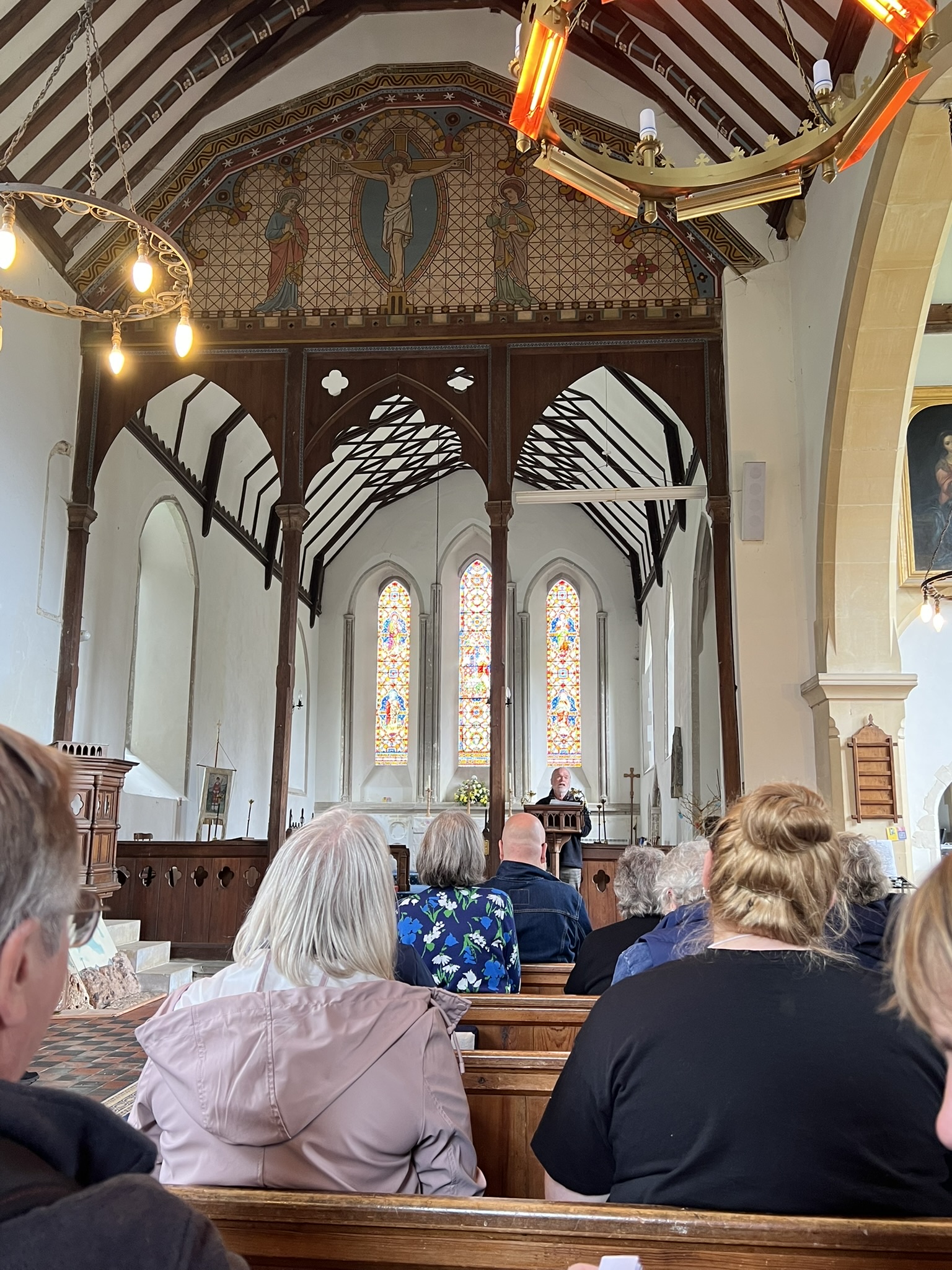
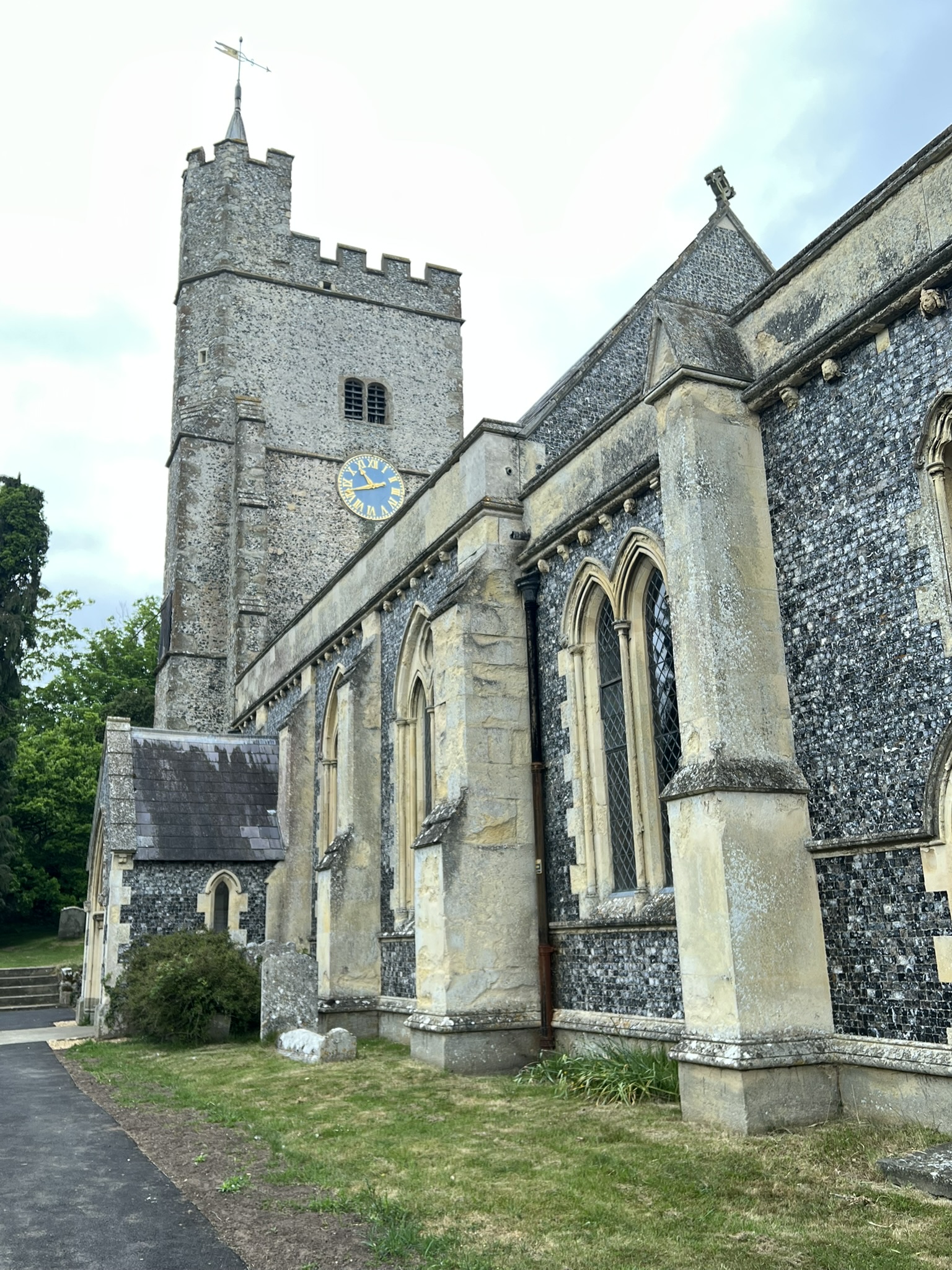
So, only distant shots, and a visit to the Church of the Holy Cross, where we were introduced to one of the family who gave us the low-down on the family history, and a tour around the church. This is the church where Edward and Elizabeth were married – it was actually a double wedding [Elizabeth’s sister Sophia and William Deedes], perhaps giving Austen the idea for her Pride and Prejudice double wedding of the Bennet sisters, Elizabeth and Jane.
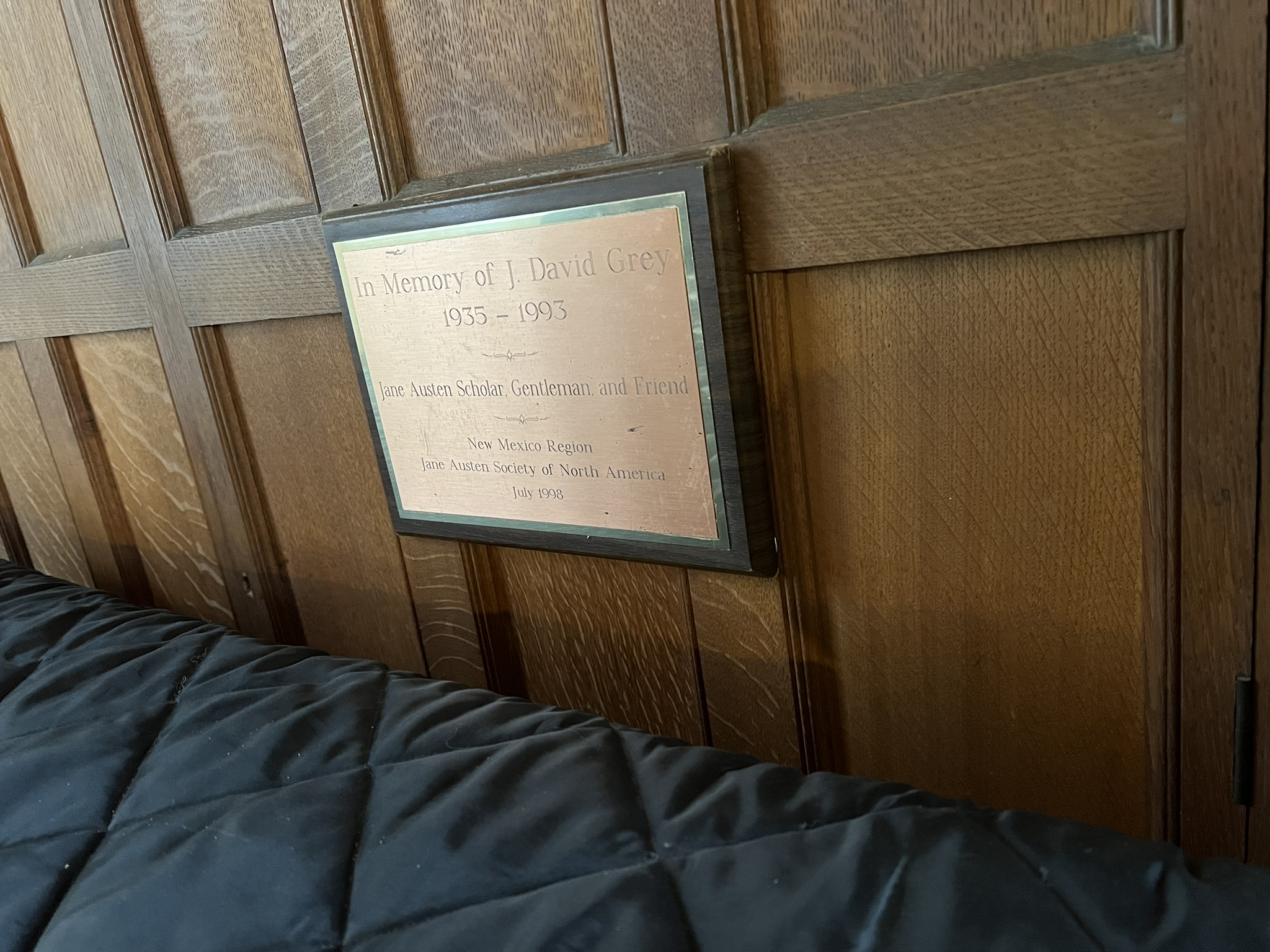
Of interest to Janeites is the plaque to J. David Grey, one of the founders of JASNA, and installed here in his memory with JASNA’s support.
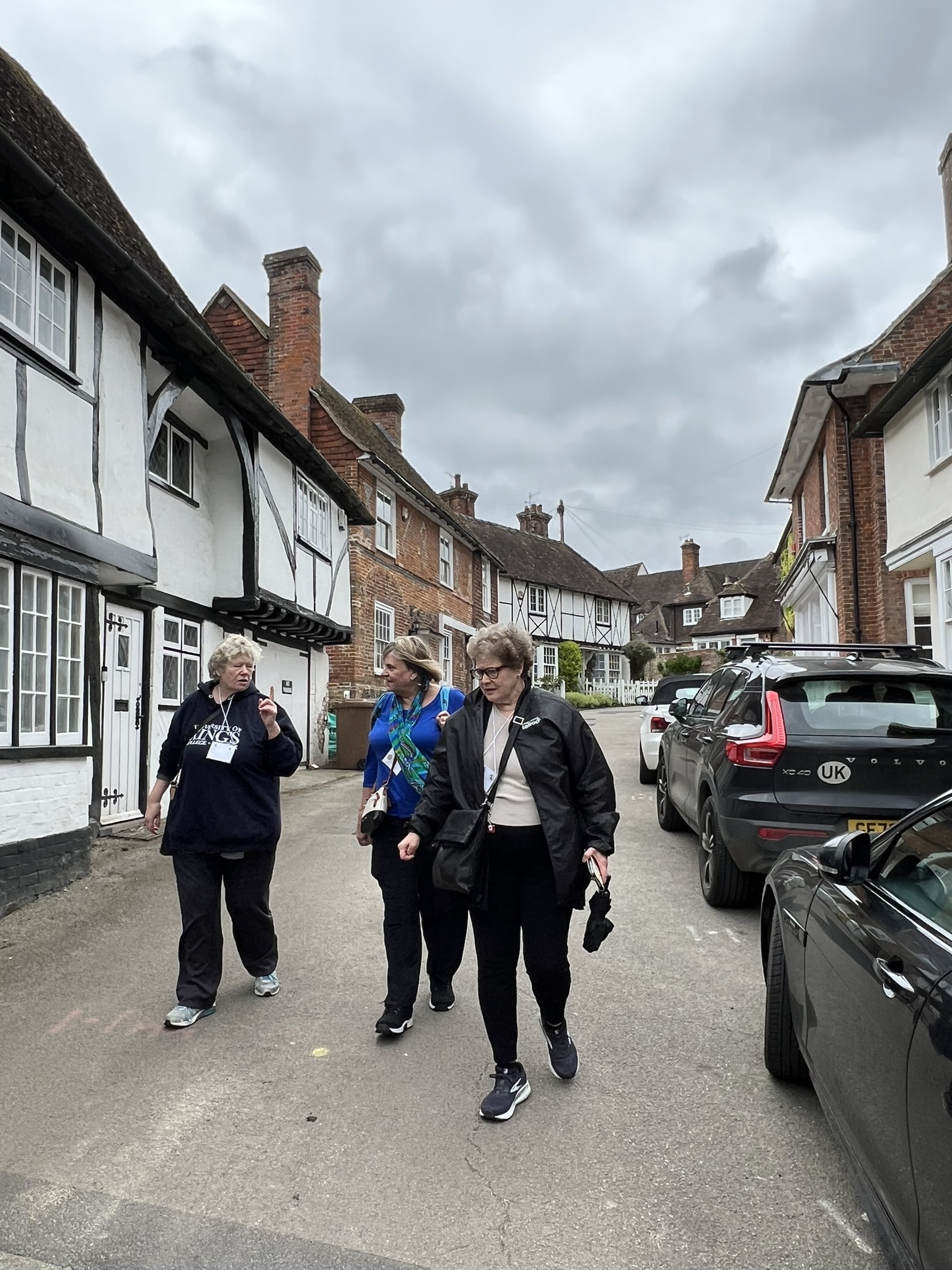
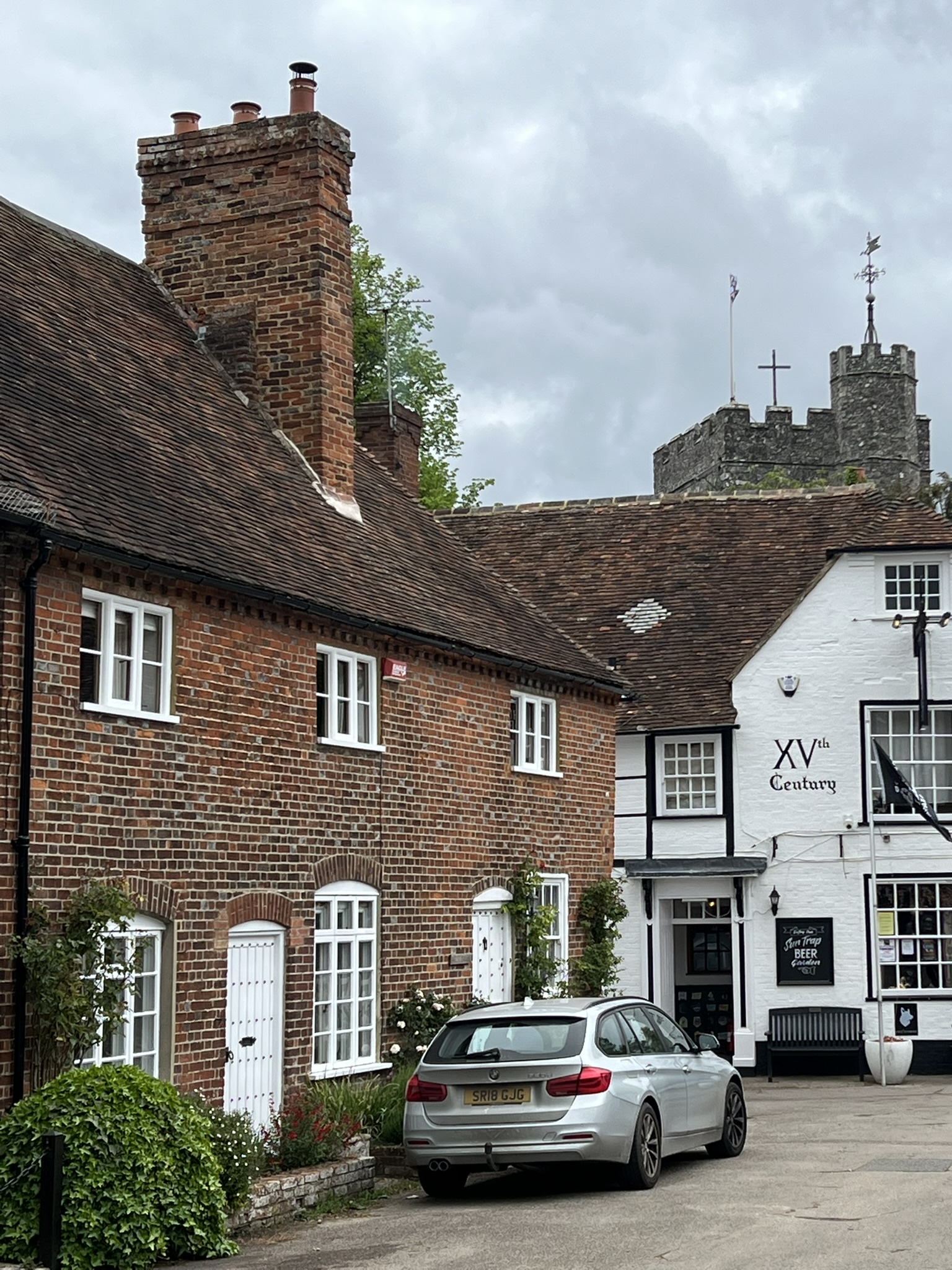
Then off to Chilham, the village that served as the location for Highbury in the 2009 Emma series. We were able to walk around the village and had lunch at the Woolpack Inn, established in 1480 [so delicious, I forgot to take a single picture!], and an appropriate spot considering our sheep welcome…
***********

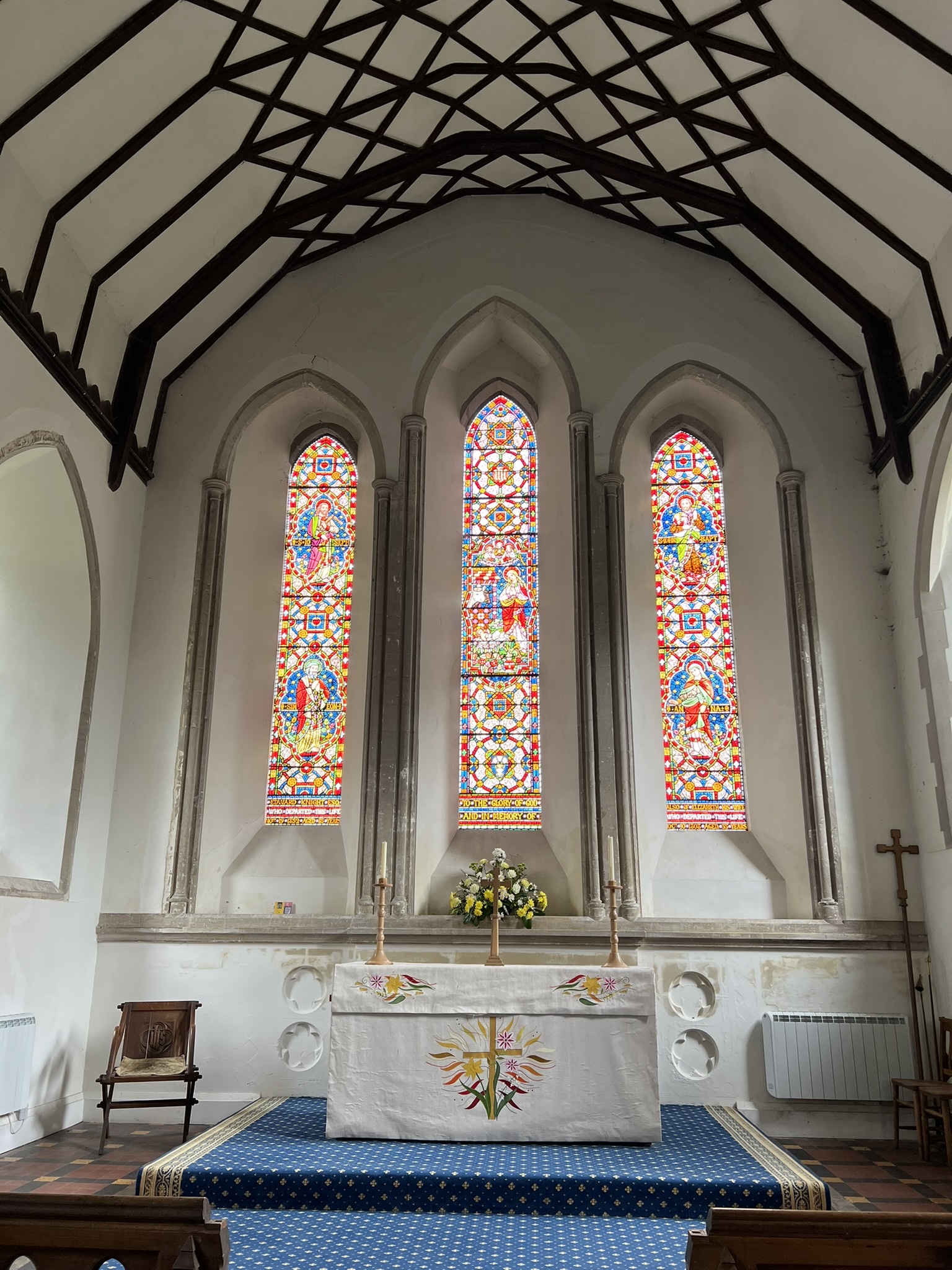
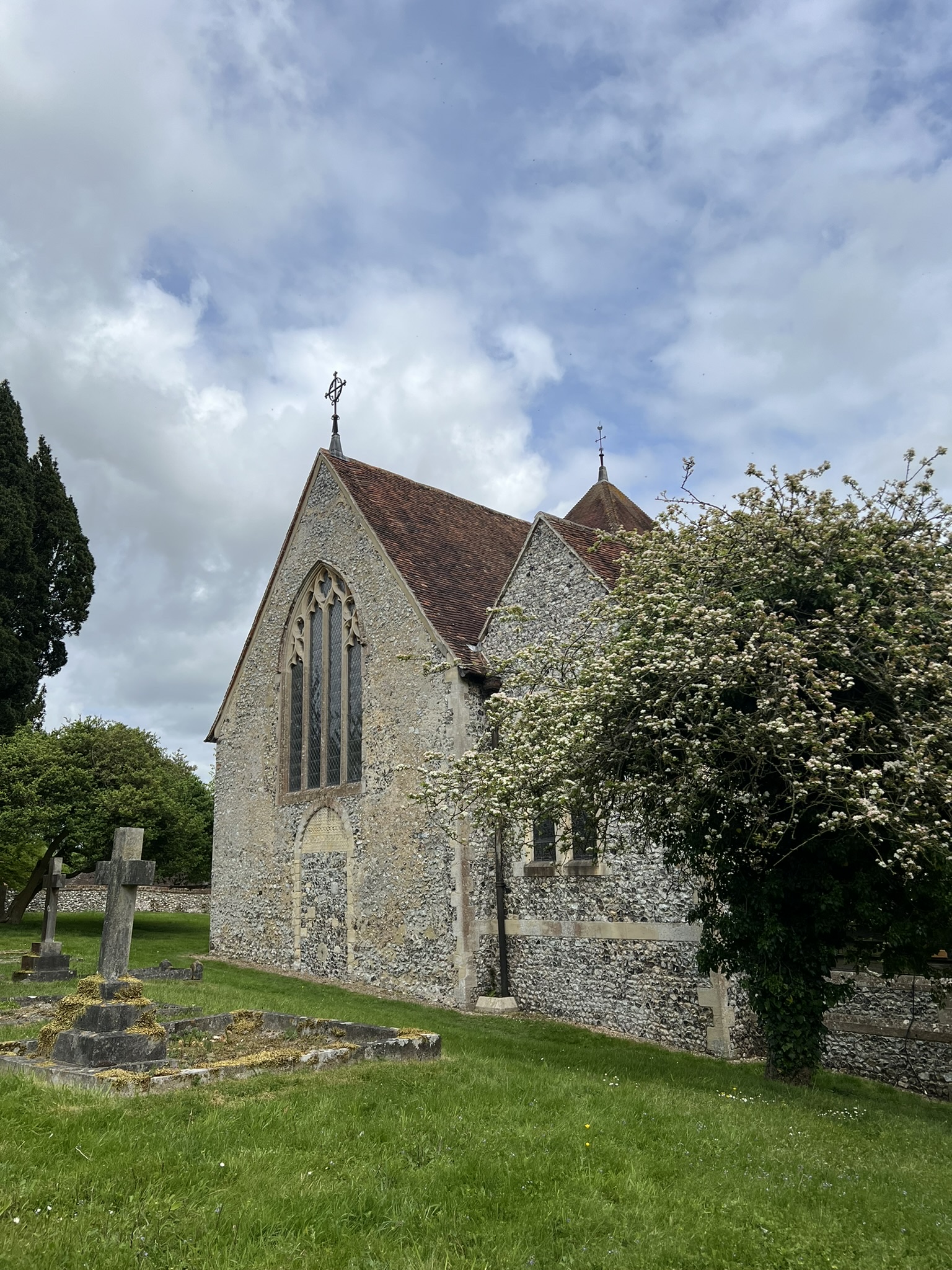
Then to Godmersham Park, my most anticipated spot on the tour. First to the Church, surprisingly not a St Nicholas, but a St. Lawrence: here we had a history lesson about its connections to the Austens.
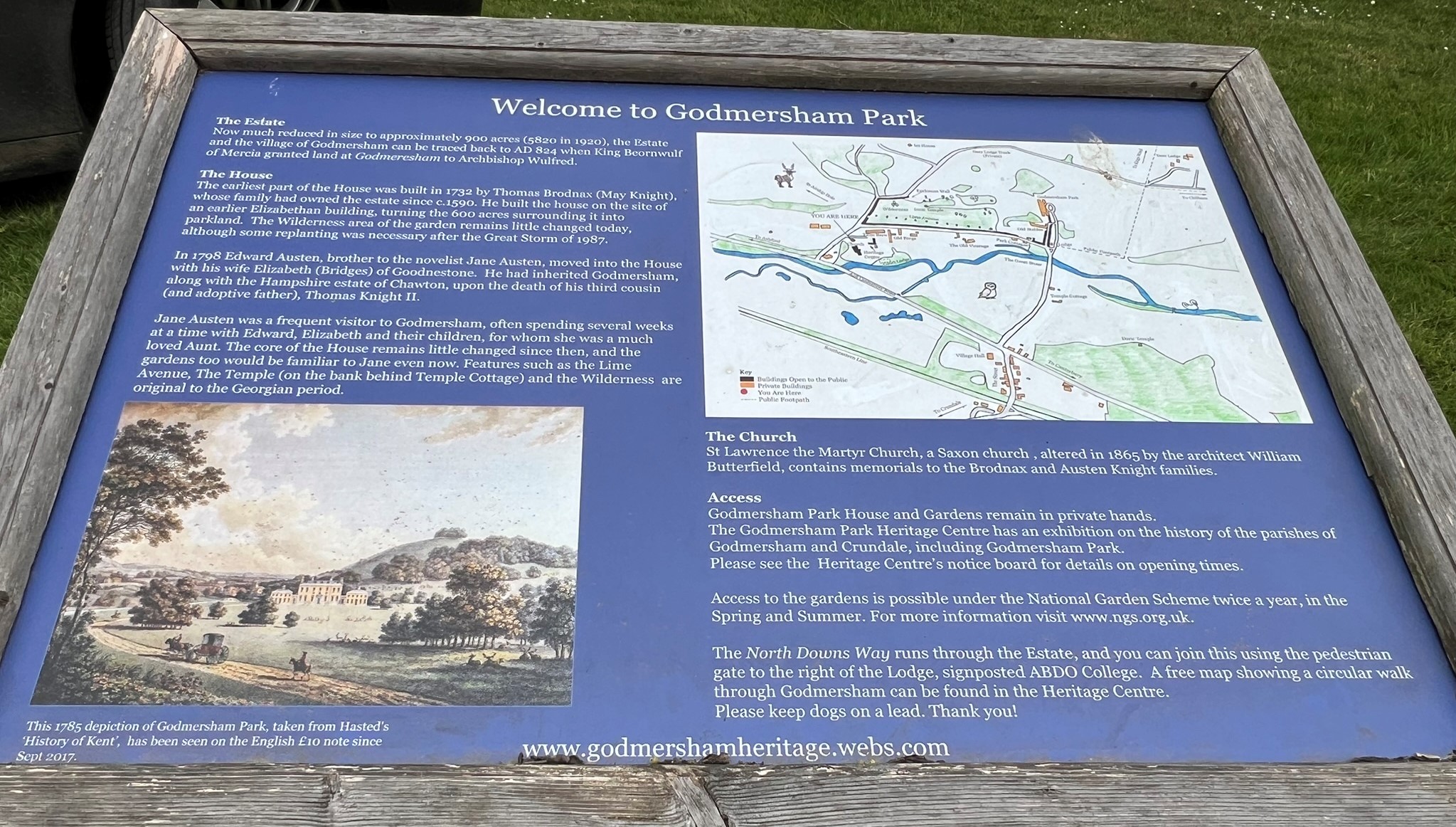
Godmersham Park was Edward Austen’s home, inherited from his adoptive parents that required him to change his name to Knight. Here he and Elizabeth raised their 11 children [Elizabeth died after the birth of the 11th at the age of 35 in 1808] and where his extensive gentleman’s library was housed, the source of Professor Peter Sabor’s project Reading with Austen – the website offers an interactive plan of the library showing what books were on the shelves and their location as Jane Austen would have experienced. The goal of the project has also been to return as many of the books that were originally in Edward’s library if at all possible – we call ourselves The Godmersham Lost Sheep Society – you can read all about it at these links – we actively fundraise to help in the purchase of any books that might show up at auction or in booksellers’ catalogues.

Godmersham Park

We were honored to be present for the unveiling at the Church of the Susannah Sackree memorial, here with Katie and Kim from Chawton House:
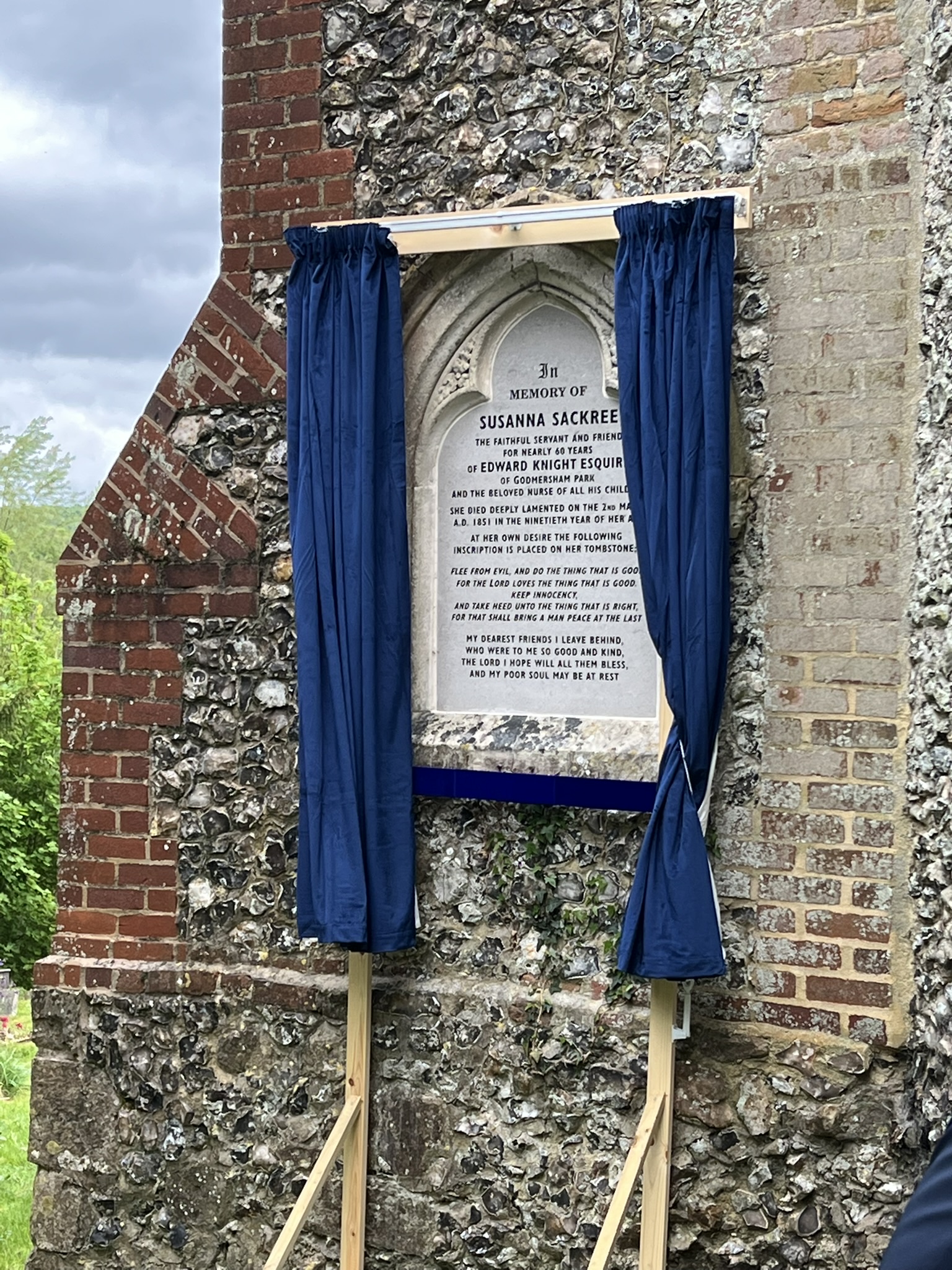
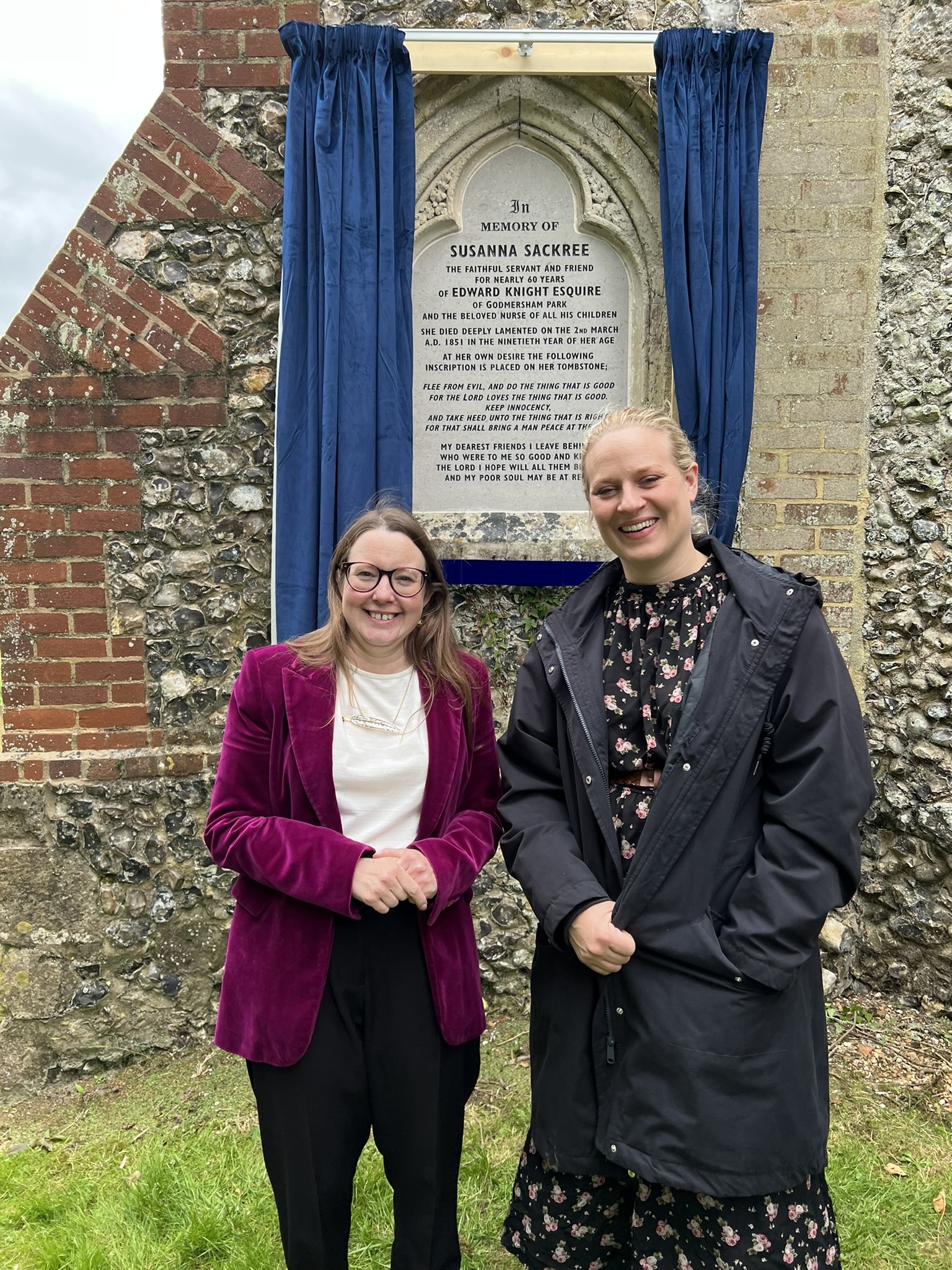
Susannah Sackree was the nursemaid to the Knight children, and memorialized by them in the church and now with this grand memorial on the exterior. It was a very moving moment to see a servant, often forgotten by their employers and history, so lovingly remembered by the Knight family.
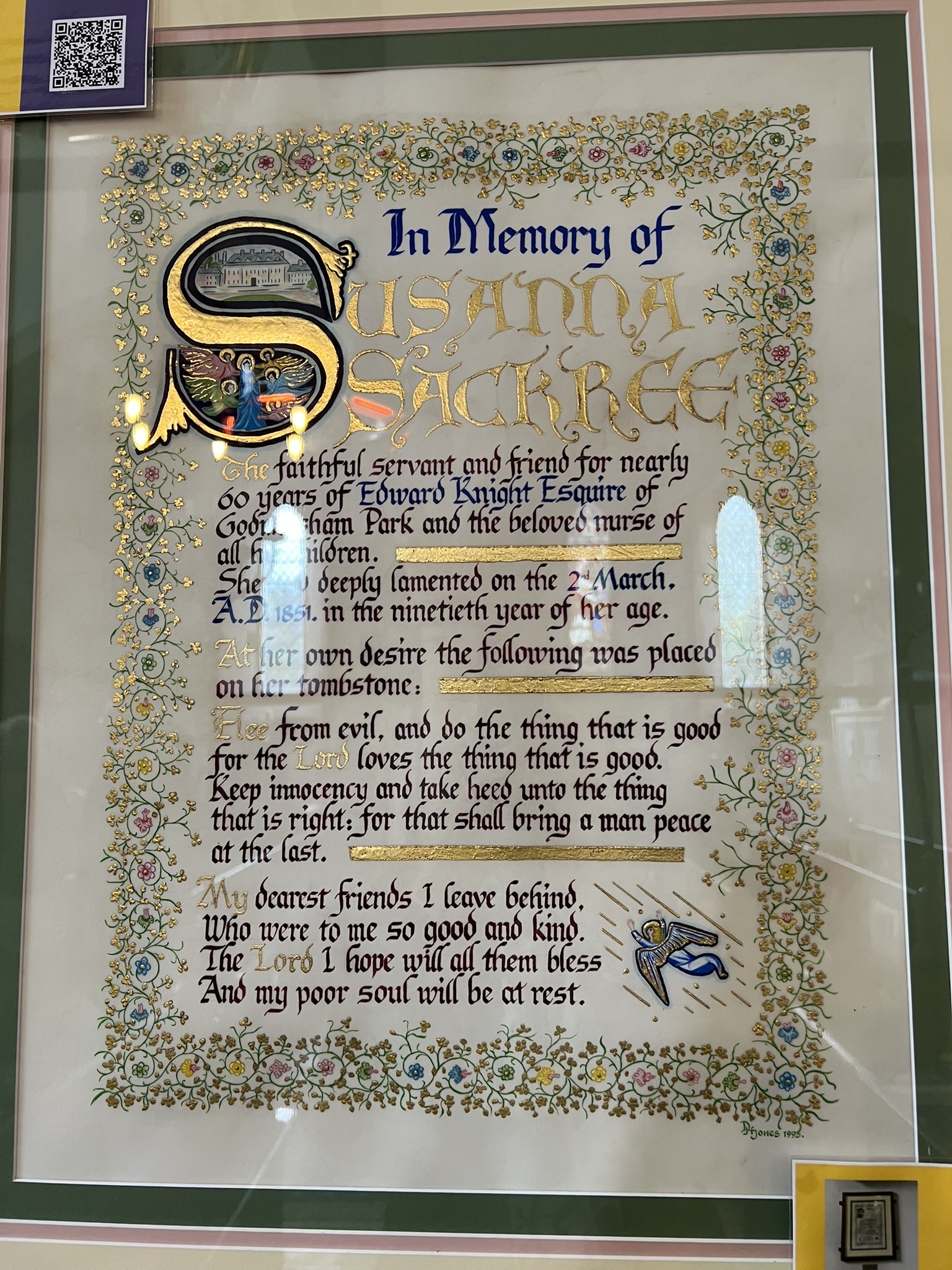
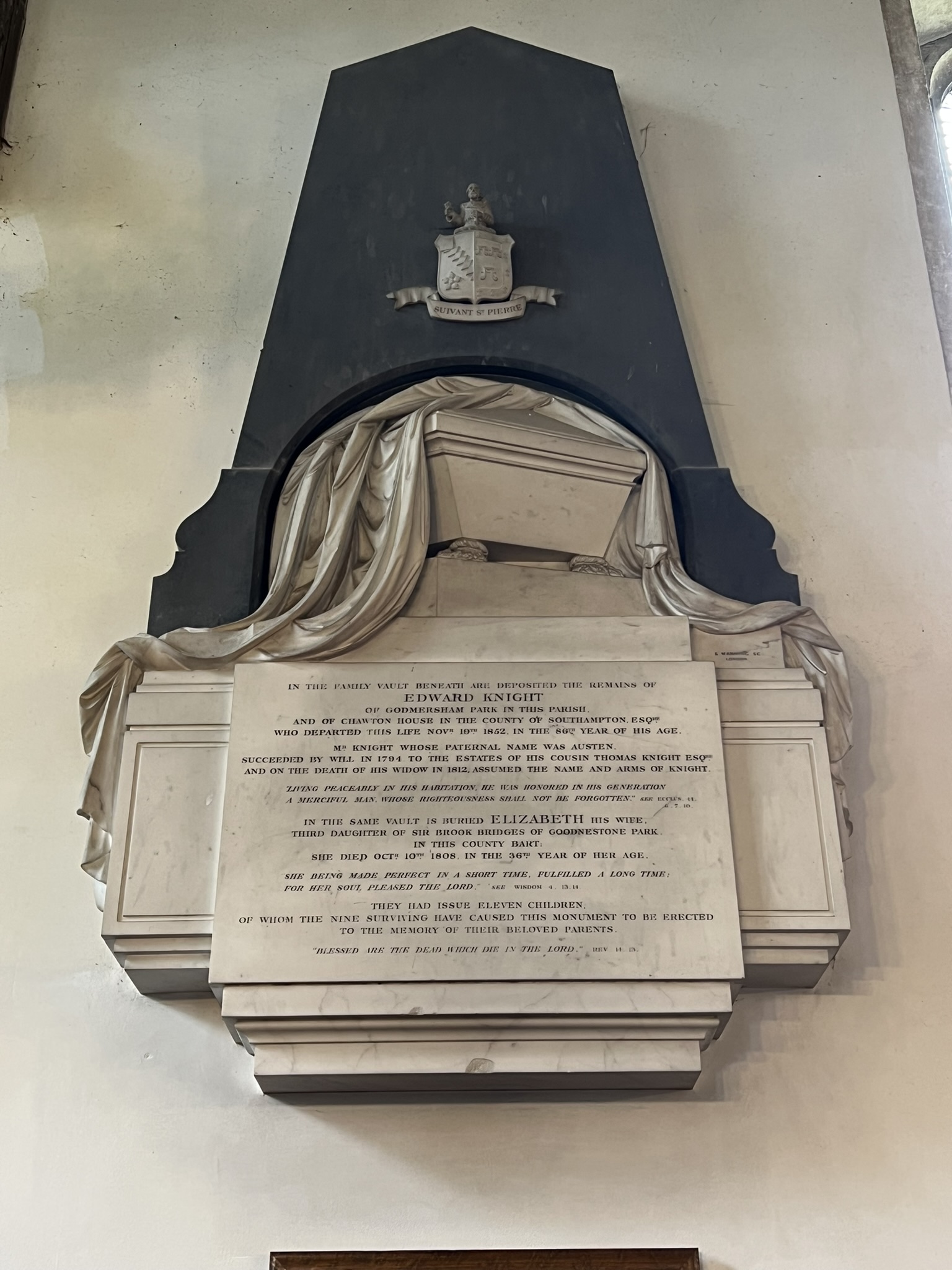
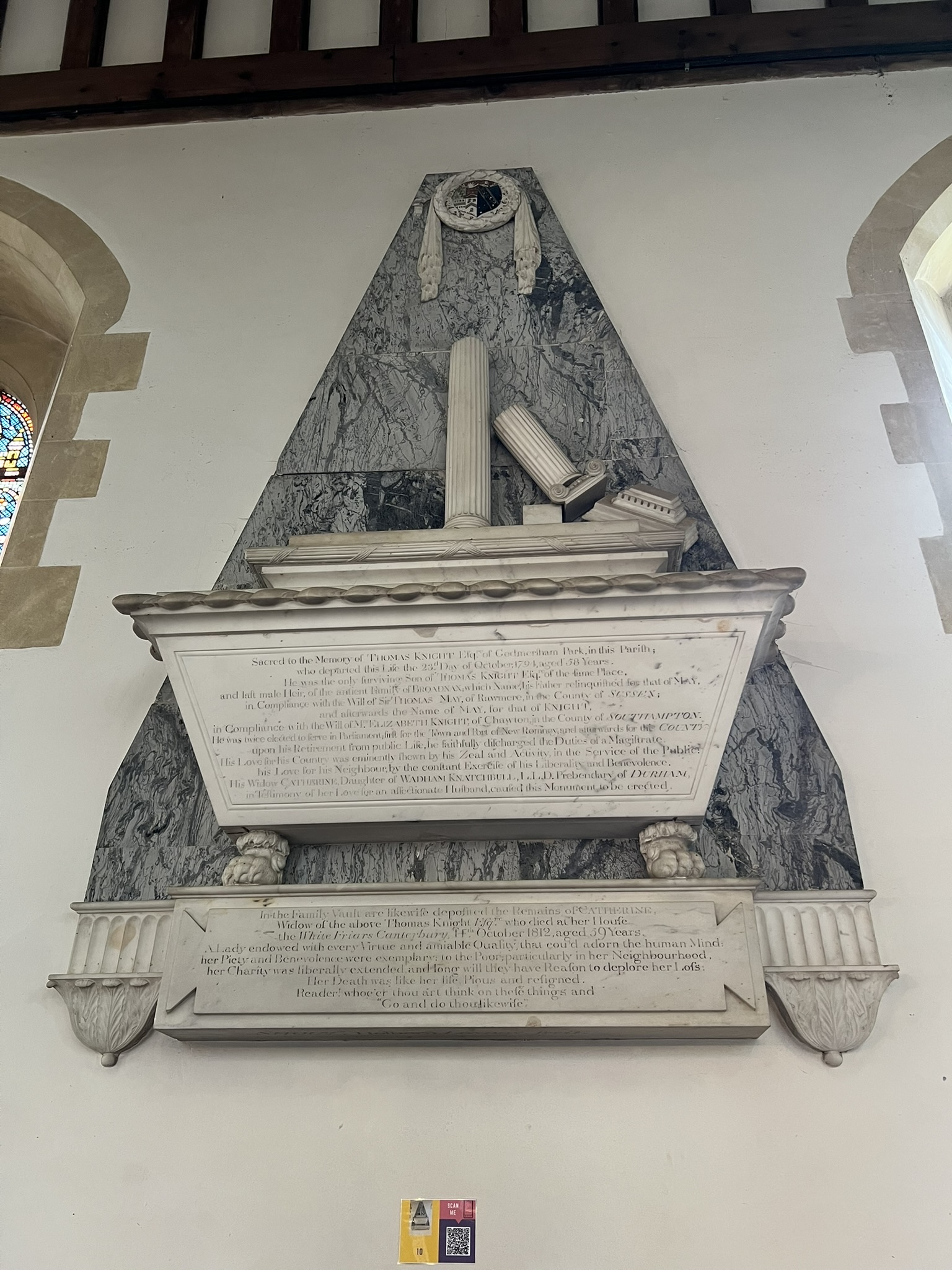
Susannah Sackree, Edward Knight, and Thomas Knight Memorials

You can read more about her in this Persuasions On-Line essay by Jennie Batchelor (2023) .

**********

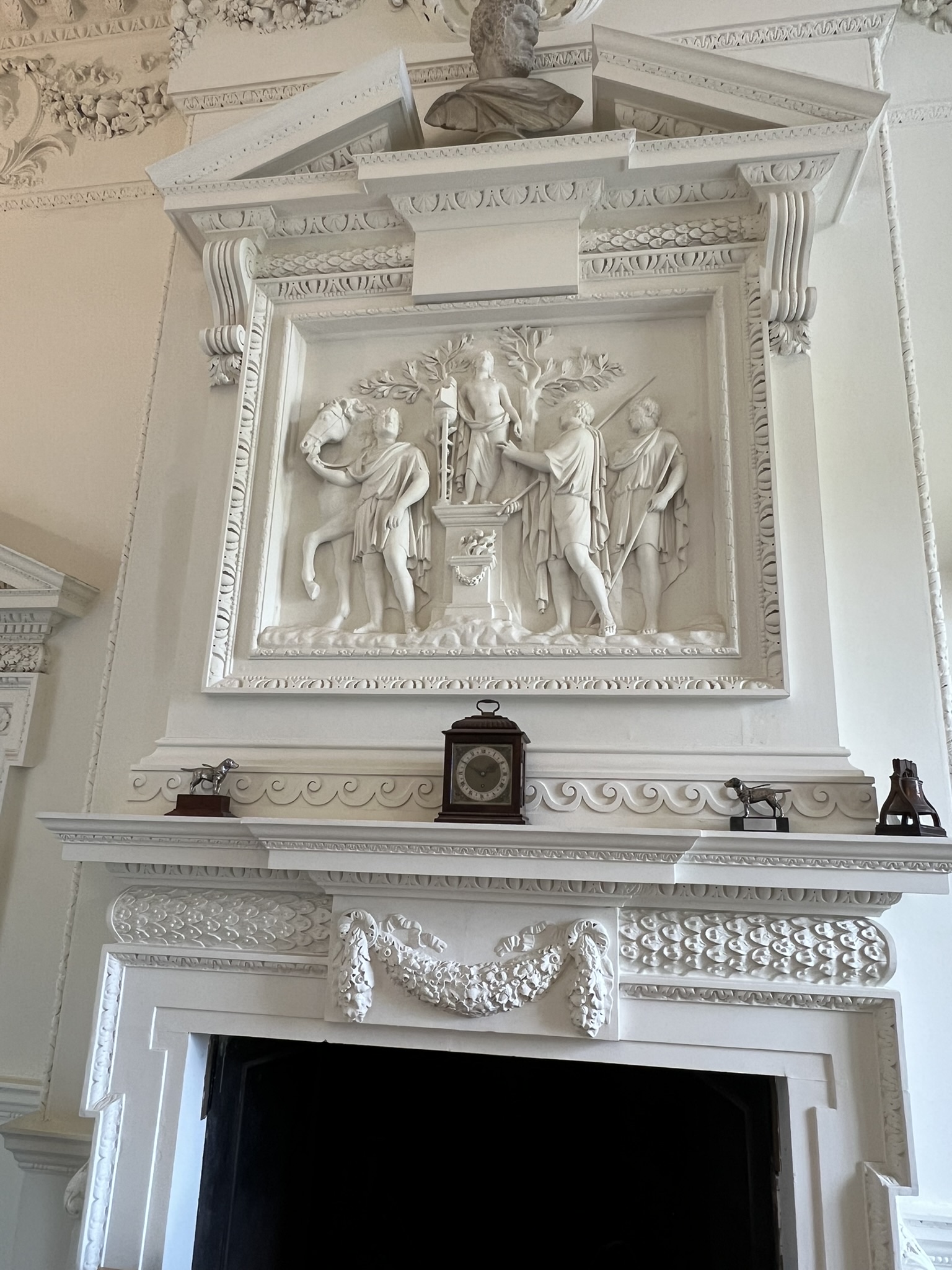
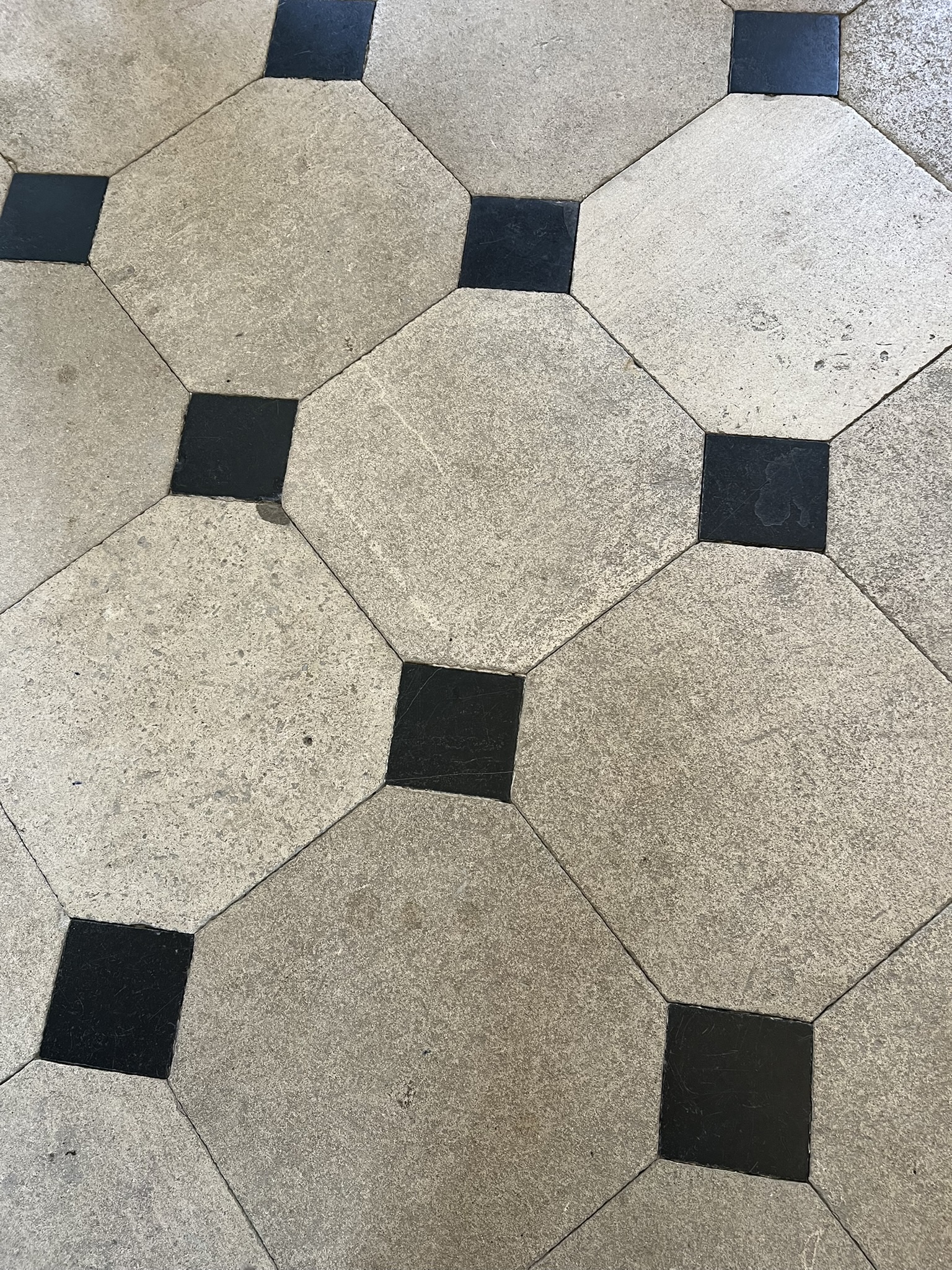
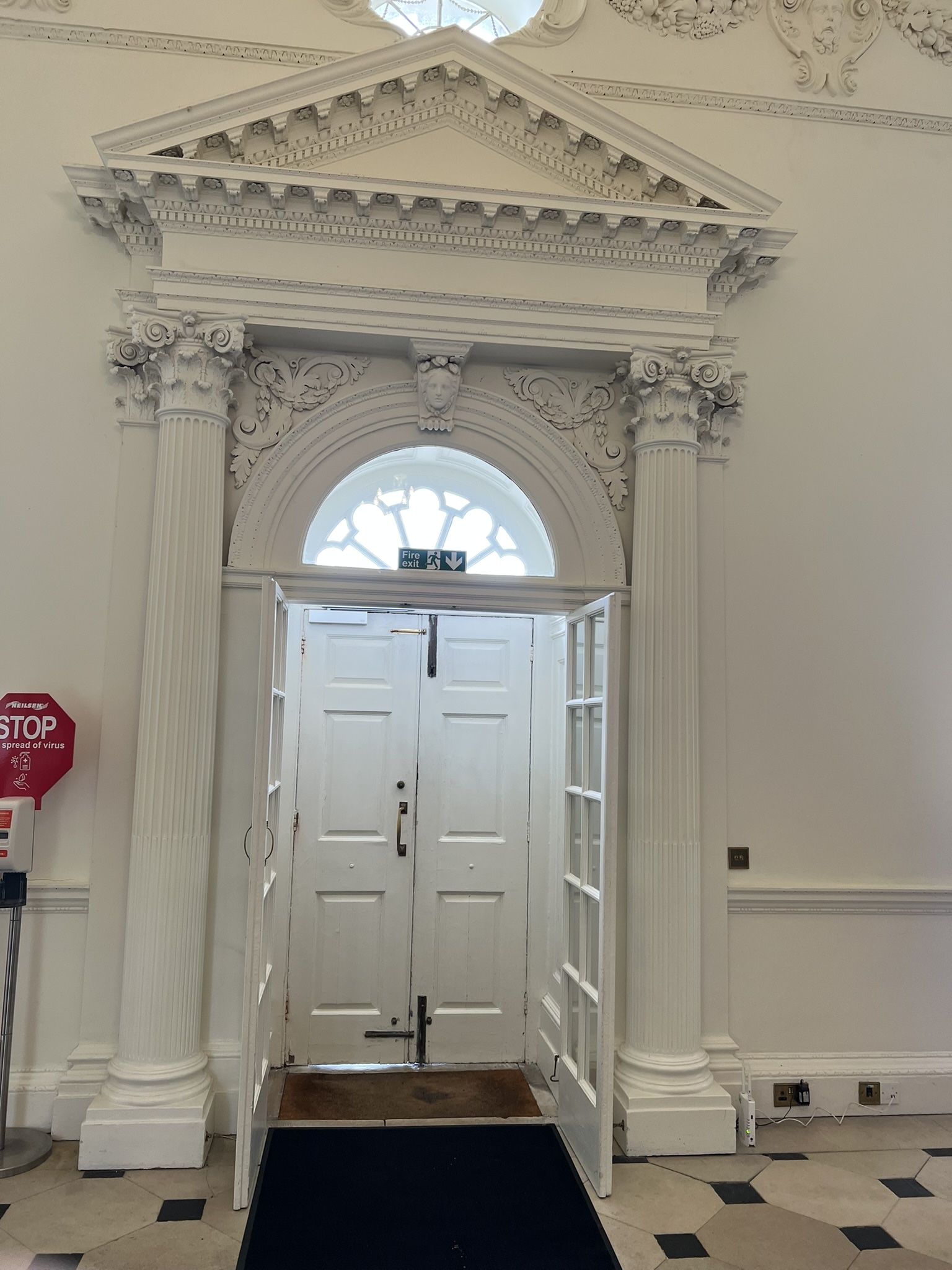
The Heritage Centre tells the story of the house and grounds – it now serves as home to the Association of British Dispensing Opticians and so you cannot tour the house, BUT, we were allowed into [under a code of silence] the entrance foyer, nearly the same as it was in Austen’s time – but no library to visit or any of the other rooms Jane would have stayed in – it is all classrooms now…
The grounds however we could walk around, and as we know that Jane, being an avid walker, would have strolled around these very spots – one could almost feel her there hovering about…
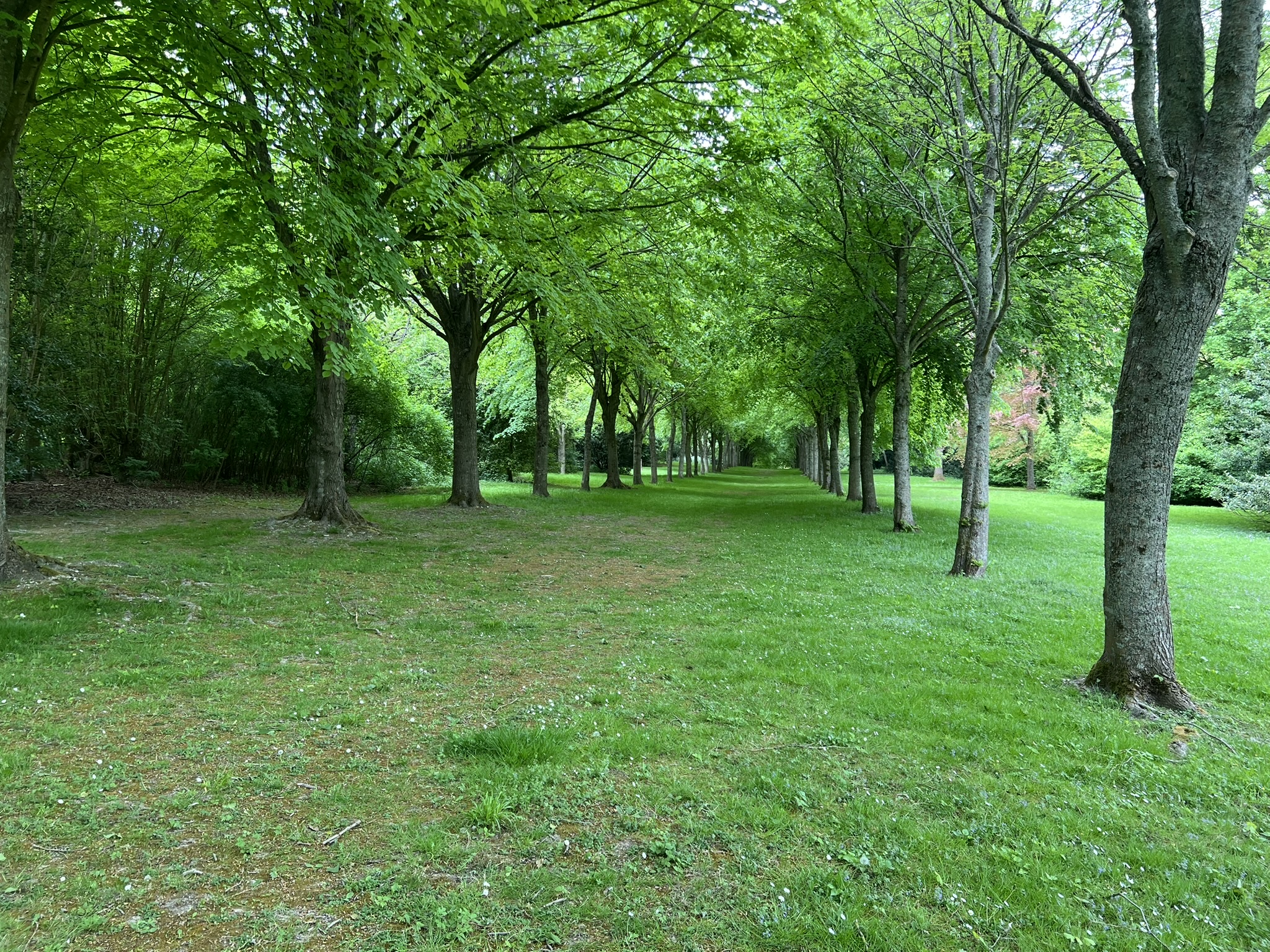
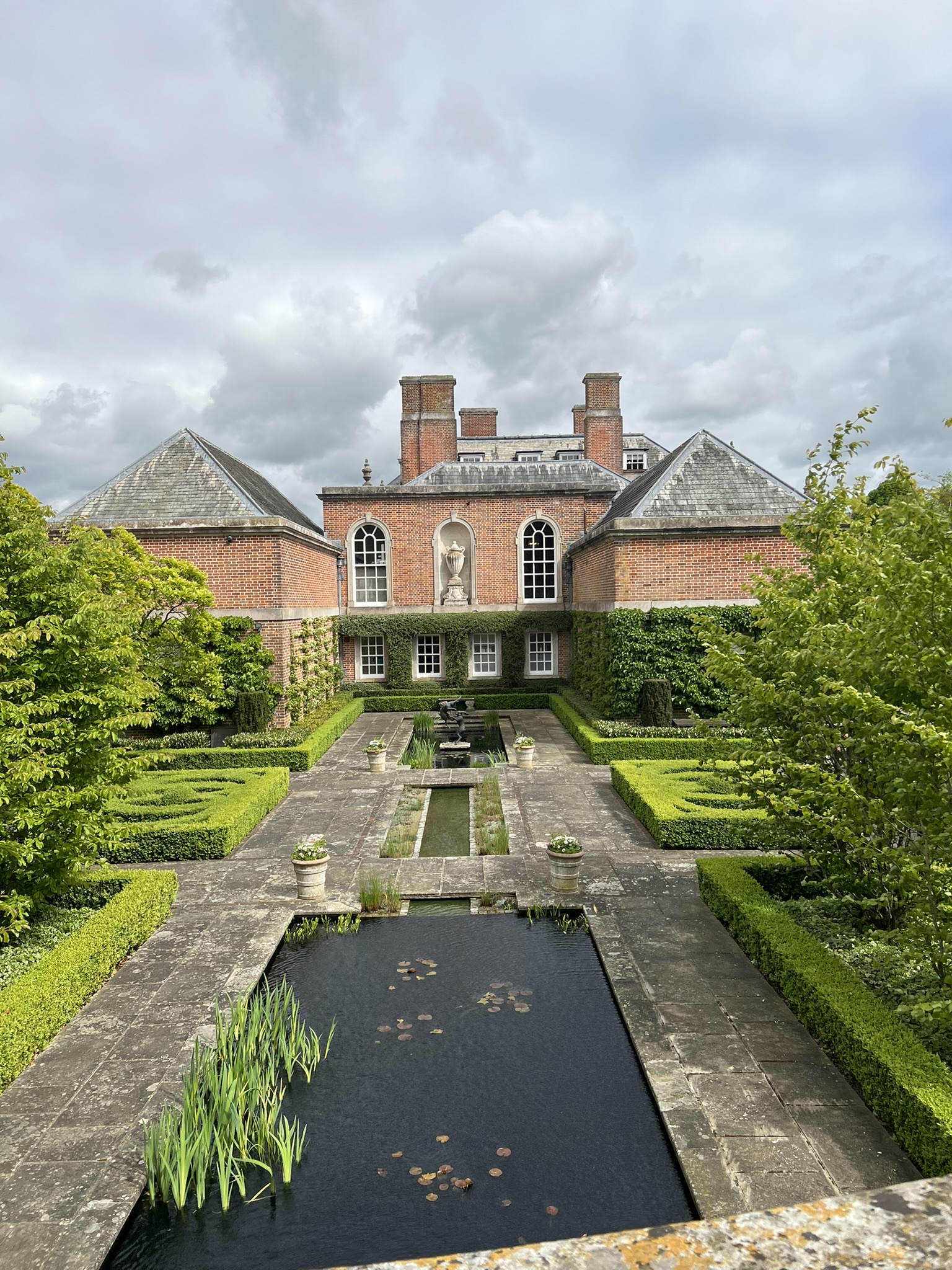
**************

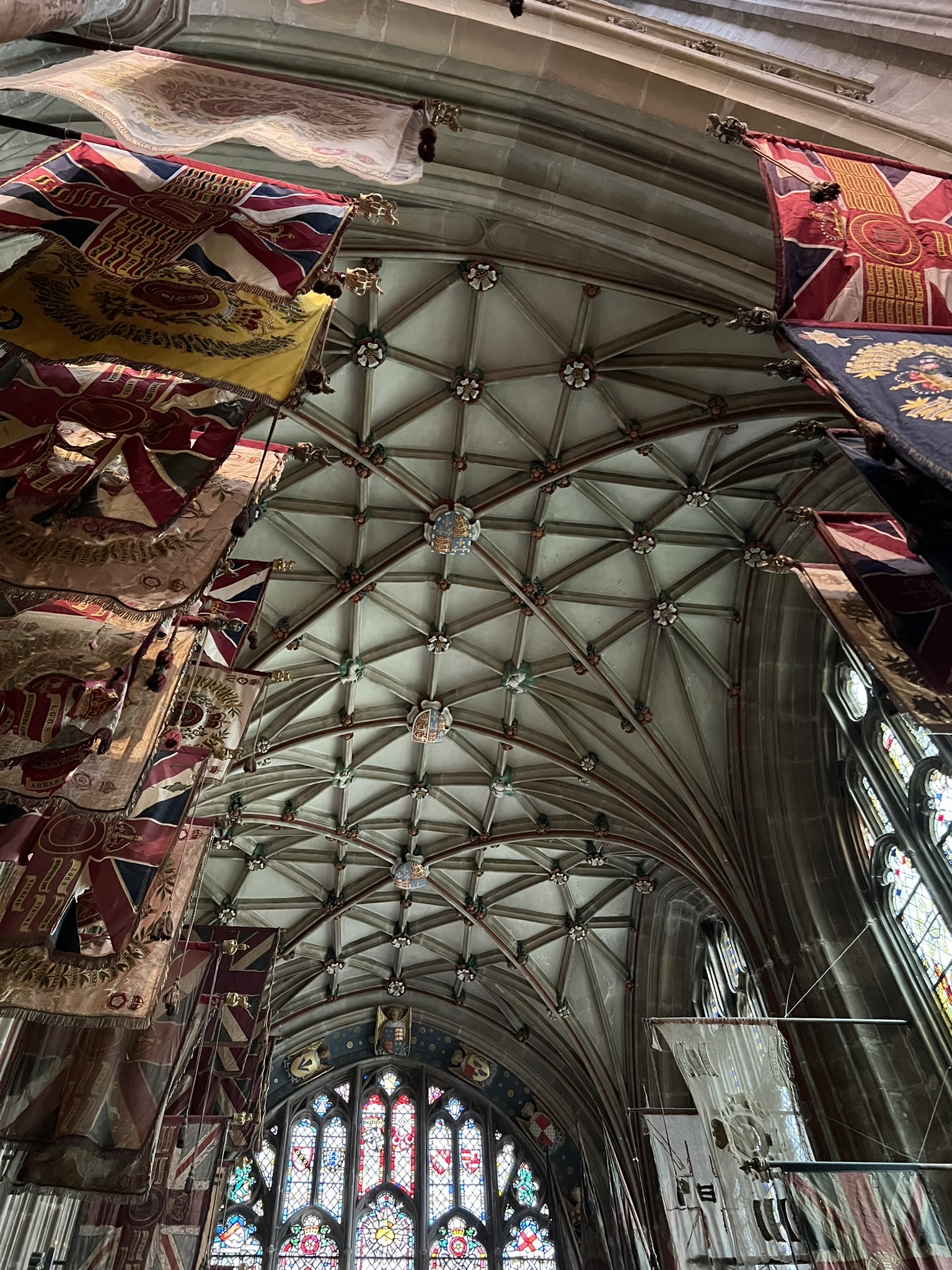
Refreshments were gratefully received, and then we were off to Canterbury. Some of us went to the evensong at the Cathedral [one of my favorite things to do when in England], this after walking around the city for a while – we had two goals in mind: to see the portrait of the scandalous father of Elizabeth Bridges, Sir Brook Bridges (1733-91), whose portrait hangs in the Beaney House of Art & Knowledge – here he is in all his glory:

[Bridges married Fanny Fowler, who was heiress to the title Baron Fitzwalter, and still the prominent name here at Goodnestone]:
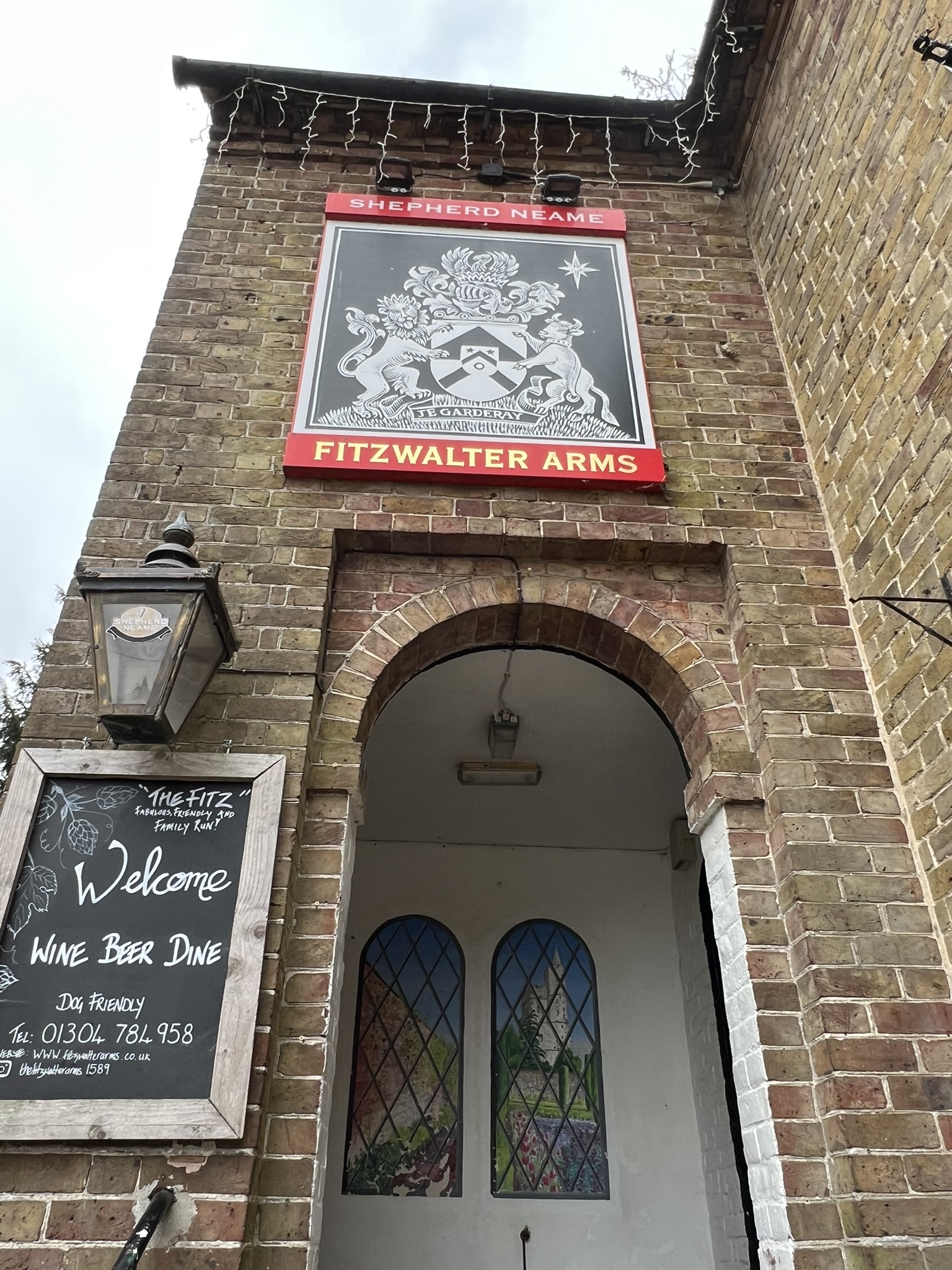
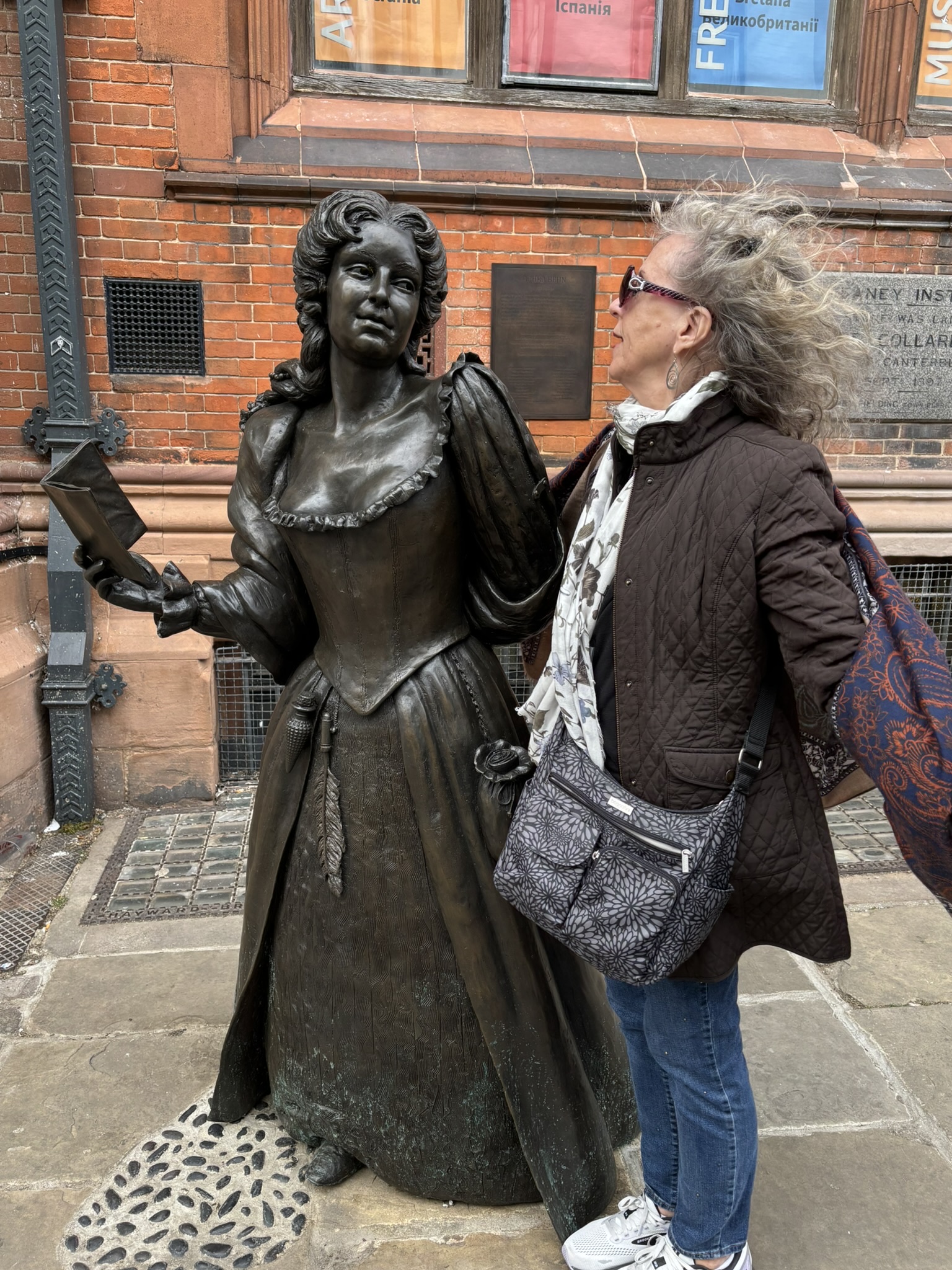
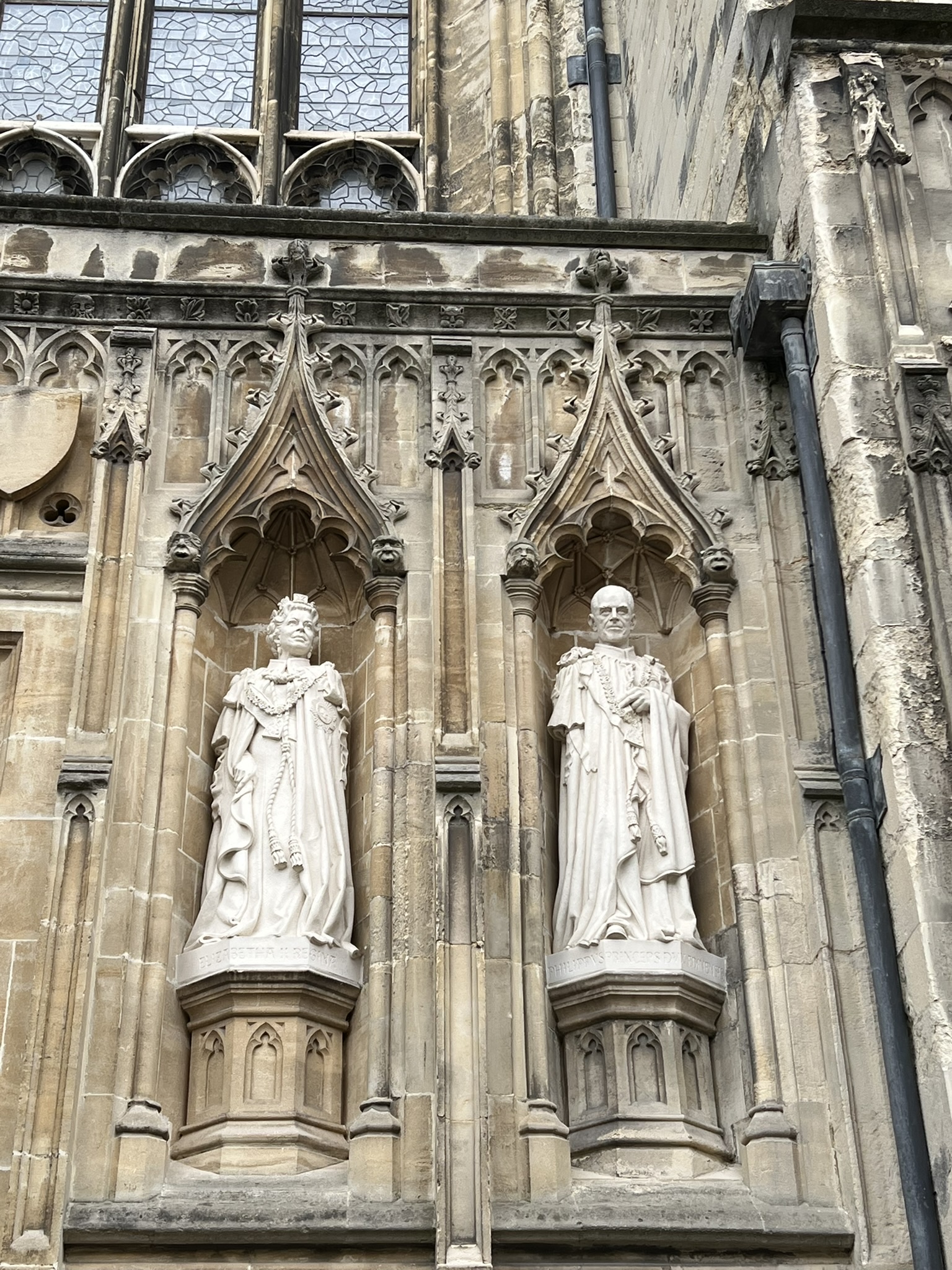
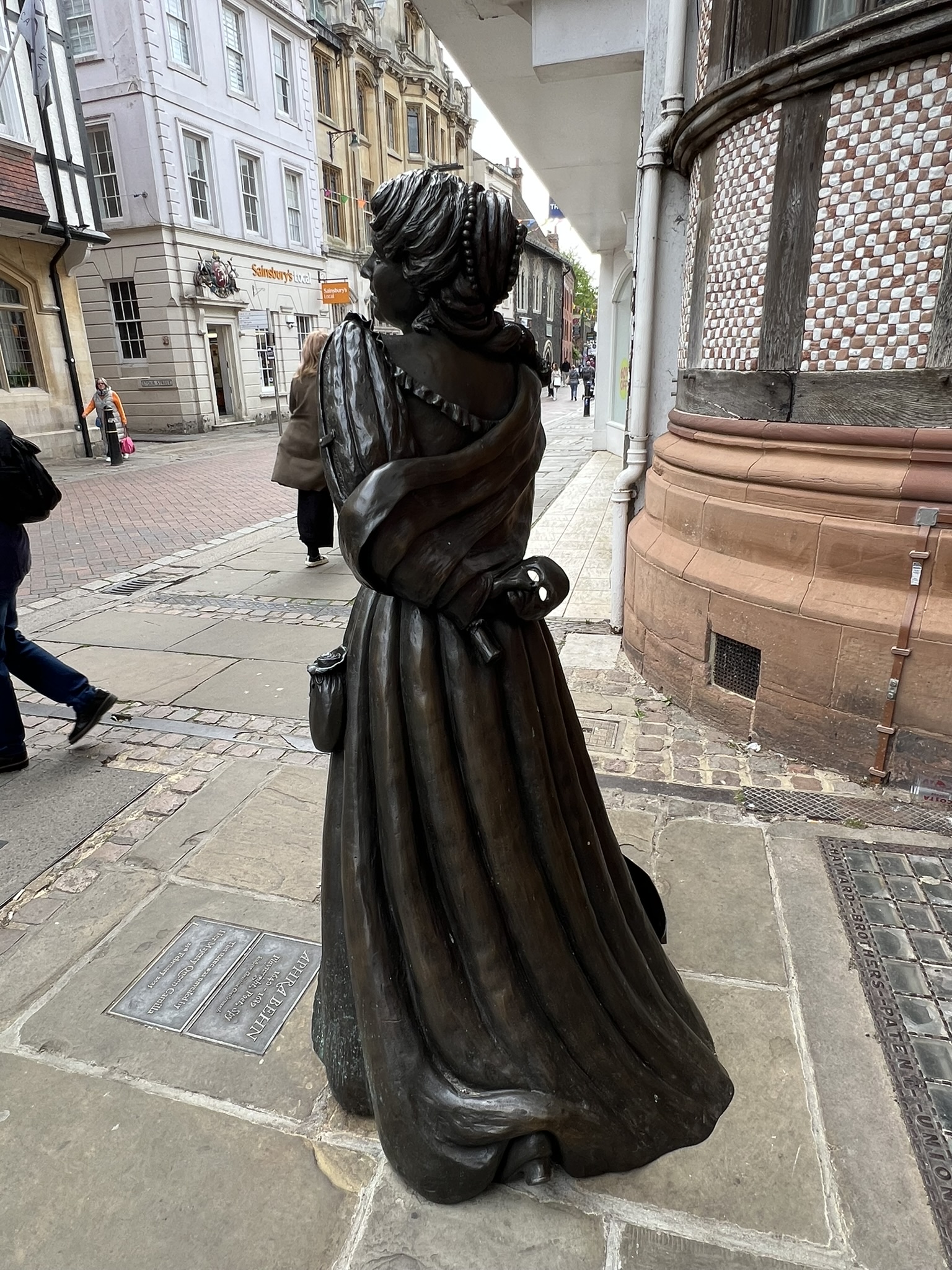
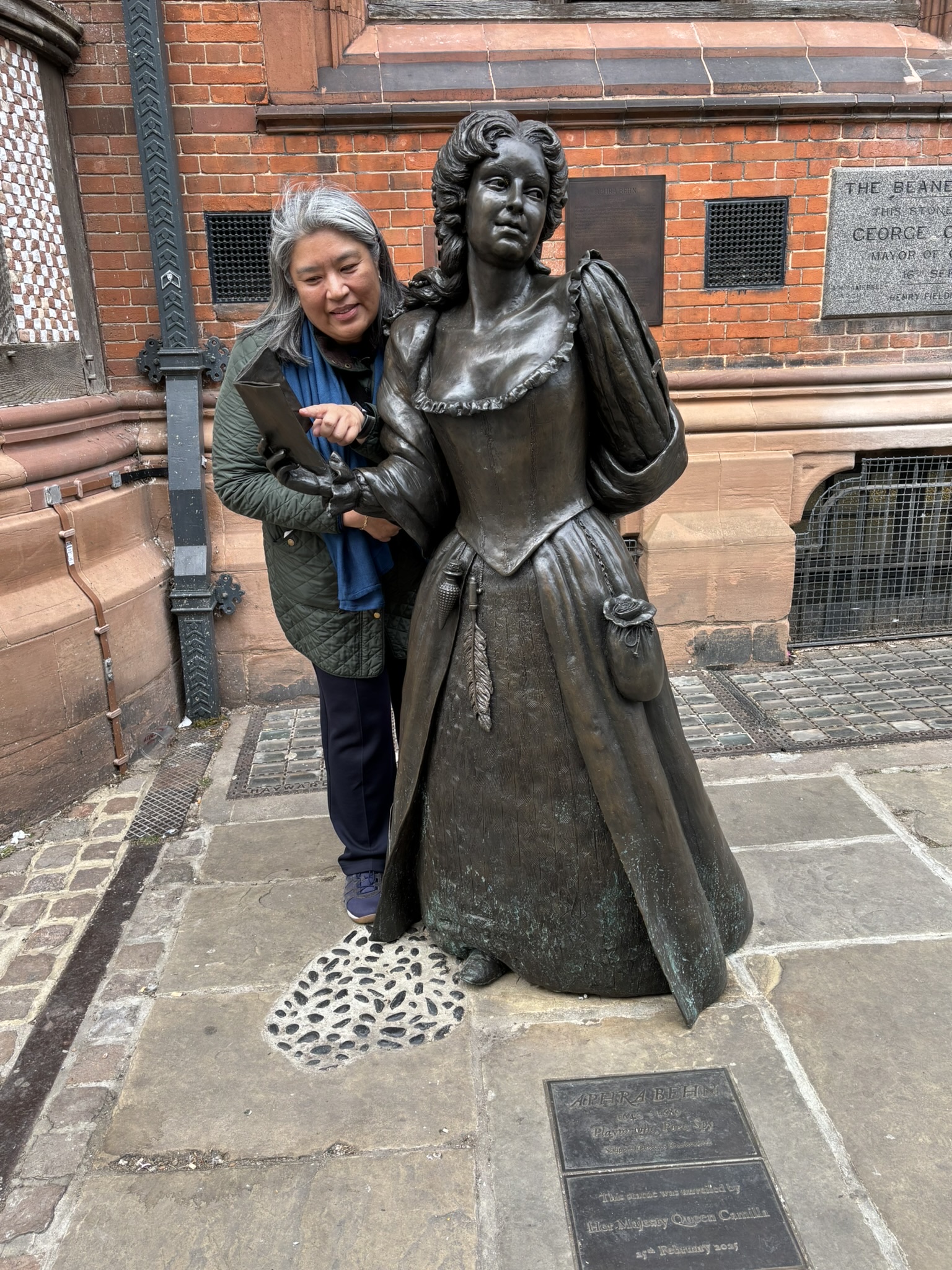
Another draw here was the statue of Aphra Behn, lately unveiled by Queen Camilla – such a tribute to Behn, right here on the main street of Canterbury, she finally getting her just due. See here for an explanation of all the features of the statue – and more here at Fine Books & Collections – I especially liked her foot revealed from under the back of her dress…
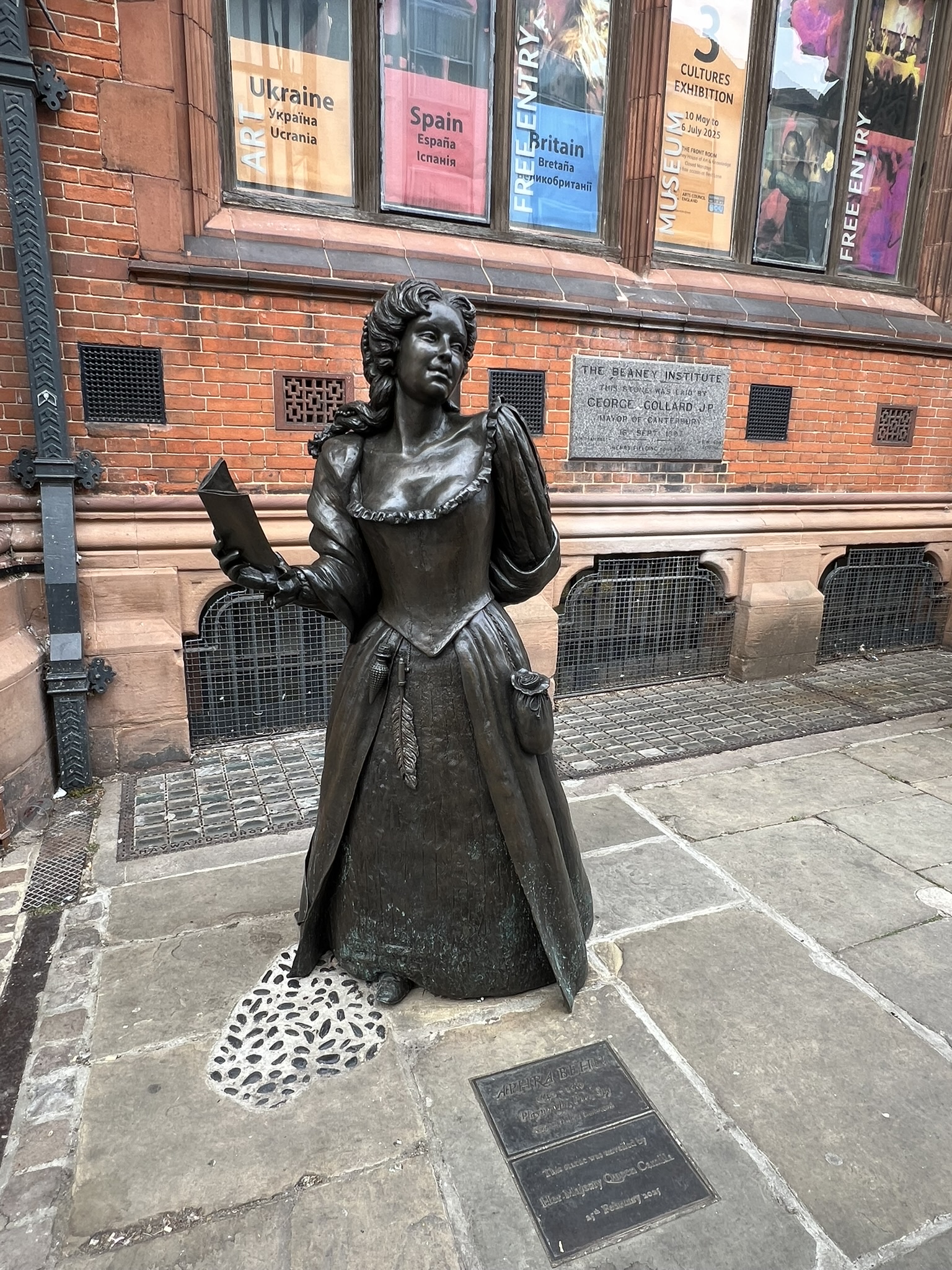
And Joy and I giving tribute to this early woman writer par excellence:
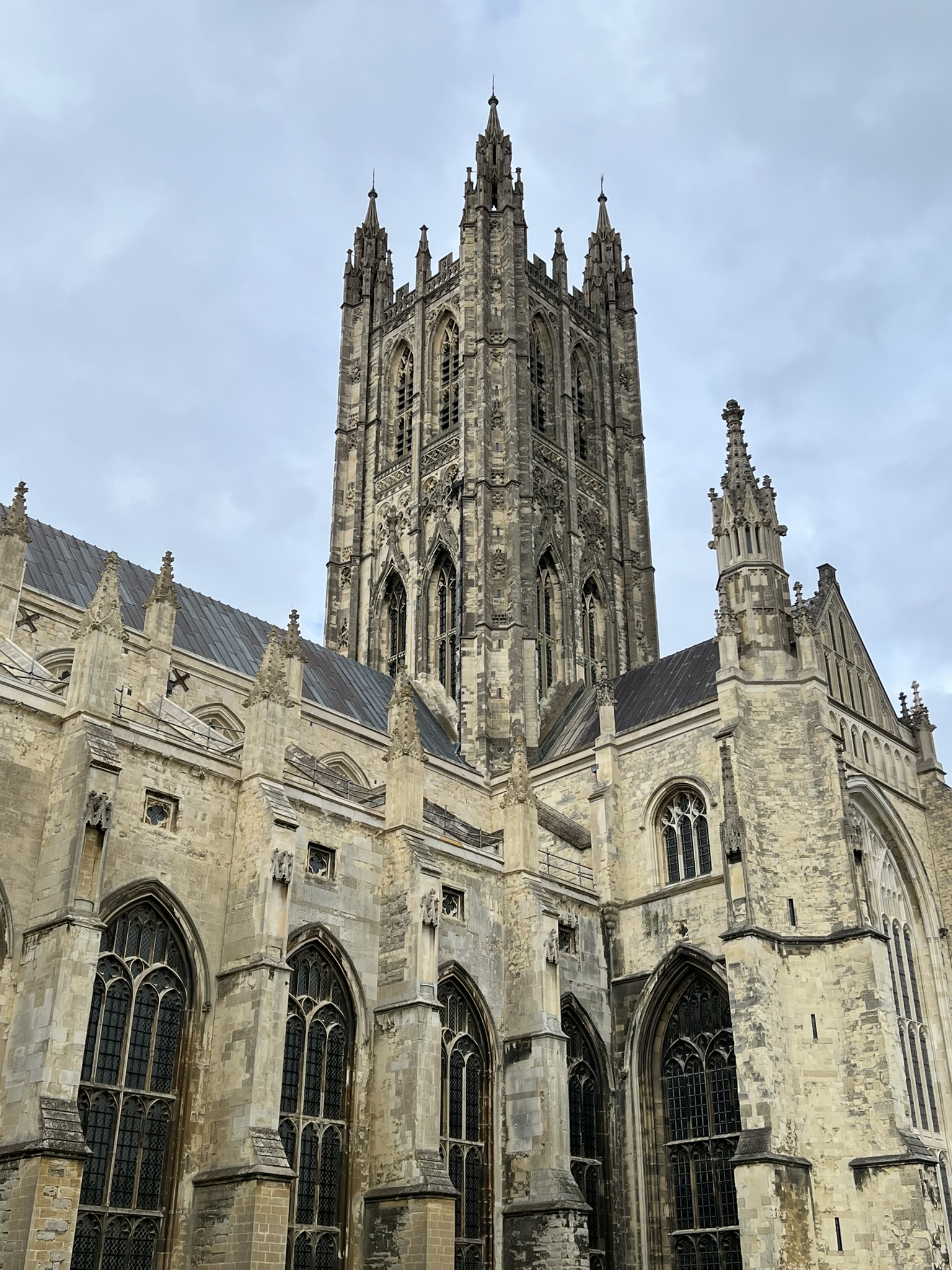
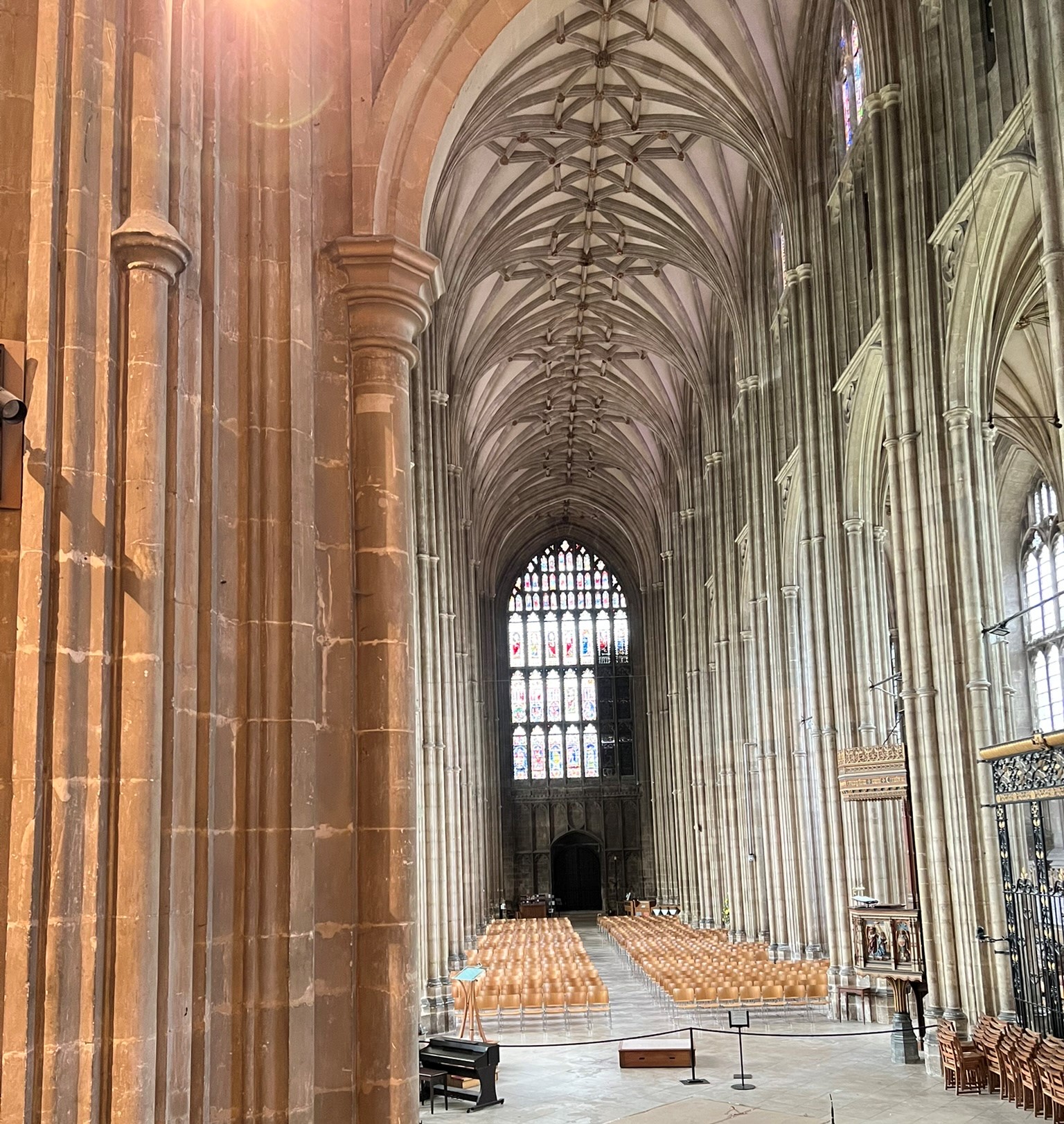
Our walk around Canterbury found us in delightful conversation with a gentleman who asked where we were from: Joy says California – “You must be a hippie” he says. I in South Carolina but from Vermont, and he goes into rhapsodies about Bernie Sanders! [Bernie’s brother has long lived in England and has served in the Labour Party, and this fellow apparently knows him…it was good to have a conversation about the troubles in the US right now – everyone sympathetic to us but also not appreciative of the tariff situation and concerns about ally relationships…] – it was an enlightening conversation, but we were off to Evensong – which was beautiful, as always, – reserved seats just for JASNA, and though we were unable to take photos during the service, I captured a few on the way out…and the exterior [much restoration work going on covering up the main entrance]:
So, until tomorrow, when we leave our gorgeous Chilston Park Hotel and head to Winchester for four nights, by way of Worthing…

c2025JaneAustenInVermont
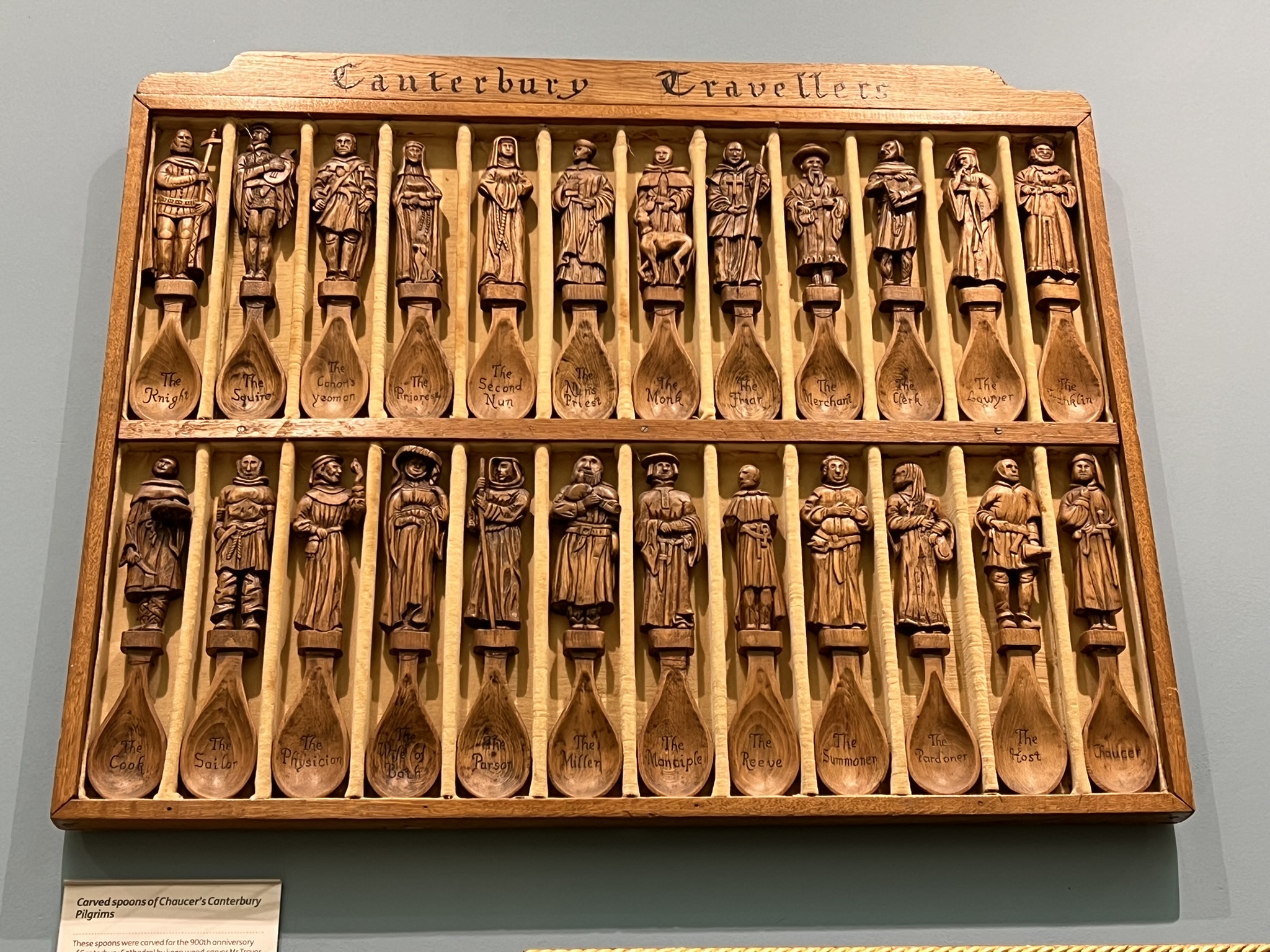
Feeling a bit like a “Canterbury Traveller”… [from the Beaney Museum]

and I loved this:

Great Britain - History · Jane Austen · Regency England

Jane Austen in Kent ~ Or, How a Set of Pimpernel Coasters Set Me on a Journey…

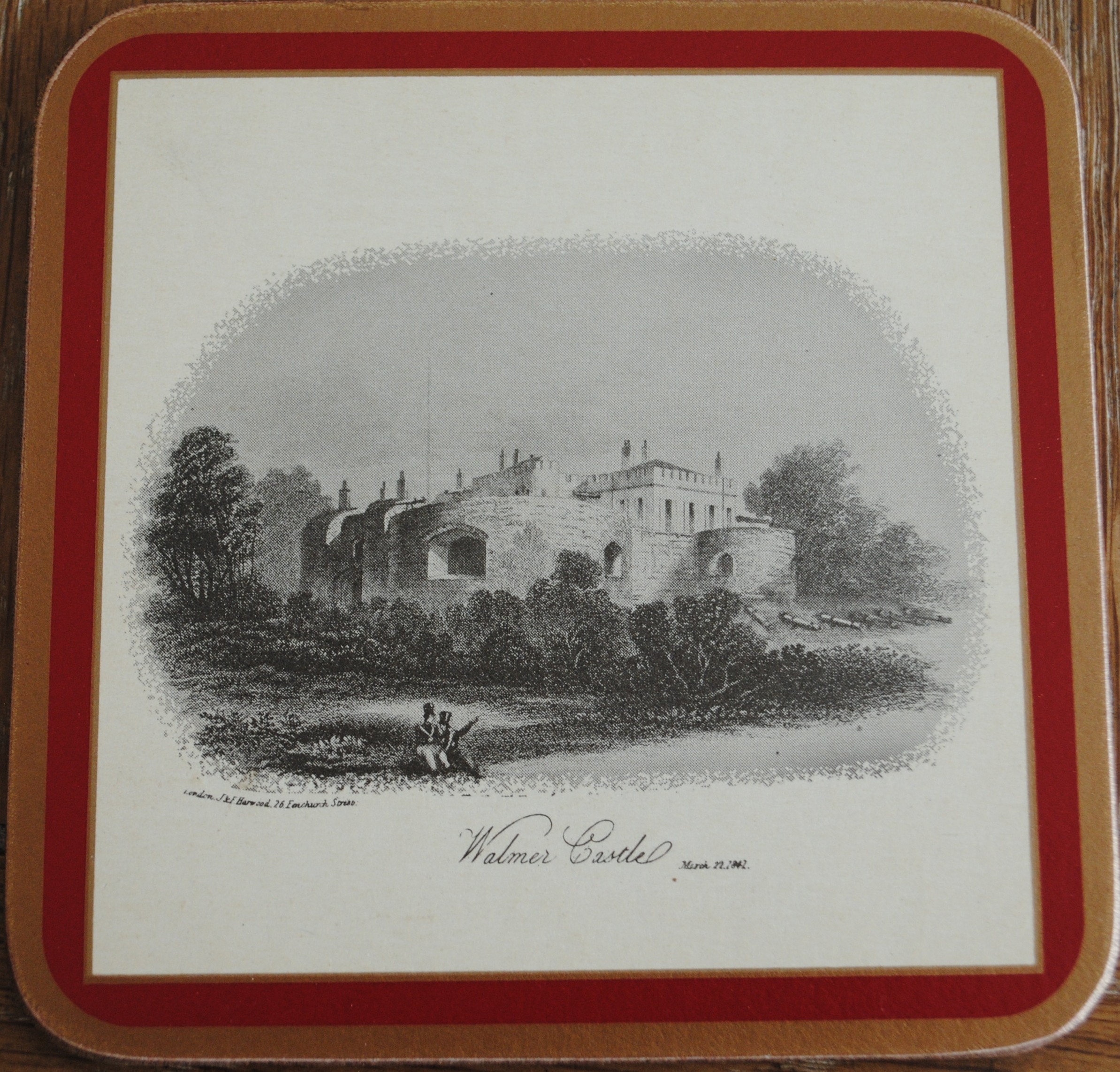
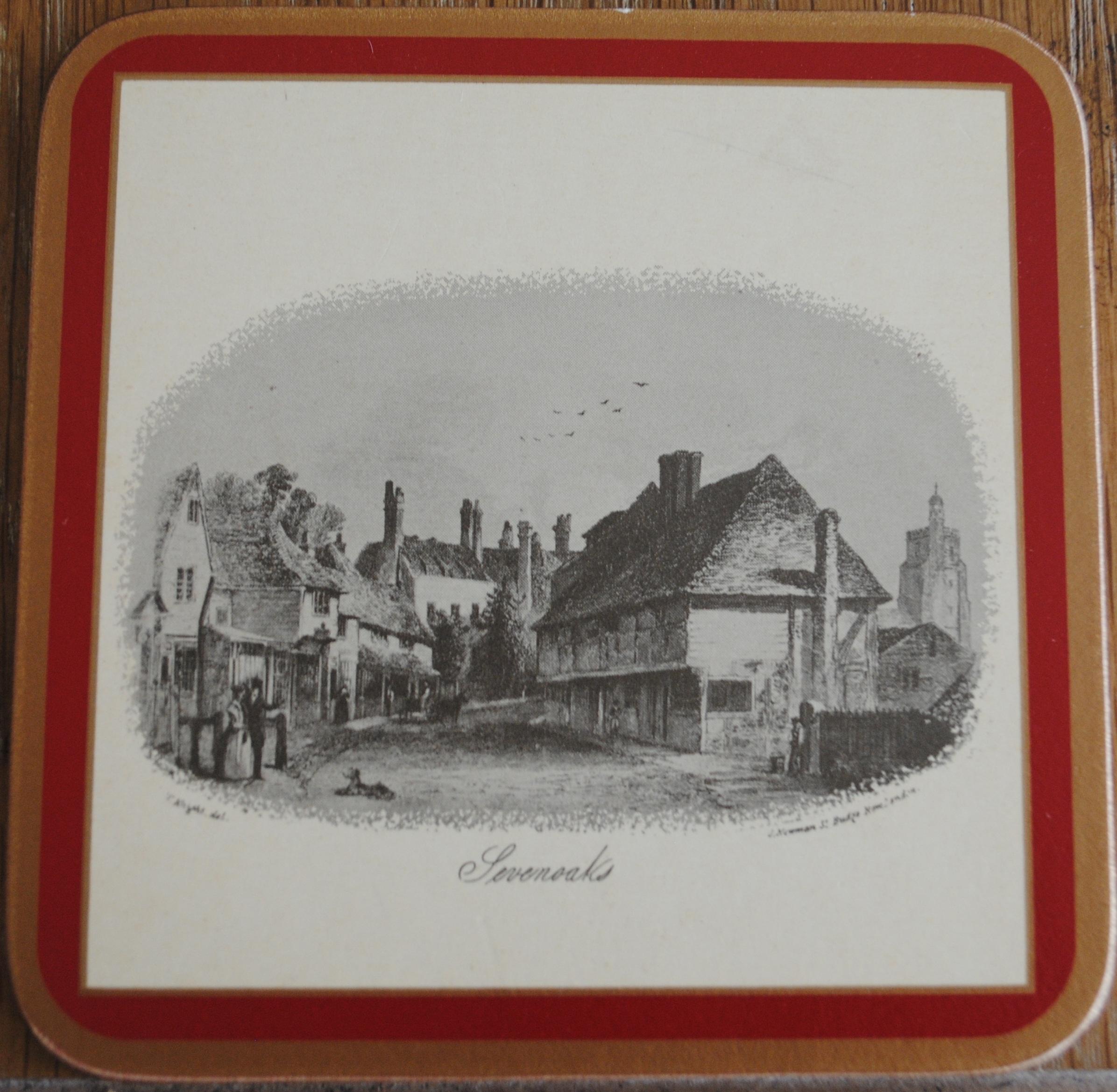
Browsing around an antique shop last week, I spotted a boxed set of six Pimpernel coasters, each coaster’s image an engraving of a British Heritage site in Kent, and all bordered by red and gold bands.

Pimpernel Coasters - British Heritage, Kent

Not sure how old these are – the box is plain white with an image on the front, but they were $3.00 in unused condition, and who could resist them? – all places that Jane Austen may have visited on her many trips to Kent [alas! my book Jane Austen in Kent by David Waldron Smithers is not in hand – I am lost!]

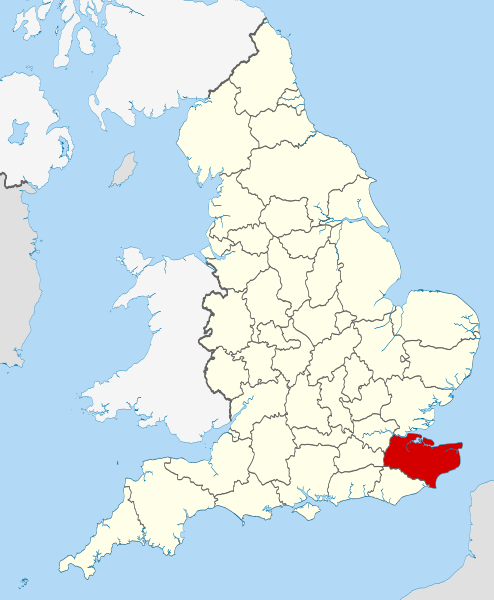
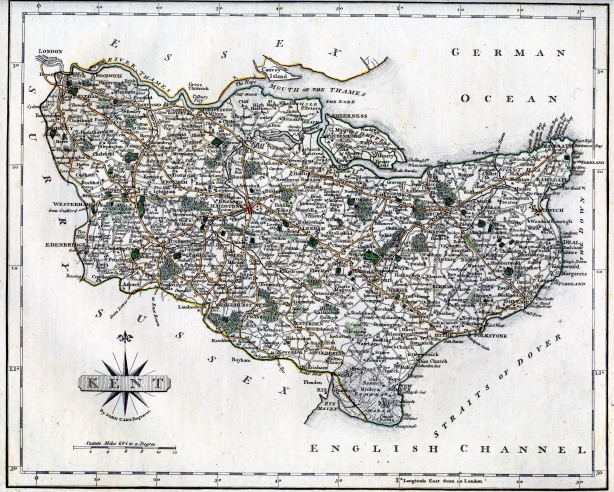
I have been to England many times, but have not seen the Jane Austen sites in Kent, so let’s take a short tour through these six coastered” sites, wondering if Austen visited any of them, beginning with, where IS Kent anyway?

Map of Kent’s location in England – wikipedia

and here a map of Kent, from Julie Wakefield’s Jane Austen Gazetteer

**********************

We do know that Jane Austen visited Kent many times, traveling through to her brother Edward Austen-Knight’s home at Godmersham Park, and staying in various coaching inns along the way:

 Godmersham Park – image from Frontispiece.co.uk

 and to Goodnestone Park, the home of the Bridges family and Jane Austen’s sister-in-law Elizabeth Bridges [when Austen’s brother Edward and Elizabeth first married, they lived in Rowling, a house on the Goodnestone estate.

Goodnestone Park (wikipedia)

Austen may have indeed visited each of these places on my now treasured coasters. We have only her letters to tell us for sure and I depend upon the homework already done by Deirdre Le Faye in her indexes to those letters [4th ed., Oxford, 2011], and by Julie Wakefield at the aforementioned sister site to Austenonly,  A Jane Austen Gazetteer, where Kentish sites are cross-referenced to the letters.

So here are the six places on the coasters – a perfect journey through Kent, with a little bit of history thrown in, and perhaps following in Jane Austen’s footsteps! 

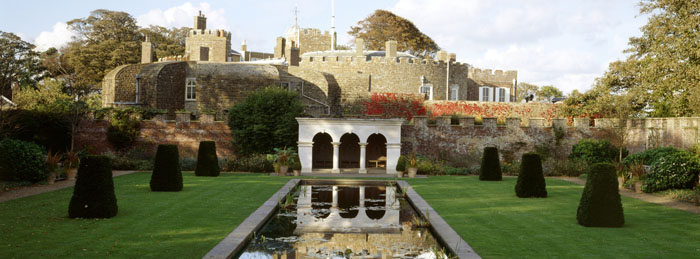
1. Walmer Castle, Kingsdown Road, Deal, Kent

Built during the reign of King Henry VIII, Walmer Castle is one of the most fascinating visitor attractions in the South East. Originally designed as part of a chain of coastal artillery defences it evolved into the official residence of the Lord Warden of the Cinque Ports. The Duke of Wellington held the post for 23 years and enjoyed his time spent at the castle and in recent years Her Majesty Queen Elizabeth the Queen Mother made regular visits to the castle.

The armchair in which Wellington died and an original pair of  ‘Wellington boots’ along with some of the rooms used by the Queen Mother are among the highlights. And with the magnificent gardens, a woodland walk and some excellent bird spotting there’s something for everyone to enjoy. There is also a pleasant cycle path along the beach front to nearby Deal Castle.

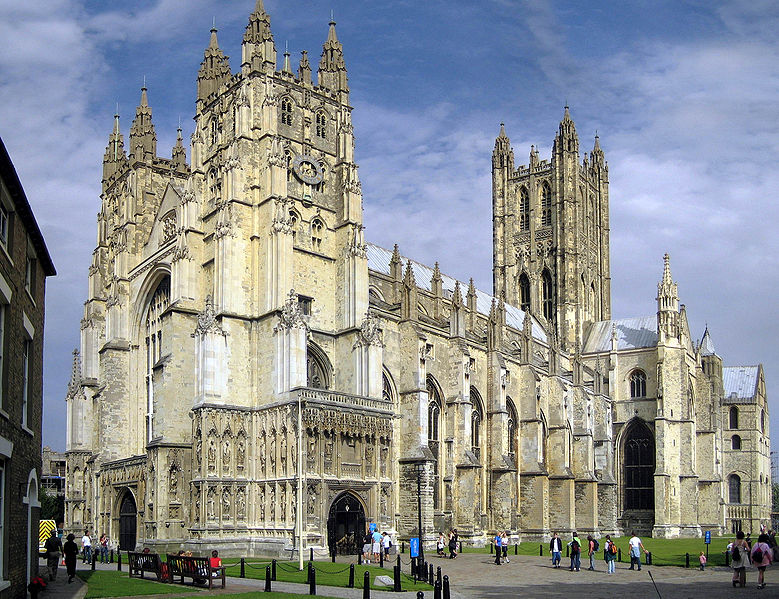
2. Canterbury Cathedral, Kent

St Augustine, the first Archbishop of Canterbury, arrived on the coast of Kent as a missionary to England in 597 AD. He came from Rome, sent by Pope Gregory the Great. It is said that Gregory had been struck by the beauty of Anglo slaves he saw for sale in the city market and dispatched Augustine and some monks to convert them to Christianity.

Augustine was given a church at Canterbury (St Martin’s, after St Martin of Tours, still standing today) by the local King, Ethelbert whose Queen, Bertha, a French Princess,, was already a Christian. This building had been a place of worship during the Roman occupation of Britain and is the oldest church in England still in use. (from the Cathedral website) 

Canterbury Cathedral - wikipedia

3.  Rochester Castle,  Ken 

“It wanted five minutes of twelve when we left Sittingbourne, from whence we had a famous pair of horses, which took us to Rochester in an hour and a quarter; the postboy seemed determined to show my mother that Kentish drivers were not always tedious, and really drove as fast as Cax.”

Austen’s letter No. 9 of 24 Oct. 1798. Letters p. 14.

Rochester Castle stands on the east bank of the River Medway in Rochester, Kent, England. The 12th-century keep or stone tower, which is the castle’s most prominent feature, is one of the best preserved in England or France. Located along the River Medway and Watling Street, Rochester was a strategically important royal castle. During the medieval period it helped protect England’s south-east coast from invasion. The first castle at Rochester was founded in the aftermath of the Norman Conquest. It was given to Bishop Odo by his half-brother, William the Conqueror. During the Rebellion of 1088 over the succession to the English throne, Odo supported Robert Curthose, the Conqueror’s eldest son, against William Rufus. It was during this conflict that the castle first saw military action; the city and castle were besieged after Odo made Rochester a headquarters for the rebellion. After the garrison capitulated, this first castle was abandoned. [wikipedia]

Rochester Castle – English Heritage

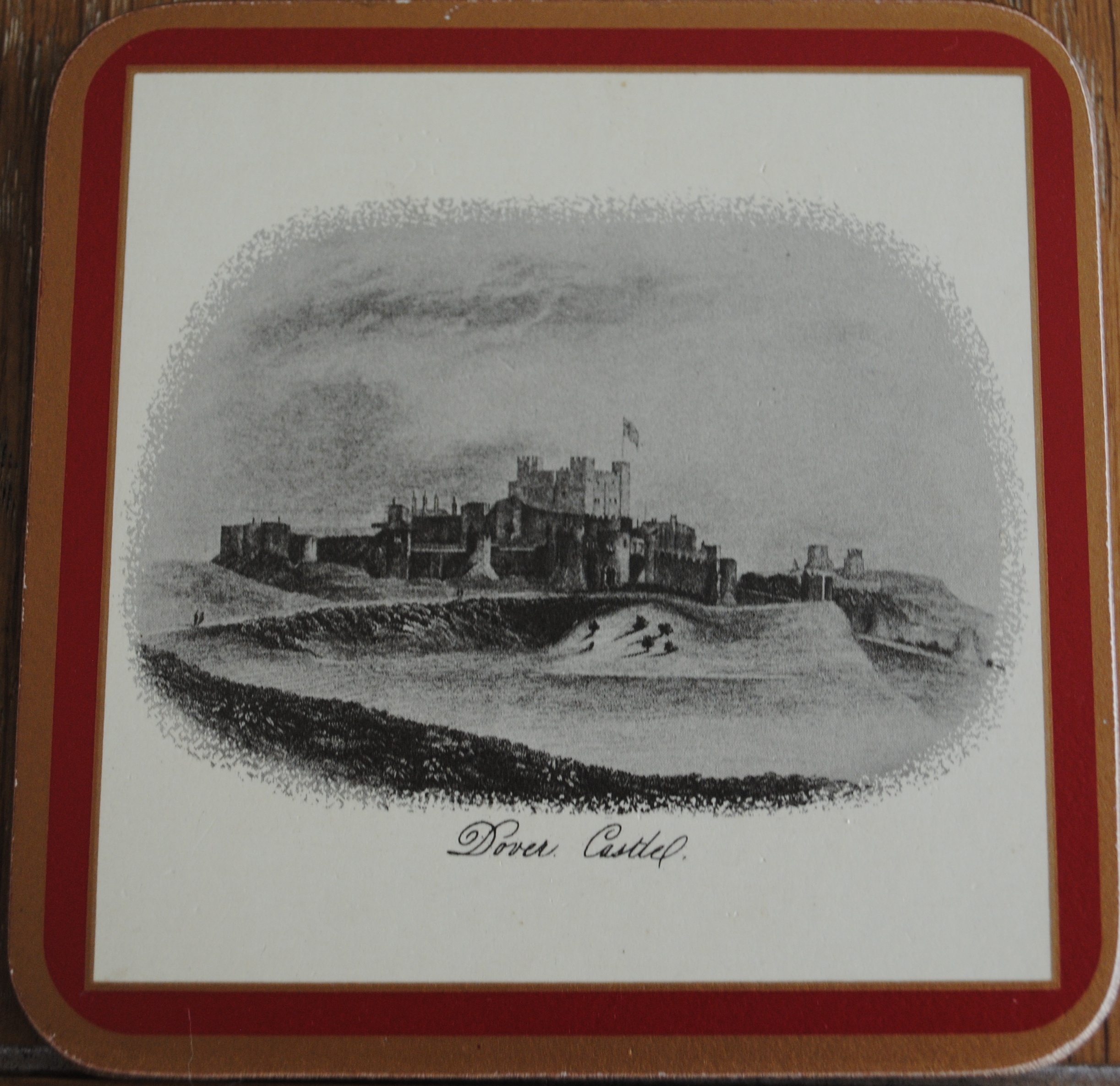
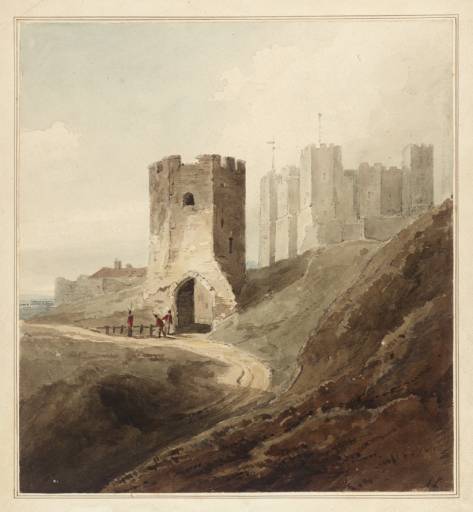
4. Dover Castle, Castle Hill, Dover, Kent

Commanding the shortest sea crossing between England and the continent, Dover Castle has a long and immensely eventful history. Many centuries before King Henry II began the great stone castle here in the 1160s, its spectacular site atop the famous ‘White Cliffs’ was an Iron Age hill fort, and it still houses a Roman lighthouse, one of the best-preserved in Europe. The Anglo-Saxon church beside it was once probably part of a Saxon fortified settlement: very soon after his victory at Hastings in 1066, this was converted by William the Conqueror into a Norman earthwork and timber-stockaded castle.

From then on Dover Castle was garrisoned uninterruptedly until 1958, a continuous nine-century span equalled only by the Tower of London and Windsor Castle. The stronghold hosted royal visits by Henry VIII, Elizabeth I and Charles I’s Queen Henrietta Maria: and from 1740 until 1945, its defences were successively updated in response to every European war involving Britain. [from English Heritage]

Dover Castle, by Amelia Long (Lady Farnborough) 1772-1837, No date, prior to 1837
Source: Tiny image at the Tate Gallery


5.  Sevenoaks, Kent.

Francis Austen, a great-uncle of Jane’s, was a solicitor in Sevenoaks.  Austen sends a letter to her cousin Philadelphia Walter in Seal, an area of Sevenoaks [Ltr. 8]. 

Sevenoaks is a commuter town situated on the London fringe of west Kent, England, some 20 miles (31.2 km) south-east of Charing Cross, on one of the principal commuter rail lines from the capital. The town gives its name to the Sevenoaks district, of which it is the principal town, followed by Swanley and Edenbridge.

The presence of Knole House, a large mansion, led to the earlier settlement becoming a village and in the 13th century a market was established. Sevenoaks became part of the modern communications network when one of the earlier turnpikes was opened in the 18th century; the railway was relatively late in reaching it. [wikipedia]

Knole House image:  Morris’s Seats of Noblemen and Gentlemen (1880) – wikipedia

High Street in Chiddingstone, a village in the Sevenoaks area, [and where James Stanier Clarke visits when he is writing to Jane Austen in Letters 125(A) and 132(A)], has been described as “the most perfect surviving example of a Tudor village in the county.”

Sevenoaks High Street: image from Grosvenor Prints

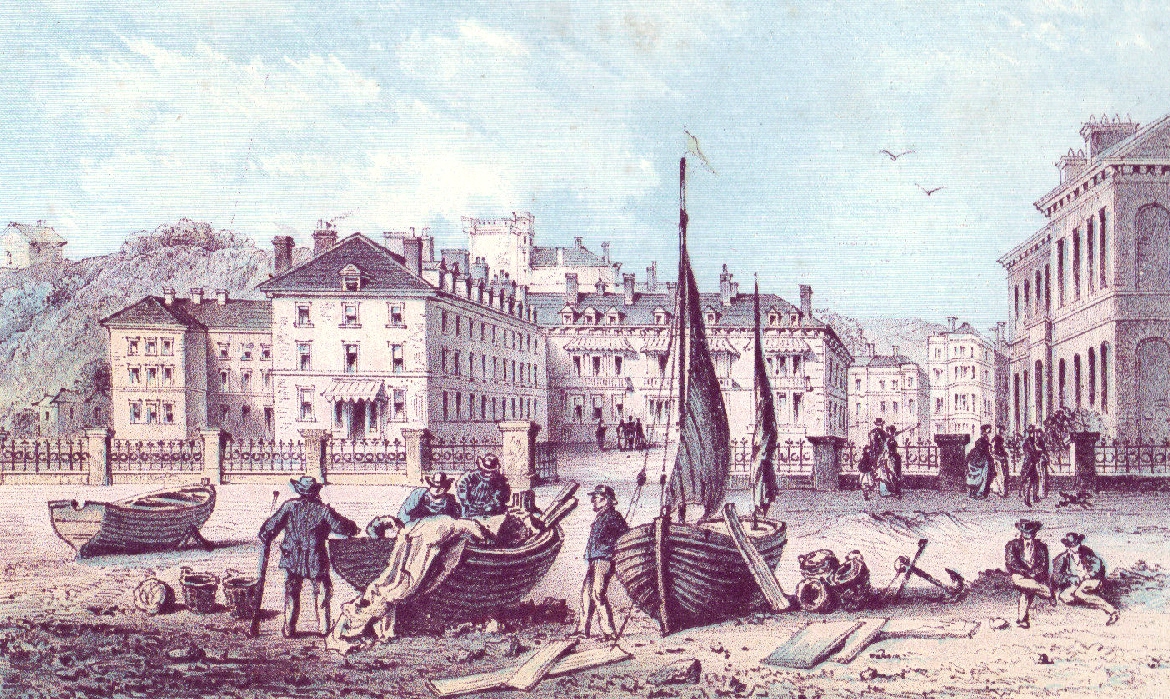
6.  Folkstone Harbour & Pavillion, Kent

A Norman knight held a Barony of Folkestone, by which time the settlement had become a fishing village. That led to its entry as a part of the Cinque Ports in the thirteenth century and with that the privilege of being a wealthy trading port. At the start of the Tudor period it had become a town in its own right. Wars with France meant that defences had to be built here and soon plans for a Folkestone Harbour began. Folkestone, like most settlements on the south coast, became involved in smuggling during the eighteenth century. At the beginning of the 1800s a harbour was developed, but it was the coming of the railways in 1843 that would have the bigger impact.

 Until the 19th century Folkestone remained a small fishing community with a seafront that was continually battered by storms and encroaching shingle that made it hard to land boats. In 1807 an Act of Parliament was passed to build a pier and harbour which was built by Thomas Telford in 1809. By 1820 a harbour area of 14 acres (5.7 hectares) had been enclosed. Folkstone’s trade and population grew slightly but development was still hampered by sand and silt from the Pent Stream. The Folkestone Harbour Company invested heavily in removing the silt but with little success. In 1842 the company became bankrupt and the Government put the derelict harbour up for sale. It was bought by the South Eastern Railway Company (SER), which was then building the London to Dover railway line. George Turnbull was responsible in 1844 for building the Horn pier. Dredging the harbour, and the construction of a rail route down to it, began almost immediately, and the town soon became the SER’s principal packet station for the Continental traffic to Boulogne.

Image and text from Folkestone History.org

****************************

So thank you for joining me on my journey through Kent – I should like to write more on this, once I have my proper research tools in hand – especially about the coaching inns that Austen stayed in her travels – so stay tuned please! And if any of you have any Kentish tales to share, especially those involving Jane Austen, please do!

And with hearty thanks to Julie at Austenonly for her references and map and to Deirdre Le Faye for her invaluable indexes!

Copyright @2012 Jane Austen in Vermont