Austen Literary History & Criticism · Decorative Arts · Fashion & Costume · Georgian England · Great Britain - History · Jane Austen · Jane Austen Circle · Jane Austen Popular Culture · JASNA · London · Museum Exhibitions · Regency England · Social Life & Customs

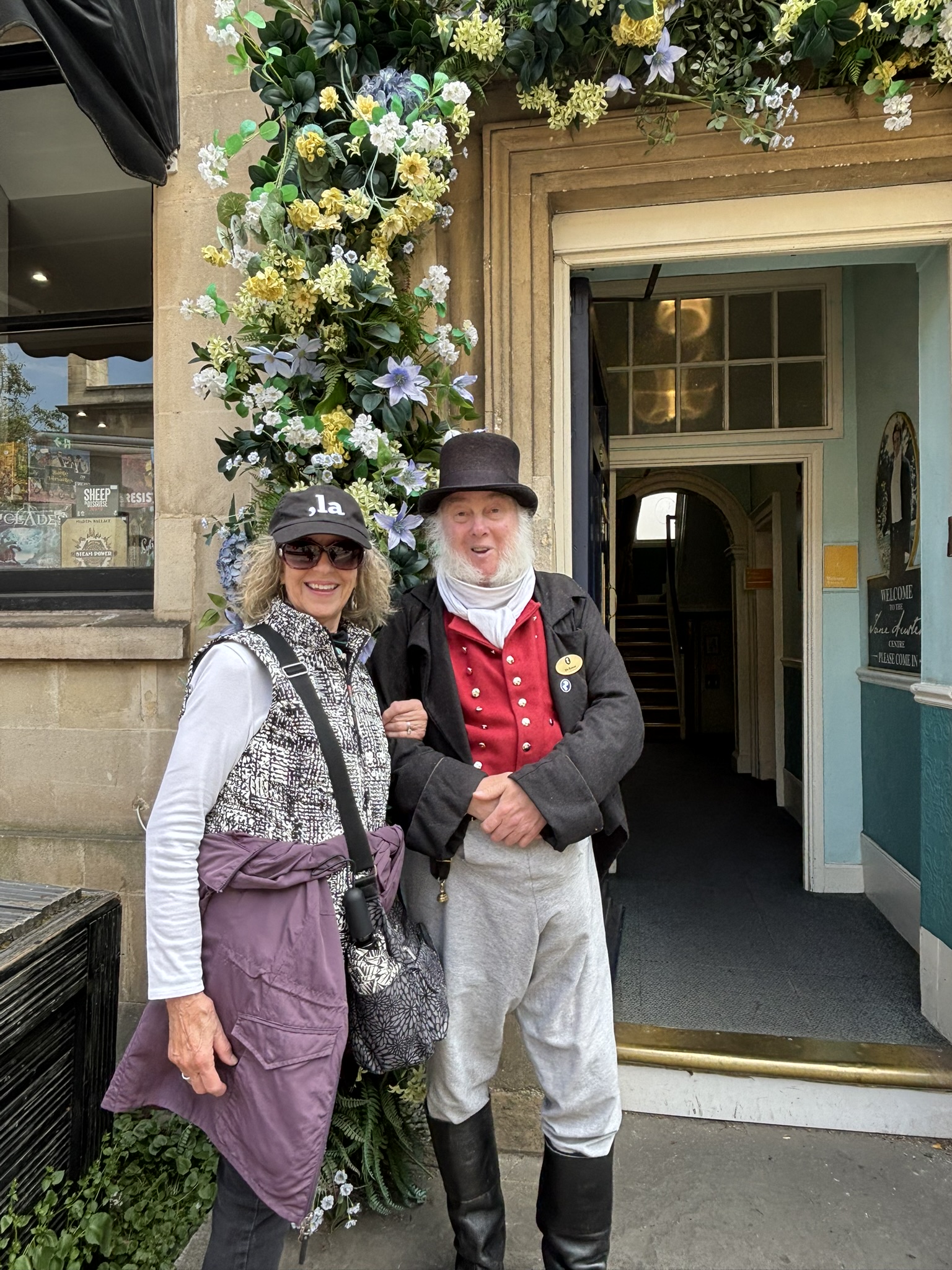
Adventures with Jane! Day XIII & XIV: Books, Fabrics, a Palace, ‘Clueless,’ and Home!

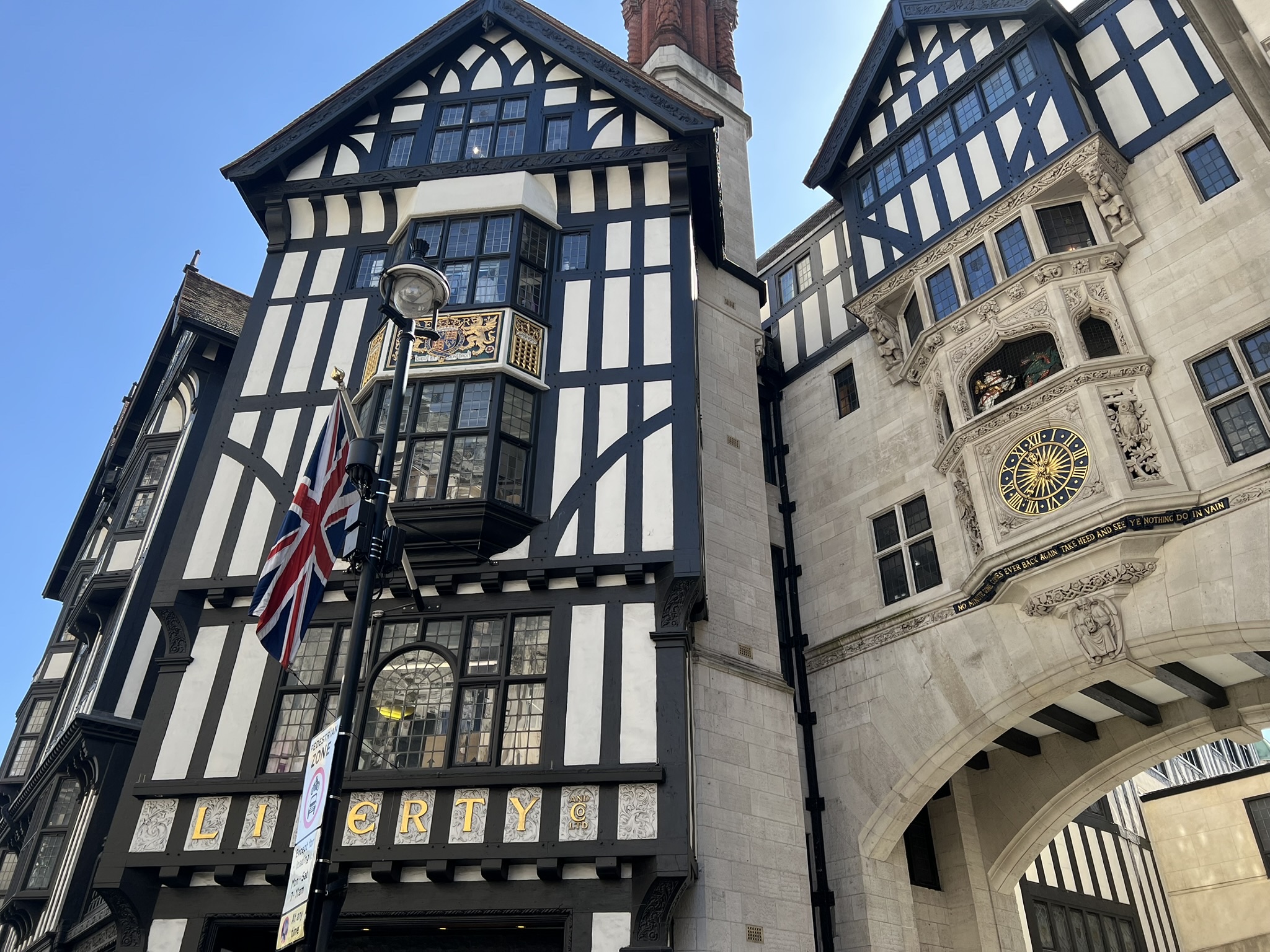
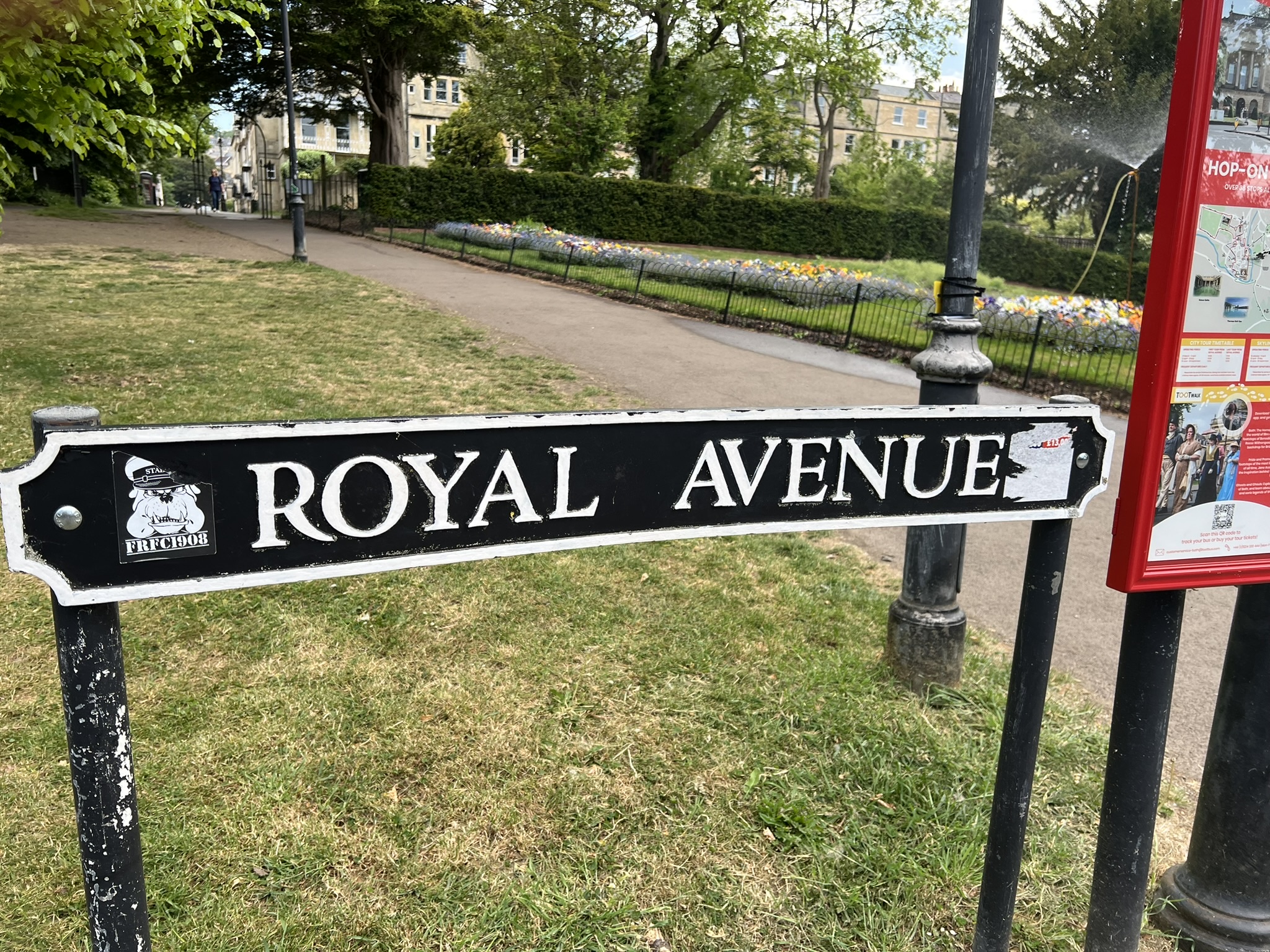
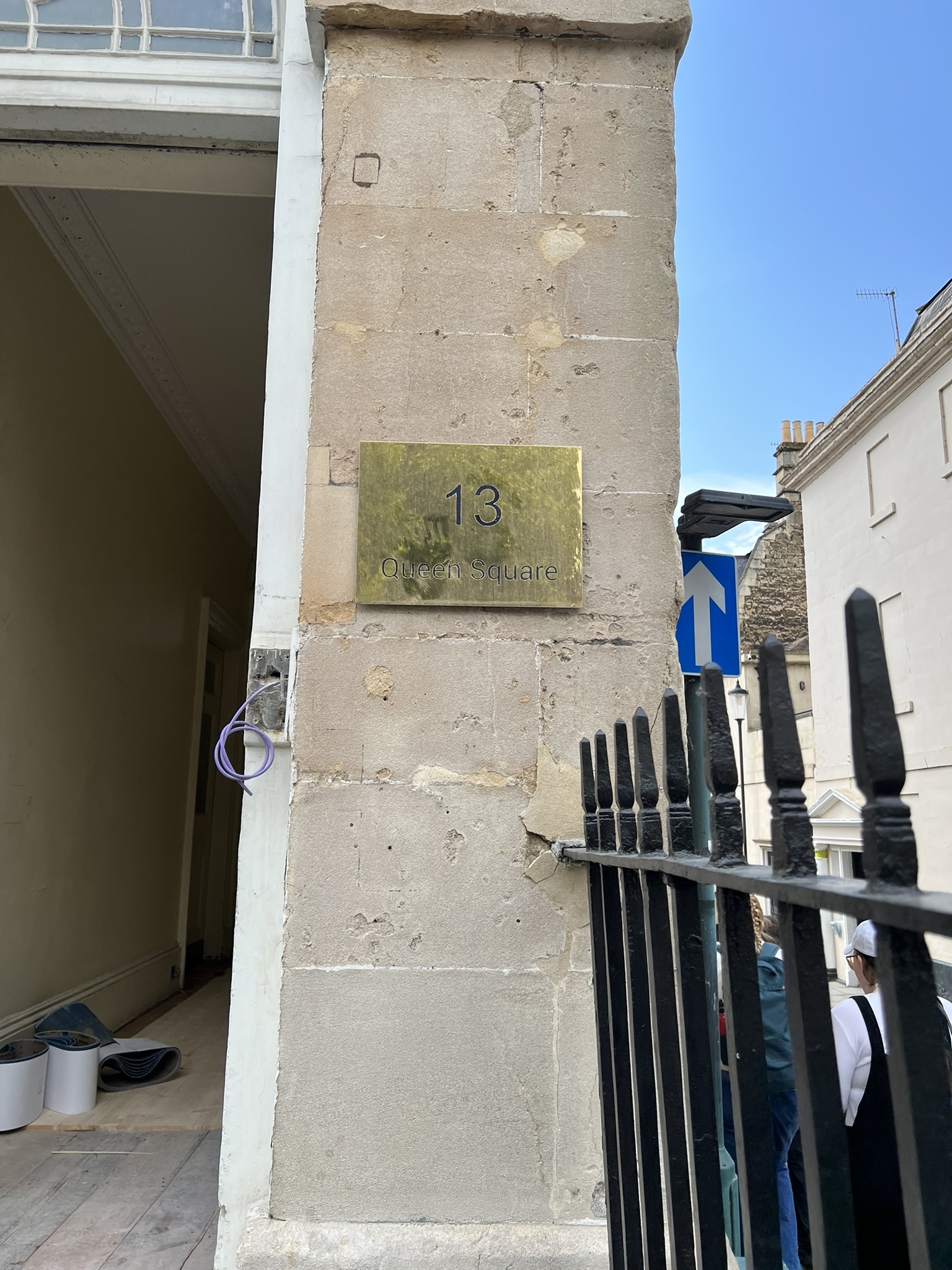
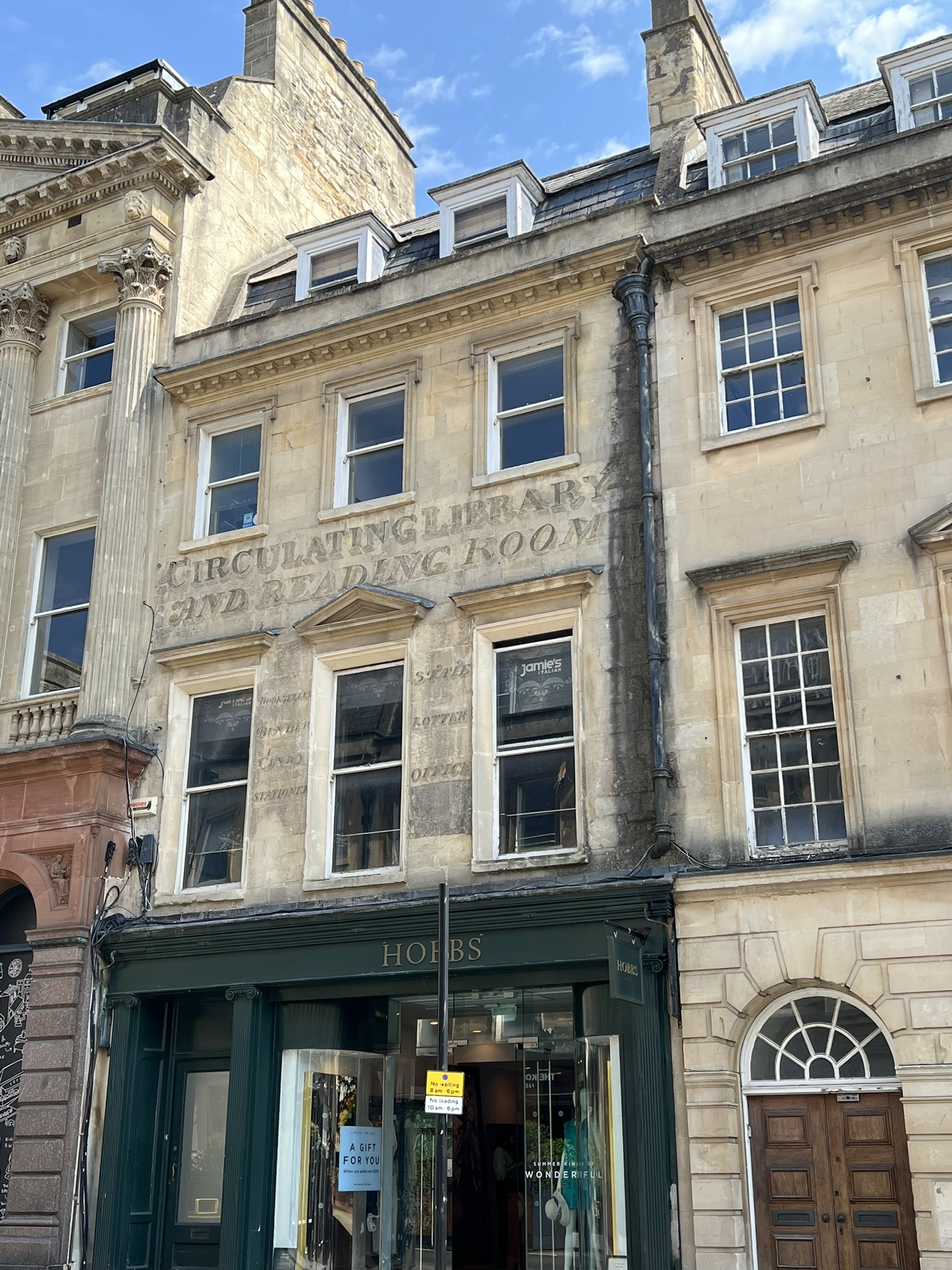
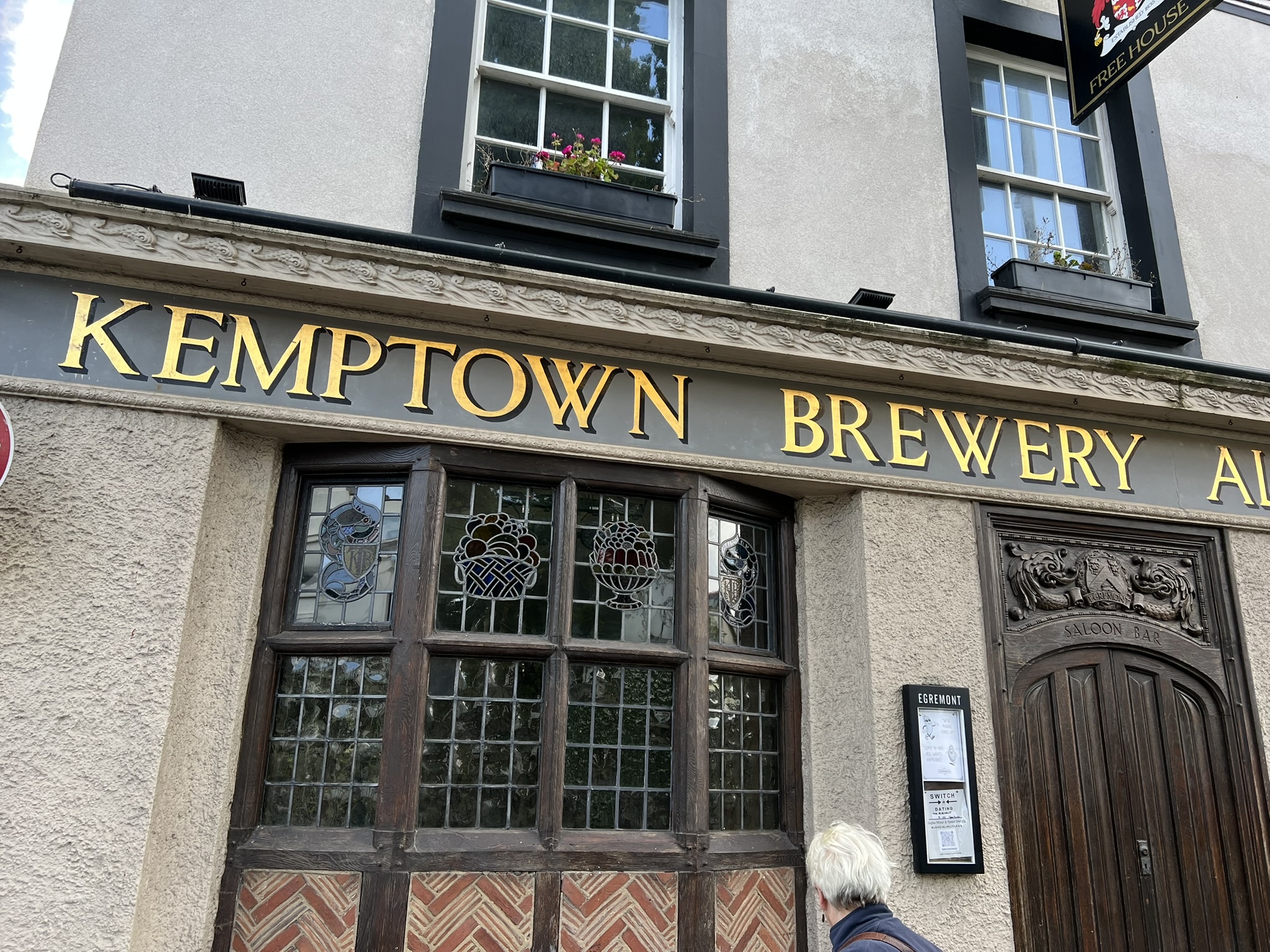
[Mr. Holmes is a topic for another day – a full post just on these changing signs is way past due…]

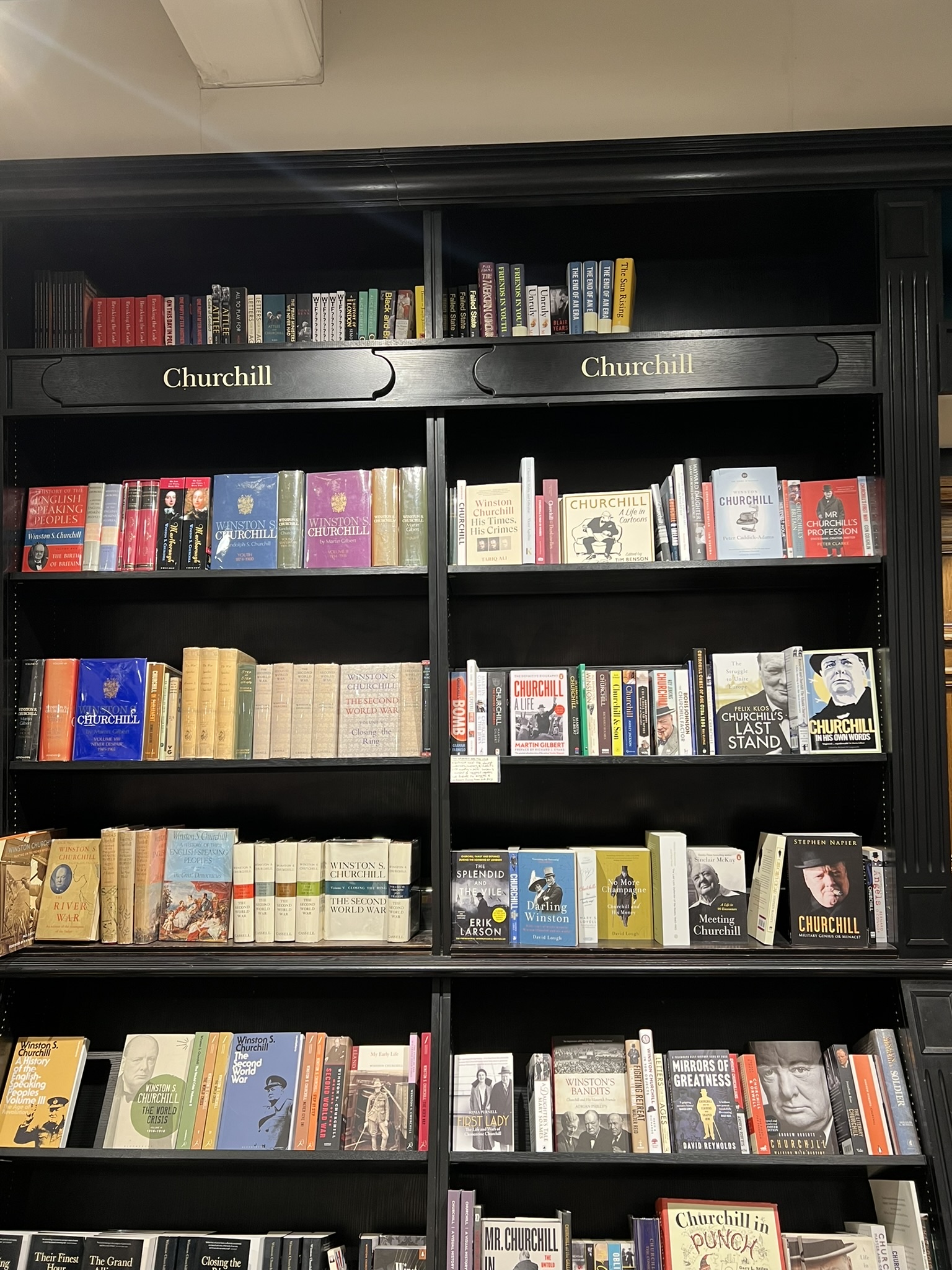
And of course a Richard III – because even Jane thought he was an innocent man…

Austen Literary History & Criticism · Decorative Arts · Georgian England · Georgian Period · Great Britain - History · Jane Austen · Jane Austen Circle · Jane Austen Illustrators · Jane Austen Popular Culture · JASNA · Museum Exhibitions · Regency England · Travel

Adventures with Jane! Day XI: Bath, Bridgerton, and Rugby…

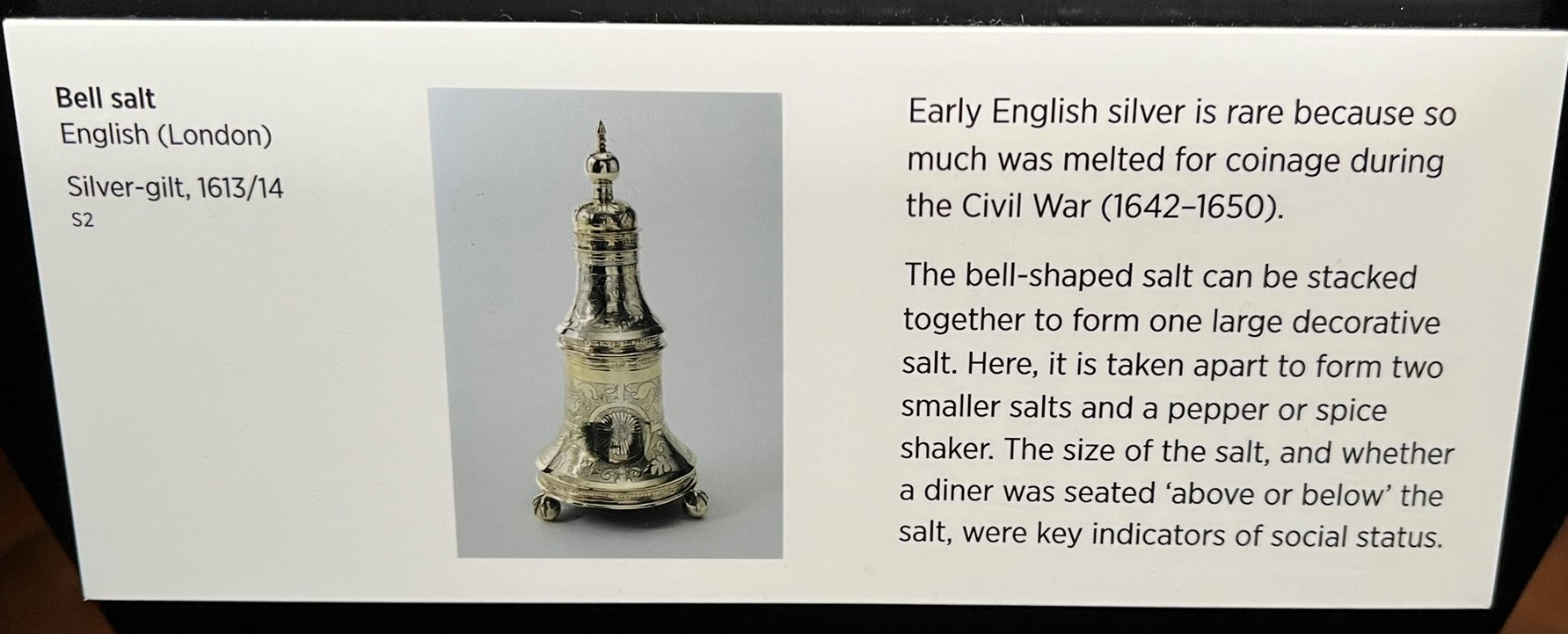
English silver:

https://www.janeaustensummer.org/post/here-s-where-jane-austen-s-real-life-and-persuasion-intersect-in-bath

c2025JaneAustenInVermont
Austen Literary History & Criticism · Georgian England · Georgian Period · Great Britain - History · Jane Austen · Jane Austen Circle · Jane Austen Popular Culture · JASNA · Museum Exhibitions · Regency England · Travel

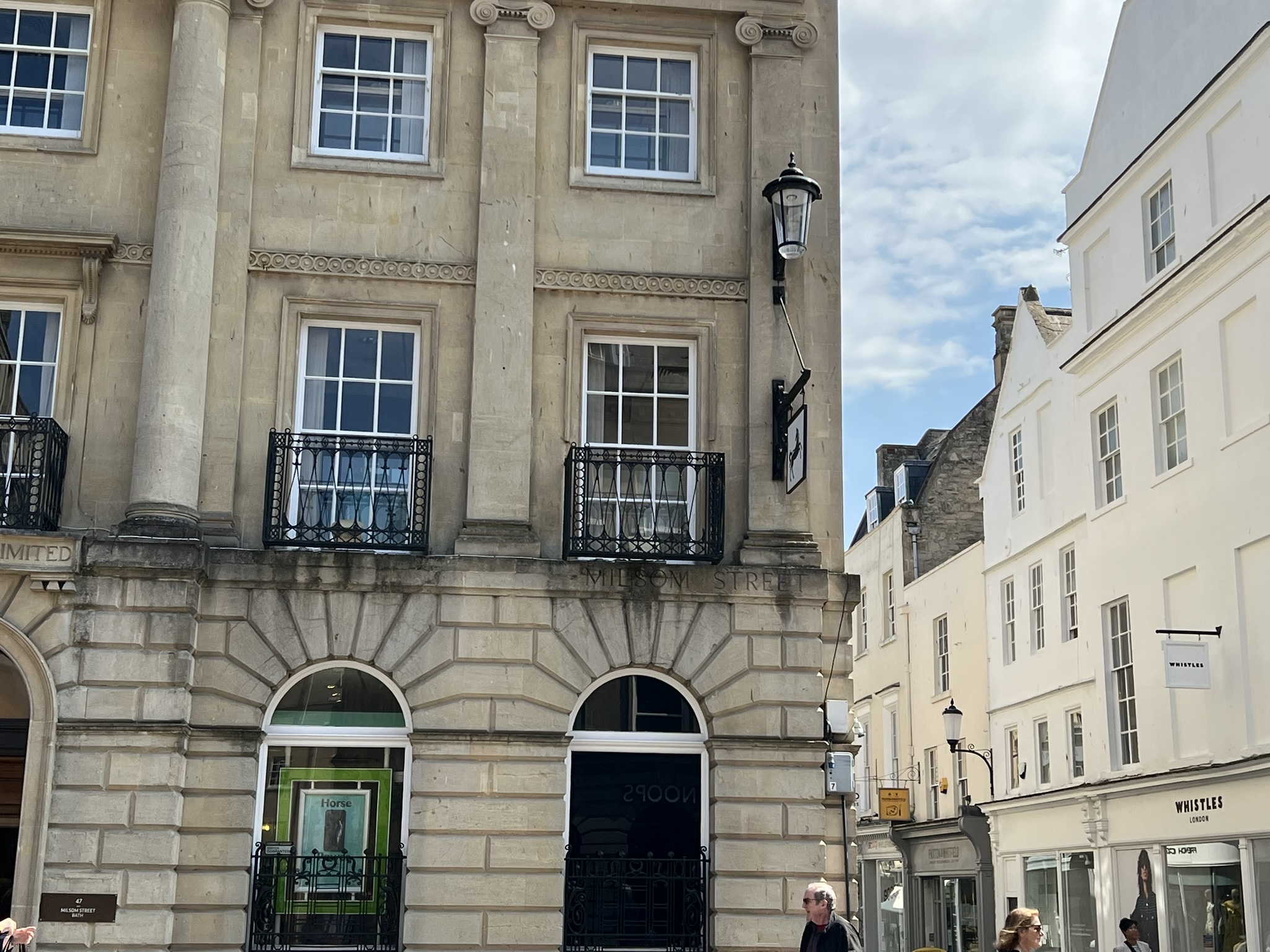
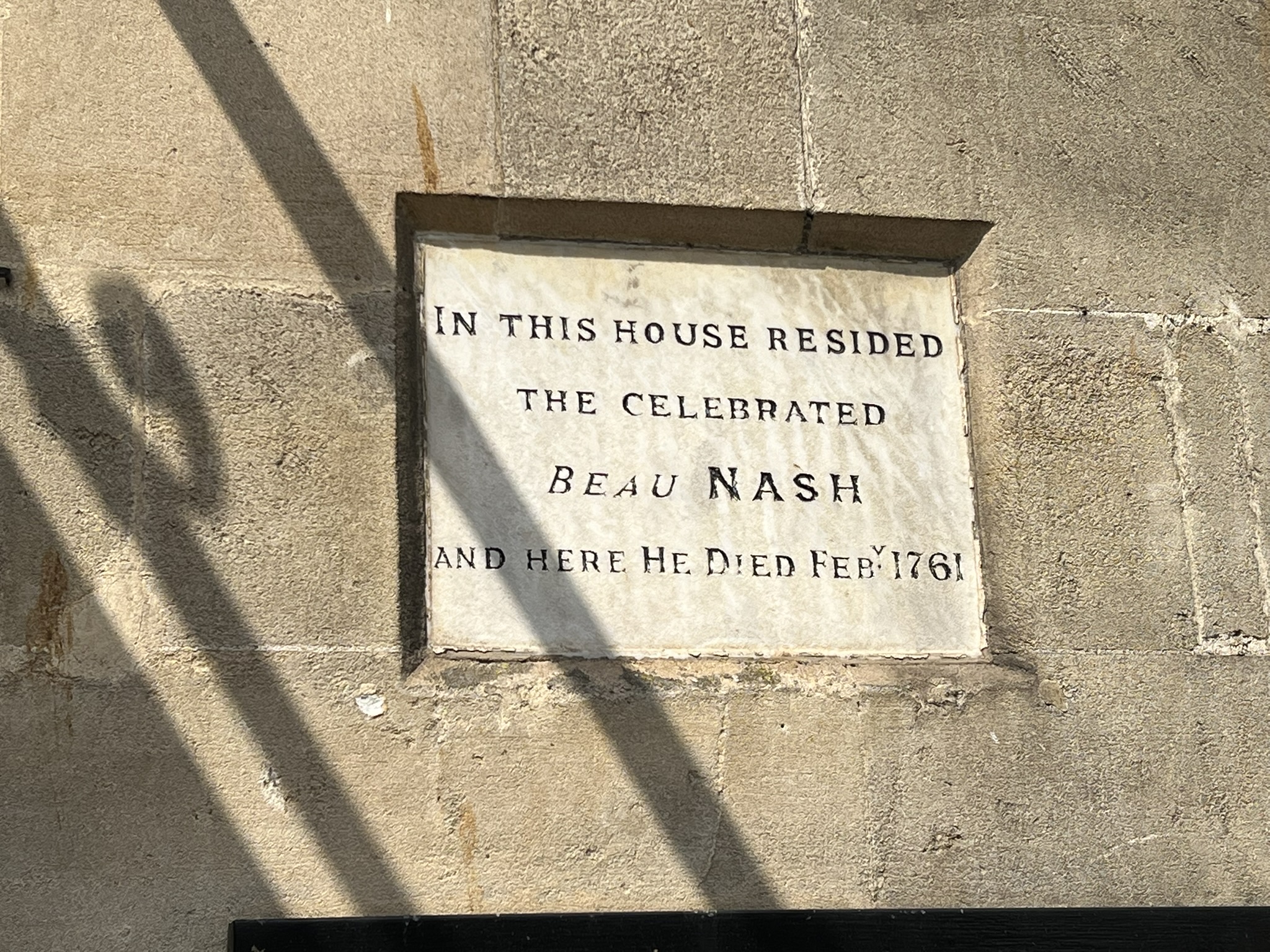
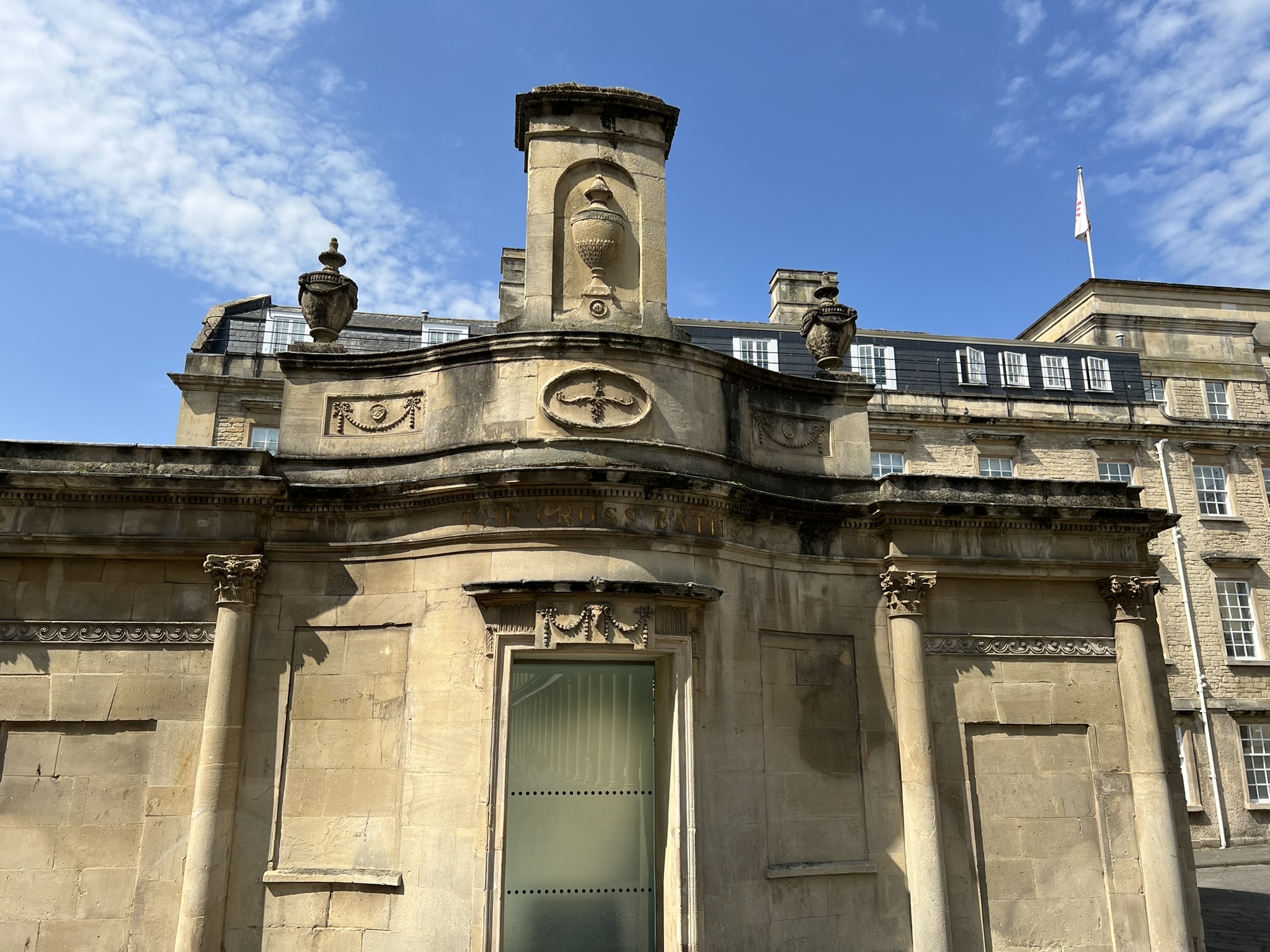
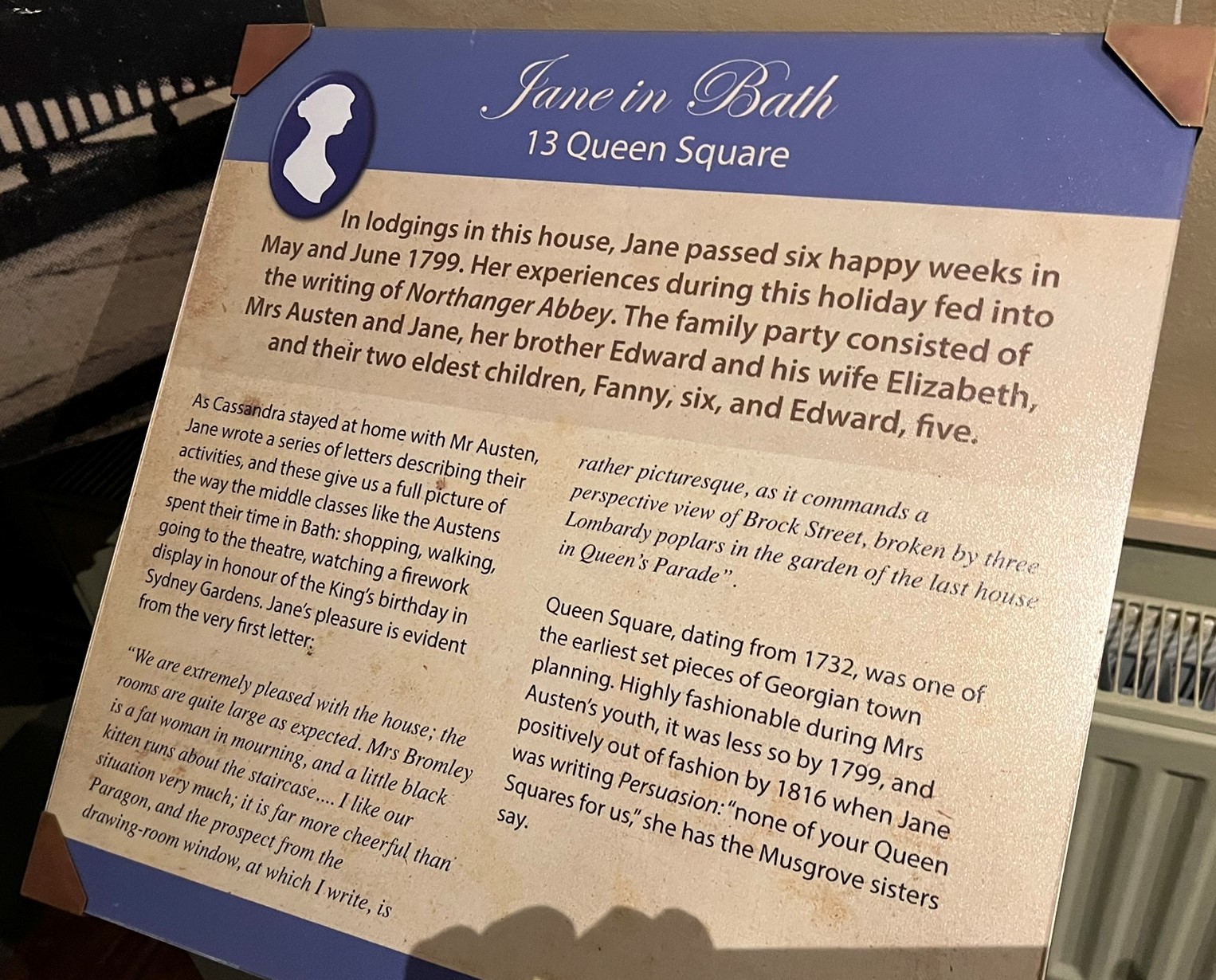
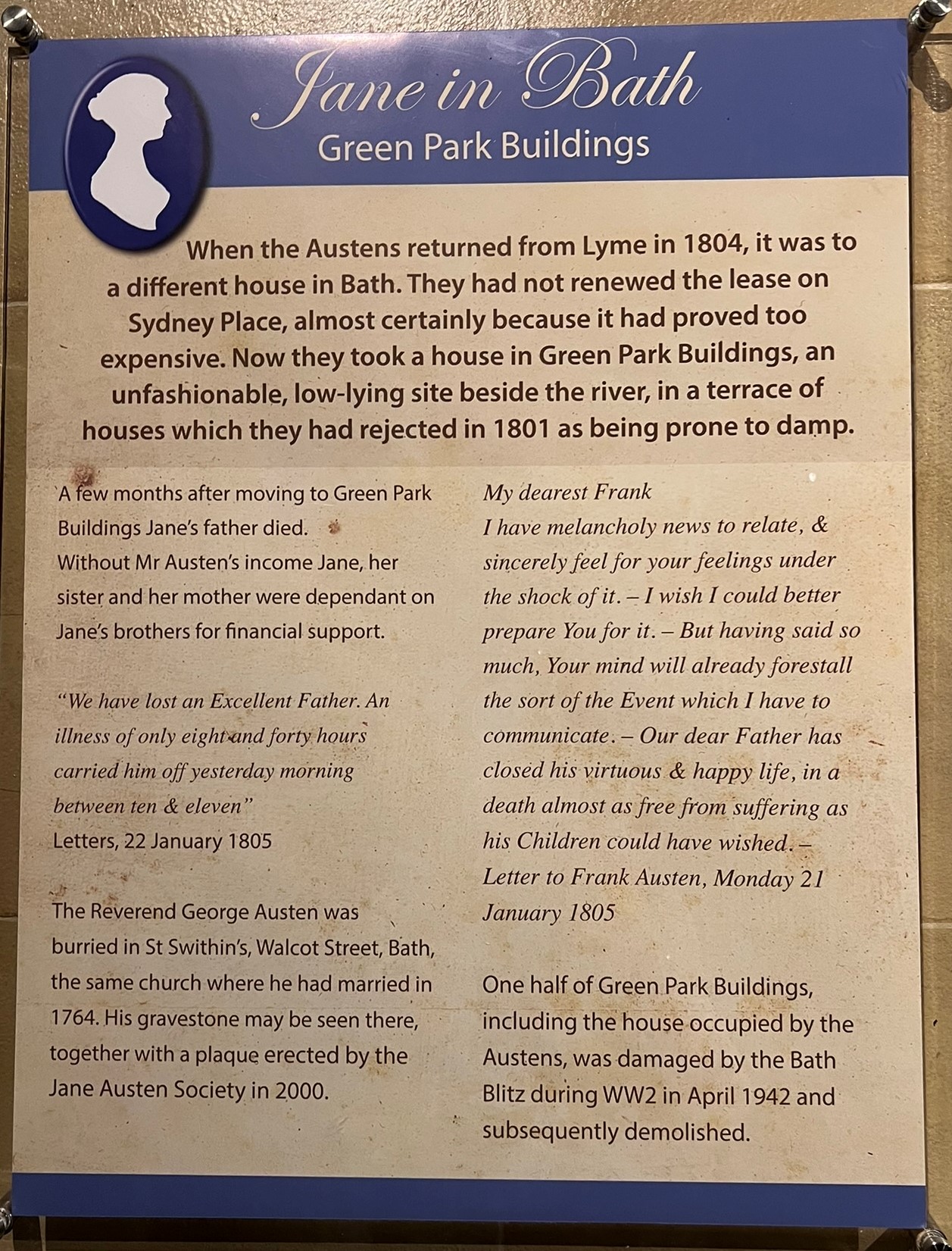
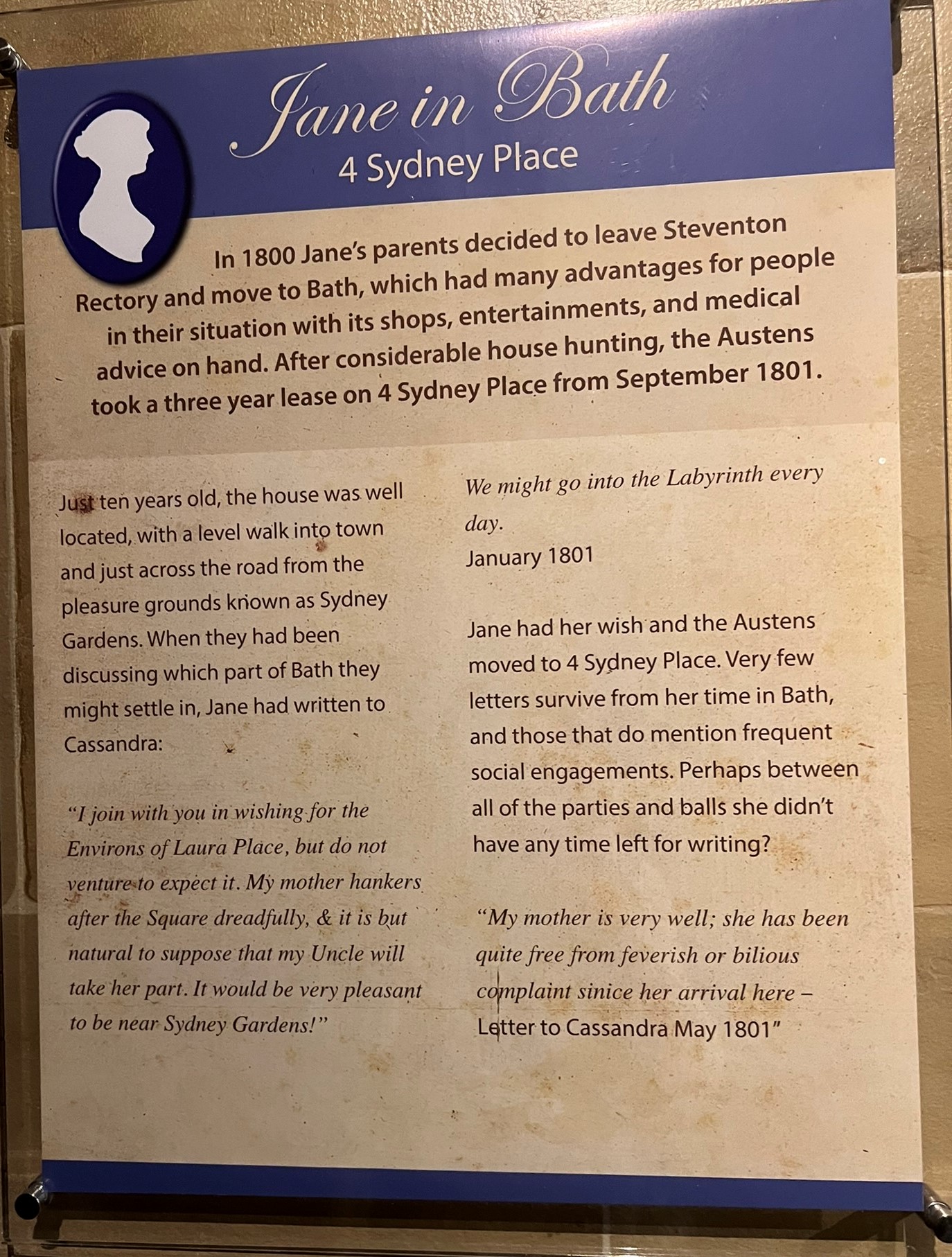
Adventures with Jane! Day X: It’s all about Bath

***********

  • The Nibbs Family [James Langford Nibbs]
  • Dr. William Bowen – doctor to Mrs C Auysten in 1804
  • William Siddons, husband to Sarah
  • Admiral Sir William Hargood [Francixs Austen’s Canoppus
  • Caleb Hillier Parry
  • The Famous Castrata Rauzzioni

And another day is done…

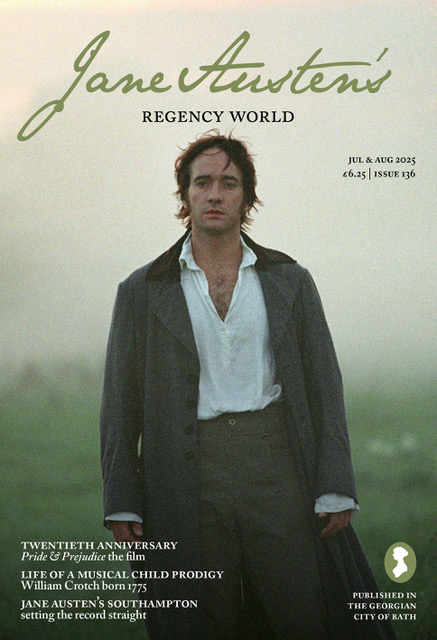
* Latest issue of JARW: [always a pleasure to see Mr. Darcy in the fog…]

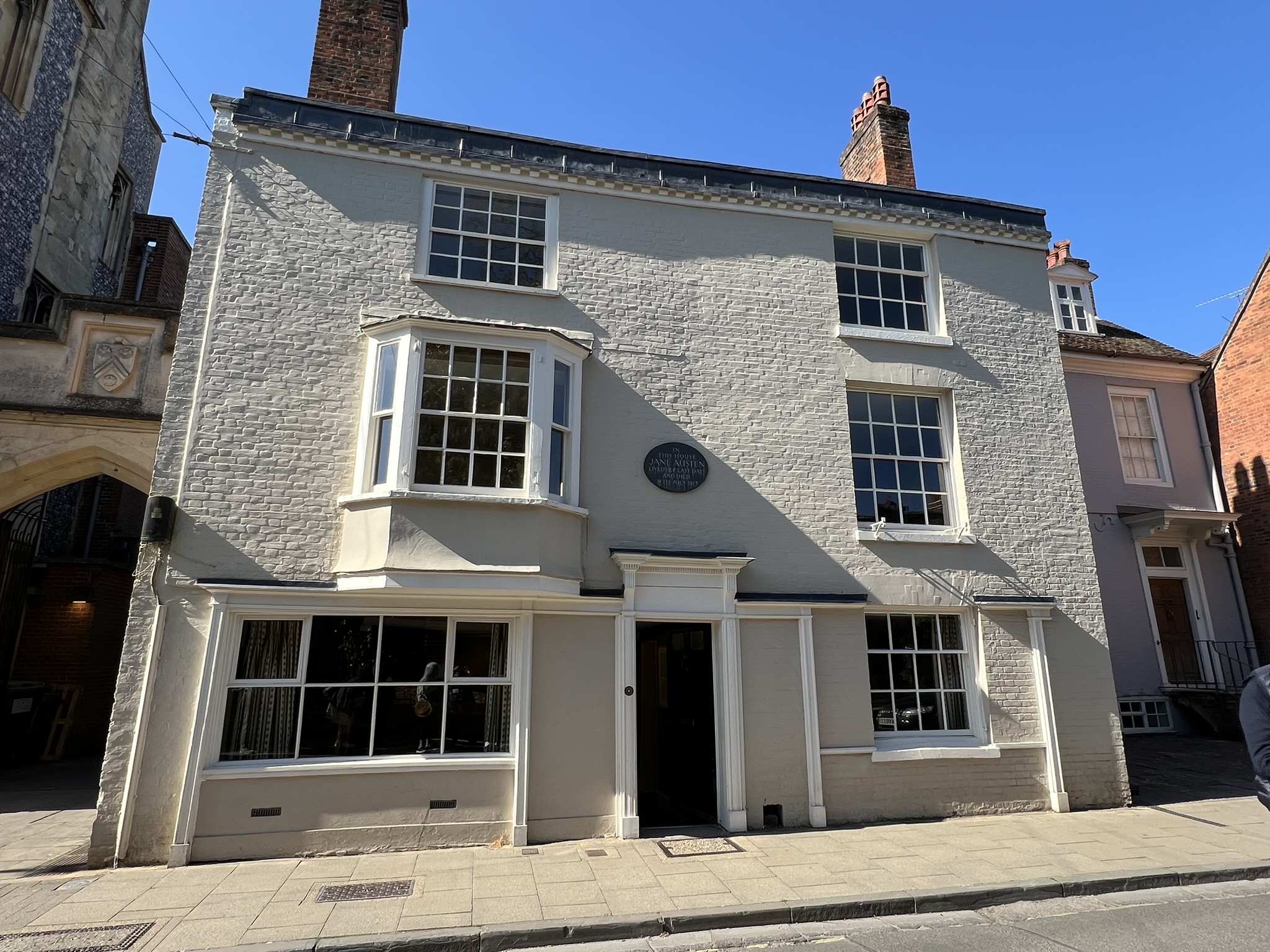
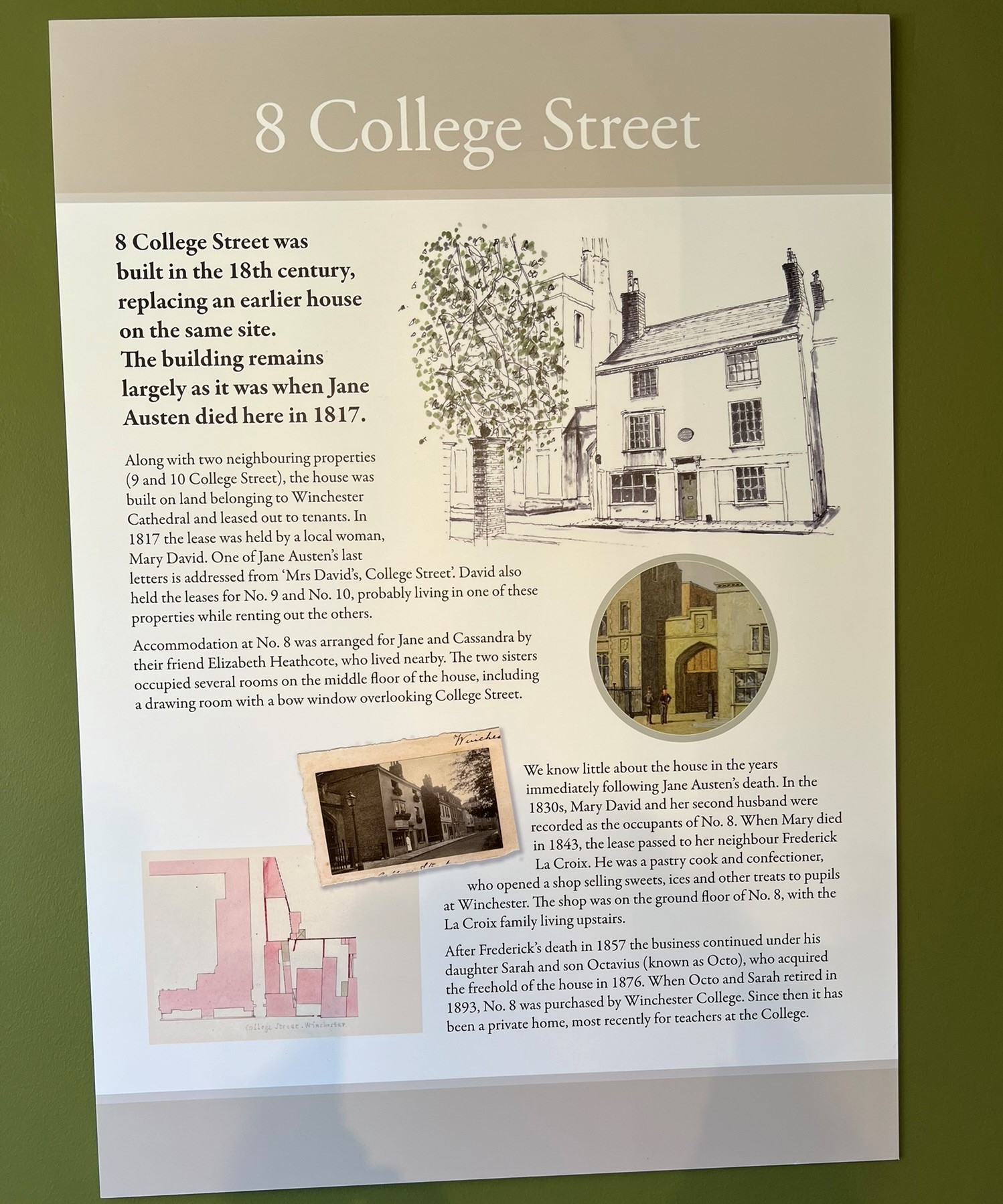
and another great sign:

c2025JaneAustenInVermont
Austen Literary History & Criticism · Great Britain - History · Jane Austen · Jane Austen Circle · Jane Austen Genealogy · Jane Austen Popular Culture · JASNA · Museum Exhibitions · Rare Books · Regency England

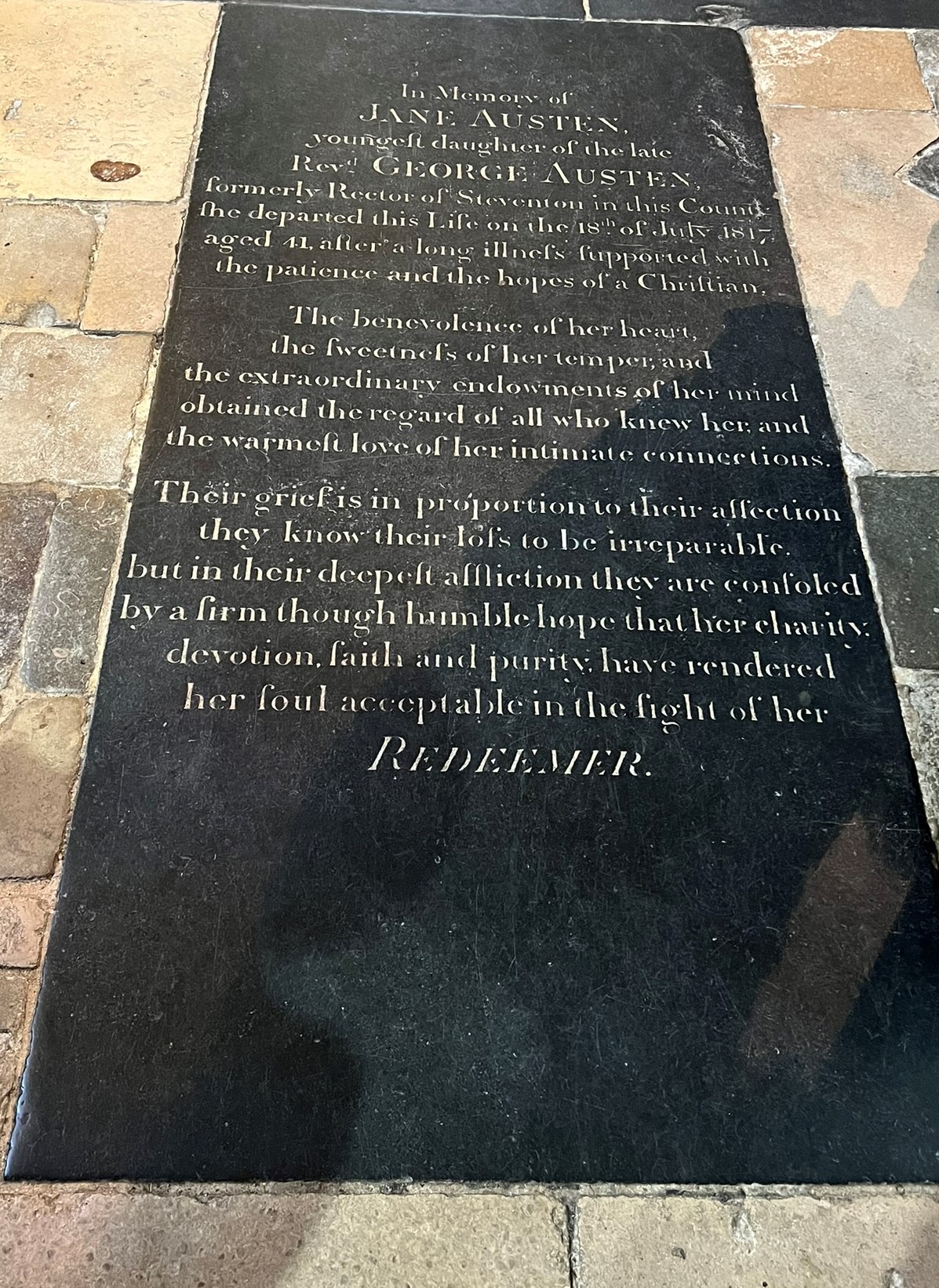
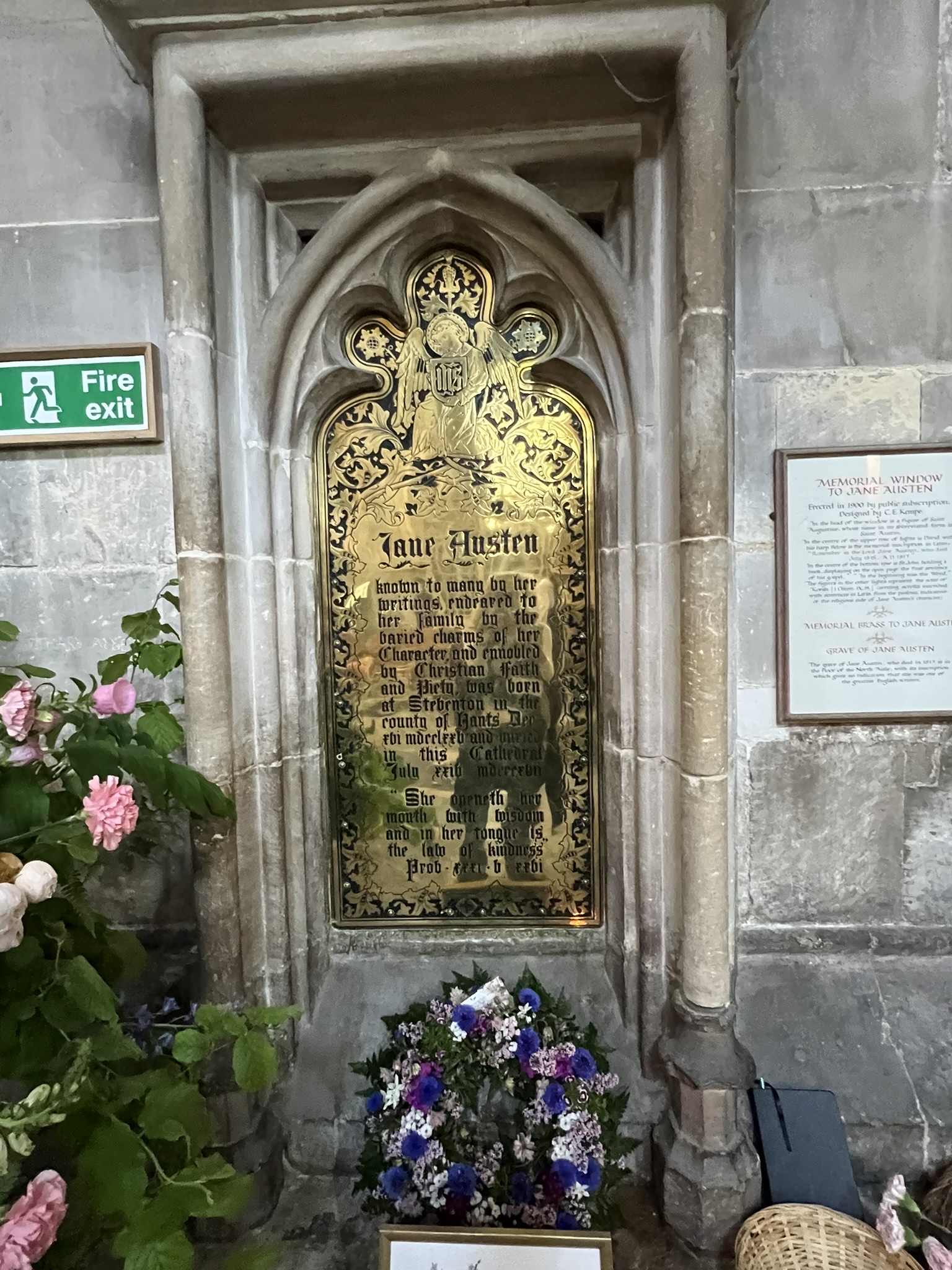
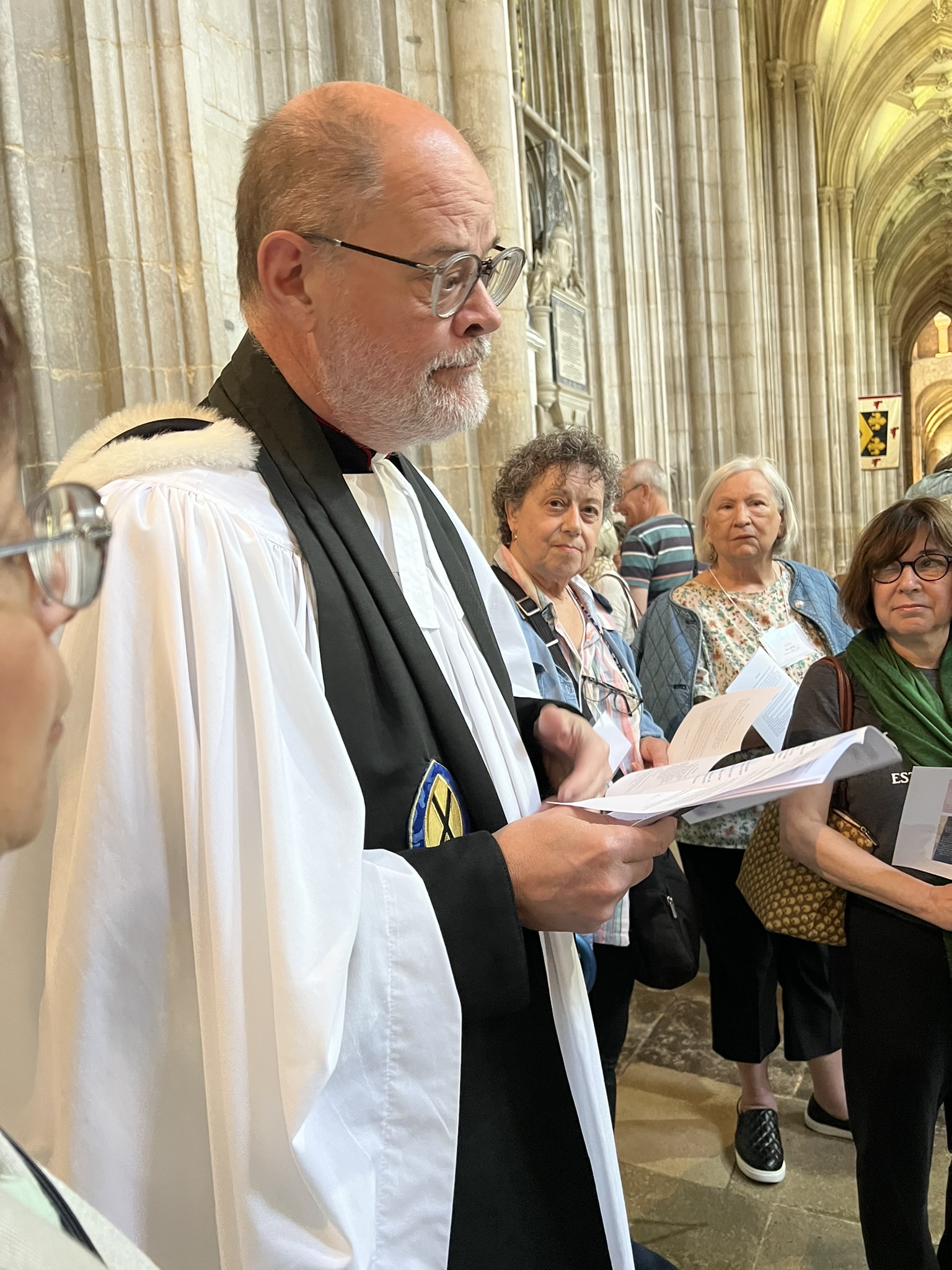
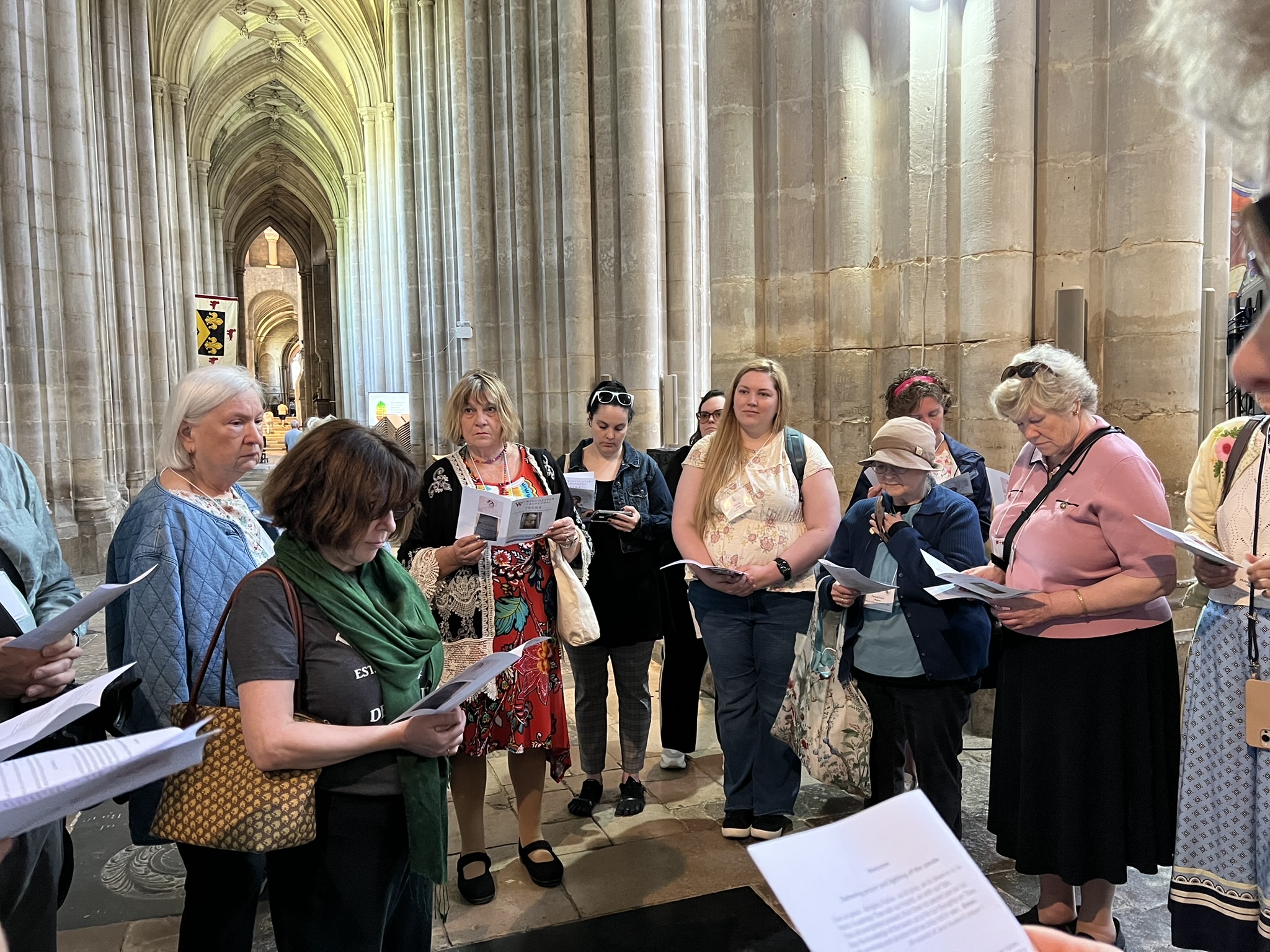
Adventures with Jane! Day VII: Winchester, the Beautiful and the Sad…

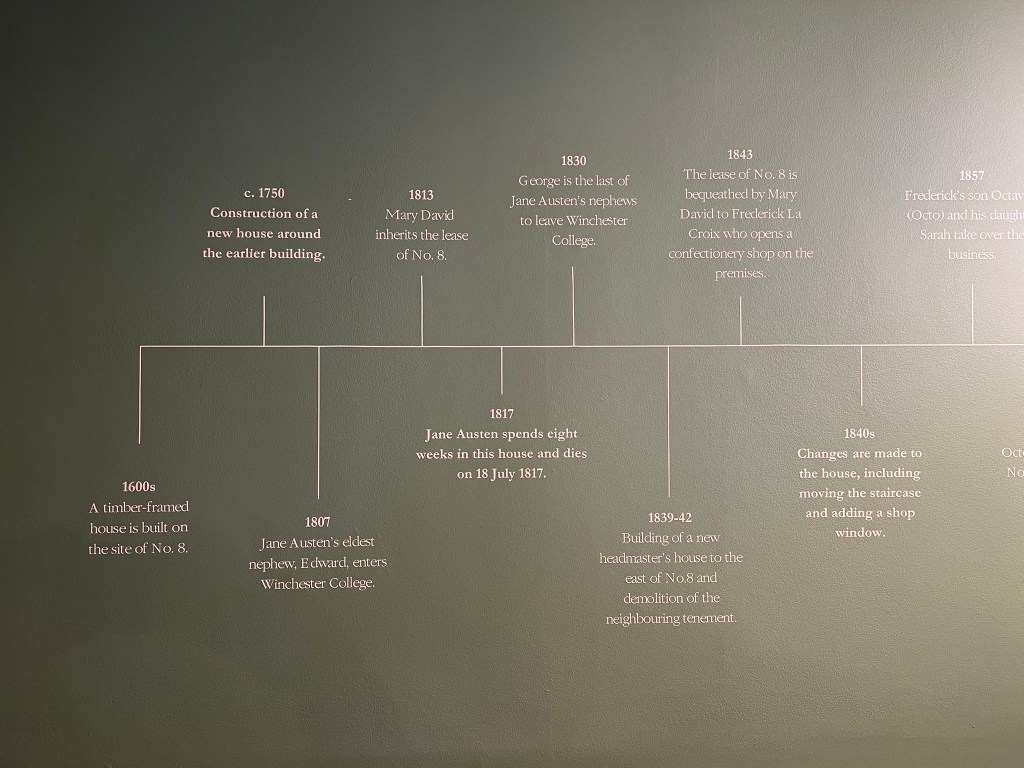
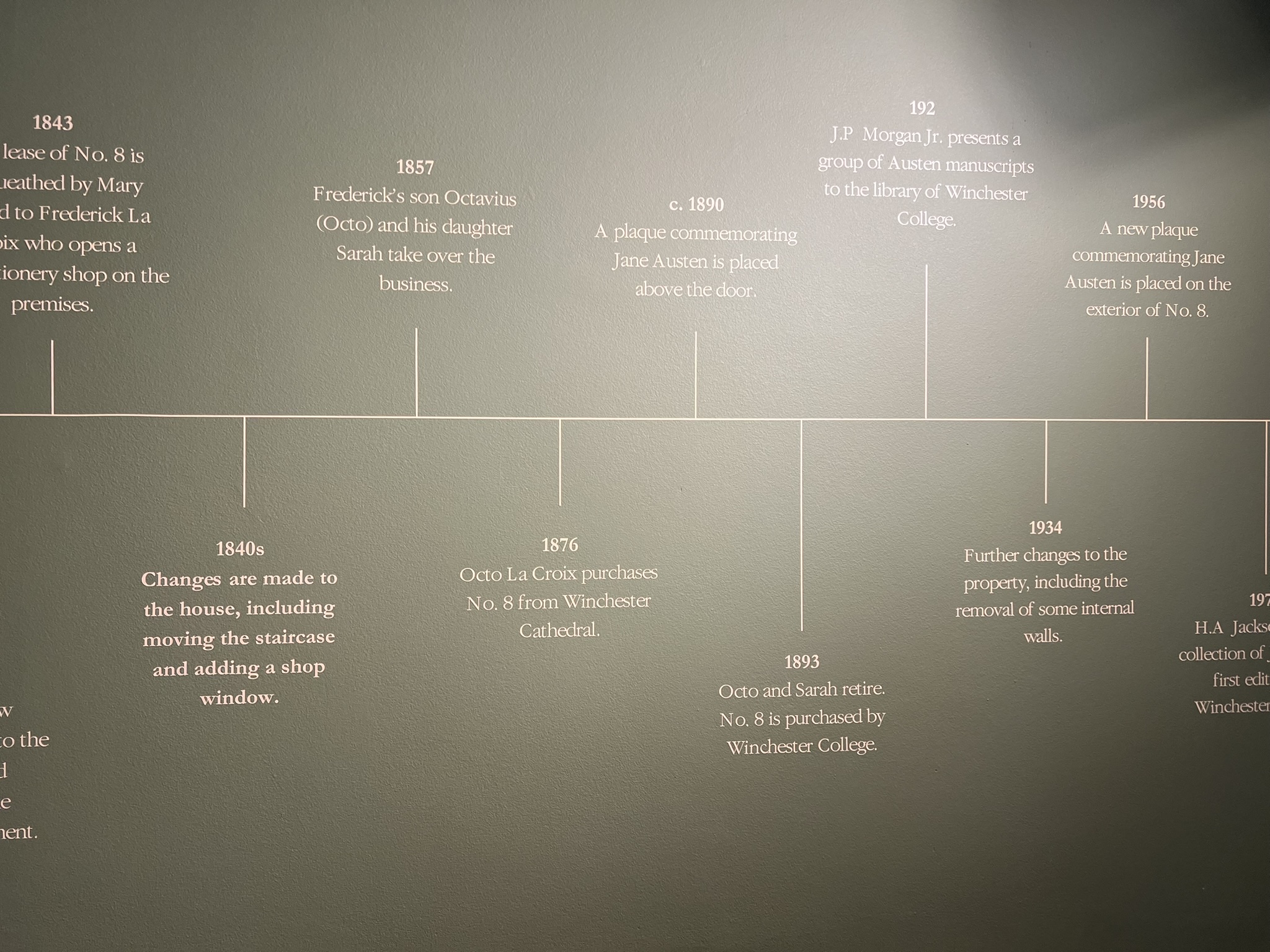
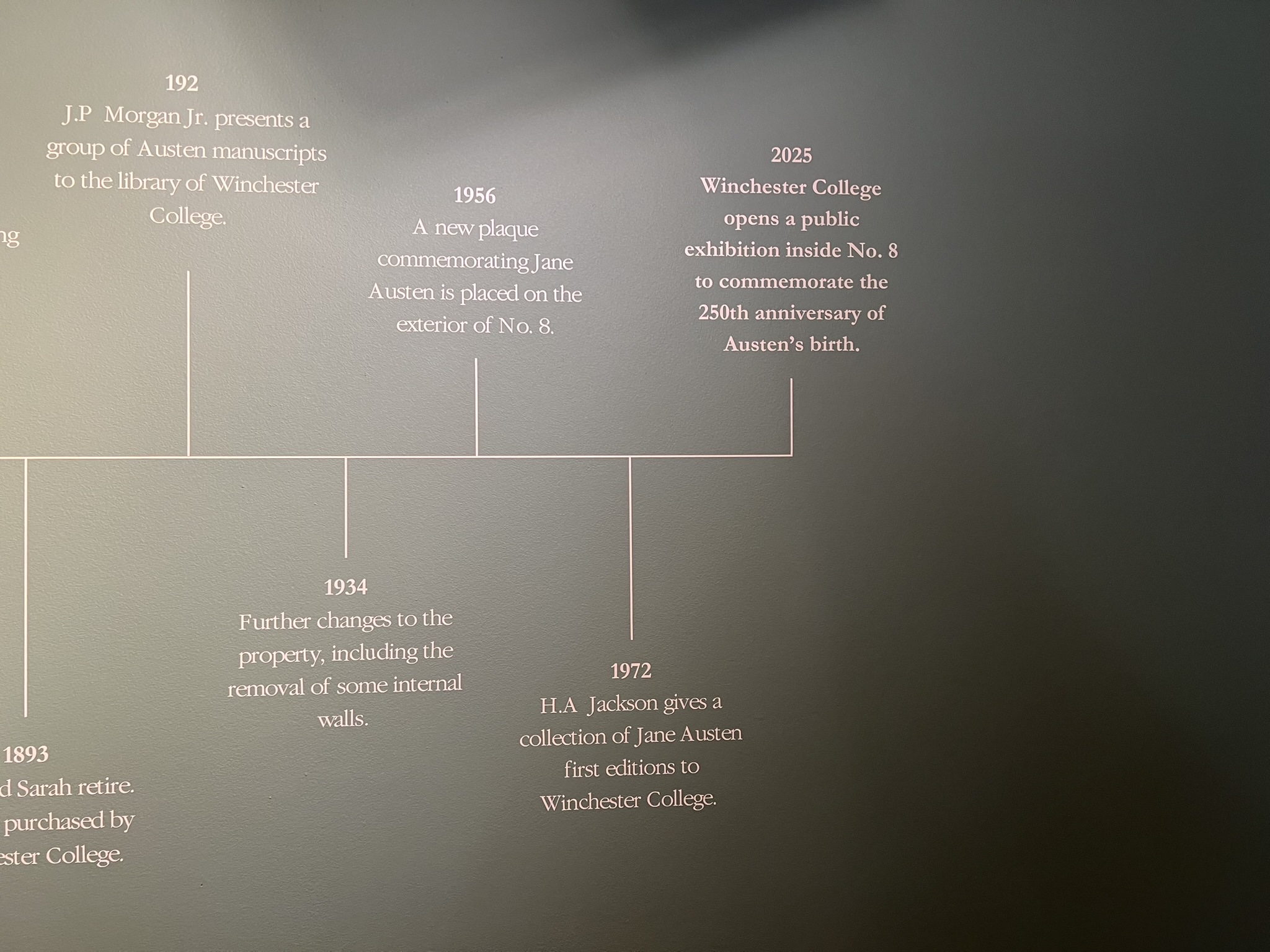
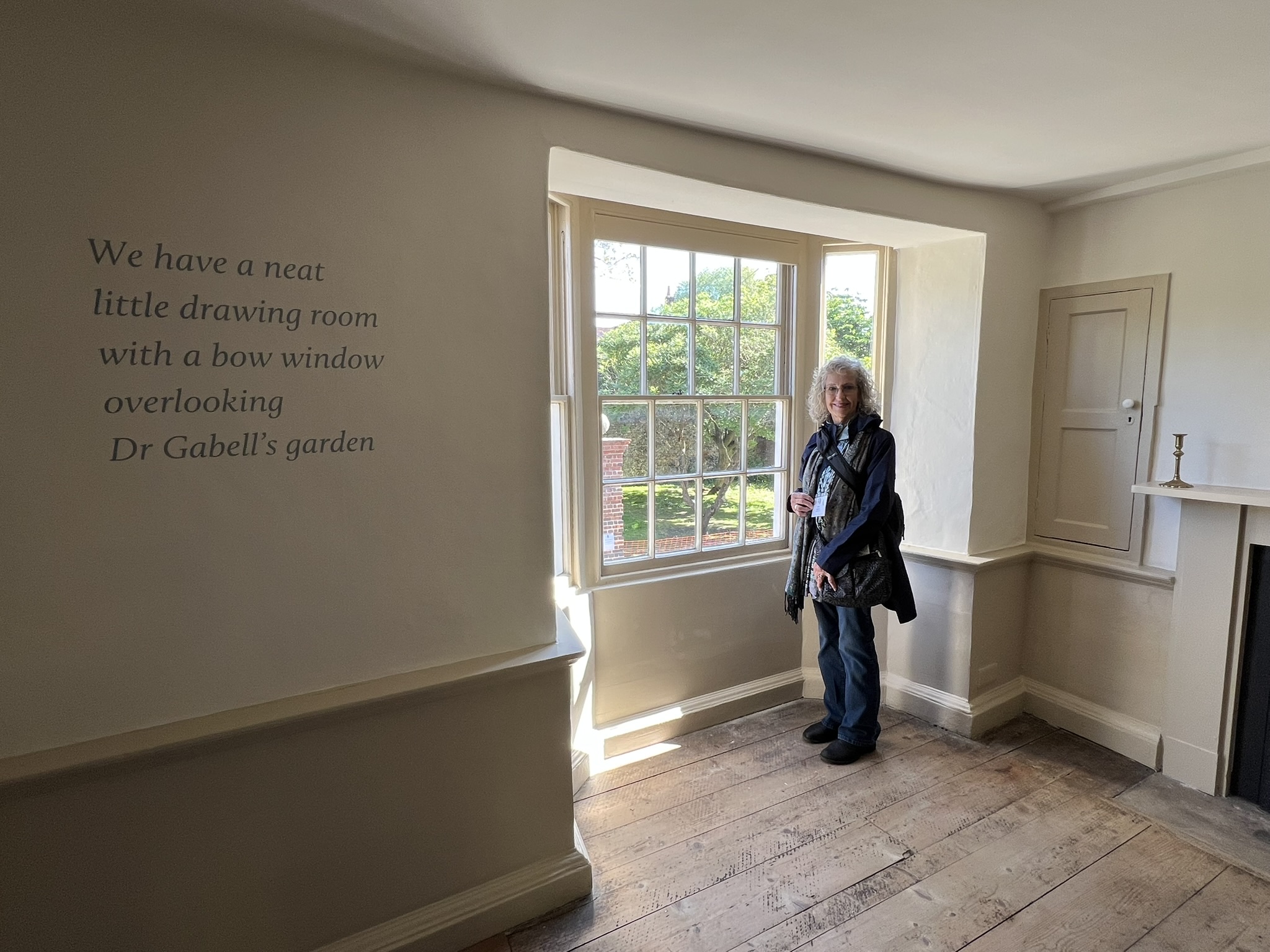
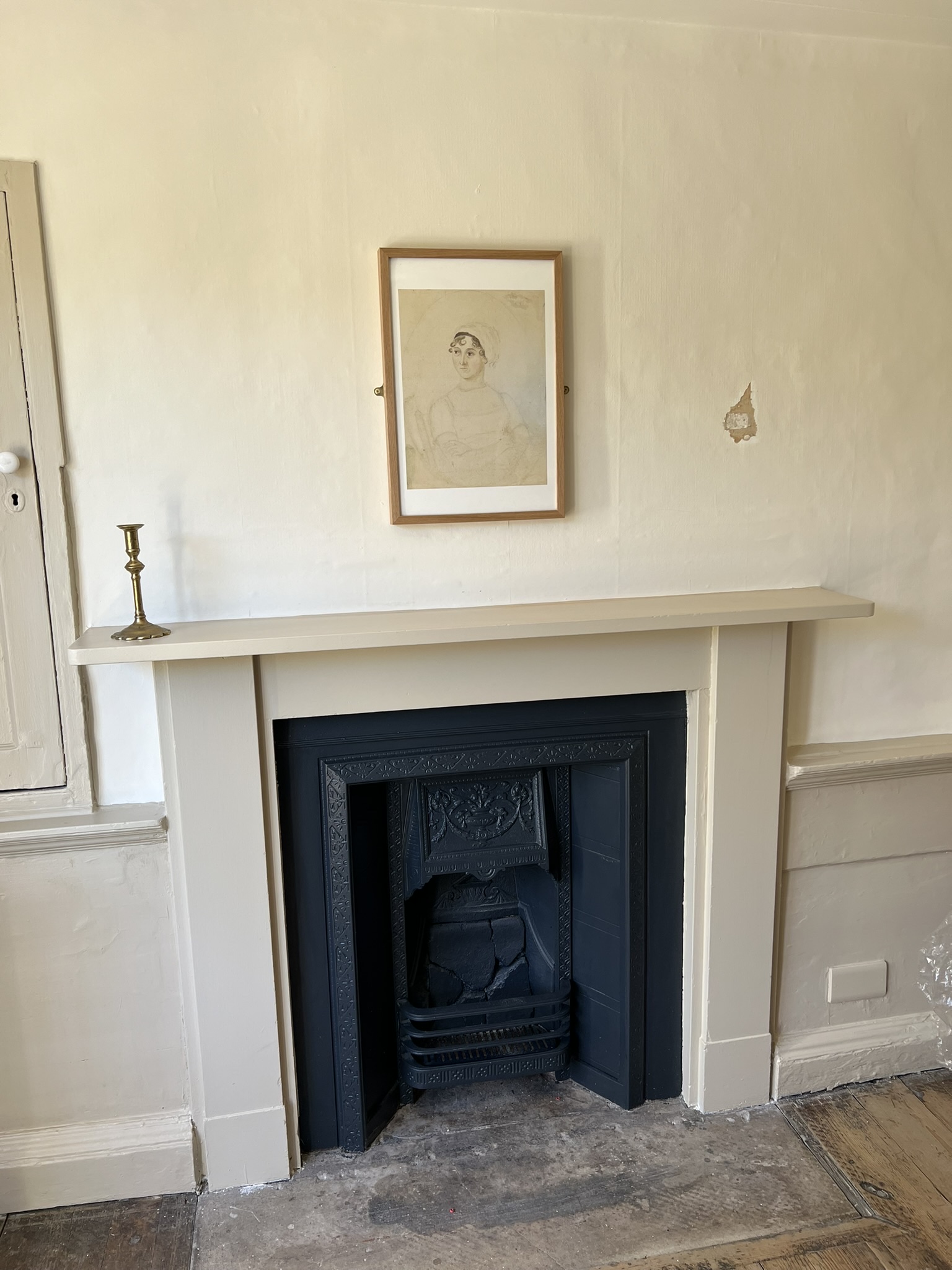
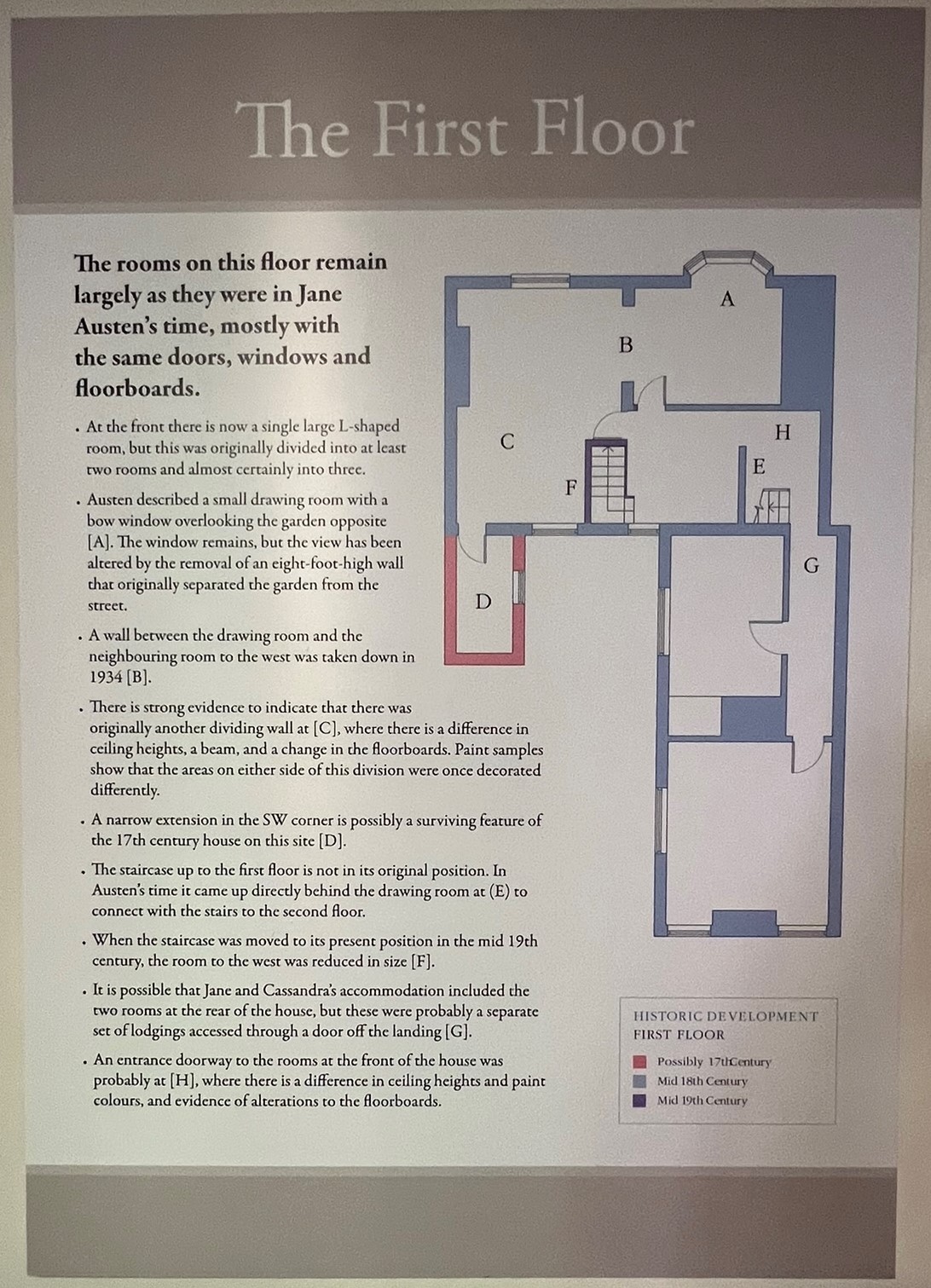
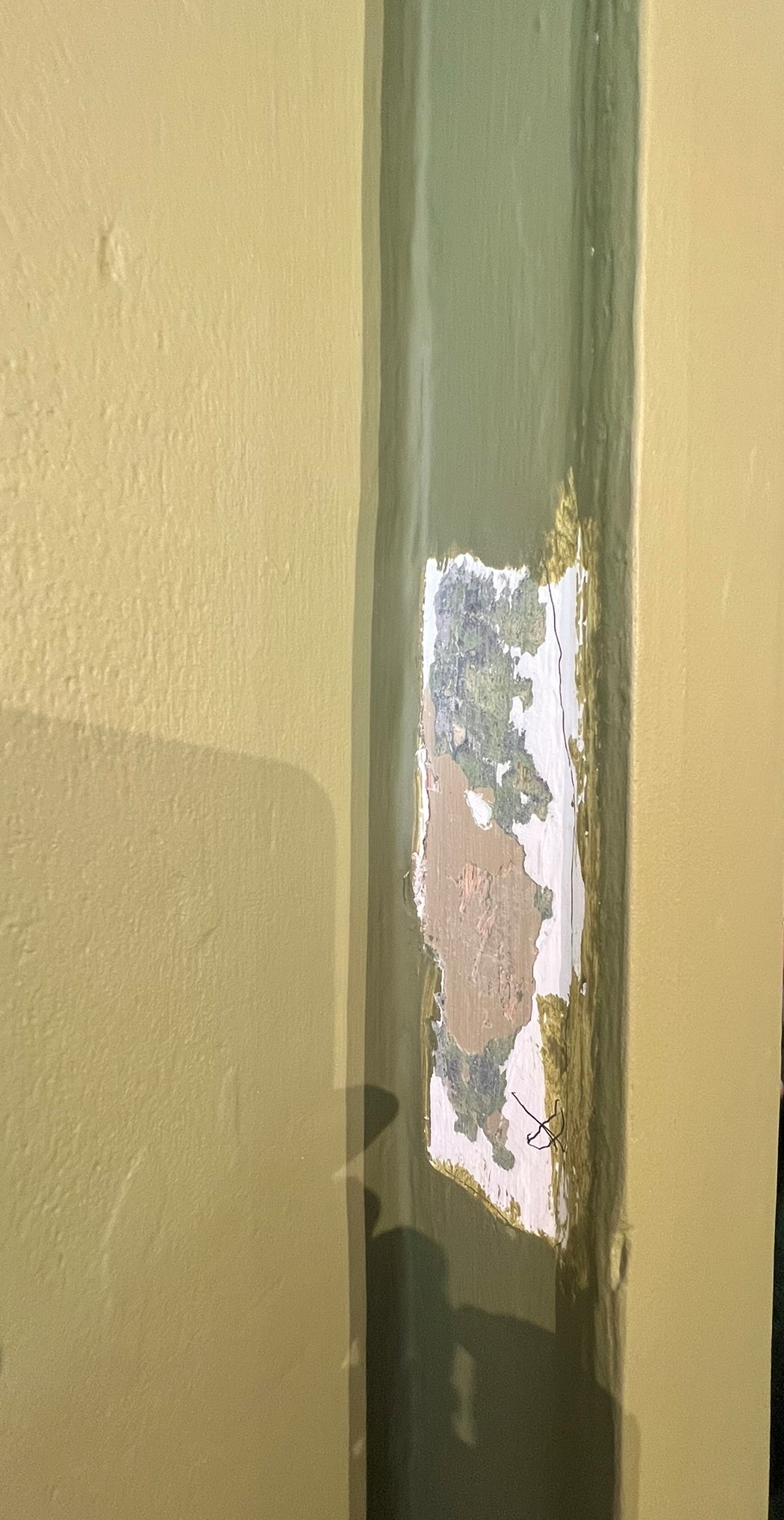
Matching the original paint colors…[the colors surprised me – different in every room, colorful and deep – I didn’t take photos of every room sorry to say…]

****************

****************

***********

***********

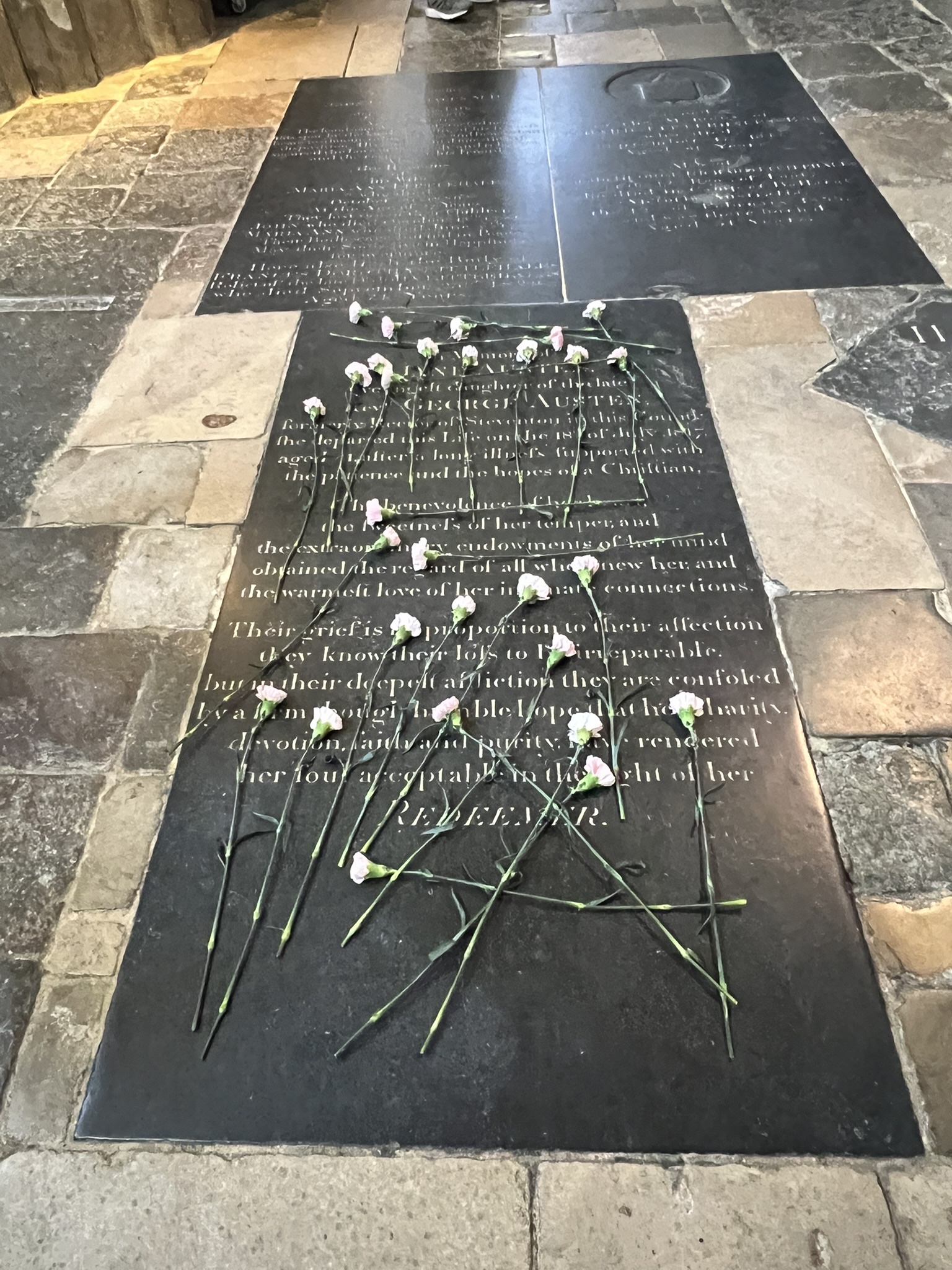
https://www.facebook.com/winchestercathedral/videos/307368896851773

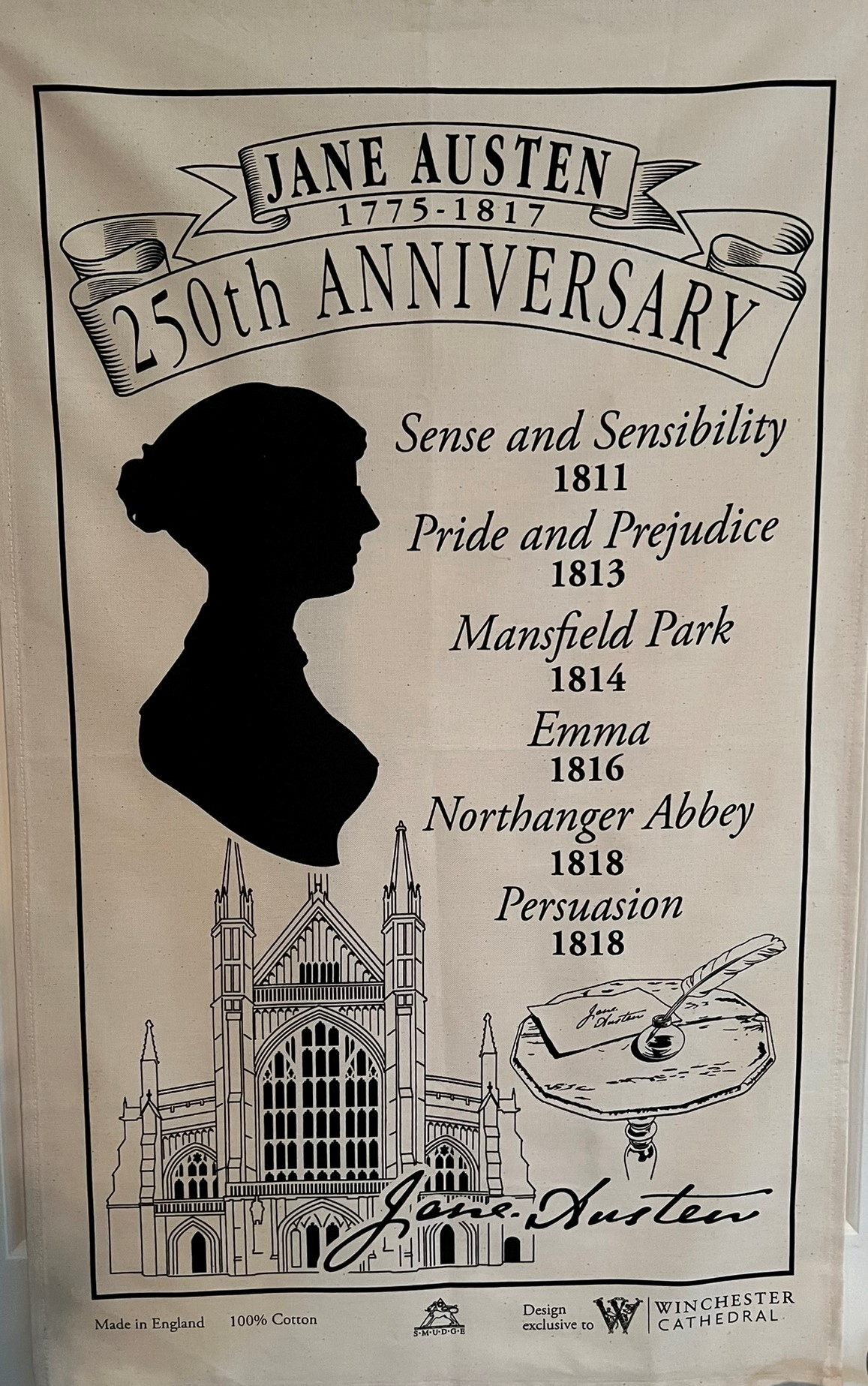
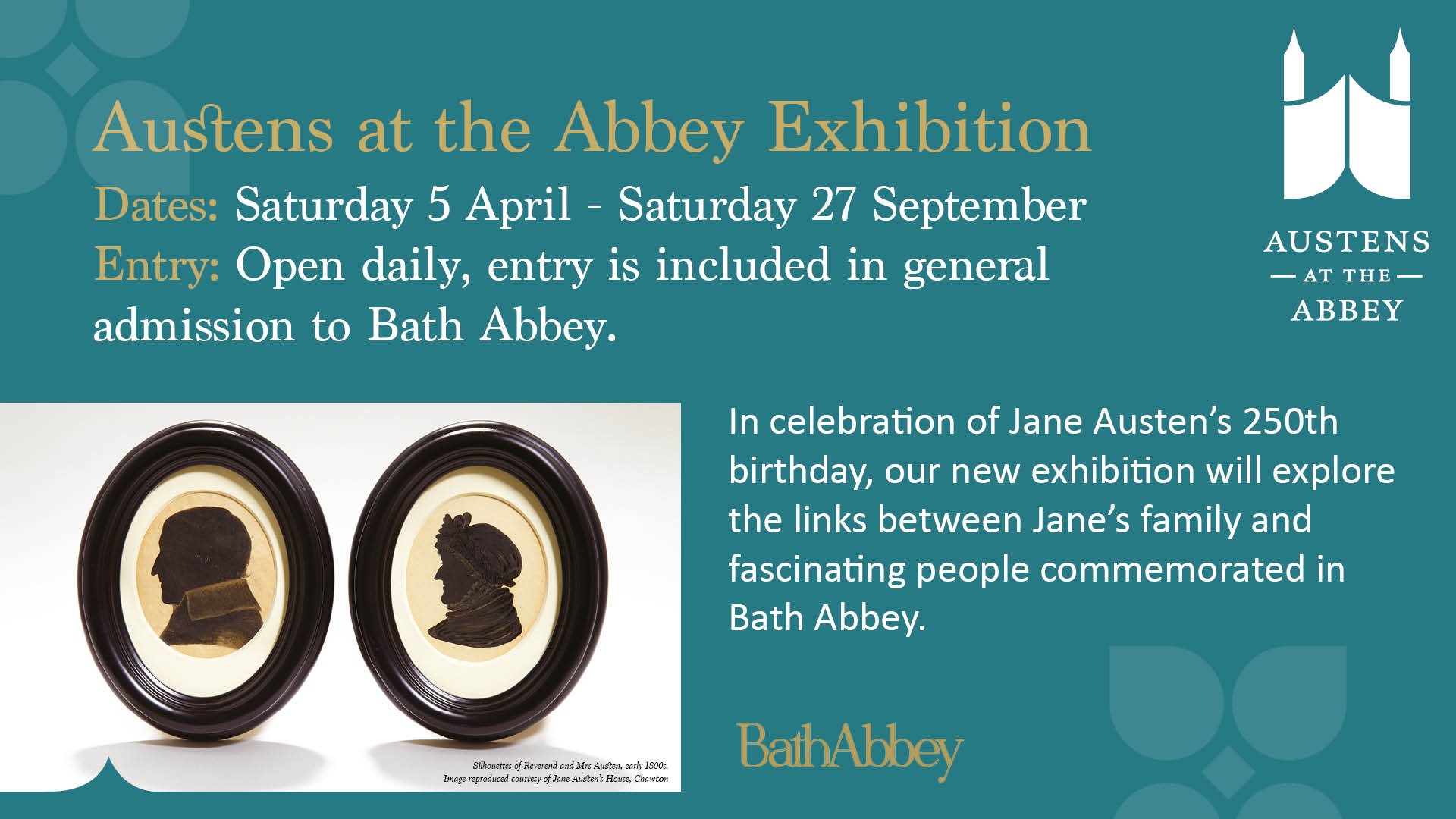
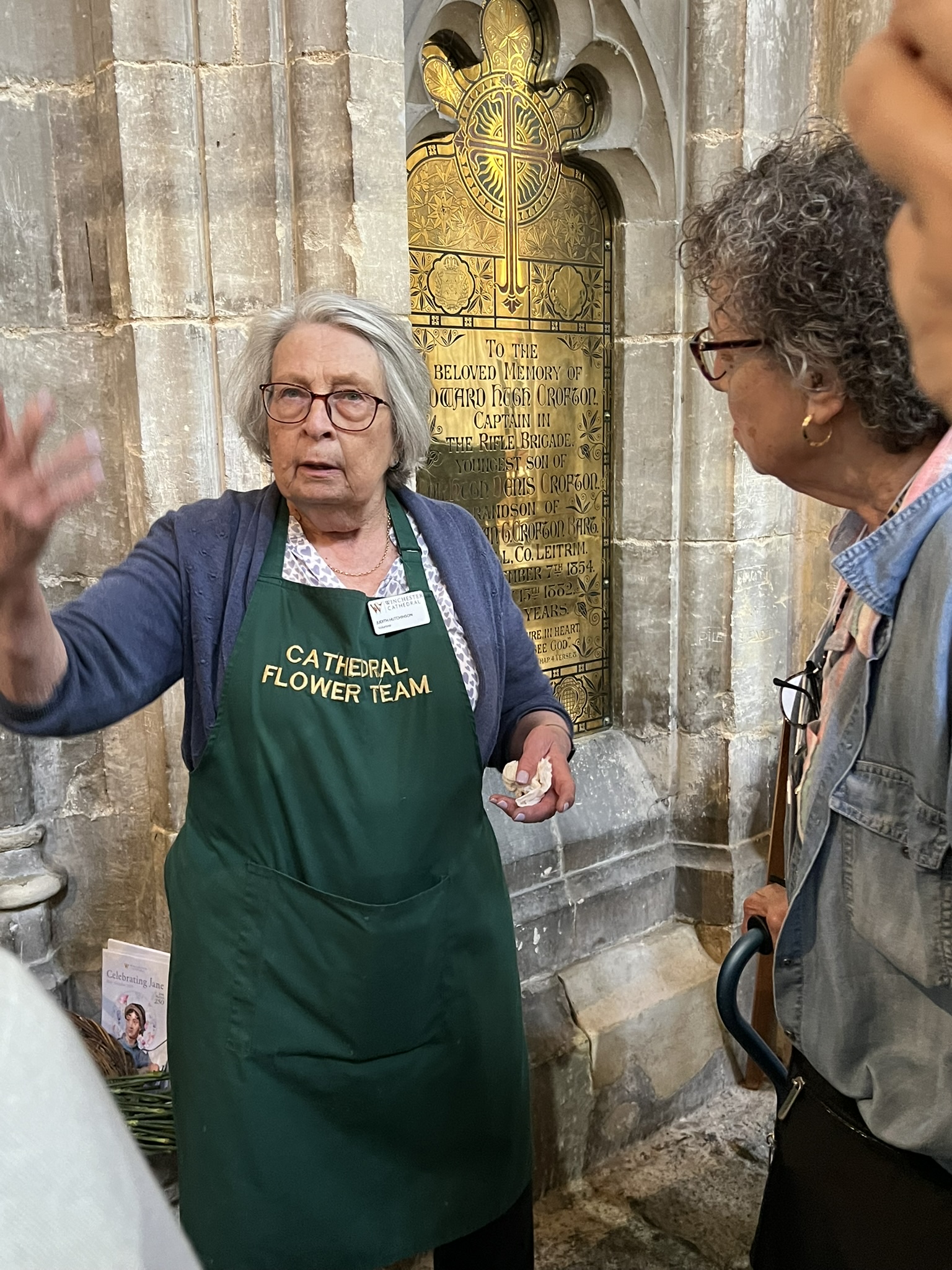
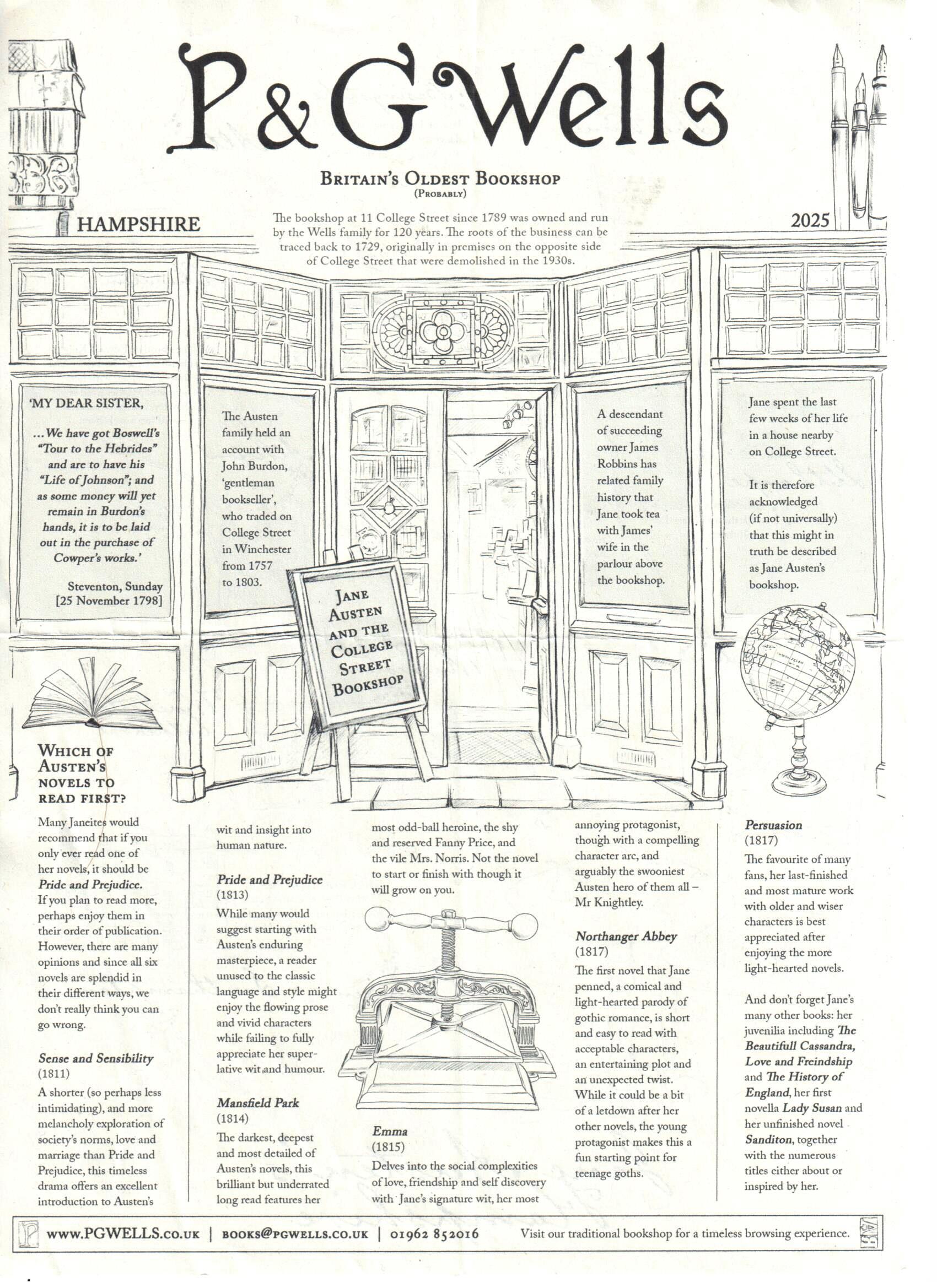
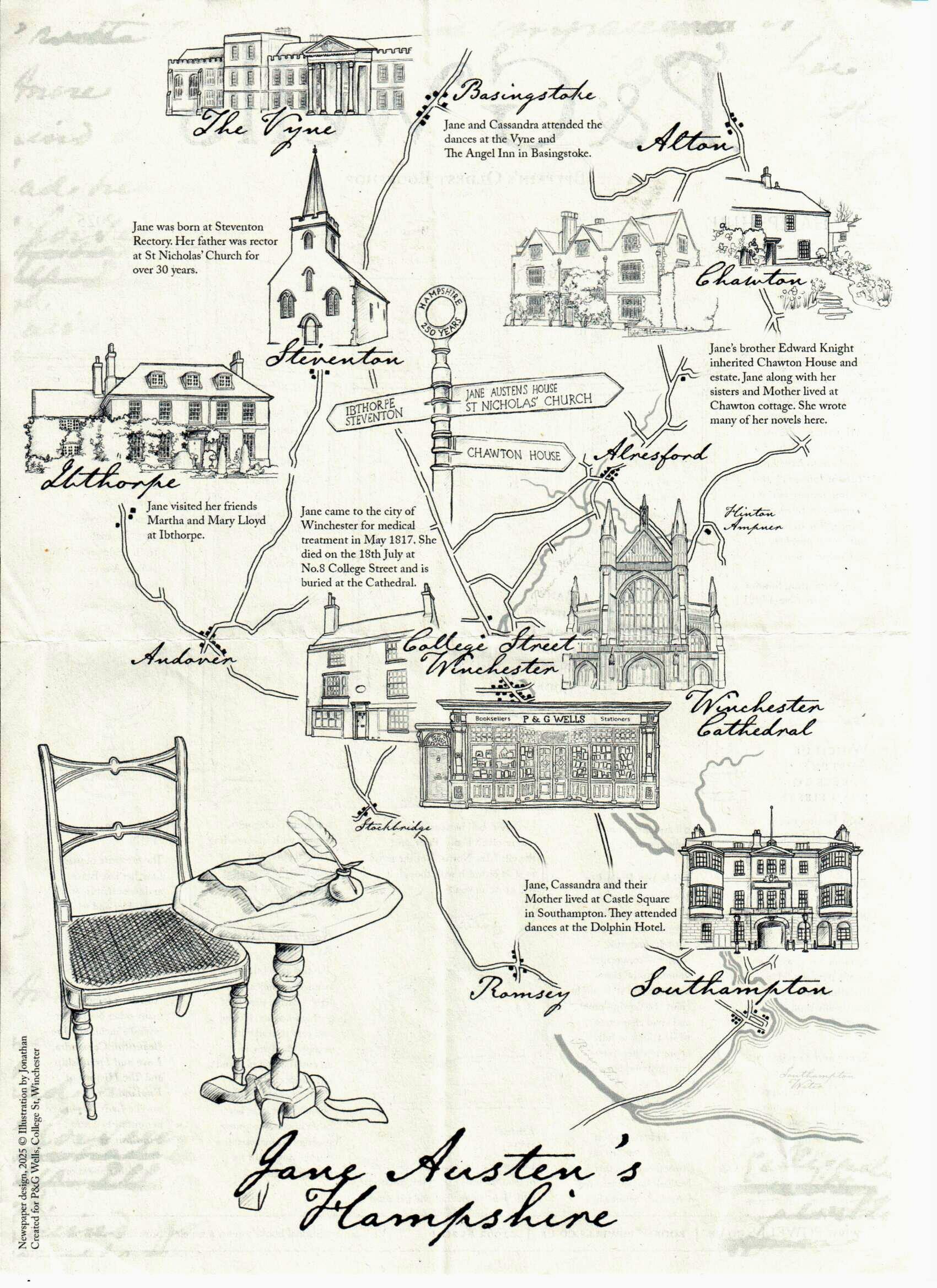
Here is the flier they have celebrating Jane Austen’s 250th:

c2025JaneAustenInVermont
Austen Literary History & Criticism · Great Britain - History · Jane Austen · Jane Austen Circle · Jane Austen Genealogy · Jane Austen Popular Culture · Jane Austen Societies · JASNA · Regency England · Social Life & Customs

Adventures with Jane! Day VI: Hampshire…

[Handout from P&G Wells Bookshop]

Today we journey from Winchester to Jane Austen’s home ground – where she lived for the first 25 years of her life: Steventon.

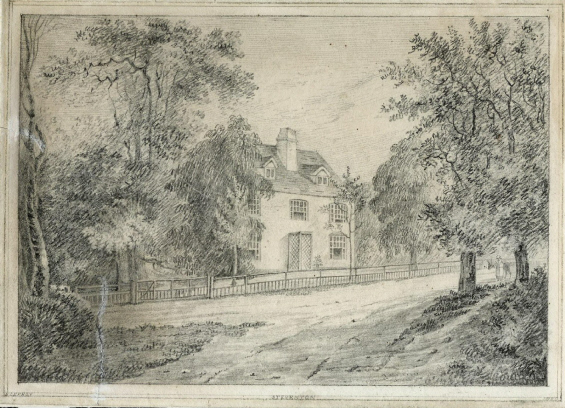
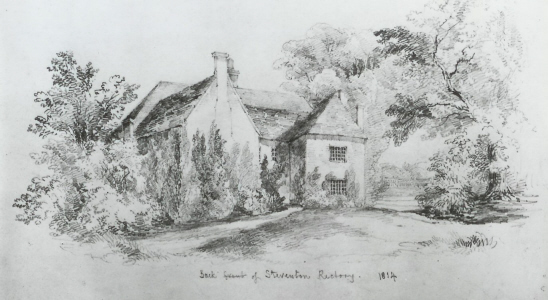
The house she and her siblings were born and raised in no longer stands, but thanks to her niece Anna Lefroy (or possibly her nephew-in-law Ben Lefroy), we have these drawings of the house:

and this rear view:

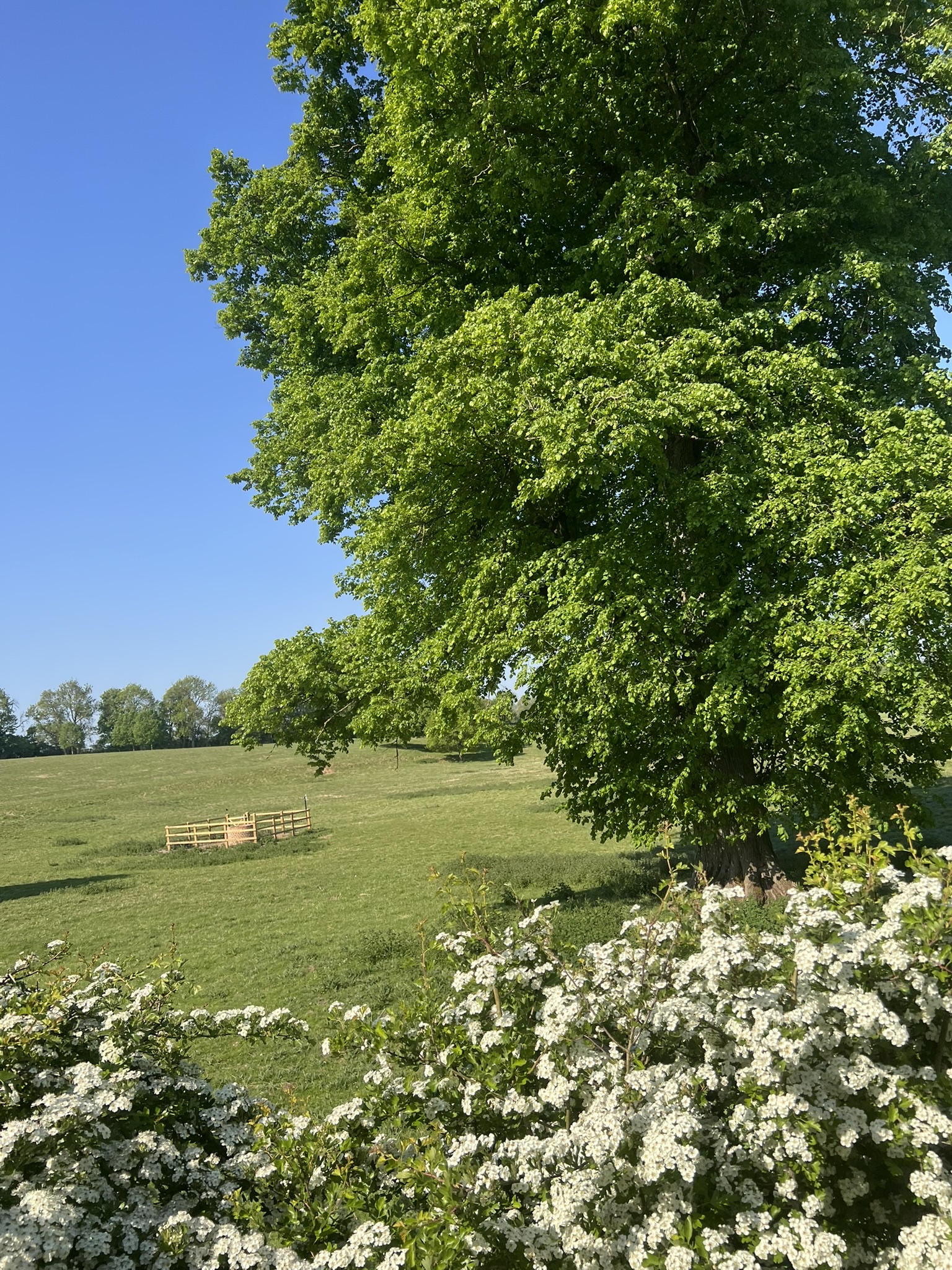
All that is left today is this fenced-in location of the house pump: so our imaginations have to run wild…

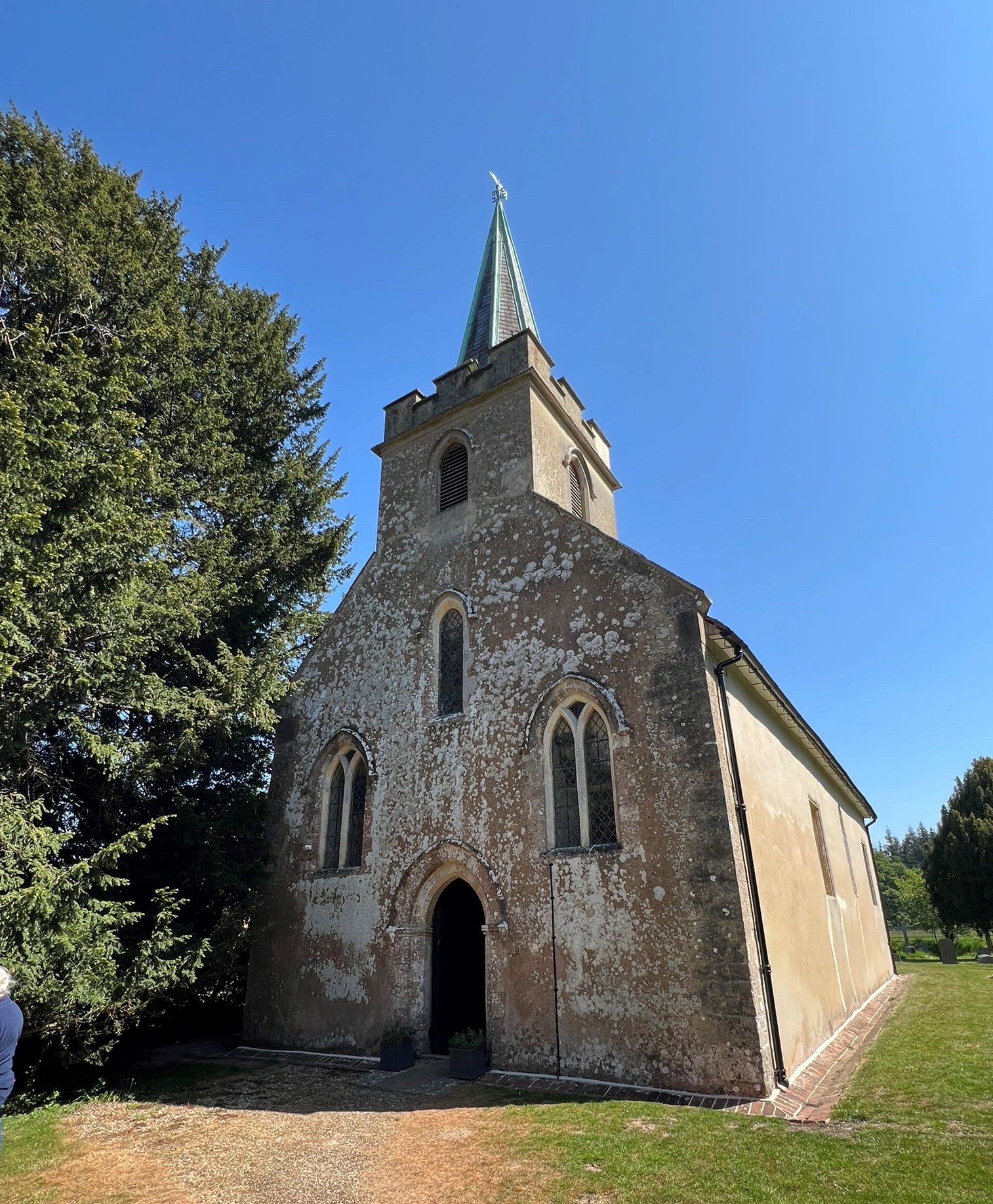
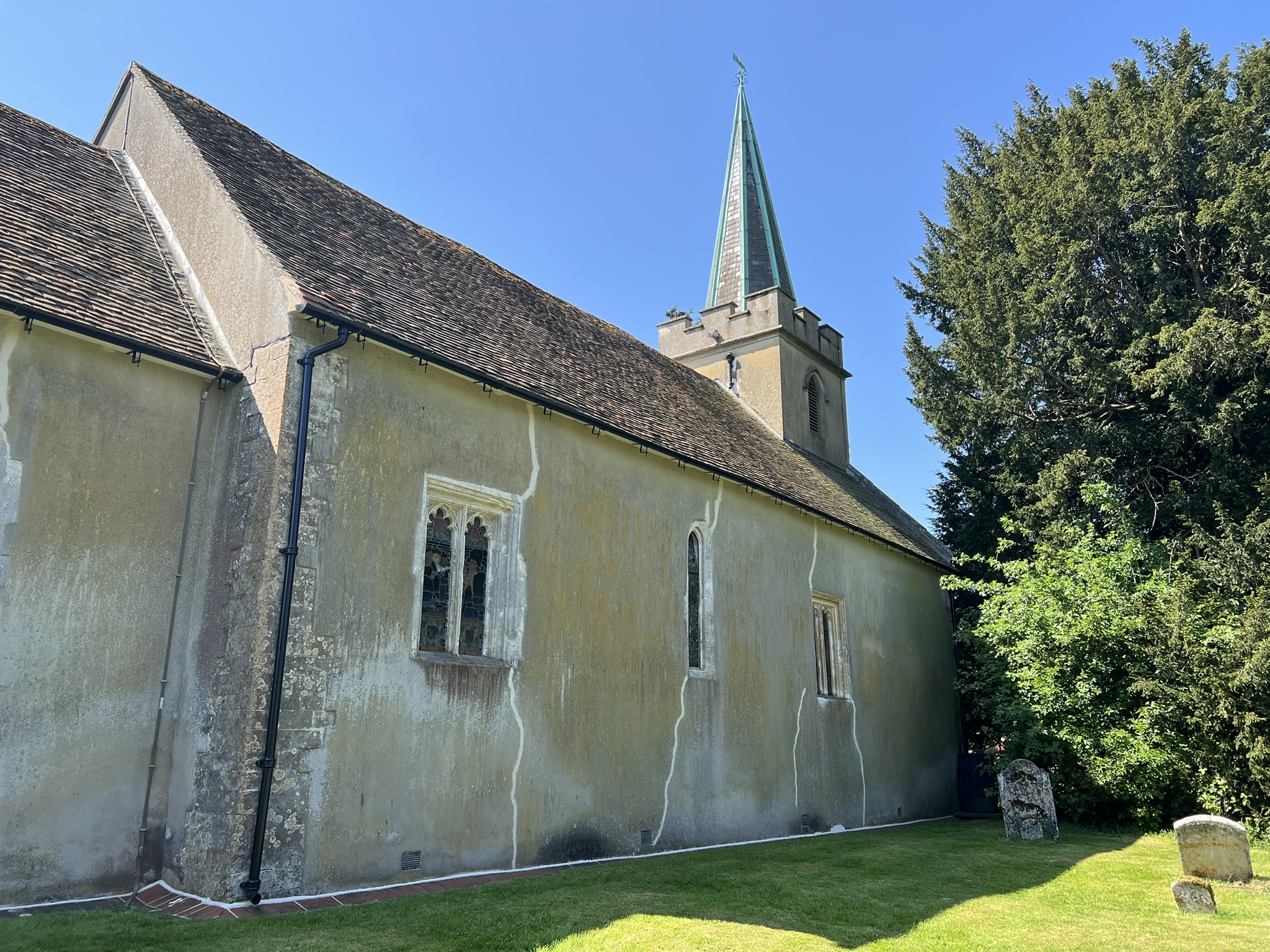
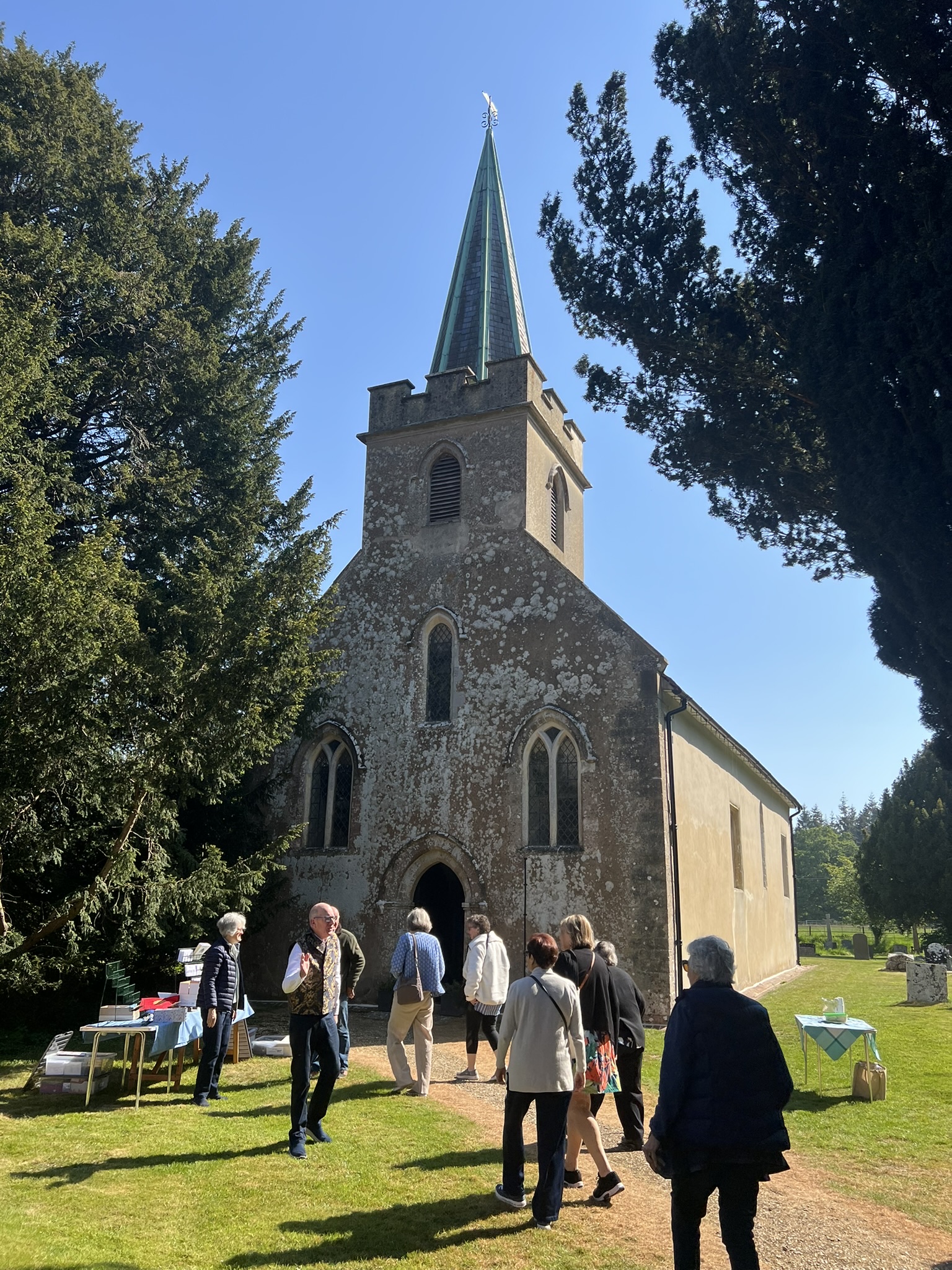
It is the Church we come to see here [a St. Nicholas of course]: you can also see we are done with the cold of Kent, and welcome the warm and cloudless sky of lovely Hampshire – [I am reminded for a moment of Margaret Hale in Gaskell’s North and South and the loss of her beloved Hampshire and her favorite “Helstone” roses, as she makes her way in northern cold and dark Manchester…]

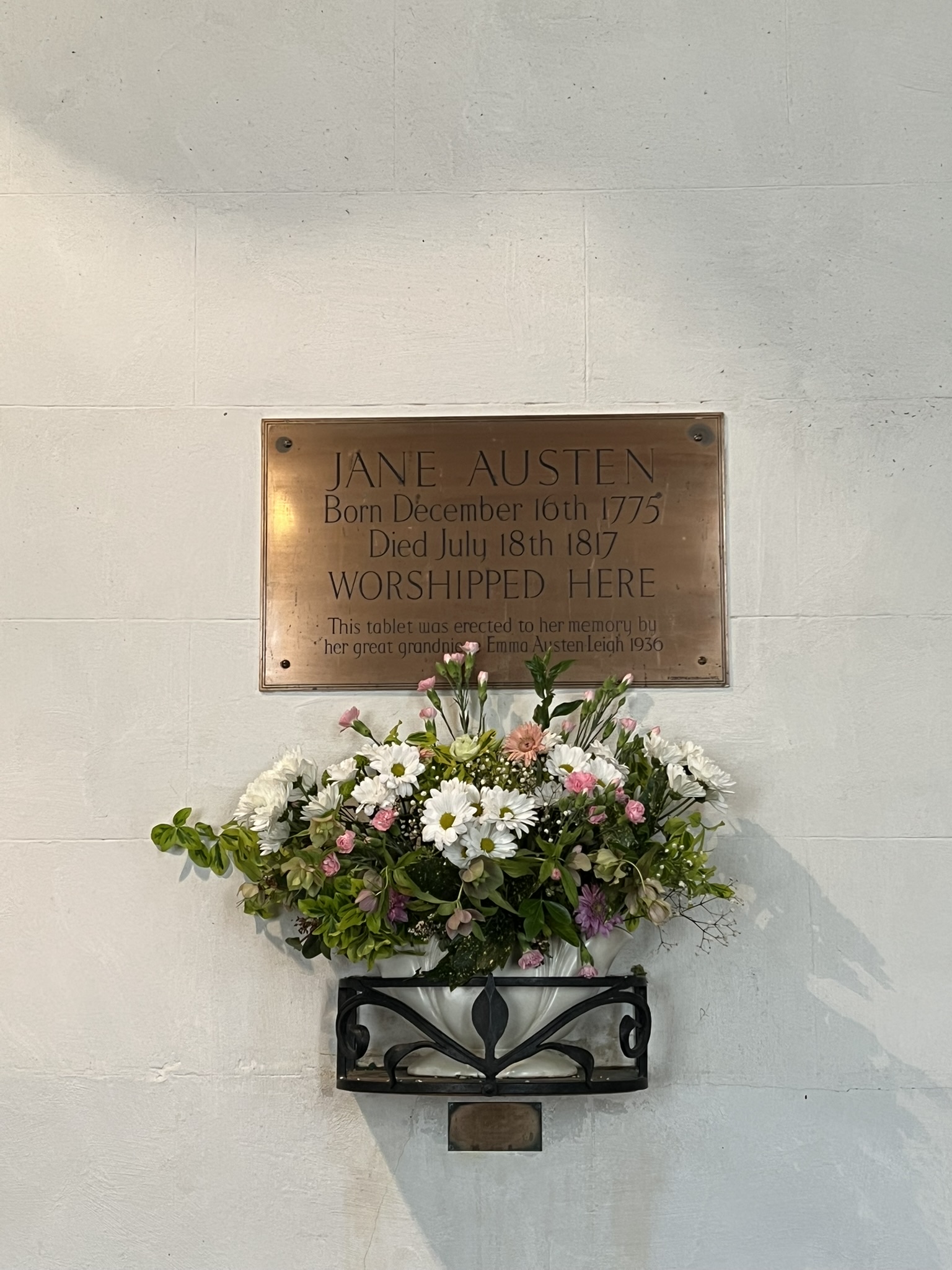
Members of the Jane Austen Society warmly greeted us on this lovely day, offering delicious fare and Austen-related merchandise to buy. Then a quiet visit inside the church to see where Jane would have worshipped, her father rector here from 1761 (and of Deane from 1763) until his retirement in 1801 and death in 1805.

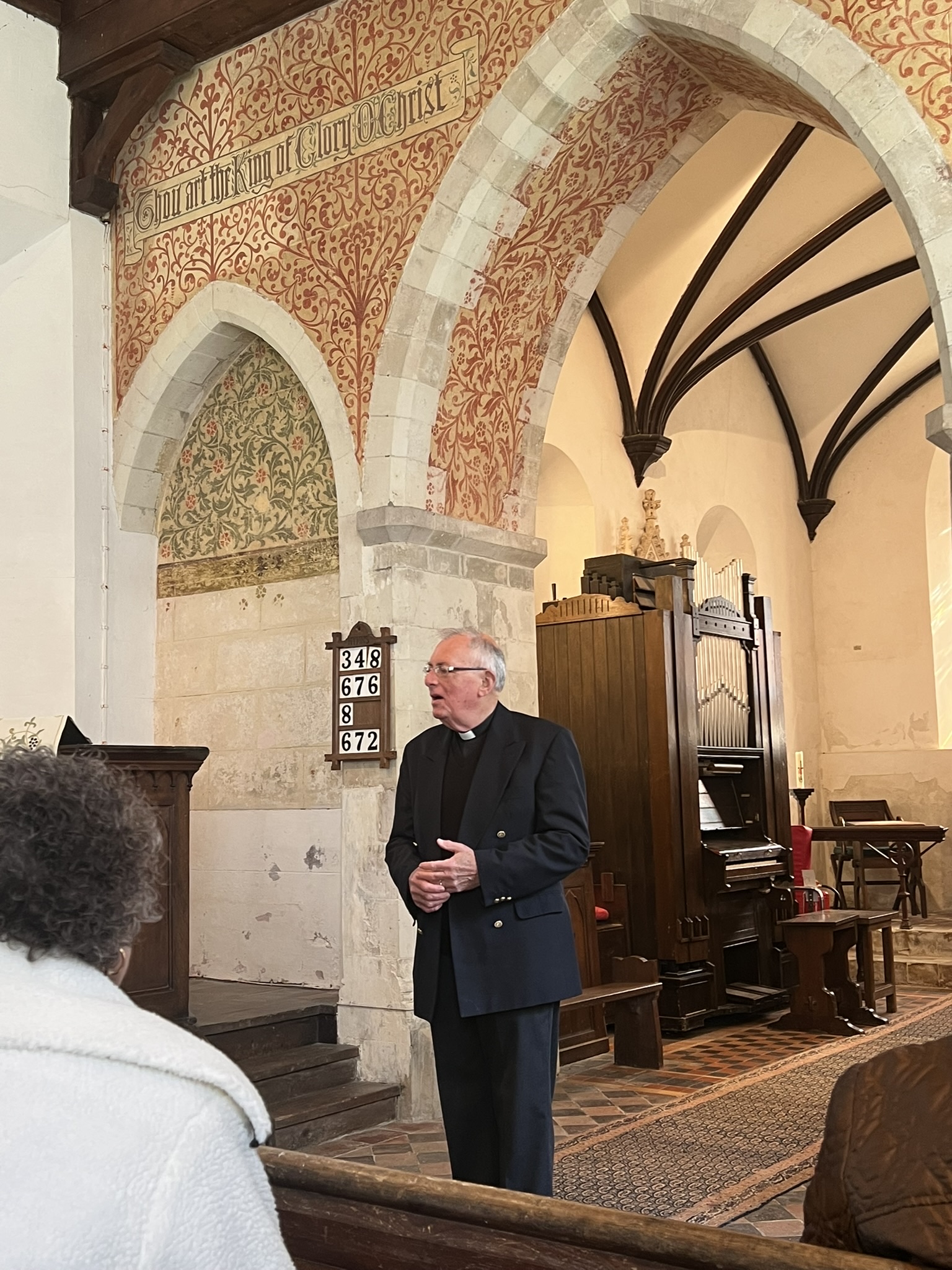
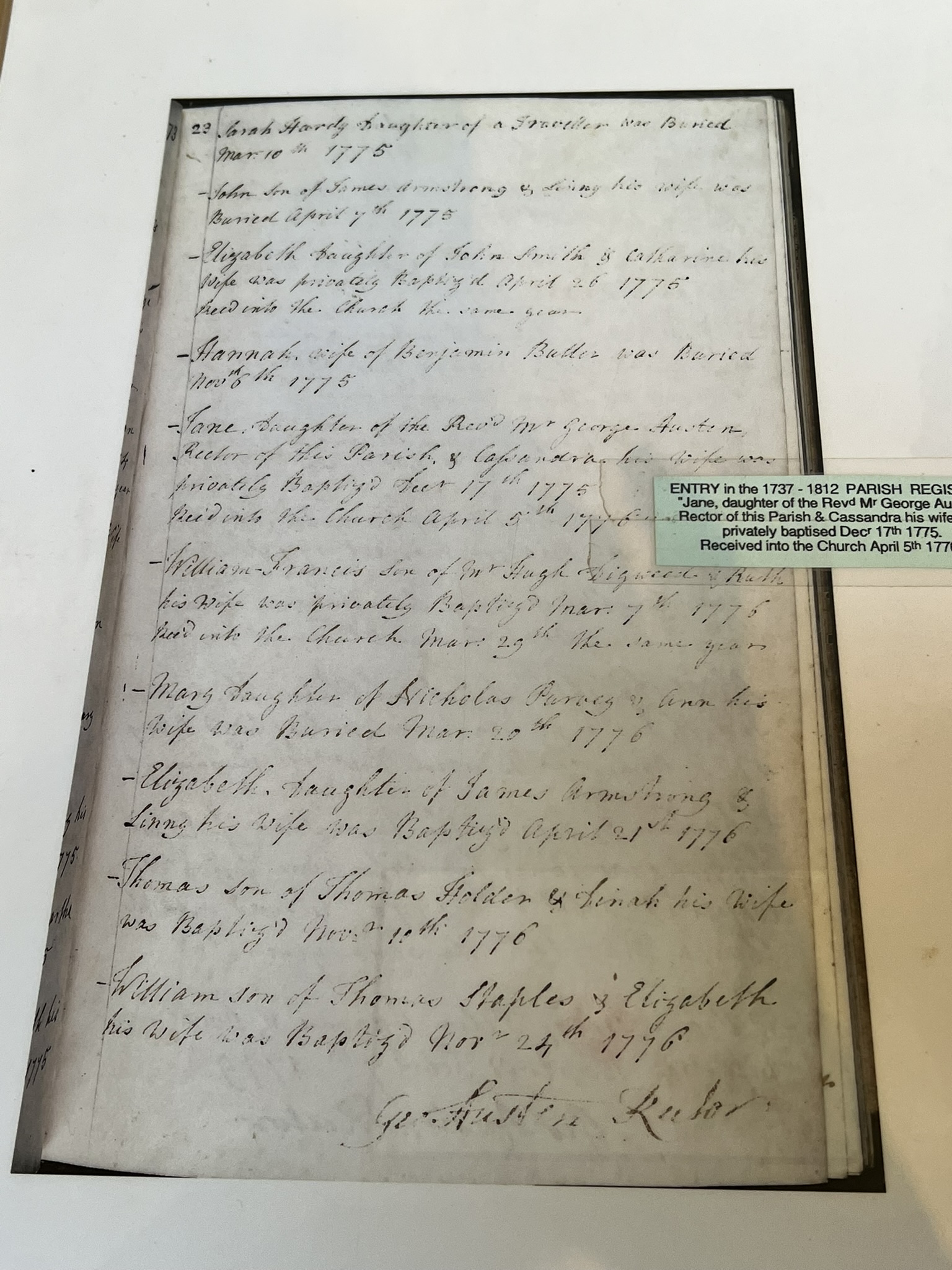
Michael Kenning, rector here from 1992-2012, introduced us to the Church and its Jane history – I have had the pleasure of meeting Canon Kenning in 2003 for the JASNA AGM trip to Winchester – he is little changed, and still an avid Austen “fan” – the vice-chairman of the Jane Austen Society Trustees. He shared this baptism note in the church records:

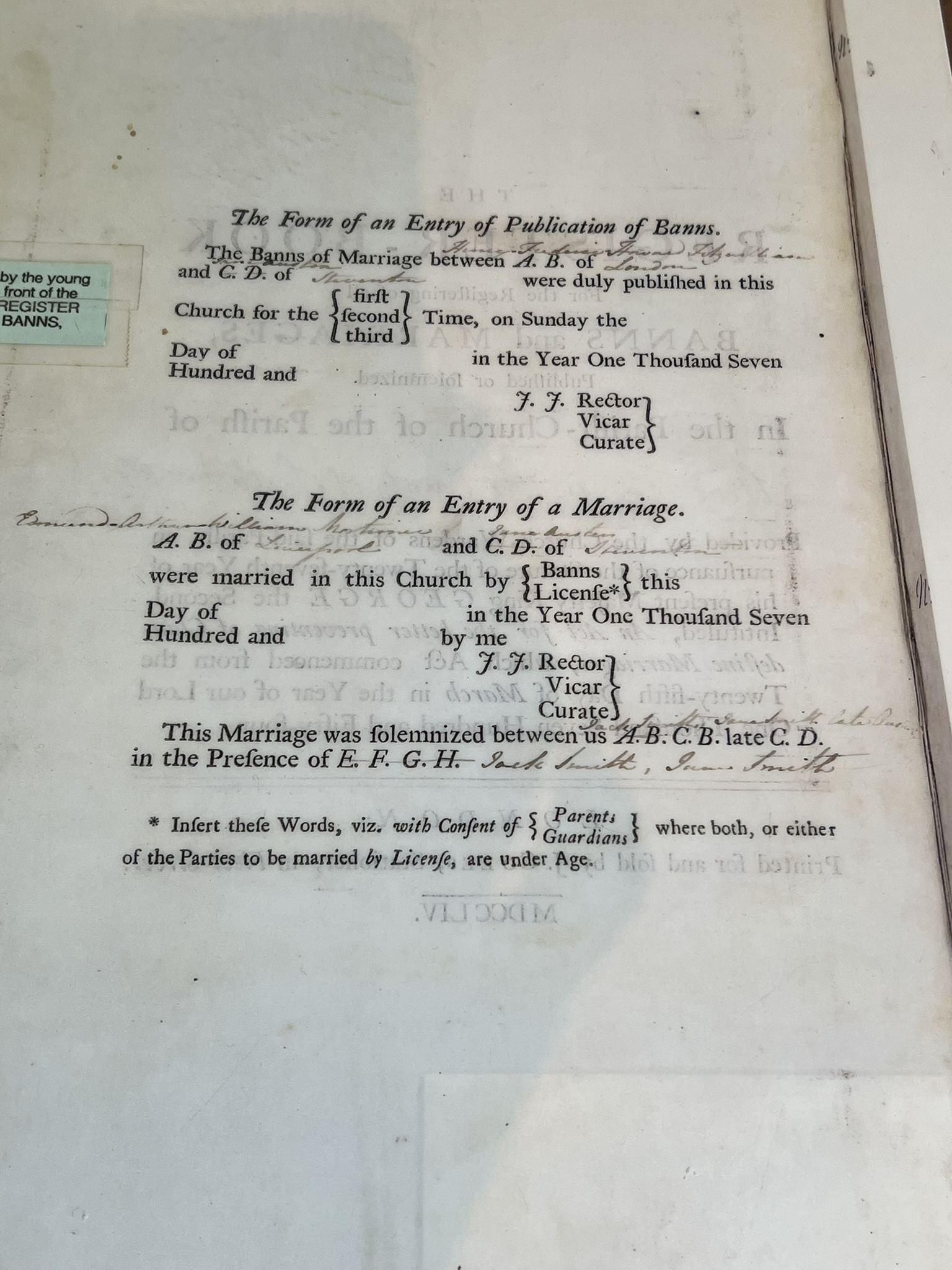
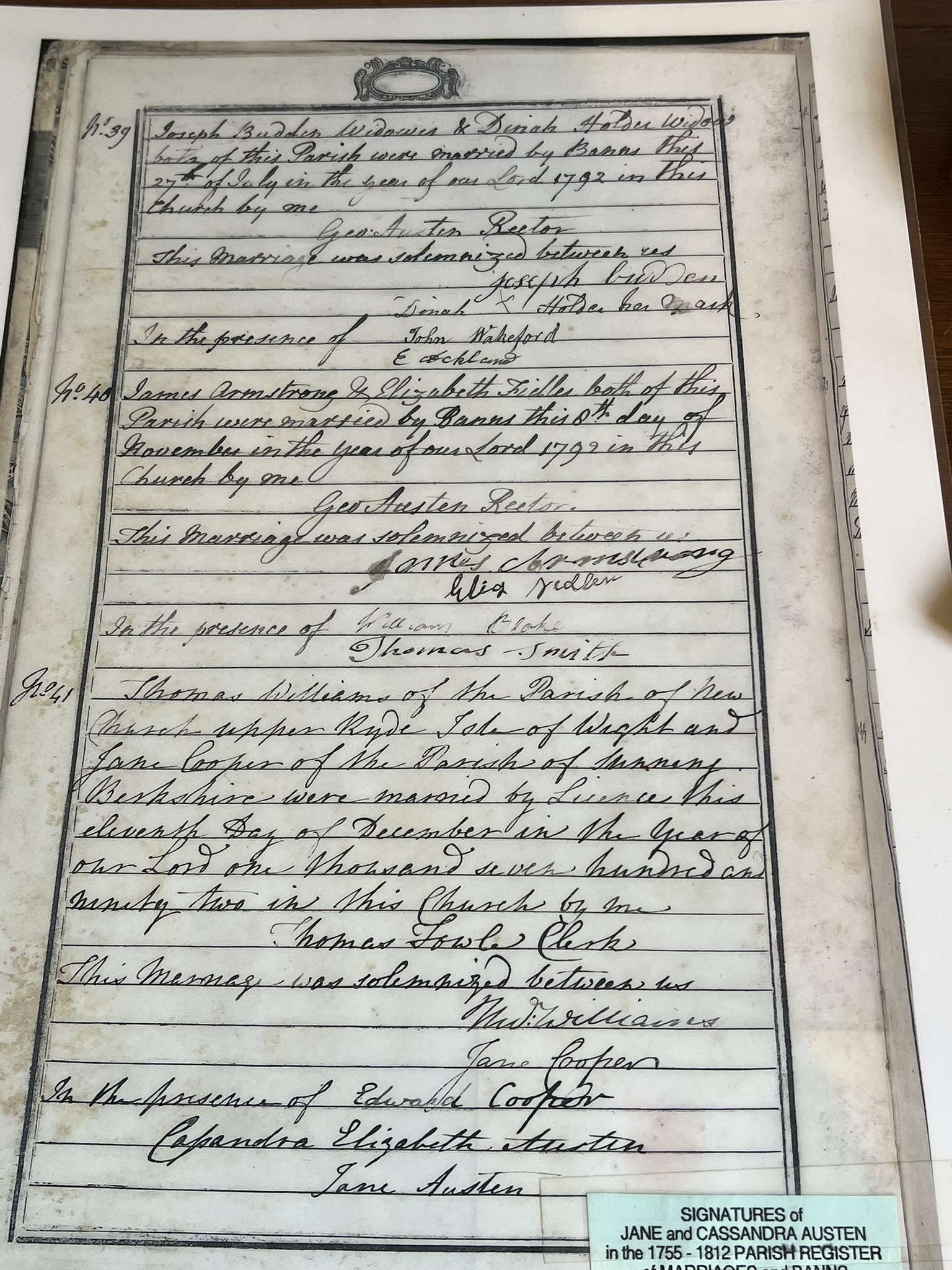
And some of the documents that Jane had written in, in one or more of her imaginative fits marrying herself off to various people, as well as her serving as a witness to a marriage (Kenning noted that she wasn’t actually old enough to serve as a witness, so what does that do the married couple?!]:

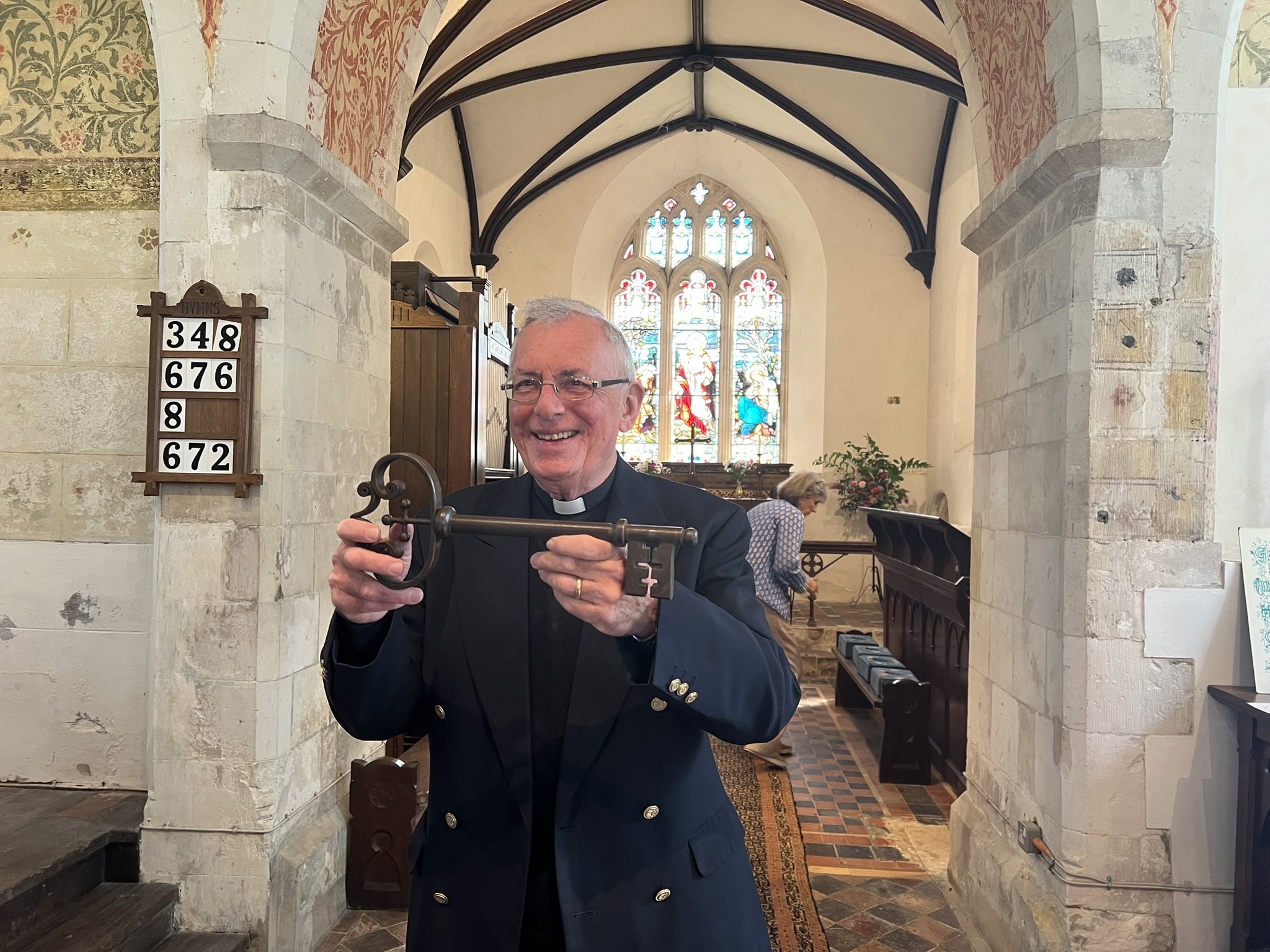
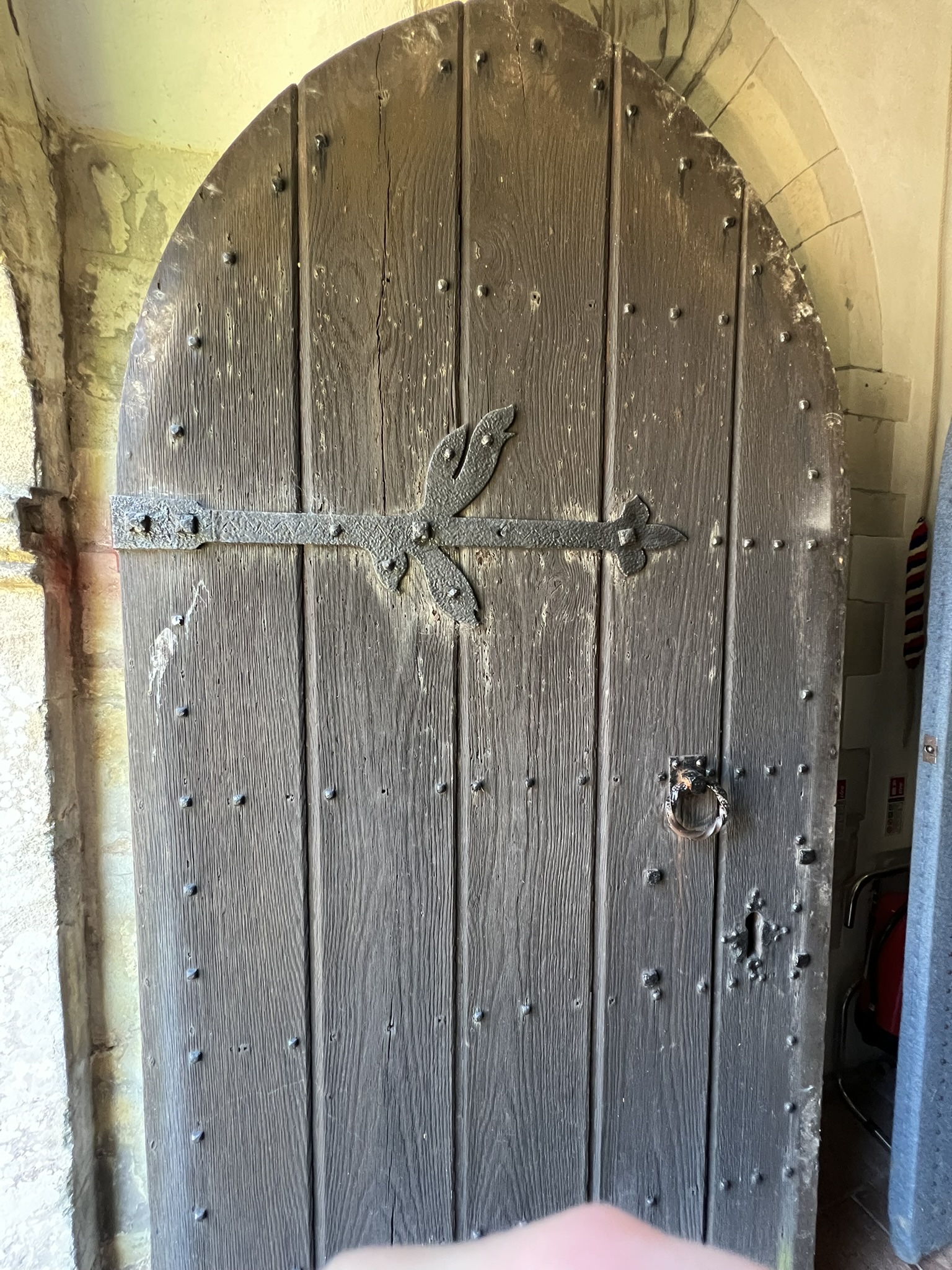
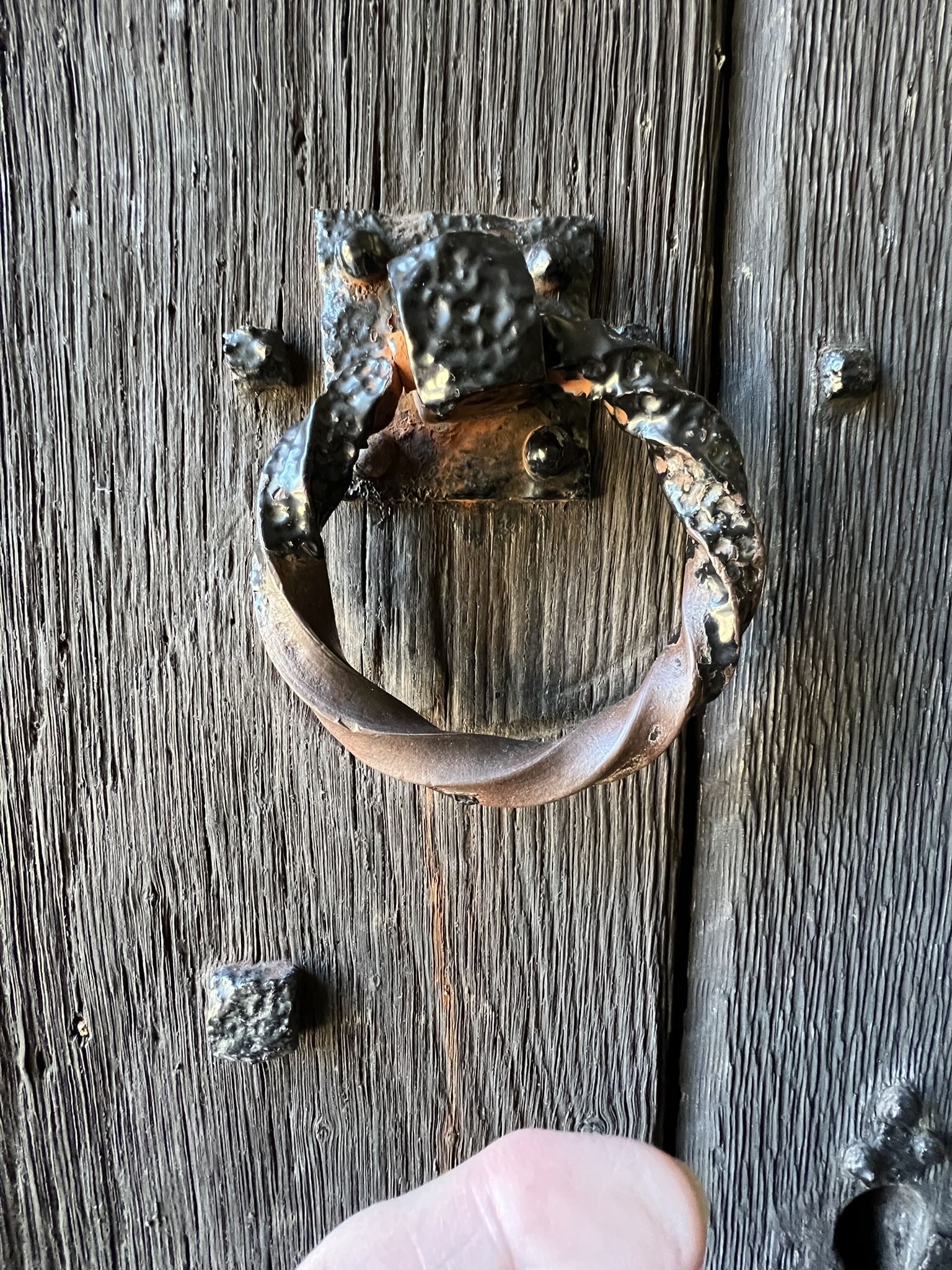
Kenning also showed us the massive and heavy key to the church – the door having a lock that was unmanageable, the key hidden in a nearby tree [did EVERYONE know this?!]

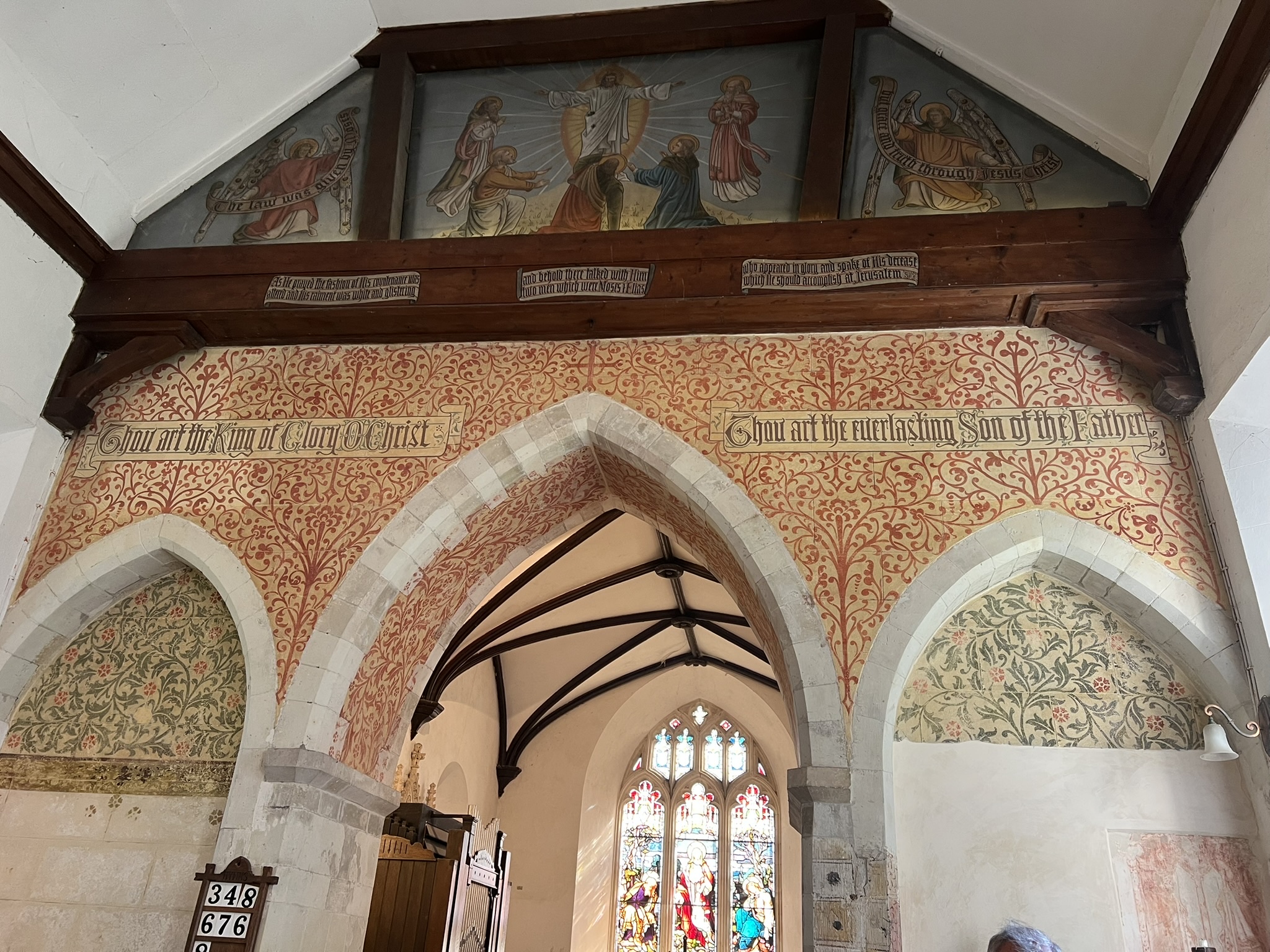
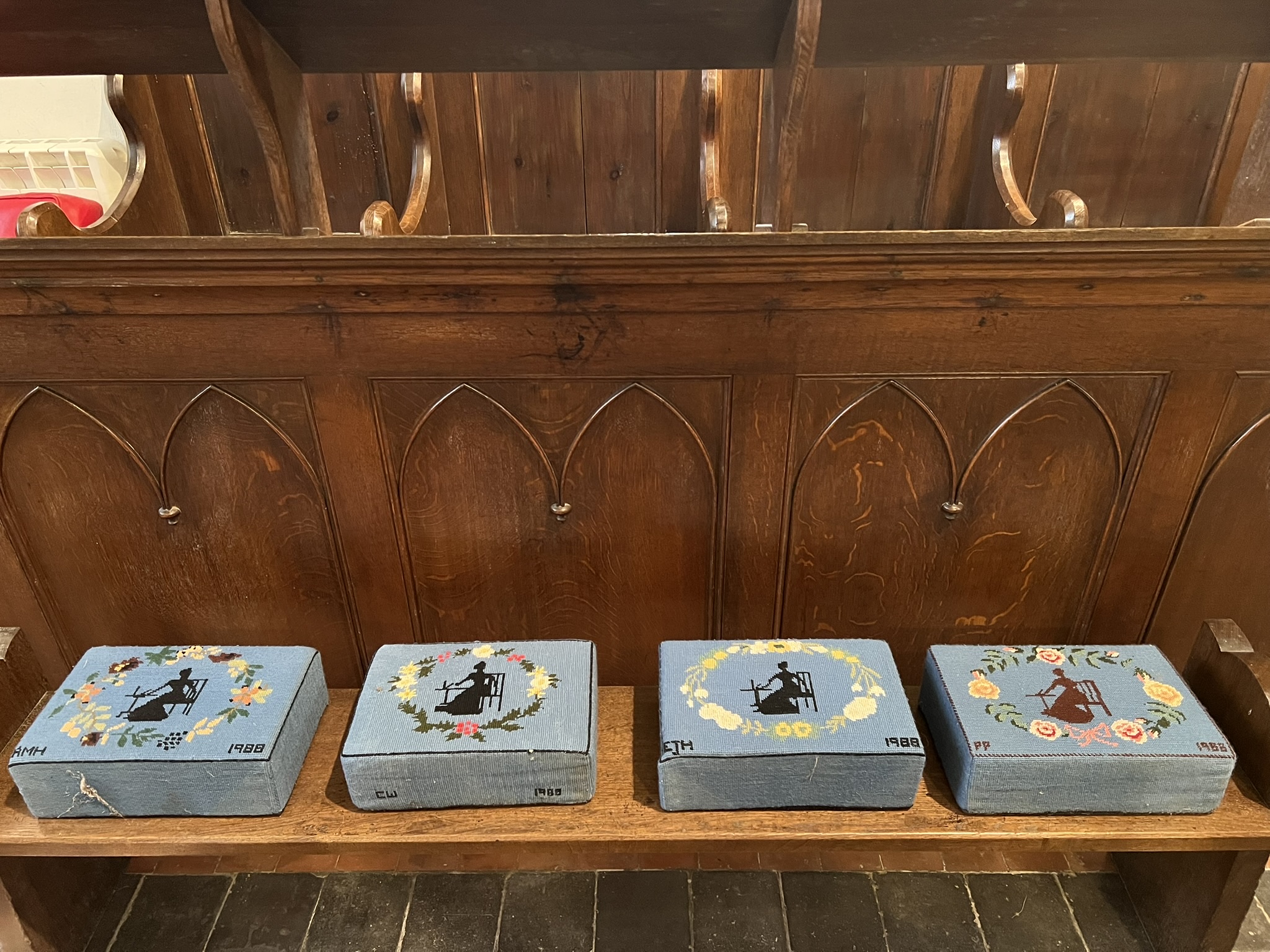
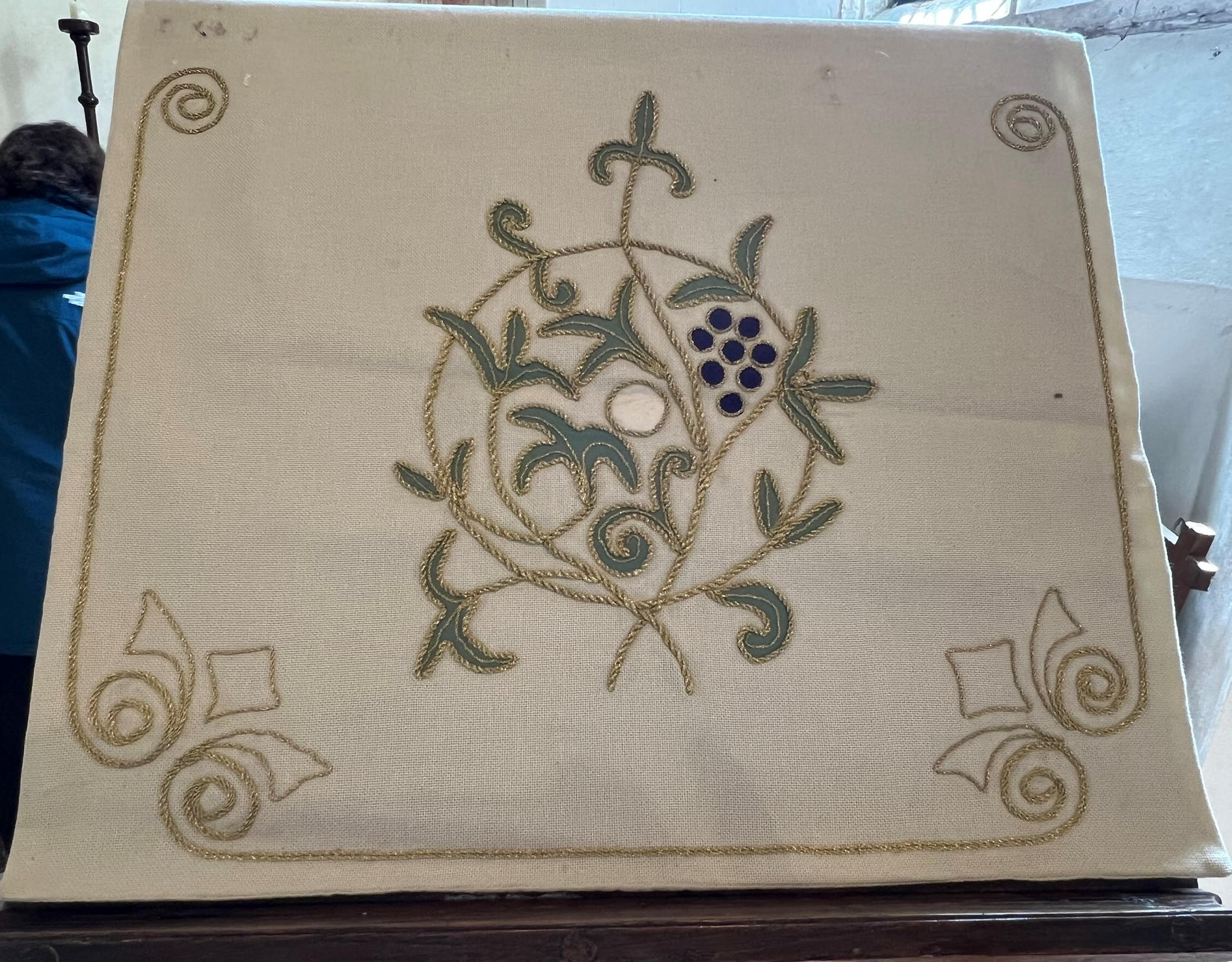
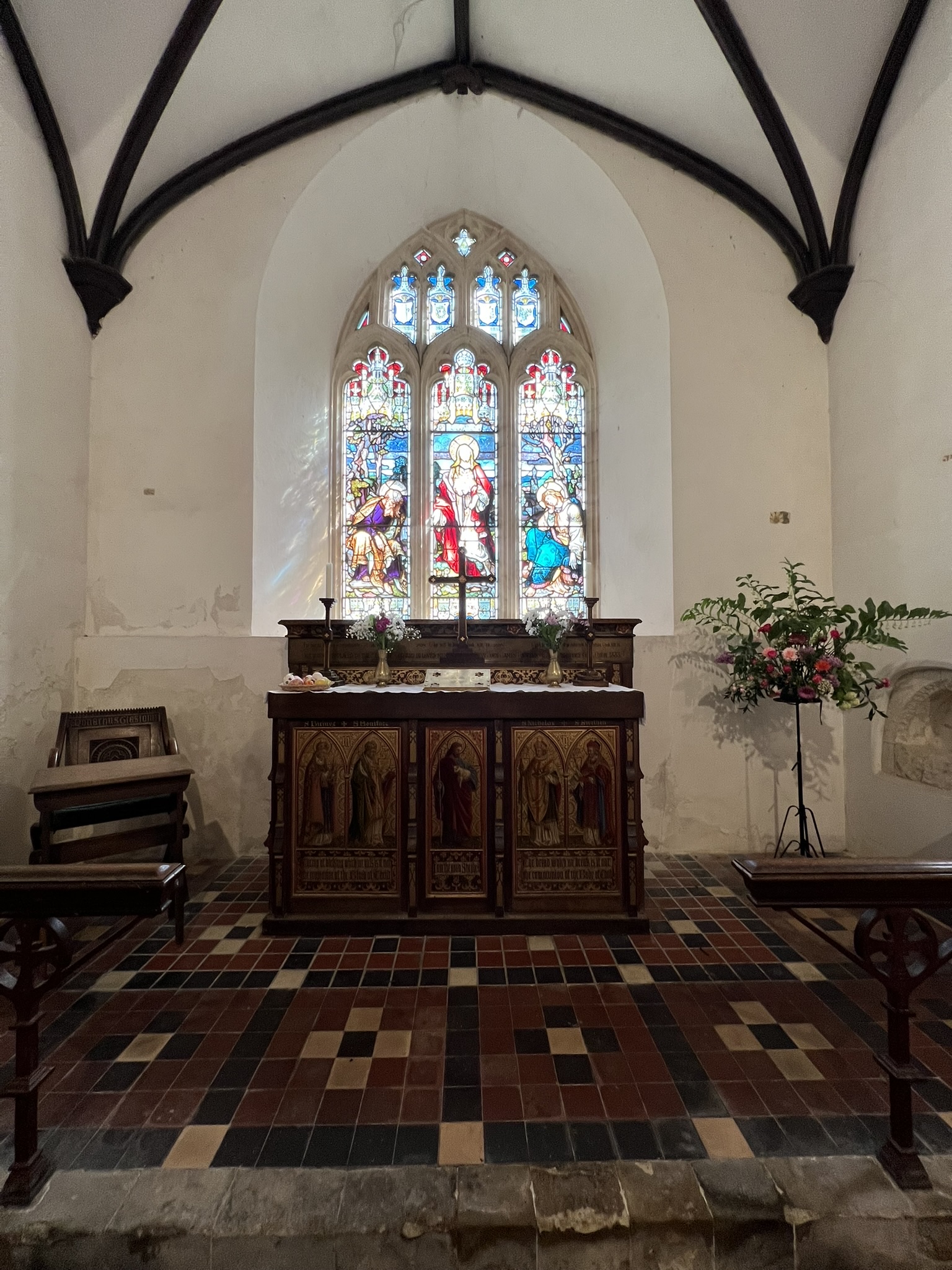
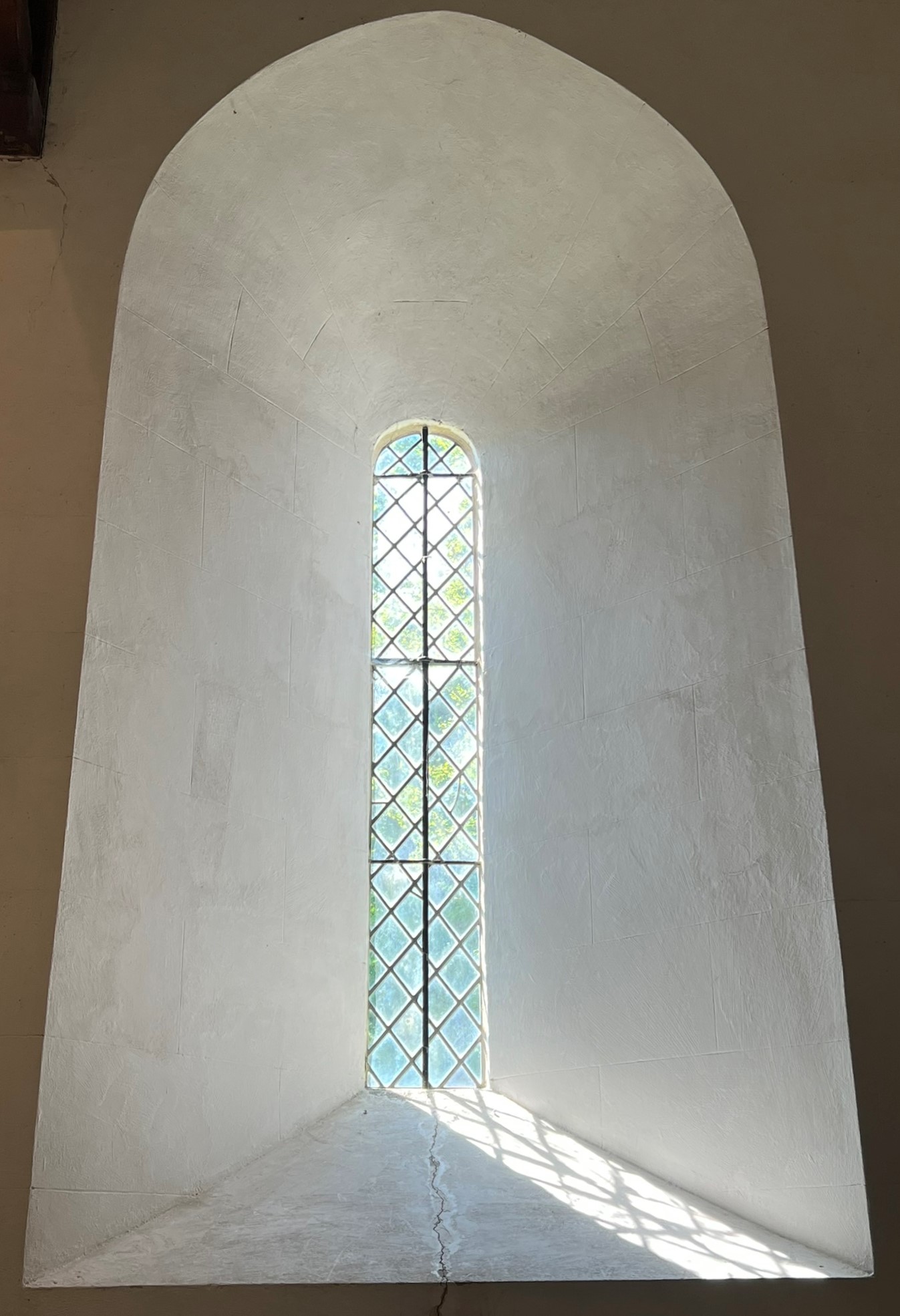
The church interior is lovely, with these William Morris-like decorative designs, but not there during Austen’s time.

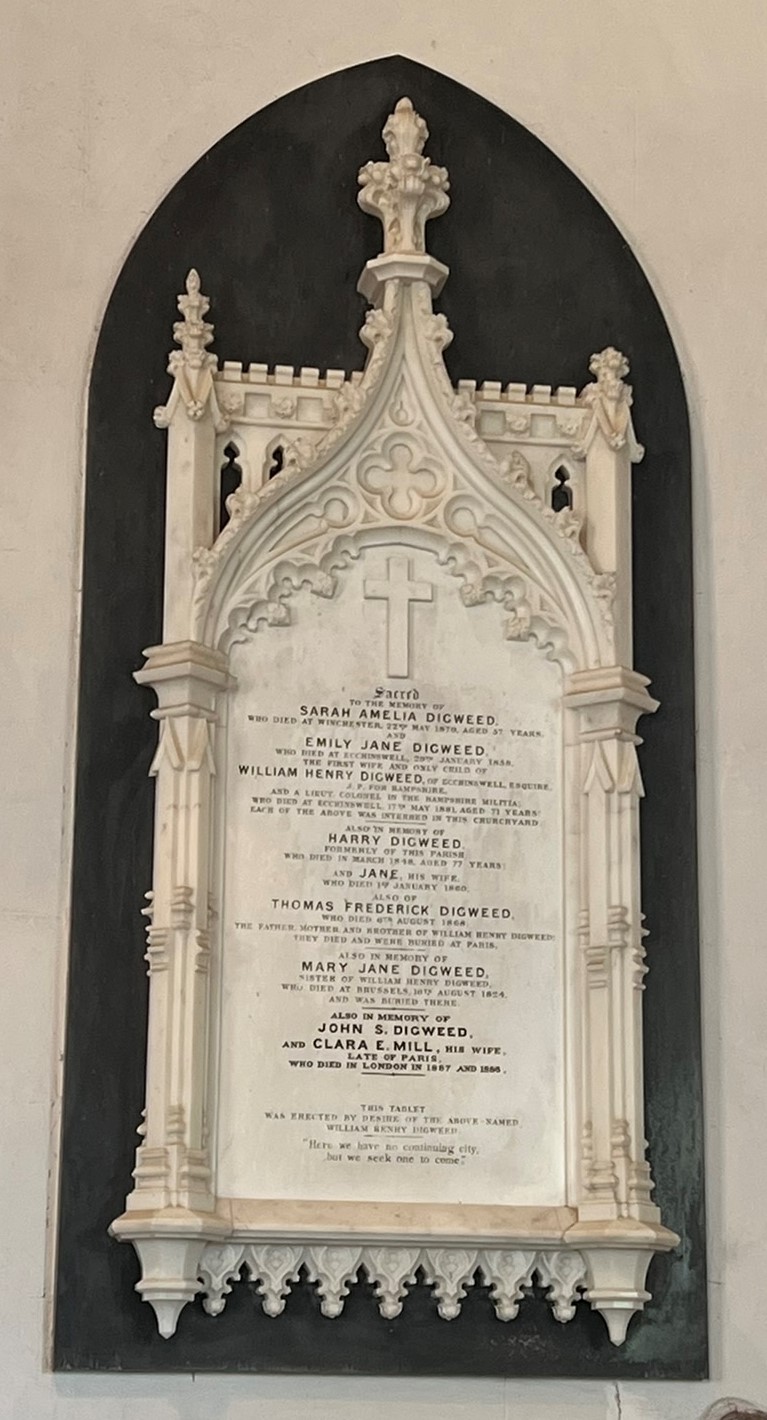
The Austen neighbors the Digweed family are very present with large memorials and many graves in the churchyard:

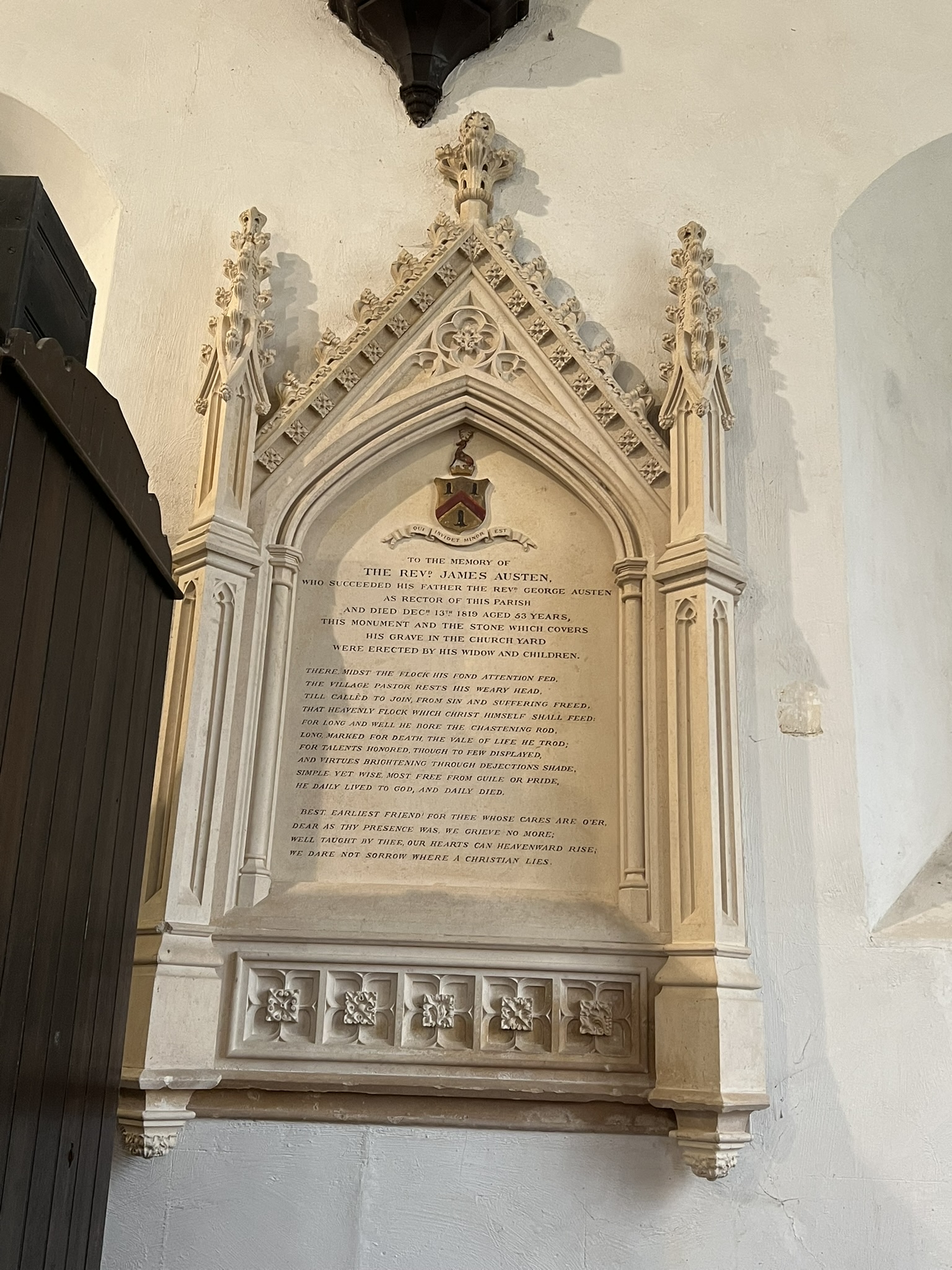
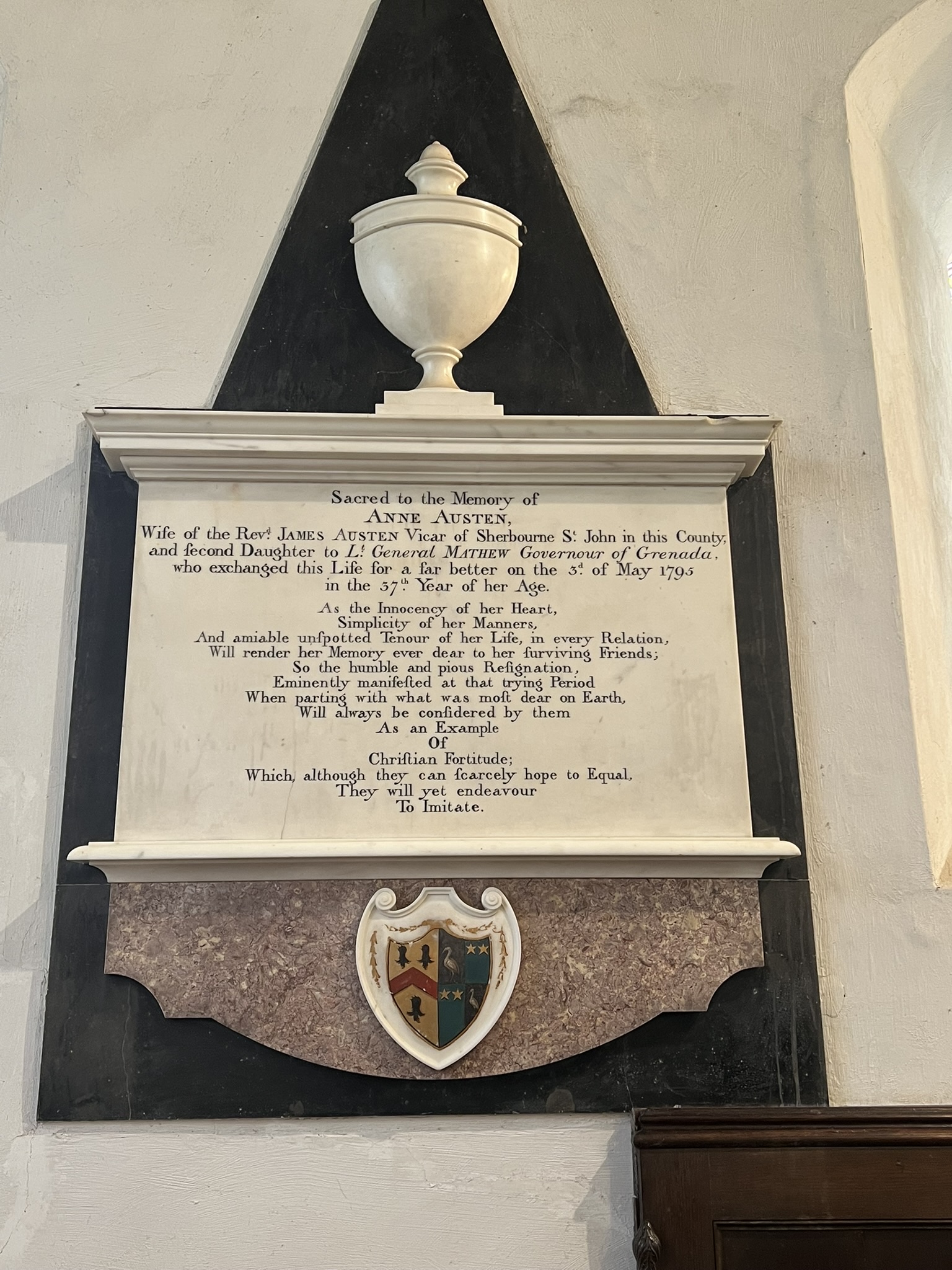
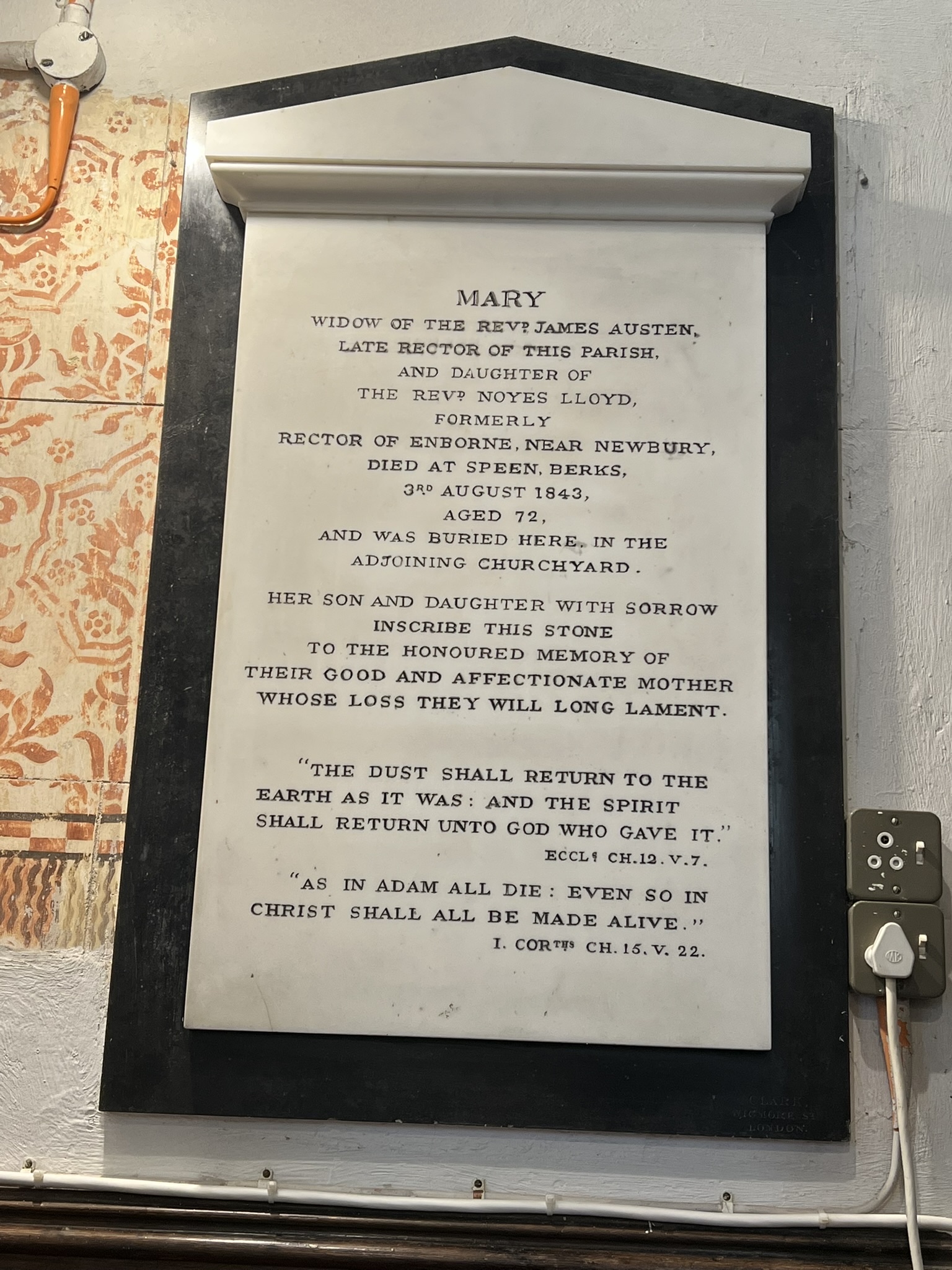
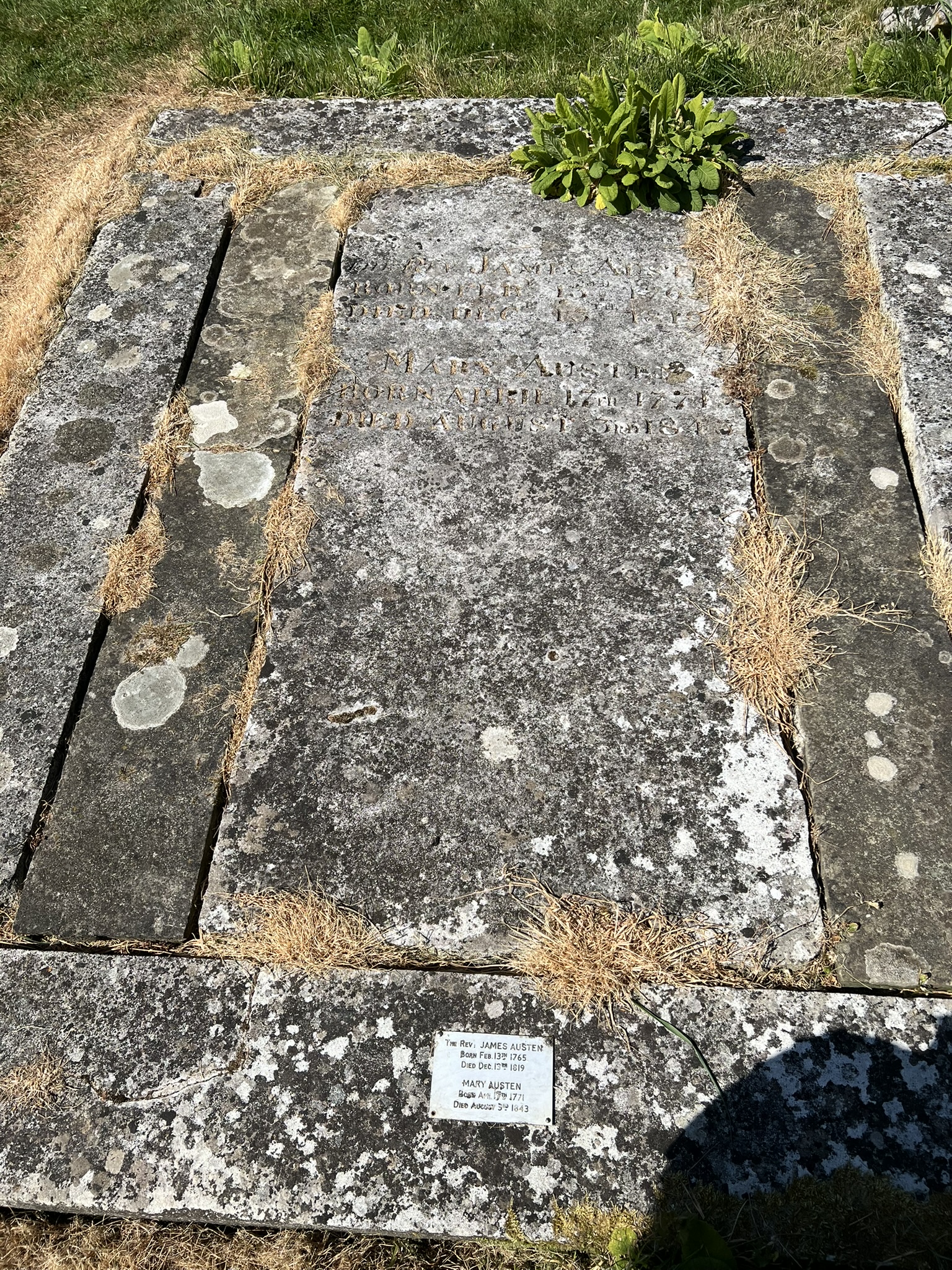
James Austen has a few memorials and is buried in the churchyard – it states that Mary Lloyd Austen is buried here, but no mention of Ann, his first wife, though records show she is buried here as well…

**************

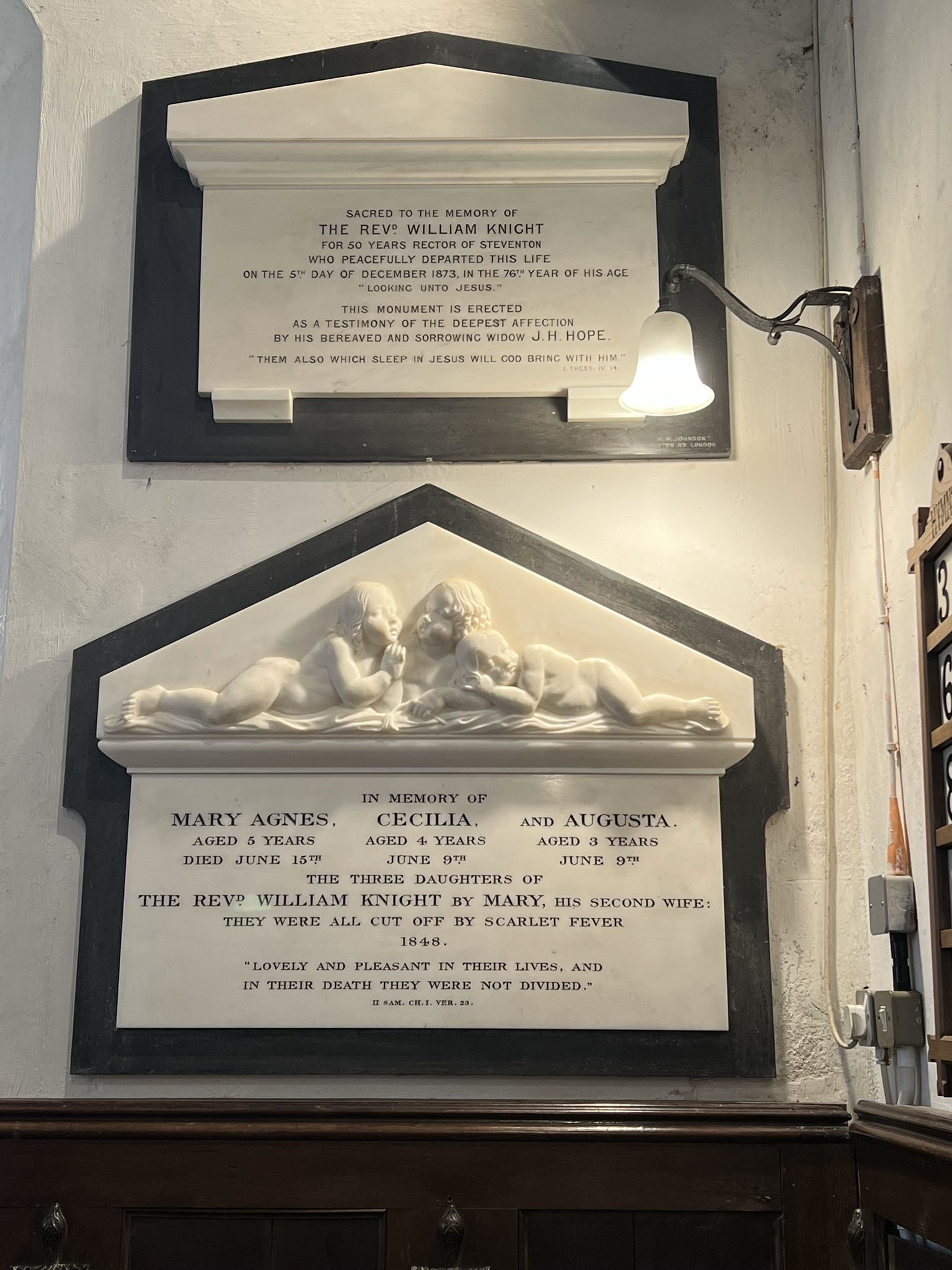
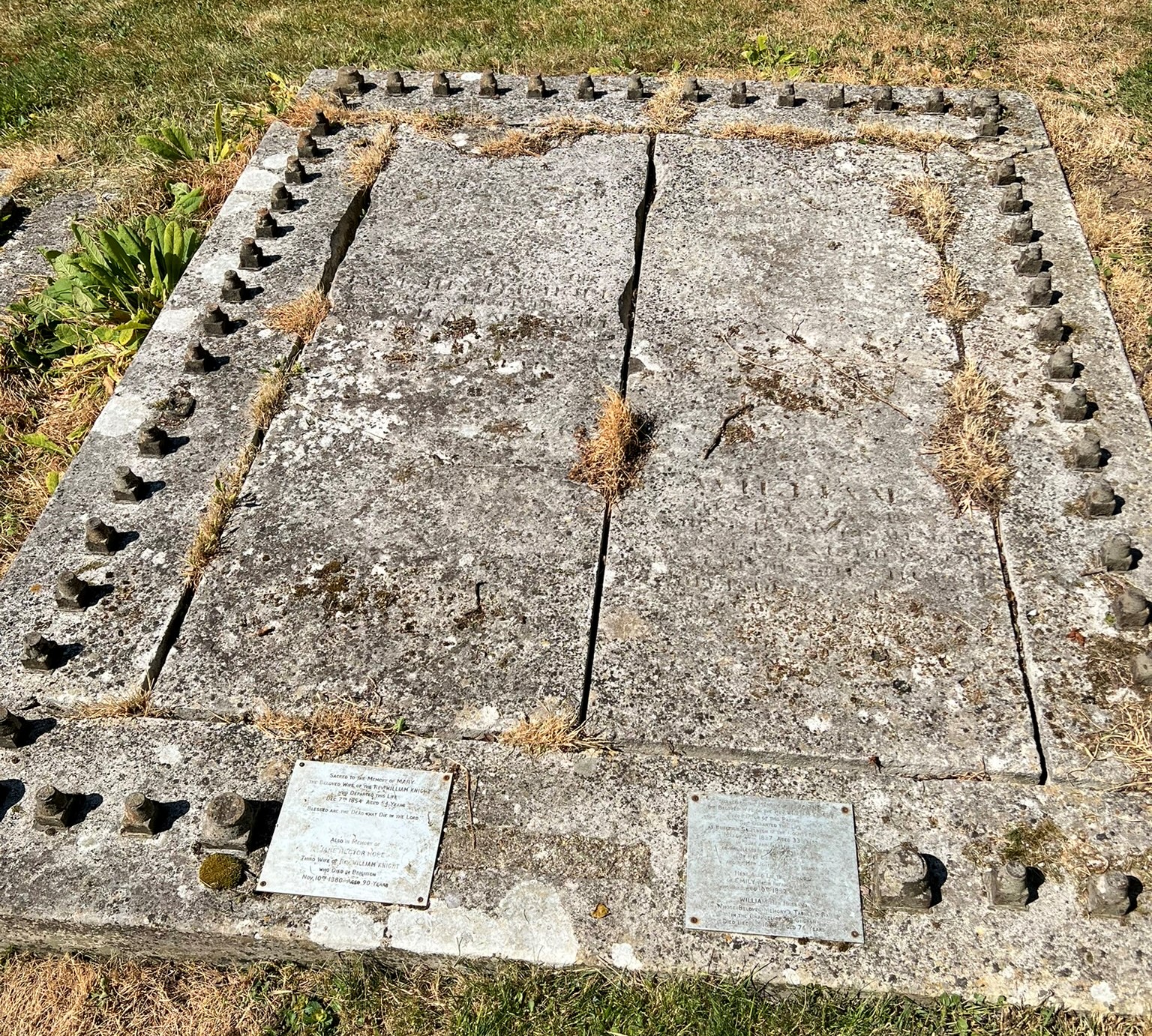
A sad memorial to encounter is the one for William Knight, Jane’s nephew [Edward’s son] – he was rector here from 1823-73. This memorial shows the death of his three young daughters within days of each other from scarlet fever – and the graves in the yard:
The iron pieces at the edge of the grave indicate there would have been an iron-fence enclosure around the grave – many such metals were removed for use during wartime in the 1940s.

I have already written a bit about the parsonage that Austen grew up in – and while today there is nothing but the pump to give us a sense of time and place, when William became the rector, Edward Austen demolished the Steventon Rectory, his own boyhood home, and built a new one for William on higher ground – sometime in around 1826 [it is all quite confusing as these two blog posts about Steventon indicate]:

The Saga of the Steventon Parsonage;

and a follow-up post.

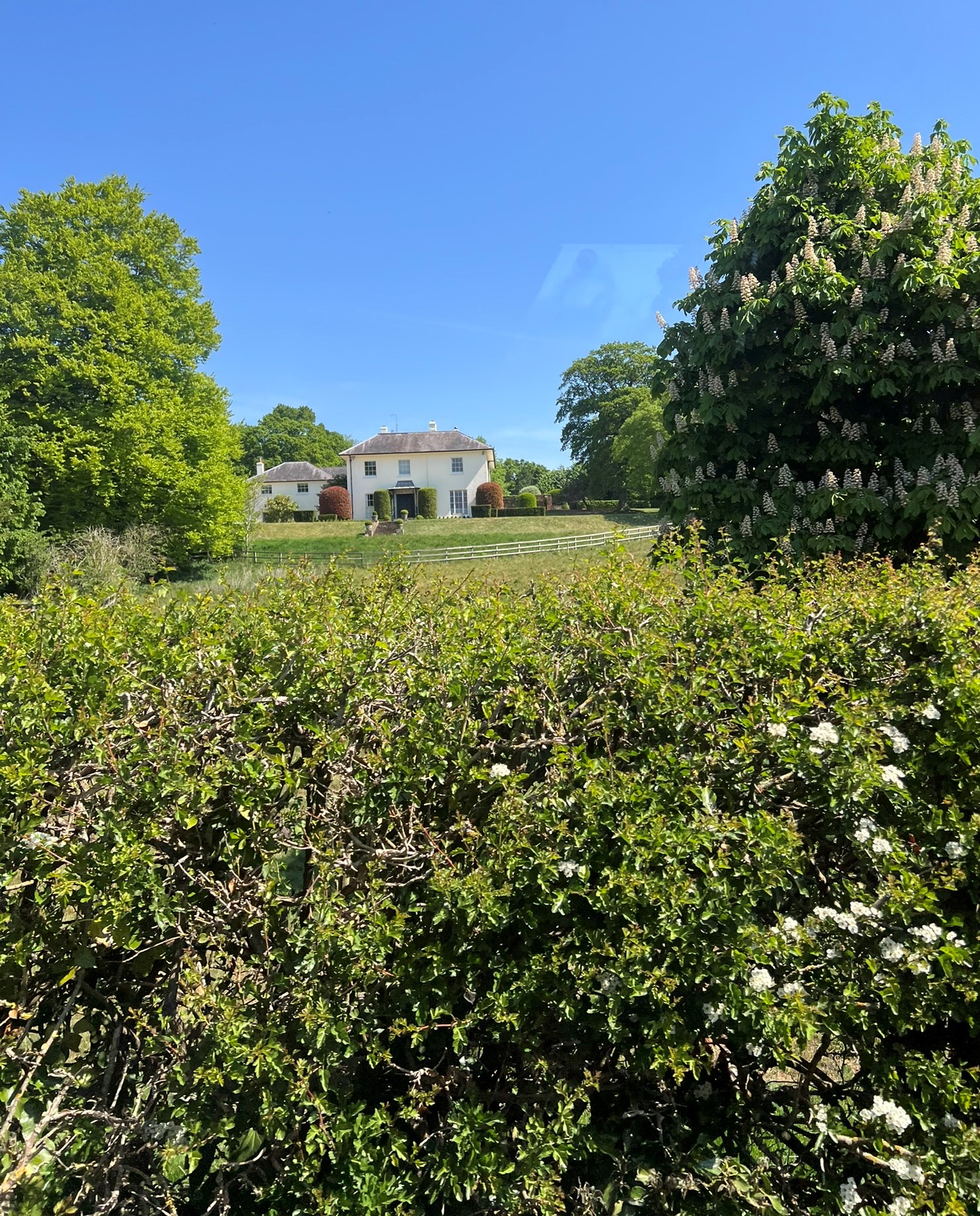
 – this rectory still stands…

…..and was recently on the market – here a grand example of just how wrong some real estate listings [and history in general] can be: this Steventon House [as it is called] was not built on the same location where Jane Austen lived and wrote…

.https://www.houseandgarden.co.uk/article/jane-austen-steventon-house-for-sale

But see the great pictures of the house interior and gardens…! It sold, the going price £8,500,000 – not sure how much it actually went for…

*************

A few more images to leave you with – a magical place here:

************

https://www.bbc.com/news/uk-england-hampshire-16002088#.

And here from Jane Odiwe in 2015:

https://janeausten.co.uk/blogs/jane-austen-life/jane-austens-china-and-the-steventon-archaeological-dig?

**********

We then headed back to Winchester for some time on our own to explore the city – the afternoon finding us at the Hampshire Cultural Trust, which I shall write more about in a Day 6, Part 2 post…so much there to talk about! [think the “pelisse”… and do not faint…]

So stay tuned…

c2025JaneAustenInVermont

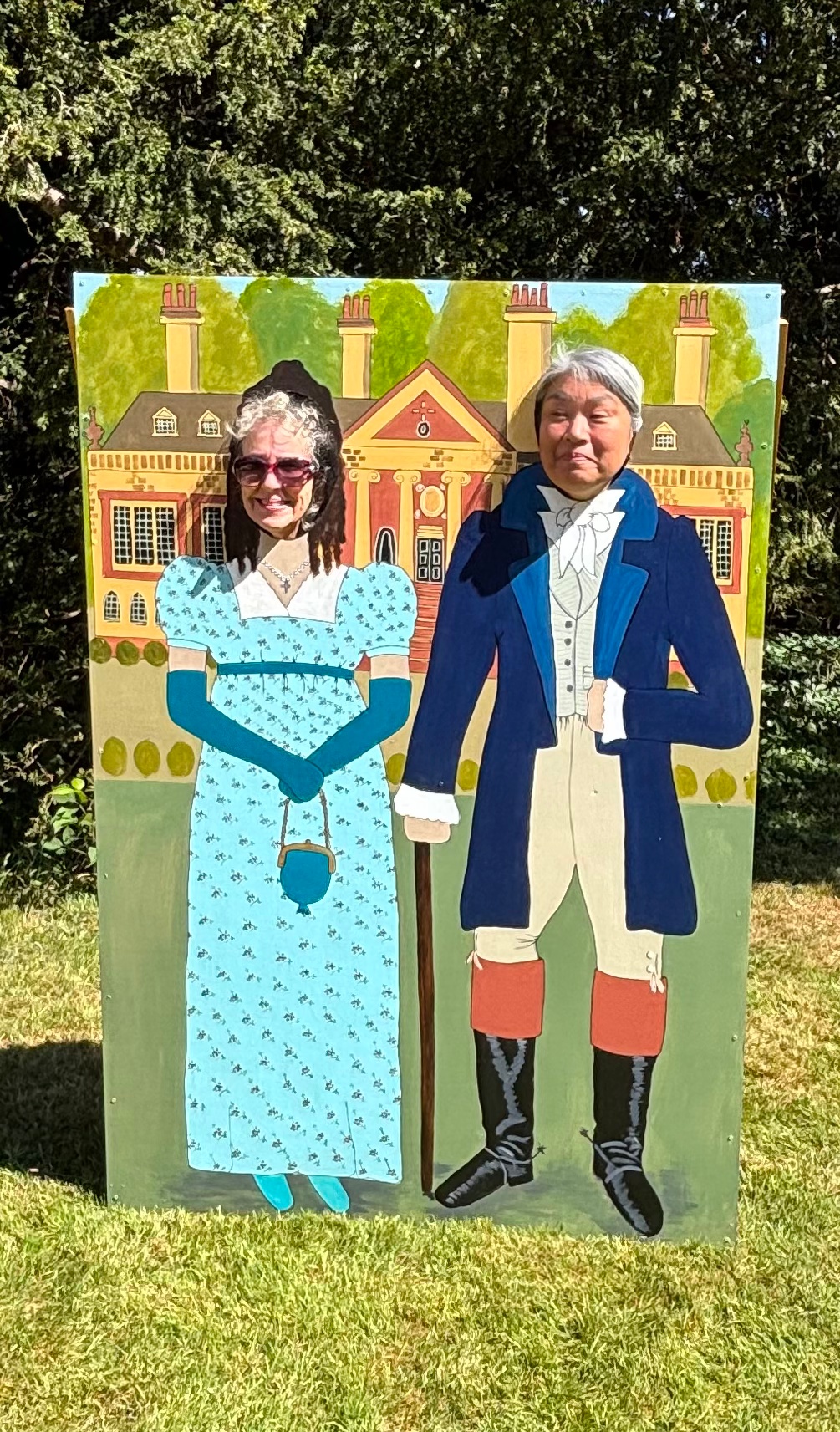
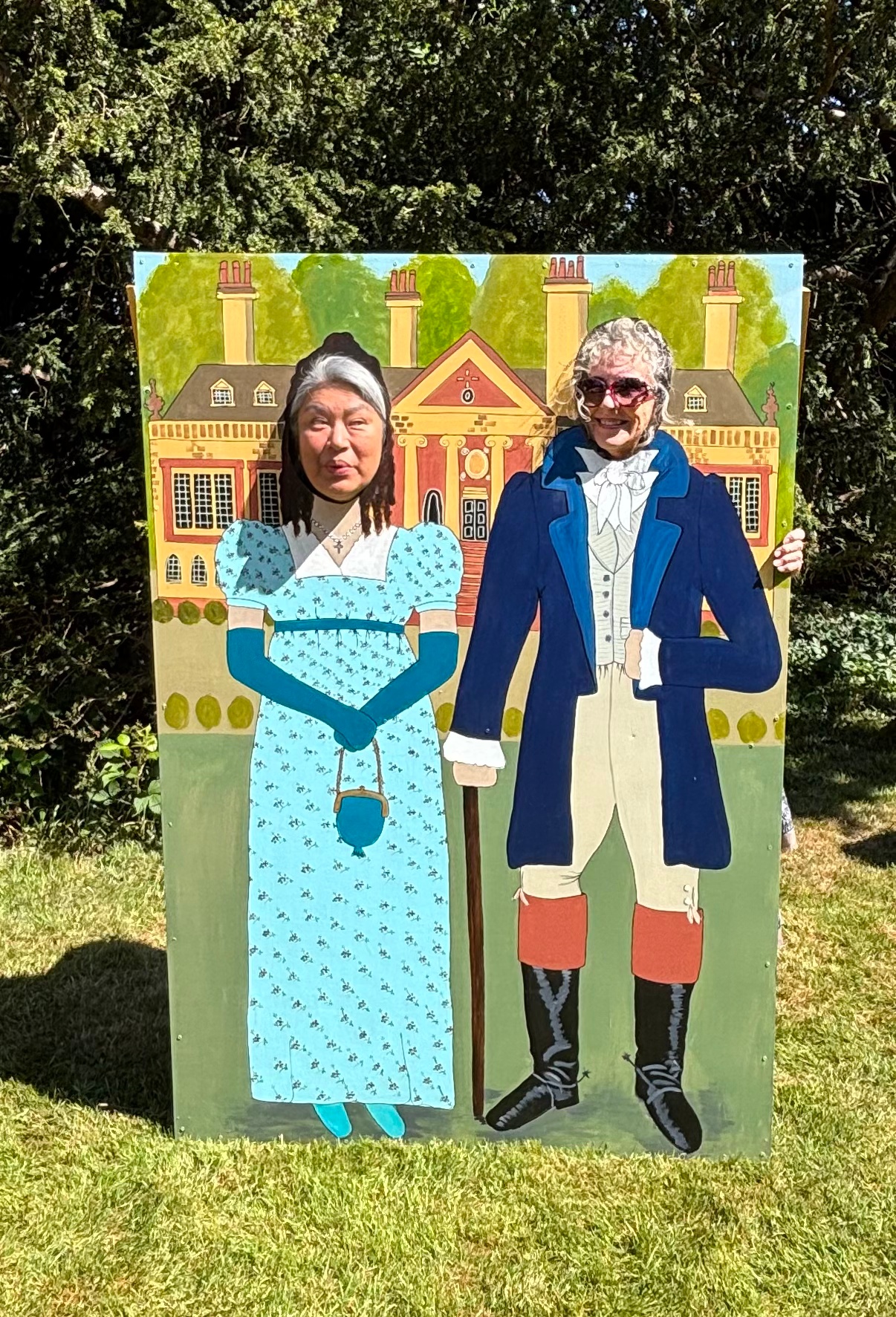
[Joy and I “dressed” for the occasion…]

Austen Literary History & Criticism · Georgian Period · Great Britain - History · Jane Austen · Jane Austen Circle · JASNA · Literature · Regency England · Social Life & Customs · Travel

Adventures with Jane! Day V: To Worthing and Winchester

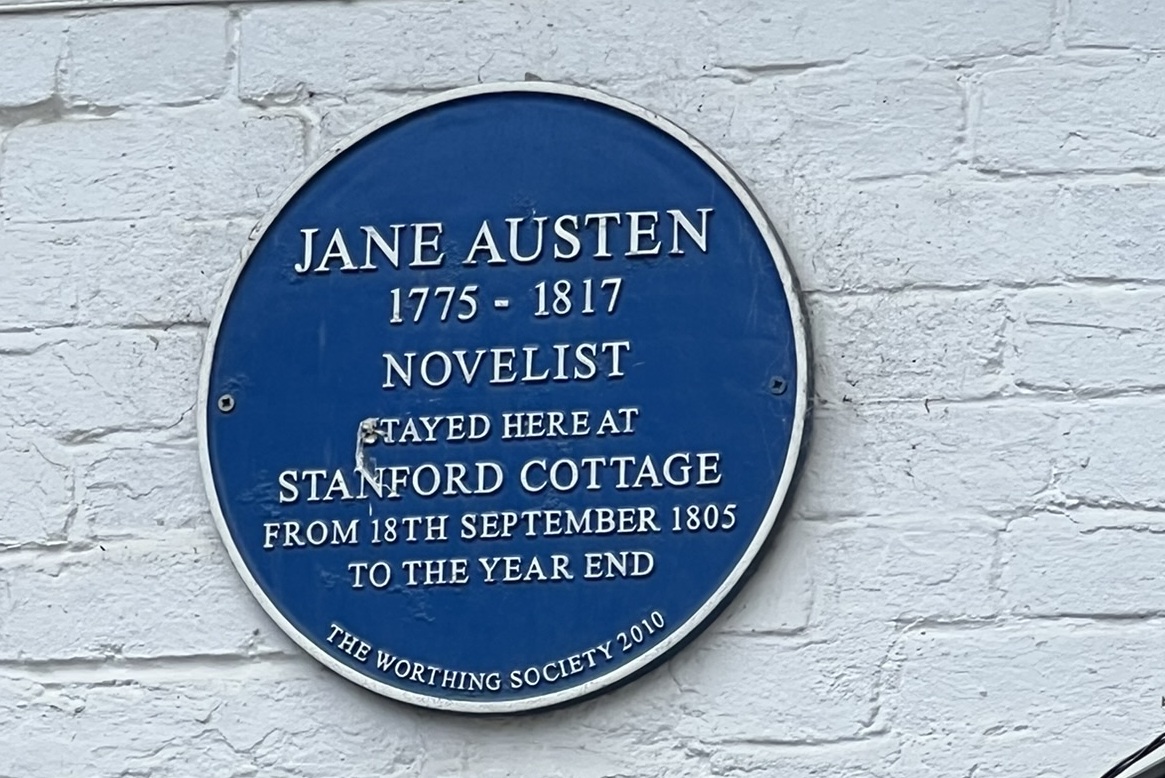
This morning we headed off once again after our last English breakfast at Culpeper’s Restaurant at the Chilston Park Hotel… for a two-hour trek to Worthing, at the seaside, and where Jane Austen stayed in September 1805 ’til at least early November [Le Faye, Chronology, 319]. I have read about this time of her life and her extended stay here – the must-read book is the Antony Edmonds’ Jane Austen’s Worthing: The Real Sanditon (Amberley, 2013):

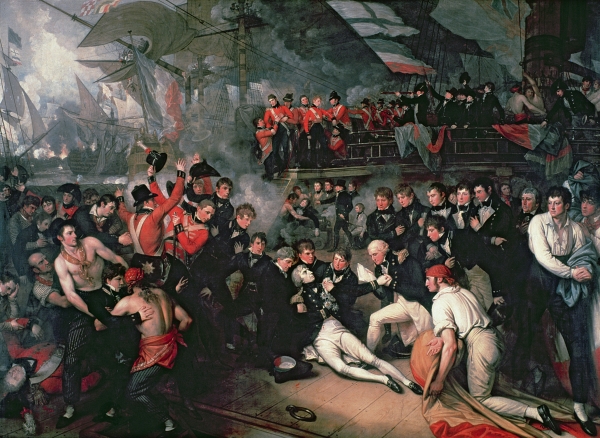
Profusely illustrated, Edmonds tells all about the history of Worthing and what it was like in 1805 as Jane would have experienced it. She was here with her mother, sister Cassandra, Martha Lloyd, niece Fanny Austen [later Knight], and Miss Sharpe – they stayed in Stanford Cottage, now a Pizza Express, and where we were met by members of the Worthing Society. They were terrific – gave a powerpoint lecture on Austen’s time here [interesting to learn that they were here in October 21, 1805, the date of the Battle of Trafalgar and the death of Nelson [and they were likely all worried about where Frank was then located – did they know then that he was not part of the battle?]]

[Death of Nelson, by Benjamin West – Wikipedia]

*******

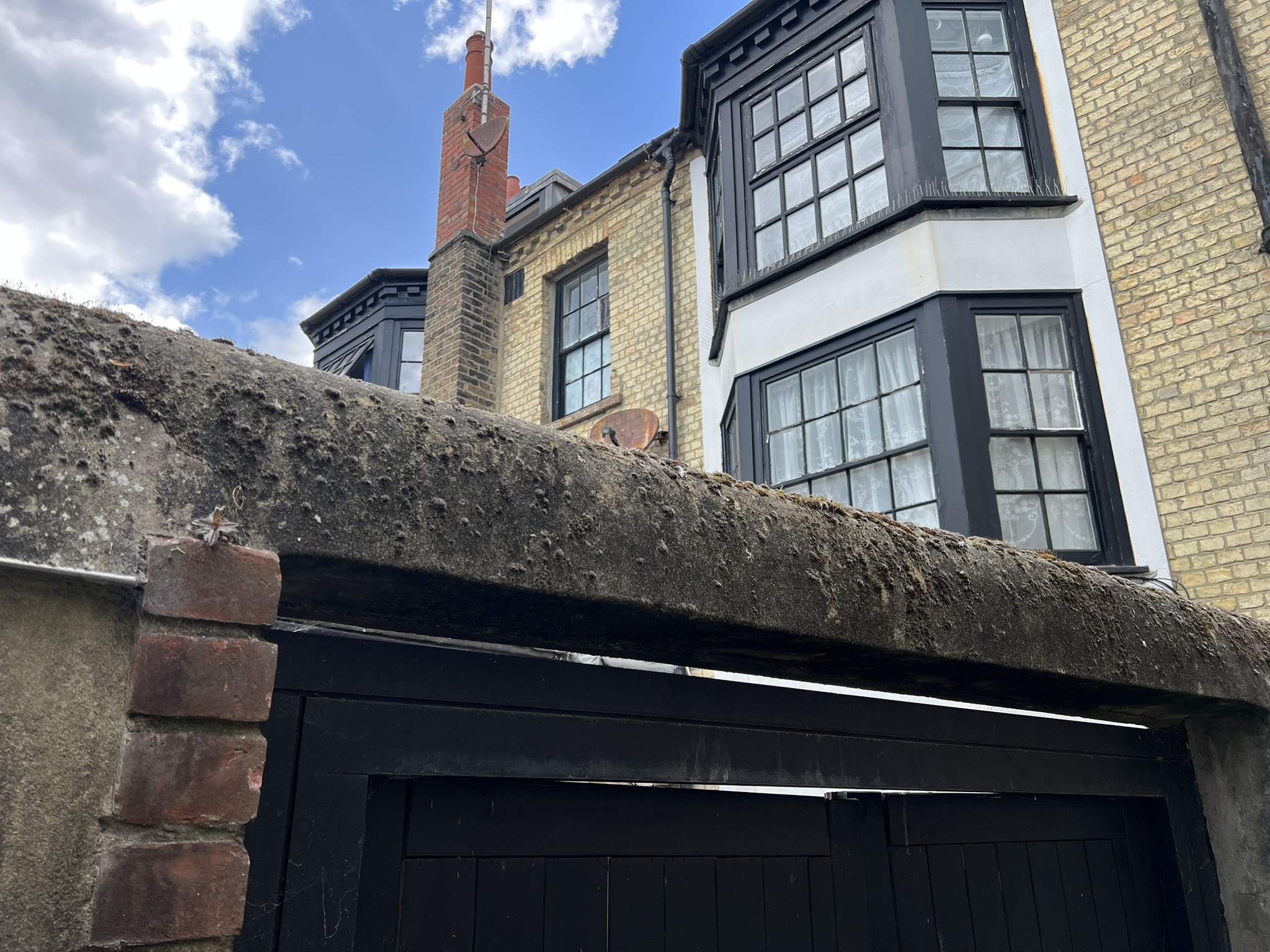
Stanford Cottage:

And this from the lecture on the route the Austens et al would have traveled to Worthing:

*******

Worthing was a place made famous by the arrival of Princess Amelia, youngest daughter of George III, who came here for sea-bathing to improve her health [to no avail: she died of tuberculosis in 1810]. Other notables who either visited or lived for a time in Worthing were Percy Bysshe Shelley, Lord Byron, Charles Lamb, the poet Robert Bloomfield, the poet and critic Horace Smith, and the actor Colonel Berkeley and actress Mrs. Bunn (Margaret Somerville, and a bit after Austen). There are a number of “Blue Plaques” scattered around town noting other people of historical interest [including Harold Pinter, who wrote “The Homecoming” while living here from 1962-64]. One an only conjecture if Austen ran into any of these people… or if she would have liked Pinter’s turn as Sir Thomas in the 1999 Patricia Rozema Mansfield Park…?]

[House where Princess Amelia stayed]

One is easily sidetracked from the main event: Jane Austen in Worthing.

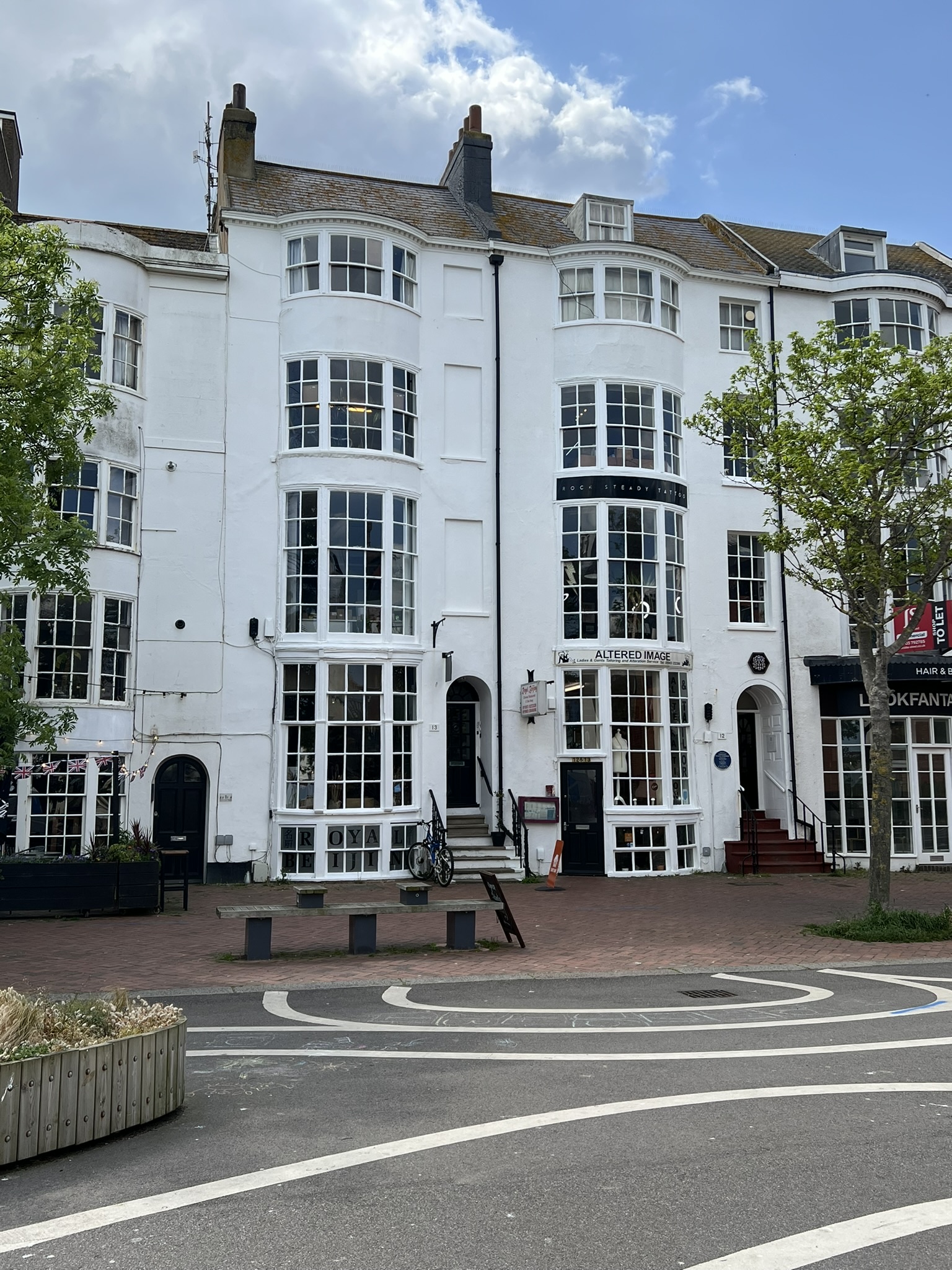
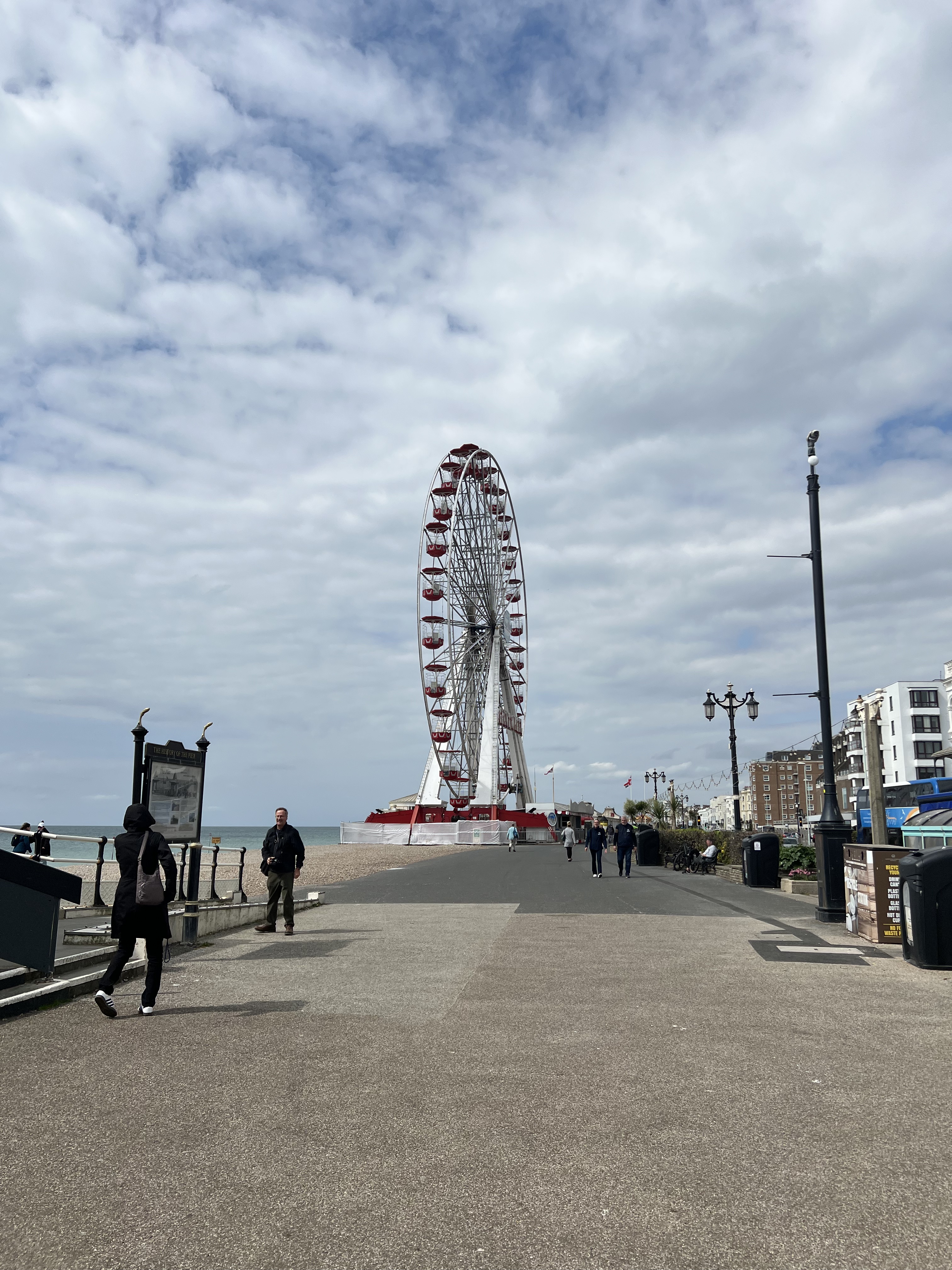
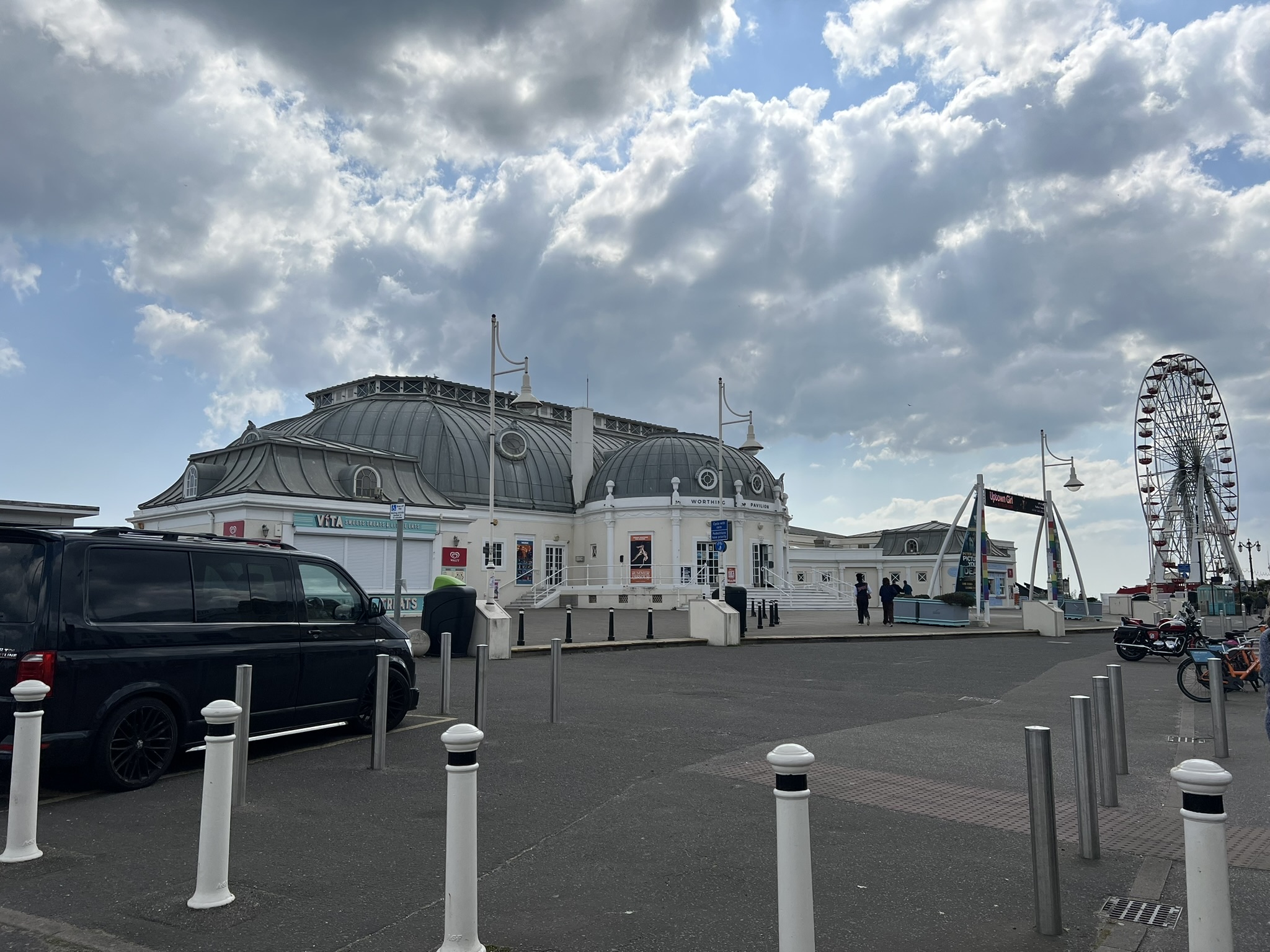
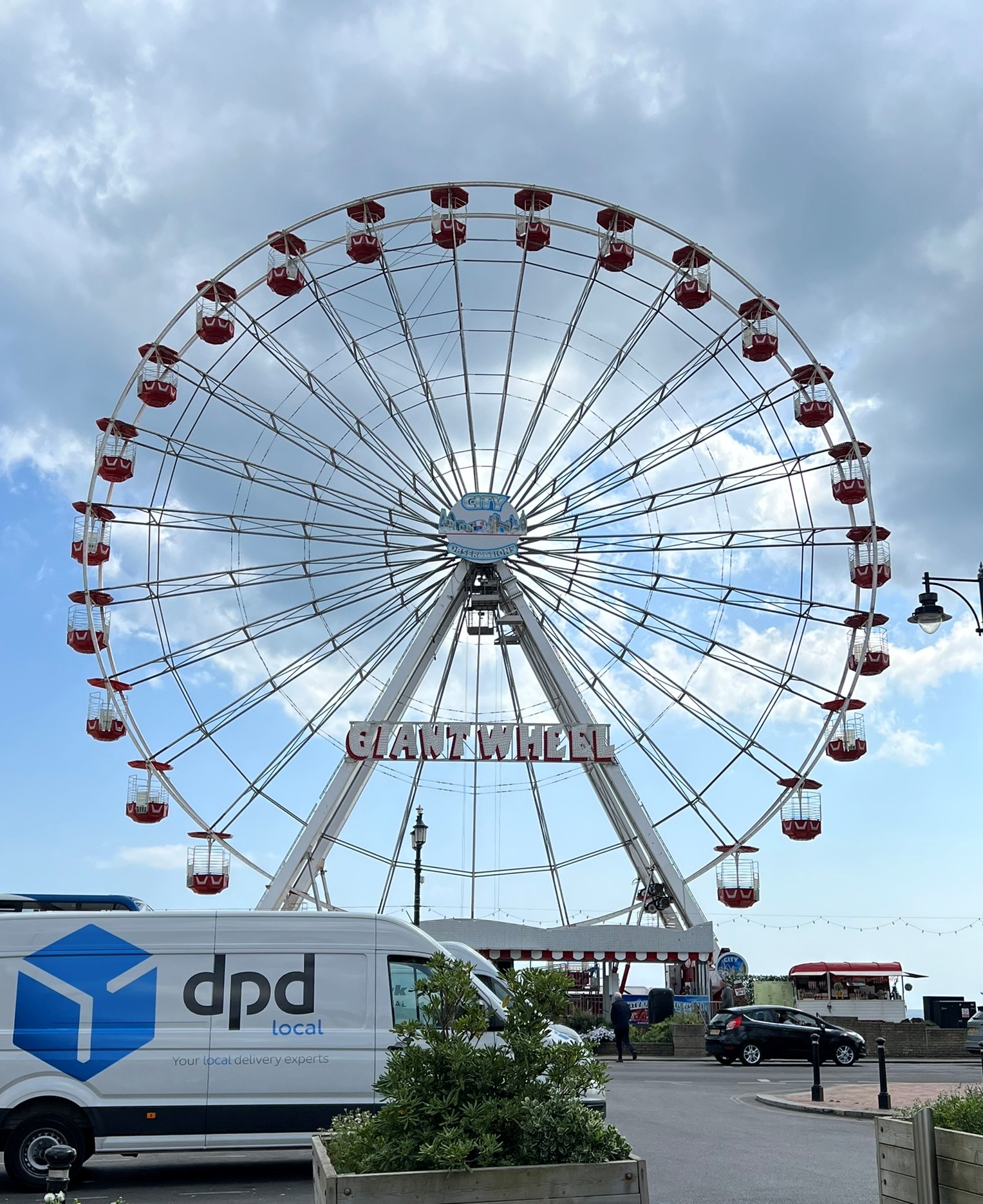
I was quite taken with the town, between the seaside, the Ferris Wheel, the beach, the enchanting streets, and by the graciousness of our hosts. After the lecture, we inhaled pizza, then took a walking tour guided by our Worthing Society hosts that followed Austen’s time here:

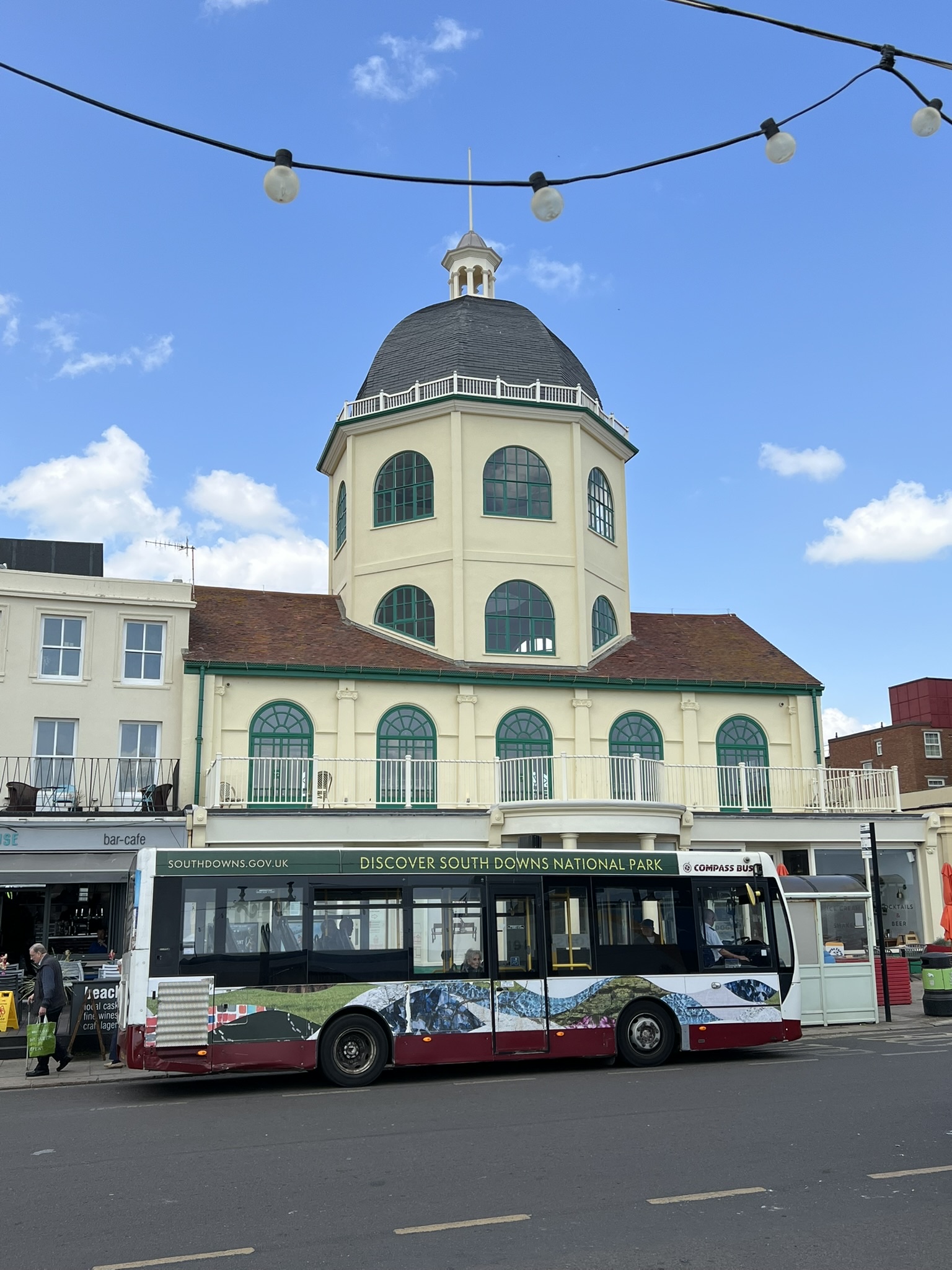
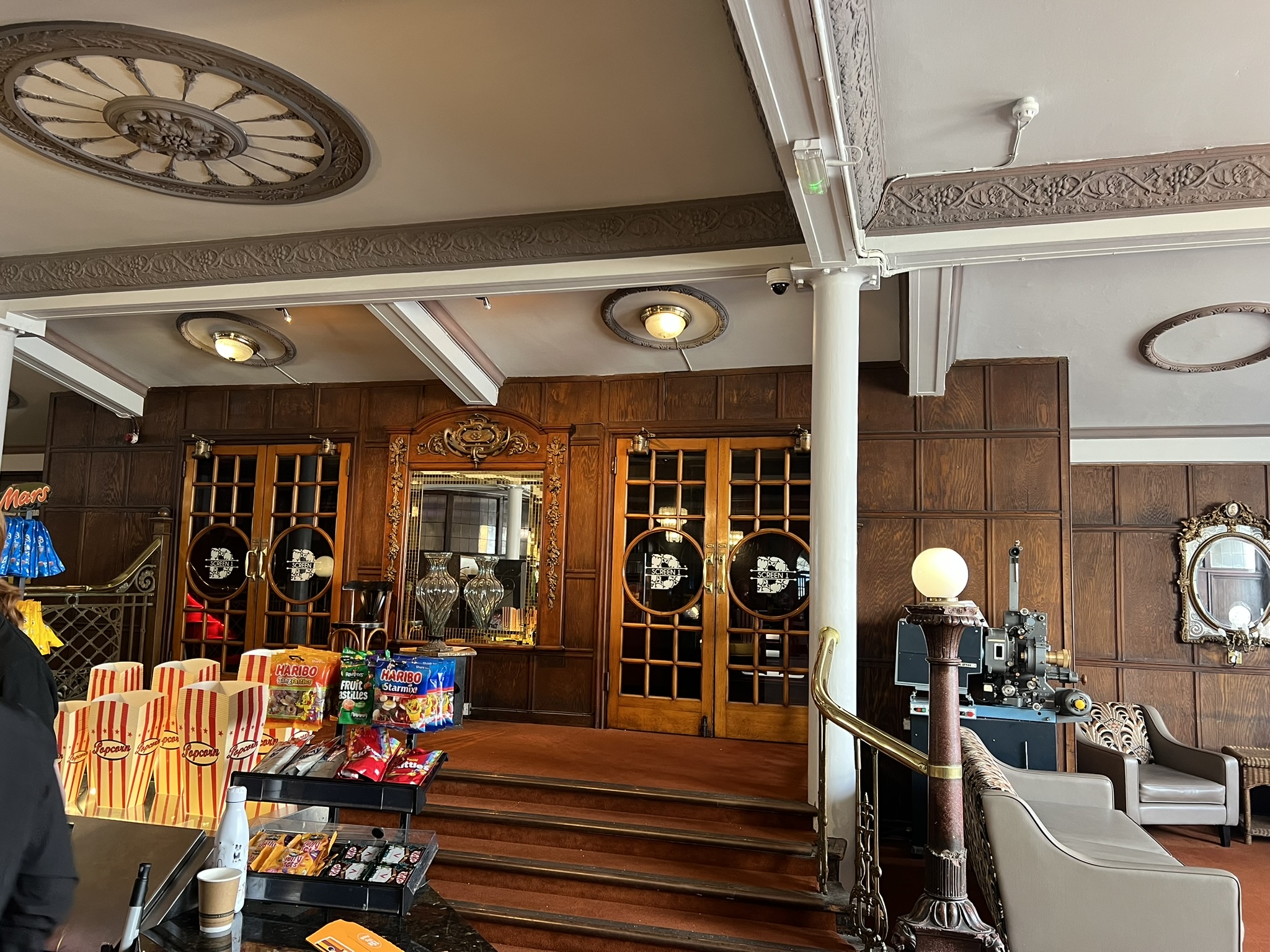
[The Dome Cinema, 1911]

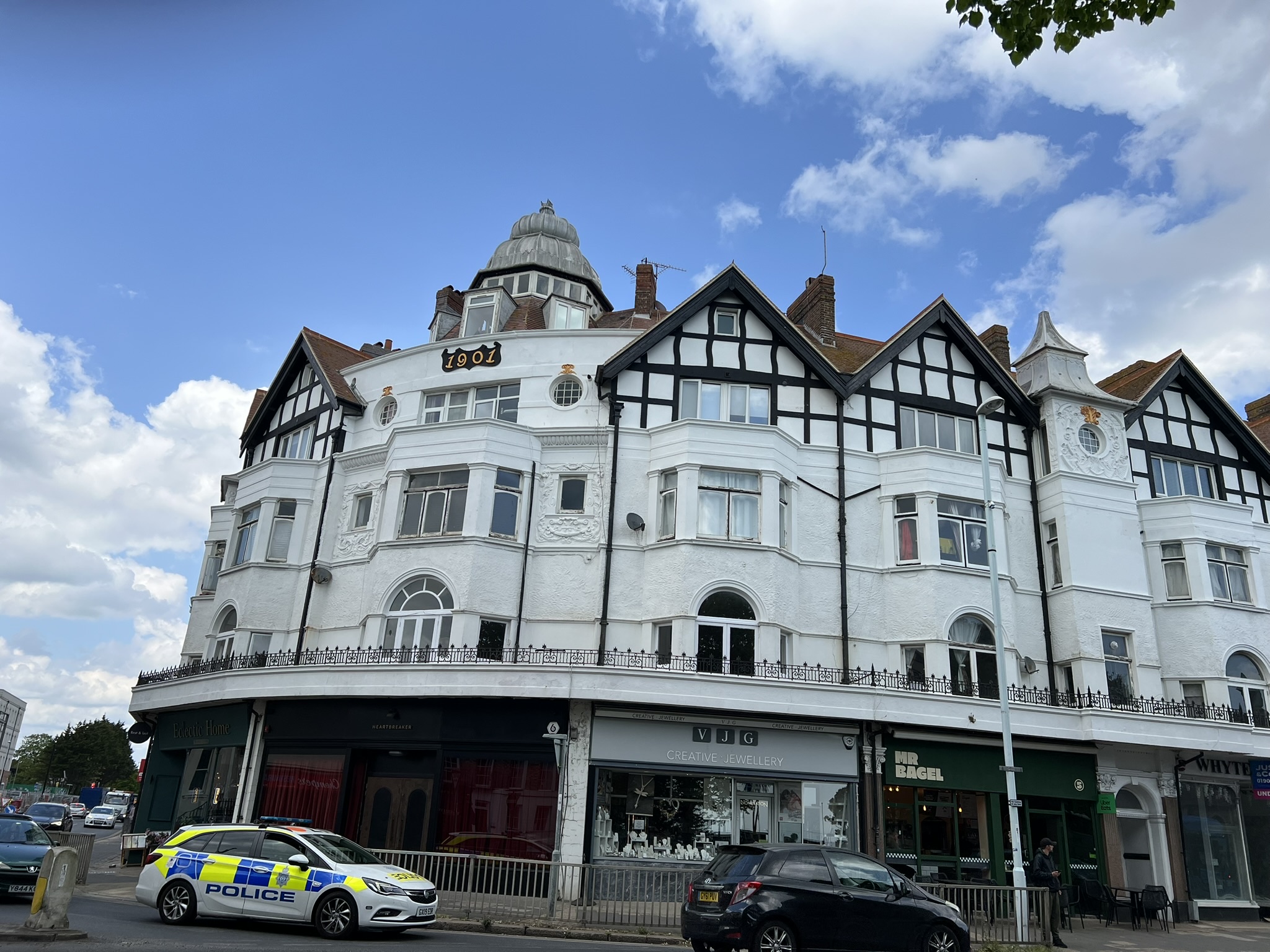
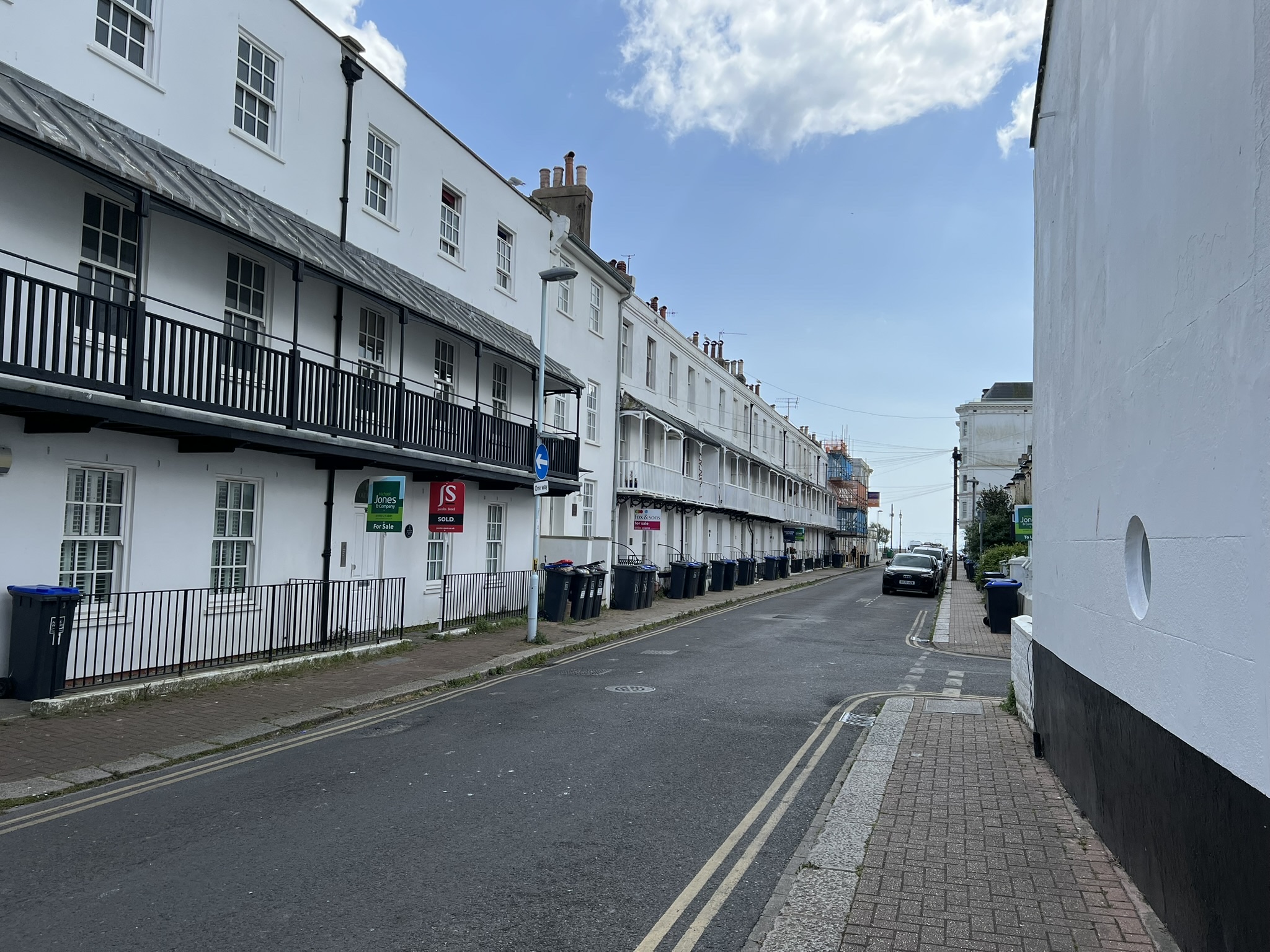
[a street just as Austen would have seen it…well, without the signs, the asphalt, the cars, the trash cans…but the buildings remains as they were then…]

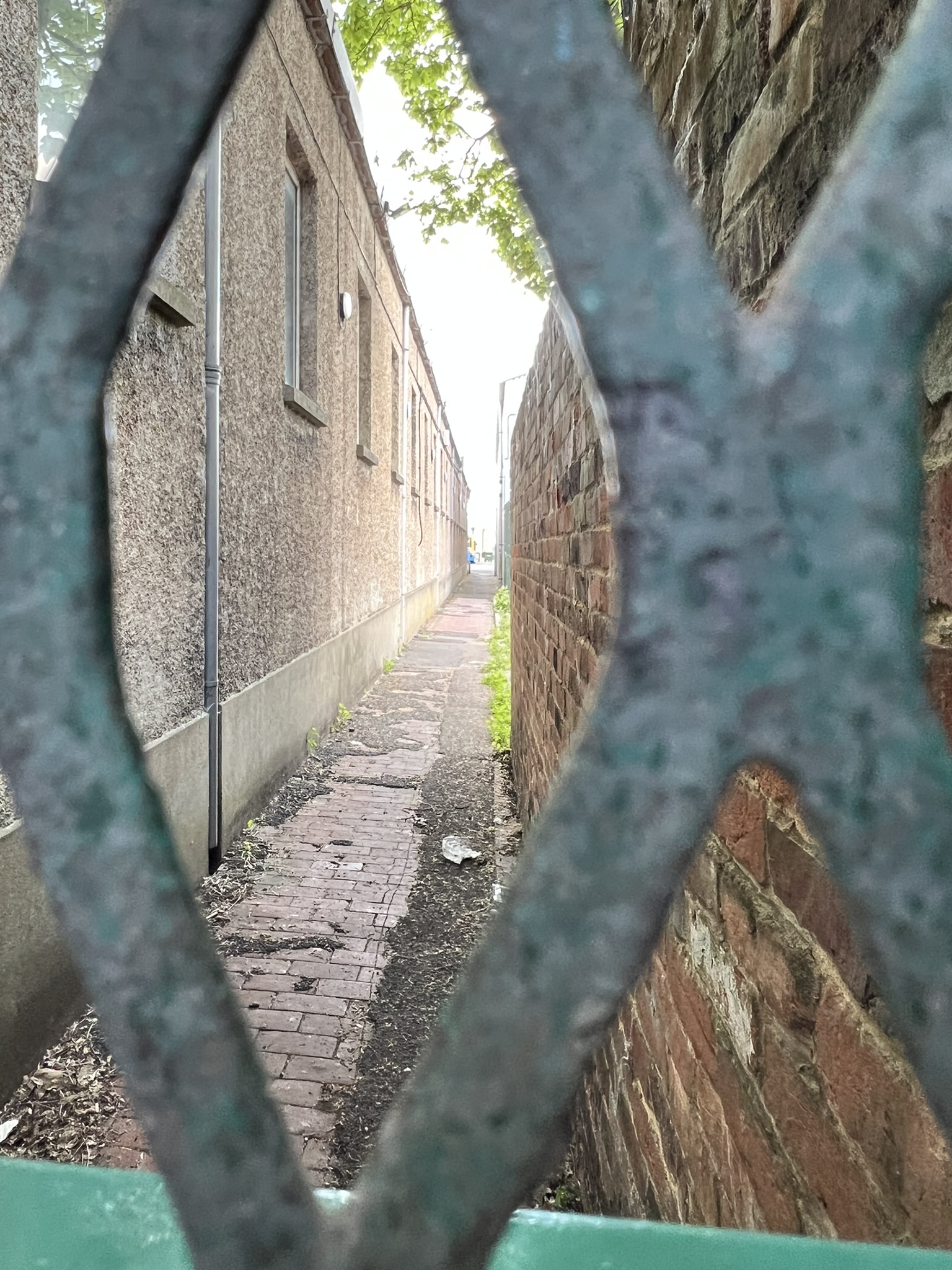
And her path to the circulating library, which is now closed to walkers…

…. you can read more about the closure of this “Library Passage” [called a “twitten”] to the Circulating Marine Library that Jane would have walked: https://janeausteninvermont.blog/2012/03/01/the-library-passage-in-worthing-under-threat-of-closure-how-you-can-help/

and the followup here: https://janeausteninvermont.blog/2012/07/18/update-worthings-library-passage/

…. and the path to the water for a refreshing dip [there were 30 bathing machines at the time, and “were, according to the 1805 town guide, segregated, so that ‘every proper attention is paid to decency’.”] [Worthing Society Heritage Leaflet No. 2, “Jane Austen” (c2013, Janet Clarke)]


Venus’s Bathing (Margate):
Hand-coloured etching, 1790 By: Thomas Rowlandson
courtesy of the Wellcome Collection

All that is known about this family trip is through Fanny Austen’s notebook jottings – there are no letters from this time, and indeed no letters from Jane from 30 August 1805 until 7-8 January 1807 (Letter 48(C) is a July 24, 1806 poem to Fanny and is only a copy written out by Anna Lefroy) – what happened in those years remains a mystery … and ripe for fictional interpretation.

But Edmonds makes a strong case for Austen’s visit to Worthing as being the foundation of her last novel Sanditon – all the characters of the town are in place in her story, sadly never finished, and also ripe for fictional completions, of which there are several [as well as the over-the-top-but-beautiful-to-look-at 3-season TV series].

You can read more on the Worthing Society here: https://www.worthingsociety.org.uk/

We thanked our new-found friends in Worthing and were then on our way to Winchester, from where we will spend the next 4 days journeying from there to take in the Jane-in-Hampshire sites…

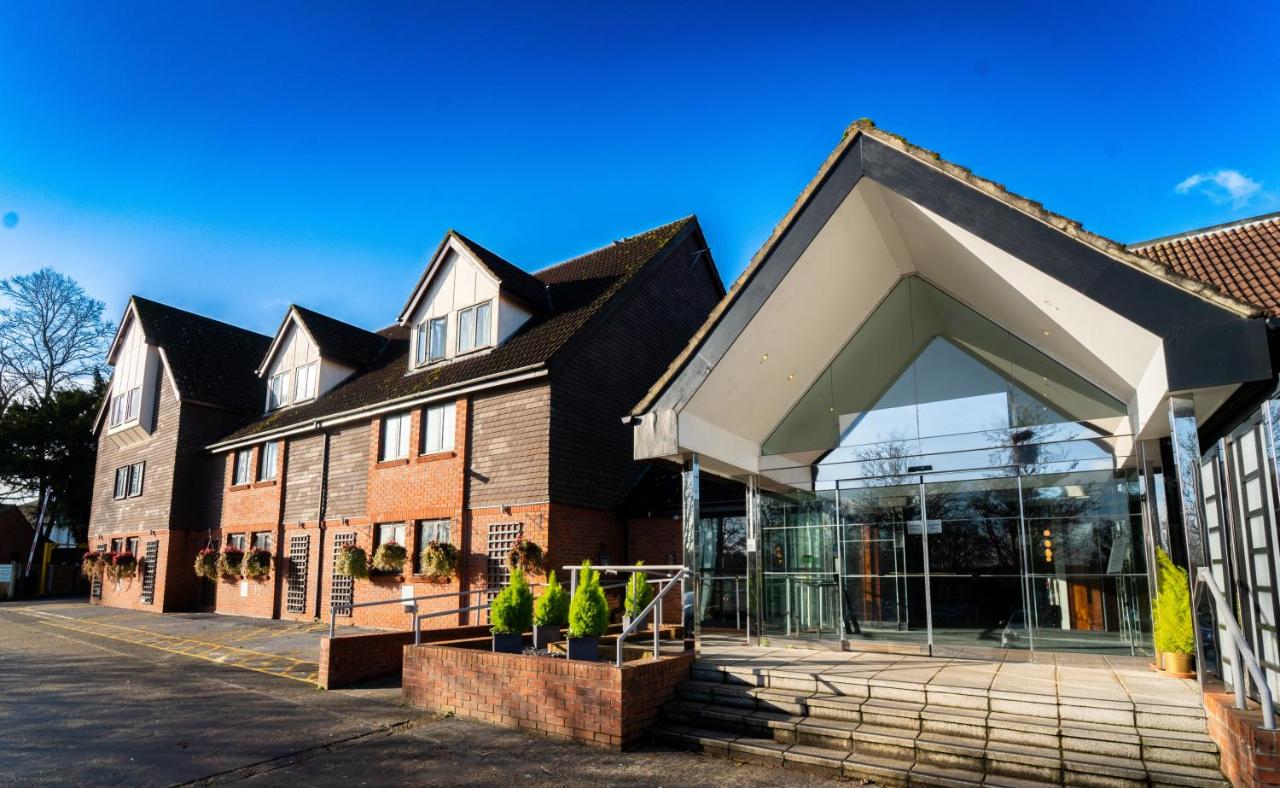
In the meantime, dinner at our hotel, the Winchester Hotel & Spa:

[from the hotel website as I failed ot take a picture!]

More on Worthing here, a guest post by Chris Sandrawich: https://janeausteninvermont.blog/2012/05/10/in-search-of-jane-austen-guest-post-a-tour-of-worthing-by-chris-sandrawich/

c2025JaneAustenInVermont
Austen Literary History & Criticism · Georgian Period · Great Britain - History · Jane Austen · Jane Austen Circle · Jane Austen Genealogy · Jane Austen Societies · JASNA · Literature · Regency England · Social Life & Customs

Adventures with Jane! JASNA Tour Day II ~ Off to Kent…

One of the reasons I wanted to do the JASNA tour this year [other than the doable May option] was in it following the life and times of Jane for her 250th and therefore Kent was on the itinerary. I have been only to Canterbury a million years ago as well as to Dover [for one of the worst crossings in English Channel history – only two people on the ship did not get sick: me and my not-yet husband – perhaps destiny stepped in right then and there…]. But Kent was an important place in Jane Austen’s life, and so I was most curious to visit all the known spots with Austen family connections.

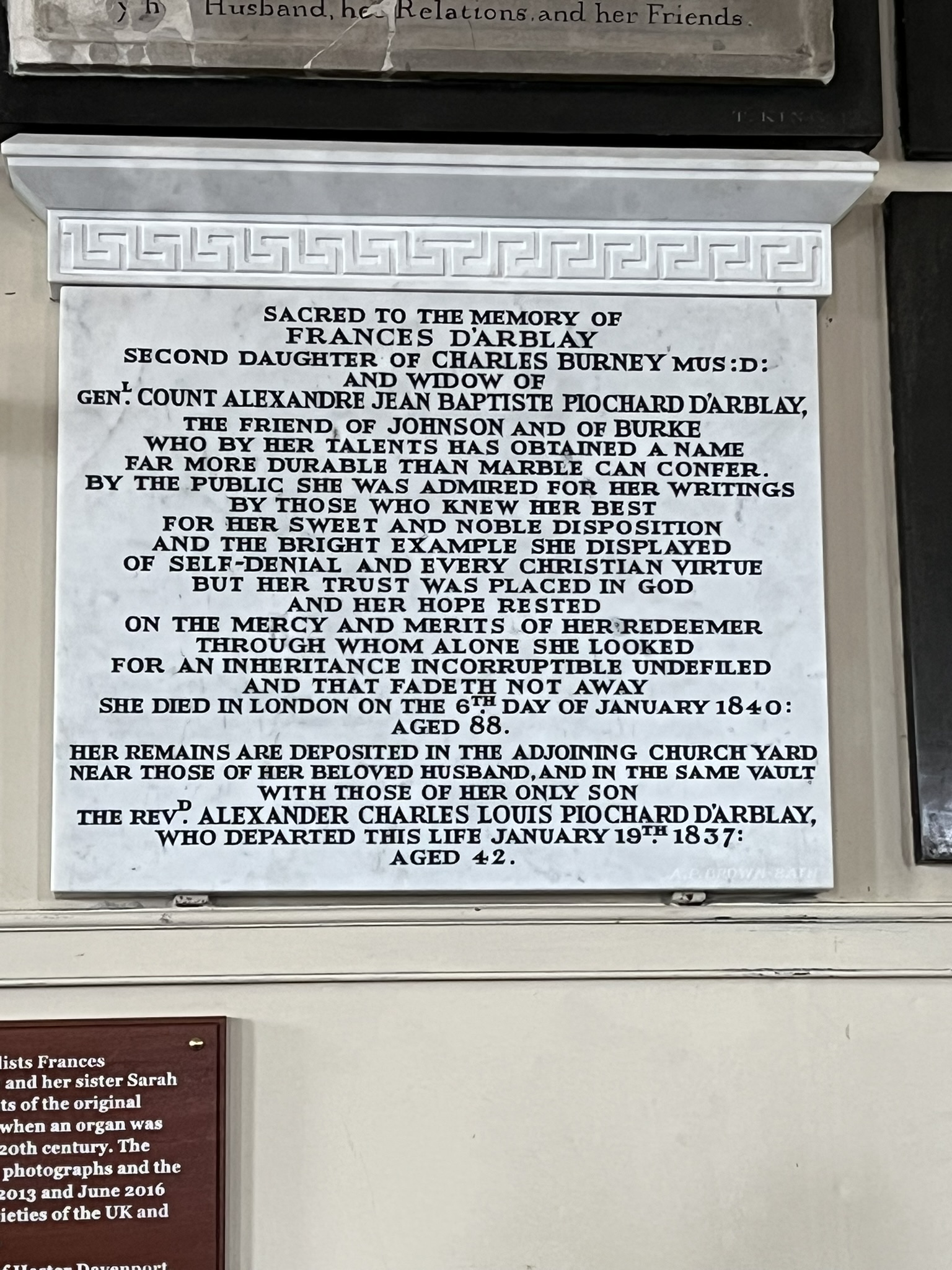
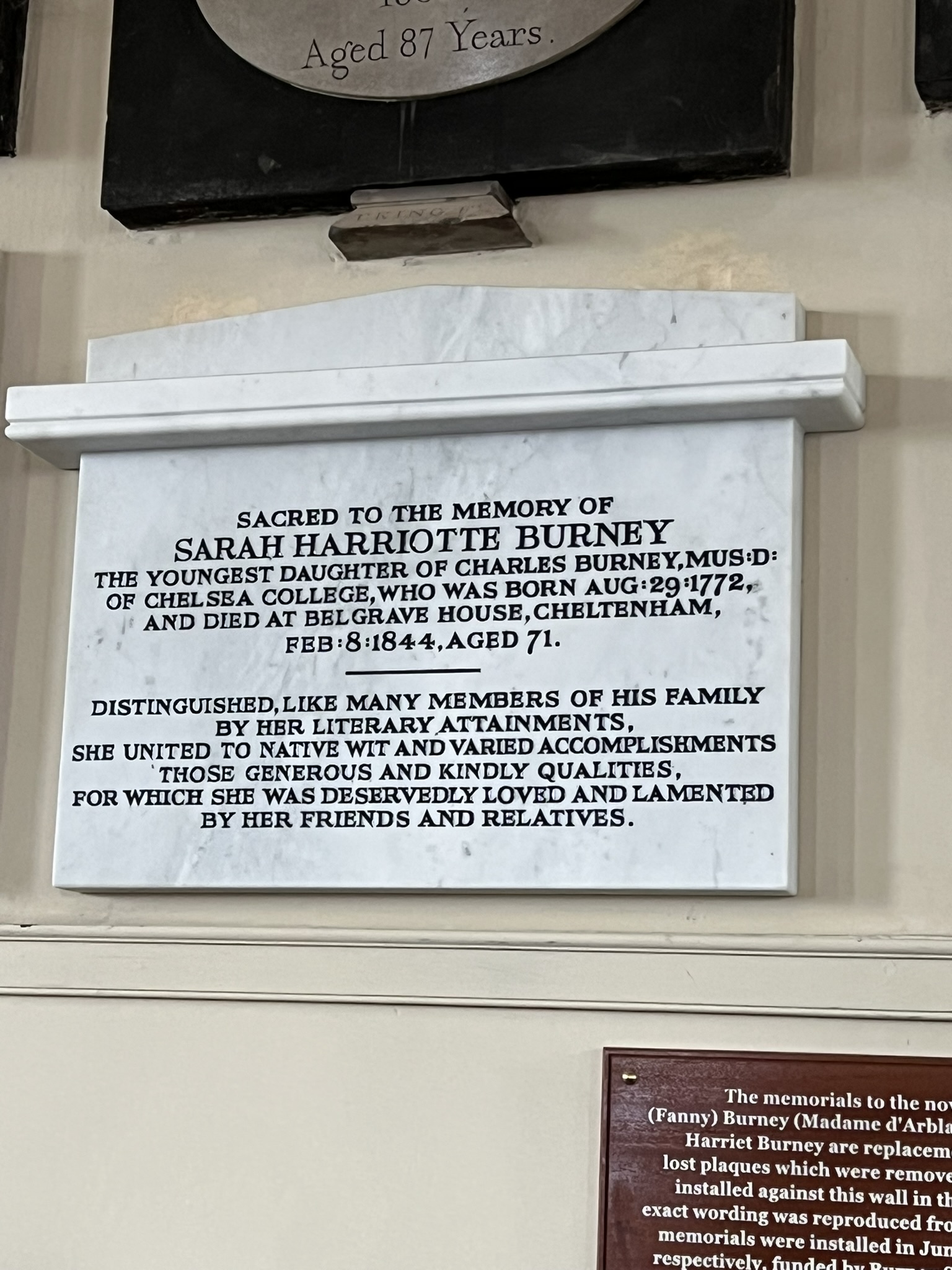
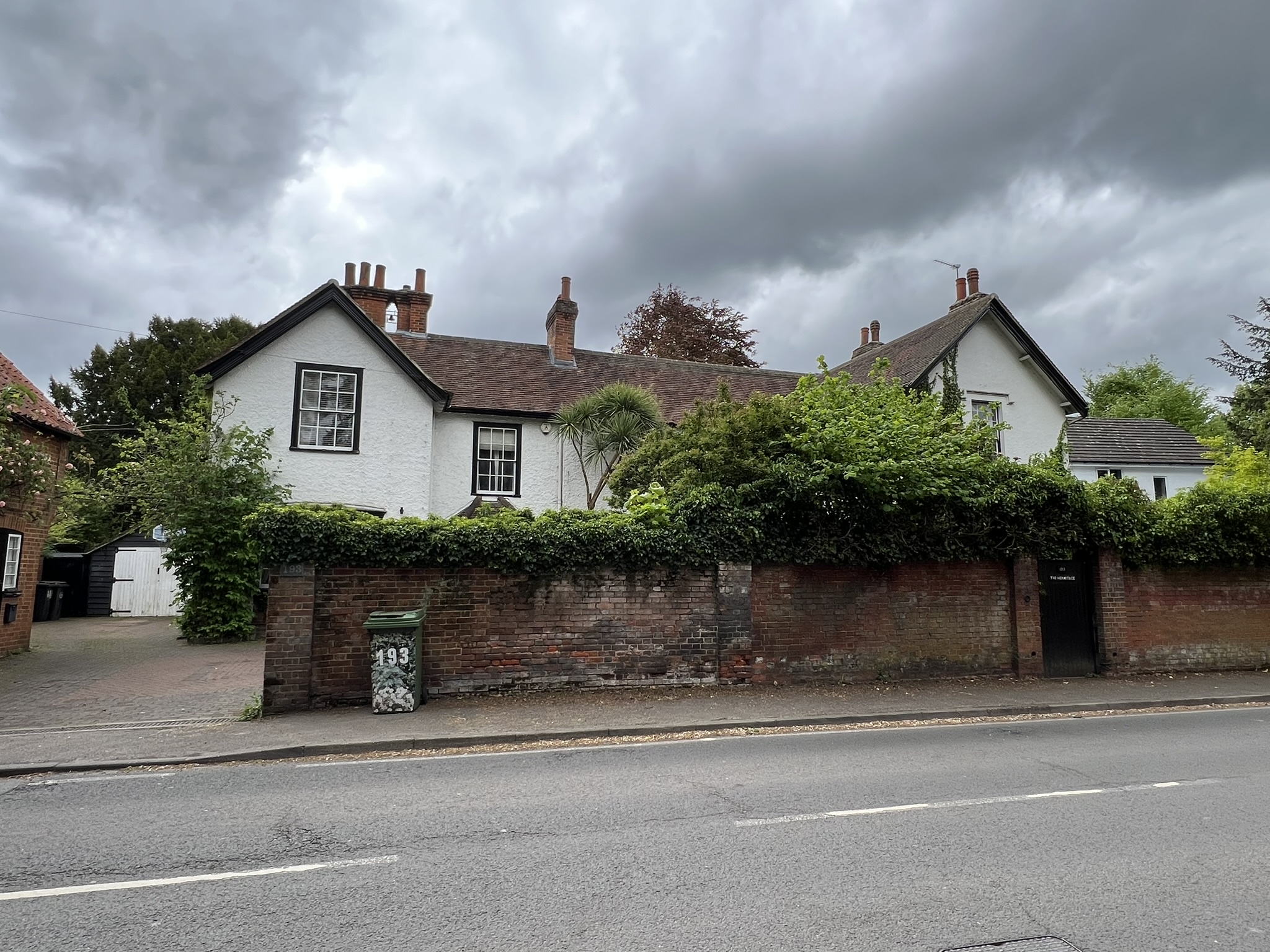
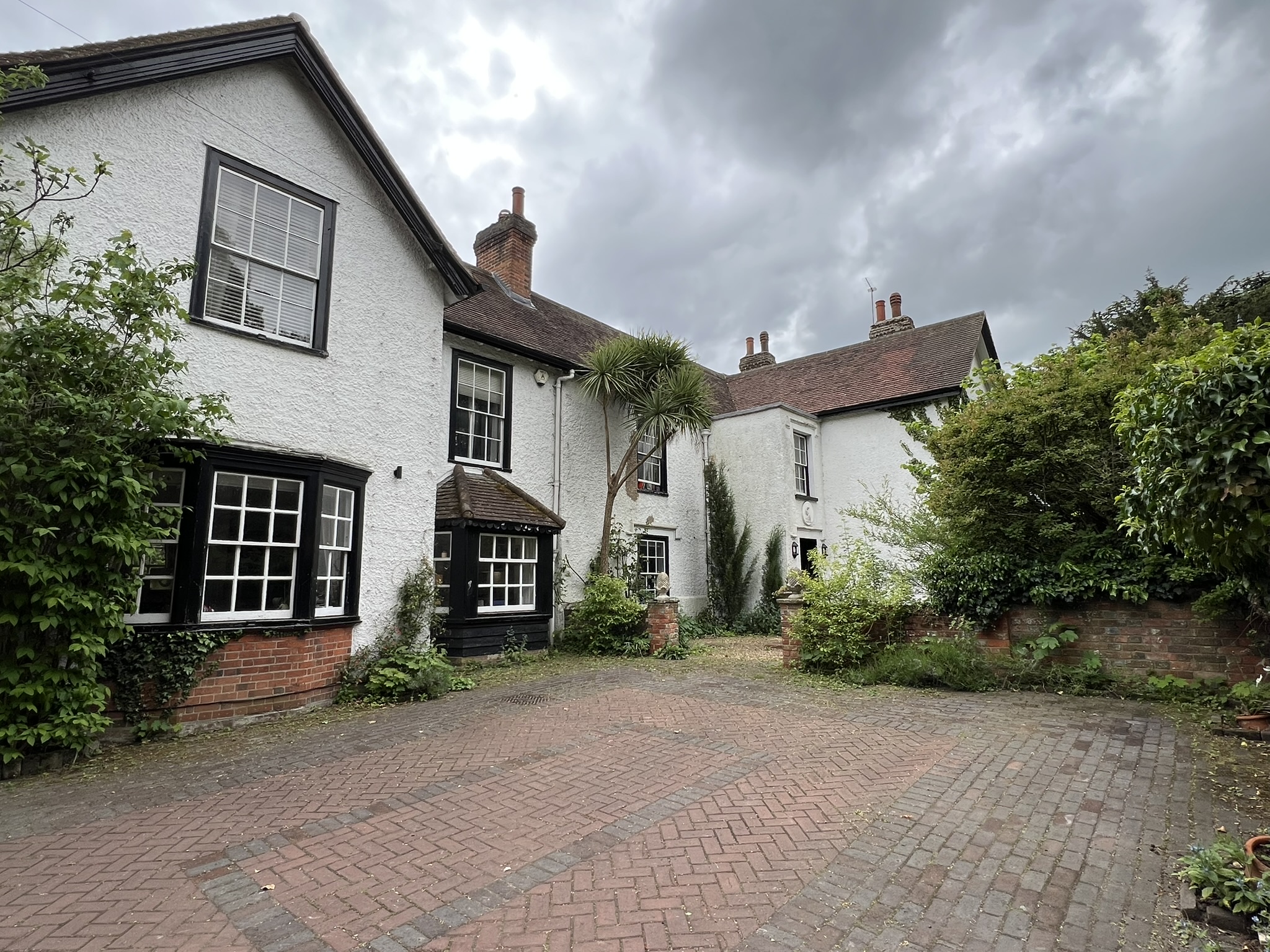
We left Windsor and headed east by way of Surrey to stop in Great Bookham, home to Samuel Cooke as well as another Frances Burney spot on my side-view Burney trek – she lived here from 1793, shortly after her marriage to D’Arblay, until 1802 when they left for France [bad timing – they remained in France for over 10 years due to the Napoleonic Wars]. The home they lived in there is now called The Hermitage:

[it is lovely – they need a gardener…]

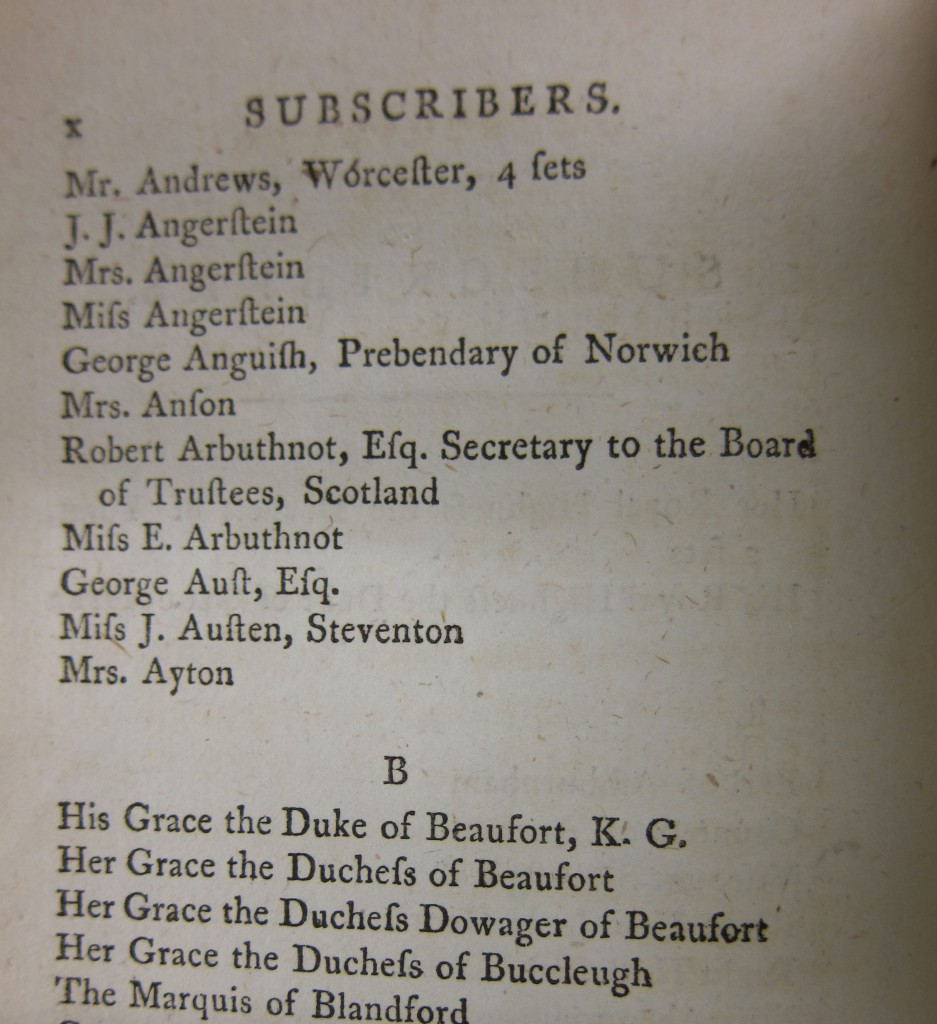
this is where Burney wrote Camilla (1796), the book where Austen’s name first appears in print as a subscriber:

Apparently Burney’s husband General D’Arblay attempted to manage the extensive gardens with military zeal – “he demolished an established asparagus bed and pruned the fruit trees with his sword.” 1

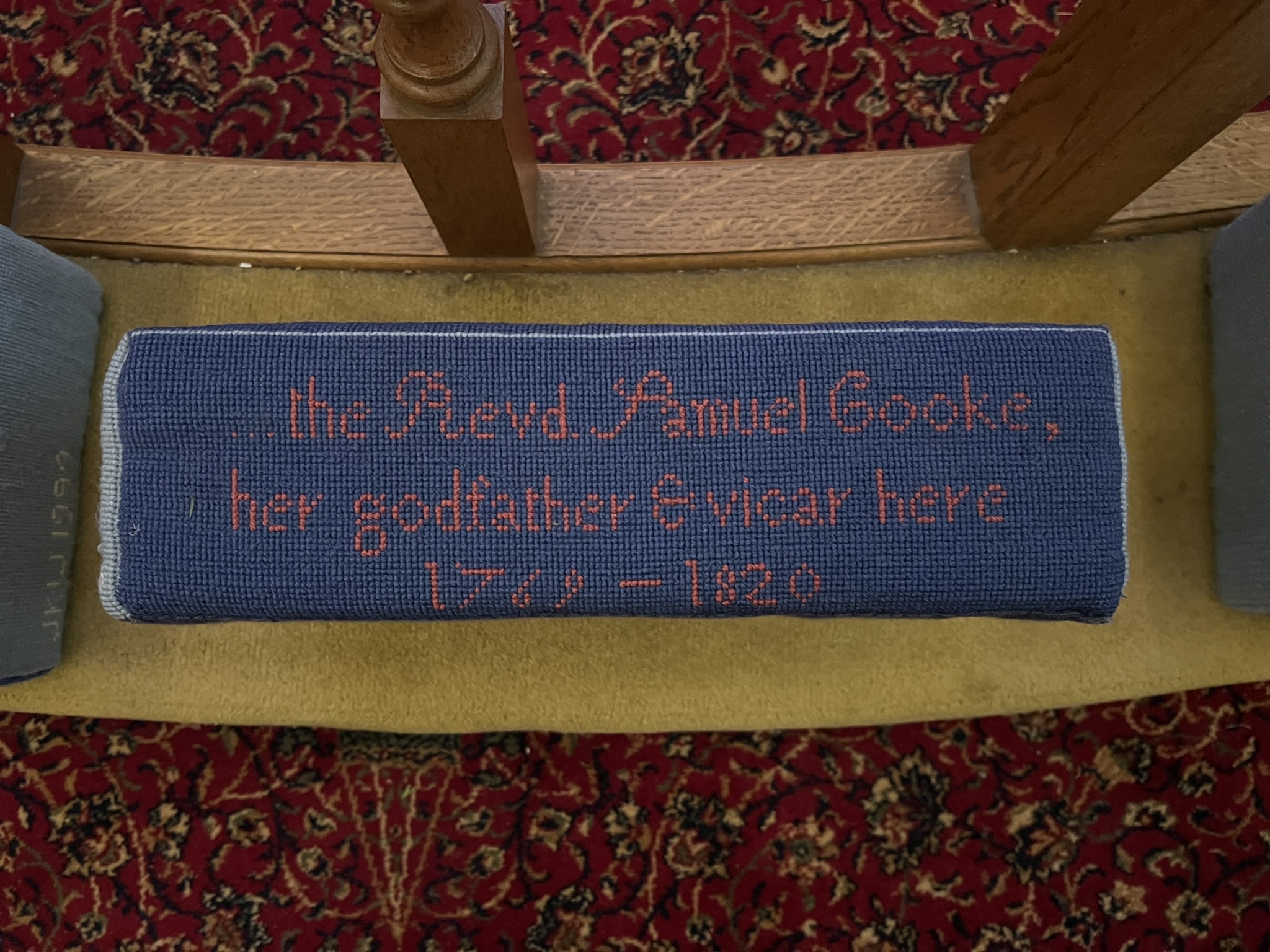
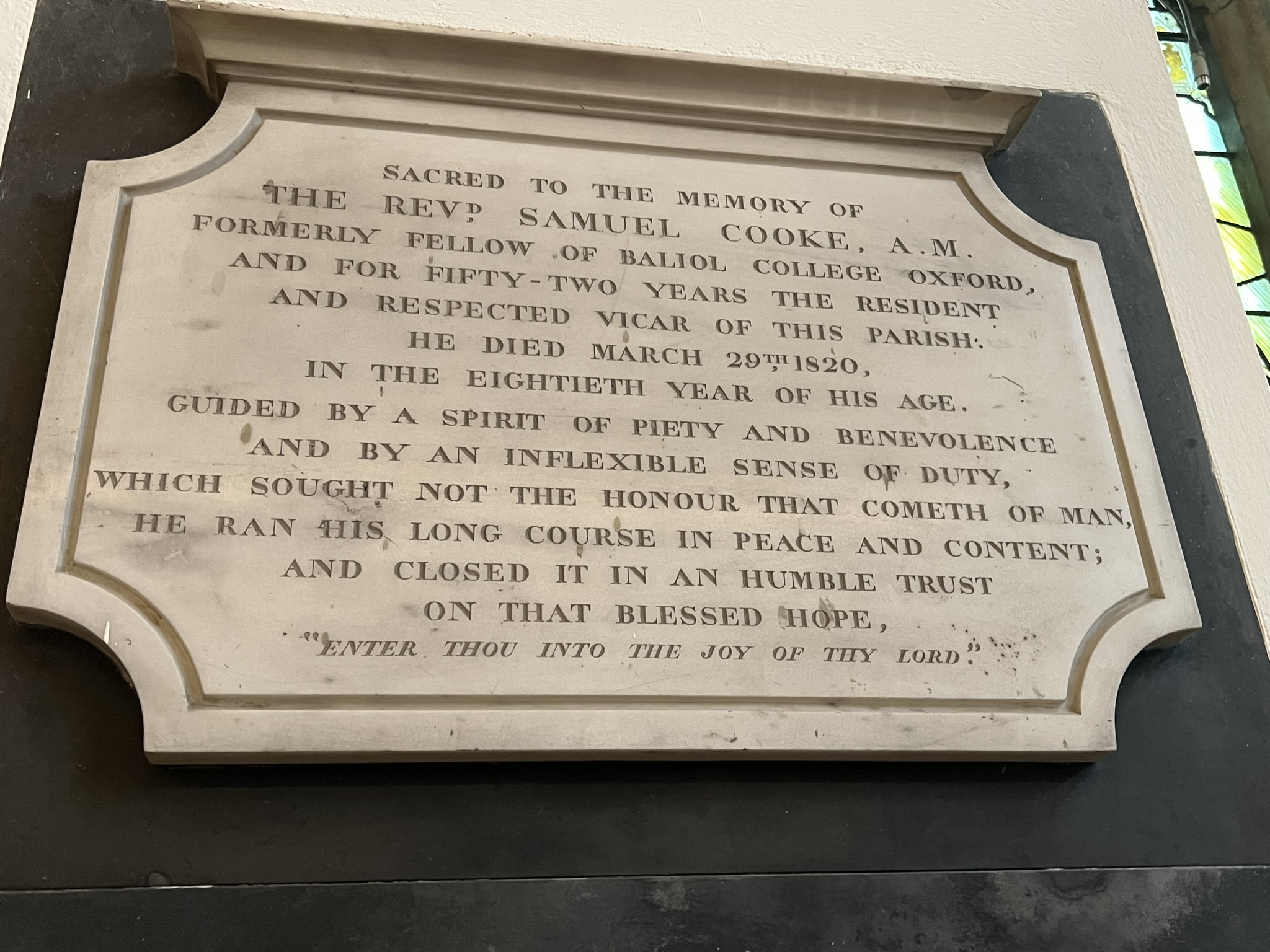
The Rev. Samuel Cooke (1741-1820) was the vicar of this first of our St Nicolas Churches for 52 years…

[notice that some have an “h” and some do not: Nicholas vs. Nicolas– no explanation for this to be found, other than this from the never-wrong AI:

“The variation in spelling (St. Nicholas vs. St. Nicolas) for churches dedicated to Saint Nicholas is due to historical and linguistic shifts. The “ch” in “Nicholas” was adopted in the 12th century in English, based on the Greek pronunciation of the “chi” letter in the name’s original Greek form. While “Nicholas” is the more common English spelling, “Nicolas” is occasionally used and reflects a more direct pronunciation of the Greek origin.”]

Samuel Cooke married a Cassandra Leigh, first cousin to Austen’s mother, also named Cassandra Leigh; he was Jane’s godfather [one way to lose your mind on any given day is to try to absorb the genealogies of the Austen, Cooke, and Leigh families…] and the families were close.

Tony Grant wrote a blog post about this several years ago, so you can visit here for more info.

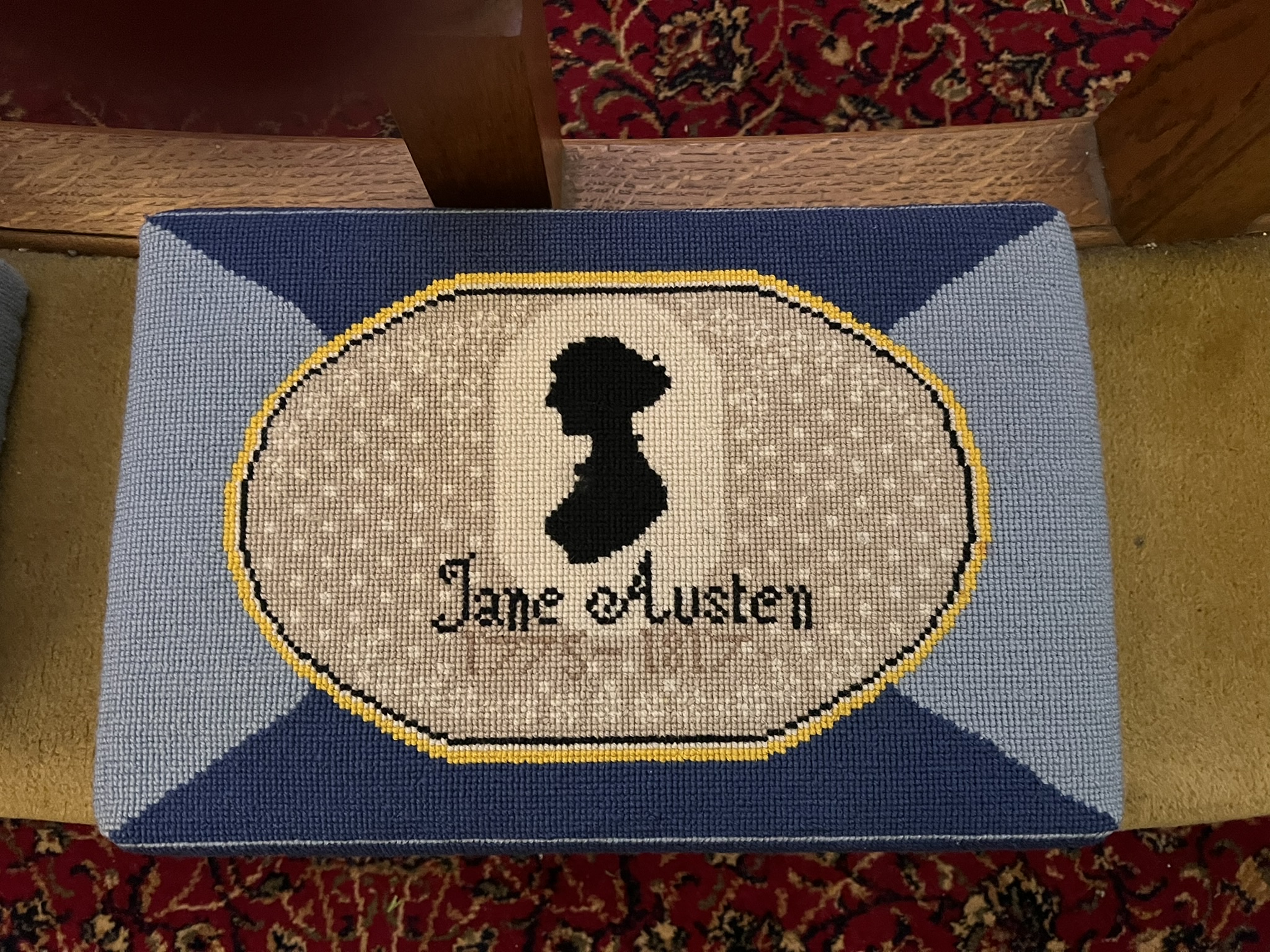
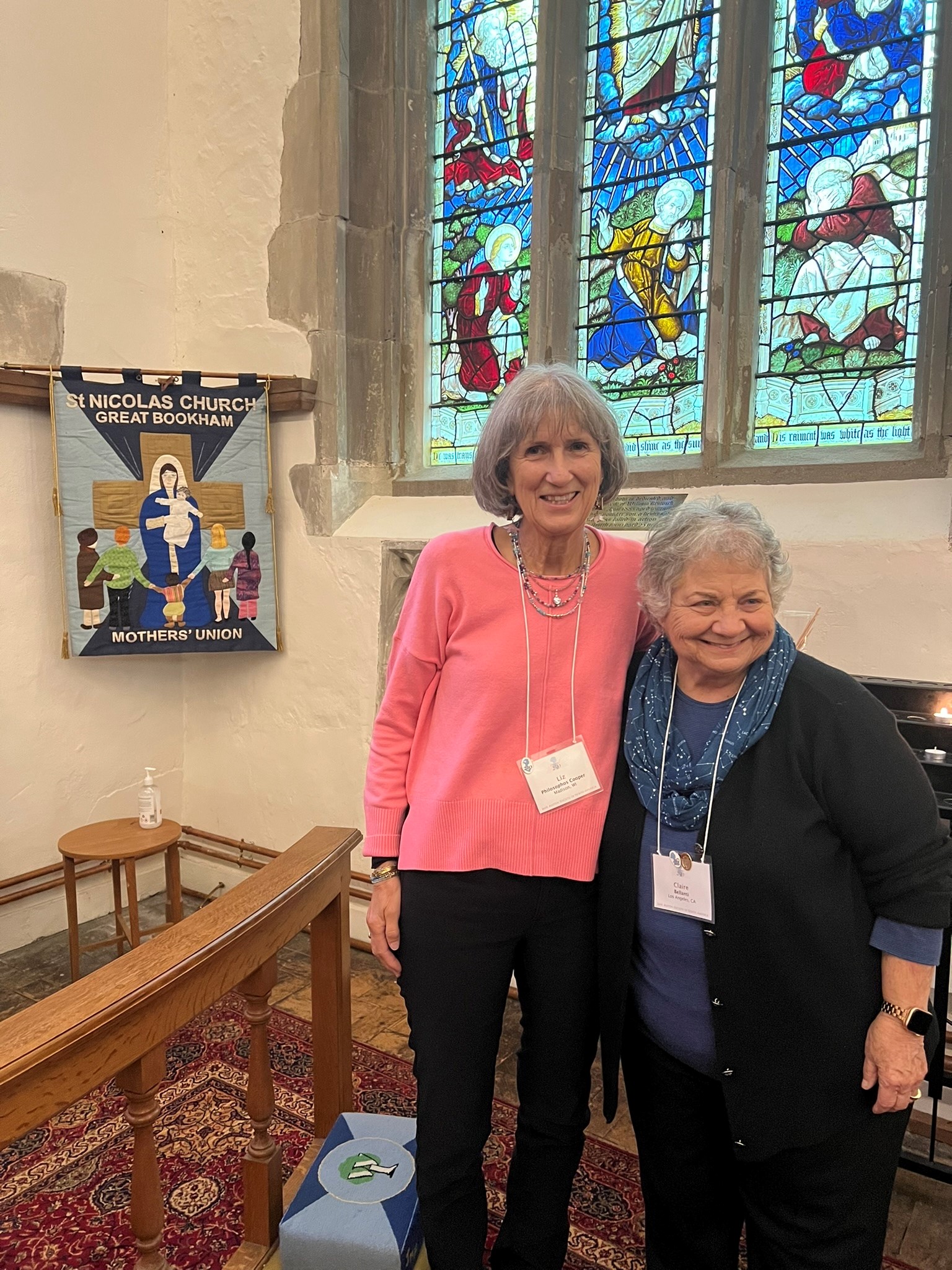
And here some pictures of the Church:

For VE Day

Lucky us! we had both Liz and Claire on our trip!

Found these signs in a few toilets in our travels… you can read all about “Toilet Twinning” here – who knew??]

***********

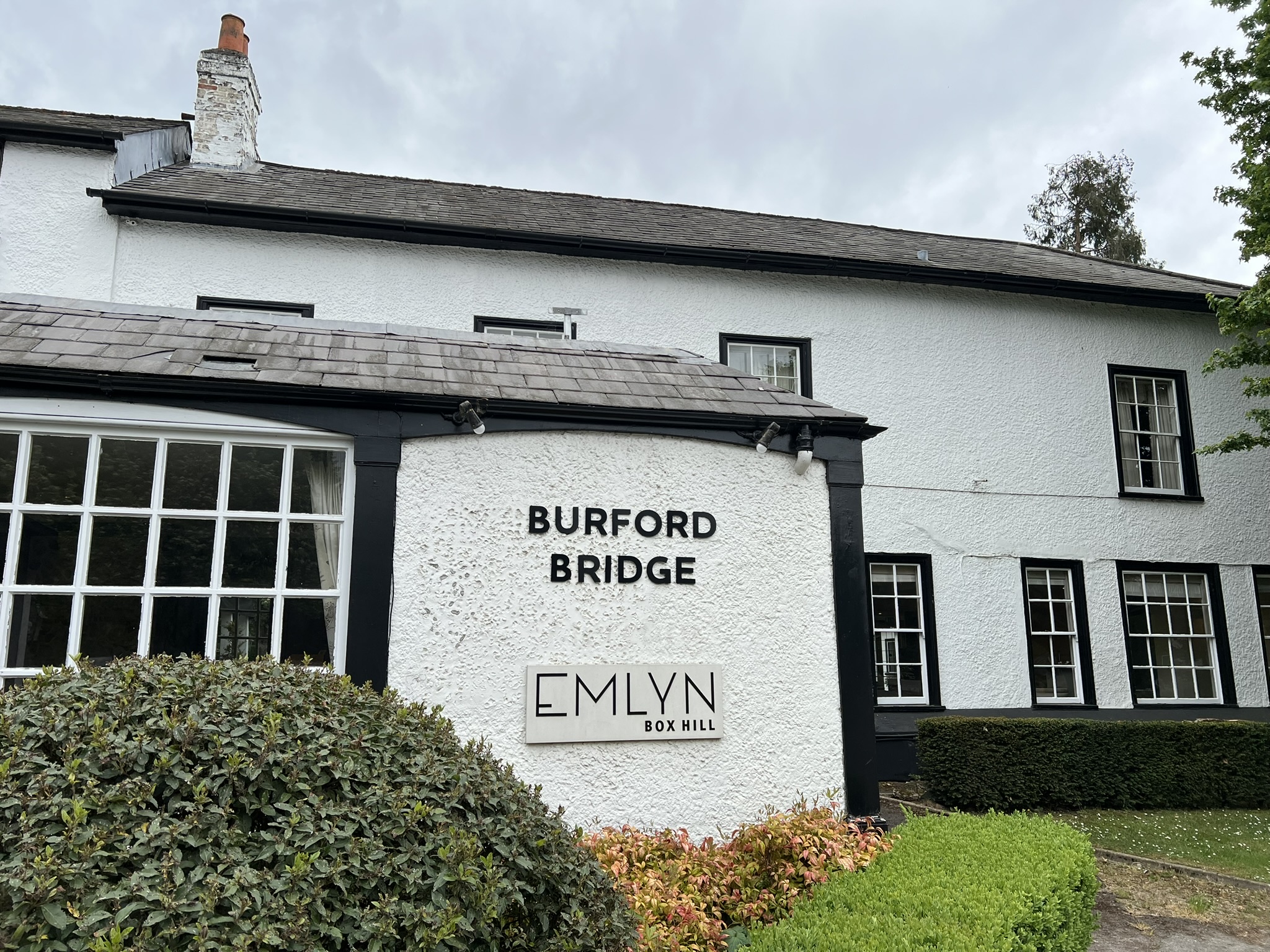
We next headed to the Box Hill area and had lunch at the Burford Bridge Hotel [I had been by there on my day with Tony and Marilyn when we trekked Box Hill] – an interesting old Inn with a number of notable guests as Wikipedia tells me:

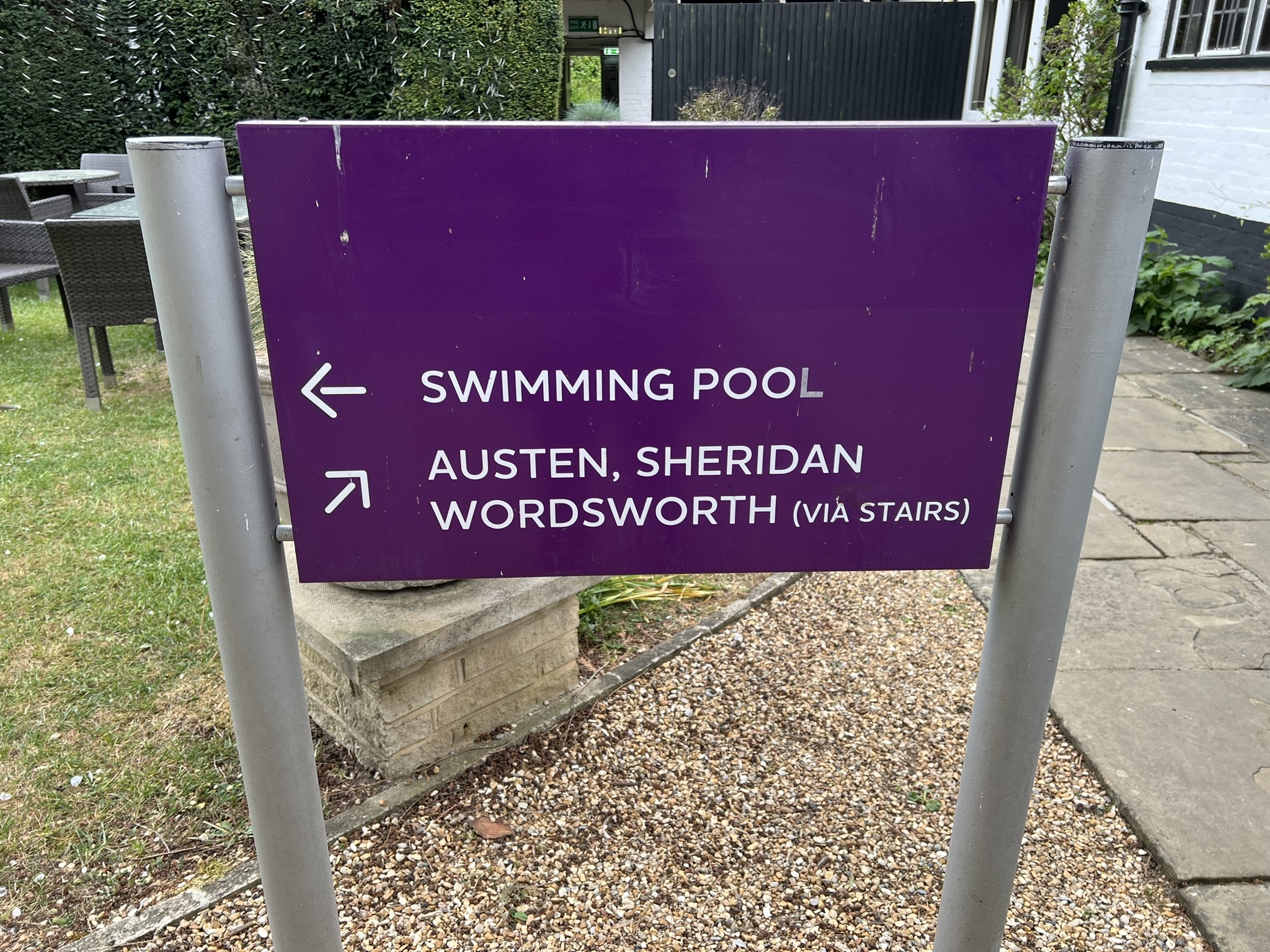
“After leaving London, John Keats took a room overlooking the gardens, and completed his epic poem “Endymion” there in 1817. (Keats is said to have been recommended the hotel by the essayist and literary critic William Hazlitt  [I am not a fan of Hazlitt – he said terrible things about the Bluestockings..].) Robert Louis Stevenson was a guest in March 1878, during which time he wrote two short stories: “Story of the Young Man with the Cream Tarts” and “Story of the Physician and the Saratoga Trunk.” Other prominent visitors included Queen Victoria, Jane Austen, William Wordsworth and Sheridan. It was here too that Lord Nelson spent secret hours with his love Emma Hamilton, before going to vanquish Napoleon’s fleet at the Battle of Trafalgar.”

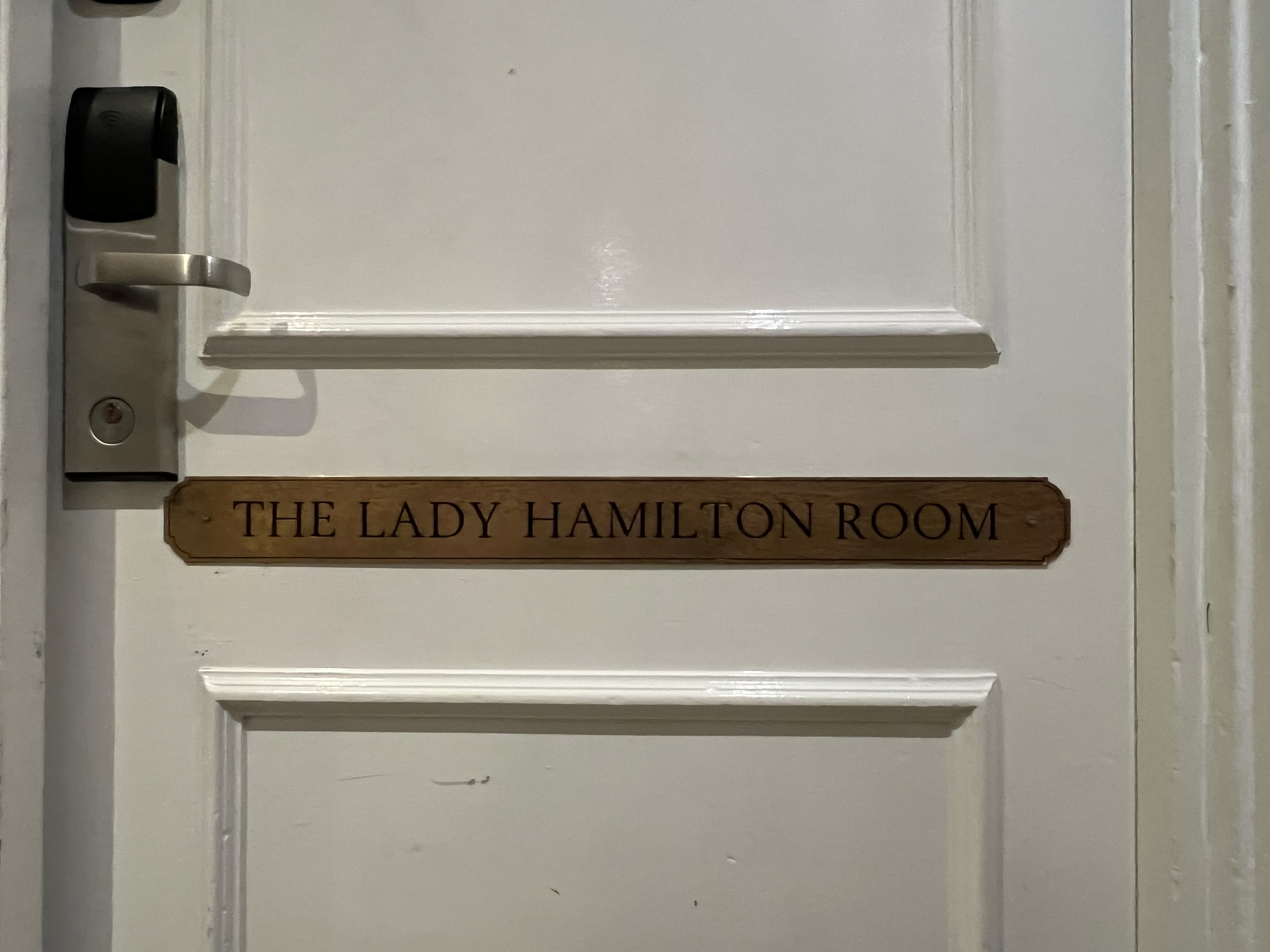
Notable indeed! Lady Hamilton’s room is now a boring conference room but nicely labelled thus:

Rooms reflect the hotel’s history:

And Box Hill was just above us:

***************

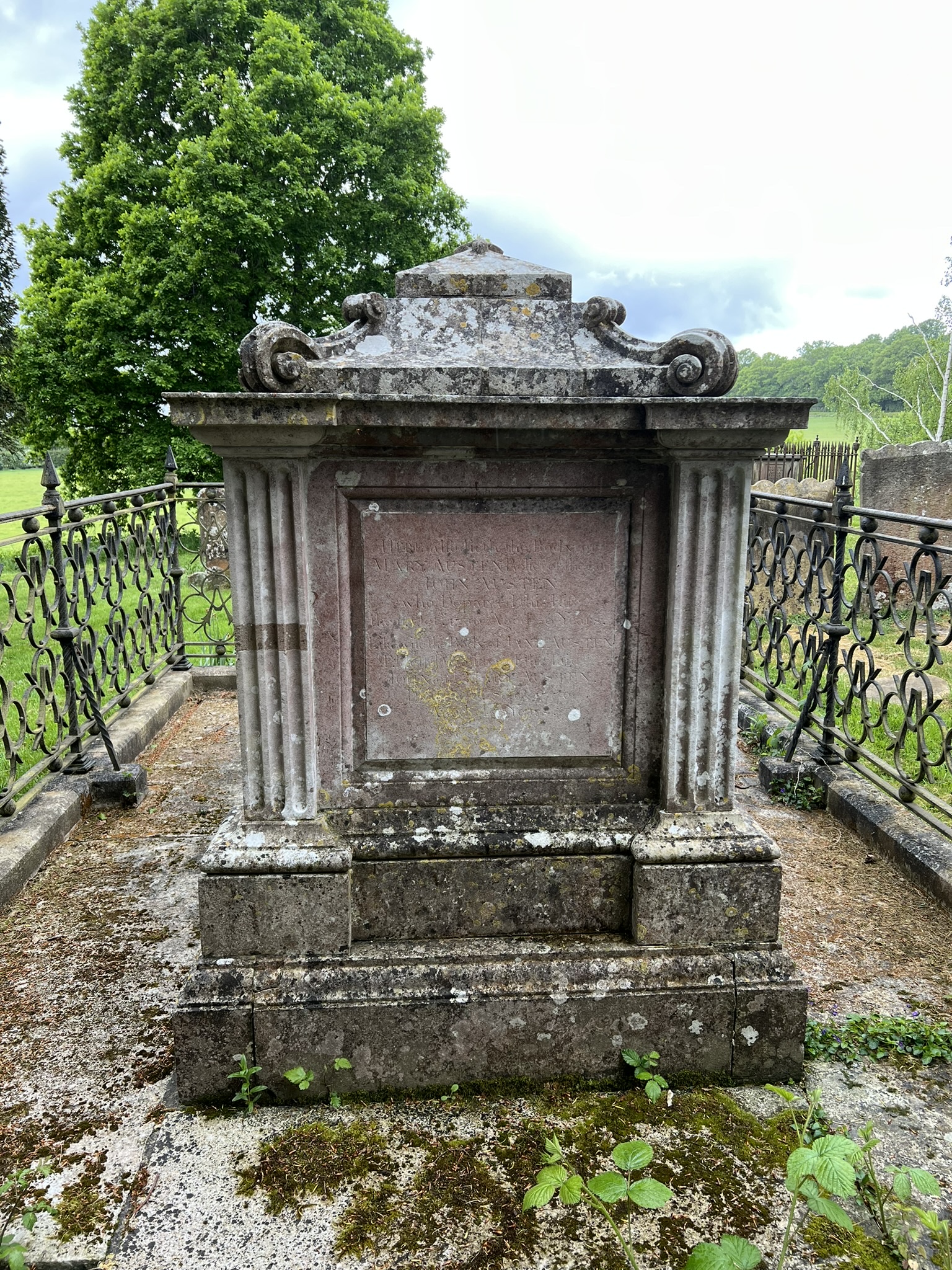
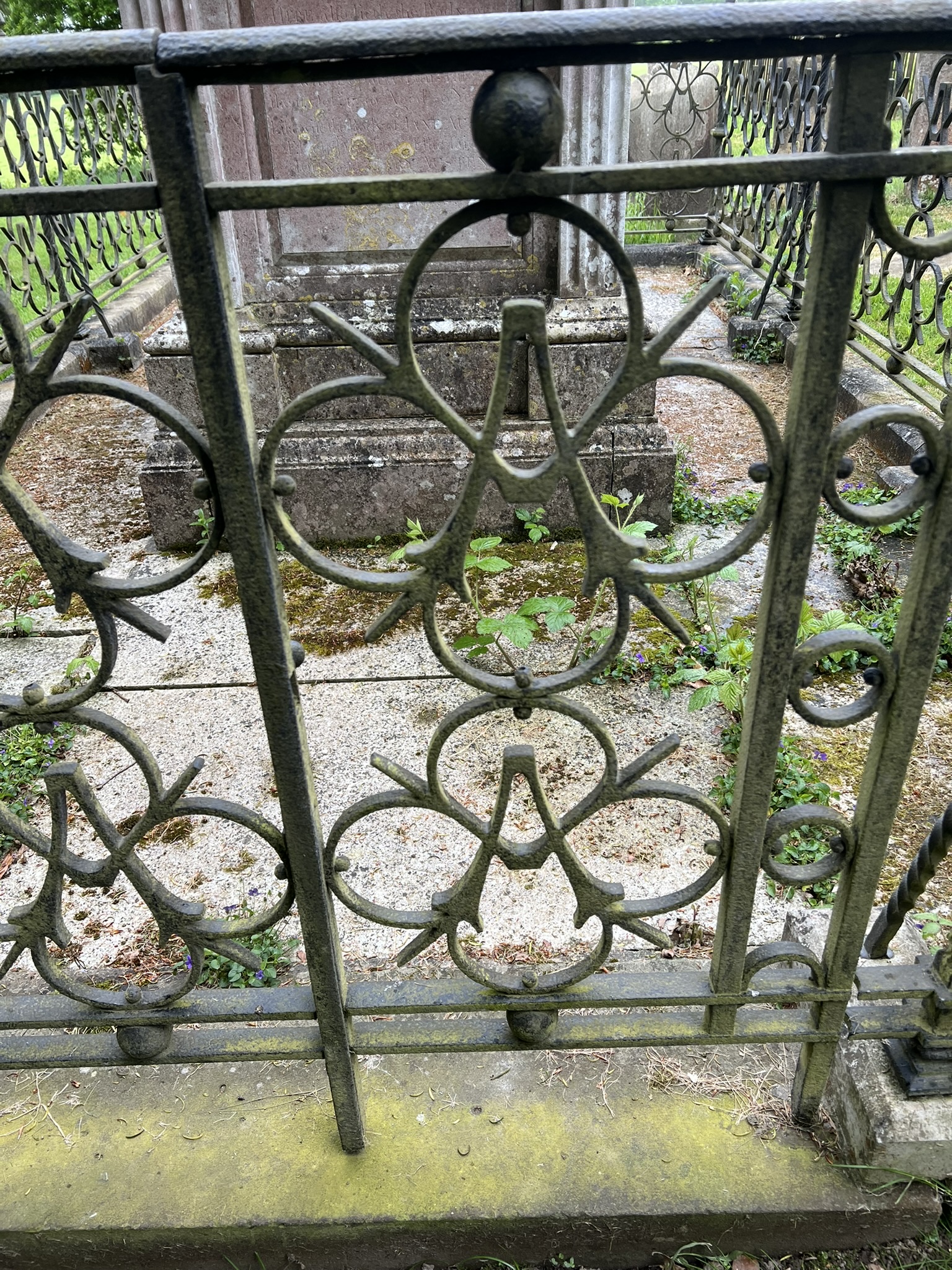
After a fine lunch we headed off to Horsmonden to visit the Church of St. Margaret – this was delightful as we met some of the JAS Kent Branch members who graciously told us about the church and its ties to the Austen family. The John Austen family [John Austen was Jane’s great-grandfather but the family goes back to the first John Austen (1560-1620) – more on them tomorrow] lived here and there are various memorials in the church and churchyard – here one of the tombs: notice the “A” on the gate, signifying “Austen”:

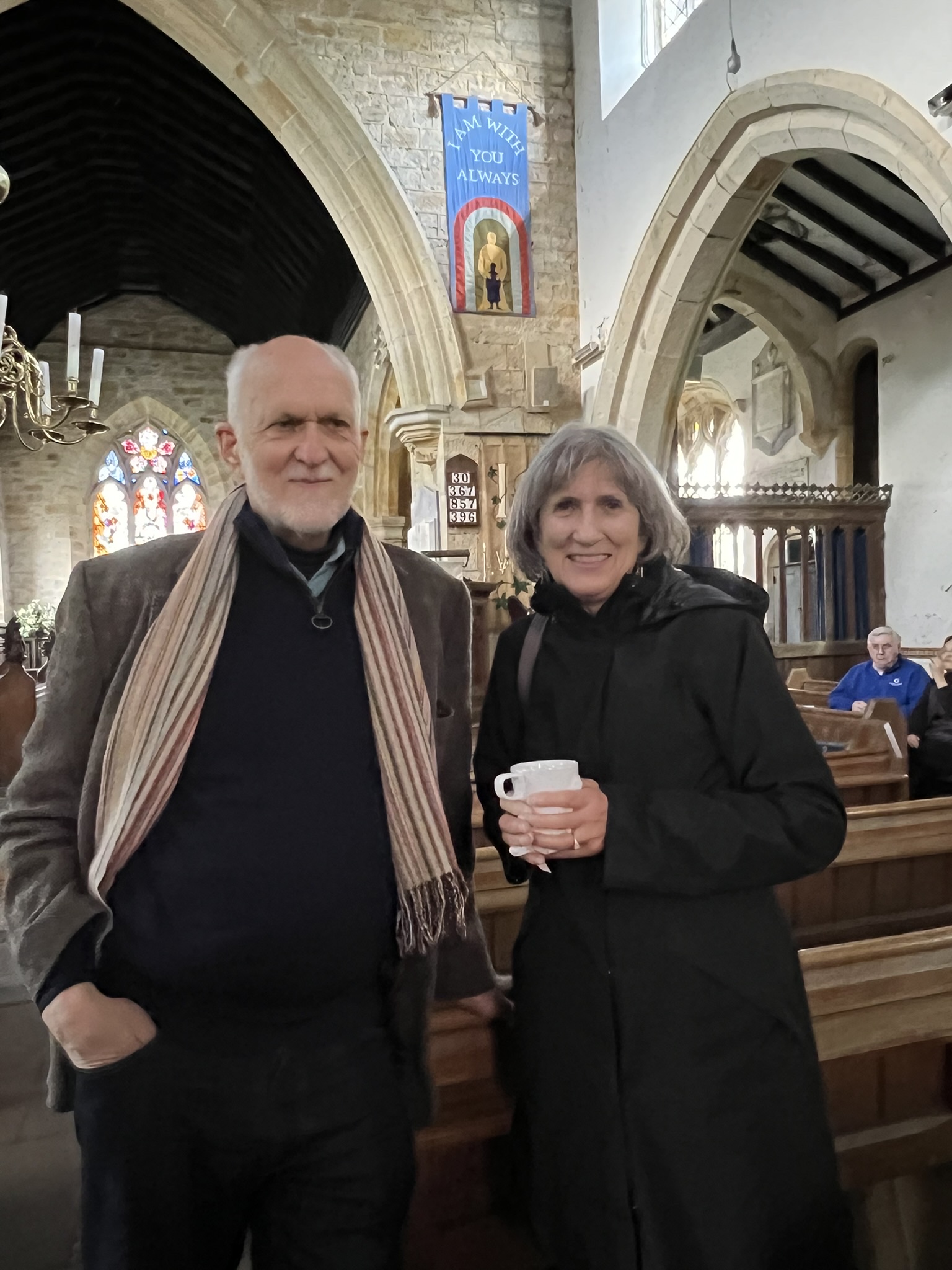
Note: And Ron Dunning joined us here as well – you can read a post of his about Horsmonden from the vantage of a hot-air balloon!]

Liz and Ron

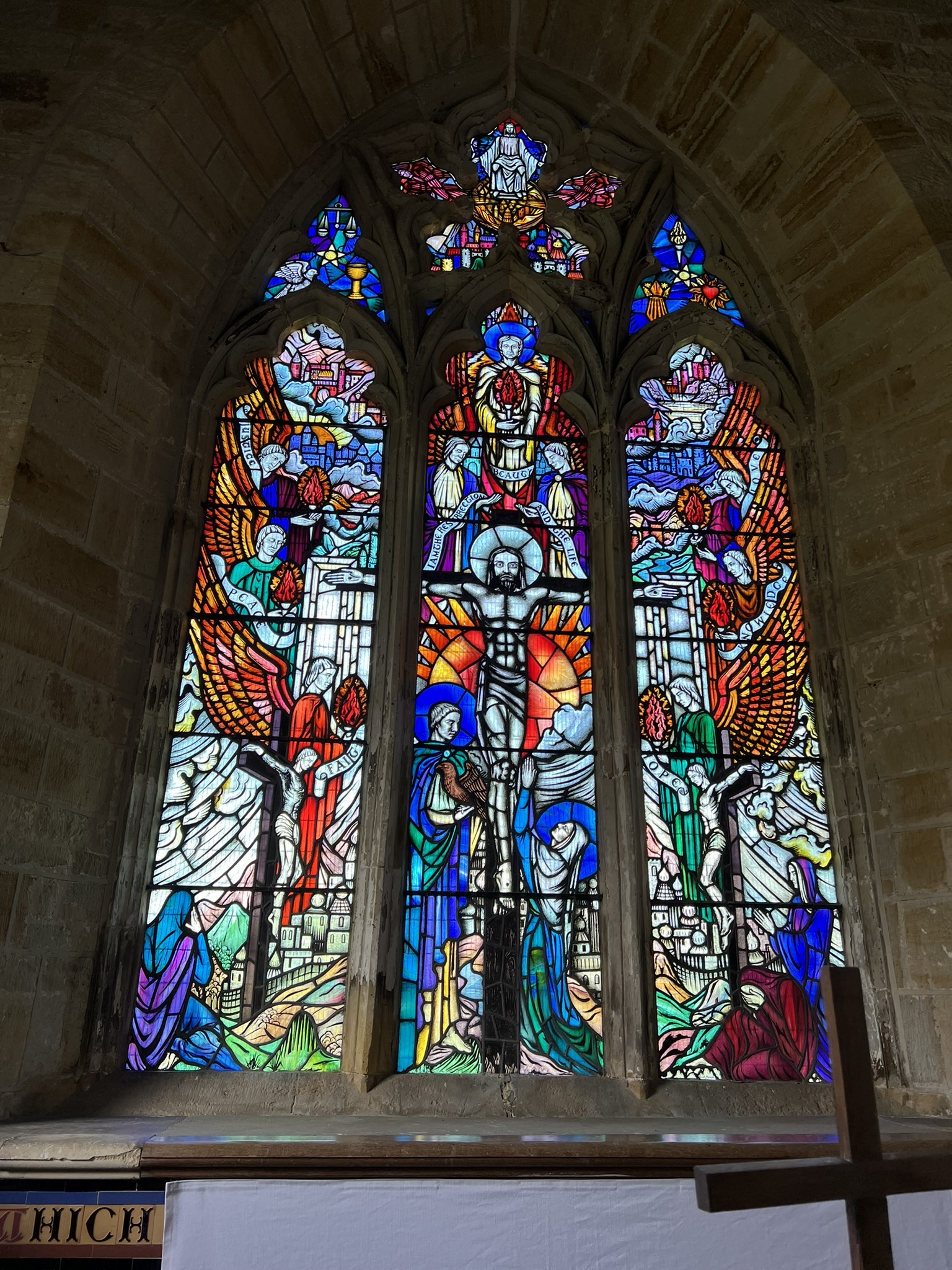
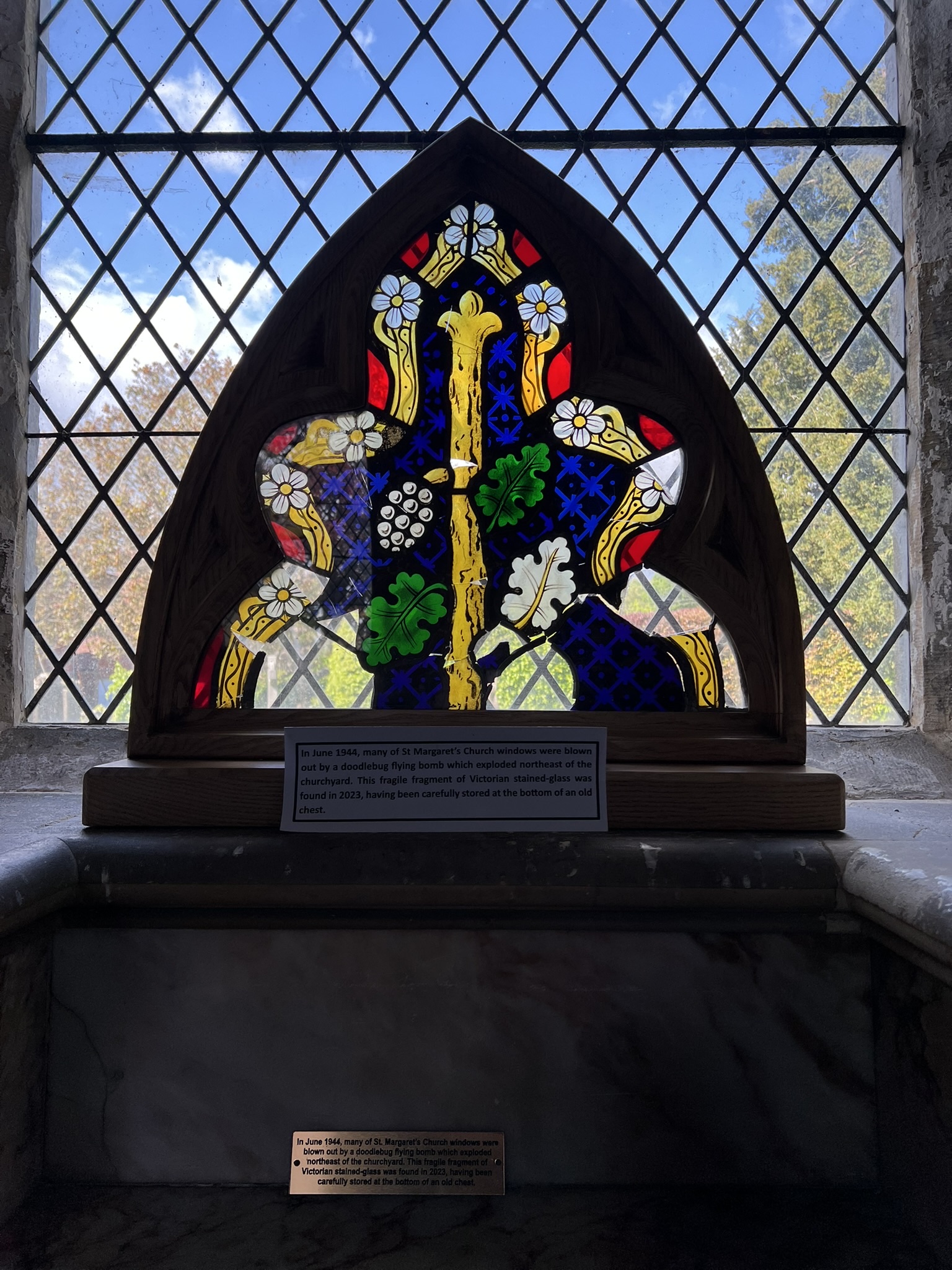
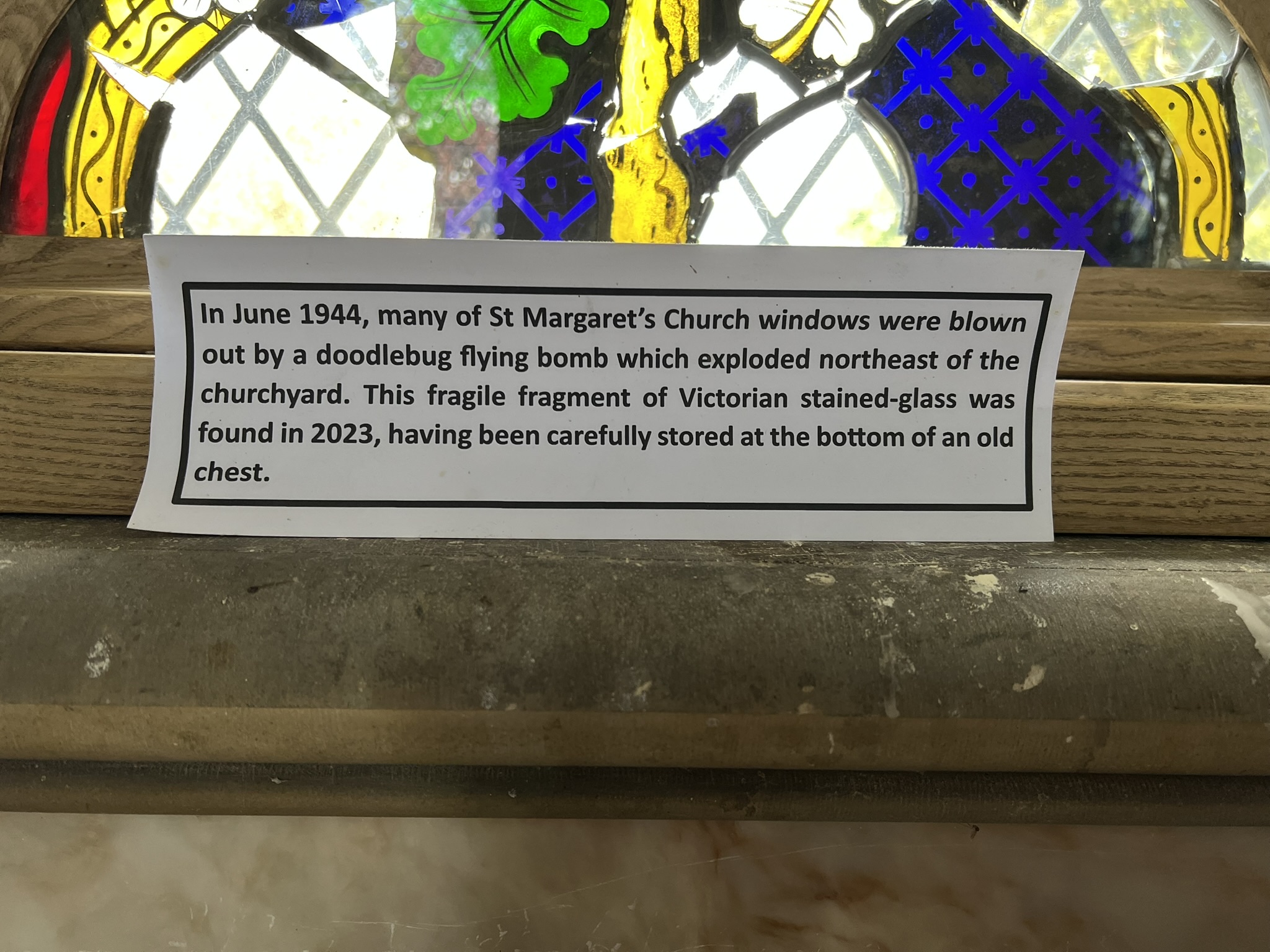
The stained glass windows in this church are stunning. A WWII bombing blew out all the windows on the north and east sides with little of the glass surviving – many of the now existing windows have been designed by notable artists. And a very recent discovery in an old chest at the church of an intact piece of window gives us this lovely example of what the whole window must have looked like:

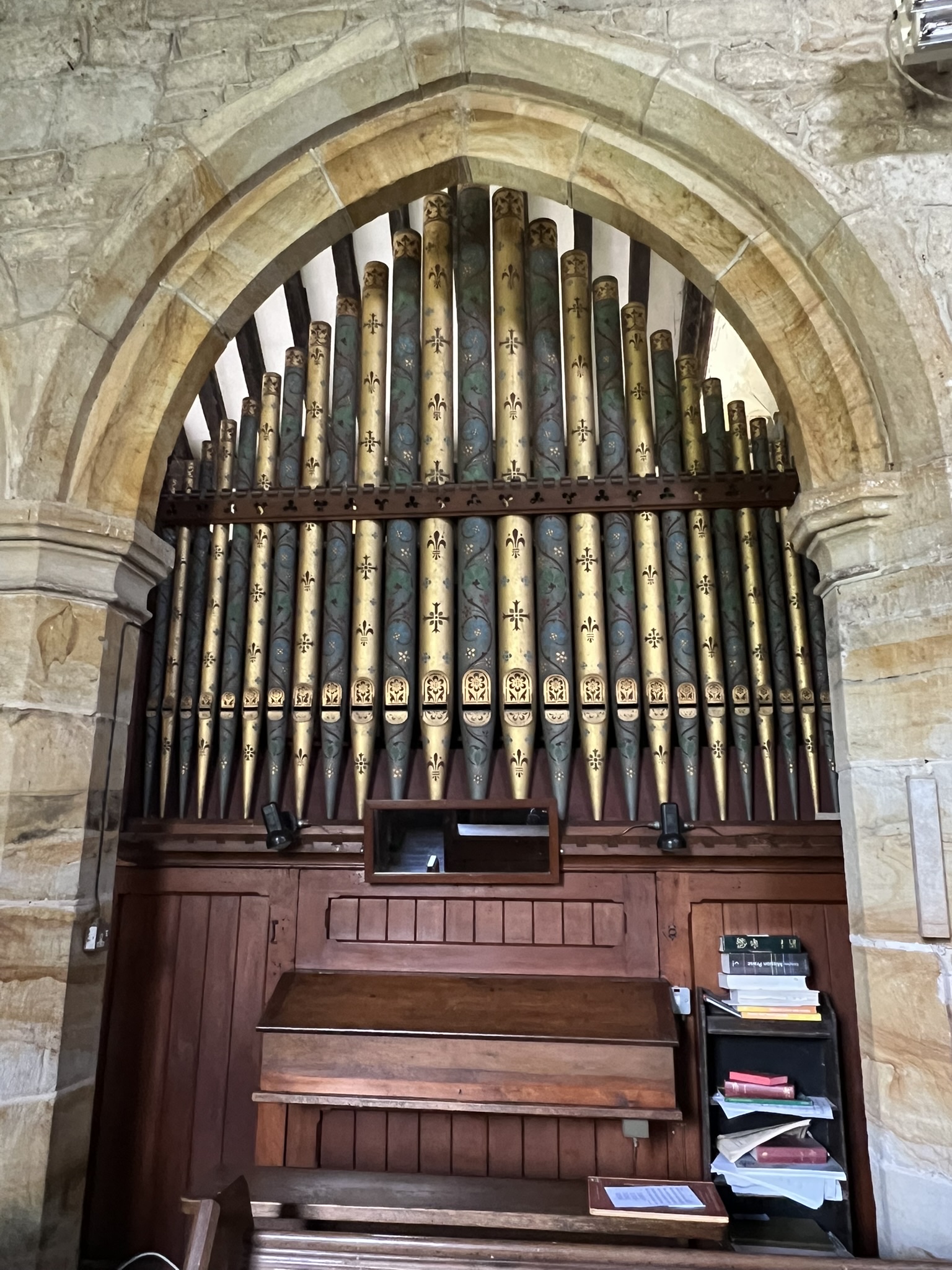
The organ pipes are also a work of art:

 ************

We then headed to our hotel in Lenham where we stayed for three days to allow for further exploring of Kent…and more of the John Austen family …

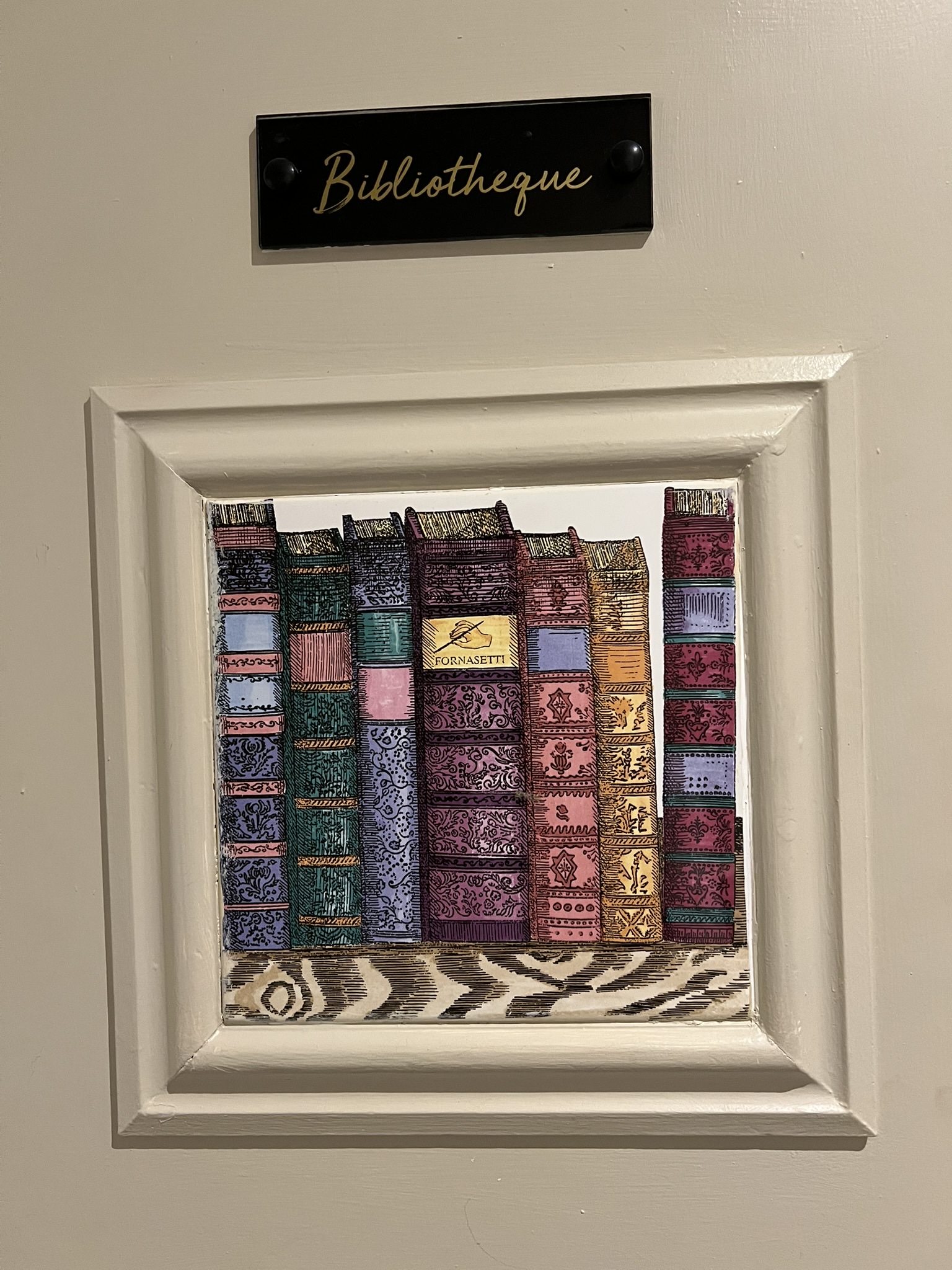
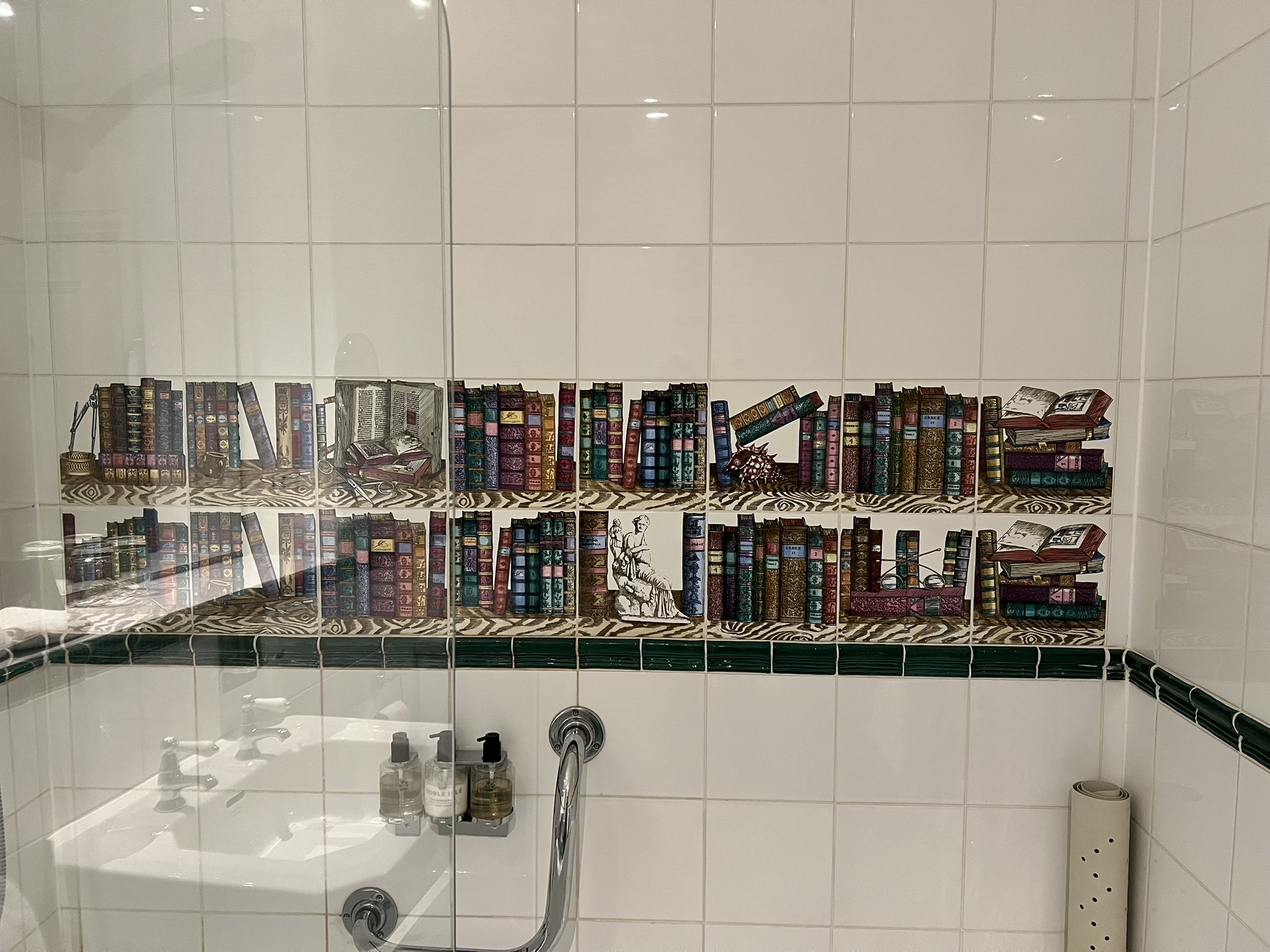
The Chilston Park Hotel was pure pleasure – the cold days and nights had set in [after unseasonably hot days in London], so walking the property was limited, but the hotel was grand, with each room named and decorated according to various themes such as Art Deco, Carousel, Montgolfier (Hot Air Ballooning!) – not sure whether the knowledge gods were at work but my room was the “Bibliotheque” – here is our door, and the tub, along with a bookcase full of books, and this “wise” fellow on the wall:

And another day well-spent! Stay tuned for tomorrow…

_________

1. Elizabeth Matts, et al. 1800: Great Bookham at the Time of Jane Austen, Fanny Burney and R B Sheridan. Parochial Church Council of St. Nicolas, [circa 2008], p. 26. [Published with the support of the JASNA Churches fund.]

c2025JaneAustenInVermont

Great Britain - History · Jane Austen · Jane Austen Circle · JASNA · Literature · London · Regency England · Social Life & Customs

Adventures with Jane! London Day 2 with Tony Grant

I had planned this day with my friend Tony Grant of “London Calling” fame – we met at Waterloo Station under the famous clock [where I promptly lost my sunglasses – bought a ridiculous looking magenta pair at Boots and wore them for the rest of the tour..]


Our itinerary was to take the train to Tony’s house [Tony graciously met me at Waterloo: did you know that anyone over 60 in the UK gets to ride all transportation for FREE?? – well, if you are UK citizen that is], where Marilyn offered me tea and goodies and then the three of us were off driving to Frances Burney sites: this was our plan:

We drove to Streatham to see the area of the Hester Thrale’s [later Piozzi] home at Streatham Park where many literary greats were entertained – most especially Dr. Johnson and Frances Burney – the house sadly demolished in 1863 for “suburban development.”

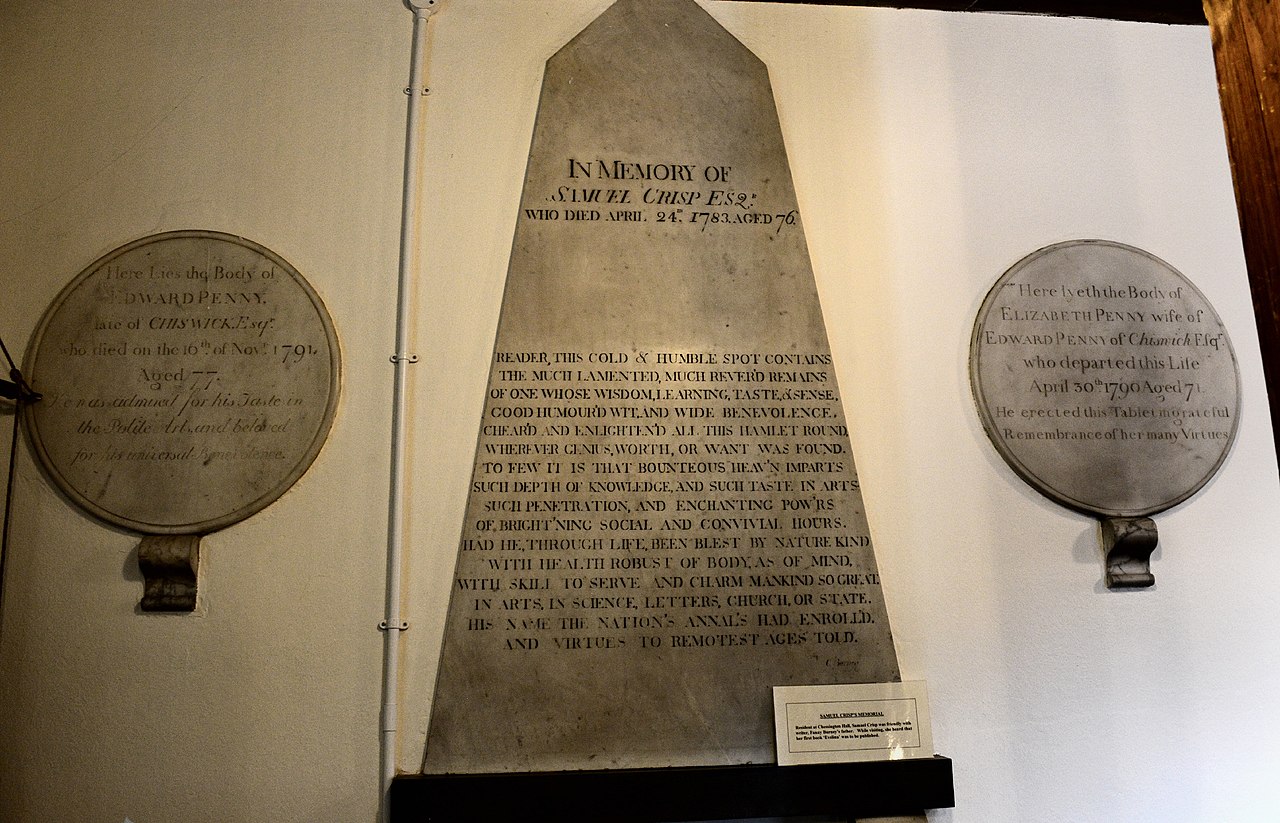
Then onto the village of Chessington where we saw the spot where Chessington Hall existed, the country house of Samuel Crisp, the close friend of Frances Burney – she largely wrote Cecilia here while visiting. [the house was demolished in 1965 for a housing development…a sad pattern here, don’t you think?]

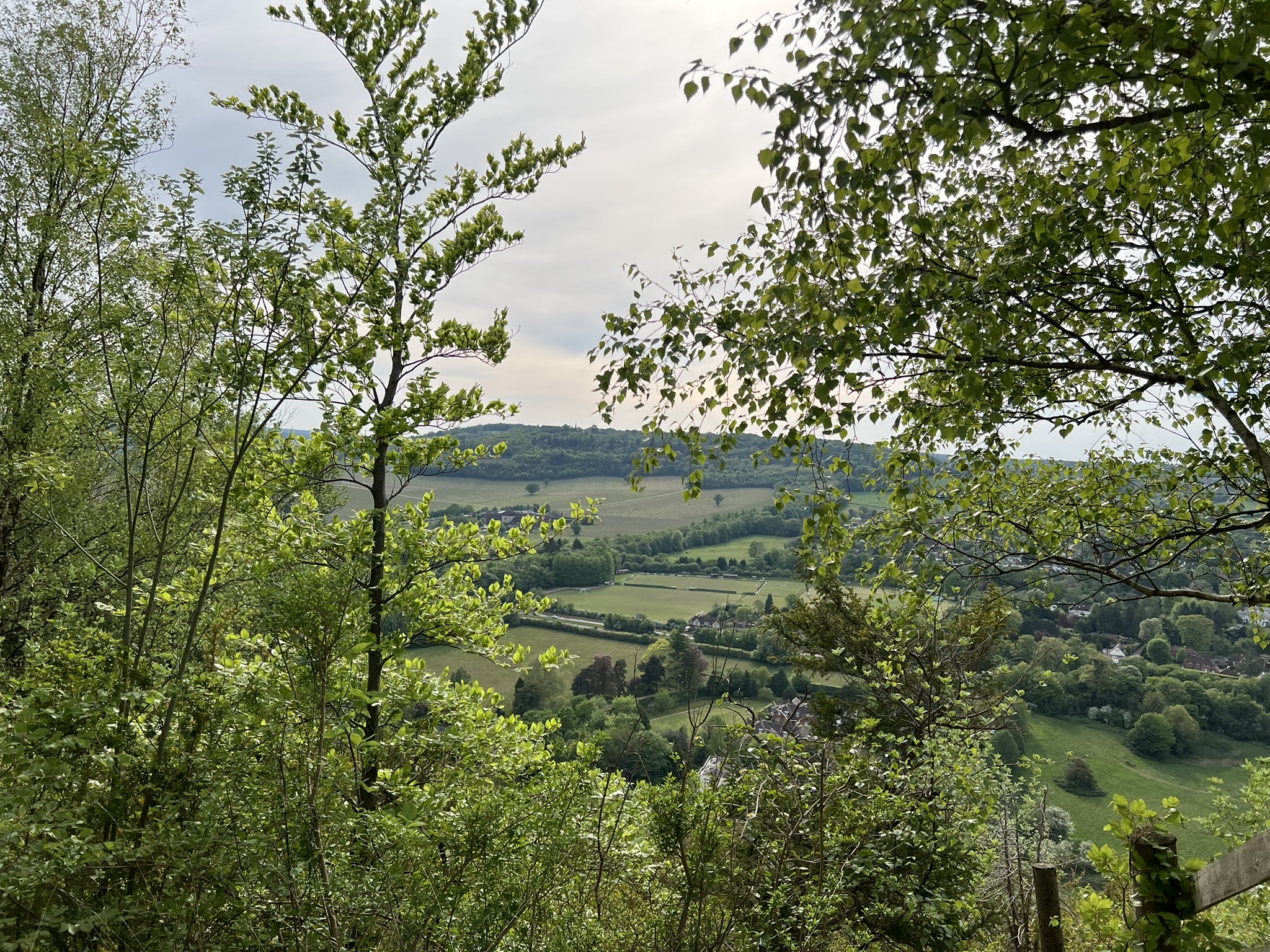
A number of years ago Tony and I did a trek to Box Hill – but a rainy / foggy day allowed for NO VIEWS [see post here and the foggy pictures at the end] – so this time we made up for that by walking the trails and seeing exactly where Emma and crew had their debacle of a picnic – you could almost hear “Badly done!” echoing in the breeze…

and some interesting after-Jane history at Box Hill:

Had lunch at The Running Horses Inn & Pub  – well, they were past serving lunch, but a funeral lunch had just finished and the grieving family invited us to eat whatever we wanted from what was left of their father’s ‘celebration of life’ luncheon – a very kind and generous offer –

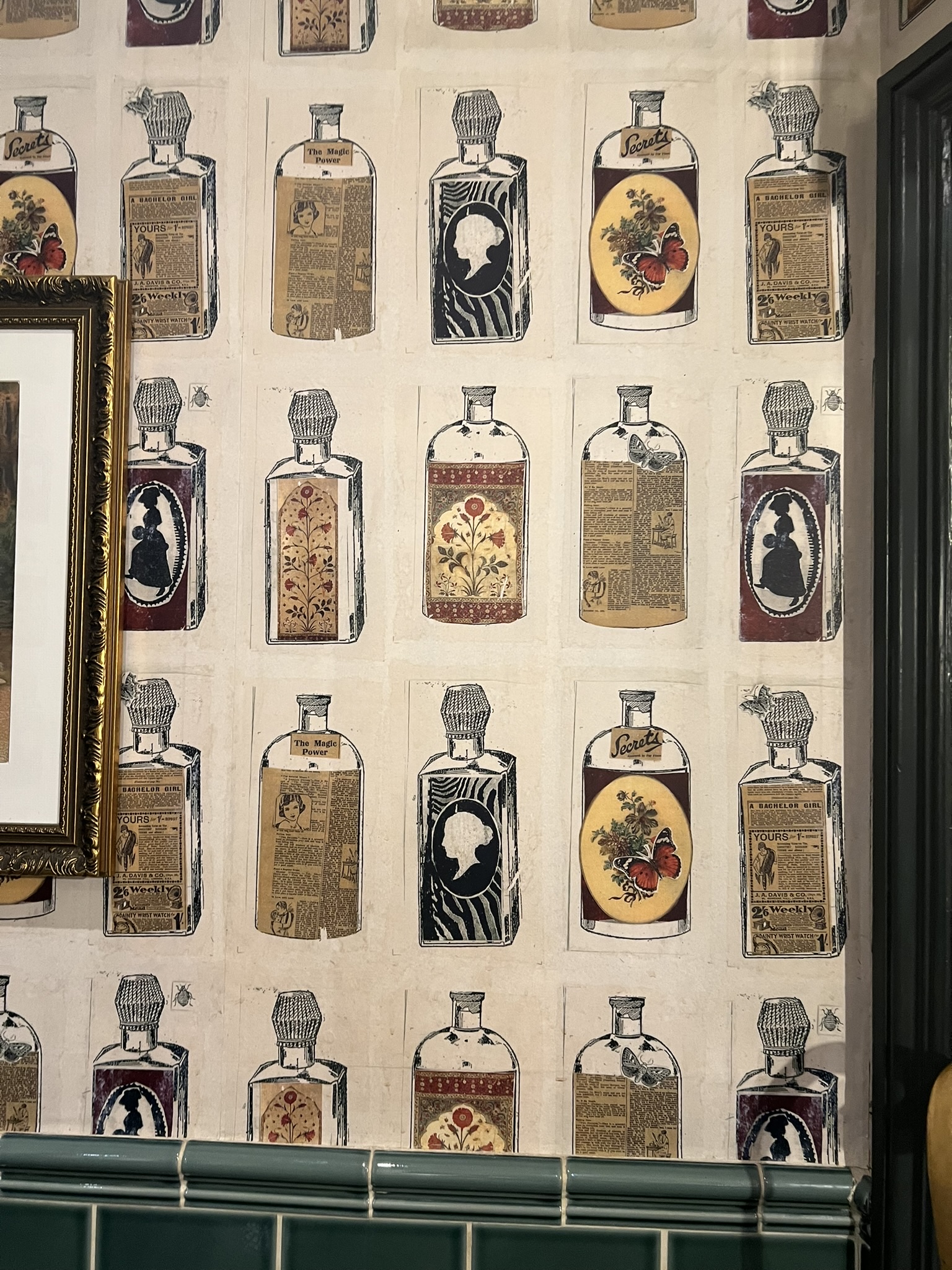
I did love their wallpaper in the ladies’ room:

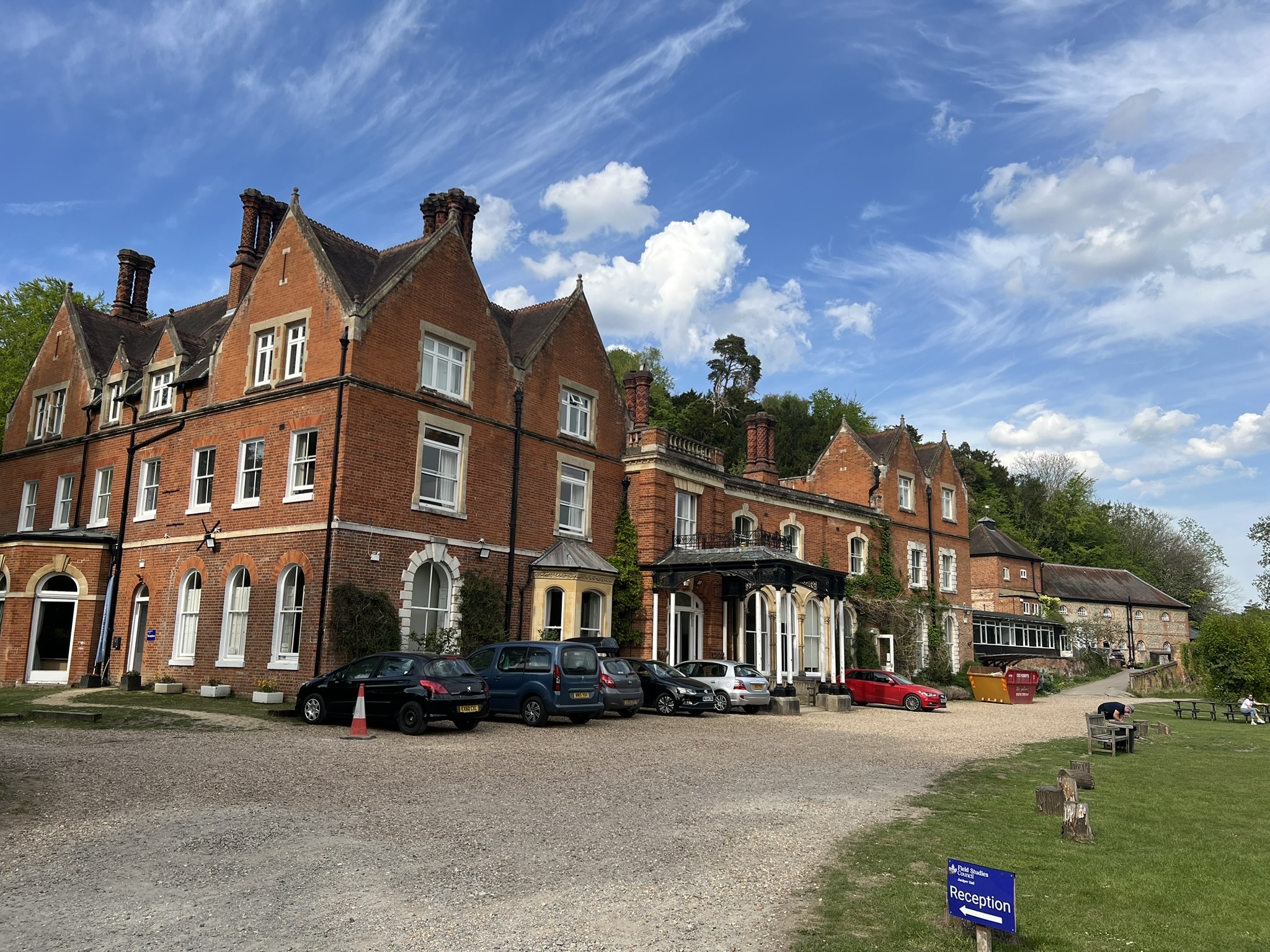
So drinks and free food at the pub and then we were off to Mickleham and the house [Juniper Hall – now a part of the National Trust] where Germaine de Staël and the French émigrés lived – this is where Burney was first introduced to Alexandre D’Arblay – love at first sight apparently! You cannot go inside as it now is a field center for educational camps, but we did do a quick walk-through of the entrance area and the room where Burney likely met D’Arblay [sans vacuum]…

**************

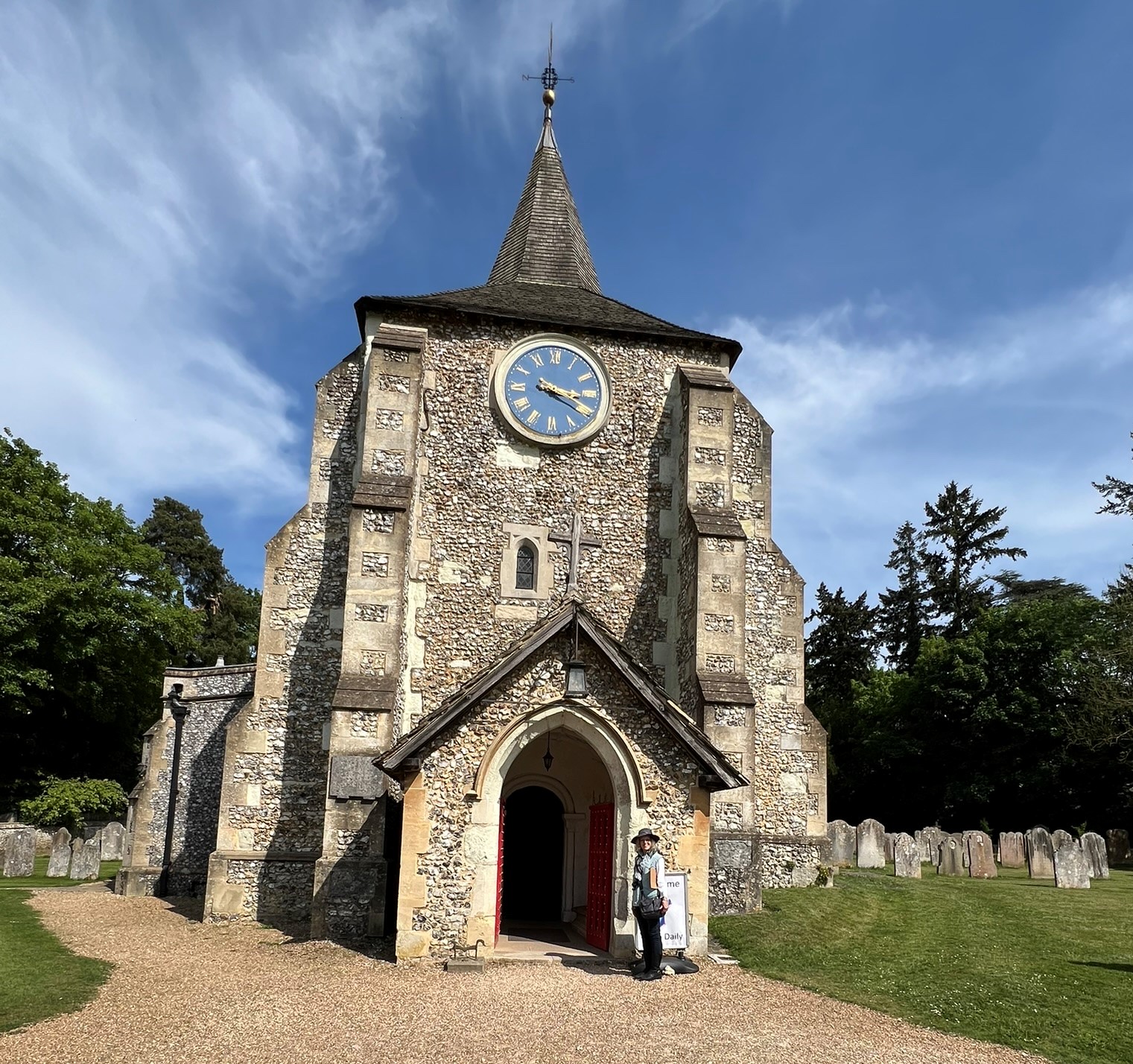
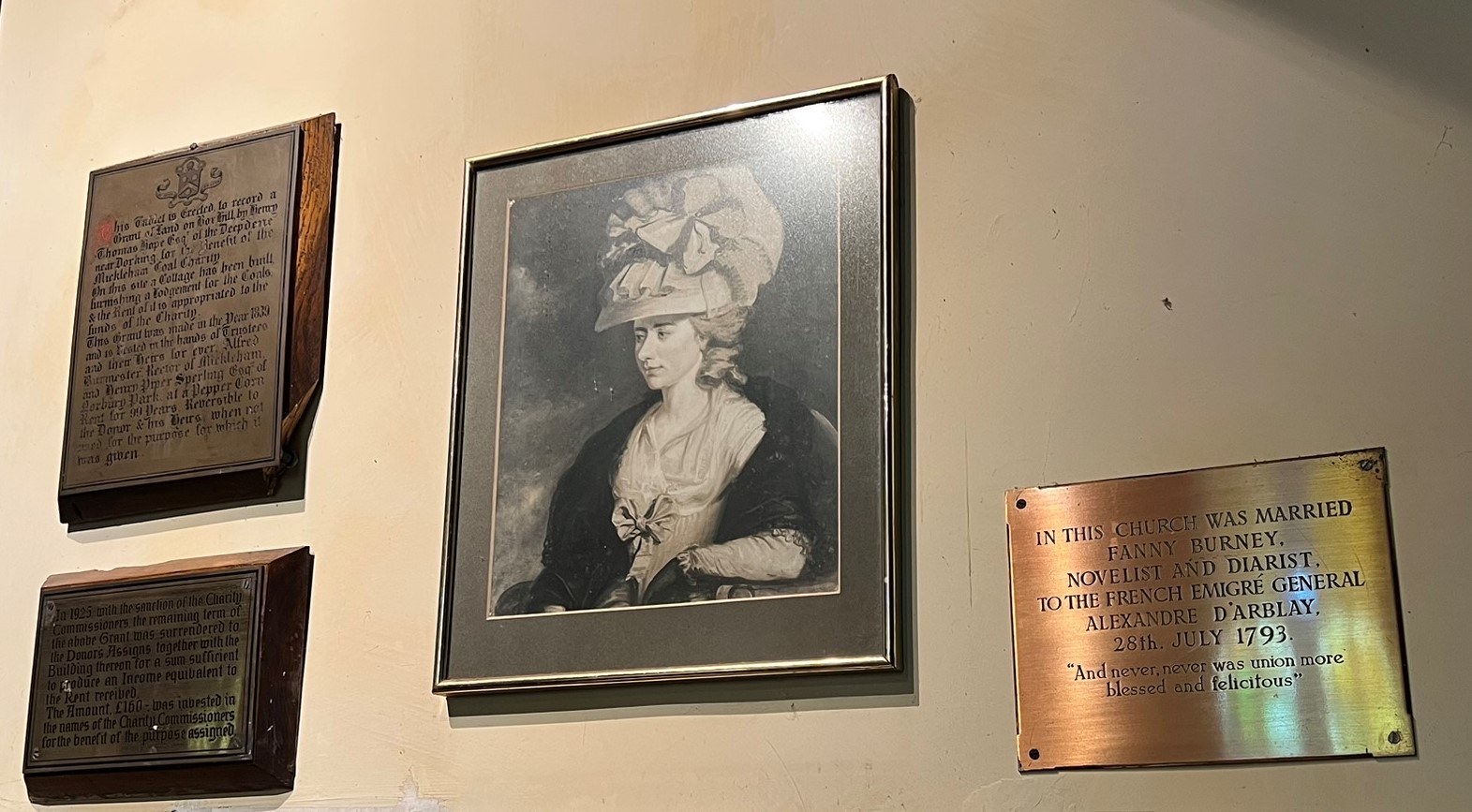
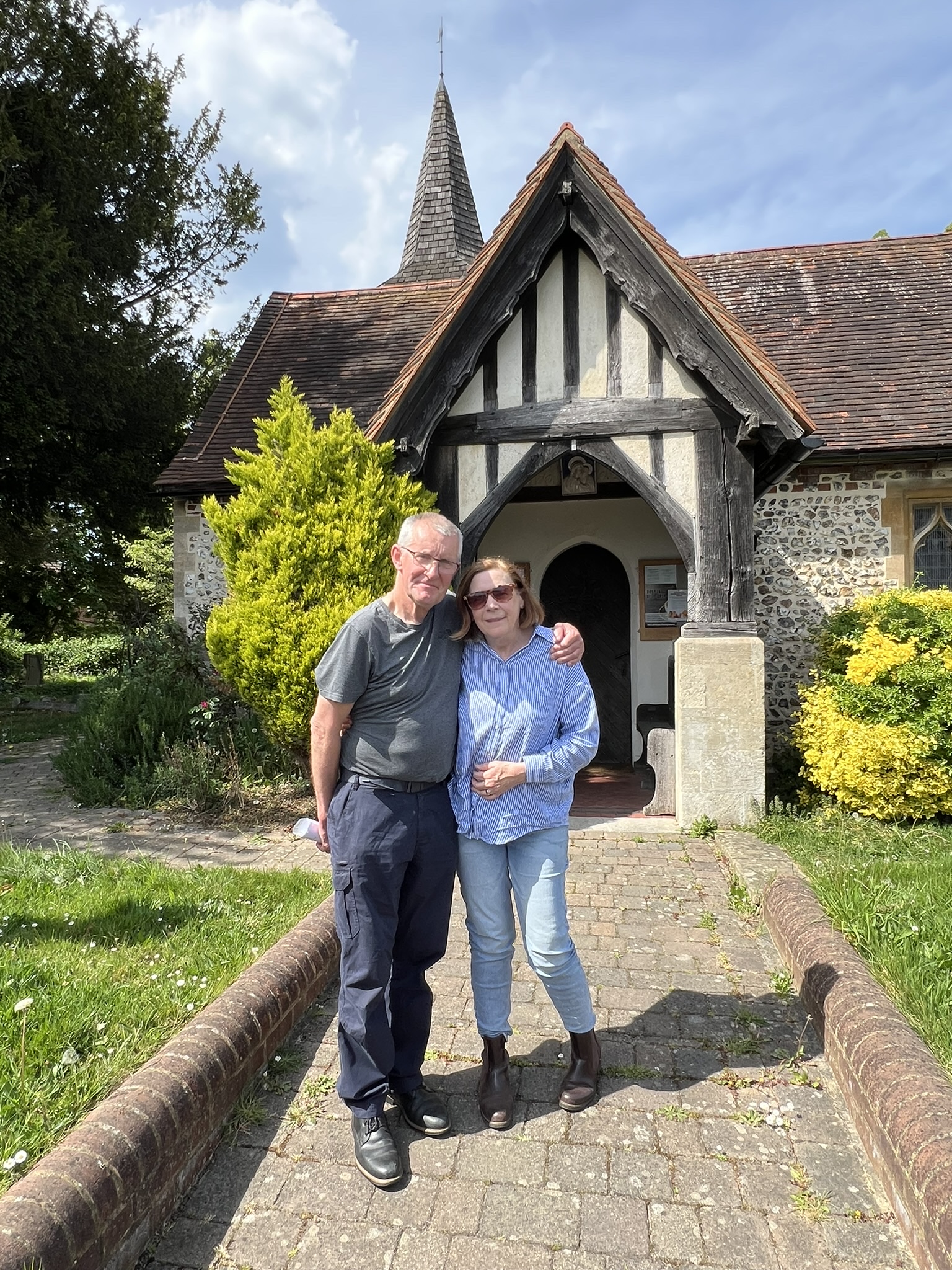
And then off to the Norman church in Mickleham where Burney and D’Arblay were married on July 28, 1793, the St. Michael and All Angels Church:

[We did not do Great Bookham today as it was to be part of the JASNA tour, so stay tuned for that with its Burney connection…] 

Tony & Marilyn in front of the St. Mary the Virgin Church in Chessington – the church was not open – we would like to have seen the Burne-Jones designed window of “Faith, Hope, and Charity” and the Samuel Crisp Memorial penned by Frances Burney [here thanks to wikipedia]:
***************

It was all in all a day well-spent! With hearty thanks to Tony and Marilyn for driving me all over the suburbs and countryside…!

c2025JaneAustenInVermont
Domestic Arts · Jane Austen · JASNA-Vermont events · Regency England · Schedule of Events · Social Life & Customs
JASNA-Vermont ~ Next Meeting! March 23, 2025 – via Zoom

Let There be Light (A ZOOM Meeting), 

Sunday, March 23, 2025

2:00-3:30 pm

In Jane Austen’s Regency England the winter sun set before 4:00 PM. In Austen’s novels, candles illuminate the Netherfield Ball in Pride and Prejudice and the Christmas Eve party at Randalls in Emma.

In this JASNA-Vermont Zoom presentation, Marti Sterin will share Sue Dell’s 2018 AGM presentation Let There Be Light, which will illuminate for us the way Jane Austen’s characters lit their worlds.

********

This free event will be online via Zoom. Register here:

https://us02web.zoom.us/meeting/register/siuf-1HrSrSN4RP7rEIiTQ

After registering, you will receive a confirmation email with information on how to join the meeting.

For more information: 

JASNAVTregion@gmail.com
Blog: https://janeausteninvermont.blog/
Facebook: Jane Austen in Vermont

c2025JaneAusteninVermont
Austen Literary History & Criticism · Books · Fashion & Costume · Jane Austen · Regency England · Social Life & Customs
Re-blogging from Two Teens in the Time of Austen