I pull this Christmas Eve post from the archives, first posted on Dec 24, 2010
Wishing you all a very Merry Christmas
from Everyone in JASNA-Vermont!
***************
It is a rare date that Austen mentions in her works, but one of them is today, December 24: Christmas Eve, “(for it was a very great event that Mr. Woodhouse should dine out, on the 24th of December)” [Emma Vol. I, Ch. xiii]
While we usually associate Mr. Woodhouse with often curmudgeonly weather-obsessed behavior, here he is most eager to get all wrapped up and head over to Randalls:
Mr. Woodhouse had so completely made up his mind to the visit, that in spite of the increasing coldness, he seemed to have no idea of shrinking from it, and set forward at last most punctually with his eldest daughter in his own carriage, with less apparent consciousness of the weather than either of the others; too full of the wonder of his own going, and the pleasure it was to afford at Randalls to see that it was cold, and too well wrapt up to feel it. [E, Vol. I, Ch. xiii]
Fig. 2
So it is not dear Mr. Woodhouse who is Scrooge this Christmas Eve, but Austen is adept at creating one, and long before Dickens ever did:
‘A man,” said he, ‘must have a very good opinion of himself when he asks people to leave their own fireside, and encounter such a day as this, for the sake of coming to see him. He must think himself a most agreeable fellow; I could not do such a thing. It is the greatest absurdity — Actually snowing at this moment! The folly of not allowing people to be comfortable at home, and the folly of people’s not staying comfortably at home when they can! If we were obliged to go out such an evening as this, by any call of duty or business, what a hardship we should deem it; — and here are we, probably with rather thinner clothing than usual, setting forward voluntarily, without excuse, in defiance of the voice of nature, which tells man, in every thing given to his view or his feelings, to stay at home himself, and keep all under shelter that he can; — here are we setting forward to spend five dull hours in another man’s house, with nothing to say or to hear that was not said and heard yesterday, and may not be said and heard again to-morrow. Going in dismal weather, to return probably in worse; — four horses and four servants taken out for nothing but to convey five idle, shivering creatures into colder rooms and worse company than they might have had at home.” [E, Vol. I, Ch. xiii]
Well, “Bah! Humbug!” to you too, John Knightley! – he is our Scrooge this Christmas Eve [indeed, I believe that Isabella has married her father!] and his ill humor continues throughout the evening – ending of course with his gloomy and overblown report of the worsening weather that sets off three full pages of discussion on the risks of setting out, on the possibility of being snowed-in, on the cold, on the danger to the horses and the servants – “‘What is to be done, my dear Emma? – what is to be done?’ was Mr. Woodhouse’s first exclamation…” and it all is finally “settled in a few brief sentences” by Mr. Knightley and Emma, certainly foreshadowing their success as a companionable couple.
Fig. 3 ‘Christmas Weather’
And this leads to one of Austen’s most comic scenes – the proposal of Mr. Elton, Emma trapped in the carriage alone with him believing that “he had been drinking too much of Mr. Weston’s good wine, and felt sure that he would want to be talking nonsense…” – which of course he does…
Wishing you all a very Merry Christmas, with much snow on the ground (but not enough to trouble your carriage), some song and wine (but not enough to induce unwanted and overbearing offers of love and marriage), and the pleasure of good company (with hopefully no Scrooge-like visitors to whom you must either “comply” or be “quarrelsome” or like Emma, have your “heroism reach only to silence.” )
P.S. – And tonight pull your Emma off the shelf and read through these chapters in volume I [ch, 13-15] for a good chuckle! – this of course before your annual reading of A Christmas Carol.
As part of Sarah Emsley’s upcoming three month-long celebration of Emma, “Emma in the Snow” beginning on December 23, 2015, I have written this post on its publishing history – an interesting tale gleaned from Austen’s Letters, Deirdre Le Faye’s Chronology, and other scholarly essays. Sarah will be re-blogging it, and we welcome your comments on either site.Emma was published in late December 1815, though the title page states 1816, and hence why there are celebrations both this year and next. I always have felt it appropriate that this book was published so close to Austen’s birthday on the 16th, and why I am posting this today, what would have been her 240th! And December brings to mind the very pivotal and humorous scene on Christmas Eve with Mr. Elton and Emma in the carriage – think snow – it shall be here soon enough!
Publishing Emma
Emma, Vol. 1 cover. London: Dent, 1898 (Mollands)
The most oft-quoted reference to Emma appears in her nephew James Edward Austen Leigh’s Memoir of 1870 where he writes: “She was very fond of Emma, but did not reckon her being a general favourite; for when commencing that work, she said, ‘I am going to take a heroine whom no one but myself will much like.’”(Memoir, 140) And indeed, most of the controversy surrounding Emma, though considered by many to be her “most profound achievement,” (Fergus 14) has been the likeability of this title character.
One of the joys of reading Jane Austen’s letters is to discover the numerous references to her novels through the writing and publishing process – we all feel great disappointment that there are not more – but in the case of Emma, there are many such finds, almost all to do with its publication, and why perhaps we hang on this quote from the Memoir as Austen’s only personal comment about its creation. In writing up this interesting publishing history, I realize most of the best bits are in these letters as she negotiates with her new publisher John Murray, nurses her brother Henry through a near-death illness, visits the Prince Regent’s Librarian at Carlton House, learns that her niece Anna Lefroy has had a baby daughter and her brother Frank another son, works with the printers’ galleys of Emma, and edits Mansfield Park for a second edition. She has also at this time begun writing Persuasion (begun August 8, 1815 and finished August 6, 1816) – a great deal happens in these two months from October 4, 1815 when she leaves Chawton for London with Henry, and December 16th, when she returns! Emma is finally published on December 23rd and she begins keeping a record of its “opinions” henceforth.
I am going to present here a chronological accounting of Emma’s publication, interspersed with the letters – it is the only way to get a full sense of what was actually happening – her letters making us nearly over-the-shoulder voyeurs into these very packed two months of her life.…
Dates of composition: these are noted in Cassandra Austen’s memorandum (Minor Works, opp. 242): began January 21, 1814; finished March 29, 1815. Jan Fergus believes that she likely revised it until August when she began Persuasion (Fergus 5). She does not submit the manuscript to John Murray until late August or early September 1815.
But what of the backstory? There are no comments by Austen to the actual writing of Emma, but it is worth a look at what she was doing between January 1814 and March 1815 to tease out some interesting real-life correlations. In the “Introduction” to the 2005 Cambridge edition of Emma, the editors (Richard Cronin and Dorothy McMillan, ) note a number of various events during this time frame that perhaps in one way or another show up in the plot and characters of Emma. Le Faye’s Chronology and The Letters are invaluable here – here is a quick sampling:
Austen visits Great Bookham, which is close to Box Hill and Leatherhead, considered the most likely model for Highbury.
Miss Sharpe is now a governess in Yorkshire – Austen wishes for her employer to marry her has echoes in the story of Miss Taylor, later Mrs. Weston, and Jane Fairfax (see Ltr. 102, June 23,1814).
Austen’s niece Anna marries Ben Lefroy on November 8, 1814 – perhaps why she names the baby in Emma “Anna” (though Mrs. Weston’s first name is Anne)
Austen writes to her niece Fanny about whether or not she is in love with John Plumptre – we see this as Emma humorously debates with herself about whether or not she is in love with Frank Churchill (see Ltrs. 109 and 114).
We have only to read her letter to Anna about the atmosphere of the Wen [London] to recall Mr. Woodhouse’s commentary on the air of London and Isabella’s staunch defense of their “superior” location in Brunswick Square. [see Ltr. 110. Nov 22, 1814]
Anna Lefroy – from the Memoir
Austen is reading and critiquing her niece Anna’s novel – it is here we have the most information on Austen’s view of the writing process – and where she famously states: “…3 or 4 Families in a Country Village is the very thing to work on…” (Ltr. 107, Sept 9-18, 1814), which of course is exactly what Emma is all about. (See Cronin and McMillan, xxiii-xxv)
I will do a more detailed post on this backstory topic in the future, but now a return to the publishing adventure.
October 4, 2015: Austen travels to London with her brother Henry, expecting to stay “a week or two” (Ltr. 120) and negotiations with her publisher begin. Her attempts to have Thomas Egerton publish a 2nd edition of Mansfield Park had been unsuccessful the previous year:
Austen had written on November 30, 1814: (Ltr. 114 to Fanny Knight)
“…it is not yet settled yet whether I do hazard a 2d Edition. We are to see Egerton today, when it will be probably determined. – People are more ready to borrow & praise, than to buy…”
John Murray. NPG-wikipedia
October 17, 1815: There is no definitive answer as to why Egerton did not choose to publish, but we do know that Austen submitted her Emma manuscript to the more prestigious John Murray the following year in late summer / early fall 1815. We know from the Chronology (514) that Henry and Jane visited Steventon unexpectedly Sept 3rd and stayed until the 5th – this may have been when Austen gave her “Emma” MS to Henry to deliver to Murray. In a letter dated Sept 29, 1815, Murray’s editor William Gifford writes: “Of ‘Emma’, I have nothing but good to say. I was sure of the author before you mentioned her.” It is believed that at this point Murray was hoping to purchase the copyright and have Gifford edit the manuscript for publication.
Kathryn Sutherland in her essay “Jane Austen’s Dealings with John Murray and His Firm” outlines further explanation as to when Murray may have been first approached by Austen. She has found in the Murray Archives an earlier letter from Gifford dated November 14, 1814 on his having read Pride and Prejudice. Sutherland supposes that Austen met with Murray in the November of 1814 year when in London negotiating with Egerton over the Mansfield Park 2nd edition. By the time Gifford writes his Sept. 1815 letter urging Murray to acquire Emma, as well as the copyrights of P&P and another novel, he is already familiar with and highly values her writings.
But Austen writes: [Ltr. 121 Oct 17, 1815]
“Mr. Murray’s Letter is come[dated Oct 15]; he is a Rogue of course, but a civil one. He offers £450 – but wants to have the Copyright of MP & S&S included. It will end in my publishing for myself I dare say. – He sends more praise however than I expected. It is an amusing Letter.”
So the decision is made to publish on commission, i.e. Austen takes on the expense of publishing, Murray takes 10% commission on all profits – Austen had learned her lesson in selling the copyright of Pride and Prejudice directly to Thomas Egerton for £110. But those who have looked into all the facts and figures of her profits and losses (see especially Fergus) surmise that she in this case would have done better to have sold the copyrights outright for the £450.
Henry’s illness: It is also in this letter of Oct 17th that Austen first makes note of Henry being ill – “Henry is not quite well – a bilious attack with fever.” She continues the letter the next day with:
“Henry’s illness is more serious than I expected. He has been in bed since three o’clock on Monday”and goes on to write about the physician Mr. Haden’s (though Austen spells it “Haydon”) opinions of the matter and the drawing of blood to lessen inflammation – “Henry is an excellent Patient, lies quietly in bed & is ready to swallow anything. Her lives upon Medicine, Tea and Barley water… he is in “the back room upstairs – & I am generally there also, working or writing.”
October 20, 1815: Henry Austen’s letter of October 20 or 21st is written – Austen kept a draft [Ltr. 122(A)(D)] with this heading:
“A Letter to Mr. Murray which Henry dictated a few days after his Illness began, & just before the severe Relapse which drew him into such Danger.”
Dear Sir
Severe Illness has confined me to my Bed ever since I received Yours of ye 15th – I cannot yet hold a pen, & employ an Amuensis [sic]. – The Politeness & Perspicuity of your Letter equally claim my earliest Exertion. – Your official opinion of the Merits of Emma, is very valuable & satisfactory. – Though I venture to differ occasionally from your Critique, yet I assure you the Quantum of your commendation rather exceeds than falls short of the Author’s expectation & my own. – The Terms you offer are so very inferior to what we had expected that I am apprehensive of having made some great Error in my Arithmetical Calculation. – On the subject of the expense & profit of publishing, you must be much better informed that I am; – but Documents in my possession appear to prove thatthe Sum offered by you, for the Copyright of Sense & Sensibility, Mansfield Park & Emma, is not equal to the Money which my Sister has actually cleared by one very moderate Edition of Mansfield Park – (You Yourself expressed astonishment that so small an Edit. of such a work should have been sent into the World) & a still smaller one of Sense & Sensibility…
I love this letter! – it shows Henry as a strong advocate for his sister, as well as quite the wit!
But succeeding days show Austen requesting a second doctor for Henry – this was likely Dr. Matthew Baillie, one of the Prince Regent’s medical advisors (Le Faye, Chron. 518) Austen begins to summon family members and Cassandra, James, and Edward all head for London; Cassandra will remain there with Jane until Nov 20th.
In the middle of all this, on October 20th, Anna Lefroy (James’s daughter) gives birth to a little girl named Anna-Jemina! And on the 30th Austen writes to her niece Caroline Austen (now 10 years old) about her own story in the making: she feels “not quite equal to taking up your Manuscript, but think I shall soon, & hope my detaining it so long will be no inconvenience.” [Ltr. 123, Oct 30, 1815]
November 3, 1815. A few days later we see Austen taking on the negotiating of Emma herself – she writes:
My Brother’s severe Illness has prevented his replying to Yours of Oct 15, on the subject of the MS of Emma, now in your hands – And as he is, though recovering, still in a state which we are fearful of harassing by Business & I am at the same time desirous of coming to some decision on the affair in question, I must request the favour of you to call on me here, on any day after the present that may suit you best, & at any hour in the Evening or any in the Morning except from Eleven to One. – A short conversation may perhaps do more that much Writing.[Ltr. 124, Nov 3, 1815]
We hear no more of the actual negotiations, but find that in mid-November Murray includes Emma in his list of publications in the press and “nearly ready for publication” – this November 1815 listing was found inserted in a copy of Helen Maria Williams’ A Narrative of the Events which have Taken Place in France (London: Murray, 1816) – Austen refers to this book in letter 127 (Nov 24, 1815) below (Gilson xxix).
November 8, 1815. Austen’s brother Frank’s 4th son, Herbert Grey, is born!
November 13, 1815 – The visit to Carlton House:
Carlton House, London
Sometime in early November, the Prince Regent’s physician tells Austen that he is aware she is the author of Pride and Prejudice, and “that the Prince [is] a great admirer of her novels and has read them often and kept a set of in every one of his residences; and he himself thought he ought to inform the Prince that Miss Austen was staying in London, and that the Prince [has] desired Mr Clarke, the librarian of Carlton House, to wait upon her.”(Memoir 105) And here we have one of the more interesting series of letters in the whole collection – insight into Austen’s life in London, her ready wit, the assuredness of her own talents, and the issue of the dedication of Emma to “His Royal Highness, The Prince Regent.”
AN ASIDE ~ the Austen – Clarke correspondence:
Carlton House Library
We know that Austen visited Carlton House and met with the librarian James Stanier Clarke on Monday the 13th – but alas! there is no account of it from her directly – how one would love to have heard her comments to her sister and Henry when she returned to Hans Place that day! – all we have is this letter of the 15th addressed to Clarke: [ Ltr. 125(D)]
Sir,
I must take the liberty of asking You a question – Among the many flattering attentions which I rec’d from you at Carlton House, on Monday last, was the Information of my being at liberty to dedicate any future Work to HRH the P.R. without the necessity of any Solicitation on my part. Such at least, I beleived to be your words; but as I am very anxious to be quite certain of what was intended, I intreat you to have the goodness to inform me how such a Permission is to be understood, & whether it is incumbent on me to shew my sense of the Honour, by inscribing the Work now in the Press, to H.R.H. – I sh’d be equally concerned to appear either presumptuous or Ungrateful.-
I am etc…
James Stanier Clarke – wikipedia
Clarke responded immediately:
It is certainly not incumbent on you to dedicate your work now in the Press to His Royal Highness: but if you wish to do the Regent that honour either now or at some future period, I am happy to send you that permission which need not require any more trouble or solicitation on your Part.
And then Clarke goes on to offer Austen writing advice!
Your late Works, Madam, and in particular Mansfield Park reflect the highest honour on your Genius & your Principles; in every new work your mind seems to increase its energy and powers of discrimination. The Regent has read & admired all your publications.
Accept my sincere thanks for the pleasure your Volumes have given me: in the perusal of them I felt a great inclination to write & say so. And I also dear Madam wished to be allowed to ask you, to delineate in some future Work the Habits of Life and Character and enthusiasm of a Clergyman –who should pass his time between the metropolis & the Country – who should be something like Beatties Minstrel… Neither Goldsmith – nor La Fontaine in his Tableau de Famille – have in my mind quite delineated an English Clergyman, at least of the present day – Fond of, & entirely engaged in Literature – no man’s Enemy but his own. Pray dear Madam think of these things…
P.S. I am going for about three weeks to Mr Henry Streatfields, Chiddingstone Sevenoaks – but hope on my return to have the honour of seeing you again. (Ltr. 125(A), Nov 16, 1815)
This lively correspondence between Austen and Clarke continued later in December upon Clarke’s return – Austen writes on December 11:
My Emma is now so near publication that I feel it right to assure you of my not having forgotten your kind recommendation of an early Copy for Cn H. [Carlton House] – & that I have Mr. Murray’s promise of its being sent to HRH. under cover to You, three days previous to the Work being really out.-
I must make use of this opportunity to thank you dear Sir, for the very high praise you bestow upon my other Novels – I am too vain to wish to convince you that you have praised them beyond their Merit.-
My greatest anxiety at present is that this 4th work shd not disgrace what was good in the others. But at this point I will do myself the justice to declare that whatever may be my wishes for its’ success, I am very strongly haunted by the idea that to those Readers who have preferred P&P, it will appear inferior in Wit, & to those who have preferred MP, very inferior in good Sense.
And here she addresses Clarke’s suggestions for her Clergyman:
I am quite honoured by your thinking me capable of drawing such a Clergyman as you gave the
CE Brock – Mr Collins (Mollands)
sketch of in your note of Nov: 16. But I assure you I am not. The Comic part of the Character I might be equal to, but not the Good, the Enthusiastic, the Literary. Such a Man’s Conversation must at times be on subjects of Science & Philosophy of which I know nothing – or at least be occasionally abundant in quotations & allusions which a Woman, who like me, knows only her own Mother-tongue & has read very little in that, would be totally without the power of giving. A Classical Education, or at any rate, a very extensive acquaintance with English Literature, Ancient & Modern, appears to me quite Indispensable for the person who wd do any justice to your Clergyman – And I think I may boast myself to be, with all possible Vanity, the most unlearned, & uninformed Female who ever dared to be an Authoress.(Ltr. 132(D), Dec 11, 1815)
Clarke writes again on Dec 21st or so thanking her for the copy of Emma which he has sent on to the Prince Regent: “I have read only a few pages which I very much admired – there is so much nature – and excellent description of Character in everything you describe.”He then goes on to again implore her to write about a Clergyman, in what sounds like a sort of autobiography of Himself! – then offers her a copy of his forthcoming book on James II, as well as the offer of the use of his small Cell and library at No. 37 Golden Square when she comes to Town – “I shall be most happy. There is a Maid Servant of mine always there.”
What an offer!!
In March, Clarke writes from Brighton sending the thanks of the Prince Regent for “the handsome copy of your last excellent Novel.” He then drops a few names (he is very good at name-dropping!) and suggests that her next work’s dedication should be to Prince Leopold: “any Historical Romance illustrative of the History of the august house of Cobourg, would just now be very interesting.”
Believe me at all times Dear Miss Austen Your obliged friend J. S. Clarke [Ltr. 138(A), Mar 27, 1816]
To which Austen responds after thanking him for his praises:
…You are very, very kind in your hints as to the sort of Composition which might recommend me at present, & I am fully sensible that an Historical Romance, founded on the House of Saxe Cobourg might be more to the purpose of Profit or Popularity, than such pictures of domestic L:ife in Country Villages I deal in – but I could no more write a Romance than an Epic Poem. – I could not sit seriously down to write a serious Romance under any other motive than to save my Life, & if it were indispensable for me to keep it up & never relax into laughing at myself or other people, I am sure I should be hung before I finished the first Chapter. – No – I must keep to my own style & go on in my own Way. And though I may never succeed again in that, I am convinced that I should totally fail in any other.
I remain my dear Sir,
Your very much obliged & very sincere friend
J Austen [Ltr. 138(D), April 1, 1816]
And that seems to be the last of their correspondence – we know Austen is deep into writing Persuasion at this point, and that Emma has received a number of good reviews and is selling well. I love this letter because again, it gives us rare insight into how she thought of herself as a writer, as well as a good slice of her self-deprecating irony. And Clarke is so clearly a portrait of Mr. Collins! – a character she wrote a full 10 years before! Austen must have had a good hearty laugh about his requesting her to write about a Clergyman – one wonders what Clarke’s view of Mr. Collins could possibly have been…
*****************
November 23, 1815: We now must return to the matter at hand – the publication of Emma – with several letters between her and Mr. Murray that show how involved she was in this process. Henry is gradually getting stronger and has written a letter to Murray on Nov 20th (Le Faye Chrono. 520) about the publishing delays, but we do not have a copy of this letter – Austen seems to be doing all the work with Murray herself from this point. Real life includes the visit of her niece Fanny who arrived on the 15th or 16th of November…and Cassandra returns to Chawton on the 20th.
To John Murray, November 23, 1815 [Ltr. 126]
My Brother’s note last Monday has been so fruitless, that I am afraid there can be little chance of my writing to any good effect; but yet I am so very much disappointed & vexed by the delays of the Printers that I cannot help begging to know whether there is no hope of their being quickened. – Instead of Work being ready by the end of the present month, it will hardly, at the rate we now proceed, be finished by the end of the next, and as I expect to leave London in early Decr, it is of consequence that no more time should be lost. Is it likely that the Printers will be influenced to greater Dispatch & Punctuality by knowing that the Work is to be dedicated, by Permission, to the Prince Regent? – If you can make circumstances operate, I shall be very glad…. (Austen then thanks Murray for the loan of a book to Henry)
November 24, 1815: It is in Austen’s next letter to Cassandra that we learn “a much better account of my affairs, which I know will be a great delight to you.”
Printing House – 18thc (eduscapes.com)
“I wrote to Mr Murray yesterday myself, & Henry wrote at the same time to Roworth [one of the printers]. Before the notes were out of the House I received three sheets, & an apology from R. We sent the notes however, & I had a most civil one in reply from Mr M. He is so very polite indeed, that it is quite overcoming. – The Printers have been waiting for Paper – the blame is thrown upon the Stationer – but he gives his word that I shall have no farther cause for dissatisfaction.” Murray loans them two books – the Miss Williams as noted above and a Walter Scott and she is “soothed & complimented into tolerable comfort.-”
…A Sheet come in this moment. 1st & 3rd vol. are now at 144. – 2d at 48. – I am sure you will like Particulars. – We are not to have the trouble of returning the Sheets to Mr Murray any longer, the Printer’s boys bring & carry. [Ltr. 127, Nov 24, 1815]
November 26, 1815: The next day is given over to shopping (from 11:30 – 4:00 for all manner of errands and the “miseries of Grafton House”) and on the 26th Austen writes of all these events and their purchases, then this about Emma:
I did mention the P.R. – in my note to Mr Murray, it brought me a fine compliment in return; whether it has done any other good I do now know, but Henry thought it worth trying. – The Printers continue to supply me very well, I am advanced in vol. 3 to my arra-root, upon which peculiar style of spelling, there is a modest qury? in the Margin. – I will not forget Anna’s arrow-root. – I hope you have told Martha of my first resolution of letting nobody know that I might dedicate &c – for fear of being obliged to do it – & that she is thoroughly convinced of my being influenced now by nothing but the most mercenary motives.
And she ends this long letter on visits, visitors, and Henry’s health with this comment on her brother Charles’s letter:
I have a great mind to send him all the twelve Copies which were to have been dispersed among my near Connections – beginning with the P.R. & ending with Countess Morley. [see below for a list of recipients] [Ltr. 128, Nov 26, 1815]
December 2, 1815: Emma is advertised in The Morning Post as being published in a few days, and Austen’s only mention of Emma in her letter of this day to Cassandra is: “It strikes me that I have no business to give the P. R. a Binding, but we will take Counsel upon the question.” (She does present him with a fine binding of Emma as her letters above to Clarke indicate; it cost her 24s!)
Emma – Prince Regent’s copy (Le Faye)
December 6, 1815:Emma is again advertised in The Morning Post as forthcoming.
December 10, 1815:The Observer advertises “On Saturday next will be published… EMMA.” (i.e. Dec 16 – but it does not appear on this date)
December 11, 1815: Austen writes another letter to John Murray.
As I find that Emma is advertized for publication as early as Saturday next, I think it best to lose no time in settling all that remains to be settled on the subject, & adopt this method of doing so, as involving the smallest tax on your time.-
In the first place, I beg you to understand that I leave the terms on which the Trade should be supplied with the work, entirely to your Judgement, entreating you to be guided in every such arrangement by your own experience of what is most likely to clear off the Edition rapidly. I shall be satisfied with whatever you feel to be best.-
The Title page must be, Emma, Dedicated by Permission to H. R. H. The Prince Regent. – And it is my particular wish that one Set should be completed & sent to H. R. H. two or three days before the Work is generally public – It should be sent under Cover to the Rev. J. S. Clarke, Librarian, Carlton House. – I shall subjoin a list of those persons, to whom I must trouble you to forward also a Set of each, when the Work is out; – all unbound, with From the Authoress, in the first page.
I return to you, with very many Thanks, the Books you have so obligingly supplied me with. – I am very sensible I assure you of the attention you have paid to my Convenience & amusement. – I return also, Mansfield Park, as ready for a 2d Edit: I beleive, as I can make it. – …. I wish you would have the goodness to send a line by the Bearer, stating the day on which the set will be ready for the Prince Regent. [Ltr. 130, Dec 11, 1815]
And another letter to Murray on the same day – he must have instantly dispatched a response to the above:
I am much obliged by your, and very happy to feel everything arranged to our mutual satisfaction. As to my direction about the title-page, it was arising from my ignorance only, and from my never having noticed the proper place for a dedication. I thank you for putting me right. Any deviation from what is actually done in such cases is the last thing I should wish for. I feel happy in having a friend to save me from the ill effect of my own blunder. [Ltr. 131C, Dec 11, 1815]
(And see her letter to Clarke on this date above claiming to be “the most unlearned, & uninformed Female who ever dared to be an Authoress.”)
December 16, 1815: Austen’s birthday! Emma is not published as advertised, and she leaves for Chawton as she notes in Letter 133 (Dec 14, 1815) “I leave Town early on Saturday…” – she has been in London for over two months, her stay lengthened by Henry’s illness and publishing delays.
There are no more letters until December 31, though Fanny Knight writes in her pocket-book on the 17th and the 22nd that she received a letter from Aunt Jane – more letters lost… (Le Faye Chrono. 524).
December 19, 1815: “Murray’s clerk enters details in the ledger regarding Emma: 2000 copies printed, 3 vols., price 1 guinea the set, title page dated 1816” – also includes Austen’s list of her 12 presentation copies (see below). Murray also gives a copy to Byron’s half-sister Augusta Leigh, and to Maria Edgeworth at Austen’s request. (Le Faye Chrono. 525)
December 21, 1815:The Morning Chronicle: Emma to be published “on Saturday next”
December 22, 1815:The Morning Chronicle: Emma to be published “Tomorrow”
December 23, 1815:The Morning Chronicle: Emma “PUBLISHED THIS DAY”
December 25, 1815: John Murray writes to Walter Scott requesting a review of Emma – this is published in March 1816 issue of the Quarterly Review.
“Have you any fancy to dash off an article on ‘Emma’? It wants incident and romance does it not? None of the author’s other novels have been noticed [in Murray’s ‘Quarterly Review’] and surely ‘Pride and Prejudice’ merits high commendation.”(Gilson 69)
December 27, 1815: the Countess of Morley, one of the recipients of a presentation copy, writes to Austen:
Countess of Morley – BBC
…I am already become intimate in the Woodhouse family, & feel that they will not amuse & interest me less than the Bennetts [sic], Bertrams, Norriss & all their admirable predecessors – I can give them no higher praise – [Ltr. 134(A), Dec 27, 1815] (though the Countess writes letters to others that she finds the book quite dull – more on this in another post!)
December 31, 1815: Austen responds to the Countess:
Madam,
Accept my Thanks for the honour of your note & for your kind disposition in favour of Emma. In my present state of doubt as to her reception in the World, it is particularly gratifying to me to receive so early an assurance of your Ladyship’sapprobation. – It encourages me to depend on the same share of general good opinion which Emma’s Predecessors have experienced, & to believe that I have not yet – as almost every Writer of Fancy does sooner or later – overwritten myself… [Ltr. 134, Dec 31, 1815]
Early January 1816: Austen sends her copy of Emma to her niece Anna – and as she had with Pride & Prejudice in calling it “my own darling child,” compares her novel creation to the birth of a Anna’s baby:
My dear Anna,
As I wish very much to see your Jemina, I am sure you will like to see my Emma, & have therefore great pleasure in sending it for your perusal. Keep it as long as you chuse; it has been read by all here.-
Austen in late January also sends off a copy of Emma to her friend Catherine Ann Prowting, after the death of their mutual friend Mary Benn. [Ltr. 136, Jan ? 1816]
And then no letters at all until March 13 (Ltr. 137 to Caroline Austen) … but on February 19, 1816, Murray publishes the 2nd edition of Mansfield Park: 750 copies (Gilson 59):
In mid-march, Henry Austen’s bank fails, a catastrophic event for the family – Austen refers to it in her April 1, 1816 letter to Murray as “this late sad Event in Henrietta St.” And here in late March and early April we have the two letters noted above to and from James Stanier Clarke.
March 1816: the Quarterly Review (vol. 14, no. 27, dated October 1815) is published and contains Scott’s (though anonymous) review of Emma.
Sir Walter Scott – wikipedia
April 1, 1816: Austen to John Murray, returning his copy of the Quarterly Review –
I return you the Quarterly Review with many Thanks. The Authoress of Emma has no reason to think to complain of her treatment in it – except in the total omission of Mansfield Park. – I cannot but be very sorry that so clever a Man as the Reveiwer of Emma, should consider it as unworthy of being noticed, – You will be pleased to hear that IU have received the Prince’s Thanks for the handsome Copy I sent him of Emma. Whatever he may think of my share of the Work, Yours seems to have been quite right…[Ltr. 139, April 1, 1816]
February 20-21, 1817 [Ltr. 151]: the last mention of Emma in the letters is a thank you to Fanny for mentioning Mrs. C. Cage’s praise of Emma. Austen notes this in her “Opinions of Emma”:
A great many thanks for the loan of Emma, which I am delighted with. I like it better than any. Every character is thoroughly kept up. I must enjoy reading it again with Charles. Miss Bates is incomparable, but I was nearly killed with those precious treasures! They are Unique, & really with more fun that I can express. I am at Highbury all day, & I can’t help feeling I have just got into a new set of acquaintance. No one writes such good sense, & so very comfortable. [MW 439]
************
So Emma is released upon the world on December 23, 1815, with the following dedication, the only time Austen dedicated a novel to anyone (her juvenilia is all dedicated, amusingly so – worth a read in themselves!) – I think she bandies about “Royal Highness” a bit too much, perhaps her only way of disguising in plain sight her dislike of the man!
TO HIS
ROYAL HIGHNESS
THE PRINCE REGENT,
THIS WORK IS,
BY HIS ROYAL HIGHNESS’S PERMISSION,
MOST RESPECTFULLY
DEDICATED,
BY HIS ROYAL HIGHNESS’S
DUTIFUL
AND OBEDIENT
HUMBLE SERVANT,
THE AUTHOR
***********
Here is how it looks in the 1816 American edition of Emma, the same as it did in the London 1st edition:
(Goucher College website)
**************
I repeat here the advertisements for Emma’s publication:
Mid-November 1815, Murray includes Emma in his list of publications in the press and “nearly ready for publication”
The Morning Post (Dec 2, 1815): “in a few days will be published…EMMA, a novel”
The Morning Post (Dec 6, 1815): repeated the above
The Observer (December 10, 1815): “On Saturday next will be published… EMMA.” (i.e. Dec 16 – but it does not appear on this date, Austen’s birthday).
The Morning Chronicle (Dec 21, 1815): Emma to be published “on Saturday next”
The Morning Chronicle (Dec 22, 1815): Emma to be published “Tomorrow”
The Morning Chronicle (Dec 23, 1815): Emma “PUBLISHED THIS DAY”
The Morning Post (Dec 29, 1815) – also advertises Emma as “This day published…”
The title page states 1816 – this was customary for books published at the end of the preceeding year. Note that Northanger Abbey and Persuasion were published in late December 1817, though the title page states 1818.
Presentation copies: (from Murray’s records)
The Prince Regent: his was delivered to James Stanier Clarke on December 21, 1815, bound in full red morocco gilt at a cost of 24s – Clarke writes on its receipt: “You were very good to send me Emma – which I have in no respect deserved. It is gone to the Prince Regent. I have read only a few pages which I very much admired – there is so much nature – and excellent description of Character in everything you describe.”(Ltr. 132(A). Dec 21, 1815)
Jane Austen
Henry Austen
Countess of Morley
Rev. J. S. Clarke
J. Leigh Perrot
Mrs. Austen (2 copies)
Captain Austen (likely Charles)
Rev. J. Austen
H. F. Austen (Frank)
Miss Knight (Fanny)
Miss Sharpe (governess / JA’s friend)
Augusta Leigh (Byron’s half-sister), given by Murray
Maria Edgeworth, as requested by Austen
The Particulars:
Published anonymously “By the Author of ‘Pride and Prejudice,’ etc, etc”
Copies: 2000 were printed, the 3-volume set sold for £1.1s., more than was usual for a 3-volume novel. 1248 were sold by Oct 1816, and by 1820, 538 copies were remaindered at 2s each.
Printers: C. Roworth (vols. 1 and 2); J. Moyes (vol. 3)
Binding: grey-brown paper boards and spine, or blue-grey boards and grey-brown, grey-blue or off-white spine
A pristine 1st of Emma for sale last year for £100,000
at Lucius Books in York (Daily Mail, Dec 2014)
or it may have looked like this:
Pride & Prejudice 1st ed (1813) – National Library of Scotland
5. Profits: Murray published Emma on commission, but also published the second edition of Mansfield Park – as noted above, Austen had written to Murray from Hans Place on Dec 11, 1815: “I return also ‘Mansfield Park,’ as ready for a 2d edit: I believe, as I can make it-”this edition came out on February 19, 1816 but did not sell well – the losses on this reduced the profits on Emma (which were substantial at the likely total of £373) to £38.18 (Fergus). One issue contributing to lower profits was Murray’s use of more expensive paper.
6. No manuscript survives.
7. Later Publishing History: a brief summary
Emma (Philadelphia, 1816) – Goucher College
1st American Edition – the only such printed in Austen’s lifetime, but since it was never mentioned by her or her family, it was likely unknown to them.
Published by Mathew Carey of Philadelphia in 1816, this American edition was only discovered in 1939 when found listed in a bookshop catalogue. It is unknown how many copies were printed but this edition is very rare – Goucher College has a copy in their Alberta H. Burke Collection – and this year it is the subject of an exhibition. You can visit the website here: http://www.emmainamerica.org/
Published in two volumes, the first is available online at the Goucher website; Volume II will be available next year.
1st French translation (Paris: Feb 1816): titled La Nouvelle Emma, with the translator not noted.
1st Bentley edition (1833):Richard Bentley purchased the copyrights of Austen’s novels from Henry and Cassandra for £210, with another £40 paid to Egerton for the copyright of P&P. He was to include them in his Standard Novels series. Sense and Sensibility was published on Dec 28, 1832 (t.p. states 1833), followed by Emma on Feb 27, 1833. This edition eliminated the Dedication to the Prince Regent for reasons unknown. There is an engraved frontispiece and title page vignette by William Greatbatch after George Pickering.
Emma, (Bentley, 1856 ed with same frontis as 1833 ed) – Andrew Cox Rare Books
8. Value today: First editions of Emma come up for auction periodically, prices all depending upon condition. In the original boards as published estimated values vary from $75,000 – 100,000; rebound in contemporary leather values average $35,000 – $50,000; modern re-bindings will fetch less. There are ten online at present, all rebound and varying from $17,000 – $45,000. The first American edition by Carey is rarely seen, though there is one right now online for $25,000. Of course online prices don’t tell the full tale – auction prices give us the true value at any given time – Emma in original boards sold for £30,000 at Sotheby’s in 2010, a rebound edition sold at Bonham’s in 2013 for $8500. In 2014, a nearly pristine copy in original boards sold for £48,050.
The Anne Sharp presentation copy noted above has been bandied about in recent years: it sold in 2008 for £180,000, then again in 2010 for £325,000. It was up for auction in December 2012 for an estimate of £150,000 – £200,000 but did not sell, and I do not know where it might be at present…
Anne Sharp presentation copy of Emma – Sotheby’s
It does make one wonder what Jane Austen would think of all this!
************
For the 200 years since that December 23rd “THIS DAY PUBLISHED” there have been an abundance of Emmas brought into the world – with various printing fonts, interesting covers from the delightful to the ridiculous, and illustrations from all manner of artists – collecting them is a full-time job! But if we look back to that first edition with far less print to every page, no illustrations, and those rather dull covers, we have merely what Austen wrote, a tale of a matchmaking heroine who is at times hard to take. Austen knew her reading public and had, as we saw in the quote opening this post, her own concerns about Emma’s likeability in that larger world outside her own family circle. But of course that’s the point – surrounded in charades and puzzles and as P. D. James has pointed out, a detective story, a coterie of characters, some quite annoying, and a narrative technique that leaves you wondering who said or thought what, Austen gives us a nearly perfect novel, one that leaves you guessing right to the end, brilliantly portraying a very small world that mirrors the larger, all told with a heavy dose of irony. Who cannot delight in Mr. Woodhouse’s obsessions with his health and fears of anything sweet; or Miss Bates babblings of little nothings that of course tell us most of what we need to know if we only paid attention; of Frank Churchill, hero or not; Jane Faifax, too good to be true and with her own mysterious ailments; the Eltons, who so deserve each other; our Dear Mr. Knightley, who upon every re-reading becomes my favorite Hero, and who on multiple readings can be seen to be quite hopelessly in Love with Emma from the start; and of course Emma, whatever we may make of her.
As we begin this bicentennial celebration of Emma, I invite you again to visit Sarah Emsley’s blog on “Emma in the Snow” where there will be bi-weekly posts starting December 23rd through March 2016. Sarah has garnered an impressive group of Austen folk to participate – so-re-read your Emma and be prepared to spend these next few months immersing yourself in this novel where nothing much seems to happen, but of course everything about human nature does. I end here with this thoughtful quote from the Cambridge edition – think on this as you begin your re-reading adventure:
This is a novel that does not ask its readers either to like or dislike its heroine: it invites them to question their responses, and to recognize their capacity to elevate their likings and dislikings to the status of moral judgements. (Introd. Emma, xxxviii)
*********
Some favorite illustrations of the proposal scene:
CE Brock, Emma (Dent, 1898) – Mollands
Hugh Thomson, Emma (Macmillan, 1896) – British Library
Note: A post from the archives of 2010 – reposting it because today is the 200th anniversary of Jane Austen’s visit to Carlton House!
************
Carlton House Library
Today in Jane Austen’s life: on November 13, 1815, Jane Austen visited Carlton House, the London home of the Prince Regent, at the invitation of the Prince’s Librarian James Stanier Clarke. Austen was “asked” to dedicate her next book – Emma – to the Prince – it is the only dedication in her six novels [her juvenilia was humorously dedicated to her family members – see Peter Sabor’s article in Persuasions 31 (2009) “Brotherly and Sisterly Dedications in Jane Austen’s Juvenilia”].
Carlton House – front view
This is Austen’s letter to Clarke on the 15th:
Wednesday 15 November 1815
Sir,
I must take the liberty of asking You a question – Among the many flattering attentions which I rec’d from you at Carlton House, on Monday last, was the Information of my being at liberty to dedicate any future Work to HRH the P.R. without the necessity of any Solicitation on my part. Such at least, I beleived to be your words; but as I am very anxious to be quite certain of what was intended, I intreat you to have the goodness to inform me how such Permission is to be understood, & whether it is incumbent on me to shew my sense of the Honour, by inscribing the Work now in the Press, to H.R.H. – I sh’d be equally concerned to appear either presumptuous or Ungrateful.-
I am etc…
[Le Faye, Ltr. 125 (D), p. 296]
James Stanier Clarke
Clarke responded immediately:
“It is certainly not incumbent on you to dedicate your work now in the Press to His Royal Highness: but if you wish to do the Regent that honour either now or at some future period, I am happy to send you that permission which need not require any more trouble or solicitation on your Part.” (Ltr. 125 (A), p.296)
Austen and Clarke engaged in a lively correspondence about this dedication and Clarke’s efforts to have Austen write a book about a clergyman… Austen responded in her most humorous fashion:
“I am fully sensible than an Historical Romance founded on the House of Saxe Cobourg might be more to the purpose of Profit or Popularity, than such pictures of domestic Life in Country Villages as I deal in – but I could no more write a Romance than an Epic Poem. – I could not sit seriously down to write a serious Romance under any other notice than to save my Life, & if it were indispensible for me to keep it up & never relax into laughing at myself or other people, I am sure I should be hung before I finished the first Chapter.- No – I must keep to my own style & go on in my own Way…” (Ltr. 138(D), p. 312).
It is unfortunate that no letter exists in which Jane writes Cassandra her impressions of Carlton House and the Prince’s request – it surely must have been written – how could Austen resist sharing her thoughts about Clarke and Carlton House with her sister! – it is likely one of those that Cassandra felt could not be passed on perhaps for its anti-P.R. sentiments. – In Letter 128 to Cassandra (Le Faye, 300), Austen writes “I did mention the P.R.- in my note to Mr. Murray, it brought me a fine compliment in return…”– which seems to indicate that Austen had written just previously to Cassandra about this request for a dedication. But all we have is Austen’s very humorous dedication to Emma:
TO HIS ROYAL HIGHNESS THE PRINCE REGENT,
THIS WORK IS, BY HIS ROYAL HIGHNESS’S PERMISSION, MOST RESPECTFULLY DEDICATED, BY HIS ROYAL HIGHNESS’S DUTIFUL AND OBEDIENT HUMBLE SERVANT,
We welcome today Margaret Harrington of JASNA-Vermont as she shares her thoughts on and several pictures from the 2015 Jane Austen Summer Program at the University of North Carolina, Chapel Hill that she attended in June.
**********
My Rave for the 3rd Annual JASP
“EMMA At 200”
The Jane Austen Summer Program 2015 University Of North Carolina, Chapel Hill
by Margaret Harrington, JASNA-Vermont
Hope G – JASNA-Vermont fashionista
I had an excellent experience at this year’s Jane Austen Summer Program because I gained new insights into the marvelous book, Emma, and had a good time doing it. The JASP co-directors, Dr. Inger Brody and Dr. James Thompson, planned everything so astutely that each lecture flowed naturally into the following event and led participants happily up the road to new discoveries about Jane Austen. In my opinion, Emma is Austen’s most deeply realized character and she lives and breathes in Austen’s most intricately structured rural society, so it was a consummate pleasure to attend this conference and to come away with a deeper understanding of the book.
Participants were greeted warmly by the graduate students and volunteers. Every day and evening of the conference we were engaged with knowledgeable lecturers and wonderful events, plus dance instruction for the ball.
Highlights were Game Night, the Box Hill Picnic at Ayr Mount, and of course the welcoming dinner, the Duchess of Richmond’s Regency Ball and a delightful production of Austen’s “Henry and Eliza” by the UNC players.
These pictures feature Hope Greenberg from JASNA-Vermont who wore different costumes of her own making for every occasion.
I certainly plan to return for next year’s JASP and Mansfield Park.
Hope turbaned…
Strawberries!
Hope off her swing
Box Hill anyone?
Presenting “Henry and Eliza”
Deciphering Emma‘s many puzzles
Off to the Duchess of Richmond’s Regency Ball…
Learning to not dance like a savage … (oops! wrong book…)
“…she had herself the highest value for Elegance…”
********************
Thank you Margaret for sharing your photos with us (but alas! none of you!) – it looks to have been a grand time!
For more information on the JASP “Emma at 200” you can see the full schedule here. But rather than feeling sad that you missed it all this year, you can already start planning to participate in next year’s JASP – read about it here:
The JASP website is worth a visit: it offers several teaching guides based on the various talks at JASP: on food, medicine, games, and class status in Emma, Austen’s use of free indirect discourse, an adaptation of “Henry and Eliza” – among others – good stuff here! http://janeaustensummer.org/teaching-guides/
And finally, JASP offers a replica of this beautiful Jane Austen bracelet as a fund-raiser for the Jane Austen Summer Program. Cost is $120.00 plus $5 shipping fees. You can order it here.
c2015 Jane Austen in Vermont, photos courtesy of Margaret Harringon
Whereas Marcel Proust offers us one evocative madeleine, Jane Austen talks of pork, apples, and cheeses.
I was born in Holland, where I spent my childhood in Den Haag until the age of eleven. I now live in Texas and, like all displaced souls around the globe, know what it is like to crave foods whose tastes and smells convey a sense of home (for me that includes hagelslag, stroopwafels, oude kaas, pannekoeken met spek, and, of course, verse haring). Although my fancy local grocery store in Austin, Texas, now carries many of the Dutch foods from my youth (or the ingredients that would allow me to make them myself), part of me protests the very idea of relocated delicacies. Some foods are simply not going to taste the same in a different place. Eating imported stroopwafels in Texas (perversely made with honey instead of echte stroop) violates a palpable sense of authenticity and belonging.
In many respects, Emma is a novel about that sense of belonging to a certain place, which Austen rather grandly refers to as “amor patriae.” Remarkably, in Emma the central action never leaves Highbury, a small imaginary village in Surrey. All of Austen’s other heroines, whatever their financial or social dependence, traverse significant geographic distances, travelling by necessity or pleasure to multiple counties and towns, including fashionable cities like London and Bath, or seaside resorts like Lyme Regis. But the “handsome, clever, and rich” Emma Woodhouse has never seen the sea and admits that the picnic at celebrated Box Hill, a mere seven miles away, is her first-ever sojourn to even this nearby tourist spot. Critics are divided about the novel’s narrow focus, with some warming to Emma’s small-town setting as snug or consoling and others detecting an acute claustrophobia or constant dread of feeling trapped and boxed in (think of all those puns hiding in Box Hill and Boxing Day)….
Janine Barchas is Associate Professor of English at the University of Texas at Austin. She is the author of Matters of Fact in Jane Austen: History, Location, and Celebrity (Johns Hopkins University Press, August 2012). Her first book, Graphic Design, Print Culture, and the Eighteenth-Century Novel (Cambridge UP, 2003), won the SHARP book prize for best work in the field of book history. You can visit (and spend hours browsing!) her online digital project What Jane Saw(www.whatjanesaw.org) which includes the gallery of the British Institution that Jane Austen visited on May 24, 1813. Look for the upcoming “Shakespeare Gallery of 1796” on this website as well . Barchas, along with colleague Kristina Straub, will be curating an exhibition at the Folger on Will & Jane: Shakespeare, Austen, and the Cult of Celebrity – look for this in 2016.
It only seems fitting to end 2014 with a final nod to Mansfield Park. My intention of course had been to spend the entire year discussing the various illustrators of this novel over the past 200 years, but alas! such best intentions are all I have to offer up – so here is the first and final post on illustrating Mansfield Park!
When Macdonald & Co. (London) published its first volume of Jane Austen’s work in 1948, Emma was the chosen work, with Philip Gough as illustrator. It was the 4thvolume in the Macdonald Illustrated Classics series. It is a small book, under 8 inches, bound in red leatherette, with a frontispiece and six full-page plates of watercolor drawings by Gough. There is no introduction. Macdonald published its next Jane Austen in this series in 1951 – Pride and Prejudice, with illustrations again by Gough and again no introduction. If you are lucky enough to have all the six volumes published by Macdonald, you will see that they appear to be a set, all with the same binding and all illustrated by Gough – but they were published over a period of years from 1948 to 1961 as follows – with the No. in the Macdonald series in ():
1948 – Emma (No. 4)
1951 – Pride & Prejudice (No. 23)
1957 – Mansfield Park (No. 34); introduction by Q. D. Leavis
1958 – Sense & Sensibility (No. 37), with Lady Susan and The Watsons; intro by Q. D. Leavis
1961 – Northanger Abbey (No. 40); intro by Malcolm Elwin
1961 – Perusasion (No. 41); intro by Malcolm Elwin
Not sure why Leavis did not do the other introductions – her essays on Jane Austen are magnificent, and a definite must-have for your Austen library. Her Mansfield Park introduction, after stating that MP is “now recognized as the most interesting and important of the Austen novels,” gives us a brief summary of Austen’s life and times, then writes of her theories that Lady Susan is the matrix of Mansfield Park, that Austen was “soaked in Shakespeare,” that the Sotherton sequence is one of the “most remarkable in any English novel” where all the action is symbolic and how its pattern of events is “exactly and awfully repeated” in the final outcome of the book, and finally how Mansfield Park is really a tragedy “in spite of the appearance of a happy ending.”
****************
There is little known about Philip Gough and I cannot find much researching the internet other than he was born in 1908, illustrated a number of children’s books, this Jane Austen series from Macdonald, and a goodly number of dust jackets for Georgette Heyer’s Regency novels.
But it is worth noting that in the introduction to the 1961 Persuasion by Malcolm Elwin (and also quoted by David Gilson in his entry E327 on this edition), Elwin states that the drawings of Hugh Thomson are said to be “too Victorian in their sentimentality to suit the spirit and period of the novels” – and that “Mr. Gough has shown himself a student of the Regency period, and many sound critics have judged him to have succeeded in conveying the subtlety of Jane Austen’s satiric humour.” Gilson also notes a TLS review of this edition (10 November 1961, 810), quoting that “Philip Gough’s illustrations have their own brand of sentimentality, this time of the pretty-pretty sub-Rex Whistler variety.”
How easy it is to get off-track when researching!
–
Children’s literature: Gough’s illustrations for children’s works range from Alice in Wonderland for the Heirloom Library to Hans Christian Andersen’s Fairy Tales:
Georgette Heyer: Philip Gough was one of Heyer’s favorite dust jacket illustrators (another was Arthur Barbosa) – you can see many of the jackets here.
But here are a few of your favorite Heyers – and clearly signed by Gough:
Illustrating Jane Austen:
Gough’s watercolors for the Jane Austen novels have a tendency toward “Pretty in Pink” (as they do for Heyer) – indeed I have always looked rather wide-eyed at the abundance of Pink in his Pride and Prejudice – especially in this portrait of Mr. Darcy at the pianoforte…!
You can see all the Emma watercolors here, where again, and as evident in the Gough illustration opening this post, you see one dominant color – it seems that Gough equated the Regency period and Jane Austen with the feminine Pink! https://www.fulltable.com/vts/aoi/g/emma/a.htm
But now to our Mansfield Park, with Gough’s illustrations in the order as they appear in the book:
Frontispiece
Now, go back and look at the illustrations and think about these questions [and comment below with your thoughts…]:
Do the illustrations tell the story?
Does Gough get the characters right?
Why do you think the illustrator chose these scenes to depict? Would you have chosen other scenes?
Do they give a sense of the time and place, the setting of MP?
Does anything in the illustrations give a clue to Gough’s time rather than the time of the novel?
Does Gough get anything really wrong?
Do you have another illustrated edition of MP that you think conveys the story better than these??
Please leave a comment on any and all of these questions – I am interested in your thoughts and welcome the chance to hear from you as we end this year-long celebration of Mansfield Park!
Wishing all of my Jane Austen in Vermont readers
a Very Merry Christmas,
and Festive and Joyful Holidays!
********************
And just to keep us in the Jane Austen spirit [what we are here for after all!],
here is a post from a few years ago on Jane Austen’s very own Scrooge! Can you guess who??
Gentle Readers: Today I welcome Tony Grant who has written for us a post on Box Hill. I had the pleasure this spring to spend a day with Tony, as he squired me around Southampton, Portsmouth and Box Hill – it was a rainy, quite miserable day, but the touring was grand, the company terrific! I’ve been to most of the Jane Austen sites – but not to anything we saw this day, from the Dolphin Inn to The Victory, and to the top of Box Hill – it was a world-wind tour of Jane, History, and Geology all rolled into one – Tony here tells of Box Hill, the infamous location that Austen chooses to place her Emma in one of her more self-illuminating “badly-done” scenes… with heartfelt thanks to Tony for the tour to the heart of it all…
**************
A view of Box Hill, Surrey – George Lambert
Box Hill in Jane Austen’s Emma
On Monday 26th May this year, Deb Barnum [a.k.a. Jane Austen in Vermont] and I drove up to the top of Box Hill. The quickest route is to come off The London Road, known as the A24, which sweeps past the base of Box Hill, paralleling the River Mole, which itself, arcs around Box Hill to the south and west. The A24 leads south from Epsom towards Dorking. A mile before Dorking we turned left at Rykas Café, which is a popular venue for motorcyclists. We took a small B road, overhung with trees. An old rusty sign leaning out of the hedgerow on the left pointed its finger to the summit of Box Hill. We turned into a wooded and high hedged lane which began to immediately rise steeply, bending towards the right. We passed a weathered red brick cottage on the left, set within a ragged, vibrant country garden surrounded by high, smoothly manicured hedges bulging and swelling outwards in billowing shapes. The road soon opened out onto steeply rising chalk grassland. A precipitous drop on our right formed and a steep incline to our left reached upwards.
Mist and cloud swirled around us as we mounted the hill along the switch back road. The corners made us turn almost back on ourselves but always took us to steeper and higher levels. The drop to the right revealed hedges of box and scrub, clinging tightly to the side of the hill, interspersed with finely cropped grasses. Chalky outcrops appeared to our left as we rose higher and higher amongst the mist and low clouds. As we neared the summit, trees and woodland gathered around us again. The squat whitewashed National Trust shop and café appeared in front of us and a car park was situated on the left amongst Scots Pines and firs.
We parked the car and I showed Deb the way to the viewpoint we had come to see. We were seven hundred and thirty-five feet above the River Mole and Dorking town was to our right. We could see far into the distance across the
Town of Dorking below
woodlands and fields of Surrey. I suggested Deb take the part of Emma Woodhouse, who in Jane Austen’s novel of that name, visited this very spot with her friends and neighbours but she would have nothing of it. She would be Mrs Elton and nobody else. Deb stood and acclaimed the world standing high on the stone viewing plinth Leopold Salomons had erected in 1914, arms wide to the sky.
It was very near here that Emma Woodhouse and Mrs Elton and their party of friends alighted to picnic at the top of Box Hill in Jane Austen’s novel, Emma. The groups from Highbury and Hartfield, in the novel, have an inauspicious start to their trip, an inauspicious execution of it and an inauspicious end to it. It is a turning point in all their lives. The surface veneer begins to slip from various relationships. Reality begins to poke through Emmas carefully stage managed attempts of conducting other people’s lives. Nothing becomes certain. The Sucklings do not arrive at Hartfield and Mrs Elton’s plan of visiting Box Hill to show the Sucklings the views seems to lose its purpose but she has another thought and becomes adamant about the trip going ahead. The Sucklings can go another time. Mrs Elton’s idea about a trip to Box Hill has an effect on Emma. Emma does not want to be outdone. She has never visited Box Hill before and decides that,
“she wished to see what everybody found so well worth seeing…”
She discusses the trip with the amiable Mr Weston. He is perhaps too amenable and accommodating. In discussion with Mrs Elton he gets the approval of that lady that the two parties, hers and Emma’s join together for one combined trip to Box Hill. Emma is unhappy with the arrangement but as they will all go in different carriages with the people of their own choice perhaps it will not be so bad, she reasons. It would have been better if the horse that was to pull Emma’s carriage had stayed lame of course and so preventing Emma from going, but a quick recovery from this condition, inconveniently perhaps, gave no excuse for Emma not to proceed. A lame horse is a rather lame Jane Austen joke, I think, sprung in the midst of such serious matters. Tongue in cheek comes to mind – a joke at Emma’s expense between Austen and the reader.
Seven miles were travelled in expectation of enjoyment, and everybody had a burst of admiration on first arriving; but in the general amount of the day there was deficiency. There was a languor, a want of spirits, a want of unison, which could not be got over. They separated too much into parties.
This is an interesting passage because Jane Austen seems uncertain. She lists a litany of possible causes for the lack of harmony. She can’t herself decide on one exact cause. This adds realism to the situation. We cannot explain everything in real life and neither can Austen in this scene in Emma.
Austen has Frank Churchill perpetrate, perhaps, a cruel joke, to divert attention from himself and Emma. He asks the ultimate psychoanalysts question, in Emma’s name of course. He whispers to her:
“Our companions are excessively stupid. What shall we do to rouse them? Any nonsense will serve. They shall talk….”
And then for all to hear,
“Ladies and gentlemen, I am ordered by Miss Woodhouse (who, wherever she is, presides,) to say that she desires to know what you are all thinking of.”
Emma immediately tries to nervously laugh the question off. She is taken unawares by this and denies she has anything to do with any such request. There is a desperation in her voice. There is almost fear. She knows she could not, “stand the brunt,” of such raw honesty.
“Let me hear any thing rather than what you are all thinking of.”
There are one or two perhaps, (glancing at Mr Weston and Harriet,) whose thoughts I might not be afraid of knowing.”
Who can or would want to express their real thoughts at the drop of a hat? Is it possible for anybody to express their exact thoughts as they are thinking them? Our relationships would be very strange and probably be put under incredible stresses if we did. Emma is naïve to think even that the thoughts of Mr Weston and Harriet would bear hearing. Our subconscious level is below manners and the social veneer we all carry. It would be delving into our primal depths. This is the sort of thing that Sigmund Freud tried to study and explore. Frank Churchill is being cruel and he knows that nobody would answer this, certainly not himself. Imagine what sort of story would be written if everybody told their thoughts? It is almost the final nail in the coffin of harmony and wellbeing amongst the group on Box Hill.
Deb as Mrs Elton
Deb and I certainly didn’t even approach such a question. Deb, as I said before was just happy to be Mrs Elton and of course Mrs Elton and Mr Elton walked away on their own at Frank Churchill’s question. I wonder what Mrs Elton thought about it? Maybe Deb knows. As for my first suggestion to Deb to play Emma on the top of Box Hill; Emma is obviously an anti-hero. Neither Deb nor anybody else I have spoken to, would willingly be an Emma.
Geology:
Standing high on Box Hill you notice the thinness of the grass under your feet. You see flints sticking out of the pathways and white chalk is revealed in patches everywhere. Box Hill is a geological phenomenon. The cretaceous chalk that comprises Box Hill, was laid down as the microscopic calcareous bodies of plankton on the floor of a tropical sea between 100 and 65 million years ago. Globally chalk is a rare rock formation so it makes the North Downs, of which Box Hill is part, a unique geological area. Originally it was laid as a horizontal chalk platform of uniform thickness. During the period the Alps were formed, about 50 million years ago, upheavals in the Earth’s crust forced this chalk layer into a vast dome. The northern most edge was where the North Downs are now. The dome stretched over to France. The British Isles were joined to the mainland of Europe then. Chalk, being a porous and relatively soft rock, it has been eroded and worn down by the actions of water. All that remains are the North Downs stretching from Guildford in Surrey, just south of London into the northern part Kent and The South Downs stretching from a line formed by the Itchen River between Southampton and Winchester in the west to The Cliffs of Dover on the coast of Kent in the East.
Box Hill Bridge, Dorking – by Alfred Charles Jerome Collins
image: Dorking Museum
On the steep chalk slopes of Box Hill, the 394 feet escarpment and on the sides of the surrounding valleys, downland plants flourish. Because chalk is porous it hardly ever dries out, even in drought conditions which might affect the surrounding landscape. This means plants always have a ready water supply. It is said that plants on chalk downland have a brighter richer colour because of this. Plants such as hawk weed rock rose, bird’s foot trefoil, milkwort, squinancywort and dwarf thistle all thrive in this environment. Box woodland, which is extremely ancient, grows on the steep chalky, thin soiled slopes. It is one of the only trees that will grow in these conditions. The escarpments and valley sides face southwards which means it is often a hot exposed environment. Box Hill derives its name from the box that grows on it. Box has been around since probably the end of the Ice Age and perhaps before that. The characteristics of chalk downland are unique to Box Hill’s geology. There are dry valleys cut into the north side of the hill. This is where the River Mole, which runs under the escarpment of Box Hill has cut its course in the past and where drainage streams and rivulets flowed into it, but because the rocks are porous any streams and rivulets that remain are no longer on the surface but underground. Chalk is easily eroded so it gives a gentle undulating quality to the general landscape. On the steep slopes there are patches of bare chalk and these can gleam white in the sunshine.
Chalk from the North Downs has been quarried in the past. Surrey County Council had a quarry at Brockham nearby to Box Hill. It was used to quarry chalk that could be burned in kilns to produce lime and cement. These quarries, many of them now abandoned have been left to regenerate, plants and wild life and some are now places of special scientific interest. The quarries, because they have sides cut into the chalk, show the structure of the chalk particularly well.
Chalk Down land is a special type of grassland habitat that is actually man made. Over centuries, sheep and cattle have been grazed on them. This has deforested the downland to a certain extent allowed unique wild flowers and animals, only found on downland, to flourish. To keep Box Hill’s downland quality a flock of sheep and a herd of cattle are grazed on it. The sheep on Box hill are Black Welsh Mountain sheep. There are twenty eight sheep, which are moved around the hill on a rotation. Because sheep are ‘nibblers’ they leave the grass short and even. There are also cattle, which graze very differently. Cows use their tongues to rip plants up, which leads to more tufted grassland. The breed used on Box Hill are called Belted Galloway cattle. They can be recognised by their fluffy black bodies with a thick white belt around their middles. Four males graze Box Hill and nearby Headley Heath is grazed by three males and nine females. The animals are moved around Box Hill all the time. If it ceased to be a grassland habitat, trees and woodland would take over and cover it. This would occur through a natural process called succession. This downland supports a great diversity of invertebrates including fourty one species of rare butterflies. The soil is good for snails too. Snails require the calcium in the chalk to form shells.
History:
Box Hill has a varied history. The old fort, that can still be seen at the top of Box Hill, was built in the 1890’s and is one of thirteen that were built across the North Downs, collectively known as the London Defence System.. They were to be the last defence of London if Britain was ever invaded. In the late 1890’s there was a treaty with France called the entente cordial but Germany was beginning to increase its strength and many of the stresses and strains that eventually lead to the first world war were beginning to stir. Previously, in the 1860’s, during Palmerstone’s premiership, many forts had also been built around the coast of Britain to defend from a perceived threat from France then. The forts on Box Hill and across the North Downs were never used. I have visited and actually stayed in one of the forts, the fort on The Hogsback just outside of Guildford. It is owned by Surrey County Council and is used for parties of school children to stay at to enable them to explore and study wildlife and local history. The fort on The Hogs back contained officers quarters just outside the ramparts of the fort and a barracks for a small contingent of soldiers inside. The forts were basically armouries for storing shells, and explosives. They comprised of strongly reinforced chambers with specially constructed shelving. The one on The Hogsback had a large area of flat land in front of it on which artillery could be positioned if required. These forts were situated high on the downs,as much as seven hundred feet above the surrounding countryside. The one on the top of Box Hill is dilapidated now and barred from entry. A rare breed of bats has lodged itself inside the fort and cannot be disturbed. To continue the military theme, there are stepping stones that cross the River Mole at the base of Box Hill. During the second world war they were removed to impede invading forces crossing the river. In the area you can also see examples of pill boxes, which were concrete bunkers installed with heavy machine guns and concrete tank traps. Interestingly at the top of Guildford High Street, next to the railway line cutting, hidden amongst dense trees, nowadays you can see a whole swathe of Second World War tank traps covered in ivy and moss.
Burford Hotel
Literary Connections:
John Keats in 1819, by Joseph Severn – wikipedia
Box Hill has inspired a number of classic authors, not just Jane Austen as I mentioned at the start. John Keats, Daniel Defoe, George Meredith and Robert Louis Stevenson all visited Box Hill. J. M Barrie used to sit on one of the slopes of Box Hill getting inspiration for Peter Pan.
The Romantic Movement, led by William Wordsworth, popularised communing with nature and Box Hill became a popular place to visit. John Keats completed his poem Endymion (1816) while staying at the Burford Hotel next to Box Hill. Its famous opening lines have inspired generations,
“A thing of beauty is a joy forever
Its loveliness increases; it will never
Pass into nothingness; but still will keep
A bower quiet for us….”
John Logie Baird, the inventor of television, lived in the Swiss Cottage at the top of Box Hill. In the 1930’s he conducted his early experiments in television from the top to the valley below.
John Logie Baird
The strangest individual connected with Box Hill is Major Peter Labelliere. He requested that he be buried upside down on the top of the hill. He believed that the world would go topsy-turvy and that one day he would be the right way up. His other dying wish was that youngest son and daughter of his land lady should dance on his coffin.
One thing you notice, as a driver, on Box Hill is when you descend, especially, winding along the switch back road on steep sided slopes and cliffs that the road surface has had strange, almost aboriginal markings painted on it. Here and there are the hoops of the Olympic movement. In 2012, The Olympics came to London. However, many events were not confined to the capital. The cycling road races were staged in the beautiful leafy, countryside of Surrey. Box Hill was the steepest part of the long distance cycling road race, hence the artistic markings that still adorn the road surface of the road..
On our way back to London, I drove Deb towards Kingston. We passed through an area called Malden Rushett, near the Chessington World of Adventures. There is a small industrial estate, farming land, a pub called The Blue Anchor and an extensive garden centre in Malden Rushett nowadays. The long straight road that passes through this area from Dorking to Kingston was a coaching road in the 18th century. Nothing apart from fields with cattle and maybe wheat growing would have existed there then. If you look on a map you can measure from Malden Rushett cross roads, seven miles to Box Hill, sixteen miles to London, twelve miles to Richmond and nine miles to Kingston – the exact distances from Highbury and Hartfield that Jane Austen reveals in Emma. I mentioned this to Deb as we drove along. I think she was impressed.
the view we saw in the misttop of Box Hill in the mistThe Esteemed Author
All images c2014 Tony Grant unless otherwise noted.
AUSTEN, Jane (1775-1817). Pride and Prejudice. London: T. Egerton, 1813. 3 volumes, 12° (173 x 115mm). (Lacking half-titles, P2 at end of volume one with small marginal repair, tiny orange marginal mark to L5v of vol. II and lighter mark on a few other leaves, some spotting occasionally heavier.) Contemporary calf (rebacked, extremities lightly rubbed).
Second edition.Pride and Prejudice was written between October 1796 and August 1797 when Jane Austen was not yet twenty-one, the same age, in fact, as her fictional heroine Elizabeth Bennet. After an early rejection by the publisher Cadell, Austen’s novel was finally bought by Egerton in 1812 for £110. It was published in late January 1813 in a small edition of approximately 1500 copies and sold for 18 shillings in boards. The present second edition is thought to have been published in October that same year. Gilson A4; Keynes 4. (3)
Estimate: £3,000 – £5,000 ($4,527 – $7,545)
Lot 175:
AUSTEN, Jane (1775-1817).Sense and Sensibility, London: printed for the Author and published by T. Egerton, 1813. 3 volumes, 12° (176 x 105mm). (Lacking half-titles and without final blanks, occasional light spotting.) Contemporary calf, gilt spines (joints splitting, corners very lightly bumped, small blank stain to vol. II).
Second edition of Jane Austen’s first published novel which grew from a sketch entitled Elinor and Marianne, written in 1795 in the form of letters; it was revised 1797-1798 at Steventon; and again in 1809-1810, the first year of Jane Austen’s residence at Chawton. Thomas Egerton undertook the publication of the first edition in 1813 on a commission basis, and Jane Austen ‘actually made a reserve from her very moderate income to meet the expected loss’. The price of the novel was 15 shillings in boards and advertisements first appeared for it on 30 October 1811. The present second edition is believed to have been printed in October 1813 as the first edition sold out in less than two years. Gilson A2; Keynes 2. (3)
Estimate: £3,000 – £5,000 ($4,527 – $7,545)
Lot 192:
SETS, English and French literature — AUSTEN, Jane. Works. Illustrated by C.E. Brock. London: 1907. 6 volumes, 8°. Contemporary red half calf, spines lettered in gilt (extremities rubbed). [With:] ELIOT, George. Works. Library Edition. Edinburgh: 1901. 10 volumes, 8°. Contemporary blue half roan, spine tooled in gilt (spines evenly faded, extremities rubbed). [And:] BALZAC, Honoré de. Oeuvres completes. Paris: 1869-1876. 24 volumes, 8°. Contemporary red half roan, spines lettered in gilt (extremities rubbed). And 5 related others [ie. Maupassant, Corneille, Rabelais, Macaulay] in 33 volumes, 12° and 8°. (73)
Estimate: £500 – £800 ($755 – $1,207)
Brock – P&P
[Image from Mollands]
******************
Other items of interest at this Christie’s auction (i.e., what I would love to have!):
Lot 75:
ACKERMANN — Microcosm of London. London: T. Bensley for R. Ackermann [1808-1810, plates watermarked 1806-1808]. 3 volumes, 4° (330 x 272mm). Engraved titles, engraved dedication leaves, and 104 hand-coloured aquatint plates by Buck, Stadler and others after Rowlandson and Pugin. (Lacking half-titles, light offsetting from the plates onto the text, some text leaves evenly browned.) Late 19th- early 20th-century red half calf, spine gilt in compartments, morocco labels (spines lightly and evenly faded).
ONE OF ACKERMANN’S FINEST BOOKS, the rumbustious figures of Rowlandson are the perfect foil to Pugin’s clear and accurate architectural settings. Printing continued for nearly 30 years but, as Abbey notes, the ‘original impressions of these splendid plates have a luminous quality entirely absent from later printings’. This copy is evidently bound from the original parts: with the first issue of the contents leaf in volume 1, and all the errata uncorrected in volumes 2 and 3, and 5 out of 6 errata corrected in volume 1. This copy shows 2 of Abbey’s first state points for the plates: at plates 8 and 11 in volume 1. Abbey Scenery 212; Tooley 7. (3)
[AUSTEN (JANE)]. Sense and Sensibility: a Novel. In Three Volumes. By a Lady, 3 vol., first edition, without half-titles, final blank leaf present in volume 2 only, some pale foxing and staining, contemporary calf, sides with gilt and blind-tooled borders, rebacked preserving most of original backstrips and red morocco labels [Keynes 1; Gilson A1; Sadleir 62a], 12mo (173 x 104mm.), Printed for the author, by C. Roworth… and published by T. Egerton, 1811. FIRST EDITION OF JANE AUSTEN’S FIRST PUBLISHED NOVEL. According to Keynes, Egerton printed no more than 1000 copies, priced at 15 shillings in boards; all were sold by the middle of 1813.
Also of note in this auction: a first edition of Jane Eyre
Lot 147:
[BRONTE (CHARLOTTE)]. Jane Eyre. An Autobiography, 3 vol., first edition, with all but two of the printing flaws listed by Smith, half-titles in each volume (but without the additional fly-leaf and advertisements), volume 2 with additional 8-page ‘Ready Money Price List of Drawing & Painting Materials… Alexander Hill’ tipped-in on front free endpaper (seemingly removed from other volumes), original price of “31/6” marked in pencil on front paste-down of volume 1, a few leaves slightly creased, some light foxing and occasional soiling in margins, UNTRIMMED IN PUBLISHER’S GREY BOARDS with grey/brown diaper half cloth spine, rubbed, spine label to volume 1 chipped with loss of 2 or 3 letters, split to lower joint of volume 2, crease to upper cover of volume 3, [Sadleir 346; Smith 2; Grolier, English 83], 8vo (199 x 122mm.), Smith, Elder, and Co., 1847
Footnotes
FIRST EDITION OF THE FIRST BRONTE SISTERS NOVEL: AN EXTREMELY RARE VARIANT IN ORIGINAL BOARDS, ENTIRELY UNTRIMMED AND WITH THE ORIGINAL PRICE OF ’31/6′ MARKED IN PENCIL. The binding seems to correspond with Smith’s variant B (allowing for some fading of the cloth over the years), but with white rather than yellow endpapers and a further slight variation in the printed spine labels, those on the present set having no semi-colon after “Eyre” and the words “In Three Volumes” inserted above the volume number. We can find no trace of any other copy in original boards having sold at auction.
Provenance: the tipped-in small price list of drawing and painting materials suggests an Edinburgh connection at or soon after the time of publication. Alexander Hill (of Princes Street, Edinburgh, younger brother of the painter David Octavius Hill) was publisher, artists’ colourman and printer to the Royal Scottish Academy from 1830 until his death in 1866. In 1847 he was also appointed printseller and publisher in Edinburgh to Queen Victoria and Prince Albert (see National Archives, LC 5/243 p.61). The price list tipped-in to this copy gives Hill’s address as 67 Princes Street, where he had a shop from 1839 until his death, and mentions the royal appointment, reference to which he seems to have dropped by 1853.
[Austen, Jane]. Northanger Abbey: and Persuasion. With a Biographical Notice of the Author. London: John Murray, 1818. 4 volumes. 12mo (180 x 105 mm). [2], xxiv, 300; [2], 331, [2], 280; [2], 308 pp. Without half-titles. Period half calf over marbled boards, spines gilt. Extremities rubbed, typical light spotting and toning, pp 251-262 in vol 3 creased at outer margin, ffep. in vol 1 loose, volume 4 more so with a crack down spine, a little re-touching to vol 2 spine.
Provenance: T. Hope (early ownership stamps); purchased by the family of the current owner in 1960 from McDonald Booth. FIRST EDITION IN CONTEMPORARY BINDING of Jane Austen’s last published work, issued a year after her death. Persuasion was in fact her first novel, but its first appearance is in this set. This was also her only four-volume publication, all previous works were issued in “triple-deckers.” Gilson A9; Sadleir 62e.
[Austen, Jane]. Emma: A Novel. In Three Volumes. By the author of “Pride and Prejudice” &c. &c. London: Printed for John Murray, 1816. 3 volumes. 12mo (176 x 112 mm). [6], 322; [2], 351, [1]; [4], 363, [1 ad] pp. Half-titles in vols 1 & 2. Old green marbled boards rebacked to style in calf, green morocco spine labels. Intermittent spotting and browning; vol 2 L8 with corner tear crossing a few letters.
FIRST EDITION. Emma is the only one of Jane Austen’s novels to bear a dedication, to the Prince Regent. It was her fourth novel to be published with a print run of 2000 copies. Gilson A8; Sadleir 62d.
Burney (Frances [Fanny], married name D’Arblay, writer, 1752-1840) Autograph Letter initialled “FB d’A” to her father, Charles Burney, “My dearly beloved Padre”, 4pp. with address panel, 8vo, Chenies Street, 12th June 1813, lamenting that she had not been able to visit him, “but some Giant comes always in the way. Twice I have expected Charles [Charles Burney (1757-1817), schoolmaster and book collector; brother of Fanny], to convey me: but his other engagements have made him arrive too late”, social activities, “Yesterday I dined with Lady Lansdowne, & found her remarkably amiable. She is niece to a person with whom I was particularly acquainted of old, at the Queen’s house, Mr. Digby, who was vice Chamberlain; & that made a little opening to converse… Lady Anne was in high spirits, & full of sportive talk & exhilarating smiles. We had no sort of political talk. All was elegant, pleasing, & literary”, and Sir Joshua Reynolds portrait of Dr Burney, “Every body talks of your portrait at Sir Joshua’s exhibition, & concurs in saying it is one of the best that greatest of English Masters ever painted. I have not yet, to my infinite regret, found time for going thither. Mrs. Waddington will positively take me once to Chelsea, to pay her respects to you; but she is prepared for being denied your sight, if you should be ill-disposed for company. Sally must see her at all events: besides she is a great admirer of Traits of Nature”, ink postal stamp, remains of red wax seal, folds, slightly browned.
*** Unpublished; not in The Journals and Letters of Fanny Burney (Madame D’Arblay), edited by Joyce Hemlow & others, Oxford, The Clarendon Press, 1972-75.
Estimate: £3,000-4,000
[Images and text from the respective auction sites]
The first edition Emma that I wrote about here, the one with the interesting John Hawkshaw bookplate, sold yesterday (March 19, 2013) at Bonham’s London for £8,125 (inc. premium) or about $12,312. – about in line with the original estimate at the November 2012 auction of £6,000 – 8,000 (€7,400 – 9,900; US$ 9,500 – 13,000), and substanitally higher than the estimate for this auction: £4,000 – 5,000 (€4,600 – 5,800; US$ 6,100 – 7,700).
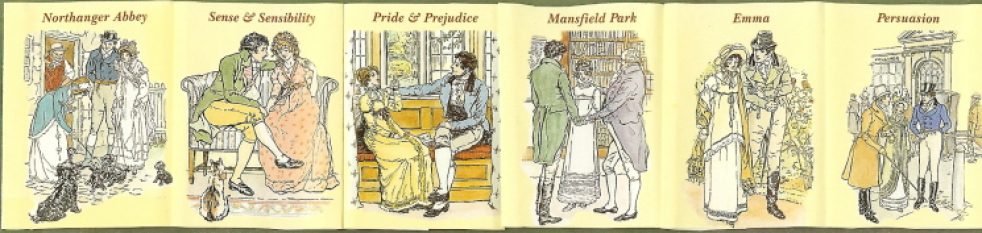
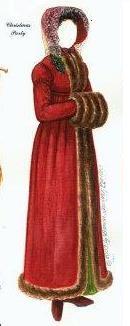 I pull this Christmas Eve post from the archives,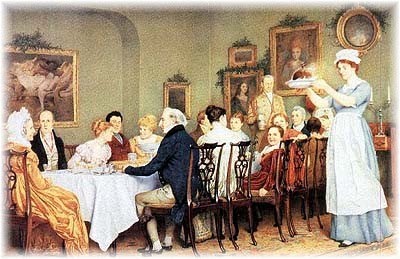
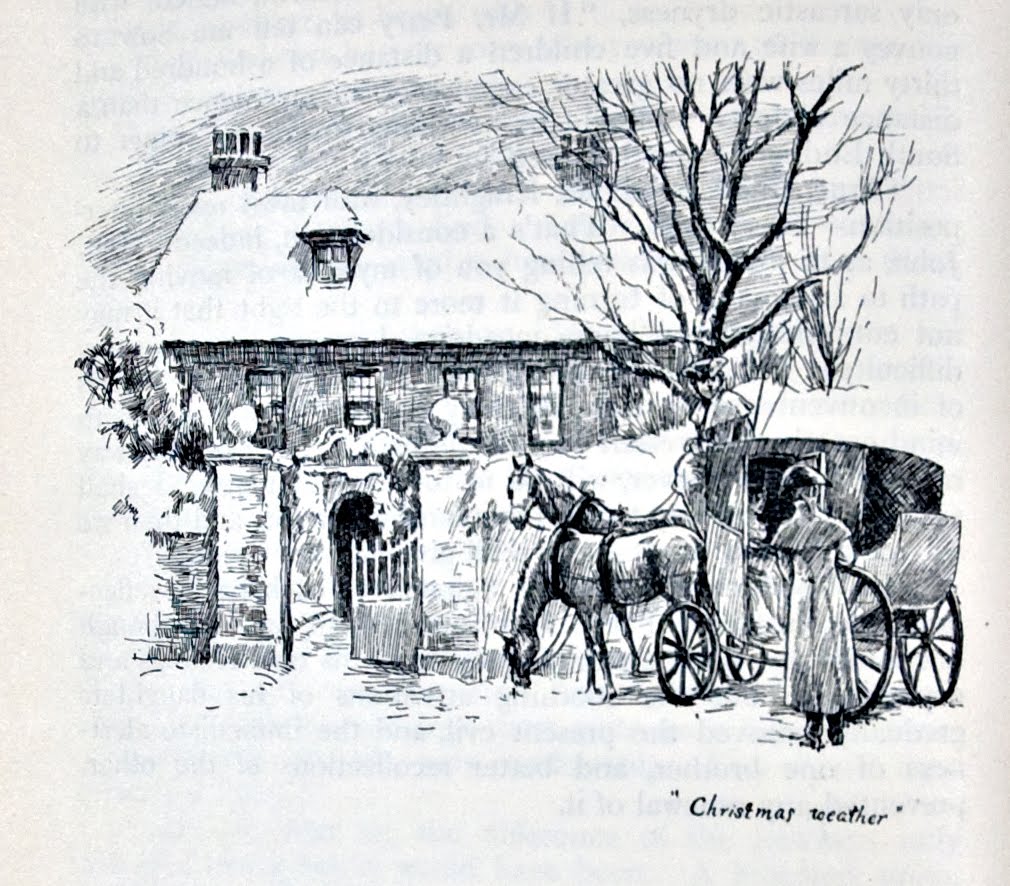




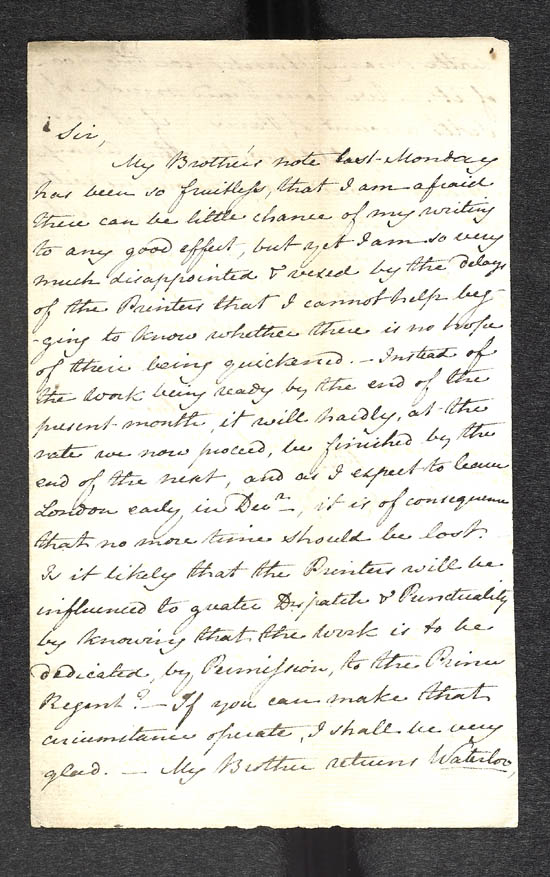


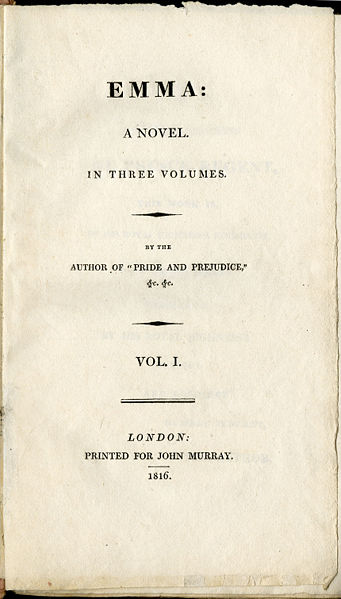


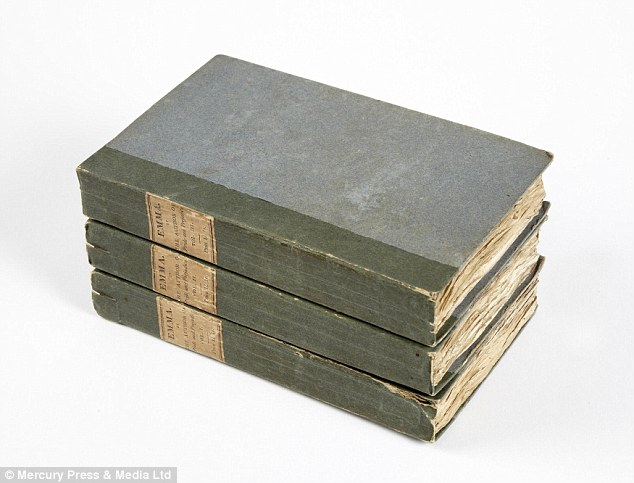 A pristine 1st of Emma for sale last year for £100,000

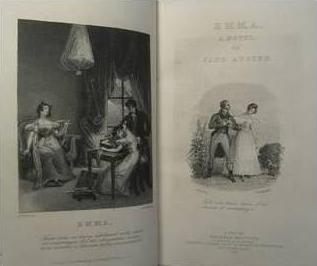

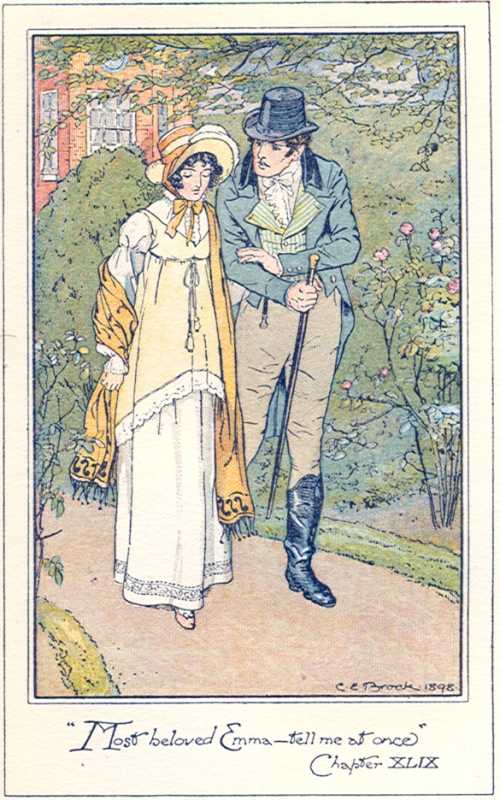

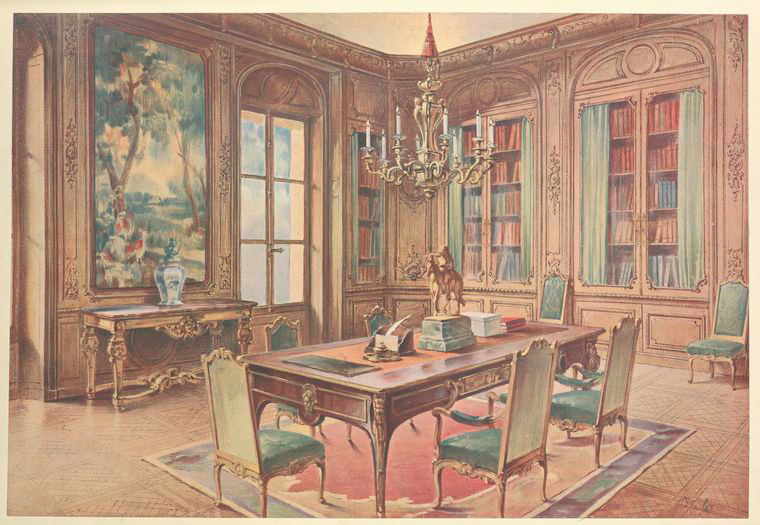

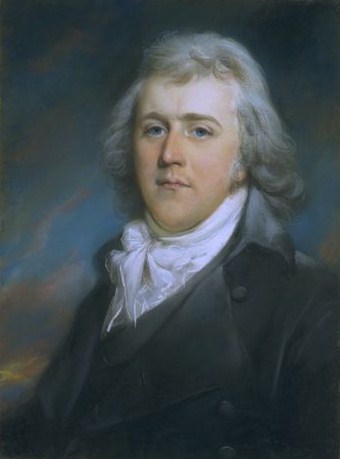


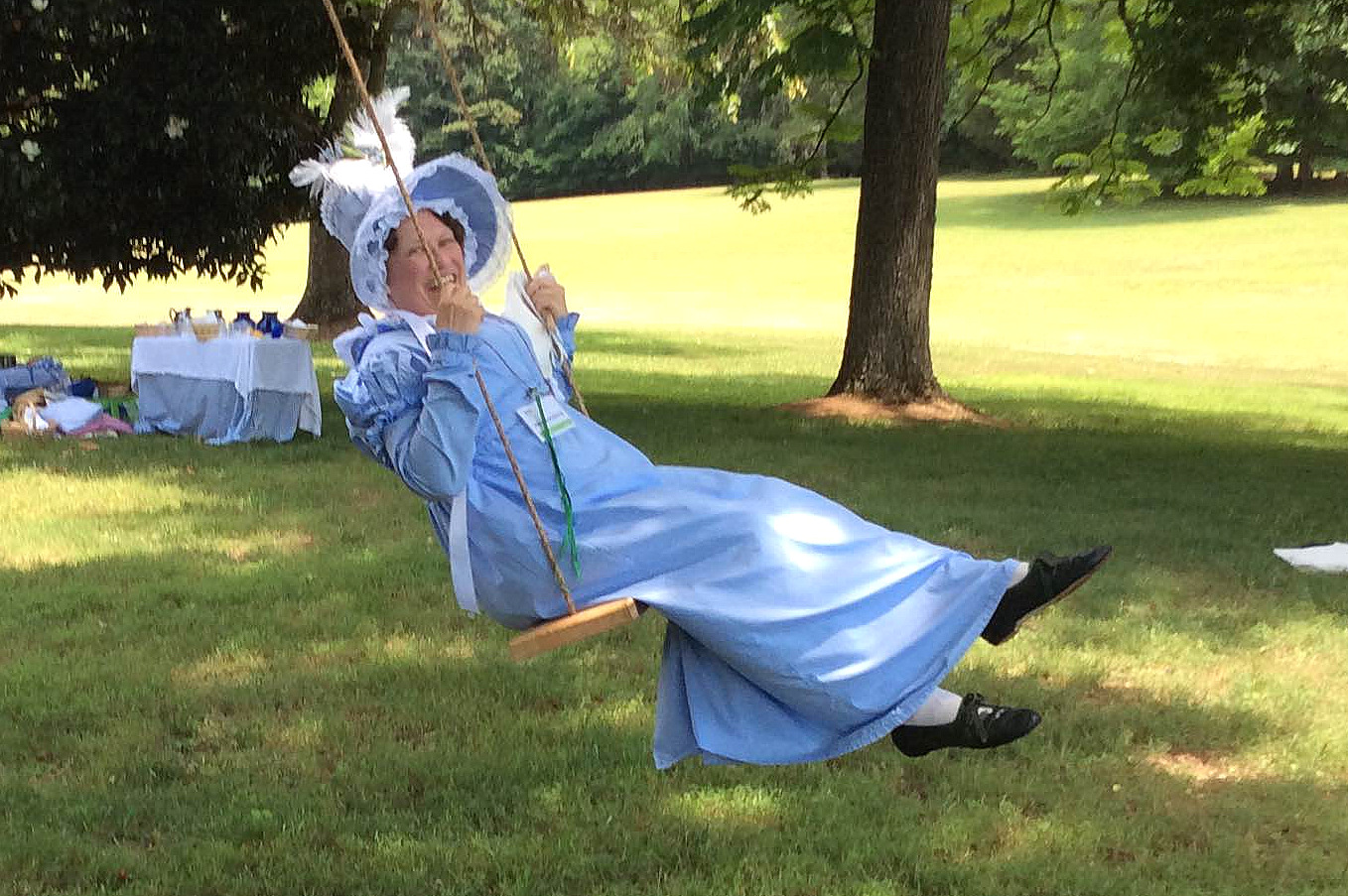


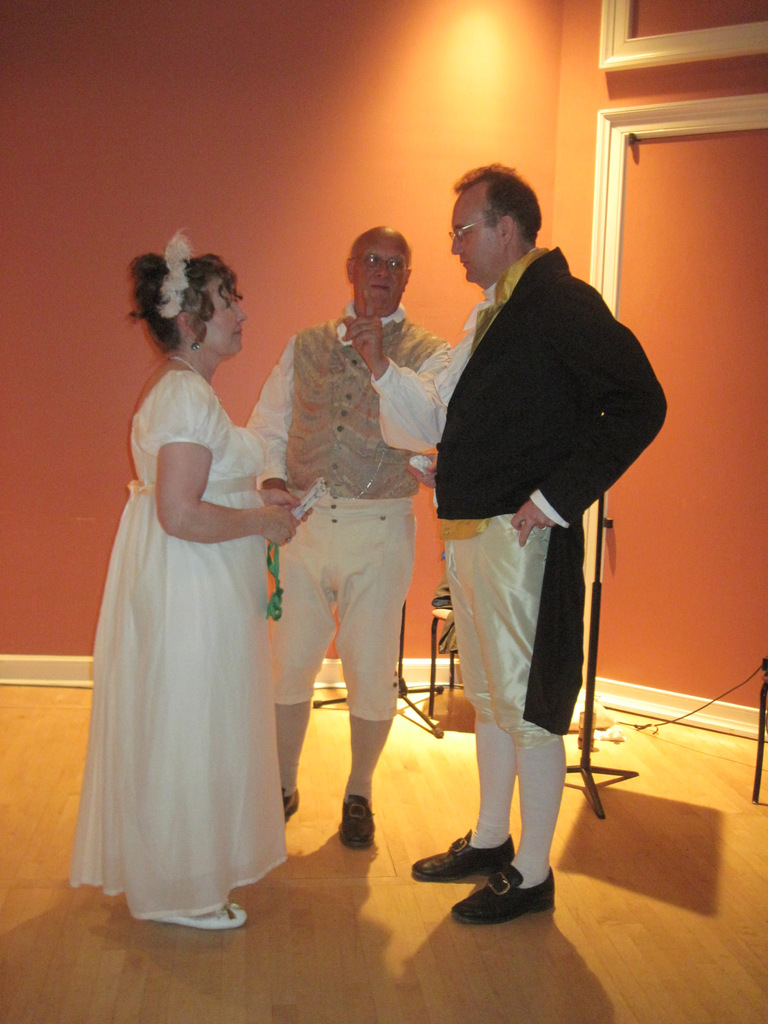


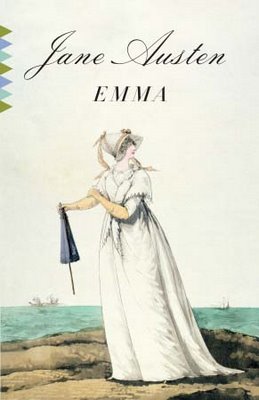


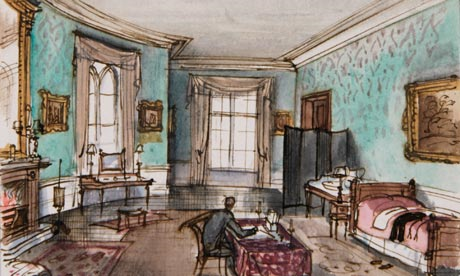
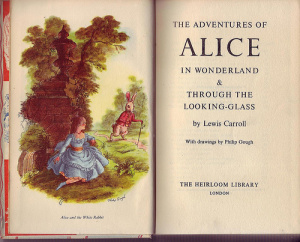


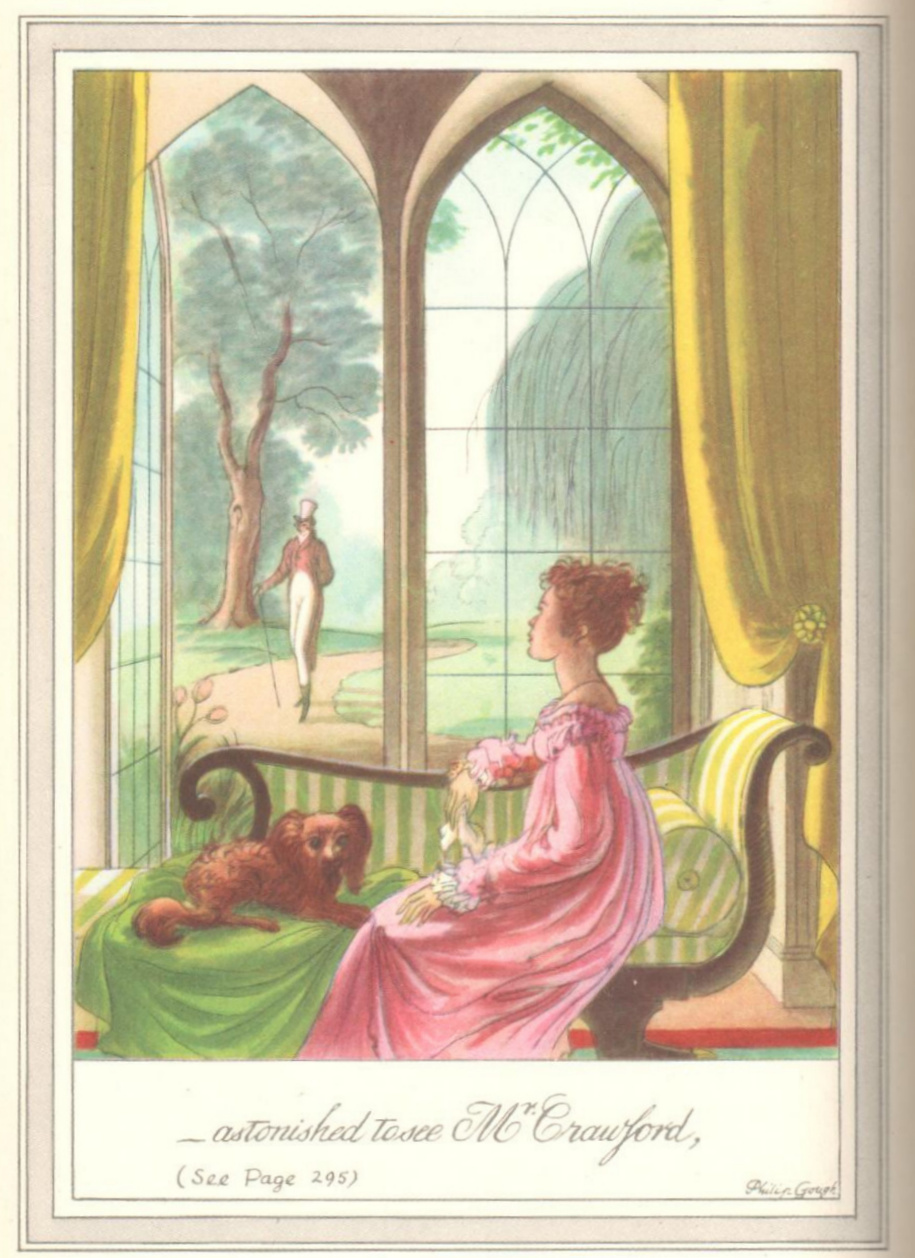


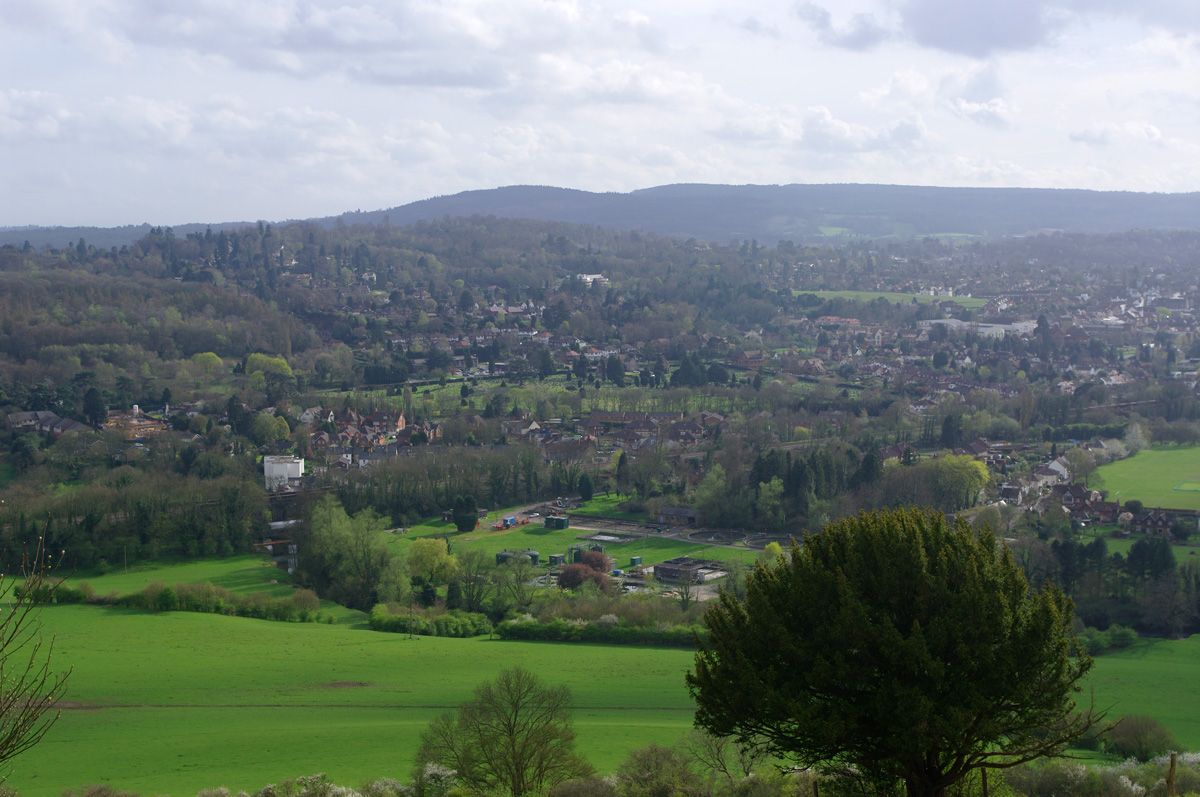


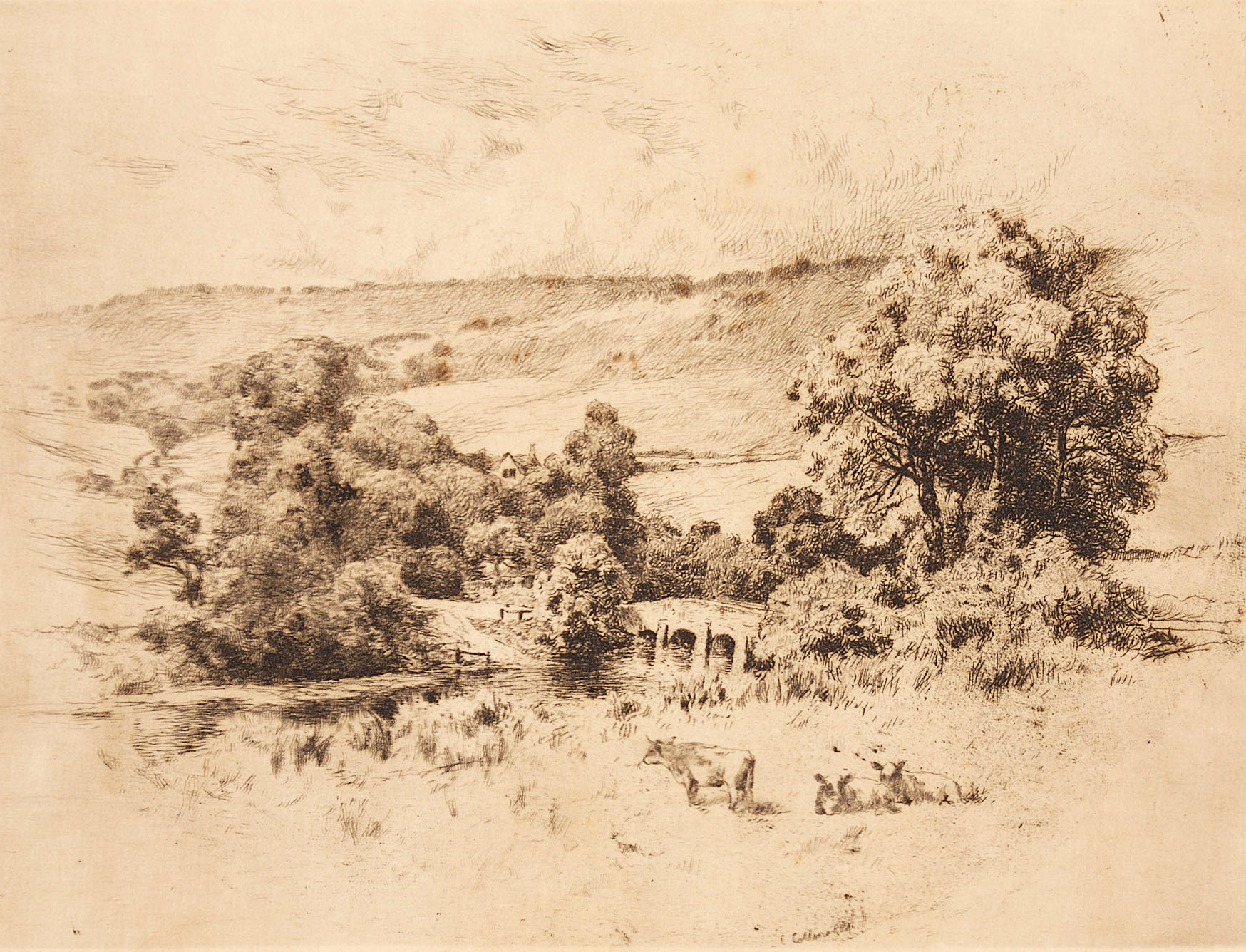

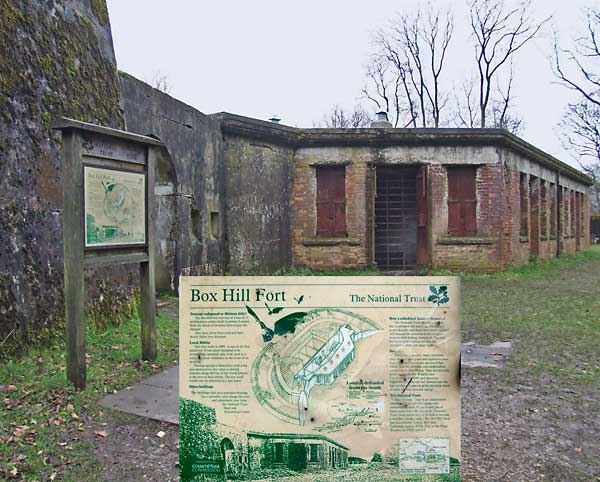
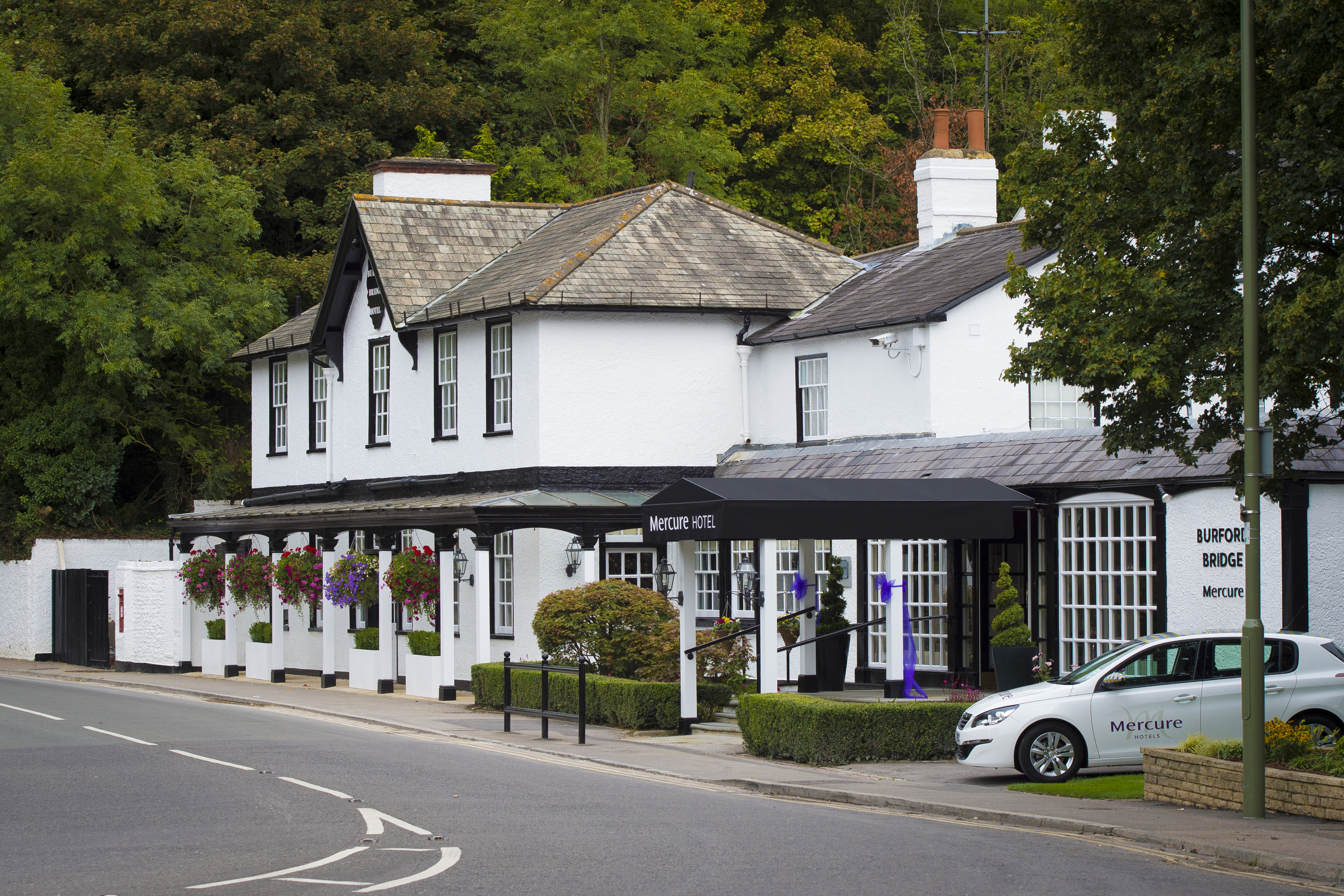
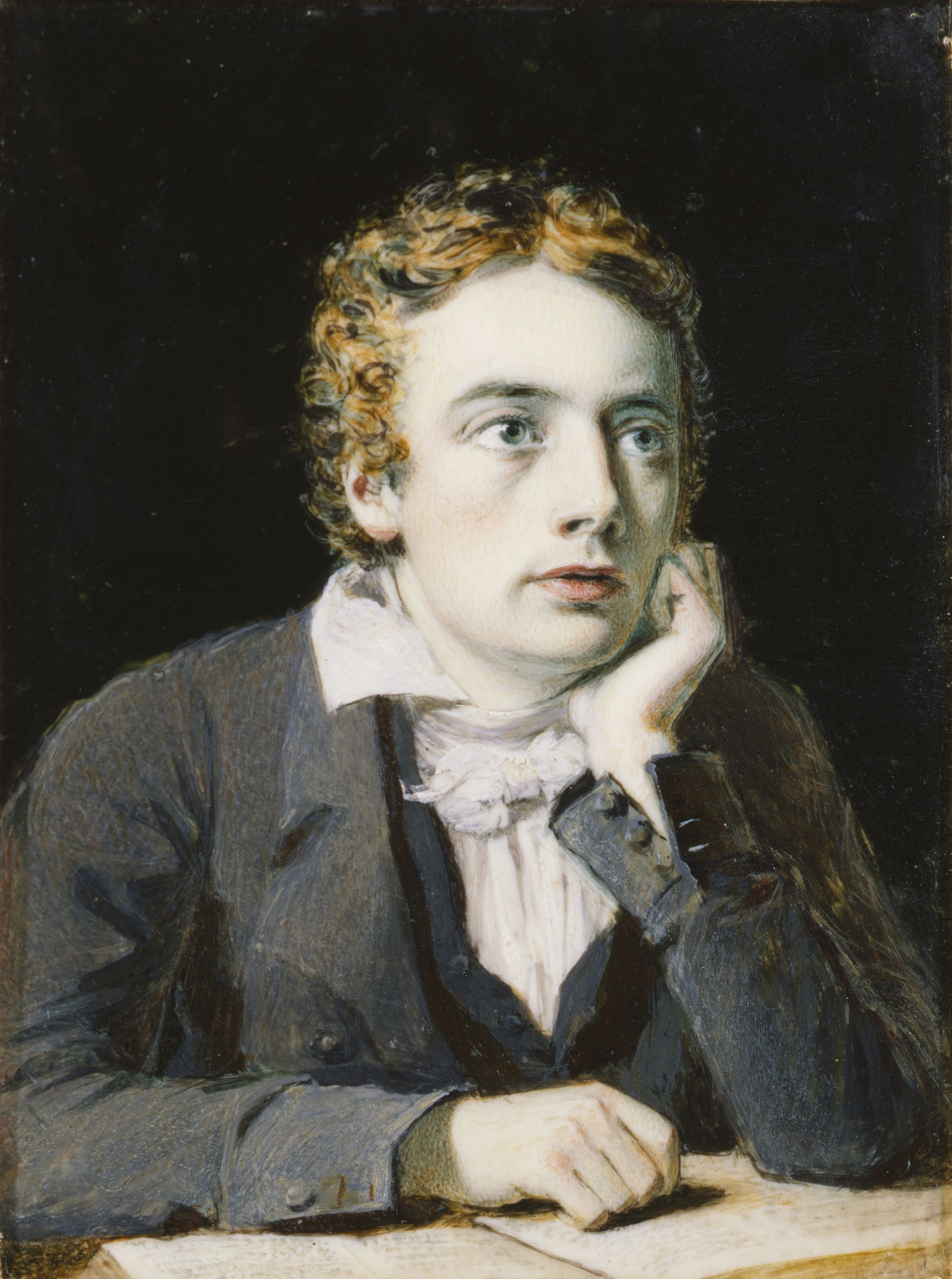
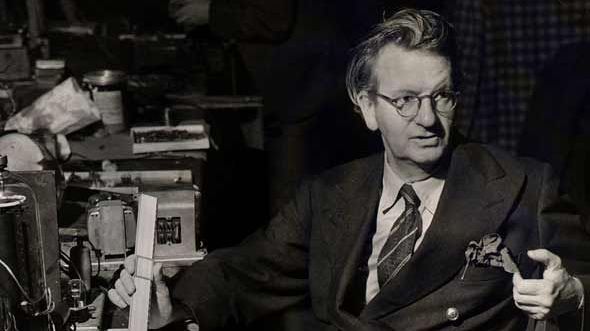
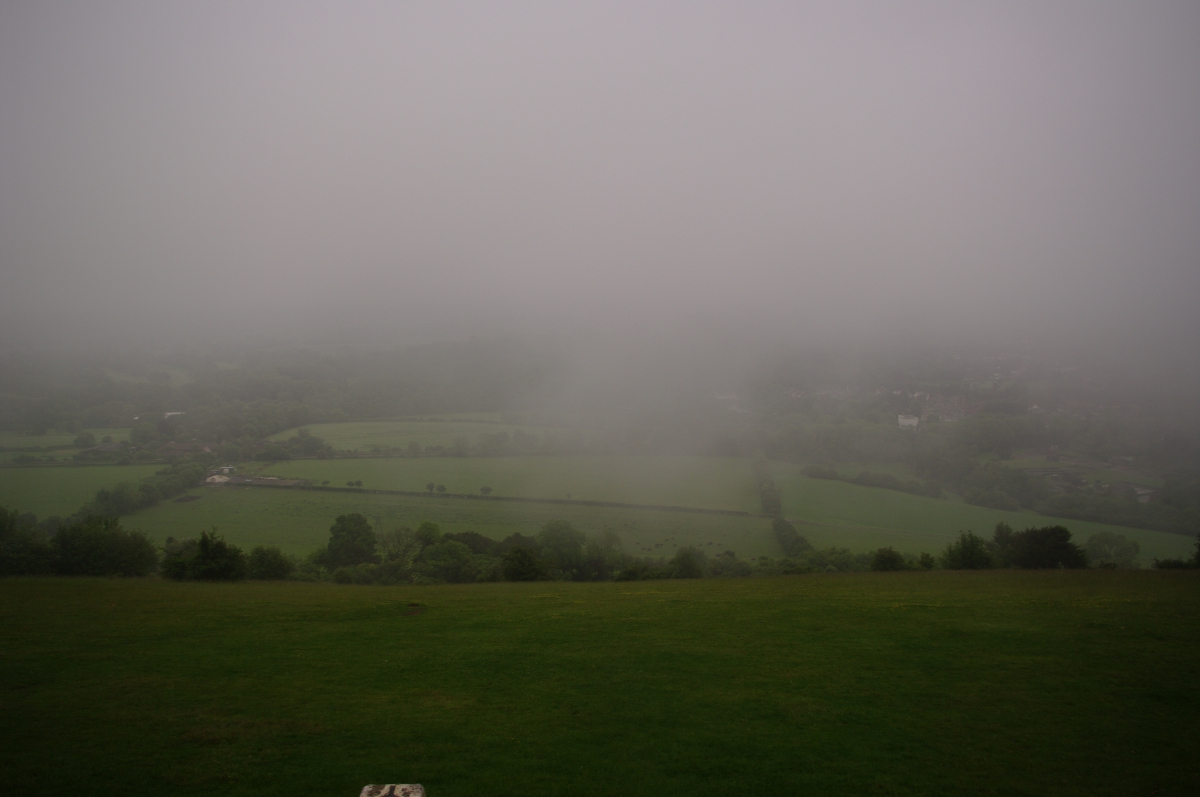
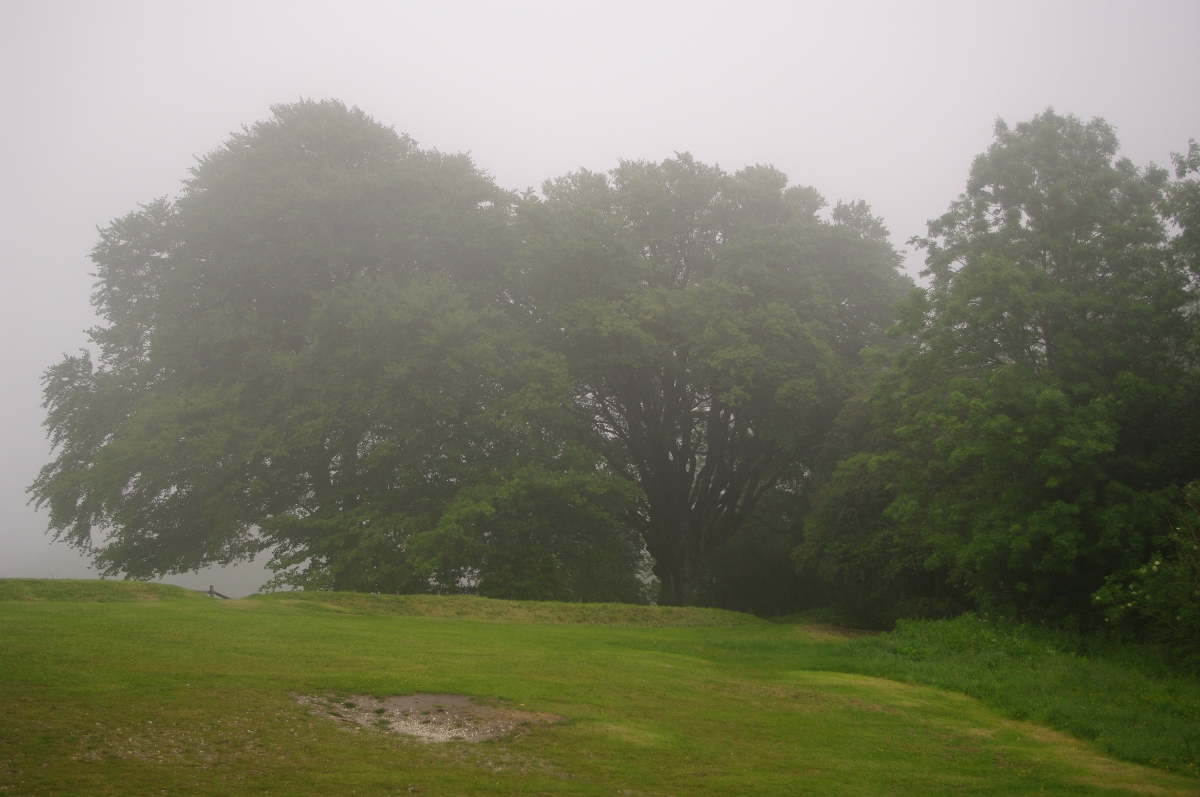


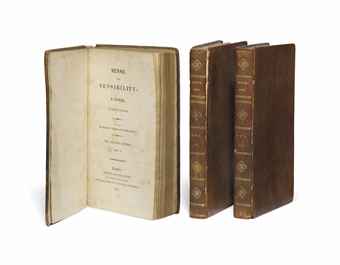
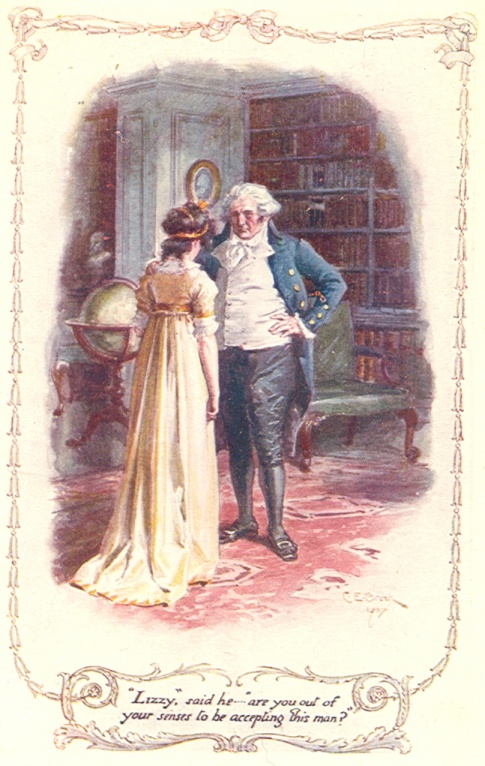




 Jane Austen in Vermont